
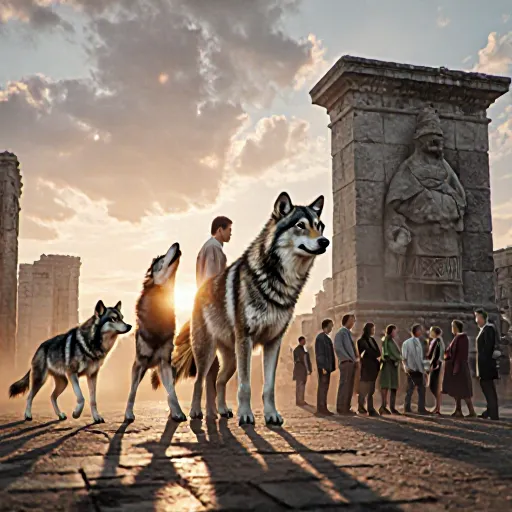
Wolves' Evolution into Modern Societal Pillars
From Wolves to the Cornerstone of Society
Table of Contents
- How Dogs Were Domesticated
- The Role of Dogs in Hunting
- Dogs as Guards and Companions
- Dogs in War and Military Operations
- Dogs in Herding and Livestock Management
- The Impact of Dogs on Transportation
- Dogs as Therapy Animals
- The Evolution of Dog Breeds
- Dogs in Entertainment and Sports
- Dogs in Search and Rescue Operations
- The Economic Impact of the Dog Industry
- The Role of Dogs in Art and Literature
- Dogs and Environmental Conservation
- Challenges Facing Dog Ownership in Modern Society
- FAQs About How Dogs Changed Human Civilization
How Dogs Were Domesticated
The domestication of dogs is one of the earliest and most significant events in human history, marking a pivotal point where humans and canines began to share a mutually beneficial relationship. This process of domestication not only changed the course of canine evolution but also profoundly impacted human civilization. The exact timing and place of dog domestication remain subjects of debate among archaeologists and geneticists, but evidence suggests it occurred around 15,000 to 40,000 years ago.
Early Domestication and Selective Breeding
The process of domesticating dogs likely began with wolves. Early humans provided food scraps and other resources that attracted these wild animals, leading to a gradual shift from predator-prey relationships to mutualistic interactions. Over time, through selective breeding and environmental pressures, certain traits in wolf populations became more common—traits like tameness, friendliness, and cooperation. This process resulted in the emergence of the first dogs.
Co-evolution: A Two-Way Street
The relationship between humans and dogs was a co-evolutionary one, meaning that both species influenced each other's evolution. Humans benefited from dogs' ability to protect them from predators, assist in hunting, and provide companionship. In return, dogs received food, shelter, and protection. This dynamic partnership allowed for the development of various dog breeds suited to different human needs.
Dogs and Human Civilization
As civilizations grew more complex, so too did the roles that dogs played within them. In ancient Egypt, dogs were revered as sacred animals and often depicted in art and literature. They served not only as guard dogs but also as companions to pharaohs and nobles. Similarly, in Mesopotamia, dogs were used for herding livestock and hunting.
Examples of Dogs' Impact on Human Civilization
- Hunting Partners: During the Stone Age, dogs helped early humans hunt large animals like mammoths. Their keen sense of smell and sharp teeth made them invaluable in tracking prey.
- Guard Dogs: In many ancient cultures, dogs were used to protect settlements from invaders or wild animals. This role was crucial for the security and survival of early human communities.
- Sacrificial Animals: As mentioned earlier, in some civilizations, such as ancient Egypt, dogs were considered sacred and sometimes even mummified after death, reflecting their spiritual significance.
Practical Advice for Modern Dog Owners
While the role of dogs has evolved with modern society, many of the principles that made ancient dogs successful remain relevant today. For instance:
- Provide Proper Nutrition: Just as early humans provided food scraps to attract wolves, ensuring your dog gets a balanced diet is crucial for its health and well-being.
- Maintain Regular Exercise: Dogs need physical activity to stay healthy and happy. This could be anything from daily walks in ancient times to structured training sessions today.
- Foster Bonding: The bond between humans and dogs has always been a source of companionship and support. Spend quality time with your dog, play games together, or simply enjoy each other's company.
The Role of Dogs in Hunting
The role of dogs in hunting cannot be overstated, as it played a pivotal part in the development and survival of human civilization. Dogs were not merely companions; they were integral partners in the hunt, contributing significantly to the success of early human foraging and hunting practices.
Dogs have been working alongside humans for thousands of years, helping us track down prey and bringing down large game. This collaboration extended beyond mere assistance; dogs were often crucial in ensuring the survival of early human societies. For instance, during the Paleolithic period, wolves (the ancestors of modern-day dogs) would assist early humans in hunting by driving herds of animals towards them or signaling when a good opportunity for attack presented itself.
The relationship between humans and dogs is one of the earliest known examples of domestication. This partnership led to significant changes in both species. For dogs, it meant a shift from nomadic life among wild packs to a settled lifestyle, leading to the development of breeds specifically suited for various tasks such as herding, retrieving game, or simply providing protection.
- Hunting Assistance: In many indigenous cultures, dogs were used to track and chase prey. For example, in North America, Native American tribes relied on their dogs to hunt rabbits, deer, and other smaller game animals.
- Herding Dogs: Breeds like the Border Collie have been specially bred for herding sheep and cattle, which not only helped manage livestock but also contributed to the agricultural development of communities.
The domestication of dogs had profound effects on human civilization. Not only did it help in hunting large game animals that were vital for survival, such as mammoths and bison during the Ice Age, but it also facilitated the development of early settlements by reducing the need to constantly search for food.
In conclusion, dogs have been an essential part of human history, contributing not only to our survival but also to shaping who we are today. Their role in hunting was just one aspect of their significance, yet it highlights how deeply intertwined humans and canines truly were during the earliest stages of civilization.
Dogs as Guards and Companions
In the context of how dogs changed human civilization, their role as both guards and companions has been a pivotal force that profoundly shaped societies across the globe. Dogs have evolved from early wild canines to become highly domesticated animals with an array of roles in human life.
The instinctive behavior of dogs to protect their territory and family has been a cornerstone of their role as guardians for millennia. This protective nature stems from the ancient survival instincts that were honed during domestication. For instance, in rural settings, dogs have traditionally served as early warning systems against intruders or predators. Their alert barks can signal potential threats before they become dangerous.
Historical Examples
- Roman Era: Roman soldiers used large breeds of dogs to patrol their camps and provide a sense of security. These dogs were not only guard animals but also served as a form of military discipline, reinforcing the importance of defense.
- Ancient Egypt: In ancient Egypt, dogs like the Egyptian wolfhound were highly valued for their protective abilities. They were often mummified alongside their owners to ensure continued protection in the afterlife.
Beyond their guard duties, dogs have long been cherished as companions. The bond between humans and dogs is one of deep emotional connection, rooted in mutual trust and affection. This companionship has provided comfort, support, and a sense of belonging to people throughout history.
Modern Roles
- Pet Therapy: In modern times, dogs are widely used in pet therapy settings to help individuals dealing with mental health issues or physical disabilities. Their presence can significantly improve mood and provide a sense of security.
- Lifeguards: Some breeds have been specifically trained as lifeguards to assist in saving lives during water emergencies. These dogs are highly valued for their bravery and ability to navigate water safely.
Dogs' roles as guards and companions have had a lasting impact on human civilization. By providing security, emotional support, and assistance, dogs have contributed to the overall well-being of communities. Their presence has also fostered social bonds and cultural traditions that celebrate the relationship between humans and their canine friends.
Conclusion
In summary, the dual role of dogs as guards and companions has been instrumental in shaping human civilization. From ancient times to the present day, these remarkable animals have continued to play a crucial part in enhancing our lives. Understanding this legacy can deepen our appreciation for the unique bond we share with our canine companions.
Dogs in War and Military Operations
How Dogs Changed Human Civilization and Their Role in War
Throughout history, dogs have played a significant role in transforming human civilization. Beyond their roles as companions and working animals, they have been integral to military operations and war efforts. The bond between humans and canines goes back thousands of years, with dogs being used for hunting, herding, and protection. However, the utilization of dogs in warfare has evolved over time, showcasing their versatility and adaptability.
Dogs were first employed in ancient civilizations as early as 2000 BCE during conflicts between Mesopotamian city-states. They served not only as sentinels but also as mascots for armies, boosting morale among soldiers. The use of dogs expanded further with the Greeks and Romans who used them to protect supply lines and even for combat roles.
In more modern times, dogs have been crucial in military operations. During World War I and II, they were trained for various tasks such as carrying messages, mine detection, casualty evacuation, and providing comfort to soldiers on the frontlines. For instance, during WWI, over 10,000 dogs served with Allied forces. These heroic canines helped save countless lives by locating wounded soldiers in no-man's land, thus earning them medals of honor.
The role of dogs has also extended to contemporary military operations. They are used for search and rescue missions, drug and explosives detection, and even as therapy animals for service members dealing with PTSD or other combat-related injuries. Their acute senses make them invaluable in these roles. For example, a Belgian Malinois named Cairo played a critical role in tracking down Osama bin Laden during the 2011 raid on Abbottabad.
The training and care of military dogs require specialized knowledge and resources, much like how early civilizations needed to understand the behaviors and needs of their canine partners. Today's military dogs undergo extensive training that includes scent detection, obedience, and physical conditioning. This ensures they can perform effectively in high-stress situations.
The contributions of dogs in war have not gone unrecognized. Many organizations worldwide work to provide care for retired military dogs after their service ends. They often receive medical attention, rehabilitation, and sometimes even a second career as therapy animals or simply as family pets.
From ancient civilizations to modern warfare, dogs have consistently demonstrated their importance in human history. Their adaptability and loyalty make them indispensable partners in both peacekeeping missions and wartime efforts. As we continue to learn more about the complex bond between humans and canines, it becomes clearer that these animals have truly changed the course of human civilization.
Dogs in Herding and Livestock Management
In the context of how dogs have changed human civilization, their role in herding and livestock management stands out as one of the most significant contributions. Before the domestication of dogs, herding and managing livestock were labor-intensive tasks that required extensive time and effort from humans. However, with the introduction of dogs into these roles, both efficiency and effectiveness were greatly enhanced.
The Evolutionary Impact
Dogs have been a part of human life for thousands of years, but it was their role in herding that truly revolutionized livestock management. The domestication of wolves led to the development of breeds specifically suited to herding tasks. Breeds like Border Collies, Australian Shepherds, and Old English Sheepdogs were not only companions but also invaluable tools in managing large herds.
Dogs' keen sense of smell, acute hearing, and excellent vision allowed them to detect and respond to threats or changes in the environment that could affect livestock. This heightened awareness significantly reduced the risk of loss due to predators or adverse conditions. For instance, a Border Collie can herd thousands of sheep over vast distances with minimal human intervention.
Practical Applications
In modern herding and livestock management, dogs are used in various practical ways:
- Sheepdog Trials: These events showcase the abilities of herding dogs. They involve tasks such as rounding up sheep, moving them from one location to another, and preventing them from straying. These trials not only test the dog's skills but also promote their welfare and training.
- Example: In a typical trial, a herding dog might be asked to move 50 sheep over a course that includes obstacles like fences, ditches, and hills. The dog’s ability to navigate these challenges while keeping the flock together is crucial.
- Livestock Guard Dogs: These dogs protect livestock from predators such as wolves, coyotes, or other animals. Breeds like Great Pyrenees or Maremmas are often used in this role. They serve as a deterrent rather than actively attacking, which can help prevent attacks.
- Example: A Maremma will stand guard at the perimeter of a farm, barking to alert farmers of any potential threats while staying close enough to intervene if necessary without causing harm.
The Cultural and Social Significance
The relationship between humans and dogs in herding has played an essential role in shaping cultural practices. In many cultures, there are rituals and traditions surrounding the training and use of herding dogs. For instance, in the Basque region of Spain, shepherds have a long-standing tradition of using specific breeds that have been adapted to their local terrain and climate.
Dogs not only assist in practical tasks but also contribute to social cohesion within communities. Herding events often bring people together, fostering community spirit and shared traditions. These gatherings also provide opportunities for breeders and enthusiasts to come together, share knowledge, and celebrate the bond between humans and dogs.
Conclusion
The role of dogs in herding and livestock management has been transformative for human civilization. From reducing labor demands to enhancing safety and efficiency, their contributions are immeasurable. As we continue to innovate in agriculture and farming practices, the bond between humans and dogs will undoubtedly play a crucial role in shaping future developments.
The Impact of Dogs on Transportation
The impact of dogs on transportation is a fascinating chapter in how these animals have profoundly shaped human civilization. Beyond their roles as companions and guardians, dogs have played pivotal roles in facilitating human movement across landscapes, enhancing survival strategies, and revolutionizing modes of transport.
Before the advent of wheeled vehicles or advanced maritime technology, early humans relied heavily on their environment for travel. Dogs served as invaluable partners in this journey. In regions like Siberia, where harsh climates and vast terrains made travel difficult, dogs were used to pull sleds, which allowed hunters to cover large distances quickly and efficiently. The estrela da cachina, a herding dog breed from Portugal, helped shepherd flocks across rugged mountainous areas, improving both the speed and safety of human migration.
In ancient times, dogs were not only used for hunting but also played crucial roles in warfare. The use of war dogs such as mastiffs during the Roman Empire's invasions helped protect soldiers and break through enemy lines. Dogs like these provided a psychological boost to troops while also serving tactical functions by providing early warning of an impending attack or scouting out terrain.
Even in more peaceful times, dogs contributed significantly to daily life and transportation. Smaller breeds were used as pack animals for carrying goods over short distances. In ancient Egypt, dogs like the Pharaoh Hound helped farmers transport crops from fields to markets, enhancing economic efficiency.
Though we’ve moved beyond dog-powered vehicles today, their influence on transportation continues. The principles of harnessing animal strength and intelligence have been refined through the development of modern machinery like tractors, which owe much to early canine contributions. Additionally, dogs play roles in assisting travelers with disabilities or those who need help navigating difficult terrains.
Today, while we no longer rely on dogs for primary means of transportation, their legacy lives on through the advancements in technology and the understanding of animal behavior that they helped foster. The respect and appreciation for animals like dogs have also influenced modern ethical considerations towards all forms of transport and logistics.
In summary, dogs have left an indelible mark on transportation throughout human history. From aiding in early migrations to assisting in strategic warfare and enhancing daily life, their role was crucial in shaping the way humans traveled and interacted with their environment. Understanding this impact can provide valuable context for appreciating both the past contributions of dogs to civilization as well as their continued relevance today.
Dogs as Therapy Animals
Just like how dogs have changed human civilization by offering companionship, protection, and a sense of security, they also play an invaluable role in the mental health and emotional well-being of individuals. Dogs serve as therapy animals, providing comfort, support, and care to those who need it most.
How Dogs Changed Human Civilization
The domestication of dogs more than 15,000 years ago significantly impacted human civilization by enhancing hunting efficiency, improving herd management, and reducing the threat from predators. However, their impact goes far beyond just practical benefits.
Dogs have been our companions for thousands of years, and they continue to be so in modern times. Therapy dogs are trained to provide comfort and emotional support to individuals who need it. They are often used in hospitals, nursing homes, schools, and other public settings to help reduce stress, anxiety, and depression.
The Role of Dogs as Therapy Animals
Dogs have a unique ability to form strong bonds with humans. This bond is what makes them such effective therapy animals. They can sense when someone needs comfort or support and are able to provide it without judgment. This innate ability has made dogs invaluable in various therapeutic settings.
- Hospitals: Dogs visit patients who are ill, injured, or recovering from surgery. The presence of a therapy dog can lift the spirits of these individuals and help them feel less isolated.
- Nursing Homes: In elderly care facilities, dogs provide companionship to residents who may be lonely or socially isolated.
- Schools: Therapy dogs visit schools to interact with students who may have behavioral issues or learning disabilities. The presence of a dog can help these children feel more comfortable and less anxious in their environment.
Training and Certification
To become a therapy dog, the animal must undergo extensive training to ensure it is well-behaved and friendly around strangers. The process typically involves obedience training, socialization, and learning how to act in various environments.
Dogs can be certified as therapy animals through various organizations such as Pet Partners, Therapy Dogs Inc., and Assistance Dogs International. These organizations provide guidelines for training and certification, ensuring that only well-behaved dogs are used in therapeutic settings.
Benefits of Therapy Animals
The benefits of having a therapy dog can be profound. Studies have shown that interacting with animals can lower blood pressure, reduce stress hormones, and increase the production of oxytocin – the hormone associated with bonding and trust.
In addition to physical health improvements, therapy dogs also contribute positively to mental health by reducing feelings of loneliness and increasing overall mood. They provide a sense of calm and security that can be particularly beneficial for those dealing with anxiety or depression.
The Evolution of Dog Breeds
The evolution of dog breeds is a fascinating story that intertwines with human history, reflecting how dogs have been an integral part of human civilization for thousands of years. From ancient times to the modern era, dogs have transformed not only our lives but also our societies in ways that are often underappreciated.
The domestication of wolves into dogs is believed to have begun around 15,000 to 40,000 years ago. This transformation was a pivotal moment in the development of human civilization as it marked the beginning of cooperative relationships between humans and animals. Early dogs were not only companions but also valuable partners for hunting, herding, and protection.
One of the earliest archaeological findings that supports this theory is the remains of an early dog at the Natufian site in Israel, dating back to around 12,500 years ago. This discovery provides evidence of the close bond between humans and dogs even during the prehistoric era.
Dogs have played a variety of roles throughout history, adapting to different environments and human needs. In ancient civilizations such as Egypt, China, and Greece, dogs were highly valued for their roles in hunting, herding, guarding, and even religious ceremonies. For instance, Egyptian pharaohs kept dogs as symbols of power and status.
In medieval Europe, dogs were essential in the feudal system. They helped farmers by herding livestock and protecting crops from wild animals. In addition to these practical uses, dogs also served a spiritual purpose, often being buried with their owners to accompany them in the afterlife.
The modern breeds we see today began to emerge during the industrial revolution. Breeders focused on creating dogs that specialized in certain tasks or appearances. This period saw the development of many breeds, including the Beagle, Pug, and Dachshund.
An example of this is the English Setter breed, which was developed specifically for bird hunting by selective breeding over several generations. Similarly, the Great Dane was created through careful selection to produce dogs that were both large and muscular, qualities that made them effective guard dogs.
Dogs have had a profound impact on human civilization beyond just providing companionship. They have contributed to advancements in agriculture, medicine, and even warfare. In WWI and WWII, dogs were used by soldiers for communication, scouting, and medical assistance.
In addition, the role of service dogs has grown exponentially over recent decades. Dogs like guide dogs help visually impaired individuals navigate their environments safely, while psychiatric service dogs assist people with mental health conditions.
The evolution of dog breeds is a testament to the enduring partnership between humans and animals. As we continue to develop new breeds and refine old ones, it's important to remember the historical significance of these creatures in shaping human civilization. Dogs have not only brought joy into our lives but also helped us overcome challenges and thrive.
Dogs in Entertainment and Sports
In modern times, dogs continue to play an integral role not just in our daily lives but also within the realms of entertainment and sports. This section explores how dogs have transformed these sectors, drawing parallels from their historical impact on human civilization as discussed in "How Dogs Changed Human Civilization."
Dogs have always been more than just pets; they are performers and companions that entertain us. Over the years, dogs have become integral to various forms of entertainment, from circuses to television shows and movies.
Entertainment Through Circus Performances
In the early days of circus performances, dogs were trained to perform complex tricks that showcased their intelligence and obedience. These acts were a significant part of the entertainment provided to audiences at fairs and circuses. For instance, dogs would walk on tightropes, juggle balls, or even play musical instruments like the xylophone. These demonstrations not only entertained but also highlighted the bond between humans and canines, emphasizing their role in human civilization as loyal companions.
Dogs in Television and Movies
The integration of dogs into television series and movies has further cemented their place in popular culture. Iconic roles such as Lassie from "Lassie" who saves her owner and becomes a symbol of hope, or Snowball from the "Married with Children" TV show, have brought attention to these animals' ability to connect emotionally with humans.
Additionally, dogs in modern entertainment are not just actors but also characters that influence plot lines. For example, in films like "Homeward Bound: The Journey Home," three lost dogs embark on an adventure to reunite with their owners. This film not only entertains but also reinforces the idea of the dog as a guardian and guide, themes reminiscent of how dogs have historically protected and guided early human civilizations.
Just like they are found in entertainment, dogs are also making significant contributions to sports. Their physical prowess, stamina, and intelligence make them valuable assets in various athletic activities.
Cavalier King Charles Spaniels in Hunting Sports
The Cavalier King Charles Spaniel is a breed known for its versatility and ability to perform well in both hunting and agility sports. These dogs are often seen in field trials where they demonstrate their keen sense of smell and stamina, skills that have historically been crucial for early hunters.
German Shepherds in Police Work
Another breed known for its versatility is the German Shepherd, which has found a niche in police work. Their intelligence, loyalty, and courage make them ideal for tasks such as search and rescue missions or detecting illegal substances. This use of dogs in law enforcement underscores their role in protecting human communities, much like they have historically protected early civilizations.
The Role of Dogs in Modern Sports Events
There are also specific sports events that celebrate the talents of dogs. For example, agility trials and obedience competitions provide platforms for dog owners to showcase their pets' skills. These events highlight the bond between humans and dogs, reinforcing how this relationship has historically strengthened human societies.
In conclusion, dogs continue to influence our lives in entertainment and sports, just as they have done throughout history. Their role is not merely about providing companionship but also about participating in activities that reflect their unique strengths and the deep bond between humans and canines.
Dogs in Search and Rescue Operations
Dogs, often hailed as "man's best friend," have played a pivotal role in changing human civilization through their remarkable abilities and unwavering loyalty. In the context of search and rescue operations, dogs have proven to be invaluable assets, saving countless lives in perilous situations. This section delves deeper into how these four-legged heroes contribute to human safety and survival.
As discussed in "How Dogs Changed Human Civilization," dogs are believed to have been the first animals domesticated by humans, dating back over 15,000 years. This early relationship between humans and canines laid the foundation for a symbiotic bond that has evolved into countless practical applications, including search and rescue operations. The domestication of dogs was not merely a convenience; it marked a significant turning point in human development, allowing for greater cooperation and survival strategies.
Dogs possess several innate abilities that make them ideal candidates for search and rescue missions. Their acute sense of smell allows them to detect scents humans cannot perceive, making them invaluable in locating buried or hidden individuals. Additionally, their superior hearing helps them identify sounds that are imperceptible to human ears, such as faint cries for help.
Specialized Breeds
Different breeds of dogs have been specially trained for various tasks within search and rescue operations. For instance:
- Husky-like Dogs: Known for their endurance, these dogs are often used in cold climates to cover vast areas quickly.
- Labradors: Their calm demeanor and friendly nature make them suitable for guiding search teams through difficult terrains.
- German Shepherds: Known for their intelligence and loyalty, these dogs are frequently used in urban environments to navigate complex obstacles and locate missing persons.
To ensure the success of search and rescue missions, rigorous training is essential. Dogs undergo extensive training that includes scent recognition, tracking, and agility exercises. This preparation ensures they are ready to perform under high-pressure situations. For example, a German Shepherd might be trained to recognize the unique scent profile of a missing individual or locate a person based on their cries.
Dogs have been credited with saving lives in numerous search and rescue missions worldwide:
- Alaskan Search and Rescue Missions: Huskies have been instrumental in covering large areas quickly, especially in harsh winter conditions.
- Urban Search and Rescue Teams: German Shepherds and Labradors play crucial roles in navigating urban environments to locate victims of earthquakes or other disasters.
Dogs' contributions to search and rescue operations highlight their profound impact on human civilization. These missions not only save lives but also demonstrate the power of cooperation between humans and animals. The bond formed during these operations fosters a sense of shared responsibility and mutual respect, further strengthening the relationship that has existed for thousands of years.
The Economic Impact of the Dog Industry
The economic impact of the dog industry extends far beyond just pet food sales and veterinary care. Dogs, as integral members of human civilization for thousands of years, have profoundly influenced various sectors including agriculture, law enforcement, and therapy. This interconnectedness has led to a robust and diverse industry that contributes significantly to global economies.
Historically, dogs played a crucial role in agricultural practices by herding livestock. Breeds like the Border Collie are renowned for their high intelligence and energy levels, making them indispensable in managing large flocks of sheep or cattle. The economic benefits here are multifaceted: improved efficiency in farming operations, reduced labor costs, and enhanced overall productivity. For instance, a single farm employing such breeds can see increased profits due to lower feed consumption among the herded animals.
Moreover, dogs are used in pest control, which reduces the need for chemical treatments. This not only saves money but also promotes sustainable farming practices that cater to eco-friendly methods valued by modern consumers.
The use of dogs like German Shepherds or Dutch Shepherds in law enforcement agencies is another area where the economic impact of the dog industry is notable. These breeds are highly trained for tasks such as detecting drugs, explosives, and even searching for missing persons. The investment in these dogs pays off through improved public safety, reduced crime rates, and lower long-term costs associated with criminal activities.
For example, a single K-9 unit can be instrumental in preventing large-scale crimes that would otherwise require significant police resources to handle. Additionally, the training of these dogs is expensive but yields substantial returns when they assist in apprehending criminals or saving lives.
The role of therapy dogs cannot be understated either. They provide emotional support and comfort to individuals dealing with various forms of trauma, anxiety disorders, and physical disabilities. Service dogs like Labradors or Golden Retrievers are specifically trained to assist people with mobility issues by guiding them safely through public spaces.
The economic aspect here lies in the cost-effectiveness of using these dogs compared to traditional medical treatments for mental health conditions. For instance, a study found that patients who interacted regularly with therapy dogs experienced faster recovery times and required fewer psychiatric hospitalizations. This results in lower healthcare costs overall.
The pet industry is continuously evolving with new trends such as eco-friendly products for dog care, personalized grooming services, and advanced veterinary technologies. These developments reflect the growing awareness among consumers about sustainability and innovation.
For instance, the rise of organic pet food brands demonstrates a shift towards healthier options that align better with consumer values. Similarly, smart collars equipped with GPS tracking devices offer pet owners peace of mind while also providing valuable data on their pets' health and habits.
Lastly, it's important to recognize the cultural significance of dogs in human society which adds immeasurable value. From being symbols of loyalty and companionship to playing pivotal roles in various cultural narratives, dogs continue to shape our world economically as well as culturally.
The bond between humans and dogs is unbreakable, reflecting thousands of years of co-evolution where each species has benefited from the relationship. This deep-rooted connection fosters a strong demand for quality dog products and services worldwide.
The Role of Dogs in Art and Literature
The role of dogs in art and literature is not merely a superficial one, but rather an integral part that reflects their profound impact on human civilization. As detailed in the book "How Dogs Changed Human Civilization," dogs have been more than just loyal companions; they have served as essential partners, influencers, and symbols throughout history.
Throughout art history, dogs have been depicted with great affection and admiration. From ancient Egyptian paintings that showcase the reverence for canine guardians like Anubis to Renaissance masterpieces such as Leonardo da Vinci's "Lady with an Ermine," where a dog appears in the background, dogs have been immortalized in various forms of art.
- Egyptian Art: Dogs were often portrayed as sacred creatures. The paintings and reliefs found in tombs depict dogs as symbols of protection and guidance to the afterlife.
- Renaissance Art: Leonardo da Vinci's "Lady with an Ermine" features a dog, which was likely a symbol of loyalty and nobility. This detail emphasizes the artist’s admiration for dogs in society.
Literature provides a rich narrative on the relationship between humans and dogs. From ancient epics to modern novels, dogs are depicted as characters that not only provide companionship but also serve as moral guides, loyal friends, and even protectors.
- Ancient Literature: In Homer's "Odyssey," the dog Argos plays a significant role in the story. His loyalty to Odysseus is a testament to the bond between master and pet. This portrayal underscores how dogs have always been seen as more than just animals.
- Modern Literature: In Jack London's "White Fang," the dog is portrayed not only as a fierce animal but also as a character undergoing transformation, much like the protagonist. This story highlights the deep emotional connection between humans and dogs.
The role of dogs in art and literature reflects their influence on human civilization. They have been instrumental in shaping cultural norms, social values, and even societal structures. By exploring the relationship depicted in these mediums, we can appreciate how dogs have been integral to our lives for centuries.
To incorporate the value of dogs into your blog posts or any creative projects, consider the following:
- Incorporate Artistic Elements: If you are writing about art, include images of dogs in famous artworks. This can enhance your readers' understanding and appreciation.
- Use Dog Characters: In literature-focused pieces, introduce dog characters that embody the qualities of loyalty, intelligence, and companionship. These elements can enrich the narrative and resonate with readers.
- Highlight Cultural Impact: Discuss how dogs have influenced different cultures through art and literature. This can provide a broader perspective on their role in human civilization.
In conclusion, the depiction of dogs in art and literature is not just about aesthetic appreciation or narrative enhancement; it is a celebration of the bond between humans and their four-legged friends. By exploring these representations, we gain deeper insight into the history and significance of this unique relationship.
Dogs and Environmental Conservation
Dogs, often referred to as "man's best friend," have played a pivotal role not just in our daily lives but also in shaping human civilization. Beyond their roles as companions and guard dogs, they have significantly contributed to environmental conservation efforts. This section will explore how dogs are being used today to assist in environmental conservation and highlight the impact of these contributions.
The use of dogs for environmental conservation is not a new concept. Throughout history, dogs have helped humans manage wildlife populations and protect endangered species. Today, they continue this tradition by assisting in various conservation tasks:
- Wildlife Detection Dogs: These specially-trained dogs can detect the presence of certain animals by their scent alone. For example, sniffer dogs are used to locate rare or threatened species such as rhinos and elephants. This helps conservationists in tracking these animals more accurately and understanding their behaviors and habitats better.
- Detecting Human Impact: Another role for these dogs is detecting human impact on the environment. For instance, they can find signs of illegal poaching or deforestation activities, which are crucial for law enforcement officers in protecting natural reserves.
- Herding and Driving: In some areas, dogs still play a vital role in herding animals like sheep and goats. This not only helps manage livestock but also ensures that the grazing land is used efficiently, preventing overgrazing and other environmental issues.
It's clear from history that dogs have changed human civilization in numerous ways. Their role in conservation efforts highlights their versatility beyond just companionship. By improving our ability to monitor and protect wildlife, dogs are helping preserve ecosystems for future generations.
"Dogs have been partners with humans since prehistory... They helped shape the course of human history by assisting in the development of agriculture, herding livestock, hunting animals, protecting property, and serving as companions." - How Dogs Changed Human Civilization
If you're a dog owner interested in getting involved with environmental conservation efforts, here are some practical steps:
- Become Educated: Learn about the specific issues faced by your local environment. Understanding these challenges will help you choose the right type of service or assistance that dogs can provide.
- Support Conservation Organizations: Many organizations rely on volunteers to assist with dog training and deployment for conservation tasks. Look for opportunities where you can contribute your skills.
- Encourage Responsible Pet Ownership: By ensuring your dog is well-trained and behaves responsibly, you're contributing positively to the environment in which both dogs and humans live.
In conclusion, the role of dogs in environmental conservation is a testament to their adaptability and partnership with humans. As we continue to face global challenges related to climate change and biodiversity loss, these four-legged allies will undoubtedly play an increasingly important part in our collective efforts towards sustainability.
Challenges Facing Dog Ownership in Modern Society
While dogs have been a significant part of human civilization for thousands of years, modern society presents unique challenges that dog owners must navigate. The relationship between humans and dogs has evolved over time, with dogs playing various roles in human life such as companionship, protection, and even working as service animals or therapy dogs. This evolution is well-documented in the concept of how dogs changed human civilization.
However, as society progresses, so do these challenges. In the modern world, dog ownership comes with a myriad of responsibilities that can be daunting for many pet owners. One of the most significant challenges today is finding adequate time to spend with one's pet. Balancing work and family life often leaves little room for the daily walks, playtime, and attention that dogs need. For instance, according to a survey by the American Pet Products Association (APPA), nearly 60% of dog owners struggle to find enough time to walk their pets regularly.
Economic pressures also play a crucial role in modern dog ownership. The cost of pet care can be overwhelming for many families. This includes not only the initial purchase or adoption fee but also ongoing expenses such as food, veterinary care, grooming, and toys. In some cases, these costs can be comparable to those of raising a child. For example, according to the APPA, the average annual cost of owning a dog in 2023 is around $1,500 per year.
Another challenge is the issue of proper training and education for both dogs and owners. With urbanization and smaller living spaces, proper house training becomes even more critical. Additionally, behavior issues such as barking, chewing, or aggression can be exacerbated in confined areas. Owners need to have a good understanding of dog psychology and behavior to address these issues effectively.
Environmental concerns also come into play with modern dog ownership. The impact of pet waste on the environment is a growing concern. Improper disposal of dog feces can lead to contamination of water sources, which is a significant environmental issue that needs addressing. Pet owners are encouraged to use biodegradable poop bags and dispose of waste properly in designated areas.
Lastly, there are legal restrictions and regulations that vary from place to place. These include leash laws, noise control ordinances, and breed-specific legislation. For instance, certain breeds may be banned or restricted in some communities due to perceived risks or historical reasons. It is important for dog owners to research and comply with local regulations.
The relationship between humans and dogs has indeed changed significantly over the years, but this change also brings a set of challenges that must be addressed. By understanding these challenges, dog owners can make informed decisions and find solutions that work best for them and their pets. With proper planning, attention to detail, and a commitment to responsible pet ownership, these challenges can be managed effectively.
FAQs About How Dogs Changed Human Civilization
- Q: What roles did dogs play in ancient civilizations?
- In ancient civilizations, dogs served multiple critical functions. They were not merely pets but played significant roles in various aspects of human life:
- -Ceremonial and Ritual Roles: Dogs were often involved in religious ceremonies and rituals. For instance, the Aztecs sacrificed dogs as part of their religious practices.
- -Companionship and Companions: Dogs provided companionship to people, helping them feel less lonely, particularly during long periods of isolation or labor.
- -Guarding and Protection: Dogs were used as guard dogs to protect homes and communities from intruders and wild animals. Their alertness and loyalty made them invaluable in this role.
- Q: How did dogs assist in hunting?
- Dogs have a long history of aiding humans in hunting, significantly improving the efficiency and success rates:
- -Hunting Partners: Dogs like pointers, setters, and retrievers were trained to locate prey. They would then point or retrieve the game for hunters.
- -Tracking Abilities: Bloodhounds and other scent dogs could track down game animals over long distances with remarkable accuracy. This enhanced hunting capabilities greatly.
- Q: Did dogs contribute to agricultural development?
- Dogs indirectly contributed to the agricultural revolution:
- -Pest Control: Dogs helped keep rodent populations down, which was beneficial for agricultural practices. Fewer pests meant better crop yields.
- -Herding Assistance: Dogs like sheepdogs and cattle dogs assisted in herding livestock, which was crucial as humans transitioned from nomadic lifestyles to settled farming communities.
- Q: In what ways did dogs enhance human safety?
- Dogs have been vital for enhancing human safety throughout history:
- -Early Warning Systems: Dogs could alert people to the presence of danger, such as wild animals or intruders, before they were detected. This provided valuable time for families and communities to prepare.
- -Search and Rescue Operations: Over the centuries, dogs have been trained in search and rescue missions, finding lost individuals, survivors in disaster zones, and even victims buried under rubble.
- Q: How did dogs impact human social structures?
- The role of dogs has significantly influenced various aspects of human society:
- -Social Bonding: Dogs have been a source of emotional support and companionship, strengthening family bonds. This has contributed to the development of more cohesive community structures.
- -Symbolic Representation: In many cultures, dogs symbolize loyalty, protection, and companionship. These symbolic roles have reinforced social norms and values.
- Q: What are some examples of how dogs helped in the development of human settlements?
- Dogs played a crucial role in shaping early human settlements:
- -Pack Hunting: The ability to form packs with humans for hunting allowed groups to settle in one place, as they could rely on their dogs' hunting skills. This contributed to the development of permanent villages and towns.
- -Warfare and Military Contributions: Dogs were used in warfare by ancient civilizations such as the Romans who utilized them in various military capacities for scouting and even combat roles.
Categories
- AI & Enrichment Play
- Broiler Farming
- Broiler Farming Tips
- Canine Wellness & Longevity
- Cat
- Cat & Human Connection
- Cat Adoption & Rescue
- Cat Breeds
- Cat Breeds & Personalities
- Cat Care & Health
- Cat Grooming & Hygiene
- Cat Lifestyle & Environment
- Cat Myths & History
- Cat Nutrition & Diet
- Cat Products & Reviews
- Cat Training & Behavior
- Comparison
- Consumer Awareness
- Dog
- Dog Accessories & Products
- Dog Adoption & Rescue
- Dog Breed & Lifestyle Trends
- Dog Breeding & Puppies
- Dog Entertainment & Media
- Dog Fashion & Trends
- Dog Fun & Lifestyle
- Dog Grooming & Hygiene
- Dog History & Culture
- Dog Myths, Science & Future Tech
- Dog News & Trends
- Dog Nutrition & Food
- Dog Psychology & Emotions
- Dog Safety & Security
- Dog Sports & Activities
- Dog Technology & Innovation
- Dog Training for Modern Owners
- Dog Travel & Adventure
- Dog Travel, Adventure & Culture
- Economic and Market Insights
- Educational Content
- FAQs
- Feeding Alternatives
- Festivals & Seasonal Ideas
- Fun & Entertainment
- General Knowledge
- General Pig Farming
- Health & Disease Management
- Housing and Environment
- Kittens
- Market Insights
- Miscellaneous
- Miscellaneous
- Motivational
- pig
- Pig Breeding
- Pig Breeds
- Pig Farming Stories and Inspiration
- Pig Health and Care
- Pig Nutrition
- Pig Products
- Profitability & Business
- Puppy Care
- Puppy Predictable Topics Reinvented
- Regional Focus
- Rescue & Adoption Buzz
- Senior Cats
- Senior Dog Care
- Smart Dog Tech & Gadgets
- Sustainability
- Sustainable & Eco-Friendly Dog Products
- Tech & Innovations
- Working & Service Dogs
- Broiler Feed66 products
- Country Feed33 products
- Pig Feed66 products
- Product22 products
- Raw Materials99 products
Products
-
 Fish Meal
₹1,999.00 – ₹2,999.00Price range: ₹1,999.00 through ₹2,999.00Rated 0 out of 5
Fish Meal
₹1,999.00 – ₹2,999.00Price range: ₹1,999.00 through ₹2,999.00Rated 0 out of 5 -
 FATTENING BROILER FEED
₹2,299.00 – ₹2,349.00Price range: ₹2,299.00 through ₹2,349.00Rated 0 out of 5
FATTENING BROILER FEED
₹2,299.00 – ₹2,349.00Price range: ₹2,299.00 through ₹2,349.00Rated 0 out of 5 -
 LAYER COUNTRY FEED
₹1,549.00 – ₹1,649.00Price range: ₹1,549.00 through ₹1,649.00Rated 0 out of 5
LAYER COUNTRY FEED
₹1,549.00 – ₹1,649.00Price range: ₹1,549.00 through ₹1,649.00Rated 0 out of 5 -
 COUNTER BROILER FEED
₹1,199.00 – ₹1,299.00Price range: ₹1,199.00 through ₹1,299.00Rated 0 out of 5
COUNTER BROILER FEED
₹1,199.00 – ₹1,299.00Price range: ₹1,199.00 through ₹1,299.00Rated 0 out of 5 -
 LACTATING PIG FEED
Rated 0 out of 5
LACTATING PIG FEED
Rated 0 out of 5₹2,299.00Original price was: ₹2,299.00.₹1,740.00Current price is: ₹1,740.00. -
 Maize
Rated 0 out of 5
Maize
Rated 0 out of 5₹1,650.00Original price was: ₹1,650.00.₹1,300.00Current price is: ₹1,300.00. -
 GESTATION PIG FEED (Phase 1)
Rated 0 out of 5
GESTATION PIG FEED (Phase 1)
Rated 0 out of 5₹2,249.00Original price was: ₹2,249.00.₹1,699.00Current price is: ₹1,699.00. -
 Pre Starter Broiler Feed
₹2,399.00 – ₹2,499.00Price range: ₹2,399.00 through ₹2,499.00Rated 0 out of 5
Pre Starter Broiler Feed
₹2,399.00 – ₹2,499.00Price range: ₹2,399.00 through ₹2,499.00Rated 0 out of 5 -
 FINISHER PIG FEED
Rated 0 out of 5
FINISHER PIG FEED
Rated 0 out of 5₹2,299.00Original price was: ₹2,299.00.₹1,749.00Current price is: ₹1,749.00. -
 Broiler Premix
Rated 0 out of 5
Broiler Premix
Rated 0 out of 5₹820.00Original price was: ₹820.00.₹699.00Current price is: ₹699.00.