
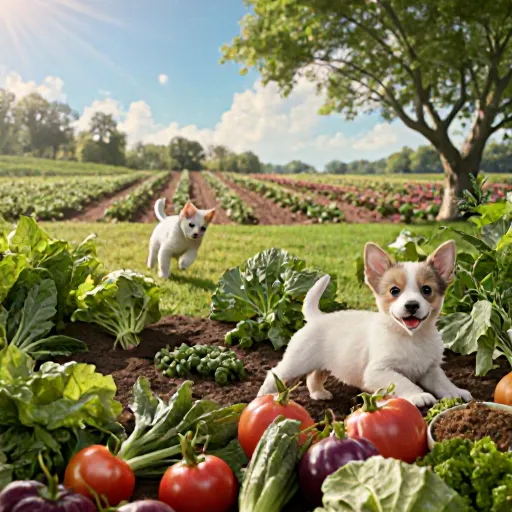
Unlocking Sustainable Practices from Farm to Fork
From Soil to Tail: The New Organic Trend
Table of Contents
- Introduction to Organic Dog Food Trends
- Health Benefits of Organic Ingredients for Dogs
- Environmental Impact of Organic Agriculture on Pet Ownership
- Comparison with Traditional Dog Foods: Nutritional Values
- Common Ingredients in Organic Dog Food Brands
- How to Read Labels and Choose an Organic Brand
- Production Process of Organic Dog Foods
- Consumer Demand Driving Innovation in Pet Nutrition
- Price Points of Organic vs Traditional Dog Foods
- Health Concerns and Myths About Organic Dog Food
- Impact on Local Economies through Organic Dog Food Brands
- Future Trends in Organic Dog Food Market
- Case Studies of Leading Organic Dog Food Brands
- Conclusion: The Future of Pet Nutrition
- FAQs About Organic Dog Food Brands
Introduction to Organic Dog Food Trends
The shift towards organic dog food is not just a trend; it's a growing movement driven by increased awareness and concern for pets' health and environmental sustainability. As pet owners become more informed about the ingredients in their dogs' diets, they are increasingly opting for organic options that promise natural and chemical-free nutrition. This shift reflects a broader cultural trend towards cleaner eating and ethical consumption, extending to our furry companions.
Organic dog food refers to pet food made from ingredients grown or raised without synthetic pesticides, fertilizers, herbicides, or growth hormones. This ensures that the nutrients in the food are natural and free of harmful additives. Organic certification also promotes ethical treatment of animals, supporting farms that prioritize humane practices.
Several brands have emerged to meet this demand, each offering a unique take on organic dog nutrition. Some popular brands include:
- FurMax: Known for its high-protein formula using exclusively organic ingredients.
- Nature's Finest: Offers a wide range of organic treats that are both nutritious and delicious.
- Green Pet: Specializes in grain-free, organic formulas designed to meet the diverse needs of various dog breeds.
Pet owners are drawn to organic dog food for several reasons:
- Health Concerns: Many pet owners choose organic options because they believe it leads to healthier, happier pets.
- Ethical Consumption: There is a growing desire among consumers to support brands that adhere to ethical and sustainable practices.
- Environmental Impact: Organic farming methods are less harmful to the environment, contributing to sustainability efforts.
To help you make an informed decision, here are some tips:
- Read Labels Carefully: Look for "certified organic" labels to ensure the product meets strict standards.
- Check Ingredients: Choose foods with minimal added ingredients and focus on whole-food sources.
- Consult a Veterinarian: Ensure that any dietary changes align with your pet's health needs.
The future of organic dog food is looking bright, with more brands expected to enter the market. Innovations such as biodegradable packaging and further advancements in sustainable sourcing are likely to shape the industry. As pet owners continue to prioritize health and sustainability, we can expect a steady increase in demand for organic dog food products.
Health Benefits of Organic Ingredients for Dogs
The rise of organic dog food brands has brought a wave of new products aimed at providing healthier and more natural alternatives for canine nutrition. Organic ingredients used in these foods not only ensure that dogs are receiving high-quality nutrients but also promote overall health and well-being. Here’s an exploration into the specific health benefits of using organic ingredients for dogs:
Organic ingredients are grown without synthetic fertilizers, pesticides, or genetically modified organisms (GMOs). This ensures that the food is free from harmful chemicals and additives. Dogs fed with such organic ingredients receive a more balanced and nutrient-dense diet, which supports their overall health.
Organic foods are typically more natural, which can aid in maintaining better digestive health for dogs. The absence of harsh chemicals helps to prevent gastrointestinal issues common in dogs fed with non-organic food. Additionally, organic ingredients like whole grains and vegetables provide fiber that supports a healthy digestive system.
Organic foods rich in essential fatty acids, vitamins, and minerals can significantly improve the skin and coat of dogs. Ingredients such as flaxseed, salmon oil, and sweet potatoes are common in organic dog foods and have been shown to promote a shiny, healthy coat while maintaining soft, supple skin.
The use of non-organic ingredients can lead to an increase in allergies in dogs. Organic ingredients minimize the risk of allergic reactions as they are free from pesticides and other potential allergens. This is especially beneficial for dogs with sensitive skin or those who already suffer from allergies.
A diet rich in organic ingredients can help strengthen a dog’s immune system. Antioxidants found in organic fruits and vegetables can contribute to fighting off infections and other diseases, ensuring that your pet remains healthy and vigorous for longer.
The production of organic dog food also supports the environment, which indirectly benefits pets. By reducing pollution and promoting sustainable farming practices, dogs can enjoy a healthier living environment, contributing to their overall well-being.
- Organic whole grains (oats, barley)
- Organic vegetables (carrots, peas)
- Organic fruits (apples, blueberries)
- Organic proteins (chicken, turkey)
- Organic supplements like fish oil and chondroitin
When selecting organic dog food brands, it is important to look for certifications such as USDA Organic or AAFCO (Association of American Feed Control Officials) approval. These ensure that the products meet stringent standards and are genuinely organic.
Additionally, consider your dog’s specific needs. Some dogs may require a diet higher in certain nutrients based on their age, size, or health condition. Consulting with a veterinarian can help you choose the best organic food for your pet's unique requirements.
The rise of organic dog food brands reflects a growing awareness among pet owners about the importance of providing their pets with high-quality, natural ingredients. By choosing organic dog foods, pet owners can help ensure that their dogs receive optimal nutrition and enjoy better overall health.
Environmental Impact of Organic Agriculture on Pet Ownership
The rise of organic dog food brands has brought a significant shift towards more sustainable and eco-friendly pet ownership practices. Organic agriculture, when applied to the production of pet food, focuses on using natural ingredients without synthetic fertilizers, pesticides, or genetically modified organisms (GMOs). This approach not only benefits pets but also has a profound impact on the environment.
One of the key environmental impacts of organic agriculture is the reduction in pesticide use. Conventional farming often relies heavily on synthetic chemicals to protect crops from pests and diseases, but these can have harmful effects on soil health, water quality, and biodiversity. Organic dog food brands, however, prioritize natural pest management methods such as crop rotation, beneficial insects, and physical barriers. This approach helps maintain a healthier ecosystem around pet farms and reduces the risk of contaminated water runoff into local habitats.
Organic farming practices promote sustainable resource management by conserving soil fertility and reducing water consumption. Organic agriculture emphasizes the use of compost, cover crops, and other organic amendments to enrich the soil without depleting it. This practice ensures that pet food ingredients are produced in a way that enhances rather than degrades natural resources.
The rise of organic dog food brands also supports local economies by promoting fair trade practices and reducing the carbon footprint associated with long-distance transportation. Organic farmers often sell directly to consumers or through local markets, which helps to strengthen community ties and provides economic benefits to small-scale producers.
The increasing consumer demand for organic products has led to a significant growth in the market for organic dog food. This trend reflects a broader shift towards more environmentally conscious consumption habits, where people are choosing to support brands that align with their values of sustainability and ethical practices. As a result, organic pet food companies continue to innovate and expand their product lines to meet this demand.
- Frosty Paws: Known for its commitment to using 100% organic ingredients, Frosty Paws offers a wide range of dog food products that are not only healthy but also environmentally friendly. Their production methods focus on reducing waste and minimizing their carbon footprint.
- Veggie Dog: Veggie Dog specializes in vegan dog food made entirely from organic vegetables. This brand is particularly popular among pet owners who prioritize both animal welfare and environmental sustainability.
- Tiny Planet: Tiny Planet provides organic dog treats that are not only delicious but also contribute to reducing the environmental impact of pet ownership. Their products are crafted with care, using only natural ingredients sourced from sustainable farms.
In conclusion, the environmental impact of organic agriculture on pet ownership is multifaceted and positive. By choosing organic dog food brands, pet owners can help reduce their carbon footprint while supporting practices that promote a healthier planet for all living creatures.
Comparison with Traditional Dog Foods: Nutritional Values
The rise of organic dog food brands has brought about significant changes in pet nutrition, emphasizing not just taste but also health and sustainability. When comparing these modern organic options with traditional dog foods, the nutritional values and overall benefits are quite distinct.
Nutritional Values
Organic dog foods typically focus on whole ingredients, minimal processing, and avoiding artificial preservatives, colors, and flavors. This approach ensures that pets receive a more natural diet which is easier for their bodies to digest and utilize efficiently.
| Category | Organic Dog Food | Traditional Dog Food |
|---|---|---|
| Protein Sources | Higher quality, human-grade proteins (e.g., organic chicken, beef) with no added fillers. | Less defined protein sources; may include by-products or lower-quality cuts of meat. |
| Fats and Oils | Pure, unrefined fats such as organic flaxseed oil or cold-pressed canola oil. | Hydrogenated oils and cheaper vegetable oils may be used. |
| Vitamins and Minerals | Organic, non-GMO sources ensuring higher bioavailability. | Mixed quality; some brands might use synthetic or inferior-grade minerals. |
| Fiber Content | Natural fibers from vegetables and grains promoting digestive health. | Less natural fiber, potentially leading to constipation issues in dogs. |
Practical Advice for Pet Owners
To ensure your dog receives the best nutrition possible, consider switching to organic options if you notice signs of digestive discomfort or a desire for a healthier diet. Transition gradually by mixing small amounts with their current food over several days.
Consult your veterinarian before making any significant changes to your pet’s diet. They can provide guidance tailored specifically to your dog's health needs and lifestyle.
Common Ingredients in Organic Dog Food Brands
The rise of organic dog food brands has been remarkable, driven by an increasing demand for natural and healthy pet care products. As more consumers opt for organic options, understanding the common ingredients in these brands becomes crucial for both pet owners and manufacturers. These ingredients are not only beneficial for the dogs' health but also ensure that they are free from harmful chemicals and artificial additives.
In many organic dog food brands, grains play a significant role in providing essential nutrients. Common grains include brown rice, barley, and oats. These ingredients are not only rich in fiber but also provide energy to dogs. For example, brown rice is easy to digest and helps regulate bowel movements.
Organic dog food brands often incorporate fruits and vegetables like carrots, sweet potatoes, and green peas. These ingredients are rich in vitamins and minerals, which contribute to a balanced diet. For instance, carrots are high in beta-carotene, which is converted into vitamin A, essential for good vision and healthy skin.
High-quality protein sources are vital for organic dog food brands. Common proteins include chicken, turkey, beef, and fish. These ingredients help in muscle development and repair. For example, chicken is a popular choice due to its affordability and digestibility.
Healthy fats are essential for dogs' overall health. Organic brands often use ingredients like flaxseed oil or salmon oil. Flaxseed oil provides omega-3 fatty acids, which improve skin and coat health, while salmon oil is rich in EPA and DHA, beneficial for brain function and heart health.
In some organic dog food brands, raw bones are included as a treat or supplement. These can be chicken, beef, or pork bones. They not only provide essential minerals but also encourage natural chewing behavior which helps in maintaining healthy teeth and gums.
Besides the main ingredients, some organic dog food brands include supplements like glucosamine and chondroitin, which are beneficial for joint health. Probiotics are also commonly added to support gut health and boost immunity.
In conclusion, understanding these common ingredients helps in making informed decisions about your pet's diet. By choosing organic dog food brands that prioritize natural and healthy ingredients, you contribute not only to your pet’s well-being but also to a more sustainable food industry.
How to Read Labels and Choose an Organic Brand
The rise of organic dog food brands has been a significant trend in recent years, driven by pet owners' increasing concern for their pets' health and well-being. As you explore the market for your furry friend's nutrition, it is essential to know how to read labels and choose an authentic organic brand that aligns with your values.
- Certification: Ensure the product carries a recognized certification mark from reputable organizations such as USDA Organic or EU Organic. These certifications indicate adherence to strict standards for organic production and handling.
- Ingredients: A true organic dog food brand should list whole, minimally processed ingredients without artificial preservatives, colors, flavors, or fillers. Look out for common allergens like corn, soy, or wheat unless your dog specifically benefits from them.
- Variety in Ingredients: Organic brands often offer a range of formulas to cater to different life stages and health needs. From senior diets to puppy growth foods, variety ensures you can meet specific nutritional requirements over time.
Several well-known brands have made a commitment to producing organic dog food:
- Ella's Kitchen: Known for its range of pet foods, Ella’s Kitchen offers organic options that are not only free from artificial additives but also include human-grade ingredients. They provide recipes tailored to various life stages.
- Dogma Fidos: This brand emphasizes natural and organic formulas. Their products are made with a focus on sustainable sourcing and ethical farming practices, ensuring the highest quality for your pet's diet.
- BareSnout Organics: Specializing in organic dog food, BareSnout ensures transparency about their supply chain and production methods. They offer a range of organic treats and kibbles that are not only delicious but also beneficial to your dog's health.
Choosing an appropriate organic brand involves understanding what works best for your dog. Consider factors like:
- Allergies and Sensitivities: If your pet has sensitivities or allergies, look for brands that list hypoallergenic ingredients.
- Digestibility: Some organic brands focus on ingredients that are easier to digest, which can be beneficial if your dog experiences digestive issues.
- Variety in Flavors and Textures: A good brand should offer different flavors and textures to keep your pet engaged and interested in eating their meals.
In conclusion, reading labels carefully is key when selecting an organic dog food brand. By focusing on certified products with minimal processing and a range of beneficial ingredients, you can make informed choices that contribute positively to your pet's health. With so many trusted brands available, taking the time to research and choose wisely will ensure your furry friend enjoys nutritious meals.
Production Process of Organic Dog Foods
The rise of organic dog food brands has been driven by an increasing demand for healthier, more natural pet nutrition. This trend is not just about the ingredients used but also how these ingredients are processed to ensure they maintain their nutritional value and health benefits throughout the production process.
The production of organic dog food involves several key components that ensure the quality and safety of the final product. These include sourcing high-quality, organic ingredients, using humane farming practices, and employing sustainable manufacturing methods.
Sourcing Organic Ingredients
One of the most important aspects of producing organic dog food is sourcing the right ingredients. Brands like Organix and Orijen have established robust supply chains that focus on organic sources for proteins, grains, and other essential nutrients. For instance, Organix sources its meat from pasture-raised animals that are not given antibiotics or growth hormones. This ensures that the final product contains no harmful chemicals.
Humane Farming Practices
Farmers involved in producing organic dog food adhere to strict standards set by organizations such as USDA Organic and Global Organic Textile Standard (GOTS). These practices ensure animals are raised in a way that promotes their health, safety, and well-being. Orijen, for example, prioritizes free-range poultry and wild-caught seafood over factory-farmed alternatives.
Sustainable Manufacturing
Manufacturing facilities play a crucial role in maintaining the integrity of organic dog food products. Sustainable practices include using energy-efficient equipment, minimizing waste, and recycling materials wherever possible. Brands like Nature's Variety Integrated Pet Foods have invested heavily in eco-friendly packaging and production lines that reduce their carbon footprint.
Once ingredients are sourced sustainably, they undergo a meticulous process to create the final product. This includes:
- Washing and Sorting: Raw materials are thoroughly washed and sorted to remove any non-organic contaminants.
- Milling and Grinding: Ingredients are ground into appropriate sizes for optimal digestion by dogs.
- Pasteurization: To ensure safety, the mixture is pasteurized at controlled temperatures.
- Formulation: The correct proportions of nutrients are mixed together to meet specific dietary requirements.
- Packaging: Finished products are sealed in airtight containers designed to preserve freshness and prevent contamination.
Rise of organic dog food brands also emphasizes educating pet owners about the importance of choosing organic options. By providing transparent labeling, detailed nutritional information, and educational resources, these brands encourage responsible pet ownership. This helps pet parents make informed decisions that are best for their pets' health.
The production process of organic dog foods involves a commitment to sustainability, quality control, and transparency. Brands like Organix, Orijen, Nature's Variety Integrated Pet Foods, and others set high standards that ensure each product meets rigorous criteria for being considered truly organic. As more consumers demand healthier pet nutrition, the industry continues to evolve, driving innovation in both ingredients and manufacturing techniques.
Consumer Demand Driving Innovation in Pet Nutrition
The rise of organic dog food brands is a clear indicator of how consumer demand is driving innovation in pet nutrition. Consumers are increasingly prioritizing health and wellness for their pets, leading to the emergence of organic and holistic pet food options. This shift not only impacts the market but also influences the way pet food manufacturers approach product development.
The demand for organic dog food reflects a broader trend among pet owners who are health-conscious and want to ensure their pets lead long, healthy lives. This has led to increased interest in natural ingredients, free-from additives like artificial colors, flavors, and preservatives, as well as minimally processed foods that closely mimic the nutritional profile of a dog's ancestral diet.
In addition to health considerations, many consumers are also concerned about environmental sustainability. Organic pet food brands often emphasize sustainable farming practices and sourcing ingredients locally whenever possible. This not only reduces the carbon footprint associated with transportation but also supports local economies.
The success of organic dog food brands has sparked the growth of a variety of specialty pet nutrition products aimed at addressing specific health needs or preferences, such as:
- Gluten-free formulas for dogs with sensitivities.
- Dogs with allergies requiring hypoallergenic diets.
- Vegan options catering to owners who prefer cruelty-free and plant-based ingredients.
As a result of this demand, pet food manufacturers are incorporating new and innovative ingredients into their products. For example:
- Fermented ingredients: These help improve digestion by introducing beneficial probiotics.
- Cosmic minerals: Such as chlorella or spirulina, which are packed with essential nutrients.
- Superfoods: Like flaxseeds and blueberries, known for their rich antioxidant content.
To meet consumer expectations for transparency, organic dog food brands are investing in education about pet nutrition. This includes providing detailed ingredient lists, nutritional information, and even offering guides on how to choose the right diet based on your pet's needs. By informing customers, these companies build trust and loyalty.
If you're considering switching to an organic dog food brand or trying new products, here are some practical tips:
- Consult a Veterinarian: Before making any significant changes to your pet's diet.
- Monitor for Positive Changes: Look out for signs of improved health and well-being in your pet.
- Gradual Transition: To avoid digestive upset, mix the new food with your current one over several days.
The trend towards organic dog food suggests that innovation in pet nutrition will continue to evolve. As more consumers become aware of the benefits, we can expect further advancements in ingredient sourcing and product formulation tailored specifically for pets' unique dietary needs.
Price Points of Organic vs Traditional Dog Foods
The rise of organic dog food brands has significantly impacted the market, offering pet owners a wide range of options when it comes to choosing between traditional and organic dog foods. Understanding the price points associated with each can help you make an informed decision that best suits your dog's needs and your budget.
Traditional dog foods are generally less expensive compared to their organic counterparts. They tend to be derived from more widely available ingredients, which keeps manufacturing costs lower. Traditional dog foods often contain a mix of grains, meat byproducts, and other common components that are readily available in large quantities.
Examples of Ingredients
- Wheat, corn, or rice as primary ingredients
- Poultry meal or animal by-products
- Brewer's yeast and synthetic vitamins
While traditional dog foods are budget-friendly, they may not provide the same level of quality and nutrition as organic options. This is often reflected in their price point, which can be significantly lower than organic alternatives.
Organic dog food brands have emerged to cater to pet owners who prioritize environmental sustainability and the health benefits of organic ingredients for their pets. Organic dog foods are typically more expensive due to the higher cost of organic ingredients, which are often sourced from smaller farms that adhere to strict production standards.
Examples of Ingredients
- Organically grown corn or rice
- Organic meat and poultry
- Natural vitamins and minerals
The higher cost is also due to the premium pricing associated with organic certifications, which ensure that these foods meet rigorous standards for environmental and health practices. This ensures that your dog receives a diet rich in essential nutrients without harmful chemicals or additives.
| Dog Food Type | Average Price per Pound (USD) | Note |
|---|---|---|
| Traditional Dog Foods | $0.50 - $1.20 | Lower cost, widely available ingredients. |
| Organic Dog Foods | $1.50 - $3.00 | Higher cost due to organic certification and premium ingredients. |
The price difference between traditional and organic dog foods can be substantial, but it's important to consider the long-term health benefits for your pet. While organic options may seem more expensive upfront, they could lead to reduced veterinary costs and a healthier lifestyle for your dog.
To navigate this price point gap effectively, consider your budget constraints and your dog's specific dietary needs. You can also look into buying in bulk or checking for sales when purchasing organic products to help manage costs. Additionally, some brands offer a blend of traditional and organic ingredients, providing a balance between affordability and quality.
Health Concerns and Myths About Organic Dog Food
The rise of organic dog food brands has been a significant trend in recent years, as pet owners become more health-conscious and environmentally aware. However, along with this growing popularity come certain myths and misconceptions that can lead to confusion for many pet parents. Understanding the truth behind these myths is crucial in making informed decisions about your dog’s diet.
One of the most common misconceptions about organic dog food is that it is significantly more expensive than conventional options. While it's true that organic ingredients often come at a higher price point, the quality and nutritional value they offer can justify the cost. Many organic brands focus on using human-grade ingredients, which are fresher and less processed. This often results in better overall health for your dog.
Example:
For instance, some organic dog food brands use free-range chickens instead of factory-farmed ones. Free-range birds tend to have a more diverse diet and lead healthier lives, resulting in higher-quality meat that is richer in nutrients like omega-3 fatty acids.
A frequent misunderstanding about organic dog food is that it's only beneficial for dogs with specific allergies or sensitivities. In reality, all dogs can benefit from the high-quality ingredients found in organic products. Organic food is free of harmful chemicals and pesticides, which can reduce the risk of digestive issues and other health problems.
Example:
Consider a dog with no known allergies but still experiencing occasional skin irritation or stomach upset. Switching to an organic diet might help alleviate these symptoms by reducing exposure to artificial preservatives and other potentially harmful additives found in conventional foods.
Another prevalent misconception is that organic dog food lacks essential nutrients necessary for a balanced diet. This couldn’t be further from the truth. Many reputable organic brands work closely with veterinarians and nutritionists to ensure their products meet or exceed nutritional requirements set by organizations like AAFCO (Association of American Feed Control Officials).
Example:
A brand like Nature’s Variety, which specializes in grain-free organic dog food, offers a range of formulas tailored to different life stages and health needs. Their products are carefully formulated to provide all the necessary vitamins, minerals, proteins, and other nutrients required for optimal canine health.
In conclusion, while there may be some truth behind certain myths about organic dog food, they often stem from incomplete information or outdated beliefs. By educating yourself on the benefits of organic pet nutrition and choosing a trusted brand that aligns with your values, you can make an informed decision that promotes both your dog's health and well-being.
Impact on Local Economies through Organic Dog Food Brands
The rise of organic dog food brands has significantly impacted local economies, especially within regions that specialize in sustainable agriculture and natural products. These brands not only provide pet owners with a guilt-free alternative but also contribute positively to the economic landscape of their communities.
The shift towards organic dog food has bolstered local farmers who grow ingredients like quinoa, sweet potatoes, and lentils. By sourcing these organic ingredients directly from local producers, organic pet food companies help ensure a steady income for small-scale farmers who might otherwise struggle to find buyers for their crops.
Example: Quinoa in South America
In areas like the Andean region of South America, quinoa has been a staple crop for centuries. The growth of organic dog food brands has opened up new markets for this ancient grain, helping to preserve traditional farming practices and supporting rural economies. Farmers who once faced challenges selling their produce can now cater directly to global demand through these eco-friendly products.
In addition to benefiting farmers, the rise of organic dog food brands has a cascading effect on local businesses and economies. Each dollar spent on organic pet food often circulates within the community multiple times before it leaves the region. This creates a ripple effect that strengthens local businesses such as packaging plants, transportation companies, and retail outlets.
Practical Advice for Local Businesses
- Partnerships: Encourage collaboration between pet food manufacturers and local suppliers to develop products using locally-sourced ingredients. This strengthens relationships and fosters mutual growth.
- Promotion: Utilize local media outlets, community events, and online platforms to highlight the contributions of organic dog food brands to the local economy.
- Educational Campaigns: Organize workshops and webinars that teach consumers about the benefits of organic pet foods and how they can support their local economy by choosing these products.
The move towards organic dog food also aligns with broader sustainability goals, contributing to environmental conservation efforts. By promoting organic farming practices, organic pet food brands reduce the use of synthetic fertilizers and pesticides, which can have harmful effects on soil quality and water resources.
Case Study: A Local Organic Dog Food Brand
A brand based in a small town has seen significant growth after introducing an organic dog food line. The company sources all its ingredients from within a 50-mile radius, ensuring minimal carbon footprint and supporting local agriculture. This approach not only enhances the quality of their products but also strengthens community ties.
Future Trends in Organic Dog Food Market
The rise of organic dog food brands has been a significant trend in recent years, driven by increasing consumer awareness about pet health and well-being. This shift is not only about providing dogs with better nutrition but also about reducing the environmental impact of pet ownership. As more pet owners become environmentally conscious, they are seeking out products that align with their values. Here’s an exploration of future trends in the organic dog food market:
The trend towards sustainable practices is expected to continue growing. Pet owners are not only concerned about what goes into their pets' food but also about how it's produced. Organic brands that focus on reducing carbon footprints, minimizing waste, and using renewable energy sources will likely attract more customers.
Example: Some organic dog food brands are now offering packaging made from biodegradable materials to reduce their environmental impact. Others are exploring partnerships with local farmers who use sustainable farming practices to source ingredients for their products.
The future of the organic dog food market will likely see an increased focus on innovative ingredient sourcing. Consumers are looking for unique, high-quality ingredients that provide additional health benefits beyond just nutrition. For instance, some brands are exploring the use of superfoods like chlorella and spirulina in their products.
Example: A brand might introduce a new line featuring organic kelp to promote healthy skin and coat, or they could incorporate freeze-dried organs to enhance protein content and provide essential nutrients. These innovations cater to the growing trend of holistic pet care.
Grain-free diets have been a popular choice among dog owners for some time now, but this trend is expected to continue evolving. The focus will likely shift towards grain-free options that are also organic, providing an even higher standard of purity and quality.
Example: Brands might introduce new formulas made entirely from whole meats, vegetables, fruits, and other natural ingredients without grains or fillers. These diets aim to provide dogs with a more balanced diet while avoiding common allergens like wheat or corn.
Besides focusing on sustainability and ingredient sourcing, ethical considerations will play an increasingly important role in the organic dog food market. Consumers are becoming more aware of how their pets' food is produced and want to ensure that it aligns with their ethical beliefs.
Example: Some brands may adopt humane animal farming practices or work with suppliers who treat animals humanely. Others might focus on fair labor practices in their supply chain, ensuring that workers involved in the production process are treated fairly and safely.
The integration of technology into pet care is another area where we can expect to see advancements. This includes everything from smart feeding systems that track your dog's eating habits and preferences, to apps that help you monitor your pet's health based on their diet.
Example: Some companies are developing AI-powered platforms that analyze data collected from wearable devices for pets, offering personalized nutrition recommendations and tracking overall health trends. These technologies will likely play a key role in shaping the future of organic dog food as they offer more precise solutions tailored to individual pet needs.
The future looks bright for organic dog food brands. By embracing sustainability, innovation, ethical practices, and technology integration, these companies can continue to meet growing consumer demand while fostering a healthier relationship between pets and people.
Case Studies of Leading Organic Dog Food Brands
The rise of organic dog food brands has been a significant trend in the pet industry, driven by increasing consumer awareness and demand for healthier, more sustainable products. This section explores case studies of leading organic dog food brands that have successfully navigated this shift towards natural and organic pet nutrition.
Case Study 1: Nature's Variety
Nature’s Variety is a leading brand in the organic dog food market, known for its high-quality, grain-free formulas. The company has been at the forefront of promoting natural ingredients and sustainability. Their case study highlights how they have maintained their commitment to organic standards despite challenges like supply chain disruptions.
- Key Achievement: Maintained organic standards through transparent sourcing practices.
- Outcome: Gained significant market share among health-conscious pet owners.
Case Study 2: Ollie
Ollie has revolutionized the concept of organic dog food with its customized meal plan service. Their model allows for personalized diets based on a dog's specific needs, which resonates strongly with pet owners seeking tailored health solutions.
- Key Achievement: Customized recipes that cater to individual pets' nutritional requirements.
- Outcome: High customer satisfaction leading to rapid growth and expansion into new markets.
Case Study 3: Well-Pet
Well-Pet focuses on organic dog food made with natural ingredients free from artificial preservatives. They have successfully positioned themselves as a brand that values both the health of pets and the environment by sourcing locally.
- Key Achievement: Sourcing local, organic ingredients to minimize environmental impact.
- Outcome: Built strong community ties and loyalty among eco-conscious pet owners.
Case Study 4: Taste of the Wild
Taste of the Wild has expanded its product line to include organic options, appealing to a growing segment of pet owners who prioritize natural ingredients. Their transition has been marked by rigorous testing and quality assurance.
- Key Achievement: Extensive research and development into organic formulations.
- Outcome: New product line has received positive reception from the market, driving increased sales.
Conclusion
The success of these leading organic dog food brands underscores the importance of adhering to high standards and meeting consumer expectations. By focusing on sustainability, customization, and community engagement, they have not only met but exceeded market demands in a rapidly evolving sector.
Conclusion: The Future of Pet Nutrition
The future of pet nutrition is poised for significant transformation, largely driven by consumer demand and evolving trends. One of the most notable shifts is the rise of organic dog food brands. Consumers are increasingly prioritizing health-conscious choices for their pets, leading to a surge in organic and natural products designed specifically for dogs.
Organic dog food brands emphasize the use of high-quality ingredients free from synthetic additives, pesticides, and harmful chemicals. This approach not only addresses concerns about pet health but also aligns with growing environmental awareness. By choosing organic options, pet owners are supporting sustainable farming practices that reduce their carbon footprint.
Moreover, organic dog food brands often offer a wider range of nutrients tailored to meet the specific dietary needs of different breeds and life stages. For instance, some premium brands focus on ingredients like grass-fed beef, free-range chicken, or wild-caught fish, ensuring pets receive essential amino acids and omega-3 fatty acids for optimal health.
Practical advice for pet owners considering organic dog food includes starting with a gradual transition to avoid digestive upset. It is also advisable to consult with a veterinarian to ensure the chosen diet meets all nutritional requirements of your pet. Transitioning gradually can help monitor any changes in your pet’s health and digestion.
The trend towards organic pet nutrition reflects broader societal shifts toward sustainability and ethical consumption. As more people become aware of the benefits, we can expect this segment of the pet food market to grow exponentially. Organic dog food brands are not only meeting current trends but also shaping future standards in pet nutrition.
In conclusion, the rise of organic dog food brands is indicative of a broader movement towards holistic and sustainable pet care. This shift promises healthier pets and a more environmentally responsible approach to pet ownership, making it an exciting prospect for both consumers and manufacturers alike.
FAQs About Organic Dog Food Brands
The rise of organic dog food brands has been driven by increasing pet owners' awareness of the benefits of natural and organic products for their pets. Pet owners are prioritizing quality, health, and safety when it comes to their dogs’ diet, leading to a surge in demand for organic dog foods. Here are some frequently asked questions about these brands:
1. What Makes Organic Dog Food Different?
Organic dog food is made from ingredients that have been grown without the use of synthetic pesticides and fertilizers, artificial flavors, or genetically modified organisms (GMOs). This ensures a higher quality product that is free from harmful chemicals. Organic brands often focus on using whole ingredients, which are more nutritious for your dog.
2. Are All Organic Dog Foods Created Equal?
No, not all organic dog food brands are the same. Just like with human food, some brands may use higher-quality ingredients than others. It's important to research and choose a brand that aligns with your pet’s dietary needs and preferences.
3. How Do I Choose the Right Organic Dog Food?
When choosing an organic dog food brand, consider factors such as your dog’s age, size, breed, health conditions, and any specific dietary requirements. Look for brands that offer a variety of formulas to cater to these different needs.
4. Are Organic Dog Foods More Expensive?
Yes, organic ingredients are generally more expensive than conventional ones due to the lack of synthetic pesticides and fertilizers. However, the cost difference may vary depending on the brand and product. It's important to consider long-term health benefits over short-term savings.
5. Can I Mix Organic Dog Food with Regular Food?
Mixing organic dog food with regular food is generally not recommended as it can dilute the nutritional value of the organic ingredients. However, you can consult your veterinarian to get personalized advice based on your dog’s health needs.
6. Is Organic Dog Food Better for the Environment?
Yes, by choosing organic dog food, you are supporting sustainable farming practices that promote biodiversity and reduce environmental impact. Organic farming helps maintain soil quality and water resources, which is beneficial not only to your pet but also to the planet.
7. Are All Organic Dog Food Brands Eco-Friendly?
No, while many organic brands are eco-friendly in their production processes, it's important to check if they have certifications like Certified Humane or Global Organic Textile Standard (GOTS). These certifications ensure that the entire supply chain is environmentally responsible.
8. What Should I Do If My Dog Doesn’t Like Organic Food?
If your dog does not take to organic food, you may need to try different brands or flavors until you find one they enjoy. It's essential to maintain a consistent diet and consult with your vet if there are any concerns about your dog’s acceptance of the new food.
9. Are There Any Drawbacks to Organic Dog Food?
The main drawback is the higher price point compared to conventional dog foods. Additionally, some dogs may have a more challenging time transitioning from regular dog food to organic due to taste or texture differences. However, many pet owners find these trade-offs worthwhile for their pets' health and well-being.
10. Can I Feed My Dog Only Organic Food?
While it's ideal to feed your dog an organic diet whenever possible, transitioning to exclusively organic food should be done gradually under the guidance of a veterinarian. This helps ensure that your pet adapts well to any changes in their diet.
The rise of organic dog food brands reflects the growing trend towards healthier and more sustainable living for pets. By understanding these frequently asked questions, you can make informed decisions about the best options available for your beloved companion.
Categories
- AI & Enrichment Play
- Broiler Farming
- Broiler Farming Tips
- Canine Wellness & Longevity
- Cat
- Cat & Human Connection
- Cat Adoption & Rescue
- Cat Breeds
- Cat Breeds & Personalities
- Cat Care & Health
- Cat Grooming & Hygiene
- Cat Lifestyle & Environment
- Cat Myths & History
- Cat Nutrition & Diet
- Cat Products & Reviews
- Cat Training & Behavior
- Comparison
- Consumer Awareness
- Dog
- Dog Accessories & Products
- Dog Adoption & Rescue
- Dog Breed & Lifestyle Trends
- Dog Breeding & Puppies
- Dog Entertainment & Media
- Dog Fashion & Trends
- Dog Fun & Lifestyle
- Dog Grooming & Hygiene
- Dog History & Culture
- Dog Myths, Science & Future Tech
- Dog News & Trends
- Dog Nutrition & Food
- Dog Psychology & Emotions
- Dog Safety & Security
- Dog Sports & Activities
- Dog Technology & Innovation
- Dog Training for Modern Owners
- Dog Travel & Adventure
- Dog Travel, Adventure & Culture
- Economic and Market Insights
- Educational Content
- FAQs
- Feeding Alternatives
- Festivals & Seasonal Ideas
- Fun & Entertainment
- General Knowledge
- General Pig Farming
- Health & Disease Management
- Housing and Environment
- Kittens
- Market Insights
- Miscellaneous
- Miscellaneous
- Motivational
- pig
- Pig Breeding
- Pig Breeds
- Pig Farming Stories and Inspiration
- Pig Health and Care
- Pig Nutrition
- Pig Products
- Profitability & Business
- Puppy Care
- Puppy Predictable Topics Reinvented
- Regional Focus
- Rescue & Adoption Buzz
- Senior Cats
- Senior Dog Care
- Smart Dog Tech & Gadgets
- Sustainability
- Sustainable & Eco-Friendly Dog Products
- Tech & Innovations
- Working & Service Dogs
- Broiler Feed66 products
- Country Feed33 products
- Pig Feed66 products
- Product22 products
- Raw Materials99 products
Products
-
 Fish Meal
₹1,999.00 – ₹2,999.00Price range: ₹1,999.00 through ₹2,999.00Rated 0 out of 5
Fish Meal
₹1,999.00 – ₹2,999.00Price range: ₹1,999.00 through ₹2,999.00Rated 0 out of 5 -
 FATTENING BROILER FEED
₹2,299.00 – ₹2,349.00Price range: ₹2,299.00 through ₹2,349.00Rated 0 out of 5
FATTENING BROILER FEED
₹2,299.00 – ₹2,349.00Price range: ₹2,299.00 through ₹2,349.00Rated 0 out of 5 -
 LAYER COUNTRY FEED
₹1,549.00 – ₹1,649.00Price range: ₹1,549.00 through ₹1,649.00Rated 0 out of 5
LAYER COUNTRY FEED
₹1,549.00 – ₹1,649.00Price range: ₹1,549.00 through ₹1,649.00Rated 0 out of 5 -
 COUNTER BROILER FEED
₹1,199.00 – ₹1,299.00Price range: ₹1,199.00 through ₹1,299.00Rated 0 out of 5
COUNTER BROILER FEED
₹1,199.00 – ₹1,299.00Price range: ₹1,199.00 through ₹1,299.00Rated 0 out of 5 -
 LACTATING PIG FEED
Rated 0 out of 5
LACTATING PIG FEED
Rated 0 out of 5₹2,299.00Original price was: ₹2,299.00.₹1,740.00Current price is: ₹1,740.00. -
 Maize
Rated 0 out of 5
Maize
Rated 0 out of 5₹1,650.00Original price was: ₹1,650.00.₹1,300.00Current price is: ₹1,300.00. -
 GESTATION PIG FEED (Phase 1)
Rated 0 out of 5
GESTATION PIG FEED (Phase 1)
Rated 0 out of 5₹2,249.00Original price was: ₹2,249.00.₹1,699.00Current price is: ₹1,699.00. -
 Pre Starter Broiler Feed
₹2,399.00 – ₹2,499.00Price range: ₹2,399.00 through ₹2,499.00Rated 0 out of 5
Pre Starter Broiler Feed
₹2,399.00 – ₹2,499.00Price range: ₹2,399.00 through ₹2,499.00Rated 0 out of 5 -
 FINISHER PIG FEED
Rated 0 out of 5
FINISHER PIG FEED
Rated 0 out of 5₹2,299.00Original price was: ₹2,299.00.₹1,749.00Current price is: ₹1,749.00. -
 Broiler Premix
Rated 0 out of 5
Broiler Premix
Rated 0 out of 5₹820.00Original price was: ₹820.00.₹699.00Current price is: ₹699.00.