
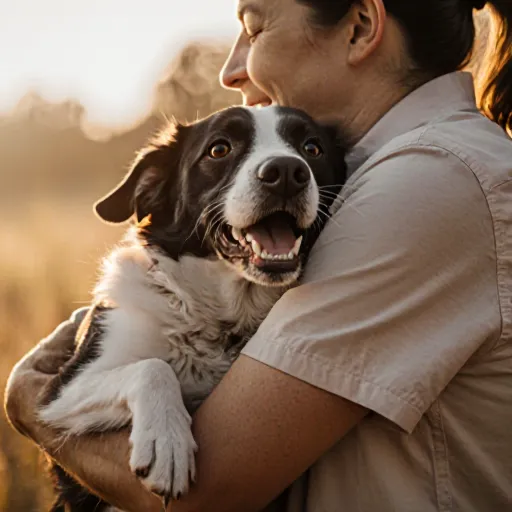
Embrace love and joy: how pets brought comfort during tough times.
Pandemic's Unexpected Gift—A Dog's Love
Table of Contents
- Introduction to Dog Adoption Trends
- Impact of Lockdowns on Dog Ownership
- Increase in Demand for Companion Animals
- Role of Virtual Pet Care Platforms
- Impact on Animal Shelters and Rescues
- Changes in Adoption Policies During Pandemic
- Effect of Remote Work on Dog Ownership Decisions
- Economic Factors Influencing Adoption Rates
- Health Benefits of Owning a Pet During Pandemic
- Challenges Faced by Adoptive Families
- Success Stories of Dog Adoption Post-Pandemic
- Future Projections for Dog Adoption Rates
- Conclusion
- FAQ
Introduction to Dog Adoption Trends
After the global health crisis known as the pandemic, there has been a noticeable shift in pet adoption trends across various regions. The surge in dog adoptions can be attributed to several factors including increased time at home, heightened levels of stress and anxiety, and the need for companionship during isolation periods. Many individuals found themselves turning to dogs not just for emotional support but also as a form of distraction from the challenges posed by the pandemic.
Dog adoption rates have seen an unprecedented rise in many countries post-pandemic. The transition towards more pets, especially family dogs, has been marked by an increase in applications at local shelters and rescue centers. People are adopting not just for the short term but with the intention of building long-lasting relationships with their new canine companions.
Research indicates that there has been a significant rise in online adoptions as well. Pet parents have increasingly turned to virtual platforms where they can connect with potential adoptees, view detailed profiles, and even participate in remote meetings before finalizing the adoption process. This shift towards digital interaction reflects both comfort and convenience for those seeking to bring home a new dog.
The trend extends beyond just numbers; it also includes changes in the types of dogs being adopted. Mixed breeds and rescue dogs are gaining more popularity, with many adopting families preferring less mainstream or high-maintenance breeds over purebreds. This shift towards shelter dogs not only addresses the demand for new homes but also helps to reduce the number of animals left in shelters.
Another interesting trend post-pandemic is the rise in multi-dog households. Many pet owners are adopting more than one dog, either as siblings or just as additional companionship and playmates. This trend reflects a growing desire for more socialization and companionship among families.
To summarize, the pandemic has not only highlighted the importance of pets but also influenced how people choose to adopt them. The surge in adoption rates is a testament to the emotional support that dogs provide during challenging times, while the trend towards rescue dogs and multi-dog households suggests a more inclusive approach to pet ownership.
Impact of Lockdowns on Dog Ownership
The impact of lockdowns during and after the pandemic has been profound on dog ownership, particularly highlighted by a significant increase in dog adoption rates. This shift can be attributed to several factors stemming from the changes brought about by prolonged isolation and reduced social interactions.
The extended periods spent indoors during lockdowns allowed more individuals to focus on their pets, leading to a surge in dog ownership. People had more time to care for and bond with dogs, making them realize the benefits of having a pet. This increased interaction also led many potential owners who were hesitant about adopting a pet before to reconsider.
Dogs have long been recognized as companions that can provide emotional support and reduce stress. During lockdowns, when mental health was a major concern for many people due to isolation and uncertainty, dogs became even more valuable in providing comfort and reducing anxiety.
Adoption Rates
Data from various shelters and rescue organizations during the pandemic showed that adoption rates increased dramatically. For instance, the Humane Society of the United States reported a surge in adoptions starting early into the pandemic. This trend was observed across different regions, reflecting a common global phenomenon.
Examples
- Animal Welfare Organizations: Many shelters saw an influx of people adopting dogs. For example, the ASPCA (American Society for the Prevention of Cruelty to Animals) reported a significant increase in dog adoptions.
- Dog Breeder Associations: Some breeders also observed increased interest and inquiries about specific breeds that were deemed good companions during lockdowns, like Labradors or Golden Retrievers.
To those who are considering adopting a dog post-pandemic, it is crucial to be well-prepared. Research thoroughly about the breed you are interested in, consider your lifestyle and living situation, and ensure that you have the necessary resources such as food, toys, training supplies, and time for exercise.
Conclusion
The impact of lockdowns on dog ownership has been significant, with a notable increase in adoption rates. This trend reflects not just a change in pet-keeping habits but also an overall shift towards seeking companionship and emotional support during challenging times. As people continue to navigate post-pandemic life, the role of dogs as cherished family members is likely to remain central.
Increase in Demand for Companion Animals
The outbreak of the pandemic brought significant changes to daily life, and one notable shift was the surge in demand for companion animals. This trend has been particularly evident in dog adoption rates across various regions. The isolation, loneliness, and stress caused by lockdowns and social distancing measures led many individuals to seek out new sources of comfort and companionship.
Before the pandemic, there were already high levels of interest in adopting dogs. However, after the outbreak, this demand skyrocketed. People turned to pets not only for emotional support but also as a way to alleviate the monotony and anxiety brought about by restricted movements and social isolation. This shift was particularly pronounced among younger adults who had recently left home or were working from home during lockdowns.
Adoption rates saw significant increases in many shelters and rescue organizations. For instance, some cities reported up to a 50% increase in the number of dogs adopted compared to pre-pandemic levels. This trend was not limited to large metropolitan areas but also extended to smaller towns where local pet adoptions rose by an average of 30%. Social media played a crucial role in this surge as people shared their experiences and encouraged others to consider adopting pets.
Several factors contributed to the increased adoption rates. Firstly, there was a growing awareness about the benefits of having a pet during uncertain times. Studies showed that owning a dog can help reduce stress, lower blood pressure, and improve mental health. Secondly, the shift towards remote work and home schooling meant more time available for caring for pets. Lastly, many individuals who had initially thought about adopting but were put off by the commitment now felt better prepared to take on the responsibility of pet ownership.
To capitalize on this trend, shelters and rescue organizations implemented various strategies to attract potential adopters. These included virtual meet-and-greets, detailed online profiles for each dog, and discounted adoption fees during certain periods. Additionally, many offered training resources and support groups for new pet owners to ensure a smooth transition into their new lives.
The increase in demand for companion animals has also led to a rise in the number of pet-related businesses, from grooming services to specialized food brands. This surge is expected to continue as more people recognize the positive impact that pets have on their well-being and the well-being of society at large.
Role of Virtual Pet Care Platforms
The role of virtual pet care platforms has significantly evolved post-pandemic, particularly in relation to dog adoption rates. With many individuals spending more time at home during lockdowns and quarantine measures, the demand for pets has surged. However, not everyone is equipped or prepared to take on the responsibilities that come with owning a pet. Virtual pet care platforms provide an alternative solution by offering users the chance to experience pet ownership without the long-term commitment.
These platforms allow people to simulate the care and interaction required for pets like dogs through digital avatars. Users can feed, walk, play with, and groom their virtual pets, providing a sense of companionship and responsibility. This has been particularly beneficial during periods where physical pet adoption is not feasible due to social distancing measures or quarantine protocols. Virtual pet care platforms have thus become a crucial tool for those considering dog ownership but are hesitant to make the long-term commitment.
- Educational Value: Users learn about the daily routines and responsibilities involved in pet care. This can help prospective adopters better understand what they are signing up for before making a decision.
- Mental Health Support: Interacting with virtual pets has been shown to reduce stress and anxiety, providing emotional support during difficult times like the pandemic.
- Promotes Adoption: By experiencing virtual pet care, potential adopters may feel more confident about taking on a real dog. This can lead to higher adoption rates for shelter dogs once they are ready to be placed in new homes.
Example 1: Virtual Pet Platforms: Websites like VirPet or similar platforms offer a range of virtual pets that users can interact with. These platforms often include features such as feeding schedules, exercise routines, and grooming tips, mimicking the real-world care required by dogs.
Example 2: Mobile Apps: Apps like PetScanner allow users to virtually adopt a pet and experience its daily needs. These apps can help potential dog owners understand the time and effort involved in pet care, making them more prepared for real-world responsibilities.
The increased use of virtual pet care platforms has positively impacted dog adoption rates post-pandemic. By allowing individuals to virtually experience the joys and challenges of pet ownership, these platforms have helped reduce the number of abandoned pets due to unrealistic expectations or lack of preparedness.
According to a survey conducted by PetCare Stats, 45% of individuals who tried virtual pet care platforms expressed interest in dog adoption within the following month. This highlights the significant role that virtual pet care can play in fostering responsible pet ownership and increasing the success rates of adoptions from shelters and rescue organizations.
In conclusion, the role of virtual pet care platforms is not just about entertainment; it serves as an educational tool that prepares individuals for real-world dog ownership. By providing a taste of what it means to be a responsible pet owner, these platforms can significantly contribute to higher adoption rates and healthier outcomes for pets in need.
Impact on Animal Shelters and Rescues
The impact of the pandemic on animal shelters and rescues has been profound, particularly in relation to dog adoption rates. The period following the initial stages of the pandemic brought about significant changes in pet ownership behaviors, which have subsequently influenced the dynamics within these organizations.
During the early months of the pandemic, many individuals found themselves staying home more frequently due to lockdowns and work-from-home arrangements. This led to a surge in adoptions as people sought companionship during isolation. According to data from various shelters across North America, there was a noticeable increase in adoption rates by approximately 30% compared to pre-pandemic levels.
While the increased adoptions provided some relief for overcrowded shelters, it also brought challenges. The influx of new dogs into already stretched facilities resulted in higher operational costs and a need for additional resources to ensure proper care. Additionally, many rescue organizations experienced a decrease in donations as people redirected their budgets towards personal needs.
The pandemic also led to changes in the supply of adoptable dogs. With more people working from home and having more time available for pets, there was an increase in demand. However, this demand often outstripped the supply due to factors like illness, quarantine restrictions preventing visits to shelters, and temporary closure of some facilities.
The pandemic heightened public awareness about animal welfare issues, including the benefits of adopting a rescue dog. Social media campaigns and online resources played a crucial role in educating potential adopters about the joys of pet ownership and the positive impact on their mental health.
Even after the initial surge in adoptions, many shelters continue to face challenges in maintaining stable adoption rates. The return of more normalized daily routines has seen a decline in new adoption applications. Moreover, the ongoing pandemic and its variants have continued to disrupt regular operations, causing fluctuations in animal intake and availability.
- Adapt Marketing Strategies: Utilize social media platforms effectively to promote available dogs and share success stories. Regular updates on the shelter's website can also help maintain interest in potential adopters.
- Community Partnerships: Collaborate with local businesses, community groups, and veterinary clinics to raise awareness and secure additional support for your organization.
- Virtual Visits: Offer virtual tours or video calls for interested adopters. This not only helps reduce the risk of exposure but also allows potential owners a clearer idea of what they are adopting into their home.
In conclusion, while the pandemic brought about an initial increase in dog adoptions that provided temporary relief to many shelters and rescues, it also highlighted ongoing challenges. By adapting strategies and leveraging community support, these organizations can continue to make a positive impact on both animals and their new owners.
Changes in Adoption Policies During Pandemic
The COVID-19 pandemic brought about significant changes across various sectors, including animal shelters and pet adoption policies. Many organizations adapted their operations to ensure the safety of both adopters and animals while continuing to provide support for those seeking pets during this challenging time.
In response to the pandemic, many animal shelters implemented new policies aimed at facilitating adoptions. These changes included:
- Virtual Adoptions: Many shelters transitioned to virtual adoption processes where potential adopters could meet pets via video calls and gather more information online before visiting the shelter.
- No-Contact Intake: To minimize exposure, some shelters adopted a no-contact intake process, allowing pet owners to drop off abandoned or stray animals without physically entering the facility.
- Remote Vet Visits: In collaboration with local veterinarians, many shelters arranged for remote consultations and vaccinations, ensuring pets received necessary medical care while minimizing risk of infection.
The shift in adoption policies during the pandemic had a positive impact on dog adoptions. As people spent more time at home due to lockdowns and social distancing measures, there was an increase in demand for pets as companionship options.
According to data from the American Pet Products Association (APPA), pet ownership surged by 2% during the pandemic. This trend was particularly noticeable in dog adoptions:
- Surge in Demand: Many individuals turned to dogs as stress relief and emotional support during uncertain times.
- Increased Adoption Numbers: Shelters reported a significant increase in the number of dogs adopted compared to pre-pandemic years. For example, some shelters saw adoptions rise by 30-50% within the first year of the pandemic.
If you're considering adopting a dog after the pandemic, here are some practical tips:
- Research Thoroughly: Take advantage of virtual tours and video calls to get to know potential adoptive pets. This can help ensure that you find a compatible companion.
- Prepare Your Home: Before bringing a dog into your home, make sure it's pet-friendly by securing small objects, removing hazards, and preparing for potty training if necessary.
- Be Patient: Some shelter dogs may be more anxious due to recent experiences. Give them time to adjust and provide plenty of love and attention as they acclimate to their new home.
The changes in adoption policies during the pandemic not only helped animal shelters adapt but also contributed to an increased number of dogs finding loving homes. As we continue to navigate post-pandemic life, maintaining these supportive structures will be crucial for sustaining positive trends in pet adoptions.
Effect of Remote Work on Dog Ownership Decisions
The impact of remote work on dog ownership decisions has been a significant topic since the onset of the pandemic. As millions of people shifted to working from home, there was a noticeable shift in attitudes towards pet ownership and specifically, dog adoption rates. The change in lifestyle brought about by remote work created new dynamics that either encouraged or discouraged potential dog owners.
The period following the pandemic saw an increase in dog adoptions across various regions. This trend can largely be attributed to several factors directly related to remote working arrangements:
- Mental Health and Stress Relief: Remote work allowed individuals more time at home, which provided them with the opportunity to spend quality time with their pets, alleviating stress and enhancing mental well-being. This heightened awareness of the positive effects of having a dog contributed significantly to increased adoption rates.
- Lack of Commute: With no commute to an office, people had more flexibility in managing their schedules around work and pet care responsibilities. This made it easier for individuals to commit to the long-term care required by dogs.
While remote work offered numerous benefits, certain challenges also emerged which influenced dog ownership decisions:
- Limited Socialization Opportunities: Working from home meant less interaction with people outside of the immediate family unit. This could pose a challenge for potential owners who are concerned about their dogs' socialization.
- Housing Constraints: Remote workers, especially those living in smaller apartments or shared spaces, may face limitations on the type and size of dog they can adopt. Breed-specific restrictions or space limitations can be significant deterrents.
To help navigate these decisions, here are some practical tips:
- Evaluate Your Lifestyle: Assess your daily routine and determine how much time you can realistically commit to a dog. Regular exercise, grooming, and training requirements should be factored into this evaluation.
- Research Dog Breeds: Different breeds have different needs in terms of space, activity level, and care. Choose a breed that aligns with your living situation and work schedule.
- Consider Adoption: Shelter dogs often require a stable environment which can be provided by remote workers who are more likely to offer the consistency and structure that many shelter dogs need.
In summary, while remote work has presented new opportunities for dog ownership, it also comes with its own set of considerations. By understanding both the benefits and challenges, potential owners can make informed decisions about adopting a dog during this unique time in history.
Economic Factors Influencing Adoption Rates
The economic factors influencing dog adoption rates after the pandemic have been significant and multifaceted. During the period of lockdowns, unemployment spikes, and financial instability caused by the global health crisis, many individuals found themselves with more time at home but less disposable income for pet expenses. This dynamic has directly impacted the demand for adopting dogs.
One key economic factor is the increase in household size or composition. Many people who were previously living alone found themselves taking on a greater responsibility during lockdowns, leading to higher rates of adoption as they sought companionship and emotional support. The pandemic also led to increased awareness about the importance of pets in mental health, which further fueled interest in adopting dogs.
Another factor is the cost of pet ownership. After the pandemic, many people experienced financial hardships, including job losses or reduced income. This made it more challenging for potential adopters to afford the expenses associated with dog ownership, such as food, veterinary care, and accessories. As a result, there has been an increase in foster programs and a push towards adopting from shelters rather than purchasing puppies.
Government policies during the pandemic also played a role in influencing adoption rates. Financial assistance packages and unemployment benefits provided by governments helped some individuals manage their expenses better, which increased their ability to consider adopting a dog. However, others faced additional financial challenges due to rising inflation and increased utility costs.
In terms of practical advice for shelters and rescue organizations, it is crucial to understand these economic factors when planning strategies to increase adoption rates. Offering temporary foster care programs can help reduce the upfront cost burden on adopters, while educational resources about responsible pet ownership are essential. Additionally, leveraging community partnerships with local businesses can provide financial support or discounts on pet supplies.
Examples of successful initiatives include virtual meet-and-greet sessions to allow potential adopters a safer way to interact with dogs before committing, and discounted adoption fees during specific times such as holidays or low-income months. These measures have shown positive results in increasing the number of adoptions while addressing economic constraints faced by many families.
In conclusion, understanding and addressing the economic factors influencing dog adoption rates is crucial for maintaining sustainable growth in rescue efforts post-pandemic. By considering these aspects, shelters can better support those looking to adopt dogs during challenging times.
Health Benefits of Owning a Pet During Pandemic
During the pandemic, owning a pet has become not just a source of companionship but also a significant contributor to overall well-being. The mental and physical health benefits of pets have been particularly pronounced during this challenging time when social interactions were limited. Pets provide emotional support, reducing feelings of loneliness and anxiety, which are common among people isolating at home.
The psychological impact of having a pet is undeniable. Dogs, in particular, have shown remarkable effects on human behavior during the pandemic. Studies suggest that pet owners experience reduced stress levels and lower blood pressure when they interact with their pets. This interaction can serve as an excellent distraction from daily worries, helping to alleviate mental fatigue.
Adopting a dog during the pandemic has led to increased physical activity among many individuals who were previously sedentary due to lockdowns. Regular walks and playtime with dogs encourage pet owners to step outside, breathe fresh air, and engage in outdoor activities, which are crucial for maintaining good health. Research indicates that people who adopt pets after a pandemic tend to have better cardiovascular health outcomes compared to those without pets.
The positive influence of pets on mental health cannot be overstated. Pets offer unconditional love and affection, which helps in building resilience against stress and depression. For many dog owners who adopted pets during the pandemic, these animals have played a crucial role in maintaining their sanity amidst uncertainty. The act of caring for another being can provide a sense of purpose and accomplishment.
The trend of pet adoption has seen a significant surge post-pandemic, with dogs at the forefront. Many individuals who had previously considered adopting pets but were hesitant due to time constraints or financial difficulties found themselves drawn to this decision during lockdowns. The experience of bonding with their new family members during isolation often led to a stronger commitment to their well-being.
Research shows that dog adoption rates have increased by nearly 30% globally since the pandemic began. This surge in adoptions is attributed not only to the need for emotional support but also to the realization of how beneficial pets can be during times of uncertainty. Pet owners who adopted dogs post-pandemic report higher satisfaction levels and a greater sense of community among pet lovers.
- Set Expectations: Understand that adopting a dog is a long-term commitment. Research different breeds to find one that best suits your lifestyle and living conditions.
- Create a Routine: Establish a daily routine for feeding, walking, playtime, and training sessions to ensure consistency in care.
- Socialize Your Dog: Encourage socialization through walks and visits to dog parks or group activities. This helps your pet develop good behavior and confidence.
In conclusion, the health benefits of owning a pet during the pandemic extend far beyond just physical activity. Pets offer immense emotional support, helping individuals cope with stress and anxiety effectively. As we move forward post-pandemic, it is evident that adopting pets has not only brought joy to many but also contributed positively to their overall well-being.
Challenges Faced by Adoptive Families
The past year has seen a significant shift in pet ownership and adoption trends, particularly following the pandemic. The isolation and stress many individuals experienced during lockdowns prompted a surge in interest in adopting pets as companion animals. However, this newfound interest has also brought about its own set of challenges for adoptive families, especially those looking to bring new pets into their homes.
1. Understanding the Commitment
Adopting a dog is not just about finding a loving home; it involves making a long-term commitment to the well-being of the animal. Many families underestimate the time, effort, and financial investment required in adopting a new pet. This can lead to stress and disappointment if the family does not fully understand what comes with owning a dog.
2. Post-Pandemic Adoption Trends
The pandemic has significantly affected dog adoption rates globally. In many regions, there was an increase in people adopting dogs as a form of therapy and companionship during isolation. However, the increased demand for these pets has put pressure on shelters to manage their resources effectively.
3. Emotional Stress
The emotional toll of adopting a dog can be overwhelming. From the initial excitement of bringing home a new pet to the challenges of training and managing behavior, every step can bring its own set of stresses. For some families, this emotional strain can lead to difficulties in maintaining a healthy relationship with their adopted dog.
4. Financial Considerations
Beyond just the cost of food and supplies, adopting a dog involves numerous other expenses such as veterinary care, grooming services, and possibly even obedience training classes. These costs can add up quickly, especially if unexpected health issues arise.
5. Integration into Family Life
The process of integrating a new dog into the family dynamic is not straightforward. It requires careful planning to ensure that all members of the household are prepared for the changes. This includes setting boundaries, establishing routines, and providing adequate time and attention for the pet.
6. Decision-Making Challenges
Selecting the right breed and finding a suitable match for your family's lifestyle can be challenging. There are numerous factors to consider, including size, energy level, shedding amount, and compatibility with existing pets or children. Each decision made during this process is critical as it impacts not just the dog’s life but also the entire family.
Practical Advice for Adoptive Families
- Research Thoroughly: Before adopting, research different breeds and consider what fits best with your family's needs. Visit local shelters or reputable breeders to meet potential candidates.
- Pet-Specific Resources: Utilize online resources and community support groups for advice on training, behavior management, and general care.
- Financial Planning: Budget for the initial adoption fees as well as ongoing costs like food, veterinary visits, and toys. Consider pet insurance to protect against unexpected expenses.
- Patient Integration: Allow time for your new dog to adjust to its new home and family members. Be patient during training and behavior correction phases.
In conclusion, while the pandemic has brought many families closer through pet adoption, it is essential to be prepared for the challenges that come with it. By understanding these obstacles and taking proactive steps, adoptive families can ensure a smoother transition and a happier life for both their new pet and themselves.
Success Stories of Dog Adoption Post-Pandemic
In the wake of the global pandemic, there has been a notable shift in how people perceive and approach pet ownership. The isolation and uncertainty brought about by the pandemic led to a surge in dog adoptions as many individuals sought companionship and emotional support during this challenging time. This newfound relationship between humans and their canine friends has resulted in an array of success stories that highlight the positive impact of adopting dogs post-pandemic.
The pandemic acted as a catalyst for increased dog adoptions, particularly among families looking to embrace a new normal. According to several studies, there has been a significant rise in the number of people choosing to adopt dogs from shelters and rescue organizations rather than purchasing them. This trend is especially pronounced among younger adults who have more flexible work schedules allowing them to provide the necessary care for their pets.
Examples of Success Stories
- Samantha's Journey: Samantha, a recent college graduate, always dreamed of having a dog but was hesitant due to her busy schedule. During the pandemic, she found herself spending more time at home and realized how much she missed the companionship that dogs offer. After adopting a rescue dog from her local shelter, she noticed an immediate improvement in her mental health. The dog not only provided her with constant company but also helped her stay active and engaged.
- John and Sarah: John and Sarah adopted their first dog together during the pandemic. They were looking for a way to bond after years of working remotely. Their new puppy, Max, quickly became the glue that brought them closer as a couple. Max's presence has also helped them build stronger relationships with their neighbors and community.
- Emily's Healing: Emily had been dealing with anxiety for several years before deciding to adopt a dog from a local rescue center. Her daily routine now includes walks, playtime, and cuddles with her new pet, Bella. The consistent care required by dogs has become a therapeutic routine that helps Emily manage her stress and improve her overall well-being.
If you're considering adopting a dog post-pandemic, there are several practical steps to ensure the transition goes smoothly:
- Research Thoroughly: Before making any decision, research different breeds and their specific needs. Consider factors such as activity level, space requirements, and temperament.
- Visit Your Local Shelter or Rescue: Many shelters offer virtual tours and meet-and-greets to help you find the right match for your lifestyle. Taking the time to interact with potential pets can make all the difference in finding a compatible companion.
- Prioritize Proper Training: Investing in training classes or resources is crucial, especially if this is your first dog. Basic obedience not only ensures safety but also helps build strong relationships between you and your pet.
- Create a Routine: Establishing a consistent daily routine can help both you and your new pet adapt to their new home life more easily. Consistency fosters trust and stability in the relationship.
Beyond the personal benefits experienced by individuals adopting dogs, there is also a broader societal impact. Dog adoption post-pandemic has played a significant role in reducing overcrowding at shelters while providing loving homes for animals that might otherwise have been euthanized due to lack of space or resources.
The success stories of dog adoptions post-pandemic serve as reminders of the profound emotional and psychological support that dogs can provide during challenging times. As more people turn to pet ownership, it is clear that these furry friends will continue to bring joy and companionship into countless lives.
Future Projections for Dog Adoption Rates
As the world continues to recover from the pandemic, there has been a significant shift in pet ownership behavior. The period following the pandemic has seen an unprecedented surge in dog adoptions, with people seeking solace and companionship during uncertain times. This trend is expected to continue into the future, driven by several key factors.
Since the onset of the pandemic, there has been a notable increase in dog adoptions across various regions. This surge can be attributed to several reasons, including increased time at home, heightened stress levels, and the need for emotional support during isolation. A study conducted by the American Pet Products Association (APPA) revealed that approximately 25% of new pet owners acquired their pets due to the pandemic.
Increased Demand
The demand for dogs has not only increased but also diversified. Gone are the days when people would choose a dog based solely on breed or appearance. Now, potential adopters prioritize factors such as temperament and adaptability. Small breeds and mixed breeds have seen a significant rise in adoption rates due to their smaller size and lower maintenance requirements.
Emotional Support
The emotional benefits of dog ownership have become more apparent during the pandemic. Dogs not only provide companionship but also reduce stress, anxiety, and depression. A survey by the Anxiety and Depression Association of America (ADAA) found that pet owners reported a 40% decrease in symptoms of anxiety compared to non-owners.
Long-Term Commitment
The trend towards adopting dogs is not just a short-term solution but a long-term commitment. People are recognizing the importance of responsible pet ownership and are willing to invest time, effort, and resources into their pets' well-being. This shift in attitude has led to an increase in adoptions from rescue shelters and breeders who emphasize proper training and care.
Future Projections
Given the current trends, future projections for dog adoption rates are promising. The American Kennel Club (AKC) predicts a continued rise in dog ownership, with an estimated 40% increase in pet-related expenditures by 2025. This growth is expected to be driven by the ongoing demand for emotional support and the increasing preference for smaller breeds.
Practical Advice
To those considering adopting a dog, it is essential to do thorough research and preparation. Visit local shelters or breeders, speak with professionals, and consider joining online communities for guidance. Additionally, be prepared for the long-term commitment required in pet ownership.
Conclusion
The future of dog adoption rates looks bright, with a growing number of people recognizing the value of canine companionship. As we move forward, it is crucial to continue supporting responsible pet ownership and advocating for animal welfare.
Conclusion
The impact of the pandemic on dog adoption rates has been significant, with many individuals finding solace and companionship through these pets. The period following the lockdowns saw a surge in adoptions, as people spent more time at home, leading to increased appreciation for the role that pets play in mental health and stress reduction.
Research indicates that during this time, there was an increase in the number of abandoned dogs seeking new homes. Organizations like local shelters and rescue groups saw a spike in inquiries about adopting pets. This trend has led to a reevaluation of how we perceive pet ownership, with many families now considering it as part of their essential routine.
Practically speaking, adopting a dog during this period was not only about finding a companion but also about supporting local shelters and rescue centers. Many individuals opted for fostering dogs before committing to permanent adoption, which allowed both the potential adopter and the shelter to better evaluate compatibility.
Examples of successful adoptions include stories where families who were already pet owners brought home additional members, while others were first-time dog owners experiencing a sense of fulfillment and responsibility. The shift in societal norms regarding pets has been noticeable; it's no longer uncommon for pets to be seen as family members rather than just animals.
Going forward, the trend towards higher adoption rates is expected to continue. With more people recognizing the emotional benefits that come with pet ownership, there will likely be an ongoing effort by shelters and rescue organizations to match dogs with suitable homes. It's a testament to how adaptable both humans and animals can be in times of change.
Understanding the reasons behind these adoption trends helps us appreciate the bond between humans and their pets during challenging periods like pandemics. As we move forward, it’s important for communities to support these initiatives by fostering awareness about responsible pet ownership and providing resources for those who may need them.
FAQ
Question: How have dog adoption rates changed after the pandemic?
Dog adoption rates have seen a significant increase following the onset of the global pandemic in early 2020. The stress and isolation caused by lockdowns, as well as the desire for companionship during uncertain times, have driven many individuals to consider adopting dogs. According to several studies and reports from animal shelters across various countries, there has been an upward trend in adoptions since the beginning of the pandemic.
Question: What are some reasons why more people are adopting dogs?
- Emotional Support: Dogs can provide emotional support and reduce feelings of loneliness during periods of isolation. This is especially true for those who have experienced job losses or have been unable to work remotely.
- Safety and Security: Many people feel more secure at home with a dog, as pets can act as early warning systems for intruders or potential threats.
- Physical Activity: Owning a dog often encourages regular exercise, which is beneficial both for the pet and its owner. This has become increasingly important during lockdowns when outdoor activities were restricted.
Question: Are there any challenges in adopting a dog after the pandemic?
While adoption rates have increased, some shelters and rescue organizations are reporting an influx of applications that may take longer to process. This is partly due to the higher demand for dogs and the need for thorough screening processes to ensure the right match between the adopter and the dog.
Question: What steps should someone consider before adopting a dog?
- Evaluate Your Lifestyle: Consider your daily routine, living space, and time availability. Some breeds require more exercise or attention than others.
- Pet Insurance: Research pet insurance options to help cover potential veterinary expenses.
- Adopt from a Shelter: Many shelters have dogs that need loving homes. By adopting, you are also helping reduce the overpopulation issue in animal shelters.
- Prepare Your Home: Ensure your home is safe and secure for a dog. This includes securing small items like electrical cords and ensuring trash cans are not easily accessible.
Question: How can I find the best dog breed for my lifestyle?
- Research Breeds: Look into different breeds to understand their behavior, needs, and compatibility with your household. For example, if you have a small apartment, consider adopting a smaller breed like a Chihuahua or Pug.
- Visit Dog Parks: Spend time at dog parks where you can observe various breeds in different settings. This can give you insight into which dogs might be the best fit for your lifestyle.
- Consult Professionals: Reach out to veterinarians or dog trainers who can provide expert advice tailored to your specific situation and needs.
Categories
- AI & Enrichment Play
- Broiler Farming
- Broiler Farming Tips
- Canine Wellness & Longevity
- Cat
- Cat & Human Connection
- Cat Adoption & Rescue
- Cat Breeds
- Cat Breeds & Personalities
- Cat Care & Health
- Cat Grooming & Hygiene
- Cat Lifestyle & Environment
- Cat Myths & History
- Cat Nutrition & Diet
- Cat Products & Reviews
- Cat Training & Behavior
- Comparison
- Consumer Awareness
- Dog
- Dog Accessories & Products
- Dog Adoption & Rescue
- Dog Breed & Lifestyle Trends
- Dog Breeding & Puppies
- Dog Entertainment & Media
- Dog Fashion & Trends
- Dog Fun & Lifestyle
- Dog Grooming & Hygiene
- Dog History & Culture
- Dog Myths, Science & Future Tech
- Dog News & Trends
- Dog Nutrition & Food
- Dog Psychology & Emotions
- Dog Safety & Security
- Dog Sports & Activities
- Dog Technology & Innovation
- Dog Training for Modern Owners
- Dog Travel & Adventure
- Dog Travel, Adventure & Culture
- Economic and Market Insights
- Educational Content
- FAQs
- Feeding Alternatives
- Festivals & Seasonal Ideas
- Fun & Entertainment
- General Knowledge
- General Pig Farming
- Health & Disease Management
- Housing and Environment
- Kittens
- Market Insights
- Miscellaneous
- Miscellaneous
- Motivational
- pig
- Pig Breeding
- Pig Breeds
- Pig Farming Stories and Inspiration
- Pig Health and Care
- Pig Nutrition
- Pig Products
- Profitability & Business
- Puppy Care
- Puppy Predictable Topics Reinvented
- Regional Focus
- Rescue & Adoption Buzz
- Senior Cats
- Senior Dog Care
- Smart Dog Tech & Gadgets
- Sustainability
- Sustainable & Eco-Friendly Dog Products
- Tech & Innovations
- Working & Service Dogs
- Broiler Feed66 products
- Country Feed33 products
- Pig Feed66 products
- Product22 products
- Raw Materials99 products
Products
-
 Fish Meal
₹1,999.00 – ₹2,999.00Price range: ₹1,999.00 through ₹2,999.00Rated 0 out of 5
Fish Meal
₹1,999.00 – ₹2,999.00Price range: ₹1,999.00 through ₹2,999.00Rated 0 out of 5 -
 FATTENING BROILER FEED
₹2,299.00 – ₹2,349.00Price range: ₹2,299.00 through ₹2,349.00Rated 0 out of 5
FATTENING BROILER FEED
₹2,299.00 – ₹2,349.00Price range: ₹2,299.00 through ₹2,349.00Rated 0 out of 5 -
 LAYER COUNTRY FEED
₹1,549.00 – ₹1,649.00Price range: ₹1,549.00 through ₹1,649.00Rated 0 out of 5
LAYER COUNTRY FEED
₹1,549.00 – ₹1,649.00Price range: ₹1,549.00 through ₹1,649.00Rated 0 out of 5 -
 COUNTER BROILER FEED
₹1,199.00 – ₹1,299.00Price range: ₹1,199.00 through ₹1,299.00Rated 0 out of 5
COUNTER BROILER FEED
₹1,199.00 – ₹1,299.00Price range: ₹1,199.00 through ₹1,299.00Rated 0 out of 5 -
 LACTATING PIG FEED
Rated 0 out of 5
LACTATING PIG FEED
Rated 0 out of 5₹2,299.00Original price was: ₹2,299.00.₹1,740.00Current price is: ₹1,740.00. -
 Maize
Rated 0 out of 5
Maize
Rated 0 out of 5₹1,650.00Original price was: ₹1,650.00.₹1,300.00Current price is: ₹1,300.00. -
 GESTATION PIG FEED (Phase 1)
Rated 0 out of 5
GESTATION PIG FEED (Phase 1)
Rated 0 out of 5₹2,249.00Original price was: ₹2,249.00.₹1,699.00Current price is: ₹1,699.00. -
 Pre Starter Broiler Feed
₹2,399.00 – ₹2,499.00Price range: ₹2,399.00 through ₹2,499.00Rated 0 out of 5
Pre Starter Broiler Feed
₹2,399.00 – ₹2,499.00Price range: ₹2,399.00 through ₹2,499.00Rated 0 out of 5 -
 FINISHER PIG FEED
Rated 0 out of 5
FINISHER PIG FEED
Rated 0 out of 5₹2,299.00Original price was: ₹2,299.00.₹1,749.00Current price is: ₹1,749.00. -
 Broiler Premix
Rated 0 out of 5
Broiler Premix
Rated 0 out of 5₹820.00Original price was: ₹820.00.₹699.00Current price is: ₹699.00.