
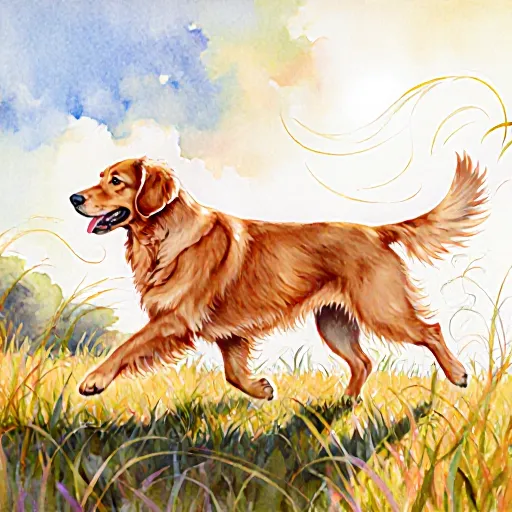
Leash‑Free Adventures Await
How to Teach Your Dog to Walk Off-Leash Safely
Table of Contents
- Introduction
- Assessing Your Dog’s Readiness
- Choosing the Right Environment
- Safety Gear: Harnesses and Leashes
- Training Basics: Recall Commands
- Building Focus and Attention
- Positive Reinforcement Techniques
- Gradual Release of the Leash
- Managing Distractions in Public Spaces
- Handling Aggressive or Dominant Dogs
- Emergency Situations and Back‑Up Plans
- Legal Considerations and Local Regulations
- Maintaining Consistency in Training
- Conclusion
- FAQ
Introduction
How to Teach Your Dog to Walk Off‑Leash Safely
Walking your dog off‑leash can be a liberating experience for both you and your four‑legged friend, but it also comes with responsibilities. The goal is to build trust, reinforce good behavior, and ensure safety in any environment—parks, trails, or city streets. Below are step‑by‑step guidelines, practical examples, and expert tips that will help you transition from a leash‑bound walk to a confident, controlled off‑leash adventure.
- Recall Command (“Come” or “Here”): Your dog must reliably respond to a recall before you let them roam freely. Practice in a low‑distraction area, rewarding with high‑value treats or play.
- Loose‑Leash Walking: Even when the leash is on, train your dog to walk beside you without pulling. Use short leash stretches and reward when they stay within arm’s reach.
- Impulse Control: Teach “Leave it” or “Stay” so that your dog can ignore distractions like other dogs or squirrels.
Pick a safe, enclosed area with minimal traffic—an empty park lot, a fenced backyard, or a quiet trail that’s not too far from your home. The key is to have an escape route if something goes wrong and a clear boundary you can reinforce verbally.
Example Scenario: Backyard Off‑Leash Training
- Set a Boundary: Place a low fence or use a “Boundary” command (“Go to the line”). Reward when they stay within limits.
- Introduce Recall: Call your dog from one side of the backyard and reward each time they come back. Gradually increase distance while keeping the leash nearby for safety.
- Add Distractions: Once recall is solid, introduce a toy or another pet at a distance, calling your dog to return. This builds focus in real‑world situations.
Instead of abruptly removing the leash, use a controlled release:
- Position: Stand with your dog on a short leash (about 4–6 feet).
- Signal: Say “Free” and gently step back while keeping an eye on them.
- Observe: If they stay within the agreed boundary or come to you, reward. If they wander off, use a calm voice to call them back and re‑re‑attach the leash.
- Keep Them Close in Traffic: Even if your dog is trained, never let them roam near roads or busy streets. Keep a firm but gentle hold and use the recall command.
- Watch for Other Dogs: If you see another dog approaching, calmly say “Leave it” and give a quick recall to avoid a chase scenario.
- Use Visual Cues: A bright collar or leash color can help other people spot your dog quickly if they slip away.
| Tool | Purpose | How to Use |
|---|---|---|
| Retractable Leash (10–15 ft) | Allows controlled freedom while still giving you a safety net. | Attach it, set the limit, and use “Drop‑off” to let them explore within that range. |
| High‑Value Treats (e.g., chicken jerky) | Increases motivation during recall drills. | Carry a small pouch and give one treat per successful return. |
| Training Clicker | Marks the exact moment of desired behavior. | Click when they come back, then reward. Consistency builds faster learning. |
- Jumping the Line: Never let your dog cross a boundary before you’re sure they’ll obey recall.
- Inconsistent Commands: Use the same words for “Come,” “Leave it,” and “Stay.” Mixing terms confuses dogs.
- Rewarding Misbehavior: If your dog pulls away during a walk, do not give treats or attention. Wait until they return to you before rewarding.
- Use a “Target” object (like a colored ball) placed at the edge of your boundary to reinforce staying within limits during high‑distraction walks.
- Practice “Scent Tracking” in a safe area: let them follow a scent trail, then recall. This strengthens focus and recall under distraction.
- Introduce a “Buddy System”: walk with another dog that’s well trained; the presence of another dog can help maintain calm behavior.
If your dog consistently fails to respond to recall, shows aggression towards other dogs or people, or becomes overly excited in public spaces, consider hiring a certified dog trainer. A professional can tailor a training plan that addresses specific behavioral issues.
Teaching your dog to walk off‑leash safely is a gradual process that blends reliable recall, boundary control, and consistent reinforcement. By starting in low‑distraction environments, using the right tools, and staying patient, you’ll
Assessing Your Dog’s Readiness
Before you let your dog roam free, it’s essential to evaluate whether they’re truly ready for an off‑leash adventure. This assessment isn’t just a one‑time check; it should be revisited regularly as your dog grows and their environment changes.
1. Mastery of Core Commands
- “Come”: Your dog must reliably return to you within five feet, even when distracted by a squirrel or a new scent.
- “Stay”: They should hold their position for at least 10 seconds and stay put until released with a release cue (“OK!”).
- “Leave It”: This command is crucial when they encounter tempting objects or other animals. Test it by offering a treat, then saying “leave it.” The dog should look to you instead of grabbing the treat.
2. Socialization Level
A well‑socialized dog is less likely to react aggressively or become overly excited around unfamiliar people and animals. Observe how your dog behaves in mixed settings:
- Can they sit calmly next to a child walking the stroller?
- Do they greet a passing dog with a relaxed tail wag instead of growling?
- When encountering new scents, do they sniff politely or bolt away?
3. Physical Health and Energy Management
Off‑leash exploration can be exhausting. Make sure your dog has:
- A recent vet check‑up confirming no underlying conditions.
- Proper hydration: always carry water, especially on hot days.
- A balanced diet that supports sustained energy levels.
4. Environmental Awareness
Test your dog’s reaction to potential hazards:
- Traffic: Walk at a busy intersection while keeping the leash short. If they stay calm, that’s a good sign.
- Water Bodies: Some dogs are wary of water; a quick dip in a safe pond can gauge their comfort level.
- Other Animals: Observe how they behave around small pets or livestock. A calm, curious demeanor is preferable to a fearful or aggressive one.
5. Consistency of Training Sessions
Short, daily practice sessions help reinforce commands and build confidence. Use the following structure:
- Warm‑up (2–3 minutes): Light fetching or tug to get them excited.
- Main drills (5–10 minutes): Focus on “come,” “stay,” and “leave it” with increasing distractions.
- Cool down (1 minute): A calm sit-and-stay while you praise.
6. Trial Runs in Controlled Settings
Before heading to a public park, conduct a controlled off‑leash test:
- Select a fenced backyard or dog park with minimal traffic.
- Let them roam for 5–10 minutes while you keep a close eye from a distance.
- Note any signs of anxiety, hyperactivity, or failure to obey commands.
7. Signs Your Dog Isn’t Ready
- They ignore your “come” command even when you call them with a happy tone.
- Their tail wags wildly and they look around instead of focusing on you.
- They show fear or aggression toward other dogs or people.
- You notice signs of stress: panting, yawning, or excessive licking.
Practical Tips for Success
- Use a Long‑Line First: A 30–50 foot leash allows you to give them freedom while still maintaining control. This helps build confidence gradually.
- Reward-Based Training: Treats, praise, and affection should reinforce desired behaviors.
- Keep Sessions Short: Dogs can become overwhelmed quickly; 10–15 minute sessions are often enough to maintain focus.
- Be Patient and Consistent: Off‑leash readiness is a journey, not a destination. Celebrate small victories.
By systematically evaluating these factors, you’ll create a safe, enjoyable off‑leash experience that strengthens the bond between you and your dog while ensuring their safety in the world beyond the leash.
Choosing the Right Environment
Teaching your dog to walk off‑leash safely starts with selecting an environment that balances safety, distraction level, and control. A well‑chosen setting helps reinforce training, reduces stress for both you and your dog, and minimizes the risk of accidents or unwanted encounters.
1. Understand Your Dog’s Temperament
- Highly energetic breeds (e.g., Border Collie, Australian Shepherd) thrive in large, open areas with plenty of space to run.
- Skittish or anxious dogs benefit from smaller, quieter spaces where they can build confidence gradually.
- Consider your dog’s history: a previous incident with traffic or another animal may warrant extra caution.
2. Evaluate the Physical Space
When choosing a location, assess both the size and terrain. Key factors include:
- Boundaries: Is there a natural fence, wall, or chain link that keeps your dog contained? Verify that it’s high enough to prevent accidental jumps.
- Obstacles: Trees, rocks, uneven ground, and water bodies can pose tripping hazards. Clear a safe path or choose a flat area.
- Surface type: Grass is forgiving for joints; pavement can be harsh on paws. Use mats or walkways if needed.
3. Control the Level of Distraction
A good training environment starts with low distractions and gradually increases complexity:
- Quiet park corners: Begin in a secluded part of a city park where people and dogs are few.
- Off‑peak hours: Early mornings or late evenings reduce crowds, traffic, and noise.
- Gradually introduce mild distractions—like distant dogs or pedestrians—once your dog reliably returns to you on cue.
4. Safety Checks Before Every Session
Perform a quick safety audit before letting your dog off the leash:
- Check for traffic: Are cars or bikes passing? If so, choose a sidewalk or park with no vehicular access.
- Look for wildlife: Deer, raccoons, or birds can trigger chase instincts. Keep your dog’s focus on you.
- Inspect the ground for hazards: Broken glass, sharp objects, or chemicals can injure paws.
5. Use a Trial Run with a Short Leash First
Before going fully off‑leash:
- Let your dog explore the area while still on a short leash (10–15 feet).
- Observe how they react to different stimuli.
- Identify any potential trouble spots and adjust the route accordingly.
6. Plan an Exit Strategy
Always have a plan for getting your dog back if needed:
- Set a clear time limit—e.g., 15 minutes of off‑leash play.
- Use a distinct, high‑value reward to signal the end of the session (treats, favorite toy).
- Keep your phone or a whistle handy in case you need to call for help.
7. Record and Adjust
After each session, jot down:
- Location name and time of day.
- Number and type of distractions encountered.
- Any incidents or near misses.
- What worked well and what needs improvement.
This log helps you refine your choice of environments over time, ensuring progressively more challenging yet safe training experiences.
Practical Example: Training in a Local Park
- Day 1–2: Find the park’s quiet corner; keep leash short, practice recall commands while walking around trees.
- Day 3–5: Extend the leash to 20 feet; allow your dog to sniff and explore within a defined perimeter.
- Day 6–10: Release off‑leash for 5 minutes in a low‑traffic zone, rewarding immediate return.
- Week 2+: Gradually move closer to busier areas, introduce mild distractions (e.g., other dogs at a distance), and increase free time incrementally.
By carefully selecting the right environment and following these practical steps, you’ll create a safe, supportive foundation for your dog’s off‑leash adventures.
Safety Gear: Harnesses and Leashes
When teaching your dog to walk off‑leash safely, the right harness or leash is essential for maintaining control while encouraging freedom. Below are practical tips, product recommendations, and real‑world scenarios that illustrate how a well‑chosen harness or leash can make all the difference.
Choosing the Right Harness
- Body‑style vs. Back‑clip: A body‑style harness (also called a “no‑pull” harness) distributes pressure evenly across the chest and back, reducing strain on the neck. Back‑clip harnesses are easier to attach but can cause pulling if your dog resists.
- Fit is Key: Measure your dog’s girth (around the ribcage) and chest depth. Most manufacturers provide a sizing chart; always double‑check before purchasing.
- Adjustability: Look for multiple adjustment points—shoulder, waist, and sometimes a chest strap—to ensure a snug yet comfortable fit.
- Material Matters: Breathable mesh or nylon keeps dogs cool during long walks. Avoid heavy chain or metal components that could snag on trees or fences.
Leash Types and Their Uses
| Leash Type | Length | Best For | Pros | Cons |
|---|---|---|---|---|
| Standard 4‑ft Leash | 12–16 inches | Indoor training, small dogs | Easy to handle; tight control | Limited range for outdoor walks |
| Retractable Leash (10‑ft) | 10–12 feet | Outdoor training, moderate pulling | Provides freedom while still giving you control | Can lead to over‑extension if not monitored |
| Cord Leash (5–10 ft) | 5–10 feet | Rally training, agility courses | Consistent length; no risk of snapping | Requires careful handling to avoid tangles |
Practical Setup for Off‑Leash Training Sessions
- Start Indoors: Attach a short leash (12 inches) and practice basic commands—sit, stay, come—while your dog is on the ground. Use treats to reinforce correct behavior.
- Move to a Quiet Yard: Switch to a longer leash or a retractable one. Keep the distance manageable (e.g., 10–15 feet) and observe how your dog reacts to the added freedom.
- Introduce Distractions Gradually: Add mild stimuli—like a moving ball or a neighbor’s dog at a safe distance—and reward calm responses.
- Practice Recall: Use a consistent cue (e.g., “come”) and give high‑value treats. The leash should only be used if the dog does not respond to the recall command.
Real‑World Example: Teaching an Energetic Border Collie
Border Collies are highly intelligent but can become easily overstimulated. A body‑style harness (e.g., Ruffwear Front Range Harness) provides comfort and control. Start with a 4‑ft leash for indoor drills, then progress to a 10‑ft retractable leash in the backyard. Use a “stay” command on one side of a fence while the dog is free to roam on the other. Once the dog reliably stays within bounds, gradually reduce leash length until you can rely solely on verbal cues.
Safety Tips for Leash Use
- Never Pull on the Leash: This can cause injury and reinforce bad habits. If your dog pulls, stop walking and wait for them to calm before proceeding.
- Check for Wear: Inspect harness straps and leash cords regularly for fraying or damage. Replace anything that shows signs of wear.
- Use a Two‑Way Leash When Necessary: A two‑way leash allows you to attach it to the dog's collar in addition to the harness, giving you extra control during high‑risk situations (e.g., near traffic).
Bottom Line
A properly fitted harness combined with an appropriate leash length is the foundation of safe off‑leash training. By selecting the right gear, practicing in controlled environments, and progressively increasing freedom, you’ll build a reliable communication system that keeps your dog—and everyone around them—safe.
Training Basics: Recall Commands
The recall command is the cornerstone of off‑leash training. It tells your dog that no matter what’s happening—be it a squirrel, a new scent, or an exciting person—they should return to you immediately and safely. Mastering this skill not only protects your pet but also gives you confidence in any outdoor setting.
Choosing the Right Cue
- “Come” – The most common, simple word that works well for most breeds.
- “Back” or “Here” – Good alternatives if “come” sounds too similar to other words your dog hears.
- Non‑verbal cues – A hand signal, a whistle, or a combination of both can be used for consistency in noisy environments.
Step‑by‑Step Training Routine
-
Start Indoors or in a Controlled Area
Use short distances (5–10 ft) and reward every successful return. Keep sessions under 5 minutes to maintain focus. -
Introduce Mild Distractions
Add a toy, a friend’s voice, or a small obstacle. If your dog returns, give the highest praise and a generous treat. -
Increase Distance Gradually
Every week add 10–20 ft. Monitor body language: if your dog hesitates, step back to the last successful distance. -
Use a Long Lead or Training Line
In open fields, attach a 15‑foot line to give you control while letting your dog explore. The leash acts as a safety net if they ignore the recall. -
Practice in Varied Environments
Train on grass, gravel, and even mild pavement. Each surface offers new sensory input that can test the reliability of the recall.
Positive Reinforcement Techniques
- High‑Value Treats – Use small pieces of chicken, cheese, or commercial “high‑value” treats that your dog finds irresistible.
- Play as a Reward – If your dog loves fetch, end the recall with a quick game of tug or chase. This keeps excitement high and the command fun.
- Consistent Praise – Combine verbal praise (“Good girl!”) with a friendly tone to reinforce that returning is the desired behavior.
Troubleshooting Common Issues
| Problem | Possible Cause | Solution |
|---|---|---|
| Dog ignores recall in high‑noise areas | Noise overload or competition for attention. | Use a louder cue (whistle) and increase the reward value. Practice with background noise gradually. |
| Dog returns too late or hesitates | Lack of confidence in the command. | Shorten distance, use a more enthusiastic tone, and add a quick treat upon arrival. |
| Dog stops returning after a few sessions | Training fatigue or loss of interest. | Keep sessions short (3–5 min), mix in play, and always end on a positive note. |
Practical Tips for Everyday Life
- Carry a Portable Treat Jar – Small, easy‑to‑open containers keep treats handy during hikes or park visits.
- Use a Two‑Tone Whistle – A high and low tone together can cut through ambient noise better than a single pitch.
- Train with Multiple People – Have friends call your dog while you’re walking. This helps the dog learn to respond to various voices.
- Practice Before Long Trips – Do recall drills in the backyard or a quiet park before heading into more challenging environments.
Remember, consistency is key. By repeatedly rewarding your dog for coming back when called—no matter how small the distance—you’ll build a reliable and safe off‑leash relationship that can be enjoyed in parks, trails, or even busy city streets.
Building Focus and Attention
Before you can walk your dog off‑leash safely, you need to establish a strong line of communication: focus and attention. This section gives you step‑by‑step exercises, real‑world examples, and practical tips that work with any breed or temperament.
1. Start in a Low‑Distraction Environment
- Home hallway or backyard: Pick a quiet corner where the only things your dog can see are you and a few toys.
- Use a high‑value treat (e.g., chicken liver, cheese) to keep interest high.
- Keep sessions short—5–10 minutes—to avoid fatigue or frustration.
2. The “Look at Me” Cue
- Hold a treat: Show it, then place your palm on the floor to encourage your dog to sniff.
- Wait for eye contact: When they look up, say “Good!” and give the treat.
- Repeat until the pause between cue and reward is 2–3 seconds. This builds anticipation that you’re rewarding attention, not just the act of looking.
3. Gradual Distraction Introduction
Once your dog reliably follows “look at me” in a quiet space, add distractions one by one:
- Different rooms: Move to the kitchen or living room while keeping the same cue.
- Background noise: Play music or leave a TV on low volume.
- Other people: Invite a friend to stand a few feet away and repeat the cue.
4. The “Stay & Focus” Drill
This exercise trains sustained attention, essential for off‑leash safety.
- Ask your dog to sit or lie down in a controlled area.
- Give the “look at me” cue and reward immediately.
- Hold a treat above their nose for 10–15 seconds. If they maintain eye contact, give a larger reward and praise.
- Increase the duration gradually over several sessions.
5. Using Toys & Games to Reinforce Focus
Games like “Find It” or “Tug‑and‑Release” can be great for keeping your dog’s mind engaged:
- Find It: Hide a treat and let your dog sniff it out while you maintain eye contact. Praise when they find it.
- Tug‑and‑Release: Play tug, then command “drop” or “leave it.” When the dog releases, give attention before rewarding with a treat.
6. Consistency Across Environments
Your goal is to make your cue work no matter where you are. Practice in parks, on walks, and at home:
- Use the same hand signal and verbal cue each time.
- Reward immediately after the desired behavior—no lag.
- If the dog fails to respond, reset quickly: sit or lie down, give a new “look at me” cue, and reward. Avoid frustration.
7. Troubleshooting Common Issues
- Avoid over‑training: If your dog looks away after several cues, shorten the session or switch to a different high‑value treat.
- Distractions that overpower focus: Reduce the intensity of distractions gradually. Start with a single distractor and add more only once the dog responds reliably.
- Lack of enthusiasm: Try using a favorite toy or a different type of treat (e.g., freeze‑dried liver) to reignite interest.
8. Transitioning to Off‑Leash Confidence
Once your dog can maintain focus with minimal distractions, you’re ready for the next step: controlled off‑leash practice in a safe area.
- Choose a fenced or naturally enclosed space.
- Keep the leash on at first; give the “look at me” cue as you walk around. Reward each successful look.
- Gradually let your dog roam for short bursts while maintaining eye contact. If they drift away, call them back with a firm voice and reward when they return to focus.
Remember: building focus is an incremental process. Celebrate small victories, keep training sessions fun, and always end on a positive note. With patience and consistency, your dog will develop the attention span needed for safe off‑leash adventures.
Positive Reinforcement Techniques
When teaching your dog to walk off‑leash safely, the most effective tool in your arsenal is positive reinforcement. This approach rewards desirable behaviors, making them more likely to recur. Below are practical steps, concrete examples, and expert tips that will help you build a strong foundation for leash‑free walking.
1. Choose the Right Rewards
- Treats: High‑value treats (e.g., small pieces of chicken or cheese) work best because they’re more enticing than everyday kibble.
- Praise & Petting: Verbal praise (“Good boy!”) coupled with gentle petting can be as powerful as a treat for dogs that love human interaction.
- Play: A quick game of fetch or tug can serve as an immediate reward, especially for energetic breeds.
2. The “Reward on Cue” Method
Use a verbal cue (“Come”) and immediately give a reward once your dog obeys. This creates a clear association between the command and the positive outcome.
- Step 1: Stand a short distance away from your dog, holding a treat in your hand.
- Step 2: Say “Come” in an upbeat tone.
- Step 3: When the dog approaches and stops, give the treat and praise.
3. Gradual Distance Increase
Start with a controlled environment (e.g., your backyard). Once your dog reliably responds to “Come” within 10 feet, extend the distance incrementally.
- Week 1: 10‑15 ft range.
- Week 2: 20‑25 ft range.
- Week 3+: Increase until you’re comfortable with a full off‑leash walk.
4. The “Find Your Dog” Game
This game teaches your dog to return even when distracted by the environment.
- Hide: Stand behind a tree or bush while another person holds your dog’s collar.
- Release: Say “Find me!” and release your dog.
- Reward: When the dog returns, reward enthusiastically.
5. Use a Long Line as Safety Net
A long line (15–30 ft) allows you to keep control while giving your dog freedom. When your dog starts to stray, gently tug on the line and give a cue, then reward when they return.
6. Consistency & Timing
- Immediate Reward: The treat or praise must follow the behavior within 1–2 seconds for the dog to connect cause and effect.
- Repetition: Practice 5–10 times per session, keeping sessions short (5–10 minutes) to avoid fatigue.
7. Avoid Negative Reinforcement
Never yank the leash or shout “No” during training. This can create fear and reduce trust, making off‑leash walking more difficult.
8. Real‑World Example: The Beagle “Buster”
Buster was a curious beagle who loved to chase squirrels. His owner started with the “Reward on Cue” method, using small pieces of cheese as treats. After three weeks of daily practice in the quiet garden, Buster could reliably return from 20 ft away. Next, they introduced a long line during a park walk; when Buster strayed, the owner gently tugged and called “Come.” Each successful return was rewarded with a treat and praise. Within a month, Buster walked off‑leash safely around the park’s perimeter.
9. Troubleshooting Common Issues
- Dog ignores cue: Try a higher-value reward or add a toy to increase excitement.
- Dog gets distracted by other dogs: Practice in a controlled environment first, then gradually introduce mild distractions.
- Owner feels unsafe: Use the long line until confidence builds; consider training with a second handler for extra safety.
10. Final Tips
- Keep training sessions upbeat and fun—dogs thrive on positive experiences.
- Always end on a high note: finish each session with a successful return and a reward.
- Be patient; consistency over time yields the best results.
By systematically rewarding your dog for returning to you, you’ll create a reliable off‑leash bond that enhances safety, confidence, and enjoyment for both of you.
Gradual Release of the Leash
The “gradual release” technique is a cornerstone of off‑leash training because it gives your dog a clear, predictable cue that they’re allowed to explore while still keeping them safely within your control. By releasing the leash in stages rather than pulling it out all at once, you help prevent overexcitement, reduce the risk of escape, and reinforce the association between the cue and the behavior.
Step‑by‑Step Process
- Choose a Quiet Training Area. Start in a low‑traffic space—your backyard or an empty park— where distractions are minimal. This helps your dog focus on you and the release cue.
- Set a Clear Release Cue. Pick a word or phrase that will always mean “release the leash.” Common choices include “free,” “go,” or even a short hand gesture. Consistency is key; never use another word in the same context.
- Practice with Short Leash Lengths. Keep the leash taut but not tight—about 1–2 feet from your dog’s collar. This gives them a sense of safety while still allowing movement. Hold the leash with one hand and keep your other hand free to reward or correct.
- Release in Two Phases.
- Phase 1: Loosen. Say your cue, then slowly relax the tension on the leash. Watch for signs that your dog is curious but still attentive—ears forward, nose moving, tail wagging at a moderate pace. Reward with a treat or gentle praise when they look back to you.
- Phase 2: Full Release. After the initial loosen, give the cue again and let the leash slip away completely. If your dog remains calm and oriented toward you, reward heavily.
- Repeat with Increasing Distance. Gradually increase the distance between you and your dog by adding a few more feet each session. Always pause to re‑establish contact before allowing them to explore further. If they start to pull or become distracted, go back a step—tighter leash, closer proximity.
- Use “Come” as a Backup. Pair the release cue with a reliable recall command. When you’re ready for them to return, say “come” and reward on arrival. This ensures that even if they wander off, they can be brought back safely.
- Practice in Varied Environments. Once your dog reliably responds to the release cue in a quiet setting, transfer the training to parks, streets, or busy trails. Start with short releases and gradually extend them as confidence builds.
Common Pitfalls & How to Avoid Them
- Pulling Too Fast. Releasing the leash abruptly can startle your dog or give the impression that they’re in danger. Keep the transition smooth and deliberate.
- Inconsistent Cues. Switching between “free” and “go” confuses the dog. Pick one cue and stick to it for all releases.
- Ignoring Distractions. If a squirrel or another dog appears, don’t immediately pull back; instead, maintain calm contact and use the recall command to regain control. This teaches them that you’re in charge regardless of stimuli.
Practical Tips for Owners
- Use High‑Value Treats. For first sessions, give small, tasty treats (e.g., bits of cheese or hot dog) to maximize motivation. As the dog becomes more reliable, switch to a balanced treat or verbal praise.
- Keep Sessions Short. 5–10 minutes per session prevents fatigue and keeps training enjoyable. Multiple short sessions are better than one long, tiring run.
- Track Progress with a Log. Note the distance released, the dog’s reaction, and any distractions encountered. This helps identify patterns and adjust your approach.
- Use a Two‑Hand Release System. Some trainers use a “two‑hand” method: one hand holds the leash while the other gives the release cue. This reduces the chance of accidental tugging and reinforces hand‑body coordination.
Success Story Snapshot
Case Study: Bella, a 2‑year‑old Labrador mix, initially pulled hard when released. By applying the two‑phase release method—first loosening for 1–2 feet, then fully releasing only after she looked back—her owner, Sarah, saw Bella’s confidence grow in just three weeks. Today, Bella can walk a full mile off‑leash on a quiet trail, reliably returning to Sarah every time the recall command is given.
Next Steps
Once you’re comfortable with gradual releases, integrate them into real‑world scenarios: practice near busy sidewalks, then move to parks with other dogs. Always pair releases with a strong recall and maintain a calm demeanor—your confidence translates directly into your dog’s sense of safety.
Managing Distractions in Public Spaces
When you transition your dog from a controlled leash walk to an off‑leash environment, the world suddenly becomes full of stimuli—other dogs, people, traffic, food smells, and more. The key is to build confidence gradually while keeping safety at the forefront.
1. Start with Low‑Distraction Zones
- Quiet parks or open fields: Choose a place where there are few other dogs or people. This allows your dog to focus on you without being overwhelmed.
- Use a controlled release drill—have your dog sit, stay, then release them to run toward a target. Reward immediately for staying within the safe zone.
2. Introduce Controlled “Distraction” Exercises
Once your dog is comfortable in a low‑distraction area, gradually add controlled distractions:
- Other dogs on leashes: Keep them at a distance and give your dog a command (“stay,” “come”) to practice impulse control.
- People walking by: Have someone walk past while you keep the focus on your dog. Use high‑value treats to reinforce attention.
3. Teach the “Safe Spot” Command
This is a lifesaver in busy areas. Pick a small, clearly defined spot (e.g., a patch of grass or a bench) and teach your dog to go there on command.
- Step 1: Place the safe spot near your home. Call your dog’s name and say “safe spot.” When they come, reward with treats.
- Step 2: Move the safe spot farther away while keeping it visible. Repeat until your dog consistently goes to the spot from any direction.
4. Use a “Recall” System That Works Off‑Leash
A reliable recall is essential. Train using these steps:
- High‑value treats or a favorite toy: Start in an enclosed space, call your dog’s name and give the treat when they come.
- Gradual distance increase: Add distractions (e.g., a ringing phone) while maintaining the recall. Reward each successful return.
- Practice in real environments: Take your dog to a busy street or crowded park and test the recall. Keep sessions short but frequent.
5. Manage Physical Safety
- Use a high‑visibility vest or collar: Makes you easier to spot in crowds.
- Keep your dog on a short leash if traffic is present: Even when off‑leash, having the option to tug quickly can prevent accidents.
6. Practical “Stop‑and‑Go” Drill
Teach your dog to pause at any time for a moment before moving on—useful if they’re about to run into traffic or an aggressive dog.
- When you feel the urge to go, say “stop” and reward them for staying still.
- Once calm, give a cue like “go” and let them move forward.
7. Keep Sessions Positive & Reward‑Based
Dogs thrive on positive reinforcement. Never punish your dog for exploring; instead, redirect their attention with treats or a favorite toy. Consistency builds trust and reduces anxiety in new environments.
8. Example Routine (30‑Minute Off‑Leash Practice)
- 5 min: Warm‑up on leash, talk to dog, check equipment.
- 10 min: Low‑distraction area—run to safe spot, recall drills.
- 10 min: Controlled distraction zone—introduce a passing dog, use “safe spot” command.
- 5 min: Cool down—sit together, give treats, praise.
Remember: Every dog is different. If your pup shows signs of stress (panting, backing away, excessive barking), reduce the intensity and go back to a lower‑distraction level. Over time, with patience and consistency, your dog will confidently enjoy off‑leash adventures while staying safe in public spaces.
Handling Aggressive or Dominant Dogs
When a dog displays aggression or dominance on the trail, it can quickly turn a safe outing into an unsafe one. The key is to anticipate problem behaviors, stay calm, and use proven techniques to de-escalate tension before it escalates into a bite or chase.
1. Recognize Early Warning Signs
- Body Posture: Stiff back, ears flattened, tail held high or tucked.
- Eye Contact: Direct staring without blinking.
- Vocalization: Low growl, snarl, or sudden bark.
- Breathing: Rapid, panting with a dry mouth.
Spotting these signs early allows you to take preventative action before the dog feels compelled to act on its aggression.
2. Keep Your Distance and Maintain Control
- Stay Ahead: Position yourself between your dog and any perceived threat—another animal, a group of people, or a sudden movement.
- Use the Leash as a Tool: Keep the leash taut but not tight. A slack leash gives you space to maneuver while preventing the dog from lunging.
- Command Consistency: Use the same verbal cue (“Sit,” “Stay”) and hand signal every time you encounter potential triggers.
3. Apply Positive Distraction Techniques
Distractions redirect a dog’s focus away from aggressive stimuli.
- Treats: Offer a high-value treat (e.g., small piece of cheese or pre‑wired reward). The scent can override fear or dominance triggers.
- Chew Toys: A durable chew toy keeps the dog occupied and reduces attention on potential threats.
- Verbal Praise: Use a calm, upbeat tone to reinforce good behavior: “Good boy, keep walking.”
4. Teach the “Leave It” Cue Beforehand
This cue is invaluable when a dog’s curiosity turns into aggression.
- Training Setup: Hold a treat in your fist, let your dog sniff but not get it.
- Say “Leave It” calmly and open your hand to release the treat.
- Reward with a different treat when the dog looks away. Repeat until the dog reliably stops focusing on the first object.
5. Practice Controlled Walks in a Safe Environment
Simulate potential triggers to build your dog's tolerance and your confidence.
- Obstacle Course: Set up cones or low walls to practice walking around them while maintaining composure.
- Group Walks: Invite a friend’s dog (calm, well‑trained) for controlled interactions. Observe how your dog reacts and adjust training accordingly.
6. Use the “Freeze” Technique
If your dog begins to lunging or growling, stop moving entirely and remain still like a statue.
- Do Not Yell: Loud noises can intensify aggression.
- Hold the Leash: Keep it short but not tight; this signals you’re in control.
- Wait for Calm: Once the dog’s body language relaxes, resume walking and reinforce calm behavior with a treat.
7. Seek Professional Help When Needed
If aggression persists or escalates, consult a certified canine behaviorist or a professional trainer. They can assess underlying causes (e.g., fear-based aggression, pain) and design a tailored desensitization plan.
8. Practical Gear for Aggressive Dogs
- Front‑Clip Harness: Provides better control than a rear clip.
- Double‑Layered Leash (e.g., nylon + rubber): Reduces slip and offers extra grip.
- Head Halter: Useful for dogs that pull aggressively; it directs the dog’s head forward, reducing lunging.
9. Post‑Walk Reflection
After each walk, review what triggered aggression and how you handled it.
- Journal: Note the time of day, location, weather, and any animals or people present.
- Adjust Plan: If a particular route consistently triggers issues, consider alternative paths or times.
By combining early recognition, controlled responses, positive reinforcement, and professional guidance when necessary, you can safely walk aggressive or dominant dogs off‑leash while protecting everyone involved.
Emergency Situations and Back‑Up Plans
Even with the best training, an off‑leash walk can still present unexpected hazards. Being prepared for emergencies not only protects your dog but also gives you peace of mind while exploring new environments. Below is a practical guide to help you anticipate, respond to, and recover from common on‑trail incidents.
1. Identify Potential Hazards Early
- Wildlife encounters: Bears, coyotes, snakes, or deer can be startled by the scent of a dog. Keep an eye out for tracks and signs such as broken vegetation.
- Terrain risks: Steep slopes, loose gravel, and sudden drop‑offs can cause slips. Scout the trail beforehand if you’re unfamiliar with it.
- Weather changes: Sudden rain or heat can turn a dry path into a muddy, slippery one. Check local forecasts before heading out.
2. Carry Essential Safety Gear
Equip yourself with the following items in your backpack:
- First‑Aid Kit: Bandages, antiseptic wipes, tweezers for tick removal, and any prescription meds your dog needs.
- Water & Food: Extra hydration for both you and your pet. Use a collapsible bowl or a water bottle with a built‑in cup.
- Leash & Collar: A sturdy retractable leash and a collar with an ID tag. Consider a spare harness in case the primary one breaks.
- Emergency Whistle: Dogs can hear it from 1,000 ft away. Use it to call your dog back or alert hikers if you’re lost.
- Map & Compass (or GPS): Know the route and have a way to re‑orient yourself if you veer off path.
3. Practice “Back‑Up” Commands in Training
Teaching your dog how to safely retreat when something feels wrong is crucial. Use the following drill:
- Start on a quiet path: Let your dog roam freely while you sit at a safe distance.
- Call “Back” or “Step Back”: Reward immediately with praise and a treat. Repeat until the response is consistent.
- Introduce distractions: Add visual stimuli (e.g., a bird, another dog) while maintaining the command. Keep rewards high‑value to reinforce focus.
- Simulate an emergency: If you hear a rustle, say “Back” and see if your dog retreats to a safe spot.
4. Handle Wildlife Encounters
If you encounter wildlife:
- Bears: Stay calm, keep your dog on the leash if possible, and slowly back away while keeping eye contact with the bear.
- Squirrels & Small Mammals: Dogs may chase. Use a firm “No” or “Leave it” command to deter them.
- Snakes: If you spot a snake, stop walking and give your dog space. Keep the dog’s head away from the path until the snake moves on.
5. Responding to Sudden Injuries
In case of a cut, bite, or sprain:
- Stop and assess: Keep the dog still and look for bleeding or swelling.
- Apply first aid: Clean any wound with water, apply an antiseptic, and wrap it loosely if needed.
- Seek veterinary help: If the injury is severe, find the nearest clinic or use a mobile vet service. Many parks now have designated medical drop‑off points.
6. Plan for Lost Situations
Losing your dog can be stressful. Use these steps to increase the chance of reunion:
- Call out and use a whistle: Dogs are often attracted by high‑frequency sounds.
- Leave a scent trail: Place a piece of your clothing or a scented item along the path you came from.
- Mark your route: Use natural markers (e.g., stones, tree tags) to retrace steps.
- Stay in one place if needed: Dogs are more likely to return if they can locate the source of familiar smells and sounds.
7. Post‑Walk Reflection
After each walk, evaluate what went well and where improvements are needed:
- Review incidents: Note any close calls or hazards you didn’t anticipate.
- Adjust training: If your dog hesitated during a “Back” command, re‑train that scenario in a controlled environment.
- Update gear list: Add items that proved useful or remove those that were unnecessary.
By combining thorough preparation with solid off‑leash training, you can confidently enjoy the freedom of walking your dog in natural settings while minimizing risks and ensuring a safe, enjoyable experience for both of you.
Legal Considerations and Local Regulations
If you’re planning to let your dog roam off‑leash, it’s essential to understand the legal framework that governs leash laws in your area. Ignoring these rules can lead to fines, liability claims, or even the loss of your pet’s freedom. Below are practical steps for navigating local regulations and ensuring your training efforts stay within the law.
1. Research State‑Wide Leash Laws
- Check state statutes: Many states have blanket leash requirements for all dogs in public places. For example, California’s Civil Code § 1865.12 mandates that dogs be on a leash in any area where other people or animals might be exposed to them.
- Look for exemptions: Some states allow off‑leash activity only for registered “off‑leash” dogs, or in designated dog parks and wilderness areas. Make sure you’re aware of any special permits that may apply.
2. Dive into Local Ordinances
City and county regulations often add stricter requirements than state law. Here’s how to locate them:
- Visit the municipal website: Search for “dog leash ordinance” or “pet regulations.” Most cities post PDFs of their ordinances.
- Check zoning maps: Some neighborhoods have dog‑friendly zones where off‑leash activity is permitted, while others are strictly leashed only.
- Use the Google Maps “Legal” layer to find public parks and their posted rules.
3. Understand Penalties for Violations
Leash law violations can range from a simple warning to significant fines:
| Violation Level | Description | Typical Penalty |
|---|---|---|
| First Offense | Dog off‑leash in a prohibited area | $25–$100 fine; possible warning ticket |
| Repeat Offense | Multiple violations within 30 days | $200+ fine; mandatory training class |
| Severe Violation | Dog attacks a person or animal while off‑leash | Criminal charges, civil liability, and potential confiscation of the dog |
4. Obtain Required Permits or Registrations
Some jurisdictions require you to register your dog for off‑leash privileges:
- Dog park permits: Many city parks issue a permit after verifying that the dog is vaccinated and well‑trained.
- Wildlife area registrations: If you plan to take your dog into state or national wildlife areas, you may need an “off‑leash” permit from the Department of Natural Resources.
5. Practical Advice for Compliance While Training
- Start in a controlled environment: Use a fenced backyard or a dog park that allows off‑leash play before moving to open fields.
- Carry proof of compliance: Keep your leash law permit, vaccination records, and any relevant paperwork handy during outings.
- Use a secondary safety device: Even if you’re in an area where the dog can be off‑leash, carry a retractable leash or harness that can quickly re‑engage the dog if needed.
6. When to Seek Legal Counsel
If your dog has been involved in an incident—such as biting or causing property damage—or if you’re unsure about how local laws apply to a specific situation, consult an attorney who specializes in animal law. A knowledgeable lawyer can help interpret statutes, negotiate settlements, and represent you in court.
7. Resources for Ongoing Compliance
- PetLaw.org – a comprehensive guide to pet regulations by state.
- U.S. Fish & Wildlife Service – information on off‑leash rules in national parks.
- Google Maps Dog Park Search – find local parks and read posted regulations.
By staying informed about your state’s leash laws, respecting local ordinances, and maintaining proper documentation, you can safely train your dog to walk off‑leash while avoiding legal pitfalls. Remember: the goal is not only a well-behaved dog but also a responsible pet owner who respects community rules.
Maintaining Consistency in Training
When teaching your dog to walk off‑leash safely, consistency is the linchpin that turns a series of isolated commands into reliable habits. A consistent approach helps your pup understand what’s expected and reduces confusion that can lead to wandering or pulling.
1. Keep Your Commands Uniform
- Single-word cues: Use one clear word (e.g., “watch me” or “come”) instead of a phrase that might be misheard.
- Same tone, same volume: Dogs respond to intonation. A calm yet firm voice signals confidence and reduces hesitation.
- Consistent hand signals: Pair the verbal cue with a gesture (e.g., a raised palm for “stay”) so your dog learns to associate both cues with the same behavior.
2. Use the Same Reinforcement Schedule
A reinforcement schedule that alternates between treats, praise, and play ensures that your dog remains motivated without becoming overly dependent on a single reward type.
| Situation | Reward Type |
|---|---|
| First successful walk off‑leash (in a safe, low‑distraction area) | Treat + verbal praise |
| Consistent performance over several sessions | Playtime or favorite toy |
| Minor slip or hesitation | Soft praise only (no treat) to avoid reinforcing the mistake |
3. Keep Your Training Environment Consistent
Start in a familiar, controlled setting before moving to more challenging environments.
- Home yard or quiet park: No distractions, no other dogs.
- Low‑traffic trail: Introduce one new stimulus (e.g., another dog at a distance).
- Busy urban sidewalk: Add multiple stimuli and test the leash‑free command again.
4. Repeat Sessions in Short, Frequent Intervals
Dogs have limited attention spans; 5–10 minute sessions spaced throughout the day help reinforce learning without fatigue.
- Morning walk: 5 minutes off‑leash practice.
- Midday break: 3 minutes of recall drills in a safe area.
- Evening stroll: 7 minutes with increased distractions.
5. Use the Same Equipment
Switching collars, leashes, or harnesses can alter the way your dog perceives pressure and comfort.
“If you start with a heavy-duty leash for safety but switch to a lighter one during practice, your dog may lose confidence in the signal that the leash is there.” – Dr. Emily Kline, Canine Behaviorist
6. Keep Your Body Language Predictable
Your posture and movement should signal intent. If you’re relaxed but expect a quick return, your dog will interpret this as an invitation to explore rather than to stay.
- Relaxed stance: Dog sees that it’s safe to roam.
- Quick step back: Signals “I’m ready for you to come.”
7. Track Progress with a Consistent Log
Maintain a simple training journal: date, duration, environment, successes, and areas needing work. This record helps you spot patterns and adjust consistency strategies.
Date       | Duration | Environment   | Successes | Notes
---------------------------------------------------------
2025‑09‑01 | 7 mins   | Quiet park    | 6/6 calls | Great recall!
2025‑09‑02 | 5 mins   | Busy trail    | 4/6 calls | Needs more focus on “stay”.
Practical Tips for Everyday Consistency
- Same routine, same time: Dogs thrive on predictability. Train at the same times each day.
- One trainer rule: If multiple people are involved, everyone must use identical cues and rewards.
- Avoid contradictory signals: A “go” cue followed by a “stay” can confuse your dog. Stick to one command per situation.
By embedding these consistency practices into every training session, you’ll help your dog internalize the off‑leash behavior and enjoy safe, confident walks in any environment.
Conclusion
Transitioning your dog from a tethered routine to an off‑leash adventure is a rewarding milestone—one that deepens the bond between you and your pet while opening up new ways to explore. Below are key take‑aways, actionable steps, and real‑world examples to help you maintain safety and confidence as you progress.
1. Revisit Core Training Before Going Free
- Recall Command (“Come!”): Test it in a distraction‑free zone first, then add mild distractions (e.g., another dog walking nearby). Gradually increase the distance before calling back.
- Loose‑Leash Walking: Even after you’ve mastered off‑leash recall, keep practicing loose leash walks. This reinforces good manners and gives your dog a “fallback” if an unexpected obstacle appears.
2. Choose the Right Environment
Start in a quiet park with minimal traffic. As confidence grows, move to areas that mimic real‑world scenarios: a busy trail, a beach, or even your own backyard with a few toys scattered around.
- Example: If you live near a hiking trail, begin on the less trafficked side. Once your dog consistently returns to you from 30–40 feet away, introduce hikers passing by and gradually increase the distance again.
3. Use Positive Reinforcement Strategically
Reward not only for returning but also for staying calm around distractions. Treats are great, but you can also use high‑value rewards like a favorite chew or a quick play session.
- Scenario: Your dog spots a squirrel and darts off. When they come back within 5 feet, give a treat and say “Good job!” This links the action (returning) with the reward (treat).
4. Keep Sessions Short & Frequent
Dogs have limited attention spans—especially during play. Aim for 5–10 minute bursts, several times a day. This prevents frustration and keeps training fun.
5. Monitor Body Language & Energy Levels
Signs of stress or fatigue (panting heavily, tail tucked) mean it’s time to pause. A tired dog is more likely to wander off‑track.
6. Plan for Emergencies
- Microchip & ID Tags: Ensure your dog’s identification is up‑to‑date before venturing off‑leash.
- Buddy System: If possible, walk another dog or have a human companion nearby. This adds an extra layer of safety.
7. Celebrate Milestones!
Every time your dog reaches a new distance or successfully navigates a distraction, celebrate with a special treat or a longer play session. Positive reinforcement builds confidence for the next step.
- Verify recall in a low‑distraction area.
- Check that your dog is wearing a secure harness or collar.
- Bring water, treats, and a leash as backup.
- Select an appropriate location (quiet park → busy trail).
- Plan for 5–10 minute intervals with rest breaks.
- Monitor body language—stop if signs of stress appear.
- Reward promptly and consistently.
Remember, the goal is not just freedom but safety and confidence. By following these steps, you’ll create a secure off‑leash experience that benefits both you and your dog for years to come.
FAQ
Q1: When is it safe to start off‑leash training?
- Begin in a highly controlled environment—an enclosed, fenced yard or a quiet park with no distractions.
- Make sure your dog has mastered basic obedience commands (sit, stay, come) on a leash first.
- Check that the dog is physically healthy and not overly excitable or aggressive toward other animals.
Q2: What tools can help with off‑leash control?
- Retractable or short “go-to” leash: A 4–6 ft lead that you keep on hand for quick recalls.
- High‑visibility collar or vest: Improves visibility in low light, especially during evening walks.
- Training clicker or reward treats: For positive reinforcement during practice sessions.
Q3: How do I teach the “come” command off‑leash?
- Start small: Place your dog on a short leash in a low‑distraction area. Say “Come!” and reward when they return.
- Progress to no leash: Once reliable, remove the leash but keep within arm’s reach for safety.
- Use high‑value rewards: Offer treats or a favorite toy that is worth more than ordinary food.
- Practice in increasing environments: Move to parks with mild distractions, then busy trails, always rewarding immediately.
Q4: What should I do if my dog pulls away during an off‑leash walk?
- Stop and turn back toward the dog; this signals that pulling is not acceptable.
- Use a verbal cue like “Let’s go” or “Buddy, let’s walk together.”
- If the pull continues, gently bring your dog back on a short leash to regain control before attempting again.
Q5: How can I prevent my dog from chasing other animals?
- Train a strong recall before exposing them to wildlife or livestock.
- Use a “leave it” command; practice with objects that trigger the chase instinct (e.g., stuffed toys).
- Keep walks on well‑maintained paths where animals are less likely to wander in.
Q6: Is it safe for my dog to walk off‑leash near water?
- Only if you know your dog’s swimming ability and the body of water is safe (no strong currents).
- Start with shallow, calm areas; use a rescue vest if the dog is not an experienced swimmer.
- Never leave the dog unattended in or near water—this can lead to drowning or injury.
Q7: How long does off‑leash training usually take?
- Every dog is different, but consistent practice of 10–15 minutes daily can yield noticeable progress in a few weeks.
- Patience and repetition are key—avoid forcing the dog or making the session stressful.
Q8: When should I reconsider off‑leash walking?
- If your dog shows signs of aggression, fear, or anxiety toward other dogs or people.
- When local regulations require a leash in certain areas (e.g., parks, trails).
- If the environment has unpredictable hazards—heavy traffic, large bodies of water, or dense brush.
Practical Checklist for Off‑Leash Days:
- Pre‑walk vet check: ensure vaccinations are up to date and no injuries.
- Bring a compact first‑aid kit and water for both you and your dog.
- Use a high‑visibility collar/vest, especially during dawn or dusk walks.
- Carry a short leash or “go-to” line in case of emergencies.
- Always keep an eye on the dog’s body language—tension, tail tucked, ears pinned can signal distress.
By following these guidelines and maintaining consistent practice, you’ll create a safe, enjoyable off‑leash experience for both you and your canine companion.
Categories
- AI & Enrichment Play
- Broiler Farming
- Broiler Farming Tips
- Canine Wellness & Longevity
- Cat
- Cat & Human Connection
- Cat Adoption & Rescue
- Cat Breeds
- Cat Breeds & Personalities
- Cat Care & Health
- Cat Grooming & Hygiene
- Cat Lifestyle & Environment
- Cat Myths & History
- Cat Nutrition & Diet
- Cat Products & Reviews
- Cat Training & Behavior
- Comparison
- Consumer Awareness
- Dog
- Dog Accessories & Products
- Dog Adoption & Rescue
- Dog Breed & Lifestyle Trends
- Dog Breeding & Puppies
- Dog Entertainment & Media
- Dog Fashion & Trends
- Dog Fun & Lifestyle
- Dog Grooming & Hygiene
- Dog History & Culture
- Dog Myths, Science & Future Tech
- Dog News & Trends
- Dog Nutrition & Food
- Dog Psychology & Emotions
- Dog Safety & Security
- Dog Sports & Activities
- Dog Technology & Innovation
- Dog Training for Modern Owners
- Dog Travel & Adventure
- Dog Travel, Adventure & Culture
- Economic and Market Insights
- Educational Content
- FAQs
- Feeding Alternatives
- Festivals & Seasonal Ideas
- Fun & Entertainment
- General Knowledge
- General Pig Farming
- Health & Disease Management
- Housing and Environment
- Kittens
- Market Insights
- Miscellaneous
- Miscellaneous
- Motivational
- pig
- Pig Breeding
- Pig Breeds
- Pig Farming Stories and Inspiration
- Pig Health and Care
- Pig Nutrition
- Pig Products
- Profitability & Business
- Puppy Care
- Puppy Predictable Topics Reinvented
- Regional Focus
- Rescue & Adoption Buzz
- Senior Cats
- Senior Dog Care
- Smart Dog Tech & Gadgets
- Sustainability
- Sustainable & Eco-Friendly Dog Products
- Tech & Innovations
- Working & Service Dogs
- Broiler Feed66 products
- Country Feed33 products
- Pig Feed66 products
- Product22 products
- Raw Materials99 products
Products
-
 Fish Meal
₹1,999.00 – ₹2,999.00Price range: ₹1,999.00 through ₹2,999.00Rated 0 out of 5
Fish Meal
₹1,999.00 – ₹2,999.00Price range: ₹1,999.00 through ₹2,999.00Rated 0 out of 5 -
 FATTENING BROILER FEED
₹2,299.00 – ₹2,349.00Price range: ₹2,299.00 through ₹2,349.00Rated 0 out of 5
FATTENING BROILER FEED
₹2,299.00 – ₹2,349.00Price range: ₹2,299.00 through ₹2,349.00Rated 0 out of 5 -
 LAYER COUNTRY FEED
₹1,549.00 – ₹1,649.00Price range: ₹1,549.00 through ₹1,649.00Rated 0 out of 5
LAYER COUNTRY FEED
₹1,549.00 – ₹1,649.00Price range: ₹1,549.00 through ₹1,649.00Rated 0 out of 5 -
 COUNTER BROILER FEED
₹1,199.00 – ₹1,299.00Price range: ₹1,199.00 through ₹1,299.00Rated 0 out of 5
COUNTER BROILER FEED
₹1,199.00 – ₹1,299.00Price range: ₹1,199.00 through ₹1,299.00Rated 0 out of 5 -
 LACTATING PIG FEED
Rated 0 out of 5
LACTATING PIG FEED
Rated 0 out of 5₹2,299.00Original price was: ₹2,299.00.₹1,740.00Current price is: ₹1,740.00. -
 Maize
Rated 0 out of 5
Maize
Rated 0 out of 5₹1,650.00Original price was: ₹1,650.00.₹1,300.00Current price is: ₹1,300.00. -
 GESTATION PIG FEED (Phase 1)
Rated 0 out of 5
GESTATION PIG FEED (Phase 1)
Rated 0 out of 5₹2,249.00Original price was: ₹2,249.00.₹1,699.00Current price is: ₹1,699.00. -
 Pre Starter Broiler Feed
₹2,399.00 – ₹2,499.00Price range: ₹2,399.00 through ₹2,499.00Rated 0 out of 5
Pre Starter Broiler Feed
₹2,399.00 – ₹2,499.00Price range: ₹2,399.00 through ₹2,499.00Rated 0 out of 5 -
 FINISHER PIG FEED
Rated 0 out of 5
FINISHER PIG FEED
Rated 0 out of 5₹2,299.00Original price was: ₹2,299.00.₹1,749.00Current price is: ₹1,749.00. -
 Broiler Premix
Rated 0 out of 5
Broiler Premix
Rated 0 out of 5₹820.00Original price was: ₹820.00.₹699.00Current price is: ₹699.00.