
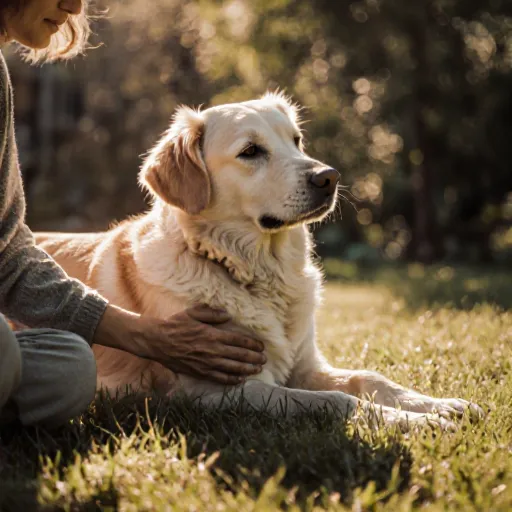
Unleash Courage in Quiet Moments
Shimmering Silence: Turning Dog Fear into Resilient Love
Table of Contents
- Introduction to Fear in Dogs
- Common Types of Dog Fear
- Genetic Factors Influencing Fear
- Early Life Experiences and Their Impact
- Environmental Triggers for Fearful Behavior
- Physical Health Issues That Can Cause Fear
- Behavioral Signs of a Fearful Dog
- Assessing Your Dog’s Fear Level
- Positive Reinforcement Training Techniques
- Desensitization and Counter-Conditioning Methods
- Use of Calming Aids and Medications
- Creating a Safe Environment at Home
- Professional Help: When to Seek an Expert
- Conclusion
- FAQ
Introduction to Fear in Dogs
Fear is one of the most common emotional responses observed in dogs, yet it often goes misunderstood or mismanaged by owners and trainers. Understanding why a dog feels afraid, recognizing the signs, and applying evidence‑based solutions can transform an anxious pet into a confident companion.
What Does “Fear” Mean for Dogs?
- Biological Basis: Fear triggers the amygdala and releases adrenaline, preparing the dog for fight or flight.
- Behavioral Manifestations: Tail tucked between legs, flattened ears, avoidance, trembling, or hyper‑alertness.
- Contextual Triggers: Loud noises (fireworks, thunder), unfamiliar people or animals, sudden movements, and certain environments.
Common Causes of Fear in Dogs
According to the guide Understanding Fear in Dogs: Causes and Solutions, fear can stem from a mix of genetic predisposition, early life experiences, and current environmental factors.
- Genetic Factors: Breeds like terriers or small breeds often have heightened sensitivity to stimuli.
- Early Socialization Gaps: Puppies that miss critical socialization windows (2–12 weeks) may develop generalized anxiety.
- Negative Past Experiences: A single traumatic event—such as a car crash or being bitten—can set the stage for long‑term fear responses.
- Lack of Predictability: Inconsistent routines or sudden changes in environment can destabilize even well‑adjusted dogs.
Practical Ways to Identify Fearful Behavior
| Behavior | Possible Interpretation | Suggested Observation |
|---|---|---|
| Tail tucked or lowered | Defensive posture | Note if it occurs near new objects or people. |
| Yawning or lip licking during stress | Self‑calming attempt | Check timing relative to triggers. |
| Avoiding eye contact and backing away | Fear of confrontation | Observe if the dog turns its head away from the source. |
Step‑by‑Step Fear Management Plan
- Assessment: Keep a fear log—record date, trigger, intensity (scale 1–10), and outcome.
- Desensitization: Gradually expose the dog to the trigger at a low intensity. For example, if fireworks frighten your dog, play recorded fireworks at low volume while offering treats.
- Counter‑Conditioning: Pair the trigger with something positive—treats, praise, or favorite toys—to shift emotional association.
- Positive Reinforcement Training: Teach a “safe spot” command (e.g., “go to mat”) so the dog has an escape route that feels controlled.
- Environmental Control: Use barriers, curtains, or white‑noise machines during high‑stress periods.
- Professional Support: If fear escalates, consult a veterinary behaviorist for advanced techniques or medication options.
Real‑World Example: A Fireworks-Fearful Dog
Case Study – Bella (10‑month‑old German Shepherd)
Trigger: Loud fireworks during holidays.
Initial Response: Hides under the bed, whines, and shows trembling.
Intervention:
- Week 1: Play recorded fireworks at 30 dB while Bella receives a high‑value treat.
- Week 2: Increase volume to 40 dB, keep treats; observe if whining decreases.
- Week 3: Introduce a “calm” cue (“Stay”) during low‑volume playback; reward compliance.
- Outcome after 6 weeks: Bella remains relaxed under the bed but shows minimal whining and can even sit calmly when fireworks play in the background.
Key Takeaways
Fear is not a sign of weakness—it’s an adaptive response. By accurately identifying triggers, applying gradual exposure, and reinforcing calm behavior, owners can help dogs regain confidence. Consistency, patience, and empathy are the cornerstones of successful fear management.
Common Types of Dog Fear
Dogs can experience a wide range of fears that affect their daily lives. Below are the most frequently observed types of fear in dogs, each with characteristic signs and actionable steps you can take to help your pet overcome them.
-
Separation Anxiety
- Signs: Excessive barking or howling when left alone, destructive chewing, urinating/defecating inside the house.
- Causes: Lack of socialization during puppyhood, traumatic separation events, or a naturally anxious temperament.
- Practical Advice:
- Gradually accustom your dog to being alone by leaving them for short periods and slowly extending the time.
- Use puzzle toys or treat-dispensing devices to keep them mentally engaged while you’re away.
- Consider a calming aid (e.g., Thundershirt, pheromone diffuser) and discuss medication options with your vet if needed.
-
Noise Phobias
- Signs: Trembling, cowering, running away from thunder or fireworks, excessive drooling.
- Causes: Sudden loud noises during formative years, lack of exposure to various sounds.
- Practical Advice:
- Create a safe “burrow” with blankets and familiar scents where the dog can retreat.
- Use white noise or soft music to mask external sounds during storms or fireworks.
- Practice desensitization by playing recorded thunder at low volume while offering treats, gradually increasing intensity.
-
Social Anxiety
- Signs: Avoidance of other dogs or people, stiff body language, reluctance to enter new environments.
- Causes: Limited early socialization, past negative encounters with strangers or other animals.
- Practical Advice:
- Enroll in a controlled group training class where you can gradually expose the dog to new people and dogs under supervision.
- Use positive reinforcement (treats, praise) when your dog approaches or tolerates new stimuli.
- Avoid forcing interactions; let the dog set the pace to prevent escalation.
-
Medical-Related Fear
- Signs: Reluctance or pain during veterinary visits, avoidance of grooming tools.
- Causes: Past painful experiences such as vaccinations, surgeries, or harsh handling.
- Practical Advice:
- Use a calm, gentle approach when handling the dog; break tasks into small steps (e.g., touching paws without restraint).
- Reward with treats and soothing voice after each successful step.
- Consult your vet for desensitization protocols or medication if anxiety is severe.
-
Object Fear
- Signs: Startle reactions to specific objects (e.g., umbrellas, shoes), avoidance or aggression toward them.
- Causes: One-time negative event involving the object or a lack of exposure during development.
- Practical Advice:
- Gradual exposure: introduce the object at a distance, rewarding calm behavior.
- Pair the object with highly valued treats to create positive associations.
- If aggression occurs, seek professional help to avoid escalation.
Key Takeaway: Understanding the specific type of fear your dog exhibits is essential for effective intervention. By combining gradual exposure, positive reinforcement, and, when necessary, professional guidance, you can help your pet regain confidence and lead a happier life.
Genetic Factors Influencing Fear
While environment and training play huge roles in shaping a dog’s temperament, genetics can predispose certain breeds—or even individual dogs—to heightened anxiety or fearfulness. Understanding these genetic influences helps owners and trainers anticipate challenges and tailor interventions that respect a dog's natural wiring.
Breed‑Level Predispositions
- Labrador Retrievers – Generally sociable, but some lines exhibit “over‑protectiveness” leading to guarding behaviors if not socialized early.
- German Shepherds – Prone to separation anxiety; their strong protective instincts can amplify fear in unfamiliar settings.
- Shiba Inus – Highly independent and sometimes wary of strangers, reflecting a natural “stranger‑fear” trait.
- Basenjis – A breed known for its high sensitivity to noise; their genetic predisposition can trigger startle responses in sudden environments.
Genetic Markers Linked to Fearful Behavior
Recent genomic studies have identified several loci associated with anxiety and fear. For instance, variations in the OXTR (oxytocin receptor) gene correlate with reduced social bonding, while polymorphisms in the AVPR1A (vasopressin receptor) gene are linked to increased reactive aggression.
Practical Tips for Owners and Trainers
- Breed‑Specific Socialization Plans: Start exposure to diverse people, places, and sounds early—especially for breeds with known fear traits. Use controlled “positive playdates” and gradually increase complexity.
- Behavioral Baselines: Record baseline reactions in calm settings (e.g., a quiet room). If the dog shows exaggerated startle or avoidance, consider genetic predisposition as a factor.
- Use of Calming Aids: For genetically anxious dogs, adjunct therapies such as pheromone diffusers (Adaptil) or natural supplements (L‑tryptophan, valerian root) can help ease baseline tension.
- Targeted Training Techniques: Employ “desensitization and counterconditioning” to systematically lower fear responses. For example, pair the sight of a trigger (like a doorbell) with a high‑value treat until the dog remains calm.
- Professional Assessment: If fear escalates or persists despite training, consult a veterinary behaviorist. Genetic testing panels can sometimes identify risk markers that inform treatment plans.
Case Study: The “Separation‑Anxious German Shepherd”
A 2‑year‑old German Shepherd named Max displayed intense whining and destructive chewing when left alone. His owner noted a family history of anxiety in the lineage. Through a structured program that combined gradual departure training, positive reinforcement for calm behavior, and a low‑dose anxiolytic prescribed by a vet, Max’s symptoms reduced significantly within three months.
Takeaway
Genetic predispositions are not destiny; they’re a piece of the puzzle. By acknowledging breed tendencies, recognizing genetic markers, and implementing early, science‑backed interventions, owners can help fearful dogs thrive in a supportive environment.
Early Life Experiences and Their Impact
The first few months of a puppy’s life are critical for shaping its emotional world. During this period, dogs form the foundational associations that will influence how they react to new people, places, sounds, and objects. A well‑structured early socialisation plan can reduce fearfulness later in life, whereas neglect or negative encounters can create lasting anxiety problems. Below we break down key developmental stages, common pitfalls, and practical steps you can take right from the start.
1. The Sensitive Period (0–12 Weeks)
- Why it matters: Puppies are most receptive to learning during this window.
- What to expose them to:
- Different textures: carpet, hardwood, tiles
- Various sounds: doorbells, vacuum cleaners, traffic, music at moderate volume
- People of all ages and backgrounds (including children)
- Other animals (cats, dogs, farm animals) in controlled settings
2. The Transitional Phase (12–20 Weeks)
As puppies grow stronger and more curious, they need continued exposure to complex stimuli. This period is crucial for learning how to handle unexpected situations.
- Structured playdates: Invite a friend’s well‑behaved dog for supervised interaction.
- Short walks in new environments: Parks, busy streets, quiet backyards.
- Introduce mild stressors: Brief exposure to a moving car or a sudden loud noise (like a firecracker). Reward calm behaviour with treats and praise.
3. Common Early-Life Mistakes
| Mistake | Resulting Fear | How to Fix It |
|---|---|---|
| Over‑protective owners who avoid new people or places. | Social withdrawal, fear of strangers. | Gradually introduce controlled encounters and reward positive responses. |
| Negative first experiences (e.g., rough handling). | Generalised anxiety or aggression toward handlers. | Use gentle touch, avoid sudden movements, pair any necessary training with treats. |
| Lack of exposure to loud noises. | Startle reflexes; fear of fireworks or thunderstorms. | Simulate noise with a safe volume and provide comfort items (blankets, toys). |
4. Practical Day‑to‑Day Tips
- Daily “mini‑exposures”:** Take your puppy to a quiet corner of the street for 2–5 minutes, gradually increasing time.
- Use positive reinforcement:** Treats, verbal praise, and gentle petting are key. Avoid punishment—dogs respond best to rewards.
- Maintain consistency:** Keep feeding, walking, and play times predictable so the puppy feels secure.
- Record progress:** Keep a simple journal noting what worked or caused distress; this helps tailor future exposures.
5. Long‑Term Benefits
A well‑socialised puppy grows into an adult dog that:
- Handles new environments without excessive fear.
- Is more responsive to training because early positive experiences create a strong bond with the owner.
- Exhibits fewer anxiety‑related behaviours such as barking, chewing, or destructive play.
Remember: Early life is not just about preventing fear; it’s also about building confidence. By investing time in thoughtful socialisation and exposure now, you’re setting your dog up for a calmer, happier future—one that will make both of you enjoy every walk, visit to the vet, or simple cuddle on the couch without worry.
Environmental Triggers for Fearful Behavior
Dogs are highly attuned to their surroundings, and subtle cues can easily provoke fear or anxiety. Understanding these environmental triggers allows owners to anticipate stressful situations and modify the environment before your dog becomes overwhelmed.
1. Loud or Sudden Sounds
- Examples: Fireworks, thunderstorms, construction noise, vacuum cleaners, car horns.
- Practical Advice:
- Create a safe space: Use a crate with soft bedding or a quiet room where the dog can retreat. Keep curtains closed to block visual stimuli.
- Desensitization: Play recordings of the sound at a low volume while offering treats. Gradually increase volume over weeks.
- White noise machines or calming music can mask sudden noises and reduce startle responses.
2. New or Unfamiliar Objects
- Examples: Strangers, unfamiliar pets, new furniture, toys with strange textures.
- Practical Advice:
- Introduce objects slowly: Let the dog sniff from a distance before allowing close contact.
- Use positive reinforcement. Pair the object with high-value treats or praise to build confidence.
- Avoid forcing interaction; let the dog set the pace.
3. Crowded or Busy Environments
- Examples: Dog parks, busy streets, family gatherings, festivals.
- Practical Advice:
- Start with low-traffic areas and gradually increase exposure.
- Use a harness or leash that allows you to maintain control without restricting movement.
- Plan visits during off‑peak hours when crowds are thinner.
4. Changes in Routine or Layout
- Examples: Moving to a new home, rearranging furniture, changes in feeding schedule.
- Practical Advice:
- Maintain consistency: Keep feeding times and walk routes as regular as possible.
- Gradually introduce layout changes; let the dog explore at its own pace.
- Use familiar scents (e.g., a blanket from home) to provide reassurance during transitions.
5. Human Body Language and Voice Tone
- Examples: Aggressive postures, shouting, sudden movements.
- Practical Advice:
- Adopt calm, relaxed body language: Sit or kneel at the dog’s eye level.
- Use a soft, steady voice when giving commands or reassurance.
- Avoid making direct eye contact during initial encounters; it can be perceived as threatening.
6. Physical Sensations and Touch
- Examples: Rough handling, sudden touches on sensitive areas (e.g., paws, ears).
- Practical Advice:
- Learn the dog’s preferred touch: some dogs enjoy belly rubs while others prefer a gentle scratch behind the ear.
- Start with light touches and observe body language for signs of discomfort (flattened ears, tail tucked).
- Avoid touching areas that trigger pain or fear, such as recently injured limbs.
7. Environmental Odors
- Examples: Cleaning chemicals, strong perfumes, smoke, mold.
- Practical Advice:
- Ventilate rooms and use pet-safe cleaning products.
- Remove or mask unpleasant odors with essential oils safe for dogs (e.g., lavender) if appropriate.
- Keep the dog in a well-ventilated area during cleaning or renovation projects.
8. Light Conditions
- Examples: Bright sunlight, flickering lights, sudden changes from dark to light.
- Practical Advice:
- Use blinds or curtains to moderate natural light.
- Avoid using harsh fluorescent lighting in living spaces.
- Gradually expose the dog to new lighting conditions while offering treats and praise.
Overall Strategy: Observe your dog’s body language for early signs of fear (e.g., ears flattened, tail tucked, avoidance). When you notice these cues, intervene calmly by providing a safe space or redirecting attention with a favorite toy or treat. Consistent, patient exposure combined with positive reinforcement helps rebuild confidence and reduce environmental anxiety.
Physical Health Issues That Can Cause Fear
While many people assume that a dog's fear is purely psychological, a significant number of anxiety‑related behaviors actually stem from underlying medical conditions. When a dog experiences pain, discomfort, or a neurological problem, it may interpret these sensations as threats and react with avoidance, aggression, or hypervigilance. Below we break down the most common health issues that can trigger fear in dogs, explain how they manifest, and offer practical steps for diagnosis and management.
1. Chronic Pain (Arthritis, Injury, Dental Problems)
- Symptoms: sudden startle at loud noises, reluctance to jump or climb stairs, guarding a particular limb or area of the body, increased vocalization during movement.
- Why it causes fear: Pain can make any stimulus feel threatening. A dog that has learned that a certain movement triggers discomfort will often freeze or flee when that movement is anticipated.
- Practical advice:
- Schedule a veterinary exam if you notice new or worsening lameness, especially after a fall or collision.
- Use joint supplements (glucosamine, chondroitin) and prescription NSAIDs as directed.
- Consider physical therapy: hydrotherapy, massage, or acupuncture can reduce pain and improve mobility.
2. Neurological Disorders (Seizure Disorders, Vestibular Disease)
- Symptoms: sudden bouts of disorientation, head tilting, circling, or unsteady gait; seizures that may last from seconds to minutes.
- Why it causes fear: The dog may not understand what is happening to its body and perceives the experience as a threat.
- Practical advice:
- Keep a seizure diary: note triggers, duration, and post‑seizure behavior.
- Follow up with a neurologist or veterinary internal medicine specialist for advanced diagnostics (MRI, CSF analysis).
- Maintain a calm environment during episodes; avoid loud noises or sudden movements that could worsen the seizure.
3. Sensory Impairments (Vision or Hearing Loss)
- Symptoms: bumping into furniture, startling at unfamiliar sounds, excessive barking or growling at “invisible” stimuli.
- Why it causes fear: Dogs rely heavily on their senses to navigate the world. Loss of a sense can create confusion and heightened anxiety.
- Practical advice:
- Perform simple home tests: observe how your dog reacts to a sudden sound or a new object in its path.
- Use tactile cues (e.g., gentle tapping on the collar) to guide them through familiar spaces.
- Consider adaptive equipment such as scent markers, bright colored toys, or hearing aids for dogs with partial hearing loss.
4. Endocrine Disorders (Hypothyroidism, Cushing’s Disease)
- Symptoms: weight changes, lethargy or hyperactivity, increased sensitivity to touch.
- Why it causes fear: Hormonal imbalances can alter a dog's mood and stress response, making them more reactive to everyday stimuli.
- Practical advice:
- Schedule regular bloodwork (CBC, chemistry panel) for aging dogs or those with unexplained behavioral changes.
- Work with your vet to titrate medication doses carefully; sudden changes can worsen anxiety.
- Maintain a consistent routine: predictable feeding times and exercise help stabilize hormone levels.
5. Gastrointestinal Issues (Irritable Bowel Syndrome, Food Allergies)
- Symptoms: frequent vomiting or diarrhea, abdominal pain, reluctance to eat.
- Why it causes fear: Discomfort in the gut can lead to a generalized anxiety response, especially if the dog associates certain foods or environments with nausea.
- Practical advice:
- Keep an elimination diet diary: track food intake and symptom onset.
- Consider hypoallergenic diets or hydrolyzed protein formulas under veterinary guidance.
- Administer probiotic supplements to support gut health and reduce inflammation.
6. Infectious Diseases (Lyme Disease, Canine Distemper)
- Symptoms: fever, muscle pain, neurological signs such as tremors or seizures.
- Why it causes fear: The systemic illness can produce shock and confusion, causing the dog to act defensively.
- Practical advice:
- Vaccinate promptly: Lyme disease vaccine and core vaccines are key preventive measures.
- If symptoms appear, seek immediate veterinary care for appropriate antibiotics or antiviral therapy.
- Isolate the dog during contagious phases to prevent spread and reduce stress from unfamiliar animals.
7. Allergies (Environmental, Flea Allergy Dermatitis)
- Symptoms: intense itching, scratching, licking of certain body areas; skin lesions that may become infected.
- Why it causes fear: Constant itchiness and discomfort can trigger a defensive posture or aggression towards perceived threats.
- Practical advice:
- Perform an allergy panel test to identify specific allergens.
- Use hypoallergenic shampoos, flea control treatments, and dust‑free bedding.
- Consider topical immunotherapy or oral antihistamines as prescribed by a vet.
Behavioral Signs of a Fearful Dog
If you suspect your dog is experiencing fear, it’s essential to recognize the subtle and overt cues they display. Understanding these signs not only helps in providing comfort but also guides you toward effective solutions as outlined in Understanding Fear in Dogs: Causes and Solutions.
1. Body Language Clues
- Tail Position: A tucked or low tail often signals anxiety. Conversely, a stiff tail may indicate that the dog is on edge but not yet showing overt fear.
- Ears: Flattened or pinned back ears are classic indicators of discomfort. Some breeds with floppy ears might keep them erect when nervous, so pay attention to overall ear posture.
- Posture: A lowered body, rounded shoulders, and a crouched stance suggest that the dog is trying to make itself smaller or protect its vulnerable areas.
2. Vocalization Patterns
- Barking/Whining: Low, high-pitched barks or continuous whining can be a dog's way of expressing distress.
- Crying or Growling: In some cases, a fearful dog may growl out of frustration rather than aggression. This is an important distinction for owners to avoid misinterpreting the behavior.
3. Avoidance Behaviors
Fearful dogs often try to escape or distance themselves from the perceived threat:
- Hiding: Seeking secluded spots under furniture or behind doors.
- Running Away: Quick, frantic attempts to flee from a stimulus.
- Refusal to Approach: Turning their head away when you try to touch them.
4. Physical Symptoms
These signs indicate physiological stress responses:
- Sweating (especially in paw pads): Dogs may sweat through their paws when anxious.
- Licking or Biting Nails: Excessive licking can be a self-soothing tactic for a nervous dog.
- Drooling: An increased drool level often appears in highly stressed dogs.
5. Behavioral Changes Over Time
Notice how the dog's behavior evolves as they grow or encounter new environments:
- New Environment Sensitivity: A dog that is normally sociable may become shy in a crowded park.
- Changes After Trauma: Dogs that have experienced a traumatic event (e.g., being hit by a car) often exhibit generalized fear, impacting their daily routines.
Practical Tips for Owners
- Observe Quietly: Avoid sudden movements or loud noises that might trigger the dog's fear response. Give them time to adjust before interacting.
- Create a Safe Space: A crate, a corner with their favorite blanket, or a specific room can serve as a retreat where they feel secure.
- Use Positive Reinforcement: Reward calm behavior with treats and praise. This reinforces the idea that staying relaxed leads to positive outcomes.
- Gradual Desensitization: Slowly expose them to feared stimuli at a low intensity while pairing it with something pleasant (e.g., treats). Increase exposure gradually as tolerance improves.
- Consult Professionals: If fear persists or worsens, consider seeking help from a certified behaviorist or veterinarian. They can recommend targeted training programs or medical interventions if needed.
By accurately identifying these behavioral signs and employing thoughtful strategies—rooted in the comprehensive insights of Understanding Fear in Dogs: Causes and Solutions—you’ll create a calmer, more confident environment for your canine companion.
Assessing Your Dog’s Fear Level
Before you can help your dog overcome its anxieties, you must first understand how intense those fears are and what triggers them. Below is a practical framework for evaluating fear in dogs, drawing on the core concepts from “Understanding Fear in Dogs: Causes and Solutions.” Use this guide to create a personalized action plan.
1. Observe Body Language
- Relaxed posture: Tail wagging loosely, ears up, mouth relaxed – indicates low fear.
- Tense posture: Tail tucked or stiff, ears flattened, body rigid – suggests moderate to high fear.
- Submissive signals: Yawning, licking lips, avoiding eye contact – often a sign of high anxiety.
2. Identify Trigger Contexts
Create a “Fear Log” where you note each incident: time, location, trigger (e.g., loud noise, new person), and your dog’s reaction. Look for patterns:
- Noise triggers: Thunder, fireworks, vacuum cleaner.
- Social triggers: Strangers, unfamiliar dogs.
- Environmental triggers: New furniture, construction noise.
3. Use a Fear Rating Scale
Rate each incident on a scale of 1–5 (1 = no fear, 5 = extreme fear). After compiling data, calculate an average score to gauge overall anxiety level.
Example:
| Date | Trigger | Reaction | Rating (1–5) |
|---|---|---|---|
| 07/12 | Loud thunder | Hiding under bed, whimpering | 4 |
| 07/15 | New visitor | Sniffing, backing away | 3 |
| 07/20 | Vacuum cleaner | Running to door, barking | 5 |
4. Conduct Controlled Exposure Tests
Introduce the trigger at a low intensity and observe your dog’s reaction. Gradually increase exposure while ensuring comfort. This helps confirm whether the fear is situational or generalized.
Practical Tip:
- Use a “safe distance” where your dog can see the trigger but remains calm.
- Record with a video to analyze body language later.
5. Consult Professional Resources
If fear scores consistently above 4 or if you notice signs of panic (e.g., trembling, vomiting), seek guidance from a certified animal behaviorist or veterinary behavior specialist.
6. Document Progress
Maintain a weekly log summarizing triggers, reactions, and any training interventions. Celebrate small wins – even a slight decrease in fear rating is progress!
Sample Weekly Log Entry:
Week of 07/21–27
- Trigger: Fireworks (moderate intensity)
- Reaction: Crouched near wall, ears back
- Intervention: Positive reinforcement with treats + desensitization playlist
- Outcome: Rating decreased from 5 to 3
With a clear assessment of your dog’s fear level, you can tailor specific desensitization protocols, training exercises, and environmental modifications. Remember: consistency, patience, and positive reinforcement are the cornerstones of successful anxiety management.
Positive Reinforcement Training Techniques
When addressing a fearful dog, the most effective strategy is to build trust through consistent, reward‑based interactions. Positive reinforcement focuses on encouraging desired behaviors by offering something the dog values—food treats, praise, or play—immediately after the behavior occurs. This approach not only speeds learning but also creates a safe emotional environment that counters fear.
1. Establish a Calm Foundation
- Use a gentle tone: Speak softly and slowly to avoid startling the dog.
- Maintain eye contact: Only if the dog is comfortable; otherwise, use peripheral gaze.
- Keep body language relaxed: Avoid sudden movements that could be perceived as threatening.
2. Gradual Exposure with Immediate Rewards
When a specific stimulus triggers fear (e.g., vacuum cleaner), introduce it at a distance the dog can tolerate, then reward:
- Distance A: Place the object far enough that the dog shows no reaction. Offer a high‑value treat.
- Progression: Slowly decrease the distance in increments (e.g., 2 feet at a time), rewarding each calm response.
- Timing is key: Deliver the treat within 1–2 seconds after the dog remains relaxed.
3. Shaping Desired Behaviors
Shaping breaks complex tasks into small, achievable steps. For a fearful dog that avoids approaching people, start with:
- Step 1: Sit in the same room without interaction; reward for staying calm.
- Step 2: Move closer while maintaining distance; reward again.
- Step 3: Initiate gentle hand‑shake; reward when the dog touches your palm.
4. Use of Clicker Training
The clicker provides an unmistakable marker that a desired behavior has occurred, followed by a treat. This method eliminates ambiguity and speeds up learning:
- Click when the dog performs the target action.
- Immediately give a treat.
- Repeat consistently to build a clear association.
5. Reward Types and Timing
- High‑value treats: Small pieces of chicken or cheese; use only for training moments.
- Low‑value treats: Use during play or to reinforce routine behaviors.
- Verbal praise: “Good boy!” or “Nice job!” paired with a gentle pet.
6. Consistency Across Family Members
All household members should use the same cues and rewards to avoid confusing signals. Create a simple training sheet outlining commands, associated treats, and timing guidelines.
7. Managing Setbacks
- Don’t punish: Fearful dogs respond poorly to negative reinforcement.
- Reset the session: If the dog shows signs of distress, pause and return to a lower‑level stimulus.
- Keep sessions short (5–10 minutes) to prevent overload.
8. Practical Example: Fear of Loud Noises
Scenario: A dog flinches at fireworks.
- Record a short video clip of fireworks sounds at low volume.
- Play the clip while the dog watches from a safe distance; give treats for calmness.
- Gradually increase volume or shorten playback time, rewarding each calm response.
9. Tracking Progress
Maintain a training log noting:
- Date and time of sessions.
- Stimulus level and distance.
- Dog’s reaction score (1–5).
- Reward type used.
10. When to Seek Professional Help
If the dog shows extreme anxiety or aggression despite consistent positive reinforcement, consult a certified animal behaviorist. They can tailor advanced desensitization protocols and provide guidance on medication if necessary.
By systematically applying these positive reinforcement techniques—grounded in an understanding of fear’s root causes—you’ll help your dog develop confidence, resilience, and a stronger bond with you.
Desensitization and Counter-Conditioning Methods
When a dog has developed an unwanted fear or anxiety response, the most effective way to change that behavior is through systematic desensitization combined with counter‑conditioning. These techniques gradually expose the animal to the feared stimulus at a level that does not trigger the full emotional reaction, while pairing that exposure with something positive—such as treats, praise, or play—to shift its emotional association.
Step‑by‑Step Process
- Identify the Fear: Pinpoint the exact trigger (e.g., vacuum cleaner, thunder, other dogs). Observe the dog’s behavior to determine at what intensity the fear escalates.
- Create a “Fear‑Free” Baseline: Find a distance or context where the dog remains calm. This baseline is your starting point for gradual exposure.
- Gradual Exposure (Desensitization):
- Begin at the safe distance and allow the dog to observe the stimulus while rewarding calmness.
- Incrementally reduce the distance or increase the intensity in tiny, measurable steps—often just a few inches or a short duration.
- Always pause if the dog shows signs of stress (panting, whining, avoidance). Return to the previous safe level and give a reward before attempting again.
- Pair with Positive Reinforcement (Counter‑Conditioning):
- Offer high‑value treats, favorite toys, or enthusiastic praise each time the dog remains calm during exposure.
- Use a consistent cue (“good boy,” “yes”) to signal success and reinforce the new association.
- Over time, the dog learns that the stimulus is linked with pleasant experiences rather than danger.
- Progressive Generalization: Once the dog tolerates the original stimulus at a close distance or high intensity, begin exposing it in different contexts (different rooms, times of day, or with other people). This ensures the new behavior is robust across situations.
Practical Examples
- Thunder Anxiety:
- Start by playing a recording of distant thunder at low volume while giving treats.
- Gradually increase the volume every few days, ensuring the dog remains calm and rewarding each time.
- After weeks, introduce a short burst of live thunder (e.g., from a nearby storm) while still rewarding calmness.
- Fear of Vacuum Cleaner:
- Place the vacuum in an empty room and leave it on for a few seconds, rewarding the dog with treats if it stays relaxed.
- Move the vacuum closer to the dog’s space while keeping it off. When the dog tolerates proximity, turn it on briefly, again rewarding calmness.
- Reaction to Other Dogs:
- Walk your dog in a park where other dogs are at a safe distance. Offer treats whenever the dog stays calm.
- Gradually reduce the distance between your dog and another dog, always rewarding calm behavior.
- Once comfortable, allow short supervised interactions with calm, friendly dogs.
Tips for Success
- Consistency is Key: Perform the training sessions at the same time each day to build routine.
- Use High‑Value Rewards: Choose treats or activities that your dog loves more than ordinary food.
- Keep Sessions Short: 5–10 minutes per session prevents fatigue and maintains focus.
- Monitor Body Language: Look for subtle signs of stress—tail tucked, ears flattened—to adjust the pace.
- Seek Professional Guidance: For severe fears (e.g., aggression after a trauma), consider consulting a certified dog behaviorist or veterinary behaviorist.
Common Pitfalls to Avoid
- Jumping the “comfort zone” too quickly—this can reinforce fear.
- Using low‑quality treats that don’t motivate the dog.
- Ignoring signs of distress; forcing exposure only escalates anxiety.
- Failing to generalize across environments, leaving the dog vulnerable in new settings.
When executed patiently and systematically, desensitization coupled with counter‑conditioning transforms a fearful dog into one that associates once‑scary stimuli with positive experiences. This approach not only reduces anxiety but also strengthens the bond between you and your canine companion by building trust through consistent, rewarding interactions.
Use of Calming Aids and Medications
When environmental or behavioral interventions alone aren’t enough, veterinarians often recommend calming aids or medications to help a dog manage anxiety. These tools should be used in conjunction with training and enrichment, not as a stand‑alone solution.
1. Calming Aids (Non‑Pharmacologic)
- Adaptil Diffuser/Collars – Synthetic pheromone that mimics the calming scent dogs emit when nursing puppies. Place in rooms where your dog spends most of its time or attach to a collar during stressful events.
- Thundershirt (Pressure Wrap) – A snug vest that applies gentle pressure, similar to swaddling infants. Works best for dogs who are comfortable with close contact; avoid if the dog resists being touched.
- Calming Treats & Chews – Contain ingredients like L‑tryptophan, valerian root, or chamomile. Follow dosage instructions on the label and monitor for any adverse reactions.
- Aromatherapy (Lavender, Chamomile) – Use a diffuser with essential oils at a low concentration; never apply directly to skin or ingest. Some dogs are sensitive to strong scents, so start with a small amount.
2. Prescription Medications
Medications should be prescribed by a licensed veterinarian and used under close monitoring. Common options include:
- Anti‑Anxiety Drugs (e.g., Alprazolam, Clomipramine) – Typically short‑term or “as‑needed” use for acute anxiety spikes.
- Behavioral Enhancers (e.g., Fluoxetine, Sertraline) – Often prescribed for chronic conditions like separation anxiety. Requires a gradual titration schedule and periodic blood work.
- Natural Supplements (e.g., L‑Dopa, 5‑HTP) – Less regulated; consult with a vet to ensure proper dosage and safety.
3. Practical Tips for Implementation
- Start Low, Go Slow – Whether using a diffuser or medication, begin with the lowest effective dose. Watch for side effects such as sedation, gastrointestinal upset, or behavioral changes.
- Pair With Positive Reinforcement – Use treats and praise to associate the calming aid or medication with positive experiences. This reduces the risk of the dog developing a negative association.
- Consistent Routine – Administer aids at the same times each day, especially before predictable stressors (e.g., fireworks, vet visits).
- Monitor Progress – Keep a diary noting frequency of anxiety episodes, duration, and any changes after starting an aid or medication. This data helps your vet adjust treatment.
4. When to Seek Professional Help
If you notice that the dog’s anxiety is worsening despite consistent use of aids and medications, or if side effects appear, contact your veterinarian immediately. Persistent fear may indicate underlying medical issues such as thyroid dysfunction or pain that needs separate treatment.
5. Case Study Example
Case: Bella, a 4‑year‑old Labrador Retriever
- Problem: Severe separation anxiety, barking and destructive chewing when left alone.
- Intervention: Adaptil collar + Thundershirt during initial days. After a week of reduced barking, veterinarian prescribed low‑dose fluoxetine (5 mg once daily).
- Outcome: Within three weeks, Bella’s destructive behavior dropped by 80%. The Thundershirt was phased out as she became more comfortable.
This example illustrates how a combined approach—environmental aids plus medication—can produce tangible improvements when tailored to the dog’s specific needs.
Creating a Safe Environment at Home
When a dog is experiencing fear or anxiety, the home should become a sanctuary that reinforces calmness and trust. Below are practical steps you can take to transform your living space into a safe haven for your canine companion.
1. Designate a “Safe Zone”
- Choose a quiet corner or room: Ideally, it should be away from high-traffic areas such as the kitchen or living room where sudden noises (e.g., vacuum cleaner, doorbell) are common.
- Provide familiar items: Place your dog’s favorite blanket, bedding, and a few toys in this area. The scent of familiar objects can reduce anxiety.
- Use a crate or playpen: A well-fitted crate can serve as a den-like space. Make sure it is not too large; the dog should be able to stand up, turn around, and lie down comfortably but not have enough room to feel exposed.
2. Control Light and Sound
Dogs are highly sensitive to sudden changes in light and sound. To help them remain calm:
- Lamp placement: Keep a low, soft lamp near the safe zone that provides gentle illumination during evening hours.
- Background noise: A white‑noise machine or a fan can mask household sounds. Alternatively, play soothing music specifically composed for dogs (e.g., “Music for Dogs” playlists).
3. Maintain Consistent Routines
Dogs thrive on predictability. Establishing a routine reduces uncertainty and the associated fear response.
- Meal times: Feed your dog at the same times each day. This predictable rhythm signals safety.
- Walks and play: Schedule regular walks, play sessions, and training in the same order and duration.
- Bedtime rituals: End the day with a calm activity such as gentle petting or a short training session before settling down for the night.
4. Use Positive Reinforcement Training
Teach your dog to associate safe spaces and calm behavior with rewards.
- Desensitization: Gradually expose your dog to mild triggers (e.g., a door opening) while providing treats. Over time, the dog learns that these stimuli are not threats.
- Reward calmness: Whenever your dog remains relaxed in their safe zone or during exposure training, offer praise and a treat immediately.
5. Keep Hazardous Items Out of Reach
Physical safety is as important as emotional safety.
- Secure cords: Tie up electrical cords or use cord covers to prevent chewing and potential electric shock.
- Safe storage: Store cleaning supplies, medications, and sharp objects in locked cabinets.
- Check for small items: Regularly inspect the floor for dropped toys, batteries, or food wrappers that could be ingested.
6. Monitor Your Dog’s Body Language
Recognizing early signs of fear can prevent escalation.
- Tail position: A tucked tail often signals discomfort.
- Body posture: Flattened ears, crouching, or a lowered head may indicate anxiety.
- When you notice these cues, calmly offer your dog access to their safe zone and avoid forcing interaction.
7. Create an Escape Plan for Loud Events
If you anticipate fireworks, thunderstorms, or construction noise:
- Pre‑event prep: Move the safe zone to a quieter part of the house and ensure it’s easily accessible.
- Use calming aids: Consider natural supplements (e.g., CBD oil, calming chews) or anxiety wraps if approved by your vet.
- Stay calm: Dogs pick up on human emotions; remaining composed can help them stay relaxed.
8. Seek Professional Guidance When Needed
If fear symptoms persist or worsen, consult a certified animal behaviorist or veterinarian. They may recommend behavioral modification plans or medication to complement environmental adjustments.
By thoughtfully arranging your home environment and reinforcing calm behaviors, you create a foundation that helps your dog feel secure, reducing fear and fostering a stronger bond between you both.
Professional Help: When to Seek an Expert
If you notice any of the following signs, it’s time to consult a qualified professional—whether that be a veterinarian, a certified dog behaviorist, or a reputable trainer.
- Severe or escalating fear responses: Sudden spikes in barking, growling, trembling, or attempts to flee that are getting worse over time.
- Persistent avoidance behaviors: Your dog consistently refuses to approach certain stimuli (e.g., loud noises, specific objects) even after multiple training sessions.
- Physical symptoms of stress: Excessive salivation, panting, drooling, or a swollen face that don’t subside with calm reassurance.
- Destructive behaviors: Chewing, digging, or other destructive actions triggered by fear (e.g., barking at a passing truck).
- Health complications related to stress: Loss of appetite, vomiting, diarrhea, or chronic insomnia linked to anxiety.
- Lack of progress with home training: After weeks or months of consistent practice, there is no noticeable improvement.
Choosing the Right Professional
The type of expert you need depends on the root cause of your dog’s fear. Below are some common specialists and what they can help with:
| Professional | Specialty | Typical Use Cases |
|---|---|---|
| Veterinarian | Medical evaluation & medication options | Physical causes of pain or illness, prescription anxiolytics, anti‑nausea meds for stress-induced vomiting. |
| Certified Animal Behaviorist (e.g., CSAB) | Behavioral assessment & treatment plans | Complex phobias, separation anxiety, aggression stemming from fear. |
| Professional Dog Trainer (e.g., APDT, ICFT) | Positive reinforcement training programs | Gradual exposure to stimuli, confidence building, obedience skills. |
| Veterinary Technician or Paraveterinarian with behavior training | Supportive role in medication administration & behavioral support | Daily monitoring of medication side effects and reinforcing training at home. |
What to Expect During a Professional Consultation
- Initial Assessment: The expert will observe your dog’s behavior in various settings, ask you detailed questions about triggers, and review any medical records.
- Behavioral History: They’ll gather information on early life experiences, past training, socialization history, and any significant changes (e.g., new household members).
- Diagnostic Tests: If a physical cause is suspected, bloodwork or imaging may be recommended.
- Treatment Plan Development: A tailored plan that might combine medication, behavior modification techniques, and home practice guidelines.
- Follow‑up Sessions: Regular check‑ins to track progress, adjust strategies, and provide ongoing support.
Practical Tips for Working with an Expert
- Bring a detailed log of incidents (date, time, trigger, reaction). This data helps professionals pinpoint patterns.
- Be consistent with the treatment plan. Even small deviations can stall progress.
- Ask for demonstrations of training techniques so you can replicate them accurately at home.
- Set realistic goals and timelines; fear reduction is often a gradual process.
- Maintain open communication—report any side effects from medication or unexpected behavioral changes promptly.
Remember, seeking professional help isn’t a sign of failure—it’s a proactive step toward ensuring your dog’s safety and well‑being. Early intervention can prevent fear from escalating into more severe anxiety or aggression problems later on.
Conclusion
The chapter on Understanding Fear in Dogs: Causes and Solutions offers a wealth of insight into why dogs feel scared and how we can help them feel safe. By combining the science behind fear with actionable steps, you can create an environment that nurtures confidence rather than anxiety.
1. Identify the Root Cause Quickly
- Environmental Triggers: Loud noises (fireworks, thunderstorms) often produce startle reactions. Keep a calm routine and use white‑noise machines to mask sudden sounds.
- Negative Past Experiences: Dogs that have been mishandled or left alone for long periods may develop generalized anxiety. Use positive reinforcement training sessions—short, 5–10 minute play or treat breaks—to rebuild trust.
- Health Issues: Pain can masquerade as fear. A routine vet check‑up will rule out underlying medical causes such as arthritis or dental problems.
2. Build a Predictable Routine
Certain routines—like feeding, walks, and bedtime—help dogs feel secure because they know what to expect. A predictable schedule reduces the likelihood of surprise triggers that can spark fear.
3. Use Counter‑Conditioning and Desensitization
- Start Low: Begin with a stimulus at a distance where the dog shows no fear response.
- Pair With Rewards: Offer treats or praise whenever the dog remains calm. Over time, gradually reduce the distance while maintaining positive reinforcement.
4. Create Safe Spaces
Provide a “safe haven” such as a crate, a cozy corner with their favorite blanket, or a small room where your dog can retreat during stressful events. Make sure the space is quiet and free of potential triggers.
5. Practice Calm Leadership
- Body Language: Dogs read human cues. Keep your posture relaxed, avoid sudden movements, and use gentle voice tones.
- Consistent Commands: Use the same words for “stay,” “come,” or “sit.” Consistency reduces confusion that can heighten fear.
6. When to Seek Professional Help
If your dog’s fear escalates into aggression, self‑harm, or severe separation anxiety, consult a qualified veterinary behaviorist. They can design a tailored desensitization program and may recommend medication as part of an integrated treatment plan.
7. Monitor Progress With a Fear Log
Keep a simple journal: date, trigger observed, intensity (1–10), coping response, and any changes you made. Over weeks, patterns will emerge—allowing you to adjust your approach proactively.
Understanding the specific triggers behind your dog’s fear is the first step toward effective intervention. By blending a predictable routine, positive reinforcement, and consistent calm leadership, you can transform fearful moments into opportunities for confidence-building. Remember: patience, consistency, and empathy are the best tools in your behavioral toolkit.
FAQ
- What are the most common signs that a dog is experiencing fear?
-
- Body language: Tucked tail, flattened ears, cowering posture.
- Vocalizations: Whining, barking, growling or even yelping.
- Physiological responses: Panting, drooling, trembling, rapid heart rate.
- Avoidance behavior: Turning away, running away, or hiding under furniture.
- How can I differentiate between fear and anxiety in my dog?
- Fear is usually a short‑term reaction to an immediate stimulus (e.g., a loud noise), whereas anxiety tends to be chronic, with the dog showing tension or agitation even when the trigger is absent. Look for patterns: if your dog remains tense during calm periods, it may be experiencing generalized anxiety.
- What are the primary causes of fear in dogs?
-
- Genetic predisposition: Certain breeds (e.g., German Shepherds, Dobermans) have a higher likelihood of developing fearful traits.
- Early life experiences: Puppies that are not adequately socialized or who experience traumatic events early on may develop long‑term fear responses.
- Lack of exposure to stimuli: Dogs that haven't encountered various sounds, people, or environments can become fearful when confronted with the unfamiliar.
- Health issues: Pain or illness can manifest as sudden fearfulness; always rule out medical causes first.
- What practical steps can I take to help a fearful dog feel safer?
-
- Create a safe space: Provide a cozy crate or room where the dog can retreat.
- Use positive reinforcement training: Reward calm behavior with treats, praise, and gentle petting.
- Gradual desensitization: Slowly expose your dog to the feared stimulus at a low intensity while maintaining a relaxed environment.
- Employ counter‑conditioning: Pair the scary stimulus with something enjoyable (e.g., tasty treats) so that the dog associates it with positive outcomes.
- Maintain routine: Predictable feeding times, walks, and play sessions reduce uncertainty.
- When should I seek professional help for my dog's fear?
-
Seek veterinary or behaviorist assistance if:
- The dog shows signs of physical injury (scratches, bites).
- Fear responses are extreme, such as severe aggression or self‑harm.
- You’re unable to manage the dog's fear with home strategies after several weeks.
- A medical cause is suspected and needs investigation.
- Can medication help with a fearful dog?
- Yes, but it should be used as part of a comprehensive plan. Antidepressants (e.g., fluoxetine) or anxiolytics (e.g., clonazepam) can reduce baseline anxiety levels, making training more effective. Always consult a veterinarian before starting any medication.
- What are some real‑world examples of successful fear reduction?
-
- Case study: “Luna” the terrier: Luna was terrified of fireworks. Her owner used a low‑volume recorded fireworks sound paired with treats over four weeks, gradually increasing volume until Luna tolerated actual fireworks without distress.
- Case study: “Max” the German Shepherd: Max had aggressive reactions to other dogs during walks. With professional training focusing on impulse control and gradual exposure to calm dogs, Max now calmly passes by strangers.
- How can I help my dog cope with everyday stressful events (e.g., holidays, moving houses)?
-
- Prepare early: Introduce new smells, sounds, or environments gradually.
- Maintain consistency: Keep feeding and walking schedules unchanged as much as possible.
- Use calming aids: Consider pheromone diffusers, anxiety wraps, or natural supplements (e.g., CBD, L-theanine) under veterinary guidance.
Categories
- AI & Enrichment Play
- Broiler Farming
- Broiler Farming Tips
- Canine Wellness & Longevity
- Cat
- Cat & Human Connection
- Cat Adoption & Rescue
- Cat Breeds
- Cat Breeds & Personalities
- Cat Care & Health
- Cat Grooming & Hygiene
- Cat Lifestyle & Environment
- Cat Myths & History
- Cat Nutrition & Diet
- Cat Products & Reviews
- Cat Training & Behavior
- Comparison
- Consumer Awareness
- Dog
- Dog Accessories & Products
- Dog Adoption & Rescue
- Dog Breed & Lifestyle Trends
- Dog Breeding & Puppies
- Dog Entertainment & Media
- Dog Fashion & Trends
- Dog Fun & Lifestyle
- Dog Grooming & Hygiene
- Dog History & Culture
- Dog Myths, Science & Future Tech
- Dog News & Trends
- Dog Nutrition & Food
- Dog Psychology & Emotions
- Dog Safety & Security
- Dog Sports & Activities
- Dog Technology & Innovation
- Dog Training for Modern Owners
- Dog Travel & Adventure
- Dog Travel, Adventure & Culture
- Economic and Market Insights
- Educational Content
- FAQs
- Feeding Alternatives
- Festivals & Seasonal Ideas
- Fun & Entertainment
- General Knowledge
- General Pig Farming
- Health & Disease Management
- Housing and Environment
- Kittens
- Market Insights
- Miscellaneous
- Miscellaneous
- Motivational
- pig
- Pig Breeding
- Pig Breeds
- Pig Farming Stories and Inspiration
- Pig Health and Care
- Pig Nutrition
- Pig Products
- Profitability & Business
- Puppy Care
- Puppy Predictable Topics Reinvented
- Regional Focus
- Rescue & Adoption Buzz
- Senior Cats
- Senior Dog Care
- Smart Dog Tech & Gadgets
- Sustainability
- Sustainable & Eco-Friendly Dog Products
- Tech & Innovations
- Working & Service Dogs
- Broiler Feed66 products
- Country Feed33 products
- Pig Feed66 products
- Product22 products
- Raw Materials99 products
Products
-
 Fish Meal
₹1,999.00 – ₹2,999.00Price range: ₹1,999.00 through ₹2,999.00Rated 0 out of 5
Fish Meal
₹1,999.00 – ₹2,999.00Price range: ₹1,999.00 through ₹2,999.00Rated 0 out of 5 -
 FATTENING BROILER FEED
₹2,299.00 – ₹2,349.00Price range: ₹2,299.00 through ₹2,349.00Rated 0 out of 5
FATTENING BROILER FEED
₹2,299.00 – ₹2,349.00Price range: ₹2,299.00 through ₹2,349.00Rated 0 out of 5 -
 LAYER COUNTRY FEED
₹1,549.00 – ₹1,649.00Price range: ₹1,549.00 through ₹1,649.00Rated 0 out of 5
LAYER COUNTRY FEED
₹1,549.00 – ₹1,649.00Price range: ₹1,549.00 through ₹1,649.00Rated 0 out of 5 -
 COUNTER BROILER FEED
₹1,199.00 – ₹1,299.00Price range: ₹1,199.00 through ₹1,299.00Rated 0 out of 5
COUNTER BROILER FEED
₹1,199.00 – ₹1,299.00Price range: ₹1,199.00 through ₹1,299.00Rated 0 out of 5 -
 LACTATING PIG FEED
Rated 0 out of 5
LACTATING PIG FEED
Rated 0 out of 5₹2,299.00Original price was: ₹2,299.00.₹1,740.00Current price is: ₹1,740.00. -
 Maize
Rated 0 out of 5
Maize
Rated 0 out of 5₹1,650.00Original price was: ₹1,650.00.₹1,300.00Current price is: ₹1,300.00. -
 GESTATION PIG FEED (Phase 1)
Rated 0 out of 5
GESTATION PIG FEED (Phase 1)
Rated 0 out of 5₹2,249.00Original price was: ₹2,249.00.₹1,699.00Current price is: ₹1,699.00. -
 Pre Starter Broiler Feed
₹2,399.00 – ₹2,499.00Price range: ₹2,399.00 through ₹2,499.00Rated 0 out of 5
Pre Starter Broiler Feed
₹2,399.00 – ₹2,499.00Price range: ₹2,399.00 through ₹2,499.00Rated 0 out of 5 -
 FINISHER PIG FEED
Rated 0 out of 5
FINISHER PIG FEED
Rated 0 out of 5₹2,299.00Original price was: ₹2,299.00.₹1,749.00Current price is: ₹1,749.00. -
 Broiler Premix
Rated 0 out of 5
Broiler Premix
Rated 0 out of 5₹820.00Original price was: ₹820.00.₹699.00Current price is: ₹699.00.