
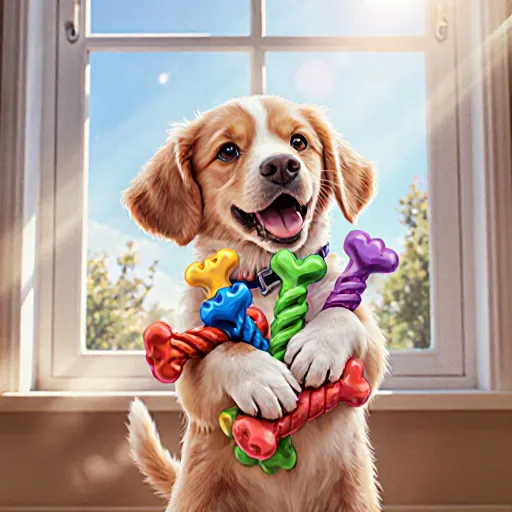
Chew Your Way to Happy Paws!
Puppy Teething Triumph: The Ultimate Chew‑Selection Guide
Table of Contents
- Introduction
- Understanding Teething in Puppies
- Key Factors to Consider When Choosing Toys
- Chew‑Friendly Toy Types
- Safe and Non‑Toxic Materials
- Durability vs. Softness: Finding the Balance
- Texture Variety for Oral Development
- Size and Shape Considerations
- Scented and Flavor‑Infused Toys
- Interactive Play and Mental Stimulation
- Monitoring Safety During Chewing Sessions
- Training Tips to Encourage Proper Toy Use
- Hygiene and Cleaning Practices
- Where to Buy – Selecting Reliable Stores
- Conclusion
- FAQ
Introduction
When a puppy starts teething, their gums become sore and they crave something to chew on. Selecting the proper toys not only soothes their discomfort but also supports healthy dental development and helps prevent destructive behavior.
1. Understand the Teething Timeline
- 4–6 weeks: The first set of teeth (deciduous incisors) begin to erupt, causing mild discomfort.
- 8–12 weeks: Primary molars and canines appear. Puppies may chew more aggressively.
- 3–4 months: Permanent teeth start to come in; chewing intensity peaks.
2. Key Features of a Good Teething Toy
- Durability: Puppies have powerful jaws. Look for toys rated “heavy duty” or “indestructible.”
- Texture Variety: Soft rubber, textured nylon, and braided yarn each offer different sensations that can massage gums.
- Size & Shape: Toys should be large enough to avoid choking but small enough for a puppy’s mouth. Avoid thin strings or cords that could break off.
- Safety Certifications: Check for ASTM, EN71, or other safety standards indicating non-toxic materials.
3. Top Toy Categories for Teething Puppies
| Toy Type | Best Use | Example Products |
|---|---|---|
| Soft Chews (e.g., KONG Classic) | Massage gums, reduce anxiety | KONG Classic Dog Toy, Nylabone Puppy Dental Chew |
| Hard Rubber Toys (e.g., Goughnuts) | Build jaw strength, long-lasting | Goughnuts Original, Chuckit! Ultra Ball |
| Braided Rope Toys | Friction for teeth cleaning, interactive play | Hartz Braid Rope, PetSafe Dog Chew Toy |
| Frozen Treats (e.g., Ice‑Cooled Chews) | Cool sore gums, provide instant relief | Freeze‑able Nylabone, KONG Ice Cube |
4. Practical Tips for Managing Teething Behavior
- Rotate Toys: Keep a variety of textures available to maintain interest.
- Supervise Play: Never leave your puppy unattended with small parts that could be swallowed.
- Use Positive Reinforcement: Praise and reward when they chew on the appropriate toy.
- Clean Regularly: Wash rubber toys in warm soapy water weekly to prevent bacterial buildup.
5. When to Seek Veterinary Advice
If your puppy shows signs of excessive pain, swelling, or refuses to eat, contact a vet. Persistent teething issues may indicate developmental problems such as delayed tooth eruption or malocclusion.
6. Bottom Line
Choosing the right teething toy is about balancing safety, durability, and sensory appeal. By understanding your puppy’s growth stage and providing appropriate chew options, you’ll help them navigate this critical developmental phase with comfort and confidence.
Understanding Teething in Puppies
When a puppy starts to lose its baby teeth and grow permanent ones, it can be an uncomfortable period that leads to chewing on anything within reach. Selecting appropriate toys not only eases discomfort but also promotes healthy dental development and discourages destructive behavior.
Key Features to Look For
- Durability: Chew-resistant materials like rubber, nylon or reinforced fabric can withstand the gnawing force of a growing jaw. Avoid soft plush toys that may be swallowed whole.
- Size and Shape: Toys should be large enough to prevent choking but small enough for a puppy’s mouth. A good rule of thumb: the toy’s widest point should be less than the width of your puppy’s snout.
- Texture Variety: Different textures (smooth, ridged, bumpy) stimulate gums and help massage inflamed tissue.
- Safe Colors & Materials: Bright colors are eye-catching, but ensure pigments are non-toxic. Check for any small parts that could detach.
Top Toy Recommendations
| Toy Type | Best For | Why It Works |
|---|---|---|
| Rubber Kibble Toys (e.g., KONG Classic) | All breeds, especially high-activity puppies | Hard rubber resists chewing; can be stuffed with treats to prolong interest. |
| Nylon Chew Rings (e.g., Nylabone Puppy Soft) | Small to medium breeds | Soft yet sturdy, shaped like a ring so it can be tossed easily. |
| Waterproof Plush with Hard Inserts | Puppies that enjoy both cuddling and chewing | Combines soft comfort with embedded durable chew strips. |
| Freeze‑able Water Bottles | All breeds, especially in hot climates | Cold temperature soothes gums; also provides a crunchy texture. |
Practical Tips for Safe Chewing
- Rotate Toys Regularly: Freshen up the puppy’s environment by swapping toys every few days to keep interest high.
- Supervise Playtime: Especially with new or soft toys, watch for signs of swallowing or over-chewing that could cause blockages.
- Use Positive Reinforcement: Reward the puppy with praise or a small treat when it chooses an appropriate chew toy over furniture.
- Clean Frequently: Wash rubber and nylon toys weekly to prevent bacterial buildup, especially after they’ve been chewed on food.
When to Seek Veterinary Advice
If your puppy shows excessive drooling, pawing at the mouth, or refuses to eat solid food for more than a day, contact your veterinarian. These could be signs of teething complications such as painful gums or an infection.
By carefully selecting chew toys that meet these criteria and maintaining a consistent training routine, you can help your puppy navigate the teething phase with comfort and confidence while keeping your home damage-free.
Key Factors to Consider When Choosing Toys
Teething can be a painful and destructive phase for puppies. The right toys not only soothe their gums but also encourage healthy chewing habits, prevent damage to your furniture, and promote overall well‑being. Below are the most important factors to keep in mind when selecting teething toys.
1. Material Safety
- Non-toxic, BPA‑free plastics: Look for toys certified by ASTM or similar standards. Avoid those with small parts that could be chewed off and swallowed.
- Natural rubber or silicone: These are durable, flexible, and safe for gums. They can withstand heavy chewing without splintering.
- Avoid loose or frayed strings: Strings can unravel and become choking hazards.
2. Texture Variety
- Softer textures: Ideal for puppies with very tender gums; these provide gentle relief.
- Rough or ridged surfaces: Great for cleaning teeth and stimulating gum massage once the puppy can handle more pressure.
- Combination toys that offer both textures help transition from soft to tougher chewing as the teething cycle progresses.
3. Size Appropriateness
- Small enough for mouth size: Puppies can’t chew down large items; they’ll just chew at the surface and leave pieces behind.
- Longer toys that fit inside the mouth: Encourage proper chewing technique and reduce the risk of swallowing chunks.
4. Durability & Chew Resistance
- Check for “heavy‑chewing” ratings on packaging. These indicate the toy can withstand strong bites without breaking apart.
- Inspect the toy for reinforced seams or double layers, especially if you plan to use it as a training aid during obedience sessions.
5. Flavor & Aroma (Optional)
- Some teething toys are infused with calming herbs like chamomile or have a mild scent that encourages chewing.
- Avoid strong flavors that might be off‑putting or harmful if ingested in large amounts.
6. Cleanability
- Choose toys that can be rinsed, wiped down, or even put in the dishwasher (if labeled safe for dishwashers).
- Regular cleaning prevents bacterial buildup and keeps your puppy’s oral health on track.
7. Interactive Features (Optional)
- Stuffed toys with squeakers can keep a puppy engaged but watch out for squeaker pieces that may detach.
- Teething rings with internal treats or frozen water help soothe gums while providing a reward.
8. Vet‑Approved Brands & Recommendations
While many brands offer high‑quality teething toys, here are a few trusted options:
- KONG Classic Dog Toy: Durable rubber with interchangeable fillings.
- Nylabone Dura Chew Textured Ring: Combines chew resistance and gum massage.
- West Paw Zogoflex Tux: Made from recyclable material, easy to clean, and safe for aggressive chewers.
9. Transitioning Out of Teething Phase
As your puppy’s molars erupt (usually around 4–6 months), you can gradually introduce harder toys or those with dental benefits such as:
- Rope toys for cleaning plaque.
- Dental chews that help reduce tartar buildup.
10. Monitoring and Replacement
Regularly inspect toys for wear. Replace any toy that shows cracks, loose seams, or frayed parts to keep safety at the forefront.
Practical Tip: Keep a rotation of toys so your puppy stays engaged while preventing overuse of a single item, which can lead to faster degradation and potential hazards.
Chew‑Friendly Toy Types
When a puppy is in the throes of teething, their oral cavity becomes a playground and a pain zone at the same time. The right toys can ease discomfort, satisfy natural chewing instincts, and protect your furniture from gnawing damage. Below are key categories of chew‑friendly toys, along with practical tips for selecting, using, and maintaining them.
1. Soft, Durable Rubber Toys
- Examples: KONG Classic, Nylabone Dental Chews, Chuckit! Ultra Soft Dog Toy
- Why they work: These toys are soft enough to soothe sore gums yet tough enough to withstand vigorous chewing. The textured surface massages the gums and can help reduce inflammation.
- Practical advice: Look for non‑toxic, BPA‑free rubber. Fill a KONG with peanut butter or freeze a small portion of it in ice cube trays for extra relief. Replace any toy that shows signs of cracking or fraying.
2. Rope and Fabric Toys
- Examples: Goughnuts Durable Dog Rope Tug, ZippyPaws Skinny Peltz Toy
- Why they work: The fibers provide a gentle scraping action that can reduce plaque buildup while giving the puppy something to gnaw on.
- Practical advice: Choose tightly woven ropes; loose strands can be swallowed. Wash regularly in hot water with pet-safe detergent and air dry to keep bacteria at bay.
3. Frozen Treats & Ice‑Based Chews
- Examples: Homemade ice cubes made from bone broth, frozen KONGs, commercial dog-friendly popsicles (e.g., Pedigree “Cool” treats)
- Why they work: Cold temperatures numb pain and reduce swelling. The slow melting process keeps the puppy engaged for longer periods.
- Practical advice: Never leave a puppy unsupervised with a large frozen object; it can become a choking hazard if broken into small pieces. Use a shallow bowl or a specialized dog ice cube tray that produces bite‑sized cubes.
4. Dental Chews and Treats
- Examples: Pedigree Dentastix, Greenies, Milk-Bone Dental Bones
- Why they work: Formed to clean teeth and massage gums, these chews help reduce tartar while providing a satisfying bite.
- Practical advice: Verify the size is appropriate for your puppy’s breed. Smaller breeds should get “mini” versions; larger breeds need bigger pieces to prevent choking.
5. Interactive Toys with Hidden Treats
- Examples: KONG Puzzle Toy, Outward Hound Hide-A-Squirrel
- Why they work: They combine chewing with mental stimulation, which can reduce boredom‑related destructive behavior.
- Practical advice: Start with a simple puzzle; as your puppy gets better at retrieving the treats, increase difficulty. Monitor playtime to avoid overexertion during teething flare‑ups.
6. Natural Chews (with caution)
- Examples: Rawhide alternatives such as Antlers, Ossobuco sticks, or large animal bones (always vet‑approved).
- Why they work: Provide a realistic chewing experience and can be very durable.
- Practical advice: Never give hard rawhide that may splinter. Always supervise and discard any fragments immediately. Consult your veterinarian before introducing new natural chews, especially if your puppy has a history of gastrointestinal upset.
General Tips for Teething Puppy Chewing Safety
- Supervise: Never leave a teething puppy unattended with any toy or chew that could be swallowed whole.
- Size Matters: Match the toy size to your puppy’s mouth. Small toys can become choking hazards for large breeds, while oversized items may be too hard for small pups.
- Rotate Toys: Keep a variety of chew options on hand and rotate them weekly to maintain interest and prevent boredom.
- Clean Regularly: Wash rubber and fabric toys in hot, soapy water at least once a week. For plastic or hard treats, rinse thoroughly after each use.
- Watch for Wear: Replace any toy that shows signs of cracking, splintering, or significant wear to avoid ingestion of small pieces.
- Vet Check: If your puppy’s teething seems unusually painful or lasts longer than a few months, consult your veterinarian for possible pain management options.
By selecting the right mix of chew‑friendly toys and following these practical guidelines, you can help your teething puppy stay comfortable, healthy, and happy while protecting your home from unwanted chewing adventures.
Safe and Non‑Toxic Materials
Teething is a natural phase in a puppy’s life, but it can also be a source of discomfort and destructive behavior if they don’t have appropriate outlets. The best teething toys are not only soothing to their gums but also safe, durable, and free from harmful substances. Below we break down the key factors you should consider when selecting teething toys for your pup.
1. Material Matters: Safe & Non‑Toxic Options
- Natural Rubber: Made from latex or natural rubber, these toys are flexible, chewable, and often infused with calming scents like lavender. Look for the “USDA Certified Organic” label to ensure no synthetic additives.
- Silicone: Food‑grade silicone is BPA‑free, non‑toxic, and can be frozen for extra cooling comfort during severe teething pain.
- Wool & Cotton: For puppies that prefer shredding over chewing, high‑quality wool or cotton toys are safe as long as they’re tightly woven to prevent ingestion of fibers.
- Avoid synthetic fabrics and plastics containing phthalates, lead, or heavy metals. Always check for certifications such as “Made in the USA” or “ISO 9001” compliance.
2. Size & Shape: Tailored to Your Puppy’s Mouth
- Small Dogs (e.g., Chihuahua, Yorkshire Terrier): Choose toys that are no larger than their head width and have a soft texture to prevent gum damage.
- Medium Dogs (e.g., Beagle, Border Collie): Opt for medium‑sized rubber or silicone toys with ridges for a firm grip.
- Large Dogs (e.g., German Shepherd, Labrador Retriever): Durable chew toys like nylon bones or reinforced rubber are ideal; they can withstand heavier chewing forces.
3. Texture & Design: Enhancing Comfort and Fun
- Smooth vs. Textured: Smooth surfaces soothe gums, while textured ones help clean teeth and massage the mouth.
- Multi‑Functional Toys: Consider toys that can be frozen for cooling or heated (in a microwave) to provide warmth—both options ease teething discomfort.
- Edible Treats: Some rubber toys contain edible treats or flavored gels, offering an extra incentive for chewing while ensuring the material remains safe.
4. Durability & Maintenance
Teething puppies can be ferocious chewers. Choose toys that can withstand gnawing without breaking into harmful chunks:
- Check for Reinforced Seams: Look for double stitching or welded seams.
- Washability: Toys should be machine‑washable or easy to rinse with soap and water. Avoid toys that retain odors or mold.
- Regular Inspection: Inspect toys weekly; replace any that show signs of wear, cracks, or loose parts.
5. Practical Buying Tips
- Read product reviews and ratings from other dog owners.
- Verify the manufacturer’s safety certifications (e.g., ASTM F963 for toy safety).
- Purchase a variety of toys—some soft, some firm—to keep your puppy engaged.
- Introduce new toys gradually to monitor for allergic reactions or digestive issues.
6. Common Pitfalls to Avoid
- Plastic Chews: Many cheap plastic toys can break into small, ingestible pieces that pose choking hazards.
- Small Parts: Toys with detachable parts (buttons, beads) should be avoided for teething puppies who may swallow them.
- Overly Hard Toys: While some hardness is good for dental health, overly rigid toys can damage a puppy’s developing molars and jawbones.
7. Sample Toy Recommendations (Non‑Toxic & Teething Friendly)
| Toy | Material | Size Category | Key Features |
|---|---|---|---|
| Bully Sticks (Natural) | Wool‑based, no additives | All Sizes | Soft texture, long-lasting chew |
| Pawaboo Silly Dog | Food‑grade silicone | Small/Medium | Freezeable, textured ridges, no plastic parts |
| KONG Classic Dog Toy | Natural rubber | Large | Durable, can be stuffed with treats, freezeable |
| Vessel Chew Toys (Bamboo) | Bamboo fibers, no plastic | Small/Medium | Eco‑friendly, smooth surface for gum relief |
By prioritizing safe, non‑toxic materials and considering size, texture, and durability, you can ensure your puppy’s teething phase is both comfortable and enjoyable. Remember to supervise chewing sessions and replace worn toys promptly—your pup’s safety and well‑being are worth the extra effort.
Durability vs. Softness: Finding the Balance
When it comes to selecting toys for a teething puppy, owners often face a classic trade‑off: should you choose something that will last a long time or something that feels gentle against your pup’s sore gums? The best approach is to combine both qualities by understanding how each attribute serves different stages of the teething process.
Why Softness Matters in the Early Weeks
- Gentle on Sensitive Gums: In the first two weeks after birth, puppies’ incisors erupt and their gums are extremely tender. A plush toy or a soft rubber chew will provide relief without causing irritation.
- Encourages Oral Exploration: Soft toys allow puppies to nibble, bite, and manipulate them with minimal resistance, which can help develop fine motor skills.
- Reduces Risk of Choking: Softer materials are less likely to splinter or break into dangerous pieces if the puppy chews aggressively.
Why Durability Matters as Teeth Grow
- Longer Chewing Sessions: As puppies grow, they chew more vigorously. A durable toy will withstand repeated gnawing and maintain its shape, providing consistent comfort.
- Cost‑Effectiveness: Investing in a high‑quality, long‑lasting toy can save money over time compared to constantly replacing flimsy items.
- Safety for Older Puppies: Harder toys are less likely to be swallowed whole. If a puppy bites off a small piece, the material is more likely to break into manageable chunks that can be safely retrieved.
Finding the Sweet Spot: Practical Tips
- Look for Dual‑Texture Toys: Many manufacturers design toys with a soft inner core surrounded by a tougher outer shell. The inner part offers comfort, while the outer layer protects against wear.
- Check Material Certifications: Choose toys made from non‑toxic, BPA‑free silicone or natural rubber. These materials balance softness and resilience.
- Test Bite Resistance: Before giving a toy to your puppy, gently bite it yourself to gauge how much force it can absorb without cracking.
- Rotate Toy Types: Provide a mix of plush, rubber, and nylon toys. Rotation keeps the puppy engaged and prevents overuse of any single item.
- Inspect Regularly: Even durable toys will eventually show signs of wear. Look for cracks, loose seams, or frayed edges that could pose choking hazards.
Example Products That Strike the Balance
- Ruffwear Soft‑Core Chew Toy: Features a soft inner core with a durable outer coating. Ideal for early teething stages and continues to be safe as chewing intensity increases.
- Outward Hound Zogoflex A-Bone: Made from flexible, tear‑resistant material that molds to the puppy’s mouth but remains tough enough to handle heavy chewing.
- Nylabone Dura Chew Textured Bone: Offers a hard surface for long‑term durability while its textured ridges provide gentle gum massage during the first weeks.
Bottom Line
Choosing the right toy isn’t about picking one extreme over another; it’s about matching the toy’s properties to your puppy’s developmental stage. Start with softer, more forgiving options when the teething pain is at its peak, then gradually introduce sturdier toys as your pup grows stronger and more confident in their chewing skills. By balancing durability and softness, you’ll keep your puppy happy, healthy, and safe throughout the entire teething journey.
Texture Variety for Oral Development
Just as human babies explore the world through touch and taste, puppies rely on texture to learn how to chew, bite, and soothe their sore gums during teething. Providing a range of textures not only keeps your pup engaged but also promotes strong jaw muscles, proper tooth alignment, and healthy oral hygiene.
Why Texture Matters
- Muscle Development: Chewing on different materials forces the puppy’s jaw to work against varied resistance, strengthening the masticatory muscles.
- Mucosal Health: Rough surfaces help massage gums and remove debris that might otherwise cause plaque buildup or irritation.
- Behavioral Redirection: Puppies often nibble on furniture when they’re teething. A variety of safe textures gives them a natural outlet, reducing destructive chewing.
Common Texture Types and Their Benefits
| Texture Type | Best for | Sample Products |
|---|---|---|
| Rough Nylon (e.g., KONG Classic) | Heavy chewing, muscle strengthening | KONG Extreme, Nylabone Dura Chew |
| Smooth Rubber (e.g., Chuckit Ultra) | Gentle gum massage, calming for anxious pups | Chuckit Ultra Dog Toy, Booda Plush |
| Textured Fabric (e.g., plush with squeaker) | Soft chewing, sensory stimulation | Puppy Plush Squeak, KONG Puppy Soft |
| Water‑proof PVC (e.g., Aquaflex chew sticks) | Water play and teeth cleaning | Aquaflex Water Chew, Gatorade Dog Tubes |
Practical Advice for Selecting the Right Texture
- Start with Soft: Newborns and very young pups (up to 6 weeks) should receive soft, plush toys that don’t irritate their delicate gums.
- Introduce Roughness Gradually: Around 8–10 weeks, add a few rough nylon or rubber toys. Observe how the puppy chews—too much force may cause enamel wear.
- Use Water‑Friendly Textures for Teething Relief: Chew sticks that can be soaked in water become cool and soothing during hot summer days.
- Rotate Toys: Keep the puppy interested by rotating between textures every few days. This prevents boredom and encourages chewing on a variety of surfaces.
- Inspect Regularly: Check for cracks, frayed edges, or pieces that could be swallowed. Replace any damaged toy immediately.
Toy‑Based Chewing Routine for Optimal Oral Health
- Morning: Offer a plush squeaky toy to stimulate early‑day chewing and bonding.
- Mid‑afternoon: Provide a rough nylon or rubber chew while the pup is active; this helps with muscle building.
- Evening: Let the puppy finish with a water‑soaked PVC stick to calm down and clean teeth before bedtime.
Common Mistakes to Avoid
- Using human food items (e.g., raw carrots) that can splinter or cause choking.
- Leaving toys unattended for long periods—pups may chew them into small, ingestible pieces.
- Over‑chewing: Some puppies develop a habit of chewing on any available object. Consistently redirecting to appropriate textures is key.
By thoughtfully selecting and rotating toys with varied textures, you support your puppy’s oral development while keeping them safe, happy, and healthy during the inevitable teething phase.
Size and Shape Considerations
When selecting toys for a teething puppy, the size and shape of the toy are just as important as its material. A well‑chosen toy will not only soothe sore gums but also encourage healthy chewing habits and prevent accidental ingestion or injury.
Why Size Matters
- Prevents Swallowing: Small toys or broken pieces can be swallowed, leading to choking or intestinal blockage. Opt for toys that are large enough so your pup cannot swallow them whole.
- Supports Proper Chewing Technique: A toy that’s too big may force a puppy to bite awkwardly, potentially damaging their developing teeth. Conversely, a toy that’s too small might encourage gnawing on inappropriate objects.
- Encourages Safe Play: Medium‑sized toys fit comfortably in the mouth and can be tossed or carried without risk of accidental choking.
Shape Considerations for Teething Puppies
- Rounded Edges: Smooth, rounded shapes reduce the chance of tearing gums or causing dental trauma. Avoid toys with sharp corners or spikes.
- Varied Textures: A mix of soft and slightly textured surfaces can help massage gums while providing a satisfying chewing experience.
- Ergonomic Design: Toys shaped like bones, rings, or oblongs are easier for puppies to grasp with all four paws, promoting balanced play.
Practical Tips for Choosing the Right Size and Shape
- Measure Your Puppy’s Mouth: A good rule of thumb is that the toy should be roughly the same width as your puppy’s muzzle when fully extended. For a small breed, this might be about 2–4 cm; for larger breeds, 6–8 cm.
- Inspect for Breakage: Before each play session, check the toy for cracks or loose parts that could become choking hazards.
- Consider Play Style: If your puppy loves to fetch, choose a sturdy ball with a firm but flexible material. For chewing, look for dense rubber toys with an ergonomic shape that can withstand gnawing.
- Rotate Toys: Keep a variety of sizes and shapes available so the puppy never gets bored and continues to explore safe chewing options.
Examples of Ideal Toy Shapes for Teething Puppies
- Soft, plush bone-shaped toys – great for gentle gnawing and comforting during teething pain.
- Durable rubber chew rings – the circular shape encourages a natural chewing motion while being easy to hold.
- Chunky, oblong toys with embedded treats – combine size, texture, and reward for extended play sessions.
By carefully considering both the size and shape of teething toys, you’ll help your puppy enjoy safe, healthy chewing habits while reducing the risk of accidents or dental issues. Always supervise playtime and replace worn toys promptly to keep your pup happy and healthy.
Scented and Flavor‑Infused Toys
Teething puppies are naturally curious, but they can also be destructive if their chewing needs aren’t met. Scented and flavor‑infused toys offer a dual benefit: they soothe irritated gums while providing an appealing taste that keeps your pup engaged. Below is a practical guide to selecting the best options for your little one.
1. Understand Why Scent Matters
- Gum Relief: Certain scents, such as chamomile or peppermint, have mild analgesic properties that can calm sore gums.
- Mental Stimulation: A pleasant aroma encourages chewing and can reduce anxiety during the teething phase.
2. Common Flavor Options and Their Benefits
| Flavor | Primary Benefit | Recommended Use |
|---|---|---|
| Peanut Butter | Highly palatable; encourages chewing. | Great for puppies that enjoy sticky textures. Check for xylitol-free varieties. |
| Beef | Rich protein taste; satisfies carnivorous instincts. | Use as a training aid or to reward good behavior during teething. |
| Chicken | Light, easy-to-digest flavor; suitable for sensitive stomachs. | Ideal for puppies prone to digestive upset. |
| Coconut | Natural aroma with mild anti-inflammatory properties. | Best for puppies that prefer tropical scents. |
3. Material Matters: Safe and Durable Options
When selecting scented or flavored toys, consider the following materials:
- Silicone: Flexible, dishwasher‑safe, and can be infused with flavors without leaching chemicals.
- Rubber (natural or synthetic): Durable and often used in chew toys. Look for BPA‑free versions that have flavor additives.
- Fabric (with removable insert): Great for plush toys; the insert can contain flavored treats.
4. Safety Checklist Before Purchase
- No Small Parts: Ensure the toy cannot be swallowed or broken into choking hazards.
- Non‑Toxic Ingredients: Verify that all flavorings and scents are pet‑safe (e.g., no xylitol, artificial dyes).
- Washability: Choose toys that can be cleaned frequently to prevent bacterial buildup.
- Size Appropriateness: Match the toy size to your puppy’s breed and chewing strength.
5. Practical Tips for Using Scented Toys During Teething
"Give your puppy a scented chew toy right after a meal or during playtime. This not only soothes gums but also reinforces positive chewing habits." – Dr. Emily R., Veterinary Behaviorist.
- Rotate toys to maintain interest and reduce boredom.
- Observe your puppy’s reaction; if they show signs of distress or excessive licking, discontinue use.
- Pair flavored toys with training commands like “chew” or “leave it” to build obedience during a natural activity.
6. Sample Product Recommendations (All Pet‑Safe)
- PetSafe Soft Chew Treats – Peanut Butter Flavor: Made from high‑quality silicone, these toys are dishwasher safe and contain a gentle peanut butter scent.
- BarkBox Scented Nylabone – Chicken: A durable nylon chew infused with real chicken flavor; great for puppies that love a firm bite.
- West Paw Zogoflex Xtreme – Coconut: Soft, flexible rubber toy with a coconut aroma that’s ideal for sensitive teeth and gums.
By carefully selecting scented and flavored toys tailored to your puppy’s needs, you can ease the teething process while encouraging healthy chewing habits. Remember: safety first—always choose products specifically designed for pets, free from harmful chemicals, and suitable for your pup’s size and chewing strength.
Interactive Play and Mental Stimulation
A teething puppy’s mouth is a powerful tool that can cause unintended damage if not guided correctly. Selecting toys that satisfy their need to gnaw while protecting your furniture and keeping them mentally engaged is essential. Below you’ll find a comprehensive guide covering the types of toys, safety considerations, and practical tips for everyday playtime.
1. Material Matters
- Rubber & Silicone: Durable, flexible, and safe to chew. Look for BPA‑free options with a textured surface.
- Nylon or Plastic: Good for older puppies who can handle tougher chewing; avoid broken pieces that could be swallowed.
- Tough Fabric (e.g., KONG, Chuckit!): Great for stuffing treats and providing a chewy surface. Ensure the fabric is reinforced to prevent fraying.
2. Size & Shape Considerations
A toy that’s too small can become a choking hazard, while an overly large toy may be difficult for a puppy to grasp. Use the following guidelines:
| Puppy Size | Recommended Toy Size |
|---|---|
| Small (≤10 lb) | Small or medium chew toys; avoid large balls. |
| Medium (11–25 lb) | Medium‑sized rubber toys, plush with a durable exterior. |
| Large (>25 lb) | Large rubber or nylon toys; heavy-duty chew sticks. |
3. Texture & Hardness
Puppies often prefer a firm surface that resists crushing, especially during the intense teething phase. However, the texture should not be so abrasive as to damage gums or cause irritation.
- Soft‑but‑Durable: Ideal for younger puppies (under 3 months).
- Harder & Textured: Works well for older teething pups and helps polish teeth.
4. Interactive Features
Toys that incorporate interactive elements keep a puppy mentally stimulated while chewing:
- Stuffable Treat Dispensers: KONG, Nylabone, or similar toys can be filled with peanut butter, freeze‑dry kibble, or commercial treats. The puppy must work to retrieve the reward.
- Puzzle Toys: Items like the Outward Hound Hide-A-Squirrel challenge problem‑solving skills while offering a chewable outlet.
- Rotating Ball Machines: Provide a moving target that encourages both physical activity and chewing.
5. Safety First
- Inspect Regularly: Look for cracks, loose seams, or missing parts; discard any damaged toy immediately.
- No Small Parts: Avoid toys with detachable pieces that could be swallowed.
- Wash Frequently: Use pet‑safe detergents and rinse thoroughly to eliminate bacteria.
6. Practical Playtime Routine
Consistency helps reinforce positive chewing habits:
- Scheduled Chew Time: Set aside 10–15 minutes after meals or play sessions for supervised chew time.
- Rotate Toys: Keep a “toy rotation” system to prevent boredom. Swap one toy in and out weekly.
- Positive Reinforcement: Praise, treat, or brief play when the puppy chooses an appropriate toy over furniture.
7. Recommended Brands & Products
- KONG Classic Durable Dog Toy – versatile, treat‑filled, and available in various sizes.
- Nylabone Dura Chew Textured – tough chew with a pleasant texture for older pups.
- Chuckit! Ultra Ball – durable rubber ball that bounces unpredictably.
- Outward Hound Hide-A-Squirrel Plush Pack – puzzle element plus chewable squeaky squirrels.
8. When to Seek Professional Advice
If you notice excessive drooling, signs of pain, or a persistent preference for chewing on non‑toys (e.g., shoes, furniture), consult your veterinarian. They can rule out underlying dental issues and recommend suitable therapeutic chews.
Remember: A well‑equipped toy arsenal not only protects your home but also nurtures a healthy, happy pup.
Monitoring Safety During Chewing Sessions
Teething puppies are naturally curious and eager to chew everything in sight. While providing the right toys can ease discomfort, it’s equally important to actively monitor your pup during playtime to prevent accidental injuries or ingestion of harmful materials.
1. Observe Body Language
- Relaxed Pup: Loose ears, a wagging tail, and a calm mouth indicate they’re comfortable with the toy.
- Signs of Overexcitement: Hard swallows, rapid breathing, or an overly stiff posture can signal that the puppy is chewing too hard. Slow them down with gentle verbal cues.
2. Check for Wear and Tear
Even durable toys degrade over time. Look for:
- Cracks or splits that could split into sharp shards.
- Loose seams where rubber or fabric may detach.
- Faded color indicating UV damage, which can weaken the material.
3. Use a “Safe Chew Zone”
Create an area with non-slip mats and a few selected toys. This confines chewing to a predictable space where you can keep a close eye on your puppy’s behavior.
4. Supervise Interaction With Other Pets or Children
If your puppy is playing with other animals or kids, maintain proximity. Puppies might bite out of excitement and swallow toy pieces. Keep the environment calm to reduce accidental ingestion.
5. Rotate Toys Regularly
Rotating keeps toys fresh and reduces boredom. When a toy shows early signs of wear, replace it before the puppy can become obsessed with chewing it excessively.
6. Keep an Eye on Food & Water During Chewing
Water or food can be inadvertently swallowed while chewing. Place water bowls at a safe distance and use shallow dishes to avoid accidental licks of toy material mixed with food.
7. Record Incidents for Pattern Recognition
Use a simple log (paper or app) to note:
- Date & time of chewing session.
- Toy type and brand.
- Any unusual behavior or incidents.
This helps identify problematic toys early on.
8. Know When to Seek Veterinary Advice
If your puppy shows signs of:
- Persistent vomiting or diarrhea after chewing.
- Coughing, gagging, or choking episodes.
- Excessive drooling combined with a dull mouth.
Consult your vet promptly—these could be signs of ingestion of a dangerous piece.
Practical Checklist for Parents
| Checklist Item | Done? |
|---|---|
| Toy inspected for damage | ☑ |
| Puppy’s body language monitored | ☑ |
| Safe chewing zone established | ☑ |
| Toy rotated weekly | ☑ |
| Log kept up to date | ☑ |
By combining thoughtful toy selection with vigilant monitoring, you can ensure your teething puppy enjoys a safe and healthy chewing experience.
Training Tips to Encourage Proper Toy Use
Once you’ve chosen the right teething toys for your puppy, it’s time to teach them how to use those toys responsibly. Consistent training and positive reinforcement will help your pup develop good chewing habits while keeping your home free of chewed‑up furniture.
1. Introduce Toys Gradually
- Start Small: Give the puppy a single toy at a time to avoid overwhelming them.
- Show and Tell: Hold the toy, let them sniff it, and then gently toss it a short distance. This demonstrates that the toy is safe and fun.
2. Use Positive Reinforcement
- Reward Good Behavior: When your puppy chews on a designated toy, immediately give them praise or a small treat.
- Timing Matters: The reward should follow the chewing action within a few seconds so they associate the toy with positive outcomes.
3. Redirect Unwanted Chewing
- Offer Alternatives: If your puppy starts gnawing on shoes or furniture, calmly replace the item with an appropriate chew toy.
- Use “No” Commands: A firm “no” or a gentle tap on their shoulder can interrupt undesirable chewing. Follow up immediately with a toy to show them what’s acceptable.
4. Keep Toys Accessible and Engaging
- Rotate Toys: Swap toys every few days to maintain novelty and prevent boredom.
- Keep Them Clean: Wash rubber or plush toys regularly, especially after the puppy has chewed on them. A clean toy is less likely to cause digestive issues if ingested.
5. Establish a Chewing Routine
- Set Specific Times: Offer chew toys during play sessions, after meals, and before bedtime—times when the puppy naturally wants to gnaw.
- Use Interactive Toys: Puzzle feeders or treat‑dispensing toys can combine chewing with mental stimulation, reducing excess energy that might otherwise be spent on inappropriate objects.
6. Monitor and Adjust
- Watch for Signs of Overchewing: If a puppy chews too aggressively or shows signs of distress, consider consulting a veterinarian to rule out medical issues.
- Adapt Toy Choices: Some puppies may prefer softer textures while others need tougher chew options. Observe which toys they gravitate toward and adjust accordingly.
7. Consistency Is Key
All family members should follow the same guidelines—never give in to a puppy’s demands for inappropriate items, even if it seems like an easy compromise. Over time, consistent training will reinforce the idea that toys are the proper chew source.
Quick Reference Checklist
| Action | Why It Works |
|---|---|
| Introduce toy slowly | Avoids overwhelm, builds positive association. |
| Reward immediately after chewing on toy | Reinforces correct behavior quickly. |
| Redirect to toy if chewing furniture | Shows clear alternatives and stops bad habits. |
| Rotate toys regularly | Makes environment exciting, reduces boredom. |
| Keep a consistent “no” command | Provides clear boundaries for the puppy. |
By combining thoughtful toy selection with structured training techniques, you’ll help your teething puppy develop healthy chewing habits that last well into adulthood. Happy training!
Hygiene and Cleaning Practices
Teething is a natural phase in a puppy’s life, but it can also be a source of discomfort and destructive behavior if not managed properly. Selecting the appropriate toys helps soothe sore gums, encourages healthy chewing habits, and keeps your pup safe from accidental ingestion or injury.
1. Material Matters
- Durable rubber or silicone: These materials are flexible enough to relieve gum pressure while being tough enough to withstand vigorous gnawing. Look for non-toxic, BPA‑free products that are dishwasher safe for easy cleaning.
- Natural fibers (e.g., hemp, sisal): Great for older puppies who need a firmer chew. They also help clean teeth by scrubbing plaque as the puppy gnaws.
- Avoid toys with small detachable parts or loose strings that can be swallowed or cause choking hazards.
2. Size and Shape Considerations
Puppies have smaller mouths, so oversized toys can become choking risks or difficult to hold. Choose:
- Miniature chew bones or sticks: Roughly the size of a human thumb.
- Round or oval shapes that fit comfortably in their jaws and prevent them from biting down too hard on fragile surfaces.
3. Flavoring and Scent
Adding flavor can make teething toys more enticing, but be cautious:
- Use natural flavors like chicken or beef broth powder that are low in sodium.
- Avoid artificial additives or high levels of salt, which may upset a puppy’s stomach.
4. Multi‑Functional Toys
Combining chewing with play can reduce boredom and redirect energy:
- Tug‑and‑chew ropes: Made from durable cotton or hemp, these allow for interactive play while providing a safe chew surface.
- Stuffed toys with removable fillings: Some plush toys contain crinkly or squeaky inserts that mimic prey sounds, encouraging the puppy to bite and gnaw safely.
5. Hygienic Practices for Toy Maintenance
- Wash regularly: Use warm soapy water or a pet-safe dishwasher cycle every week.
- Dry thoroughly: Prevent bacterial growth by ensuring toys are completely dry before storage.
- Inspect for wear: Replace any toy that shows signs of cracking, splintering, or loose parts to avoid ingestion risks.
6. Behavioral Tips During Teething
- Offer a new toy immediately after a meal when the puppy’s gums are most sensitive.
- If your pup refuses a recommended chew, try a different texture or flavor—persistence can be key.
- Reward with praise or a small treat when they choose the appropriate toy over household items.
7. Sample Product List (for Reference)
| Product | Material | Size |
|---|---|---|
| Rubber Chew Bone | Silicone | Small |
| Hemp Tug Rope | Hemp | Medium |
| Natural Fiber Stick | Sisal | Mini |
By thoughtfully selecting toys that match your puppy’s developmental stage, you’ll ease the teething process while fostering healthy chewing habits and maintaining a safe, clean environment.
Where to Buy – Selecting Reliable Stores
When it comes to purchasing teething puppy toys, the quality of the retailer is as important as the product itself. A reputable store will provide trustworthy items, clear return policies, and knowledgeable staff who can guide you in selecting the best options for your pup’s developmental stage. Below are practical tips on how to identify reliable stores—both online and brick‑and‑mortar—and what specific attributes to look for when buying teething toys.
1. Check Product Certifications and Safety Standards
- ISO 9001 or equivalent: Indicates the manufacturer follows strict quality control.
- ASTM F963 (U.S.) or EN71 (Europe): Certifies toys meet safety requirements for choking hazards and toxic materials.
- Look for third‑party lab test results on the product page or packaging.
2. Evaluate Return & Warranty Policies
A reliable store will offer a hassle‑free return window (ideally 30–60 days) and a warranty covering manufacturing defects. This is especially useful if the toy breaks or shows signs of wear before your puppy has fully outgrown it.
3. Read Customer Reviews and Ratings
- Seek reviews that mention durability, safety, and suitability for teething puppies.
- Watch for recurring complaints about hidden small parts or non‑food‑grade materials.
- Use platforms like Amazon, Chewy, and dedicated pet forums for real‑world feedback.
4. Verify Store Credibility
• Reputable Online Retailers: Chewy, PetSmart, Petco, and specialty sites such as Ruffwear.com or BarkBox.com.
• Local Brick‑and‑Mortar Stores: Look for a physical address, in‑store staff who can explain product features, and a visible return desk.
5. Compare Prices Wisely
A lower price does not always mean higher value—cheaper toys often use low‑grade rubber or plastic that can splinter. Conversely, premium brands may offer longer warranties and higher safety ratings.
6. Look for Specialized Teething Toy Collections
- Durable Rubber Toys: Brands like Nylabone, KONG, and West Paw offer chew‑resistant options.
- Cooling Teethers: Gel or chilled toys such as PetSafe Dental Chews help soothe inflamed gums.
- Interactive Toys: Stuffed toys with built‑in treats can keep a puppy engaged while chewing.
7. Test the Toy in Store (if possible)
In physical stores, feel the texture and weight of the toy. A good teething toy should be heavy enough to resist being chewed through but not so hard that it damages your puppy’s teeth.
8. Keep an Eye on Seasonal Promotions
Many pet stores run seasonal sales (e.g., Black Friday, end‑of‑season clearance). While these can offer savings, double‑check the product’s safety certifications before purchasing during a discount.
- Confirm the toy is labeled “suitable for teething puppies.”
- Verify material safety (non‑toxic, no small parts).
- Check the durability rating: should withstand moderate chewing.
- Ensure it has a clear return policy and warranty.
- Read at least three independent reviews focusing on puppy usage.
Bottom line: A reliable store offers more than just a product—it provides peace of mind that your puppy’s safety, health, and happiness are prioritized. By following these guidelines, you’ll be able to select the perfect teething toy for your new best friend.
Conclusion
When a puppy starts teething, their gums become sore and they naturally seek relief by gnawing on anything within reach. The key to a healthy teething period is providing toys that not only soothe discomfort but also promote proper chewing habits and discourage destructive behavior.
1. Material Matters
- Durable rubber or nylon: These materials are tough enough to withstand vigorous gnawing yet flexible enough to avoid splintering. Look for toys labeled “suitable for aggressive chewers.”
- Soft plush with a hard core: A plush exterior offers comfort, while the inner core (often made of rubber or dense foam) provides a firm surface that resists tearing.
- Avoid brittle materials such as hard plastic or small wooden pieces that can splinter and pose choking hazards.
2. Size and Shape Considerations
Puppies are more likely to chew effectively on toys that fit comfortably in their mouths but aren’t so large that they’re difficult to handle. A good rule of thumb: the toy should be roughly the same width as your puppy’s muzzle when fully closed.
Examples:
- Small Teething Rings: Ideal for tiny breeds like Chihuahuas or Shih Tzus. The circular shape encourages chewing on one side, reducing the risk of over‑stimulation.
- Long Rope Toys: Great for medium to large breeds such as Golden Retrievers and Labradors. They can be tossed during play, providing both exercise and dental relief.
3. Flavor & Texture Enhancements
Adding flavor or a slightly rough texture can increase the toy’s appeal while also helping clean teeth. Look for toys infused with natural flavors like peanut butter or chicken, or those that have ridges and bumps to massage gums.
Practical Tip:
Dip a rubber chew toy in a small amount of unsalted peanut butter, let it dry, then give it to your puppy. The sticky coating will keep them engaged for longer periods.
4. Safety First: Monitor and Replace
- Inspect toys daily for signs of wear or broken pieces.
- Replace any toy that has become fragmented, as splinters can cause oral injury.
- Always supervise playtime, especially with new toys, to ensure your puppy isn’t swallowing large chunks.
5. Incorporate Interactive Elements
Puppies thrive on mental stimulation. Combine teething relief with training by using puzzle feeders or treat‑dispensing toys. These devices not only soothe gums but also reward positive behavior, reinforcing good chewing habits.
Example:
- Treat-Dispensing Kongs: Fill a Kong with wet food or a small amount of peanut butter, freeze it, and let your puppy gnaw on it. The slow release of flavor keeps them occupied while the chew supports jaw development.
6. Create a “Chew Zone”
Designate a specific area in your home where your puppy can freely chew without damaging furniture or shoes. Place a variety of approved toys within reach, rotating them regularly to maintain interest.
7. When to Seek Veterinary Advice
- If your puppy shows signs of extreme discomfort—licking gums excessively, refusing food, or drooling excessively—consult your vet.
- Persistent vomiting or diarrhea after chewing a toy may indicate ingestion of harmful materials.
By thoughtfully selecting toys that match your puppy’s size, chewing intensity, and developmental needs, you can transform the teething phase from a stressful period into an opportunity for healthy growth and bonding. Remember: safety, durability, and variety are the pillars of effective teething toy choices.
FAQ
Teething is a natural phase in a puppy’s life that can last from 3 to 6 months. During this time, puppies experience discomfort as their adult teeth erupt. Providing the right toys not only soothes their gums but also encourages healthy chewing habits and protects your furniture.
1. Look for Durable, Safe Materials
- Rubber and Nylon: These materials are tough enough to withstand gnawing yet flexible enough to avoid splintering. Brands like KONG or Nylabone offer a variety of shapes and flavors.
- Natural Fibers: Wool, hemp, or sisal can be good for older puppies who have moved past the most intense teething stage. They’re less likely to cause choking hazards.
- Avoid plastic or hard glass toys that could break into sharp pieces and pose a choking risk.
2. Size Matters
Choose a toy that’s proportionate to your puppy’s breed and size. A toy that’s too small can be swallowed; one that’s too large may be difficult for the puppy to grip and chew effectively.
3. Flavor and Texture Variations
- Flavor‑infused toys: Many rubber toys are flavored with chicken, beef, or peanut butter. These flavors can keep your pup engaged longer.
- Texture differences: Some toys have ridges, bumps, or embedded chewable elements to provide a deeper massage for sore gums.
4. Multi‑Functional Options
Consider toys that double as training tools or enrichment items. For example, puzzle feeders can slow down eating and reduce the temptation to gnaw on inappropriate objects.
5. Keep an Eye on Wear & Tear
Puppies are notorious for shredding their toys. Inspect regularly for cracks, loose parts, or small pieces that could be ingested. Replace any damaged toy immediately.
6. Create a Teething Kit
- Soft rubber toy: A KONG Classic filled with peanut butter or a wet dog treat.
- Cooler chew: Freeze a damp washcloth or an ice‑filled Kong to provide instant relief.
- Interactive puzzle: A food‑dispensing toy that encourages chewing and mental stimulation.
7. Practical Tips for Owners
- Rotate toys weekly to maintain novelty and interest.
- Never leave a puppy unsupervised with a new toy until you’re sure it’s safe.
- If your pup shows signs of distress or pain beyond normal teething discomfort, consult your veterinarian.
By selecting the right combination of durability, size, flavor, and texture, you can help your puppy navigate the teething phase with comfort while protecting your home. Remember, patience and proper guidance are key to fostering healthy chewing habits that will last a lifetime.
Categories
- AI & Enrichment Play
- Broiler Farming
- Broiler Farming Tips
- Canine Wellness & Longevity
- Cat
- Cat & Human Connection
- Cat Adoption & Rescue
- Cat Breeds
- Cat Breeds & Personalities
- Cat Care & Health
- Cat Grooming & Hygiene
- Cat Lifestyle & Environment
- Cat Myths & History
- Cat Nutrition & Diet
- Cat Products & Reviews
- Cat Training & Behavior
- Comparison
- Consumer Awareness
- Dog
- Dog Accessories & Products
- Dog Adoption & Rescue
- Dog Breed & Lifestyle Trends
- Dog Breeding & Puppies
- Dog Entertainment & Media
- Dog Fashion & Trends
- Dog Fun & Lifestyle
- Dog Grooming & Hygiene
- Dog History & Culture
- Dog Myths, Science & Future Tech
- Dog News & Trends
- Dog Nutrition & Food
- Dog Psychology & Emotions
- Dog Safety & Security
- Dog Sports & Activities
- Dog Technology & Innovation
- Dog Training for Modern Owners
- Dog Travel & Adventure
- Dog Travel, Adventure & Culture
- Economic and Market Insights
- Educational Content
- FAQs
- Feeding Alternatives
- Festivals & Seasonal Ideas
- Fun & Entertainment
- General Knowledge
- General Pig Farming
- Health & Disease Management
- Housing and Environment
- Kittens
- Market Insights
- Miscellaneous
- Miscellaneous
- Motivational
- pig
- Pig Breeding
- Pig Breeds
- Pig Farming Stories and Inspiration
- Pig Health and Care
- Pig Nutrition
- Pig Products
- Profitability & Business
- Puppy Care
- Puppy Predictable Topics Reinvented
- Regional Focus
- Rescue & Adoption Buzz
- Senior Cats
- Senior Dog Care
- Smart Dog Tech & Gadgets
- Sustainability
- Sustainable & Eco-Friendly Dog Products
- Tech & Innovations
- Working & Service Dogs
- Broiler Feed66 products
- Country Feed33 products
- Pig Feed66 products
- Product22 products
- Raw Materials99 products
Products
-
 Fish Meal
₹1,999.00 – ₹2,999.00Price range: ₹1,999.00 through ₹2,999.00Rated 0 out of 5
Fish Meal
₹1,999.00 – ₹2,999.00Price range: ₹1,999.00 through ₹2,999.00Rated 0 out of 5 -
 FATTENING BROILER FEED
₹2,299.00 – ₹2,349.00Price range: ₹2,299.00 through ₹2,349.00Rated 0 out of 5
FATTENING BROILER FEED
₹2,299.00 – ₹2,349.00Price range: ₹2,299.00 through ₹2,349.00Rated 0 out of 5 -
 LAYER COUNTRY FEED
₹1,549.00 – ₹1,649.00Price range: ₹1,549.00 through ₹1,649.00Rated 0 out of 5
LAYER COUNTRY FEED
₹1,549.00 – ₹1,649.00Price range: ₹1,549.00 through ₹1,649.00Rated 0 out of 5 -
 COUNTER BROILER FEED
₹1,199.00 – ₹1,299.00Price range: ₹1,199.00 through ₹1,299.00Rated 0 out of 5
COUNTER BROILER FEED
₹1,199.00 – ₹1,299.00Price range: ₹1,199.00 through ₹1,299.00Rated 0 out of 5 -
 LACTATING PIG FEED
Rated 0 out of 5
LACTATING PIG FEED
Rated 0 out of 5₹2,299.00Original price was: ₹2,299.00.₹1,740.00Current price is: ₹1,740.00. -
 Maize
Rated 0 out of 5
Maize
Rated 0 out of 5₹1,650.00Original price was: ₹1,650.00.₹1,300.00Current price is: ₹1,300.00. -
 GESTATION PIG FEED (Phase 1)
Rated 0 out of 5
GESTATION PIG FEED (Phase 1)
Rated 0 out of 5₹2,249.00Original price was: ₹2,249.00.₹1,699.00Current price is: ₹1,699.00. -
 Pre Starter Broiler Feed
₹2,399.00 – ₹2,499.00Price range: ₹2,399.00 through ₹2,499.00Rated 0 out of 5
Pre Starter Broiler Feed
₹2,399.00 – ₹2,499.00Price range: ₹2,399.00 through ₹2,499.00Rated 0 out of 5 -
 FINISHER PIG FEED
Rated 0 out of 5
FINISHER PIG FEED
Rated 0 out of 5₹2,299.00Original price was: ₹2,299.00.₹1,749.00Current price is: ₹1,749.00. -
 Broiler Premix
Rated 0 out of 5
Broiler Premix
Rated 0 out of 5₹820.00Original price was: ₹820.00.₹699.00Current price is: ₹699.00.