
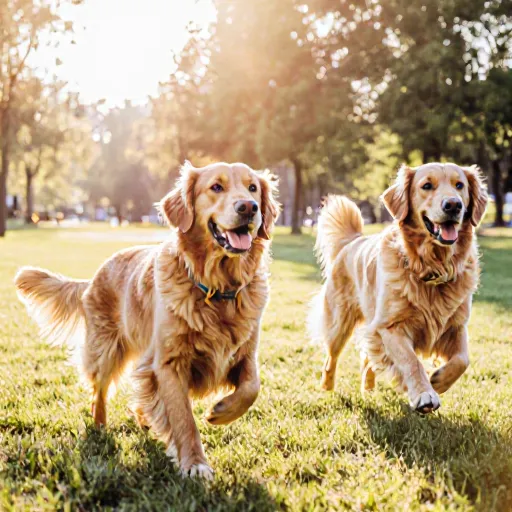
Stretch, wag, repeat—easy moves for seniors!
Golden Years Wag: Low‑Impact Moves for Happy Hounds
Table of Contents
- Introduction
- Understanding Low-Impact Exercise for Seniors
- Benefits of Low-Impact Workouts
- Assessing Your Senior Dog’s Health
- Choosing the Right Walking Environment
- Gentle Walking Techniques
- Swimming for Joint Relief
- Water Treadmill Workouts
- Low-Impact Indoor Games
- Canine Massage and Stretching
- Using Assistive Devices (e.g., harnesses, slings)
- Nutrition to Support Mobility
- Monitoring Progress and Adjusting Routines
- Conclusion
- FAQ
Introduction
As dogs age, their joints and muscles can lose strength and flexibility. High‑impact activities like sprinting or aggressive jumping may exacerbate arthritis, tendonitis, or hip dysplasia. Fortunately, there are plenty of low‑impact exercises that keep senior dogs active, maintain muscle tone, and support joint health without putting undue stress on their bodies.
1. Guided Walking (10–20 minutes)
- Why it works: Walking keeps the dog’s weight off its joints while still providing cardiovascular benefit.
- Practical tips:
- Choose a flat, even surface—grass or a padded path is ideal.
- Use a short leash to control pace and prevent overexertion.
- Monitor breathing; the dog should be able to hold a conversation without panting heavily.
2. Gentle Swimming
Water supports body weight, reducing joint compression while allowing full range of motion.
- Safety considerations:
- Use a dog-friendly pool or natural body of water with calm currents.
- Provide a flotation device if the dog is not an experienced swimmer.
- Never leave a senior dog unattended in water.
- Duration: Start with 5–10 minutes and gradually increase as tolerated.
3. Controlled “Sit‑Stand” Repetitions
A simple strength exercise that mimics daily movements without high impact.
- Step 1: Sit the dog in a relaxed position.
- Step 2: Encourage gentle standing, holding for 2–3 seconds.
- Step 3: Return to sit and repeat 5–10 times.
Use a treat or favorite toy as motivation. This exercise improves muscle tone in the hindquarters and supports hip stability.
4. Light Tug‑and‑Pull Games
- Benefits: Builds forelimb strength and coordination while keeping the activity low impact.
- How to play:
- Use a soft rope or tug toy; avoid pulling too hard or in a jerky manner.
- Keep sessions brief—5 minutes max—to prevent fatigue.
5. Targeted Stretching Routine
Daily gentle stretches can maintain flexibility and reduce stiffness.
- Hamstring stretch: Hold the dog’s front leg, gently pulling it toward the chest for 10–15 seconds.
- Back arching: Place one hand on the dog’s shoulder and the other under its belly; slowly guide the spine into a gentle arch.
- Repeat each stretch 3 times per session.
Practical Advice for Owners
- Schedule consistency: Aim for daily sessions, preferably in cooler parts of the day to avoid overheating.
- Use supportive gear: Orthopedic shoes or harnesses can help distribute weight evenly during walks.
- Monitor health markers: Watch for signs of discomfort—limping, reluctance to move, excessive licking of a joint—and consult a vet if needed.
- Supplement with nutrition: Omega‑3 fatty acids and glucosamine supplements can complement exercise by supporting joint lubrication.
By integrating these low‑impact exercises into your senior dog’s routine, you’ll help preserve mobility, enhance quality of life, and keep those precious tail wags going for many more years.
Understanding Low-Impact Exercise for Seniors
Low‑impact workouts are designed to keep the heart rate elevated and joints moving without excessive strain. For older adults, these activities help maintain muscle mass, improve balance, and reduce stiffness while minimizing the risk of injury.
Key Benefits
- Joint‑Friendly: Moves like walking or water aerobics place less pressure on hips, knees, and shoulders than high‑impact sports.
- Improved Circulation: Regular movement keeps blood flowing, which can lower the risk of cardiovascular disease.
- Enhanced Balance & Coordination: Gentle strength training boosts proprioception, decreasing fall risk.
Popular Low‑Impact Activities for Seniors
- Walking – Aim for 20–30 minutes at a comfortable pace. Use supportive footwear and consider a walking buddy or group for motivation.
- Water Aerobics – The buoyancy of water reduces joint load while providing resistance that strengthens muscles.
- Sitting Tai Chi – Gentle, flowing movements improve flexibility and mental focus without requiring full weight bearing.
- Pilates on a Stability Ball – Enhances core strength and balance with minimal joint impact.
Practical Tips for Getting Started
- Start slow: If you’re new to exercise, begin with 5–10 minute sessions and gradually increase duration by 2 minutes each week.
- Warm up & cool down: Spend 5 minutes doing light stretching before and after each session to prevent muscle soreness.
- Monitor your heart rate: Use a pulse watch or smartphone app; aim for 50–70% of your maximum heart rate (220 minus age).
- Stay hydrated: Drink water before, during, and after exercise, especially if exercising outdoors.
Integrating Low‑Impact Exercise into Daily Life
Turn routine activities into workouts:
- Gardening: Light pruning or planting can be a low‑intensity strength session.
- Household chores: Vacuuming, sweeping, and light mopping keep you moving without overexertion.
- Social walks: Join a senior walking club or take your dog for a stroll—both are enjoyable ways to stay active.
Connecting with Your Pet: Best Low‑Impact Exercises for Senior Dogs
Just as seniors benefit from gentle movement, older dogs need low‑impact exercise to maintain mobility. Activities such as short leash walks, gentle swimming, and light fetch sessions help keep canine joints healthy.
- Short Leash Walks: Keep walks under 15 minutes and avoid uphill terrain.
- Swimming: The buoyancy supports the dog’s joints while providing cardiovascular benefit.
- Gentle Fetch: Use soft toys and limit the number of repetitions to prevent overuse.
By pairing your own low‑impact routine with a gentle exercise plan for your senior dog, you create a supportive environment that promotes health and bonding for both of you.
Benefits of Low-Impact Workouts
Low‑impact workouts are designed to move your senior dog’s joints and muscles without stressing the cartilage or ligaments that often become fragile with age. By incorporating gentle exercises into your routine, you can:
- Improve Mobility: Regular movement keeps tendons, ligaments, and muscles flexible, reducing stiffness.
- Maintain Muscle Mass: Targeted strength training helps prevent the natural loss of muscle that accompanies aging.
- Enhance Joint Health: Low‑load activities stimulate synovial fluid production, lubricating joints and decreasing discomfort.
- Boost Cardiovascular Fitness: Gentle cardio keeps circulation efficient without overloading the heart.
- Promote Mental Stimulation: Structured exercise routines give dogs a sense of routine and engagement, reducing anxiety.
Best Low‑Impact Exercises for Senior Dogs
-
Short Walks on Soft Terrain
Opt for grassy paths or padded indoor surfaces. Keep walks to 5–10 minutes, twice a day, adjusting length based on your dog’s comfort level.
-
Pillow and Cushion Play
Place a low‑profile pillow in the yard and encourage gentle jumping or hopping onto it. This mimics mild plyometrics without hard impact.
-
Swimming (or Water Treadmill)
Water buoyancy supports body weight, allowing your dog to move freely while strengthening muscles and joints. Start with 5–10 minutes and increase gradually.
-
Gentle Tug‑of‑War
Use a soft rope or tug toy. Keep the session brief (2–3 pulls) to avoid overexertion, and always supervise closely.
-
Targeted Strength Training with Resistance Bands
Attach a light resistance band around your dog’s front legs and guide them through slow, controlled steps. This builds muscle without joint strain.
Practical Tips for Implementation
- Start Slow
- Introduce new activities gradually, monitoring for signs of fatigue or discomfort such as limping or reluctance to move.
- Use Appropriate Equipment
- Select soft mats, padded ramps, and lightweight toys that reduce impact forces.
- Keep Sessions Consistent
- Even 5–10 minute bouts of exercise twice daily can yield significant benefits over time.
- Monitor Body Temperature
- Seniors are more prone to overheating. Exercise in cooler parts of the day and provide shade or a cool surface.
- Consult Your Vet
- Before starting any new routine, discuss your dog’s specific health conditions (arthritis, heart disease) to tailor exercises appropriately.
By integrating these low‑impact workouts into daily life, you help your senior dog stay active, healthy, and joyful well into their golden years.
Assessing Your Senior Dog’s Health
Before you start any exercise routine for a senior dog, it’s essential to evaluate their overall health and mobility level. A quick self‑check combined with your veterinarian’s guidance can help you choose the safest and most effective low‑impact activities.
1. Veterinary Check‑In
- Annual Exams: Most senior dogs benefit from at least one comprehensive check‑up per year, including blood work, weight assessment, and joint function tests.
- Specialist Referrals: If your dog shows signs of arthritis, hip dysplasia, or heart disease, ask for a referral to an internist or orthopedist.
- Pain Assessment: Use the pain scale questionnaire provided by many vets—note any limping, stiffness, or reluctance to move.
2. Mobility and Strength Screening
Observe how your dog moves in everyday situations:
- Stairs: Can they climb up and down without hesitation? Difficulty may indicate joint pain.
- Jumping: A small jump onto a low couch or bed should be smooth; if they hesitate, consider alternative exercises.
- Use the AKC Geriatric Care Checklist to keep track of mobility milestones.
3. Weight Management
Excess weight strains joints and hampers exercise enjoyment. Aim for a body condition score (BCS) between 4–5 on a 9‑point scale:
- Diet Tweaks: Switch to a senior dog formula with reduced calories but balanced protein.
- Portion Control: Measure meals and avoid free feeding.
4. Choosing the Right Low‑Impact Exercise
Low‑impact activities reduce stress on joints while keeping your senior dog active, mentally stimulated, and healthy. Below are proven exercises that work well for older canines:
- Short Walks & Slow Paces
- Keep walks to 10–15 minutes, twice daily, at a relaxed pace.
- Use a soft‑tread surface (grass or indoor carpet) and avoid rough terrain.
- Swimming
- Water buoyancy supports joints; use a dog life jacket for safety.
- Start with short sessions of 5–10 minutes, gradually increasing as comfort improves.
- Gentle Fetch on Soft Ground
- Choose lightweight balls or plush toys to minimize impact.
- Limit the number of throws; focus on short, controlled pulls.
- Doggy Massage & Stretching
- Use a calm voice and gentle strokes; target hamstrings, hips, and shoulders.
- Incorporate passive range‑of‑motion stretches—hold each stretch for 10–15 seconds.
- Treadmill Walking
- Start at a very slow speed (0.5 mph) and use the incline setting sparingly.
- Use treats to keep your dog focused; never leave them unattended on the treadmill.
- Interactive Puzzle Toys
- Encourage mental stimulation without physical strain.
- Select toys that require gentle manipulation rather than vigorous pulling.
5. Practical Tips for Safe Exercise
- Warm‑Up & Cool‑Down: Even seniors need a few minutes of light activity before and after exercise to prevent stiffness.
- Hydration: Offer fresh water before, during, and after each session—especially in warm weather.
- Monitoring: Watch for signs of fatigue (lagging behind, panting heavily, limping). Stop the activity if any are observed.
- Consistency Over Intensity: Regular short sessions are more beneficial than sporadic long workouts.
6. When to Seek Professional Guidance
If your dog shows persistent pain, sudden changes in mobility, or if you’re unsure about the correct exercise intensity, schedule a consultation with a veterinary physiotherapist or an experienced trainer who specializes in senior canine care.
By combining thorough health assessment with tailored low‑impact exercises, you’ll help your senior dog maintain mobility, reduce discomfort, and enjoy a higher quality of life well into their golden years.
Choosing the Right Walking Environment
For senior dogs, the walking surface can make a huge difference in comfort and safety. A gentle, low‑impact environment helps prevent joint stress while still providing mental stimulation. Below are practical tips to select the best terrain for your aging pup, along with example routes that balance exercise with recovery time.
1. Soft, Even Ground
- Grass or Turf: Natural grass cushions joints and offers a forgiving surface for dogs with arthritis or hip dysplasia.
- Artificial Grass Pads: Commercially available pads mimic natural turf but are easier to maintain.
2. Avoid Hard, Uneven Surfaces
- Concrete and asphalt can amplify impact forces, especially on a dog's knees and hips. If you must walk on these surfaces, consider shorter intervals or use a dog-friendly treadmill.
- Rocky or gravel paths are best avoided unless the dog is well-conditioned; the uneven footing increases risk of sprains.
3. Temperature Considerations
Dogs with thin coats or reduced circulation may overheat quickly. Aim for early morning or late evening walks when temperatures are cooler. Avoid midday sun on hot days; use shaded parks or walk along tree‑lined avenues.
4. Elevation and Incline
- Flat routes keep strain low, but gentle inclines (≤5%) can provide mild resistance training without excessive joint loading.
- A short uphill segment followed by a downhill descent helps build muscle strength safely.
5. Safety Features
- Well‑lit paths are essential for nighttime walks to avoid tripping hazards.
- Check for loose debris, broken glass, or sharp objects that could injure paws.
- Use a lightweight harness and leash; consider a “no‑pull” design to reduce pulling strain on the neck.
6. Sample Walking Routes
- Urban Park Circuit: A 1‑mile loop around a city park with grass lawns, benches for rest, and a shaded water fountain to keep your dog hydrated.
- Neighborhood Trail: A 0.5‑mile stroll along a paved bike path that follows a slight incline (ideal for light muscle work), interspersed with short pauses on the curb or sidewalk.
- Riverbank Path: If available, a flat, sandy riverbank offers a soft surface and scenic views, but ensure there are no sudden drops or sharp rocks.
7. Practical Tips for Senior Dog Walks
- Paw Care: Inspect paws after each walk; trim excess fur between pads and check for cuts.
- Hydration: Carry a small bowl of water or use a collapsible travel cup; keep your dog hydrated.
- Heat Management: If the temperature rises above 80°F, shorten walk duration and add extra breaks.
- Joint Support: Consider adding a light elastic band around the hind legs to provide gentle support during movement.
By selecting the right walking environment—soft, flat, safe, and temperature‑appropriate—you’ll help your senior dog stay active, maintain joint health, and enjoy quality time together without unnecessary strain.
Gentle Walking Techniques
Senior dogs often benefit from short, controlled walks that keep their joints warm without overloading them. Below are practical tips and examples to help you tailor a low‑impact walking routine.
1. Start with Warm‑Up Stretching
- Neck rolls: Gently guide your dog’s head from side to side, holding each position for 2–3 seconds.
- Shoulder circles: Lift the front legs slightly and rotate them clockwise and counter‑clockwise. Do this 5 times on each side.
- Knee flexion: Hold the hind leg between your forearms and slowly bend the knee, keeping the movement gentle.
2. Keep Walks Short & Frequent
Instead of a single long walk, aim for 3–4 short sessions (5–10 minutes each). This reduces fatigue while still providing enough exercise to maintain circulation and muscle tone.
3. Use the Right Harness or Leash
- Harnesses: A front‑clip harness distributes pressure evenly across the chest, minimizing strain on the neck and back.
- Leash length: Opt for a 4–6 foot leash to give your dog room without encouraging sudden pulls or jerks.
4. Choose Even Surfaces
Soft, flat ground—such as grass, gravel, or indoor carpet—reduces impact forces on joints compared to asphalt or concrete.
5. Incorporate Gentle Agility Elements
- Low poles: Place a low pole (4–6 inches) for your dog to step over, encouraging controlled jumping without full vaulting.
- Step‑up platforms: Use a small curb or raised platform that requires stepping up and down at a slow pace.
6. Monitor Body Language
Watch for signs of discomfort: limping, reluctance to lift a leg, excessive panting, or stiff gait. If any are observed, pause the walk and consult your veterinarian.
7. Cool Down & Stretch Again
- Repeat the warm‑up stretches in reverse order.
- Offer a calm, low‑energy play session to help relax muscles.
Sample Daily Routine (30 Minutes Total)
- Warm‑Up: 5 minutes of gentle stretching and short leash stroll.
- Walk #1: 5 minutes on grass with occasional low pole hops.
- Rest: 10 minutes indoors, offer water & light treats.
- Walk #2: 5 minutes on a soft patio, focusing on slow pacing.
- Cool Down: 5 minutes of stretching and calm walking back home.
By incorporating these gentle walking techniques, you’ll help your senior dog maintain mobility, reduce joint pain, and enjoy the companionship of outdoor time without overexertion.
Swimming for Joint Relief
Swimming for Joint Relief
For senior dogs suffering from arthritis, hip dysplasia, or general joint stiffness, swimming is one of the most effective low‑impact exercises available. The buoyancy of water reduces the load on joints while still providing resistance that strengthens muscles and improves circulation.
Why Swimming Works for Senior Dogs
- Weight Support: Water supports up to 90% of a dog's body weight, allowing them to move without putting pressure on painful joints.
- Resistance Training: The drag created by moving through water challenges the muscles without the impact of running or jumping.
- Temperature Regulation: Warm water helps soothe inflamed tissues and promotes better blood flow, aiding recovery.
Getting Started Safely
- Consult Your Vet: Before beginning any aquatic program, get clearance from your veterinarian, especially if the dog has heart or lung issues.
- Select the Right Pool: A shallow pool (no more than 12–18 inches deep) with a non‑slip surface is ideal for beginners. Indoor pools or backyard kiddie pools work well.
- Use a Dog Floatation Device: If your dog isn’t comfortable in water, start with a dog life jacket or a lightweight floating board to keep them buoyant.
- Start Slow: Begin with short sessions (5–10 minutes) and gradually increase duration as the dog becomes more confident.
Sample Swimming Routine for Senior Dogs
| Session Length | Exercise Focus | Description |
|---|---|---|
| 5–10 min | Warm‑up | Gentle paddling in the shallow end; encourage natural sniffing and short bursts of movement. |
| 10–15 min | Core Strengthening | Guide the dog to glide forward using front legs, then backward using hind legs. Focus on slow, controlled strokes. |
| 5–10 min | Cool‑down | Allow the dog to float and relax; gently massage the shoulders and hips after exiting the water. |
Practical Tips for Owners
- Keep Sessions Consistent: Aim for 2–3 sessions per week, but always observe your dog’s comfort level.
- Use a Treat‑Based Reward System: Positive reinforcement helps build confidence and encourages participation.
- Monitor Temperature: Water that is too cold can stiffen joints; maintain a comfortable temperature (around 80–85°F for most dogs).
- Check for Skin Irritation: After each session, rinse the dog with fresh water and inspect for redness or irritation.
Alternative Low‑Impact Exercises for Senior Dogs
If swimming isn’t feasible, consider these alternatives that also protect joints:
- Short Walks on Soft Surfaces: Grass or dirt paths reduce impact compared to concrete.
- Gentle Tug‑and‑Pull Games: Use a soft rope; keep sessions brief and monitor for signs of fatigue.
- Dog Massage & Stretching: Daily gentle massage can improve circulation and relieve muscle tension.
- Hydrotherapy Equipment: Underwater treadmills or stationary pools with controlled flow provide resistance without strain.
By incorporating swimming and other low‑impact activities into a senior dog’s routine, owners can help maintain joint mobility, reduce pain, and improve overall quality of life. Always tailor the intensity to your dog's unique needs and keep communication open with your veterinarian for optimal results.
Water Treadmill Workouts
Best Low‑Impact Exercises for Senior Dogs on a Water Treadmill
Water treadmills are an excellent tool for senior dogs because the buoyancy of water reduces joint stress while still providing resistance that keeps muscles active. Below is a step‑by‑step guide, practical tips, and sample routines tailored to older canines.
1. Preparation Checklist
- Veterinary Clearance: Always get a vet’s green light before starting any new exercise program.
- Temperature & Depth: Keep the water at a comfortable temperature (around 82–86°F) and depth just below the dog’s belly so they can stand without feeling submerged.
- Safety Gear: Use a non‑slip mat on the treadmill deck and consider a harness or flotation device if your dog is unsteady.
2. Warm‑Up Routine (5–7 minutes)
- Slow Walk: Start at the lowest speed setting (0.3–0.5 mph). Let the dog walk in place or around the deck for a few minutes.
- Gentle Side Steps: Encourage side‑to‑side steps to engage core muscles without overloading joints.
3. Core Low‑Impact Workouts
| Exercise | Duration | Key Benefits |
|---|---|---|
| Water Walking (Straight Line) | 5–10 minutes | Improves cardiovascular health, strengthens hindquarters. |
| Side‑to‑Side Strides | 3–5 minutes each side | Enhances hip stability and reduces stiffness. |
| Gentle Turning Circles | 2–4 minutes clockwise, then counter‑clockwise | Promotes balance and core strength. |
4. Cool Down (3–5 minutes)
- Slow down to the lowest speed.
- Allow your dog to walk leisurely, letting the water’s buoyancy ease muscle tension.
- Finish with a gentle stretch: hold each leg for 10 seconds while the dog relaxes in the water.
5. Practical Tips & Common Mistakes
- Gradual Progression: Increase duration by no more than 2 minutes per week and monitor your dog’s response.
- Watch for Signs of Fatigue: Red eyes, labored breathing, or reluctance to move are red flags—stop immediately.
- Avoid Sudden Speed Changes: Rapid increases can strain joints; keep speed increments subtle.
- Hydration Matters: Even in water, dogs lose electrolytes. Offer fresh water after each session.
6. Sample Weekly Plan for a Senior Dog (e.g., 10‑year‑old Labrador)
| Day | Session Length | Exercise Focus |
|---|---|---|
| Mon, Wed, Fri | 10 minutes | Water walking + side strides |
| Tues & Thu | 8 minutes | Gentle turning circles + cool down |
| Saturdays | 12 minutes | Longer walk with moderate resistance, monitor closely |
| Sunday | Rest or light leash walk outside | Recovery day |
7. When to Seek Professional Guidance
If your dog shows persistent pain, lameness, or refuses the treadmill after consistent attempts, consult a veterinary physiotherapist. They can tailor resistance levels and suggest complementary dry‑land exercises.
By following these low‑impact protocols, you’ll help your senior companion stay active, maintain muscle tone, and enjoy the soothing benefits of water exercise without risking joint injury.
Low-Impact Indoor Games
As our canine companions age, their joints and muscles may lose some of the resilience they once had. Fortunately, there are plenty of gentle activities that keep seniors active, healthy, and mentally stimulated without putting undue strain on their bodies.
1. Short, Controlled Walks
- How to do it: Keep walks brief—5–10 minutes—but focus on a steady pace rather than speed. Use a soft‑treaded surface like carpet or hardwood to reduce impact.
- Benefits: Maintains cardiovascular health, helps manage weight, and provides mental stimulation through new scents.
- Practical tip: If the dog is sensitive to leash tension, try a “hand‑hold” method—gently hold their paw or collar with your hand while you walk.
2. Indoor Fetch with Soft Toys
- How to do it: Choose lightweight, plush toys that don’t bounce hard. Toss them a short distance and encourage the dog to retrieve gently.
- Benefits: Enhances coordination, reinforces recall training, and gives a quick burst of activity without high impact.
- Practical tip: Use a hallway or open living room. Avoid hard floors—use a rug or carpet to cushion landings.
3. “Find It” Scent Games
- How to do it: Hide treats or favorite toys around the house and let your dog sniff them out. Start with easy spots, then gradually increase difficulty.
- Benefits: Stimulates the brain, reduces boredom, and encourages natural hunting instincts without physical strain.
- Practical tip: Pair this game with gentle praise or a short massage to reinforce positive associations.
4. Gentle Tug‑of‑War
- How to do it: Use a soft rope toy and play tug in a controlled manner, ensuring the dog does not pull too hard or jerk their neck.
- Benefits: Builds muscle tone, improves grip strength, and provides an interactive bonding experience.
- Practical tip: Keep sessions short (2–3 minutes) and always watch for signs of fatigue or discomfort.
5. Assisted Swimming (If Accessible)
- How to do it: A shallow pool or a tub with a few inches of water can be ideal. Use a floating aid if needed.
- Benefits: Water supports the body, reducing joint stress while still offering resistance for muscle maintenance.
- Practical tip: Start with brief sessions (5 minutes) and gradually increase as tolerated.
6. Low‑Impact Obstacle Course
- How to do it: Set up a simple course using cushions, low stools, or small tunnels. Guide the dog through at a slow pace.
- Benefits: Encourages flexibility and coordination without high-impact jumps.
- Practical tip: Use treats to motivate and keep each segment short—no more than 30 seconds of activity per station.
7. Massage & Stretch Sessions
- How to do it: Incorporate gentle massage after exercise to aid circulation and relieve muscle tension.
- Benefits: Promotes relaxation, improves range of motion, and strengthens the bond between pet and owner.
- Practical tip: Focus on areas like shoulders, neck, and hips. Use slow, circular motions and avoid deep pressure on arthritic joints.
8. Interactive Puzzle Toys
- How to do it: Provide food‑dispensing puzzles that require minimal physical effort but engage problem‑solving skills.
- Benefits: Combats mental decline, keeps the dog focused, and offers a low‑impact reward system.
- Practical tip: Choose puzzles with adjustable difficulty to match your senior dog's energy level.
Key Takeaways for Senior Dog Care
- Always monitor your dog’s reaction—look for limping, reluctance, or excessive panting.
- Keep hydration on hand and schedule breaks to prevent overheating.
- Consult a veterinarian before starting any new exercise routine, especially if the dog has pre‑existing conditions like arthritis or heart disease.
By integrating these low‑impact activities into your senior dog's daily routine, you’ll help maintain their mobility, support joint health, and keep them mentally sharp—all while ensuring they feel loved and cared for.
Canine Massage and Stretching
Massage and gentle stretching are essential components of a senior dog’s wellness routine. They help maintain joint mobility, reduce stiffness, and promote relaxation—especially when combined with low‑impact exercises such as walking, swimming, or controlled play.
Why It Matters for Older Dogs
- Improved Circulation: Light massage stimulates blood flow to the muscles and joints, speeding up recovery after exercise.
- Reduced Pain: Targeted pressure on trigger points can alleviate discomfort associated with arthritis or bursitis.
- Stress Relief: The calming touch of a massage lowers cortisol levels, helping dogs feel more relaxed and content.
Step‑by‑Step Massage Guide
- Prepare the Environment: Choose a quiet room with a soft rug. Keep your hands warm by rubbing them together.
- Start with Light Touch: Gently stroke along the back and sides to gauge the dog’s sensitivity.
- Apply Circular Motions: Use your fingertips to perform slow, circular strokes on the neck, shoulders, and spine. Keep pressure light—just enough to feel muscle fibers without causing discomfort.
- Focus on Major Muscle Groups: Pay extra attention to the hindquarters (hamstrings, glutes) and front legs (biceps, triceps). These areas often carry more weight and can become stiff with age.
- Incorporate Gentle Pinches: Lightly pinch along the spine at intervals of about one inch. This helps release tension in deep muscle layers.
- Finish with Soft Petting: End with gentle strokes from the head down to the tail, encouraging a calm state before moving on to stretching.
Stretching Techniques for Senior Dogs
Always warm up the dog first—short walks or light play—before attempting stretches. Use these simple moves that can be done at home:
- Cat‑Cow Stretch (Flexibility of Spine): Have your dog lie on all fours. Inhale as you gently arch their back (cow position), then exhale to round the spine (cat). Repeat 5–7 times.
- Hamstring Stretch: While the dog is lying flat, gently lift one hind leg and hold it in a straight line for 10–15 seconds. Switch legs. This helps loosen tight hamstrings that often cause limping.
- Shoulder Roll: Hold the dog’s front paw and rotate it clockwise and counterclockwise to relax shoulder muscles.
- Hip Flexor Stretch (Paw Lift): While the dog is standing, gently lift one hind leg slightly off the ground and hold for a few seconds. This eases hip joint tension.
Integrating Massage & Stretching with Low‑Impact Exercise
When paired with activities like walking on soft surfaces, swimming in shallow water, or controlled fetch sessions, massage and stretching can significantly enhance mobility. A typical routine might look like this:
- Morning Walk (10–15 minutes): Keep the pace slow; focus on steady strides.
- Post‑Walk Massage (5–7 minutes): Target areas used most during the walk—hindquarters, shoulders.
- Stretching Session (3–4 minutes): Perform the stretches listed above.
- Evening Light Play or Gentle Swimming: Finish with a relaxed activity to keep muscles active without overloading joints.
Practical Tips for Owners
- Use a soft towel or blanket during massage to protect sensitive skin.
- Observe your dog’s reactions—whenever they pull away or show signs of discomfort, reduce pressure or stop.
- Keep sessions short and consistent; even 5 minutes daily can yield noticeable benefits.
- Consider a professional canine massage therapist for dogs with severe arthritis or those that struggle to tolerate self‑massage.
By incorporating gentle massage and stretching into your senior dog’s routine, you’ll help maintain joint health, alleviate pain, and improve overall quality of life—all while strengthening the bond between you and your beloved companion.
Using Assistive Devices (e.g., harnesses, slings)
As dogs age, their joints can become stiff and muscles may weaken. Using assistive devices such as specialized harnesses or slings can reduce the strain on hips, knees, and shoulders during low‑impact exercises. Below are practical tips, examples of recommended products, and step‑by‑step guidance to ensure your senior dog gets maximum benefit with minimal discomfort.
1. Choosing the Right Device
- Adjustability: Look for harnesses that allow you to tighten or loosen straps without causing chafing. Adjustable slings should fit snugly but not constrict circulation.
- Material: Soft, breathable fabrics (cotton blends, neoprene) prevent irritation. Avoid heavy metal hardware that can cause pressure points.
- Weight Distribution: A well‑designed harness spreads weight across the chest and shoulders rather than concentrating it on a single joint.
2. Popular Product Examples
| Product | Key Features | Best For |
|---|---|---|
| SoftFit Senior Harness | Breathable mesh, padded chest plate, 3‑way adjustment | Dogs with hip dysplasia or arthritis |
| ErgoSling Support Belt | Neoprene, waist‑support slings, adjustable buckle | Dogs with lumbar issues or weak core muscles |
| ThermaComfort Heat Harness | Heat‑retaining pad, easy to clean, adjustable straps | Older dogs in cooler climates needing muscle warmth |
3. How to Introduce the Device
- Start with a Short Session: Let your dog sniff and explore the harness or sling while you gently attach it. Use treats to create positive associations.
- Gradual Weight Support: Begin by walking for just 5–10 minutes, then gradually increase duration as comfort improves.
- Observe Body Language: Look for signs of discomfort—whining, pulling away, or stiffening. If any occur, remove the device and reassess fit.
4. Integrating with Low‑Impact Exercise Routines
Below are example routines that pair assistive devices with low‑impact exercises to keep joints safe while encouraging movement:
- Gentle Canine Treadmill Walks: Place the harness on your dog and walk on a treadmill at 1–2 mph. Keep sessions under 15 minutes, gradually increasing as stamina improves.
- Water Therapy Sessions: If you have access to a pool, use a floating sling or harness designed for water therapy. The buoyancy reduces joint load while allowing full range of motion.
- Supported Backward Walking: Attach a lightweight sling that supports the dog’s back. Walk backward in short bursts (30 seconds) with the sling to strengthen core muscles without stressing knees.
5. Safety Tips and Maintenance
- Regular Inspection: Check straps, buckles, and fabric for wear or damage each time you use the device.
- Clean Properly: Wash harnesses with mild detergent and air dry. Avoid harsh chemicals that could degrade padding.
- Re‑Fit as Needed: Dogs may lose or gain weight; adjust straps accordingly to maintain proper support.
By carefully selecting, fitting, and integrating assistive devices into your senior dog’s exercise routine, you can help preserve mobility, reduce pain, and enhance overall quality of life. Always consult with your veterinarian before starting any new equipment or exercise program.
Nutrition to Support Mobility
As dogs age, joint stiffness, arthritis, and reduced muscle mass become common concerns. Low‑impact activities keep their mobility, weight, and mental health in check without overloading fragile joints.
1. Gentle Walking (5–10 minutes)
- Why it works: Light cardio keeps the muscles active while preserving cartilage integrity.
- How to start: Begin with short strolls around the yard or a quiet hallway. Use a harness instead of a collar to avoid pulling on the neck.
- Progression tip: Add 2–3 minutes each week, but watch for limping or hesitation.
2. Water Therapy (Swim or Aquatic Gym)
- Why it works: Buoyancy removes weight from joints; resistance builds muscle.
- How to start: Use a shallow dog pool, floating toys, or a warm tub. Keep sessions brief (5–7 minutes) and monitor breathing.
- Safety note: Ensure the water is not too cold; seniors can become chilled quickly.
3. Chair Assisted Walks
- Why it works: Provides stability while allowing the dog to move at their own pace.
- How to start: Place a sturdy chair in the hallway, let the dog walk beside or behind you. Use a leash for extra support if needed.
- Tip: Keep the surface non‑slippery; a rug or mat helps prevent falls.
4. Controlled Tug‑and‑Pull Games
- Why it works: Gentle muscle engagement without high-impact jumps.
- How to start: Use a soft rope toy; pull gently, letting the dog hold and release. Keep sessions short (3–5 minutes) and stop if signs of strain appear.
5. Indoor Obstacle Course (Low‑Barrier)
- Why it works: Encourages balance, coordination, and mild strength training.
- How to start: Arrange low cushions or boxes for the dog to step over. Use a slow pace and reward with treats.
6. Massage & Stretching Routine
- Why it works: Improves circulation, reduces stiffness, and promotes relaxation.
- How to start: Gently massage the back, hips, and legs with a soft brush. Perform gentle stretches (e.g., leg lift, hip flexion) for 1–2 minutes each side.
Practical Tips for Success
- Consistency over intensity: Daily short sessions beat sporadic long ones.
- Monitor body language: Watch for limping, whining, or reluctance—stop and rest.
- Keep the environment safe: Non‑slip surfaces, no sharp objects, and adequate lighting.
- Use treats wisely: Small, soft rewards keep motivation high without adding excess calories.
- Consult your vet: Before starting a new routine, especially if arthritis or other conditions exist.
By integrating these low‑impact exercises into your senior dog’s daily life, you’ll help maintain joint flexibility, muscle tone, and overall wellbeing—making their golden years as comfortable and active as possible.
Monitoring Progress and Adjusting Routines
Monitoring Progress and Adjusting Routines
Keeping a close eye on how your senior dog responds to low‑impact exercises is essential for maintaining joint health, preventing injury, and ensuring long‑term enjoyment of physical activity.
- Track daily activity: Use a simple log or a smartphone app to record each session’s duration, intensity (e.g., “easy,” “moderate”), and any observable signs of discomfort such as limping, whining, or reluctance to move.
- Watch for subtle changes: Senior dogs often mask pain. Look for altered gait patterns, a stiff tail base, or avoidance of certain surfaces (e.g., stairs, uneven ground).
- Measure key metrics: If you have access to a treadmill or indoor track, note how many strides your dog takes in a set time. A decrease may indicate fatigue or joint stiffness.
Practical Adjustment Strategies
- Shorten sessions gradually: Start with 5–10 minute walks and increase by no more than 2 minutes each week, especially after a new exercise routine such as gentle swimming or seated yoga stretches.
- Introduce rest days: For dogs over eight years old, allow at least one full day of inactivity between workout sessions to let muscles recover.
- Swap surfaces when needed: If a hard pavement causes soreness, move walks to grass or a padded dog-friendly path.
- Use assistive devices: A harness with a gentle leash or a supportive sling can reduce strain on the back and hips during low‑impact walks.
Sample Weekly Routine for Senior Dogs
| Day | Exercise | Duration |
|---|---|---|
| Mon & Wed | Gentle treadmill walk (incline 0%) | 10–12 min |
| Tues & Thurs | Seated yoga stretches (dog‑friendly poses) | 8–10 min |
| Fri | Short swim in a shallow pool | 5–7 min |
| Sat & Sun | Rest or leisurely stroll (light, no incline) | 10–15 min |
Always consult your veterinarian before starting any new exercise program, especially if your dog has arthritis, heart disease, or other chronic conditions. By monitoring progress closely and making thoughtful adjustments, you can help your senior companion stay active, comfortable, and happy for years to come.
Conclusion
As our canine companions age, maintaining their mobility and overall well‑being becomes a top priority. Low‑impact activities not only preserve joint health but also keep seniors mentally stimulated and emotionally satisfied. Below are the most effective exercises for senior dogs, along with practical tips to integrate them safely into your routine.
1. Gentle Walking (5–10 minutes)
- Why it works: Walking encourages circulation without overloading joints.
- How to do it: Use a lightweight harness, walk on flat surfaces like sidewalks or grass, and keep the pace slow. Break sessions into multiple short walks if your dog shows fatigue.
- Safety tip: Check for hot pavement or uneven terrain that could injure sensitive paws.
2. Assisted Swimming (5–15 minutes)
- Why it works: Water buoyancy reduces joint stress while providing resistance for muscle maintenance.
- How to do it: Use a dog-friendly pool or calm lake, and consider a flotation vest if your dog is hesitant. Start with shallow water and gradually increase depth as confidence grows.
- Safety tip: Never leave a senior dog unattended in water; keep the session short to avoid overheating.
3. Low-Impact Agility Drills (10–20 minutes)
- Why it works: Simple obstacle courses stimulate coordination and provide gentle muscle engagement.
- How to do it: Set up a low tunnel, a short jump bar, or weave poles spaced far apart. Encourage your dog with treats and keep the session brief.
- Safety tip: Ensure all obstacles are stable and padded; avoid high jumps that could strain hips or knees.
4. Playful Tug & Retrieve (5–10 minutes)
- Why it works: Short bursts of controlled play improve muscle tone and release endorphins.
- How to do it: Use a soft rope toy for tugging, or toss a lightweight ball. Keep the sessions short and monitor for signs of overexertion.
- Safety tip: Avoid aggressive play that could lead to injuries; stop immediately if your dog shows pain or reluctance.
5. Structured Stretching & Mobility (5–10 minutes)
- Why it works: Gentle stretches help maintain flexibility and prevent stiffness.
- How to do it: Perform slow, controlled movements such as leg lifts, shoulder rolls, or gentle neck tilts. Use your hand to guide the motion without forcing.
- Safety tip: Never push beyond a natural range of motion; if discomfort occurs, discontinue and consult a vet.
Practical Implementation Checklist
- Start each session with a warm‑up: slow walking or light tug for 2–3 minutes.
- Keep total exercise time under 30 minutes to avoid fatigue.
- Use positive reinforcement—treats, praise, and affection—to motivate your dog.
- Monitor vital signs: watch for rapid breathing, limping, or reluctance; these are red flags.
- Adjust intensity based on weather (cooler temperatures reduce heat stress) and the dog's response.
By incorporating these low‑impact activities into your senior dog’s daily routine, you’ll help preserve their joint health, support muscle mass, and keep them mentally engaged. Always consult with a veterinarian before starting any new exercise program, especially if your dog has preexisting conditions such as arthritis or heart disease.
FAQ
- What are the best low‑impact exercises for senior dogs?
-
- Short, gentle walks: Keep them to 5–10 minutes at a relaxed pace. Use a harness if your dog struggles with a collar.
- Water therapy: Swimming or walking in shallow water reduces joint stress and provides resistance for muscle maintenance.
- Treadmill training: Start on the lowest speed, allowing the dog to walk at its own pace while you control distance.
- Indoor play with light toys: Gentle fetch or tug using lightweight balls reduces impact but keeps the heart rate up.
- Chair yoga for dogs (Doggy Stretching): Guided stretches that help maintain flexibility without heavy loading on joints.
- How often should a senior dog exercise?
- Aim for two short sessions daily, totaling about 15–20 minutes. Adjust based on your dog's energy level and any medical conditions. If your vet advises otherwise, follow their schedule.
- Can I use a treadmill with my senior dog?
- Yes—treadmills provide controlled, low‑impact cardio. Start with a very slow speed (e.g., 0.5–1 mph) and short intervals (2–3 minutes). Gradually increase as the dog becomes comfortable.
- What should I watch for during exercise?
-
- Excessive panting or breathing: Indicates overexertion.
- Stiffness or limping after activity: May signal joint strain; reduce intensity.
- Heatstroke signs (drooling, lethargy, vomiting): Stop immediately and seek veterinary care.
- Is it okay to let my senior dog play fetch?
- Use a lightweight, soft ball or frisbee. Keep throws short—no more than 5–10 feet—to avoid excessive running.
- What are the benefits of low‑impact exercise for older dogs?
-
- Maintains muscle mass: Helps counteract age‑related sarcopenia.
- Supports joint health: Gentle movement keeps cartilage lubricated.
- Improves cardiovascular fitness: Keeps heart and lungs healthy without undue stress.
- Reduces anxiety & improves mood: Physical activity releases endorphins.
- Should I give supplements to aid exercise?
- Discuss with your vet before adding joint‑support or omega‑3 supplements. They can complement a balanced diet and exercise routine.
Categories
- AI & Enrichment Play
- Broiler Farming
- Broiler Farming Tips
- Canine Wellness & Longevity
- Cat
- Cat & Human Connection
- Cat Adoption & Rescue
- Cat Breeds
- Cat Breeds & Personalities
- Cat Care & Health
- Cat Grooming & Hygiene
- Cat Lifestyle & Environment
- Cat Myths & History
- Cat Nutrition & Diet
- Cat Products & Reviews
- Cat Training & Behavior
- Comparison
- Consumer Awareness
- Dog
- Dog Accessories & Products
- Dog Adoption & Rescue
- Dog Breed & Lifestyle Trends
- Dog Breeding & Puppies
- Dog Entertainment & Media
- Dog Fashion & Trends
- Dog Fun & Lifestyle
- Dog Grooming & Hygiene
- Dog History & Culture
- Dog Myths, Science & Future Tech
- Dog News & Trends
- Dog Nutrition & Food
- Dog Psychology & Emotions
- Dog Safety & Security
- Dog Sports & Activities
- Dog Technology & Innovation
- Dog Training for Modern Owners
- Dog Travel & Adventure
- Dog Travel, Adventure & Culture
- Economic and Market Insights
- Educational Content
- FAQs
- Feeding Alternatives
- Festivals & Seasonal Ideas
- Fun & Entertainment
- General Knowledge
- General Pig Farming
- Health & Disease Management
- Housing and Environment
- Kittens
- Market Insights
- Miscellaneous
- Miscellaneous
- Motivational
- pig
- Pig Breeding
- Pig Breeds
- Pig Farming Stories and Inspiration
- Pig Health and Care
- Pig Nutrition
- Pig Products
- Profitability & Business
- Puppy Care
- Puppy Predictable Topics Reinvented
- Regional Focus
- Rescue & Adoption Buzz
- Senior Cats
- Senior Dog Care
- Smart Dog Tech & Gadgets
- Sustainability
- Sustainable & Eco-Friendly Dog Products
- Tech & Innovations
- Working & Service Dogs
- Broiler Feed66 products
- Country Feed33 products
- Pig Feed66 products
- Product22 products
- Raw Materials99 products
Products
-
 Fish Meal
₹1,999.00 – ₹2,999.00Price range: ₹1,999.00 through ₹2,999.00Rated 0 out of 5
Fish Meal
₹1,999.00 – ₹2,999.00Price range: ₹1,999.00 through ₹2,999.00Rated 0 out of 5 -
 FATTENING BROILER FEED
₹2,299.00 – ₹2,349.00Price range: ₹2,299.00 through ₹2,349.00Rated 0 out of 5
FATTENING BROILER FEED
₹2,299.00 – ₹2,349.00Price range: ₹2,299.00 through ₹2,349.00Rated 0 out of 5 -
 LAYER COUNTRY FEED
₹1,549.00 – ₹1,649.00Price range: ₹1,549.00 through ₹1,649.00Rated 0 out of 5
LAYER COUNTRY FEED
₹1,549.00 – ₹1,649.00Price range: ₹1,549.00 through ₹1,649.00Rated 0 out of 5 -
 COUNTER BROILER FEED
₹1,199.00 – ₹1,299.00Price range: ₹1,199.00 through ₹1,299.00Rated 0 out of 5
COUNTER BROILER FEED
₹1,199.00 – ₹1,299.00Price range: ₹1,199.00 through ₹1,299.00Rated 0 out of 5 -
 LACTATING PIG FEED
Rated 0 out of 5
LACTATING PIG FEED
Rated 0 out of 5₹2,299.00Original price was: ₹2,299.00.₹1,740.00Current price is: ₹1,740.00. -
 Maize
Rated 0 out of 5
Maize
Rated 0 out of 5₹1,650.00Original price was: ₹1,650.00.₹1,300.00Current price is: ₹1,300.00. -
 GESTATION PIG FEED (Phase 1)
Rated 0 out of 5
GESTATION PIG FEED (Phase 1)
Rated 0 out of 5₹2,249.00Original price was: ₹2,249.00.₹1,699.00Current price is: ₹1,699.00. -
 Pre Starter Broiler Feed
₹2,399.00 – ₹2,499.00Price range: ₹2,399.00 through ₹2,499.00Rated 0 out of 5
Pre Starter Broiler Feed
₹2,399.00 – ₹2,499.00Price range: ₹2,399.00 through ₹2,499.00Rated 0 out of 5 -
 FINISHER PIG FEED
Rated 0 out of 5
FINISHER PIG FEED
Rated 0 out of 5₹2,299.00Original price was: ₹2,299.00.₹1,749.00Current price is: ₹1,749.00. -
 Broiler Premix
Rated 0 out of 5
Broiler Premix
Rated 0 out of 5₹820.00Original price was: ₹820.00.₹699.00Current price is: ₹699.00.