
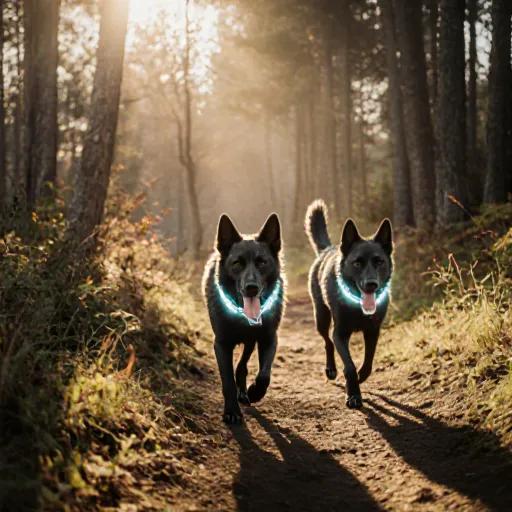
Guide your furry friend to safe adventures
“Elder‑Paw Escapades: Safe Routes, Endless Love”
Table of Contents
- Introduction
- Planning Your Trip with an Older Dog
- Health Checkups Before Departure
- Essential Gear for Senior Dogs
- Choosing the Right Mode of Travel
- Keeping Your Dog Comfortable on the Road
- Nutrition and Hydration Needs
- Scheduling Rest Stops and Exercise
- Managing Common Behavioral Issues While Traveling
- Emergency Preparedness and First Aid
- Vaccinations and Health Records for Travel
- Accommodations: Hotels, Campsites, and Pet-Friendly Lodging
- Legalities and Documentation Across Borders
- Conclusion
- FAQ
Introduction
Traveling Safely with Older Dogs: A Comprehensive Guide
Older dogs—often called “senior” or “geriatric” pets—bring a wealth of experience, loyalty, and love to your travels. However, their age can bring a set of unique challenges that require careful planning and attention. Whether you’re heading on a short road trip, a weekend getaway by the lake, or an international adventure, this guide will help you keep your senior companion safe, comfortable, and happy throughout the journey.
- Health Variability: Older dogs may have chronic conditions such as arthritis, heart disease, or diabetes that can flare up during travel.
- Reduced Mobility: Joint stiffness and muscle loss make it harder for them to navigate stairs, ramps, or uneven surfaces.
- Poorer Heat Tolerance: Aging dogs often have a diminished ability to regulate body temperature, making them more susceptible to heatstroke.
- Stress Sensitivity: New environments can be overwhelming; older pets may react with anxiety or aggression if not handled gently.
Start preparing at least two weeks before departure. Here’s a step‑by‑step checklist you can adapt to your situation:
- Vet Visit: Get a clean bill of health, update vaccinations, and discuss any medications or supplements.
- Documentation: For domestic trips, keep a copy of the dog’s ID tags, vaccination records, and a recent photo. For international travel, you’ll need a rabies certificate, microchip scan report, and possibly import permits.
- Medical Kit: Include prescription meds, over‑the‑counter pain relievers (only if vet-approved), antihistamines for allergies, a first‑aid kit, and a small bag of your dog’s regular food and treats.
- Comfort Items: Bring familiar blankets, toys, or a piece of clothing with your scent to reduce anxiety.
- Travel Gear: Choose a well-ventilated crate or carrier that fits the vehicle. Consider a seat belt harness for car rides and a dog-friendly travel bed for longer journeys.
Car Travel
- Short Trips: Keep the windows slightly open to maintain airflow. Avoid leaving your dog unattended in a parked vehicle, even for a few minutes.
- Long Hauls: Plan stops every 2–3 hours to allow stretching, bathroom breaks, and hydration. Use a “break‑and‑return” schedule: pull over, let the dog walk around (if safe), then resume driving.
Air Travel
Flying with senior dogs requires extra caution:
- Check Airline Policies: Some carriers have age restrictions or require a vet’s letter confirming fitness for flight.
- Pre‑Flight Exercise: Give your dog a brisk walk before boarding to reduce restlessness.
- In‑Cabin vs. Cargo: For very senior dogs, consider in‑cabin travel if the airline allows it—this reduces temperature fluctuations and handling stress.
Train or Bus
Public transport can be noisy and crowded. Use a small, secure carrier with a blanket to create a calm space. Bring noise‑reducing ear protection if your dog is sensitive to loud sounds.
- Hydration: Offer water every hour; use collapsible bowls that fit in the back of a car or in a bag.
- Temperature Control: Keep the vehicle at a comfortable temperature (ideally below 75°F). Use fans or portable air conditioning units if necessary.
- Pain Management: Monitor for signs of discomfort—limping, whining, reluctance to move—and consult your vet before administering any pain medication.
- Noise and Light: Dim interior lights and use a white‑noise app or music to mask unfamiliar sounds.
After the trip, give your senior dog ample time to rest. Inspect for any signs of injury or illness—such as limping, vomiting, or unusual lethargy—and contact your vet if needed. A gentle walk in a familiar environment can help reset their routine and reduce stress.
The Smiths took their 12‑year‑old golden retriever, Bella, on a 6‑hour drive. They followed these steps:
- Vet Prep: Bella received a full exam and was given a low‑dose anti‑nausea medication for motion sickness.
- Stop Strategy: Every two hours, they pulled over to the parking lot, letting Bella stretch and drink water. They used a small dog crate with her favorite blanket inside.
- Temperature Management: The car’s AC was set at 70°F; they kept the windows slightly open for fresh air.
- Post‑Trip Routine: Bella rested in her crate for two hours before a short walk. No health issues arose, and she returned to her usual energy level within a day.
- Start planning early—every minute counts when traveling with an older dog.
- Prioritize comfort: proper hydration, temperature control, and familiar items.
- Know your dog's health status and have a clear plan for any emergencies.
- Adjust the travel schedule to accommodate slower movement and longer breaks.
By treating travel as
Planning Your Trip with an Older Dog
Older dogs often have different needs than their younger counterparts—whether it’s slower pacing, medical conditions, or a preference for familiar routines. When you’re preparing to travel, the key is to anticipate these needs and design your itinerary so both you and your senior companion can enjoy a safe, stress‑free adventure.
1. Vet Check‑In Before Departure
- Schedule an appointment 2–4 weeks before travel. Discuss vaccinations, flea/tick prevention, heartworm prophylaxis, and any chronic conditions that might affect your trip (e.g., arthritis, heart disease).
- Ask for a copy of medical records. Bring the paper or digital copies in case you need to show them at border crossings or veterinary clinics abroad.
- Get a health certificate. Many countries require a 10‑day health certificate signed by a licensed vet. Some airlines also ask for it.
2. Pack Smart, Not Heavy
- Essential medication kit: Bring enough medication for the entire trip plus an extra week’s supply in case of delays. Label everything clearly and keep it in a waterproof bag.
- Comfort items: A familiar blanket, favorite toy, or a piece of your clothing can help reduce anxiety.
- Cooling vests & hydration packs: Older dogs are more prone to overheating. A cooling vest (water‑filled) and a collapsible water bowl or built‑in water bottle in the harness keep them comfortable.
3. Choose Pet‑Friendly Transportation Wisely
| Mode | Considerations for Older Dogs |
|---|---|
| Airplane (in-cabin) | Check airline pet policies, weight limits, and whether your dog can fly in the cabin. Bring a small crate that fits under the seat; ensure it’s ventilated. |
| Airplane (checked baggage) | Only consider if you’re comfortable with temperature fluctuations and potential rough handling. Use an airline‑approved crate, add extra padding. |
| Train | Many trains allow pets in designated areas. Arrive early to secure a spot; older dogs may need more frequent breaks. |
| Car | Plan for frequent stops every 45–60 minutes. Keep the windows slightly open for ventilation but avoid drafts directly on your dog’s face. |
4. Pick Pet‑Friendly Accommodations Early
- Hotel policies: Look for pet-friendly hotels with no weight limits or that allow older dogs. Some offer special amenities like dog beds, separate dining areas, and even “senior dog” discounts.
- Airbnb & vacation rentals: Filter search results by “pet friendly.” Verify the host’s willingness to accommodate an older dog (e.g., no stairs, easy access).
- Camping sites: If you’re going camping, choose a site with a flat area for your dog and check if they allow pets. Bring a portable shelter or tent for extra protection.
5. Plan Your Itinerary Around Your Dog’s Pace
- Limit strenuous activities: Instead of long hikes, opt for shorter walks, scenic drives, or gentle nature trails.
- Schedule downtime: Provide plenty of rest periods in shaded areas. Older dogs may tire quickly.
- Stay flexible: If your dog shows signs of fatigue or discomfort, be ready to adjust plans—skip a scheduled activity or shorten the walk.
6. Safety Measures on the Road
- Use a well‑fitted harness and seat belt: This keeps your dog secure during sudden stops or turns.
- Avoid hot roads: Asphalt can reach temperatures above 120°F (49°C). Keep the windows slightly open to allow airflow, but avoid direct sun on the dog's belly.
- Keep a first‑aid kit handy: Include items for cuts, sprains, and common dog ailments. Know how to use an emergency collar tag with your contact information.
7. Cultural & Legal Considerations Abroad
- Import regulations: Some countries require a quarantine period or specific vaccination records. Check the latest requirements on the embassy’s website.
- Local veterinary services: Research nearby clinics and emergency hospitals in case of illness or injury.
- Leash laws & pet etiquette: In many places, dogs must be leashed at all times. Familiarize yourself with local customs—some cultures may treat pets as family members, while others might have stricter rules.
8. Practical Examples of a Day’s Itinerary for an Older Dog
Morning: 7:00 am – Breakfast at a dog‑friendly café (check menus for low‑fat options).
Mid‑morning walk: 30–45 minutes in a shaded park. Bring a portable water bowl and give small, frequent sips.
Noon break: Rest on a comfortable blanket at the hotel or picnic area; keep windows open for ventilation.
Afternoon activity: Gentle sightseeing drive (no strenuous hiking). Stop frequently to allow bathroom breaks.
Evening: Dinner at a pet‑friendly restaurant with low‑salt, easy‑to-digest meals.
Night: Short walk around the hotel for bathroom needs; back to bed early if your dog is tired.
9. Final Checklist Before You Go
<Health Checkups Before Departure
Before you and your older dog set off on a long journey, it’s essential to perform a comprehensive health assessment. Older dogs are more susceptible to travel‑related stressors such as dehydration, motion sickness, and underlying chronic conditions that may flare up during transit.
1. Schedule an Early Vet Visit
- Timing: Book the appointment at least 4–6 weeks before departure to allow time for any necessary vaccinations or treatments.
- What to ask:
- Is my dog fit for travel?
- Do I need a health certificate, and if so, what is the required validity period?
- Should we adjust medications or dosing schedules during travel?
- What are the signs of dehydration or heat stress to watch for on the road?
2. Verify Vaccination and Health Documentation
Many airlines, hotels, and parks require up‑to‑date vaccinations (e.g., rabies, distemper) and a recent health certificate.
- Vaccination Log: Keep a printed copy of the vaccination history. Include dates and vaccine types.
- Health Certificate: Most airlines need it within 10 days of travel. Ask your vet to note that the dog is free from contagious diseases, has no signs of illness, and is physically fit for flight or road trip.
3. Review Medications and Supplements
Older dogs often take multiple medications (e.g., joint supplements, heart meds). During travel:
- Dosage Timing: Adjust the schedule to fit travel times—take medication before departure and immediately after arrival.
- Carry a Backup: Bring at least a 3‑day supply of each prescription in case you’re delayed or unable to get a refill on time.
- Emergency Meds: Pack any anti‑nausea, pain relief, or anti‑inflammatory drugs recommended by your vet.
4. Conduct a “Travel Readiness” Physical Exam
Ask the vet to focus on areas that affect travel comfort:
- Cardiovascular System: Listen for arrhythmias or murmurs that might worsen with stress.
- Respiratory Health: Check for coughing, wheezing, or labored breathing—important if you’re flying in a pressurized cabin.
- Orthopedic Assessment: Ensure joints are stable; older dogs can be prone to stiffness and pain when sitting for long periods.
5. Discuss Travel‑Specific Concerns
Older dogs may have unique needs:
- Temperature Sensitivity: Ask if your dog can tolerate the climate of your destination (e.g., high heat or altitude).
- Noise Tolerance: Older dogs might be more sensitive to loud noises—plan for quieter routes and consider calming aids.
- Hydration Strategy: Discuss a plan for regular water breaks, especially on long drives or flights.
6. Prepare an Emergency Kit
Include the following items in your travel bag:
- Prescription meds and a copy of prescriptions.
- Health certificate and vaccination log.
- Water bowl, portable water bottle, and treats.
- First‑aid supplies (bandages, antiseptic wipes).
- A small crate or carrier with familiar bedding.
- Copies of veterinary contact information for the destination.
7. Plan Rest Stops and Comfort Breaks
For older dogs, frequent breaks are essential:
- Driving: Stop every 2–3 hours to allow your dog to stretch, relieve itself, and hydrate.
- Flying: Arrange for a “pet lounge” or consider a pet‑friendly cabin if available. Keep the carrier cool and provide a familiar blanket.
8. Test the Travel Setup at Home
Before the trip, practice short trips in the car or a brief flight simulation (e.g., a local airport). Observe how your dog reacts to movement, noise, and confinement. This trial run can help you identify potential stressors early.
9. Keep Calm and Consistent
Older dogs thrive on routine. Stick to familiar feeding times, medication schedules, and bedtime rituals as much as possible during travel. Bring a favorite toy or blanket to reduce anxiety.
10. Post‑Arrival Veterinary Check
Once you reach your destination, schedule a quick check‑up if your dog shows signs of stress, dehydration, or any new symptoms. A brief evaluation can prevent complications from traveling.
By taking these proactive steps, you’ll ensure that your older canine companion remains healthy and comfortable throughout the journey—making the adventure enjoyable for both of you.
Essential Gear for Senior Dogs
When you’re planning a trip with your senior pup, having the right gear can make all the difference in keeping them comfortable, safe, and stress‑free.
- Comfortable Travel Bed or Blanket:
- Choose a bed that offers extra cushioning for joints—memory foam or orthopedic models are ideal.
- Pack it in a lightweight, washable bag so you can keep it clean and dry on the road.
- Temperature‑Regulating Collars & Harnesses:
- Thermal collars or harnesses with reflective strips help maintain body heat during cooler evenings.
- Look for adjustable straps that won’t dig into sensitive skin, especially if your dog has arthritis.
- Portable Water Bowl & Hydration System:
- A collapsible bowl or a water bottle with an attached drinking tube ensures your senior stays hydrated without having to stand for long periods.
- Consider a hydration pack if you’ll be on hikes; it distributes the weight evenly and keeps water within easy reach.
- First Aid Kit (Senior‑Focused):
- Include joint supplements, anti‑inflammatory medications (consult your vet first), and a small dose of pain relief if prescribed.
- Add items like gauze, antiseptic wipes, and a quick‑stop bandage for minor cuts or scrapes.
- Comfortable Leash & Portable Seat Belt:
- A short, sturdy leash allows you to keep your dog close during car stops.
- Use a seat belt harness designed for dogs; it keeps them secure without restricting movement, which is especially important if they’re prone to stiffness.
- Cooling Vest or Sweater (Seasonal):
- In hot climates, a cooling vest can prevent overheating—look for ones with breathable mesh and removable pads.
- For cooler months, a lightweight sweater provides extra warmth without bulk.
- Portable Exercise Equipment:
- A small, collapsible agility set (e.g., tunnels or poles) can help keep your senior’s joints active during short walks.
- Include a gentle tug toy to provide mental stimulation without overexertion.
- Identification & Travel Documents:
- Carry an up‑to‑date microchip registry card, health records, and any required travel permits.
- Keep a printed copy of your dog’s vaccination history in case you need to visit a vet en route.
- Emergency Contact List:
- Have a list of local vets, pet hospitals, and emergency clinics at each destination. Save it on your phone and print a copy for backup.
- Include the contact details of your regular vet in case you need to consult about medication adjustments while traveling.
Practical Tips:
- Pack everything the day before to avoid last‑minute scrambling.
- Test your gear at home—let your dog get used to the travel bed, harness, and any new items before you hit the road.
- Plan frequent stops: short walks or gentle stretches can keep joints flexible and reduce stress.
- Keep a routine: feeding times, medication schedules, and sleeping areas should remain as consistent as possible.
By equipping yourself with these essential items and following the practical advice above, you’ll help ensure that your senior dog enjoys every mile of your adventure—comfortably, safely, and happily.
Choosing the Right Mode of Travel
When planning a trip with an older dog, selecting the best mode of transport is crucial for their comfort and safety. Below are the most common options—car, train, plane, and boat—along with detailed pros, cons, and practical tips tailored to senior canines.
1. Driving (Car or Van)
- Pros:
- Flexible schedule; you can stop whenever your dog needs a break.
- No need to navigate unfamiliar airports or train stations.
- Easy access for carrying extra supplies (water, medication, bedding).
- Cons:
- Long drives can cause motion sickness in older dogs.
- Heat buildup inside the vehicle can be dangerous.
- Practical Tips:
- Choose a climate-controlled vehicle with good ventilation.
- Plan frequent stops every 45–60 minutes for bathroom breaks and stretching.
- Use a dog seat belt or a secured carrier to prevent injury during sudden braking.
- Bring familiar blankets, toys, and a small crate that matches their size.
- Keep water in an insulated bottle and offer sips every 30–45 minutes.
2. Train (Passenger Rail)
- Pros:
- Large, open spaces for the dog to move if they are allowed on board.
- Often includes pet-friendly seating areas with extra legroom.
- No air‑conditioning issues—trains maintain a stable temperature.
- Cons:
- Stations can be crowded and noisy, potentially stressing the dog.
- Not all trains accept pets; check policies in advance.
- Practical Tips:
- Book a pet-friendly seat or carriage early; some services allow you to reserve a space for your dog.
- Carry a lightweight, portable crate if the train requires it.
- Use a travel collar with an ID tag in case of emergencies.
- Schedule the trip during cooler parts of the day (morning or late afternoon).
- Keep your dog on a short leash and use a harness for better control.
3. Air Travel (Commercial Flights)
- Pros:
- Fastest way to cover long distances.
- Many airlines offer special pet accommodations and assistance programs.
- Cons:
- High cabin pressure, temperature swings, and noise can trigger anxiety or discomfort.
- Long periods of confinement may exacerbate joint pain.
- Practical Tips:
- Book a flight that offers pet-friendly cabins (e.g., economy with a dedicated pet area).
- Check the airline’s specific guidelines for senior dogs—some may require a vet certificate.
- Choose a direct flight to minimize layovers and reduce stress.
- Pack an overnight bag: a lightweight blanket, familiar toys, medication, and a small crate that fits under the seat.
- Feed your dog a light meal 12–14 hours before departure to avoid nausea.
- Arrive early at the airport to allow ample time for check‑in and pre‑flight rest.
4. Boat (Cruise or Ferry)
- Pros:
- Smooth motion can reduce the risk of motion sickness compared to cars.
- Many cruise lines offer pet-friendly cabins and amenities.
- Cons:
- Large crowds and unfamiliar environments may overwhelm a senior dog.
- Water temperature can be an issue; some boats require dogs to stay on deck.
- Practical Tips:
- Reserve a cabin that is close to the deck and has easy access for bathroom breaks.
- Confirm the vessel’s pet policy—some only allow dogs in specific areas or require microchipping.
- Bring a life jacket if your dog is not comfortable in water; many cruises provide them.
- Maintain a consistent feeding schedule and keep medication on hand.
- Limit the time spent on deck to prevent overexertion, especially during rough seas.
Key Decision Factors
Consider the following when choosing a transport mode:
- Health Status: Dogs with arthritis, heart conditions, or respiratory issues may fare better on shorter, more controlled trips.
- Travel Duration: Longer journeys increase the risk of dehydration and fatigue; choose a mode that allows frequent breaks.
- Comfort Needs: Assess whether your dog prefers being in a crate or if they are comfortable on their own. Some older dogs enjoy having a familiar blanket or toy with them.
- Environmental Factors: Temperature extremes, noise levels, and crowded spaces can trigger anxiety—opt for quieter, climate-controlled options when possible.
Final Checklist
Keeping Your Dog Comfortable on the Road
When traveling with an older dog, the journey itself can be just as important as the destination. Even short trips can become stressful if you don’t plan ahead. Below are practical tips and real‑world examples to help your senior pup stay relaxed, safe, and healthy during every mile.
1. Choose the Right Vehicle Setup
- Secure, padded crate or carrier: A well‑ventilated crate with a soft blanket provides a familiar “home” feel. For dogs that can’t tolerate confinement, consider a seat belt harness that fits snugly but doesn’t restrict breathing.
- Temperature control: Older dogs are more sensitive to heat and cold. Keep the cabin between 68–72°F (20–22°C) and use a fan or climate‑controlled windows if you’re on a long drive.
- Minimize distractions: Keep the radio low, avoid sudden turns, and let your dog know what’s coming by giving them a gentle cue before changing direction.
2. Plan Frequent Breaks
A good rule of thumb: stop every 45–60 minutes for short walks or bathroom breaks. Use this time to:
- Check for injuries: Look for limping, swelling, or unusual behavior.
- Offer water and a light snack: Avoid heavy meals that can cause nausea.
- Use calming aids: A light massage on the neck or shoulders can reduce anxiety.
3. Pack an “Emergency Comfort Kit”
- Hydration supplies: Portable water bowl, bottled water, and a collapsible cup.
- Medication and supplements: Bring any prescribed meds, pain relievers (only those approved by your vet), and joint supplements like glucosamine or omega‑3s.
- Comfort items: Favorite blanket, toy, or a piece of your clothing with your scent.
- First‑Aid supplies: Bandages, antiseptic wipes, and a small syringe for administering medication if needed.
4. Use Calming Aids Wisely
Older dogs may benefit from:
- A pheromone diffuser or spray (e.g., Adaptil): Helps reduce anxiety in unfamiliar environments.
- Natural supplements: Valerian root, L‑tryptophan, or CBD oil—always consult your vet first.
- Soft music or white noise: Calming tracks can mask engine sounds and create a soothing atmosphere.
5. Monitor Health Indicators
Pay attention to signs that may indicate discomfort or distress:
- Rapid breathing, panting at rest, or drooling excessively.
- Lack of interest in food or water.
- Vocalization or pacing.
If you notice any of these symptoms, consider pulling over for a quick check‑up. In some cases, it may be safer to postpone the trip until your dog’s health improves.
6. Keep Documentation Handy
Carry a copy of your dog’s medical records, vaccination history, and any special care instructions. In emergencies, this information can save time and help local vets provide accurate treatment.
7. Practice the Route Ahead (If Possible)
If you’re traveling to a new destination, drive a short test trip with your dog in the car. Observe how they handle different traffic patterns, stops, and road conditions. Adjust seat belts, crates, or temperature settings before the main journey.
Meet Bella, a 12‑year‑old golden retriever who needs a quick check‑up. Here’s how you can keep her comfortable:
- Pre‑trip prep: Pack Bella’s water bottle, a small snack (a piece of plain chicken), and her favorite chew.
- Vehicle setup: Place a padded crate in the back seat with a familiar blanket. Set the temperature to 70°F.
- During travel: Play soft classical music at low volume, keep the windows slightly open for fresh air, and let Bella look out occasionally.
- At the vet: Keep her crate closed until you’re inside. Offer water and a treat when she’s calm. Use a calming spray if she seems anxious.
With these steps, even a short drive becomes a stress‑free experience for both of you.
Traveling with an older dog requires extra attention to comfort and safety. By planning ahead, monitoring health indicators, and using calming aids wisely, you can ensure that your senior companion enjoys the journey as much as the destination.
Nutrition and Hydration Needs
Older dogs often have different dietary requirements than their younger counterparts, especially when traveling long distances or staying in unfamiliar environments. Proper nutrition and hydration are essential for maintaining energy levels, preventing dehydration, and ensuring a smooth trip.
1. Pre‑Trip Preparation
- Check the label: Choose a senior dog food that is lower in calories but higher in digestible protein and omega‑3 fatty acids to support joint health and coat condition.
- Introduce new foods gradually: If you plan to switch brands or add supplements, start 2–3 weeks before the trip to avoid gastrointestinal upset.
- Pack familiar treats: Bring a few small packs of their favorite biscuits or chews to keep them motivated during meals and breaks.
2. During Travel
-
Meal schedule:
Stick to the regular feeding times as much as possible, even if you’re on a road trip or in an airport. If your dog usually eats twice daily, maintain that routine.
-
Hydration station:
- Carry a collapsible water bowl and a portable bottle with a pet-friendly spout.
- Offer water every 30–45 minutes during long drives or flights to prevent dehydration.
- Consider adding an electrolyte supplement (e.g., Pedialyte) if you’re traveling in hot climates or the dog has a tendency to vomit.
-
Food portions:
Older dogs may need smaller, more frequent meals. Use a measuring cup to keep portions consistent and avoid overfeeding, which can lead to fatigue or digestive issues.
3. Special Situations
| Situation | Recommended Action | Why It Matters |
|---|---|---|
| High temperatures | Use a cool, shaded spot and offer ice cubes in the water. | Prevents overheating and keeps hydration levels stable. |
| Long flights | Feed a light meal 1–2 hours before takeoff; bring a small bag of high‑protein, low‑fat kibble for the flight. | Reduces nausea and keeps energy steady during turbulence. |
| Traveling to a new country | Pack their regular food in its original packaging; avoid local treats that may contain unfamiliar ingredients. | Avoids digestive upset and potential allergic reactions. |
4. Post‑Trip Care
After the journey, reintroduce their regular diet gradually over a few days. Monitor for any signs of discomfort—vomiting, diarrhea, or lethargy—and consult your vet if symptoms persist.
5. Practical Packing List
- Senior dog food (1–2 bags)
- Collapsible water bowl & portable bottle with spout
- Electrolyte supplement (optional)
- Familiar treats and chews
- Measuring cup for portions
- First‑aid kit tailored for dogs (bandages, antiseptic wipes, etc.)
By anticipating the nutritional and hydration needs of your older dog, you can ensure a safer, more comfortable journey for both of you.
Scheduling Rest Stops and Exercise
Older dogs have unique needs when it comes to travel comfort. By planning regular breaks and incorporating light exercise, you can keep your senior pup happy, healthy, and safe on the road.
1. Understand Your Dog’s Limits
- Veterinary Check‑In: Before booking a trip, get a health clearance from your vet. Ask about any joint issues, heart conditions, or medication schedules that might affect travel time.
- Daily Walk Time: Most senior dogs thrive on 20–30 minutes of gentle walking each day. Use this as a baseline for how long they can comfortably stay in the car before needing a break.
2. Create a Break Schedule
Use a simple formula: car time = 10 minutes per year of age (max 45 minutes). For example, an 8‑year‑old dog can sit in the car for roughly 40 minutes before needing a pause.
- Plan Stop Points: Mark every 30–45 minute interval on your route. If you’re driving a highway, look for rest areas, gas stations, or pet-friendly parks.
- Use Technology: Set phone reminders or use GPS apps that allow custom stop points. Many navigation tools let you save “dog break” locations.
3. Choosing the Right Rest Stop
- Pet-Friendly Facilities: Look for places with shaded parking, clean water fountains, and designated dog walking areas.
- Temperature Considerations: Avoid stops during peak heat or cold weather; choose shaded spots or indoor pet-friendly cafés when possible.
- Safety First: Ensure the area is secure—no open gates or dangerous wildlife nearby.
4. What to Do During Breaks
- Hydration: Offer water in a collapsible bowl or use a travel bottle with a built‑in sipper.
- Gentle Stretching: Lead your dog for a short walk (5–10 minutes). Focus on slow, controlled steps—avoid sprinting or jumping.
- Check for Issues: Inspect paws for cuts, mats, or foreign objects. Look for signs of pain or swelling.
5. Exercise Tips for Senior Dogs
- Opt for low‑impact activities: walking on flat surfaces, gentle swimming (if available), or short sessions in a dog park with soft grass.
- Avoid running on hot pavement; use reflective jackets if you’re traveling at dusk.
- Use positive reinforcement—treats and praise—to encourage calm movement during walks.
6. Managing Medication and Health Needs
Keep a travel kit with:
- All prescribed medications, clearly labeled.
- A copy of your dog’s medical records in case of emergency.
- A first‑aid kit for minor injuries (bandages, antiseptic wipes).
7. Practical Packing Checklist
| Item | Description |
|---|---|
| Collapsible Water Bowl | Easy to pack and clean. |
| Dog Seat Belt or Harness | Secure your pup during drives. |
| Portable Fan or Cooling Mat | Useful in hot climates. |
| Comfortable Bed/Blanket | Provides familiar scent for rest. |
| Leash and Collar with ID Tags | Always have up‑to‑date identification. |
8. Sample Day Plan (10‑Hour Drive)
- 0–30 min: Start the car, let dog stretch in the cabin.
- 30–45 min: Stop at a shaded rest area; walk for 5 min, hydrate.
- 45–75 min: Resume drive; keep the seat cool with a fan.
- 75–90 min: Quick stop in a pet‑friendly café; check paws.
- 90–120 min: Continue driving; offer water every 15 minutes.
9. When to Skip or Extend Stops
- If your dog shows signs of fatigue (lagging, yawning), extend the break.
- For dogs with arthritis, consider shorter, more frequent stops.
- In case of a medical emergency, pause immediately and seek help.
10. Final Thoughts
By anticipating your older dog’s needs, you create a safer, more enjoyable travel experience for both of you. Remember: regular rest, gentle exercise, and consistent hydration are the cornerstones of a successful road trip with senior canine companions.
Managing Common Behavioral Issues While Traveling
Older dogs often exhibit different behavioral patterns compared to their younger counterparts. When you’re planning a trip, it’s essential to anticipate and address these issues so your companion stays calm, safe, and happy.
- Anxiety & Separation Stress: Older dogs may feel more uneasy in unfamiliar environments or when separated from routine routines.
- Reduced Mobility & Joint Pain: Even a short walk can become exhausting if joints are stiff or painful.
- Vision & Hearing Decline: Reduced senses can lead to confusion, hesitation, or increased reactivity.
- Medication Timing & Side Effects: Some medications may cause drowsiness or restlessness during travel.
Practical Strategies for Each Issue
-
Managing Anxiety
• Bring familiar items: a favorite blanket, toy, or scent that reminds your dog of home.
• Use a calming collar or pheromone diffuser during travel.
• Keep the car’s environment quiet—play soft music or use white noise to mask unfamiliar sounds. -
Supporting Mobility
• Pack a lightweight, supportive dog seat belt or harness with an adjustable strap for comfort.
• Schedule frequent breaks (every 2–3 hours) on the road to allow stretching and bathroom visits.
• Use a small ramp or step stool at hotel entrances if stairs are present. -
Accommodating Sensory Decline
• Keep your dog’s leash short during busy times (e.g., airports, tourist sites) to prevent overstimulation.
• Use a reflective collar or tag for better visibility in low light.
• Avoid sudden bright lights or loud noises; if unavoidable, give your dog time to acclimate. -
Medication Management
• Administer medications at the same times each day, even while traveling.
• If a drug causes drowsiness, schedule rest periods in a quiet area of your accommodation.
• Keep a copy of your dog’s medication list and dosage instructions with you for quick reference.
Behavioral Observation Checklist
| Sign | Possible Cause | Action Step |
|---|---|---|
| Pacing or restlessness | Anxiety or discomfort from medication | Provide a calming chew toy, offer water, and ensure the environment is stable. |
| Sudden withdrawal of leash pull | Joint pain or stiffness | Shorten walks, use supportive harness, consider anti-inflammatory medication if advised by vet. |
| Lack of interest in food or treats | Vision/hearing loss or stress | Offer familiar flavors, keep feeding area quiet and well-lit. |
When to Seek Professional Help
If your senior dog displays any of the following during travel, consider contacting a veterinarian or animal behaviorist:
- Persistent aggression or fear responses that cannot be managed with basic strategies.
- Severe vomiting, diarrhea, or signs of pain after medication intake.
- Any sudden change in behavior that suggests underlying health issues.
By preparing for these common behavioral challenges and having a clear action plan, you can ensure that both you and your older dog enjoy a safe, stress‑free adventure together.
Emergency Preparedness and First Aid
Older dogs are more prone to sudden health issues while traveling—whether you’re driving across the country or hopping on a flight. Being prepared can mean the difference between a quick recovery and a serious medical emergency.
1. Create an Emergency Kit Tailored to Your Dog’s Needs
- Prescription Medications: Pack all routine meds (e.g., joint supplements, heart medication) plus any rescue doses for conditions like seizures or allergies.
- Veterinary Contact Information: Print the phone number of your regular vet and a local emergency clinic near each stop. Keep a digital copy on your phone as well.
- First Aid Supplies:
- Sterile gauze, adhesive tape, and antiseptic wipes
- A pair of disposable gloves (to protect yourself and keep the wound clean)
- Digital thermometer for quick temperature checks
- Scissors or a small nail clipper to remove splinters or debris
- Comfort Items: Bring a familiar blanket, a few of their favorite treats, and any items that help them feel secure (e.g., a calming spray).
- Identification & Records: A current ID tag, microchip registration info, and a copy of recent health records.
2. Know the Signs That Your Dog Needs Immediate Attention
Older dogs may exhibit subtle symptoms that can quickly become serious. Watch for:
- Sudden lethargy or inability to get up after a short walk
- Painful vocalization, especially when moving joints or walking on uneven terrain
- Difficulty breathing, wheezing, or a rapid heart rate (you can check the pulse by feeling the inside of their thigh)
- Vomiting, diarrhea, or changes in appetite lasting more than 24 hours
- Loss of balance or coordination, which could indicate neurological issues
3. First Aid Techniques Every Dog Owner Should Master
- Stop Bleeding:
- Apply gentle pressure with a clean cloth or gauze.
- If bleeding is severe, use a tourniquet only as a last resort and seek veterinary help immediately.
- Manage Heat Stroke:
- Move your dog to shade or an air‑conditioned area.
- Offer cool (not cold) water in small sips and apply cool, wet towels to the neck, belly, and paws.
- If temperatures remain high after 10 minutes, contact a vet.
- Treat Hypoglycemia:
- Give a small amount of sugary juice or honey (1 teaspoon per 5 pounds of body weight).
- Monitor for improvement and seek veterinary care if symptoms persist.
- Handle Seizures:
- Keep the dog safe from injury by moving objects away.
- Do not restrain or try to bite them; let the seizure run its course (usually 1–2 minutes).
- Afterward, check for injuries and contact your vet if seizures are new or frequent.
4. Practical Tips for Long Trips with Senior Dogs
- Schedule Frequent Breaks: Every hour of driving should include a short walk to relieve pressure on joints and prevent constipation.
- Keep Hydration Handy: Carry water in a spill‑proof bowl or use a collapsible pet bottle. Offer water every 30 minutes, especially in hot weather.
- Use a Sturdy Crate or Harness: For flights, choose an airline-approved crate that fits your dog’s size and ensures they’re secure yet comfortable.
- Avoid Overexertion: Plan routes with gentle terrain; avoid steep hills if your dog has arthritis or heart issues.
- Check Weather Conditions: Extreme cold can cause frostbite in ears and paws, while hot days increase the risk of heatstroke. Adjust travel plans accordingly.
5. When to Seek Veterinary Care on the Road
If your dog shows any of these signs after a first aid attempt:
- Persistent vomiting or diarrhea for more than 24 hours
- Uncontrolled bleeding that won’t stop with pressure
- Severe pain or inability to stand despite medication
- Rapid breathing, wheezing, or a sudden drop in body temperature (hypothermia)
- A seizure lasting longer than 2 minutes or multiple seizures in quick succession
When you’re near an unfamiliar area, use online maps to locate the nearest emergency veterinary clinic. Many pet travel apps also list 24‑hour hotlines and pet hospitals.
6. Post‑Travel Check‑In with Your Vet
After a long trip, schedule a routine vet visit to ensure your senior dog’s health hasn’t been compromised by stress, dehydration, or minor injuries that may have gone unnoticed during travel.
Preparedness is the best safety net for our aging companions. By equipping yourself with knowledge and tools before you hit the road, you’ll give your senior dog a healthier, happier journey—and peace of mind for yourself.
Vaccinations and Health Records for Travel
Before you set off on a journey with your senior dog, it’s essential to have a clean bill of health and up‑to‑date vaccinations. Older dogs are more vulnerable to infections, and many travel authorities require proof of certain shots before they’ll allow entry.
Key Vaccinations to Keep Current
- Rabies: Required by most countries; a booster is typically due every 1–3 years depending on the vaccine brand. Make sure you have the original certificate or a digital copy that includes the vet’s signature and clinic details.
- Canine Distemper, Adenovirus (hepatitis), Parvovirus, Parainfluenza: These core vaccines protect against life‑threatening diseases. If your dog is older than 12 months, a booster every 1–3 years is recommended.
- Leptospirosis: Highly relevant for dogs traveling to rural or wet environments. Some countries require proof of this vaccine if you’re entering certain regions.
- Bordetella (Kennel Cough): Especially important when staying in kennels, doggy daycares, or attending events where many dogs mingle.
Preparing a Travel Health File
- Visit Your Vet: Schedule an appointment at least 4–6 weeks before departure. Bring your dog’s existing health records and ask for a comprehensive physical exam, bloodwork if needed, and any vaccinations that are due.
- Get a Certificate of Good Health (COG): Many airlines and border authorities require this document issued within 10–14 days of travel. It confirms your dog is free from contagious diseases.
- Keep Digital Copies: Scan or photograph all documents—vaccination records, COG, microchip registration—and store them in a cloud folder. Upload to airline accounts if required.
- Label the Travel Kit: Include a small tag with your dog’s name, owner contact details, and a brief health summary (“Senior, 12 years, no chronic conditions”).
Practical Tips for Older Dogs on the Move
- Microchip & ID: Ensure the microchip is ISO‑standard (15‑digit) and that your contact information is up to date. Attach a physical tag with the same info.
- Travel Insurance for Pets: Some insurers offer coverage for medical emergencies abroad. Check policy limits, especially regarding pre‑existing conditions.
- Hydration & Nutrition: Bring enough food and water for at least two days in case of delays. Consider a lightweight travel bowl that can be collapsed into the harness.
- Medication Schedule: If your dog takes heartworm or flea treatments, bring extra doses. Label them clearly with dosage instructions.
Country‑Specific Requirements (Examples)
| Country | Required Vaccines | Documentation Needed |
|---|---|---|
| United States | Rabies (minimum 30 days before arrival) | Vaccination certificate + COG |
| France | Rabies, Distemper, Adenovirus, Parvovirus, Parainfluenza, Leptospirosis (if applicable) | Certificate of vaccination + microchip ID + COG |
| Australia | Rabies (within 12 months), Leptospirosis (if traveling to certain regions) | Pre‑travel health certificate, import permit, microchip registration |
By staying organized and proactive with vaccinations and records, you’ll give your older dog the best chance for a safe, stress‑free adventure. Remember: a well‑prepared travel plan is as much about paperwork as it is about comfort.
Accommodations: Hotels, Campsites, and Pet-Friendly Lodging
Choosing the right accommodation is essential when you’re traveling with an older dog. Older pets often need more comfort, accessibility, and a calm environment to stay healthy and happy during a trip.
1. Hotels
- Pet-Friendly Chains: Many major hotel chains (e.g., Marriott, Hilton, Best Western) offer pet-friendly rooms with extra amenities such as dog beds, bowls, and sometimes even in-room pet care services. Look for “pet-friendly” tags on booking sites.
- Accessibility Features: Older dogs may have mobility issues. Choose hotels that provide ramps, wide doorways, and elevators if your dog uses a cane or walker.
- Quiet Rooms: Request rooms on lower floors to reduce elevator noise and traffic. A quieter environment helps older dogs feel more secure.
- In-Room Pet Care: Some hotels provide pet-sitting services, dog walking, or even a small “dog spa” for grooming. Verify these options when booking.
- Room Size: Ensure the room is large enough to accommodate your dog’s bedding and any medical equipment (e.g., joint support cushions).
2. Campsites
- Pet-Friendly Camps: Many state parks and campgrounds allow pets, but rules vary. Always check the specific campground’s pet policy before booking.
- Accessibility for Dogs with Joint Pain: Look for campsites that have paved or gravel trails instead of muddy paths, reducing strain on your dog’s joints.
- Proximity to Water: Older dogs may need easy access to water. Choose sites near a reliable source or bring a collapsible water bowl.
- Shade and Shelter: Ensure there is adequate shade and a sheltered area for your dog to rest, especially in hot climates.
- Leave No Trace: Train your older dog to keep away from trash and avoid disturbing wildlife. Older dogs may have less impulse control; use a leash or harness at all times.
3. Pet-Friendly Lodging (Vacation Rentals, Bed & Breakfasts)
- Check Reviews for Dog Experience: Look for properties with positive reviews from other pet owners. Pay attention to comments about dog-friendly amenities and accessibility.
- Ask About Extra Charges: Some hosts charge extra for pets. Clarify if the fee includes supplies like bedding, food bowls, or a “dog welcome kit.”
- Safety Features: Confirm that windows have secure screens and that the property is fenced to prevent your dog from running off.
- Medical Supplies in the House: Verify if there’s a first-aid kit suitable for dogs, including items like joint supplements or pain relief recommended by your vet.
- Local Vet and Pharmacy: Ask the host about nearby veterinary clinics or pet pharmacies. Having this information handy can be lifesaving in an emergency.
Practical Tips for All Accommodation Types
- Pack a Travel Kit: Include your dog’s medications, a small syringe if needed, joint supplements, and any prescription food. Label everything clearly.
- Pre-Arrival Vet Check: Schedule a pre-trip vet visit to update vaccinations and discuss travel plans with the vet.
- Temperature Control: Older dogs are more sensitive to heat or cold. Bring a portable fan, cooling mat, or heating pad if needed.
- Leash & Harness: Use a sturdy leash and consider a harness for better control during walks.
- Routine Maintenance: Keep your dog’s exercise routine consistent but gentle. Short, frequent walks are preferable to long, strenuous ones.
By carefully selecting accommodation that meets the specific needs of older dogs—comfort, accessibility, and safety—you’ll help ensure a smooth, enjoyable travel experience for both you and your beloved pet.
Legalities and Documentation Across Borders
When you’re planning a trip with an elderly dog, one of the most important aspects to consider is the legal framework that governs animal travel across international borders. While the rules can vary significantly from country to country, there are common requirements that tend to apply universally. Understanding these regulations early on will help you avoid last‑minute complications and ensure your senior companion’s safety and well‑being throughout the journey.
1. Health Certificates (Pet Passport or Veterinary Certificate)
Most countries require a health certificate issued by an accredited veterinarian within 10–14 days of departure. The document must contain:
- Identification details: Microchip number, name, breed, and age.
- Vaccination records: Especially rabies (mandatory in many jurisdictions) and any other country‑specific requirements.
- General health assessment: Confirmation that the dog is free from communicable diseases and fit for travel.
For older dogs, it’s prudent to include a brief note on any chronic conditions (e.g., arthritis, heart disease) and how they’re managed. Some countries will request additional documentation if your pet has a known health issue.
2. Microchip Requirements
International travel almost always mandates ISO‑compatible microchips implanted in the dog’s collar or neck area. The chip must be registered with your name and contact details, and you should keep a copy of the registration number. If you’re traveling from a country that uses a different standard (e.g., ISO 11784/11785), you may need an implantable RFID adapter.
3. Rabies Vaccination & Booster Schedules
The rabies vaccination** is typically the most stringent requirement:
- Primary dose: Administered at least 12 weeks before travel.
- Booster dose: Must be given after the primary dose but no more than 12 months prior to departure (or within the vaccine’s validity period).
- Documentation: The certificate must specify the vaccine brand, batch number, and date of administration.
Older dogs may require a veterinary assessment before receiving a booster to ensure they can tolerate the vaccine. Some countries allow rabies antibody titer testing (ELISA) as an alternative if your dog is not fit for vaccination.
4. Import/Export Permits
Certain destinations require an import permit that you must obtain well in advance of travel. These permits often involve:
- Submission of the health certificate and microchip registration.
- Proof of vaccination history.
- Payment of a fee (often ranging from $20–$100).
Check the official government or embassy website for your specific destination. For older dogs, be prepared to provide additional health information if requested.
5. Special Considerations for Senior Dogs
- Pre‑travel vet check: Ensure your dog’s chronic conditions are stable and that they can handle the stress of travel.
- Medication compliance: Bring a supply of all prescribed medications, plus a copy of the prescription and dosage instructions.
- Comfort accessories: Pack a familiar blanket or toy to reduce anxiety during layovers.
- Travel crate suitability: Use an airline‑approved crate that is large enough for your dog to stand, turn around, and lie down comfortably. For older dogs, consider adding a padded floor or an extra cushion.
6. Practical Steps Before You Go
- Schedule a vet appointment: At least 4–6 weeks before departure to complete all required tests and vaccinations.
- Verify airline policies: Airlines have specific rules about age, health conditions, and crate dimensions. Some carriers may refuse transport for dogs with certain chronic illnesses unless you provide a medical clearance letter.
- Check destination regulations: Visit the embassy or consulate website to confirm any additional paperwork needed (e.g., quarantine requirements).
- Plan layovers and accommodations: Choose hotels that allow pets and have facilities for senior dogs, such as easy access to a pool or shaded outdoor areas.
7. Sample Documentation Checklist
| Document | When Required | Notes for Senior Dogs |
|---|---|---|
| Health Certificate (Pet Passport) | Within 10–14 days of departure | Include note on chronic conditions and medication schedule |
| Rabies Vaccination Record | Within last 12 months | Check vaccine tolerance; consider antibody titer test if needed |
| Microchip Registration | Before departure | Ensure chip is ISO‑compatible and registered in your name |
| Import/Export Permit | At least 30 days before travel | Provide full health history if requested |
| Medication Prescription & Instructions | Bring for entire trip duration | Carry in original packaging; keep a backup copy |
By preparing these documents well ahead of time and taking into account the specific needs of an older dog, you can navigate international travel with confidence. Always keep copies of all paperwork on hand (both physical and digital) and double‑check the latest regulations before you depart.
Conclusion
Older dogs bring a wealth of experience and companionship to every journey, but they also require extra care to stay healthy and comfortable while on the road. By planning ahead, paying attention to their unique needs, and staying flexible, you can ensure that your senior pup enjoys the adventure just as much as you do.
Key Takeaways
- Pre‑Trip Vet Check: Schedule a wellness exam at least two weeks before departure. Discuss medications, vaccinations, and any travel‑specific concerns such as motion sickness or heat tolerance.
- Pack Essentials: Bring familiar items (favorite blanket, toys), a copy of medical records, a daily medication schedule, a portable water bowl, and a lightweight first aid kit.
- Comfortable Travel Gear: Use a supportive dog seat belt or crate that fits the vehicle’s safety restraints. For flights, opt for a well‑ventilated carrier with enough space to stand, turn around, and lie down.
- Hydration & Nutrition: Offer small, frequent meals rather than one large feed before long drives. Keep fresh water accessible at all times, especially in hot climates.
- Pacing & Breaks: Schedule stops every 1–2 hours to allow your dog to stretch, relieve themselves, and cool down. Monitor for signs of fatigue or overheating.
- Medication Management: Keep medications on hand in their original containers with clear labeling. Use a travel-friendly dosing schedule (e.g., chewable tablets vs. liquid) that matches the trip’s rhythm.
- Safety First: Never leave an older dog unattended in a parked car, even for short periods. The temperature inside can rise rapidly and become deadly.
Practical Examples
- Road Trip to the Coast: Pack a collapsible travel bed, a small water bottle with a built‑in filter, and a set of anti‑slip mats for the car’s floor. Schedule stops at dog-friendly beaches where your senior can swim in shallow waters.
- International Flight to Europe: Choose an airline that offers pet travel accommodations and request a seat with extra legroom if possible. Pack a “comfort kit” (blanket, chew toy, and a small bag of familiar treats) to reduce anxiety during takeoff and landing.
- Mountain Hiking Adventure: Bring a lightweight harness and a portable water bowl that can be clipped to the leash. Keep your dog on a short leash at all times to prevent slips, and carry a first aid kit with bandages for minor scrapes or bumps.
Final Tips for Peace of Mind
- Know Your Dog’s Limits: Older dogs may have joint pain, vision changes, or heart conditions. Adjust your itinerary to avoid overly strenuous activities and allow extra rest periods.
- Stay Hydrated, Stay Cool: Use a cooling vest or a damp towel for hot days. In cold weather, consider a dog coat that fits snugly but allows movement.
- Keep Routine Intact: Try to maintain your dog's usual feeding and walking schedule as much as possible to reduce stress.
- Emergency Preparedness: Keep the contact information for local vets or emergency animal hospitals in each destination. Have a plan for sudden illness, such as an alternate route or nearby pet-friendly accommodation.
With thoughtful preparation and attentive care, traveling with your older dog can be a joyful experience that strengthens your bond and creates lasting memories. Safe travels!
FAQ
Older dogs often have unique needs when it comes to travel—whether you’re planning a road trip, flying, or staying in a pet-friendly hotel. By anticipating their challenges and preparing accordingly, you can keep your senior companion comfortable, healthy, and happy throughout the journey.
1. Pre‑Trip Vet Check
- Health Clearance: Schedule an appointment at least two weeks before departure. Ask about any medication adjustments, vaccination updates, or specific travel precautions for your dog’s age.
- Medications & Supplements: Bring a full supply of prescribed meds plus extras in case of delays. Keep them in the original container with clear labeling and a copy of the prescription.
- Travel‑Ready Documentation: If you’re flying or crossing borders, ensure your dog’s microchip number, health certificate, and vaccination records are up to date and easily accessible.
2. Packing Essentials for Senior Dogs
- Comfort Items: Bring a familiar blanket, pillow, or even a piece of your clothing to reduce anxiety.
- Nutrition & Hydration: Pack dry food (if they’re on a special diet) and enough water. Consider a collapsible bowl for easy access during stops.
- Mobility Aids: For dogs with arthritis or joint pain, a supportive harness or a lightweight dog wheelchair can help them move more easily.
3. Choosing the Right Transportation Mode
Road Trips
- Frequent Breaks: Stop every 2–3 hours to allow your dog to stretch, use the bathroom, and hydrate.
- Safe Seating: Use a seat belt harness or crate that’s securely fastened. Avoid leaving them unattended in the car for long periods.
- Temperature Control: Never leave an older dog alone in a parked vehicle—temperature fluctuations can be dangerous, especially if they have medical conditions.
Flying
- Airline Policies: Check the airline’s pet policy for senior dogs; some carriers allow them in the cabin with a carrier that fits under the seat.
- Pre‑Flight Prep: Let your dog walk and relieve themselves just before boarding. Use a crate with familiar bedding, and keep a small water bottle inside.
- In‑Flight Care: Ask the flight crew if you can bring a small bag of food or treats during the flight to calm your dog.
Public Transport & Other Options
- If you’re using trains, buses, or taxis, confirm pet policies in advance. Many cities offer discounted fares for senior dogs with a valid medical certificate.
- Consider hiring a pet‑friendly chauffeur service if your dog’s mobility is limited.
4. Hotel & Accommodation Tips
- Pet-Friendly Lodging: Choose accommodations that allow dogs in rooms, not just outside spaces. Verify the room size and ensure it has easy access to a door or balcony for bathroom breaks.
- Safety Measures: Bring a travel crate or a small dog gate to prevent accidental falls from stairs or windows.
- Noise & Light Control: Older dogs can be more sensitive to bright lights and loud noises. Request a quiet room away from high traffic areas, and use blackout curtains if possible.
5. Managing Stress & Anxiety
- Use calming products like Thundershirt or pheromone diffusers (Adaptil) to reduce anxiety during travel.
- Keep a routine: feed, walk, and play at consistent times to provide a sense of normalcy.
- Avoid over‑exertion. If your dog shows signs of fatigue—heavy breathing, limping, or reluctance to move—stop the activity and rest.
6. Emergency Preparedness
- Carry a first aid kit tailored for dogs: gauze, antiseptic wipes, tweezers, and a list of emergency contacts (local vets, pet hospitals).
- Keep an up‑to‑date copy of your dog’s medical records in both physical and digital form.
- Know the nearest veterinary clinics along your route or at your destination. Many cities have 24/7 pet emergency services.
7. Post‑Trip Care
- Check for any signs of injury, dehydration, or stress after the trip. Look for limping, unusual swelling, or changes in appetite.
- Maintain a routine: consistent feeding times, regular walks, and plenty of rest to help your dog recover from travel fatigue.
Bottom Line: Traveling with an older dog requires thoughtful preparation, but the reward is a shared adventure that respects their comfort and health. By following these guidelines, you’ll ensure a safe, enjoyable journey for both of you.
Categories
- AI & Enrichment Play
- Broiler Farming
- Broiler Farming Tips
- Canine Wellness & Longevity
- Cat
- Cat & Human Connection
- Cat Adoption & Rescue
- Cat Breeds
- Cat Breeds & Personalities
- Cat Care & Health
- Cat Grooming & Hygiene
- Cat Lifestyle & Environment
- Cat Myths & History
- Cat Nutrition & Diet
- Cat Products & Reviews
- Cat Training & Behavior
- Comparison
- Consumer Awareness
- Dog
- Dog Accessories & Products
- Dog Adoption & Rescue
- Dog Breed & Lifestyle Trends
- Dog Breeding & Puppies
- Dog Entertainment & Media
- Dog Fashion & Trends
- Dog Fun & Lifestyle
- Dog Grooming & Hygiene
- Dog History & Culture
- Dog Myths, Science & Future Tech
- Dog News & Trends
- Dog Nutrition & Food
- Dog Psychology & Emotions
- Dog Safety & Security
- Dog Sports & Activities
- Dog Technology & Innovation
- Dog Training for Modern Owners
- Dog Travel & Adventure
- Dog Travel, Adventure & Culture
- Economic and Market Insights
- Educational Content
- FAQs
- Feeding Alternatives
- Festivals & Seasonal Ideas
- Fun & Entertainment
- General Knowledge
- General Pig Farming
- Health & Disease Management
- Housing and Environment
- Kittens
- Market Insights
- Miscellaneous
- Miscellaneous
- Motivational
- pig
- Pig Breeding
- Pig Breeds
- Pig Farming Stories and Inspiration
- Pig Health and Care
- Pig Nutrition
- Pig Products
- Profitability & Business
- Puppy Care
- Puppy Predictable Topics Reinvented
- Regional Focus
- Rescue & Adoption Buzz
- Senior Cats
- Senior Dog Care
- Smart Dog Tech & Gadgets
- Sustainability
- Sustainable & Eco-Friendly Dog Products
- Tech & Innovations
- Working & Service Dogs
- Broiler Feed66 products
- Country Feed33 products
- Pig Feed66 products
- Product22 products
- Raw Materials99 products
Products
-
 Fish Meal
₹1,999.00 – ₹2,999.00Price range: ₹1,999.00 through ₹2,999.00Rated 0 out of 5
Fish Meal
₹1,999.00 – ₹2,999.00Price range: ₹1,999.00 through ₹2,999.00Rated 0 out of 5 -
 FATTENING BROILER FEED
₹2,299.00 – ₹2,349.00Price range: ₹2,299.00 through ₹2,349.00Rated 0 out of 5
FATTENING BROILER FEED
₹2,299.00 – ₹2,349.00Price range: ₹2,299.00 through ₹2,349.00Rated 0 out of 5 -
 LAYER COUNTRY FEED
₹1,549.00 – ₹1,649.00Price range: ₹1,549.00 through ₹1,649.00Rated 0 out of 5
LAYER COUNTRY FEED
₹1,549.00 – ₹1,649.00Price range: ₹1,549.00 through ₹1,649.00Rated 0 out of 5 -
 COUNTER BROILER FEED
₹1,199.00 – ₹1,299.00Price range: ₹1,199.00 through ₹1,299.00Rated 0 out of 5
COUNTER BROILER FEED
₹1,199.00 – ₹1,299.00Price range: ₹1,199.00 through ₹1,299.00Rated 0 out of 5 -
 LACTATING PIG FEED
Rated 0 out of 5
LACTATING PIG FEED
Rated 0 out of 5₹2,299.00Original price was: ₹2,299.00.₹1,740.00Current price is: ₹1,740.00. -
 Maize
Rated 0 out of 5
Maize
Rated 0 out of 5₹1,650.00Original price was: ₹1,650.00.₹1,300.00Current price is: ₹1,300.00. -
 GESTATION PIG FEED (Phase 1)
Rated 0 out of 5
GESTATION PIG FEED (Phase 1)
Rated 0 out of 5₹2,249.00Original price was: ₹2,249.00.₹1,699.00Current price is: ₹1,699.00. -
 Pre Starter Broiler Feed
₹2,399.00 – ₹2,499.00Price range: ₹2,399.00 through ₹2,499.00Rated 0 out of 5
Pre Starter Broiler Feed
₹2,399.00 – ₹2,499.00Price range: ₹2,399.00 through ₹2,499.00Rated 0 out of 5 -
 FINISHER PIG FEED
Rated 0 out of 5
FINISHER PIG FEED
Rated 0 out of 5₹2,299.00Original price was: ₹2,299.00.₹1,749.00Current price is: ₹1,749.00. -
 Broiler Premix
Rated 0 out of 5
Broiler Premix
Rated 0 out of 5₹820.00Original price was: ₹820.00.₹699.00Current price is: ₹699.00.