
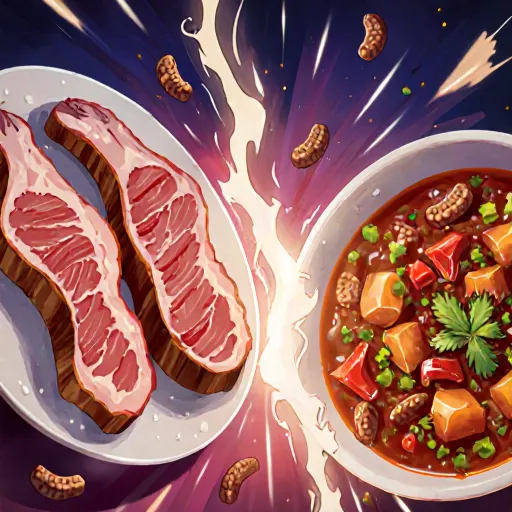
Raw or Cooked? Let Your Dog Decide!
Unleash Canine Health: Raw vs Cooked Showdown Now!!
Table of Contents
- Introduction
- What Is a Raw Diet?
- What Is a Cooked Diet?
- Nutritional Comparison
- Health Benefits of Raw Meals
- Health Risks of Raw Meals
- Health Benefits of Cooked Meals
- Health Risks of Cooked Meals
- Cost Analysis
- Time and Effort Required
- Palatability and Preference
- Safety Considerations
- Environmental Impact
- Conclusion
- FAQ
Introduction
Choosing the right diet for your canine companion can be daunting. The two most common options—raw food and cooked food—each come with distinct benefits and potential drawbacks. Below we break down the key considerations so you can make an informed decision tailored to your dog’s health, lifestyle, and preferences.
Raw Food: What It Means
A raw diet typically consists of muscle meat, organs, bones (often raw or lightly ground), and a small proportion of fresh fruits, vegetables, and supplements. The goal is to mimic the ancestral diet of wild canines, providing high protein, natural fats, and minimal processing.
Pros of Raw Food
- Nutrient Density: Fresh meats retain vitamins B12, riboflavin, and minerals like iron that are often reduced during cooking.
- Dental Health: Chewing raw meaty bones can help reduce plaque buildup and promote cleaner teeth.
- Improved Coat & Skin: Omega‑3 fatty acids from fish or organ meats support a shiny coat and healthy skin.
- Potential Weight Management: High protein content promotes satiety, which can aid in weight control for active dogs.
Cons of Raw Food
- Food Safety Risks: Bacterial contamination (e.g., Salmonella, E. coli) can affect both dogs and owners if not handled properly.
- Nutritional Imbalance: Without careful planning, diets may lack essential nutrients such as calcium or certain vitamins.
- Convenience & Cost: Fresh ingredients require refrigeration and frequent shopping; homemade portions can be time‑consuming.
- Bone Hazards: While raw bones are safer than cooked ones, there is still a risk of splintering or choking in some dogs.
Cooked Food: What It Means
A cooked diet involves preparing meals with heat—boiling, baking, sautéing, or steaming. Many commercial dog foods are processed this way to improve shelf life and digestibility. Homemade cooked diets can be tailored with fresh ingredients while ensuring safety.
Pros of Cooked Food
- Safety & Stability: Cooking eliminates most bacterial threats, making it safer for both pets and handlers.
- Nutrient Absorption: Heat can break down plant cell walls, enhancing the bioavailability of certain nutrients like beta‑carotene.
- Convenience: Pre‑packaged or bulk cooked meals are easy to store and serve.
- Diverse Palates: Many dogs enjoy the taste of cooked meats and vegetables, making portion control easier for picky eaters.
Cons of Cooked Food
- Nutrient Loss: Heat can degrade heat‑sensitive vitamins (e.g., vitamin C, some B‑vitamins) and reduce certain fatty acids.
- Reduced Dental Benefits: Without raw bones, dogs miss out on natural chewing that helps keep teeth clean.
- Potential Additives: Commercial cooked foods may contain fillers, preservatives, or excess sodium to improve taste and shelf life.
- Digestive Changes: Some dogs may experience gastrointestinal upset when transitioning from raw to cooked diets (or vice versa).
Practical Tips for Decision‑Making
- Assess Your Dog’s Health Profile: Dogs with allergies, digestive sensitivities, or certain chronic conditions may benefit from a specific diet. Consult your veterinarian first.
- Start Gradually: Whether switching to raw or cooked food, mix the new diet into the old one over 7–10 days to monitor tolerance.
- Maintain Balance: Use a balanced‑meal calculator or work with a veterinary nutritionist to ensure all macro- and micronutrients are met.
- Prioritize Hygiene: If choosing raw, store meats at 0–4 °C, use separate cutting boards for raw and cooked foods, and wash hands thoroughly afterward.
- Monitor Outcomes: Track weight, coat quality, stool consistency, and energy levels. Adjust portions or ingredients accordingly.
Ultimately, the best diet is one that aligns with your dog’s specific needs, your lifestyle constraints, and your commitment to safety and nutrition. Whether you lean toward raw, cooked, or a hybrid approach, regular veterinary check‑ups will help keep your pup healthy and thriving.
What Is a Raw Diet?
A raw diet for dogs—often called a “BARF” (Biologically Appropriate Raw Food) or “Cecal‑Based” diet—is a feeding regimen that emphasizes foods in their natural, uncooked state. The idea is to mimic the diet of a dog’s wild ancestors: primarily muscle meat, organ meats, bones, and a small amount of plant material such as fruits, vegetables, and occasionally grains.
Core Components
- Meat & Poultry: Beef, chicken, turkey, lamb, rabbit, fish—usually fresh or frozen to preserve nutrients.
- Bones: Raw meaty bones (e.g., chicken wings, pork knuckles) provide calcium and phosphorus. Soft cooked bones are avoided because they can splinter.
- Organ Meats: Liver, kidney, heart—rich in vitamins A, B12, iron, and zinc.
- Vegetables & Fruits: Carrots, spinach, blueberries, apples (seedless). These add fiber, antioxidants, and micronutrients.
- Supplements (optional): Fish oil for omega‑3 fatty acids; probiotics to support gut health; a balanced mineral mix if needed.
Why Dogs Might Benefit from Raw Foods
Proponents argue that raw diets can lead to:
- Smoother coats and shinier fur—due to higher levels of healthy fats.
- Improved digestion—enzymes in uncooked meat aid nutrient absorption.
- Reduced inflammation—particularly helpful for dogs with allergies or joint issues.
- Lighter stools and less odor—a sign of better digestive efficiency.
Key Practical Tips
- Start Gradually: Mix raw food into the current diet at a 10–20% ratio for the first week, then increase over 4–6 weeks to avoid digestive upset.
- Balance Your Plate: Aim for roughly 80% protein (meat + organ meats), 15–20% vegetables/fruit, and 5–10% bone. A common ratio is 3:1 meat-to-bone.
- Safety First: Use fresh, high‑quality cuts; freeze at –18°C for 48 hours to kill parasites. Keep raw food separate from cooked meals to avoid cross‑contamination.
- Monitor Health: Track weight, energy levels, stool quality, and skin condition. Adjust portions or ingredients as needed.
Common Myths Debunked
While raw diets can be healthy, they’re not a one‑size‑fits‑all solution:
Myth: Raw food guarantees perfect health.
Reality: Dogs still need balanced nutrition; some may suffer from deficiencies if the diet isn’t well planned.
Myth: Cooking destroys all nutrients.
Reality: While cooking can reduce certain vitamins, it also improves digestibility for many dogs and reduces bacterial contamination.
When to Choose Raw vs. Cooked Meals
| Factor | Raw Diet | Cooked Diet |
|---|---|---|
| Nutrient Retention | Higher levels of natural enzymes and heat‑sensitive vitamins. | Some loss of B‑vitamins, but cooking can make minerals more bioavailable. |
| Safety & Hygiene | Risk of bacterial contamination (E. coli, Salmonella); requires strict handling. | Generally safer; heat kills pathogens. |
| Convenience | Requires sourcing raw cuts, freezing, and safe storage. | Can be prepared in bulk; longer shelf life for commercial dry food. |
| Cost | Often higher due to premium meats and bone handling. | Varies widely; many affordable options available. |
Conclusion
A raw diet can offer significant benefits for certain dogs, particularly those with sensitive stomachs or specific health concerns. However, it demands careful planning, vigilant hygiene, and ongoing veterinary oversight to ensure nutritional completeness and safety. For many households, a balanced commercial kibble supplemented with occasional fresh vegetables may provide the best of both worlds.
What Is a Cooked Diet?
A cooked diet for dogs consists of ingredients that have been heated to safe temperatures, typically through boiling, baking, or steaming. The goal is to kill harmful bacteria (like E. coli and Salmonella), improve digestibility, and make nutrients more bioavailable. Cooked diets can be homemade or commercially prepared, and they often include a balanced mix of proteins, carbohydrates, fats, vitamins, and minerals.
Key Components of a Balanced Cooked Diet
- Protein source: lean meats (chicken breast, turkey, beef), fish, or eggs. Aim for at least 18–25 % protein by weight.
- Carbohydrate filler: rice, barley, oats, sweet potatoes, or pumpkin. Provide energy and fiber.
- Vegetables: carrots, green beans, spinach, broccoli (cooked until soft). These add vitamins A, C, K, and antioxidants.
- Healthy fats: fish oil, flaxseed oil, or small amounts of animal fat for essential fatty acids.
- Supplementation: calcium (ground eggshells or commercial supplement), taurine (especially for breeds prone to heart disease), and a balanced multivitamin/mineral blend if needed.
How Cooking Improves Digestibility
Heating breaks down protein structures, making them easier for the canine digestive tract to absorb. It also gelatinizes starches in grains, improving carbohydrate utilization. In contrast, raw foods retain their natural enzyme activity but may contain indigestible fibers and proteins that can be harder on a dog’s system.
Practical Tips for Preparing a Cooked Diet
- Use a food thermometer: Ensure all meats reach at least 165 °F (74 °C) to kill pathogens.
- Batch cooking: Prepare large portions and freeze individual servings in airtight containers. This saves time and guarantees consistent nutrition.
- Portion control: Calculate your dog’s daily caloric needs based on weight, age, activity level, and adjust the meal size accordingly.
- Introduce slowly: Transition from commercial food to homemade cooked meals over 7–10 days to avoid digestive upset.
- Monitor health: Regular veterinary check‑ups help ensure your dog maintains a healthy weight and no nutrient deficiencies arise.
Raw vs Cooked Meals: Pros & Cons
| Raw Diet | Cooked Diet | |
|---|---|---|
| Nutrient Availability | High in natural enzymes; raw protein can be harder to digest for some dogs. | Cooking increases bioavailability of certain minerals (e.g., calcium) and reduces anti‑nutrients like phytic acid. |
| Safety | Risk of bacterial contamination; requires strict hygiene and sometimes freezing. | Reduces pathogen risk; safer for owners handling food. |
| Digestive Health | Often promotes healthy gut flora and stool quality due to high fiber content. | Can be gentler on the stomach for dogs with sensitive digestion or allergies. |
| Convenience & Cost | Time‑consuming preparation; can be expensive if sourcing high‑quality raw ingredients. | Easier to batch cook and store; generally more affordable, especially when using pantry staples. |
When to Choose a Cooked Diet
- Your dog has a compromised immune system or is prone to infections.
- You want a diet that’s easy to prepare, store, and share with other pets.
- Budget constraints make high‑quality raw feeding impractical.
- You need precise control over caloric intake for weight management.
Ultimately, the best diet depends on your dog’s individual health profile, lifestyle, and your own capacity to prepare meals. Consulting with a veterinary nutritionist can help tailor a cooked‑food plan that meets all of your dog’s nutritional needs while aligning with your preferences and schedule.
Nutritional Comparison
Pros of Raw Feeding
- Higher Nutrient Bioavailability: Raw diets often preserve heat‑sensitive vitamins (e.g., vitamin C, B‑complex) and enzymes that are destroyed during cooking.
- Dental Health Benefits: Chewing on raw meaty bones can reduce plaque buildup and strengthen gums.
- Better Digestion for Some Dogs: Raw protein is more readily digested by certain breeds or dogs with sensitive stomachs, potentially lowering stool volume and odor.
- Natural Food Chain Mimicry: Raw diets emulate the ancestral diet of canines, possibly supporting optimal gut microbiota diversity.
Cons of Raw Feeding
- Microbial Risk: Salmonella, E. coli, and Listeria can contaminate raw meat or bones, posing health risks to pets and humans.
- Nutrient Imbalance: Without careful planning, raw diets may lack essential minerals (e.g., calcium) or have excessive phosphorus.
- Cost & Convenience: High‑quality raw ingredients can be pricey; meal prep often requires refrigeration and meticulous portioning.
- Limited Food Variety: Raw diets restrict certain treats, snacks, and seasonal foods that are safe when cooked.
Pros of Cooked Feeding
- Safety & Hygiene: Cooking eliminates most bacterial pathogens, making meals safer for both dogs and owners.
- Nutrient Stability: Certain nutrients (e.g., calcium) become more bioavailable after cooking; it’s easier to fortify with supplements.
- Palatability & Variety: Cooked meals can incorporate a wide range of vegetables, grains, and herbs that are difficult or unsafe raw.
- Easier Portion Control: Measuring cooked portions is straightforward, reducing the risk of over‑feeding.
Cons of Cooked Feeding
- Nutrient Loss: Heat can degrade vitamins A, C, and B12; prolonged cooking may also reduce protein quality.
- Dental Wear: Lack of raw bones may lead to increased plaque if not supplemented with dental chews or brushing.
- Digestive Discomfort: Some dogs experience gas or bloating from cooked legumes or grains that are harder to digest.
- Time & Labor: Cooking multiple meals weekly can be time‑consuming and may require specialized equipment (e.g., slow cooker, dehydrator).
Practical Tips for Choosing the Right Approach
- Consult a Veterinary Nutritionist: Before switching diets, get a tailored recommendation based on your dog’s age, breed, health status, and activity level.
- Start Gradually: Transition over 7–10 days to prevent gastrointestinal upset—mix increasing amounts of the new diet with the old one.
- Balance Macros & Micronutrients: Whether raw or cooked, ensure protein, fat, carbohydrates, vitamins, and minerals meet the AAFCO (Association of American Feed Control Officials) standards.
- Use Safe Food Sources: Source organic, grass‑fed meats; avoid processed meats with additives; freeze raw foods at –20 °C for 24 h to kill parasites.
- Monitor Health Indicators: Track weight, coat condition, stool quality, and energy levels. Adjust portions or ingredients if changes occur.
Sample Meal Plans
| Meal Type | Raw Ingredients (per 1 kg) | Cooked Ingredients (per 1 kg) |
|---|---|---|
| Starter | Ground beef, chicken liver, carrots, blueberries | Boiled rice, diced turkey, steamed broccoli, pumpkin puree |
| Main Course | Whole chicken (boneless), sweet potato cubes, spinach, apple slices | Slow‑cooked lamb stew with carrots, peas, and barley |
| Treats | Raw bone broth, dehydrated kelp sheets | Homemade dog biscuits (oatmeal, peanut butter, banana) |
Health Benefits of Raw Meals
Feeding your dog a balanced raw diet—often referred to as the “BARF” (Biologically Appropriate Raw Food) approach—has gained popularity among pet owners who want to mimic what wolves and other wild canids would eat in the wild. While no single feeding strategy is universally superior, many dogs thrive on carefully planned raw diets that provide high-quality proteins, healthy fats, and fresh vegetables.
Key Nutritional Advantages
- High Protein Quality: Raw meats contain all essential amino acids in their natural form, supporting muscle maintenance, growth, and repair.
- Enzyme Preservation: Cooking can denature enzymes that aid digestion. Raw diets keep these enzymes intact, potentially improving nutrient absorption.
- Lipid Profile: Whole organ meats and fatty fish supply omega‑3 and omega‑6 fatty acids, which help maintain healthy skin, coat, and joint function.
- Fiber from Vegetables: Fresh greens add soluble fiber that promotes regular bowel movements and supports a healthy gut microbiome.
- Natural Antioxidants: Many raw vegetables contain antioxidants (vitamins C, E, beta‑carotene) that can reduce oxidative stress in dogs.
Practical Tips for Implementing a Raw Diet
- Start Gradually: Introduce raw foods over 7–10 days, mixing small amounts with your dog’s current kibble to prevent digestive upset.
- Balance the Plate: Aim for a 70/30 ratio of muscle meat to organ meat. Add 20% bone (ground or whole) and 10% fresh vegetables or fruits per meal.
- Use Fresh, High‑Quality Ingredients: Source meats from reputable suppliers that offer “human grade” or “animal feed” quality. Avoid processed meats with nitrates or preservatives.
- Mind Food Safety: Store raw meals in the freezer and thaw them in the refrigerator to prevent bacterial growth. Wash hands, utensils, and surfaces thoroughly after handling raw meat.
- Supplement Wisely: Depending on your dog’s health status, consider adding a calcium supplement or a commercial vitamin/mineral blend designed for raw diets.
Raw vs. Cooked Meals: Pros and Cons
| Raw Diets | Cooked Diets (Kibble or Homemade) | |
|---|---|---|
| Nutrient Retention | Preserves natural enzymes, vitamins, and minerals. | Heat can destroy heat‑sensitive nutrients (e.g., vitamin B12, thiamin). |
| Digestibility | High digestibility; protein is easier to break down. | Cooking breaks down fibers but can make some proteins less bioavailable. |
| Palatability | Often more appealing due to natural flavors and aromas. | Depends on brand; many commercial kibble formulas are engineered for taste. |
| Safety & Hygiene | Higher risk of bacterial contamination (Salmonella, E. coli) if not handled properly. | Cooking kills pathogens; kibble is shelf‑stable and less prone to spoilage. |
| Convenience | Requires meticulous prep: chopping, portioning, freezing. | Ready‑to‑serve or easy homemade recipes; minimal prep time. |
| Cost | Can be expensive due to high‑quality meats and supplements. | Generally lower cost, especially with bulk kibble purchases. |
Ultimately, the best diet for your dog depends on individual health needs, lifestyle, and budget. Consult a veterinary nutritionist to design a meal plan that balances raw benefits with safety considerations—especially if you have a senior dog, one with food sensitivities, or a dog prone to gastrointestinal upset.
Common Myths Debunked
- Myth: Raw diets guarantee instant weight loss.
- Fact: Weight management requires balanced calories; raw meals can be calorie‑dense if overfed.
- Myth: Cooking destroys all nutrients.
- Fact: While some vitamins are heat‑labile, many minerals and proteins remain intact after cooking.
Whether you choose raw or cooked meals, the key is a well‑planned diet that meets your dog’s specific nutritional requirements. Always monitor weight, coat condition, stool quality, and overall energy levels to gauge how well the diet works for your furry companion.
Health Risks of Raw Meals
While a raw diet can provide certain benefits, it also carries a range of potential health risks that owners must consider before committing to this feeding style. Below is an in‑depth look at the most common concerns and practical ways to mitigate them.
1. Bacterial Contamination
- Salmonella, E. coli, Campylobacter: Raw meats can harbor these pathogens, which may cause severe gastrointestinal upset or systemic illness in dogs and humans who handle the food.
- Cross‑contamination risk: Improper storage or handling of raw ingredients can spread bacteria to kitchen surfaces, utensils, and other foods.
Mitigation Tips:
- Buy high‑quality, fresh meats from reputable suppliers that follow strict hygiene protocols.
- Store raw food in sealed containers in the coldest part of your fridge or freezer.
- Use separate cutting boards and knives for raw versus cooked foods.
- Wash hands thoroughly with soap and warm water after handling raw meat.
2. Nutrient Imbalances
- Phosphorus vs Calcium: Raw diets high in bone can lead to an excess of calcium relative to phosphorus, potentially causing kidney disease or bone abnormalities.
- Vitamin deficiencies: Certain vitamins (e.g., B12, folate) may be present in inadequate amounts unless the diet is carefully balanced.
Mitigation Tips:
- Follow a commercially prepared raw recipe that includes the correct bone‑to‑meat ratio.
- Add organ meats, fish oils, and fresh vegetables to provide essential micronutrients.
- Consult with a veterinary nutritionist annually to review blood work and adjust the diet as needed.
3. Joint & Bone Problems
- Raw diets that include large bones may increase the risk of dental fractures or jaw injuries.
- Certain raw bones can be too hard for small breeds, causing enamel wear or even tooth loss.
Mitigation Tips:
- Choose appropriately sized, soft bones (e.g., chicken necks, turkey wings) for smaller dogs.
- Consider bone‑free alternatives like freeze‑dried raw meals or commercial raw kibble that contains ground bone.
- Always supervise chewing and discard any broken bone fragments promptly.
4. Foodborne Parasites
- Raw meat can contain tapeworm or roundworm larvae that may infect your dog if the animal consumes infected tissue.
Mitigation Tips:
- Use meats from sources that routinely test for parasites.
- Freeze meat at –20 °C (–4 °F) for at least 7 days to kill most parasite eggs and larvae.
- Rotate between raw and cooked meals or incorporate regular deworming protocols as advised by your vet.
5. Digestive Upset & Food Intolerance
- A sudden shift to a raw diet can cause diarrhea, vomiting, or flatulence due to the higher protein and fat content.
- Some dogs may develop food allergies or sensitivities to particular raw ingredients (e.g., beef, chicken).
Mitigation Tips:
- Transition gradually over 7–10 days: start with a 25% raw mix and increase weekly.
- Observe stool quality; if issues persist, adjust the protein source or reduce fat content.
- Introduce new ingredients one at a time to identify potential allergens.
6. Food Safety for Humans
- Raw meat handling can pose health risks to family members, especially those with weakened immune systems or young children.
Mitigation Tips:
- Keep raw food storage areas separate from other groceries.
- Label containers clearly and discard any leftovers that show signs of spoilage.
- Consider using a dedicated refrigerator or freezer for raw pet food if possible.
7. Legal & Regulatory Considerations
- In some regions, the sale of raw pet food is regulated; homemade diets may fall outside of these guidelines.
- Commercial raw products must meet safety standards set by authorities like the USDA or local health departments.
Mitigation Tips:
- Check your local regulations regarding raw pet food handling and storage.
- When buying commercial raw, verify that it has been inspected and certified safe for consumption.
- Maintain documentation of sourcing if required by law or veterinary practice.
Practical Decision Checklist
| Factor | Raw Diet? | Cooked Diet? |
|---|---|---|
| Bacterial risk | High – requires strict hygiene | Low – cooking kills bacteria |
| Nutrient balance | Variable – needs careful formulation | More consistent if using commercial blends |
| Joint health | Potentially high risk with bones | Lower risk |
Health Benefits of Cooked Meals
While raw diets have their advocates, cooking dog food offers a range of tangible health advantages that are hard to overlook. Below we break down the primary benefits and give practical tips on how to incorporate cooked meals into your pet’s routine.
1. Enhanced Digestibility
- Protein Breakdown: Cooking denatures proteins, making them easier for dogs to chew and digest. This reduces the risk of food allergies triggered by undigested protein fragments.
- Fiber Softening: Heat softens fibrous plant material, allowing enzymes in a dog’s gut to work more efficiently and promoting regular bowel movements.
2. Reduced Pathogen Risk
The USDA recommends cooking meats to an internal temperature of at least 165 °F (74 °C) to kill harmful bacteria such as Salmonella, E. coli, and Campylobacter. By cooking your dog’s food:
- You dramatically lower the chance of foodborne illness for both pets and owners.
- Even if you use high‑quality raw ingredients, cross‑contamination during preparation can introduce pathogens that only heat will eliminate.
3. Better Nutrient Availability
Cooking releases certain nutrients that are otherwise bound in the food matrix:
- Carotenoids (beta‑carotene, lutein): Heat increases their bioavailability, supporting eye health and immune function.
- Phytosterols: Cooking can improve absorption of these cholesterol‑lowering compounds found in plant oils.
4. Easier Portion Control & Calorie Management
When you cook a batch, you can weigh the finished product and divide it into precise portions. This helps prevent overfeeding, supports weight‑management plans, and allows you to track caloric intake accurately.
5. Greater Variety of Ingredients
- You can safely include foods that are risky raw (e.g., onions, garlic, certain mushrooms) because cooking neutralizes many of their toxic compounds.
- Seasonal vegetables and grains become viable options—think sweet potatoes, quinoa, or brown rice—to diversify your dog’s diet.
6. Convenience & Long‑Term Storage
Cooked meals can be portioned into freezer bags, thawed as needed, and reheated quickly. This is especially useful for busy owners who need a dependable meal plan that doesn’t require daily preparation.
- Select Fresh Ingredients: Use high‑quality proteins (chicken, turkey, beef, fish) and fresh vegetables. Avoid processed meats and pre‑seasoned products that may contain sodium or additives.
- Follow a Balanced Recipe: A typical homemade dog food should include 40–50 % protein, 30–35 % carbohydrates (whole grains or starchy veggies), and 15–20 % fat. Add a small amount of healthy fats like fish oil for omega‑3s.
- Cook Thoroughly: Bring the mixture to a rolling boil, then simmer until all components are tender. Use a food thermometer to confirm that meats reach at least 165 °F (74 °C).
- Add Supplements Wisely: Even with cooked meals, dogs may need additional vitamins or minerals. Discuss supplementation with your vet—common additions include calcium (from ground eggshells) and a multivitamin blend.
- Store Properly: Cool the food to room temperature before refrigerating or freezing. Label containers with date and portion size. Consume refrigerated portions within 3–5 days; frozen batches last up to 4 weeks.
| Myth | Reality |
|---|---|
| Raw food is always healthier. | Cooking can enhance digestibility and reduce bacterial risk; raw diets may lack essential nutrients if not balanced properly. |
| Cooked meals are bland. | Add herbs (parsley, rosemary) or a splash of low‑sodium broth to improve flavor without compromising health. |
| Raw food is more natural. | Both raw and cooked diets mimic ancestral eating patterns; the key is nutrition density, not cooking method. |
In summary, cooked meals provide a safe, nutritionally robust, and convenient option for many dogs. By following these guidelines, you can ensure your pet enjoys delicious food that supports long‑term health—while keeping both your household and your dog’s gut happy and healthy.
Health Risks of Cooked Meals
While home‑cooked diets can be a convenient way to control ingredients and portion sizes, they come with several potential health risks for dogs if not prepared correctly. Below we break down the key concerns and offer practical solutions.
1. Nutrient Imbalance
- Protein & Fat Ratios: Cooking can reduce protein quality by breaking down essential amino acids, while concentrating fats in some foods (e.g., poultry skin). An imbalanced ratio may lead to weight gain or nutritional deficiencies.
- Vitamins & Minerals: Heat-sensitive nutrients such as vitamin B12 and folate degrade during cooking. Calcium can leach out of bones, and iron can oxidize, reducing its bioavailability.
2. Contamination Risks
- Bacterial Growth: Improper handling or insufficient cooking temperatures can leave pathogens like Salmonella, E. coli, or Listeria alive. Dogs are less susceptible than humans but can still suffer from gastrointestinal upset.
- Cruelty to Humans: Even if your dog tolerates a contaminated meal, the risk to family members is significant.
3. Foodborne Toxins & Additives
- Cooked Bones: While raw bones are sometimes used for dental health, cooked bones can splinter and cause choking or internal injury.
- Salt & Seasonings: Excess sodium can lead to hypertension, heart disease, or kidney damage. Certain herbs (e.g., onion powder) become toxic when cooked.
4. Palatability vs. Health Trade‑Offs
Cooked meals are often more palatable due to caramelization and aroma, which may encourage overeating. Overweight dogs or those with metabolic disorders can quickly fall into a weight gain cycle.
5. Comparison: Raw vs Cooked
| Aspect | Raw Diet | Cooked Diet |
|---|---|---|
| Nutrient Retention | Higher bioavailability of proteins, fats, and heat‑sensitive vitamins. | Loss of some nutrients; need supplementation. |
| Safety & Hygiene | Risk of bacterial contamination if not handled properly; requires strict hygiene. | Higher temperatures kill most pathogens, but improper cooking still poses risk. |
| Dental Health | Chewing raw meaty bones can reduce plaque and tartar. | Cooked bones are unsafe; dental benefits minimal unless using kibble or dental chews. |
| Digestibility | Generally easier to digest for some dogs; may cause upset in others. | Cooking can break down fibers, making them easier on sensitive stomachs. |
| Convenience & Storage | Requires immediate consumption or careful freezing; risk of spoilage. | Cooked meals can be stored in the fridge for 3–4 days or frozen for later use. |
Practical Tips to Mitigate Risks
- Use a Food Thermometer: Ensure all meats reach at least 165 °F (74 °C) throughout.
- Separate Raw & Cooked Foods: Use different cutting boards and utensils to avoid cross‑contamination.
- Incorporate Supplements: Add a high‑quality multivitamin or specific nutrients lost during cooking (e.g., vitamin B12, calcium).
- Watch Portion Sizes: Calculate caloric needs based on weight and activity level to prevent obesity.
- Consult a Veterinary Nutritionist: They can help design balanced recipes tailored to your dog's health status.
By understanding the inherent risks of cooked meals and balancing them against the benefits, you can create a safe, nutritious diet that keeps your canine companion healthy and happy.
Cost Analysis
When deciding whether to feed your dog raw or cooked food, one of the first things most owners consider is cost. Below we break down the major expense drivers for each option, give realistic price ranges based on common ingredients, and provide practical tips for keeping both diets affordable without compromising nutrition.
1. Ingredient Costs
| Ingredient Category | Raw Diet (per pound) | Cooked Diet (per pound) | Notes |
|---|---|---|---|
| Meat & Poultry | $3.00 – $5.50 | $2.50 – $4.50 | Raw often requires fresh cuts; cooked can use cheaper cuts that are simmered. |
| Vegetables & Fruits | $0.20 – $0.40 | $0.30 – $0.50 | Raw diets emphasize raw greens; cooked meals can use a broader range of produce. |
| Bones (if included) | $1.00 – $2.00 | N/A | Raw bones add cost but also nutritional value; cooked diets typically avoid bones. |
| Supplements & Additives | $0.10 – $0.30 | $0.15 – $0.35 | Both diets may need vitamins or minerals; raw often requires a balanced mix. |
Key takeaway: Raw diets tend to be slightly more expensive per pound because of higher-quality meats and the need for fresh, unprocessed ingredients. Cooked meals can use less costly cuts and cheaper bulk vegetables.
2. Storage & Preparation Expenses
- Refrigeration: Raw food must be kept at a constant cool temperature to prevent bacterial growth, which may increase your electric bill if you use a dedicated fridge or freezer.
- Freezer space: Bulk buying raw ingredients can save money but requires sufficient freezer capacity.
- Cooking equipment: A slow cooker, oven, or stovetop is needed for cooked meals. If you already own these appliances, the marginal cost is low; otherwise consider a multi-use appliance to offset initial investment.
3. Labor & Time
While not a direct monetary expense, time spent preparing food can be converted into an opportunity cost. Raw diets often require meticulous portioning and safe handling of raw meats, whereas cooked meals might involve simpler batch cooking that can be done once or twice a week.
4. Long-Term Health & Veterinary Costs
A well-balanced diet—whether raw or cooked—can reduce future veterinary expenses by preventing chronic conditions like obesity, dental disease, and allergies. However, poorly balanced diets can lead to costly health issues. It is therefore wise to consult a veterinarian or canine nutritionist before making drastic changes.
5. Practical Budgeting Tips
- Buy in bulk: Purchase large packs of meat, frozen vegetables, and grains when on sale; store them in freezer compartments.
- Use seasonal produce: Seasonal fruits and veggies are cheaper and fresher—great for both raw and cooked diets.
- Mix and match: Combine high-cost proteins with inexpensive fillers like sweet potatoes, brown rice, or oats.
- Rotate diets: Alternate between a few core recipes to keep your dog’s palate interesting without constantly buying new ingredients.
- Track spending: Use a simple spreadsheet to record ingredient costs and portion sizes; this helps identify where you can cut back.
6. Sample Cost Comparison
Assume a 30‑lb dog requires ~1 cup of food per day (~0.5 lb/day). Over a month (≈30 days), that’s 15 lbs of food.
| Diet Type | Monthly Ingredient Cost (USD) | Estimated Storage & Prep Cost | Total Monthly Cost |
|---|---|---|---|
| Raw Diet | $45.00 – $70.00 | $5.00 (energy for fridge/freezer) | $50.00 – $75.00 |
| Cooked Diet | $35.00 – $55.00 | $3.00 (minor energy for oven/stove) | $38.00 – $58.00 |
These figures are illustrative and can vary widely based on local prices, the dog's specific needs, and how much you cook at home versus buying pre‑made options.
Conclusion
Raw diets generally come with a higher upfront cost due to premium meats and strict storage requirements. Cooked diets can be more budget‑friendly but may need careful recipe planning to maintain nutritional balance. Ultimately, the best choice is one that fits your financial situation, time availability, and your dog's health profile—always keep an eye on both immediate expenses and long‑term wellness benefits.
Time and Effort Required
The amount of work you’ll invest in feeding your dog raw or cooked meals can be a decisive factor when choosing the right diet. Below we break down what each option demands, from prep time to storage, and provide practical tips to help you decide which is more realistic for your lifestyle.
Raw Meals: What You Need to Do
- Meal Planning: Unlike kibble, raw meals need a balanced mix of protein, bone, organs, and vegetables. A typical recipe might include beef steak (70 %), chicken liver (10 %), carrots (5 %), spinach (5 %), and a small amount of fish oil for omega‑3s.
- Ingredient Sourcing: You’ll need to purchase fresh cuts, organ meats, and sometimes specialty items like bone broth or freeze‑dried veggies. Local butchers, farmer’s markets, or online pet food suppliers can be good sources.
- Safety Precautions: Raw meat can harbor bacteria such as Salmonella or E. coli. Use separate cutting boards, wash hands and surfaces thoroughly, and keep raw ingredients refrigerated or on ice until ready to serve.
- Portioning & Storage: Portion out each meal (usually 1–2 % of body weight per day) into freezer bags or airtight containers. For a week’s supply, you’ll need at least five bags. Label with date and contents.
- Time Commitment: On average, preparing raw meals for a single dog takes 15–30 minutes each feeding (or less if you batch‑cook and freeze). If you’re feeding multiple dogs or have a large household, this can add up to an hour or more per day.
Cooked Meals: What You Need to Do
- Meal Planning: Cooked diets often mirror raw ones in terms of nutrient balance but require cooking each component. A simple recipe could be boiled chicken breast (50 %), brown rice (25 %), steamed broccoli (15 %), and a drizzle of olive oil (10 %).
- Ingredient Sourcing: Most ingredients are pantry staples or found at grocery stores, making sourcing easier and sometimes cheaper.
- Cooking & Safety: Cooking kills most bacteria, so you can use the same cutting board for raw and cooked. However, be careful with cross‑contamination when handling raw meats before cooking.
- Portioning & Storage: Cooked meals cool to room temperature, then refrigerate or freeze. A typical batch can feed a dog for 3–5 days, depending on portion size.
- Time Commitment: Cooking each meal takes roughly 20–40 minutes (including prep). If you batch‑cook every few days, the daily time reduces to 5–10 minutes of reheating or simple assembly.
Comparing Effort: Quick Reference Table
| Task | Raw Diet (per feeding) | Cooked Diet (per feeding) |
|---|---|---|
| Ingredient Prep | 15–30 min | 10–20 min |
| Cooking Time | 0 (raw) | 10–25 min |
| Safety Handling | High (separate tools, refrigeration) | Moderate (basic hygiene) |
| Batch‑Cooking Benefit | Yes – freeze portions for weeks | Yes – cook a large batch and reheat |
| Total Daily Time (average) | 15–30 min per dog | 5–10 min (reheating) + 20–40 min for initial batch |
Practical Tips to Reduce Effort
- Use a Food Processor: For raw diets, quickly grind meat and vegetables into a mash. This cuts down chopping time by half.
- Batch‑Cook Rice or Pasta: Cook a large pot once a week; portion it out with proteins for each meal.
- Pre‑Portion Ingredients: Keep pre‑measured bags of vegetables or protein in the freezer. When you’re ready to feed, just combine and serve.
- Leverage Kitchen Appliances: Slow cookers or pressure cookers can produce tender cooked meals with minimal hands‑on time.
- Plan a Rotational Menu: Rotate between raw and cooked days. For instance, feed raw on weekdays and cooked on weekends to spread out prep load.
Ultimately, the “right” choice depends on how much free time you can dedicate to meal prep, your kitchen setup, and your dog’s specific health needs. If you’re short on time but still want a natural diet, consider mixing raw protein with cooked grains and veggies—this hybrid approach offers many benefits while keeping prep manageable.
Palatability and Preference
Choosing the right diet for your dog is a crucial decision that can impact their health, energy levels, and overall well‑being. Two of the most debated options are raw food diets (often called “BARF” – Biologically Appropriate Raw Food) and cooked or commercial kibble meals. Below we break down the key advantages and disadvantages of each approach, backed by practical examples and actionable tips to help you decide what’s best for your canine companion.
Raw Diets: What They Are & Why Some Owners Love Them
- Natural Composition: Raw diets mimic a dog's ancestral diet, typically comprising muscle meat, organ meats, bones (ground or whole), and occasionally raw vegetables.
- High Protein & Low Carbohydrates: Dogs are obligate carnivores; raw meals provide a protein profile closer to what wolves eat in the wild.
- Dental Benefits: Chewing on raw bones can help reduce plaque and tartar buildup, promoting healthier gums.
- Improved Coat & Skin: Omega‑3 fatty acids from fish or organ meats often result in shinier coats and reduced itching.
Practical Tips for a Safe Raw Diet
- Start Slowly: Transition over 7–10 days, mixing raw with the current food to avoid digestive upset.
- Follow a Balanced Formula: Use reputable recipes or commercial raw kits that include all essential nutrients (protein, fat, calcium, phosphorus).
- Handle Hygiene: Keep raw meats refrigerated, use separate cutting boards, and wash hands thoroughly after handling.
- Monitor Health: Regular vet check‑ups and blood panels can catch potential deficiencies early.
Cooked/Dry Kibble Diets: Why They’re Popular
- Convenience: Ready to serve, no preparation time needed, and long shelf life.
- Consistency & Shelf Stability: Commercial formulas are carefully measured for nutrients and fortified with vitamins/minerals.
- Variety of Options: From grain‑free to weight management blends, there’s a product for almost every need.
Potential Drawbacks
- Heat Degradation: Cooking can destroy certain heat‑sensitive vitamins (B12, folate) and reduce natural enzymes.
- Added Fillers: Some kibble contains by-products, corn, wheat, or soy which may cause allergies in sensitive dogs.
- Lack of Dental Chew: Many dry foods can be soft; they don’t offer the mechanical cleaning effect of raw bones.
Comparative Pros & Cons Table
| Raw Diet | Cooked/Kibble Diet | |
|---|---|---|
| Nutrition | Closer to natural carnivore profile; high protein & healthy fats. | Balanced but may lack certain vitamins; fortified with synthetic nutrients. |
| Convenience | Requires prep, refrigeration, and careful handling. | Ready to serve; long shelf life. |
| Safety | Risk of bacterial contamination (Salmonella, E. coli) if not handled properly. | Lower risk of pathogens; processed under controlled conditions. |
| Dental Health | Raw bones help clean teeth naturally. | May need additional dental chews or toothbrush routine. |
| Cost | Generally higher due to fresh ingredients and prep time. | Varies; often more affordable per serving. |
Making the Decision: Key Questions for You
- What’s your dog’s health status? Dogs with digestive sensitivities or chronic illnesses may benefit from a controlled raw diet under veterinary guidance.
- Do you have time for meal prep? Raw diets demand consistent refrigeration and safe handling.
- Is cost a concern? Calculate the weekly expense of each option to see what fits your budget.
- What are your dog’s preferences? Some dogs simply enjoy the texture and flavor of raw meals; others prefer kibble.
Ultimately, there is no one-size-fits-all answer. Both raw and cooked diets can be healthy if executed correctly. The best approach is to consult with a veterinary nutritionist, consider your dog’s individual needs, and monitor their response over time. With the right plan, you’ll ensure your furry friend stays happy, active, and thriving—no matter which side of the plate they choose.
Safety Considerations
When deciding between a raw or cooked diet, safety should be at the top of your list. Below are practical tips and common pitfalls to avoid, along with real‑world examples that illustrate how to keep your canine companion healthy.
Raw Diet Safety Tips
- Source Quality: Always buy from reputable suppliers who test for pathogens (Salmonella, E. coli). Look for certifications such as USDA‑approved or ISO standards.
- Cross‑Contamination Prevention: Use separate cutting boards and knives for raw food. Wash hands thoroughly after handling raw meat.
- Balanced Nutrition: Raw diets can be nutritionally incomplete if not properly formulated. Use a veterinary‑approved commercial mix or consult a canine nutritionist to add essential vitamins, minerals, and calcium sources.
- Temperature Control: Store raw food at 0–4 °C (32–39 °F). Do not leave it out for more than 2 hours. Thaw frozen portions in the refrigerator, not on the counter.
- Monitor Digestive Health: Some dogs may develop loose stools or vomiting when switching abruptly. Introduce raw food gradually over 7–10 days.
Cooked Diet Safety Tips
- Avoid Toxic Foods: Garlic, onions, chocolate, grapes, raisins, and xylitol are poisonous. Double‑check recipe ingredients.
- Heat Levels: Cooking destroys many harmful bacteria, but overcooking can reduce vitamin content. Aim for 70–75 °C (158–167 °F) internal temperature for meat.
- Portion Control: Cooked meals often contain more calories per gram than raw. Use a food scale and adjust portions to maintain ideal body weight.
- Seasoning & Additives: Salt, pepper, and commercial seasonings can be harmful. Stick to plain cooking methods—boiling, steaming, or baking without added spices.
- Storage Practices: Refrigerate leftovers within 2 hours of preparation. Freeze individual portions in airtight containers for up to 3 months.
Common Mistakes & How to Avoid Them
- Mixing Raw and Cooked Foods Without Balance: Dogs may develop nutrient gaps if raw meals lack calcium or cooked meals lack protein. Use a balanced commercial blend or supplement accordingly.
- Neglecting Dental Health: Raw bones can promote dental cleaning, but cooked bones pose a fracture risk. If feeding bones, always supervise and choose appropriately sized, soft bones (e.g., chicken wings).
- Ignoring Individual Health Conditions: Dogs with pancreatitis or kidney disease may need low‑fat or low‑phosphorus diets. Work with your vet to tailor the meal type.
Practical Example: Switching from Raw to Cooked
Case Study: A 5‑year‑old Labrador was on a raw diet and developed mild pancreatitis. The owner transitioned to a low‑fat, high‑fiber cooked diet over 10 days.
- Week 1–2: Mix 25% raw with 75% cooked ground turkey, sweet potato, and green beans.
- Week 3–4: Increase cooked portion to 90%, reducing raw to 10% for gradual adaptation.
- Outcome: Pancreatitis resolved within 6 weeks; the dog maintained healthy weight and improved energy levels.
Key Takeaway
Both raw and cooked diets can be safe if prepared with care, proper hygiene, and balanced nutrition. The best choice depends on your dog's health status, your ability to source quality ingredients, and how much time you can dedicate to meal preparation. Always consult a veterinary professional before making major dietary changes.
Environmental Impact
Choosing between a raw or cooked diet for your dog is not only a decision about nutrition; it also has tangible effects on the planet. Below, we break down how each approach impacts resource use, waste generation, and overall sustainability.
Raw Diets: Resource Consumption & Sustainability
- Land Use: Raw diets often rely heavily on animal protein—beef, pork, poultry—which requires large tracts of pasture or grain fields. Studies estimate that beef production consumes about 20–30 times more land than plant-based proteins.
- Water Footprint: Animal farming demands significant water for drinking, cleaning, and growing feed crops. For example, producing one pound of beef can use up to 1,800 gallons of water.
- Greenhouse Gas Emissions: Ruminants (cattle, sheep) produce methane—a potent greenhouse gas—while manure management releases both methane and nitrous oxide. Raw diets that include these meats contribute disproportionately to CO₂ equivalents compared to plant-based foods.
- By‑product Utilization: Some raw feeding advocates use all parts of the animal (bones, organs), potentially reducing waste. However, sourcing high-quality organ meats can be costly and may involve additional transport emissions.
Cooked Diets: Potential for Reduced Impact
- Ingredient Flexibility: Home‑cooked meals often incorporate plant proteins (lentils, beans, quinoa) alongside lean meats. This mix can lower the overall environmental burden by replacing some animal protein with less resource‑intensive options.
- Energy Use: Cooking at home consumes electricity or gas, but when compared to commercial pet food manufacturing—often involving high‑temperature processing and packaging—the energy cost per meal is usually lower if you cook in bulk.
- Packaging Waste: Prepared raw diets frequently come in plastic bags or vacuum packs. By cooking at home, you can reduce packaging waste by using reusable containers, minimizing single‑use plastics.
- Local Sourcing: Home cooks can source ingredients locally (e.g., farmers’ markets), cutting down on transportation emissions and supporting regional economies.
Practical Tips to Minimize Environmental Footprint
- Buy in Bulk & Freeze: Whether you’re preparing raw or cooked meals, purchasing meats and grains in bulk reduces packaging waste. Portion into freezer bags and label with dates.
- Use Seasonal & Local Produce: Incorporate seasonal vegetables and locally sourced grains to cut transportation emissions.
- Include Plant‑Based Protein Sources: Add beans, lentils, or chickpeas to reduce the proportion of animal protein in raw diets. For cooked meals, use these as primary protein sources when appropriate.
- Compost Food Scraps: Bones (if safe for your dog) and vegetable peels can be composted, turning waste into nutrient‑rich soil for gardens.
- Consider a Hybrid Approach: Some owners combine raw and cooked meals to balance nutritional needs with sustainability goals. For instance, feed raw protein once or twice a week and supplement with homemade cooked grains and veggies on other days.
Ultimately, the environmental impact of your dog’s diet depends largely on ingredient choices, sourcing practices, and how you prepare meals. By making informed decisions—prioritizing local, plant‑based proteins where possible, reducing packaging waste, and composting scraps—you can enjoy a healthier pet while also contributing to a more sustainable planet.
Conclusion
The decision between feeding your dog raw or cooked food is a nuanced one that hinges on many factors—your dog's health status, your schedule, and the resources you can commit to meal preparation. Below we recap the key pros and cons of each approach so you can weigh them against your specific circumstances.
Raw Diet: The “Natural” Option
- Pros:
- Higher digestibility: Raw proteins are closer to what dogs ate in the wild, often resulting in cleaner stools and reduced food sensitivity.
- Improved coat and skin health: The natural fats and oils provide essential fatty acids that shine up fur and soothe dry skin.
- Potential weight management benefits: Low carbohydrate content can help leaner dogs maintain a healthy body condition.
- Cons:
- Food safety risk: Raw meats may harbor Salmonella or E. coli, posing hazards to both pets and humans if not handled properly.
- Balancing nutrition: Ensuring complete amino acid profiles and essential vitamins (like vitamin D) requires careful planning or supplementation.
- Time‑consuming prep: Fresh cuts, bone cleaning, and portioning can take several hours each week.
Cooked Diet: The Balanced Alternative
- Pros:
- Safety assurance: Cooking kills pathogens, making the food safer for both dog and household.
- Controlled nutrition: You can easily add calcium supplements or vitamin blends to meet your dog's specific needs.
- Convenience: Batch‑cooking allows you to prepare meals in bulk, saving time during busy weekdays.
- Cons:
- Potential nutrient loss: Heat can degrade certain vitamins (e.g., B12) and reduce the bioavailability of some minerals.
- Less palatable for some dogs: Cooking may alter flavors that are attractive to a more discerning canine palate.
- Higher carbohydrate intake: Many cooked recipes rely on grains or starchy vegetables, which can contribute to weight gain if not monitored.
Ultimately, the best diet is one that aligns with your dog's health goals and your practical reality. If you lean toward raw feeding, invest in proper hygiene tools—a separate cutting board, a meat thermometer, and a reliable source of high‑quality meats. If cooked food feels more manageable, consider using a slow cooker or instant pot to preserve nutrients while simplifying prep.
Whichever route you choose, it’s wise to consult with your veterinarian—ideally one who understands nutrition science—to tailor the plan to your dog's unique physiology and any medical conditions. Regular blood panels can help catch deficiencies early, ensuring that your canine companion thrives on the diet you’ve chosen.
FAQ
1. What are the main differences between a raw and a cooked diet?
A raw diet typically consists of unprocessed animal tissues, organs, bones, and sometimes plant matter, all fed to the dog in their natural state. A cooked diet involves heating or boiling ingredients until they reach safe temperatures, often including grains, vegetables, and premixed commercial formulas.
2. What are the key benefits of feeding a raw diet?
- Nutrient Density: Raw meats retain more vitamins (especially B12 and riboflavin) and minerals that can be lost during cooking.
- Dental Health: Chewing on raw bones can help reduce plaque buildup and maintain healthy gums.
- Digestive Enzymes: Raw proteins contain active enzymes that aid in digestion, potentially improving nutrient absorption.
- Weight Management: Low-carb, high-protein meals often result in leaner body composition for dogs prone to obesity.
3. What are the main drawbacks of a raw diet?
- Food Safety Risks: Bacteria such as Salmonella and E. coli can survive in raw meat, posing health risks to both dogs and humans.
- Nutrient Imbalance: Without careful planning, a raw diet may lack essential fatty acids, calcium, or certain vitamins.
- Convenience & Cost: Preparing balanced raw meals can be time‑consuming and often more expensive than commercial options.
- Bone Hazards: While natural bones are beneficial, they can splinter if not properly selected or cooked lightly (e.g., boiled).
4. What are the advantages of a cooked diet?
- Safety: Cooking eliminates most pathogenic bacteria, reducing health risks.
- Nutrient Stability: Many nutrients, like fat-soluble vitamins, remain stable when properly cooked.
- Balanced Formulas: Commercial cooked diets are formulated to meet the AAFCO nutrient profiles for dogs.
- Convenience: Ready-to-serve or easy-to-cook recipes save time and ensure portion control.
5. What are the disadvantages of a cooked diet?
- Reduced Enzymatic Activity: Cooking denatures digestive enzymes that may aid in nutrient breakdown.
- Nutrient Losses: Heat can degrade certain vitamins (e.g., vitamin C, some B‑vitamins) and reduce protein quality.
- Palatability: Some dogs find cooked food less appetizing than raw due to changes in aroma and texture.
- Cost Variability: High-quality cooked diets can be pricey, especially if they use premium meats or organic produce.
6. How do I transition my dog from one diet to the other?
Gradual introduction is key. Start with a mix of 25% new food and 75% old food, increasing the ratio by 10–15% every few days until you reach 100% of the new diet. Monitor stool consistency, energy levels, and overall health.
7. Can I combine raw and cooked foods?
Yes—many owners create hybrid meals that include a portion of cooked grains or vegetables with raw proteins. This can provide balanced nutrition while retaining some of the benefits of each approach.
8. What are practical tips for ensuring a safe raw diet?
- Source High-Quality Meats: Buy from reputable suppliers and consider freezing at -20°C (0°F) for at least 48 hours to kill parasites.
- Use Separate Utensils: Keep raw food prep areas separate from cooked food to avoid cross‑contamination.
- Include a Variety of Organs: Liver, heart, and kidneys provide essential micronutrients; rotate them weekly.
- Balance Calcium & Phosphorus: Add bone meal or ground bones, but keep the ratio close to 1.2:1 calcium-to-phosphorus.
9. How can I ensure my dog’s cooked meals are nutritionally complete?
Choose commercial diets that meet AAFCO standards or consult a veterinary nutritionist to formulate a homemade meal plan with balanced proteins, fats, carbohydrates, vitamins, and minerals.
10. When should I seek professional guidance?
- Dogs with chronic health issues (e.g., kidney disease, food allergies).
- Special populations such as puppies, seniors, or pregnant bitches.
- If you’re unsure about portion sizes or nutrient ratios.
Remember: Every dog is unique. The best diet aligns with your pet’s health status, lifestyle, and your ability to maintain consistency and safety.
Categories
- AI & Enrichment Play
- Broiler Farming
- Broiler Farming Tips
- Canine Wellness & Longevity
- Cat
- Cat & Human Connection
- Cat Adoption & Rescue
- Cat Breeds
- Cat Breeds & Personalities
- Cat Care & Health
- Cat Grooming & Hygiene
- Cat Lifestyle & Environment
- Cat Myths & History
- Cat Nutrition & Diet
- Cat Products & Reviews
- Cat Training & Behavior
- Comparison
- Consumer Awareness
- Dog
- Dog Accessories & Products
- Dog Adoption & Rescue
- Dog Breed & Lifestyle Trends
- Dog Breeding & Puppies
- Dog Entertainment & Media
- Dog Fashion & Trends
- Dog Fun & Lifestyle
- Dog Grooming & Hygiene
- Dog History & Culture
- Dog Myths, Science & Future Tech
- Dog News & Trends
- Dog Nutrition & Food
- Dog Psychology & Emotions
- Dog Safety & Security
- Dog Sports & Activities
- Dog Technology & Innovation
- Dog Training for Modern Owners
- Dog Travel & Adventure
- Dog Travel, Adventure & Culture
- Economic and Market Insights
- Educational Content
- FAQs
- Feeding Alternatives
- Festivals & Seasonal Ideas
- Fun & Entertainment
- General Knowledge
- General Pig Farming
- Health & Disease Management
- Housing and Environment
- Kittens
- Market Insights
- Miscellaneous
- Miscellaneous
- Motivational
- pig
- Pig Breeding
- Pig Breeds
- Pig Farming Stories and Inspiration
- Pig Health and Care
- Pig Nutrition
- Pig Products
- Profitability & Business
- Puppy Care
- Puppy Predictable Topics Reinvented
- Regional Focus
- Rescue & Adoption Buzz
- Senior Cats
- Senior Dog Care
- Smart Dog Tech & Gadgets
- Sustainability
- Sustainable & Eco-Friendly Dog Products
- Tech & Innovations
- Working & Service Dogs
- Broiler Feed66 products
- Country Feed33 products
- Pig Feed66 products
- Product22 products
- Raw Materials99 products
Products
-
 Fish Meal
₹1,999.00 – ₹2,999.00Price range: ₹1,999.00 through ₹2,999.00Rated 0 out of 5
Fish Meal
₹1,999.00 – ₹2,999.00Price range: ₹1,999.00 through ₹2,999.00Rated 0 out of 5 -
 FATTENING BROILER FEED
₹2,299.00 – ₹2,349.00Price range: ₹2,299.00 through ₹2,349.00Rated 0 out of 5
FATTENING BROILER FEED
₹2,299.00 – ₹2,349.00Price range: ₹2,299.00 through ₹2,349.00Rated 0 out of 5 -
 LAYER COUNTRY FEED
₹1,549.00 – ₹1,649.00Price range: ₹1,549.00 through ₹1,649.00Rated 0 out of 5
LAYER COUNTRY FEED
₹1,549.00 – ₹1,649.00Price range: ₹1,549.00 through ₹1,649.00Rated 0 out of 5 -
 COUNTER BROILER FEED
₹1,199.00 – ₹1,299.00Price range: ₹1,199.00 through ₹1,299.00Rated 0 out of 5
COUNTER BROILER FEED
₹1,199.00 – ₹1,299.00Price range: ₹1,199.00 through ₹1,299.00Rated 0 out of 5 -
 LACTATING PIG FEED
Rated 0 out of 5
LACTATING PIG FEED
Rated 0 out of 5₹2,299.00Original price was: ₹2,299.00.₹1,740.00Current price is: ₹1,740.00. -
 Maize
Rated 0 out of 5
Maize
Rated 0 out of 5₹1,650.00Original price was: ₹1,650.00.₹1,300.00Current price is: ₹1,300.00. -
 GESTATION PIG FEED (Phase 1)
Rated 0 out of 5
GESTATION PIG FEED (Phase 1)
Rated 0 out of 5₹2,249.00Original price was: ₹2,249.00.₹1,699.00Current price is: ₹1,699.00. -
 Pre Starter Broiler Feed
₹2,399.00 – ₹2,499.00Price range: ₹2,399.00 through ₹2,499.00Rated 0 out of 5
Pre Starter Broiler Feed
₹2,399.00 – ₹2,499.00Price range: ₹2,399.00 through ₹2,499.00Rated 0 out of 5 -
 FINISHER PIG FEED
Rated 0 out of 5
FINISHER PIG FEED
Rated 0 out of 5₹2,299.00Original price was: ₹2,299.00.₹1,749.00Current price is: ₹1,749.00. -
 Broiler Premix
Rated 0 out of 5
Broiler Premix
Rated 0 out of 5₹820.00Original price was: ₹820.00.₹699.00Current price is: ₹699.00.