
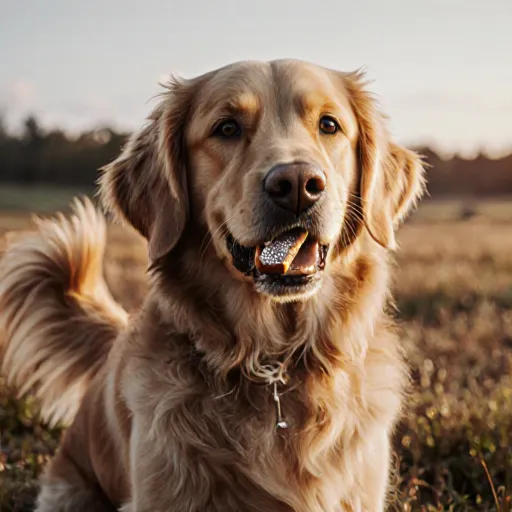
Treat Your Pup’s Shine!
Tail‑Twitching Treats: Unlock Luxurious Doggy Luster!
Table of Contents
- Introduction to Superfoods for Dogs
- Omega‑3 Fatty Acids: Salmon & Flaxseed Oil
- Vitamin E Powerhouses: Sunflower Seeds & Almonds
- Antioxidant Rich Berries: Blueberries & Strawberries
- Protein Boosters: Lean Chicken & Turkey
- Healthy Fats: Coconut Oil & Olive Oil
- Probiotic Goodness: Yogurt & Kefir
- Mineral Dense Greens: Spinach & Kale
- Beta‑Carotene Sources: Carrots & Sweet Potatoes
- Zinc Rich Foods: Pumpkin Seeds & Quinoa
- Digestive Support: Oats & Brown Rice
- Hydration Helpers: Watermelon & Cucumber
- Feeding Guidelines & Portion Control
- Conclusion
- FAQ
Introduction to Superfoods for Dogs
When it comes to keeping your canine companion healthy, nutrition is key. While a balanced commercial diet provides most of the essential nutrients, adding superfoods can give that extra boost—especially when it comes to maintaining a shiny, strong coat.
Why Superfoods Matter for Your Dog’s Coat
- Omega‑3 & Omega‑6 fatty acids: These essential fats help reduce inflammation and support skin cell turnover, resulting in a smoother, more lustrous fur.
- Antioxidants: Vitamins A, C, E, and beta‑carotene protect hair follicles from oxidative stress, which can otherwise lead to dullness or premature graying.
- Protein & amino acids: Collagen, keratin, and other structural proteins are the building blocks of healthy fur. Certain superfoods supply high‑quality protein that aids in hair regeneration.
Top Superfoods That Improve Dog Coat Health
- Sardines (canned in water or olive oil): Packed with omega‑3s, vitamin D, and calcium. Serve a small portion once or twice a week to give your dog a glossy coat.
- Blueberries: Rich in antioxidants and low in calories. Add a handful to your dog’s daily meal as a tasty treat that combats free radicals.
- Sweet Potatoes (roasted, no seasoning): A great source of beta‑carotene which converts into vitamin A—essential for skin health.
- Spinach: Contains iron and folate, plus a good dose of vitamins A & C. Steam lightly to reduce oxalates before feeding.
- Eggs (hard‑boiled or scrambled without salt): High in protein and biotin, which promotes strong hair shafts.
Practical Feeding Tips
- Start small: Introduce one superfood at a time to monitor for allergies or digestive upset.
- Mix into meals: Blend finely chopped or pureed superfoods with your dog’s regular food for easy consumption.
- Watch portion sizes: Even healthy foods can cause weight gain if overfed. A general rule is about 1–2 tablespoons of most vegetables per 10 lb body weight per day.
- Use quality sources: Opt for fresh, organic produce when possible and avoid canned goods with added sugars or sodium.
By thoughtfully incorporating these superfoods into your dog’s diet, you’ll not only support overall wellness but also help that beautiful coat stay soft, shiny, and healthy. Happy feeding!
Omega‑3 Fatty Acids: Salmon & Flaxseed Oil
Omega‑3 fatty acids are essential for a shiny, healthy dog coat. They help reduce inflammation, improve skin moisture, and support the growth of new hair follicles. Two of the most effective sources are salmon oil and flaxseed oil. Both can be added to your pet’s diet in small, measured doses.
Why Salmon Oil?
- Eicosapentaenoic Acid (EPA) & Docosahexaenoic Acid (DHA): These long‑chain omega‑3s are directly absorbed by the skin and coat.
- Rich in vitamin D, which supports immune function and hair growth.
- Natural source of high‑quality protein that complements your dog’s regular meals.
How to Use Salmon Oil
- Dosage: For a medium‑sized dog (30–45 lb), start with 1 teaspoon per day. Increase gradually up to 2 teaspoons if no adverse reactions occur.
- Administration: Mix the oil into wet food, yogurt, or a small portion of dry kibble. Dogs often love the taste.
- Timing: Give it once daily; consistency is key for long‑term coat benefits.
Why Flaxseed Oil?
- Arachidonic Acid (ALA): A plant‑based omega‑3 that the body converts to EPA/DHA, though less efficiently than fish sources.
- Contains lignans, antioxidants that protect skin cells from oxidative stress.
- Ideal for dogs with fish allergies or owners who prefer a vegan option.
How to Use Flaxseed Oil
- Dosage: Start with 1/2 teaspoon per day for small dogs and up to 1 teaspoon for larger breeds.
- Administration: Sprinkle over dry kibble or mix into wet food. Some owners grind the seeds first for added fiber benefits.
- Storage: Keep in a sealed container in the refrigerator; flaxseed oil oxidizes quickly and can become rancid.
Combining Both Oils for Optimal Results
A balanced approach often yields the best coat health. For example, feed salmon oil on Mondays and Wednesdays, and flaxseed oil on Tuesdays and Thursdays. This rotation provides a steady supply of both EPA/DHA and ALA while minimizing potential digestive upset.
Practical Tips for Owners
- Start Slow: Introduce one type of oil at a time to monitor tolerance.
- Watch for Side Effects: Mild diarrhea or increased stool frequency can occur; reduce dosage if needed.
- Check Quality: Choose cold‑pressed, preservative‑free oils labeled “pet safe” or “dog friendly.”
- Consult Your Vet: Especially important for dogs on medication or with underlying health conditions.
Real‑World Success Stories
Case Study #1: A 10‑year‑old Labrador named Max had dull, flaky skin. After adding 1 teaspoon of salmon oil daily for four weeks, his coat was noticeably shinier and the itching subsided.
Case Study #2: Bella, a small terrier with food sensitivities, tolerated flaxseed oil well. A gradual increase to 1 teaspoon per day improved her coat texture without triggering allergies.
Conclusion
Incorporating salmon and flaxseed oils into your dog’s diet is a scientifically backed way to enhance coat quality, reduce inflammation, and promote overall skin health. With proper dosing, storage, and monitoring, these superfoods can become a staple in any pet nutrition plan.
Vitamin E Powerhouses: Sunflower Seeds & Almonds
Why Vitamin E matters for your dog’s coat:
- Acts as a powerful antioxidant, neutralizing free radicals that damage skin cells.
- Promotes healthy cell turnover, preventing dullness and flakiness.
- Supports the synthesis of sebum, which keeps the coat supple and moisturized.
Sunflower Seeds: The Easy-to-Use Superfood
Sunflower seeds are a convenient source of Vitamin E for dogs. They can be offered in several ways:
- Whole, unsalted seeds: Toss a tablespoon into your dog’s daily kibble or mix with wet food.
- Seed butter (sunflower seed butter): Use as a spread on a slice of low‑sodium bread for dogs that enjoy treats. Avoid varieties containing xylitol or added salt.
- Ground seeds: Grinding the seeds increases surface area, improving digestibility and nutrient absorption.
Practical tip: Start with a small amount (1 g per 10 kg body weight) to gauge tolerance. Over‑feeding can lead to gastrointestinal upset or weight gain due to high fat content.
Almonds: A Nutty Choice With Extra Benefits
Almonds contain not only Vitamin E but also healthy monounsaturated fats, magnesium, and protein. They should be fed with caution:
- Whole almonds: Offer in moderation; many dogs cannot chew them properly, leading to choking hazards.
- Almond butter (unsalted, no additives): A safer alternative that can be used as a treat topper or mixed into food.
Practical tip: Keep almonds free of added salt, sugar, and spices. Use only plain almond products to avoid potential toxicity from artificial sweeteners (e.g., xylitol).
How to Incorporate These Foods Into Your Dog’s Diet
| Dog Size | Daily Sunflower Seed Amount (g) | Daily Almond/Almond Butter Amount (g) |
|---|---|---|
| Small (<20 kg) | 1–2 | 0.5–1 |
| Medium (20–40 kg) | 2–4 | 1–2 |
| Large (>40 kg) | 4–6 | 2–3 |
Signs Your Dog Is Benefiting From Vitamin E
- Softer, shinier coat with reduced shedding.
- Fewer skin irritations or hot spots.
- Improved overall energy and vitality.
Bottom line: Sunflower seeds and almonds are affordable, widely available Vitamin E powerhouses that can enhance your dog’s coat health when added thoughtfully to a balanced diet. Always consult your veterinarian before making significant dietary changes, especially if your pet has pre‑existing health conditions.
Antioxidant Rich Berries: Blueberries & Strawberries
When it comes to enhancing your dog's coat with natural nutrition, antioxidant‑rich berries are a powerhouse addition. Their high levels of vitamin C, anthocyanins, and other phytonutrients help combat oxidative stress, promote healthy skin cells, and support the production of strong, glossy fur.
Why Blueberries?
- Rich in Anthocyanins: These pigments give blueberries their deep blue color and act as potent antioxidants that neutralize free radicals in skin tissues.
- Vitamin C Boost: Vitamin C is essential for collagen synthesis, a key component of hair follicles. A healthy collagen matrix leads to stronger strands and less shedding.
- Low Calorie & Low Sugar: Blueberries provide the benefits without contributing excessive calories or sugar that could lead to weight gain.
Why Strawberries?
- High Vitamin C Content: Strawberries contain more vitamin C per gram than blueberries, making them excellent for boosting the immune system and skin repair processes.
- Resveratrol & Ellagic Acid: These compounds support cellular health and may reduce inflammation in the dermis.
- Texture Matters: The slightly crunchy texture encourages chewing, stimulating saliva production that can help keep oral bacteria at bay—an often overlooked factor affecting coat condition.
Practical Feeding Tips
- Introduce Gradually: Start with a teaspoon of berries per meal and monitor for any digestive upset or allergic reaction. Dogs are sensitive to sudden changes in diet.
- Serve Fresh or Frozen: Fresh berries keep the most nutrients, but frozen berries are convenient and still retain their antioxidant profile after thawing.
- Avoid Sweeteners & Additives: Do not feed your dog processed berry products (like jams or sweetened yogurts) that contain added sugars, artificial colors, or preservatives.
- Combine with Other Superfoods: Pair berries with omega‑3 rich foods such as salmon or flaxseed oil to create a balanced “coat‑boosting” snack.
Sample Recipe: Berry Coat Booster Smoothie
This simple recipe is easy to make and can be added to your dog's regular food.
- Ingredients:
- ½ cup blueberries (fresh or frozen)
- ¼ cup strawberries, hulled
- 1 tablespoon plain Greek yogurt (optional for probiotics)
- 1 teaspoon flaxseed oil or salmon oil
- A few ice cubes (if using fresh berries)
- Method:
- Add all ingredients to a blender.
- Blend until smooth, adding water if needed for consistency.
- Serve 2–3 tablespoons with your dog's meal or as a treat once a week.
Benefits You’ll Notice
Within a few weeks of consistent berry supplementation, owners often report:
- Softer, shinier fur with reduced frizz
- Decreased itching and scratching episodes
- Improved overall skin elasticity
- Reduced frequency of hair loss during seasonal shedding periods
Remember to consult your veterinarian before adding new foods, especially if your dog has kidney disease or is on medication. With the right balance and monitoring, blueberry and strawberry supplementation can become a delicious part of your dog's coat‑care routine.
Protein Boosters: Lean Chicken & Turkey
When it comes to building muscle, repairing tissues, and keeping your canine’s coat glossy, lean poultry is a top-tier choice. Both chicken and turkey are low in fat yet rich in high‑quality protein, essential amino acids, and key micronutrients that support overall health.
Why Lean Poultry Matters
- Low Fat Content: Helps maintain a healthy weight, especially for active dogs.
- Amino Acid Profile: Contains all nine essential amino acids, with high levels of lysine and methionine that promote hair growth.
- B Vitamins: Rich in B12 and niacin, which aid energy metabolism and skin health.
How to Incorporate Chicken & Turkey into Your Dog’s Diet
- Choose Fresh or Frozen: Opt for boneless, skin‑less cuts like breast or thigh. Avoid pre‑seasoned or processed options that may contain sodium or additives.
- Cook Thoroughly: Boil, bake, or grill until internal temperature reaches 165°F (74°C). This eliminates harmful bacteria such as Salmonella and Campylobacter.
- Portion Control: A general guideline is to feed about 1–2 % of your dog’s body weight in protein each day, split between meals. For a 30‑lb dog, that’s roughly 6–12 ounces of cooked poultry per day.
- Mix with Superfoods: Combine chicken or turkey with nutrient‑dense veggies (spinach, sweet potato) and superfood powders (chia seeds, spirulina) for a balanced meal.
Superfoods That Improve Dog Coat Health
Pairing lean poultry with specific superfoods can amplify coat‑boosting benefits. Below are five easy additions:
- Chia Seeds: High in omega‑3 fatty acids, protein, and fiber. Sprinkle a teaspoon per meal for a glossy shine.
- Spinach: Packed with iron and vitamin A, which support skin integrity and pigmentation.
- Sweet Potatoes: Provide beta‑carotene (a precursor to vitamin A) that helps maintain healthy skin cells.
- Blueberries: Antioxidants combat free radicals, reducing inflammation that can lead to dull coats.
- Omega‑3 Oil (flaxseed or fish oil): Adds essential fatty acids that lubricate the skin and promote hair growth. Start with 1/8 teaspoon per day for small dogs; adjust for larger breeds.
Practical Recipe: Chicken & Turkey Power Bowl
Serves 2 meals (one per dog)
| Ingredient | Quantity |
|---|---|
| Boneless skin‑less chicken breast | 4 oz (cooked) |
| Ground turkey | 2 oz (cooked) |
| Cooked sweet potato, mashed | 1 tbsp |
| Steamed spinach | 1 tsp |
| Chia seeds (ground) | ½ tsp |
| Omega‑3 oil (flaxseed or fish) | ¼ tsp |
Mix all ingredients in a bowl, allow to cool slightly, and serve. Store leftovers in an airtight container for up to 48 hours in the refrigerator.
Troubleshooting & Tips
- Allergies: If your dog shows signs of food intolerance (e.g., itching, vomiting), switch to a different protein source such as salmon or lamb.
- Weight Management: For overweight dogs, reduce portion size and increase fiber‑rich veggies to promote satiety.
- Veterinary Check‑Ins: Always consult your vet before making major dietary changes, especially if your dog has kidney or liver issues.
By combining lean chicken & turkey with these coat‑enhancing superfoods, you’ll provide a balanced, nutrient‑dense diet that keeps your dog’s fur sleek, shiny, and healthy.
Healthy Fats: Coconut Oil & Olive Oil
Coconut oil and olive oil are two of the most celebrated superfoods for dogs, especially when it comes to maintaining a glossy, healthy coat. Both oils provide essential fatty acids that help moisturize skin from within, reduce shedding, and promote a vibrant fur color.
Why They Matter for Your Dog’s Coat
- Coconut Oil: Contains medium‑chain triglycerides (MCTs) like lauric acid, which have antimicrobial properties that can help keep skin infections at bay. The MCTs also improve the absorption of fat‑soluble vitamins (A, D, E, K).
- Olive Oil: Rich in monounsaturated fatty acids (oleic acid) and antioxidants such as vitamin E and polyphenols. These nutrients help reduce inflammation, support skin barrier function, and give coat a natural shine.
How to Incorporate Them into Your Dog’s Diet
- Start Small: Begin with 1/4 teaspoon of coconut oil per 10 lbs (≈5 kg) of body weight daily. For olive oil, use the same amount. Gradually increase to 1 teaspoon if your dog tolerates it well.
- Mix with Food: Warm the oil slightly (just enough to make it liquid) and stir into kibble or wet food. This ensures even distribution and helps mask any strong taste.
- Use as a Treat: For training sessions, sprinkle a pinch of coconut or olive oil on a small piece of cheese or peanut butter (make sure it's xylitol‑free).
- Topical Application: After bathing, apply a thin layer of extra virgin olive oil to the coat and massage it in. This can help lock in moisture and reduce itchiness.
Practical Tips & Safety Precautions
- Quality Matters: Choose organic, cold‑pressed coconut oil and extra‑virgin olive oil free from additives or preservatives.
- Watch for Digestive Upset: Some dogs may experience mild diarrhea if given too much oil at once. Reduce the dose or split it into two smaller servings.
- Allergies & Sensitivities: If your dog has a known coconut allergy, skip coconut oil and use only olive oil (or vice versa).
- Consult Your Vet: Always discuss adding new supplements to your dog’s diet, especially if they have pre‑existing health conditions.
Success Stories
Case Study – Bella the Beagle (28 lbs): After incorporating 1/4 teaspoon of coconut oil daily for six weeks, Bella’s coat went from dull and flaky to shiny and smooth. She also shed less during seasonal changes.
Case Study – Max the Boxer (70 lbs): Adding a tablespoon of extra virgin olive oil per day improved Max’s skin tone and reduced redness around his ears. He tolerated the change without any digestive issues.
Bottom Line
Coconut oil and olive oil are affordable, natural ways to enhance your dog’s coat health. When used responsibly—starting with small doses, ensuring high‑quality products, and monitoring for side effects—they can be powerful additions to a balanced diet, giving your furry friend a healthier, shinier appearance.
Probiotic Goodness: Yogurt & Kefir
When it comes to maintaining a shiny, healthy coat in dogs, probiotics are often overlooked. Yogurt and kefir, two fermented dairy products, provide a rich source of live cultures that can help improve digestion, boost immunity, and ultimately enhance the appearance of your pet’s fur.
Why Probiotics Matter for Coat Health
- Digestive Balance: A healthy gut flora aids in nutrient absorption, ensuring vitamins like biotin, zinc, and omega‑3 fatty acids reach the skin and hair follicles.
- Inflammation Reduction: Probiotic strains can modulate inflammatory pathways that often cause dry or itchy skin.
- Immune Support: A robust immune system prevents infections such as dermatophytosis (ringworm) that compromise coat integrity.
Choosing the Right Yogurt & Kefir
- Plain, Unsweetened: Avoid flavored varieties with added sugars or artificial sweeteners like xylitol, which can be toxic to dogs.
- Low-Fat Options: Full‑fat dairy may upset sensitive stomachs; opt for low‑fat or non‑fat versions if your dog is prone to weight gain.
- Live Cultures: Look for labels stating “contains live and active cultures” (e.g., Lactobacillus acidophilus, Bifidobacterium bifidum).
How Much Should You Give?
The general guideline is to start with a teaspoon per day for small dogs (under 20 lb) and gradually increase to one tablespoon for larger breeds. Monitor your dog’s stool consistency; if it becomes loose, reduce the portion or discontinue temporarily.
Practical Feeding Tips
- Mix with Food: Stir yogurt into kibble or wet food to mask any unfamiliar taste.
- Free‑zoned Treats: For picky eaters, blend a small amount of kefir into homemade dog treats (e.g., oat cookie batter).
- Cold Refreshment: In hot weather, give chilled yogurt or kefir as a cooling snack—just ensure it’s plain.
Common Side Effects & When to Stop
Some dogs may experience mild gastrointestinal upset (gas, bloating) when first introduced. If you notice vomiting, diarrhea lasting more than 48 hours, or signs of allergic reaction (itching, hives), stop feeding immediately and consult your veterinarian.
Complementary Superfoods for a Luminous Coat
- Omega‑3 Rich Foods: Salmon oil, flaxseed, and chia seeds work synergistically with probiotics to enhance skin barrier function.
- Antioxidant Boosters: Blueberries, pumpkin, and sweet potatoes supply vitamins A & C that support collagen production.
- Hydration: Fresh water and wet food options keep the coat hydrated from within.
Case Study: Bella the Boxer
Bella, a 10‑year‑old boxer with a dull, patchy coat, began receiving one tablespoon of plain yogurt daily. Over six weeks, her fur regained luster, and she reported less itching during grooming sessions. Her vet noted improved stool quality and overall vitality.
Bottom Line
Incorporating plain yogurt or kefir into your dog’s diet is a simple, cost‑effective way to support gut health and promote a glossy, resilient coat. Always start small, watch for reactions, and pair with other superfoods to maximize benefits.
Mineral Dense Greens: Spinach & Kale
When it comes to a shiny, healthy coat, your pup’s diet plays a pivotal role. Two leafy greens that consistently rank high in the “superfood” list for canine nutrition are spinach and kale. Packed with essential vitamins, minerals, and antioxidants, these greens help strengthen hair follicles, promote natural oils, and reduce inflammation.
Why Spinach & Kale Matter
- Vitamin A: Supports skin cell turnover and keeps the coat supple.
- Vitamin E: Acts as a powerful antioxidant that protects hair follicles from oxidative damage.
- B Vitamins (especially B6 & B12): Aid in protein synthesis, crucial for keratin production—the building block of fur.
- Iron & Zinc: Essential minerals for healthy skin and coat growth.
- Chlorophyll: Natural detoxifier that can help reduce dandruff and improve overall skin health.
How to Incorporate Them Safely
- Start Small: Begin with a teaspoon of finely chopped spinach or kale per meal. Watch for any digestive upset.
- Cook Lightly: Light steaming or sautéing (without onions, garlic, or excess salt) preserves most nutrients while making the greens easier to digest.
- Mix With Protein: Combine with your dog’s regular protein source—chicken, turkey, or lean beef—to create a balanced meal.
- Use as Treats: Offer small, dehydrated kale chips or spinach slices as crunchy treats during training sessions.
Practical Recipe: Spinach & Kale Power Bowl
Ingredients (serves 2 dogs):
- 1 cup cooked, chopped spinach
- ½ cup chopped kale, lightly steamed
- 1 cup boiled chicken breast, shredded
- 1 tbsp olive oil (for healthy fats)
- ¼ tsp turmeric (anti‑inflammatory)
Instructions:
- Mix all ingredients in a bowl.
- Divide into individual portions and serve at room temperature.
- Store leftovers in an airtight container for up to 2 days in the refrigerator.
Signs Your Dog Loves It
- Consistent shininess or reduced shedding after a few weeks.
- More vibrant coat color (especially golden or black coats).
- Clearer skin with fewer itchy patches or flaking.
Things to Watch For
While spinach and kale are generally safe, they contain oxalates which can interfere with calcium absorption in large amounts. Keep portions moderate—about 1–2 teaspoons per meal for most dogs—to avoid potential digestive issues.
Always consult your veterinarian before making significant dietary changes, especially if your dog has pre-existing health conditions or is on medication.
Beta‑Carotene Sources: Carrots & Sweet Potatoes
Why beta‑carotene matters for dogs:
- Precursor to vitamin A, essential for skin cell turnover.
- Antioxidant that protects hair follicles from oxidative stress.
- Supports healthy shedding cycles and reduces dry, flaky skin.
Carrots (Daucus carota)
Raw or lightly cooked carrots are a classic source of beta‑carotene. Their crunchy texture makes them an easy treat for most dogs.
- Serving suggestion: Slice into sticks and freeze for a cool snack during hot weather.
- Portion control: For a medium‑sized dog (≈30 kg), limit to 1–2 tablespoons per day to avoid excess fiber.
- Safety note: Avoid carrot tops and stems, which can be tough for dogs to digest.
Sweet Potatoes (Ipomoea batatas)
Sweet potatoes are richer in beta‑carotene than regular carrots and offer additional benefits from their complex carbohydrates.
- Preparation tip: Bake or steam until soft; mash with a fork for easy consumption.
- Serving suggestion: Mix mashed sweet potato into kibble as a natural flavor enhancer.
- Portion control: A tablespoon per day is sufficient; overfeeding can cause mild gastrointestinal upset.
Integrating Beta‑Carotene into Your Dog’s Diet
- Start small: Introduce one new vegetable at a time and observe for any adverse reactions.
- Combine with protein: Pair carrots or sweet potatoes with lean meats (chicken, turkey) to create balanced homemade meals.
- Use as treats: Replace commercial chews with carrot sticks during training sessions; dogs often find them rewarding.
Practical Tips for Maximizing Coat Health
- Regular brushing removes loose hair and distributes natural oils.
- Ensure adequate hydration—dry foods can leave the skin dehydrated.
- Consider a high‑quality omega‑3 supplement (fish oil) to complement beta‑carotene’s antioxidant effects.
Remember: While carrots and sweet potatoes are safe for most dogs, always consult your veterinarian before making significant dietary changes, especially if your dog has underlying health conditions.
Zinc Rich Foods: Pumpkin Seeds & Quinoa
If you’re looking to give your canine companion a shiny, healthy coat, consider adding pumpkin seeds and quinoa to their diet. Both foods are packed with essential nutrients—especially zinc—that support skin integrity, hair growth, and overall wellness.
Why Zinc Matters for Dogs
- Skin Barrier Function: Zinc helps maintain the protective barrier that keeps moisture in and irritants out.
- Hair Follicle Health: Adequate zinc levels support keratin production, the protein that makes up hair strands.
- Immune Support: A strong immune system reduces the risk of skin infections that can cause dullness or loss.
Pumpkin Seeds (Pepitas)
Rich in zinc, magnesium, and omega‑3 fatty acids, pumpkin seeds are a natural “dog superfood.” They also contain antioxidants like vitamin E, which further protect the skin from oxidative stress.
How to Use Them
- Raw or Roasted: Lightly roast them at 350°F (175°C) for 10 minutes if you want a crunchy texture. Avoid adding salt, sugar, or spices.
- Portion Control: For a medium‑sized dog, start with 1–2 teaspoons per day and adjust based on weight and activity level.
- Mix with Meals: Sprinkle over wet food or mix into kibble to increase palatability.
Quinoa
This pseudo‑grain is a complete protein, meaning it contains all nine essential amino acids. Quinoa also offers zinc, selenium, and B vitamins—all crucial for healthy skin and hair.
How to Use It
- Cook Plain: Rinse thoroughly, then simmer in water (1 cup quinoa to 2 cups water) until fluffy. Avoid seasoning with garlic or onions.
- Serve as a Base: Use cooked quinoa as a base for mixed‑meal bowls—combine it with lean protein, veggies, and pumpkin seeds.
- Introduce Gradually: Start with 1–2 tablespoons per meal to prevent digestive upset; observe how your dog reacts.
Practical Tips for a Healthy Coat
- Regular Grooming: Brushing removes loose hair and stimulates oil production, enhancing the benefits of these nutrients.
- Hydration Matters: Adequate water intake supports nutrient transport to skin cells.
- Balanced Diet: Combine pumpkin seeds and quinoa with a high‑quality protein source (chicken, turkey, fish) for optimal results.
Sample Daily Meal Plan
| Meal | Ingredients |
|---|---|
| Breakfast | ½ cup cooked quinoa, ¼ cup diced chicken breast, 1 tsp pumpkin seeds |
| Lunch | ½ cup plain yogurt (optional), 1 tbsp peanut butter (no xylitol) |
| Dinner | ¾ cup cooked quinoa, ¼ cup ground turkey, handful of pumpkin seeds, steamed green beans |
By integrating these zinc‑rich superfoods into your dog’s diet—alongside consistent grooming and proper hydration—you’ll help promote a lustrous coat that turns heads at the park.
Digestive Support: Oats & Brown Rice
When it comes to supporting your dog's gut health, whole grains like oats and brown rice are top contenders. They provide soluble fiber that feeds beneficial bacteria, promotes regular bowel movements, and helps maintain a balanced microbiome.
Why Oats?
- Beta‑glucan: This soluble fiber slows digestion, allowing nutrients to be absorbed more efficiently and preventing sudden spikes in blood sugar.
- Low allergenicity: Compared to wheat or corn, oats are less likely to trigger food sensitivities in dogs.
- Rich in vitamins B1, B5, and folate, which support overall health and energy levels.
Why Brown Rice?
- High magnesium content: Supports muscle function and a calm nervous system.
- Low glycemic index: Helps keep your dog’s blood sugar steady, especially important for those prone to obesity or diabetes.
- Good source of antioxidants like vitamin E and selenium, which aid in cellular repair and immune support.
Practical Feeding Tips
- Start small: Introduce a tablespoon of cooked oats or rice per meal to gauge tolerance.
- Mix with protein: Combine grains with lean meats (chicken, turkey) and a handful of steamed veggies for a balanced diet.
- Monitor stool quality: A smooth, well‑formed poop indicates good digestion; any sudden changes should prompt a vet visit.
- Use as a topper: Sprinkle cooked grains over dry kibble to boost fiber intake without altering the base formula.
Pairing with Superfoods for Coat Health
While oats and brown rice strengthen digestion, pairing them with superfoods that enhance coat health creates a holistic nutrition plan. Consider adding:
- Omega‑3 rich salmon or sardines: Improves skin moisture and reduces shedding.
- Flaxseed oil: A plant‑based omega‑3 source that complements fish oils.
- Vitamin E (from sunflower seeds): Antioxidant that protects hair follicles from oxidative stress.
- Boron (found in almonds or pumpkin seeds): Helps regulate mineral balance for a shiny coat.
By combining the digestive benefits of oats and brown rice with these coat‑enhancing superfoods, you give your dog a complete package that supports gut health, immunity, and a glossy, healthy mane. Always consult your veterinarian before making major dietary changes, especially if your dog has existing health conditions.
Hydration Helpers: Watermelon & Cucumber
Keeping your dog well‑hydrated is essential for a shiny, healthy coat. Two of the most hydrating and nutrient‑rich fruits you can add to your pup’s diet are watermelon and cucumber. Both are low in calories yet packed with vitamins, minerals, and antioxidants that support skin health and promote a lustrous mane.
Why Watermelon?
- High water content: Over 90% of watermelon is water, helping dogs stay hydrated—especially during hot weather or after exercise.
- Rich in vitamins A, C, and B6: These vitamins support collagen production, improve skin elasticity, and help maintain a healthy coat.
- Lycopene: An antioxidant that protects skin cells from oxidative stress, reducing the risk of dull or dry fur.
- Low in calories: A great treat for dogs on weight‑management plans without compromising coat health.
Why Cucumber?
- Excellent hydration source: Cucumbers are about 95% water, making them perfect for a refreshing snack.
- Vitamin K & potassium: These nutrients help regulate fluid balance and support healthy skin cells.
- Anti‑inflammatory properties: Cucumber contains cucurbitacins that can soothe irritated skin, reducing itching and flaking.
- Low in sugar: Ideal for dogs with diabetes or sensitivity to sweet foods.
Practical Feeding Tips
- Start small: Offer a few cubes (watermelon) or sticks (cucumber) once a week and monitor for any digestive upset.
- Remove seeds & rind: Watermelon seeds can cause intestinal blockage; cut out the rind as it may be tough to digest.
- Mix with protein: Combine watermelon or cucumber pieces with lean proteins like boiled chicken or turkey for a balanced meal.
- Use as a cooling treat: Freeze small cubes in an ice‑cube tray and give them during warm days; this also adds extra hydration.
- Observe coat changes: Over several weeks, you should notice increased shine, reduced shedding, and fewer dry patches.
Sample Hydration‑Boosting Recipe
Watermelon & Cucumber Doggie Popsicles
- 1 cup diced seedless watermelon
- ½ cucumber, sliced thinly
- ¼ cup plain Greek yogurt (optional for creaminess)
- Blend until smooth, pour into silicone molds, freeze for 2–3 hours.
Serve as a cooling snack during walks or after playtime. The combination of water, vitamins, and antioxidants will help keep your dog’s coat glossy and healthy.
Common Mistakes to Avoid
- Overfeeding: Even though these foods are healthy, too many pieces can lead to digestive upset or weight gain.
- Neglecting dental health: Cucumbers can get stuck in teeth; supervise and clean teeth regularly.
- Ignoring allergies: Some dogs may have fruit sensitivities. Introduce new treats gradually and watch for itching, hives, or gastrointestinal signs.
By incorporating watermelon and cucumber into your dog’s diet, you’re not only boosting hydration but also delivering a suite of superfoods that enhance skin health and coat quality. Keep an eye on the overall nutritional balance, and enjoy watching your pup’s fur shine brighter than ever!
Feeding Guidelines & Portion Control
Proper nutrition is the cornerstone of a healthy, shiny dog coat. When you balance calories with high‑quality protein, essential fatty acids, vitamins, and minerals, your pup’s skin will moisturize naturally and shed less. Below are practical guidelines for portion control, meal timing, and how to incorporate superfoods that boost coat health.
1. Calculate Your Dog’s Caloric Needs
Use the formula below as a starting point:
- Basal Energy Requirement (BER): 70 × (Body Weight in kg)0.75
- Total Daily Energy Expenditure (TDEE): BER × Activity Factor
- Sedentary: 1.2
- Moderate: 1.4–1.6
- Active/Working: 1.8–2.0
Adjust portions by 10–15 % if your dog is gaining or losing weight over a two‑week period.
2. Meal Frequency & Timing
- Two meals per day: Keeps blood sugar stable and reduces the risk of gastric dilatation–volvulus (bloat) in large breeds.
- Consistent schedule: Feed at the same times each day to train digestive rhythms.
3. Portion Control Tools
- Measuring cups or kitchen scale: Accuracy is key—use a digital scale for best results.
- Food diaries: Record daily intake and weight changes to spot trends early.
- Commercial portion‑controlled foods: Many brands offer pre‑measured kibble or wet food packs; these can simplify feeding routines.
4. Incorporating Superfoods for Coat Health
Below are five “superfood” ingredients that have been shown to improve skin elasticity, reduce shedding, and enhance shine. Add them as supplements or mix into the main diet.
| Superfood | Key Nutrients for Coat | How to Use (Daily Dose) | Practical Tips |
|---|---|---|---|
| Salmon Oil | Omega‑3 fatty acids (EPA & DHA), Vitamin D | 1–2 tsp for medium dogs; adjust by weight. | Use a measured dropper. If your dog has a food allergy, test with a small amount first. |
| Blueberries | Antioxidants (anthocyanins), Vitamin C | 3–5 berries for small dogs; 10–12 for large dogs. | Freeze‑dry or blend into wet food to keep them from slipping out of the bowl. |
| Spinach (cooked) | Vitamin A, iron, folate | ½ cup cooked spinach mixed into kibble. | Avoid raw spinach in large amounts due to oxalates; cook lightly to reduce them. |
| Eggs (boiled) | Lysine, biotin, selenium | 1 whole egg per day for medium dogs; half an egg for small dogs. | Always boil to eliminate salmonella risk. |
| Sweet Potatoes (roasted) | Beta‑carotene, Vitamin B6, potassium | ¼ cup diced roasted sweet potato per meal. | Serve plain; avoid added salt or butter. |
5. Sample Daily Feeding Plan (Medium‑Sized Dog)
Morning (7 am):
- 1 cup dry kibble (balanced for protein & DHA) + ½ tsp salmon oil.
- 2 boiled eggs, chopped and mixed in.
- ¼ cup roasted sweet potato.
Evening (6 pm):
- 1 cup dry kibble + ½ tsp salmon oil.
- 3–4 blueberries tossed into the bowl.
- ¼ cup cooked spinach.
Snack (optional, mid‑day):
- A small handful of freeze‑dried blue berries or a single boiled egg.
6. Monitoring & Adjusting
- Weight check: Weigh your dog every 4–6 weeks.
- Coat assessment: Look for dryness, dandruff, or excessive shedding. If problems persist, increase omega‑3 dosage by 10 %.
- Allergy check: If you notice itching or gastrointestinal upset after adding a new superfood, remove it and consult your vet.
By combining precise portion control with targeted superfoods, you’ll give your dog the best chance at a healthy, glossy coat that’s the envy of every pet owner.
Conclusion
Maintaining a glossy, healthy coat is more than just a cosmetic concern—it’s an indicator of your dog’s overall well‑being. By incorporating the right superfoods into their diet, you can give your furry friend a natural boost that translates to shinier fur, fewer shedding episodes, and reduced skin irritation.
Key Takeaways for Boosting Coat Health with Superfoods
- Ashwagandha & Turmeric: These adaptogenic herbs reduce inflammation and promote skin resilience. A simple daily chew or a spoonful of their powder mixed into wet food can make a noticeable difference.
- Omega‑Rich Foods: Salmon, sardines, chia seeds, flaxseed, and fish oil capsules are packed with DHA & EPA—essential fatty acids that encourage moisture retention in the skin.
- Antioxidant Powerhouses: Blueberries, pumpkin, spinach, and kale contain vitamins C, E, and beta‑carotene. These antioxidants protect hair follicles from oxidative stress.
- Probiotics & Prebiotics: Yogurt with live cultures or a probiotic supplement can improve gut health, which in turn supports nutrient absorption for better coat quality.
Practical Implementation Tips
- Start Small: Introduce one superfood at a time (e.g., a teaspoon of pumpkin puree) and monitor your dog’s reaction. This helps identify any adverse effects or allergies.
- Mix with Meals: Sprinkle ground flaxseed over kibble, add chopped spinach to wet food, or blend salmon into the dinner mix. Consistency is key—aim for daily inclusion.
- Use Quality Supplements: Look for products that list the exact dosage and are free from fillers. For fish oil, choose brands with a third‑party lab certification confirming purity.
- Observe & Adjust: Track changes in shedding patterns, coat texture, and skin condition over a month. If improvements plateau or regress, consider rotating different superfoods to keep the diet balanced.
Final Thought
By thoughtfully integrating these superfoods into your dog’s routine, you’re not just enhancing their coat—you’re supporting overall health and vitality. Remember that dietary changes should complement regular grooming, adequate hydration, and veterinary care for the best results.
FAQ
- What are the key nutrients that support a shiny, healthy dog coat?
-
- Omega‑3 fatty acids (EPA & DHA) – reduce inflammation and promote skin hydration.
- Omega‑6 fatty acids – essential for normal keratin production; balance with omega‑3 to avoid excess.
- Vitamin E – antioxidant that protects skin cells from oxidative damage.
- Zinc – vital for cell turnover and preventing dry, flaky skin.
- Biotin (vitamin B7) – supports keratin synthesis and a glossy coat.
- Which foods are considered “superfoods” for dogs?
-
- Salmon – high in omega‑3s, lean protein, and vitamin D.
- Sardines (canned in water) – rich in EPA/DHA and calcium for bone health.
- Berries (blueberries, raspberries) – packed with antioxidants like anthocyanins.
- Sweet potatoes – source of beta‑carotene (vitamin A) and fiber.
- Spinach & kale – high in iron, folate, vitamin K, and chlorophyll for detoxification.
- Chia seeds – excellent omega‑3 source plus fiber and protein.
- Egg yolks – rich in biotin, cholesterol (for healthy skin), and essential amino acids.
- How can I incorporate these superfoods into my dog’s diet safely?
-
Start with small portions to avoid digestive upset:
- Salmon & sardines: add 1–2 teaspoons per meal, ensuring no added salt or spices.
- Berries: mix a handful into kibble or as a treat; freeze them for a cooling snack.
- Sweet potatoes: steam or bake without butter/seasonings; mash and spread on food.
- Spinach & kale: lightly sauté with olive oil, then cool before serving.
- Chia seeds: sprinkle 1 teaspoon over meals or mix into yogurt (if tolerated).
- Egg yolks: scramble or hard‑boil; serve plain.
Never give raw fish, onions, garlic, grapes, chocolate, or excessive amounts of fat.
- Can supplements replace whole foods?
-
Supplements can help fill gaps, but they lack the synergistic benefits of whole foods. If you choose a supplement:
- Look for products with both omega‑3 and omega‑6 in a 2:1 ratio.
- Choose fish oil derived from wild salmon or sardines for higher EPA/DHA.
- Check that the product is free of artificial dyes, preservatives, and heavy metals.
- What signs should I look for to know my dog’s coat needs improvement?
-
Common indicators include:
- Dry, flaky skin or excessive shedding.
- Dull or lackluster fur texture.
- Poor wound healing or frequent irritations.
- Visible signs of itching or scratching that don’t improve with regular grooming.
- How long does it take to see coat improvement after adding superfoods?
-
Most owners notice changes within 4–8 weeks, though the exact timeline varies by breed, age, and baseline diet. Consistency is key – keep feeding balanced portions over time.
- Do any breeds benefit more from specific superfoods?
-
- Golden Retrievers & Labrador Retrievers: high omega‑3 intake can help with joint and skin issues.
- German Shepherds: a diet rich in biotin and zinc supports their large, dense coats.
- Bulldogs & French Bulldogs: moderate amounts of salmon or sardines reduce inflammation common in brachycephalic breeds.
- What should I do if my dog has a food allergy?
-
Consult your vet to identify the allergen. If fish is suspected, try an alternative omega‑3 source such as flaxseed oil (converted to ALA) or chia seeds, but monitor for any adverse reactions.
- How can I keep my dog’s coat healthy during seasonal changes?
-
- In winter: add a small amount of fish oil to reduce dryness and increase shedding control.
- In summer: provide cool, hydrating treats like steamed sweet potato cubes or cucumber slices (without seeds).
- Adjust portion sizes based on activity level; active dogs may require more calories and nutrients.
- Where can I purchase high‑quality dog food that already contains these superfoods?
-
Look for reputable brands that list salmon, sardines, or fish oil as primary ingredients. Check the ingredient list for:
- Whole foods first (e.g., "Salmon," "Sweet Potato").
- No
Categories
- AI & Enrichment Play
- Broiler Farming
- Broiler Farming Tips
- Canine Wellness & Longevity
- Cat
- Cat & Human Connection
- Cat Adoption & Rescue
- Cat Breeds
- Cat Breeds & Personalities
- Cat Care & Health
- Cat Grooming & Hygiene
- Cat Lifestyle & Environment
- Cat Myths & History
- Cat Nutrition & Diet
- Cat Products & Reviews
- Cat Training & Behavior
- Comparison
- Consumer Awareness
- Dog
- Dog Accessories & Products
- Dog Adoption & Rescue
- Dog Breed & Lifestyle Trends
- Dog Breeding & Puppies
- Dog Entertainment & Media
- Dog Fashion & Trends
- Dog Fun & Lifestyle
- Dog Grooming & Hygiene
- Dog History & Culture
- Dog Myths, Science & Future Tech
- Dog News & Trends
- Dog Nutrition & Food
- Dog Psychology & Emotions
- Dog Safety & Security
- Dog Sports & Activities
- Dog Technology & Innovation
- Dog Training for Modern Owners
- Dog Travel & Adventure
- Dog Travel, Adventure & Culture
- Economic and Market Insights
- Educational Content
- FAQs
- Feeding Alternatives
- Festivals & Seasonal Ideas
- Fun & Entertainment
- General Knowledge
- General Pig Farming
- Health & Disease Management
- Housing and Environment
- Kittens
- Market Insights
- Miscellaneous
- Miscellaneous
- Motivational
- pig
- Pig Breeding
- Pig Breeds
- Pig Farming Stories and Inspiration
- Pig Health and Care
- Pig Nutrition
- Pig Products
- Profitability & Business
- Puppy Care
- Puppy Predictable Topics Reinvented
- Regional Focus
- Rescue & Adoption Buzz
- Senior Cats
- Senior Dog Care
- Smart Dog Tech & Gadgets
- Sustainability
- Sustainable & Eco-Friendly Dog Products
- Tech & Innovations
- Working & Service Dogs
- Broiler Feed66 products
- Country Feed33 products
- Pig Feed66 products
- Product22 products
- Raw Materials99 products
Products
-
 Fish Meal
₹1,999.00 – ₹2,999.00Price range: ₹1,999.00 through ₹2,999.00Rated 0 out of 5
Fish Meal
₹1,999.00 – ₹2,999.00Price range: ₹1,999.00 through ₹2,999.00Rated 0 out of 5 -
 FATTENING BROILER FEED
₹2,299.00 – ₹2,349.00Price range: ₹2,299.00 through ₹2,349.00Rated 0 out of 5
FATTENING BROILER FEED
₹2,299.00 – ₹2,349.00Price range: ₹2,299.00 through ₹2,349.00Rated 0 out of 5 -
 LAYER COUNTRY FEED
₹1,549.00 – ₹1,649.00Price range: ₹1,549.00 through ₹1,649.00Rated 0 out of 5
LAYER COUNTRY FEED
₹1,549.00 – ₹1,649.00Price range: ₹1,549.00 through ₹1,649.00Rated 0 out of 5 -
 COUNTER BROILER FEED
₹1,199.00 – ₹1,299.00Price range: ₹1,199.00 through ₹1,299.00Rated 0 out of 5
COUNTER BROILER FEED
₹1,199.00 – ₹1,299.00Price range: ₹1,199.00 through ₹1,299.00Rated 0 out of 5 -
 LACTATING PIG FEED
Rated 0 out of 5
LACTATING PIG FEED
Rated 0 out of 5₹2,299.00Original price was: ₹2,299.00.₹1,740.00Current price is: ₹1,740.00. -
 Maize
Rated 0 out of 5
Maize
Rated 0 out of 5₹1,650.00Original price was: ₹1,650.00.₹1,300.00Current price is: ₹1,300.00. -
 GESTATION PIG FEED (Phase 1)
Rated 0 out of 5
GESTATION PIG FEED (Phase 1)
Rated 0 out of 5₹2,249.00Original price was: ₹2,249.00.₹1,699.00Current price is: ₹1,699.00. -
 Pre Starter Broiler Feed
₹2,399.00 – ₹2,499.00Price range: ₹2,399.00 through ₹2,499.00Rated 0 out of 5
Pre Starter Broiler Feed
₹2,399.00 – ₹2,499.00Price range: ₹2,399.00 through ₹2,499.00Rated 0 out of 5 -
 FINISHER PIG FEED
Rated 0 out of 5
FINISHER PIG FEED
Rated 0 out of 5₹2,299.00Original price was: ₹2,299.00.₹1,749.00Current price is: ₹1,749.00. -
 Broiler Premix
Rated 0 out of 5
Broiler Premix
Rated 0 out of 5₹820.00Original price was: ₹820.00.₹699.00Current price is: ₹699.00.