
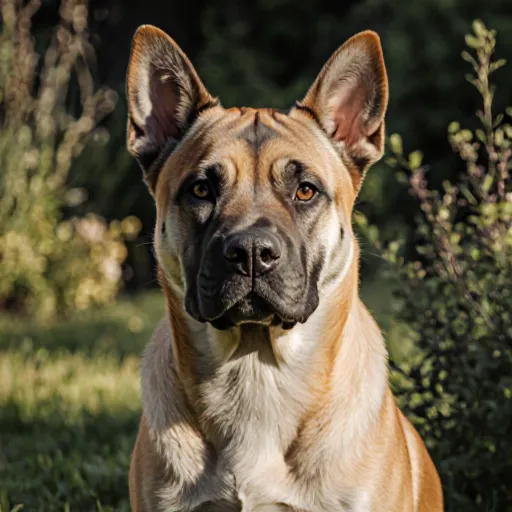
Find Your Furry Friend
Rare Dog Breeds You Can Adopt
Table of Contents
- Introduction: Why Rare Dog Breeds Are Worth Considering
- What Defines a “Rare” Dog Breed?
- The Benefits of Adopting a Rare Dog
- Common Myths About Rare Breeds
- Top 10 Rare Dog Breeds to Adopt (1-3)
- Top 10 Rare Dog Breeds to Adopt (4-7)
- Top 10 Rare Dog Breeds to Adopt (8-10)
- Where to Find Rare Dogs for Adoption
- How to Prepare Your Home for a Rare Breed
- Health Considerations and Vet Care
- Training Tips Specific to Rare Breeds
- Success Stories: Owners of Adopted Rare Dogs
- Legal and Ethical Aspects of Adoption
- Conclusion: The Joy of Giving a Rare Dog a Home
- FAQ About Adopting Rare Dog Breeds
Introduction: Why Rare Dog Breeds Are Worth Considering
When most people think of a family pet, they picture the familiar faces of golden retrievers, beagles, or German shepherds. Yet there’s an entire world of less common breeds that offer unique personalities, special needs, and sometimes a deeper sense of companionship. Adopting a rare dog breed can bring fresh excitement to your household while also giving a deserving animal a second chance at a happy life.
1. Less Competition in Shelters
Shelters and rescue groups often prioritize the most popular breeds because they are “in demand.” As a result, rare breeds—such as the Australian Kelpie, Briard, or Lagotto Romagnolo—are less likely to be over‑represented. This means you have a better chance of finding an adoptable dog that matches your lifestyle, and you’re helping keep the shelter’s numbers in balance.
2. Unique Temperaments and Skills
Every breed has evolved to perform specific tasks. Rare breeds often carry traits that can enrich a family:
- Pomeranian – Energetic, affectionate, great for apartment living.
- Lagotto Romagnolo – Excellent truffle hunters, very intelligent and trainable.
- Norwegian Lundehund – Highly agile, a natural cliff climber, ideal for active owners.
3. Lower Adoption Fees (Sometimes)
While many shelters charge a standard fee regardless of breed, some rescue groups offer discounted rates for rare breeds because they are less likely to be adopted quickly. This can make the financial commitment more affordable without compromising the quality of care.
4. Conservation and Breed Preservation
By adopting a rare breed, you become part of a global effort to preserve genetic diversity in dogs. Many rare breeds are at risk of extinction due to cross‑breeding or lack of breeding programs. Your adoption can help maintain the lineage and ensure that future generations have access to these distinct animals.
5. Personal Growth and Responsibility
Caring for a rare breed often requires learning about specific health concerns, diet, grooming needs, and training methods. This can be an enriching experience that sharpens your knowledge of canine care and deepens the bond between you and your pet.
- Australian Kelpie – Herding instincts, high energy.
- Briard – Excellent family companion, medium coat.
- Lagotto Romagnolo – Truffle hunting, affectionate.
- Pomeranian – Small size, lively personality.
- Norwegian Lundehund – Unique claw structure, great for agility lovers.
Before you decide, research each breed’s specific needs and talk to shelter staff or breed experts. A well‑matched partnership can lead to a rewarding life together.
What Defines a “Rare” Dog Breed?
A dog is considered rare when it meets one or more of the following criteria:
- Limited Population. Only a handful of puppies are born each year in a specific region or globally. For example, the Lagotto Romagnolo has fewer than 1,500 registered dogs worldwide.
- Selective Breeding Practices. The breed is maintained by a small group of breeders who adhere to strict standards, often preserving ancient bloodlines. The Norwegian Lundehund, with its unique extra toes, is an excellent illustration.
- Conservation Status. Some breeds are officially listed as endangered or threatened by kennel clubs or conservation organizations. The Puli and the American Hairless Terrier fall into this category.
- Geographic Isolation. Breeds that originated in remote areas with limited cross‑breeding, such as the Chesapeake Bay Retriever, tend to remain rare because they’re confined to a specific locale.
- Low Demand and High Cost. Even if a breed is not officially endangered, low demand can keep numbers small. The Belgian Laekenois is an example of a less popular, yet valuable, companion.
Why Does Rarity Matter?
Rarity often correlates with unique temperament traits, health profiles, and historical significance. Prospective owners should consider:
- Health Screening. Rare breeds may carry hereditary conditions that are less well-documented. Thorough veterinary testing (e.g., DNA panels for hip dysplasia or retinal diseases) is essential before adoption.
- Socialization Needs. Some rare dogs, like the Azawakh, were bred as guardians and may require extensive training to adapt to family life.
- Long‑Term Care. Limited supply of breed‑specific supplies (food formulas, grooming tools) can increase maintenance costs. Research suppliers that specialize in rare breeds or consider homemade alternatives.
Practical Tips for Adopting a Rare Dog Breed
- Research Thoroughly. Use resources such as the American Kennel Club’s Rare Breeds list, breed‑specific rescue organizations, and veterinary forums to gather data on behavior, care requirements, and typical lifespan.
- Connect with Breed Communities. Join online groups or local clubs where experienced owners share insights. They can help you identify reputable breeders or rescues.
- Visit the Rescue Facility. Inspect the living conditions, meet the dog’s peers, and observe its interaction with staff to gauge health and temperament.
- Ask for Medical Records. A responsible rescue will provide vaccination history, spay/neuter status, and any known genetic testing results.
- Plan for Future Care. Discuss potential health concerns with a vet familiar with the breed. Consider setting up a dedicated budget for specialized treatments or preventive care.
Adopting a rare dog is more than a novelty; it’s an opportunity to preserve a living piece of canine heritage while providing a loving home for a unique companion.
The Benefits of Adopting a Rare Dog
When most people think about pet ownership they picture the familiar breeds – golden retrievers, beagles, or poodles. Yet there’s an entire world of rare dog breeds that offer unique personalities, striking appearances, and often, a deeper sense of companionship. Adopting one of these uncommon dogs can enrich your life in ways you might not expect.
1. A Sense of Uniqueness
A rare breed instantly sets you apart from the crowd. Whether it’s the elegant stature of an Irish Wolfhound, the distinctive feathered ears of a Puli, or the gentle, low‑profile look of a Basenji, these dogs command attention and admiration at parks, on walks, or in everyday life.
2. Less Common Health Issues
Many rare breeds have been selectively bred to minimize common health problems found in popular breeds. For example:
- Basenjis rarely suffer from hip dysplasia, a frequent issue in larger dogs.
- The Scottish Terrier is less prone to ear infections than many terrier varieties.
- Dogs like the Pomeranian often have fewer genetic heart defects compared to larger breeds.
3. Lower Maintenance in Some Cases
While every dog requires care, certain rare breeds are surprisingly low‑maintenance:
- The Afghan Hound’s long coat needs regular brushing but is generally free of shedding issues.
- A Lhasa Apso has a dense coat that keeps them warm in colder climates, yet they don’t shed excessively.
- Many terrier breeds like the Yorkshire Terrier have short coats that are easy to groom.
4. A Chance to Support Conservation Efforts
Adopting a rare breed often means you’re helping preserve a genetic lineage that might otherwise be at risk of extinction. By bringing one into your home, you contribute to the survival and well‑being of these unique dogs.
5. A Deep Bond Through Mutual Novelty
The unfamiliarity of a rare dog can foster a stronger bond as both owner and pet explore new routines together—whether it’s learning how to train a Chow Chow or figuring out the best way to handle a Japanese Chin’s delicate needs.
6. Educational Opportunities for Children
Having a rare breed at home can be an engaging teaching tool. Kids learn about animal biology, responsibility, and diversity while watching their dog grow and thrive.
- Research the Breed’s Traits: Understand temperament, exercise needs, and grooming requirements. A well‑matched lifestyle reduces stress for both you and your new companion.
- Visit Reputable Breeders or Shelters: Look for responsible breeders who screen for health issues or consider adopting from a rescue that specializes in rare breeds.
- Plan for Veterinary Care: Rare breeds may need specialized vets familiar with their specific conditions. Ask your vet about recommended check‑ups and vaccinations.
- Prepare Your Home: Ensure you have the right space, toys, and a safe environment tailored to your breed’s size and energy level.
- Set Up Training Early: Many rare breeds are intelligent but can be independent. Start basic obedience training soon after adoption to build trust and manage behavior.
- Shikoku – A Japanese hunting dog known for its loyalty and agility.
- Puli – Famous for its corded coat, this herding dog is playful and affectionate.
- Azawakh – A sighthound from West Africa with a sleek build and gentle nature.
- Karelian Bear Dog – An energetic, medium‑sized breed that thrives in active households.
- Barbet – A French water dog with dense, curly hair perfect for swimming adventures.
Adopting a rare dog is more than choosing an animal; it’s about embracing a piece of canine heritage. With thoughtful preparation and genuine love, you’ll create a lasting partnership that benefits both your life and the legacy of these extraordinary breeds.
Common Myths About Rare Breeds
Myth #1: “Rare breeds are expensive to care for.”
While some rare dogs may have specific dietary or grooming needs, the cost of ownership is largely determined by health care, nutrition, and training—not rarity. A well‑bred Alaskan Klee Kai can be just as affordable as a popular Labrador if you choose quality but not premium products.
- Health insurance: Look for plans that cover genetic testing—many rare breeds are predisposed to certain conditions.
- Nutrition: Generic, high‑protein dog food often meets the nutritional needs of most breeds. Specialty formulas are optional.
- Grooming: The “exotic” look is usually a result of coat type; regular brushing and occasional professional trims keep costs down.
Myth #2: “Rare breeds are hard to find.”
The internet, rescue networks, and breed‑specific clubs have made it easier than ever to locate a rare dog. Websites like PetFinder or AdoptAPet list thousands of dogs across the U.S., and many rescue groups maintain online catalogs.
- Use breed‑specific rescue lists: The American Kennel Club (AKC) provides links to rescues for breeds such as the Lagotto Romagnolo or Bedlington Terrier.
- Attend dog shows and fairs: These events are excellent places to meet breeders who may be looking to rehome a dog.
- Join online forums: Communities on Reddit, Facebook groups, or dedicated breed sites often post adoption opportunities.
Myth #3: “Rare breeds are less trainable.”
Trainability depends on individual temperament and early socialization, not rarity. Many rare dogs—such as the Puli, known for its intelligence and eagerness to please—excel in obedience classes.
- Start training early: Socialize puppies from 8 weeks onward with a mix of people, other dogs, and various environments.
- Use positive reinforcement: Treats, praise, and play are effective for most breeds.
- Set consistent routines: Dogs thrive on predictable schedules—feeding, walks, training sessions, and bedtime should be regular.
Myth #4: “Rare breeds are more likely to have health issues.”
Some rare breeds do carry a higher risk of specific genetic conditions, but responsible breeders perform rigorous testing. When adopting from reputable rescues or shelters, you can often obtain medical records and pedigree information.
- Request veterinary history: Ask for records on hip dysplasia, eye exams, or heart screenings.
- Ask about genetic testing: Reputable breeders disclose results of DNA tests for common hereditary diseases.
- Choose a rescue with a vet partnership: Many rescues partner with local vets to provide discounted health care for adoptive families.
Myth #5: “Adopting a rare breed means you’ll get a one‑of‑a‑kind companion.”
While many rare breeds have unique looks or temperaments, they are still dogs with needs and expectations like any other pet. A successful adoption hinges on matching the dog’s personality to your lifestyle.
- Assess activity level: Some rare breeds—like the Finnish Spitz—require daily exercise, while others are more laid‑back.
- Consider size and space: A small breed like the Miniature Pinscher may thrive in an apartment, whereas a larger rare dog might need a yard.
- Plan for training commitments: Even “easy‑going” breeds benefit from structured training to prevent behavioral issues.
Understanding these myths helps you make an informed decision when adopting a rare dog. Remember that every canine is an individual, and the right match comes from research, preparation, and a genuine willingness to build a lifelong partnership.
Top 10 Rare Dog Breeds to Adopt (1-3)
1. **Azawakh**
The Azawakh is a slender, sighthound breed from the Sahel region of West Africa. With its graceful build and striking blue or fawn coat, it’s often described as a “living statue.” Despite their elegant appearance, Azawakhs are loyal companions that thrive on active lifestyles.
- Size & Weight: 1.8–2.0 ft tall at the shoulder; 50–60 lb
- Lifespan: 12–14 years
- Temperament: Independent, protective, but affectionate with family.
- Exercise Needs: High – requires daily long walks or runs in a secure yard.
Adoption Tips:
• Search for reputable rescue groups in France or the UK.
• Provide a spacious, fenced area to accommodate their hunting instincts.
• Regular grooming keeps the short coat free of mats.
2. **Lagotto Romagnolo**
The Lagotto is an Italian water‑dog best known for its truffle‑seeking talent. Unlike many rare breeds, it’s a true family dog with a gentle disposition and a soft coat that requires regular brushing.
- Size & Weight: 1.3–1.5 ft tall; 30–50 lb
- Lifespan: 12–14 years
- Temperament: Friendly, intelligent, good with children.
- Exercise Needs: Moderate – daily walks and occasional agility training.
Adoption Tips:
• Look for breeders who test their dogs’ truffle‑hunting skills.
• Provide mental stimulation with puzzle toys or scent games.
• Trim nails frequently; the breed loves water, so a bath every 2–3 weeks keeps its coat healthy.
3. **Kanni**
The Kanni, also called the “Bengal Dog,” originates from India and is prized for its hunting prowess and loyalty. Its short‑haired, muscular build makes it an excellent choice for active families who enjoy outdoor adventures.
- Size & Weight: 1.6–2.0 ft tall; 50–70 lb
- Lifespan: 10–12 years
- Temperament: Energetic, protective, but gentle with pets and kids.
- Exercise Needs: Very high – needs daily runs or structured play sessions.
Adoption Tips:
• Choose a Kanni from a responsible breeder who emphasizes health screenings.
• Provide a secure, large yard; they can be strong escape artists.
• Regular exercise and mental enrichment prevent boredom‑related behavior problems.
Top 10 Rare Dog Breeds to Adopt (4-7)
The Tibetan Spaniel is a charming, small companion that originated in the high altitudes of Tibet. They are known for their independent yet affectionate nature and a beautiful coat that ranges from sable to blue‑black.
- Temperament: Calm, alert, and often protective of its family.
- Exercise Needs: Moderate – daily walks and occasional play sessions are enough.
- Health Tips: Keep an eye on their ears; regular cleaning prevents infections.
Practical Adoption Advice
If you’re considering a Tibetan Spaniel, look for breeders or shelters that offer health clearances for common issues like patellar luxation and hip dysplasia. A reputable breeder will provide vaccination records and a guarantee of the dog’s lineage.
This Italian scent hound is famed for its truffle‑seeking skills, but it also makes an excellent family pet. With dense, curly coats that come in various shades of brown, the Lagotto is a low‑shedding, hypoallergenic choice.
- Temperament: Friendly, intelligent, and highly trainable.
- Exercise Needs: High – they thrive on scent work and long walks.
- Health Tips: Regular dental care is essential; their teeth can get heavy with truffle hunting.
Practical Adoption Advice
When adopting a Lagotto, make sure the shelter or breeder offers training support. Because they are scent dogs, early socialization and basic obedience are crucial for a balanced temperament.
The Catahoula Leopard Dog is a striking breed with distinctive rosette patterns. Originating from the Louisiana wetlands, they are versatile working dogs that excel in herding, guarding, and even canine sports.
- Temperament: Energetic, loyal, and protective.
- Exercise Needs: Very high – daily vigorous exercise is a must.
- Health Tips: They can be prone to ear infections; keep ears dry after water play.
Practical Adoption Advice
Because of their strong herding instincts, it’s best to adopt a Catahoula if you have space for a large dog and plenty of time for training. Look for programs that specialize in working dogs or volunteer with local farms.
The Azawakh is an elegant sighthound from West Africa, known for its slender build and striking, short coat. They are swift, independent hunters but can be gentle companions when properly socialized.
- Temperament: Quiet, proud, and somewhat reserved with strangers.
- Exercise Needs: Moderate to high – they enjoy long runs in open spaces.
- Health Tips: Check for eye issues; regular eye exams are recommended.
Practical Adoption Advice
If you’re looking to adopt an Azawakh, consider a breeder that emphasizes temperament testing. These dogs thrive in homes with a calm environment and can be trained for activities like agility or tracking.
Top 10 Rare Dog Breeds to Adopt (8-10)
The Alaskan Klee Kai is a miniature version of the legendary Alaskan Husky. Despite its small size (usually 10–20 lb), it packs a bold personality and an affectionate nature that makes it a delightful family pet.
- Temperament: Loyal, alert, and highly trainable; thrives on companionship.
- Exercise Needs: Moderate daily walks plus interactive play sessions.
- Health Highlights: Generally healthy but watch for hip dysplasia and eye issues.
Adopting an Alaskan Klee Kai gives you a low‑maintenance, medium‑energy dog that loves both adventure and cuddles. They are especially well-suited for apartment living due to their small size yet robust exercise tolerance.
The Lagotto Romagnolo is a rare Italian breed originally bred for truffle hunting. With its curly, water-resistant coat and sharp nose, this dog offers both charm and utility.
- Temperament: Friendly, intelligent, and highly social; excellent with children.
- Exercise Needs: Requires daily walks and mental stimulation (e.g., scent games).
- Health Highlights: Prone to hip dysplasia and ear infections due to its floppy ears.
If you’re looking for a dog that can keep up with outdoor activities while providing affectionate companionship, the Lagotto Romagnolo is an ideal choice. Their unique truffle‑hunting instinct also makes them fun partners for scent‑based training programs.
The Puli is a Hungarian herding dog known for its distinctive corded coat, which gives it a “wolf‑like” appearance. Though small to medium in size (25–45 lb), the Puli is an energetic and intelligent companion.
- Temperament: Playful, affectionate, and protective; thrives on human interaction.
- Exercise Needs: High energy – needs at least an hour of vigorous activity daily.
- Health Highlights: Generally robust but watch for eye problems and hip dysplasia.
The Puli’s unique coat requires regular grooming to prevent matting, yet it is a low-shedding breed that can suit allergy sufferers. Their natural herding instincts make them excellent for families who enjoy outdoor adventures or dog sports such as agility and obedience competitions.
Where to Find Rare Dogs for Adoption
If you’re drawn to the charm of a rare breed but don’t know where to start, here are practical avenues that can lead you to your next canine companion. Each option offers unique benefits and comes with its own set of considerations.
Breed‑Specific Rescue Organizations
These groups focus exclusively on a single breed (or a small group of related breeds). They typically have deep knowledge about the breed’s temperament, health issues, and ideal living conditions. Because they’re dedicated to the breed, you’ll often find well‑socialized puppies or mature dogs that have already received some basic training.
- Example: The Shepherd Rescue for German Shepherds, which also lists rare shepherd variants like the Belgian Laekenois.
- Tip: Reach out via email or phone before visiting. Ask about the adoption process, health guarantees, and any breed‑specific support they offer.
Specialty Pet Adoption Sites
Websites such as PetFinder, AdoptAPet, and ASPCA’s Pet Adoption Center allow you to filter by breed, age, size, and location. Some even have dedicated sections for “rare” or “exotic” breeds.
- Example: Searching “Tibetan Mastiff” on PetFinder may pull listings from shelters in the Midwest that previously had a small group of these rare dogs.
- Tip: Use multiple sites simultaneously. Each platform aggregates data from different shelters, increasing your chances of finding an available dog.
Local Shelters and Humane Societies
Even though shelters usually receive common breeds, rare dogs do occasionally end up there—often because their owners were unable to find a breeder or had an unexpected change in circumstances.
- Example: The City of Shelter in Springfield recently listed a rescued Irish Wolfhound that was originally from a small family farm.
- Tip: Call ahead or check the shelter’s online database. Ask if they have any “rare” breed listings and whether they can notify you when one becomes available.
Breed‑Specific Forums & Online Communities
Forums, Facebook groups, and Reddit communities dedicated to rare breeds can be invaluable for networking with owners who might be looking to rehome their dog.
- Example: The “Rare Dog Owners” subreddit often features posts where members are seeking a new home for a Shikoku that’s too large for their apartment.
- Tip: Participate actively—share your interest, ask questions about care, and let community members know you’re looking to adopt. Authentic engagement builds trust.
Responsible Breeder Networks
When adopting a rare breed from a breeder, ensure they’re accredited by reputable organizations such as the American Kennel Club (AKC), UK Kennel Club (UKKC), or equivalent national bodies.
- Example: The AKC‑Registered Shepherd Breeder Network offers a “Rescue & Rehome” program for dogs that can’t stay in the breeder’s facility.
- Tip: Request a health certificate, vaccination records, and proof of genetic testing. Verify that the breeder participates in responsible breeding practices (e.g., no puppy mills). A reputable breeder will be transparent about any potential health concerns specific to the breed.
Adoption Events & Dog Shows
Many rare‑breed shows and charity events host adoption booths where owners bring dogs that need a new home.
- Example: The annual “Rare Breed Show” in Denver had an adoption table for a Puli who had been living on the show circuit for years.
- Tip: Attend local dog shows, charity walks, or community pet fairs. Bring your vet’s contact information and be ready to discuss how you’ll care for a rare breed’s unique needs.
Veterinary Clinics & Animal Hospitals
Vets often know of families that can’t keep their rare dog due to health, space, or financial constraints.
- Example: A local veterinary practice in Seattle had a rescued Bearded Collie who needed an experienced owner after its previous family passed away.
- Tip: Ask the clinic’s front desk if they have any “dog in need” postings. Offer to meet the dog and discuss your willingness to adopt and care for it.
International Adoption Networks</h
How to Prepare Your Home for a Rare Breed
Adopting a rare or exotic dog breed is an exciting adventure, but it also comes with unique responsibilities. Unlike common breeds that have a wealth of resources available—training guides, nutrition plans, and health information—rare breeds often lack widespread support. Preparing your home thoughtfully ensures both you and your new companion thrive.
1. Research the Breed’s Specific Needs
- Temperament & Energy Level: Some rare breeds, like the Labradoodle‑style Labradoodles, are highly energetic and require daily exercise, while others such as the Chinese Crested have a calmer disposition. Tailor your routine accordingly.
- Size & Space Requirements: A large breed like the Mastiff‑style Mastiffs will need ample room to move, whereas a small terrier may be fine in an apartment.
- Health Concerns: Rare breeds can have breed‑specific conditions (e.g., heart issues in Cavalier King Charles Spaniels, skin allergies in Chinese Crested). Look for reputable breeders or rescue groups that screen for these problems.
2. Create a Dog‑Friendly Environment
- Secure Your Living Space: Remove toxic plants, secure loose wires, and block small objects that could be swallowed.
- Designate a Rest Area: Provide a comfortable bed or crate in a quiet corner. For breeds prone to anxiety (e.g., Chihuahua‑style Chihuahuas), consider using a calming mat or a pheromone diffuser.
- Temperature Control: Some rare breeds, such as the Bichon Frise‑style Bichons, can be sensitive to extreme heat. Keep indoor temperatures moderate and offer shade outdoors.
3. Plan for Nutrition & Health Care
- Dietary Needs: Consult a veterinarian or a pet nutritionist familiar with the breed. For example, Poodle‑style Poodles benefit from high‑protein diets to support their active lifestyle.
- Vaccinations & Preventatives: Rare breeds may have limited vaccine schedules; ask your vet for a customized plan.
- Regular Vet Visits: Schedule annual checkups and stay vigilant for early signs of breed‑specific ailments.
4. Training & Socialization
Early training is crucial, especially for breeds with strong prey drives or high intelligence (e.g., German Shepherd‑style German Shepherds). Consider these steps:
- Basic Obedience: Start with simple commands—sit, stay, come—and reward consistently.
- Socialization Sessions: Introduce your dog to various environments, people, and other animals in a controlled manner.
- Professional Guidance: If you’re unsure, hire a trainer experienced with rare breeds. They can tailor techniques to suit your dog’s personality.
5. Build an Emergency Plan
In case of sudden illness or injury, have a list of nearby veterinary clinics that handle exotic or rare breeds. Keep essential documents—vaccination records, identification tags, and a brief health history—within easy reach.
6. Connect with the Rare Breed Community
- Online Forums & Social Media: Join breed‑specific groups on Facebook or Reddit to share experiences and get advice.
- Local Meetups: Attend dog shows, rescue events, or local meet‑and‑greet gatherings to network with other owners.
By thoroughly researching your chosen rare breed, creating a safe and stimulating environment, and staying proactive about health and training, you’ll set the stage for a happy, healthy partnership that lasts a lifetime.
Health Considerations and Vet Care
When adopting a rare dog breed, it’s essential to understand that these breeds often come with unique health challenges. Because they are less common, there may be limited data on their long‑term wellness, and many breeders focus more on appearance than on genetic screening.
Common Genetic Conditions
- Hip Dysplasia: Many small breeds such as the Miniature Poodle and Papillon are prone to hip joint problems. Look for a breeder who has performed radiographic evaluations on breeding stock.
- Eye Disorders: Breeds like the Chihuahua and Lhasa Apso can develop cataracts or retinal atrophy early in life. Regular ophthalmic exams are recommended.
- Cardiac Issues: The Scottish Terrier may suffer from pulmonic stenosis, while the Bichon Frise can be affected by mitral valve disease. Routine echocardiograms help catch problems early.
- Skin Problems: Hypoallergenic breeds such as the Coton de Tulear and Japanese Chin may still develop dermatitis or allergies, especially if their coat is trimmed too frequently.
Preventive Measures
- Choose a reputable breeder: Verify that the breeder conducts DNA testing for known breed‑specific conditions and provides health clearances from both parents.
- Vaccination schedule: Stick to the core vaccines (distemper, parvovirus, rabies) plus non‑core shots such as Bordetella if you live in a high‑risk area. Discuss boosters with your vet.
- Regular check‑ups: Annual physical exams are crucial; consider biannual visits for high‑risk breeds to monitor weight, joint health, and cardiovascular status.
- Diet & exercise: Tailor nutrition to the breed’s size and activity level. For example, a Labradoodle needs moderate exercise and a balanced diet low in saturated fats to prevent obesity‑related arthritis.
- Spay/neuter considerations: While spaying or neutering can reduce certain health risks (e.g., mammary tumors), it may increase joint problems in some breeds. Discuss the best timing with your vet.
Establishing a relationship with a knowledgeable veterinarian early on will set the foundation for lifelong wellness. Below are practical steps to ensure you’re prepared:
Selecting the Right Vet
- Board‑certified specialists: For breeds prone to specific conditions, consider a veterinary cardiologist or ophthalmologist.
- Experience with rare breeds: Ask potential vets about their experience treating uncommon dogs. A vet who has seen a variety of unique breeds will be better equipped to spot subtle health issues.
- Location & availability: A nearby clinic with after‑hours or tele‑vet services can be lifesaving during emergencies.
Routine Care Checklist
| Timeframe | Procedure |
|---|---|
| At 8–12 weeks | Initial physical exam, vaccinations (first doses), microchip implantation. |
| Every 6 months | Physical exam, dental check, weight and body condition score. |
| Annually | Full bloodwork, urinalysis, eye exam (if predisposed), heart murmur screening. |
| As needed | Orthopedic imaging for joint pain; skin biopsies for unexplained rashes. |
Emergency Preparedness
- Keep a copy of your dog’s medical records in a waterproof pouch.
- Know the nearest emergency clinic and have its number saved.
- Carry an “Emergency Kit” with items such as a first‑aid manual, a leash, water bowl, and any prescription medications.
Financial Planning
Rare breeds can sometimes incur higher vet costs due to specialized care. Consider:
- Pet insurance: Look for plans that cover hereditary conditions and routine screenings.
- Veterinary savings accounts: Some clinics offer discount programs for scheduled services.
- Community resources: Local shelters or breed clubs may provide discounted exams or vaccination drives.
By proactively addressing these health considerations and vet care strategies, you’ll give your rare dog the best chance at a happy, healthy life. Remember: early detection, regular monitoring, and a partnership with an experienced veterinarian are the cornerstones of responsible ownership.
Training Tips Specific to Rare Breeds
Rare dog breeds often come with unique temperaments, energy levels, and physical characteristics that can influence how they respond to training. Below are practical strategies tailored to some of the most uncommon but wonderful breeds you might consider adopting.
Beagle (Rare Variant: Miniature Beagle)
- Harness Work: Use a front‑clip harness to reduce pulling on the nose. This helps maintain calmness during walks and prevents strain on their small joints.
- Scent‑Based Games: Miniature Beagles still love scent work. Hide treats in low‑profile boxes or under rugs to engage their natural hunting instinct without exhausting them.
- Short, Frequent Sessions: Their attention span can wane quickly; keep training sessions to 5–7 minutes each, multiple times a day.
Cairn Shepherd
- Socialization Early: These dogs thrive on early exposure to different people and environments. Schedule playdates with other dogs by age 12 weeks.
- Positive Reinforcement: Use high‑value treats (small cheese cubes or soft jerky) because they can become easily distracted by lower‑quality snacks.
- Obstacle Training: Their agility makes them excellent at obstacle courses. Start with simple jumps and weave poles to build confidence.
Dogo Argentino
- Controlled Energy: Provide a safe, enclosed area for running—think agility tunnels or a fenced yard—to satisfy their high endurance.
- Structured Commands: Use clear, consistent commands with a firm but gentle tone. Avoid sudden changes in direction that might confuse them.
- Strength Training: Incorporate resistance exercises like pulling on a weighted sled or using a treadmill at low speed to build muscle without overexertion.
Komondor
- Hair Management: Their unique corded coat requires regular brushing. Turn grooming into a training cue: “brush” becomes a calm, structured activity.
- Guarding Instincts: Use a “leave it” command to manage protective behaviors around visitors or small animals.
- Enrichment Toys: Provide durable chew toys that can be hidden in the yard for them to retrieve, channeling their guarding instincts positively.
Basenji
- Quiet Command Training: Basenjis are naturally quiet; reinforce the “quiet” cue with a gentle hand signal and reward them immediately.
- Problem‑Solving Tasks: Use puzzle feeders to stimulate their intellect, which helps reduce boredom‑related mischief.
- Minimal Tailoring: They dislike collars that restrict movement. Opt for a soft, adjustable band with a quick‑release buckle.
Practical Takeaways
- Always start training early—between 8–12 weeks of age—so foundational behaviors become second nature.
- Keep sessions short, upbeat, and reward‑heavy. Rare breeds often have strong personalities that can get overwhelmed by long, repetitive drills.
- Tailor your approach to the breed’s physical strengths and weaknesses: a small, joint‑sensitive dog needs gentler exercises; a high‑energy hunter requires robust cardio sessions.
- Seek out breed‑specific trainers or online communities for additional resources—many rare breeds have dedicated clubs that share proven techniques.
By respecting the unique traits of each rare breed and adjusting your training plan accordingly, you’ll foster a stronger bond with your new companion and help them thrive in their new home.
Success Stories: Owners of Adopted Rare Dogs
Adopting a rare dog breed can be an emotional journey, but the rewards are immeasurable. Below we share heart‑warming stories from families who have welcomed these unique companions into their homes. Each story highlights why adopting a rare breed is not only a chance to give a deserving animal a second life, but also an opportunity to experience a bond unlike any other.
1. The Curious Corgi – Emily & Mark
Breed: Pembroke Welsh Corgi (a relatively uncommon but beloved breed)
- Emily and Mark adopted their Corgi, Luna, from a rescue that specialized in rare breeds. Luna was rescued at nine months old after her previous owner had to relocate.
- “Luna’s energy is contagious,” Emily says. “She learned how to fetch with a twist—she prefers the ball to come back in a zig‑zag pattern, which keeps us on our toes!”
- Mark added that Luna’s unique gait (the classic Corgi “bunny hop”) made her a hit at neighborhood block parties.
2. The Elegant Alaskan Malamute – James & Sophia
Breed: Alaskan Malamute (a rare, powerful working dog)
- James and Sophia rescued Koda, a four‑year‑old male who had been abandoned after a mining company shut down.
- “Koda’s size is intimidating at first, but he’s gentle with kids,” Sophia explains. “He loves to play in the snow—he’ll chase his tail like a kid would.”
- The couple used Koda as a therapy dog for their local school, and teachers reported improved concentration among students.
3. The Playful Puli – Aisha & Omar
Breed: Hungarian Puli (known for its corded coat)
- Aisha and Omar adopted a young Puli named Hugo from a European rescue organization.
- “Hugo’s coat is like a living sweater,” Aisha laughs. “We’ve had to learn how to properly groom him, but the effort pays off with his beautiful, braided look.”
- Hugo quickly became the star of their family’s YouTube channel, where they post daily training tips and grooming tutorials.
4. The Loyal Lagotto Romagnolo – David & Lisa
Breed: Lagotto Romagnolo (rare truffle hunting dog)
- David and Lisa rescued a two‑year‑old female named Rosie from an Italian farm where she was used for truffle hunting.
- “Rosie’s nose is incredible,” David says. “We’re planning to start a small truffle business together, but first we’ll train her for the local market.”
- The couple also uses Rosie in their community garden to help locate compost worms, adding an eco‑friendly twist to their adoption story.
5. The Gentle Giant – Michael & Anna
Breed: Great Pyrenees (a rare mountain guardian dog)
- Michael and Anna adopted a gentle giant named Bramble, who had been left behind by a shepherd after the family moved overseas.
- “Bramble’s protective nature keeps our garden safe,” Anna notes. “He’s also surprisingly affectionate, especially when we’re on the porch.”
- They now volunteer at a local animal shelter, sharing Bramble’s story to encourage others to adopt rare breeds.
Practical Tips for New Rare Breed Owners
- Research the breed’s specific needs: Some rare breeds have unique dietary or exercise requirements. For example, the Lagotto Romagnolo thrives on a diet high in protein and requires regular scent‑based enrichment.
- Find a reputable breeder or rescue: Many rare breeds are available through dedicated rescues that understand breed health concerns. Check for certifications, health clearances, and breeding standards.
- Prepare your home: Certain breeds may need more space or specialized gear—like the Alaskan Malamute’s love of cold weather or the Puli’s corded coat maintenance.
- Get a veterinary check‑in early: Rare breeds often have breed‑specific health issues (e.g., heart problems in Great Pyrenees). A thorough vet exam can catch potential problems before they become serious.
- Connect with other owners: Join online forums or local clubs. Sharing experiences and tips can help you navigate the unique challenges of owning a rare dog.
Adopting a rare breed is more than bringing home a pet; it’s about preserving genetic diversity, giving an animal a second chance, and building a lifelong bond that is uniquely rewarding. These success stories are just a glimpse into the joy and responsibility that come with adopting a rare dog.
Legal and Ethical Aspects of Adoption
Adopting a rare or exotic dog breed is not just a heart‑warming decision; it also involves navigating a maze of legal regulations and ethical responsibilities that can vary dramatically from one jurisdiction to another. Below you’ll find a comprehensive guide that covers:
- Licensing, registration, and import/export laws
- Breed‑specific restrictions and permits
- Health and welfare standards
- Responsible ownership practices
- Common pitfalls to avoid
1. Licensing & Registration Requirements
Most countries require a dog licence for every pet, but the process can be more stringent for rare breeds. In many European Union states, for example, you must:
- Provide proof of micro‑chip implantation.
- Submit a recent rabies vaccination certificate.
- Show documentation that the dog was born in a licensed breeding facility.
Tip: Contact your local animal control office before adoption to confirm the exact paperwork needed. Some regions offer an online portal where you can upload documents and pay fees instantly.
2. Import/Export & International Adoption Rules
If you’re adopting a dog from another country, you’ll need to comply with both export regulations of the sending country and import rules of your own. Common requirements include:
- Quarantine periods (often 30–90 days) in a government‑approved facility.
- Health certificates issued by an accredited veterinarian within a specified time frame before travel.
- Proof of vaccination against core diseases such as rabies, parvovirus, and distemper.
Case Study: A U.S. resident adopted a Tibetan Mastiff from Nepal. The pet had to undergo a 60‑day quarantine at the U.S. Animal Quarantine Station in San Diego, plus an additional 30 days of post‑quarantine observation. The owner paid $1,200 in import fees and coordinated with a licensed transport agent.
3. Breed‑Specific Legal Restrictions
Many rare breeds are classified as dangerous dogs or “bastard” breeds in certain countries, triggering extra legal hurdles:
- In the United Kingdom: The Dangerous Dogs Act (1991) lists breeds such as the Dogo Argentino and Fila Brasileiro. Owners must register the dog with local authorities and may need a special licence.
- In Australia: Some regions prohibit owning certain “bastard” dogs unless they meet strict health and behaviour standards.
Practical Advice: Before adopting, research whether your chosen breed falls under any such legislation. If it does, prepare to provide behavioural assessment reports or attend mandatory training courses.
4. Health & Welfare Standards
Rare breeds often carry unique health risks—genetic disorders, predisposition to certain diseases, and specific dietary needs. Legally, many jurisdictions require:
- A veterinary examination within the last 30 days of adoption.
- Documentation proving a genetic test for known breed‑specific conditions (e.g., hip dysplasia in Bernese Mountain Dogs).
- Regular micro‑chip updates and proof that it’s registered with an international database.
Example: The Akita Inu is prone to autoimmune disorders. In Japan, prospective owners must submit a blood panel confirming the dog’s immune profile before registration.
5. Ethical Considerations & Responsible Ownership
Beyond paperwork, ethical adoption involves long‑term commitment and care:
- Socialisation: Rare breeds often have strong herding or guarding instincts; early training is essential.
- Nutrition: Many exotic dogs require high‑protein diets. Consult a vet familiar with the breed before you purchase food.
- Environmental Enrichment: Provide adequate space and mental stimulation—especially for large, active breeds like the Tibetan Mastiff.
Checklist for Ethical Adoption:
- Confirm the breeder’s or rescue organization’s licensing status.
- Ask for a full health history and vaccination records.
- Verify that the dog has been de‑wormed, flea‑treated, and spayed/neutered if appropriate.
- Ensure you have a plan for ongoing veterinary care, including regular check‑ups every six months.
6. Common Pitfalls to Avoid
Overlooked Documentation: Failing to submit required health certificates can lead to fines or forced return of the pet.
Underestimating Costs: Import fees, quarantine, and specialised vet care can add up quickly. Budget at least 20% extra beyond the adoption fee.
Ignoring Breed Legislation: Owning a prohibited breed without proper registration may result in confiscation or criminal charges.
Conclusion
Adopting a rare dog breed is a rewarding experience that comes with responsibilities both legal and ethical. By thoroughly researching local laws, preparing necessary documentation, and committing to the dog's lifelong welfare, you can ensure a smooth transition for your new companion—and avoid costly legal headaches.
Conclusion: The Joy of Giving a Rare Dog a Home
Adopting a rare or exotic dog breed is more than just acquiring an unusual companion—it’s an opportunity to give a deserving animal a second chance at happiness while enriching your own life with unique companionship, health benefits, and a sense of stewardship.
Why Rare Dogs Make Exceptional Pets
- Personalized Care: Many rare breeds have specific grooming or exercise needs. When you adopt one, you’re likely to invest time in learning those nuances, which fosters a deeper bond.
- Health Awareness: Rare dogs often come with breed‑specific health concerns (e.g., the Bichon Frise's propensity for dental issues). By adopting responsibly, you become proactive about preventive care, leading to better long‑term health outcomes for both of you.
- Community Impact: Each adoption reduces the demand for puppy mills and commercial breeders. You’re actively supporting ethical breeding practices and animal welfare organizations that rescue these breeds.
Practical Tips Before Adopting a Rare Breed
- Research Thoroughly: Use reputable resources such as the Rare Dog Breeds You Can Adopt database to learn about temperament, size, and care requirements.
- Check for Health Clearances: Ask the rescue or breeder for veterinary records—especially genetic screening results (e.g., hip dysplasia tests for Airedale Terriers).
- Prepare Your Home: Some rare breeds, like the Irish Wolfhound, require large spaces and sturdy furniture. Ensure your living environment is safe and comfortable.
- Budget for Specialized Needs: Rare dogs may need specialty diets or grooming services (e.g., the Maltese's coat maintenance). Factor these costs into your long‑term budget.
- Plan for Training: Many rare breeds have strong hunting instincts or high energy levels. A structured training program—possibly with a professional handler—helps integrate them smoothly into family life.
Success Stories: Real Families & Their Rare Pets
"We adopted a Shetland Sheepdog from the local rescue and it’s been a game changer. Its intelligence and gentle nature make it a perfect therapy dog for our grandchildren," says Maria L., a 42‑year‑old teacher.
"Our Norfolk Terrier was shy at first, but after a month of consistent training and lots of cuddles, she’s now the family’s favorite lapdog. We’ve never seen her so happy," shares Alex R., a software engineer.
How to Get Involved Beyond Adoption
- Volunteer: Many rescues accept volunteers for dog walking, grooming, or administrative tasks.
- Donate: Even small contributions help cover medical treatments and facility maintenance.
- Advocate: Spread awareness about responsible ownership of rare breeds through social media, blogs, or community talks.
Adopting a rare dog isn’t just a decision—it’s a lifelong commitment that brings immeasurable joy, companionship, and the satisfaction of knowing you’ve made a tangible difference in an animal’s life. By choosing a breed from Rare Dog Breeds You Can Adopt, you open your heart to a unique friend who will reward you with love, loyalty, and countless unforgettable moments.
FAQ About Adopting Rare Dog Breeds
What defines a “rare” dog breed?
A rare breed typically has a low registration number with major kennel clubs, limited geographic distribution, or is endangered in its native country. Examples include the Labrador Retriever (not rare), but rare breeds are like the Lagotto Romagnolo, Norfolk Terrier, and Thai Ridgeback.
Why should I consider adopting a rare breed?
- Conservation impact: Many rare breeds are at risk of extinction. Adopting one helps maintain genetic diversity.
- Unique traits: Rare dogs often possess distinctive temperaments or physical characteristics that set them apart from mainstream breeds.
- Community support: There’s a passionate network of breeders, rescue groups, and online forums dedicated to these breeds.
How do I find reputable rescues or adopters for rare breeds?
Use specialized databases such as the Rare Breed Adoption Network, breed‑specific rescue groups (e.g., Lagotto Romagnolo Rescue), and local kennel club listings. Verify that the organization has:
- A clear adoption policy.
- Transparent health records.
- Positive reviews from previous adopters.
What medical considerations should I be aware of?
Many rare breeds have breed‑specific conditions. For instance:
- Lagotto Romagnolo: prone to hip dysplasia; schedule a veterinary screening before adoption.
- Norfolk Terrier: high risk of patellar luxation; ensure a thorough orthopedic exam.
- Thai Ridgeback: potential for skin allergies; check for a history of dermatological issues.
Ask the rescue for up‑to‑date health certificates and discuss preventive care plans with your vet.
Will my home be suitable for a rare breed?
Assess the dog’s activity level, space needs, and socialization requirements. For example:
- Lagotto Romagnolo: moderate exercise; thrives in homes with a secure yard.
- Norfolk Terrier: energetic but adaptable; requires daily walks and mental stimulation.
- Thai Ridgeback: high energy and protective instincts; best suited for experienced owners who can provide structured training.
What costs are associated with adopting a rare breed?
Beyond the adoption fee (often $200–$500), consider:
- Initial veterinary exam and vaccinations.
- Spay/neuter surgery, if not already done.
- Specialized diet or supplements for breed‑specific health needs.
- Professional training to address unique behavioral traits.
How can I support the conservation of rare breeds after adoption?
- Breed registration: Register your dog with the relevant kennel club or breed registry to contribute to population data.
- Participate in community events: Attend breed shows, meet‑ups, and online forums.
- Share responsible ownership practices: Educate others about the benefits of adopting rescued rare dogs.
Can I adopt a rare breed if I have other pets?
Yes, but introduce them gradually. Use scent swapping and controlled meetings to gauge compatibility. Many rescue organizations provide guidelines for multi‑pet households.
What should I do if the dog develops a health issue after adoption?
- Consult your veterinarian promptly.
- Keep all medical records and share them with any specialist you visit.
- Contact the rescue or breed association for support; they often have resources for rare‑breed specific care.
Where can I find more information about specific rare breeds?
Explore these resources:
- Rare Breed Adoption Network
- Breed‑Specific Rescue Groups
- Local kennel club websites for breed registries.
Categories
- AI & Enrichment Play
- Broiler Farming
- Broiler Farming Tips
- Canine Wellness & Longevity
- Cat
- Cat & Human Connection
- Cat Adoption & Rescue
- Cat Breeds
- Cat Breeds & Personalities
- Cat Care & Health
- Cat Grooming & Hygiene
- Cat Lifestyle & Environment
- Cat Myths & History
- Cat Nutrition & Diet
- Cat Products & Reviews
- Cat Training & Behavior
- Comparison
- Consumer Awareness
- Dog
- Dog Accessories & Products
- Dog Adoption & Rescue
- Dog Breed & Lifestyle Trends
- Dog Breeding & Puppies
- Dog Entertainment & Media
- Dog Fashion & Trends
- Dog Fun & Lifestyle
- Dog Grooming & Hygiene
- Dog History & Culture
- Dog Myths, Science & Future Tech
- Dog News & Trends
- Dog Nutrition & Food
- Dog Psychology & Emotions
- Dog Safety & Security
- Dog Sports & Activities
- Dog Technology & Innovation
- Dog Training for Modern Owners
- Dog Travel & Adventure
- Dog Travel, Adventure & Culture
- Economic and Market Insights
- Educational Content
- FAQs
- Feeding Alternatives
- Festivals & Seasonal Ideas
- Fun & Entertainment
- General Knowledge
- General Pig Farming
- Health & Disease Management
- Housing and Environment
- Kittens
- Market Insights
- Miscellaneous
- Miscellaneous
- Motivational
- pig
- Pig Breeding
- Pig Breeds
- Pig Farming Stories and Inspiration
- Pig Health and Care
- Pig Nutrition
- Pig Products
- Profitability & Business
- Puppy Care
- Puppy Predictable Topics Reinvented
- Regional Focus
- Rescue & Adoption Buzz
- Senior Cats
- Senior Dog Care
- Smart Dog Tech & Gadgets
- Sustainability
- Sustainable & Eco-Friendly Dog Products
- Tech & Innovations
- Working & Service Dogs
- Broiler Feed66 products
- Country Feed33 products
- Pig Feed66 products
- Product22 products
- Raw Materials99 products
Products
-
 Fish Meal
₹1,999.00 – ₹2,999.00Price range: ₹1,999.00 through ₹2,999.00Rated 0 out of 5
Fish Meal
₹1,999.00 – ₹2,999.00Price range: ₹1,999.00 through ₹2,999.00Rated 0 out of 5 -
 FATTENING BROILER FEED
₹2,299.00 – ₹2,349.00Price range: ₹2,299.00 through ₹2,349.00Rated 0 out of 5
FATTENING BROILER FEED
₹2,299.00 – ₹2,349.00Price range: ₹2,299.00 through ₹2,349.00Rated 0 out of 5 -
 LAYER COUNTRY FEED
₹1,549.00 – ₹1,649.00Price range: ₹1,549.00 through ₹1,649.00Rated 0 out of 5
LAYER COUNTRY FEED
₹1,549.00 – ₹1,649.00Price range: ₹1,549.00 through ₹1,649.00Rated 0 out of 5 -
 COUNTER BROILER FEED
₹1,199.00 – ₹1,299.00Price range: ₹1,199.00 through ₹1,299.00Rated 0 out of 5
COUNTER BROILER FEED
₹1,199.00 – ₹1,299.00Price range: ₹1,199.00 through ₹1,299.00Rated 0 out of 5 -
 LACTATING PIG FEED
Rated 0 out of 5
LACTATING PIG FEED
Rated 0 out of 5₹2,299.00Original price was: ₹2,299.00.₹1,740.00Current price is: ₹1,740.00. -
 Maize
Rated 0 out of 5
Maize
Rated 0 out of 5₹1,650.00Original price was: ₹1,650.00.₹1,300.00Current price is: ₹1,300.00. -
 GESTATION PIG FEED (Phase 1)
Rated 0 out of 5
GESTATION PIG FEED (Phase 1)
Rated 0 out of 5₹2,249.00Original price was: ₹2,249.00.₹1,699.00Current price is: ₹1,699.00. -
 Pre Starter Broiler Feed
₹2,399.00 – ₹2,499.00Price range: ₹2,399.00 through ₹2,499.00Rated 0 out of 5
Pre Starter Broiler Feed
₹2,399.00 – ₹2,499.00Price range: ₹2,399.00 through ₹2,499.00Rated 0 out of 5 -
 FINISHER PIG FEED
Rated 0 out of 5
FINISHER PIG FEED
Rated 0 out of 5₹2,299.00Original price was: ₹2,299.00.₹1,749.00Current price is: ₹1,749.00. -
 Broiler Premix
Rated 0 out of 5
Broiler Premix
Rated 0 out of 5₹820.00Original price was: ₹820.00.₹699.00Current price is: ₹699.00.