
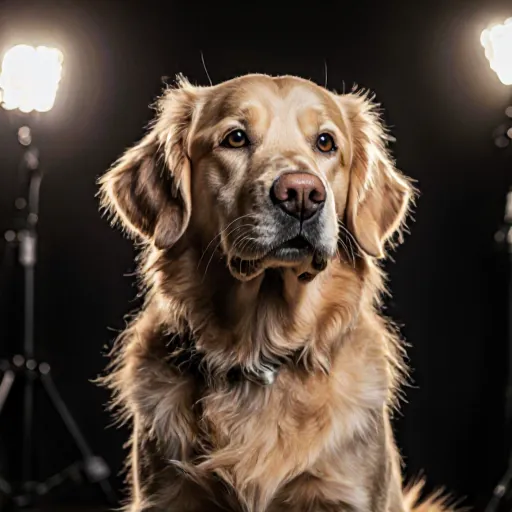
Unleash Your Pup’s Inner Glam
Silk & Shine: Dog Grooming for Stunning Coats
Table of Contents
- Introduction
- Understanding Double-Coated Fur
- Choosing the Right Brush
- Brushing Techniques for Undercoat and Topcoat
- Dealing with Matting and Knots
- Ear Care for Double-Coated Dogs
- Nail Trimming Essentials
- Dental Hygiene Tips
- Seasonal Grooming Adjustments
- Bathing: Frequency and Products
- Drying and Post-Bath Care
- Common Health Issues to Watch For
- Professional Grooming vs. Home Grooming
- Conclusion
- FAQ
Introduction
If you have a double‑coated dog—such as a Golden Retriever, Siberian Husky, or German Shepherd—you’re dealing with a two‑layered coat that requires specific care. The undercoat provides insulation and moisture resistance, while the topcoat offers protection against weather. Proper grooming keeps both layers healthy, reduces shedding, and prevents matting.
1. Understand Your Dog’s Coat
- Undercoat: Fine, soft hair that traps heat or cools the dog depending on climate.
- Topcoat (guard hairs): Coarser, longer strands that shield the skin from UV rays and rain.
2. Tools You’ll Need
- Wide‑toothed comb: Removes loose hair without damaging the undercoat.
- Slicker brush or rubber grooming mitt: Ideal for smoothing the topcoat and detangling mats.
- De-shedding tool (e.g., Furminator): Targets loose undercoat hairs safely.
- Scissors or thinning shears: For trimming around ears, paws, and tail—only if you’re comfortable with a steady hand.
3. Seasonal Grooming Schedule
Double‑coated dogs shed twice a year: once in spring to shed winter undercoat, and again in fall for summer undercoat. During these periods:
- Morning & evening brushing: Twice daily removes excess hair.
- Weekly baths: Use a mild dog shampoo; avoid over‑washing which can strip natural oils.
- Watch for matting in ear canals, under the tail, and around the paws—trim these areas if necessary.
4. Step‑by‑Step Grooming Routine
- Pre‑brush: Gently run your hand over the coat to loosen any tangles.
- Undercoat removal: Use a de‑shedding tool or wide‑toothed comb. Work in short sections, starting at the head and moving toward the tail.
- Topcoat smoothing: Apply a slicker brush from the neck to the tail, following hair growth.
- Check for mats: Inspect ears, behind knees, and along the spine. Use thinning shears only if you’re sure the mat is not skin‑deep.
- Trim around sensitive areas: Trim a few inches of hair around the eyes, ears, and genital area to keep them clean.
5. Practical Tips & Common Mistakes
- Don’t use human combs or brushes: They can pull on a dog’s undercoat, causing discomfort.
- Be patient during shedding: Expect to pick up several pounds of fur over the season.
- Use positive reinforcement: Treats and praise help your dog associate grooming with good feelings.
- Avoid hot showers: Cold or lukewarm water is best; hot water can dry out skin.
6. When to Seek Professional Help
If you notice:
- Poorly managed mats that pull on the skin.
- Skin irritation or redness around hair follicles.
- Excessive shedding that overwhelms your home.
Consult a professional groomer or veterinarian—they can safely trim, deshedding, and treat any underlying skin issues.
7. Example Routine for a Golden Retriever
- Morning: Quick brush with slicker mitt; spot‑check ears.
- Midday: Light de‑shedding on legs and belly.
- Evening: Full grooming session: undercoat removal, topcoat brushing, check for mats, final trim around eyes.
Consistency is key. By following these steps, you’ll keep your double‑coated dog’s coat healthy, reduce shedding in your home, and enjoy a cleaner, happier pet.
Understanding Double-Coated Fur
A double‑coated dog’s skin is protected by two distinct layers of hair: the undercoat and the topcoat (guard hairs). Knowing how these layers work together will help you choose the right grooming tools, schedule shedding sessions, and keep your pet healthy.
The Undercoat
- Purpose: Acts as insulation, keeping your dog warm in winter and cool in summer.
- Texture: Fine, soft, and close‑lying. It’s the layer that typically sheds heavily during seasonal changes.
- Common Breeds: Siberian Husky, German Shepherd, Golden Retriever, Labrador Retriever, Collie, and many terrier breeds.
The Topcoat (Guard Hairs)
- Purpose: Protects the skin from UV rays, wind, rain, and abrasions.
- Texture: Coarser, longer, and more water‑repellent. These hairs lay on top of the undercoat.
- Common Breeds: Border Collie, Australian Shepherd, German Shorthaired Pointer, and many working breeds.
How the Two Layers Interact
The undercoat provides softness while the topcoat offers durability. When properly maintained, this combination keeps your dog comfortable across seasons. However, if the topcoat becomes tangled or matted, it can trap dirt and reduce airflow to the skin, leading to itching or infections.
Choosing the Right Brush
- Undercoat Rake (e.g., Safari, Slicker): Ideal for removing loose undercoat hair. Use once or twice a week during shedding.
- Pin Brush: Great for detangling the topcoat and smoothing out mats. Use daily if your dog has longer guard hairs.
- Undercoat Comb: A hybrid tool that works on both layers simultaneously; good for breeds with moderate shedding.
Shedding Schedule
Most double‑coated dogs shed twice a year: spring and fall. During these periods, increase brushing frequency to daily or every other day to keep loose hair under control.
Bathing Guidelines
- Use a dog‑specific shampoo with pH balance for skin and coat health. Avoid human shampoos, which can strip natural oils.
- Rinse thoroughly to avoid residue that can cause itching.
- After the bath, dry with a towel and gently comb out tangles before blow‑drying on low heat.
Health Checks
While grooming, inspect for:
- Mats or clumps that might indicate underlying skin issues.
- Redness, bumps, or sores—possible allergies or infections.
- Excessive shedding beyond seasonal patterns—could signal thyroid problems or parasites.
Diet and Supplements
A balanced diet rich in omega‑3 and omega‑6 fatty acids supports a shiny, healthy coat. Consider supplements like fish oil or flaxseed oil if your vet recommends it.
Common Mistakes to Avoid
- Using the wrong brush (e.g., using a slicker on a heavy topcoat can pull hair).
- Skipping regular brushing during shedding periods.
- Over‑bathing, which dries out skin and coat.
- Ignoring matting—allowing mats to grow can lead to painful skin irritation.
Final Advice
Consistency is key. Establish a weekly grooming routine that includes brushing, checking for health issues, and providing a balanced diet. Over time, you’ll notice reduced shedding at home, fewer matting problems, and a happier, healthier dog.
Choosing the Right Brush
Double‑coated breeds such as German Shepherds, Siberian Huskies, Golden Retrievers and many others have two distinct layers of hair: a dense undercoat that provides insulation and a smoother topcoat. Because of this dual structure, selecting the proper brush is essential for effective grooming, reducing shedding, and maintaining skin health.
1. Understand Your Dog’s Coat Type
- Undercoat density: Some dogs have a thick, woolly undercoat (e.g., Alaskan Malamutes), while others have a thinner one (e.g., Border Collies). The brush should be able to penetrate the top layer without damaging the sensitive undercoat.
- Topcoat texture: Fine and silky versus coarse and wiry. A slicker brush works well for finer coats; a bristle or rubber brush is better for coarser topcoats.
2. Brush Types & When to Use Them
| Brush Type | Ideal for | How to Use |
|---|---|---|
| Slicker Brush (steel or nylon bristles) | Removing mats, loose hair, and smoothing the topcoat. | Gently run from head to tail in the direction of hair growth. For thick undercoats, use a comb attachment first. |
| Undercoat Comb (long teeth) | Detangling and removing loose undercoat fibers. | Start at the head and work toward the tail. Use short strokes to avoid pulling on mats. |
| Bristle Brush (soft rubber or natural bristles) | Daily skin massage, distributing natural oils. | Brush lightly in circular motions, especially around the ears and neck. |
| Pin Brush (spiked rubber) | Massaging and stimulating circulation. | Use on a dry coat; avoid if the dog has skin issues or wounds. |
3. Frequency of Brushing
Double‑coated dogs shed heavily twice a year (spring and fall). During shedding periods, brush at least 4–5 times per week. In between, a weekly brushing keeps mats from forming and promotes healthy skin.
4. Practical Grooming Tips
- Start with a comb: Detangle the undercoat before slicker brushing to prevent snagging.
- Use gentle pressure: Double‑coated dogs have sensitive skin; avoid aggressive brushing that can cause irritation.
- Check for mats: Inspect ears, belly, and behind the knees. Use a mat splitter or detangling spray if necessary.
- Trim regularly: Keep nails short to reduce scratching that could pull at the coat.
- Monitor skin health: Look for redness, hot spots, or dry patches—these may indicate allergies or parasites.
5. Sample Grooming Routine
Morning (30‑minute session):
- 1–2 minutes of undercoat combing.
- 5–10 minutes of slicker brushing from head to tail.
- 5 minutes of bristle massage around the neck and shoulders.
Evening (15‑minute session):
- Quick check for mats, especially after walks.
- Optional short brush if shedding is heavy.
6. Choosing the Right Brush – Quick Checklist
- Is the brush suitable for your dog’s topcoat texture?
- Does it have a gentle, non‑abrasive surface to protect sensitive skin?
- Are the bristles or teeth spaced appropriately to avoid pulling on mats?
- Can you handle the weight and size of the brush comfortably?
By selecting the right brush and following a consistent grooming schedule, you’ll keep your double‑coated dog’s coat healthy, reduce shedding in the house, and strengthen the bond between you and your furry friend.
Brushing Techniques for Undercoat and Topcoat
When grooming a double‑coated dog at home, the key to a healthy, shiny coat is using the right brush and technique for each layer. The undercoat keeps your pet warm in winter and cool in summer, while the topcoat protects against dirt and parasites. Below you’ll find step‑by‑step instructions, recommended tools, and real‑world examples to help you master both layers.
1. Choosing the Right Brush
- Undercoat Rake: A deep‑set, spring steel rake with long teeth (4–6 mm) works best for pulling out loose hair and reducing shedding. Examples: Hertzko Self Cleaning Slicker Brush, Furminator 2.0 Undercoat Deshedding Tool.
- Topcoat Comb: A slicker brush or a fine‑toothed pin comb removes mats and smooths the coat. Examples: Andis Slicker Brush, Dennerle Super Smoother Pin Brush.
2. Undercoat Grooming Steps
- Inspect the Coat: Look for mats, tangles, or excessive shedding spots.
- Work in Sections: Start at the head and work your way down to the tail, brushing one section at a time.
- Use Long, Gentle Strokes: Hold the dog’s fur between two fingers and push the brush through from head to tail. Avoid pulling on loose hair; just glide over it.
- Pay Attention to Sensitive Areas: The belly, legs, and ears often have thicker undercoats that can become matted if not brushed regularly.
Example: Grooming a Golden Retriever
A Golden Retriever’s dense undercoat sheds heavily in spring. Using a Furminator, start at the neck and move down the back, then work around the hindquarters. Notice how the tool removes loose hair with minimal tugging on the topcoat.
3. Topcoat Grooming Steps
- Check for Tangles: After removing undercoat hair, run your fingers through the coat to feel for knots or mats.
- Brush from Head to Tail: Use a slicker brush in short strokes. For thicker coats, alternate with a pin comb to avoid pulling on the topcoat.
- Focus on Problem Areas: The ears, around the eyes, and along the tail often trap debris; brush these areas more carefully.
Example: Grooming a Siberian Husky
Siberian Huskies have a double coat that can become matted in winter. After using an undercoat rake, switch to a pin comb for the topcoat. This two‑step process keeps the fur smooth and reduces skin irritation.
4. Seasonal Adjustments
- Spring/Summer: Increase brushing frequency (every 2–3 days) to remove excess undercoat shedding.
- Fall/Winter: Brush less often but more thoroughly to maintain insulation. Consider a longer brush stroke to help the natural oils distribute along the topcoat.
5. Practical Tips & Common Mistakes
- Don’t Over‑Brush: Excessive brushing can irritate the skin and cause “rub‑skin” or inflammation.
- Use Positive Reinforcement: Reward your dog with treats after grooming to build a positive association.
- Watch for Skin Issues: If you notice redness, itching, or hair loss, consult a vet before continuing intense brushing.
6. DIY Grooming Routine (Sample Schedule)
| Month | Brushing Frequency | Tools Needed |
|---|---|---|
| January–March | Every 4 days | Undercoat rake, slicker brush |
| April–June | Every 2 days | Undercoat rake, pin comb |
| July–September | Every 3 days | Undercoat rake, slicker brush |
| October–December | Every 5 days | Undercoat rake, pin comb |
By mastering these techniques and tailoring them to your dog’s coat type and seasonal needs, you’ll keep your double‑coated companion looking great and feeling comfortable—all from the comfort of home.
Dealing with Matting and Knots
Matting is one of the most common issues you’ll encounter when caring for a double‑coated dog. The dense undercoat can trap dirt, sweat, and loose hair, turning into tangled knots that are uncomfortable—or even painful—for your pet. Regular, focused mat removal not only keeps your dog looking great but also prevents skin irritation, hot spots, and infections.
Why Matting Happens
- High Shedding: Double‑coated breeds shed a lot of undercoat throughout the year. If you don’t brush regularly, the hair can interlock.
- Lack of Grooming: Neglecting to comb or brush can allow tangles to form and harden over time.
- Environmental Factors: Mud, oil, and debris can cling to the coat, making knots more likely.
Tools You’ll Need
- Wide‑toothed comb (e.g., a slicker brush with nylon bristles).
- Detangling spray or leave‑in conditioner formulated for dogs.
- Hair clipper set to a low guard for quick removal of stubborn mats.
- Mat splitter or grooming scissors (use only on loose, safe mats).
Step‑by‑Step Mat Removal Guide
- Start with a Clean Coat: Give your dog a bath using a mild shampoo. Rinse thoroughly and dry with a towel or blow dryer set on low heat.
- Apply Detangler: Lightly spray the detangling product onto the affected area, working it into the coat from root to tip.
- Work in Small Sections: Take a small section of hair and gently comb out the mat using wide‑toothed combs. Start at the outer edges and work toward the center.
- Use a Hair Clipper for Tight Mats: If a knot is too tight to comb out, use a clipper set on a low guard. Move slowly, keeping the blade flat against the skin to avoid nicking.
- Trim Loose Mat Ends (Optional): For mats that are loose enough, you can trim the ends with grooming scissors to prevent them from re‑forming.
Preventive Strategies
- Daily Brushing: Even a quick 5‑minute brush each day keeps undercoat loose and reduces mat formation.
- Seasonal Deep Grooming: During shedding seasons (spring & fall), schedule deeper grooming sessions. This is the perfect time to do a full coat check.
- Use Coat‑Friendly Diets: Omega‑3 and omega‑6 fatty acids improve coat health, making hair less prone to tangling.
Common Mistakes to Avoid
- Forcing a Mat: Pulling too hard can tear skin or damage fur. Always work slowly and patiently.
- Using Human Hairbrushes: These can snag on the undercoat, causing more knots. Stick to pet‑specific tools.
- Neglecting Back & Tail Areas: These spots are often overlooked but are prime matting zones for double‑coated breeds.
Real‑World Example: Grooming a Golden Retriever
A Golden Retriever’s dense undercoat is notorious for matting in the ears, behind the knees, and along the tail. During a routine brush, you might notice a small knot near the ear. Here’s how to handle it:
- Wet the area with lukewarm water.
- Apply detangler around the knot.
- Gently tease out the mat with a slicker brush, starting from the outer hair and moving inward.
- If resistance remains, use a clipper on a low guard to trim carefully.
By following these steps consistently, you’ll keep your double‑coated dog’s coat healthy, free of mats, and ready for any adventure—whether it’s a walk in the park or a cozy night at home.
Ear Care for Double-Coated Dogs
Double‑coated breeds such as Golden Retrievers, Labrador Retrievers, and Australian Shepherds have a dense undercoat that keeps them warm in winter and cool in summer. However, the same thick coat can trap moisture, dirt, and wax behind the ear canal if not cleaned properly. Regular ear care is essential to prevent infections, itching, and discomfort.
Why Ear Care Matters for Double‑Coated Dogs
- Moisture Retention: The undercoat can hold sweat and water, creating a damp environment that promotes bacterial and yeast growth.
- Fur Accumulation: Long hair around the ear canal may form mats, making it difficult for air to circulate.
- Allergies & Parasites: Double‑coated dogs are more prone to flea infestations and allergic reactions that can affect the ears.
Signs of Ear Problems in Double‑Coated Dogs
Keep an eye out for these warning signs so you can intervene early:
- Frequent scratching or rubbing at the ears
- Redness, swelling, or a foul odor coming from the ear canal
- Pale or dark discharge (pus or wax)
- Head shaking or tilt toward one side
- Balance issues or circling behavior
Step‑by‑Step Ear Cleaning Routine
- Gather Supplies:
- Veterinary‑recommended ear cleaner (e.g., Vet's Best Ear Cleanser)
- Cotton balls or gauze pads
- Towels for drying and a small brush for removing hair around the ear opening
- Prepare Your Dog:
- Choose a calm environment, perhaps after a walk when your dog is relaxed.
- Use treats or gentle praise to keep them still.
- Inspect the Ear Canal:
- Look for redness, discharge, or excessive wax. If you see any signs of infection (pus, severe odor), stop and consult a vet first.
- Apply Cleaner:
- Squeeze a few drops into the ear canal, following the product instructions.
- Massage the base of the ear for about 20–30 seconds to help loosen debris.
- Wipe Out:
- Use a cotton ball or gauze pad to gently wipe away excess wax and cleaner from the outer part of the ear and around the opening.
- Avoid inserting anything deep into the canal; this can damage delicate tissues.
- Dry Thoroughly:
- Pat the area dry with a clean towel. Moisture left behind can lead to infections.
Practical Tips for Double‑Coated Dogs
- Frequency: Clean each ear once a month or as needed if your dog frequently splashes in water or has excessive hair buildup.
- Hair Trimming: Use a pet grooming scissors to trim the long hair around the ear opening. This reduces matting and makes cleaning easier.
- Use Ear‑Friendly Grooming Tools: A wide‑tooth comb or a specialized dog ear brush can help remove loose fur from the outer ear area before cleaning.
- Monitor for Allergies: If your dog shows signs of itching around the ears, consider an allergy test or discuss hypoallergenic diets with your vet.
- Watch for Fleas: Regular flea combs and preventive treatments can reduce the risk of ear infections caused by flea bites.
When to Seek Veterinary Care
If you notice any of these more serious symptoms, contact your veterinarian promptly:
- Severe redness or swelling that doesn’t improve after cleaning
- Pus or a strong, foul odor indicating infection
- Persistent head shaking or tilting despite regular cleaning
- Behavior changes such as increased aggression toward ears or vocalizing pain
By integrating these ear‑care practices into your grooming routine, you’ll help keep your double‑coated companion healthy, comfortable, and free from painful ear conditions.
Nail Trimming Essentials
Double‑coated dogs—such as Siberian Huskies, German Shepherds, and Golden Retrievers—have a dense undercoat that requires regular maintenance. Nail trimming is an essential part of their grooming routine because long nails can lead to discomfort, altered gait, and even joint problems over time.
1. Choosing the Right Trimmer
- Electric nail clippers: Ideal for quick, precise cuts. Look for models with a built‑in light to illuminate the quick (the pinkish vein inside the nail).
- Scissor‑type clippers: More traditional and good for dogs that are nervous around electric devices.
- Nail grinders: Great for smoothing edges after cutting, especially for dogs with thick nails.
2. Preparing Your Dog
- Start in a calm environment: A quiet room or the backyard works best. Keep treats and toys nearby to reward cooperation.
- Inspect each nail: Look for the quick—a pink line inside the nail that contains blood vessels. If you’re unsure, gently press the tip of the nail; a quick will feel like a small, soft spot.
- Use a light source: A flashlight or phone camera can help highlight the quick on darker nails.
3. Trimming Technique
Follow these steps for each paw:
- Hold the paw firmly but gently, keeping the toes relaxed.
- Position the clipper at a 45‑degree angle to the nail surface.
- Cut just past the quick—if you see the pink line, stop. For darker nails where the quick is invisible, cut small increments (about 1–2 mm) and repeat until you’re sure not to cut into it.
- If you accidentally trim too far, use a styptic powder or cornstarch to stop any bleeding.
4. Post‑Trim Care
- Smoothing: Run the nail grinder over each trimmed edge to remove burrs.
- Reward your dog: Offer a treat and praise after every paw or at least after each trimming session to build positive associations.
- Check for soreness: After trimming, observe if the dog licks or rubs the paws excessively. If this continues, re‑trim gently to remove any sharp edges.
5. Common Mistakes and How to Avoid Them
| Misstep | Consequence | Solution |
|---|---|---|
| Cutting too quickly or all at once | Risk of cutting into the quick, causing pain and bleeding. | Trim in small increments; use a light to see the quick. |
| Using dull clippers | Paw may tear or split instead of cleanly cut. | Keep clippers sharp and replace them every 6–12 months. |
| Neglecting to smooth edges | Nails can snag on bedding, collars, or fur. | Finish with a nail file or grinder after trimming. |
6. Practical Example: Trimming a Siberian Husky
A Husky’s nails are usually thick and dark, making the quick hard to see. Start by cutting a small piece (about 1 mm) from each nail. If you’re unsure, use a styptic powder as a safety net. After trimming, run a nail file over all edges for a smooth finish. Reward with a favorite treat—Huskies love high‑energy snacks like dried chicken strips.
7. When to Seek Professional Help
- If your dog has a history of painful paw issues or arthritis.
- When you’re uncertain about the quick’s location on very dark nails.
- If your dog resists trimming despite gentle training and positive reinforcement.
By following these guidelines, you’ll keep your double‑coated companion comfortable, healthy, and ready for any adventure—whether it’s a leisurely walk or an energetic hike.
Dental Hygiene Tips
Double‑coated breeds such as the Golden Retriever, Labrador Retriever, German Shepherd, and Bernese Mountain Dog have a dense undercoat that can trap food particles and plaque. Maintaining their oral health is essential not only for a bright smile but also for overall well‑being.
1. Start Early – The First Brush
- Introduce the brush: Use a soft, puppy‑size dental wipe or a small child toothbrush to get them used to the sensation.
- Positive reinforcement: Offer treats and praise after each successful session. The goal is to make brushing feel like a fun bonding activity.
2. Choose the Right Tools
- Dental toothbrushes: Bristle brushes designed for dogs are softer than human ones and come in various sizes.
- Dog‑friendly toothpaste: Human toothpaste contains fluoride that can be toxic to pets. Look for products labeled “non‑fluoridated” or specifically formulated for canine use.
3. Brushing Frequency and Technique
Aim to brush your double‑coated dog at least 2–3 times per week, more often if they show signs of tartar buildup.
- Positioning: Sit with the dog on your lap or hold them gently against a stable surface. Keep their head slightly tilted upward to expose the back teeth.
- The motion: Use gentle circular strokes, focusing on the gum line where plaque accumulates. For double‑coated breeds, pay extra attention to the lower molars, as these can be harder for dogs to reach with their tongues.
4. Managing Plaque in Dense Undercoat
The undercoat can act like a natural filter, but it also traps debris that may lead to periodontal disease if not removed.
- Regular grooming: Comb or brush the coat daily to remove loose hair and food particles. This reduces the amount of material that can settle in the mouth.
- Water rinses: After a meal, gently rinse the dog’s mouth with water (no soap) to flush out any lingering crumbs.
5. Use Dental Chews and Toys Wisely
Dental chews can help reduce plaque, but choose products that are appropriate for the dog’s size and chewing strength.
- Chewable treats: Look for FDA‑approved dental chews with a “Tartar Control” label.
- Durability matters: Double‑coated dogs often have powerful jaws. Select toys that can withstand heavy chewing without breaking into harmful pieces.
6. Monitor for Signs of Oral Issues
Regularly inspect your dog’s mouth for red or swollen gums, bad breath, loose teeth, or difficulty eating. Early detection can prevent more serious complications.
7. Professional Care and Routine Check‑Ups
- Vet visits: Schedule a dental exam at least once a year. Some veterinarians offer professional cleanings under anesthesia for thorough plaque removal.
- Home vs. clinic: While daily brushing is essential, it complements—not replaces—professional care.
8. Practical Grooming Routine Summary
| Time of Day | Task | Tools Needed |
|---|---|---|
| Morning | Brush teeth (2–3 times/week) | Dental brush, dog toothpaste |
| After Meals | Rinse mouth with water | Water bottle or cup |
| Daily | Coat brushing/combining | Undercoat comb, brush |
| Weekly | Dental chew or toy | Dental chews, durable toys |
By integrating these dental hygiene practices into your double‑coated dog’s routine, you’ll help ensure a healthy mouth, fresh breath, and a happier, longer life.
Seasonal Grooming Adjustments
Double‑coated dogs shed in two distinct layers: a dense undercoat that provides insulation and an outer guard coat that protects against weather. Because of this, their grooming needs change with the seasons. Below is a practical guide to help you keep your furry friend comfortable and healthy all year round.
Spring – The “Shedding Surge”
- Frequency: Brush at least three times per week. Use a slicker brush for the guard coat and a undercoat rake (e.g., de shedding tool) to reach the dense layer.
- Bathing: Once every two weeks is usually enough, unless your dog gets particularly dirty. A mild, hypoallergenic shampoo will prevent skin irritation caused by the increased shedding.
- Trim around ears and paws: Spring can bring more debris into ear canals and paw pads. Trim any long hair that may trap moisture or dirt.
- Check for parasites: The warmer weather encourages fleas and ticks. Apply a vet‑approved flea/tick preventative and inspect regularly.
Summer – Beat the Heat
- Frequency: Daily brushing helps remove loose hair that can trap heat, keeping your dog cool.
- Bathing: Every week or as needed. Use a cool‑water bath and avoid hot showers to prevent overheating.
- Hydration & shade: Keep fresh water available and provide shaded areas during walks.
- Paw care: Hot pavement can burn paws. Walk on grass or gravel, and consider paw wax or booties for extra protection.
Fall – The “Double‑Layer” Prep
- Frequency: Brush twice a week to remove accumulated summer debris and start shedding the undercoat.
- Bathing: Once a month is sufficient. A moisturizing shampoo can help maintain skin health as the coat begins to thicken again.
- Tailoring trims: Trim any split or damaged guard hairs, especially around the tail and neck where moisture can accumulate during cooler weather.
- Prepare for winter by ensuring your dog’s coat is clean and free of tangles that could trap cold air.
Winter – Insulation & Protection
- Frequency: Brush once a week to keep the undercoat smooth and prevent matting.
- Bathing: Every two weeks, using a deep‑cleaning shampoo if your dog gets into snow or salt. Rinse thoroughly to avoid skin irritation.
- Paw protection: Apply a paw balm before walks to protect against ice melt and road salts.
- Trim around ears: Winter wind can irritate exposed ear hair. Keep the area neat to reduce the risk of infections.
Practical Tips for All Seasons
- Choose the right brush: Slicker brushes for guard coat, undercoat rakes or de‑shedding tools for the inner layer. A comb can help remove tangles.
- Use a dog shampoo that matches your climate: Moisturizing formulas in winter, cooling and anti‑itch shampoos in summer.
- Inspect regularly: Look for mats, skin lesions, or parasites. Early detection prevents serious issues.
- Adjust diet if needed: A balanced diet with omega‑3 fatty acids supports coat health throughout the year.
- Keep a grooming schedule: Consistency reduces stress for both you and your dog, making each session smoother.
By tailoring your grooming routine to the seasonal needs of double‑coated dogs, you’ll help them stay comfortable, healthy, and looking their best all year long.
Bathing: Frequency and Products
The bathing routine for a double‑coated dog is all about striking the right balance between keeping the coat clean and preserving its natural oils. A well‑executed bath will keep your pup’s skin healthy, reduce shedding, and prevent matting without stripping away the protective layer that keeps them comfortable in any weather.
How Often Should You Bathe?
- Lightly Shedding Periods (Spring & Autumn): 1–2 baths per month is usually sufficient. During these times the coat naturally sheds, so frequent bathing can over‑dry it.
- Heavy Shedding or Long Winter: 3–4 baths a month may be needed to keep the undercoat from becoming matted and to reduce odor.
- Active Outdoor Dogs: If your dog spends a lot of time in mud, water, or parks, consider a bath every 2–3 weeks. Always check for dirt that can’t be removed with regular brushing first.
- Skin Conditions: For dogs with dermatitis, hot spots, or fungal infections, follow your veterinarian’s advice—often more frequent but lighter baths are recommended.
Selecting the Right Shampoo
A double‑coated dog has two layers: an outer water‑repellent layer and a softer undercoat. The shampoo must cleanse without stripping natural oils.
| Product Type | Key Ingredients | Best For |
|---|---|---|
| All‑Natural / Botanical | Chamomile, aloe vera, oatmeal | Sensitive skin; hypoallergenic needs |
| Moisturizing / Oatmeal | Oatmeal, shea butter, coconut oil | Dry or itchy coats; winter months |
| Mat‑Reducing | Silicone, argan oil | Coats prone to tangles (e.g., Siberian Husky) |
| Low‑Foam / Sensitive Skin | No sulfates, mild surfactants | Dogs with allergies or post‑surgery care |
Step‑by‑Step Bathing Routine
- Pre‑Bath Preparation: Brush your dog thoroughly to remove loose hair and detangle mats. Use a slicker brush for the outer coat, then a pin brush for the undercoat.
- Water Temperature: Lukewarm (about 37°C/98°F). Too hot can burn skin; too cold can cause discomfort.
- Wet & Lather: Wet the entire body, then apply a thin coat of shampoo. Work from neck to tail, ensuring you cover all areas but avoid the ears and eyes.
- Rinse Thoroughly: Residue can cause itching. Rinse until no suds remain, especially around the ears.
- Condition (Optional): If using a conditioner, apply it only to the undercoat, avoiding the outer layer to keep water repellency intact.
- Drying: Pat dry with a towel; use a blow dryer on low heat if your dog tolerates it. Keep the nozzle moving to avoid hot spots.
Practical Tips for Stress‑Free Baths
- Use a Non‑Slip Mat: Prevents slips in the tub or shower.
- Keep Treats Ready: Positive reinforcement helps your dog stay calm.
- Limit Time in Water: 10–15 minutes is usually enough for most breeds; longer baths can dry out the coat.
- Check Ear Health: After each bath, inspect ears for wax buildup or redness. Clean with a vet‑approved ear cleaner if needed.
- Follow Up Grooming: Once dry, brush again to remove any remaining loose hair and keep mats from forming.
Common Mistakes & How to Avoid Them
• Over‑Bathing: Can strip natural oils leading to dry skin. Stick to the recommended schedule.
• Using Human Shampoo: Typically too harsh for canine pH; can cause irritation.
• Neglecting Ear Care: Moisture trapped in ears can lead to infections. Gently wipe with a vet‑approved solution after drying.
Product Recommendation Checklist
- Double‑Coated Dog Shampoo – Halti Holistic Dog Shampoo
- Oatmeal Moisturizing Conditioner – Smart Pets Healthy Coat Conditioner
- Non‑Slip Bath Mat – Amazon Slip‑Free Pet Mat
By following these guidelines, you’ll keep your double‑coated companion’s coat in peak condition—soft, manageable, and healthy—while making bath time a pleasant experience for both of you.
Drying and Post-Bath Care
A thorough drying routine not only keeps your double‑coated dog comfortable but also prevents skin irritations, matting, and odor buildup. Because these breeds have dense under‑layers that trap moisture, the goal is to remove excess water while preserving the coat’s natural oils.
1. Towel Blotting
- Step 1: Gently pat the dog’s body with a large, absorbent towel—avoid rubbing, which can create friction and cause matting.
- Step 2: Focus on high‑moisture areas: ears, paws, belly, and the base of the tail. Use a second towel if needed to keep the surface dry.
Tip: For dogs that have thick fur or are prone to matting (e.g., German Shepherds), use a microfiber towel specifically designed for pet grooming; it lifts moisture without pulling hair.
2. Controlled Air‑Drying
- Step 1: Let the dog rest in a draft‑free area while you keep them calm with gentle petting.
- Step 2: Use a low‑heat hair dryer on a “cool” setting. Keep the nozzle at least 12 inches away from the skin to avoid heat burns.
Practical advice: Some double‑coated dogs enjoy the soothing hiss of a dryer, while others may feel anxious. If your dog is nervous, start with a fan or a handheld blow dryer on a cool setting and gradually increase temperature as they acclimate.
3. Brush After Drying
- Step 1: Once the coat is mostly dry, use a slicker brush or a pin brush to remove any remaining loose hair and detangle mats.
- Step 2: Pay special attention to under‑coat areas that may still be damp; this prevents “hot spots” where bacteria thrive.
Example: A Labrador Retriever with a dense undercoat benefits from a two‑stage brushing routine—first, use a wide‑tipped comb for the top coat, then a short‑tipped comb to work through the undercoat.
4. Inspect and Treat Skin Issues
- Check for: Redness, irritation, or fungal infections (especially around ears, paws, and groin).
- Treat: If you notice any abnormal signs, rinse the area with a mild, pH‑balanced dog shampoo and apply an appropriate topical ointment recommended by your vet.
Practical tip: After a bath, apply a light coat of natural oils (e.g., coconut oil) to the skin’s surface; this locks in moisture and supports healthy fur growth.
5. Helpful Tools for Drying
- Pet‑safe blow dryer: Look for models with adjustable temperature settings and a cool‑air mode.
- Towel‑drying mats: These absorb moisture efficiently and reduce drying time by 30–50%.
- Drying spray: A light mist of water or a dog‑friendly dry spray can help keep the coat fluffy during air‑drying.
6. Post‑Bath Routine
After drying, keep your double‑coated dog in a warm environment for at least an hour to allow the coat’s natural oils to redistribute. If you’re using a dryer, maintain a moderate temperature (≤ 120°F) and keep the nozzle moving to avoid overheating.
Remember: Regular grooming—especially brushing—helps remove excess oil from the top coat, preventing it from seeping into the undercoat and causing dampness or odor. Aim for at least once a week brushing; more frequent if your dog is active or lives in humid climates.
By following these drying and post‑bath care steps, you’ll keep your double‑coated companion’s coat healthy, shiny, and free from mats or skin issues. Consistency is key: the routine you establish today will translate into a happier, healthier dog for years to come.
Common Health Issues to Watch For
Double‑coated dogs are prized for their luxurious, weather‑proof fur, but this thick coat can also hide or contribute to a range of health problems. Regular grooming at home is essential not only for keeping the coat in top shape but also for spotting early signs of discomfort or disease.
1. Matting and Skin Irritation
- What to look for: Tight, tangled clumps that feel hard or painful when touched; skin redness, inflammation, or hair loss around the mats.
- Why it matters: Dense mats trap heat and moisture, creating a breeding ground for bacteria and yeast. If left untreated, they can lead to hot spots, abscesses, or even skin infections that spread systemically.
- Home grooming tip: Brush your dog at least twice a week with a slicker brush designed for double coats. Use a detangling spray on stubborn mats and gently work them out with a comb, starting from the outer edges toward the center. If mats are severe, consult a professional groomer.
2. Ear Infections
- What to look for: Dark or discolored ear canal, foul odor, scratching at ears, shaking of the head, or discharge that looks like honey or pus.
- Why it matters: The thick outer coat and moisture from frequent bathing can create a warm environment where yeast and bacteria thrive. Ear infections may spread to the middle ear or cause chronic inflammation if not treated.
- Home grooming tip: Clean your dog’s ears every 4–6 weeks with an alcohol‑free ear cleaner. Use a cotton ball, gently wipe the outer part of the ear; avoid inserting anything deep into the canal. If you notice redness or discharge, schedule a vet visit.
3. Dental Problems
- What to look for: Bad breath, visible tartar buildup, swollen gums, difficulty chewing or drooling excessively.
- Why it matters: Plaque can accumulate on the teeth and grow into tartar, leading to periodontal disease. Dental issues may cause pain, weight loss, or systemic infections that affect organs like the heart and kidneys.
- Home grooming tip: Brush your dog’s teeth at least 2–3 times a week with a pet‑safe toothpaste (never use human toothpaste). Use a soft toothbrush or finger brush. Provide chew toys designed to clean enamel, and consider dental chews approved by the Veterinary Oral Health Council.
4. Skin Allergies & Parasites
- What to look for: Persistent itching, hair loss patches, redness, or signs of flea and tick infestations (small black specks, visible insects).
- Why it matters: Allergies can cause chronic inflammation, leading to secondary infections. Parasites like fleas, ticks, or mites (e.g., mange) can worsen skin conditions and spread diseases.
- Home grooming tip: Inspect the coat regularly for signs of pests. Use a flea comb after each bath and apply a veterinarian‑recommended topical treatment. If you suspect allergies, keep a diary of diet changes, environmental exposures, and symptoms to discuss with your vet.
5. Joint & Mobility Issues
- What to look for: Reluctance to jump or climb stairs, stiffness after rest, limping, or difficulty getting up from a lying position.
- Why it matters: Double‑coated breeds often have larger frames that can predispose them to hip dysplasia, arthritis, and other orthopedic conditions. Excess weight exacerbates joint stress.
- Home grooming tip: Maintain a healthy weight through balanced nutrition and regular exercise tailored to your dog’s age and breed. Use non‑slip mats in the bathroom to reduce falls. If mobility problems arise, consult a vet for appropriate supplements (glucosamine, chondroitin) or pain management.
6. Heat Stroke & Overheating
- What to look for: Excessive panting, drooling, weakness, vomiting, or collapse in hot weather.
- Why it matters: The dense double coat traps heat and slows evaporation of sweat. Dogs with thick coats are more susceptible to overheating, especially during exercise or on hot days.
- Home grooming tip: Trim the hair around the neck and belly (never cut too close) to improve airflow. Provide plenty of fresh water, shade, and avoid vigorous activity during peak heat hours. Use a cooling vest or mat for high‑risk breeds.
By staying vigilant and incorporating these grooming practices into your routine, you can catch many common health issues early—before they become serious—and keep your double‑coated companion healthy, comfortable, and happy.
Professional Grooming vs. Home Grooming
When it comes to keeping a double‑coated dog looking and feeling its best, you have two main options: take your pup to a professional groomer or perform the grooming yourself at home. Each approach has distinct advantages and challenges, especially for breeds with dense undercoats that require regular maintenance.
Professional Grooming
- Expertise & Equipment: Groomers have specialized tools—slicker brushes, deshedding blades, clippers, and hot water bathtubs—that are designed for heavy coats. They also know how to handle shedding safely, minimizing the risk of matting or skin irritation.
- Time‑Efficient: A professional can complete a full grooming session in 30–60 minutes, leaving you free to focus on other responsibilities.
- Health Checks: Groomers routinely inspect ears, paws, and coat for parasites or skin conditions, catching problems early.
- Consistency: Regular visits (every 4–6 weeks) help maintain a uniform coat texture and reduce the buildup of loose hair in your home.
- Stress Management: Groomers are trained to calm anxious dogs using positive reinforcement, making the experience less stressful for both pet and owner.
Home Grooming
Home grooming offers flexibility and can be more economical in the long run. However, it requires commitment, patience, and the right tools.
- Key Tools:
- High‑quality slicker brush (e.g., Furminator)
- Undercoat rake or deshedding tool
- Long‑bladed clippers for trimming
- Dog shampoo and conditioner formulated for double coats
- Towel, drying rack, and optional blow dryer with a cool setting
- Routine:
- Weekly brushing: Removes loose hair and prevents mats.
- Monthly deshedding: Uses a slicker brush or deshedding tool to remove deeper undercoat layers.
- Quarterly baths: Cleans the coat without stripping natural oils.
- Benefits:
- No travel required—especially useful for large or nervous dogs.
- Builds a stronger bond through daily care.
- Opportunity to spot skin issues early (e.g., hot spots, dermatitis).
- Challenges:
- Learning curve: improper brushing or clipping can cause discomfort or injury.
- Time‑consuming—especially during shedding season.
- Potential for uneven grooming if not done consistently.
Practical Tips for Home Grooming Double-Coated Dogs
- Start Early: Begin brushing when your puppy is still young (6–8 weeks). This helps train them to tolerate the process.
- Use a Deshedding Tool: A slicker brush with a rubberized edge will lift loose undercoat without damaging skin. Perform 10–15 passes per session.
- Bathing Schedule: Avoid daily baths; twice a month is sufficient for most double‑coated breeds.
- Dry Thoroughly: Use towels and a cool setting on the blow dryer to prevent moisture buildup, which can lead to skin infections.
- Check for Mats: Inspect ears, paws, and behind the knees regularly. If you find mats, use a detangling spray or seek professional help.
When to Seek Professional Help
Even with diligent home care, certain situations warrant a trip to the groomer:
- Your dog has extensive matting that you cannot safely break down.
- You notice skin lesions or parasites that require veterinary attention.
- Seasonal shedding is overwhelming and causing stress for your pet.
- You need a thorough trim of the coat to maintain breed standards (e.g., for shows).
Ultimately, the best grooming strategy balances professional expertise with consistent home maintenance. By combining both approaches, you’ll keep your double‑coated dog’s coat healthy, shiny, and free from excess shedding—all while ensuring a positive experience for your furry friend.
Conclusion
In summary, grooming a double‑coated dog is both an art and a science. By understanding the unique characteristics of their two‑layered fur—an undercoat that provides insulation and a topcoat that offers protection—you can tailor your routine to keep your pet comfortable, healthy, and looking its best.
Here are the key takeaways you’ll want to remember when you start grooming at home:
- Choose the right tools. A slicker brush or a de‑shedding tool for the undercoat, a comb for tangles, and a sturdy nail clipper (or a professional nail file) are essential. Keep them clean and replace them when worn to avoid skin irritation.
- Schedule regular brushing. Twice a week during shedding season, once a month otherwise. This removes loose hair, reduces matting, and distributes natural oils for a healthy shine.
- Use the proper bathing routine. A gentle, dog‑specific shampoo followed by a thorough rinse prevents residue buildup that can cause itchy skin or irritation.
- Pay attention to ears, paws, and coat condition. Clean ears regularly, trim paw pads if needed, and watch for signs of dermatitis or fungal infections—especially in the undercoat where moisture can accumulate.
- Keep grooming a positive experience. Reward your dog with treats, praise, and short breaks to build trust and reduce anxiety.
By integrating these practices into a consistent schedule, you’ll not only preserve your dog’s natural beauty but also foster a stronger bond through routine care. Remember: the goal is comfort—both for your pet and for yourself—as you navigate the nuances of grooming a double‑coated companion at home.
FAQ
What is a double‑coated dog and why does it need special care?
A double‑coated breed has two layers of fur: an undercoat that provides insulation and a topcoat that protects against moisture. Because the undercoat can mat or become excessively oily, regular grooming is essential to prevent skin irritation, hot spots, and shedding issues.
When should I start brushing my double‑coated dog?
- Newborns & Puppies: Start gentle brushing at 8–10 weeks to break up the first layer of hair.
- Adult dogs: Brush at least 2–3 times a week during normal shedding periods (spring/fall) and weekly in between.
- Senior dogs: Increase brushing frequency if you notice increased shedding or skin issues.
Which tools are best for a double‑coated coat?
- Undercoat rake: Long teeth remove loose undercoat without damaging the top layer.
- Dematting comb or slicker brush: Ideal for removing tangles and mats, especially in dense areas like the belly and hindquarters.
- Fur clipper with adjustable guard: For quick trimming of longer hair around ears, paws, and tail.
- Paw pads & ear cleaning kit: Prevent buildup of debris that can lead to infections.
How do I avoid matting during brushing?
Mats form when loose undercoat fibers become entangled with the topcoat. Follow these steps:
- Use a detangling spray or leave‑in conditioner on damp fur to reduce friction.
- Work in small sections, starting from the head downwards, and gently tease out tangles with your fingers before using a comb.
- Never yank or pull a mat; instead, use a dematting tool or scissors on the outermost fibers.
What are the signs my dog needs a professional groom?
If you notice:
- Extremely tight or deep mats that cannot be untangled safely.
- Visible skin redness, sores, or hair loss in patches.
- Excessive shedding that is not controlled by regular brushing.
- Unpleasant odor indicating infection or severe matting.
How often should I bathe a double‑coated dog?
Bathe only when necessary—typically every 4–6 weeks. Over‑bathing can strip natural oils and dry out the skin.
- Use a mild, pH-balanced dog shampoo that supports coat health.
- Rinse thoroughly to avoid residue buildup that attracts dirt.
- Dry with a towel or low‑heat dryer, then brush immediately to reduce tangling.
Can I use human hair products on my dog?
No. Human shampoos and conditioners often contain fragrances or chemicals that can irritate a dog's sensitive skin. Stick to products specifically formulated for dogs.
What should I do if my dog resists grooming?
- Start with short sessions: Gradually increase duration as your dog becomes comfortable.
- Use treats, praise, and a calm voice to create positive associations.
- If necessary, involve a professional groomer for the initial session to teach proper handling techniques.
Are there any nutrition tips that help coat health?
A balanced diet rich in omega‑3 and omega‑6 fatty acids, protein, and antioxidants supports a shiny, healthy double coat. Consider supplements like fish oil or flaxseed if your vet recommends.
Where can I find more resources on grooming my specific breed?
- Breed‑specific clubs and forums often share grooming schedules and product recommendations.
- Professional groomers typically publish guides tailored to popular double‑coated breeds such as German Shepherds, Golden Retrievers, or Siberian Huskies.
- Veterinary dermatology websites offer detailed information on skin conditions linked to coat types.
Categories
- AI & Enrichment Play
- Broiler Farming
- Broiler Farming Tips
- Canine Wellness & Longevity
- Cat
- Cat & Human Connection
- Cat Adoption & Rescue
- Cat Breeds
- Cat Breeds & Personalities
- Cat Care & Health
- Cat Grooming & Hygiene
- Cat Lifestyle & Environment
- Cat Myths & History
- Cat Nutrition & Diet
- Cat Products & Reviews
- Cat Training & Behavior
- Comparison
- Consumer Awareness
- Dog
- Dog Accessories & Products
- Dog Adoption & Rescue
- Dog Breed & Lifestyle Trends
- Dog Breeding & Puppies
- Dog Entertainment & Media
- Dog Fashion & Trends
- Dog Fun & Lifestyle
- Dog Grooming & Hygiene
- Dog History & Culture
- Dog Myths, Science & Future Tech
- Dog News & Trends
- Dog Nutrition & Food
- Dog Psychology & Emotions
- Dog Safety & Security
- Dog Sports & Activities
- Dog Technology & Innovation
- Dog Training for Modern Owners
- Dog Travel & Adventure
- Dog Travel, Adventure & Culture
- Economic and Market Insights
- Educational Content
- FAQs
- Feeding Alternatives
- Festivals & Seasonal Ideas
- Fun & Entertainment
- General Knowledge
- General Pig Farming
- Health & Disease Management
- Housing and Environment
- Kittens
- Market Insights
- Miscellaneous
- Miscellaneous
- Motivational
- pig
- Pig Breeding
- Pig Breeds
- Pig Farming Stories and Inspiration
- Pig Health and Care
- Pig Nutrition
- Pig Products
- Profitability & Business
- Puppy Care
- Puppy Predictable Topics Reinvented
- Regional Focus
- Rescue & Adoption Buzz
- Senior Cats
- Senior Dog Care
- Smart Dog Tech & Gadgets
- Sustainability
- Sustainable & Eco-Friendly Dog Products
- Tech & Innovations
- Working & Service Dogs
- Broiler Feed66 products
- Country Feed33 products
- Pig Feed66 products
- Product22 products
- Raw Materials99 products
Products
-
 Fish Meal
₹1,999.00 – ₹2,999.00Price range: ₹1,999.00 through ₹2,999.00Rated 0 out of 5
Fish Meal
₹1,999.00 – ₹2,999.00Price range: ₹1,999.00 through ₹2,999.00Rated 0 out of 5 -
 FATTENING BROILER FEED
₹2,299.00 – ₹2,349.00Price range: ₹2,299.00 through ₹2,349.00Rated 0 out of 5
FATTENING BROILER FEED
₹2,299.00 – ₹2,349.00Price range: ₹2,299.00 through ₹2,349.00Rated 0 out of 5 -
 LAYER COUNTRY FEED
₹1,549.00 – ₹1,649.00Price range: ₹1,549.00 through ₹1,649.00Rated 0 out of 5
LAYER COUNTRY FEED
₹1,549.00 – ₹1,649.00Price range: ₹1,549.00 through ₹1,649.00Rated 0 out of 5 -
 COUNTER BROILER FEED
₹1,199.00 – ₹1,299.00Price range: ₹1,199.00 through ₹1,299.00Rated 0 out of 5
COUNTER BROILER FEED
₹1,199.00 – ₹1,299.00Price range: ₹1,199.00 through ₹1,299.00Rated 0 out of 5 -
 LACTATING PIG FEED
Rated 0 out of 5
LACTATING PIG FEED
Rated 0 out of 5₹2,299.00Original price was: ₹2,299.00.₹1,740.00Current price is: ₹1,740.00. -
 Maize
Rated 0 out of 5
Maize
Rated 0 out of 5₹1,650.00Original price was: ₹1,650.00.₹1,300.00Current price is: ₹1,300.00. -
 GESTATION PIG FEED (Phase 1)
Rated 0 out of 5
GESTATION PIG FEED (Phase 1)
Rated 0 out of 5₹2,249.00Original price was: ₹2,249.00.₹1,699.00Current price is: ₹1,699.00. -
 Pre Starter Broiler Feed
₹2,399.00 – ₹2,499.00Price range: ₹2,399.00 through ₹2,499.00Rated 0 out of 5
Pre Starter Broiler Feed
₹2,399.00 – ₹2,499.00Price range: ₹2,399.00 through ₹2,499.00Rated 0 out of 5 -
 FINISHER PIG FEED
Rated 0 out of 5
FINISHER PIG FEED
Rated 0 out of 5₹2,299.00Original price was: ₹2,299.00.₹1,749.00Current price is: ₹1,749.00. -
 Broiler Premix
Rated 0 out of 5
Broiler Premix
Rated 0 out of 5₹820.00Original price was: ₹820.00.₹699.00Current price is: ₹699.00.