
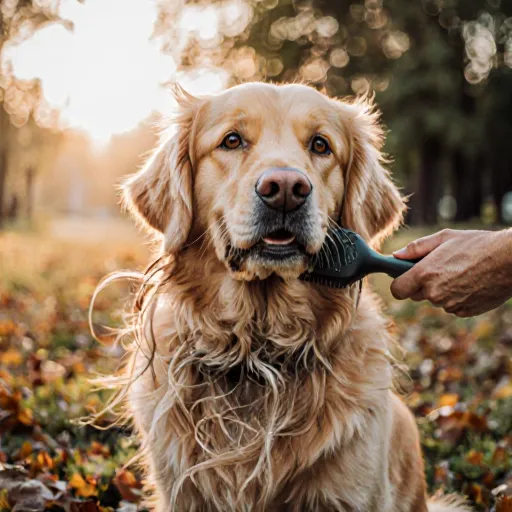
Tame the Tangle—Quick Fixes for Long‑Haired Pups
How to Remove Tangles from Long-Haired Dogs
Table of Contents
- Introduction
- Understanding Long-Haired Dogs
- Common Tangles and Issues
- Preparation Needed Before Grooming
- Choosing the Right Tools
- Step 1: Gentle Brushing
- Step 2: Using a Damp Cloth or Spray
- Step 3: Trimming Small Sections
- Step 4: Using a Detangling Spray or Conditioner
- Step 5: Maintaining Uniform Length
- Preventing Future Tangles
- Special Considerations for Sensitive Breeds
- When to Seek Professional Help
- Conclusion
- FAQ
Introduction
How to Remove Tangles from Long‑Haired Dogs
If your dog has a coat that falls in waves or curls, you’ll quickly discover that tangles are almost inevitable. Whether it’s a long‑haired terrier, a silky Afghan Hound, or a plush Poodle, a tangled mane can lead to matting, skin irritation, and discomfort for both pet and owner. Below is an in‑depth guide that covers the reasons behind tangling, step‑by‑step grooming techniques, tools you’ll need, and preventative habits that keep your dog’s coat looking healthy.
- Natural oil distribution: The natural oils (sebum) produced by the skin travel from the base to the tip of each hair strand. When these oils accumulate on the outer layer, they create a slick surface that encourages strands to stick together.
- Environmental exposure: Wind, dust, pollen, and even moisture can cause individual hairs to clump. Dogs that spend time outdoors or in humid climates are especially prone to matting.
- Movement and friction: Daily activities—running, playing, and even resting against furniture—generate friction that can weave strands together.
- Gather the right tools:
- A wide‑toothed comb (e.g., detangling or slicker brush)
- A slicker brush for smoothing and removing loose hair
- Dog shampoo and conditioner formulated for long coats
- A towel or pet drying sheet
- Optional: a spray bottle filled with lukewarm water
- Pre‑coat preparation:
Before you begin combing, give your dog a gentle bath using a mild shampoo. Rinse thoroughly and apply conditioner to help soften the coat. After rinsing, pat the coat dry with a towel but leave it slightly damp—this moisture helps reduce static.
- Start from the tips:
Hold a small section of hair in your hand and gently comb from the tip toward the root. Working from the ends minimizes breakage because the hair is already weakened by tangling. If you encounter a knot, use your fingers to tease it apart before applying the comb.
- Use a detangling spray:
If knots are stubborn, lightly mist the area with a pet‑safe detangler or a homemade mixture (1 part water to 1 part apple cider vinegar). This reduces friction and allows the comb to glide more smoothly.
- Proceed to larger sections:
Once you’ve freed a section, move up to a slightly larger portion. Repeat the tip‑to‑root technique, maintaining a gentle, steady rhythm. Avoid pulling forcefully; if resistance increases, backtrack and re‑apply detangler.
- Finish with a slicker brush:
After all tangles are removed, run the slicker brush through the entire coat to smooth the hair and remove any loose fibers. This also helps distribute natural oils evenly.
- Dry and secure:
Let your dog air‑dry or use a low‑heat setting on a blow dryer (if your pet tolerates it). As the coat dries, continue to comb lightly to prevent new tangles from forming.
- Daily brushing: Even a quick pass with a slicker brush each day can keep hair separated and reduce the buildup that leads to mats.
- Use a leave‑in conditioner spray: After baths, apply a light mist of leave‑in conditioner. This not only softens the coat but also creates a protective barrier against tangles.
- Trim strategic areas: For breeds prone to matting (e.g., Poodles), consider trimming the hair around the ears, paws, and underbelly. Shorter lengths are less likely to snag.
- Inspect for mats regularly: Spot‑check your dog’s coat weekly. Early detection of small knots prevents them from turning into deep mats that require professional removal.
- Choose the right diet: A balanced, omega‑rich diet promotes healthy skin and hair. Supplements such as fish oil can improve coat shine and reduce dryness.
If tangles have progressed into deep mats or if you notice redness, sores, or persistent itching, it’s time to call a groomer. Professional groomers have specialized tools—such as dematting combs and clippers—to safely remove heavy mats without harming the skin.
Removing tangles from long‑haired dogs is all about patience, proper technique, and consistent care. By understanding why mats form and following a systematic approach to detangling, you can keep your dog’s coat healthy, shiny, and free of discomfort.
Understanding Long-Haired Dogs
Long‑haired breeds—such as the Shih‑Tzu, Afghan Hound, or Bichon Frise—require extra care when it comes to grooming. Tangled coats can lead to matting, skin irritation, and discomfort for your pet. Below is a step‑by‑step guide that explains why tangles form, how to prevent them, and the best techniques for safely detangling your dog’s coat.
1. Why Do Long‑Haired Dogs Tangle?
- Shedding cycles: During shedding season, loose hair mixes with new growth, creating dense clumps that are easy to mat.
- Movement & activity: A dog that runs, jumps, or rolls in the grass can get its fur tangled around itself.
- Lack of regular brushing: Without consistent detangling, loose strands accumulate and form mats.
2. Prevention is Key
- Daily brushing: Use a slicker brush or a wide‑toothed comb to gently work through the coat every day. Start from the tail and move toward the head, following the natural direction of hair growth.
- Wet brushes for heavy mats: If your dog’s coat is extremely tangled, lightly mist it with water or a detangling spray before brushing to reduce resistance.
- Regular baths: Bathing 4–6 times per month (or as recommended by your groomer) keeps the fur clean and less prone to matting. Use a dog‑safe conditioner that adds slip for easier brushing.
3. Step‑by‑Step Detangling Procedure
- Gather tools:
- Slicker brush or wide‑toothed comb
- Detangling spray or a homemade mix (1 part water + 1 part baby shampoo)
- Scissors with rounded tips for emergency mat removal
- Towel and a calm environment
- Set the scene:
Place your dog on a stable surface—preferably a non‑slippery rug. Keep treats handy to reward cooperation.
- Apply detangling spray:
Lightly mist the area with the mat, focusing on the tightest sections. Let it sit for 30 seconds so the hair loosens.
- Begin brushing gently:
- Start from the tail or hindquarters and work your way forward. This reduces the risk of pulling on a mat that could hurt the dog.
- If you encounter resistance, pause and apply more spray before proceeding.
- Use scissors only as a last resort:
For mats that cannot be brushed out, carefully cut them away. Avoid cutting too close to the skin—use rounded‑tip scissors and cut at least 1–2 mm from the base.
- Finish with a dry brush:
Once all tangles are removed, use a dry slicker brush to smooth the coat and remove any loose hair. This also gives you an opportunity to check for hidden mats or skin issues.
4. Common Mistakes to Avoid
- Pulling too hard: This can cause pain and even hair loss.
- Using the wrong brush: A fine‑toothed comb on a dense coat will create more tangles.
- Skipping regular grooming: Even a quick 5‑minute daily brush prevents mat formation.
5. When to Seek Professional Help
If mats are severe, extend deep into the skin, or if you notice redness and swelling, contact your veterinarian or a certified groomer. In some cases, excessive matting can be a sign of underlying health issues such as allergies or hormonal imbalances.
6. Practical Tips for Busy Owners
- Schedule short grooming sessions: Even 10 minutes daily can make a big difference.
- Use a detangling spray after walks: If your dog rolls in grass, a quick mist can prevent mats from forming overnight.
- Incorporate treats and praise: Positive reinforcement turns grooming into a bonding experience rather than a chore.
By understanding the causes of tangles and applying consistent preventive care, you’ll keep your long‑haired companion healthy, happy, and mat‑free. Happy grooming!
Common Tangles and Issues
Long‑haired breeds such as the Labrador Retriever, Golden Retriever, Shih‑Tzu, and many terriers are prone to a variety of tangles and matting problems. Below is a comprehensive look at the most frequent issues, why they occur, and how you can prevent or resolve them.
1. Skin‑to‑Skin Matting (Undercoat Mating)
This occurs when the fine undercoat fibers become compressed against the skin, forming tight knots that are almost impossible to untangle without cutting. Common in breeds with a dense double coat like Poodle or Shih‑Tzu.
- Prevention: Brush daily and use a slicker brush after baths.
- Removal: Use a mat splitter or a comb with wide teeth. Work slowly from the ends toward the root, holding the hair to avoid pulling skin.
2. Long‑Hair Intertwining (Between Strands)
Long strands can easily wrap around each other, especially after swimming in chlorinated or salty water.
- Prevention: Rinse thoroughly after every swim; use a detangling spray designed for dogs.
- Removal: Section the coat and comb each section with a wide‑toothed comb. For stubborn tangles, apply a small amount of pet‑safe conditioner and gently work it through.
3. Overgrowth Near the Ears (Ear Matting)
Ears are a prime spot for matting because they naturally produce excess oil and there is less airflow.
- Prevention: Trim the hair around ears every 4–6 weeks with clippers set to a safe guard length.
- Removal: Use a small pair of scissors or an ear mat removal tool. Gently lift the hair and cut any tight knots, being careful not to injure the skin.
4. Tangled Paws (Paw Matting)
Long hair can accumulate dirt and debris between paw pads, leading to mats that may cause discomfort or infection.
- Prevention: Keep paws clean by wiping them after walks on dusty or muddy terrain.
- Removal: Use a soft brush or a comb specifically designed for paw matting. If the mat is dense, use a pet‑safe detangler spray and gently tease it apart with fingers.
5. Hair Around the Neck (Neck Matting)
Neck mats are common in breeds like Shih‑Tzu, Pekingese, and Labrador Retrievers. They can restrict breathing or cause skin irritation.
- Prevention: Regularly comb the neck area; consider trimming long hair that tends to clump.
- Removal: Use a small, fine‑toothed comb. Work from the base outward, pulling gently and applying detangler if needed.
6. Seasonal Tangles (Winter vs. Summer)
Coats shed differently in various seasons, leading to sudden tangles when the coat changes thickness.
- Prevention: Increase brushing frequency during shedding periods. Use a de‑shedding tool such as a Terrific Tangle Remover.
- Removal: During heavy shedding, use a slicker brush to remove loose hair before tangles form.
Practical Tips for All Owners
- Choose the Right Tools: Invest in a high‑quality slicker brush, wide‑toothed comb, and a mat splitter. Avoid using human hairbrushes which can damage fur.
- Set a Routine: Brush your dog at least twice a week; more often if they have long or thick coats.
- Use Detanglers Wisely: Apply pet‑safe detangler sprays to make combing easier. Avoid over‑applying as this can leave residue that attracts dirt.
- Seek Professional Help: If mats are severe or you’re unsure how to proceed, take your dog to a groomer experienced with long‑haired breeds.
By understanding these common tangles and following the preventative measures above, you can keep your long‑haired companion’s coat healthy, shiny, and free from painful mats.
Preparation Needed Before Grooming
Preparation Needed Before Grooming
Before you even pick up a brush, there are several essential steps to take that will make the entire de‑tangling process smoother and more effective. Skipping these preparatory tasks can lead to frustration for both you and your pup, increased shedding, or even skin irritation.
1. Choose the Right Time of Day
- Cool Hours: Long‑haired dogs are most comfortable when grooming is done during cooler parts of the day—early morning or late evening—to avoid heat stress and excessive panting.
- After a Walk: A gentle walk can help loosen any mild mats and reduce tension in the coat, making brushing easier.
2. Gather All Necessary Tools
A well‑equipped grooming station saves time and prevents accidental scratches or pulls on the dog’s skin.
- Wide‑toothed comb: Ideal for initial detangling without causing pain.
- Detangling spray or conditioner: Lightly misted to reduce friction during brushing.
- Soft brush or slicker brush: For finishing the coat after you’ve freed all tangles.
- Tangle‑removal sprays (optional): Products like “Slicker Detangler” or homemade apple cider vinegar solutions can help break up stubborn mats.
- Dog shampoo and conditioner: Use a gentle formula to keep the skin healthy after brushing.
- Towels and a drying fan or blow dryer (low heat): For quick, safe drying between sessions.
3. Create a Calm Environment
The mental state of your dog can drastically affect how smoothly grooming goes.
- Quiet space: Choose a room with minimal noise and distractions.
- Comfort items: A familiar blanket or toy near the grooming area can provide reassurance.
- Positive reinforcement: Keep treats, praise, and calm voice ready to reward cooperation.
4. Inspect the Coat for Existing Mats and Tangles
Before you start brushing, carefully look for any dense mats or clumps that might be hidden under loose fur.
- Use a flashlight: Shine light from various angles to spot dark spots where tangles often hide.
- Check high‑stress areas: Behind ears, around the neck, and along the back are common sites for mat formation.
- Mark problematic zones: With a gentle touch or a small piece of masking tape, indicate spots that need extra attention during grooming.
5. Pre‑Wash Your Dog (If Necessary)
A light pre‑wash can loosen mats and reduce shedding before you start combing.
- Use lukewarm water: Hot water can irritate sensitive skin.
- Gentle shampoo application: Focus on the mat areas, rinse thoroughly to avoid residue buildup that attracts dirt.
6. Dry Thoroughly but Not Completely
A slightly damp coat is easier to comb through than a dry one, yet you don’t want it soaking wet.
- Towel dry: Pat gently; avoid vigorous rubbing that can cause friction burns.
- Low‑heat blow dryer: If using a dryer, keep the nozzle at least 12 inches away and use the lowest heat setting.
7. Plan Your Grooming Routine
A structured approach reduces stress for you and your dog.
- Start with the fur: Use a wide‑toothed comb to gently detangle loose strands first.
- Progress to problem areas: Apply detangling spray, then work through mats with short, careful strokes.
- Finish with a slicker brush: Remove any remaining loose hair and give the coat a polished look.
8. Keep Safety in Mind
- Check your tools: Ensure comb teeth are not broken or sharp; replace if necessary.
- Watch for skin irritation: If you notice redness, swelling, or a rash after brushing, stop immediately and consult a vet.
- Use treats strategically: Give them after each successful section to reinforce positive behavior.
By following these preparation steps, you’ll set the stage for an efficient, pain‑free grooming session that keeps your long‑haired dog healthy and happy. The key is patience—take your time, work in small sections, and celebrate every tangle-free moment with a treat or a gentle pet.
Choosing the Right Tools
When it comes to detangling long‑haired dogs, having the right equipment can make all the difference between a stressful session and a smooth, enjoyable grooming experience. Below is a comprehensive guide to selecting tools that suit your dog’s coat type, size, and personality.
1. Brushes
- Wide‑tooth combs: Ideal for initial detangling of large mats. Look for durable nylon teeth spaced about 5 mm apart to avoid pulling on the hair.
- Pin brushes: Great for finer coats and for reaching under the skin after the wide‑tooth comb has loosened tangles.
- Fur brushes (e.g., boar bristle): Distribute natural oils and are gentle on sensitive skin. Best used after detangling to smooth the coat.
2. Detangling Tools
- Detangling spray: A water‑based solution with a mild surfactant that reduces friction. Test on a small area first to ensure no allergic reaction.
- Leave‑in conditioners or detanglers: Provide slip and help prevent re‑tangling during the grooming session.
3. Grooming Gloves
Gloves with silicone bristles let you comb through mats without pulling. They’re especially useful for dogs that become nervous around traditional brushes.
4. Scissors and Trimmers
- Scissor‑type trimmers: For cutting away large, stubborn mats after they’ve been loosened.
- Hair clippers with adjustable guard lengths: Useful for trimming the surrounding coat to prevent new tangles from forming.
5. Safety and Comfort Aids
- Grooming table or padded mat: Keeps your dog steady and reduces slipping during detangling.
- Calming spray or pheromone diffuser: Helps keep the dog relaxed, making the process smoother.
Practical Tips for Tool Selection
- Match tool size to your dog’s body: A wide‑tooth comb that works on a Great Dane may be too large for a terrier. Check the manufacturer’s recommended weight range.
- Check for hypoallergenic materials: Dogs with sensitive skin should use tools made from non‑metallic, BPA‑free components.
- Keep tools clean: Rinse brushes after each use to prevent build‑up of oils and detangling solutions, which can cause matting.
Example Tool Set for a Medium‑Sized Long‑Haired Dog
| Tool | Purpose | Recommended Brand/Model |
|---|---|---|
| Wide‑tooth comb (25 mm teeth) | Initial mat removal | Furminator 2.0 |
| Pin brush (small head) | Fine detangling and smoothing | Hertz Grooming Pin Brush |
| Detangling spray | Reduce friction, add slip | Ruff Rinse Detangler |
| Grooming gloves (silicone bristles) | Gentle mat removal for nervous dogs | Pawfect Pets Grooming Gloves |
| Scissor‑type trimmer | Trim stubborn mats after loosening | Hertz Trimming Scissors |
Choosing the right tools is a foundational step in any detangling routine. With the proper equipment, you’ll reduce stress for both you and your dog, making grooming a positive experience that encourages regular maintenance and keeps those beautiful long coats free of tangles.
Step 1: Gentle Brushing
The first line of defense against tangles is a consistent, gentle brushing routine. Long‑haired dogs are prone to mats and knots because their coats have more surface area to catch debris, sweat, and shed hair. By brushing regularly you break up these clumps before they tighten into painful mats.
Choosing the Right Brush
- Slicker brush: Ideal for most long‑haired breeds. The fine metal teeth glide through loose hair and gently detangle knots without pulling on the skin.
- Wide‑tooth comb: Use this for deeper mats that a slicker can’t reach. Start at the ends of the fur and work your way toward the body, easing the tension with light pressure.
- Detangling spray or leave‑in conditioner: Spray lightly before brushing to reduce friction and make hair easier to comb through.
Brushing Technique
- Start at the tail end: This is usually the first place tangles form. Gently work your way up toward the body, using short, light strokes.
- Use a comb for stubborn knots: If you encounter a knot that won’t budge with a slicker brush, switch to a wide‑tooth comb and apply gentle pressure while pulling in the direction of hair growth.
- Stay patient: Never yank or pull. If a knot is particularly tight, pause and consider trimming it (see Step 3) rather than forcing it apart.
Practical Tips for Busy Owners
- Set a daily routine: Even a five‑minute brushing session can prevent mats from forming. Make it part of the morning or bedtime ritual.
- Use treats to create positive associations: Reward your dog with a small treat after each successful brush to reinforce calm behavior.
- Keep brushes clean: Rinse your slicker brush after each use. Residual hair and oils can increase tangling.
Common Mistakes to Avoid
- Brushing in the wrong direction: always comb from the tail toward the head or along the natural flow of hair.
- Using a brush with too many teeth: overly aggressive brushes can pull on skin and cause irritation.
- Neglecting to treat mats early: once a mat is fully formed, it often requires cutting rather than brushing alone.
By mastering gentle brushing, you’ll maintain a healthy coat, reduce the risk of painful mats, and strengthen your bond with your long‑haired companion. In the next step we’ll explore how to safely trim any stubborn tangles that resist even the best brush.
Step 2: Using a Damp Cloth or Spray
Once you’ve detangled the bulk of your dog’s coat, it’s time to smooth out the remaining fine tangles and give the hair a healthy shine. A damp cloth or gentle spray is an inexpensive, low‑stress way to finish the grooming process without pulling on delicate strands.
Why Damp Works Best
- Reduces friction: Wetting the fur lowers static and makes it easier for combs or brushes to glide through.
- Softens hair cuticles: Moisture relaxes the outer layer of each strand, preventing snagging.
- Calms skin: A cool damp cloth can soothe irritated areas that may have been exposed during detangling.
Choosing the Right Cloth or Spray
For most breeds, a simple microfiber towel works wonders. If you prefer a spray, opt for a dog‑safe, fragrance‑free dampening mist. Avoid human shampoos or conditioners unless they’re specifically labeled for canine use.
Materials to Use
- Microfiber towel: Absorbent and gentle on fur.
- Spray bottle with water (or a commercial dog mist): Fill the bottle with lukewarm tap water or a 1:1 mix of water and a few drops of hypoallergenic pet shampoo.
Step‑by‑Step Application
- Prepare the dog: After detangling, place your pup on a stable surface (e.g., a grooming table or a non‑slip mat). Keep them calm with soothing tones.
- Apply moisture:
- If using a towel, dampen it lightly and wring out excess water. Pat the coat gently—avoid rubbing hard, which can create new tangles.
- If using a spray, hold the bottle 6–8 inches from the fur and mist evenly until the hair feels slightly damp but not soaking wet.
- Work in sections: Starting at the head, move to the chest, then the back and legs. Use a wide‑toothed comb or a slicker brush, starting from the tips and working toward the roots.
- Finish with a dry brush: Once all tangles are gone, lightly brush the coat again using a dry brush to remove any remaining moisture and enhance shine.
Practical Tips for Specific Breeds
- Long‑haired breeds (e.g., Shih Tzu, Lhasa Apso):** Use a 2–inch wide comb to avoid snagging the longer hair strands.
- Coats with heavy underlayers (e.g., German Shepherd, Rottweiler):** Apply a light mist of water and let the natural oils distribute evenly before brushing.
- Sensitive skin breeds (e.g., Bichon Frise):** Use an extra‑gentle spray and avoid any scented products that could irritate their skin.
Safety & Hygiene
Always rinse your cloth or spray bottle after each use to prevent bacterial growth. If you’re using a homemade mist, sterilize the bottle with a mild bleach solution (1 tablespoon per gallon of water) and rinse thoroughly before refilling.
Common Mistakes to Avoid
- Over‑wetting: Excess moisture can lead to mildew or skin infections. Aim for damp, not drenched.
- Rushing the process: Taking too long between each section can cause new tangles. Keep a steady rhythm.
- Using harsh chemicals: Products containing alcohol or strong fragrances may dry out your dog’s coat and skin.
By following these steps, you’ll leave your dog with a smooth, tangle‑free coat that feels great to touch and looks healthy. The damp cloth or spray not only detangles but also provides an extra layer of comfort for your furry friend.
Step 3: Trimming Small Sections
After you’ve carefully combed out the tangles and loosened any knots, it’s time to trim small sections of hair that still feel stiff or matted. This approach keeps your dog’s coat looking neat without cutting away too much length or causing discomfort.
Why Trim Small Sections?
- Precision: You can target only the problematic areas, leaving the rest of the coat intact.
- Safety: Trimming a few inches at a time reduces the risk of accidental nicking or cutting near sensitive skin.
- Comfort: Removing excess bulk helps prevent heat buildup and irritation in hot weather.
Tools You’ll Need
- A pair of sharp, dog‑safe scissors or a grooming shears set with adjustable blades.
- A comb or slicker brush for re‑detangling after trimming.
- Optional: A clipper with a guard if you prefer a more uniform cut over larger areas.
Step‑by‑Step Guide
- Locate the Tangle: Feel along the coat for any tight or stiff sections. These often appear around the ears, shoulders, and tail base.
- Pull Gently: Use your fingers to stretch the hair away from the skin. If it resists, re‑comb until you can see a clear path.
- Trim Small Pieces: Hold the hair between thumb and forefinger. Cut only the part that’s still tangled or matted—usually no more than 1–2 cm (½ inch). Remember: you’re trimming, not shaving.
- Check for Smoothness: Run your hand over the area to feel if it’s now soft and flowing. If it’s still stiff, repeat the process on a new small section.
- Re‑Comb: Once you’ve trimmed all problematic spots, comb through the entire coat again to ensure uniformity.
Practical Tips
- Use a well‑lit area so you can see where you’re cutting. A handheld mirror works great for back and tail areas.
- If your dog is nervous, trim in short bursts of 2–3 minutes and give treats afterward to keep the experience positive.
- Keep scissors clean and sharp; dull blades require more force, increasing the chance of accidental cuts.
- For extremely long or coarse coats, consider trimming a slightly larger section (up to 4 cm) if it reduces bulk without compromising length.
Real‑World Example
Case Study – Bella the Shih Tzu: Bella had dense mats around her ears and a thick patch on her neck. After combing out loose strands, the groomer trimmed 1 cm off each mat, then brushed again. The result was a silky coat that no longer pulled against her skin, and Bella’s ear infections resolved after the session.
When to Seek Professional Help
- If mats are deep and embedded in the hair shaft.
- When tangles reach sensitive areas like under the ears or around the eyes.
- If you’re unsure about trimming techniques or lack confidence with scissors.
Remember, the goal is to maintain a healthy, comfortable coat while preserving your dog’s natural length. By trimming small sections carefully and consistently, you’ll keep those tangles at bay for longer periods.
Step 4: Using a Detangling Spray or Conditioner
When dealing with long‑haired dogs, the key to a smooth detangle is moisture. A good detangling spray or leave‑in conditioner breaks down the natural oils that create friction between hair strands, making it easier for your brush or comb to glide through without pulling. Below we outline how to choose the right product, apply it effectively, and integrate it into a routine that keeps your pup’s coat healthy and tangle‑free.
Choosing the Right Product
- Pet‑specific vs. Human hair products: Opt for a detangler formulated for dogs if possible—these often contain ingredients safe for sensitive skin (e.g., aloe vera, chamomile). If you’re using a human product, choose one that’s fragrance‑free and free of alcohol.
- Ingredients to look for: Silicone‑based moisturizers like dimethicone help coat each strand, while natural oils such as coconut or jojoba provide deep hydration. Glycerin is another excellent humectant that attracts moisture from the air.
- Texture matters: For thicker coats, a heavier leave‑in conditioner can offer extra slip; for finer coats, a lightweight spray works best to avoid weighing hair down.
How to Apply Detangler Effectively
- Start with clean, damp fur: Wash your dog with a mild shampoo and rinse thoroughly. Towel‑dry until the coat is damp but not dripping.
- Section the hair: Divide the coat into manageable sections—typically four quadrants (front left/right, back left/right). This prevents the product from pooling in one area and ensures even coverage.
- Spray or apply evenly: Hold the bottle about 6–8 inches away from the fur. For sprays, aim at the mid‑length of each section; for conditioners, use a small amount on your palms and rub between fingers before applying to the hair.
- Work it in with fingertips: Gently massage the detangler into the coat using a back‑to‑front motion. This helps distribute moisture along the shaft and reduces the chance of creating new tangles.
- Let it sit briefly: Allow the product to settle for 1–2 minutes before brushing. This gives time for the silicone or oils to coat each strand, improving slip.
Brushing Techniques After Detangling
- Use a wide‑toothed comb first: Begin at the ends and gradually work your way up. This removes loose tangles without pulling on the base of hair follicles.
- Switch to a slick brush or slicker for final pass: These brushes have smooth plastic bristles that glide through the coat, minimizing friction.
- When you encounter stubborn knots, apply a tiny amount more detangler directly onto the knot and work it gently with your fingers before re‑brushing.
Integrating Detangling Into Your Routine
Consistency is key. For dogs with long, thick coats, aim for a detangling session at least once a week—more often if the fur is prone to matting (e.g., during shedding seasons). Combine this step with regular grooming sessions: brushing, trimming split ends, and occasional baths keep the coat healthy and reduce tangles naturally.
Practical Tips & Common Mistakes
- Don’t over‑apply: Excess product can weigh hair down and attract dirt. A light mist or a small amount of conditioner is usually enough.
- Avoid the eyes and ears: Even mild detergents can irritate sensitive areas. Keep the spray directed away from these zones.
- Use lukewarm water when rinsing: Hot water can strip natural oils, counteracting the benefits of your detangler.
- Test for allergies: Before using a new product on the whole coat, spot‑test a small area to ensure no adverse reaction.
By following these steps and choosing the right detangling spray or conditioner, you’ll make brushing your long‑haired dog a quick, painless routine that keeps their coat silky, shiny, and tangle‑free.
Step 5: Maintaining Uniform Length
Keeping your dog’s coat uniformly trimmed is essential for both appearance and health. A consistent length helps prevent matting, makes grooming easier, and ensures that any protective coating stays intact. Below are practical techniques to maintain a uniform cut across your long-haired dog.
1. Use the Right Tools
- Adjustable Clippers: Opt for clippers with adjustable guard lengths. Start with a longer guard and work downwards until you reach the desired uniform length.
- Manual Trimmers: For precise edge work, especially around ears or paws, use manual trimmers to keep the line clean without cutting into the hair.
- Comb & Brush Combo: A slicker brush followed by a wide-toothed comb helps straighten the coat before trimming, ensuring even coverage.
2. Follow a Consistent Pattern
Adopt a “top‑to‑bottom” approach: start at the head and work toward the tail. This reduces the chance of uneven lengths caused by working in reverse order.
- Head & Neck: Trim the hair around the muzzle, ears, and neck first; these areas are most visible.
- Back & Shoulders: Move to the back, keeping guard length consistent. Use a slower clipper speed for thicker sections.
- Legs & Paws: Trim the legs last, ensuring that the hair around the paws is even and not too long to avoid slipping.
3. Check for Tangles After Each Section
After trimming a section, comb through it with a detangling brush. This reveals any uneven spots early on, saving time and preventing future mats.
4. Use Reference Points
- Body Markers: Place small, temporary markers (e.g., a strip of tape) on the dog’s back to guide your hand when trimming large areas.
- Mirror Checks: If possible, use a handheld mirror to inspect hard‑to‑see spots like the hindquarters and tail base.
5. Maintain the Same Guard Length Throughout
A common mistake is switching guard lengths mid‑session. Stick with one guard length for the entire body unless you’re intentionally creating a gradient effect. If you need a gradient, plan it in advance and use distinct guards.
6. Post‑Trim Care
- Brushing: Brush your dog’s coat at least twice a week to keep the hair aligned and prevent tangles from forming again.
- Conditioning Spray: Apply a light conditioning spray after brushing; this smooths the cuticle, making future trims easier.
- Regular Check‑Ins: Schedule monthly grooming sessions to keep length uniform and catch any new tangles early.
Practical Example: The “One‑Pass” Technique
For dogs with medium to long hair, the one‑pass technique works well. Set your clippers on a guard that matches the desired final length (e.g., #2). Starting at the head, make a single, smooth pass across each body section, maintaining even pressure. Finish by combing through the entire coat to ensure uniformity. This method reduces the number of passes needed and keeps the cut neat.
Common Pitfalls & How to Avoid Them
- Over‑trimming: Always trim a little less than you think is necessary; you can always go back but not add hair back.
- Uneven Guard Placement: Use a ruler or a measuring tape to keep guard placement consistent, especially on larger dogs.
- Ignoring Body Curves: Dogs have natural curves—trim along these lines rather than straight across to maintain shape and avoid unevenness.
By following these steps, you’ll ensure your dog’s coat stays uniformly trimmed, tangle‑free, and healthy. Consistency is key—regular maintenance not only keeps the look pristine but also promotes a comfortable, itch‑free life for your long‑haired companion.
Preventing Future Tangles
Once you’ve successfully untangled your long‑haired dog’s coat, the next step is to keep those knots from reappearing. Below are practical strategies that blend routine care with a few lifestyle tweaks to maintain silky, knot‑free fur.
1. Establish a Consistent Brushing Routine
- Daily Light Comb: Even a quick pass with a slicker brush each day can dislodge loose strands before they become tangled.
- Weekly Deep Brush: Schedule a longer session (15–20 minutes) once or twice a week. Use a wide‑toothed comb to gently work through any developing mats, especially around ears, neck, and tail.
2. Choose the Right Tools
Not all brushes are created equal. For long‑haired breeds like Shih Tzus or Afghan Hounds, consider:
- Slicker Brush: Removes loose hair and detangles without pulling.
- Wide‑toothed Comb: Ideal for working through thicker mats with minimal discomfort.
- Detangling Spray or Leave‑in Conditioner: Lightly misted before brushing can reduce friction, making knots easier to slide apart.
3. Trim Strategically
Regular trims can keep hair length manageable and prevent heavy mats from forming.
- Coat Length: Keep the fur at a moderate length—long enough to look good but short enough that it doesn’t clump together.
- Trim Around Sensitive Areas: Focus on ears, underbelly, and tail where mats tend to form quickly.
4. Manage Your Dog’s Lifestyle
Environmental factors can accelerate matting. Here are some adjustments that help:
- Exercise Schedule: Dogs that spend long periods in the yard or on rough surfaces (e.g., sandy beaches) should have their coats checked more often.
- Bathing Frequency: Over‑washing can strip natural oils, making hair dry and brittle. Aim for a bath every 4–6 weeks unless your dog is particularly dirty.
- Nutrition: A balanced diet rich in omega‑3 and omega‑6 fatty acids supports healthy skin and coat, reducing static that attracts tangles.
5. Use Protective Gear During Outdoor Activities
If your dog loves hiking or beach trips, consider a protective collar or sleeve to shield the fur from friction with rocks, sand, or rough vegetation.
6. Monitor and Address Early Signs of Matting
Keep an eye out for:
- Small clumps that feel stiff or painful when touched.
- Areas where the skin looks irritated or inflamed.
- Hair that feels “heavy” or tangled when you run a hand through it.
Addressing these early can prevent full‑blown mats, making future grooming sessions quicker and less stressful for both of you.
7. Educate Your Household
If you live with family or friends who may handle your dog’s coat, give them a quick rundown:
- Never pull on mats—use a comb first to loosen strands.
- Look for signs of discomfort and stop if the dog shows distress.
- Use gentle, even strokes rather than fast scrubbing.
8. Professional Grooming as Needed
Even with diligent at‑home care, some breeds benefit from periodic visits to a groomer—especially those with very long or thick coats (e.g., Bichon Frise). A professional can give a thorough mat removal and trim while using techniques that protect the skin.
9. Keep Calm During Grooming
A relaxed dog is less likely to pull, which makes brushing smoother and reduces the chance of accidental tangles forming during the session.
10. Create a “Grooming Checklist”
Print or save a simple list that covers:
- Brush type & frequency
- Trim schedule
- Bathing interval
- Dietary notes
- Signs to watch for
Having a quick reference keeps you consistent and helps catch potential issues before they become major problems.
By integrating these habits into your routine, you’ll keep your long‑haired dog’s coat smooth, healthy, and free from frustrating tangles—so you both can enjoy more time playing and less time dealing with knots.
Special Considerations for Sensitive Breeds
If your long‑haired dog belongs to a breed known for its delicate skin or heightened sensitivity—such as the Poodle, Australian Shepherd, Labradoodle, or Shih‑Tzu—you’ll want to take extra care when removing tangles. These breeds often have fine, silky coats that can become easily irritated if handled too aggressively.
1. Use Gentle Detangling Tools
- Wide‑toothed combs: Ideal for loosening knots without pulling on the hair shafts. Choose a comb with soft, rounded teeth that glide through fur rather than snagging.
- Detangling spray or leave‑in conditioner: Lightly mist your dog’s coat before brushing to reduce friction and provide slip. Look for products free of harsh chemicals (no sulfates, parabens, or alcohol).
2. Work in Small Sections
Instead of tackling the entire body at once, divide the coat into manageable zones—head, ears, torso, legs, and tail. This approach allows you to focus on each area without rushing, reducing the risk of accidentally pulling a sensitive patch.
3. Patience Over Speed
Long‑haired breeds with fine coats often take longer to detangle. Avoid the temptation to hurry; instead, spend a few extra minutes gently working out each knot. If you feel resistance or notice your dog pulling back, pause and reapply a light coating of detangler before proceeding.
4. Keep an Eye on Skin Health
- Look for redness or irritation: Sensitive breeds may develop hot spots or skin inflammation if their coat is repeatedly tugged. If you spot any changes, consult your vet before continuing the grooming routine.
- Trim undercoat sparingly: Some sensitive breeds have a two‑layer coat (outer and undercoat). Trimming too much of the undercoat can expose fragile skin to sun or environmental irritants. Trim only when necessary and keep it minimal.
5. Post‑Grooming Care
After you’ve successfully removed tangles, give your dog a quick rinse with lukewarm water (if they’re comfortable) to remove any leftover detangling product. Follow up with a gentle pat‑dry and a light coat of natural oil—such as argan or jojoba—to nourish the hair shaft and maintain shine.
Practical Example: Detangling a Poodle’s Coat
- Prep: Shake out excess moisture, apply a light detangler to the back of the ears and neck.
- Sectioning: Divide the coat into three zones: head & ears, torso, and legs.
- Comb slowly: Start at the base of each zone with a wide‑toothed comb. Move upward in gentle strokes, working through any knots you find.
- Check skin: After each section, run your fingers over the skin to ensure no irritation has occurred.
- Finish: Once all zones are tangle‑free, give a final brushing with a slicker comb for smoothness and apply a small amount of natural oil.
By following these tailored steps, you’ll keep your sensitive long‑haired dog’s coat healthy, free of tangles, and their skin comfortable—all while maintaining that gorgeous, silky look.
When to Seek Professional Help
While many dog owners can manage tangles and mats at home, there are situations where a professional groomer or veterinarian is the safest option. Below are clear indicators that you should call in an expert.
- Deep Matting: Mats that extend deep into the hair shaft or reach the skin can be painful and difficult to untangle without causing injury.
- Skin Irritation or Infection: If you notice redness, itching, sores, or a foul odor around matted areas, professional removal is recommended to prevent further damage.
- Poor Condition of Tools: Using dull scissors or ineffective combs can worsen tangles. A groomer has the right tools and techniques.
- Large or Aggressive Dogs: Some breeds are large, heavy, or have a tendency to pull when being handled. A professional can safely restrain them without stressing your pet.
- Repeated Tangles Despite Care: If tangles recur despite regular brushing and proper diet, a groomer can assess underlying issues such as shedding patterns or coat quality.
Practical Steps to Take Before Calling a Professional
- Inspect the Tangle: Look for signs of skin contact, thick mats, or hair that feels hard and tangled. If it’s loose enough to work with, you can try a gentle home method.
- Check Your Tools: Use a slicker brush or detangling comb rated for long-haired breeds. Avoid using straight combs on wet fur; they tend to pull more than smooth out tangles.
- Ask the Vet for Guidance: If you’re unsure whether the mat is painful, a quick phone call can save time and prevent unnecessary stress for your dog.
What to Expect from a Professional Groomer
A seasoned groomer will typically:
- Use specialized tools such as dematting scissors, detangling sprays, and high-quality brushes.
- Work slowly, often with the dog lying on a padded surface to reduce pressure points.
- Check for skin health throughout the process, stopping if any irritation is detected.
- Provide post-matting care instructions, including how to maintain coat health and prevent future tangles.
Cost Considerations
While professional grooming can be an investment, the cost often reflects the time and skill required. Many groomers offer a “mat removal” package that includes a quick consultation, thorough detangling, and a coat conditioning treatment.
Remember, the goal is to keep your dog comfortable and healthy. If at any point you feel uncertain or notice signs of distress, don’t hesitate—call a professional groomer or your veterinarian for advice.
Conclusion
Long‑haired breeds—such as the Shih Tzu, Maltese, Afghan Hound, or Bichon Frise—are known for their luxurious coats, but that beauty can also bring a common problem: tangles and mats. Untangling these knots not only keeps your dog looking great but also protects skin health, reduces shedding, and improves overall comfort.
1. Understanding the Root Causes
- Shedding cycles: During heavy shedding periods, loose hair can accumulate between strands, creating a base for tangles.
- Environmental factors: Wind, rain, or outdoor play can pull hair in different directions.
- Improper grooming: Skipping regular brushing or using the wrong brush type accelerates knot formation.
2. Tools You’ll Need
- A wide‑toothed detangling comb—ideal for initial loosening without pulling.
- An anti‑static spray or leave‑in conditioner to reduce frizz and make the coat more pliable.
- A soft bristle brush or a slicker brush for deeper cleaning after detangling.
3. Step‑by‑Step Tangle Removal Routine
- Prep the Coat: Lightly mist your dog with anti‑static spray or a diluted conditioner. This reduces static and makes fibers easier to slide apart.
- Start at the Ends: Hold the tail of a hair strand in one hand and gently pull the rest of the hair away from the body. Use the detangling comb to work through any knots, moving slowly and patiently.
- Work Toward the Body: Once the end is free, slide the comb along the length toward the root. If you encounter a stubborn mat, apply a small amount of conditioner directly to it before continuing.
- Use a Brush for Finish: After all tangles are removed, run a slicker brush through the coat to remove any remaining loose hairs and distribute natural oils evenly.
4. Preventative Tips
- Daily Brushing: Even a quick 5‑minute brush can prevent mat buildup, especially during shedding season.
- Regular Baths: Use a coat‑friendly shampoo and conditioner to keep the hair soft. Avoid over‑showering, which dries out the skin.
- Trim Strategically: For breeds that naturally develop mats (e.g., Bichon Frise), schedule routine trims every 4–6 weeks to remove areas prone to tangling.
- Diet & Hydration: A balanced diet rich in omega‑3 and omega‑6 fatty acids promotes healthy, manageable coats.
5. When to Seek Professional Help
If you notice deep mats that pull on the skin or signs of irritation—such as redness, itching, or hair loss—it’s best to consult a professional groomer. They can safely cut away severe mats without damaging your dog’s skin.
6. Quick Reference Checklist
| Step | Action |
|---|---|
| 1 | Mist with anti‑static spray or conditioner. |
| 2 | Detach ends, use detangling comb. |
| 3 | Slide comb toward body; apply conditioner to stubborn mats. |
| 4 | Finish with slicker brush. |
| 5 | Brush daily, bathe weekly, trim every 4–6 weeks. |
By incorporating these steps into your grooming routine, you’ll keep your long‑haired companion free of tangles, healthy, and looking their best. Happy grooming!
FAQ
Tangled coats can be uncomfortable for your dog and frustrating for you. The key is to work gently, use the right tools, and establish a regular routine. Below are step‑by‑step instructions, practical tips, and product recommendations that will help you keep your long‑haired pup looking silky and feeling happy.
1. Gather Your Supplies
- Wide‑tooth comb or detangling brush: A good starting point for loosening knots without pulling.
- Leave‑in conditioner or detangler spray: Helps reduce friction and makes brushing easier.
- Hair dryer (optional): Use a low heat setting to dry the coat while you work through tangles.
- Dog grooming gloves or mitts: For a more gentle touch, especially on sensitive skin.
- Small scissors or clippers (for severe mats): Only use if knots are impossible to detangle by hand.
2. Start with Dry Hair
Drying the coat first reduces friction and makes tangles easier to manage. If your dog’s coat is very wet, let it air‑dry partially or use a blow dryer on a cool setting before combing.
3. Work from the Ends to the Roots
- Divide: Split the hair into manageable sections (e.g., front legs, back legs, torso).
- Coat the section with detangler spray: Lightly mist or apply a small amount of leave‑in conditioner.
- Start at the tips: Gently comb from the ends toward the skin. This approach breaks up knots before they tighten further.
- Move to the roots: Once the section is tangle‑free, work your way up to the base of the hair.
4. Use a Gentle Touch
A firm hand can cause pain and lead to more matting. Keep your strokes slow and steady. If you feel resistance, back off and reapply detangler before continuing.
5. Address Severe Mats Carefully
- If a knot is too tight for the comb, use grooming gloves or mitts to massage around it first.
- For stubborn mats that cannot be brushed out, trim them with small scissors. Always keep the blade short and move slowly to avoid cutting skin.
6. Finish With a Good Brush
After all tangles are removed, give your dog a final brush over the entire coat. This helps distribute natural oils, gives a shiny finish, and removes any loose hairs.
7. Establish a Regular Grooming Routine
- Weekly brushing: Even if no tangles appear, regular brushing prevents buildup.
- Monthly deep grooming: Use a detangler and comb to catch early knots before they become mats.
- Consider professional grooming every 6–8 weeks for breeds prone to heavy matting.
Practical Tips & Common Mistakes
- Don’t rush: Patience reduces stress for both you and your dog.
- Avoid harsh chemicals: Stick to pet‑safe detanglers; avoid human hair products that can irritate skin.
- Check the tail and ears: These areas are especially prone to tangles; give them extra attention.
- Use a water‑based spray: If your dog dislikes being sprayed, try a misting bottle or use a damp cloth instead.
Product Recommendations
- Paws & Claws Detangler Spray – lightweight, leaves no residue.
- Bobby’s Brush Wide‑tooth Comb – ergonomic handle, gentle on skin.
- PetSafe Grooming Mitts – perfect for dogs that are nervous about brushing.
With these steps and tools, removing tangles from long‑haired dogs becomes a manageable part of your pet care routine. Consistency, patience, and the right products will keep both you and your furry friend looking and feeling great!
Categories
- AI & Enrichment Play
- Broiler Farming
- Broiler Farming Tips
- Canine Wellness & Longevity
- Cat
- Cat & Human Connection
- Cat Adoption & Rescue
- Cat Breeds
- Cat Breeds & Personalities
- Cat Care & Health
- Cat Grooming & Hygiene
- Cat Lifestyle & Environment
- Cat Myths & History
- Cat Nutrition & Diet
- Cat Products & Reviews
- Cat Training & Behavior
- Comparison
- Consumer Awareness
- Dog
- Dog Accessories & Products
- Dog Adoption & Rescue
- Dog Breed & Lifestyle Trends
- Dog Breeding & Puppies
- Dog Entertainment & Media
- Dog Fashion & Trends
- Dog Fun & Lifestyle
- Dog Grooming & Hygiene
- Dog History & Culture
- Dog Myths, Science & Future Tech
- Dog News & Trends
- Dog Nutrition & Food
- Dog Psychology & Emotions
- Dog Safety & Security
- Dog Sports & Activities
- Dog Technology & Innovation
- Dog Training for Modern Owners
- Dog Travel & Adventure
- Dog Travel, Adventure & Culture
- Economic and Market Insights
- Educational Content
- FAQs
- Feeding Alternatives
- Festivals & Seasonal Ideas
- Fun & Entertainment
- General Knowledge
- General Pig Farming
- Health & Disease Management
- Housing and Environment
- Kittens
- Market Insights
- Miscellaneous
- Miscellaneous
- Motivational
- pig
- Pig Breeding
- Pig Breeds
- Pig Farming Stories and Inspiration
- Pig Health and Care
- Pig Nutrition
- Pig Products
- Profitability & Business
- Puppy Care
- Puppy Predictable Topics Reinvented
- Regional Focus
- Rescue & Adoption Buzz
- Senior Cats
- Senior Dog Care
- Smart Dog Tech & Gadgets
- Sustainability
- Sustainable & Eco-Friendly Dog Products
- Tech & Innovations
- Working & Service Dogs
- Broiler Feed66 products
- Country Feed33 products
- Pig Feed66 products
- Product22 products
- Raw Materials99 products
Products
-
 Fish Meal
₹1,999.00 – ₹2,999.00Price range: ₹1,999.00 through ₹2,999.00Rated 0 out of 5
Fish Meal
₹1,999.00 – ₹2,999.00Price range: ₹1,999.00 through ₹2,999.00Rated 0 out of 5 -
 FATTENING BROILER FEED
₹2,299.00 – ₹2,349.00Price range: ₹2,299.00 through ₹2,349.00Rated 0 out of 5
FATTENING BROILER FEED
₹2,299.00 – ₹2,349.00Price range: ₹2,299.00 through ₹2,349.00Rated 0 out of 5 -
 LAYER COUNTRY FEED
₹1,549.00 – ₹1,649.00Price range: ₹1,549.00 through ₹1,649.00Rated 0 out of 5
LAYER COUNTRY FEED
₹1,549.00 – ₹1,649.00Price range: ₹1,549.00 through ₹1,649.00Rated 0 out of 5 -
 COUNTER BROILER FEED
₹1,199.00 – ₹1,299.00Price range: ₹1,199.00 through ₹1,299.00Rated 0 out of 5
COUNTER BROILER FEED
₹1,199.00 – ₹1,299.00Price range: ₹1,199.00 through ₹1,299.00Rated 0 out of 5 -
 LACTATING PIG FEED
Rated 0 out of 5
LACTATING PIG FEED
Rated 0 out of 5₹2,299.00Original price was: ₹2,299.00.₹1,740.00Current price is: ₹1,740.00. -
 Maize
Rated 0 out of 5
Maize
Rated 0 out of 5₹1,650.00Original price was: ₹1,650.00.₹1,300.00Current price is: ₹1,300.00. -
 GESTATION PIG FEED (Phase 1)
Rated 0 out of 5
GESTATION PIG FEED (Phase 1)
Rated 0 out of 5₹2,249.00Original price was: ₹2,249.00.₹1,699.00Current price is: ₹1,699.00. -
 Pre Starter Broiler Feed
₹2,399.00 – ₹2,499.00Price range: ₹2,399.00 through ₹2,499.00Rated 0 out of 5
Pre Starter Broiler Feed
₹2,399.00 – ₹2,499.00Price range: ₹2,399.00 through ₹2,499.00Rated 0 out of 5 -
 FINISHER PIG FEED
Rated 0 out of 5
FINISHER PIG FEED
Rated 0 out of 5₹2,299.00Original price was: ₹2,299.00.₹1,749.00Current price is: ₹1,749.00. -
 Broiler Premix
Rated 0 out of 5
Broiler Premix
Rated 0 out of 5₹820.00Original price was: ₹820.00.₹699.00Current price is: ₹699.00.