
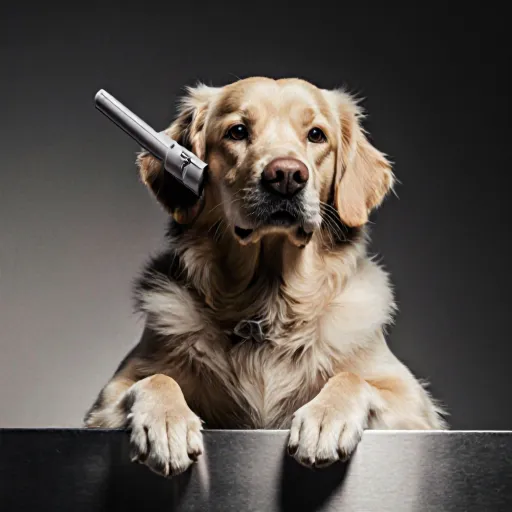
Revitalize Your Dog’s Hearing Today
A New Era of Ear Care for Beloved Canines
Table of Contents
- Introduction
- Understanding Ear Infections in Dogs
- Common Causes of Canine Ear Problems
- Recognizing Symptoms Early
- The Role of Diet and Nutrition
- Regular Ear Cleaning Techniques
- Choosing the Right Ear Cleaner
- Preventing Moisture Build‑Up
- Managing Allergies and Skin Conditions
- Proper Grooming for Different Breeds
- When to Seek Veterinary Care
- Treatment Options for Existing Infections
- Long‑Term Care and Monitoring
- Conclusion
- FAQ
Introduction
Ears are a dog's most delicate and often overlooked organ. When left unattended, they can become breeding grounds for bacteria, yeast, and parasites that lead to painful infections. Below is an in-depth look at why ear infections happen, how you can spot early signs, and practical steps you can take every day to keep your pup’s ears healthy.
Why Dogs Are Prone to Ear Infections
- Anatomy Matters: Flat‑browed breeds (e.g., Basset Hounds, Cocker Spaniels) and dogs with long, floppy ears have more moisture trapped in the ear canal. This creates an ideal environment for microbes.
- Allergies & Skin Conditions: Food sensitivities or atopic dermatitis can cause inflammation that makes the ear canal a hot spot for infection.
- Foreign Objects: Grass, dirt, and small insects can lodge in the ear and trigger irritation.
Early Warning Signs to Watch For
Detecting problems early saves your dog from painful treatments. Keep an eye out for these symptoms:
- Pawing or scratching at the ears.
- Head shaking or tilting.
- Redness, swelling, or discharge (yellowish or bloody).
- A strong odor coming from the ear.
Daily Prevention Checklist
| Task | Frequency | How to Do It |
|---|---|---|
| Visual ear inspection | Weekly (or daily if your dog has a history of infections) | Use a flashlight and gently pull the ear flap forward. Look for redness, swelling, or discharge. |
| Earlobe cleaning | Every 2–3 weeks (or more often for breeds with heavy ear hair) | Apply a mild veterinary ear wipe or cotton ball dampened with a vet‑recommended solution. Avoid inserting anything deep into the canal. |
| Ears drying after baths | After every bath or swim | Use a soft towel to blot excess moisture; consider a gentle, dog‑safe ear dryer on low heat if your vet approves. |
| Check for allergens | Monthly (especially if you notice itching) | Review diet and environment. Introduce hypoallergenic foods or reduce exposure to known irritants such as pollen or mold. |
Top Products for Ear Care
- Vet’s Choice Ear Cleaner: pH balanced, alcohol‑free formula that gently removes debris without drying the skin.
- Allergy Relief Shampoo: contains oatmeal and aloe to soothe inflamed ears.
- Earmuffs for Dogs: prevent water from entering during swimming (great for breeds prone to otitis).
When to Seek Veterinary Help
If you notice any of the following, schedule an appointment immediately:
- Severe pain or swelling that doesn’t improve after a few days of cleaning.
- Discharge that is thick, bloody, or has a foul smell.
- Persistent head shaking despite routine care.
Early detection and consistent preventive care can dramatically reduce the frequency of ear infections in dogs. By integrating these simple habits into your routine, you’ll keep your furry friend’s ears healthy, comfortable, and infection‑free.
Understanding Ear Infections in Dogs
Ear infections, or otitis externa, are one of the most common health issues affecting dogs worldwide. They can range from mild irritation to severe inflammation that causes pain, itching, and even hearing loss if left untreated. Understanding why these infections occur is essential for effective prevention and treatment.
What Causes Ear Infections?
- Bacterial Overgrowth: The warm, moist environment inside a dog’s ear canal provides an ideal breeding ground for bacteria such as Staphylococcus pseudintermedius.
- Fungal Growth: Yeast (commonly Malassezia pachydermatis) thrives in damp ears, especially after bathing or excessive moisture.
These tiny parasites feed on skin cells and secrete toxins that trigger severe allergic reactions. Grass seeds, dirt, or even small toys lodged in the ear canal can cause irritation and infection.
Recognizing the Signs
Early detection saves time, money, and discomfort. Look for:
- Itching and scratching at the ears – often accompanied by pawing or head shaking.
- Pale or inflamed ear canal walls – a red or pink appearance is a clear sign of irritation.
- Odor: A foul, yeasty smell usually indicates bacterial or fungal overgrowth.
- Dull or discolored discharge: Yellowish, brown, or bloody fluid suggests infection severity.
- Changes in hearing: If your dog is suddenly less responsive to sounds, it could be due to swelling or pain.
Why Prevention Matters
A preventive approach reduces the risk of chronic conditions and costly veterinary visits. Prevention also keeps your dog comfortable and healthy throughout its life.
Practical Prevention Tips (referencing “How to Prevent Ear Infections in Dogs”)
- Regular Ear Cleaning: Use a veterinarian‑recommended ear cleaner once or twice a week. Gently wipe the outer ear with a cotton ball; avoid inserting anything deep into the canal.
- Dry Ears Thoroughly: After baths or swims, pat ears dry and use a gentle, dog‑safe drying solution to eliminate excess moisture.
- Check for Allergens: If your dog shows signs of allergies, work with your vet to identify triggers (foods, pollen, dust mites) and adjust diet or environment accordingly.
- Routine Vet Exams: Annual ear checks help catch early problems. Bring any concerns about itching, odor, or discharge to the appointment.
- Watch for Ear Mites: In endemic areas, consider monthly mite prevention sprays or wipes as advised by your vet.
- Manage Weight and Hygiene: Obesity can worsen ear conditions; maintain a healthy diet and regular exercise. Keep hair around ears trimmed to reduce moisture buildup.
When to Seek Veterinary Care
If you notice any of the following, contact your vet immediately:
- Severe pain or swelling that doesn’t improve with home care.
- Persistent discharge or bleeding.
- Head shaking or ear scratching lasting more than a few days.
- Visible signs of mites (tiny black specks in the ear canal).
Early veterinary intervention can include prescription antibiotics, antifungals, or topical medications tailored to your dog’s specific infection type. Follow all dosage instructions and complete the full course of treatment even if symptoms improve.
Case Study: Bella, a 4‑Year‑Old Beagle
Bella developed chronic ear inflammation after swimming in a lake with high bacterial loads. Her owner noticed constant scratching and an unpleasant odor. After a routine checkup, the vet diagnosed otitis externa caused by Staphylococcus pseudintermedius. The treatment plan included:
- A topical antibiotic ointment applied twice daily for two weeks.
- Daily ear cleaning with a mild antiseptic solution.
- Switching to hypoallergenic dog food to reduce potential food allergies.
- Weekly vet visits for follow‑up until symptoms resolved.
With diligent care, Bella’s ears healed completely within six weeks, illustrating the importance of early detection and consistent preventive measures.
Key Takeaways
- Ear infections stem from bacteria, yeast, allergens, mites, or foreign bodies.
- Early recognition—itching, odor, discharge—is critical.
- Prevention focuses on regular cleaning, drying, allergy management, and routine vet checks.
- Seek veterinary care promptly for severe or persistent symptoms.
By staying vigilant and implementing these preventive strategies, you can help keep your dog’s ears healthy, pain‑free, and ready to enjoy every adventure—both on land and in the water.
Common Causes of Canine Ear Problems
Understanding the root causes of ear issues in dogs is essential for effective prevention and treatment. Below are the most frequent culprits that can lead to infections, inflammation, or discomfort.
- Allergies (Environmental & Food)
- Can cause chronic itching and scratching, which brings bacteria into the ear canal.
- Signs: Redness, swelling, frequent paw licking, sneezing or watery eyes.
- Prevention tip: Work with your vet to identify specific allergens. Consider hypoallergenic diets or seasonal anti‑allergy medications.
- Bacterial & Yeast Overgrowth
- Warm, moist ear canals are breeding grounds for bacteria (e.g., *Staphylococcus aureus*) and yeast (*Malassezia*).
- Symptoms: Malodorous discharge, itching, and a shiny, thickened ear flap.
- Prevention tip: Keep ears dry after baths or swims. Use vet‑recommended ear cleaners with antibacterial/antifungal properties.
- Eustachian Tube Dysfunction
- This tube connects the middle ear to the throat; blockage can trap fluid and bacteria.
- Causes: Allergies, infections, or even a foreign object lodged in the canal.
- Prevention tip: Regularly inspect ears for signs of swelling or discharge. Prompt veterinary care can prevent fluid buildup.
- Foreign Bodies (Grass Seeds, Twigs, etc.)
- Dogs often bring debris into their ears while running through grass or woods.
- Symptoms: Pain, scratching, and a feeling of fullness in the ear.
- Prevention tip: After outdoor play, gently wipe ears with a soft cloth. If you suspect a foreign object, consult your vet immediately.
- Ear Mites (Otodectes cynotis)
- Mites thrive in warm, moist environments and can cause intense itching.
- Signs: Dark, pepper‑like discharge, intense scratching, and a foul odor.
- Prevention tip: Maintain regular flea & tick prevention. If you notice signs of mites, seek veterinary treatment promptly.
- Canine Ear Structure (Flat‑Faced Breeds)
- Brachycephalic dogs have naturally narrow ear canals that trap moisture and debris.
- Prevention tip: Clean ears more frequently, using a vet‑approved ear cleaner. Keep ears dry after swimming or bathing.
- Improper Cleaning Techniques
- Using cotton swabs too deep can push debris further in and damage the canal lining.
- Prevention tip: Use a soft, damp cloth or vet‑recommended ear wipes. Never insert anything deeper than your hand’s knuckle into the ear canal.
- Infections from Other Health Issues
- Conditions such as diabetes or immune deficiencies can weaken skin defenses, making ears more susceptible.
- Prevention tip: Regular health check‑ups and maintaining a balanced diet help keep the immune system strong.
- Inadequate Drying After Baths
- Residual water creates a perfect environment for bacterial growth.
- Prevention tip: Use a clean towel or hair dryer on low heat to dry ears thoroughly after bathing.
Remember: Early detection and routine care are the best defenses against ear problems. By addressing these common causes proactively, you can keep your dog’s ears healthy, comfortable, and infection‑free.
Recognizing Symptoms Early
The first step to preventing chronic ear infections in dogs is being able to spot the early warning signs before they develop into a full-blown problem. A healthy dog’s ears should look clear, with no redness, swelling, or discharge, and should not emit an offensive odor. When those indicators change, it’s time for a closer look.
Common Early Symptoms to Watch For
- Pawing or scratching at the ears: Dogs often rub their ears against furniture or the floor when irritation starts.
- Head shaking: Frequent, rapid head movements can be a response to itchiness or discomfort in the ear canal.
- Slight redness or swelling: A mild flush around the ear’s outer edge is often an early inflammatory response.
- Odor: A sweet or sour smell, especially if it changes from a dog’s normal scent, can indicate bacterial or yeast overgrowth.
- Minor discharge: Tiny amounts of clear or slightly colored fluid may appear before a full infection sets in.
When to Seek Veterinary Care
If you notice any of the above symptoms persisting for more than 24–48 hours, or if your dog shows increased pain (such as vocalizing when touching the ear) or swelling that seems to grow, schedule an appointment. Early veterinary intervention can often prevent a mild irritation from becoming a chronic infection.
Practical Daily Checks
- Visual Inspection: While your dog is relaxed, gently lift the ear flap and look for redness or debris. Use a flashlight if necessary.
- Tactile Check: Feel the ear canal for warmth or swelling; a warm ear can signal inflammation.
- Odor Test: Smell the ears before feeding or during grooming. A sudden change in scent is worth noting.
Case Study: Spotting Early Signs in a Labrador Retriever
“Buddy,” a 4‑year‑old Labrador, began scratching his left ear more frequently after a hiking trip. His owner noticed a faint pink hue and a mild sweet odor the next morning. By inspecting Buddy’s ears during grooming, they saw slight redness but no discharge. They immediately cleaned his ears with a vet-recommended solution and scheduled an appointment. The veterinarian diagnosed early otitis externa and prescribed topical medication, preventing a potential chronic infection.
Proactive Prevention Tips
- Regular Cleaning: Use a gentle ear cleaner once a week to remove wax buildup that can trap moisture.
- Dry Ears After Water Exposure: Pat ears dry after baths or swimming; moisture is a prime breeding ground for bacteria and yeast.
- Keep Ears Free of Debris: Trim surrounding hair to reduce the accumulation of dirt and pollen.
- Monitor Diet & Health: A balanced diet supports immune function, making ears less susceptible to infection.
By staying vigilant for these early symptoms and taking swift action, you can safeguard your dog’s ear health and avoid the discomfort and costly treatments associated with advanced ear infections.
The Role of Diet and Nutrition
While cleaning and medical care are the most visible steps in preventing ear infections, what a dog eats plays a crucial behind‑the‑scenes role. A well‑balanced diet supports a healthy immune system, maintains skin integrity, and can reduce the likelihood of bacterial or yeast overgrowth inside the ear canal.
1. Protein Quality & Quantity
- High‑quality protein sources: Chicken, turkey, fish (salmon, sardines), eggs, and whey protein isolate are excellent choices. They provide essential amino acids for skin repair and immune function.
- Protein levels: Aim for a minimum of 18–25 % crude protein in the diet, especially for active or senior dogs whose maintenance needs are higher.
2. Omega‑3 & Omega‑6 Fatty Acids
These polyunsaturated fats help keep skin supple and reduce inflammation. They also influence the composition of ear canal secretions.
- Omega‑3 sources: Flaxseed oil, fish oil (rich in EPA & DHA), or algae‑based supplements.
- Omega‑6 sources: Chicken fat, safflower oil, or canola oil. Balance is key; a typical ratio of 1:4–1:5 omega‑3 to omega‑6 is often recommended.
3. Antioxidants & Vitamins
Oxidative stress can weaken the skin’s barrier function, making it easier for pathogens to invade.
- Vitamin E: Almonds, sunflower seeds, and wheat germ are natural sources. Commercial diets often add tocopherol (vitamin E).
- Vitamin C: While dogs synthesize it themselves, a small boost from blueberries or cranberries can help.
- B‑complex vitamins: Support overall skin health and immune resilience.
4. Fiber & Digestive Health
A healthy gut microbiome translates to better systemic immunity. Adequate fiber helps regulate stool quality, preventing the ingestion of debris that could irritate the ears.
- Sources: Oat bran, pumpkin puree, or prebiotic supplements like inulin.
- Probiotics: Look for strains such as Lactobacillus acidophilus or Bifidobacterium bifidum. Many commercial treats are now fortified with probiotics.
5. Hydration & Water Intake
Well‑hydrated skin remains elastic and less prone to cracking, which can create entry points for bacteria.
- Ensure fresh water is always available; consider adding a small amount of low‑sodium chicken broth or plain pumpkin to entice thirsty dogs.
- Avoid excessive sugary drinks or artificial sweeteners that can disrupt gut flora.
6. Special Diets for Allergies and Sensitivities
If your dog has a known food allergy (e.g., wheat, soy, beef), consider an elimination diet to identify triggers that may exacerbate ear inflammation.
- Novel protein diets: Duck, venison, or lamb.
- Limited‑ingredient diets: Reduce the number of components so you can pinpoint allergens.
Practical Tips for Owners
- Read labels carefully: Look for real meat first, and avoid fillers like corn or wheat.
- Introduce changes gradually: Mix the new food with the old over 7–10 days to prevent digestive upset.
- Consult your vet: Especially if your dog has chronic ear issues; they may recommend a specific therapeutic diet.
- Supplement wisely: Over‑supplementation of omega‑3 can lead to bleeding tendencies. Follow recommended dosages or let the balanced commercial food cover it.
By aligning your dog’s nutrition with these principles, you create a robust foundation that supports ear health and reduces the risk of future infections. Remember, diet is one piece of a holistic prevention strategy—regular cleaning, proper drying, and timely veterinary care are equally essential.
Regular Ear Cleaning Techniques
Keeping your dog’s ears clean is a cornerstone of preventing ear infections. Below are step‑by‑step techniques, practical tips, and real‑world examples to help you maintain healthy ears for your furry friend.
Step 1: Gather the Right Supplies
- Earscale or Ear Cleaning Solution: Choose a veterinarian‑recommended, non‑irritating formula. Avoid using home remedies like alcohol or hydrogen peroxide unless specifically advised by your vet.
- Towels or Paper Towels: For blotting excess fluid and keeping the area dry.
- Cotton Balls or Soft Gauze: To gently wipe the outer ear without pushing debris deeper.
- Gloves (optional): Protect your hands, especially if you have sensitive skin or if the dog has a history of scratching at their ears.
Step 2: Inspect Before You Clean
Before you begin, gently lift the ear flap and look for:
- Redness or swelling – a sign of inflammation.
- Pus, discharge, or foul odor – may indicate infection.
- Excess wax or debris – can be safely removed with a clean cloth.
If you notice any of these symptoms, stop and consult your veterinarian before proceeding.
Step 3: Apply the Cleaning Solution
- Hold the ear flap open with one hand while gently squeezing a few drops of solution into the ear canal.
- Massage the base of the ear for 10–15 seconds to help loosen debris.
- Allow your dog to shake their head naturally – this helps bring out any remaining wax and fluid.
Example: A 4‑year‑old Labrador named Max was brought in with mild itching. After a gentle massage and letting him shake his head, the vet cleared away a small amount of yellowish discharge that had accumulated from a previous infection.
Step 4: Remove Residual Debris
- Using a cotton ball or gauze, gently wipe the outer ear and the entrance of the canal. Do not push the cotton deep into the canal.
- If you see excess wax hanging from the ear flap, use a soft brush or your fingers to lift it out carefully.
Step 5: Dry Thoroughly
Moisture is the prime culprit behind bacterial and yeast growth. Use a dry towel or paper towel to pat the ear area gently, ensuring no moisture remains in the canal.
Step 6: When to Repeat
If you notice a lot of wax or debris after the first cleaning, repeat the process once more. However, avoid over‑cleaning; daily cleaning can strip protective oils and cause irritation.
Practical Tips for Routine Care
- Frequency: Clean most dogs’ ears once a month. Dogs with floppy ears or those that swim frequently may need cleaning every two weeks.
- Positive Reinforcement: Use treats and praise to make ear cleaning a calm, enjoyable experience.
- Observe for Changes: After each cleaning session, watch for signs of redness or discomfort. Persistent irritation warrants a vet visit.
- Use Ear‑Friendly Products: Avoid cotton swabs that can damage the ear canal lining; stick to veterinarian‑recommended solutions.
Common Mistakes to Avoid
- Pushing Debris In: Never insert cotton swabs deep into the ear canal.
- Over‑Cleaning: Too frequent cleaning can remove natural oils, leading to dryness and irritation.
- Using Harsh Chemicals: Alcohol or hydrogen peroxide may sting and cause further inflammation.
When to Seek Veterinary Help
If your dog shows any of the following after cleaning:
- Persistent itching or scratching at the ears.
- Redness, swelling, or discharge that doesn't improve within 48 hours.
- Unusual odor or a feeling of fullness in the ear.
Early veterinary intervention can prevent chronic infections and complications such as hearing loss.
Bottom Line
Regular, gentle ear cleaning using veterinarian‑approved solutions and the right technique is key to preventing ear infections in dogs. Consistency, observation, and a calm approach will keep your dog’s ears healthy and reduce the risk of costly medical treatments down the road.
Choosing the Right Ear Cleaner
When it comes to keeping your dog’s ears healthy, selecting an appropriate ear cleaner is just as important as knowing how often to clean them. A wrong product can irritate the ear canal or even worsen existing infections, while a well‑chosen cleaner will help prevent future problems.
1. Understand Your Dog’s Ear Type
- Flat‑Faced Breeds (e.g., Bulldogs, Boxers):** Their ears are naturally prone to moisture and debris build‑up due to the shape of their ear canals.
- Long‑Hanging Ears (e.g., Basset Hounds, Cocker Spaniels):** These can trap wax and bacteria if not cleaned regularly.
2. Look for the Right Ingredients
A good ear cleaner should contain:
- Pyrithione Zinc or Chlorhexidine:** Antimicrobial agents that help reduce bacterial and yeast growth.
- Urea or Glycolic Acid (in mild concentrations):** Helps break down wax without irritating the skin.
- Essential Oils (optional):** Tea tree, lavender, or eucalyptus can add a pleasant scent and have natural antiseptic properties. However, avoid products with strong essential oils if your dog has sensitive skin.
3. Avoid Harmful Additives
- Alcohol or Hydrogen Peroxide:** These can dry out the ear canal and cause irritation.
- Fragrances and Colorants:** May trigger allergic reactions in some dogs.
4. Consider Your Dog’s History
If your dog has a history of chronic otitis externa or allergies, opt for an ear cleaner specifically formulated for sensitive ears or those with anti‑inflammatory properties. Some manufacturers label their products as “for sensitive skin” or “clinically proven to reduce itching.”
5. Check the pH Level
The normal pH of a dog’s ear canal is slightly acidic (around 6.0–7.0). Choose cleaners that match this range to avoid disrupting the natural balance and encouraging bacterial overgrowth.
6. Test Before You Commit
Before using a new cleaner on your entire ear, apply a small amount to a clean cotton swab and gently dab it on a less sensitive area (like the inner thigh). If no redness or irritation appears after 24 hours, you’re likely safe to proceed.
7. Read Reviews & Consult Your Vet
- Read online reviews from other dog owners with similar breeds and ear conditions.
- Ask your veterinarian for a recommendation; they may suggest brand‑specific products based on your dog's medical history.
- Gather Supplies: Ear cleaner, cotton balls or gauze, gloves (optional).
- Hold Your Dog Comfortably: Sit or lie down with your dog on a towel. Gently lift the ear flap.
- Apply Cleaner: Spray or dab the recommended amount into the ear canal. Avoid over‑filling; a small amount is sufficient.
- Massage the Base: Gently massage the base of the ear for 20–30 seconds to help loosen debris.
- Wipe Excess Moisture: Use a cotton ball or gauze to absorb excess fluid and debris. Do not insert deep into the canal; just wipe the outer area.
- Repeat if Needed:** If your dog’s ears look visibly dirty after one cleaning, you can repeat the process once more.
When to Seek Veterinary Care
If you notice:
- Persistent itching or scratching at the ears.
- Redness, swelling, or a foul odor that doesn’t improve after cleaning.
- Excessive ear discharge or pus.
These symptoms may indicate an infection that requires prescription medication or professional cleaning.
Selecting the right ear cleaner is a proactive step toward preventing ear infections in dogs. By considering your dog’s breed, skin sensitivity, and medical history—and by choosing a product with proven antimicrobial ingredients—you’ll give your pet cleaner, healthier ears for years to come.
Preventing Moisture Build‑Up
Moisture trapped in a dog’s ears is the perfect breeding ground for bacteria and yeast that cause otitis externa. Below are practical steps you can take to keep those ears dry, clean, and healthy.
- Dry After Swimming or Bathing:
- Use a towel to pat the ear canal gently—avoid inserting it too deep.
- For stubborn moisture, use a small amount of isopropyl alcohol (70%) on a cotton ball; this evaporates quickly and helps remove excess water. Do not over‑use alcohol, as it can irritate the skin.
- Check for Water Trapping Conditions:
- Dogs with floppy ears (e.g., Basset Hounds, Cocker Spaniels) are prone to moisture retention. Regularly inspect and clean these areas.
- If your dog has a history of ear infections, consider consulting a veterinarian for a tailored cleaning schedule.
- Use Ear‑Drying Drops:
- Over-the-counter drying drops (containing propylene glycol or other safe agents) can be applied after bath time. Follow the product’s instructions for dosage and frequency.
- Always confirm with your vet that the drops are suitable for your dog’s specific ear condition.
- Limit Exposure to Humid Environments:
- During rainy or humid weather, consider keeping your dog indoors or in a dry area.
- If you must walk your dog outdoors, use ear protection such as lightweight, breathable ear covers designed for pets.
- Maintain Good Hygiene Practices:
- Clean the outer ear with a mild, vet‑approved cleanser. Never use cotton swabs that dig into the canal—this can push debris deeper or damage the skin.
- Inspect for signs of infection (redness, discharge, foul odor) and report any changes to your veterinarian promptly.
- Use a Protective Ear Cap:
- For dogs prone to water retention or who swim frequently, an ear cap can be fitted by a vet. These caps keep water out while still allowing air circulation.
- Regular Vet Check‑Ups:
- Annual ear exams help catch early signs of moisture buildup and prevent chronic infections.
- Ask your vet to demonstrate proper ear cleaning techniques tailored to your dog’s breed and health status.
Remember: Consistency is key. By integrating these steps into your routine, you can significantly reduce the risk of moisture‑related ear infections and keep your dog’s ears healthy and comfortable.
Managing Allergies and Skin Conditions
Managing Allergies and Skin Conditions in Dogs: A Holistic Approach
- Environmental allergens: pollen, dust mites, mold spores, or even certain cleaning products can trigger itching.
- Dietary sensitivities: food allergies often manifest as itchy skin, especially around the ears and paws.
- Parasites: fleas, ticks, and mites are common culprits that not only cause irritation but also increase the risk of secondary infections.
Practical Tip
Keep a symptom diary: note when itching starts, what your dog eats, and any new household items introduced. This log helps your vet pinpoint the trigger during an exam.
- Regular bathing: Use a hypoallergenic, oatmeal-based shampoo once every 3–4 weeks to soothe inflamed skin without stripping natural oils.
- Drying and brushing: After baths, gently pat the ears dry with a soft towel. Brush your dog’s coat daily to remove loose hair and distribute natural oils.
- Avoid irritants: Switch to fragrance‑free laundry detergents for bedding and use pet‑safe disinfectants around the home.
Practical Tip
Apply a light, unscented moisturizer (like a pure petroleum jelly) to any exposed skin lesions. This barrier protects against moisture loss and reduces scratching.
- High‑quality protein sources: Salmon or duck provide omega‑3 fatty acids that promote healthy skin.
- Limited ingredient diets: Try a single‑protein, grain‑free formula to see if symptoms improve.
- Supplements: Omega‑3 and omega‑6 fish oil can reduce inflammation. Consult your vet for dosage recommendations.
Practical Tip
If you suspect a food allergy, perform an elimination trial: switch to a novel protein for 8–12 weeks, then reintroduce the old diet gradually while monitoring skin reactions.
- Monthly flea/tick control: Use vet‑approved spot‑on treatments or oral medications.
- Environmental cleaning: Vacuum regularly, wash bedding in hot water, and consider a pet‑safe indoor insecticide if ticks are prevalent.
Practical Tip
Inspect your dog’s ears after walks. A clean, pink ear canal is a sign of good health; any redness or odor warrants a vet visit.
- Regular ear checks: Gently look for signs of irritation—redness, discharge, or a foul smell.
- Proper cleaning technique: Use a vet‑approved ear cleaner and cotton balls (never Q‑tips). Avoid inserting anything deep into the canal.
- Address underlying allergies first: Treating skin conditions reduces moisture buildup in ears, which is a common predisposing factor for infections.
Practical Tip
If your dog shows persistent ear itching despite regular cleaning, schedule an appointment. Early detection of otitis externa can prevent chronic infection and secondary bacterial or yeast overgrowth.
- Persistent scratching that doesn’t improve with home care.
- Visible lesions or swelling around the ears, paws, or face.
- Fever, lethargy, or loss of appetite—possible signs of systemic infection.
Remember: Effective allergy and skin condition management reduces moisture and inflammation in the ear canal, directly lowering the risk of ear infections. Consistent care, a balanced diet, and vigilant parasite control create a resilient skin barrier that keeps your dog comfortable and healthy.
Proper Grooming for Different Breeds
Every dog breed has unique coat and ear characteristics that require tailored grooming routines. A well‑maintained coat not only looks great but also keeps the ears dry, clean, and healthy—reducing the risk of infections.
Short‑Haired Breeds (e.g., Boxers, Beagles)
- Brushing: Light brushing once a week removes loose hair and distributes natural oils.
- Ears: Inspect ears every time you brush. Use a cotton ball dampened with a vet‑approved ear cleaner to wipe the outer ear canal; avoid inserting anything deep into the canal.
- Practical tip: If your dog has floppy ears, gently lift them and look for redness or discharge—these are early signs of infection. A quick clean can prevent progression.
Medium‑Haired Breeds (e.g., Golden Retrievers, Border Collies)
- Brushing: Brush at least twice a week to keep mats from forming. Use a slicker brush for undercoat and a pin brush for topcoat.
- Ears: Because these breeds often have moderate ear folds, use a mild, alcohol‑free ear cleaner once a month or as needed. Inspect for signs of moisture buildup.
- Practical tip: During shedding season, increase brushing frequency to keep ears dry and reduce hair accumulation in the ear canal.
Long‑Haired Breeds (e.g., Afghan Hound, Shih Tzu)
- Brushing: Daily brushing is essential to prevent tangles and mats that can trap moisture.
- Ears: Long hair near the ears can create a warm, moist environment—ideal for bacteria. Trim hair around the ear opening with scissors or use an electric trimmer designed for pets. Clean ears weekly with a vet‑recommended solution.
- Practical tip: After baths, dry ears thoroughly with a soft towel and, if needed, a hair dryer on low heat to ensure no residual moisture remains.
Breeds Prone to Ear Infections (e.g., Cocker Spaniels, Basset Hounds)
- Brushing: Frequent brushing helps keep the ear canal clear of debris.
- Ears: Inspect daily. Use a vet‑approved cleaning solution and gently wipe the outer canal with a cotton ball. Avoid over‑cleaning, which can irritate the skin.
- Practical tip: Keep ears dry after swimming or bathing by using ear plugs specifically designed for dogs, especially during hot weather when humidity is high.
General Best Practices for All Breeds
- Regular check‑ups: Schedule an annual veterinary exam and ask about ear health.
- Use appropriate products: Never use human shampoo or cotton swabs deep in the canal. Opt for pet‑specific, non‑irritating cleaners.
- Watch for signs of infection: Redness, swelling, odor, discharge, or a tendency to shake the head are red flags—seek veterinary care promptly.
- Maintain a clean environment: Keep bedding and toys dry; wash them frequently to reduce allergens that can irritate ears.
By tailoring your grooming routine to your dog’s breed-specific needs and paying close attention to ear hygiene, you’ll keep those ears healthy, happy, and infection‑free.
When to Seek Veterinary Care
While many ear infections can be managed at home with the right preventive measures, there are clear red‑flags that warrant a prompt veterinary visit. Recognizing these signs early not only eases your dog’s discomfort but also prevents complications such as chronic infection, hearing loss, or even systemic illness.
1. Persistent or Worsening Symptoms
- Continuous scratching or rubbing: If your dog keeps scratching the ear for more than a few days despite cleaning and medication, it’s time to see a vet.
- Redness that doesn’t fade: A dull, persistent pink or purplish hue around the ear canal indicates inflammation that may need prescription therapy.
- Odor changes: A sour, fishy, or strong foul smell often means a bacterial or yeast overgrowth has taken hold.
2. Visible Signs of Infection
Look for the following physical indicators:
- Pus or discharge: White, yellow, or greenish fluid leaking from the ear canal is a clear sign of infection.
- Swelling: A visibly enlarged ear flap or swollen external ear canal can signal an acute reaction that requires medical attention.
- Tear stains or crusting: Excessive crusts around the ear opening often accompany chronic infections and may need professional cleaning.
3. Behavioral Changes
Dogs communicate discomfort in subtle ways. Watch for:
- Head shaking or tilting: Frequent, forceful head movements can indicate pain.
- Reduced activity or lethargy: A normally active dog becoming sluggish may be suffering from an underlying infection that’s affecting overall health.
- Loss of appetite: Ear infections can cause systemic discomfort, leading to decreased interest in food.
4. Recurrence After Home Treatment
If you’ve treated your dog’s ears with over‑the‑counter drops or homemade solutions and the symptoms return within a week, it suggests that the infection is resistant to at‑home remedies. A veterinarian can prescribe stronger topical or oral medications tailored to the specific pathogen.
5. Complications You Should Not Ignore
- Severe pain: Any sign of intense discomfort—such as vocalizing when you touch the ear—requires immediate care.
- Neurological signs: If your dog shows head tilting that is not accompanied by scratching, or if they seem disoriented, these could be early indicators of a more serious condition such as vestibular disease.
- Hearing loss: Sudden changes in how your dog responds to sounds may indicate inner ear involvement.
Practical Tips for Your Visit
- Bring a sample: If you have been using any cleaning solution or medication, bring it along so the vet can assess its suitability.
- Record symptoms: Note how long the itching has persisted, any changes in odor, and how often your dog shakes its head.
- Ask about diagnostics: In many cases, a quick ear swab will be taken to identify whether bacteria, yeast, or parasites are involved.
Prompt veterinary care not only alleviates pain but also prevents the infection from spreading and becoming chronic. By staying vigilant for these warning signs, you can keep your dog’s ears healthy and free of discomfort.
Treatment Options for Existing Infections
If your dog is already suffering from an ear infection, it’s crucial to act promptly and carefully. Below are the most effective treatment strategies you can employ—whether at home or with a veterinarian’s guidance.
- Veterinary Diagnosis
- Always start with a professional exam: your vet will use an otoscope to check for redness, discharge, and debris.
- They may perform a culture or cytology to identify bacteria, yeast, or parasites such as E. coli, Malassezia pachydermatis, or ear mites (Otodectes cynotis). This ensures the correct medication is chosen.
- Medication Regimen
- Topical Antibiotics / Antifungals: Common choices include neomycin/polymyxin B for bacterial infections or miconazole for yeast. Apply as instructed, usually 2–3 times daily.
- Oral Medications: For severe cases, systemic antibiotics (e.g., amoxicillin-clavulanate) or antifungals (fluconazole) may be prescribed.
- Ear Cleaners: Use a vet-recommended cleanser to remove debris and reduce pH. A gentle, pH-balanced solution can help prevent irritation that worsens infection.
- Home Care & Hygiene
- Clean the ear gently with a cotton ball moistened in your vet’s recommended solution. Avoid inserting anything deep into the canal to prevent trauma.
- Keep ears dry: after bathing or swimming, pat the area with a towel and consider using a drying spray if moisture is a problem.
- Avoid over‑cleaning: excessive wiping can strip natural oils that protect the ear lining.
- Dietary & Lifestyle Adjustments
- Introduce omega‑3 fatty acids (fish oil) into your dog’s diet; these can reduce inflammation and improve skin health.
- Maintain a healthy weight: obesity can worsen ear infections by creating excess skin folds where bacteria thrive.
- Reduce exposure to allergens—especially if the infection is recurrent, as allergies often underlie chronic ear problems.
- Monitoring & Follow‑Up
- Revisit your vet after 1–2 weeks of treatment to assess progress. A repeat otoscopic exam can confirm whether the infection is clearing or if another pathogen is present.
- If symptoms persist, consider a second culture or cytology to adjust medication.
- Prevention After Treatment
- Regular ear checks: inspect your dog’s ears weekly for redness or discharge.
- Use an ear cleaning schedule recommended by your vet—often once a month for dogs prone to infections.
- Keep the environment dry and dust‑free; use HEPA filters if allergies are suspected.
By combining veterinary care with diligent at‑home hygiene, you can effectively treat existing ear infections and reduce the risk of future flare‑ups. Remember that each dog’s situation is unique—always tailor treatment plans to your pet’s specific needs and keep open communication with your veterinarian.
Long‑Term Care and Monitoring
Once your dog has recovered from an acute ear infection, the real work begins: keeping that infection from returning. The following guidelines will help you maintain healthy ears in the long run.
1. Routine Ear Checks
- Frequency: Inspect your dog’s ears at least once a week, or more often if they are prone to infections.
- What to Look For: Redness, swelling, discharge, an unpleasant odor, or excessive scratching. A healthy ear should be pinkish‑brown and free of debris.
- Tools: Use a small flashlight and a cotton swab (never insert anything deep into the canal).
2. Regular Cleaning Routine
Cleaning removes wax, debris, and moisture that can foster bacterial growth.
- Select the Right Cleaner: Use a veterinarian‑approved ear cleaner formulated for dogs. Avoid human products containing alcohol or hydrogen peroxide unless specifically advised by your vet.
- Cleaning Steps:
- Hold the ear flap and gently squeeze a few drops into the canal.
- Massage the base of the ear for 20–30 seconds to loosen debris.
- Allow your dog to shake its head; this helps expel excess fluid.
- Wipe away any residue with a clean cotton ball or soft cloth.
- When to Skip: If your dog has an active infection, swelling, or open wounds in the ear, postpone cleaning until cleared by a vet.
3. Keep Ears Dry
Moisture is a breeding ground for bacteria and yeast.
- After baths, swimming sessions, or showers, dry the ear canal gently with a towel or a cotton ball.
- Use a hairdryer on a low, cool setting if your dog tolerates it. Hold it at least a foot away to avoid overheating.
- Consider using a moisture‑absorbing ear plug specifically designed for dogs during long swims.
4. Manage Allergies and Skin Conditions
Allergies can compromise the skin’s barrier function, making infections more likely.
- Identify Triggers: Common allergens include pollen, dust mites, certain foods (e.g., soy, corn), and flea bites.
- Dietary Adjustments: Switch to a hypoallergenic or limited‑ingredient diet if advised by your vet.
- Flea Control: Use monthly topical treatments or oral medications to keep fleas at bay.
5. Regular Veterinary Check‑Ins
Even if your dog appears healthy, periodic ear exams by a professional can catch early signs of trouble.
- Annual Exams: At least once a year for baseline health.
- After an Infection: Schedule a follow‑up appointment to ensure complete resolution.
- Bring any samples (discharge, wax) from home if you notice changes between visits.
6. Preventive Medications
In some cases, vets prescribe prophylactic ear drops containing mild antibiotics or antifungals, especially for dogs with a history of recurrent infections.
- Follow the dosage schedule exactly; over‑use can lead to resistance.
- Monitor for side effects such as itching or irritation and report promptly.
7. Lifestyle Adjustments
Small changes in daily habits can reduce infection risk.
- Avoid Water Exposure: Keep dogs out of ponds, lakes, or poorly maintained pools that may harbor bacteria.
- Use Protective Ear Covers: During extreme weather (heavy rain or wind), consider ear plugs to keep debris out.
- Limit Hair Grooming in the Canal: Over‑trimming can expose deeper skin layers, making them susceptible to infection.
8. Emergency Signs to Watch For
If you notice any of these symptoms, contact your vet immediately:
- Persistent head shaking or scratching despite cleaning.
- Visible discharge that is foul‑smelling or bloody.
- Severe swelling or pain when touching the ear.
- Change in hearing, such as sudden deafness or ringing (tinnitus).
By combining diligent home care with professional oversight, you can give your dog a healthy, infection‑free life. Remember: prevention is always better—and cheaper—than treatment.
Conclusion
Ear infections—whether acute or chronic—are a common health issue for many dogs. They can cause discomfort, pain, and even lead to more serious complications if left untreated. The good news is that with the right knowledge and preventive measures, you can significantly reduce your dog’s risk of developing these ear problems.
1. Regular Ear Checks
- Frequency: Check your dog’s ears at least once a week, more often if they are prone to infections.
- What to Look For: Redness, swelling, odor, discharge, or excessive scratching.
- Tool Tips: Use a flashlight and a soft, angled mirror. A small pet ear cleaning solution can help you see deeper into the canal.
2. Keep Ears Clean but Not Over‑Cleaned
A balanced approach is key. Over‑cleaning can strip natural oils and disrupt the ear’s pH, while under‑cleaning lets debris accumulate.
- Cleaning Solution: Use a veterinarian‑recommended, non-irritating solution (e.g., 2% chlorhexidine or a mild saline rinse).
- Method: Apply a few drops into the ear canal, gently massage the base of the ear for 30–60 seconds, then allow your dog to shake their head. Wipe away any loosened debris with a cotton ball—never insert cotton swabs deep into the canal.
- Frequency: Once every two weeks is usually sufficient for most breeds; adjust based on your vet’s advice.
3. Dry Ears Thoroughly After Water Exposure
Moisture creates an ideal environment for bacterial and yeast growth.
- Post‑Bath Care: Gently towel dry the outer ear, then use a hair dryer on a low heat setting to remove residual moisture.
- After Swimming: Use a soft cloth or pet ear drying wipes. For breeds with long ears (e.g., Cocker Spaniels), consider using an ear drying spray that contains a mild antiseptic agent.
4. Manage Underlying Conditions
Many ear infections are secondary to other health issues such as allergies, skin diseases, or foreign bodies.
- Allergies: Identify potential allergens—food, pollen, dust mites—and work with your vet on an elimination diet or hypoallergenic food.
- Skin Health: Keep the skin around the ears moisturized; use a vet‑recommended shampoo if dandruff is present.
- Foreign Bodies: Inspect for insects, grass seeds, or small objects lodged in the ear canal. If you suspect an obstruction, seek professional removal.
5. Use Protective Gear During Outdoor Activities
Dogs that spend a lot of time running on gravel or in water can pick up debris.
- Earmuffs or Ear Covers: Some owners use lightweight ear protectors during vigorous play.
- Post‑Activity Checks:
- Immediately clean and dry ears after a long walk or swim to prevent moisture buildup.
6. Routine Veterinary Visits
Your vet can spot subtle changes before they become serious.
- Annual Check‑ups: Bring your dog in for a thorough ear exam, especially if they have a history of infections.
- Professional Cleaning: Some dogs benefit from an annual deep cleaning performed by a vet or trained groomer.
7. Educate Your Dog’s Care Team
Whether it’s family members, friends, or pet sitters, make sure everyone knows how to recognize early signs of ear problems and the correct cleaning procedure.
Practical Checklist for Everyday Prevention
- Check ears weekly.
- Clean once every two weeks with a vet‑approved solution.
- Dry thoroughly after baths or swims.
- Monitor for signs of allergies or skin issues.
- Use ear protection during intense outdoor play.
- Schedule annual vet visits for professional cleaning and exam.
By integrating these simple habits into your dog’s routine, you’ll create a healthy environment that keeps ears clear, pain‑free, and infection‑free. Remember: prevention is always better—and cheaper—than treatment.
FAQ
1. What are the most common causes of ear infections in dogs?
Ear infections, or otitis externa, often arise from a combination of factors:
- Allergies: Food or environmental allergens can trigger inflammation.
- Mites & Parasites: Ear mites (Otodectes cynotis) are common culprits, especially in puppies and young dogs.
- Excessive Moisture: Dogs that swim frequently or have ears that naturally stay damp create a warm environment for bacteria.
- Lack of Ventilation: Long‑haired breeds or those with floppy ears may trap debris and moisture.
- Foreign Bodies & Trauma: Small sticks, dirt, or injuries can introduce pathogens.
2. How often should I clean my dog's ears?
The frequency depends on breed and lifestyle:
- Long‑haired or floppy‑ear breeds (e.g., Basset Hound, Cocker Spaniel): 1–2 times per month.
- Short‑haired or water‑loving dogs (e.g., Labrador Retriever, German Shepherd): 3–4 times per week if they swim or have a tendency to stay wet.
- Puppies and senior dogs: Check more frequently (every 2–3 days) as their immune system may be weaker.
Use a vet‑recommended ear cleaner and avoid cotton swabs that can push debris deeper.
3. What are the signs of an impending ear infection?
Watch for:
- Redness or swelling around the ear canal
- Pawing at ears, scratching, or head shaking
- Odor that smells foul or sweet (often due to bacterial overgrowth)
- Discharge that is cloudy, yellow, or bloody
- Changes in hearing or balance issues
If you notice any of these signs, schedule a vet visit promptly.
4. How can I keep my dog's ears dry and clean?
- Post‑swim drying: Gently blot the outer ear with a towel after swimming.
- Adequate ventilation: Trim excess hair around the ear canal for breeds prone to moisture buildup.
- Regular checks: Inspect ears during routine grooming sessions.
- Use protective ear wax strips: For dogs that frequently swim, consider using ear protection strips designed for pets.
5. Are there specific foods or supplements that help prevent ear infections?
A balanced diet rich in omega‑3 fatty acids supports healthy skin and reduces inflammation:
- Fish oil (cod liver, salmon) or flaxseed oil
- High‑quality commercial dog foods with added DHA/EPA
- Probiotics to maintain gut health, which can influence immune response
Always consult your vet before adding supplements.
6. When should I seek veterinary treatment for my dog’s ears?
If you observe:
- Severe redness or swelling
- Persistent discharge or foul odor lasting more than a day
- Behavioral changes such as reluctance to walk, balance issues, or head tilt
- Any signs of pain during ear manipulation
A vet will perform a thorough examination, possibly including cytology or culture, and prescribe appropriate medication.
7. What are some home remedies I can try?
While professional care is essential for serious cases, mild preventive measures include:
- Occasional application of a vet‑approved ear cleaner with 1–2% isopropyl alcohol to evaporate excess moisture.
- A light rinse with warm water followed by gentle drying—avoid deep cleaning that can irritate the canal.
- Maintaining an overall clean environment: regularly wash bedding and keep living areas free from dust.
8. How do ear mites affect my dog, and how can I prevent them?
Ear mites cause intense itching, dark discharge, and a “sweaty” smell. Prevention includes:
- Regular vet check‑ups to catch infestations early.
- Using veterinarian‑recommended mite treatments (topical or oral).
- Avoiding contact with other dogs that might carry mites, especially in kennels or dog parks.
9. Can grooming practices influence ear health?
Yes! Over‑shaving the ear canal can remove natural oils and compromise the skin’s barrier, while under‑shaving may trap moisture.
- Use a comb or brush that is gentle on the ear area.
- Follow your vet's guidance for optimal hair length around the ears.
10. What long‑term care strategies should I adopt?
Establish a routine that includes:
- Monthly ear inspections and cleaning.</
Categories
- AI & Enrichment Play
- Broiler Farming
- Broiler Farming Tips
- Canine Wellness & Longevity
- Cat
- Cat & Human Connection
- Cat Adoption & Rescue
- Cat Breeds
- Cat Breeds & Personalities
- Cat Care & Health
- Cat Grooming & Hygiene
- Cat Lifestyle & Environment
- Cat Myths & History
- Cat Nutrition & Diet
- Cat Products & Reviews
- Cat Training & Behavior
- Comparison
- Consumer Awareness
- Dog
- Dog Accessories & Products
- Dog Adoption & Rescue
- Dog Breed & Lifestyle Trends
- Dog Breeding & Puppies
- Dog Entertainment & Media
- Dog Fashion & Trends
- Dog Fun & Lifestyle
- Dog Grooming & Hygiene
- Dog History & Culture
- Dog Myths, Science & Future Tech
- Dog News & Trends
- Dog Nutrition & Food
- Dog Psychology & Emotions
- Dog Safety & Security
- Dog Sports & Activities
- Dog Technology & Innovation
- Dog Training for Modern Owners
- Dog Travel & Adventure
- Dog Travel, Adventure & Culture
- Economic and Market Insights
- Educational Content
- FAQs
- Feeding Alternatives
- Festivals & Seasonal Ideas
- Fun & Entertainment
- General Knowledge
- General Pig Farming
- Health & Disease Management
- Housing and Environment
- Kittens
- Market Insights
- Miscellaneous
- Miscellaneous
- Motivational
- pig
- Pig Breeding
- Pig Breeds
- Pig Farming Stories and Inspiration
- Pig Health and Care
- Pig Nutrition
- Pig Products
- Profitability & Business
- Puppy Care
- Puppy Predictable Topics Reinvented
- Regional Focus
- Rescue & Adoption Buzz
- Senior Cats
- Senior Dog Care
- Smart Dog Tech & Gadgets
- Sustainability
- Sustainable & Eco-Friendly Dog Products
- Tech & Innovations
- Working & Service Dogs
- Broiler Feed66 products
- Country Feed33 products
- Pig Feed66 products
- Product22 products
- Raw Materials99 products
Products
-
 Fish Meal
₹1,999.00 – ₹2,999.00Price range: ₹1,999.00 through ₹2,999.00Rated 0 out of 5
Fish Meal
₹1,999.00 – ₹2,999.00Price range: ₹1,999.00 through ₹2,999.00Rated 0 out of 5 -
 FATTENING BROILER FEED
₹2,299.00 – ₹2,349.00Price range: ₹2,299.00 through ₹2,349.00Rated 0 out of 5
FATTENING BROILER FEED
₹2,299.00 – ₹2,349.00Price range: ₹2,299.00 through ₹2,349.00Rated 0 out of 5 -
 LAYER COUNTRY FEED
₹1,549.00 – ₹1,649.00Price range: ₹1,549.00 through ₹1,649.00Rated 0 out of 5
LAYER COUNTRY FEED
₹1,549.00 – ₹1,649.00Price range: ₹1,549.00 through ₹1,649.00Rated 0 out of 5 -
 COUNTER BROILER FEED
₹1,199.00 – ₹1,299.00Price range: ₹1,199.00 through ₹1,299.00Rated 0 out of 5
COUNTER BROILER FEED
₹1,199.00 – ₹1,299.00Price range: ₹1,199.00 through ₹1,299.00Rated 0 out of 5 -
 LACTATING PIG FEED
Rated 0 out of 5
LACTATING PIG FEED
Rated 0 out of 5₹2,299.00Original price was: ₹2,299.00.₹1,740.00Current price is: ₹1,740.00. -
 Maize
Rated 0 out of 5
Maize
Rated 0 out of 5₹1,650.00Original price was: ₹1,650.00.₹1,300.00Current price is: ₹1,300.00. -
 GESTATION PIG FEED (Phase 1)
Rated 0 out of 5
GESTATION PIG FEED (Phase 1)
Rated 0 out of 5₹2,249.00Original price was: ₹2,249.00.₹1,699.00Current price is: ₹1,699.00. -
 Pre Starter Broiler Feed
₹2,399.00 – ₹2,499.00Price range: ₹2,399.00 through ₹2,499.00Rated 0 out of 5
Pre Starter Broiler Feed
₹2,399.00 – ₹2,499.00Price range: ₹2,399.00 through ₹2,499.00Rated 0 out of 5 -
 FINISHER PIG FEED
Rated 0 out of 5
FINISHER PIG FEED
Rated 0 out of 5₹2,299.00Original price was: ₹2,299.00.₹1,749.00Current price is: ₹1,749.00. -
 Broiler Premix
Rated 0 out of 5
Broiler Premix
Rated 0 out of 5₹820.00Original price was: ₹820.00.₹699.00Current price is: ₹699.00.