
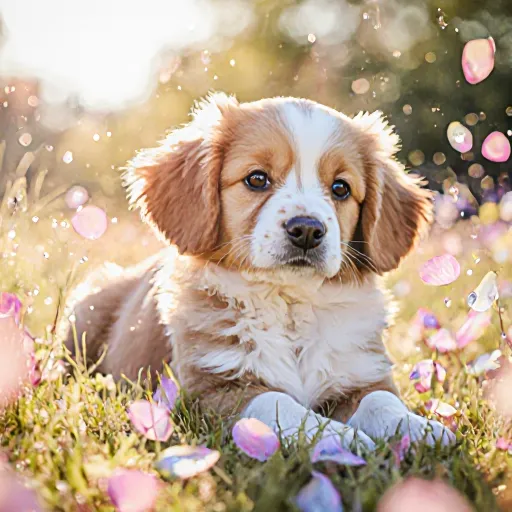
Puppy bliss starts at home
“Soothe & Shine: Revolutionary Rituals for Happy Puppies”
Table of Contents
- Introduction: Why Bathing Your Puppy Matters
- Choosing the Right Time for a Puppy Bath
- Selecting Puppy-Friendly Shampoo and Cleaners
- Preparing Your Bathing Area: Safety First
- Getting Your Puppy Comfortable with the Water
- Step-by-Step Bathing Process for Puppies
- Drying Techniques That Keep Your Puppy Cozy
- Post-Bath Care: Checking Skin and Ear Health
- Common Bathing Mistakes to Avoid
- Training Your Puppy for Future Baths
- When to Skip a Bath: Signs Your Pup Needs Less Water
- Special Considerations for Sensitive Skin and Allergies
- Bathing Puppies with Different Coat Types
- Conclusion: Making Bath Time a Positive Experience
- FAQ: Quick Answers for Common Puppy Bath Questions
Introduction: Why Bathing Your Puppy Matters
A puppy’s first few months are a whirlwind of growth, learning, and exploration. While the fun part of pet ownership is obvious—playtime, cuddles, and endless tail wags— there are practical reasons why you should schedule regular baths from day one. Bathing helps to maintain healthy skin and coat, keeps your pup free of parasites, reduces allergens in the home, and builds a positive association with water that can simplify future grooming sessions.
1. Skin & Coat Health
- Prevents Dryness: Puppies have delicate skin that can dry out quickly, especially if they spend a lot of time outdoors or in drafty environments.
- Reduces Itchiness: A clean coat helps prevent itching caused by excess oil, dirt, and irritants. This keeps your puppy comfortable and less likely to scratch themselves.
2. Parasite Control
Even if your pup lives indoors, fleas, ticks, and other parasites can still find their way in. A regular bath—combined with an appropriate flea/tick prevention product—helps keep these unwanted guests at bay.
3. Allergy Management
For households with members who suffer from pet allergies, frequent washing removes dander and reduces airborne allergens. This can make a noticeable difference in the overall comfort of your living space.
4. Hygiene & Safety
- Preventing Odor: Puppies often sniff and chew on things that can carry strong odors—grass, dirt, or even other animals’ scent.
- Spotting Problems Early: A bath gives you a chance to inspect the skin for redness, lesions, or signs of infection that might otherwise go unnoticed.
5. Building Positive Associations
When a puppy learns that bathing is not scary but rather a routine part of care, future grooming—brushing, ear cleaning, and nail trimming—becomes less stressful for both pet and owner.
A calm environment is key. Below are actionable steps to make bath time enjoyable:
- Choose the Right Time: Bath your puppy when they’re relaxed—often after a short walk or play session.
- Use Puppy‑Safe Products: Select shampoos formulated for puppies; avoid human soaps that can strip natural oils.
- Prepare the Space: Place a non‑slip mat in the tub, have towels ready, and keep a spray bottle or small cup for rinsing.
- Keep it Short: Puppies usually don’t tolerate long baths. Aim for 5–10 minutes per session.
- Stay Calm & Positive: Speak softly, use treats as rewards, and avoid sudden movements that might startle your pup.
- Dry Thoroughly: Use a towel or a low‑heat hair dryer (set to “cool”) to prevent moisture buildup that could lead to skin issues.
By integrating these practices into your routine, you’ll not only keep your puppy clean and healthy but also lay the groundwork for a lifelong partnership built on trust and comfort.
Choosing the Right Time for a Puppy Bath
Timing is everything when it comes to giving your puppy a bath that feels safe, calm, and enjoyable. Puppies are still developing their routines and can be more sensitive to changes in environment and schedule than adult dogs. Below are practical guidelines, real‑world examples, and actionable tips drawn from the “Bathing Puppies: Tips for a Stress‑Free Experience” guide to help you pick the perfect moment for your little friend’s clean‑up.
1. Consider Your Puppy’s Energy Level
- High‑energy pups (e.g., breeds like Border Collies, Jack Russell Terriers) – These dogs often tire out quickly after playtime or a short walk. A bath right after their energy burst can help them relax and make the process smoother.
- Low‑energy or sleepy puppies – For breeds that tend to nap frequently (e.g., Bulldogs, Basset Hounds), wait until they’re awake but not overstimulated. A gentle, calm start prevents a “hot dog” scenario where they become anxious or restless.
2. Align with Feeding Schedule
Puppies have sensitive stomachs and can get nauseated if they bathe immediately after eating. Give them at least 30 minutes to an hour after a meal, especially a large one. Conversely, if your puppy is on a tight feeding schedule, a bath before the next meal can keep the routine predictable.
3. Use Environmental Cues
- Morning routine – Many owners find that a quick wash in the morning helps set a calm tone for the day. The cooler temperatures and fresh start often help puppies feel more relaxed.
- Evening wind‑down – A bath before bedtime can act as a soothing ritual, signaling it’s time to settle down. Just make sure you’re not too close to the dog’s sleeping area to avoid overstimulation.
4. Watch for Signs of Stress or Over‑Excitement
If your puppy is whining, pacing, or shaking before you attempt a bath, it may be better to postpone. Use a short walk or a play session to help them calm down first. The “Bathing Puppies” guide recommends a “cool‑down period” of at least 10–15 minutes before bathing.
5. Seasonal and Weather Considerations
- Hot summer days – Choose early morning or late afternoon to avoid overheating. Ensure the bath area is well‑ventilated and use lukewarm water.
- Cold winter mornings – Warm up the water gradually, and consider using a heated towel afterward to keep your puppy cozy.
6. Practical Example: A One‑Week Old Poodle Mix
Day 1–2: No bath needed—focus on gentle cleaning with a damp cloth.
Day 3: First full bath after the first walk (30 minutes post‑walk).
Day 5–7: If your pup is energetic, schedule the bath right after playtime; if sleepy, wait until they’re awake but calm. Always keep the bath short—10–12 minutes max.
7. Quick Checklist Before Bathing
- Confirm at least 30‑minute gap since last meal.
- Check that your puppy’s energy level is suitable for a calm session.
- Prepare the bath area (temperature, shampoo, towels).
- Give them a brief walk or play to expend excess energy.
By paying close attention to these timing cues and aligning your puppy’s bath with their natural rhythms, you’ll create a stress‑free experience that both you and your furry friend can enjoy. Remember: consistency is key—once you find the sweet spot, stick to it whenever possible.
Selecting Puppy-Friendly Shampoo and Cleaners
Choosing the right shampoo is a foundational step in ensuring your puppy’s bath remains gentle, effective, and stress‑free. Below are key factors to consider, common pitfalls to avoid, and real‑world examples that illustrate how to make an informed decision.
1. Look for “Hypoallergenic” or “Sensitive Skin” Formulas
- Why it matters: Puppies have thinner coats and more delicate skin than adult dogs, making them prone to irritation from harsh detergents.
- What to check: Products labeled hypoallergenic or for sensitive skin typically contain fewer fragrances, dyes, and synthetic preservatives.
- Example: The Earthbath All Natural Pet Shampoo is fragrance‑free, pH balanced, and made with plant extracts that soothe itchy spots.
2. Avoid Phosphates, Sulfates, and Artificial Fragrances
Sulfates (like sodium lauryl sulfate) create a foamy lather but can strip natural oils from the coat. Phosphates may irritate the eyes if they splash into your puppy’s face.
- Best practice: Look for “SLS‑free” or “no artificial fragrance” on the label.
- Example: The Paw & Paws Gentle Shampoo uses coconut-derived surfactants that cleanse without drying out the skin.
3. Consider a pH‑Balanced Formula (5.0–6.5)
The ideal pH for dogs is slightly acidic, mirroring human skin. A balanced formula prevents itching and dryness while protecting the natural barrier of your puppy’s coat.
- Check the label: Some manufacturers list the exact pH range; if not, look for “dog‑specific” or “pet‑safe” claims.
- Example: The Blue Buffalo Natural Dog Shampoo has a pH of 5.5 and is enriched with vitamin E for healthy skin.
4. Look for Added Moisturizers or Soothing Ingredients
Ingredients like aloe vera, oatmeal, chamomile, and coconut oil can calm inflammation and add shine.
- Example: The Burt’s Bees Dog Shampoo contains oat milk and vitamin E to nourish the coat while leaving it silky.
5. Test a Small Patch First
No matter how reputable the brand, individual reactions can vary. Before applying shampoo all over, dab a small amount on your puppy’s forearm and wait 24 hours to check for redness or itching.
6. Keep the Bottle Size in Mind
Puppies often need less product than adult dogs. Buying a smaller bottle (8–12 oz) can be more cost‑effective and reduce waste if your puppy’s coat is short or you only bathe them monthly.
7. Store Properly to Preserve Efficacy
- Keep the shampoo in a cool, dry place away from direct sunlight.
- Seal tightly after each use to prevent drying out or contamination.
8. When to Seek Professional Advice
If your puppy has a diagnosed skin condition (e.g., atopic dermatitis, hot spots) or if you’re unsure which product is best, consult your veterinarian before selecting a shampoo. They may recommend prescription or medicated options.
Quick Reference Table
| Brand/Formula | Key Features | Ideal Use Case |
|---|---|---|
| Earthbath All Natural Pet Shampoo | Fragrance‑free, pH balanced, plant extracts | Puppies with itchy skin or mild allergies |
| Paw & Paws Gentle Shampoo | SLS‑free, coconut surfactants, soothing aloe | All breeds, especially those prone to dryness |
| Burt’s Bees Dog Shampoo | Oat milk, vitamin E, natural fragrance | Puppies with sensitive skin or after a long walk in the rain |
By carefully evaluating these criteria and testing your puppy’s reaction, you’ll be able to choose a shampoo that keeps their coat healthy while making bath time a calm, enjoyable experience for both of you.
Preparing Your Bathing Area: Safety First
Before you even think about turning on the faucet, it’s crucial to set up a safe and comfortable bathing environment for your puppy. A well‑prepared space reduces anxiety, prevents slips, and ensures that the entire experience is positive.
1. Choose the Right Location
- Indoor vs. Outdoor: If you have a small dog or an older puppy, an indoor tub or sink with a non‑slip mat is ideal. For larger breeds, a backyard kiddie pool can work—just make sure it’s secure.
- Temperature Control: Puppies are sensitive to cold water. Keep the room warm or use a heater if you’re bathing indoors. If outdoors, avoid windy days that could chill your pup.
2. Create a Non‑Slip Surface
- Towels and Mats: Place a rubber or silicone mat on the floor of the tub or sink. Lay a towel over it for extra grip, especially if you’re using a plastic kiddie pool.
- Test First: Before bringing your puppy in, run your hand over the surface to ensure it feels stable and won’t shift under weight.
3. Gather All Supplies Ahead of Time
- Puppy Shampoo & Conditioner: Use a gentle, tear‑free formula designed for puppies.
- Towels (at least two): One to dry the puppy and another as a safety blanket.
- Brush or Comb: To remove loose fur before washing.
- Water Temperature Check: A small cup of water can help you gauge the right temperature (around 100–105°F).
4. Safety Gear for You and Your Puppy
- Non‑Slip Shoes: Protect your feet from splashes and maintain balance.
- Gloves: Some puppies have sensitive skin; gloves can help you handle them gently without getting splashed.
- Toy or Treat: Keep a favorite toy nearby to reward calm behavior after the bath.
5. Establish Clear Communication Signals
- Verbal Cues: Use consistent words like “sit,” “stay,” and “down” before, during, and after the wash.
- Positive Reinforcement: Pair each cue with treats or praise to reinforce cooperation.
6. Keep the Environment Calm
- No Loud Music or Sudden Movements: Soft background music can help soothe your pup, but avoid any sudden noises that might startle them.
- Limit Visitors: Fewer people means less distraction and a lower chance of accidental slips.
7. Test the Setup with a Small Experiment
Before fully bathing your puppy, try a “dry run.” Have them sit in the tub area with towels only to get used to the new environment. Observe their body language—if they seem relaxed, you’re ready to proceed.
8. Post‑Bath Safety Check
- Check for Loose Items: Ensure no small toys or shampoo bottles are left in the area that could cause choking.
- Ventilation: If indoors, open a window to allow any residual moisture and scent to disperse.
By meticulously preparing your bathing area, you set the stage for a calm, stress‑free experience that both you and your puppy will appreciate. Remember: safety first leads to a happy, clean pup—and a satisfied owner!
Getting Your Puppy Comfortable with the Water
Introducing a puppy to water can feel like navigating uncharted territory, but with patience and the right approach, you can turn every splash into a confidence‑building moment. Below are step‑by‑step techniques, real‑world examples, and practical tips that blend seamlessly into your daily routine.
1. Start with Familiarity
- Use the same bowl or tub: If your puppy has a favorite water bowl, let them sniff it first. Then, gradually introduce a shallow kiddie pool or a plastic tub that mimics the shape of their bowl.
- Keep temperature consistent: Puppies are sensitive to cold. Warm the water (around 100°F/38°C) and test with your elbow before letting them in.
- Let them explore dry first: Place a towel or mat in the pool area so they can walk on it, sniff around, and become comfortable with the new environment without the pressure of water.
2. Gradual Immersion
- Begin at the bottom: Start by placing your puppy’s paws in the shallowest part of the tub. Praise and reward with a treat.
- Progress slowly: Every few minutes, raise the water level a little higher—just enough to get their ears wet. Avoid forcing them into deeper areas before they’re ready.
- Use a gentle handhold: Hold your puppy’s collar or harness lightly while you stand in the tub. This gives them a sense of security and prevents panic.
3. Positive Reinforcement
Link water exposure with something they love:
- Treats: Use high‑value treats (like chicken or cheese) to reward every step.
- Playtime: Throw a favorite toy into the water and let them chase it. This turns bath time into playtime.
- Verbal praise: Speak in a calm, upbeat tone—“Good girl! Great job!”
4. Keep Sessions Short & Frequent
Puppies have short attention spans. Aim for 5–10 minute sessions, 2–3 times per day. This builds familiarity without overwhelming them.
5. Avoid Common Pitfalls
- No sudden splashes: Puppies can get startled by a sudden burst of water. Keep the flow gentle.
- Avoid hot showers: Warm, not hot, water keeps them safe and comfortable.
- Never leave your puppy unattended: Even in shallow water, they can slip or panic.
6. Real‑World Example: The “Teddy” Technique
Meet Teddy, a 4‑month‑old Labrador mix. His owner used the following routine:
- Day 1–2: Teddy sniffed an empty tub and licked the water from the edge.
- Day 3–5: Water level raised to chest height; each time he stayed calm, a treat was given.
- Day 6–7: Teddy voluntarily dove in for short bursts while chasing a floating ball.
Result? By week two, Teddy could swim around the tub independently and even enjoyed a quick rinse before bedtime.
7. Practical Checklist
| Step | What to Do |
|---|---|
| 1. | Warm water, check temperature. |
| 2. | Let puppy explore dry area. |
| 3. | Introduce shallow immersion with treats. |
| 4. | Gradually raise water level. |
| 5. | Use toys for play‑based training. |
| 6. | Keep sessions short, repeat daily. |
| 7. | Always supervise and provide praise. |
By treating water as an adventure rather than a chore, you’ll help your puppy develop confidence, love for baths, and a lifelong appreciation of clean, healthy habits.
Step-by-Step Bathing Process for Puppies
Bathing a puppy can feel daunting, but with the right preparation and a calm approach it becomes a routine that strengthens your bond. Below is a detailed guide broken into five stages: Preparation, Getting Comfortable, The Wash, Rinse & Dry, and Post‑Bath Care. Each step includes practical tips, common pitfalls to avoid, and real‑world examples.
1️⃣ Preparation
- Choose the right location: A shallow tub or a bathtub with a non‑slip mat is ideal. If you’re using a sink, fill it to just below your puppy’s belly.
- Gather supplies beforehand:
- Puppy shampoo (pH balanced, no sulfates)
- Towel or microfiber dry cloth
- Brush or comb for pre‑wash detangling
- Water bottle or a small plastic cup for rinsing ears
- Pet‑safe conditioner (optional)
- Set the temperature: Warm water (around 38–40°C/100–104°F) feels comfortable to puppies. Test with your wrist or a thermometer.
- Pre‑bath grooming: Brush out loose hair and remove mats; this reduces the amount of suds that cling to the coat.
2️⃣ Getting Comfortable
- Introduce the tub: Let your puppy sniff and explore the area while you’re there. Place a small treat or toy on the floor to create positive associations.
- Use a calm voice: Speak in a soothing tone; puppies pick up on vocal cues.
- Position the puppy: Gently place them in the tub, starting with their front legs and then easing the rest of their body. Keep your hand flat under their belly for support.
3️⃣ The Wash
- Wet the coat: Slowly pour water over the body, avoiding the head and ears first.
- Apply shampoo: Use a small amount (a pea‑sized dollop is enough). Massage it into the fur in circular motions, covering all areas but leaving the face untouched.
- Sudsy safety: Keep your puppy’s eyes closed by gently pressing their forehead. If they blink or show discomfort, rinse that area immediately.
- Ear care: Use a damp cotton ball to wipe inside the ears; avoid inserting anything into the ear canal.
4️⃣ Rinse & Dry
- Rinse thoroughly: Ensure no shampoo residue remains; leftover suds can cause itching.
- Dry with a towel: Pat, don’t rub. If your puppy tolerates it, use a low‑heat hair dryer on the “cool” setting. Keep the dryer moving to prevent overheating.
- Check for moisture: Feel their ears and belly; if still damp, re‑towel them until dry.
5️⃣ Post‑Bath Care
- Reward: Give a treat and lots of praise immediately after drying to reinforce the experience.
- Inspect for skin issues: Look for redness, irritation, or parasites. If you spot anything unusual, consult your vet.
- Maintain routine: Aim for 1–2 baths per month depending on breed and activity level. Over‑washing can strip natural oils.
Practical Advice & Real‑World Examples
Case Study: Bella, a 4‑month‑old Labrador mix
- Bella was anxious about the tub. By placing her favorite chew toy in the water and offering treats each time she entered, we turned the bath into a positive game.
- We used a puppy shampoo with oat extract to soothe her slightly itchy skin after a short walk on gravel.
- After rinsing, Bella’s ears were dry within 5 minutes because we used a microfiber towel that absorbed excess moisture quickly.
Common Pitfalls & How to Avoid Them
- Panic at the splash: Keep water level low initially and gradually increase as your puppy becomes comfortable.
- Shampoo residue: Rinse until the water runs clear; a quick visual check is often enough.
- Drying anxiety: If using a dryer, start with the lowest heat and hold it several inches away. Let your puppy sniff the air to get used to the noise.
Remember: consistency, patience, and positive reinforcement are key. With these steps, you’ll make bath time an enjoyable part of your puppy’s routine.
Drying Techniques That Keep Your Puppy Cozy
Once your pup has finished the bath, it’s time to dry them out—quickly and comfortably. A warm, fluffy environment will help maintain their body temperature and prevent the chill that can lead to colds or digestive upset.
1. Use a Soft, Absorbent Towel
- Choose the right towel: Look for microfiber or bamboo towels—both are gentle on sensitive skin and highly absorbent.
- Pat, don’t rub: Gently pat the puppy’s coat to remove excess water. Rubbing can cause tangles or frizz, especially in long‑haired breeds.
- Cover the ears: While drying, wrap a small towel around the ears to keep them from getting cold and prevent ear infections.
2. Blow-Drying with Care
Many owners prefer a blow dryer for speed, but it must be handled carefully:
- Low heat setting: Use the lowest heat and highest fan setting to avoid scorching the skin.
- Keep distance: Hold the dryer at least 12 inches from the puppy’s body.
- Move constantly: Avoid focusing on one spot for too long; keep the airflow moving in a circular pattern.
- Check temperature: Pause every few minutes and feel the puppy’s back to ensure it’s not getting too hot.
3. The “Bowl” Method for Small Breeds
This quick trick works well for Chihuahuas, Pomeranians, or other tiny pups that can’t stand on a towel:
- Place the puppy in a shallow bowl or basin.
- Gently blow warm air over their back and sides while wrapping a towel around them.
- This method keeps the pup stable and reduces the chance of accidental slips.
4. Drying in a Warm, Draft‑Free Room
A controlled environment helps maintain body heat:
- Keep the room temperature between 70–75°F (21–24°C).
- Use a fan or air conditioner only if it creates a gentle breeze—no direct airflow on the pup.
- Place a soft blanket or dog‑safe heating pad under the puppy’s bed to provide extra warmth.
5. Post‑Drying Comfort Measures
Once your puppy is dry, finish with these cozy touches:
- Warm bedding: Offer a freshly laundered blanket that’s been warmed in the dryer.
- Gentle massage: Lightly stroke the back and belly to relax nerves and improve circulation.
- Hydration check: Ensure fresh water is within reach; dehydration can make a cold puppy feel worse.
Practical Tips for Stress‑Free Drying
- Keep the routine consistent: Dogs thrive on predictability—dry them in the same spot, with the same towel, and at similar times.
- Use calming scents sparingly: A light dusting of dog‑friendly lavender spray can help soothe anxious pups (but test first to avoid allergic reactions).
- Reward with treats: Offer a small treat after each successful drying session; positive reinforcement turns the process into a bonding moment.
By combining gentle towel work, careful blow‑drying, and a warm environment, you’ll keep your puppy cozy and healthy—ready to jump back into playtime with a wagging tail.
Post-Bath Care: Checking Skin and Ear Health
After your puppy has finished rinsing, it’s essential to inspect their skin and ears for any signs of irritation or infection that a bath might have triggered. A quick check can prevent minor issues from becoming major health concerns.
1. Skin Inspection
- Look for redness or rash: These may indicate an allergic reaction to the shampoo or a sensitivity to certain ingredients.
- Check moisture levels: Dry patches can appear if the water is too hot or if you rinse too aggressively. Lightly pat the coat with a towel and feel for any roughness.
- Observe hair texture: After multiple washes, some puppies develop a matte appearance. A quick brushing helps restore shine and reveals whether the coat feels smooth or frizzy.
2. Ear Check
Puppies are prone to ear infections, especially after wetting their ears during a bath. Follow these steps:
- Open the ear canal gently: Use a soft cotton ball or a small pair of tweezers.
- Look for discoloration: A healthy ear is usually pinkish with a slight sheen. Dark brown or black staining may indicate wax buildup or infection.
- Smell the environment: A sour or foul odor often signals an ear infection, while a clean scent suggests no issues.
- Feel for swelling or tenderness: Gently press around the ear flap; if your puppy pulls away or whines, they may have discomfort.
3. Immediate Actions if Problems Are Detected
- Redness or itching: Apply a vet‑approved hypoallergenic moisturizer and monitor for worsening symptoms.
- Persistent odor or discharge: Schedule an appointment with your veterinarian to rule out infection.
- When in doubt, it’s always safer to consult a professional rather than risk delaying treatment.
4. Preventative Tips for Future Baths
- Select the right shampoo: Look for products formulated specifically for puppies or hypoallergenic formulas free from dyes and fragrances.
- Control water temperature: Keep it lukewarm—around 100°F (38°C)—to avoid overheating or scalding sensitive skin.
- Use a mild, balanced rinse: A quick rinse with cool water helps close the hair cuticles and reduces moisture retention.
- Dry thoroughly but gently: Use a towel to blot excess water and, if needed, a low‑heat blow dryer on a cool setting.
By routinely checking your puppy’s skin and ears after each bath, you’ll catch early signs of irritation or infection, ensuring that their grooming routine remains healthy and stress‑free.
Common Bathing Mistakes to Avoid
Common Bathing Mistakes to Avoid
Even the most well‑meaning owners can slip into a few pitfalls that make bath time stressful for both you and your puppy. Here are the top mistakes—along with how to sidestep them.
- Using the wrong shampoo
- Puppies have delicate skin; human or adult dog shampoos can strip natural oils, leading to dryness, itching, and irritation.
- Choose a hypoallergenic, tear‑free puppy shampoo. Look for ingredients like oat or aloe vera, and avoid harsh sulfates.
- Bathing too often
- Puppies only need a bath once every 3–4 weeks unless they get particularly dirty or develop skin conditions.
- Over‑washing disrupts the protective coat of oils and can cause “bath rash.”
- Using too hot water
- A temperature that feels warm to humans can be scalding for a puppy’s sensitive skin.
- Test the water with your wrist or elbow; it should feel lukewarm (around 37–39°C/98.6–102°F).
- Neglecting ear hygiene
- Puppies’ ears are prone to wax buildup and infections.
- Use a vet‑approved ear cleaner, apply gently with cotton balls, and avoid inserting anything deep into the canal.
- Forgetting to rinse thoroughly
- Residual shampoo can cause itching, redness, and even skin infections.
- Rinse until water runs clear from coat and head. A final rinse with cool water helps close the cuticles.
- Using a harsh towel or drying method
- A rough towel can pull at loose hair, causing matting.
- Opt for a soft microfiber towel or let your puppy air‑dry in a warm room. If you must use a blow dryer, set it on low heat and keep it moving.
- Ignoring the pup’s emotional cues
- Puppies may show signs of stress: panting, whining, or attempting to escape.
- If you notice these signals, pause, reassure with a calm voice, and consider shortening the session. A gradual acclimation process reduces anxiety.
- Skipping post‑bath grooming
- Wet fur can mat easily; brushing immediately after drying prevents tangles.
- Use a slicker brush or a wide‑toothed comb, starting at the head and working down to the tail.
- Overlooking the importance of ventilation
- A poorly ventilated bathroom can cause the room to feel damp, which may lead to respiratory issues in sensitive puppies.
- Open a window or use an exhaust fan during and after the bath.
- Using scented or essential oils
- Many essential oils (e.g., tea tree, peppermint) are toxic to dogs, especially puppies.
- Avoid them entirely; stick to pet‑safe products.
By steering clear of these common pitfalls, you’ll create a safer, calmer, and more enjoyable bathing routine that both you and your puppy can look forward to.
Training Your Puppy for Future Baths
While many owners dread the first bath, with consistent training your puppy can learn to view it as a routine part of life rather than a scary ordeal.
- Start with “Bath Time” Play Sessions
- Place a shallow tub or large basin filled with just a few inches of lukewarm water. Let the puppy explore it on his own, using toys to encourage curiosity.
- Reward every time he steps in or stays calm with treats and praise. This creates positive associations.
- Introduce the Grooming Tools Early
- Let him sniff and touch the brush, shampoo bottle, and towel before any actual washing takes place.
- Use a dry, soft brush on his coat first; reward each brushing session. This reduces anxiety when the same tools are used during a bath.
- Gradual Wetting Technique
- Begin by gently spraying a small amount of water onto his back with a handheld sprayer, keeping the nozzle at a distance to avoid startling him.
- Progressively move closer as he becomes comfortable. Each time you wet him, give a treat and verbal encouragement.
- Use a “Calm Cue” Phrase
- Select a short phrase like “bath time” or “let’s wash.” Repeat it consistently whenever the water starts to run, reinforcing that this cue signals a safe activity.
- Keep Sessions Short and Positive
- Aim for 5–10 minute baths during the first few weeks. If your puppy shows signs of stress (whining, trying to escape), pause and resume later.
- Finish each session with a dry towel wrap and a favorite treat to reinforce the positive outcome.
- Reward the Entire Process
- Offer treats not only after the bath but also while you’re rinsing, patting him dry, or when he remains still during shampoo application.
- Gradually reduce the number of treats as his confidence grows; use praise and affection as primary rewards.
- Maintain a Consistent Routine
- Schedule baths at roughly the same time each week, allowing your puppy to anticipate what’s coming next.
- Use the same shampoo brand and volume of water for consistency; sudden changes can trigger anxiety.
- Post-Bath Calming
- After drying, give your puppy a calm walk or play session to help him relax further. This helps reinforce that bathing is just one part of a normal day.
Reference: Bathing Puppies – Tips for a Stress-Free Experience
When to Skip a Bath: Signs Your Pup Needs Less Water
Bathing is essential for keeping your puppy clean and healthy, but it’s equally important not to overdo it. Over‑bathing can strip natural oils from the skin, cause dryness, irritation, or even lead to ear infections. Below are clear signs that indicate it might be time to skip a bath or at least shorten the session.
1. Your Puppy Has Very Sensitive Skin
If your pup shows redness, itching, or flaking after a bath, they likely have sensitive skin or an allergy. In such cases, use a hypoallergenic, fragrance‑free shampoo and limit bathing to once every 4–6 weeks.
2. Your Puppy Has Ear Problems
Puppies prone to ear infections (especially those with floppy ears) can suffer from moisture buildup after frequent baths. If you notice persistent itching or discharge, consult your vet for an ear cleaning routine that doesn’t involve full‑body showers.
3. Your Puppy Is Very Active and Gets Sweaty
Active breeds like Border Collies or Australian Shepherds can sweat a lot during playtime. After intense sessions, they might be better off with a quick wipe down using a damp towel rather than a full bath.
4. Your Puppy Has an Ongoing Medical Condition
Puppies on medications such as steroids or those with skin conditions like atopic dermatitis benefit from reduced exposure to soaps and shampoos. Work with your vet to develop a gentle cleaning schedule.
5. The Weather Is Warm and Humid
In hot, humid climates, frequent bathing can make puppies feel sluggish and lead to heat stress. Instead, use a spray bottle or wet wipes to keep them fresh until the cooler season arrives.
Practical Tips for Reducing Bath Frequency
- Spot Clean: Use a damp cloth or pet wipe on dirty spots (e.g., paws, face) between baths.
- Use Dry Shampoo: Powdered or foam dry shampoos help absorb excess oil and keep fur looking clean without water.
- Brush Regularly: Daily brushing removes loose hair and distributes natural oils, reducing the need for frequent washing.
- Ventilation: Keep your puppy’s bedding in a well‑ventilated area to prevent moisture buildup that could require extra cleaning.
Remember, each pup is unique. Pay close attention to their skin tone, ear health, and overall comfort. When in doubt, consult with your veterinarian or a professional groomer for personalized advice on bathing frequency and product selection.
Special Considerations for Sensitive Skin and Allergies
If your puppy has a history of skin sensitivities or allergies—whether they’re triggered by food, environmental factors, or even certain grooming products—extra care is needed during bath time. A gentle approach not only keeps their coat clean but also protects the delicate barrier that shields them from irritants.
1. Choose the Right Shampoo
- Hypoallergenic, fragrance‑free formulas: Look for shampoos labeled “for sensitive skin” or “hypoallergenic.” These typically contain fewer detergents and are free of dyes or perfumes that can cause itching.
- Aloe or oatmeal bases: Shampoos infused with aloe vera or colloidal oatmeal soothe inflammation and help moisturize the skin. They’re especially useful for puppies prone to dry, flaky patches.
- Always read the ingredient list: Avoid sulfates (e.g., sodium lauryl sulfate), parabens, and artificial preservatives that can aggravate allergies.
2. Test a Small Patch First
Before applying any new product over your puppy’s entire body, do a patch test on a small area—like the inside of their wrist or the base of the tail. Apply a tiny amount, wait 24 hours, and observe for redness, swelling, or hives. If no reaction occurs, it’s safe to continue.
3. Keep Water Temperature Comfortable
- Use lukewarm water (around 37°C/98°F). Hot water can strip natural oils and trigger itching, while cold water may be stressful for a young puppy.
- Test the temperature with your elbow or a thermometer before starting the bath.
4. Gentle Rinsing Technique
Rinse slowly, ensuring no shampoo residue remains—especially in ear canals and between toes. Residual soap can irritate sensitive skin and lead to secondary infections.
5. Avoid Over‑Bathing
Puppies with allergies often have compromised skin barriers that heal best when not over‑washed. A bath once every 2–4 weeks is usually sufficient, but consult your vet for a personalized schedule.
6. Post‑Bath Care
- Pat dry, don’t rub: Use a towel to gently blot excess moisture; rubbing can aggravate itchy skin.
- Use a hypoallergenic conditioner or detangler if needed: Some puppies benefit from a light conditioner that moisturizes without leaving residue.
- Apply a vet‑recommended topical barrier cream: Products containing zinc oxide or petroleum jelly can protect skin during healing.
7. Monitor for Allergic Reactions
After the bath, watch for signs such as redness, swelling, excessive scratching, or ear inflammation. If you notice any of these symptoms, rinse thoroughly and contact your veterinarian promptly.
8. Practical Example: A Step‑by‑Step Routine for a Sensitive‑Skin Puppy
- Preparation: Gather all supplies—hypoallergenic shampoo, towel, a cup or handheld shower head, and a cool, dry space to finish the bath.
- Puppy Positioning: Place your puppy on a non‑slip mat in the tub. Speak softly and keep your tone reassuring.
- Wet Coat: Use lukewarm water to dampen the entire coat, avoiding direct stream on the face.
- Apply Shampoo: Lather a small amount into a palm and massage gently in circular motions, covering all areas but not the ears.
- Rinse Thoroughly: Use a gentle stream to rinse, ensuring no suds remain. Then rinse the ears with a cotton ball dampened with water.
- Towel Dry: Pat the puppy dry and then let them air‑dry in a warm room. Finish by brushing with a soft brush.
- Reward: Offer a treat and praise to reinforce calm behavior for future baths.
By tailoring your bathing routine to accommodate sensitive skin, you’ll keep your puppy comfortable, reduce the risk of allergic flare‑ups, and enjoy a smoother grooming experience together.
Bathing Puppies with Different Coat Types
Puppies come in a wide variety of coat textures, lengths, and colors. Understanding the specific needs of each type will help you keep your little friend clean, healthy, and happy without causing unnecessary stress.
- Short‑Coated Puppies (e.g., Beagle, Boxer)
- These coats are relatively easy to manage. A gentle wash with a mild puppy shampoo once every 3–4 weeks is usually sufficient.
- After rinsing, gently pat the coat dry with a towel—avoid vigorous rubbing which can fray the hair.
- Medium‑Coated Puppies (e.g., Border Collie, Australian Shepherd)
- The thicker fur may trap dirt and oils. Brush before bathing to remove tangles and mats.
- Use a lukewarm shower head; keep the water at about 37°C (98.6°F) to avoid overheating.
- Follow up with a light conditioner to keep the coat soft, but rinse thoroughly to prevent residue buildup.
- Long‑Coated Puppies (e.g., Afghan Hound, Shih Tzu)
- These coats can develop mats if not brushed regularly. Brush at least twice a week before any bath.
- During the wash, work from the head down to ensure even coverage and avoid pulling on tangled sections.
- After rinsing, use a high‑quality detangler spray; this helps prevent post‑bath matting.
- Curly or Wavy Coats (e.g., Poodle, Bichon Frise)
- Curls hold moisture and can become itchy if not properly dried. Use a microfiber towel to absorb excess water.
- A dry shampoo formulated for puppies can reduce the frequency of full baths—ideal for these breeds.
- After every wash, comb out any loose curls with a slicker brush to keep them defined and mat‑free.
- Double‑Coated Puppies (e.g., Siberian Husky, Alaskan Malamute)
- The undercoat can trap dirt; therefore, a deeper clean once a month is recommended during shedding season.
- Use a hypoallergenic puppy shampoo and rinse thoroughly to avoid irritation in the thin top layer.
- After drying, fluff the coat gently with your hands or a brush to maintain its natural volume.
- Hypoallergenic or Sensitive Skin Breeds (e.g., Bedlington Terrier, Lhasa Apso)
- Choose a fragrance‑free, dye‑free puppy shampoo to minimize allergic reactions.
- Limit bath frequency to once every 4–6 weeks unless directed by your vet.
- After the bath, apply a light, pet‑safe moisturizer if skin appears dry or itchy.
Practical Tips for All Coat Types
- Pre‑Bath Preparation: Keep all bathing supplies within arm’s reach—shampoo, conditioner, towel, and a clean washcloth. This reduces the time your puppy spends in the tub.
- Temperature Check: Always test water temperature with your wrist before starting; it should feel warm but not hot.
- Use a Non‑Slip Mat: Place a rubber mat in the tub to prevent slipping and reduce anxiety.
- Towel Drying Technique: Gently squeeze excess water out of the coat before patting dry. Avoid rubbing hard, as this can create static or tangles.
- Post‑Bath Routine: Reward your puppy with a treat and calm voice. This reinforces positive behavior for future baths.
By tailoring your bathing routine to the specific coat type of your puppy, you’ll maintain their skin health, reduce shedding issues, and create a more enjoyable experience for both of you.
Conclusion: Making Bath Time a Positive Experience
Bathing a puppy can feel like a daunting task, but with the right approach it becomes an enjoyable bonding moment for both you and your little friend. Below is a quick recap of the key take‑aways and some practical tips that will help keep future baths calm, safe, and even fun.
- Preparation is Key: Gather all supplies—non‑shampoo dog soap, towels, a treat jar, a small cup for rinsing, and a non‑slip mat—before you start. This prevents frantic searching and keeps the environment organized.
- Choose the Right Environment: A warm, quiet room with minimal distractions works best. If you’re using a bathtub, line it with a rubber mat; if outdoors, bring a portable shower head or use a plastic container for a gentle rinse.
- Keep the Water Temperature Comfortable: Aim for 90–100°F (32–38°C). A lukewarm bath feels like a gentle hug rather than a hot tub.
- Use Positive Reinforcement: Treats, praise, and soft talking keep your pup’s focus on the reward. Reward every small step—entering the water, staying calm during shampoo, rinsing off—so they associate bath time with good outcomes.
- Introduce Shampoo Gradually: Start with a tiny amount of product; if it stings or irritates, rinse immediately and reduce the quantity. Over‑shampooing can strip natural oils and cause itching.
- Treat Drying as Playtime: Let your puppy sniff, hop on, and explore the towel like it’s a new toy. A slow, gentle patting helps them relax while you remove excess water.
- Post‑Bath Routine: Give your pup a cool drink, let them settle in a dry area, and reward again. This final “thank you” moment reinforces that baths are just another fun activity.
Remember, patience is the secret ingredient. Each puppy’s tolerance level varies—some may thrive on quick showers, others need more time to adjust. By keeping your tone calm, using treats strategically, and staying consistent with a short but regular bathing schedule (typically every 3–4 weeks for most breeds), you’ll turn bath time from a stressful chore into a cherished part of your puppy’s daily routine.
In the end, the goal isn’t just cleanliness; it’s about building trust. A well‑bathed pup is healthier, happier, and more confident—qualities that will stay with them for years to come.
FAQ: Quick Answers for Common Puppy Bath Questions
- How often should I bathe my puppy?
-
Puppies typically need a bath every 3–4 weeks, but this can vary based on breed, coat type, and activity level. If your pup gets muddy or develops an odor, give them a quick rinse with water only; full baths are best reserved for when the fur is visibly dirty.
- What kind of shampoo should I use?
-
Select a puppy‑specific, hypoallergenic shampoo. These formulas are milder and free from harsh chemicals that can irritate sensitive skin. Look for products labeled “ph‑balanced” or “for newborns.” Avoid human shampoos, as they’re too strong.
- Can I give my puppy a bath before it’s fully vaccinated?
-
It’s generally safe to bathe a puppy that is partially or fully vaccinated. However, if the puppy has received a new vaccine within the last 48 hours, wait at least 24–48 hours before bathing to avoid stressing their immune system.
- How do I keep my puppy from slipping in the tub?
-
- Place a non‑slip mat or towel on the bottom of the tub.
- Use a handheld shower head to direct water gently, reducing the need for the pup to jump around.
- Keep the water level low—just enough to wet the fur—to minimize splashing and slipping.
- What should I do if my puppy gets nervous during a bath?
-
Try these calming techniques:
- Use a quiet voice and gentle touch to reassure them.
- Offer treats or a favorite toy before, during, and after the bath.
- Start with short sessions (2–3 minutes) and gradually increase time as your pup becomes more comfortable.
- Is it okay to use ear cleaning solution in the bath?
-
Never add ear cleaner directly into the water. Instead, apply a veterinarian‑recommended ear wipe or solution after rinsing and drying your puppy’s ears separately.
- How do I properly dry my puppy after bathing?
-
- Wrap the pup in a thick towel and gently pat them dry—avoid rubbing, which can cause matting.
- If your puppy tolerates it, use a low‑heat hair dryer set on “cool” or “low.” Keep the dryer at least 12 inches away to prevent heat burn.
- After drying, brush the coat with a slicker brush to remove loose hairs and prevent tangles.
- Can I use essential oils for my puppy’s bath?
-
Most essential oils are toxic to dogs. Avoid using them unless they’re specifically formulated for canine use and approved by a veterinarian.
- What are the signs of an allergic reaction during or after a bath?
-
- Itching, redness, swelling around the face or ears.
- Rashes or hives that spread beyond the bathing area.
- Difficulty breathing or excessive drooling (seek immediate veterinary care).
- How can I make future baths easier for both of us?
-
Create a routine: bathe at the same time each week, use a consistent command (“bathtime”), and reward your puppy with praise or treats afterward. Consistency builds confidence and reduces stress.
Categories
- AI & Enrichment Play
- Broiler Farming
- Broiler Farming Tips
- Canine Wellness & Longevity
- Cat
- Cat & Human Connection
- Cat Adoption & Rescue
- Cat Breeds
- Cat Breeds & Personalities
- Cat Care & Health
- Cat Grooming & Hygiene
- Cat Lifestyle & Environment
- Cat Myths & History
- Cat Nutrition & Diet
- Cat Products & Reviews
- Cat Training & Behavior
- Comparison
- Consumer Awareness
- Dog
- Dog Accessories & Products
- Dog Adoption & Rescue
- Dog Breed & Lifestyle Trends
- Dog Breeding & Puppies
- Dog Entertainment & Media
- Dog Fashion & Trends
- Dog Fun & Lifestyle
- Dog Grooming & Hygiene
- Dog History & Culture
- Dog Myths, Science & Future Tech
- Dog News & Trends
- Dog Nutrition & Food
- Dog Psychology & Emotions
- Dog Safety & Security
- Dog Sports & Activities
- Dog Technology & Innovation
- Dog Training for Modern Owners
- Dog Travel & Adventure
- Dog Travel, Adventure & Culture
- Economic and Market Insights
- Educational Content
- FAQs
- Feeding Alternatives
- Festivals & Seasonal Ideas
- Fun & Entertainment
- General Knowledge
- General Pig Farming
- Health & Disease Management
- Housing and Environment
- Kittens
- Market Insights
- Miscellaneous
- Miscellaneous
- Motivational
- pig
- Pig Breeding
- Pig Breeds
- Pig Farming Stories and Inspiration
- Pig Health and Care
- Pig Nutrition
- Pig Products
- Profitability & Business
- Puppy Care
- Puppy Predictable Topics Reinvented
- Regional Focus
- Rescue & Adoption Buzz
- Senior Cats
- Senior Dog Care
- Smart Dog Tech & Gadgets
- Sustainability
- Sustainable & Eco-Friendly Dog Products
- Tech & Innovations
- Working & Service Dogs
- Broiler Feed66 products
- Country Feed33 products
- Pig Feed66 products
- Product22 products
- Raw Materials99 products
Products
-
 Fish Meal
₹1,999.00 – ₹2,999.00Price range: ₹1,999.00 through ₹2,999.00Rated 0 out of 5
Fish Meal
₹1,999.00 – ₹2,999.00Price range: ₹1,999.00 through ₹2,999.00Rated 0 out of 5 -
 FATTENING BROILER FEED
₹2,299.00 – ₹2,349.00Price range: ₹2,299.00 through ₹2,349.00Rated 0 out of 5
FATTENING BROILER FEED
₹2,299.00 – ₹2,349.00Price range: ₹2,299.00 through ₹2,349.00Rated 0 out of 5 -
 LAYER COUNTRY FEED
₹1,549.00 – ₹1,649.00Price range: ₹1,549.00 through ₹1,649.00Rated 0 out of 5
LAYER COUNTRY FEED
₹1,549.00 – ₹1,649.00Price range: ₹1,549.00 through ₹1,649.00Rated 0 out of 5 -
 COUNTER BROILER FEED
₹1,199.00 – ₹1,299.00Price range: ₹1,199.00 through ₹1,299.00Rated 0 out of 5
COUNTER BROILER FEED
₹1,199.00 – ₹1,299.00Price range: ₹1,199.00 through ₹1,299.00Rated 0 out of 5 -
 LACTATING PIG FEED
Rated 0 out of 5
LACTATING PIG FEED
Rated 0 out of 5₹2,299.00Original price was: ₹2,299.00.₹1,740.00Current price is: ₹1,740.00. -
 Maize
Rated 0 out of 5
Maize
Rated 0 out of 5₹1,650.00Original price was: ₹1,650.00.₹1,300.00Current price is: ₹1,300.00. -
 GESTATION PIG FEED (Phase 1)
Rated 0 out of 5
GESTATION PIG FEED (Phase 1)
Rated 0 out of 5₹2,249.00Original price was: ₹2,249.00.₹1,699.00Current price is: ₹1,699.00. -
 Pre Starter Broiler Feed
₹2,399.00 – ₹2,499.00Price range: ₹2,399.00 through ₹2,499.00Rated 0 out of 5
Pre Starter Broiler Feed
₹2,399.00 – ₹2,499.00Price range: ₹2,399.00 through ₹2,499.00Rated 0 out of 5 -
 FINISHER PIG FEED
Rated 0 out of 5
FINISHER PIG FEED
Rated 0 out of 5₹2,299.00Original price was: ₹2,299.00.₹1,749.00Current price is: ₹1,749.00. -
 Broiler Premix
Rated 0 out of 5
Broiler Premix
Rated 0 out of 5₹820.00Original price was: ₹820.00.₹699.00Current price is: ₹699.00.