
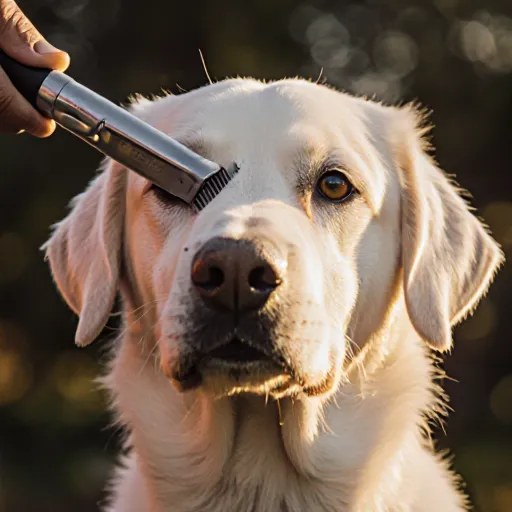
Trim with Care, Keep Eyes Safe
How to Trim Dog Hair Around Eyes Safely
Table of Contents
- Introduction to Eye Hair Trimming
- Understanding Your Dog’s Coat Around the Eyes
- Tools You’ll Need for Safe Trimming
- Preparing Your Dog: Calm and Comfortable Setup
- Choosing the Right Cutting Technique
- Step-by-Step Guide to Trimming the Upper Eyelid Hair
- Trimming the Lower Eyelid Hair Safely
- How to Avoid Cutting Sensitive Skin or Eyes
- Using Clippers vs. Scissors: Pros and Cons
- Cleaning Up After Trimming: Keeping the Area Hygienic
- When to Seek Professional Grooming Help
- Common Mistakes and How to Correct Them
- Post-Trim Care: Moisturizing and Protecting the Eyes
- Conclusion
- FAQ
Introduction to Eye Hair Trimming
Trimming hair around a dog’s eyes is one of the most delicate grooming tasks you can perform. The area is highly visible, and any mistake can lead to irritation or even injury. A well‑executed trim not only improves your pet’s appearance but also prevents potential health issues such as infection, corneal abrasions, or vision impairment caused by excessive hair growth.
Why Eye Hair Trimming Matters
- Health: Excessive fur can trap moisture and debris, creating a breeding ground for bacteria.
- Comfort: Long hair may cause itching or rubbing against the eye socket, leading to redness.
- Aesthetics: Clean lines around the eyes give dogs a polished look that owners love to show off on social media.
Choosing the Right Tools
Before you begin, gather these items:
- Sharp scissors or grooming shears – opt for a pair with angled blades to provide precision.
- Combing brush or fine‑tooth comb – helps straighten the hair and remove tangles.
- Clipper guard (optional) – if you prefer clipping, use a guard that leaves at least 1/8” of length.
- Eye wipes or damp cotton balls – for cleaning any stray hair after trimming.
Step‑by‑Step Guide
- Preparation: Start in a well‑lit area and keep a towel handy. Use a mild, non‑irritating shampoo if the fur is particularly dirty.
- Inspect the eye: Look for signs of redness or discharge. If you notice anything abnormal, consult your vet before proceeding.
- Comb out tangles: Gently comb from the inner corner toward the outer corner to straighten hair strands.
- Trim carefully: Hold the scissors with a firm but gentle grip. Trim only what’s necessary, keeping your cuts parallel to the eye line. Use short, controlled strokes.
- Check symmetry: After each pass, step back and compare both sides of the face to ensure evenness.
- Clean up: Wipe away any loose hair with a damp cotton ball. Check for stray hairs that might have slipped into the eye; remove them immediately.
Common Mistakes and How to Avoid Them
| Misstep | Consequence | Prevention Tip |
|---|---|---|
| Cutting too close to the eye | Injury or irritation | Keep your hand steady and trim in small increments. |
| Using dull scissors | Painful tugging, uneven cut | Sharpen blades regularly or replace every 6–12 months. |
| Neglecting to check for foreign objects | Potential eye infection | Inspect the eye after each trim; use a flashlight if needed. |
Practical Tips from Experienced Groomers
- Work in short sessions: Dogs may get anxious. Five minutes at a time is often enough.
- Use positive reinforcement: Offer treats or gentle praise after each successful trim.
- Keep the area dry: Moisture can make hair slippery and harder to cut accurately.
When to Seek Professional Help
If your dog has a history of eye problems, or if you’re unsure about trimming around the eyes yourself, it’s wise to visit a licensed groomer or veterinarian. A professional can handle any complications and ensure that the procedure is safe and comfortable for your pet.
By following these guidelines, you’ll keep your dog’s eye area clean, healthy, and looking great—making both of you proud every time you step out for a walk.
Understanding Your Dog’s Coat Around the Eyes
The hair that surrounds a dog's eyes is more than just a decorative feature—it serves several critical functions:
- Protection from debris: Fine, dense fur keeps dust, insects, and other foreign objects out of the eye socket.
- Moisture retention: The hair helps maintain a thin film of tears across the cornea, preventing dryness.
- Temperature regulation: A layer of hair can shield the eye from sudden temperature changes and windburn.
When the coat around the eyes grows unchecked, a few problems may arise:
- Cataracts or corneal irritation: Thick hair can trap moisture and lead to infections.
- Vision obstruction: Long strands may partially cover the pupil, reducing depth perception.
- Eye strain: Dogs might rub their eyes more often, which can cause redness or swelling.
Most breeds benefit from a routine trim every 4–6 weeks. However, the exact timing depends on:
- Breed-specific growth rates: For example, Poodles and Shih Tzus have faster-growing coats.
- Individual grooming history: Dogs that spend a lot of time outdoors may need more frequent trims.
- Eye health status: If your vet has identified any issues (e.g., chronic conjunctivitis), schedule trims accordingly.
Safe trimming requires the right equipment:
- Scissors with a fine tip: Look for “eye scissors” or a small, rounded-tip pair to reduce accidental cuts.
- Clippers with adjustable guard sizes: A guard of 1–3 mm is typically safe for the eye area.
- Magnifying glass or headlamp: Good lighting ensures you see every hair strand clearly.
- Eye protection glasses: For both you and your dog, to guard against stray hairs.
- Prepare the environment: Choose a quiet room with ample light. Lay down a towel or non-slip mat to keep your dog comfortable.
- Calm your dog: Offer treats and gentle praise before starting. A relaxed dog is less likely to move abruptly.
- Inspect the area: Look for any redness, discharge, or signs of infection. If you notice anything abnormal, consult a vet first.
- Start with scissors: Use the fine-tip scissors to trim any hair that is visibly protruding into the eye socket. Work slowly and in short bursts—no more than 5 seconds at a time—to prevent accidental cuts.
- Switch to clippers if needed: If you prefer using clippers, attach the smallest guard (1–3 mm). Gently glide over the hair while keeping your hand steady. Avoid applying too much pressure; let the clipper do the work.
- Check for balance: After trimming one side, mirror the action on the other to maintain symmetry.
- Clean up stray hairs: Use a clean brush or tweezers to remove any loose hair that might fall into the eye. A small brush with soft bristles works best.
- Reward and soothe: Give your dog a treat, pet it, and offer a calm voice to reinforce positive behavior.
- Dog pulls or tugs: Keep the session short (5–10 minutes) and use high-value treats. If pulling persists, consider a professional groomer.
- Eye irritation after trimming: Apply a vet-approved lubricating eye drop immediately after grooming to soothe any minor abrasions.
- Uneven hair length: Use a comb to align hairs before cutting. A light touch with the guard ensures uniformity.
If your dog has:
- A history of eye surgeries or chronic conditions.
- Behavioral issues that make home grooming unsafe.
- Excessive hair growth that you cannot manage with standard tools.
Schedule a visit to a certified groomer or veterinarian who specializes in ocular care. They can trim with precision and monitor for any underlying health concerns.
- Use a mirror: A handheld mirror helps you see the back of the eye more clearly, reducing accidental cuts.
- Stay consistent: Regular trims prevent hair from becoming too dense and reduce the risk of infections.
- Observe after trimming: Check for redness or swelling within 24 hours. If symptoms persist, contact your vet.
By following these guidelines, you’ll keep your dog’s eye area healthy, clear, and comfortable—ensuring they can enjoy the world around them without visual hindrance.
Tools You’ll Need for Safe Trimming
When you’re trimming your dog’s hair around their eyes, having the right equipment can make all the difference. The following items help keep the area clean, reduce anxiety, and protect both you and your pet from accidental cuts or irritation.
- Sharp, high‑quality grooming scissors
• Use a pair specifically designed for dogs (usually with rounded tips to avoid accidental nicking).
• Keep blades clean and free of hair clogs by wiping them with a damp cloth after each use. - Long‑blade comb or slicker brush
• A long‑bladed tool allows you to lift fur away from the eye without pulling on it.
• Slicker brushes remove tangles that can snag during trimming. - Clipper set (optional for longer hair)
• Select a gentle, low‑speed setting to avoid heat buildup near sensitive skin.
• Keep the blades clean and replace them regularly to maintain a smooth cut. - Eye protection wipes or hypoallergenic eye gel
• Wipes help keep the area dry and reduce friction during cutting.
• Eye gel (like those used for contact lenses) can act as a barrier against stray hair strands. - Small, adjustable lamp or LED work light
• Adequate illumination is critical to see fine details around the eye and avoid accidental snags.
• A flexible arm allows you to direct light precisely where needed without disturbing your dog. - First‑aid kit (including tweezers, antiseptic wipes, and a small bandage)
• In case of an accidental nick, have these items on hand for immediate care.
• Clean the area with antiseptic wipes before applying a tiny bandage if necessary. - Training treats and a calm environment
• Treats keep your dog motivated and help associate trimming with positive reinforcement.
• A quiet room or a well‑ventilated outdoor space reduces distractions and stress.
By stocking these tools, you’ll create a safer grooming session that protects sensitive eye area while giving your dog the best possible care. Remember: preparation is just as important as technique when it comes to safe trimming around the eyes.
Preparing Your Dog: Calm and Comfortable Setup
Before you start trimming your dog’s hair—especially around the sensitive eye area—create a relaxed environment that makes both you and your pup feel safe.
- Choose the Right Time: Trim after a walk or play session when your dog is naturally tired. Avoid busy household hours to minimize distractions.
- Find a Quiet Spot: A calm, familiar room with good natural light works best. If you’re trimming outdoors, bring a shaded area and keep wind away from the eye region.
- Gather All Supplies in Advance:
- Sharp, well‑blunted scissors or specialized pet trimmers
- Pet‑safe comb or brush
- Eye wipes or a damp cotton ball (for cleaning after trimming)
- A small bowl of water and a towel for quick clean‑ups
- Optional: A calming treat or chew toy to reward calm behavior
- Secure Your Dog:
- If your dog is small, place them on a sturdy table with a non‑slip surface and use a towel around their neck for extra support.
- Larger dogs can be positioned in a crate or on a mat while you hold them gently behind the shoulders. Use a short leash if necessary to prevent sudden movements.
- Use Positive Reinforcement:
- Offer treats every few seconds of calm behavior.
- Speak in a soothing voice and use gentle petting to keep your dog relaxed.
- Acknowledge small milestones—like staying still for 10 seconds—with praise before moving on.
- Keep the Area Clean:
- Place a towel or non‑absorbent sheet beneath your dog to catch any loose hair or water droplets.
- Use a damp cloth to wipe around the eye area before you start trimming, ensuring there’s no debris that could irritate the eye.
Safety Tip: Always keep your scissors or trimmers out of reach when not in use. If your dog gets nervous and tries to bite, pause immediately and give them a calm break before resuming.
By setting up a calm environment, you’ll make the trimming process smoother for both of you—especially when following How to Trim Dog Hair Around Eyes Safely.
Choosing the Right Cutting Technique
When it comes to trimming a dog's hair around its eyes, selecting an appropriate cutting technique is essential for both safety and precision. Below are three widely used methods, each with its own set of advantages, disadvantages, and practical tips.
- Clipper Trimming (Short‑Blade Clip)
- Best For: Dogs with dense or long fur that requires a quick, uniform cut.
- Pros: Fast; minimal risk of accidental cuts if handled carefully; good for large areas.
- Cons: Can produce uneven edges near the eye if not angled correctly; may remove too much hair if pressure is applied hard.
- Practical Tips:
- Use a short‑blade clip (1/4” or 1/2”) to allow better control around the delicate eye area.
- Hold the dog’s head steady with one hand while trimming with the other; consider using a grooming glove for extra grip.
- Trim in small, incremental strokes—never try to cut all at once—to avoid over‑cutting.
- Scissor Shearing (Fine‑Edge Scissors)
- Best For: Dogs with patchy or uneven hair growth where precision is needed.
- Pros: Allows meticulous shaping; ideal for tight corners and the crease around the eye.
- Cons: Time‑consuming; requires steady hands, especially if the dog moves unexpectedly.
- Practical Tips:
- Use a pair of sharp, ergonomic scissors with a fine edge (e.g., 2.5” or 3”).
- Start by trimming the outer hair to create a “clean line,” then work inward.
- Keep the scissor tip parallel to the skin to reduce risk of nicking the eye socket.
- Barber Razor or Trimming Shears (Hybrid)
- Best For: Dogs with very fine, wispy hair around the eye that needs to be snipped without cutting too much.
- Pros: Extremely precise; allows for a feathered or blended look.
- Cons: Requires skill and experience; higher risk of accidental cuts if used improperly.
- Practical Tips:
- Use a razor blade only on the outer edge to remove excess hair, then switch to shears for shaping.
- Always keep the blade at a 45° angle relative to the skin surface.
- Maintain a clean work area—wipe away stray hairs frequently—to keep vision clear and reduce slipping.
General Safety Checklist for All Techniques:
- Restrain the Dog: Use a calm, firm hand to hold the dog’s head or place them on a non‑slip mat.
- Light the Area: Good lighting reveals the true hair length and prevents hidden eye irritation.
- Check for Irritation: Inspect the skin around the eyes before cutting; any redness or swelling should be addressed first.
- Use a Mirror: For small breeds, a handheld mirror helps you see the inner corner of the eye without moving the dog.
- Take Breaks: If the dog becomes anxious or restless, pause and reassure before continuing.
By matching the trimming technique to your dog's coat type, size, and temperament—and following these practical guidelines—you can safely and effectively keep the area around your pup’s eyes neat, reducing the risk of irritation and improving overall comfort.
Step-by-Step Guide to Trimming the Upper Eyelid Hair
Just as a groomer trims a dog’s hair around its eyes with care, you can safely trim the upper eyelid hair on your own. The goal is to remove excess hair that may irritate your eyes or interfere with vision, while keeping the natural look intact.
1. Gather the Right Tools
- Micro‑tweezers: Fine‑pointed tweezers for precise removal.
- Small scissors with rounded tips: Ideal for cutting stray hairs that are too long to pull.
- Eye mask or a clean, dry cloth: To protect your eye and keep the area visible.
- Magnifying glass (optional): Helps see tiny strands clearly.
2. Prepare the Environment
- Choose a well‑lit room; natural light is best.
- Wash your hands thoroughly with soap and water to prevent infection.
- If you’re nervous, sit in front of a mirror that reflects directly on the eyelid area.
3. Protect Your Eye
Place a clean eye mask or folded cloth over your closed eye to keep it from blinking during the process. This also keeps any stray hairs from falling into the eye.
4. Inspect the Upper Eyelid Hair
- Look for hair that extends beyond the natural eyelash line or appears tangled.
- Use a magnifying glass to spot any “crawlers” – hairs that have grown into the eye area.
5. Trim with Precision
- Pulling Method: Gently grasp each unwanted hair with tweezers and pull straight out, mimicking how you’d remove a stray dog hair from around an eye.
- Scissor Method: For hairs that are too long or thick to pull cleanly, use the small scissors. Cut just above the skin line, ensuring not to nick the eyelid.
6. Clean Up
- Wipe away any loose hair with a damp cotton swab or tissue.
- Apply a mild eye wash solution (e.g., sterile saline) if you feel irritation.
7. Post‑Procedure Care
- Avoid rubbing your eyes for at least an hour to reduce the risk of infection.
- If redness or itching occurs, apply a hypoallergenic eye ointment recommended by your ophthalmologist.
- Schedule a follow‑up with an optometrist if you notice any persistent discomfort.
Practical Tips & Common Mistakes
- Don’t over‑trim: Removing too many hairs can create an uneven look or expose sensitive skin.
- Avoid cutting directly on the eyelid. Use scissors only for hair that protrudes beyond the lash line.
- If you’re unsure, trim a small amount and reassess; it’s easier to remove more later than to fix an overly trimmed area.
Safety Checklist (Dog‑Grooming Analogy)
| Step | Dog Groomer Action | Your Action |
|---|---|---|
| 1. Secure animal | Use a grooming table with straps | Secure your eye with a mask/cloth |
| 2. Identify problem area | Locate hair near the eyes | Inspect upper eyelid for excess hair |
| 3. Use proper tools | Tweezers, scissors, clippers | Tweezers and small scissors |
| 4. Trim with care | Slow, steady cuts to avoid injury | Gentle pulls or short snips |
| 5. Clean & soothe | Wash area and apply ointment if needed | Wipe clean, use saline wash if irritated |
By following these steps—just like a professional groomer would handle delicate hair around an animal’s eyes—you can safely trim upper eyelid hair at home while minimizing irritation and maintaining eye health.
Trimming the Lower Eyelid Hair Safely
Just like a well‑groomed dog that has its fur trimmed around the eyes to prevent irritation, trimming lower eyelid hair in humans (or pets) requires precision and care. Below is a step‑by‑step guide, practical tips, and safety reminders to help you achieve clean results without harming delicate tissues.
Why Trim Lower Eyelid Hair?
- Prevent irritation: Excess hair can rub against the eye surface, causing redness or infection.
- Aesthetic improvement: A neat appearance is often desired for cosmetic reasons or to reduce shine in photographs.
- Reduce allergens: Some people are sensitive to pet hair that accumulates around the eyes; trimming helps keep the area clean.
Tools You’ll Need
- Small, sharp scissors or eyelash trimmers: Preferably with a rounded tip to minimize accidental cuts.
- Magnifying mirror or magnifier lens: Provides a clear view of the tiny hairs.
- Clean cotton swabs or gauze: For gentle wiping after trimming.
- A light source: A bright, natural light or LED lamp to see fine details.
Step‑by‑Step Procedure
- Wash your hands and face: Cleanliness reduces the risk of infection. Use a mild soap and warm water, then pat dry with a lint‑free towel.
- Set up a well‑lit workspace: Place the magnifier over a mirror so you can see both sides of your eye simultaneously.
- Position the patient: If trimming yourself, sit upright and tilt your head slightly back. For pets or children, gently hold their head steady or use a pet grooming harness for safety.
- Identify hair clusters: Look for areas where hair is longer or more dense than surrounding lashes.
- Trim carefully:
- Hold the scissors or trimmer with your dominant hand. Keep the tip of the blade 1–2 mm from the skin to avoid nicking the eyelid.
- Make short, deliberate cuts—never try to cut all at once.
- If using an eyelash trimmer, rotate gently around the hair cluster, allowing the device to cut evenly.
- Inspect and clean: Use a cotton swab lightly moistened with sterile saline or a mild eye wash solution to remove loose hairs. Avoid rubbing harshly.
- Check for redness or irritation: If you notice any swelling, contact a healthcare professional promptly.
Practical Tips & Common Mistakes
- Use the right tool size: Scissors that are too large can cause accidental cuts; trimmers with adjustable blades help control depth.
- Keep the area dry: Moisture can make hair slippery and increase the risk of cutting skin. Wipe gently after washing.
- Avoid over‑trimming: Removing too much hair may expose sensitive skin or cause dryness.
- Do not trim around the upper eyelid without professional guidance: The upper lid contains more delicate lashes and is closer to the cornea.
When to Seek Professional Help
If you experience:
- Persistent redness, swelling, or pain after trimming.
- Bleeding that won’t stop within a few minutes.
- Uncertainty about the correct technique for your specific eye shape.
Consult an optometrist or a licensed groomer (for pets) before attempting further self‑trimming.
Resources & Further Reading
- American Academy of Ophthalmology – Eye Care Tips
- Veterinary Essentials: Trimming Dog Hair Around Eyes Safely
- Professional grooming manuals for pets, which often include sections on eye hygiene.
By following these guidelines and treating the lower eyelid area with respect and caution, you can safely trim hair while minimizing irritation—whether you’re caring for yourself or your four‑legged companion.
How to Avoid Cutting Sensitive Skin or Eyes
When trimming a dog's face, the most delicate area is the eye region. A small mistake can lead to irritation, infection, or even permanent damage. Below are practical steps and tips that combine safety with effective grooming.
- Use the Right Tools:
- Choose a pair of sharp, small scissors or a precision trimmer designed for pet use. Dull blades increase the risk of accidental cuts.
- Consider using a safety guard on scissors if you’re new to face trimming.
- Prepare the Dog:
- Secure your dog in a comfortable position—either seated or lying on its side with the head slightly elevated.
- Use a gentle, pet‑friendly hair conditioner to soften fur around the eyes. This reduces tangles and makes cutting smoother.
- Place a clean towel over the dog's ears and cheeks to keep them out of reach.
- Identify Safe Zones:
- The “safe zone” is typically the area between the eye and the nostril, extending slightly beyond the brow line. Avoid cutting within the eyelid or directly above the eye.
- Use a small mirror to inspect behind the ears where fur can grow close to the eyes.
- Trim in Small Increments:
- Start by trimming a few hairs at a time, using short snips. Check frequently to ensure you’re not cutting too deep.
- If you notice any unevenness, trim the surrounding area first before returning to the eye region.
- Avoid pulling or tugging on hair; simply cut it straight across.
- Use a Mirror and Good Lighting:
- Position a handheld mirror opposite the dog’s face to see the backside of the eyes.
- Ensure adequate lighting—natural daylight or bright LED lamps—to avoid missing hidden fur strands.
- Watch for Signs of Stress:
- If your dog whines, flinches, or pulls away, pause and give them a short break. Over‑trimming can cause discomfort.
- Offer treats and soothing words to keep the environment calm.
- Post‑Trim Care:
- Inspect the trimmed area for any stray cuts or nicked skin. If you find a cut, apply a gentle antiseptic spray and bandage if necessary.
- Clean the area with a damp cloth to remove loose hair and debris.
- Apply a pet‑safe moisturizer if your dog’s skin appears dry or irritated.
- When in Doubt, Seek Professional Help:
- If you’re unsure about trimming around the eyes, schedule a session with a licensed groomer or veterinarian.
- Professional groomers have specialized tools and experience to handle sensitive areas safely.
By following these guidelines—using proper tools, preparing your dog, identifying safe zones, trimming cautiously, and providing after‑care—you can confidently trim hair around a dog's eyes without risking injury or discomfort. Remember, patience and gentle handling are key to a successful grooming session.
Using Clippers vs. Scissors: Pros and Cons
When it comes to grooming your pup’s delicate eye area, you’ll quickly discover that choosing the right tool can make all the difference. Both clippers and scissors have their place in a groomer’s kit, but each has distinct advantages and drawbacks—especially when working around the eyes where safety is paramount.
Clippers
- Speed & Efficiency: Clippers can cut through dense fur in seconds, which is especially useful for large or heavily matted breeds. If your dog has a thick coat that needs to be trimmed quickly, clippers are the go‑to tool.
- Consistency: With adjustable guard lengths, you can maintain an even trim across the eye area without worrying about uneven strokes.
- Minimal Risk of Cutting Skin: The blade is typically covered by a guard, reducing accidental nicking of the skin—an essential safety feature around sensitive areas.
- Noise & Heat: Clippers generate noise and can heat up quickly. Some dogs may become anxious or even uncomfortable during prolonged sessions. A quick “cool‑down” break after every few minutes helps keep your pup calm.
Scissors
- Precision: Scissors allow for meticulous control, letting you snip individual strands or small clumps of hair that would otherwise be hard to reach with clippers.
- No Heat: They don’t produce heat or noise, which can be reassuring for dogs that are easily spooked by loud equipment.
- Versatility in Angles: With a pair of angled scissors you can get into tight corners around the eye socket—something clippers cannot achieve without risking contact with the skin.
- Potential for Uneven Cuts: If not used correctly, scissors can produce uneven trims or accidentally nick the delicate skin around the eyes. A steady hand and a clear vision of the area are essential.
Practical Advice: How to Trim Dog Hair Around Eyes Safely
- Preparation:
- Choose a well‑lit, quiet room. Natural light works best so you can see the fur and skin clearly.
- Use a grooming table or a sturdy chair with a padded backrest to keep your dog comfortable.
- Have a towel handy to gently wipe away any loose hair after trimming.
- Selecting the Right Tool:
- If your pup has a thick, long coat that covers the eye area, start with clippers and a #2 guard for a quick pass.
- After the bulk is removed, switch to scissors (preferably angled) for fine trimming of the remaining strands that cling to the eyelids or around the tear ducts.
- Technique:
- Hold the dog’s head gently but firmly with one hand. Use a mirror to see the underside of the eye if possible.
- For clippers: Slide the clipper along the hair, moving from the outer corner toward the inner corner, keeping the guard flat against the skin. Avoid pulling on the fur—this can tug on the delicate eyelids.
- For scissors: Make small, deliberate cuts. If you’re trimming near the tear ducts, keep the blade at a 45‑degree angle to avoid cutting into the eye itself.
- Safety Checks:
- Periodically stop and inspect the skin for any redness or irritation. If you notice any signs of discomfort, pause and reassess your technique.
- Keep a damp washcloth nearby to wipe away stray hair that might irritate the eye after trimming.
- If you’re unsure about cutting near the tear ducts, consider consulting a professional groomer or veterinarian for guidance.
- Post‑Trim Care:
- Use a soft brush to gently remove any loose hair from around the eyes.
- Apply a small amount of hypoallergenic, pet‑safe eye wash if you notice excess moisture or irritation.
- Reward your dog with treats and praise to reinforce positive behavior during grooming sessions.
By combining the speed of clippers for bulk removal with the precision of scissors for final detailing, you can safely trim hair around your dog’s eyes while minimizing stress and risk. Remember: patience, proper lighting, and a calm environment are key to a successful grooming experience.
Cleaning Up After Trimming: Keeping the Area Hygienic
After you’ve trimmed your dog’s hair around their eyes, it’s essential to clean up any stray clippings and prevent irritation or infection. A tidy, hygienic area not only keeps your pet comfortable but also makes future grooming sessions smoother.
Step‑by‑Step Cleaning Process
- Gather Supplies:
- Soft, damp microfiber cloths or cotton pads
- Mild pet shampoo (or a gentle baby wipe if you prefer)
- Clean water (preferably lukewarm)
- Towels for drying
- Optional: A small brush with soft bristles for stubborn hair
- Remove Loose Hair:
Use a dry microfiber cloth or your fingers to gently swipe away loose clippings. If you notice a few longer strands, a fine‑toothed brush can help lift them without tugging at the skin.
- Wipe Down the Eye Area:
Dampen a cloth or cotton pad with warm water and gently wipe around the eye. Avoid applying too much pressure, especially near the tear ducts. If you’re using pet shampoo, apply a tiny amount to the cloth, lather lightly, then rinse thoroughly.
- Check for Irritation:
Look for redness, swelling, or discharge. A mild irritation may be due to residual hair or shampoo residue. If you notice any of these signs, rinse the area again with clean water and apply a vet‑approved eye ointment if recommended by your veterinarian.
- Dry Carefully:
Pat the area dry with a soft towel—do not rub. Moisture left on the skin can lead to bacterial growth or fungal infections, especially in breeds prone to eye issues.
- Dispose of Clippings Safely:
Place all hair clippings into a trash bag or a small container that you’ll discard after cleaning. This prevents stray hair from ending up on your clothes, furniture, or in the litter box.
Practical Tips for Maintaining Hygiene
- Use a Pet‑Safe Eye Wash: For dogs that are prone to eye irritation (e.g., breeds with large, sagging eyelids), consider using a pet‑safe eye wash solution after grooming. This helps flush out any residual hair and keeps the tear ducts clear.
- Schedule Regular Checks: Even if you trim your dog’s hair at home, set aside time each week to inspect the eye area for signs of irritation or infection. Early detection saves a trip to the vet.
- Avoid Human Products: Never use human cosmetics, soaps, or lotions on a dog’s eye area unless specifically advised by your veterinarian. These products can contain fragrances and chemicals that irritate sensitive skin.
- Keep Tools Clean: After each grooming session, rinse scissors, clippers, and brushes with warm soapy water. Dry them thoroughly to prevent bacterial growth.
When to Seek Veterinary Help
If you notice persistent redness, swelling, discharge, or if your dog appears to be in pain (e.g., pawing at the eye), contact your veterinarian promptly. These could be signs of an infection or a more serious condition that requires professional care.
By following these cleaning steps and maintaining a hygienic environment around your dog’s eyes, you’ll help ensure their comfort and reduce the risk of complications after trimming.
When to Seek Professional Grooming Help
While many pet owners enjoy the satisfaction of trimming their dog’s coat at home, there are specific situations where hiring a professional groomer is the safest and most effective choice. Below are key indicators that you should consider booking an appointment with a certified groomer:
- Complex Coat Types: Breeds such as Poodles, Afghan Hounds, or Shih Tzus have wiry, dense coats that require specialized tools and techniques to prevent matting and skin irritation.
- Extensive Matting or Tangles: If you notice deep mats around the ears, neck, or along the spine, professional grooming can safely break them down without risking injury or excessive stress on your dog.
- Skin Conditions or Irritations: Dogs with allergies, dermatitis, or skin infections benefit from a groomer’s knowledge of hypoallergenic products and gentle handling practices.
- Injury or Pain During Trimming: If your dog shows signs of discomfort—whining, flinching, or attempting to escape—you should stop and consult a professional who can use calming techniques and proper pain management.
- Eyes and Ear Care: Trimming hair around the eyes requires precision. Even a small mistake can cause irritation or infection. A groomer trained in safe eye-trim practices will use the correct tools (e.g., scissors with rounded tips, protective glasses) to avoid accidental cuts.
- Time Constraints or Stress: Some owners simply lack the time or patience for a thorough at-home grooming session. Groomers can provide a streamlined process that keeps your dog calm and relaxed.
Practical Advice When Bringing Your Dog to a Groomer
- Research Credentials: Look for groomers who are certified by reputable organizations such as the American Kennel Club (AKC) or the International Professional Grooming Association of America (IPGAA). Verify their experience with your specific breed.
- Discuss Your Dog’s History: Share any medical conditions, medications, or past grooming experiences. This helps the groomer tailor the session to your dog’s needs.
- Ask About Eye Trimming Techniques: Confirm that the groomer uses safe methods—like protective eye covers and short, controlled snips—to trim hair around the eyes without causing irritation.
- Inspect Tools and Products: Ensure they use clean, well-maintained scissors, clippers with adjustable speed settings, and hypoallergenic shampoos or conditioners if your dog has sensitive skin.
- Observe Your Dog’s Behavior During the Session: A professional will monitor signs of stress and adjust their approach accordingly. If you notice any discomfort, communicate immediately.
Benefits of Professional Grooming for Eye Care
Professional groomers bring a combination of expertise, specialized tools, and calming techniques that make eye trimming safer:
- Precision Cutting: Trained to cut hair close to the skin without nicking delicate eyelid tissue.
- Proper Hygiene: Use of sterilized instruments reduces infection risk—an important consideration when working near sensitive eye areas.
- Stress Reduction Techniques: Groomers often employ soothing music, scent-free environments, and gentle handling to keep your dog relaxed during the delicate eye trimming process.
Ultimately, while at-home grooming can be rewarding for many pet owners, recognizing when a professional’s expertise is needed—especially for tasks like safely trimming hair around your dog’s eyes—ensures both the health and happiness of your furry friend.
Common Mistakes and How to Correct Them
Trimming a dog’s hair around the eyes can be intimidating if you’ve never done it before. Below are the most frequent errors owners make, why they’re problematic, and step‑by‑step solutions so your pup stays safe and comfortable.
1. Using Sharp Scissors Instead of Trimmers
- Problem: Sharp scissors can easily nick the delicate skin or cut into the cornea if used too close to the eye.
- Correction: Opt for a pair of small, blunt‑tipped pet grooming trimmers. If you only have scissors, ensure they’re specifically labeled “pet” and have rounded edges.
2. Cutting Too Much Hair at Once
- Problem: Removing a large chunk of hair can cause sudden changes in eye protection and increase the risk of irritation.
- Correction: Trim in short, controlled bursts—about 1–2 mm at a time. Use a small comb or your thumb to lift a single strand before cutting it off.
3. Not Using a Mirror
- Problem: Without a mirror, you may miss uneven cuts or fail to see the eye’s response.
- Correction: Place a handheld mirror at a 45° angle so you can view both the hair and the eye simultaneously. Some owners find it helpful to have another person hold the dog while they trim.
4. Ignoring Eye Irritation Signs
- Problem: Over‑trimming can expose the eye to wind, dust, or light, causing redness and tearing.
- Correction: After each trimming session, check for any redness, swelling, or discharge. If you notice irritation, stop immediately, wipe gently with a damp, sterile cloth, and consider consulting your vet.
5. Using Human Hair Products
- Problem: Human hair dye or styling products can contain chemicals that are harmful to dogs if they come into contact with the eye.
- Correction: Stick exclusively to pet‑safe grooming tools. If you need a product to keep the hair in place (e.g., a light spray), verify it’s labeled “non‑toxic for pets” and free of alcohol or fragrances.
6. Forgetting to Secure the Dog
- Problem: A restless dog can jerk, leading to accidental cuts or scratches.
- Correction: Use a soft grooming glove or towel wrap to keep the dog’s head steady. Alternatively, have a second person gently hold the dog while you trim.
Practical Quick‑Fixes for Common Problems
- Accidental Cut: If a hair strand is cut too close to the eye, use a sterile cotton swab with a small amount of diluted hydrogen peroxide (1:10) to clean the area. Then apply a pet‑safe ointment.
- Eye Redness: Apply a few drops of cool water or an over‑the‑counter artificial tear solution recommended by your vet. Monitor for 24 hours; if redness persists, seek veterinary care.
- Poor Visibility: If you can’t see the eye clearly, stop trimming and reposition the dog so their head is slightly tilted back or forward to expose the eyelids better.
Remember: safety first. If you’re ever uncertain—whether it’s about tool choice, cutting distance, or your dog’s reaction—consult a professional groomer or veterinarian before proceeding. With patience and the right approach, trimming around the eyes can become a quick, painless routine for both you and your furry friend.
Post-Trim Care: Moisturizing and Protecting the Eyes
Once you’ve safely trimmed your dog’s hair around the eyes, it’s essential to keep that delicate area hydrated and shielded from irritation. Proper post‑trim care not only prevents redness and inflammation but also helps maintain clear vision for your furry friend.
Why Moisturizing Matters
- Prevents Dryness: Removing hair can expose the skin to wind, dust, and sunlight, leading to dryness and flaking.
- Reduces Irritation: A well‑moisturized area is less likely to develop hot spots or secondary infections from scratching.
- Promotes Healing: If the trimming caused micro‑cuts or irritated skin, moisture aids in faster recovery.
Choosing the Right Moisturizer
Use products that are specifically formulated for dogs. Avoid human lotions or oils unless a veterinarian explicitly approves them. Below are some recommended options:
- Veterinary‑Grade Ointments: Products like Vet’s Best Eye Care contain vitamin E and soothing botanicals.
- Pet‑Safe Oils: Lightly scented coconut or olive oil can be applied sparingly for extra hydration, but always test a small patch first.
- Aloe Vera Gel: Pure aloe gel (without added fragrances) is excellent for calming irritated skin.
Step‑by‑Step Moisturizing Routine
Follow these steps to ensure optimal care after trimming:
- Clean the Area: Gently wipe away any debris or excess hair with a damp, soft cloth.
- Apply Moisturizer: Use a clean finger or cotton swab to dab a thin layer of your chosen product onto the skin around the eyes. Avoid direct contact with the eyeball itself.
- Massage Lightly: Gently massage in circular motions for 30 seconds to encourage absorption.
- Monitor for Reactions: Check for redness, swelling, or itching within a few hours. If any adverse reaction occurs, discontinue use and consult your vet.
Protective Measures Against Environmental Factors
Even with moisturizing, external elements can still cause irritation. Implement these protective strategies:
- Use a Protective Bandage: For dogs prone to rubbing their eyes or living in dusty environments, consider a light, breathable bandage for the first 24–48 hours.
- Limit Sun Exposure: Keep your dog indoors during peak sun hours (10 am‑4 pm) and use pet‑safe sunglasses if you’re outdoors for extended periods.
- Control Indoor Humidity: Use a humidifier in dry climates to maintain skin moisture levels.
When to Seek Veterinary Attention
Despite best efforts, some dogs may develop complications. Watch for the following signs and act promptly:
- Persistent redness or swelling that worsens after moisturizing.
- Visible scratches, cuts, or foreign bodies in the eye area.
- Excessive tearing, discharge, or cloudiness of the eye.
- Signs of pain such as pawing at the eyes or squinting.
In any case where you’re unsure about symptoms or treatment, contact your veterinarian for a professional assessment. They may prescribe medicated ointments or recommend additional protective measures tailored to your dog’s specific needs.
Conclusion
Trimming your dog’s hair around the eyes is a small task that can make a big difference in their comfort and health. By following these practical steps, you’ll help prevent irritation, infection, and eye strain while keeping your pet looking fresh.
Key Takeaways
- Preparation is everything: Gather the right tools—sharp scissors or a specialized pet trimmer, a gentle brush, and soothing eye drops if needed.
- Keep calm and stay patient: A relaxed dog is easier to handle. Use treats and praise throughout the process.
- Work in small sections: Trim a few hairs at a time, checking frequently for stray strands that might slip into the eye.
- Never cut too close: Leave a 1–2 mm buffer to protect delicate skin and avoid accidental cuts.
- Know when to stop: If your dog becomes agitated or if you notice redness, swelling, or discharge, pause and consult a vet.
Practical Tips for Success
- Use a mirror or a helper: A second pair of eyes ensures you don’t miss hidden hair clumps.
- Keep the area dry: Moisture can cause slipping and uneven cuts. Wipe gently with a clean towel before starting.
- Trim in natural light: This reduces shadows that may mask stray hairs.
- Apply an eye lubricant after trimming: A few drops of sterile, preservative‑free lubricating solution can soothe any irritation caused by the process.
When to Seek Professional Help
If you’re unsure about your ability to trim safely or if your dog has a history of eye problems (e.g., conjunctivitis, corneal ulcers), it’s wise to let a professional groomer or veterinarian handle the job. They have specialized tools and experience with delicate breeds.
Final Thought
Regular trimming around the eyes is not just about appearance—it’s an essential part of preventive care that keeps your dog’s vision clear and free from irritation. With a calm approach, proper tools, and attention to detail, you can safely maintain this important grooming routine at home.
FAQ
Trimming the fur that hangs over a dog's eyelids can improve their vision and prevent irritation. Below are step‑by‑step instructions, safety tips, and troubleshooting advice for keeping your pet’s eyes clear.
- Gather the right tools:
- Sharp dog hair scissors or a specialized eye trim clipper
- A clean pair of tweezers (for stray hairs)
- Soft, lint‑free cloths for wiping excess moisture
- Optional: a mild pet eye wash solution for rinsing
- Create a calm environment:
- Choose a well‑lit room with minimal distractions.
- Use a non‑slip mat or towel on the floor to keep your dog stable.
- Speak in a soothing tone and offer treats before, during, and after trimming.
- Secure your dog safely:
- If possible, have someone gently hold the dog’s head while you trim. If that isn’t feasible, use a “dog grooming glove” or a towel to wrap and stabilize.
- Keep the dog’s mouth closed; do not attempt to cut hair from the inside of the eyelid.
- Trim in small increments:
- Hold the scissors at a slight angle (about 30°) to avoid cutting too close to the skin.
- Cut only the hair that extends beyond the eyelid margin—usually about 1–2 mm.
- Work slowly, checking frequently to ensure you’re not nicking the eye or surrounding tissue.
- Use a mirror if needed:
If your dog has heavy coat or thick fur around the eyes, a handheld mirror can help you see what’s left. This is especially useful for breeds like Poodles or Shih Tzus.
- Finish with gentle cleaning:
- Wipe away any loose hairs with a damp cloth.
- If your dog shows signs of irritation, rinse the area with warm water and a small amount of pet‑safe eye wash.
- Post‑trim care:
- Observe for redness or discharge. If these symptoms persist for more than 24 hours, consult your veterinarian.
- Reward your dog with a treat and praise to reinforce positive behavior.
Common Mistakes & How to Avoid Them
- Cutting too close: Always leave a thin margin of hair; cutting too close can cause the dog to rub their eyes, leading to corneal abrasions.
- Using dull scissors: A blunt blade can tug on the fur instead of snipping cleanly. Sharpen or replace scissors every few months.
- Neglecting safety: Never use a regular human hair clipper; it’s too powerful and may damage sensitive eye tissue.
When to Seek Professional Help
If your dog has:
- Severe eye inflammation or infection
- Highly sensitive skin around the eyes
- Coats that are extremely dense or tangled
—it’s best to schedule a grooming session with a licensed pet groomer or consult your vet for guidance.
Frequently Asked Questions
- Can I trim my dog’s eye hair at home?
- Yes, if you follow the safety steps above. However, if you’re unsure, a professional groomer is recommended.
- How often should I trim around my dog’s eyes?
- Every 4–6 weeks for breeds with continuous hair growth; more frequently for short‑haired dogs that don’t need regular trimming.
- What if the dog pulls away during trimming?
- Pause, give a treat, and wait until the dog is calm. If it persists, ask a helper to hold the dog or consider a professional groomer.
Categories
- AI & Enrichment Play
- Broiler Farming
- Broiler Farming Tips
- Canine Wellness & Longevity
- Cat
- Cat & Human Connection
- Cat Adoption & Rescue
- Cat Breeds
- Cat Breeds & Personalities
- Cat Care & Health
- Cat Grooming & Hygiene
- Cat Lifestyle & Environment
- Cat Myths & History
- Cat Nutrition & Diet
- Cat Products & Reviews
- Cat Training & Behavior
- Comparison
- Consumer Awareness
- Dog
- Dog Accessories & Products
- Dog Adoption & Rescue
- Dog Breed & Lifestyle Trends
- Dog Breeding & Puppies
- Dog Entertainment & Media
- Dog Fashion & Trends
- Dog Fun & Lifestyle
- Dog Grooming & Hygiene
- Dog History & Culture
- Dog Myths, Science & Future Tech
- Dog News & Trends
- Dog Nutrition & Food
- Dog Psychology & Emotions
- Dog Safety & Security
- Dog Sports & Activities
- Dog Technology & Innovation
- Dog Training for Modern Owners
- Dog Travel & Adventure
- Dog Travel, Adventure & Culture
- Economic and Market Insights
- Educational Content
- FAQs
- Feeding Alternatives
- Festivals & Seasonal Ideas
- Fun & Entertainment
- General Knowledge
- General Pig Farming
- Health & Disease Management
- Housing and Environment
- Kittens
- Market Insights
- Miscellaneous
- Miscellaneous
- Motivational
- pig
- Pig Breeding
- Pig Breeds
- Pig Farming Stories and Inspiration
- Pig Health and Care
- Pig Nutrition
- Pig Products
- Profitability & Business
- Puppy Care
- Puppy Predictable Topics Reinvented
- Regional Focus
- Rescue & Adoption Buzz
- Senior Cats
- Senior Dog Care
- Smart Dog Tech & Gadgets
- Sustainability
- Sustainable & Eco-Friendly Dog Products
- Tech & Innovations
- Working & Service Dogs
- Broiler Feed66 products
- Country Feed33 products
- Pig Feed66 products
- Product22 products
- Raw Materials99 products
Products
-
 Soya Doc (Soyabean Meal)
₹2,449.00 – ₹2,699.00Price range: ₹2,449.00 through ₹2,699.00Rated 0 out of 5
Soya Doc (Soyabean Meal)
₹2,449.00 – ₹2,699.00Price range: ₹2,449.00 through ₹2,699.00Rated 0 out of 5 -
 Farm Fresh Eggs
₹10.00 – ₹15.00Price range: ₹10.00 through ₹15.00Rated 0 out of 5
Farm Fresh Eggs
₹10.00 – ₹15.00Price range: ₹10.00 through ₹15.00Rated 0 out of 5 -
 LAYER COUNTRY FEED
₹1,549.00 – ₹1,649.00Price range: ₹1,549.00 through ₹1,649.00Rated 0 out of 5
LAYER COUNTRY FEED
₹1,549.00 – ₹1,649.00Price range: ₹1,549.00 through ₹1,649.00Rated 0 out of 5 -
 FATTENING BROILER FEED
₹2,299.00 – ₹2,349.00Price range: ₹2,299.00 through ₹2,349.00Rated 0 out of 5
FATTENING BROILER FEED
₹2,299.00 – ₹2,349.00Price range: ₹2,299.00 through ₹2,349.00Rated 0 out of 5 -
 FINISHER BROILER FEED
₹2,199.00 – ₹2,299.00Price range: ₹2,199.00 through ₹2,299.00Rated 0 out of 5
FINISHER BROILER FEED
₹2,199.00 – ₹2,299.00Price range: ₹2,199.00 through ₹2,299.00Rated 0 out of 5 -
 STARTER COUNTRY FEED
₹1,699.00 – ₹1,799.00Price range: ₹1,699.00 through ₹1,799.00Rated 0 out of 5
STARTER COUNTRY FEED
₹1,699.00 – ₹1,799.00Price range: ₹1,699.00 through ₹1,799.00Rated 0 out of 5 -
 COUNTER BROILER FEED
₹1,199.00 – ₹1,299.00Price range: ₹1,199.00 through ₹1,299.00Rated 0 out of 5
COUNTER BROILER FEED
₹1,199.00 – ₹1,299.00Price range: ₹1,199.00 through ₹1,299.00Rated 0 out of 5 -
 Fish Meal
₹1,999.00 – ₹2,999.00Price range: ₹1,999.00 through ₹2,999.00Rated 0 out of 5
Fish Meal
₹1,999.00 – ₹2,999.00Price range: ₹1,999.00 through ₹2,999.00Rated 0 out of 5 -
 Pre Starter Broiler Feed
₹2,399.00 – ₹2,499.00Price range: ₹2,399.00 through ₹2,499.00Rated 0 out of 5
Pre Starter Broiler Feed
₹2,399.00 – ₹2,499.00Price range: ₹2,399.00 through ₹2,499.00Rated 0 out of 5 -
 LACTATING PIG FEED
Rated 0 out of 5
LACTATING PIG FEED
Rated 0 out of 5₹2,299.00Original price was: ₹2,299.00.₹1,740.00Current price is: ₹1,740.00.