
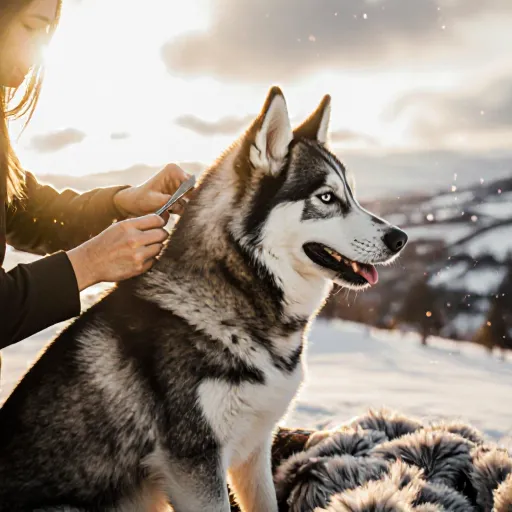
Snowy Pups, Warm Grooming!
“Paws & Frost: Cozy Grooming Secrets, Snow Edition”
Table of Contents
- Introduction
- Spring Grooming Tips
- Summer Grooming Tips
- Autumn Grooming Tips
- Winter Grooming Tips
- Coat Care Basics
- Bath Frequency & Technique
- Ear Cleaning Guidelines
- Nail Trimming Tips
- Eye Care Essentials
- Hypoallergenic Grooming Products
- Puppy & Senior Dog Grooming
- Grooming While Traveling
- Conclusion
- FAQ
Introduction
Seasonal Grooming Tips for Dogs
Just like humans, dogs need a little extra care as the weather changes. Seasonal grooming helps keep their coat healthy, reduces shedding, and prevents common skin issues that can arise from extreme temperatures or humidity.
- Coat Care: Brush daily to remove loose fur and prevent matting. Use a gentle detangler if mats form, especially for long-haired breeds like Afghan Hounds or Shih Tzus.
- Moisturize: Apply a dog-safe hydrating spray or leave-in conditioner after bathing to lock in moisture. Look for products containing aloe vera or vitamin E.
- Flea & Tick Prevention: Many flea populations drop in winter, but indoor fleas can still appear. Keep up with your vet’s recommended monthly treatments.
- Cold Weather Accessories: For breeds with thin coats (e.g., Greyhounds, Whippets), consider a fleece jacket or sweater during walks to maintain body heat.
- Allergy Management: Spring pollen can trigger itching. Use an oatmeal-based bath or a medicated shampoo prescribed by your vet to soothe irritated skin.
- Ear Cleaning: Increased humidity encourages yeast growth. Clean ears with a veterinarian-approved ear wipe twice a week and check for redness or discharge.
- Check for Parasites: After the winter, fleas and ticks are often on the rise. Inspect your dog’s coat for signs of infestation and treat promptly.
- Heat-Resistant Grooming: Trim long ears, muzzle, and foot pads to reduce heat buildup. Shorter coats are easier to keep cool for breeds like Great Danes or Mastiffs.
- Sunburn Prevention: Apply a pet-safe sunscreen (SPF 30+) to exposed areas such as the nose, ears, and belly. Reapply every 2–3 hours if your dog is in direct sunlight.
- Hydration & Shade: Always provide fresh water during walks and choose shaded routes when possible. Avoid midday heat between 11 a.m. and 4 p.m.
- Cooling Mats & Bandanas: For very hot days, place a cooling mat in the dog’s favorite spot or use a chilled bandana around their neck to help lower body temperature.
- Coat Shaving: If your dog has a double coat, consider a short winter trim. This helps regulate body heat and reduces excess shedding that can clog gutters.
- Moisturizing & Hydration: As the air dries out, keep skin supple with a light conditioner after bath time. Offer extra treats rich in omega‑3 fatty acids (e.g., salmon flakes) to support coat health.
- Check for Dry Eyes: Low humidity can cause tear staining. Use a vet-recommended eye wash or wipe to keep the area clean.
- Brush: Daily in winter, every other day in summer, and twice weekly in transitional seasons.
- Bathe: Every 3–4 weeks in spring/summer; every 6–8 weeks in fall/winter (unless vet advises otherwise).
- Ears & Nails: Clean ears once a month; trim nails every 2–4 weeks or as needed.
- Vet Visits: Schedule seasonal check-ups to catch early signs of allergies, parasites, or skin conditions.
By adjusting your grooming routine to match the season, you’ll help your dog stay comfortable, healthy, and looking their best all year round.
Spring Grooming Tips
As winter fades and temperatures rise, your dog’s grooming routine needs a refresh. Spring brings warmer weather, more outdoor adventures, and the chance to reveal that shiny coat you’ve been waiting for. Below are practical steps—backed by seasonal science—to keep your pup healthy, happy, and looking its best.
1. Schedule a Full Coat Check
- Inspect for mats and tangles: Warm weather encourages shedding; if you see thick mats, they can trap dirt and irritate skin.
- Check ears & eyes: Summer pollen and dust increase the risk of infections. Look for redness or discharge.
- Trim paw pads: Spring grass and mulch can chip or dry out your dog’s paws; trim any excess hair to avoid discomfort.
2. Brushing: From Winter Bulk to Summer Smoothness
Winter coats grow thicker, so many dogs need a deep brush once the shedding cycle starts. Use a slicker brush for short-haired breeds and a wide-tooth comb for long-haired or curly coats.
- Frequency: Brush at least twice a week; daily if your dog has a heavy coat.
- Technique: Start from the tail and work toward the head, using gentle strokes to avoid pulling on mats.
- Tools: Invest in an anti-static brush for breeds prone to static buildup (e.g., German Shepherds).
3. Bathing: Keep It Light but Effective
A spring bath helps remove the winter grime and prepares your dog for outdoor play.
- Shampoo selection: Choose a hypoallergenic, pH-balanced formula to avoid skin irritation from seasonal allergens.
- Water temperature: Warm but not hot; dogs can feel colder when water is too cool.
- Drying: Pat dry with a towel before using a blow dryer on low heat. Avoid over-drying, which can lead to itchy skin.
4. Nail Care: The Summer Edition
Longer days mean more walking—your dog’s nails need regular trimming to prevent overgrowth and discomfort.
- Tools: Use a sharp nail clipper or guillotine for dogs with thicker nails; scissors for thinner nails.
- Check the quick: If you see a pink line inside the nail, trim only the clear portion to avoid bleeding.
- Frequency: Trim every 3–4 weeks or as needed based on activity level.
5. Ear Care: Protect Against Pollen and Moisture
Pollen can get trapped in your dog’s ear canal, causing irritation or infection.
- Cleaning solution: Use a vet-recommended ear cleaner; avoid cotton swabs that may push debris deeper.
- Dry ears: After swimming or bathing, gently wipe excess moisture with a soft cloth.
- Signs of infection: Redness, odor, or discharge warrants a vet visit.
6. Skin & Coat: Watch for Allergies and Infections
The warmer months can bring new allergens—pollen, grass, insects—that may trigger skin reactions.
- Daily checks: Look for itching, redness, or hot spots.
- Dietary support: Omega-3 fatty acids (fish oil) can improve coat health and reduce inflammation.
- Vet consultation: If symptoms persist, consider allergy testing or a change in diet.
7. Protect Your Pup from the Sun
Unlike humans, dogs have limited ability to sweat; they rely on panting and skin for cooling.
- Shade: Ensure your dog has access to shade during walks.
- Water breaks: Provide fresh water frequently.
- Dog-safe sunscreen: Use a product formulated for dogs on ears, noses, and exposed skin if they’ll be in direct sunlight for extended periods.
8. Seasonal Vaccinations & Preventatives
Spring is a prime time for tick activity; keep your dog protected.
- Tick preventatives: Monthly spot-on treatments or oral medications are effective against ticks and fleas.
- Rabies booster: Verify that the vaccine is up to date, especially if traveling.
- Heartworm check: Some regions require a heartworm test in spring before administering preventive medication.
9. Practical Grooming Routine Checklist
| Task | Frequency | Tools Needed |
|---|---|---|
| Full coat inspection | Monthly | N/A |
| Brushing | 2–3 times per week (long-haired) or daily (short-haired) | Slicker brush, wide-tooth comb |
| Bathing | Every 4–6 weeks or as needed | Hypoallergenic shampoo, towel, blow dryer (low heat) |
| Nail trimming | Every 3–4 weeks</td |
Summer Grooming Tips
When the temperature climbs, your dog’s grooming routine needs a little extra care to keep them cool and comfortable.
- Regular Brushing: Summer heat can cause shedding to increase. Brush at least twice a week to remove loose fur, reduce matting, and help air circulate through the coat.
- Bathing Frequency: A bath every two weeks is usually enough for most breeds. Use a cool or lukewarm shower and dog‑safe shampoo to avoid drying out the skin.
- Ear Care: Warm, humid air can encourage yeast growth in ears. Inspect daily, clean with veterinarian‑approved ear cleaner, and keep ears dry after baths.
- Skin Protection: Look for sunburn signs—especially on noses, ears, and tails. Apply a pet‑safe sunscreen (SPF 15–30) to these exposed areas before outdoor play.
- Water Access: Ensure fresh water is available at all times. Consider adding an indoor fountain or a shallow bowl for dogs that like to splash.
- Trim Nails: Hot surfaces can soften nails, making them more prone to splitting. Trim every 4–6 weeks and watch for quick growth during the summer months.
- Paw Care: Sand, salt, or hot pavement can damage paw pads. Use dog‑safe paw balm after walks, especially on hot days.
Practical Grooming Schedule (Summer)
- Morning: Quick check of ears and paws; apply sunscreen if needed.
- Midday: Cool water mist for dogs that love a splash or are overheating.
- Evening: Light brushing, followed by a quick bath (if necessary) and drying with a towel.
Remember: Each dog is unique. Adjust the frequency of baths and grooming based on coat type, activity level, and skin sensitivity. If you notice persistent itching, redness, or unusual odors, consult your veterinarian before making any changes to your routine.
Autumn Grooming Tips
As the leaves change color and temperatures dip, your dog’s grooming routine should adapt to keep them comfortable, clean, and healthy. Below are practical, step‑by‑step tips to help you navigate this transitional season.
1. Coat Care
- Brush More Frequently: Shorter days mean less sunlight for natural oil distribution. Brush your dog at least three times a week to prevent mats and distribute healthy oils.
- Choose the Right Brush:
- Long‑haired breeds: use a slicker brush or undercoat rake.
- Short‑haired breeds: a rubber comb works well for removing loose hair and dirt.
- Watch for Dry Skin: Autumn air is drier. If you notice flaky patches, consider adding a vitamin E supplement or using a gentle moisturizing shampoo once a month.
2. Bathing
A quick bath every two weeks keeps excess oil and pollen off your dog’s coat, but avoid over‑washing which can strip natural oils.
- Use a mild, hypoallergenic shampoo: Look for products with oatmeal or aloe to soothe the skin.
- Rinse Thoroughly: Residual soap can cause itching. Rinse until water runs clear.
- Dry Completely: Use a towel and, if needed, a low‑heat blow dryer on a cool setting to prevent cold stress.
3. Ear & Eye Maintenance
Leaves and pollen can get trapped in ears and around eyes, increasing infection risk.
- Ears: Check for redness or odor. Clean with a vet‑approved ear cleaner once a month.
- Eyes: Gently wipe away discharge with a soft cloth soaked in warm water. If you notice persistent redness, consult your veterinarian.
4. Nail Care
Shorter days mean less natural wear on nails. Trim every 4–6 weeks or when you hear clicking sounds.
- Tools: Use a pet nail clipper designed for dogs; avoid scissors to reduce cutting risk.
- Safety Tip: If unsure, bring your dog to a groomer for professional trimming.
5. Health Checks
Autumn is a prime time for detecting early signs of seasonal allergies or skin issues.
- Skin Inspection: Look for redness, itching, or hot spots.
- Liver & Kidney Monitoring: A routine blood test can catch early metabolic changes caused by diet shifts.
- Vaccination Update: Ensure your dog’s flu and tick‑borne disease shots are up to date.
6. Practical Accessories
Protecting your dog’s paws and coat during walks is key.
- Paw Wax: Apply a pet‑safe paw balm before hikes on rough or salted paths.
- Coat Layers: For breeds with thin coats, consider a lightweight jacket for extra warmth.
- Water‑Proof Booties: Useful for dogs prone to ear infections from damp environments.
7. Nutrition & Hydration
A balanced diet supports coat health and immune function during seasonal changes.
- Omega‑3 Supplements: Add fish oil to the diet for shiny fur and anti‑inflammatory benefits.
- Hydration: Ensure fresh water is always available; dogs may drink less when it’s cooler, which can lead to dry skin.
By incorporating these autumn grooming practices into your routine, you’ll help your dog stay healthy, comfortable, and ready for the crisp, colorful days ahead. If you notice any persistent issues—such as severe itching, redness, or unusual behavior—consult your veterinarian promptly.
Winter Grooming Tips
When temperatures drop, your dog’s grooming routine needs a few extra steps to keep them comfortable and healthy. Below are practical tips—complete with examples—to help you protect your furry friend from the cold.
1. Keep Their Coat Clean and Dry
- Shampoo Wisely: Use a mild, moisturizing shampoo once every 4–6 weeks to avoid stripping natural oils that keep the coat supple against wind chill.
- Dry Thoroughly: After bathing, pat the dog dry with a towel and use a blow‑dryer on low heat if needed. Leftover moisture can lead to skin irritation in cold weather.
2. Trim Excess Hair Around Sensitive Areas
- Ears: Shorten hair inside the ears to prevent wax buildup and infections, especially when damp from snow or rain.
- Paw Pads: Clip fur between the toes so that snow doesn’t accumulate and cause discomfort.
3. Protect Their Coat with Winter-Friendly Grooming Products
- Conditioners & Ointments: Apply a light conditioner after every bath to lock in moisture. For dogs prone to dry, cracked skin, a small amount of petroleum jelly on the ears and paws can help.
- Wind‑proof Coat Sprays: Lightly misting your dog’s coat with a wind‑repellent spray can reduce static buildup that attracts snowflakes.
4. Maintain Healthy Skin Under the Coat
- Check for Irritation: Inspect the skin around the neck, ears, and paws for redness or sores caused by ice crystals or salt.
- Use Salt‑Free De‑icer: If you walk your dog on salted sidewalks, rinse their paws with warm water after each outing to remove residue that can irritate skin.
5. Keep Their Nails Trimmed
- Long nails can snag on snow or ice, leading to painful injuries. Trim nails every 4–6 weeks and check for splits or cracks during each grooming session.
6. Provide a Warm, Comfortable Resting Spot
- Blankets & Pads: Place a thick blanket on a heat‑conserving surface (like a wooden floor). Consider an insulated dog bed or a heated pad approved for pets.
- Avoid Drafts: Position the resting area away from cold vents or open windows to keep your dog’s body temperature stable.
7. Schedule Regular Vet Check‑ups
- Discuss any skin issues, ear infections, or other health concerns that may arise in winter. Your vet can recommend specific grooming products or treatments tailored to your dog's needs.
Practical Example: After a snowy walk, give your dog a quick rinse with lukewarm water and a gentle shampoo, pat them dry, apply a light conditioner, trim any excess fur around the ears, and finish with a coat spray. Then let them curl up in their heated bed while you check for salt residue on their paws.
By following these winter grooming guidelines, you'll help your dog stay warm, healthy, and ready to enjoy the season’s adventures!
Coat Care Basics
The way you groom your dog can change dramatically depending on the season. Below are step‑by‑step guidelines for keeping your pet’s coat healthy and comfortable all year round.
Spring: Shedding & Deworming
- Brush Daily: Use a slicker brush to remove loose hair and prevent matting. This also helps you spot parasites early.
- Bathing: A mild, hypoallergenic shampoo once every 2–4 weeks will clean the skin without stripping natural oils.
- Deworm & Flea Prevention: Spring is peak time for ticks and fleas. Apply a monthly spot‑on or oral medication as recommended by your vet.
Summer: Heat Protection & UV Defense
- Short Coat Breeds: Use a light, breathable brush to keep the skin cool. Avoid heavy shampoos that can dry out the coat.
- Long Coat Breeds: Keep the fur trimmed near the paws and ears to reduce heat buildup. Consider using a cooling vest or bandana for extra relief.
- Sun Protection: Apply a pet‑safe sunscreen on exposed areas (e.g., nose, ears) if your dog will spend extended time outdoors.
Autumn: Winter Preparation
- Deep Conditioning: Use an oil‑based conditioner once a month to replenish moisture lost during shedding.
- Trim & Groom: Trim any long hair around the feet, ears, and face to prevent matting in damp conditions.
- Check for Parasites: Keep an eye out for ticks that may still be active after the fall.
Winter: Cold Weather Care
- Insulation Layer: For short‑haired breeds, consider a lightweight dog sweater or jacket when outside in sub‑freezing temperatures.
- Water‑Repellent Grooming: Use a water‑repellent spray to keep the coat dry during snow or sleet. Follow with a gentle rinse if needed.
- Paw Care: Apply paw balm after walks to protect against ice, salt, and cold damage.
Practical Grooming Tips for All Seasons
- Consistent Schedule: Aim for at least one grooming session per week; adjust frequency based on shedding rate.
- Use the Right Tools: Slicker brushes, undercoat rakes, and deshedding tools are essential. Avoid metal combs that can irritate skin.
- Watch for Skin Issues: Redness, itching, or bald patches may indicate allergies or infections—consult a vet if you notice these signs.
- Hydration & Nutrition: A balanced diet rich in omega‑3 and omega‑6 fatty acids supports coat health. Keep fresh water available at all times.
- Professional Grooming: For breeds with heavy or complex coats (e.g., Afghan Hound, Bichon Frise), schedule a professional trim every 4–6 weeks.
By tailoring your grooming routine to each season, you’ll keep your dog’s coat shiny, healthy, and comfortable—no matter what the weather brings.
Bath Frequency & Technique
When it comes to bathing your dog, the goal is to keep their coat clean and healthy without stripping away natural oils or irritating their skin. The ideal frequency varies by season, breed, and individual needs.
Seasonal Bathing Guidelines
- Spring: A light wash every 4–6 weeks helps remove pollen, mud, and seasonal allergens that accumulate during walks in the grass. Use a hypoallergenic shampoo to prevent skin irritation.
- Summer: Dogs often sweat more on their paw pads and belly. A gentle bath once a month is usually sufficient, unless your dog spends time swimming or gets into muddy puddles. Consider a cooling gel or a spray bottle for quick refreshes between baths.
- Fall: As the air dries out, dogs can develop itchy skin. Bathing every 5–7 weeks with an oil‑rich shampoo can help maintain moisture levels and reduce shedding.
- Winter: With reduced outdoor activity, a bath once a month or less is fine. Use a moisturizing shampoo and avoid hot water to prevent dry skin. If your dog lives in a very cold area, consider bathing after any snow or ice exposure to remove salt residue that can cause irritation.
Breed‑Specific Considerations
Some breeds have coats that demand more frequent care:
- Long‑haired dogs (e.g., Afghan Hound, Shih Tzu): Weekly brushing is essential to prevent mats. Bathing every 2–4 weeks helps keep the coat clean and reduces matting risk.
- Double‑coated breeds (e.g., Siberian Husky, German Shepherd): These dogs shed heavily in spring and fall. A monthly bath combined with regular brushing keeps shedding under control.
- Water‑resistant coats (e.g., Golden Retriever, Labrador): They can tolerate a slightly higher bathing frequency because their coat naturally repels water. Still, avoid over‑washing to preserve protective oils.
Bathing Technique Tips
- Pre‑bath preparation: Brush your dog thoroughly before the bath to remove loose hair and tangles. This reduces shedding during the wash and prevents mats from forming in wet hair.
- Water temperature: Aim for lukewarm water (around 38–40°C or 100–104°F). Test with your wrist; it should feel comfortably warm, not hot.
- Shampoo application: Use a dog‑specific shampoo. Apply a small amount to the back of the dog's hand and lather from head to tail, avoiding the eyes and ears. For sensitive areas, use a hypoallergenic or oatmeal formula.
- Rinse thoroughly: Residual shampoo can cause itching. Rinse until water runs clear, especially around the ears and under the belly.
- Drying: Pat the dog dry with a towel; avoid vigorous rubbing that may damage hair shafts. If your dog tolerates it, use a blow dryer on a low‑heat setting, keeping the nozzle moving to prevent hot spots.
Practical “In‑Season” Scenarios
- After a beach trip: Salt can irritate skin. Rinse with fresh water immediately after the walk and use a gentle shampoo the next day.
- Post‑swim in chlorinated pools: Chlorine can dry out fur and skin. A mild, moisturizing bath followed by an oil rinse (e.g., coconut or argan) helps restore hydration.
- During heavy shedding periods: Increase brushing frequency to once a day. Use a detangling spray before the bath to make washing easier.
Remember, every dog is unique. Pay attention to your pet’s skin condition, coat texture, and overall health. If you notice excessive itching, redness, or bald patches after bathing, consult your veterinarian for potential allergies or skin conditions.
Ear Cleaning Guidelines
Keeping your dog’s ears clean is an essential part of seasonal grooming. Proper ear care helps prevent infections, reduces itching and discomfort, and maintains overall ear health.
When to Clean Your Dog’s Ears
- Seasonal Changes: During spring and summer, pollen and dust can accumulate in the ear canal. In winter, dry air can lead to irritation; cleaning helps remove excess wax that may build up.
- Breed Considerations: Flat‑faceted breeds (e.g., Bichon Frise, Pug) and long‑haired breeds with hanging ears (e.g., Cocker Spaniel) are more prone to moisture buildup. Clean their ears every 2–3 weeks.
- Signs of Trouble: Redness, odor, discharge, or a foul taste when your dog licks the ear are red flags. If any of these appear, consult a vet before cleaning.
Step‑by‑Step Cleaning Process
- Gather Supplies:
- Veterinary‑approved ear cleaner (e.g., Debrox or a mild, pH‑balanced solution)
- Soft cotton balls or gauze pads (never use Q‑tips inside the canal)
- Towels for wiping and a treat reward
- Prepare Your Dog:
- Choose a calm, well-lit area.
- Gently hold your dog’s head or have them sit on your lap.
- If they’re nervous, give a quick treat before starting.
- Apply the Cleaner:
- Squeeze the bottle to fill the ear canal about 1/2 inch deep.
- Hold the head so that the ear points upward and tilt it slightly toward you.
- Massage the base of the ear for 10–15 seconds to help loosen debris.
- Wipe Out:
- Let your dog shake their head; this helps expel excess liquid.
- Use a cotton ball or gauze to gently wipe the outer ear and any debris that has come out.
- Avoid pushing cotton into the canal—just clean the visible part.
- Repeat if Needed:
- If the ear still looks dirty or smells, repeat steps 3–4 once more.
- Do not over‑clean; excessive cleaning can dry out the skin and cause irritation.
- Reward Your Dog:
- Give a tasty treat or petting session to reinforce positive behavior.
Practical Tips for Seasonal Grooming
- Spring (Allergies): Use an ear cleaner with anti‑inflammatory properties. Consider a hypoallergenic shampoo to reduce pollen buildup.
- Summer (Heat & Humidity): Keep ears dry after walks in the water or swimming; use a towel or a hair dryer on low heat if needed.
- Fall (Drying Out): Use a moisturizing ear cleaner with lanolin to counteract dryness from lower humidity.
- Winter (Cold & Dry Air): Apply a light, non‑irritating ear spray after cleaning to maintain moisture balance.
When to Seek Veterinary Help
If you notice:
- Persistent itching or scratching at the ears
- Redness that doesn’t improve with home care
- Foul odor, discharge, or bleeding
- Changes in hearing or balance issues
These could signal an infection, ear mites, or a more serious condition requiring professional treatment.
Common Mistakes to Avoid
- Using Q‑tips: They can push wax deeper and damage the ear canal lining.
- Over‑cleaning: Cleaning too often can strip natural oils, leading to dryness and irritation.
- Ignoring Signs of Pain: If your dog flinches or shows signs of discomfort during cleaning, stop immediately and consult a vet.
By following these guidelines and tailoring the routine to your dog’s specific needs, you’ll keep their ears healthy throughout all seasons. Happy grooming!
Nail Trimming Tips
Just as your dog’s coat changes with the seasons, so does their nail growth pattern. Knowing when to trim can keep those paws healthy and prevent painful overgrowth.
Spring – The “Growth Sprint”
- Why it matters: After a long winter of less activity, dogs often experience a surge in metabolism that accelerates nail growth.
- What to look for: Nails that start to touch the ground when your dog is standing or are visibly longer than their usual length.
- Practical tip: Schedule a trimming session every 3–4 weeks. Use a small, sharp nail clipper and a gentle “pressure‑release” technique to avoid cutting the quick.
Summer – The “Tread‑Milling” Season
- Why it matters: Hot pavements can cause dogs to pad more, which may wear down nails naturally. However, if they walk on hard surfaces (concrete, asphalt), the nails can still grow unchecked.
- What to look for: Nails that start showing a “taper” or are slightly uneven due to environmental wear.
- Practical tip: Trim every 4–6 weeks. If your dog loves sandy beaches, consider trimming after each trip – sand can scratch nails and lead to ingrown growths.
Autumn – The “Leaf‑Munching” Phase
- Why it matters: As the weather cools, dogs may become less active outdoors. Reduced activity means less natural wear on nails.
- What to look for: Nails that begin to grow longer again or start to curl around the toe pads.
- Practical tip: Trim every 5–6 weeks and use a nail file afterward to smooth any sharp edges, especially before they encounter rough leaves or fallen branches.
Winter – The “Frost‑Guard” Period
- Why it matters: Cold temperatures can slow metabolism, but the accumulation of snow and ice on paws may cause nails to grow unevenly.
- What to look for: Nails that appear thicker or show signs of cracking due to repeated exposure to salt and de‑icing chemicals.
- Practical tip: Trim every 6–8 weeks. After each walk, wipe paws with a damp cloth to remove salts, then apply a light coat of pet-safe moisturizer to keep the nails supple.
General Safety Checklist (All Seasons)
- Use the right tools: A dog‑specific nail clipper or guillotine and a small file.
- Find the quick: For light‑colored nails, look for a pink line. In dark nails, trim slowly and check for a subtle change in color or texture.
- Keep calm: Reward your dog with treats and praise to make trimming a positive experience.
- Seek professional help: If you’re unsure about cutting the quick or if your dog resists, book an appointment with a groomer or veterinarian.
By aligning your nail‑trimming routine with seasonal changes, you’ll keep your dog’s paws comfortable and reduce the risk of injury. Happy trimming!
Eye Care Essentials
Just like humans, dogs' eyes can be affected by seasonal changes—humidity, pollen, wind, and temperature fluctuations. Keeping their vision clear not only protects them from discomfort but also prevents serious eye conditions. Below are practical, season‑specific grooming guidelines to help you maintain healthy canine eyes all year round.
Spring: Allergy Season
- Regular Eye Checks: After outdoor walks, inspect for redness or discharge. Use a damp cotton ball to wipe away pollen gently.
- Allergy‑Friendly Grooming Products: Choose hypoallergenic shampoos and eye wipes free of fragrances that may irritate sensitive eyes.
- Wind Protection: If your dog enjoys brisk walks, consider a lightweight doggy windbreaker or use an eye shield for breeds prone to tear stasis (e.g., Basset Hounds).
Summer: Heat & Humidity
- Hydration Matters: Dehydrated dogs can develop dry eyes. Offer fresh water frequently and consider a humidifier in indoor spaces.
- Cool Eye Soaks: Mix equal parts cool distilled water with a drop of saline solution (available at most pet stores) to rinse the eye after swimming or playtime.
- Watch for Sun Damage: Prolonged UV exposure can lead to cataracts. Use sunglasses designed for dogs if your pup spends long hours outdoors.
Fall: Changing Leaves & Dust
- Clear Debris: Leaves and dust can accumulate in the tear ducts. Gently wipe around the eye with a clean, damp cloth after walks.
- Check for Conjunctivitis: Redness that persists beyond a day may signal infection—consult your vet if symptoms continue.
- Seasonal Coat Care: As dogs shed, use a slicker brush to keep the fur around the eyes free from tangles that can trap moisture and bacteria.
Winter: Cold & Dry Air
- Moisture Retention: Use a gentle, pet‑safe eye moisturizer (e.g., artificial tears) to prevent dryness caused by heating systems.
- Avoid Harsh Cleaners: Do not use household cleaning solutions near the eyes; opt for veterinary‑approved wipes instead.
- Thermal Protection: For breeds with large, floppy ears or droopy eyelids (e.g., Bloodhounds), consider a lightweight hood to shield their eyes from icy wind.
Practical Grooming Checklist
- Inspect Weekly: Look for redness, swelling, or discharge. Use a magnifying glass if needed.
- Clean Gently: Every 2–3 days, wipe the eye area with a damp cotton pad—no rubbing.
- Use Vet‑Recommended Products: Stick to saline solutions or artificial tears approved by your veterinarian.
- Schedule Annual Exams: An ophthalmologist can spot early cataracts, glaucoma, or retinal issues.
By tailoring your eye care routine to each season, you’ll help keep your dog’s vision sharp and free from irritation. Remember: consistent, gentle cleaning combined with the right products is key to healthy canine eyes all year long.
Hypoallergenic Grooming Products
Dogs’ coats and skin react differently to temperature changes, humidity levels, and seasonal allergens. Using hypoallergenic grooming products can help keep your pup comfortable throughout the year while minimizing irritation or allergic reactions.
Spring: Allergy Season & Coat Renewal
- Allergy‑Friendly Shampoo: Look for a fragrance‑free, oatmeal‑based formula that calms itchy skin. Example: Earthbath Oatmeal & Aloe Dog Shampoo.
- Detangling Spray: Use a lightweight spray to ease shedding and prevent mats as the coat transitions from winter fluff to summer softness.
- Post‑Bath Routine: Dry with a microfiber towel to reduce lint buildup, then apply a light, hypoallergenic conditioner to keep fur supple.
Summer: Heat & Sun Protection
- Cooling Gel: A spray gel with aloe vera can soothe heat‑related irritation. Check that it’s non‑alcoholic to avoid drying the skin.
- Water‑Resistant SPF Coat Spray: Choose a pet‑safe sunscreen labeled “non‑toxic” and free of parabens, suitable for sensitive skin.
- Regular Brushing: Keep hair short in hot areas (ears, paws) to reduce heat buildup; use a soft brush that won’t scratch sensitive skin.
Fall: Shedding & Moisture Balance
- Moisturizing Conditioner: A hypoallergenic, glycerin‑based conditioner helps replenish lost oils during shedding.
- Allergy‑Free Ear Cleanser: Use a gentle ear wash with diphenhydramine to counter seasonal pollen buildup.
- Dust‑Free Vacuuming: Keep the living area clean by vacuuming pet hair with a HEPA filter, reducing airborne allergens for your dog’s sensitive skin.
Winter: Dry Skin & Cold Protection
- Hydrating Shampoo: Oily‑free, silicone‑free shampoos with ceramides restore barrier function. Example: VetriScience Laboratories Hypoallergenic Dog Shampoo.
- Softening Conditioner: Look for a product containing panthenol and vitamin E to soften winter coat and reduce flaking.
- Winter Coat Treatment: Apply an oil‑based spray (e.g., coconut or jojoba) in moderation; avoid heavy oils that can clog pores on sensitive skin.
Seasonal Grooming Checklist
- Inspect coat and skin for redness, itching, or dryness before each bath.
- Choose a hypoallergenic product that matches the current season’s needs.
- Follow the “5‑step” routine: shampoo → rinse → conditioner → dry → apply treatment (if needed).
- Schedule regular vet visits to monitor skin health and adjust products accordingly.
By aligning your dog’s grooming regimen with seasonal changes and using hypoallergenic products, you help maintain healthy skin, reduce allergic reactions, and keep your furry friend comfortable all year long.
Puppy & Senior Dog Grooming
Just like humans, dogs thrive when their grooming routine adapts to the changing seasons. Puppies need gentle care as they grow, while senior dogs require extra attention to comfort and health. Below are practical tips tailored to each life stage, ensuring your furry friend stays clean, healthy, and happy all year round.
1. Spring: Fresh Start & Allergy Prevention
- Puppies:
- Use a mild, hypoallergenic shampoo to wash the coat every 2–3 weeks.
- Brush daily with a soft-bristle brush to remove loose hair and prevent matting.
- Check for pollen on paws after walks; wipe gently with a damp cloth.
- Senior Dogs:
- Reduce bath frequency to once every 4–6 weeks to preserve natural skin oils.
- Use a moisturizing conditioner to combat dry, flaky skin common in older dogs.
- Inspect ears for allergies or infections; clean with veterinarian‑recommended ear drops.
2. Summer: Heat Management & Hydration
- Puppies:
- Limit bath time to 5–7 minutes; use cool water and a lightweight, breathable coat.
- Trim excess hair around the ears and belly for better heat dissipation.
- Apply pet-safe sunscreen on exposed skin (e.g., nose, ears) if your puppy spends long hours outside.
- Senior Dogs:
- Keep baths short and lukewarm; avoid hot water that can worsen joint stiffness.
- Use a cooling mat or damp towel on the back after walks to help regulate body temperature.
- Check for heat rash in skin folds—clean gently with antiseptic wipes if needed.
3. Fall: Coat Maintenance & Nail Care
- Puppies:
- Start a regular brushing routine (every other day) to remove shedding and promote healthy coat growth.
- Trim nails every 4–6 weeks; use a nail grinder for delicate paws.
- Consider an oil supplement (e.g., fish oil) to support skin health during the dry season.
- Senior Dogs:
- Use a moisturizing shampoo once a month; add a bit of oatmeal to soothe itchy skin.
- Inspect nails for overgrowth or ingrown tips—trim carefully, and seek veterinary help if unsure.
- Check for signs of arthritis in the paws; apply warm compresses before walks.
4. Winter: Protecting Against Cold & Snow
- Puppies:
- Wash only when dirty; use a lightweight, water‑repellent coat.
- Cover paws with dog boots to prevent ice melt from damaging pads.
- After walks, dry ears thoroughly and apply a small amount of pet-safe moisturizer.
- Senior Dogs:
- Avoid long baths; use a damp cloth to spot‑clean if needed.
- Trim hair around the belly and feet to reduce snow accumulation.
- Check for frostbite in ears, paws, or tail—look for pale, swollen skin and seek vet care immediately.
Common Seasonal Grooming Checklist (Puppies & Seniors)
- Bath Frequency: Puppies – every 2–3 weeks; Seniors – every 4–6 weeks.
- Brush Routine: Daily for puppies, every other day for seniors.
- Nail Trimming: Every 4–6 weeks (both groups).
- Ears & Eyes: Clean gently twice a week; inspect for redness or discharge.
- Hydration: Fresh water always available, especially in hot months.
By tailoring your grooming routine to the season and your dog’s life stage, you help maintain their health, comfort, and coat quality. Remember, if any skin issues or behavioral changes arise, consult your veterinarian for personalized guidance.
Grooming While Traveling
Just like humans, dogs need different grooming care throughout the year to stay healthy and comfortable. Below are detailed guidelines for each season, complete with practical examples and actionable advice.
Spring: Shedding & Skin Care
- Brushing Frequency: Increase brushing to twice a week. Use a slicker brush or a shedding blade to remove loose undercoat and prevent matting.
- Bathing: A mild, hypoallergenic shampoo every 4–6 weeks helps remove pollen, dust, and the first layer of shed hair.
- Paw Care: Inspect paws for grass seeds or small stones that can cause irritation. Clean them with a damp cloth after walks.
- Allergy Prevention: If your dog has seasonal allergies, consider adding an oatmeal or calendula rinse to the bath routine to soothe itchy skin.
Summer: Heat & UV Protection
- Bathing: Bathe your dog twice a week with a cooling, sweat-absorbing shampoo. Avoid hot water to prevent overheating.
- Trim & Coat Management: Shorten long fur around the neck and belly for better airflow. Use a pet-safe trimming kit; keep the cut short enough to avoid skin irritation.
- Sun Protection: Apply a dog-friendly sunscreen (SPF 15+) on exposed areas such as ears, nose, and belly. Reapply every 2–3 hours during prolonged sun exposure.
- Hydration & Cooling Mats: Provide fresh water at all times and consider a cooling mat or shaded area for rest breaks.
Autumn: Heavy Shedding & Ear Care
- Brushing: Brush daily during peak shedding (usually mid‑to‑late autumn). A de-shedding tool works well for thick coats.
- Ears: Clean ears weekly with a veterinarian-approved ear cleaner to remove wax buildup and prevent infections that can worsen in damp weather.
- Paw Protection: As the ground becomes muddy, trim toenails regularly to avoid snagging on debris. Use a soft, non-slip mat for walks to reduce paw abrasion.
- Pre-Seasonal Checkup: Schedule a vet visit before the cold sets in to discuss vaccinations and parasite prevention (ticks, fleas).
Winter: Insulation & Moisture Control
- Coat Maintenance: Keep the coat short but intact. A winter coat can help insulate against cold; avoid shaving too much.
- Paw Health: Salt and de‑icing chemicals can damage paw pads. After walks, rinse paws with warm water and dry them thoroughly. Apply a pet-safe balm if they appear cracked.
- Bathing: Limit baths to once every 4–6 weeks. Over-bathing in winter can strip natural oils, leading to dry skin.
- Indoor Grooming Routine: Dust or vacuum the home frequently to reduce allergens that may affect dogs with seasonal allergies.
General Grooming Checklist (Year‑Round)
- Dental Care: Brush teeth at least twice a week with dog-specific toothpaste.
- Nail Trimming: Trim nails every 2–4 weeks or as needed to avoid overgrowth and discomfort.
- Ear Hygiene: Inspect ears weekly for redness, odor, or discharge. Clean gently if necessary.
- Check for Parasites: Use flea/tick preventative products according to your vet’s recommendation; seasonal changes often trigger infestations.
- Watch for Skin Issues: Any rash, hot spots, or persistent itching should be evaluated by a professional.
By tailoring your grooming routine to the season, you’ll keep your canine companion comfortable, healthy, and looking their best all year long. Remember to adjust based on your dog’s breed, coat type, and individual needs—what works for a German Shepherd may not suit a Poodle.
Conclusion
Keeping your dog’s coat healthy and comfortable throughout the year requires a few adjustments to your grooming routine. Below is a season‑by‑season guide with actionable steps, examples, and practical advice to help you tailor care to your pet’s needs.
Spring: Fresh Start & Allergy Prevention
- Bathing Frequency: Increase bath frequency (every 2–4 weeks) to remove pollen, dust, and residual dander that can trigger allergies. Use a hypoallergenic shampoo.
- Coat Care: Brush daily with a slicker brush to detangle mats and expose the skin for better airflow. Consider a short “de‑matting” session using a dematting comb if you notice tangled areas.
- Ear Maintenance: Spring is the peak of flea and tick season. Clean ears weekly with a vet‑approved ear cleaner to prevent infections.
- Example Routine: Morning: Quick brush, check for mats. Evening: 10‑minute bath, dry coat, apply light conditioner, then a final brush.
Summer: Heat Management & Hydration
- Bathing Frequency: Reduce to once every 3–4 weeks unless your dog is particularly sweaty or dirty. Over‑bathing can strip natural oils.
- Coat Care: Use a lightweight brush (e.g., boar bristle) to keep the coat loose and breathable. Avoid brushing immediately after a bath; let the coat dry naturally for better texture.
- Shaving Considerations: For breeds with thick coats (e.g., German Shepherd, Bernese Mountain Dog), consider partial shaving in hot areas like the belly or hindquarters to reduce heat buildup. Never shave near the face or ears unless a professional does it.
- Hydration & Foot Care: Check paws after walks for hot spots or cracked pads; apply a paw balm if needed. Offer fresh water at all times and use a cooling mat during naps.
- Example Routine: Mid‑morning: Quick brush, check ears and nails; late afternoon: short walk on cool grass, inspect paws for injuries.
Autumn: Preparing for Cooler Weather
- Bathing Frequency: Increase to every 2–3 weeks to remove accumulated dirt and shed. A mild shampoo helps maintain a healthy skin barrier as temperatures drop.
- Coat Care: Start regular brushing (daily or at least thrice weekly) to encourage shedding of the old coat. Use a rubber brush for undercoat removal.
- Nail Maintenance: As your dog’s activity level changes, trim nails every 4–6 weeks. Longer nails can become heavy and cause discomfort when walking on cold surfaces.
- Example Routine: Early morning: Brush, check for mats; midday: quick bath if muddy; evening: apply a light conditioner to keep the coat shiny.
Winter: Protecting Against Cold & Moisture
- Bathing Frequency: Reduce to once every 4–6 weeks. Over‑washing in cold weather can dry out skin and coat, leading to itching.
- Coat Care: Use a thicker brush (e.g., natural bristle) to remove excess fur and keep the undercoat intact for insulation.
- Foot & Paw Protection: Apply paw wax or balm before walks on salted roads. Inspect for cracks, especially after exposure to ice and de‑icing chemicals.
- Winter Coat Add‑On: For short‑haired breeds or dogs with thin coats (e.g., Beagle, Jack Russell), consider a lightweight, breathable dog coat or sweater when venturing outdoors. Make sure it fits snugly but allows freedom of movement.
- Example Routine: Morning: Quick brush, check paws for ice crystals; evening: apply paw balm and check for any skin irritation from cold air.
General Tips Across All Seasons
- Always use a dog‑specific shampoo or conditioner to avoid skin irritation.
- Keep grooming tools clean: rinse brushes after each use and dry them in a low‑heat environment.
- Monitor your dog’s reaction during grooming. If they show signs of stress, take short breaks or consider professional help.
- Schedule routine vet check‑ups for ear cleaning, dental health, and nail trimming to catch issues early.
By adapting these seasonal grooming practices, you’ll help your dog stay healthy, comfortable, and stylish all year long. Remember, consistency is key—regular care builds confidence in both pet and owner.
FAQ
Spring: Dealing with Allergies and Fleas
During spring, many dogs experience allergies from pollen and increased flea activity. Here’s how to keep your pup comfortable:
- Regular Baths: Use an oatmeal or hypoallergenic shampoo every 4–6 weeks to soothe itchy skin.
- Flea Prevention: Apply a monthly topical treatment (e.g., Frontline, Advantage) and keep bedding clean by washing in hot water weekly.
- Post-Bath Brushing: Brush daily with a slicker brush to remove loose hair and allergens trapped under the coat.
Summer: Heat Management & Sun Protection
Heat can be dangerous for dogs, especially those with thick coats or short noses. Use these practices:
- Cool Baths: Give your dog a lukewarm bath once a week; avoid hot water which can raise body temperature.
- Hydration: Offer fresh water frequently and consider a shallow kiddie pool for cooling off.
- Sunburn Prevention: Apply pet-safe sunscreen (SPF 30+ with zinc oxide) to ears, nose, belly, and any exposed skin.
- Shade & Ventilation: Keep your dog indoors during peak sun hours (10 a.m.–4 p.m.) and use fans or AC if possible.
Autumn: Coat Transition & Fall Allergies
Dogs shed their summer coat and grow a thicker one. Keep grooming consistent:
- Daily Brushing: Use a undercoat rake to remove loose hair and reduce shedding around the house.
- Bathing Frequency: Reduce baths to every 6–8 weeks; too frequent washing can dry out skin.
- Allergy Management: If your dog shows signs of hay fever, consider an antihistamine prescribed by your vet.
- Ear Care: Check ears weekly for moisture buildup that can lead to infections during humid autumn nights.
Winter: Protecting Against Cold, Snow & Ice
Cold weather brings new grooming challenges. Follow these steps:
- Foot Care: Inspect paws for ice crystals or salt buildup; wipe with a damp cloth after walks.
- Paw Balm: Apply a pet-safe paw wax (e.g., Burt’s Bees Paw Butter) to protect against cracking.
- Coat Maintenance: Brush weekly to prevent matting from winter mud or ice crystals.
- Indoor Grooming: Keep indoor humidity moderate; use a humidifier if the heating dries out the air, which can irritate skin.
General Tips Across All Seasons
- Regular Vet Check-ups: Discuss seasonal allergies or skin conditions during routine visits.
- Balanced Diet: Provide omega‑3 and omega‑6 fatty acids to support a healthy coat year-round.
- Grooming Tools: Replace brushes and combs every 12–18 months to avoid dull bristles that can irritate skin.
- Observe Your Dog: Watch for changes in shedding, ear discharge, or scratching; early detection prevents serious issues.
Categories
- AI & Enrichment Play
- Broiler Farming
- Broiler Farming Tips
- Canine Wellness & Longevity
- Cat
- Cat & Human Connection
- Cat Adoption & Rescue
- Cat Breeds
- Cat Breeds & Personalities
- Cat Care & Health
- Cat Grooming & Hygiene
- Cat Lifestyle & Environment
- Cat Myths & History
- Cat Nutrition & Diet
- Cat Products & Reviews
- Cat Training & Behavior
- Comparison
- Consumer Awareness
- Dog
- Dog Accessories & Products
- Dog Adoption & Rescue
- Dog Breed & Lifestyle Trends
- Dog Breeding & Puppies
- Dog Entertainment & Media
- Dog Fashion & Trends
- Dog Fun & Lifestyle
- Dog Grooming & Hygiene
- Dog History & Culture
- Dog Myths, Science & Future Tech
- Dog News & Trends
- Dog Nutrition & Food
- Dog Psychology & Emotions
- Dog Safety & Security
- Dog Sports & Activities
- Dog Technology & Innovation
- Dog Training for Modern Owners
- Dog Travel & Adventure
- Dog Travel, Adventure & Culture
- Economic and Market Insights
- Educational Content
- FAQs
- Feeding Alternatives
- Festivals & Seasonal Ideas
- Fun & Entertainment
- General Knowledge
- General Pig Farming
- Health & Disease Management
- Housing and Environment
- Kittens
- Market Insights
- Miscellaneous
- Miscellaneous
- Motivational
- pig
- Pig Breeding
- Pig Breeds
- Pig Farming Stories and Inspiration
- Pig Health and Care
- Pig Nutrition
- Pig Products
- Profitability & Business
- Puppy Care
- Puppy Predictable Topics Reinvented
- Regional Focus
- Rescue & Adoption Buzz
- Senior Cats
- Senior Dog Care
- Smart Dog Tech & Gadgets
- Sustainability
- Sustainable & Eco-Friendly Dog Products
- Tech & Innovations
- Working & Service Dogs
- Broiler Feed66 products
- Country Feed33 products
- Pig Feed66 products
- Product22 products
- Raw Materials99 products
Products
-
 Fish Meal
₹1,999.00 – ₹2,999.00Price range: ₹1,999.00 through ₹2,999.00Rated 0 out of 5
Fish Meal
₹1,999.00 – ₹2,999.00Price range: ₹1,999.00 through ₹2,999.00Rated 0 out of 5 -
 FATTENING BROILER FEED
₹2,299.00 – ₹2,349.00Price range: ₹2,299.00 through ₹2,349.00Rated 0 out of 5
FATTENING BROILER FEED
₹2,299.00 – ₹2,349.00Price range: ₹2,299.00 through ₹2,349.00Rated 0 out of 5 -
 LAYER COUNTRY FEED
₹1,549.00 – ₹1,649.00Price range: ₹1,549.00 through ₹1,649.00Rated 0 out of 5
LAYER COUNTRY FEED
₹1,549.00 – ₹1,649.00Price range: ₹1,549.00 through ₹1,649.00Rated 0 out of 5 -
 COUNTER BROILER FEED
₹1,199.00 – ₹1,299.00Price range: ₹1,199.00 through ₹1,299.00Rated 0 out of 5
COUNTER BROILER FEED
₹1,199.00 – ₹1,299.00Price range: ₹1,199.00 through ₹1,299.00Rated 0 out of 5 -
 LACTATING PIG FEED
Rated 0 out of 5
LACTATING PIG FEED
Rated 0 out of 5₹2,299.00Original price was: ₹2,299.00.₹1,740.00Current price is: ₹1,740.00. -
 Maize
Rated 0 out of 5
Maize
Rated 0 out of 5₹1,650.00Original price was: ₹1,650.00.₹1,300.00Current price is: ₹1,300.00. -
 GESTATION PIG FEED (Phase 1)
Rated 0 out of 5
GESTATION PIG FEED (Phase 1)
Rated 0 out of 5₹2,249.00Original price was: ₹2,249.00.₹1,699.00Current price is: ₹1,699.00. -
 Pre Starter Broiler Feed
₹2,399.00 – ₹2,499.00Price range: ₹2,399.00 through ₹2,499.00Rated 0 out of 5
Pre Starter Broiler Feed
₹2,399.00 – ₹2,499.00Price range: ₹2,399.00 through ₹2,499.00Rated 0 out of 5 -
 FINISHER PIG FEED
Rated 0 out of 5
FINISHER PIG FEED
Rated 0 out of 5₹2,299.00Original price was: ₹2,299.00.₹1,749.00Current price is: ₹1,749.00. -
 Broiler Premix
Rated 0 out of 5
Broiler Premix
Rated 0 out of 5₹820.00Original price was: ₹820.00.₹699.00Current price is: ₹699.00.