
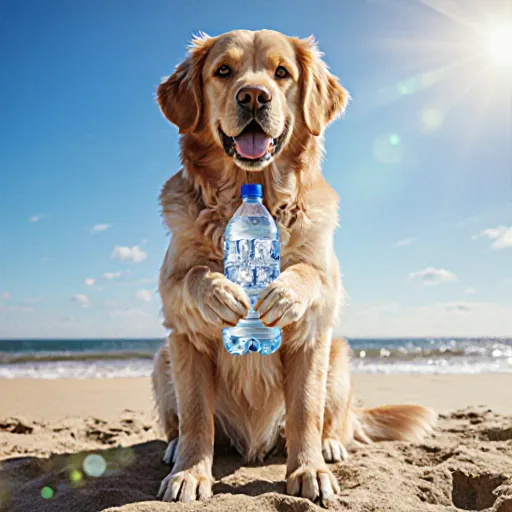
Keep your pup cool in the blazing sun!
Guard Your Canine Against Scorching Heatwaves Now!
Table of Contents
- Understanding the Risks of Extreme Heat for Dogs
- Recognizing Signs of Heat Stress in Your Dog
- Choosing the Right Time and Place for Outdoor Activities
- Proper Hydration: Water, Ice Cubes, and Electrolytes
- Cooling Gear: Bandanas, Cooling Vests, and Mats
- Safe Exercise Routines During Hot Weather
- Dietary Adjustments for Heat Protection
- Avoiding Sunburn: Sunscreen and Protective Clothing
- Ventilation and Shade Solutions for Indoors and Outdoors
- Emergency Preparedness: Heatstroke First Aid Kit
- Regular Health Checkups During Summer Months
- Travel Safety: Cars, Boats, and Air Travel in Hot Weather
- Training Your Dog to Stay Cool: Tricks and Habits
- Conclusion
- FAQ
Understanding the Risks of Extreme Heat for Dogs
When temperatures soar, dogs are at heightened risk of heat‑related illnesses. Unlike humans, dogs rely heavily on panting to regulate body temperature, which can quickly become insufficient in hot environments. Understanding the signs and underlying causes helps you act before a minor issue turns into a medical emergency.
Common Heat‑Related Conditions
- Heat Exhaustion: Symptoms include heavy panting, drooling, lethargy, rapid heartbeat, and vomiting. It is reversible if treated early.
- Heat Stroke (Hyperthermia): The body temperature rises above 106°F (41°C). Signs are collapse, seizures, or loss of consciousness. This is a veterinary emergency with a high mortality rate if not addressed immediately.
- Dehydration: Decreased water intake and increased urine output can lead to electrolyte imbalances and organ damage.
Why Dogs Are Especially Vulnerable
- Panting Efficiency Declines in Heat: While panting cools the body, it becomes less effective when ambient temperatures approach or exceed a dog’s core temperature. The evaporative cooling rate drops, leading to heat buildup.
- Limited Sweating: Dogs have sweat glands primarily on their paw pads. This means they cannot rely on sweating for significant cooling.
- Coat and Size Factors: Dark‑coated or short‑haired dogs absorb more heat. Large breeds with bulky bodies store more heat, making them slower to dissipate it.
Practical Examples of Heat Risks in Everyday Situations
- Morning Walks on Hot Asphalt: Even a short walk can cause paw pad burns and overheating if the surface temperature exceeds 140°F (60°C).
- Car Traps: Leaving a dog in a parked car for 15 minutes at 70°F outside can raise the interior to dangerous levels (over 95°F).
- Outdoor Play on Grass: Sun‑bleached grass can retain heat, especially after a rainstorm, leading to surface temperatures that feel hot to the touch.
Practical Advice for Prevention and Early Intervention
- Schedule Activity Wisely: Plan walks during cooler parts of the day—early morning or late evening—and avoid peak heat hours (10 a.m.–4 p.m.).
- Provide Shade & Water: Set up portable shade structures, use reflective cooling mats, and always carry fresh water on long walks.
- Monitor Your Dog’s Panting: If panting is rapid or labored after a short walk, pause immediately and offer cool water.
- Check Surface Temperature: Use a thermometer or your hand to test surfaces; if it feels hot to you, it’s too warm for your dog’s paws.
- Know the Signs of Heat Stress: Watch for excessive drooling, rapid breathing, weakness, and vomiting. If any symptoms appear, move the dog to a cooler area and contact a vet right away.
Real‑World Success Story
Case: Bella, a 7‑year‑old Labrador Retriever. Her owner noticed that during a summer afternoon walk, Bella’s breathing became shallow. He immediately brought her to the shade, offered water, and checked her paws for heat damage. A quick cooling wrap and a short rest period prevented further complications. Bella returned to normal activity within an hour—a clear example of how prompt recognition can save a dog.
By understanding these risks and taking proactive steps, you can keep your canine companion safe, healthy, and happy even during the hottest days.
Recognizing Signs of Heat Stress in Your Dog
Heat stress can develop quickly, especially during summer or on hot days. A dog that is overheating may exhibit subtle changes before it becomes a full‑blown heat stroke. Below are the most common signs to watch for, along with real‑world examples and actionable steps you can take right away.
1. Excessive Panting
- What to look for: Normal panting helps a dog regulate body temperature, but if your pup is breathing rapidly or loudly for no obvious reason (e.g., after a short walk), it may be trying to cool down.
- Example: A 5‑year‑old Labrador who normally only pants during a brief jog starts panting heavily while resting in the yard on a hot afternoon.
- Actionable tip: Offer water immediately, move your dog to a shaded area, and gently wipe its mouth with a damp cloth. If panting persists for more than 5 minutes or is accompanied by other symptoms, contact your vet.
2. Drooling & Salivation
- What to look for: While some dogs drool during exercise, excessive salivation—especially when the dog is at rest—can signal overheating.
- Example: A terrier that usually stays dry after a walk starts spitting up saliva and has a wet tongue while lying in the sun.
- Actionable tip: Provide cool water, gently wipe the dog's face with a cold towel, and keep it away from direct heat sources. Monitor for further signs of distress.
3. Weakness or Collapse
- What to look for: Loss of muscle tone, stumbling, or an inability to stand are red flags that the dog’s body is struggling to cope with heat.
- Example: A senior Beagle, after a short walk, suddenly lies down and refuses to get up even when you encourage it.
- Actionable tip: Move the dog to a cooler environment immediately. Keep it hydrated and seek veterinary care right away if it doesn’t regain strength within a few minutes.
4. Rapid Heartbeat or Breathing Rate
- What to look for: A quick pulse, especially when the dog is calm, can indicate heat-related stress.
- Example: A Poodle in a shaded area shows a noticeably fast heart rate even after resting for ten minutes.
- Actionable tip: Check the dog's pulse at the inside of its wrist or neck. If it’s above 140 beats per minute, provide cool water and monitor closely; if the heartbeat remains elevated, contact your vet.
5. Vomiting or Diarrhea
- What to look for: Gastrointestinal upset can be a secondary symptom of heat stress as the body diverts blood flow away from digestion.
- Example: A German Shepherd who has been playing in a backyard suddenly vomits after a 20‑minute session.
- Actionable tip: Keep your dog hydrated with small sips of water. If vomiting or diarrhea continues for more than an hour, seek veterinary advice to rule out heat stroke and dehydration.
6. Disorientation or Confusion
- What to look for: A dog that is normally alert may become confused, appear dazed, or have trouble recognizing familiar objects.
- Example: An energetic Jack Russell who suddenly seems “lost” in its own backyard, bumping into furniture or refusing to follow commands.
- Actionable tip: Bring the dog indoors, offer water, and gently guide it back to a familiar spot. If confusion lasts more than 10 minutes, consult your vet promptly.
7. Pale or Red Tongue & Gums
- What to look for: Healthy gums are pink; pale gums can indicate shock or dehydration, while bright red may signal extreme heat exposure.
- Example: A Chihuahua with a noticeably paler tongue after spending hours in a car’s interior.
- Actionable tip: Check the dog’s tongue and gums; if they appear pale or red, move to a cooler area immediately and hydrate. Seek veterinary care if discoloration persists.
Practical Checklist for Daily Prevention
- Morning & Evening Walks: Schedule walks during cooler parts of the day—early morning or late evening—to avoid peak temperatures.
- Shade & Ventilation: Provide shaded outdoor spaces and consider a portable canopy or umbrella if you’re outside for extended periods.
- Hydration Stations: Keep fresh water available at all times, especially during exercise. A chilled bowl can help lower body temperature slightly.
- Cooling Accessories: Use cooling vests, mats, or a damp towel wrapped around the neck to assist in heat dissipation.
- Watch for “Heat‑Sensitive” Breeds: Bulldogs, Boxers, and other brachycephalic breeds are more prone to overheating; exercise them more cautiously and monitor closely.
By staying vigilant for these signs and acting swiftly, you can prevent heat stress from escalating into a dangerous heat stroke. For further guidance on how to protect dogs from extreme heat—including detailed cooling techniques, emergency response steps, and breed‑specific tips—refer to the comprehensive guide
Choosing the Right Time and Place for Outdoor Activities
When it comes to keeping your dog safe from extreme heat, timing and location are just as important as the activities you choose. Below is a practical guide that blends expert advice with real‑world examples so you can plan outings that keep your pup comfortable, hydrated, and happy.
1. Plan Ahead: Check Weather Forecasts
- Use reliable sources: NOAA, Weather.com, or the local meteorological service provide hourly updates on temperature, humidity, and heat index.
- Look for “heat advisories”: These alerts warn of dangerous conditions that can quickly turn a mild walk into an overheating crisis.
2. Pick the Right Time of Day
The sun’s intensity peaks between 10 am and 4 pm. Even if temperatures are moderate, high humidity can make it feel hotter than the thermometer indicates.
| Time Slot | Recommended Activities |
|---|---|
| Early Morning (6–9 am) | Light walks, training sessions, agility drills |
| Late Afternoon (4–7 pm) | Playdates, short hikes, water-based play |
| Midday (10 am–3 pm) | Indoor activities or rest; avoid outdoor exertion |
3. Choose the Right Location
Shade, proximity to water sources, and surface material all affect how hot your dog feels.
A. Natural Shade vs. Artificial Shade
- Tree cover: Provides deep shade but may not be sufficient on very hot days; combine with a tarp or canopy for extra protection.
- Umbrellas and pop‑up tents: Portable options that can be set up quickly in parks or at the beach.
B. Surface Temperature Matters
Concrete, asphalt, and packed gravel retain heat longer than grass or dirt. On hot days, a quick test: place your hand on the surface; if it feels too warm to touch for more than a few seconds, avoid having your dog walk there.
C. Water Access
- Public parks often have fountains or water stations—use them to give your dog a cool drink.
- If you’re hiking, bring a collapsible bowl and a portable water bottle with a built‑in filter.
4. Practical Tips for the Outing
- Carry a first‑aid kit: Include cool packs, extra water, and a dog‑safe electrolyte solution.
- Use reflective gear: Light-colored clothing and collars help reflect heat; reflective vests make you more visible to traffic.
- Plan for breaks: Every 10–15 minutes of walking, pause in the shade and offer water.
- Monitor breathing: Heavy panting is normal, but if your dog’s breath becomes ragged or they start to drool excessively, it may be a sign of overheating—time for an immediate break.
5. Sample Itinerary: A Cool Afternoon Walk
Location: Riverside Park (shaded by trees and near the river)
- 6 pm – 7 pm: Warm‑up walk along the paved path, focusing on short bursts of activity.
- 7 pm – 7:15 pm: Rest in shaded area; offer water from a collapsible bowl.
- 7:15 pm – 8 pm: Light fetch session near the riverbank (ensure the dog stays on a leash if necessary).
- Post‑walk: Cool down with a shower or mist spray, then check for any signs of heat stress.
By combining careful timing, thoughtful location choice, and practical preparation, you can enjoy the outdoors with your dog while safeguarding against extreme heat. Remember: when in doubt, keep it cooler—your pup’s health depends on it.
Proper Hydration: Water, Ice Cubes, and Electrolytes
When temperatures climb, your dog’s risk of heat‑related illness rises dramatically. Proper hydration is the first line of defense against dehydration, heat exhaustion, and heat stroke. Below are actionable steps you can take to keep your canine companion cool and well‑hydrated.
1. Fresh Water at All Times
- Multiple Bowls: Place several shallow water bowls around the house or yard. Dogs often prefer smaller, shallow containers that are easier to access from a lying position.
- Temperature Matters: In scorching heat, lukewarm or cool water is more inviting than hot tap water. If your local water supply is warm, add a few ice cubes to chill it slightly.
- Check for Contaminants: Ensure the water is free of chlorine, mold, or any visible debris that could deter drinking.
2. Ice Cubes: The Simple Cooling Tool
Adding ice cubes to your dog’s water bowl provides a gentle cooling effect and encourages them to drink more frequently.
- Ice Cube Size: Use standard freezer‑size cubes; larger blocks can be too hard for some breeds, especially puppies or older dogs with dental issues.
- Safety Tip: Some dogs may swallow large ice chunks and risk choking. Monitor your dog when adding ice to the bowl, or consider using a silicone “ice cube” bag that dissolves slowly.
- Alternative: Frozen Treats – Freeze a small amount of low‑salt broth or unsweetened yogurt in an ice cube tray for a flavored cooling treat.
3. Electrolyte Solutions: When the Heat is Extreme
During prolonged exposure to high temperatures, dogs can lose electrolytes through excessive panting and sweating (in their paw pads). A balanced electrolyte solution can help replace lost salts.
- Commercial Dog Electrolytes: Products like Pedialyte for Dogs or canine‑specific electrolyte powders are readily available. Follow the manufacturer’s instructions to mix a single serving per gallon of water.
- Homemade Mix (Consult Your Vet First): Combine one cup of low‑sodium chicken broth, one teaspoon of sea salt, and a splash of plain apple juice in a large jug. This mixture mimics natural electrolytes but should be used sparingly.
- When to Use: Offer electrolyte water after vigorous play sessions or when your dog shows signs of mild dehydration (dry gums, lethargy).
4. Practical Hydration Strategies for Outdoor Activities
- Portable Water Containers: Carry a collapsible water bowl and a small supply of ice cubes in a cooler when you’re out walking or hiking.
- Scheduled Breaks: Take frequent rest stops every 15–20 minutes. Encourage your dog to drink during these breaks, especially on hot days.
- Shade and Ventilation: Choose routes with shade from trees or use a pet umbrella. Even in mild heat, shaded areas help reduce core body temperature.
5. Signs Your Dog Needs Immediate Hydration Attention
Recognizing dehydration early can prevent serious complications.
- Dry Gums and Tongue: A wet, pink tongue is a good sign; a dry or pale one indicates dehydration.
- Paw Pad Moisture: Wet paw pads suggest adequate hydration. If they appear cracked or sticky, your dog needs water.
- Lethargy or Weakness: A sudden drop in activity levels may signal heat exhaustion.
6. When to Seek Veterinary Care
If you observe any of the following symptoms despite adequate hydration attempts, contact your veterinarian immediately:
- Persistent vomiting or diarrhea
- Rapid breathing or panting that doesn’t improve with cooling
- Collapse or seizures
- Disorientation or excessive drooling
By maintaining a steady supply of clean water, strategically adding ice cubes, and using electrolytes when necessary, you can significantly reduce your dog’s risk of heat‑related illness. Combine these hydration tactics with shaded rest periods, early exercise timing (cool mornings or evenings), and vigilant monitoring to keep your furry friend safe and comfortable in the heat.
Cooling Gear: Bandanas, Cooling Vests, and Mats
When temperatures soar, your dog’s body temperature can rise quickly—especially if they’re a short‑haired or heavily built breed. Cooling gear provides an extra layer of protection by actively removing heat from the animal’s skin or creating a barrier against hot surfaces.
1. Cooling Bandanas
- How They Work: Most cooling bandanas are made from moisture‑absorbent fabrics that release coolness as water evaporates. Some use phase‑change materials that stay cold for hours.
- When to Use: Ideal for short walks, quick trips to the park, or when you’re on a patio in direct sun.
- Practical Tips:_
- Pre‑soak the bandana in cold water (or ice water) before putting it on. For phase‑change types, place them in the freezer for at least 30 minutes.
- Tie the bandana loosely around your dog’s neck so they can still breathe comfortably.
- Replace or re‑cool after 2–3 hours if you’re outdoors for extended periods.
2. Cooling Vests
- Types:
- Water‑filled vests: contain a water pouch that can be chilled in the fridge or freezer.
- Phase‑change vests: use crystals that absorb heat and stay cool for several hours.
- When to Use: Best for longer outdoor activities—hiking, beach trips, or extended play sessions.
- Practical Tips:_
- Check the fit before your outing; a snug but not tight vest distributes cooling evenly and prevents chafing.
- If using a water‑filled vest, keep it in a cooler with ice packs to maintain temperature.
- After each use, rinse thoroughly (especially for water vests) and dry completely to avoid mildew.
3. Cooling Mats
- How They Work: These mats are usually made from a gel or foam that stays cool when placed on hot surfaces like asphalt, concrete, or grass.
- When to Use: Perfect for dogs that spend time lounging outside—dog houses, patios, or backyard areas prone to sun‑scorching.
- Practical Tips:_
- Place the mat on a shaded area or beneath an umbrella if possible; this maximizes its cooling effect.
- For gel mats, refrigerate them for at least 30 minutes before use. If you’re on a camping trip, bring a small cooler to keep them chilled.
- After the dog has rested, wipe the mat with a damp cloth and let it dry before storing to prevent mold growth.
Choosing the Right Gear for Your Dog
- Size Matters: Always select a product that fits your dog’s neck or body length. A too‑small vest may restrict movement, while an oversized one can slip off.
- Material Considerations: Look for hypoallergenic fabrics if your dog has sensitive skin or allergies.
- Maintenance: Regular cleaning extends the life of cooling gear and ensures it remains effective. Follow manufacturer instructions for washing temperature and drying methods.
By integrating these cooling accessories into your routine, you give your canine companion a practical defense against heat stress—keeping them comfortable, safe, and happy during those sweltering days.
Safe Exercise Routines During Hot Weather
When the temperature climbs, it’s tempting to keep your dog on a daily walk or run. However, dogs are far more susceptible to heat stress than humans because they rely heavily on panting and sweat glands in their paw pads for cooling. The following guidelines will help you create a safe exercise routine that keeps your pup happy, healthy, and protected from extreme heat.
1. Choose the Right Time of Day
- Early morning or late evening: Aim for walks between 5–7 am or 6–8 pm when temperatures are cooler and humidity is lower.
- Avoid peak sun hours (10 am–4 pm) unless you’re exercising in shaded or indoor environments.
2. Keep the Exercise Duration Shorter
Instead of a full 30‑minute jog, break your session into two 10‑minute walks with breaks in between. This helps prevent overheating and gives your dog time to recover.
3. Opt for Low-Impact Activities
- Leash walking: A relaxed stroll allows you to monitor your dog's breathing and body temperature.
- Gentle play in the yard: Short fetch sessions or tug-of-war with breaks keep energy levels high without excessive exertion.
4. Use Cooling Accessories
Cruft cooling vests, cooling mats, and ice packs can dramatically reduce core temperature during activity. Place a damp towel around the neck or use a water spray bottle to mist your dog’s face and ears.
5. Monitor Signs of Heat Stress
- Excessive panting beyond normal breathing rate.
- Red, pale, or blue gums.
- Lethargy, weakness, or vomiting.
- Rapid heart rate or breathing.
If you notice any of these symptoms, stop the activity immediately, move to shade, and offer fresh water. If conditions worsen, contact a veterinarian right away.
6. Hydration is Key
Carry a portable water bowl or collapsible cup for your dog. Offer water at regular intervals—every 10–15 minutes—and make sure it’s cool but not ice‑cold, which can shock the stomach.
7. Adjust Your Dog’s Exercise Plan Based on Breed and Age
- Shorter breeds (e.g., Dachshund, Pug): They tend to overheat faster; limit sessions to 5–10 minutes.
- Large or heavy breeds (e.g., German Shepherd, Rottweiler): Provide more rest breaks and avoid high-intensity sprinting.
- Senior dogs: Reduce intensity and duration; focus on gentle walks.
8. Indoor Alternatives When It’s Too Hot Outside
If the outdoor temperature is over 85°F (29°C) or the humidity is high, consider indoor activities such as:
- Interactive puzzle toys that stimulate mentally.
- Short indoor fetch sessions in a hallway or open living area.
- Training drills that reinforce obedience and agility without heavy exertion.
9. Post-Exercise Recovery
After the workout, allow your dog to cool down gradually. Offer fresh water again, and provide a shaded resting area. Avoid immediately placing them in a hot car or on a hot driveway—surface temperatures can stay high for hours.
Morning (6:00 am):
- 10‑minute brisk walk around the block.
- 5 minutes of fetch in a shaded yard with a cooling mat nearby.
- Water break + cool down for 5 minutes.
Evening (7:30 pm):
- Short 8‑minute walk along a shaded path.
- 10 minutes of gentle tug-of-war in the backyard with a cooling towel.
- Final water break and rest period.
Remember:
Your dog’s safety depends on awareness, preparation, and flexibility. By adjusting exercise routines to the heat, providing proper hydration, monitoring for signs of distress, and using cooling tools, you can keep your canine companion active and healthy even during the hottest days.
Dietary Adjustments for Heat Protection
When the temperature climbs, your dog’s metabolism speeds up and they burn more calories to stay cool. A well‑planned diet can help them maintain healthy body weight, support liver and kidney function (which are crucial during heat stress), and provide the energy needed for natural cooling mechanisms like panting.
1. Reduce Calorie Intake Wisely
- Why it matters: Excess calories can lead to rapid weight gain, which makes it harder for a dog to dissipate heat through movement and breathing.
- Practical tip: Aim for a 10–15 % reduction in daily caloric intake during the hottest months. Use a calorie calculator (many breed‑specific ones are available online) to find your dog’s maintenance calories, then subtract the appropriate amount.
- Example: A 30‑kg Labrador needs ~1,500 kcal/day at normal temperatures. During summer, cut back to ~1,275–1,350 kcal by reducing portion sizes or swapping to a lower‑calorie formula.
2. Increase Protein Quality
- Why it matters: High‑quality protein supports muscle maintenance and helps the body produce sweat‑like molecules that aid cooling.
- Practical tip: Choose a diet with at least 22–26 % crude protein from sources such as chicken, turkey, fish, or egg. Avoid feeds heavy on fillers like corn or wheat.
- Example: A commercial “high‑protein” kibble contains 24 % protein and is balanced for heat tolerance. Alternatively, add a tablespoon of plain Greek yogurt to the meal for an extra protein boost.
3. Incorporate Healthy Fats
- Why it matters: Omega‑3 and omega‑6 fatty acids help reduce inflammation, support skin health (important for thermoregulation), and provide a dense energy source that doesn’t add bulk.
- Practical tip: Add 1–2 teaspoons of fish oil or flaxseed oil per day. Look for supplements specifically labeled “heat‑tolerant” which contain antioxidants to counter oxidative stress from high temperatures.
- Example: A 10 oz bottle of salmon oil contains ~4 g of omega‑3s and can be mixed into wet food or sprinkled on dry kibble.
4. Hydration‑Boosting Foods
- Why it matters: Water is the most efficient cooling agent, but many dogs won’t drink enough in heat. Food that retains moisture can help keep them hydrated.
- Practical tip: Feed wet food or add water‑rich vegetables (cucumbers, zucchini, watermelon) to meals. Ensure any added produce is safe for dogs and given in moderation.
- Example: Mix 1 cup of plain cooked pumpkin into a dry kibble meal; pumpkin contains ~90 % moisture.
5. Avoid Heavy, Fat‑Rich Meals
- Why it matters: High fat loads increase metabolic heat production and can slow digestion, leaving your dog feeling sluggish and prone to overheating.
- Practical tip: Replace fatty treats (e.g., bacon bits) with low‑fat options such as boiled chicken breast or commercial low‑fat biscuits.
- Example: Swap a 5 oz serving of regular kibble for an equivalent weight of a “light” formula that contains only 8–10 % fat.
6. Monitor and Adjust
Keep an eye on your dog’s body condition score (BCS) and temperature. If you notice rapid weight loss, lethargy, or dehydration signs, reduce the calorie cutback or increase water intake.
Quick Reference Table
| Adjustment | Goal | Example Action |
|---|---|---|
| Calorie reduction | 10–15 % less | Half a cup of kibble fewer each meal |
| Protein boost | 22–26 % | Add 1 tbsp cooked chicken |
| Healthy fats | Omega‑3/6 | 1 tsp fish oil daily |
| Mood water | Increase moisture | Add cucumber slices to food |
By thoughtfully adjusting your dog’s diet during the hottest parts of the year, you’ll help them stay leaner, cooler, and healthier—while still enjoying their favorite meals.
Avoiding Sunburn: Sunscreen and Protective Clothing
While many pet owners focus on hydration and shade when their dogs face hot days, the sun’s UV rays can also cause serious skin damage—especially in breeds with thin or light-colored fur. Just like humans, dogs need a multi‑layered approach to protect them from sunburn, heatstroke, and long‑term skin cancer.
1. Choosing the Right Sunscreen for Dogs
- Formulation matters: Use a sunscreen specifically formulated for pets. Human sunscreens often contain ingredients (like zinc oxide or titanium dioxide) that can be harmful if ingested when dogs lick their fur.
- SPF rating: Look for SPF 15–30, which is sufficient to block most UVA and UVB rays. Pets with darker coats or those who spend a lot of time in direct sunlight may benefit from higher SPFs.
- Application guidelines:
- Clean the area with mild soap and water, then pat dry.
- Apply a thin, even layer to exposed skin (ears, nose, belly, inner thighs).
- Reapply every 4–6 hours or after swimming/playing in water.
- Safety tip: Never apply sunscreen to a dog’s eyes or mouth. If accidental contact occurs, rinse immediately with cool water.
2. Protective Clothing Options
Clothing offers an excellent barrier against UV radiation and can also help keep your dog cool by reflecting heat.
- UV‑blocking shirts: Look for fabrics labeled “UV protection” or “sun shield.” These are lightweight, breathable, and come in a range of colors to suit different breeds. Examples include the PetSafe UV Shield Shirt and Cool Dog Gear Sun Shirt.
- Short‑sleeve vests: Ideal for dogs with exposed belly or chest. They’re easy to put on and take off, making them perfect for short walks in the heat.
- Hats and bandanas: For dogs with thin ear pads or small heads, a snug-fitting hat can protect ears and the sensitive skin around the eyes. Bandanas that cover the neck area help shield the throat from sunburn.
- Cooling vests: These are especially useful during very hot days. They contain a gel pack or moisture‑absorbing material that cools as it evaporates, providing relief while also shielding against UV rays.
3. Practical Tips for Using Sunscreen and Clothing
- Test first: Before using a new sunscreen or clothing item on your dog’s entire body, apply it to a small patch of skin and observe for any irritation over 24 hours.
- Keep it comfortable: Make sure the clothing fits snugly but not too tight. Check that there are no seams or tags that could rub against sensitive areas.
- Combine strategies: Use sunscreen on exposed skin while wearing protective clothing to cover larger surface areas. This layered approach maximizes protection.
- Check for wear and tear: Replace any torn, frayed, or stretched clothing immediately, as gaps can expose your dog’s skin to UV rays.
- Schedule regular grooming: A clean coat reduces the chance of sunburn by allowing sunscreen to stay on the skin longer. Brush regularly to remove dead fur and keep the coat healthy.
4. Common Misconceptions & How to Avoid Them
- “Dogs don’t need sunscreen because they have fur.” Light‑colored or thin coats offer minimal protection, especially on exposed areas like ears and noses.
- “All sunscreens are safe for dogs.” Many human sunscreens contain fragrances, alcohol, or other chemicals that can irritate or be toxic if ingested.
- “Clothing alone is enough.” While clothing blocks UV rays, it doesn’t protect exposed skin. Combine with sunscreen for comprehensive coverage.
5. When to Seek Veterinary Advice
If your dog shows signs of sunburn—redness, blistering, or peeling—or if you notice any unusual behavior such as excessive licking or pawing at the skin, contact your veterinarian promptly. Early treatment can prevent complications and ensure a swift recovery.
By integrating high‑quality sunscreen with well‑fitted protective clothing, you’ll give your canine companion the best defense against sun damage while keeping them comfortable during those scorching summer walks.
Ventilation and Shade Solutions for Indoors and Outdoors
When it comes to keeping your canine companion safe from the scorching heat, a well‑planned ventilation system combined with effective shade solutions is paramount. Below we break down practical steps you can take both inside your home and in outdoor spaces.
1. Indoor Ventilation
- Use Ceiling Fans or Portable Fans: Place fans near windows to pull hot air out and push cooler air in. Position a fan so it points outward, creating a gentle breeze that circulates around the dog’s resting area.
- Air Conditioning & Smart Thermostats: Maintain indoor temperatures between 68°F–72°F (20°C–22°C). A smart thermostat can be programmed to keep the temperature stable even when you’re away, preventing sudden spikes that could harm your dog.
- Window Treatments: Install blackout curtains or reflective blinds during peak sun hours. These reduce heat gain and prevent direct sunlight from hitting the floor where dogs often lie down.
- Ventilation in Crates & Beds: Ensure any crate, kennel, or dog bed has adequate airflow. Use mesh panels on crates and opt for breathable bedding materials like cotton or bamboo to avoid overheating.
2. Outdoor Shade Solutions
Providing shade outdoors is crucial because dogs have a harder time regulating body temperature than humans. Here are some tried‑and‑true options:
- Dog‑Friendly Shade Structures:
- Portable canvas tents or dog houses with mesh sides.
- Large umbrella frames (≥ 8 ft tall) placed near the dog’s resting spot.
- Shade sails that can be stretched across a patio or yard, offering UV protection and reducing surface temperature by up to 30°F.
- Natural Shade:
- Plant deciduous trees (e.g., oak, maple) near your dog’s favorite area. They provide shade during summer while allowing sunlight in winter.
- Use shrubs or hedges with dense foliage to create a windbreak that reduces heat buildup.
- Cooling Mats & Pads:
- Foam mats infused with cooling gel or water‑absorbent fibers keep your dog’s paws and body cool when placed under shade.
- Self‑cooling pads that use phase change materials can maintain a comfortable temperature for several hours.
- Reflective Ground Cover:
- Use light-colored gravel or artificial turf instead of dark concrete to reflect solar radiation and reduce ground temperatures.
- Install a thin layer of white mulch around pet beds; it lowers the surface temperature and keeps paws from burning.
- Ventilation in Outdoor Enclosures:
- Ensure any outdoor kennel or playpen has mesh walls for airflow.
- Position enclosures on the north side of your house if possible, as they receive less direct sunlight.
Practical Tip: Test shade efficacy by placing a thermometer in the dog’s resting spot before and after installing shade. A drop of 10–15°F indicates a successful setup.
3. Ongoing Care & Safety Checks
- Inspect Fans & Cooling Pads Regularly: Clean or replace filters, check for fan motor wear, and ensure pads are dry to avoid mold.
- Check Shade Structures: Look for torn fabric, loose frames, or sagging sails that could collapse under wind. Secure them with stakes or anchors.
- Hydration Stations: Place fresh water bowls within shaded areas. Consider a self‑refilling water dispenser to ensure constant availability.
- Temperature Monitoring: Use a digital thermometer in both indoor and outdoor environments. If temperatures rise above 90°F (32°C), limit outdoor activity to early morning or late evening.
By combining efficient ventilation with well‑designed shade solutions, you can create a comfortable environment that protects your dog from extreme heat. Remember: consistent monitoring, regular maintenance, and the right materials are key to ensuring safety and comfort for your furry friend.
Emergency Preparedness: Heatstroke First Aid Kit
When temperatures soar, the risk of heat-related illness rises for both humans and pets. A well‑planned first aid kit can make the difference between a mild case and a life‑threatening emergency. Below is a comprehensive guide to building a Heatstroke First Aid Kit, along with practical tips on how to protect your dog during extreme heat.
1. Core Components of a Heatstroke First Aid Kit
- Cooling Materials:
- Cool, damp towels (preferably microfiber for quick absorption)
- Reusable ice packs or frozen gel packs (do not apply directly to skin; wrap in a cloth)
- Cold water bottle or bucket of cool (not ice‑cold) water
- Hydration & Electrolyte Supplies:
- Pet-safe electrolyte solution (e.g., Pedialyte diluted to half strength, or a commercial canine electrolyte powder)
- Small plastic cups or collapsible water bowls
- Medical Supplies:
- Disposable gloves (nitrile preferred for pet use)
- First‑aid manual tailored to veterinary emergencies (e.g., Canine First Aid and Emergency Care)
- Antiseptic wipes or solution safe for dogs
- Bandage wraps in various sizes for potential injuries that may accompany heat stress
- Documentation & Identification:
- Microchip registration details (or a recent photo)
- Vaccination and medical history card
- Contact information for your vet and local emergency clinics
- Miscellaneous:
- Portable shade tarp or umbrella (for outdoor cooling zones)
- Cooling vest or bandana designed for dogs (water‑absorbent, breathable fabric)
- Pet-friendly air freshener (to reduce stress in confined spaces)
2. Step‑by‑Step Heatstroke Response Protocol
- Move to Shade or Air‑Conditioned Space: Immediately relocate your dog to a cool, shaded area or an air‑conditioned room.
- Apply Cool Water: Gently pour lukewarm water over the dog's body—especially the neck, chest, and groin. Avoid using ice‑cold water directly on skin as it can cause shock.
- Use Ice Packs Safely: Wrap an ice pack in a thin towel and place it under the dog’s belly or along the spine. Switch every 10–15 minutes to prevent frostbite.
- Offer Hydration: If the dog is conscious and not vomiting, give small sips of diluted electrolyte solution using a collapsible bowl or syringe (no forceful feeding).
- Monitor Vital Signs: Check for rapid breathing, bright red gums, excessive panting, lethargy, or collapse. Record temperature if you have a veterinary thermometer.
- Seek Veterinary Care Immediately: Even mild symptoms warrant professional evaluation. Bring the first aid kit and all documentation to the clinic.
3. Practical Advice for Protecting Dogs from Extreme Heat
- Never Leave a Dog in a Car: Temperatures inside a parked car can exceed 120°F (49°C) within minutes, regardless of outside conditions.
- Provide Adequate Shade: Use trees, pergolas, or shade cloths. Position the dog’s water bowl under this protection to keep it cool.
- Limit Outdoor Activity: Schedule walks during early morning or late evening when temperatures are lower. Avoid midday heat.
- Use Cooling Gear: A cooling vest can help dissipate body heat, especially for breeds with short coats or heavy fur.
- Keep Water Accessible: Offer fresh water frequently. If the dog refuses to drink, try adding a splash of low‑sodium broth (dog‑safe).
- Check Canine Skin Health: Dogs with thin coats or those that have recently been shaved are more vulnerable to heat stress.
- Be Mindful of Indoor Air Quality: Ventilate rooms but avoid exposing the dog directly to strong air‑conditioning drafts, which can cause dehydration.
4. When to Call Your Veterinarian
If your dog exhibits any of the following signs, contact emergency veterinary services right away:
- Rapid or irregular breathing
- Red or pale gums
- Lethargy or collapse
- Seizures or tremors
- Vomiting, diarrhea, or loss of consciousness
Remember: Heatstroke is a medical emergency. A prepared first aid kit and knowledge of how to protect your dog can reduce the risk of severe complications.
Regular Health Checkups During Summer Months
Summer’s soaring temperatures can stress your dog’s body in ways that are often invisible at first glance. A proactive approach to veterinary care, combined with practical home measures, helps keep your furry friend safe and healthy during the hottest part of the year.
Why Summer Checkups Matter
- Heat Stress Detection: Early signs—such as excessive panting, drooling, or a rapid heart rate—can be caught before they turn into heat exhaustion.
- Vaccination Timing: Some vaccines are more effective when administered at specific times of the year. A vet can advise on boosters that protect against seasonal illnesses like kennel cough and leptospirosis.
- Preventive Care: Parasite control (fleas, ticks) is especially critical in warm weather, reducing the risk of disease transmission.
Practical Tips for a Summer Health Check
- Schedule an Appointment: Book a vet visit in late spring or early summer. Bring your dog’s vaccination records, recent stool samples, and any concerns about behavior changes.
- Physical Examination Focus Points:
- Check for increased body temperature (normal 101–102°F).
- Inspect respiratory rate; normal resting rate is 10–30 breaths per minute.
- Look for signs of dehydration: dry gums, reduced skin elasticity, or a sunken eye socket.
- Ask About Cooling Measures: Discuss safe ways to keep your dog cool—ice packs wrapped in towels, cooling mats, and the use of misting fans.
- Dental Health Check: Dental problems can worsen during heat due to increased inflammation. Ask for a dental exam or cleaning if needed.
How to Protect Dogs from Extreme Heat
Extreme temperatures can quickly turn a comfortable walk into a dangerous ordeal. Follow these guidelines to safeguard your dog’s well‑being:
- Never Leave Your Dog in a Parked Car: Even with windows cracked, the interior can reach 120°F in minutes.
- Choose Cool Times for Exercise: Early morning or late evening walks keep your dog from overheating.
- Provide Shade and Fresh Water: Install a shaded area in your yard and refill water bowls frequently. Consider adding a pet‑friendly fountain to encourage drinking.
- Use Cooling Products:
- Cryo‑cool mats that stay cool for hours.
- Cooling vests or bandanas infused with cooling gel.
- Wet towels draped over the neck and chest—make sure they’re not too cold to cause shivering.
- Watch for Heat‑Related Symptoms:
- Excessive panting, drooling, or a rapid pulse.
- Reddened lips or gums, lethargy, or vomiting.
- If you notice any of these signs, move your dog to a cooler area immediately and contact your vet.
Practical Example: A Day in the Life
Meet Bella, a 4‑year‑old Labrador who loves hiking. Her owner, Maya, follows these steps:
- Maya checks the weather forecast and schedules a vet visit for early July.
- Bella receives a cooling vest during her morning walk at 7 a.m., keeping her body temperature within safe limits.
- After the hike, Bella drinks from a chilled water bowl and rests in a shaded patio area.
- Maya monitors Bella’s breathing; when it slows to about 18 breaths per minute, she knows Bella is comfortably cooled.
This routine not only protects Bella from heat stress but also reinforces regular veterinary care, ensuring her long‑term health.
Bottom Line
Summer checkups and diligent heat protection are essential for your dog’s safety. By staying ahead of potential risks—through timely vet visits, preventive care, and smart home practices—you can ensure that the warm months remain enjoyable rather than hazardous.
Travel Safety: Cars, Boats, and Air Travel in Hot Weather
When the temperature rises, every mode of transportation poses a new set of risks for your canine companion. A dog’s body temperature can climb rapidly if it is left in an overheated vehicle or on a sun‑bleached deck. The following guidelines will help you keep your pet safe and comfortable whether you’re driving, sailing, or flying.
1. Cars
- Never leave a dog unattended in a parked car. Even with windows cracked, temperatures inside can reach 50 °F (10 °C) faster than outside.
- Use a sunshade or reflective tarp. Position it on the windshield to block direct sunlight and reduce heat absorption.
- Ventilate strategically. Crack windows at opposite ends of the vehicle to create airflow, but keep them low enough that a curious dog cannot slip out.
- Carry a cooling mat or wet towel. Place it on the seat or floor; dogs will lie there and their body heat dissipates more quickly.
- Plan ahead for hydration. Keep a portable water bowl and bottle in the car. A 20‑minute walk before departure can help your dog cool down naturally.
2. Boats & Watercraft
- Choose shaded decks or install awnings. Even on cooler days, direct sun exposure can be intense.
- Provide a floating dog bed. It keeps your pet off hot metal surfaces and offers a cool spot if the water is chilly.
- Use a UV‑protective spray. Treat the dog's fur to reduce sunburn risk, especially on long trips where exposure accumulates.
- Monitor for signs of heat exhaustion. Look for excessive panting, drooling, or lethargy. If noticed, move the dog to a shaded area and offer water immediately.
3. Air Travel
- Check airline pet policies early. Some carriers allow small dogs in the cabin; others require cargo transport. Verify temperature controls for each option.
- Use a dog travel carrier with ventilation. Ensure it meets FAA or ICAO guidelines and has adequate airflow to prevent overheating.
- Pre‑flight cooling. Place the carrier in a shaded, well‑ventilated area for at least an hour before boarding. A cool, damp cloth inside can help keep temperatures down.
- Avoid peak flight times. If possible, book flights during cooler parts of the day (early morning or late evening) to reduce cabin temperature spikes.
- Hydration check. Provide a collapsible water bowl that can be securely attached to the carrier. Some airlines allow small bottles in hand luggage; confirm beforehand.
Practical Tips for All Modes of Transport
- Schedule frequent breaks. On long drives, stop every 2–3 hours to let your dog stretch and drink water.
- Use a reflective or light‑colored coat. Light colors reflect heat; dark coats absorb it.
- Carry a first‑aid kit for pets. Include items like cool packs, gauze, and an emergency phone number for local veterinarians.
- Test your dog’s tolerance. If you’re unsure how your pet reacts to heat, take short trips in warm weather before embarking on a long journey.
By following these precautions, you’ll help ensure that your dog stays cool, hydrated, and comfortable no matter where the road—or sea or sky—takes you.
Training Your Dog to Stay Cool: Tricks and Habits
When temperatures climb, your dog’s body heat can quickly build up. The good news is that a well‑trained pup can learn simple habits that keep them comfortable and safe. Below are proven tricks, practical training routines, and everyday habits that help dogs stay cool during the hottest parts of the year.
1. Teach Your Dog to Seek Shade
- Start Early: Begin training in early spring when temperatures are mild so your dog doesn’t associate shade with heat.
- Use a Cue Word: Pick a word like “shade” or “cool.” Whenever you see the shaded area, say the cue and give a treat as soon as they move there.
- Repeat Consistently: Do this at least 10–15 times per session until the dog reliably seeks shade on its own.
2. Encourage Water Intake
- Offer Fresh Water Frequently: Place multiple shallow bowls around your yard or use a portable water bottle during walks.
- Use a “Drink” Cue: When you notice drooling or panting, say the cue and reward them after they drink.
- Flavor Boosters: If your dog is reluctant to drink plain water, add a splash of low‑sodium chicken broth or an ice cube with a drop of fish oil for extra motivation.
3. Reward “Cool” Behavior
Dogs that self‑regulate their body temperature often exhibit calm, relaxed postures. Use positive reinforcement to reinforce these traits.
- Observe: Notice when your dog lies flat with paws tucked or stretches in a shaded spot.
- Reward Immediately: Give a high‑value treat (e.g., cheese, hot dogs) and praise.
- Gradual Distance: Increase the distance between you and your dog before rewarding to encourage independent cool behavior.
4. Use Cooling Aids as Training Tools
Certain products help dogs stay cool, but they can also serve as training cues.
- Cooling Vests: Put the vest on during walks and say “cool” each time you adjust it. Reward the dog for staying calm while wearing it.
- Ice Mats or Gel Pads: Place them in the yard; when your dog sits, say “sit” and give a treat. Over time, they’ll associate sitting on cool surfaces with reward.
5. Build a Routine for Hot Days
Dogs thrive on consistency. Create a predictable schedule that minimizes heat exposure.
- Morning Exercise: Walk or play before the sun peaks (usually 7‑9 am).
- Midday Rest: Keep your dog indoors in a cool room with fans or air conditioning from noon to 3 pm.
- Evening Activities: Resume light exercise after temperatures drop.
6. Train for “Stay” and “Leave It” on Hot Surfaces
Your dog might be tempted to dig or chew hot pavement. Teach them commands that keep them away from dangerous surfaces.
- “Stay”: Practice in a safe area; gradually add distractions like walking on a warm path while they hold the command.
- “Leave It”: Use a treat or toy to entice them away from hot ground, then reward for compliance.
7. Monitor Body Temperature and Signs of Heat Stress
Even the best training can’t replace vigilance. Know the signs of overheating: excessive panting, drooling, lethargy, vomiting, or bright red gums.
- Check Gums: They should be pink; pale or white is a warning sign.
- Use a Thermometer: If you suspect heat stroke, measure rectal temperature—over 103°F (39.4°C) indicates severe distress.
8. Practice Cool‑Down Exercises
Just like human athletes, dogs benefit from structured cool‑down routines after activity.
- Slow Walk: Reduce pace gradually for 5–10 minutes.
- Stretching: Gently stretch their legs and neck while they relax.
- Hydration Breaks: Offer water every few minutes during the cooldown period.
9. Use a “Cool” Cue with Outdoor Games
Games like fetch can inadvertently push dogs into hot spots. Incorporate cool cues to keep them safe.
- Fetch in Shade: Play only in shaded areas or bring the ball to your dog’s shaded spot.
- “Cool” Cue: When they start panting, say “cool,” pause the game, and give a treat for staying calm.
10. Keep Training Sessions Short and Positive
Long, intense sessions can raise body temperature. Aim for 5–7 minute bursts with lots of praise.
By integrating these habits into your daily routine, you’ll help your dog maintain a healthy core temperature even on the hottest days. Consistent training not only protects their physical health but also strengthens the bond between you and your furry friend.
Conclusion
Extreme heat can be a silent threat to our canine companions, especially in regions where temperatures frequently climb above 90°F (32°C). By understanding the signs of heat stress and implementing proactive measures, you can keep your dog safe, healthy, and happy even during the hottest months.
Key Takeaways
- Hydration is Non‑Negotiable: Always provide fresh water, and consider adding an electrolyte supplement for active dogs or those in prolonged heat exposure.
- Never Leave a Dog Inside a Locked Vehicle: Even a few minutes can be fatal. If you must travel with your dog, keep the windows slightly open to allow airflow.
- Plan Outdoor Activities Wisely: Early morning or late evening walks, shaded trails, and shorter exercise sessions help prevent overheating.
- Use Cooling Aids: Cooling mats, bandanas, or vests can reduce core body temperature during brief heat exposure.
- Watch for Heat‑Related Symptoms: Excessive panting, drooling, lethargy, vomiting, or seizures are red flags that require immediate veterinary attention.
Practical Steps You Can Take Today
- Set up a dedicated “cool zone” in your yard with shade and a shallow pool of water for dogs to splash around.
- Invest in a high‑quality, UV‑resistant dog coat or jacket if you live in a hot climate; it can reflect heat and keep the body temperature lower.
- Use a pet thermometer to monitor your dog's core temperature during intense activity—if it exceeds 103°F (39.4°C), stop the exercise immediately.
- Create an emergency kit that includes water, ice packs, a first‑aid manual for heatstroke, and contact information for the nearest 24/7 veterinary clinic.
By staying vigilant, equipping yourself with the right tools, and recognizing the subtle warning signs of heat stress, you can protect your beloved dog from extreme temperatures. Remember: prevention is always better than treatment when it comes to canine heat safety.
FAQ
Why it matters: Dogs are highly susceptible to heatstroke because they rely on panting, not sweating, to regulate body temperature. Even a short exposure to high temperatures can lead to dehydration, organ failure, or death.
1. Keep Your Dog Cool Indoors
- Air conditioning & fans: If you have AC, keep your dog in the same room. A portable fan with a bowl of ice in front can provide a cool breeze.
- Cool surfaces: Place a rubber mat or a shallow tub filled with cold water (but not freezing) under the dog's bed to lower body temperature.
- Avoid hot floors: Use rugs or mats on tiles and concrete, especially in sun‑lit rooms.
2. Outdoor Safety Tips
- Time your walks: Early morning (5–7 am) or late evening (8–10 pm) are the coolest times. Avoid midday heat when temperatures exceed 90°F (32°C).
- Choose shaded routes: Trees, awnings, and covered patios provide natural shade. If you’re hiking, stay in the understory.
- Never leave a dog in a parked car: Even with windows cracked, temperatures can soar above 120°F (49°C) within minutes.
- Use cooling vests or bandanas: These are especially useful for small breeds that cannot pant as effectively.
3. Hydration & Nutrition
- Fresh water always available: Place multiple bowls around the house and refill them at least twice a day.
- Ice cubes in food: Adding ice to dry kibble or wet food can keep your dog cool while eating.
- Limit treats during peak heat: Treats are caloric; excess calories raise body temperature.
4. Watch for Signs of Heat Stress
- Panting heavily or at rest
- Red, pale gums or a flushed face
- Lethargy, weakness, or collapse
- Nausea, vomiting, or diarrhea
- Rapid heart rate or shortness of breath
If you notice any of these symptoms, move your dog to a cooler area immediately and provide water. If symptoms persist for more than 10–15 minutes, contact a veterinarian right away.
5. Practical Equipment Checklist
- Cooling mat or gel pad
- Portable fan with ice bowl
- Hydration pack or collapsible water bottle
- Cool vest or bandana
- First‑aid kit for heatstroke (includes extra water, electrolyte solution, and a blanket)
6. Long‑Term Planning
Consider installing a shaded porch or building a dog house with ventilation. For high‑heat regions, plan a “cooling schedule” that includes daily walks in the early morning and an evening nap on a shaded deck.
Example Scenario: Summer Walk Routine
- 5:30 am: Walk starts; bring water bottle, treat stick, and cooling bandana.
- 6:15 am: Return home, let dog splash in a shallow bowl of cool water.
- 7:00 pm: Evening walk on the shaded patio; monitor breathing and hydration.
By combining these strategies—cooling methods, careful scheduling, hydration, and vigilant observation—you can keep your canine companion safe and comfortable even during the hottest days of the year.
Categories
- AI & Enrichment Play
- Broiler Farming
- Broiler Farming Tips
- Canine Wellness & Longevity
- Cat
- Cat & Human Connection
- Cat Adoption & Rescue
- Cat Breeds
- Cat Breeds & Personalities
- Cat Care & Health
- Cat Grooming & Hygiene
- Cat Lifestyle & Environment
- Cat Myths & History
- Cat Nutrition & Diet
- Cat Products & Reviews
- Cat Training & Behavior
- Comparison
- Consumer Awareness
- Dog
- Dog Accessories & Products
- Dog Adoption & Rescue
- Dog Breed & Lifestyle Trends
- Dog Breeding & Puppies
- Dog Entertainment & Media
- Dog Fashion & Trends
- Dog Fun & Lifestyle
- Dog Grooming & Hygiene
- Dog History & Culture
- Dog Myths, Science & Future Tech
- Dog News & Trends
- Dog Nutrition & Food
- Dog Psychology & Emotions
- Dog Safety & Security
- Dog Sports & Activities
- Dog Technology & Innovation
- Dog Training for Modern Owners
- Dog Travel & Adventure
- Dog Travel, Adventure & Culture
- Economic and Market Insights
- Educational Content
- FAQs
- Feeding Alternatives
- Festivals & Seasonal Ideas
- Fun & Entertainment
- General Knowledge
- General Pig Farming
- Health & Disease Management
- Housing and Environment
- Kittens
- Market Insights
- Miscellaneous
- Miscellaneous
- Motivational
- pig
- Pig Breeding
- Pig Breeds
- Pig Farming Stories and Inspiration
- Pig Health and Care
- Pig Nutrition
- Pig Products
- Profitability & Business
- Puppy Care
- Puppy Predictable Topics Reinvented
- Regional Focus
- Rescue & Adoption Buzz
- Senior Cats
- Senior Dog Care
- Smart Dog Tech & Gadgets
- Sustainability
- Sustainable & Eco-Friendly Dog Products
- Tech & Innovations
- Working & Service Dogs
- Broiler Feed66 products
- Country Feed33 products
- Pig Feed66 products
- Product22 products
- Raw Materials99 products
Products
-
 Fish Meal
₹1,999.00 – ₹2,999.00Price range: ₹1,999.00 through ₹2,999.00Rated 0 out of 5
Fish Meal
₹1,999.00 – ₹2,999.00Price range: ₹1,999.00 through ₹2,999.00Rated 0 out of 5 -
 FATTENING BROILER FEED
₹2,299.00 – ₹2,349.00Price range: ₹2,299.00 through ₹2,349.00Rated 0 out of 5
FATTENING BROILER FEED
₹2,299.00 – ₹2,349.00Price range: ₹2,299.00 through ₹2,349.00Rated 0 out of 5 -
 LAYER COUNTRY FEED
₹1,549.00 – ₹1,649.00Price range: ₹1,549.00 through ₹1,649.00Rated 0 out of 5
LAYER COUNTRY FEED
₹1,549.00 – ₹1,649.00Price range: ₹1,549.00 through ₹1,649.00Rated 0 out of 5 -
 COUNTER BROILER FEED
₹1,199.00 – ₹1,299.00Price range: ₹1,199.00 through ₹1,299.00Rated 0 out of 5
COUNTER BROILER FEED
₹1,199.00 – ₹1,299.00Price range: ₹1,199.00 through ₹1,299.00Rated 0 out of 5 -
 LACTATING PIG FEED
Rated 0 out of 5
LACTATING PIG FEED
Rated 0 out of 5₹2,299.00Original price was: ₹2,299.00.₹1,740.00Current price is: ₹1,740.00. -
 Maize
Rated 0 out of 5
Maize
Rated 0 out of 5₹1,650.00Original price was: ₹1,650.00.₹1,300.00Current price is: ₹1,300.00. -
 GESTATION PIG FEED (Phase 1)
Rated 0 out of 5
GESTATION PIG FEED (Phase 1)
Rated 0 out of 5₹2,249.00Original price was: ₹2,249.00.₹1,699.00Current price is: ₹1,699.00. -
 Pre Starter Broiler Feed
₹2,399.00 – ₹2,499.00Price range: ₹2,399.00 through ₹2,499.00Rated 0 out of 5
Pre Starter Broiler Feed
₹2,399.00 – ₹2,499.00Price range: ₹2,399.00 through ₹2,499.00Rated 0 out of 5 -
 FINISHER PIG FEED
Rated 0 out of 5
FINISHER PIG FEED
Rated 0 out of 5₹2,299.00Original price was: ₹2,299.00.₹1,749.00Current price is: ₹1,749.00. -
 Broiler Premix
Rated 0 out of 5
Broiler Premix
Rated 0 out of 5₹820.00Original price was: ₹820.00.₹699.00Current price is: ₹699.00.