
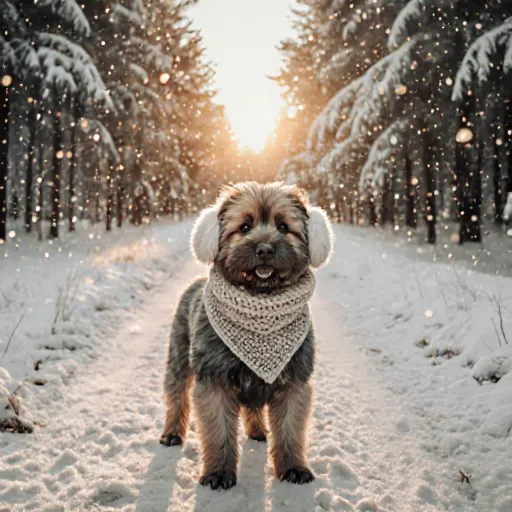
Keep your pup cozy all winter!
“Polar Protectors: How to Keep Your Dog Warm”
Table of Contents
- Introduction
- Understanding Dog Breathing in Cold Weather
- Choosing the Right Gear: Jackets, Boots, and Hats
- Inspecting Winter Clothing for Safety and Comfort
- Preparing Your Home: Heating, Drafts, and Safe Spaces
- Adjusting Feeding Schedules and Calorie Intake
- Hydration Tips for Cold Weather
- Monitoring for Ice Burns and Frostbite
- Recognizing Cold-Related Illnesses (e.g., Hypothermia, Shivering)
- Exercise and Play: Balancing Activity with Rest
- Travel Safety: Cars, Trucks, and Public Transport
- Emergency Preparedness: First Aid Kit and Vet Contacts
- Training and Behavioral Tips for Winter Walks
- Conclusion
- FAQ
Introduction
When temperatures drop and the wind picks up, your canine companion faces a new set of challenges that can affect their health and comfort. By preparing ahead and following these practical guidelines, you’ll help ensure your dog stays safe, warm, and happy throughout the colder months.
1. Understand Your Dog’s Susceptibility
- Breed & Coat: Thick‑haired breeds (e.g., Huskies, Malamutes) are naturally insulated, but they can still suffer from overexposure if left outside for long periods. Thin‑coated or short‑haired dogs (e.g., Greyhounds, Chihuahuas) are more vulnerable to frostbite.
- Age & Health: Puppies and seniors have less body mass and weaker thermoregulation. Dogs with arthritis may find walking on ice painful.
- Weight & Size: Small dogs retain heat slower than larger ones, so they need extra protection.
2. Dress Appropriately for Outdoor Activities
- Dog Sweaters & Jackets: Look for moisture‑wicking fabrics with a snug fit to prevent drafts. Check that the collar area stays dry and doesn’t rub against the neck.
- Boots or Paw Protectors: Prevent ice melt salts, de‑icing chemicals, and sharp ice from damaging paw pads. Try them on indoors first so your dog gets used to walking with them.
- Neck Gaiters & Muffs: For breeds that pull their heads out of wind tunnels (e.g., Huskies), a neck gaiter keeps the ears and face warm.
3. Keep Your Dog Hydrated and Fed
- Water: Even in cold weather, dogs need water. Use insulated bowls or heated water dispensers to discourage freezing.
- Food: Dogs burn more calories warming their bodies; a slightly higher-calorie diet can help maintain energy levels.
4. Manage Outdoor Time Wisely
- Short, Frequent Walks: Instead of long walks, opt for multiple short sessions to limit exposure while still exercising your dog.
- Watch the Signs: Shivering, whining, reluctance to move, or a chilled nose are red flags. Pull back if these occur.
- Use a Warm Shelter: A small insulated kennel or a covered patio can provide refuge when you’re away.
5. Protect Against Frostbite and Hypothermia
- Paw Care: Inspect paws after walks for cuts, ice crystals, or swelling. Clean with warm (not hot) water if needed and apply a dog‑safe paw balm.
- Body Temperature: If your dog shows signs of hypothermia—listlessness, pale gums, or slow breathing—move them indoors immediately and wrap in blankets.
6. Indoor Comfort Measures
- Heating Pads & Blankets: Place a safe heating pad under a blanket to keep your dog warm without risking burns.
- Ventilation: Ensure proper airflow; avoid sealing windows completely, as dogs can feel trapped in stifling heat or cold drafts.
7. Keep an Eye on Your Dog’s Behavior and Health
Regular veterinary check‑ups during the winter season can catch early signs of joint issues or skin problems caused by harsh weather conditions. Discuss seasonal supplements such as omega‑3 fatty acids for coat health.
8. Emergency Preparedness
- First Aid Kit: Include items like gauze, antiseptic wipes, and a small supply of pet-safe pain relievers (only if prescribed by your vet).
- Emergency Contacts: Keep the number of your nearest emergency veterinary clinic handy.
By combining these strategies—proper gear, hydration, controlled outdoor time, and vigilant care—you’ll give your dog a safe, enjoyable winter experience. Remember, each dog is unique; observe their reactions closely and adjust as needed to keep them warm, healthy, and happy throughout the cold season.
Understanding Dog Breathing in Cold Weather
Cold air is denser and drier than warm air. For a dog, this means that each breath delivers less oxygen and more moisture has to be expelled quickly. Most breeds have adapted well, but the way they adjust can give you clues about their comfort level.
Typical Breathing Patterns
- Normal breathing: A relaxed dog will inhale through the nose and exhale gently through the mouth or nose. The rate is usually 10–30 breaths per minute for medium‑sized dogs.
- Increased respiratory rate: If a dog’s heart rate climbs, you’ll see an uptick in breathing—often 40–60 breaths per minute. This can signal that the body is working harder to maintain core temperature.
- Rapid, shallow breaths: A sign of distress or hypothermia; the dog may be panting with a rapid “puff” of air.
- Deep, prolonged inhalations: Some breeds (e.g., Huskies) have thicker fur and can take longer breaths to absorb more heat. This is normal as long as the rate stays within their typical range.
What to Watch For
Keep an eye on these indicators during cold walks or play sessions:
- Pale lips and gums: May signal low oxygen levels.
- Shivering or tremors: The dog is trying to generate heat; if it persists, consider a warmer environment.
- Coughing or wheezing: Could be triggered by cold air irritating the airway.
- Excessive panting after activity: A sign of overheating—cool down immediately with water and shade.
Practical Breathing‑Friendly Tips for Cold Weather
Here’s how you can help your dog maintain healthy breathing patterns when the temperature drops:
- Choose the right gear: A well-fitted coat or jacket reduces wind chill and keeps the neck area warm, which helps regulate airflow.
- Limit exposure time: Use a “walk‑in” rule—once your dog’s breathing becomes rapid or labored, bring them inside.
- Hydration matters: Even in cold weather, dehydration can impair lung function. Offer water after any activity.
- Warm up gradually: Let the dog acclimate to the temperature by starting with short walks and increasing duration as they adjust.
- Use a nose mask if needed: For breeds prone to cold‑air irritation (e.g., German Shepherds), a lightweight mask can reduce direct airflow against the nostrils.
Breed‑Specific Considerations
Some breeds have unique breathing challenges in winter:
| Breed | Common Issue | Tip |
|---|---|---|
| German Shepherd | Nasal congestion from cold, dry air | Use a nose mask and keep the dog indoors when temperatures drop below 30°F. |
| Siberian Husky | Long, thick fur can trap heat but also slow airflow | Trim excess fur around the neck for better ventilation during intense play. |
| Labrador Retriever | Prone to coughing from cold air exposure | Provide a wind‑proof jacket and limit exercise in windier conditions. |
When to Seek Veterinary Care
If you notice:
- Persistent rapid breathing after rest
- Coughing that doesn’t improve with a warmer environment
- Labored breathing or wheezing during mild activity
- Signs of distress such as trembling, pale gums, or lethargy
Contact your vet promptly. Early intervention can prevent complications like pneumonia or heat exhaustion.
Understanding how your dog’s breathing changes in cold weather—and acting on those cues—helps you keep them safe, comfortable, and healthy during the chilly months.
Choosing the Right Gear: Jackets, Boots, and Hats
When it comes to protecting your canine companion from the biting cold, proper gear is as essential as a warm home or cozy blanket. A well‑designed jacket, booties, or hat can shield vulnerable skin areas, reduce heat loss, and keep your dog comfortable during winter adventures.
1. Jackets – The First Line of Defense
- Material Matters: Look for jackets made from waterproof yet breathable fabrics such as nylon with a DWR (Durable Water Repellent) finish or insulated polyester blends. This combination keeps moisture out while allowing sweat to evaporate.
- Insulation Types:
- Fleece: Lightweight and highly breathable, ideal for moderate cold.
- Down: Offers superior warmth-to-weight ratio but requires a waterproof outer shell to stay dry.
- Synthetic insulation (e.g., PrimaLoft): Retains heat even when wet.
- Fit and Coverage: Ensure the jacket covers the chest, shoulders, and belly but does not restrict movement. Adjustable straps or Velcro fasteners help achieve a snug fit without pinching skin.
- Ventilation Features: Some jackets include mesh panels or zippered vents that can be opened during high activity to prevent overheating.
2. Boots – Protecting Sensitive Paws
- Why Your Dog Needs Boots: Rough, icy surfaces can crack the pads of your dog’s paws and expose them to frostbite or chemical irritants such as de‑icing salts.
- Boot Types:
- All‑weather boots: Waterproof, with rubber soles for traction.
- Thermal booties: Light‑weight and insulated, suitable for short walks.
- Custom-fit booties: Tailored to your dog’s paw shape for maximum comfort.
- Choosing the Right Size: Measure the length from heel to tip of the longest toe and the width at the widest part. Compare these dimensions with the manufacturer’s sizing chart.
- Installation Tips: Start by placing a pair of booties on your dog’s paws while they are still relaxed, then gently tighten straps. Let them wear the boots for short periods before longer walks to ensure there is no chafing or discomfort.
3. Hats – Keeping the Head Warm and Dry
- Why a Hat? Dogs lose heat through their ears, head, and neck. A hat can reduce this loss, especially in breeds with floppy ears or thin fur.
- Hat Styles:
- Beanies: Simple knitted hats that cover the entire head.
- Ear‑protectors: Mesh or fabric covers designed to shield ears from wind and snow.
- Full‑coverage caps: Combine a beanie with ear protection for maximum coverage.
- Material Considerations: Soft, breathable fabrics like cotton blends keep the head comfortable. For extra warmth, look for hats lined with fleece or faux fur.
4. Practical Advice and Common Mistakes to Avoid
- Test Before Long Trips: Give your dog a few short walks in their gear before embarking on longer excursions. Watch for signs of overheating, chafing, or discomfort.
- Avoid Over‑Wrapping: Overly tight jackets can restrict circulation and cause breathing difficulties. Always check that your dog can lift its head comfortably.
- Check for Allergies: Some dogs may react to certain fabrics or adhesives used in Velcro fasteners. If you notice itching or redness, switch to a hypoallergenic option.
- Regular Maintenance: Wash jackets and booties according to the manufacturer’s instructions. A clean, dry surface prevents mold growth and keeps the gear functional.
Equipping your dog with the right winter gear not only enhances their comfort but also significantly reduces the risk of cold‑related injuries. By selecting high‑quality jackets, protective boots, and snug hats—and by following these practical tips—you’ll ensure that every snowy adventure is safe, enjoyable, and stress‑free for both you and your furry friend.
Inspecting Winter Clothing for Safety and Comfort
When it comes to keeping your dog warm in cold weather, the right clothing can make all the difference. However, a coat that looks great on the surface may still pose risks if it isn’t properly fitted or made from suitable materials. Below is a step‑by‑step guide to help you evaluate winter apparel for safety and comfort.
1. Check the Fit
- Measure accurately: Use a flexible measuring tape to capture the girth at the widest part of your dog’s chest, shoulder width, neck circumference, and length from the base of the skull to the hip.
- Look for loose edges: A well‑fitted coat should sit snugly but not constrict movement. There should be a small gap (about 1–2 cm) between the collar area and the neck, and at the front of the chest to allow breathing.
- Check for bulkiness: Excess fabric can create chafing or restrict circulation; trim or adjust if necessary.
2. Inspect Material Quality
- Water‑repellent vs. waterproof: A water‑repellent finish will repel light rain, but for heavy snow or sleet, a fully waterproof material (e.g., coated nylon) is preferable.
- Insulation type: Down provides excellent warmth with low weight, while synthetic fibers retain heat even when wet. Consider your dog’s activity level and the typical weather conditions.
- Breathability: Look for mesh panels or ventilation zippers to prevent overheating during walks.
3. Examine Fasteners and Closures
- Zippers: Use smooth, reinforced zippers with a pull tab that’s easy for you to manipulate but not easily accessible to your dog (to avoid accidental release).
- Buckles & Velcro: Check for durability; Velcro should be double‑stitched and have a protective cover to prevent snagging on fur.
- Adjustability: Adjustable straps at the chest, waist, and cuffs allow you to fine‑tune the fit as your dog’s weight changes.
4. Look for Safety Features
- Reflective strips or stitching: Essential for nighttime visibility; ensure they’re evenly spaced and not prone to fraying.
- Heat‑retaining lining: Some coats feature a fleece or quilted inner layer that adds an extra barrier against cold air.
- Ventilation openings: These help regulate temperature, especially during active walks. Verify they’re securely stitched to avoid accidental opening.
5. Test for Comfort and Mobility
Before heading out on a long walk, have your dog wear the coat for a short period indoors:
- Observe if any parts rub against skin or fur.
- Watch for signs of distress—whining, pulling away, or excessive licking.
- Check that the coat doesn’t interfere with the dog’s gait; a good fit should feel like an invisible layer rather than a restrictive garment.
6. Maintenance and Care
- Cleaning: Follow manufacturer instructions—many winter coats can be machine washed, but synthetic down often requires dry cleaning or hand washing with mild detergent.
- Drying: Air‑dry in a well‑ventilated area; avoid high heat that may damage insulation.
- Storage: Keep the coat folded and away from direct sunlight to preserve elasticity and colorfastness.
Practical Example: Choosing a Coat for a Medium‑Sized Labrador in Snowy Conditions
A medium‑sized Labrador with a thick double coat will still benefit from an outer shell that blocks wind and water. A waterproof, windproof nylon shell with a removable synthetic down insert provides versatility:
- Shell: 100 % nylon, treated with a durable water‑repellent (DWR) finish.
- Insulation: 2–3 oz synthetic down for warmth while remaining dry.
- Features: Front zipper with a safety tab, adjustable waist and collar straps, reflective trim on the chest and belly.
Cold Weather Safety Tips for Dogs (Quick Reference)
- Never leave your dog in a parked car; temperatures can rise rapidly.
- Limit outdoor exposure to 10–15 minutes per hour during extreme cold.
- Always provide fresh water—hydration is crucial even when it’s chilly.
- Check paws for ice or salt buildup; apply paw balm if necessary.
- Monitor for signs of hypothermia: shivering, lethargy, pale gums, and a rapid heart rate.
By meticulously inspecting winter clothing with these guidelines in mind, you’ll ensure your dog stays safe, comfortable, and stylish during every frosty adventure.
Preparing Your Home: Heating, Drafts, and Safe Spaces
During the cold months, your dog’s comfort and safety depend heavily on how you manage indoor temperature, airflow, and the creation of cozy zones. Below are practical steps, examples, and expert tips that will help you keep your furry friend warm, healthy, and stress‑free.
1. Choosing the Right Heater
- Electric space heaters: Compact, easy to use, and generally safe when placed away from pets. Look for models with a built‑in thermostat and automatic shut‑off.
- Infrared heaters: Emit heat directly onto surfaces rather than the air, reducing drafts. Ideal for rooms where you want targeted warmth without blowing cold air across your dog’s resting spot.
- Radiant floor heating: If you have a new home or plan a renovation, consider installing under‑floor heating. It provides consistent warmth and eliminates visible radiators that can be dangerous to pets.
Example: A 1500 W ceramic heater with an adjustable thermostat set at 70°F (21°C) works well in a typical living room. Place it on a sturdy, non‑flammable surface about two feet from the dog’s sleeping area but far enough to avoid overheating.
Safety Tips for Heaters
- Always use heaters with an automatic shut‑off timer. This prevents accidental over‑heating when you’re not home.
- Keep cords out of reach. Use cord covers or run cables along baseboards to avoid chewing hazards.
- Avoid placing a heater directly in front of the dog’s bedding; heat should radiate gently from below or behind the sleeping area, not blow cold air across it.
2. Sealing Drafty Spots
Draughts can chill your dog’s paws and lower their core temperature, especially if they’re small or have short coats.
- Weatherstripping: Apply adhesive foam strips to gaps around windows, doors, and electrical outlets. This is inexpensive and highly effective.
- Draft stoppers: Place a rolled towel or commercial draft stopper at the bottom of doorways. A simple DIY version uses a plastic bag filled with rice or beans.
- Door sweeps: Install a rubber sweep on the lower edge of doors that open onto cold rooms (e.g., garages). This blocks airflow and keeps warm air in.
Example: A 12‑inch weatherstripping strip installed around a south‑facing window can reduce heat loss by up to 30%, keeping your dog’s environment comfortably warmer without increasing utility bills.
Draft‑Free Zones
- Create a “dog zone” in the warmest corner of each room. Add a thick blanket or a small, insulated pet bed.
- If you have hardwood floors, lay down a high‑density rubber mat to protect paws from cold surfaces.
- Use window insulation film during extreme weather; it also doubles as an energy saver for your home.
3. Building a Cozy, Dog‑Friendly Retreat
Your dog’s sleeping area should be more than just a place to lie down; it needs to provide warmth, comfort, and psychological safety.
- Dog beds: Opt for raised or padded beds with memory foam. The elevation keeps them off cold floors and the foam retains body heat.
- Blankets & quilts: Layer multiple blankets over a dog bed. Use a quilted pet blanket that’s machine washable to keep hygiene simple.
- Heat‑retaining accessories: Consider a heated dog pad (battery or plug‑in) for extra warmth during extreme cold. Always supervise usage and read the manufacturer’s safety instructions.
Example: A 30 × 40 inch raised dog bed with a memory foam base, covered in a fleece blanket, can keep a small breed warm for hours without additional heating devices. Place it near a wall to shield from drafts.
Psychological Comfort
- Keep the space quiet and free of loud noises that may cause stress (e.g., snowstorms, fireworks).
- Provide familiar scents by placing a piece of clothing or a blanket with your scent on it.
- If your dog is anxious about cold weather, consider using a calming pheromone diffuser (e.g., Adaptil) in the sleeping area.
4. Quick Winter Preparation Checklist
- Test all heaters for proper function and set to a safe temperature before the first cold snap.
- Install weatherstripping on windows, doors, and outlets.
- Create at least one draft‑free dog zone per room.
- Ensure dog bed is elevated or padded with heat‑retaining material.
- Keep a spare blanket, chew toy, and a small first aid kit for your dog in the winter storage area.
By addressing heating, drafts, and safe spaces proactively, you’ll provide your dog with a warm, secure environment that supports their health and happiness throughout the cold season.
Adjusting Feeding Schedules and Calorie Intake
Cold weather forces your dog’s metabolism to work overtime to keep warm, meaning they often need more calories than in warmer months. However, it’s not enough to simply double the food quantity; you must also consider timing, portion size, and the type of food to avoid digestive upset.
1. Monitor Your Dog’s Body Condition
- Check weight regularly: Weigh your dog every 4–6 weeks during winter. A steady weight loss or gain indicates you need to adjust calories.
- Observe body condition score (BCS): Use a 9‑point scale; aim for a BCS of 5–6 in most breeds. If your dog’s ribs are hard to feel, add calories; if they’re soft or you see fat deposits, reduce them.
2. Calculate the Right Calorie Increase
As a rule of thumb, increase daily calories by about 10–15% for dogs that are active outdoors in cold climates. For less active pets, a 5–10% bump is usually enough.
| Breed Size | Daily Calorie Increase (approx.) |
|---|---|
| Small (<20 lb) | +200–300 kcal |
| Medium (20–50 lb) | +400–600 kcal |
| Large (50–90 lb) | +700–900 kcal |
| Giant (>90 lb) | +1,000–1,200 kcal |
3. Choose the Right Food Composition
- High-fat diets: Fat provides more than twice the calories of protein or carbohydrates and offers better insulation for your dog’s body heat.
- Protein quality matters: Use lean proteins (chicken, turkey, fish) combined with a small amount of organ meat to support muscle maintenance during cold stress.
- Consider thermal energy content: Some commercial winter formulas include added fats or oils specifically designed for colder climates.
4. Timing Your Meals
Feeding in the evening helps your dog maintain body heat overnight, especially if they’ll be sleeping in a drafty area. If you keep them indoors during the day and out only briefly for walks, consider splitting the daily ration into two meals: one before the walk and one after.
5. Watch for Digestive Issues
- Rapid calorie increases can lead to diarrhea or gas. If you notice changes in stool consistency, reduce the increase by 25% and give your dog time to adjust.
- Use a bland diet (boiled chicken & rice) for a day if vomiting occurs, then gradually reintroduce the regular winter formula.
6. Practical Feeding Schedule Example
| Time | Meal |
|---|---|
| 5:30 PM | Morning walk (if scheduled), then a small portion of the daily ration. |
| 7:00 PM | Full dinner—adjusted to the increased calorie requirement. |
7. Keep Hydration in Mind
Cold air can be dehydrating, especially if your dog is breathing heavily during walks. Offer fresh water at all times and consider a small bowl of low-sodium broth as an extra hydration source.
8. Adjust for Special Cases
- Senior dogs: They may not require as many calories but still benefit from higher fat content to maintain warmth.
- Dogs with thyroid issues: Consult your vet before making any major dietary changes; they might need a different caloric target.
By carefully monitoring weight, adjusting calorie intake, and choosing the right food composition, you’ll help your dog stay healthy, warm, and comfortable throughout the winter months. Always keep an eye on their overall condition and consult with your veterinarian if anything seems off.
Hydration Tips for Cold Weather
When temperatures drop, it’s easy to forget that your dog still needs plenty of water—just because they’re shivering doesn’t mean they’re hydrated. In fact, cold air is often drier and can increase a dog's fluid loss through respiration and increased urination. Below are practical strategies to keep your canine companion well‑hydrated during the colder months.
1. Provide Fresh Water at All Times
- Keep bowls out of freezing temperatures: Place water bowls in a sheltered area where wind and snow won’t chill them. If you live in an apartment, consider a heated bowl or one that sits on top of a warm mat.
- Use a self‑refilling system: A gravity‑fed or pressure‑activated dispenser can keep water flowing even when the dog is away from home.
- Check for ice buildup: Inspect bowls daily; remove any frozen layers that could block access to liquid water.
2. Offer Ice Cubes as a Treat
Most dogs love licking ice, and it can be an excellent way to encourage fluid intake. Make sure the cubes are plain (no added flavors or sweeteners). For breeds prone to dental issues, use larger blocks that won’t easily break into sharp pieces.
3. Use Broth‑Based Foods
- Low‑sodium chicken broth: A few spoonfuls mixed with dry kibble can increase moisture content in the diet.
- Check for ingredients that may be harmful (e.g., onions, garlic). Homemade broths are safest.
4. Monitor Your Dog’s Urination Frequency
In cold weather, dogs often urinate less frequently because they’re conserving body heat. If you notice a marked change—especially if the urine is darker or your dog appears lethargic—it may be time to encourage more drinking.
5. Adjust Outdoor Activity Timing
- Early mornings or late evenings: These times are usually milder, allowing your dog to hydrate after exercise without the risk of hypothermia.
- Always bring a portable water bottle and a collapsible bowl for walks.
6. Use Moisture‑Rich Treats
Opt for canned or freeze‑dried treats that have higher moisture content than dry biscuits. These can help supplement daily fluid intake without adding excessive calories.
7. Check for Signs of Dehydration
- Skin elasticity: Pinch the skin at your dog’s shoulder; it should snap back quickly if hydrated.
- Mucous membranes: The gums should be pink and moist, not dry or pale.
- If you observe any of these signs, contact a veterinarian immediately.
8. Provide Warm Water for Extra Comfort
A few milliliters of warm (not hot) water can help loosen nasal mucus in dogs with respiratory issues common during winter. However, ensure the temperature is comfortable—test it on your own skin first.
9. Use a Humidifier Indoors
Dry indoor air can further dehydrate pets. A room‑sized humidifier maintains optimal moisture levels, benefiting both dogs and humans during heating seasons.
10. Educate Your Dog’s Owner Community
Share these hydration reminders in newsletters or community forums to raise awareness among fellow dog owners about the importance of water even when it’s cold outside.
Monitoring for Ice Burns and Frostbite
Even a short walk in cold weather can expose your dog to the risk of ice burns or frostbite. These conditions develop when skin is exposed to freezing temperatures, especially on ears, paws, tail, and lips. The signs may be subtle at first, so close observation is key.
Key Symptoms to Watch For
- Pale or bluish gums: This indicates reduced blood flow to the mouth and can signal severe frostbite.
- Swelling or blisters on paws or ears: Look for sudden puffiness, especially after a cold walk.
- Loss of sensation: If your dog seems numb or “stiff” in a limb, they may have frostbite.
- Redness that turns white or blue over time: Initial redness can progress to pallor as tissue damage deepens.
- Behavioral changes: Crying, whimpering, or reluctance to move can signal pain from cold injuries.
Practical Monitoring Tips
- Post‑walk inspection: After every outing in temperatures below 32°F (0°C), check paws, ears, tail, and lips. Use a flashlight if visibility is poor.
- Use a ruler or your thumb: Gently press the pads of your dog’s paws. If they do not respond or feel cold to the touch, consider that a red flag.
- Check ear health: Ears are especially vulnerable; look for redness, swelling, or discharge.
- **Temperature‑controlled breaks:** Keep your dog indoors every 15–20 minutes during extended exposure. Use a heated mat or blanket if possible.
Immediate Actions if Frostbite is Suspected
Do not:
- Massage the affected area – it can worsen tissue damage.
- Apply ice directly to skin – use a warm compress instead.
- Attempt to remove frostbitten fur yourself unless advised by a vet.
Do:
- Move the dog to a warmer environment (car, house, or heated shelter).
- Gently warm the affected area with lukewarm water (not hot). Aim for 38–40°C (100–104°F) and keep it moist.
- Cover with clean gauze if there are blisters; avoid tight bandages that restrict circulation.
- Contact your veterinarian immediately. If the frostbite is severe, they may prescribe antibiotics or recommend a hospital visit.
Preventive Measures for Future Walks
- Use paw wax or dog booties: Protect pads from ice and salt.
- Limit walk duration: Stick to short, brisk walks in extreme cold.
- Dress appropriately: For breeds with thin coats, a lightweight jacket can add an extra layer of protection.
- Provide warm, dry bedding at home: After returning from the yard, let your dog relax on a heated mat to recover circulation.
By staying vigilant and acting quickly when you notice early signs of ice burns or frostbite, you can prevent serious injury and keep your canine companion safe in cold weather.
Recognizing Cold-Related Illnesses (e.g., Hypothermia, Shivering)
When temperatures drop, dogs can develop a range of cold‑related health problems if they are not protected or monitored closely. Below we break down the most common conditions—hypothermia and shivering—along with signs to watch for, preventive measures, and what to do if you suspect your dog is suffering.
1. Hypothermia
- Definition: A dangerous drop in core body temperature below the normal range (95–100 °F / 35–38 °C).
- Causes in Dogs: Prolonged exposure to cold, wet conditions, inadequate shelter, or a large amount of body fat loss.
- Symptoms:
- Lethargy or stupor
- Pale or bluish gums and tongue
- Weak pulse or rapid heart rate (tachycardia)
- Shivering that stops abruptly, or absence of shivering altogether in severe cases
- Stiffness or tremors in limbs
Practical Prevention Tips
- Provide Adequate Shelter: Use insulated dog houses, thermal blankets, or even a repurposed garage to keep your pup dry and warm.
- Limit Outdoor Time: Keep walks short (10–15 minutes) during extreme cold; use a harness for better heat retention.
- Dress Appropriately: Invest in a high‑quality dog coat, especially if your dog has thin fur or is a small breed.
- Monitor Humidity and Wind: Even moderate temperatures can feel colder with wind chill; keep your dog indoors during windy days.
2. Shivering (Initial Response to Cold)
Shivering is the body’s first line of defense against cold—muscle contractions generate heat. However, excessive or prolonged shivering can signal that your dog is struggling to maintain core temperature.
- Signs of Problematic Shivering:
- Shivering persists for more than a few minutes after returning indoors
- Accompanied by trembling or shaking that does not subside with warmth
- Dog appears uncomfortable, whines, or tries to escape heat sources
Managing Shivering
- Warm the Dog Gradually: Use a warm (not hot) blanket, a heating pad set on low, or a pet‑safe hot water bottle. Never apply direct heat to skin.
- Offer Warm Fluids: A small amount of lukewarm water can help raise internal temperature; avoid giving ice cubes or cold treats.
- Check for Other Symptoms: If shivering is accompanied by breathing difficulty, coughing, or a drooling mouth, seek veterinary care immediately.
When to Call the Vet
If you observe any of these red‑flag signs—especially a combination of pale gums, rapid heart rate, and unrelenting shivering—it’s time to contact your veterinarian. Hypothermia can quickly become life‑threatening if not treated promptly.
Emergency Steps
- Move the Dog Indoors: Bring them into a warm, draft‑free area immediately.
- Apply Gentle Heat: Wrap them in a warm blanket or use a low‑heat pad; avoid overheating.
- Monitor Vital Signs: Check pulse (30–60 bpm for dogs), breathing rate (10–20 breaths/min), and temperature if you have a pet thermometer.
- Call the Vet: Explain symptoms, location, and any first‑aid measures taken. Follow their instructions while waiting for transport or treatment.
Key Takeaways
- Hypothermia is a serious risk in cold weather; watch for lethargy, pale gums, and abnormal heart rates.
- Shivering starts as a protective mechanism but can become problematic if prolonged or severe.
- Prevention—adequate shelter, limited exposure, proper clothing—is far cheaper than emergency treatment.
- Always be prepared: keep a first‑aid kit and vet contact information handy during cold weather adventures.
Exercise and Play: Balancing Activity with Rest
When the temperature drops, it’s tempting to keep your pup active out of habit or excitement for a walk. However, in cold weather, over‑exertion can lead to hypothermia, frostbite, and even heart strain. Below are practical guidelines that help you maintain a healthy balance between activity and rest while keeping your dog safe.
1. Know Your Dog’s Limits
- Breed & Size Matters: Small or thin‑faced breeds (e.g., Chihuahuas, Greyhounds) are more susceptible to cold; large, heavily muscled dogs (e.g., German Shepherds, Rottweilers) can handle lower temperatures better.
- Aging Dogs: Senior dogs often have reduced stamina and joint issues. Shorter walks at a slower pace are preferable.
- Health Conditions: Dogs with heart or lung disease should avoid strenuous exercise in cold air, as it can increase oxygen demand.
2. Adjust the Duration & Intensity of Exercise
- Use the “Rule of 30” – keep walks to no more than 30 minutes per day during extreme cold (below 20 °F / ‑6 °C). For milder temperatures, you can extend up to an hour.
- Incorporate low‑impact activities such as indoor fetch or tug-of-war, which provide mental stimulation without exposing the paws to ice and salt.
- If your dog starts shivering, whining, or moving slower, stop immediately. Rest is more important than a scheduled routine.
3. Monitor Physical Signs of Cold Stress
Keep an eye on these indicators:
- Paw Condition: Look for cracks, redness, or ice buildup between toes.
- Body Temperature: A normal dog’s body temperature is 101–102.5 °F (38.3–39.2 °C). If you suspect hypothermia, warm your dog gradually with blankets and a lukewarm bath.
- Signs of exhaustion: heavy breathing, lethargy, or inability to keep pace.
4. Plan the Timing of Outdoor Play
- Mid‑morning is often the warmest part of the day; avoid early dawn or late dusk when temperatures drop quickly.
- If you’re in a region with heavy snowfall, consider a brief walk before a heavy snowstorm to allow your dog to expend energy safely.
5. Provide Restful Recovery Zones
Create a comfortable, sheltered area where your dog can recover:
- Insulated bedding: Use thick blankets or a heated pad (under veterinary supervision) to keep the body warm.
- Keep the area away from drafts and direct wind exposure.
- Offer fresh water at room temperature; avoid giving ice cubes that could cause throat irritation.
6. Use Protective Gear Wisely
While protective gear can help, it’s not a substitute for proper exercise management:
- Boots: Good for dogs with thin fur or sensitive paws; ensure they fit snugly and are checked for wear.
- Coats & Sweaters: Only use them if the dog shows signs of shivering. Do not overheat—dogs can sweat through their skin, so ventilation is key.
7. Post‑Exercise Care
- Dry your dog thoroughly after a walk to prevent damp fur from cooling the body further.
- Check for frostbite: any white or blueish discoloration should be examined by a vet.
- Give a warm, nutritious snack—something high in healthy fats—to replenish energy stores.
8. When to Seek Veterinary Attention
If you notice:
- Prolonged shivering or tremors lasting more than 5 minutes.
- Blue lips, tongue, or paw pads.
- Difficulty breathing or rapid heart rate after exercise.
- Any sudden behavioral changes such as confusion or disorientation.
Always err on the side of caution—early intervention can prevent serious complications.
Travel Safety: Cars, Trucks, and Public Transport
When you’re traveling in a vehicle—whether it’s a car, truck, or public transit system—your dog’s comfort and safety are paramount, especially during the cold months. Below are practical guidelines and real‑world examples to help you prepare for safe journeys.
1. Cars
- Temperature Check: Before starting the engine, set your car’s temperature gauge to a comfortable level (usually between 70°F–75°F). Never let the cabin get colder than this—dogs can develop hypothermia in just 10–15 minutes at temperatures below 32°F.
- Ventilation: Keep windows slightly open for fresh air, but use a pet-friendly vent cover to prevent drafts from blowing directly on your dog. A simple DIY solution: fold a towel or blanket over the window to diffuse the wind.
- Heat‑Safe Bedding: Place a thick blanket or a heated pet pad (rated for vehicle use) on the seat. Avoid using electric heaters that can spark; instead, opt for battery‑powered pads with adjustable heat settings.
- Secure Seating: Use a dog seat belt harness or a secured crate. Never let your dog roam freely—this reduces the risk of injury if you need to brake suddenly.
- Emergency Kit: Pack a small first‑aid kit that includes extra blankets, a portable water bowl, and a “cold shock” treatment guide (e.g., applying warm compresses).
2. Trucks (for Long Hauls or Freight Transport)
- Space Allocation: If you’re traveling with your dog in a truck, ensure they have enough room to lie down comfortably. Use a padded crate that fits the cargo area securely.
- Ventilation and Insulation: Install a high‑quality insulation panel on the cargo floor to keep temperatures stable. Consider installing a small fan or vent system to circulate warm air evenly.
- Temperature Monitoring: Use an inline thermometer that shows real‑time cabin temperature, so you can adjust heating promptly.
- Hydration and Food: Pack insulated water bottles and freeze‑dry food in a thermally insulated bag. Avoid giving raw or high‑fat meals before long trips as they can cause stomach upset.
3. Public Transport (Buses, Trains, Trams)
- Check Pet Policies: Before boarding, verify the transport operator’s pet policies—many allow small dogs in carriers or on seats with a leash.
- Carrier Preparation: Use an airline‑approved carrier that fits under the seat. Line it with a warm blanket and place a heat pack (reusable, safe for pets) inside.
- Seating Arrangements: If you’re allowed to sit on the floor or near the door, keep your dog in a carrier or on a seatbelt harness. Avoid letting them jump onto seats or windows during stops.
- Temperature Awareness: Public transport vehicles can have fluctuating temperatures—especially when doors open frequently. Plan to give your dog extra blankets if you anticipate long waits.
Practical Tips for All Vehicle Types
- Pre‑Trip Walk: Take a short walk before departure to allow your dog to relieve themselves, reducing the chance of accidents during travel.
- Hydration Check: Bring water and a collapsible bowl. Dogs can become dehydrated quickly in cold air because it dries out their skin.
- Emergency Contacts: Keep a list of nearby veterinary clinics along your route, especially those that are open 24/7.
- Check Weather Forecasts: Plan routes with fewer stops and lower elevations to avoid extreme cold or snow accumulation.
By following these guidelines, you’ll help keep your dog safe, warm, and comfortable throughout any vehicle journey in the winter months.
Emergency Preparedness: First Aid Kit and Vet Contacts
When the temperature drops, your dog’s risk of hypothermia, frostbite, and other cold‑related emergencies increases. Having a well‑equipped first aid kit and up‑to‑date veterinary contact information can mean the difference between a quick recovery and a serious health crisis.
1. Building Your Cold‑Weather First Aid Kit
- Thermal blankets (blanket or emergency space blanket): These lightweight, reflective sheets keep heat in even when the dog is wet or exposed to wind.
- Bandages and gauze: For treating frostbite or minor cuts. Include adhesive tape that stays on in cold conditions.
- Wound cleaning solution (saline or chlorhexidine): To clean any open wounds before bandaging.
- Pain relief medication for dogs: Consult your vet for the correct dosage and brand. Keep a note of the dog’s weight for accurate dosing.
- Hand warmers (small, reusable packs): Place them inside the blanket or between layers to provide instant heat if frostbite is suspected.
- Portable heating pad: Battery‑powered pads can be used in emergencies to gently raise body temperature.
- Thermometer (digital or infrared): To monitor core temperature quickly; normal dog body temp ranges from 101°F–102.5°F.
- Anti‑freeze gel or ointment: Useful for treating cracked, dry skin caused by wind and cold.
- First aid manual (dog‑specific): A quick reference guide that covers steps for hypothermia, frostbite, and general injuries.
2. Practical Tips for Using the Kit in Cold Weather
- Check body temperature early: If your dog shows signs of lethargy or shivering, use the thermometer to confirm hypothermia.
- Apply heat cautiously: For frostbite, wrap affected areas in a clean gauze and then cover with the thermal blanket. Avoid direct contact between hot packs and skin; use a barrier to prevent burns.
- Treat cuts before exposure: Clean the wound with saline, apply gauze, and secure it with tape. Keep the dog warm while you do this.
- Monitor hydration: Offer small sips of lukewarm water or a commercial electrolyte solution if your dog is drinking less than usual.
3. Vet Contact Information – The “Ready‑Set” List
Maintain an updated list in two formats: digital (phone, email) and printed (in the kit). Include:
- Main veterinary clinic contact.
- 24/7 emergency animal hospital.
- Specialist referral contacts (e.g., cardiology, orthopedics).
- Local animal shelters or rescue groups that can provide interim care if needed.
Example Contact List
| Facility | Specialty | Phone | Hours | |
|---|---|---|---|---|
| Downtown Veterinary Clinic | General Practice | (555) 123‑4567 | [email protected] | Mon–Fri 8 AM–6 PM |
| Cold Weather Animal Emergency Center | Emergency Care | (555) 987‑6543 | [email protected] | 24/7 |
| Northside Cardiology Specialists | Cardiology | (555) 246‑8100 | [email protected] | Mon–Fri 9 AM–5 PM |
4. Routine Checks Before a Cold Weather Outing
- Confirm the vet’s availability: Call ahead if you plan to travel far from home.
- Update pet insurance information: Ensure coverage for emergency services during extreme weather events.
- Label your kit: Write “Cold Weather First Aid” on the bag so anyone who finds it knows its purpose.
By assembling a comprehensive first aid kit and keeping vet contacts readily accessible, you’ll be prepared to respond quickly and effectively if your dog encounters cold‑related emergencies. Stay vigilant, stay warm, and keep those lines of communication open for the best possible outcome.
Training and Behavioral Tips for Winter Walks
Winter walks can be an enjoyable way to keep your dog active, but they also come with unique challenges that require careful preparation and training. Below are practical strategies—backed by real-world examples—to help you and your canine companion stay safe, comfortable, and well-behaved during the colder months.
1. Gradual Acclimatization to Cold Temperatures
- Start Small: If your dog has never been exposed to snow or ice, begin with short walks (5–10 minutes) in mild winter conditions and gradually increase duration as they adapt.
- Observe Body Language: Watch for signs of discomfort—shivering, whining, or reluctance to step onto slippery surfaces. If you notice these cues, shorten the walk or bring them inside.
- Use Positive Reinforcement: Reward your dog with treats and praise when they confidently navigate new winter terrains. This builds confidence and encourages repeat positive behavior.
2. Mastering Ice and Snow Navigation
- Teach the “Stay” Command on Slippery Surfaces: Practice a firm “stay” or “wait” command before your dog steps onto ice or packed snow. This helps prevent slips and falls.
- Use Non-Slip Gear: Consider using non-slip booties for breeds with short legs (e.g., Boxers, Bulldogs) or dogs that have a tendency to slip on icy patches.
- Practice Balance Drills: Set up a small obstacle course in your yard—cones or low hurdles—to help your dog develop balance and confidence when traversing uneven terrain.
3. Managing Your Dog’s Energy Levels
- Short, Frequent Walks: Instead of one long walk, break the session into multiple shorter walks throughout the day to prevent fatigue and reduce the risk of overexertion.
- Warm-Up Routine: Begin each walk with a gentle jog or playful game (e.g., fetch with a ball) for about five minutes. This increases blood flow and warms up muscles before exposure to cold air.
- Cool-Down Period: End the walk with relaxed walking and some light stretching, allowing your dog’s heart rate to return to normal gradually.
4. Handling Cold-Induced Behavioral Changes
- Decreased Appetite: Some dogs eat less in winter. Monitor food intake and adjust portions if necessary; a slight increase in calories can help maintain body heat.
- Increased Sensitivity to Noise: Snowstorms or heavy traffic noise may startle your dog. Use a calm voice and steady leash tension to reassure them during sudden loud sounds.
- Restlessness from Boredom: Provide enrichment items (e.g., durable chew toys, puzzle feeders) before the walk to channel excess energy into productive play.
5. Recognizing and Responding to Frostbite and Hypothermia
- Check Extremities: After each walk, inspect paws, ears, tail, and nose for redness, swelling, or frostbite signs (white or bluish discoloration).
- Immediate Action: If you suspect frostbite, warm the affected area gently with a lukewarm cloth—never use direct heat. For suspected hypothermia, move your dog to a warm environment and provide a blanket.
- Seek Veterinary Care: Severe or persistent symptoms warrant professional evaluation; early intervention improves recovery outcomes.
6. Equipment Checklist for Winter Walks
- Coat or Sweater: A waterproof, insulated jacket helps retain body heat and protects against wind chill.
- Collar and Leash: Use a sturdy leash (preferably a retractable one with a safety lock) and a collar that resists slipping on slick surfaces.
- Reflective Gear: Winter days are shorter; reflective vests or collars increase visibility during low-light conditions.
- Treats and Water: Bring high-energy treats to reward good behavior and a lightweight water bottle for hydration.
7. Practical Scenario: A Real-World Example
Consider “Milo,” a 4‑year‑old Labrador with a history of slipping on ice. His owner, Sarah, implemented the following routine:
- She began with 10‑minute walks in mild winter weather, rewarding Milo for stepping onto a small patch of packed snow.
- Every walk included a brief warm-up jog and ended with a calm walk back home.
- Sarah used reflective collars during early evening walks to ensure visibility.
- Milo’s paws were checked after each walk; Sarah noticed slight redness on his toes and applied a dog‑safe paw balm.
After three weeks, Milo was confidently navigating icy sidewalks without slipping, and Sarah reported fewer signs of cold stress. This example demonstrates how consistent training and preventive care can make winter walks safe and enjoyable for both pet and owner.
8. Key Takeaways
- Gradual exposure and positive reinforcement build confidence in cold environments.
- Proper gear, balanced exercise routines, and vigilant monitoring of body language reduce injury risk.
- Immediate response to frostbite or hypothermia symptoms is critical for health outcomes.
By incorporating these training techniques and behavioral strategies into your winter routine, you’ll help ensure that every snowy stroll remains a safe, stimulating, and bonding experience for both you and your dog.
Conclusion
As the temperature drops, it’s essential to adjust your routine and environment so that your dog remains comfortable, healthy, and safe. Below are practical steps you can take to protect your four‑legged friend during winter months.
1. Keep Your Dog Warm
- Appropriate Clothing: Use a well-fitting dog coat or sweater that covers the chest, belly, and back but allows free movement of limbs. For breeds with thin coats (e.g., Greyhound, Whippet) or puppies, this is especially important.
- Insulated Beds: Place a raised platform or insulated pad in your dog’s sleeping area to keep them away from cold floors. Adding a blanket or a fleece liner can further enhance warmth.
- Limit Exposure Time: Even with protective gear, dogs should not spend excessive time outside. A good rule of thumb is 10 minutes per month of body weight in the cold; adjust based on how your dog reacts.
2. Protect Their Extremities
The paws are particularly vulnerable to frostbite and ice abrasion. Here’s what you can do:
- Paw Care Routine: After walks, wipe each paw with a warm (not hot) towel to remove snow, ice, or salt.
- Hydro‑gel Pads: Apply dog‑safe paw balm or hydro‑gel pads to create a protective barrier against cold surfaces.
- Booties: Fit well‑adjusted booties for extended outdoor activities. Ensure they’re snug but not tight, and remove them when your dog shows signs of discomfort.
3. Manage Your Dog’s Diet and Hydration
- Caloric Needs: Dogs burn more calories in cold weather to maintain body heat. Consider adding a small amount of healthy, high‑energy food (e.g., canned pumpkin or a bit of peanut butter) if your vet approves.
- Hydration: Winter air is drier; dogs may drink less. Offer fresh water frequently and keep bowls in warm areas to prevent freezing.
4. Exercise Wisely
While exercise is vital, overexertion can lead to hypothermia or frostbite. Plan shorter walks on milder days and monitor your dog’s breathing and behavior for signs of distress.
5. Vet Check‑Ups & Vaccinations
- Vaccination Schedule: Ensure your dog’s rabies, distemper, and other core vaccines are up to date before the season begins.
- Health Screening: Bring your dog for a pre‑winter check‑up. Discuss any existing conditions (e.g., arthritis) that might worsen in cold weather.
6. Emergency Preparedness
Accidents happen—whether it’s getting lost or suffering from hypothermia. Prepare a “dog emergency kit” containing:
- A spare leash and collar with updated ID tags.
- Extra food, water, and a collapsible bowl.
- First‑aid supplies (bandages, antiseptic wipes).
- A small blanket or sleeping bag.
7. Monitor Weather Conditions
Use reliable local forecasts to plan outings. Avoid walking during extreme cold snaps or when temperatures drop below your dog’s tolerance threshold (often around 15°F for most breeds).
By taking these proactive steps—providing adequate warmth, protecting paws, adjusting diet, exercising appropriately, keeping vaccinations current, and preparing for emergencies—you’ll help ensure that your dog enjoys the winter season safely and comfortably. Always observe your dog’s behavior; if they seem lethargic, shivering, or are refusing to walk, it may be time to bring them indoors.
FAQ
- Why is it important to protect my dog from the cold?
Dogs can suffer from hypothermia, frostbite, and respiratory issues in low temperatures. Small breeds, short‑haired dogs, or those with thin coats are especially vulnerable.
- How do I determine if my dog needs extra protection?
Check for signs such as shivering, paw pad discoloration, and reluctance to walk. Also consider your dog's age, weight, breed, and health status. A quick “cold test” – hold a warm hand near the ear or paws; if they immediately pull away, it may indicate sensitivity.
- What types of dog apparel are best for cold weather?
- Fleece jackets: Lightweight and breathable; great for mild to moderate cold.
- Padded or insulated coats: Ideal for severe winter conditions. Look for wind‑proof outer layers.
- Booties: Protect paws from ice, salt, and hot pavement. Ensure a snug fit and replace when worn.
- How should I dress my dog during a walk?
Fit the garment snugly but not too tight—check for movement at shoulders and hips. Wear booties on both paws, leaving one paw unprotected only if it’s a short‑haired breed that tolerates cold well.
- Can I leave my dog outside in winter?
Only if the shelter is fully insulated, draft‑free, and offers bedding above ground level. Never rely on outdoor spaces for extended periods; always monitor weather alerts and keep walks brief.
- What should I feed my dog during cold months?
- Increase caloric intake by about 10–20% to compensate for higher energy expenditure.
- Provide high‑quality protein and healthy fats (e.g., salmon oil) to support coat health.
- Avoid excessive treats that can upset digestion during cold stress.
- How do I prevent frostbite on paws?
Inspect paw pads for cracks or redness after walks. Wash with warm water and apply a dog‑safe balm (e.g., shea butter). If you notice any signs of injury, consult your vet promptly.
- When should I seek veterinary help?
- Signs of hypothermia: lethargy, pale gums, rapid breathing.
- Frostbite: white or blue patches on ears, tail, paws.
- Chronic cold exposure leading to weight loss or joint stiffness.
- Can I use a blanket or sleeping bag for my dog at night?
Yes—opt for a breathable, insulated bedding that keeps moisture away. Place it in a draft‑free area and elevate the base with a foam pad to reduce heat loss.
- How do I keep my dog’s ears warm?
Use ear covers or a snug hat that extends over the ears, especially for breeds with floppy ears. Ensure the material is moisture‑resistant and does not obstruct hearing.
- What are some quick checks before letting my dog out in cold weather?
- Check coat condition: clean, dry, and free of debris.
- Ensure footwear is intact and properly fastened.
- Confirm the dog’s collar has a breakaway feature for safety.
- Do I need to adjust my dog's exercise routine?
Shorter, more frequent walks are preferable. Monitor heart rate and watch for excessive panting or coughing, which may indicate respiratory strain.
- What’s the best way to hydrate a dog in winter?
Provide fresh water at all times; dogs often drink less in cold temperatures. Offer low‑sodium broth as an alternative if your dog seems reluctant to drink.
- Can I use heating pads or hot water bottles for my dog?
Avoid direct contact with skin—use a blanket between the pad and the dog. Ensure the device is off when unattended to prevent burns.
- How do I manage my dog’s anxiety in extreme weather?
- Create a calm, familiar environment inside the house.
- Use calming pheromone diffusers or natural supplements (e.g., CBD, valerian).
- Maintain routine feeding and exercise times to reduce stress.
- What should I do if my dog gets stuck in snow?
Do not attempt to force removal. Call a professional rescue or your local animal shelter for assistance. Keep the dog warm, dry, and calm while waiting.
- How can I protect my dog from winter hazards like ice melt chemicals?
- Keep them away from salted surfaces; if they lick paws afterward, rinse with clean water.
- Consider a protective paw gel that resists salt and chemicals.
- Is it safe to let my dog sleep outside in winter?
Only if the shelter is fully insulated, draft‑free, and has bedding above ground level. Never rely on outdoor sleeping during harsh weather; always monitor for changes.
Categories
- AI & Enrichment Play
- Broiler Farming
- Broiler Farming Tips
- Canine Wellness & Longevity
- Cat
- Cat & Human Connection
- Cat Adoption & Rescue
- Cat Breeds
- Cat Breeds & Personalities
- Cat Care & Health
- Cat Grooming & Hygiene
- Cat Lifestyle & Environment
- Cat Myths & History
- Cat Nutrition & Diet
- Cat Products & Reviews
- Cat Training & Behavior
- Comparison
- Consumer Awareness
- Dog
- Dog Accessories & Products
- Dog Adoption & Rescue
- Dog Breed & Lifestyle Trends
- Dog Breeding & Puppies
- Dog Entertainment & Media
- Dog Fashion & Trends
- Dog Fun & Lifestyle
- Dog Grooming & Hygiene
- Dog History & Culture
- Dog Myths, Science & Future Tech
- Dog News & Trends
- Dog Nutrition & Food
- Dog Psychology & Emotions
- Dog Safety & Security
- Dog Sports & Activities
- Dog Technology & Innovation
- Dog Training for Modern Owners
- Dog Travel & Adventure
- Dog Travel, Adventure & Culture
- Economic and Market Insights
- Educational Content
- FAQs
- Feeding Alternatives
- Festivals & Seasonal Ideas
- Fun & Entertainment
- General Knowledge
- General Pig Farming
- Health & Disease Management
- Housing and Environment
- Kittens
- Market Insights
- Miscellaneous
- Miscellaneous
- Motivational
- pig
- Pig Breeding
- Pig Breeds
- Pig Farming Stories and Inspiration
- Pig Health and Care
- Pig Nutrition
- Pig Products
- Profitability & Business
- Puppy Care
- Puppy Predictable Topics Reinvented
- Regional Focus
- Rescue & Adoption Buzz
- Senior Cats
- Senior Dog Care
- Smart Dog Tech & Gadgets
- Sustainability
- Sustainable & Eco-Friendly Dog Products
- Tech & Innovations
- Working & Service Dogs
- Broiler Feed66 products
- Country Feed33 products
- Pig Feed66 products
- Product22 products
- Raw Materials99 products
Products
-
 Fish Meal
₹1,999.00 – ₹2,999.00Price range: ₹1,999.00 through ₹2,999.00Rated 0 out of 5
Fish Meal
₹1,999.00 – ₹2,999.00Price range: ₹1,999.00 through ₹2,999.00Rated 0 out of 5 -
 FATTENING BROILER FEED
₹2,299.00 – ₹2,349.00Price range: ₹2,299.00 through ₹2,349.00Rated 0 out of 5
FATTENING BROILER FEED
₹2,299.00 – ₹2,349.00Price range: ₹2,299.00 through ₹2,349.00Rated 0 out of 5 -
 LAYER COUNTRY FEED
₹1,549.00 – ₹1,649.00Price range: ₹1,549.00 through ₹1,649.00Rated 0 out of 5
LAYER COUNTRY FEED
₹1,549.00 – ₹1,649.00Price range: ₹1,549.00 through ₹1,649.00Rated 0 out of 5 -
 COUNTER BROILER FEED
₹1,199.00 – ₹1,299.00Price range: ₹1,199.00 through ₹1,299.00Rated 0 out of 5
COUNTER BROILER FEED
₹1,199.00 – ₹1,299.00Price range: ₹1,199.00 through ₹1,299.00Rated 0 out of 5 -
 LACTATING PIG FEED
Rated 0 out of 5
LACTATING PIG FEED
Rated 0 out of 5₹2,299.00Original price was: ₹2,299.00.₹1,740.00Current price is: ₹1,740.00. -
 Maize
Rated 0 out of 5
Maize
Rated 0 out of 5₹1,650.00Original price was: ₹1,650.00.₹1,300.00Current price is: ₹1,300.00. -
 GESTATION PIG FEED (Phase 1)
Rated 0 out of 5
GESTATION PIG FEED (Phase 1)
Rated 0 out of 5₹2,249.00Original price was: ₹2,249.00.₹1,699.00Current price is: ₹1,699.00. -
 Pre Starter Broiler Feed
₹2,399.00 – ₹2,499.00Price range: ₹2,399.00 through ₹2,499.00Rated 0 out of 5
Pre Starter Broiler Feed
₹2,399.00 – ₹2,499.00Price range: ₹2,399.00 through ₹2,499.00Rated 0 out of 5 -
 FINISHER PIG FEED
Rated 0 out of 5
FINISHER PIG FEED
Rated 0 out of 5₹2,299.00Original price was: ₹2,299.00.₹1,749.00Current price is: ₹1,749.00. -
 Broiler Premix
Rated 0 out of 5
Broiler Premix
Rated 0 out of 5₹820.00Original price was: ₹820.00.₹699.00Current price is: ₹699.00.