
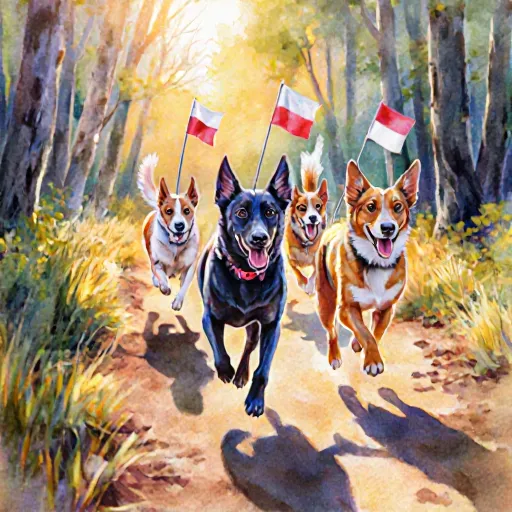
Unleash Adventure—Keep Your Pup Safe!
“Tail‑Tales Trailblaze: Exciting Escapades That Keep Dogs Secure” (50)
Table of Contents
- Choosing the Right Outdoor Space for Your Dog
- Safety First: Checking the Terrain and Weather Conditions
- Dog-Friendly Games Overview
- Fetch Variations That Keep Your Dog Engaged
- Tug-of-War with Safety Guidelines
- Obstacle Course Basics for Dogs
- Hide and Seek: Mental Stimulation Outdoors
- Water Play: Swimming Safely with Your Dog
- Interactive Games Using Treats and Toys
- Training Games that Combine Fun and Discipline
- Group Play: Introducing Your Dog to Other Dogs Safely
- Seasonal Adjustments for Outdoor Games
- Post-Game Care and Recovery Tips
- Conclusion: Making the Most of Outdoor Playtime
- FAQ: Common Questions About Safe Outdoor Games for Dogs
Choosing the Right Outdoor Space for Your Dog
The first step in creating a safe and enjoyable environment for your dog is selecting an outdoor space that meets their physical, mental, and safety needs. Whether you have a sprawling backyard, a small balcony, or access to a nearby park, consider these factors before launching into playtime.
1. Size & Layout
- Room to Run: A minimum of 200 square feet is ideal for most breeds; larger dogs require more space.
- Open vs. Enclosed: Open areas allow natural scent exploration, while fenced or gated spaces provide safety against runaway dogs and traffic.
- Terrain Variety: Soft grass, firm dirt, and a mix of elevations (small hills, steps) keep your dog’s joints healthy and stimulate curiosity.
2. Safety Features
- Secure Fencing: A fence at least 4–5 feet tall prevents escape; check for gaps or weak points.
- Shade & Sun Protection: Provide shade structures (tents, pergolas) or natural tree cover to protect against overheating.
- Water Source: A shallow bowl of fresh water within easy reach keeps your dog hydrated during play.
3. Surface Considerations
Dogs’ paws can suffer from rough or hot surfaces. Choose materials that are:
- Soft and Cushioned: Grass, turf, or rubber mulch reduce impact on joints.
- Non‑slippery: Avoid slick stones or tiles; add a textured mat if necessary.
- Temperature‑Neutral: Concrete can get scorching in summer—use shade or cool mats.
4. Access to Safe Outdoor Games
Once you’ve secured the space, it’s time to introduce fun activities that are safe and engaging.
Safe Outdoor Games for Dogs
A. Fetch Variations
- Standard Throw: Use a durable ball or frisbee on grass; avoid hard surfaces that can crack the toy.
- Obstacle Fetch: Set up cones or poles and have your dog weave before retrieving—boosts agility and focus.
B. Tug‑of‑War (Controlled)
Use a sturdy rope toy on a flat area. Keep the play short, give commands like “drop it,” and never let the dog chase you.
C. Hide & Seek
- Hide treats or favorite toys in safe spots (under benches, inside a low box). Encourage your dog to sniff them out.
- Gradually increase difficulty by using more hidden locations or adding mild distractions.
D. Agility Course
Build a simple course with jumps (soft foam boards), tunnels (cardboard boxes), and weave poles. Start slow, reward progress, and keep all equipment well‑secured.
E. Water Play
- On hot days, let your dog splash in a shallow kiddie pool or sprinkler—always supervise.
- Never leave them unattended near deep water; use a life vest for small breeds if necessary.
F. Brain Games
Introduce puzzle toys that release treats when solved, or teach new tricks like “spin” and “high‑five.” Mental stimulation reduces boredom and the risk of destructive behavior.
5. Routine & Monitoring
- Regular Inspection: Check for broken fence posts, loose tiles, or hidden hazards.
- Supervision: Even the safest space can become risky if left unattended—always keep an eye on your dog during play.
- Weather Awareness: Avoid strenuous activity in extreme heat; provide shade and fresh water.
By thoughtfully selecting a safe outdoor area and pairing it with well‑chosen games, you’ll give your dog the physical exercise, mental stimulation, and joyful interaction they deserve—while keeping them protected from injury or accidents.
Safety First: Checking the Terrain and Weather Conditions
Before you let your pup run wild in a new outdoor game, it’s essential to evaluate both the ground surface and the weather forecast. A safe environment reduces the risk of injuries, keeps playtime enjoyable, and ensures that every tail wag is a sign of health rather than discomfort.
1. Assessing the Terrain
- Hard Concrete or Asphalt: These surfaces can be unforgiving for joints, especially in older dogs. If you’re playing fetch or tug-of-war on a paved path, consider using a softer rubber mat or moving to a nearby grassy area.
- Grassy Fields: Ideal for most games—gravelly or uneven grass can still pose tripping hazards. Look for flat patches with minimal weeds.
- Sand and Beaches: Great for swimming or sand-fetch, but watch for sharp shells and the risk of overheating in hot climates.
- Woodland Trails: Rich in sensory stimulation but check for loose branches, thorny bushes, and uneven footing. A quick walk through first helps spot potential dangers.
2. Weather Considerations
Weather dramatically influences how safe a game is. Use the following guidelines to decide whether it’s time to play or wait:
| Condition | Recommended Action |
|---|---|
| Sunny & Hot (above 90°F) | Play early morning or late afternoon. Provide shade and plenty of water. |
| Hot & Humid | Shorter play sessions, frequent breaks in the shade. |
| Rainy | Limit to games that keep your dog dry (e.g., indoor fetch). Avoid slippery surfaces. |
| Windy | Be cautious with flying toys—wind can carry them unpredictably. Consider indoor alternatives. |
| Snow or Ice | Watch for slick spots; use traction pads if available. Shorter sessions to avoid overexertion. |
Practical Tips for a Safer Outdoor Game Day
- Do a Quick Walkthrough: Before starting, walk the play area with your dog on a leash. This helps identify hidden hazards.
- Check Temperature & Humidity: Use a thermometer or smartphone app to gauge conditions accurately.
- Hydration Stations: Place water bowls at intervals along the play path, especially during longer sessions.
- Use Appropriate Toys: Soft rubber balls are better for hard surfaces; plush toys are ideal for grassy or sandy areas.
- Watch for Signs of Fatigue: Panting heavily, drooling excessively, or limping should prompt an immediate break.
By taking a few minutes to inspect the terrain and weather, you’re not only protecting your dog’s physical well-being but also setting the stage for countless fun, safe adventures together.
Dog-Friendly Games Overview
Playing outside is one of the best ways to keep your dog physically fit and mentally stimulated. However, not every backyard activity is safe for all breeds or ages. Below you’ll find a curated list of outdoor games that are both fun and low‑risk, along with practical tips on how to set them up safely.
1. Fetch (Classic & Variations)
- Standard Fetch: Use a lightweight ball or frisbee that won’t cause injury if your dog runs too fast and hits something hard. Opt for soft, inflatable balls during hot weather to reduce surface temperature.
- Targeted Fetch: Place a target (e.g., a cone or a small flag) in the yard and ask your dog to bring the ball back to that spot. This trains focus and reduces the chance of them chasing objects off‑site.
2. Tug‑of‑War with a Safety First Approach
Tug is great for bonding, but it can become dangerous if not monitored. Choose a sturdy rope toy that’s at least twice the length of your dog’s body and keep the play area free from sharp objects or uneven ground.
3. Agility Course (DIY)
- Pole Weave: Set up two upright poles about 4–6 feet apart and let your dog weave through them. Use cones to mark the path.
- Low Jump: A low, cushioned jump (height no higher than the dog’s shoulder) can be made from a broomstick supported by crates. This prevents injuries while still providing excitement.
4. Hide‑and‑Seek
This game stimulates your dog’s nose and mind. Start with easy hides (under the patio umbrella, behind a tree) and gradually increase difficulty. Make sure all hiding spots are safe—no slippery surfaces or hidden hazards.
5. Water Play (for Warm Days)
- Sprinkler Fun: Set up a sprinkler in a shallow area so your dog can chase the moving water. Keep it away from electrical outlets and ensure the surface is non‑slippery.
- Puddle Chase (Controlled): Small, contained puddles on soft grass allow dogs to splash without risk of slipping or ingesting chemicals.
6. Interactive Puzzle Games Outdoors
Use treat‑dispensing toys that your dog can manipulate while outside. Place them in a safe zone where your dog won’t run into traffic or hazardous areas. This keeps the activity mentally engaging and physically contained.
Safety Checklist for Outdoor Play
- Check Weather: Avoid extreme heat or cold; provide shade and water at all times.
- Inspect Terrain: Ensure the ground is level, free of sharp objects, and not overly slippery.
- Supervise: Never leave a dog unattended during play. Watch for signs of overexertion (heavy panting, lagging).
- Use Appropriate Gear: Collars with ID tags, leashes or safety harnesses if the area isn’t fully fenced.
- Keep Toys Safe: No small parts that could be swallowed. Replace worn toys promptly.
By tailoring these games to your dog’s size, breed, and health status—and by following the safety checklist—you can ensure every outdoor adventure is both enjoyable and risk‑free.
Fetch Variations That Keep Your Dog Engaged
While the classic ball‑fetch is a staple for most dog owners, mixing up the game keeps your pup mentally stimulated and physically active. Below are proven variations that add novelty while ensuring safety during outdoor play.
- Soft‑Toys for Sensitive Teeth: Use plush or rubber fetch toys instead of hard balls if your dog has dental issues or is a “gentle chewer.” They’re easier on gums and still provide the same chase excitement.
- Targeted Throwing: Throw the toy to a specific spot—like a low branch, a garden rock, or a marked area. This trains your dog’s recall and encourages them to navigate obstacles before retrieving.
- Drop‑and‑Fetch Relay: Place two or three toys at increasing distances. After each successful fetch, the owner calls the dog back to drop one toy in the designated “drop zone.” This adds a memory component and reduces repetitive motion that can cause joint strain.
- Obstacle Fetch Course: Set up a mini obstacle course using cones or low hurdles. The dog must jump, weave, or crawl before reaching the toy. It boosts agility while keeping fetch fun.
- Water‑Safe Fetch (Summer): In hot weather, swap the ball for a floating toy or a lightweight rubber frisbee. The buoyancy keeps the game engaging and reduces risk of overheating from running on hot pavement.
Practical Safety Tips
- Check the Terrain: Avoid uneven ground, broken glass, or sharp objects that could harm your dog’s paws.
- Hydration Breaks: Keep a water bowl nearby and offer water after every few rounds. Dogs can dehydrate quickly during intense play.
- Observe Weather Conditions: In extreme heat, choose early morning or late afternoon sessions; in cold weather, limit the duration to prevent frostbite on paws.
- Use a Leash for Safety: If you’re unfamiliar with the area, start with a short leash to keep your dog within sight while still allowing them to chase freely.
- Teach “Drop” Command Early: Reinforce the drop command before starting fetch variations. A well‑timed drop reduces overexertion and keeps play controlled.
By rotating these fetch variations, you’ll keep your dog’s mind sharp, body fit, and overall happiness high—all while ensuring every outdoor session is safe and enjoyable.
Tug-of-War with Safety Guidelines
When you’re looking to keep your dog mentally and physically stimulated while enjoying the great outdoors, tug‑of‑war is a classic choice. However, even this seemingly simple game can become risky if not played responsibly. Below are comprehensive safety guidelines, practical tips, and real‑world examples to help you conduct a fun yet safe tug session for your canine companion.
1. Choose the Right Toy
- Durability matters: Use a commercial dog‑safe rope or tug toy that is reinforced and free of loose fibers. Avoid braided nylon cords or cheap rubber toys that can snap or break, potentially causing choking hazards.
- Size & weight: Pick a toy roughly the size of your dog’s muzzle. A too‑large toy can be hard for smaller dogs to grip; a too‑small one can be swallowed.
- No loose parts: Inspect the toy before each play session for frayed ends or missing pieces that could detach during vigorous tugging.
2. Set Clear Rules Beforehand
- “Drop it” command: Teach your dog to release the toy on cue. Practice in a calm environment before moving outdoors.
- No mouthing when you’re not holding the toy: This reduces the risk of accidental bites or choking if your dog’s tongue gets caught.
- One‑dog rule: If you have multiple dogs, play tug with one at a time to avoid competition and aggression.
3. Use Proper Body Positioning
- Ground level: Keep your feet firmly planted on the ground or use a stable surface (e.g., a picnic table) so you don’t lose balance if the dog pulls hard.
- Hands in front of you: Hold the toy with both hands, one on each end. This prevents your arms from getting caught behind the dog’s head or neck.
- Watch the posture: If the dog starts to arch its back or pull too hard, pause and re‑establish control.
4. Monitor Energy Levels & Health Status
- Warm‑up first: Start with a short walk or light play to raise body temperature before intense tugging.
- Hydration breaks: Offer water after every few minutes of vigorous activity, especially on hot days.
- Know your dog’s limits: Older dogs, those with joint issues, or breeds prone to back problems (e.g., Dachshunds) should play shorter sessions or use softer toys.
5. Keep the Environment Safe
- No loose debris: Remove sticks, stones, and other hazards from the playing area that could puncture your dog’s paw pads during a tug battle.
- Avoid slippery surfaces: Turf or grass is ideal; avoid muddy patches where dogs might slip and get injured while holding the toy.
- Respect wildlife: Keep the game contained to prevent accidental bites on birds, squirrels, or other small animals that might be attracted by your dog’s excitement.
6. Practical Example: “The Picnic Table Tug”
Scenario: A 2‑hour afternoon at a local park with your medium‑sized Labrador.
- Preparation: Bring a sturdy rope toy, a water bowl, and a towel for drying paws.
- Setup: Place the picnic table in a shaded spot. Sit on the edge with your dog on your left side.
- Start the game: Hold one end of the rope, give “Tug!” The dog grabs the other end and pulls.
- Maintain control: If your dog pulls too hard, pause and say “Drop it.” Once released, reward with a treat or praise.
- Repeat until fatigue: After three rounds, give water and a short walk to cool down.
7. When to Skip Tug‑of‑War
- Dogs that have recently had surgery or are recovering from an injury.
- Highly excitable dogs with a history of aggression or “fight” reactions.
- Breeds prone to dental issues where gripping a toy could cause jaw pain (e.g., Pugs).
8. Quick Safety Checklist
1️⃣ Toy is durable & size‑appropriate
2️⃣ “Drop it” command mastered
3️⃣ Hands in front of body, feet planted
4️⃣ Hydration available
5️⃣ Clear, non‑slippery play area
6️⃣ Monitor for signs of overexertion
By following these guidelines, you can turn a simple tug session into a safe, engaging, and memorable outdoor activity that strengthens the bond between you and your dog while keeping both of you injury‑free.
Obstacle Course Basics for Dogs
Creating a homemade obstacle course is an excellent way to keep your dog mentally stimulated and physically fit while having fun together. Below are the essential elements you’ll need, step‑by‑step instructions, safety tips, and creative variations that can be adapted to any backyard or park setting.
1. Choose Your Space Wisely
- Open area: A flat lawn or a quiet parking lot works best. Avoid uneven ground or slippery surfaces.
- Clear boundaries: Mark the perimeter with cones, hula hoops, or temporary paint so your dog knows where to stay.
- Shade & hydration: Set up a shaded spot and keep water nearby for breaks.
2. Build Basic Obstacles
You don’t need expensive gear—just everyday items that can be safely repurposed.
| Obstacle | Materials | Construction Tips |
|---|---|---|
| Tunnel | Large cardboard box or a lightweight PVC pipe frame covered with fabric. | Ensure the entrance is wide enough for your dog’s size. Secure corners with non‑slip tape. |
| Weave Poles | Four 4‑ft poles or sturdy broomsticks, spaced evenly. | Anchor them to the ground with sandbags or stakes; keep gaps wide enough for the dog’s shoulders. |
| Hurdle | Two plastic buckets or a low wooden plank. | Set height according to your dog’s breed and agility level. Use a soft mat on top if needed. |
| Balance Beam | A straight piece of plywood or a sturdy crate lid. | Place it 1‑2 feet off the ground; add a non‑slip surface for safety. |
| Pause Table | Low platform or a stack of crates. | Use a small treat dispenser to encourage the dog to pause and wait. |
3. Design the Course Flow
A good obstacle course should have a clear start, finish, and logical progression:
- Start line: Mark with a cone or flag.
- Tunnel → Weave → Hurdle → Balance Beam → Pause Table → Finish
- Use directional cues (hand signals, verbal commands) to guide your dog through each station.
4. Safety First
- Inspect regularly: Check for loose boards, frayed ropes, or sharp edges before each session.
- Supervise: Never leave a dog unattended on the course; always be ready to intervene if they slip or become overwhelmed.
- Hydration breaks: For longer sessions, give your dog water every 10–15 minutes.
- Weather considerations: Avoid extreme heat—use shaded areas and schedule workouts early in the morning or late afternoon.
5. Training Tips & Encouragement
- Start simple: Teach one obstacle at a time, rewarding with treats and praise.
- Use positive reinforcement: Keep the tone upbeat; avoid scolding if they stumble.
- Progressive difficulty: Gradually increase height or speed as your dog gains confidence.
- Keep sessions short: 5–10 minutes per run prevents fatigue and keeps excitement high.
6. Variations for Different Dog Types
| Dog Type | Recommended Obstacles | Adjustment Tips |
|---|---|---|
| Small breeds (e.g., Jack Russell, Chihuahua) | Tunnel, Weave, Pause Table | Lower hurdle height; keep balance beam close to ground. |
| Medium breeds (e.g., Beagle, Border Collie) | All obstacles with moderate heights | Add a short jog between stations for endurance. |
| Large breeds (e.g., German Shepherd, Golden Retriever) | Tunnel, Hurdle, Balance Beam | Use sturdy materials; ensure the beam can support weight. |
7. Sample Course Script
"Start line! Good boy/girl! Tunnel—let’s go! Weave poles—keep those paws light! Hurdle—jump high! Balance beam—steady steps, steady heart! Pause table—wait for the treat. Finish!"
8. Post‑Course Care
- Cool down: Walk slowly for a few minutes to bring heart rate down.
- Stretching: Gentle leg and back stretches help prevent soreness.
- Check for injuries: Look for limping, swelling, or unusual behavior before the next session.
By following these guidelines, you’ll create a safe, engaging obstacle course that strengthens your bond with your dog while promoting physical fitness and mental sharpness. Happy training!
Hide and Seek: Mental Stimulation Outdoors
One of the simplest yet most effective ways to keep your dog mentally sharp while enjoying fresh air is a game of hide and seek. Unlike traditional fetch, this activity taps into your pup’s natural scent‑tracking instincts, problem‑solving skills, and curiosity.
Why It Works
- Scent Tracking: Dogs have an extraordinary sense of smell—up to 100,000 times better than humans. By hiding in a location that smells like you or your favorite treats, you create a scent trail for them to follow.
- Cognitive Challenge: Searching requires memory (recalling where they saw you hide), attention (filtering distractions), and decision‑making (choosing the right path).
- Physical Exercise: Running, turning corners, and dodging obstacles all provide low‑impact cardio without overexertion.
How to Play Safely
- Choose a Safe Area: A fenced yard or a dog‑friendly park with clear boundaries. Avoid busy streets, high traffic zones, or places with poisonous plants.
- Set Ground Rules: Teach your dog the “stay” command before hiding. Once they’re in position, say “search!” to cue them to start looking.
- Use Visual and Olfactory Cues: Hide behind a tree, inside a low shed, or under a bench. Sprinkle a bit of kibble or your favorite treat near the spot so the scent is unmistakable.
- Gradually Increase Difficulty: Start with obvious hiding spots. As they get better, choose more complex locations—behind a bush or in a shaded area that’s not immediately visible.
- Keep Sessions Short: 5–10 minutes per session is enough to stimulate without causing fatigue or frustration.
- Reward and Praise: Once your dog finds you, give them enthusiastic praise, a treat, or a quick tug‑of‑war. This reinforces the behavior and keeps motivation high.
Practical Variations
- “Find the Treat” Version: Hide small treats around a safe area instead of hiding yourself. Let your dog sniff them out. This is great for scent‑driven breeds.
- Obstacle Course Hide & Seek: Create a mini obstacle course (cones, tunnels, low jumps) and hide in one of the obstacles. Your pup must navigate the course to locate you.
- Team Play: Have a second person help hide while the dog searches. This adds social dynamics and keeps everyone engaged.
Safety Tips for Outdoor Games
| Consideration | Practical Advice |
|---|---|
| Hydration | Always carry a water bowl and offer frequent sips, especially on hot days. |
| Temperature | Avoid playing during peak heat. Early morning or late afternoon are ideal times. |
| Terrain | Watch for uneven ground, loose gravel, or hidden roots that could injure paws. |
| Visibility | If playing in dim light, use a flashlight or reflective collar so you can spot your dog easily. |
| Legal Restrictions | Check local leash laws. Some parks require leashes for all dogs. |
By incorporating hide and seek into your routine, you give your dog a balanced mix of mental stimulation, physical activity, and bonding time—all while staying safe outdoors. Try it today and watch as curiosity turns into confidence!
Water Play: Swimming Safely with Your Dog
Many dogs love water, but swimming can be risky if you don’t take the right precautions. Below are practical steps to ensure your dog enjoys a safe and healthy swim.
- Choose a Safe Location
- Pick calm, shallow areas like lakes with gentle shorelines or pet‑friendly pools.
- Avoid beaches with strong currents, waves, or underwater hazards such as rocks and sandbars.
- Check local regulations—some parks require dogs to stay on a leash or have designated swimming zones.
- Prepare Your Dog
- Introduce your dog to the water gradually. Let them sniff, splash, and explore from a safe distance before fully entering.
- Use a high‑visibility life jacket if your dog is not a natural swimmer or if you’re in open water.
- Keep their ears dry with a lightweight ear cover to prevent infections.
- Monitor the Environment
- Check weather conditions—rain, wind, or high waves can make swimming dangerous.
- Keep an eye on water temperature; cold water can lead to hypothermia in dogs, especially short‑haired breeds.
- Watch for wildlife and other swimmers that might disturb your dog.
- Teach Basic Commands
- “Come” or “Leave it” should be strong commands in water. Practice them on land before using them underwater.
- Use a long, sturdy leash if you’re near the shore and want to keep your dog close without restricting their movement.
- Reward with treats and praise once they obey, reinforcing positive behavior.
- Know When to Stop
- If your dog shows signs of fatigue—heavy panting, slow movements, or reluctance to paddle—time to pull them out.
- Watch for overexertion symptoms such as excessive drooling, shaking, or a change in breathing pattern.
- Never force a tired dog back into the water; allow them to rest and recover on land.
- Post‑Swim Care
- Rinse your dog’s coat with fresh water to remove chlorine, salt, or sand that can irritate skin.
- Dry ears and paws thoroughly to prevent infections.
- Check for cuts or abrasions—treat promptly with a mild antiseptic if needed.
- Emergency Preparedness
- Carry a basic first aid kit tailored to dogs, including tweezers, gauze, and an emergency contact list.
- Know the nearest veterinary clinic or emergency hospital in case of accidental injury.
- Keep your dog’s ID tags and microchip information updated for quick identification.
By following these guidelines, you can transform a simple swim into a fun, safe adventure that strengthens the bond between you and your canine companion. Remember: safety first, then splash!
Interactive Games Using Treats and Toys
One of the most effective ways to keep your dog mentally sharp and physically fit is by turning a simple walk or play session into an engaging treasure hunt. By combining treats, favorite toys, and safe outdoor environments, you can create games that stimulate your dog’s senses while reinforcing good behavior.
1. The Classic “Find It” Game
- Setup: Choose a quiet area of the yard or a fenced park where wind is minimal to avoid blowing treats away.
- How to Play: Show your dog a treat, then hide it in an easy-to-find spot (e.g., under a low bush). Use commands like “search” or “find.” When the dog locates the treat, reward with praise and another bite.
- Safety Tips: Keep the hiding spots on flat ground to avoid injury. Avoid areas with uneven terrain, rocks, or sharp objects that could injure paws.
2. Treat-Dispensing Tug‑Toys
- Product Example: Kong Classic Dog Toy – insert a small treat inside and seal the opening.
- How to Play: Let your dog pull the toy around the yard, encouraging it to work out the treat. This combines chewing, tugging, and problem‑solving.
- Safety Tips: Check for wear and tear regularly; replace broken pieces immediately to prevent ingestion of small parts.
3. “Fetch & Treat” Relay
- Setup: Create a straight, open path (e.g., a garden aisle or park trail). Place several treats along the route at varying distances.
- How to Play: Throw a favorite ball or frisbee and let your dog chase it. When they return, guide them toward the next treat location before throwing again.
- Safety Tips: Ensure the path is free of traffic, uneven surfaces, or other hazards that could cause falls.
4. “Obstacle‑Treat” Course
- Equipment Needed: Small cones, a low jump (e.g., broom between two chairs), and a tunnel made from a collapsible playpen.
- How to Play: Set up the obstacle course in a safe outdoor space. Place treats at the end of each obstacle or inside the tunnel.
- Safety Tips: Secure all obstacles firmly; dogs can slip on slick grass, so consider using anti‑slip mats if needed.
5. “Scent Trail” Challenge
- Setup: Use a long string or ribbon with small pockets to attach treats. Drag the string across the yard creating a scent trail.
- How to Play: Encourage your dog to follow the scent line, rewarding them each time they find a treat pocket.
- Safety Tips: Keep the trail on level ground and avoid windy areas that might disperse the scent too quickly.
Practical Advice for All Games
- Hydration is Key: Always have fresh water nearby, especially during hot days or vigorous play.
- Monitor Energy Levels: Some dogs may tire quickly. Shorter sessions (5–10 minutes) repeated several times can be more effective than one long bout.
- Positive Reinforcement: Use enthusiastic praise and gentle petting to reinforce good behavior during the game.
- Check Weather Conditions: Avoid extremely hot or cold temperatures; use shade or a windbreak as needed.
- Safety Check: Inspect toys for cracks or loose parts before each session. Replace any damaged items promptly.
By integrating treats, toys, and safe outdoor settings into these interactive games, you’ll provide your dog with a balanced mix of physical exercise, mental stimulation, and bonding time—all while ensuring they stay injury‑free.
Training Games that Combine Fun and Discipline
Outdoor playtime is a golden opportunity to strengthen the bond between you and your dog while reinforcing obedience commands. By turning exercise into an interactive training session, you keep your pet mentally stimulated, physically fit, and socially compliant.
1. Fetch with a Twist: “Drop It” Drill
- How to Play: Throw a ball or frisbee; when your dog returns, cue “drop it.” Reward the release with a treat before throwing again.
- Training Benefit: Reinforces impulse control and encourages the dog to relinquish objects on command.
- Safety Tip: Use soft, lightweight toys in open spaces free of traffic or hazards. Keep a leash handy if your dog is still learning to obey “drop it” reliably.
2. The Obstacle Course: “Heel & Stay” Circuit
- How to Set Up: Arrange cones, poles, or low jumps in a zig‑zag pattern. Walk your dog through the course on a leash while giving “heel” cues.
- Training Benefit: Improves focus, obedience, and agility; teaches staying close during movement.
- Safety Tip: Ensure obstacles are sturdy and spaced to avoid collisions. Start with simple shapes before adding complexity.
3. Tug‑and‑Release Relay
- How to Play: Use a durable tug toy; pull gently, then release the dog’s grip with “free” or “let go.” Run a short distance before calling the dog back.
- Training Benefit: Teaches controlled excitement and responsiveness to commands like “stop” or “leave it.”
- Safety Tip: Never yank hard, which can lead to injury. Keep the play area clear of other pets and obstacles.
4. The “Find It” Treasure Hunt
- How to Play: Hide treats or a favorite toy in safe spots around the yard; encourage your dog to sniff out each item with the cue “search.”
- Training Benefit: Enhances scent work, mental focus, and patience.
- Safety Tip: Avoid hiding objects near trees or under benches where they could get stuck. Verify that the area is dog‑safe (no toxic plants or loose wires).
5. Controlled “Bark” Practice in a Park Setting
- How to Play: Simulate barking triggers by calling a friend’s voice or using a whistle; reward calmness with a treat.
- Training Benefit: Teaches impulse control and helps curb excessive barking in public spaces.
- Safety Tip: Keep the dog on a short leash until you’re confident they’ll respond to “quiet.” Avoid over‑exposure to stressful stimuli that could trigger anxiety.
Practical Tips for All Outdoor Training Games
- Hydration & Shade: Always provide fresh water and a shaded area, especially during hot weather.
- Positive Reinforcement: Use high‑value treats, praise, or a favorite toy as rewards. Avoid punishment; it can break the fun‑learning cycle.
- Consistency is Key: Use the same verbal cues and hand signals for each game to avoid confusion.
- Know Your Dog’s Limits: Watch for signs of fatigue or overheating—tired eyes, heavy panting, or reluctance to continue. Stop play if necessary.
- Leash Management: Keep a short leash during initial sessions; gradually transition to off‑leash training once the dog reliably follows commands in controlled environments.
By blending discipline with excitement, these outdoor games keep your dog’s mind sharp and body strong while reinforcing essential obedience skills. Regular practice not only curbs behavioral issues but also deepens the trust that makes every walk a shared adventure.
Group Play: Introducing Your Dog to Other Dogs Safely
When it comes to socializing your dog, a structured group play session can be one of the most effective ways to build confidence and teach appropriate behavior. Below are step-by-step guidelines, real-world examples, and practical tips for creating a safe and enjoyable experience for both you and your canine companion.
1. Choose the Right Environment
- Open, well‑mown lawns: Provide plenty of space so dogs can move freely without feeling trapped.
- Avoid crowded parks or areas with heavy traffic where distractions can trigger anxiety.
- Ensure the ground is soft (grass, dirt) to reduce injury risk during play.
2. Start with a Controlled Introduction
- Leash your dog: Keep them on a short lead so you can maintain control while still allowing exploration.
- Observe body language: Look for signs of excitement (tail wag, loose posture) versus fear or aggression (stiffness, growling).
- Introduce one dog at a time: Let your dog approach the other calmly. If either dog shows discomfort, gently separate them.
3. Incorporate Safe Outdoor Games
Games not only keep dogs entertained but also teach bite inhibition and sharing. Here are some tried‑and‑true options:
A. Fetch with a Twist
- Use a soft ball or frisbee to reduce impact.
- Throw the toy in a wide arc so dogs can chase without colliding.
- Reward calm retrieval; discourage grabbing the toy from another dog’s mouth.
B. Tug‑of‑War with Boundaries
- Use a sturdy tug rope designed for dogs.
- Establish rules: “Let go” command and enforce it immediately if a dog gets too rough.
- Rotate partners so each dog learns to share the toy fairly.
C. Relay Race (Doggy Dash)
- Create a simple obstacle course with cones or poles.
- Dogs take turns sprinting from start to finish, then hand over the “baton” (a lightweight stick) to the next dog.
- This encourages teamwork and gives each dog a chance to rest between runs.
4. Monitor Energy Levels
Dogs vary in stamina. Keep an eye on:
- Breathing: Heavy panting can signal overexertion.
- Behavior changes: Slowing down or turning away indicates fatigue.
- Water breaks: Offer fresh water after every few minutes of activity.
5. Reward Positive Interactions
Use high‑value treats and enthusiastic praise to reinforce calm, friendly behavior. Avoid rewarding nipping or excessive barking; instead, redirect the dog’s attention with a toy or a new game.
6. Know When to Pause
- If dogs start showing signs of aggression (locked eyes, raised hackles), calmly separate them and give each a few minutes to cool down.
- Use the “Sit” or “Stay” command as a safety cue before ending the session.
7. Follow Up with Individual Training
After group play, spend a short period reinforcing obedience commands like “Come,” “Leave it,” and “Heel.” This strengthens your bond and ensures your dog remains responsive in varied settings.
- ✅ Secure leashes and harnesses ready.
- ✅ Treats, water bowl, and a spare toy on hand.
- ✅ Safety first: no uneven terrain or nearby traffic.
- ✅ Observe body language throughout.
- ✅ Keep sessions short (10–15 minutes) if your dog is young or easily tired.
By combining structured games with attentive supervision, you’ll help your dog develop social skills in a safe, enjoyable environment. Remember: patience and consistency are key—every positive interaction builds confidence for the next!
Seasonal Adjustments for Outdoor Games
When it comes to keeping your dog active and entertained, the weather can be a game‑changer. A sunny afternoon in summer is perfect for a high‑energy chase, but a hot July day can quickly turn into an overheating nightmare. Likewise, winter’s chill can make even a well‑designed obstacle course feel like a frosty ordeal. Below are practical tips and examples to help you tweak classic dog games so they stay safe, fun, and suitable for every season.
1. Summer: Beat the Heat
- Time it Right: Schedule play sessions during the cooler parts of the day—early morning or late afternoon. Avoid peak sun hours (10 am–4 pm).
- Hydration Station: Place a shallow water bowl near each game station, and consider adding an ice‑cube dispenser for dogs that love to splash.
- Shade Structures: Use pop‑up shade tents or sturdy umbrellas over obstacle courses and fetch zones. A simple tarp draped over a fence can provide instant cover.
- Low‑Impact Games: Replace high‑intensity sprinting with gentler activities such as “find the treat” puzzles or slow‑paced tug‑and‑release sessions that keep heart rates moderate.
2. Autumn: Embrace Changing Leaves
- Leafy Puzzles: Hide treats under fallen leaves for a scent‑based treasure hunt. This encourages natural sniffing behavior while keeping the activity low‑impact.
- Cool Ground Cover: Use artificial turf or a rubber mat to keep footing stable as leaf piles shift and muddy patches appear.
- Temperature Check: Even in cooler months, sudden drops can be harsh. Keep a blanket handy for dogs that get cold quickly.
3. Winter: Keep Warm and Safe
- Indoor Alternatives: When temperatures plunge below freezing, move games indoors or to a heated dog run. Use soft mats to protect paws from icy surfaces.
- Paw Protection: Apply paw wax or use booties on dogs with thin fur to guard against ice melt and salt.
- Shorter Sessions: Reduce playtime to 10–15 minutes, then give a warm break. This prevents hypothermia while still providing exercise.
4. Rainy Days: Stay Dry & Engaged
- Water‑Proof Gear: Use waterproof mats and rain jackets for dogs prone to soaking up. Keep the play area as dry as possible by choosing a covered patio or a gazebo.
- Indoor Obstacle Course: Set up a mini agility course using chairs, hula hoops, and tunnels made from cardboard boxes.
- Interactive Toys: Offer puzzle feeders that release treats as the dog solves them—great for mental stimulation when outdoor options are limited.
5. General Safety Checklist for All Seasons
- Always supervise play to catch signs of fatigue or distress early.
- Check equipment daily for wear and tear, especially in harsh weather conditions.
- Keep a first‑aid kit nearby, including items for hot spots (summer) or frostbite (winter).
- Provide fresh water at all times—dogs can become dehydrated quickly during intense play.
- Rotate games to prevent overuse injuries and keep your dog mentally stimulated.
By tailoring outdoor games to the season, you ensure that every adventure is not only fun but also safe and healthy for your canine companion. Remember: a well‑planned game plan keeps both tails wagging year after year.
Post-Game Care and Recovery Tips
After an exciting session of fetch, tug or a spirited game of hide‑and‑seek in the yard, it’s essential to give your dog the right post‑game care. Proper recovery not only keeps your pup happy and healthy but also ensures they’re ready for the next adventure.
1. Cool Down Walk
- Why: A gentle walk helps lower heart rate, prevents muscle stiffness, and flushes out lactic acid buildup.
- How: Take your dog for a relaxed stroll around the block or in the backyard for about 5–10 minutes. Keep the pace slow and let them sniff at their leisure.
2. Hydration Check
- Always provide fresh water immediately after play. Dogs can become dehydrated quickly, especially on hot days.
- For extra hydration, add a pinch of low‑sodium chicken broth or a splash of coconut water to their bowl.
3. Gentle Massage & Stretching
- Legs: Lightly massage the quadriceps and hamstrings to ease tightness.
- Back: Use slow, circular strokes along the spine to promote circulation.
- Include gentle stretches: let them sit on your lap and gently pull their front legs forward while you hold their hindquarters. This mimics a mild “forward stretch” similar to what they did during play.
4. Inspect for Injuries
- Check paws, joints, and ears for signs of abrasions or swelling.
- If you notice limping, soreness, or an odd gait, consult your vet before resuming intense play.
5. Cool Down Surface
- After a vigorous game on hot pavement, place a cool (not icy) mat or damp towel in the yard for your dog to lie on. This helps regulate body temperature.
6. Balanced Recovery Snack
A small protein‑rich snack—like a bite of cooked chicken or a commercial recovery treat—can aid muscle repair. Avoid sugary or overly fatty foods.
7. Keep the Environment Safe for Rest
- Ensure your dog has a shaded, comfortable spot to relax post‑play.
- Keep outdoor toys out of reach until they’re fully rested; this prevents accidental overexertion or injuries.
8. Schedule Future Games Wisely
Use the “Rule of Three”: if you played three intense sessions in a week, give at least two days of lighter activity before the next full‑on game. This helps avoid overtraining and keeps your dog’s joints healthy.
9. Monitor Weather Conditions
- High temperatures: Limit playtime to cooler parts of the day (early morning or late evening) and provide ample shade.
- Rainy days: Opt for indoor games like “find the treat” puzzles instead of outdoor fetch to keep your dog dry and warm.
10. Use Positive Reinforcement During Recovery
Reward calm behavior with gentle praise, a soft pat or a quick belly rub. This reinforces that rest is just as enjoyable as play.
Remember: Every dog is unique. Pay attention to your pup’s cues—tiredness, whining, or reluctance to move—and adjust the recovery routine accordingly. Consistent post‑game care will keep your canine companion safe, healthy, and ready for their next adventure in the great outdoors.
Conclusion: Making the Most of Outdoor Playtime
Outdoor play is not only a source of exercise for your dog but also an opportunity to strengthen the bond between you and your furry friend. By choosing safe, engaging games and maintaining vigilance, you can turn every walk or backyard session into a memorable adventure.
1. Pick Games That Suit Your Dog’s Energy Level
- Fetch with Soft Balls: Ideal for high‑energy breeds like Border Collies or Golden Retrievers. Use a lightweight, soft ball to reduce the risk of injury if they collide with obstacles.
- Tug‑of‑War with Durable Rope: Great for dogs who love pulling. Make sure to establish clear rules (e.g., “drop it” command) to keep play controlled.
- Hide & Seek in the Yard: Hide treats or toys under low branches or in shaded areas. This stimulates their natural scent‑tracking instincts while keeping them safe from direct sunlight.
2. Keep Safety at the Forefront
- Check the Environment: Inspect the play area for sharp objects, loose debris, or toxic plants that could harm your dog.
- Hydration Breaks: Bring a water bowl and offer frequent drinks, especially on hot days. A simple plastic cup with a floating straw can make hydration fun.
- Sun Protection: Use a shade canopy or find a partially shaded spot. Consider dog‑safe sunscreen for exposed skin if your pet has thin fur.
3. Introduce New Games Gradually
Start with familiar activities before adding new twists. For instance, once your dog masters simple fetch, introduce a “catch the moving target” game using a laser pointer (always end on a tangible toy so they don’t get frustrated).
4. Use Positive Reinforcement Throughout Play
Reward good behavior with treats, praise, or extra playtime. This encourages your dog to follow commands during active sessions and reduces the likelihood of chasing after hazards.
5. Monitor Health Indicators
- Excessive Panting: Might signal overheating—pause play immediately.
- Limping or Whining: Check for injuries or discomfort; stop the activity and consult a vet if necessary.
6. Keep Your Dog Socialized and Engaged
If you’re comfortable, invite other dog owners to join. Structured group play (e.g., a controlled agility course) offers mental stimulation while keeping each dog within a safe perimeter.
7. End on a Positive Note
Conclude every session with a calm walk or gentle petting. This helps your dog wind down and reinforces that outdoor time is a safe, enjoyable activity you both look forward to.
Remember: Safe outdoor playtime is about balancing excitement with caution. By thoughtfully selecting games, monitoring your environment, and staying attuned to your dog's needs, you’ll create lasting memories—and keep your companion healthy and happy.
FAQ: Common Questions About Safe Outdoor Games for Dogs
1. What types of games are safest for my dog’s joints?
Low‑impact activities such as frisbee catching, gentle tug-of-war with soft toys, or short leash walks on grass are ideal for dogs prone to arthritis or hip dysplasia. Avoid high‑bounce surfaces like concrete or excessive jumping over obstacles.
2. How can I tell if a game is too intense for my dog?
Watch for signs of overheating (panting, drooling), fatigue (dropping enthusiasm or stumbling), and overexertion (yawning excessively). If your dog stops playing before the activity’s natural end, give them a break. A quick hydration pause after 10–15 minutes is usually enough.
3. Are there specific toys that enhance safety during outdoor play?
- Durable rubber balls: They’re lightweight, bounce predictably, and are less likely to splinter.
- Soft plush tug ropes: Reduce the risk of teeth or skin damage while still providing a satisfying pull.
- Retractable fetch sticks: Keep your dog’s mouth away from sharp edges and allow you to control distance.
4. How do I prevent my dog from ingesting dangerous objects during play?
Always supervise, keep small or breakable items out of reach, and choose toys that are designed to be chew‑proof. If your dog is a known scavenger, consider training them with the “leave it” command before outdoor sessions.
5. What environmental factors should I monitor for safe play?
- Temperature: Avoid play in extreme heat; aim for early morning or late evening when temperatures are cooler.
- Surface: Soft grass is preferable to hot asphalt, which can burn paws. For sandy beaches, use a towel or mat to protect the soles.
- Weather alerts: Stay away from windy days that can carry debris and thunderstorms where lightning poses a risk.
6. Can I use a leash during fetch or tug games?
Yes, especially if you’re in an open area or near traffic. A short leash (2–4 feet) gives you control without restricting your dog’s natural running instinct. Make sure the leash is sturdy and fits snugly to prevent slipping.
7. How often should I rotate toys to keep games safe and engaging?
Rotate a set of 4–5 toys weekly. This reduces wear on any single item, keeps your dog’s interest high, and allows you to spot signs of damage early.
8. What should I do if my dog shows signs of injury during play?
If you notice limping, swelling, or unusual behavior, stop the activity immediately and consult your veterinarian. Early intervention can prevent minor strains from becoming serious.
9. Are there training benefits to safe outdoor games?
Absolutely. Games like “fetch” reinforce recall, while tug-of-war can teach impulse control if you use the “drop it” command. Combining fun with training strengthens the human‑dog bond and improves obedience.
10. How can I adapt games for senior dogs?
- Shorter sessions (5–7 minutes) with frequent breaks.
- Low‑impact fetch on a soft surface.
- Use of scent-based games that involve sniffing rather than running.
Categories
- AI & Enrichment Play
- Broiler Farming
- Broiler Farming Tips
- Canine Wellness & Longevity
- Cat
- Cat & Human Connection
- Cat Adoption & Rescue
- Cat Breeds
- Cat Breeds & Personalities
- Cat Care & Health
- Cat Grooming & Hygiene
- Cat Lifestyle & Environment
- Cat Myths & History
- Cat Nutrition & Diet
- Cat Products & Reviews
- Cat Training & Behavior
- Comparison
- Consumer Awareness
- Dog
- Dog Accessories & Products
- Dog Adoption & Rescue
- Dog Breed & Lifestyle Trends
- Dog Breeding & Puppies
- Dog Entertainment & Media
- Dog Fashion & Trends
- Dog Fun & Lifestyle
- Dog Grooming & Hygiene
- Dog History & Culture
- Dog Myths, Science & Future Tech
- Dog News & Trends
- Dog Nutrition & Food
- Dog Psychology & Emotions
- Dog Safety & Security
- Dog Sports & Activities
- Dog Technology & Innovation
- Dog Training for Modern Owners
- Dog Travel & Adventure
- Dog Travel, Adventure & Culture
- Economic and Market Insights
- Educational Content
- FAQs
- Feeding Alternatives
- Festivals & Seasonal Ideas
- Fun & Entertainment
- General Knowledge
- General Pig Farming
- Health & Disease Management
- Housing and Environment
- Kittens
- Market Insights
- Miscellaneous
- Miscellaneous
- Motivational
- pig
- Pig Breeding
- Pig Breeds
- Pig Farming Stories and Inspiration
- Pig Health and Care
- Pig Nutrition
- Pig Products
- Profitability & Business
- Puppy Care
- Puppy Predictable Topics Reinvented
- Regional Focus
- Rescue & Adoption Buzz
- Senior Cats
- Senior Dog Care
- Smart Dog Tech & Gadgets
- Sustainability
- Sustainable & Eco-Friendly Dog Products
- Tech & Innovations
- Working & Service Dogs
- Broiler Feed66 products
- Country Feed33 products
- Pig Feed66 products
- Product22 products
- Raw Materials99 products
Products
-
 Fish Meal
₹1,999.00 – ₹2,999.00Price range: ₹1,999.00 through ₹2,999.00Rated 0 out of 5
Fish Meal
₹1,999.00 – ₹2,999.00Price range: ₹1,999.00 through ₹2,999.00Rated 0 out of 5 -
 FATTENING BROILER FEED
₹2,299.00 – ₹2,349.00Price range: ₹2,299.00 through ₹2,349.00Rated 0 out of 5
FATTENING BROILER FEED
₹2,299.00 – ₹2,349.00Price range: ₹2,299.00 through ₹2,349.00Rated 0 out of 5 -
 LAYER COUNTRY FEED
₹1,549.00 – ₹1,649.00Price range: ₹1,549.00 through ₹1,649.00Rated 0 out of 5
LAYER COUNTRY FEED
₹1,549.00 – ₹1,649.00Price range: ₹1,549.00 through ₹1,649.00Rated 0 out of 5 -
 COUNTER BROILER FEED
₹1,199.00 – ₹1,299.00Price range: ₹1,199.00 through ₹1,299.00Rated 0 out of 5
COUNTER BROILER FEED
₹1,199.00 – ₹1,299.00Price range: ₹1,199.00 through ₹1,299.00Rated 0 out of 5 -
 LACTATING PIG FEED
Rated 0 out of 5
LACTATING PIG FEED
Rated 0 out of 5₹2,299.00Original price was: ₹2,299.00.₹1,740.00Current price is: ₹1,740.00. -
 Maize
Rated 0 out of 5
Maize
Rated 0 out of 5₹1,650.00Original price was: ₹1,650.00.₹1,300.00Current price is: ₹1,300.00. -
 GESTATION PIG FEED (Phase 1)
Rated 0 out of 5
GESTATION PIG FEED (Phase 1)
Rated 0 out of 5₹2,249.00Original price was: ₹2,249.00.₹1,699.00Current price is: ₹1,699.00. -
 Pre Starter Broiler Feed
₹2,399.00 – ₹2,499.00Price range: ₹2,399.00 through ₹2,499.00Rated 0 out of 5
Pre Starter Broiler Feed
₹2,399.00 – ₹2,499.00Price range: ₹2,399.00 through ₹2,499.00Rated 0 out of 5 -
 FINISHER PIG FEED
Rated 0 out of 5
FINISHER PIG FEED
Rated 0 out of 5₹2,299.00Original price was: ₹2,299.00.₹1,749.00Current price is: ₹1,749.00. -
 Broiler Premix
Rated 0 out of 5
Broiler Premix
Rated 0 out of 5₹820.00Original price was: ₹820.00.₹699.00Current price is: ₹699.00.