
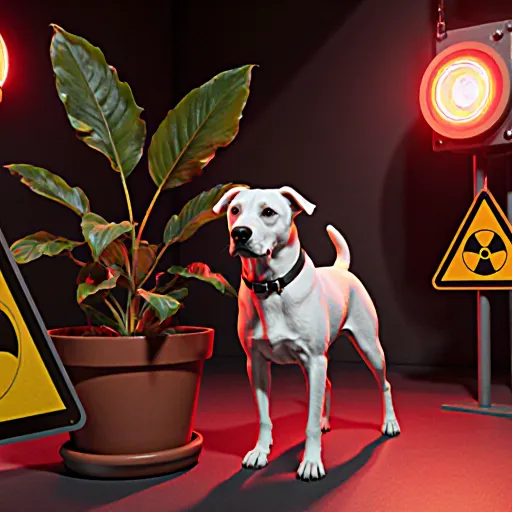
Act Fast—Save Your Pet!
“Stop Dog Poisoning: Remove Hazardous Greenery Immediately”
Table of Contents
- Introduction
- Common Poisonous Plants for Dogs
- Recognizing Symptoms of Plant Toxicity
- Immediate Actions if Exposure Occurs
- When to Seek Veterinary Care
- Preventive Measures at Home
- Garden Planning for Pet Safety
- Safe Outdoor Activities and Supervision
- Training Your Dog to Stay Away from Hazardous Plants
- Choosing Pet‑Friendly Alternatives
- Creating a First Aid Kit for Plant Poisoning
- Legal Considerations and Liability
- Conclusion
- FAQ
Introduction
Dogs are naturally curious explorers, and many of them love to sniff, chew, or even burrow into plants while on walks, in the yard, or during a backyard adventure. Unfortunately, some common household and garden plants can be toxic to dogs if ingested, scratched, or inhaled. The good news is that most cases of plant poisoning are preventable with a few simple steps.
Know Your Garden’s Green Threats
- Oleander (Nerium oleander): All parts contain cardiac glycosides; even small bites can cause heart failure.
- Lily of the Valley (Convallaria majalis): Contains convallatoxin, dangerous to cats and dogs alike. Even a single flower can lead to vomiting, seizures, or death.
- Rhododendron & Azalea: The leaves contain grayanotoxins; ingestion may result in nausea, drooling, or coma.
- Sago Palm (Cycas revoluta): All parts are highly toxic; ingestion can cause liver failure and death.
- English Ivy (Hedera helix): Can induce vomiting, abdominal pain, and difficulty breathing if swallowed.
Practical Tips for a Plant‑Safe Home
- Map Your Dog’s Territory: Identify the areas your dog frequents—garden beds, patio decks, or near windows. Use this map to target high-risk plants.
- Create a “Dog‑Friendly” Zone: Replace toxic species with non‑toxic alternatives such as marigolds, basil, or catnip (which is generally safe for dogs). Consider ground cover options like creeping thyme that are low maintenance and less tempting to chew.
- Use Physical Barriers: Install a small fence around flower beds or plant pots. For indoor plants, keep them out of reach on high shelves or use child‑proof locks.
- Regular Inspection: Conduct monthly checks for any new or invasive species that may have taken root in your yard. Remove seedlings promptly before they mature.
- Educate Your Family: Make sure everyone knows which plants are safe and which are hazardous. Provide a quick reference sheet near the dog’s feeding area or in the kitchen.
Emergency Preparedness
If you suspect your dog has ingested a toxic plant, act fast:
- Do Not Induce Vomiting Without Guidance: Some toxins are more dangerous when vomited back into the stomach.
- Call Your Veterinarian or an Emergency Hotline (e.g., ASPCA Animal Poison Control): Provide details such as plant type, amount ingested, and your dog’s symptoms.
- Keep a First Aid Kit: Include items like gauze, a digital thermometer, and a copy of the ASPCA Animal Poison Control Center phone number.
- Record Symptoms: Note when you first noticed signs such as drooling, vomiting, or lethargy. This information helps the vet assess severity.
Long‑Term Lifestyle Adjustments
Incorporate these habits into your routine to keep plant poisoning at bay:
- Use a dog deterrent spray around plants that remain in the yard.
- Train your dog to “leave it” or “no touch” commands, especially when exploring new areas.
- Provide plenty of chew toys and mental stimulation so your dog is less likely to turn to plants for entertainment.
By staying informed about the toxic potential of common plants, actively managing your environment, and preparing for emergencies, you can protect your canine companion from accidental poisoning and keep them healthy and happy.
Common Poisonous Plants for Dogs
If you love your dog and want to keep them safe, it’s crucial to know which plants can be deadly if ingested or even touched. Below is a comprehensive list of the most common toxic plants that you may find in gardens, parks, or suburban landscapes.
1. Tulips (Lilium spp.)
- What happens? Ingestion can cause severe vomiting, diarrhea, and kidney failure.
- Signs to watch for: Excessive drooling, weakness, and loss of appetite within a few hours of exposure.
- Prevention tip: Keep tulip bulbs underground or in sealed containers. If you have them on display, ensure they are out of reach from curious paws.
2. Oleander (Nerium oleander)
- Toxic component: Contains cardiac glycosides that affect heart rhythm.
- Symptoms: Vomiting, abdominal pain, weakness, and potentially sudden death if a large amount is consumed.
- Prevention tip: Do not plant oleander near play areas or pet-friendly patios. If you must keep it nearby, consider using a fence or barrier to restrict access.
3. Sago Palm (Cycas revoluta)
- Toxic parts: All parts are poisonous, especially the seeds and leaves.
- Effect on dogs: Can cause liver failure, seizures, or coma.
- Prevention tip: Keep sago palms outside of your property. If you have them in a garden bed, plant them at least six feet away from any dog-accessible area.
4. Rhododendron & Azaleas (Rhododendron spp.)
- Toxic alkaloids: Affect the nervous system and cause vomiting.
- Symptoms: Severe abdominal pain, diarrhea, and in severe cases, seizures.
- Prevention tip: Avoid planting these shrubs near dog paths or beds. Use a barrier or mulch that discourages digging.
5. Elderberry (Sambucus spp.)
- Toxicity: Unripe berries and leaves contain cyanogenic glycosides.
- Effects: Can cause vomiting, diarrhea, and abdominal pain.
- Prevention tip: Keep elderberry shrubs well-trimmed and out of reach. If your dog frequently chews on bark or leaves, supervise during walks in areas where these plants grow.
6. Lily (Lilium spp.)
- Toxicity: Extremely dangerous to cats and dogs alike; ingestion can lead to kidney failure.
- Signs: Vomiting, lethargy, and decreased urination within a few hours of consumption.
- Prevention tip: Do not grow lilies in your yard or use them as indoor decorations near pet areas. If you have lilies for seasonal décor, keep them out of reach or consider non-toxic alternatives like chrysanthemums.
7. Castor Bean (Ricinus communis)
- Toxic component: Ricin, a potent protein toxin.
- Symptoms: Severe abdominal pain, vomiting, diarrhea, and potentially death if ingested in large amounts.
- Prevention tip: Store castor beans in sealed containers. If you have the plant on your property, keep it in a fenced area or remove it entirely if you suspect your dog might chew on it.
8. Azaleas (Rhododendron spp.) – Repeated for emphasis
- Why they’re dangerous: Their leaves and flowers contain grayanotoxins, which interfere with the nervous system.
- Prevention tip: Use a raised bed or a protective mulch that discourages digging. If you notice your dog chewing on these plants, move them to a less accessible location immediately.
Practical Steps to Keep Your Dog Safe
- Map your yard: Identify all potential toxic plants and mark them clearly with signs or paint.
- Create physical barriers: Use fencing, low hedges, or raised planters to keep dogs away from risky areas.
- Educate family members: Make sure everyone knows which plants are dangerous and how to react if a dog ingests any part of them.
- Keep an eye on your dog’s behavior: If they frequently chew or dig in the yard, consider using deterrent sprays (non-toxic) or providing safe chew toys to redirect their attention.
- Act quickly if you suspect poisoning: Contact your veterinarian or a pet poison helpline immediately. Time is critical—early treatment can save lives.
By staying informed and taking proactive measures, you can enjoy a beautiful garden while keeping your beloved dog safe from these common poisonous plants.
Recognizing Symptoms of Plant Toxicity
Dogs that ingest toxic plants can exhibit a wide range of symptoms, from mild discomfort to life‑threatening conditions. Knowing what to look for helps you act quickly and reduce the risk of severe illness.
Common Early Signs (within 12–24 hours)
- Gastrointestinal upset: vomiting, diarrhea, or a sudden loss of appetite. Example: Foxglove ingestion often leads to vomiting and abdominal pain.
- Lips and gums turning pale or bluish: this indicates reduced oxygen delivery due to cardiac or respiratory effects. A common culprit is the Oleander, which can cause heart arrhythmias.
- Excessive drooling or foaming at the mouth: often seen with plants that contain alkaloids, such as Nettle.
Moderate‑to‑Severe Symptoms (24–48 hours)
- Lethargy and weakness: the dog may seem unusually tired or unable to stand. This is frequently associated with toxic plants that affect the nervous system, such as Sago Palm.
- Rapid breathing or labored respiration: a sign of respiratory distress; Euphorbia can cause swelling and airway obstruction.
- Seizures or tremors: these neurological signs often appear with plants containing glycosides, like Yew.
Life‑Threatening Indicators (48–72 hours)
- Collapse or fainting: immediate veterinary attention is required. This can happen after ingestion of Hemlock, which blocks neuromuscular transmission.
- Severe abdominal pain and persistent vomiting that does not improve: may indicate obstruction or internal bleeding from toxic plants such as Rhododendron.
- Heart irregularities or sudden cardiac arrest: often caused by alkaloid‑rich plants like Digitalis (Foxglove).
Practical Steps for Prevention and Early Detection
- Identify dangerous species in your yard: create a list of local toxic plants—common ones include Daffodils, Azaleas, Lilies, and Sago Palm. Use reputable sources like the American Society for the Prevention of Cruelty to Animals (ASPCA) or your local veterinary office.
- Replace hazardous plants with dog‑friendly alternatives: choose low‑toxic options such as Spider Plant, Boston Fern, and African Violet.
- Install physical barriers: use fencing or raised beds to keep dogs away from high‑risk areas. A 12–18 inch wall can deter many breeds.
- Educate family members and visitors: make sure everyone knows the signs of plant toxicity and how to act if a dog shows symptoms.
- Keep a “plant diary” in your home: note what was planted, where it is located, and any changes. This helps quickly identify potential culprits if an illness occurs.
What to Do If You Suspect Toxic Plant Exposure
- Act immediately: remove the dog from the area, collect a sample of the plant or the vomit for identification.
- Contact your veterinarian or an emergency pet poison hotline (e.g., ASPCA 1‑800‑222‑1222): provide details on symptoms and possible plant exposure.
- Do not induce vomiting unless instructed: some plants become more toxic once they pass through the stomach.
- Follow veterinary instructions precisely: this may include administering activated charcoal, IV fluids, or specific antidotes such as atropine for oleander poisoning.
By staying vigilant and proactively managing your environment, you can dramatically reduce the risk of accidental plant ingestion. Early recognition of symptoms combined with swift action is the best defense against plant toxicity in dogs.
Immediate Actions if Exposure Occurs
If you suspect your dog has ingested or come into contact with a toxic plant, act quickly and calmly. The sooner you intervene, the better the chances of preventing serious illness or death.
1. Identify the Plant (If Possible)
- Take a photo: Snap a clear picture from multiple angles. This will help veterinarians identify the plant species and recommend the appropriate treatment.
- Note any symptoms you observe: vomiting, drooling, difficulty breathing, seizures, or discoloration of the gums.
- If you’re unsure, call your local veterinary office for guidance before bringing the dog in.
2. Remove the Dog from the Source
- Move your dog to a safe, well-ventilated area away from any further contact with the plant.
- Check for leaves or sap on fur: If present, rinse gently with lukewarm water and mild shampoo to remove any residual toxins.
3. Assess the Dog’s Condition
- Observe breathing: wheezing or labored breathing indicates respiratory distress.
- Check for excessive drooling, pale gums, or vomiting.
- If your dog shows any of these signs, do not wait: proceed to the next step.
4. Do Not Induce Vomiting Unless Directed
- Some toxins are more harmful when vomited back into the stomach (e.g., certain berries).
- Only induce vomiting if a veterinarian explicitly instructs you to do so.
5. Contact Your Veterinarian Immediately
- Call your vet or an emergency animal hospital right away, even if the dog seems fine.
- Provide the following information: name of the plant (if known), symptoms observed, time of exposure, and any first aid measures already taken.
- Ask whether you should bring the photo or samples of the plant to the clinic.
6. Bring the Dog to a Veterinary Clinic for Treatment
- Veterinarians may perform decontamination: gastric lavage, activated charcoal administration, or IV fluids to flush out toxins.
- They will monitor vital signs and provide supportive care such as oxygen therapy, antiemetics, or anticholinergic medications depending on the toxin.
7. Follow Post-Visit Care Instructions
- Administer any prescribed medication exactly as directed.
- Keep a close eye on your dog for delayed symptoms like lethargy, loss of appetite, or abdominal pain.
- Maintain a clean environment to prevent re-exposure (remove plant debris, seal windows/doors if needed).
Preventive Takeaways After an Incident
- Document the incident: keep photos and notes on what happened for future reference.
- Review your garden or patio layout; consider relocating any remaining toxic plants or replacing them with pet-safe alternatives.
- Educate household members about plant hazards and reinforce safe boundaries around your dog.
Remember: Quick recognition, immediate removal from the source, and prompt veterinary care are key to mitigating the effects of poisonous plant exposure in dogs. Prevention is always better than cure—stay vigilant, keep your environment plant-safe, and enjoy a healthy life with your furry friend.
When to Seek Veterinary Care
While many cases of plant ingestion can be managed at home, certain situations warrant immediate veterinary attention. Prompt intervention often determines the outcome for your dog’s health and recovery.
- Rapid Onset of Symptoms: If your dog begins vomiting, drooling excessively, or shows signs of abdominal pain within minutes to a few hours after suspected ingestion, contact your vet right away. Quick treatment can prevent further absorption of toxins.
- Poor Response to Home Care: After providing initial first‑aid measures (e.g., inducing vomiting if advised by your vet), monitor for improvement. If symptoms persist or worsen after 24–48 hours, seek professional help.
- Severe or Persistent Vomiting and Diarrhea: Repeated vomiting or diarrhea can lead to dehydration and electrolyte imbalance. Veterinary care is essential to rehydrate and stabilize your dog.
- Signs of Systemic Toxicity:
- Rapid heart rate or irregular heartbeat
- Weakness, collapse, or difficulty breathing
- Seizures or tremors
- Pale or bluish gums (indicating poor oxygenation)
- Ingestion of Known Highly Toxic Plants:
Examples include oleander, yew, and certain nightshades. Even small amounts can be lethal. If you suspect your dog has eaten any of these, call your vet immediately.
- Unknown Plant Identification:
If you cannot identify the plant or are unsure about its toxicity level, err on the side of caution and seek veterinary advice. A quick phone call can save time and reduce risk.
- Lack of Immediate Access to a Vet:
During off‑hours or in remote areas, contact an emergency animal clinic or use telemedicine services if available. Many practices offer overnight triage for urgent cases.
In addition to these indicators, trust your instincts as a pet owner. If something feels off—whether it's the severity of symptoms, the duration since ingestion, or an unusual behavior pattern—consult a veterinarian promptly. Early veterinary care can mitigate complications and improve recovery chances for your dog.
Preventive Measures at Home
Keeping your dog safe from poisonous plants starts with a proactive approach to the environment they live in. Below are practical steps you can take, along with real‑world examples and actionable tips that fit seamlessly into everyday life.
1. Identify High‑Risk Plants
- Common culprits: Poison ivy, poison oak, oleander, foxglove, yew, rhododendron, and even ornamental poinsettias.
- What to do: Create a plant inventory list for your home and yard. Use a smartphone app (e.g., PlantSnap or iNaturalist) to verify species.
- Practical tip: If you’re unsure about a plant, label it with a sticky note that says “Dog‑Sensitive” and place a small sign near the entrance.
2. Remove or Replace Dangerous Plants
Whenever possible, replace toxic species with dog‑friendly alternatives such as:
- Hibiscus, zinnias, and marigolds for outdoor borders.
- Basil, rosemary, and mint in kitchen herb gardens.
- Indoor options like Boston ferns, Spider plants, and Pothos (Nephrolepis exaltata).
If removal isn’t feasible, use physical barriers:
- Install a raised garden bed or a fence that keeps your dog out.
- Use decorative rocks or mulch to cover the soil and discourage digging.
3. Create Dog‑Safe Zones
Designate a “dog zone” in your yard or indoor space where only safe plants grow:
- Choose a sunny spot and plant low, non‑toxic grasses like Bermuda grass or Red Clover.
- Add sensory elements such as a shallow water bowl with stones for chewing, which keeps your dog occupied away from risky areas.
- Keep the zone clean by regularly removing fallen leaves and debris that could harbor toxic compounds.
4. Educate Household Members
A well‑informed family is a safer environment for your dog:
- Host a quick “Plant Safety” session where you show photos of common toxic plants.
- Create laminated reference cards with pictures and names to hang in the kitchen or near the front door.
- Encourage children to ask questions instead of reaching for unknown greenery.
5. Use Protective Gear
When you’re gardening or cleaning, wear gloves and long sleeves:
- A pair of nitrile gloves protects your skin from plant sap that might transfer to your dog.
- Long‑sleeve shirts and pants reduce accidental contact with toxic foliage.
- After handling plants, wash hands thoroughly before touching your pet or any surfaces they’ll encounter.
6. Monitor Your Dog’s Behavior
Early detection of exposure saves time and reduces stress:
- Watch for signs such as excessive licking, paw rubbing, or drooling.
- If you suspect your dog has ingested a toxic plant, contact your vet immediately. Bring the plant’s name or a photo if possible.
- Keep a “first aid” kit ready: include paper towels, a small bucket of water, and any medication prescribed by your veterinarian for specific toxins.
7. Maintain Regular Veterinary Check‑ups
Your vet can provide tailored advice based on your local flora and your dog’s health profile:
- Ask about specific toxins common in your area.
- Discuss preventive supplements, such as antioxidants, that may help if accidental ingestion occurs.
- Schedule an annual wellness exam to ensure no underlying conditions make your dog more vulnerable to plant toxins.
By combining knowledge, thoughtful planning, and ongoing vigilance, you create a home environment that nurtures both your dog's curiosity and their safety. Start with one or two changes today—your pet’s health will thank you for it.
Garden Planning for Pet Safety
Dogs are naturally curious creatures that love to sniff, chew, and explore their surroundings. This instinct can lead them into dangerous territory when it comes to toxic plants found both inside gardens and on the street. Below is a comprehensive guide to help you keep your canine companion safe while still enjoying a lush, pet‑friendly garden.
Common Toxic Plants in Residential Gardens
- Aloe Vera (Aloe barbadensis) – Contains anthraquinone glycosides that can cause vomiting and diarrhea.
- Lily of the Valley (Convallaria majalis) – Even a single leaf can lead to cardiac arrhythmias in dogs.
- Sago Palm (Cycas revoluta) – All parts are toxic; ingestion may result in liver failure.
- Cyclamen – Causes vomiting, diarrhea, and severe abdominal pain.
- English Ivy (Hedera helix) – Ingestion can lead to vomiting, hypersalivation, and central nervous system depression.
- Daffodil (Narcissus spp.) – Contains lycorine; can cause vomiting, diarrhea, and heart arrhythmias.
Step‑by‑Step Garden Planning Checklist
- Audit Existing Plants: Use a reputable online database or local extension service to identify any toxic species currently in your garden. Mark them with bright stickers so you can keep track.
- Replace or Relocate: Swap out high‑risk plants for pet‑safe alternatives such as:
- Lavender (Lavandula spp.) – Calming scent, non‑toxic
- Basil (Ocimum basilicum) – Edible and safe
- Sunflower (Helianthus annuus) – Attractive yet harmless
- Create a Buffer Zone: Plant a row of pet‑friendly herbs or grasses around the perimeter of your garden. This acts as a natural barrier, discouraging dogs from venturing into more sensitive areas.
- Use Physical Barriers: Install low fencing, decorative rocks, or mulch to keep pets off certain beds or pathways where toxic plants are unavoidable.
- Educate Your Dog: Train basic commands (“leave it,” “stay”) and reinforce them in the garden setting. Consistency is key to preventing accidental ingestion.
Practical Tips for Ongoing Safety
- Regular Inspection: Check newly planted areas every month, especially after heavy rains or windy conditions that may dislodge plants.
- Keep a Pet‑Safety Log: Record any incidents of your dog chewing on garden plants and note the plant species. This data helps you adjust future planting decisions.
- Provide Alternatives: Offer safe chew toys or treat-dispensing puzzles to satisfy your dog’s chewing instinct away from plants.
- Use Dog‑Friendly Planting Materials: Opt for natural, non-toxic mulch and avoid chemical fertilizers that can be harmful if ingested.
- Emergency Preparedness: Keep a phone number for your local veterinarian or an emergency pet poison hotline on hand. In case of ingestion, quick action can save lives.
Sample Pet‑Safe Garden Layout
Below is a simple diagram (text representation) showing how to layer safety features in a typical backyard:
┌─────────────────────┐
│  Dog Pathway         │
├─────────────────────┤
│  Herb & Grass Buffer │
├─────────────────────┤
│  Flower Beds (Pet‑Safe)│
├─────────────────────┤
│  Trellis with Vines (Non‑Toxic)│
└─────────────────────┘
By combining thoughtful plant selection, physical barriers, and consistent training, you can create a garden that’s both beautiful and safe for your four‑legged friend.
Safe Outdoor Activities and Supervision
Dogs that love to explore the outdoors are at risk of ingesting toxic plants. By combining thoughtful activity planning with vigilant supervision, you can keep your canine companion safe while still enjoying nature together.
1. Choose Dog‑Friendly Trails and Parks
- Research local trails: Many parks publish lists of dog‑friendly paths that are free from high‑risk vegetation. If a trail is unmarked, contact the park office for guidance.
- Check seasonal hazards: Some plants, like poison ivy or ragweed, bloom only at specific times. Seasonal guides can help you avoid these periods.
2. Use a Secure Leash and Harness
A sturdy leash (at least 6 ft) keeps your dog close enough to intervene before it reaches dangerous plants. A harness distributes pressure evenly, reducing the chance of accidental pulls that could lead to a bite or ingestion.
3. Train “Leave It” and “Drop It” Commands
These basic obedience skills are essential for preventing ingestion. Practice in controlled environments before taking your dog onto trails:
- Leave It: Hold a treat in both hands, let the dog sniff, then say “leave it.” When the dog stops, reward with the other treat.
- Drop It: Offer a high‑value toy and say “drop it.” When released, give praise and another favorite item.
4. Carry a First‑Aid Kit for Plants
Include items such as:
- Petroleum jelly or aloe vera gel (for minor burns)
- A small pair of scissors to trim ingested plant material if visible in the mouth
- A list of local poison control numbers and the American Veterinary Medical Association’s (AVMA) emergency hotline.
5. Use Protective Gear When Needed
For breeds with long hair or high grooming needs, consider:
- Water‑resistant jackets to shield skin from sap or burrs
- Booties for paw protection against thorns and sharp leaves
6. Monitor Your Dog’s Behavior
Signs of distress after a potential exposure include:
- Drooling, vomiting, or diarrhea
- Lethargy, shaking, or seizures
- Swelling or redness around the mouth, neck, or paws
If any of these symptoms appear, contact your veterinarian immediately.
7. Educate Your Community
Join local dog‑owner groups to share knowledge about toxic plants in your area. Organize “plant safety” workshops or distribute informational flyers at community events.
8. Keep a Log of Past Incidents
Document any near‑misses or actual exposures, noting the location, plant species, and response taken. This record helps refine future trail choices and preventive strategies.
9. Use Technology Wisely
- GPS trackers: Attach a collar GPS to monitor your dog’s exact route in case you need to retrace steps quickly.
- Plant‑identification apps: Apps like iNaturalist or PlantSnap can help confirm plant species on the spot, reducing uncertainty.
10. Plan for Post‑Activity Care
After a hike, rinse your dog’s coat and paws with fresh water to remove any residual plant toxins. Inspect for scratches or unusual markings that might indicate exposure.
By combining careful planning, consistent training, and vigilant supervision, you can enjoy safe outdoor adventures while protecting your dog from poisonous plants.
Training Your Dog to Stay Away from Hazardous Plants
While it’s tempting to let your pup explore the garden freely, many common plants can be toxic if ingested or even if they come into contact with a dog’s skin or eyes. Training your dog to avoid these hazards is an essential part of responsible pet ownership.
1. Identify the Threats in Your Yard
- Poison Ivy, Oak & Sumac: Causes severe itching and blistering.
- Aloe Vera: Can lead to vomiting and diarrhea when ingested.
- Elderberry Berries: Toxic to dogs if eaten in large amounts.
- Poinsettia: Causes drooling, vomiting, and difficulty swallowing.
Make a list of any plants you suspect might be hazardous. This will guide your training sessions and help you keep track of which areas to restrict.
2. Use Positive Reinforcement Techniques
- Start with the “Leave It” Command:
- Hold a treat in one hand and let your dog sniff it.
- When they stop sniffing and look at you, say “leave it,” give them a different treat from the other hand.
- Practice this near low‑risk plants before moving to more dangerous ones.
- Reward Good Behavior:
- If your dog walks past a plant without approaching, reward them immediately with praise and a treat.
- Gradually increase the distance between you and the plant to build confidence.
3. Create Physical Barriers
Even the most well‑trained dog can be tempted by an irresistible scent. Use these strategies:
- Fencing or Netting: Keep the dog out of high‑risk areas such as flower beds, compost piles, or ornamental shrubs.
- Repellent Sprays: Apply pet‑safe deterrents (e.g., citrus-based sprays) around plants you want to protect.
- Hedges & Low Walls: Build a low barrier with smooth bark or rubber to discourage digging.
4. Teach “Go To” and “Stay” Commands Near Plants
By training your dog to return to you when approached by a plant, you give them a clear cue that the area is off‑limits.
- “Go To”: Use a leash or a long line in the yard. Call your dog’s name and reward them for coming back to you near a hazardous plant.
- “Stay”: Once they’re at your side, say “stay” while slowly moving away from the plant. Release them with a command like “free.”
5. Monitor and Adjust
Even after training, keep an eye on your dog’s behavior around plants:
- If they start sniffing or chewing, immediately intervene with the “leave it” cue.
- Re‑visit training sessions if you notice a decline in compliance.
6. Know What to Do If Exposure Happens
Despite best efforts, accidents can occur. Be prepared:
- Keep a First Aid Kit: Include gauze, pet‑safe antiseptic wipes, and an emergency phone number.
- Contact Your Veterinarian Immediately: Provide details about the plant and your dog’s symptoms.
- Do not induce vomiting unless instructed by a professional.
By combining clear training, physical barriers, and vigilance, you can significantly reduce the risk of your dog encountering poisonous plants. This proactive approach protects their health while allowing them to enjoy outdoor adventures safely.
Choosing Pet‑Friendly Alternatives
The best way to protect your dog from toxic plants is to replace them with safe, low‑maintenance options that still add beauty and functionality to your garden. Below are three categories of pet‑friendly alternatives—ground covers, shrubbery, and herb gardens—each paired with specific plant recommendations, care tips, and practical ways to integrate them into a dog‑friendly landscape.
1. Ground Covers that Keep Dogs Safe
- Ajuga (Bugleweed) – A hardy mat of deep green foliage with blue or purple flowers. It spreads quickly, filling in cracks between pavers and discouraging digging.
- Cymbidium orchids (Ground‑cover variety) – Not the tropical orchid you see in stores; these low‑lying perennials produce attractive blooms without any toxic parts.
- Eremurus “Silver” (Foxtail Lily) – Its tall plumes are visually striking, and its leaves are non‑poisonous. It’s a great alternative to the toxic *Echinacea* species.
Practical Tip: Use mulch or pea gravel around these ground covers to keep your dog from digging up stems. A simple border of stone also signals “no digging” zones.
2. Shrubs that Withstand Barks and Nose‑Nose
- Buckthorn (Hippophae rhamnoides) – A dense, thorny shrub with bright orange berries that are safe for dogs. It’s also great for windbreaks.
- Clematis armandii (White Dogwood Clematis) – A deciduous vine that produces white flowers; it has no known toxicity and is easy to train along trellises.
- Holly (Ilex aquifolium) – select varieties – Many holly cultivars are dog‑friendly. Avoid those with red berries, which can be mildly irritating if chewed in large quantities.
Practical Tip: Train your dog to stay away from shrub stems by rewarding them for staying at the designated “play” zone. Use scent‑masking sprays around shrubs that dogs might sniff.
3. Herb Gardens: Fresh Food and Fun
- Basil (Ocimum basilicum) – Safe, aromatic, and delicious in salads or as a treat.
- Cinnamon (Cinnamomum verum) bark – While not edible for dogs, cinnamon sticks are non‑toxic. They can be used to create a fragrant border.
- Rosemary (Rosmarinus officinalis) – A hardy herb that dogs tolerate well; its woody stems add texture to the garden.
Practical Tip: Grow herbs in raised beds or containers so your dog can’t dig into them. Provide a separate “dog snack” area with safe treats (e.g., pumpkin seeds, dried kelp) to keep their curiosity away from the garden.
Designing a Dog‑Friendly Layout
- Zone the space: Create distinct zones—play area, petting zone, and garden beds. Use low stone pathways or colored mulch to guide your dog’s path.
- Choose height wisely: Keep ground covers and herb beds below 12 inches so dogs can’t easily climb on them.
- Incorporate sensory features: Add a shallow water feature, a sandbox, or a “dog‑safe” bark mulch to satisfy digging instincts without risking plant damage.
By selecting pet‑friendly plants and designing thoughtful boundaries, you can enjoy a lush garden that keeps your dog safe from poisonous exposure while still providing the aesthetic appeal you desire. Remember: regular inspection of new plants, especially those brought in from outside, is essential—many toxic species are introduced unknowingly through nursery stock or cuttings.
Creating a First Aid Kit for Plant Poisoning
While you’re busy keeping your garden lush, it’s essential to remember that many common ornamental plants can be toxic to dogs. A well-stocked first‑aid kit is your best defense against accidental ingestion or exposure. Below are step‑by‑step instructions, item lists, and practical tips for assembling a kit that will give you peace of mind and help you act quickly if your furry friend gets into something dangerous.
1. Know the Threats in Your Yard
- Common toxic plants: Poison ivy, oleander, foxglove, azaleas, and nightshade. Make a checklist of any of these (or others) you have on your property.
- Keep a “dog‑friendly” plant guide in the kit—just in case you’re unsure whether a newly added shrub is safe.
2. Essential Items for Every First‑Aid Kit
| Item | Purpose |
|---|---|
| Large plastic bag (biodegradable) | Collect any plant material or vomit for disposal. |
| Disposable gloves | Prevent contamination and protect your hands. |
| Small, clean plastic container (e.g., a zip‑lock bag) | Store any suspicious plant samples for later identification. |
| Pet-safe saline solution or sterile water | For rinsing mouth or eyes if contact occurs. |
| Pet‑safe oral decontamination gel (e.g., 1% povidone‑iodine) | Use only under veterinary guidance; never give human medications. |
| Emergency contact sheet | Include your vet’s number, the nearest emergency clinic, and a local poison control hotline (e.g., 1‑800‑222‑1222). |
| First‑aid manual or guidebook for pets | Quick reference for symptoms and actions. |
3. Optional but Highly Recommended Additions
- Pet‑safe antacid tablets: Useful if your dog has ingested something mildly acidic or alkaline.
- Thermometer: Fever can be a sign of systemic toxicity.
- Cleaning wipes (pet‑friendly):** For wiping off plant sap from fur or skin.
4. Storage and Maintenance
- Location: Keep the kit in a cool, dry place—ideally inside your dog’s crate or a pantry near their food.
- Check expiration dates: Replace any expired medication or saline solution every six months.
- Educate household members: Everyone should know where the kit is and how to use it.
5. Practical Scenario: What To Do If Your Dog Eats a Poisonous Plant
Let’s walk through a typical scenario using the kit:
- Assess the situation: Determine what plant was ingested (if possible) and whether your dog shows symptoms such as vomiting, drooling, or lethargy.
- Collect evidence: Use disposable gloves to place any remaining plant material in a clean plastic bag. This sample can help the vet identify the toxin.
- Rinse if needed: If sap has splashed on the dog’s fur or skin, gently wash with pet‑safe shampoo and rinse thoroughly.
- Contact professional help: Call your veterinarian or the poison control hotline immediately. Provide details about the plant and any symptoms observed.
- Follow instructions: The vet may advise you to bring the dog in for treatment, give oral decontamination at home, or monitor for specific signs.
6. Beyond the Kit: Long‑Term Prevention Tips
- Plant a “dog‑friendly” garden: Opt for native species that are non-toxic.
- Use physical barriers: Install fencing or use dog‑repellent sprays around sensitive plants.
- Educate your pet: Training commands like “leave it” can reduce the risk of ingestion.
By combining a comprehensive first‑aid kit with proactive garden management, you’ll significantly lower the chances of accidental poisoning and be ready to act swiftly should an incident occur. Remember: prevention is always better than cure, but preparedness ensures that your dog gets the help they need in a timely manner.
Legal Considerations and Liability
If you are a pet owner, breeder, or someone who manages public spaces (parks, dog parks, kennels, veterinary clinics), understanding the legal landscape surrounding poisonous plant exposure in dogs is essential. The following points outline key regulations, potential liabilities, and best practices for mitigating risks.
1. Regulatory Framework
- State Animal Welfare Laws: Many states have statutes that require pet owners to keep animals safe from harmful substances, including poisonous plants. Failure to comply can result in fines or even criminal charges.
- Local Ordinances: Municipalities often regulate the sale and placement of ornamental plants. For example, some cities prohibit the cultivation of known toxic species (e.g., oleander, foxglove) on residential properties.
- Federal Regulations: The U.S. Department of Agriculture’s Animal Welfare Act mandates that facilities caring for animals maintain safe environments. This includes preventing exposure to hazardous plants.
2. Potential Liability Issues
Liability can arise in several scenarios:
- Property Owners: If a dog on your property ingests a toxic plant and suffers injury, you may be liable for veterinary costs and damages.
- Public Venue Operators: Dog parks or pet-friendly cafés that allow dogs to roam freely may face lawsuits if a visitor’s dog becomes ill after chewing an exposed poisonous plant.
- Pet Supply Retailers: Selling plants known to be toxic without proper labeling can expose retailers to consumer protection claims.
3. Risk Mitigation Strategies
- Plant Identification & Labeling: Keep a detailed inventory of all plants on your premises. Use clear signage (“Caution: Toxic to Dogs”) for any known hazardous species.
- Physical Barriers: Install fences, hedges, or raised planters that prevent dogs from accessing dangerous plants.
- Regular Inspection & Maintenance: Conduct routine checks of your property and public areas to ensure no new toxic plants have been introduced.
- Pet Owner Education: Provide flyers or digital resources that list common poisonous plants, symptoms of poisoning, and emergency contact information for local veterinarians.
- Insurance Coverage: Obtain liability insurance that covers animal-related incidents. Review policy terms to confirm coverage for plant-induced injuries.
4. Documentation & Record-Keeping
Maintain records of:
- Plant species, purchase dates, and locations.
- Inspection logs showing dates and findings.
- Any incidents involving dogs (dates, symptoms, treatment).
5. Legal Advice & Compliance Resources
Consult an attorney experienced in animal law to:
- Review your property’s compliance with state and local regulations.
- Draft or update liability waivers for dog parks or pet-friendly events.
- Assist in creating a standard operating procedure (SOP) for handling plant-related incidents.
6. Practical Example: Managing a Dog Park
Imagine you run a municipal dog park that has an ornamental azalea shrub nearby:
- Identification: Azaleas contain grayanotoxins which are harmful to dogs.
- Action Plan: Move the shrub outside of the active play area, replace it with a non-toxic species (e.g., hosta), and install a barrier fence.
- Signage: Post a sign stating “Azaleas are toxic to dogs. Please keep your pets away.”
- Owner Outreach: Email park users with educational material on plant toxicity.
By proactively addressing these legal considerations, you not only protect your animals but also safeguard yourself from potential lawsuits and financial losses.
Conclusion
Even the most well‑behaved dog can be tempted by a fragrant flower or a glossy leaf, especially if it’s new to their environment. By combining proactive landscaping choices with routine training and vigilant supervision, you can dramatically reduce the risk of accidental ingestion.
1. Vet Your Yard
- Identify local hazards: Research common toxic plants in your region (e.g., oleander, azaleas, yew). Many horticultural societies publish lists of “dog‑safe” versus “dangerous” species.
- Replace or relocate: If you own a known toxin, either remove it entirely or move it to an area your dog can’t access—think raised beds or containers on rooftops.
- Use barriers: Install low fences, hedges, or decorative rocks around plant beds. Even a 12‑inch barrier can deter curious pups from digging in the soil.
2. Teach “Leave It” and “Drop It” Commands
Training is your first line of defense. A well‑executed “leave it” command stops a dog mid‑sniff, while “drop it” retrieves an already grabbed plant.
- Start with low‑risk items: Use treats or toys to practice the commands before introducing actual plants.
- Gradual exposure: Place a non‑toxic plant (e.g., spider plant) in front of your dog and reward them for ignoring it. Progressively increase difficulty by using more tempting greenery.
- Consistent reinforcement: Every time the dog obeys, give a treat and praise. Repetition turns the behavior into muscle memory.
3. Supervise Outdoor Time
Even in a safe yard, dogs can wander off and discover hidden threats.
- Leash or tether: When first exploring new areas (e.g., parks, trails), keep your dog on a short leash to maintain control.
- Regular breaks: Dogs’ curiosity peaks after meals and play. Take them out during these high‑interest periods under close watch.
4. Educate Your Family and Guests
Everyone who interacts with your dog should understand the risks of poisonous plants.
- Clear signage: Post “Dog‑safe” or “No pets” signs near potentially hazardous plantings.
- Inform guests: Let visitors know to keep their dogs leashed and away from the garden.
- Share resources: Provide a list of local poison control hotlines (e.g., 1‑800‑222‑1222 in the U.S.) for quick reference.
5. Respond Promptly if Ingestion Occurs
No prevention plan is foolproof, so it’s crucial to know how to act quickly.
- Immediate action: Remove the dog from the area and check for any visible plant material in their mouth or on fur.
- Call a professional: Contact your veterinarian or an emergency animal clinic right away. Bring a sample of the plant if possible.
- Do not induce vomiting unless instructed: Some toxins can be more damaging when vomited, while others may require specific treatments.
By integrating thoughtful landscaping, consistent training, and vigilant supervision, you create a safer environment for your canine companion. Remember: prevention is far less stressful—and far cheaper—than dealing with the aftermath of accidental poisoning.
FAQ
Dogs are naturally curious and often explore their surroundings by sniffing, licking, or even chewing plants. Unfortunately, many common garden and household plants can be toxic to dogs if ingested. The following guide offers practical steps you can take to keep your canine companion safe from poisonous plant exposure.
1. Identify Common Toxic Plants
- Aloe Vera: Causes vomiting, diarrhea, and lethargy.
- Lily (especially Easter lilies): Extremely toxic; can lead to kidney failure.
- Poinsettia: Mild irritant but can cause drooling and upset stomach.
- Cornus (Dogwood): Seeds contain cyanogenic compounds that are poisonous.
- Euphorbia spp. (Spurge): Sap is irritating; ingestion can be fatal.
Use reputable resources such as the ASPCA’s “Toxic and Non-Toxic Plants” list or your local vet to confirm which plants in your area are hazardous.
2. Keep Toxic Plants Out of Reach
- Plant Placement: Position toxic species near walls, in high shelves, or outside where dogs cannot access them.
- Use Physical Barriers: Install baby gates, pet fences, or decorative hedges to block entry into plant‑rich areas.
- Indoor Plant Management: Keep indoor pots on elevated surfaces and consider using plant stands with lockable tops.
3. Create a Dog-Friendly Garden
Design a garden that satisfies your dog’s sense of adventure while remaining safe.
- Choose Safe Plants: Incorporate herbs like basil, mint, or rosemary—these are generally non-toxic and even tasty for dogs.
- Add a “Dog Path”: Lay down mulch or gravel to guide your dog away from flower beds.
- Use Edible Plants: Grow small lettuce patches, carrots, or pumpkin seeds that your dog can safely nibble on.
4. Educate Household Members and Guests
Make sure everyone who interacts with the dog knows which plants are dangerous.
- Labeling: Place clear signs near toxic plant areas stating “Dog Toxic – Keep Away.”
- Guest Instructions: Provide a short written guide or verbal reminder when guests visit, especially if they’re bringing their own pets.
5. Use Deterrents to Discourage Chewing
- Commercial Repellents: Sprays containing bittering agents (e.g., Bitter Apple) can be applied to plants that are safe but you want your dog to avoid.
- Natural Barriers: Sprinkle citrus peels or coffee grounds around plant beds—dogs dislike the smell and taste.
6. Monitor Your Dog’s Behavior
Watch for signs that your dog might have ingested a toxic plant: vomiting, drooling, difficulty breathing, lethargy, or seizures. If you suspect poisoning:
- Contact Your Veterinarian Immediately.
- Call the ASPCA Animal Poison Control Center at 1‑888‑426‑4435 (24/7).
- Bring a Sample: If possible, bring a small piece of the plant or a photo to help with diagnosis.
7. Maintain a Clean Environment
Remove fallen leaves, flowers, and debris that might be tempting for your dog.
- Regular Sweeping: Keep outdoor spaces free of plant material.
- Indoor Cleaning: Wipe down surfaces after walks or playtime to remove any potential plant residue.
8. Consider Professional Help
If you’re unsure about your current garden layout or want expert advice on pet-safe landscaping, consult a landscape architect who specializes in dog-friendly designs or contact local veterinary extension services for guidance.
By combining proactive plant management with ongoing education and monitoring, you can significantly reduce the risk of your dog encountering poisonous plants. Keep these strategies in mind to create a safe, enjoyable environment for both you and your furry friend.
Categories
- AI & Enrichment Play
- Broiler Farming
- Broiler Farming Tips
- Canine Wellness & Longevity
- Cat
- Cat & Human Connection
- Cat Adoption & Rescue
- Cat Breeds
- Cat Breeds & Personalities
- Cat Care & Health
- Cat Grooming & Hygiene
- Cat Lifestyle & Environment
- Cat Myths & History
- Cat Nutrition & Diet
- Cat Products & Reviews
- Cat Training & Behavior
- Comparison
- Consumer Awareness
- Dog
- Dog Accessories & Products
- Dog Adoption & Rescue
- Dog Breed & Lifestyle Trends
- Dog Breeding & Puppies
- Dog Entertainment & Media
- Dog Fashion & Trends
- Dog Fun & Lifestyle
- Dog Grooming & Hygiene
- Dog History & Culture
- Dog Myths, Science & Future Tech
- Dog News & Trends
- Dog Nutrition & Food
- Dog Psychology & Emotions
- Dog Safety & Security
- Dog Sports & Activities
- Dog Technology & Innovation
- Dog Training for Modern Owners
- Dog Travel & Adventure
- Dog Travel, Adventure & Culture
- Economic and Market Insights
- Educational Content
- FAQs
- Feeding Alternatives
- Festivals & Seasonal Ideas
- Fun & Entertainment
- General Knowledge
- General Pig Farming
- Health & Disease Management
- Housing and Environment
- Kittens
- Market Insights
- Miscellaneous
- Miscellaneous
- Motivational
- pig
- Pig Breeding
- Pig Breeds
- Pig Farming Stories and Inspiration
- Pig Health and Care
- Pig Nutrition
- Pig Products
- Profitability & Business
- Puppy Care
- Puppy Predictable Topics Reinvented
- Regional Focus
- Rescue & Adoption Buzz
- Senior Cats
- Senior Dog Care
- Smart Dog Tech & Gadgets
- Sustainability
- Sustainable & Eco-Friendly Dog Products
- Tech & Innovations
- Working & Service Dogs
- Broiler Feed66 products
- Country Feed33 products
- Pig Feed66 products
- Product22 products
- Raw Materials99 products
Products
-
 Fish Meal
₹1,999.00 – ₹2,999.00Price range: ₹1,999.00 through ₹2,999.00Rated 0 out of 5
Fish Meal
₹1,999.00 – ₹2,999.00Price range: ₹1,999.00 through ₹2,999.00Rated 0 out of 5 -
 FATTENING BROILER FEED
₹2,299.00 – ₹2,349.00Price range: ₹2,299.00 through ₹2,349.00Rated 0 out of 5
FATTENING BROILER FEED
₹2,299.00 – ₹2,349.00Price range: ₹2,299.00 through ₹2,349.00Rated 0 out of 5 -
 LAYER COUNTRY FEED
₹1,549.00 – ₹1,649.00Price range: ₹1,549.00 through ₹1,649.00Rated 0 out of 5
LAYER COUNTRY FEED
₹1,549.00 – ₹1,649.00Price range: ₹1,549.00 through ₹1,649.00Rated 0 out of 5 -
 COUNTER BROILER FEED
₹1,199.00 – ₹1,299.00Price range: ₹1,199.00 through ₹1,299.00Rated 0 out of 5
COUNTER BROILER FEED
₹1,199.00 – ₹1,299.00Price range: ₹1,199.00 through ₹1,299.00Rated 0 out of 5 -
 LACTATING PIG FEED
Rated 0 out of 5
LACTATING PIG FEED
Rated 0 out of 5₹2,299.00Original price was: ₹2,299.00.₹1,740.00Current price is: ₹1,740.00. -
 Maize
Rated 0 out of 5
Maize
Rated 0 out of 5₹1,650.00Original price was: ₹1,650.00.₹1,300.00Current price is: ₹1,300.00. -
 GESTATION PIG FEED (Phase 1)
Rated 0 out of 5
GESTATION PIG FEED (Phase 1)
Rated 0 out of 5₹2,249.00Original price was: ₹2,249.00.₹1,699.00Current price is: ₹1,699.00. -
 Pre Starter Broiler Feed
₹2,399.00 – ₹2,499.00Price range: ₹2,399.00 through ₹2,499.00Rated 0 out of 5
Pre Starter Broiler Feed
₹2,399.00 – ₹2,499.00Price range: ₹2,399.00 through ₹2,499.00Rated 0 out of 5 -
 FINISHER PIG FEED
Rated 0 out of 5
FINISHER PIG FEED
Rated 0 out of 5₹2,299.00Original price was: ₹2,299.00.₹1,749.00Current price is: ₹1,749.00. -
 Broiler Premix
Rated 0 out of 5
Broiler Premix
Rated 0 out of 5₹820.00Original price was: ₹820.00.₹699.00Current price is: ₹699.00.