
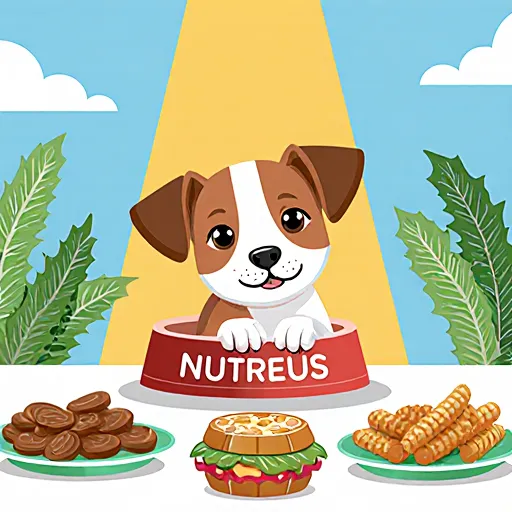
Unlock Nutritional Secrets for a Healthier Pet!
A New Light on Your Pet's Nutrition Facts
Table of Contents
- Understanding the Basics of Dog Food Labels
- Reading the Ingredients List
- Identifying Meat and Meat By-products
- Analyzing Protein Sources
- Understanding Fat Content
- Examining Carbohydrates and Fiber
- Checking for Vitamins and Minerals
- Identifying Artificial Colors and Flavorings
- Looking at Calorie Information
- Understanding Feeding Guidelines
- Recognizing Special Nutritional Claims
- Assessing the Manufacturing Date and Shelf Life
- Understanding Dog Food Additives and Preservatives
- Conclusion: Navigating Dog Food Labels with Confidence
- FAQs About Reading Dog Food Labels
Understanding the Basics of Dog Food Labels
When it comes to understanding dog food labels, a good starting point is to familiarize yourself with what each component represents. This knowledge can help you make informed decisions about your pet's diet and ensure that they receive the nutrition they need for optimal health and wellbeing.
The ingredients on a dog food label are listed in descending order based on their weight. This means that if the first ingredient is chicken, it indicates that chicken constitutes more of your dog's meal than any other single item. However, this doesn't always mean the chicken is the most nutritious part of the recipe. It’s important to look beyond the simple list and consider how these ingredients contribute to your pet’s overall diet.
Many commercial dog food products make various nutritional claims on their labels, such as "complete nutrition," "high-quality protein," or "healthy weight management." Be cautious with these terms. Not all foods that claim to be complete and balanced meet the same standards set by your local government's veterinary authority. Always check if the label mentions being formulated according to AAFCO (Association of American Feed Control Officials) guidelines, which indicates it complies with nutritional requirements for dogs.
The Food and Drug Administration (FDA) has specific labeling regulations that dog food manufacturers must follow. These include providing information about the product's ingredients, nutritional analysis, feeding instructions, and contact details of the manufacturer. Make sure you're aware of these requirements so you can trust the accuracy and reliability of the label.
The feeding guidelines provided on dog food labels are a crucial part of responsible pet ownership. These recommendations help ensure your pet receives an appropriate amount of nutrition without overfeeding or underfeeding them, which could lead to health issues. It's essential to consider these guidelines as starting points and adjust based on your dog’s individual needs.
Beyond just looking at what is explicitly stated on the label, it helps to know how to "read between the lines." For example, if a product lists corn or wheat as one of its main ingredients, this might not necessarily mean that these grains are harmful. However, they should be used in moderation and complemented by other more nutritious elements like meat proteins.
No matter how well-informed you are about dog food labels, there's no substitute for professional advice when it comes to your pet’s health. Regular consultations with your veterinarian can provide personalized recommendations tailored specifically towards your dog’s breed, age, size, activity level, and any existing medical conditions.
In conclusion, understanding the basics of dog food labels is more than just reading the list of ingredients; it involves knowing what those terms imply for your pet's diet. By being diligent about checking nutritional claims against official standards and seeking veterinary advice, you can better equip yourself to choose the right type of food for your beloved companion.
Reading the Ingredients List
Understanding dog food labels is a crucial step in ensuring your pet receives the best nutrition. One of the most important aspects of this process is reading the ingredients list, which provides insights into what goes into your dog's food. Here’s how to interpret it:
The ingredients are listed in descending order by weight. This means that the first few items on the list contain more nutrients than those later in the list. For instance, if meat is listed as the first ingredient, it indicates that it makes up a significant portion of the food's content.
Common Ingredients to Look For
- Meat or Meat Meal: This is often the primary protein source in dog food. However, it’s important to note that meat meal (a concentrated form of meat) may contain bones and other parts of animals.
- Cereals: Common cereals include wheat, corn, oats, barley, etc., which are usually used as a filler to bulk up the food. While they can provide some nutrients, excessive amounts of cereal in dog food should be avoided if your dog is prone to allergies or digestive issues.
- Fats: Sources of fat include animal fats, vegetable oils, and fish oil. These are important for energy and skin health but should not make up a large portion of the ingredients list.
- Bones: Chicken, beef, or other bone ingredients can add flavor to your dog’s food without being overly nutritious. Be cautious about the amount if you have a small breed as they might choke easily on bones.
Ingredients to Avoid
- Dairy Products: Dogs are lactose intolerant, and dairy products can cause digestive issues.
- Sugar: Excessive sugar can lead to obesity and other health problems in dogs. It is often used as a preservative rather than for nutritional purposes.
- Fillers: These include low-quality ingredients like corn, wheat, and soy that provide little nutritional value but increase the bulk of the food.
Beyond just the ingredients list, there are other factors to consider when choosing dog food:
- Nutritional Adequacy Statement: Look for a statement from the AAFCO (Association of American Feed Control Officials) confirming that the product is nutritionally adequate.
- Caloric Content and Feeding Guidelines: Understanding these can help you determine if your dog's food portion sizes are appropriate based on their breed, age, and activity level.
Practical Advice for Dog Owners
- Always check the ingredients list first to ensure it aligns with your dog’s dietary needs.
- Consider consulting a veterinarian or a certified pet nutritionist if you’re unsure about what constitutes high-quality dog food.
- Be aware of changes in your dog’s behavior and health after switching foods, as this can provide early indicators of potential issues with the new diet.
In summary, reading the ingredients list is just one part of understanding dog food labels. By paying attention to what's listed first and avoiding common pitfalls like excessive fillers or harmful additives, you can make informed decisions that contribute to your pet’s overall health and well-being.
Identifying Meat and Meat By-products
Understanding the ingredients listed on dog food labels is crucial for ensuring your pet receives a nutritious and balanced diet. One of the most important components to look at is meat, as it forms the foundation of any high-quality dog food. However, not all sources of protein are created equal. Here’s how to identify real meat versus meat by-products:
Real Meat vs. Meat By-products
When you see "meat" listed on a label, it typically refers to the actual muscle tissue from an animal—beef, chicken, lamb, etc. This is what most pet owners are looking for as it provides high-quality protein and essential nutrients. In contrast, meat by-products are parts of the animal that are less desirable or commonly discarded during processing. These can include organs (liver, kidney), blood, and even parts like heads or feet.
Ingredients List
The order in which ingredients are listed on a dog food label is important. Ingredients are listed by weight, with the first ingredient being the most prominent. If you see "meat" as the primary ingredient, it should be from whole muscle meat rather than a by-product. A good rule of thumb is to avoid products where meat by-products are among the top three ingredients.
Examples and Practical Advice
- Real Meat Example: Chicken is listed as the first ingredient, indicating that it is the primary source of protein in the formula. This suggests a high-quality product focused on whole muscle meat.
- Meat By-product Example: If the label states "chicken meal" or "chicken by-products," these are less favorable than seeing just "chicken." Chicken meal can be an acceptable choice if it is the first ingredient, but by-products generally should not be listed higher than fourth on the ingredient list.
Practical Tip: Always check for consistency and transparency in labeling. Labels that are vague or misleading should raise red flags. If you're unsure about a product’s ingredients, consider reaching out to the manufacturer directly for more information.
Understanding Labels Beyond Meat
Beyond just meat and by-products, understanding other parts of the label is equally important. Look for additional vitamins, minerals, and other nutrients that contribute to your dog's overall health. Ingredients like fruits, vegetables, and whole grains can also enhance the nutritional profile of a dog food product.
Conclusion
By educating yourself about what goes into dog food labels, you can make informed decisions that support your pet’s well-being. Ensuring that "meat" is listed as one of the main ingredients and not followed by meat by-products will help you choose a high-quality product for your furry friend.
Analyzing Protein Sources
When it comes to understanding dog food labels, one of the most important aspects is analyzing protein sources. Proteins are essential for your dog's growth and maintenance, especially if you're feeding them a raw diet or a specific type of kibble. Here’s how to understand what to look for on the label:
The first thing to consider is the percentage of protein in the food. Dogs need around 18-25% protein depending on their life stage (puppies, adult dogs, senior dogs). If a bag claims to contain "high protein," check if it's more than 30%. High-quality kibble or raw diets should have a higher content but also be balanced with other nutrients.
Not all proteins are created equal. Some sources, like chicken and beef, are more easily digestible for dogs. However, many dog foods also include lesser-known protein sources such as fish or lamb. Here’s a breakdown:
- Meat-Based Proteins: Look for whole meat (e.g., chicken, turkey) in the first few ingredients. Avoid products that list "meat by-products" or "meat meal," which are less desirable and can contain indigestible parts of animals.
- Fish-Based Proteins: Fish is a good source but check if the food contains whole fish rather than just fish meal, which might be lower quality.
- Eggs: A great source for dogs as they are easily digestible and high in quality protein.
- Cereal-Based Proteins (e.g., corn or wheat): These can provide essential amino acids but are not the best choice if you’re looking at a raw diet. They are more common in kibble.
Here are some ingredients that indicate lower quality protein sources:
- Fish Meal: While it provides essential fatty acids, fish meal can be of variable quality and is less easily digestible than fresh fish.
- Corn or Wheat: These should not be the primary source of protein. They are more carbohydrate-based and provide lower-quality protein compared to animal-based proteins.
To get a clear picture of what your dog is consuming, follow these steps when analyzing labels:
- Check the Ingredients List: The first few ingredients should be whole meats or fish. Avoid products with “by-products” or “meal” listed as primary protein sources.
- Look for Whole Foods: Choose foods that include whole, named ingredients like "chicken," "beef," or "salmon." These are more easily digestible and of higher quality than processed or unnamed proteins.
- Avoid Fillers: Products with low-quality protein sources or fillers should be avoided. Fillers can dilute the nutritional value, making it harder for your dog to meet their dietary needs.
Let’s take a look at some specific examples of what you might see on a label:
- High-Quality Protein Source Example: A raw diet that includes fresh chicken, beef, and eggs as the top three ingredients.
- Poor Quality Protein Source Example: A kibble that lists corn meal or corn flour as one of the first few ingredients alongside "meat by-products."
In conclusion, when analyzing protein sources on dog food labels, it's crucial to understand the quality and type of proteins included. By following these guidelines, you can ensure your dog is getting a balanced diet that supports their health and well-being.
Understanding Fat Content
When it comes to understanding fat content on dog food labels, it's crucial for pet owners to grasp what they're feeding their furry friends. Fat is a vital component of any balanced diet, providing energy and essential fatty acids that promote healthy skin and coat. However, just as with human diets, the type and amount of fat in your dog’s food can significantly impact its overall health. Here's how to navigate through the information presented on the label:
Identifying Fat Content
The first step in understanding fat content is looking for the total fat percentage listed on the label. This percentage should give you a general idea of how much fat is included in each serving. However, it's important to note that not all fats are created equal. Some types of fats can be beneficial while others might have adverse effects.
Types of Fats
- Omega-3 and Omega-6 Fatty Acids: These are essential fatty acids that support skin health, coat shine, and overall well-being. Sources rich in these fats include fish oil or flaxseed.
- Saturated Fats: Excessive amounts of saturated fats can lead to weight gain and other health issues like pancreatitis. Saturated fats should be minimal in a dog's diet.
- Trans Fats: These are particularly harmful as they have been linked to heart disease, obesity, and other serious health conditions. Ideally, trans fats should not appear on the ingredients list.
Evaluating the Fat Source
Beyond just knowing the total fat percentage, it's also important to look at where this fat comes from. The source of fat can greatly influence its nutritional value and potential benefits for your dog:
- Animal Fats vs Plant-Based Fats: Animal fats like those found in poultry or beef are often more easily digestible compared to plant-based sources, which may require additional processing by the body. However, plant-based fats such as flaxseed and fish oil offer unique health benefits.
- Freshness of Fat Sources: The freshness and quality of fat sources can affect their digestibility and nutritional value. Always prefer labels that indicate fresh or high-quality ingredients.
Practical Advice for Dog Owners
To ensure your dog receives the appropriate amount of fat in its diet, consider these practical steps:
- Read Labels Carefully: Always read and understand the nutrition information provided on the label. Look out for specific types of fats mentioned.
- Balanced Diet: Ensure that your dog's overall diet is balanced, with an appropriate level of fat to support its energy needs without leading to obesity.
- Consult a Veterinarian: For specific dietary advice tailored to the health and age of your pet, consult a veterinarian. They can provide personalized recommendations regarding fat intake based on your dog's individual needs.
Examples of High-Quality Dog Foods with Appropriate Fat Content
Here are some examples of dog foods that include appropriate levels of beneficial fats:
- Purina ONE SmartBlend Chicken & Rice Formula: This formula includes natural sources of omega-3 fatty acids from flaxseed.
- Blue Buffalo Life Protection Formula Adult Chicken and Brown Rice: Known for its high-quality ingredients, including fish oil as a source of DHA (docosahexaenoic acid).
- Felidae Cat & Chicken Recipe: While this is a cat food, it includes salmon oil which provides both EPA and DHA, essential for skin and coat health.
In conclusion, understanding the fat content in your dog's diet is crucial for maintaining its health. By paying attention to the types of fats used and ensuring they come from high-quality sources, you can help promote a healthy lifestyle for your pet.
Examining Carbohydrates and Fiber
When evaluating dog food labels, one of the key aspects to consider is the balance and quality of carbohydrates and fiber. These components play a significant role in maintaining your pet's health and ensuring they receive the necessary nutrients for energy and digestive support.
Carbohydrates are an essential part of any dog's diet, providing the primary source of energy. However, not all carbohydrates are created equal. It’s important to look at both simple and complex carbohydrates on the label:
- Simple Carbohydrates: These include sugars like fructose, sucrose, and glucose. While they can provide a quick burst of energy, excessive amounts may lead to weight gain or other health issues.
- Complex Carbohydrates: Found in whole grains such as barley, oats, and brown rice. They are digested more slowly, providing sustained energy and promoting better digestion due to their fiber content.
Fiber is crucial for digestive health; it helps regulate bowel movements and supports a healthy gut. Dogs naturally have lower levels of the enzymes needed to break down complex carbohydrates, so fiber plays an important role:
- Digestible Fiber: Breaks down into simple sugars that can be absorbed by the dog.
- Nondigestible Fiber: Passes through the digestive system without being broken down. It helps with stool formation and reduces the risk of constipation.
To ensure your dog gets a balanced diet, look out for these key points on the label:
- Total Carbohydrate Content: This is listed as a percentage. Aim for around 30% or less of total calories coming from carbohydrates.
- Type of Carbohydrates: Ingredients lists should prioritize whole grains over refined sugars like corn syrup or wheat flour.
- Fiber Content: Look for at least 1-2% fiber content to support digestive health. However, this can vary depending on the breed and age of your dog.
- Carbohydrates: Barley, oats, brown rice, quinoa.
- Fiber: Psyllium, cellulose, beet pulp. These are often found in premium dog foods that prioritize holistic ingredients over simple sugars.
A balanced intake of carbohydrates and fiber can lead to healthier skin, coat, energy levels, and overall well-being for your dog. By paying attention to these aspects when choosing a food brand, you’re making informed decisions that support long-term health.
In summary, understanding the carbohydrate and fiber content on dog food labels is crucial for ensuring optimal nutrition. Prioritize whole grains over refined sugars, aim for sufficient fiber levels, and consider your dog's specific needs when selecting a brand. With careful attention to these details, you can provide your furry friend with the best possible diet.
Checking for Vitamins and Minerals
When understanding dog food labels, it's crucial to delve into the specifics of vitamins and minerals present in your pet's diet. These essential nutrients play a vital role in maintaining your dog’s overall health and well-being. Ensuring that your dog receives adequate amounts of these nutrients can help prevent deficiencies and promote optimal growth.
Understanding Vitamin Content
Vitamins are crucial for various bodily functions, from supporting immune health to aiding in bone development. On the label, vitamins will typically be listed under 'Ingredients' or 'Nutritional Information.' Essential vitamins you should look out for include:
- Vitamin A (Retinol): Supports vision and immune function.
- B Vitamins: B6, B12, Folate, etc., play a role in energy metabolism and cell growth.
- Vitamin C (Ascorbic Acid): Important for wound healing and connective tissue health.
- Vitamin D: Essential for calcium absorption and bone health.
- Vitamin E: Acts as an antioxidant, helping to protect cells from damage.
Mineral Content in Dog Food
Just like vitamins, minerals are critical for maintaining good health. They contribute significantly to bone strength, muscle function, and overall metabolism. Key minerals you should check for include:
- Calcium: Necessary for strong bones and teeth.
- Phosphorus: Works in conjunction with calcium for skeletal health.
- Zinc: Supports the immune system and aids in wound healing.
- Iodine: Important for proper thyroid function, which can affect energy levels and metabolism.
- Selenium: Works as an antioxidant to protect cells from oxidative stress.
Practical Steps to Check Labels
To ensure your dog is getting the right amounts of vitamins and minerals, follow these practical steps when reading labels:
- Review the Guaranteed Analysis: This section usually provides a percentage breakdown of major nutrients.
- Look for Added Vitamins & Minerals: Many commercial dog foods add vitamins and minerals to their formulas. Check if these are included in your chosen brand.
- Check the Ingredients List: While not always explicit, ingredients like liver, eggs, or fish can indicate the presence of certain nutrients.
Examples of High-Quality Dog Foods
To help you make informed decisions, here are a couple of examples of dog food brands that emphasize good vitamin and mineral content:
- Pedigree Premium Care: This formula includes added vitamins and minerals for enhanced health.
- Bow-Tie: Known for its high-quality ingredients, this brand also focuses on providing essential nutrients.
- Blue Buffalo: Offers a range of recipes with notable vitamin and mineral content tailored to different life stages.
In conclusion, paying attention to the vitamins and minerals in your dog's food is paramount for their health. By understanding what each nutrient does and checking labels carefully, you can make sure your furry friend gets all the necessary nutrients they need for a long and healthy life.
Identifying Artificial Colors and Flavorings
When reading dog food labels, it is crucial to understand what artificial colors and flavorings are, as they can significantly impact your pet's health. Artificial colors and flavorings are often added to enhance the visual appeal of dog foods, making them more attractive to owners and potentially increasing sales. However, these additives may not be beneficial for your dog’s health.
Artificial colors such as FD&C Blue No. 1, FD&C Green No. 3, and FD&C Red No. 40 are used to color pet food, but they do not provide any nutritional value. These dyes can be harmful if consumed in large quantities or over extended periods. Dogs do not require colors in their diet since they do not have a sense of taste like humans do; therefore, these colors serve no purpose other than marketing.
Flavorings, such as artificial beef flavoring or chicken flavoring, are added to simulate the taste of real meat. While dogs can recognize and enjoy natural flavors from fresh meat, these artificial additives are created through chemical processes. These flavor enhancers do not contain actual meat but instead consist of a blend of chemicals designed to mimic the taste of specific meats.
It is important for pet owners to be aware that some artificial colors and flavorings can cause allergic reactions or exacerbate existing health conditions in dogs, especially those with sensitive digestive systems. Puppies and elderly dogs may also react more severely to these additives due to their developing or weakened immune systems.
To identify these harmful components on a dog food label, look for the following:
- Any mention of "artificial color" or specific names like
FD&C Blue No. 1,FD&C Green No. 3, andFD&C Red No. 40. - Words indicating artificial flavorings, such as “natural beef flavor” or similar terms.
Avoiding these additives in your dog’s diet can lead to several health benefits, including improved digestion, reduced risk of allergic reactions, and overall better quality of life for your pet. Opting for natural dog foods that use real meat and vegetables instead of artificial colors and flavorings is a healthier choice.
Looking at Calorie Information
When it comes to understanding dog food labels, one of the most important pieces of information is the calorie content. Properly understanding this can help ensure your pet maintains a healthy weight and meets its nutritional needs.
What Are Calories?
Calories are units that measure energy; in the context of dog food, they provide insight into how much energy each serving contains. For dogs, an appropriate caloric intake is critical for maintaining a healthy weight and supporting overall health.
Understanding Calorie Content on Dog Food Labels
Dog food labels should contain information about the calorie content of the product. This typically includes the total number of calories per cup or can, as well as the amount per kilogram (kg) or pound (lb). It’s important to compare these values across different brands and types of dog food.
How Many Calories Does Your Dog Need?
The exact number of daily calories your dog should consume depends on several factors, including its size, activity level, age, and health. Small dogs generally require fewer calories per pound than larger breeds. Active dogs also need more calories to support their energy demands.
Sample Calorie Requirements
- Small Dogs (10-20 lbs): 300-500 kcal/day
- Moderate Dogs (21-50 lbs): 500-700 kcal/day
- Larger Dogs (51+ lbs): 700+ kcal/day
Reading the Label Properly
To read dog food labels effectively, you should look for both the caloric density and the portion size recommendations provided. The label will typically specify how many calories are contained in a single serving (e.g., per cup or can) and how much of that would equate to one kilogram or pound.
For instance, if your dog’s recommended daily intake is 400 kcal/day but the bag indicates there are 350 kcal/cup, you’ll need to give slightly more than a cup per day. Conversely, if the serving size is smaller than what your dog eats, you may need to adjust accordingly.
Using Calorie Information for Weight Management
If your dog is overweight or underweight, adjusting its calorie intake can be crucial in achieving a healthy weight. Overweight dogs may benefit from lower-calorie foods, while underweight dogs might require higher-fat, high-protein options to gain weight.
It's also important to monitor your dog’s overall health and consult with a veterinarian if you notice significant changes in appetite or weight. They can provide personalized advice based on your pet’s specific needs.
Practical Tips for Using Calorie Information
- Calculate Daily Needs: Use the recommended daily caloric intake as a starting point, but adjust based on your dog's individual requirements and lifestyle.
- Monitor Weight: Regularly check your dog’s weight to ensure it stays within a healthy range. Adjust food portions if necessary.
- Consult Veterinarian: Always consult with a vet before making significant changes to your dog's diet, especially regarding calorie intake.
Conclusion
Understanding the caloric content of dog food is essential for maintaining your pet’s health and well-being. By carefully reading labels and adjusting portions as needed, you can help ensure that your furry friend has a balanced diet tailored to its specific needs.
Understanding Feeding Guidelines
Understanding feeding guidelines is crucial for ensuring your dog receives the appropriate nutrition tailored to its specific needs. While reading food labels provides a starting point, comprehending feeding recommendations can significantly enhance your pet's health and well-being. Here’s how you can navigate these guidelines effectively:
Identifying Key Components in Feeding Guidelines
- Age-Based Recommendations: Feeding guidelines often vary depending on the life stage of your dog, such as puppy, adult, or senior. Each stage has unique nutritional requirements that need to be addressed.
- Activity Level: Dogs with high activity levels require more calories and specific nutrients compared to those with a sedentary lifestyle. Adjusting portion sizes based on the label’s recommendations for active dogs can help maintain their energy levels.
- Health Considerations: If your dog has health issues like obesity, allergies, or gastrointestinal problems, feeding guidelines should be adjusted accordingly. Consulting with a veterinarian to understand how these conditions affect dietary needs is essential.
Practical Tips for Applying Feeding Guidelines
To make the most out of the feeding recommendations provided on dog food labels:
- Start with the Baseline Amounts: Most labels suggest a starting portion size based on your pet's weight. Begin by following these amounts and adjust as needed.
- Monitor Your Dog’s Body Condition: Regularly check if your dog is maintaining an optimal body condition score (BCS). This score should range from 3 to 5 out of 9, where dogs with a BCS of 4 are considered ideal. If your dog's weight fluctuates outside this range, consult the feeding guidelines and make adjustments.
- Consider Supplementary Foods: In some cases, you may need to supplement your dog’s diet with other foods like fruits, vegetables, or specific supplements. Always ensure these additions do not interfere with the overall balance of nutrients provided by the primary food source as per the feeding guidelines.
Examples and Case Studies
Example 1: Adjusting for a Pup’s Growth Phase
A young golden retriever puppy requires more protein, fat, and calcium to support its rapid growth. By following the feeding guidelines that recommend higher caloric intake during this critical period, you ensure your pup grows strong and healthy.
Example 2: Tailoring for an Overweight Senior Dog
An overweight senior dog might benefit from a lower-calorie diet to help manage its weight. By closely following the feeding guidelines that cater specifically to older dogs, you can promote better mobility and overall health.
Conclusion
In conclusion, understanding feeding guidelines is not just about adhering to the amounts suggested on the label but also involves thoughtful application based on your dog’s unique needs. Regular monitoring of your pet's weight and body condition, along with adjustments as necessary, will help you provide optimal nutrition that supports a healthy and happy life for your furry friend.
Recognizing Special Nutritional Claims
Understanding dog food labels is crucial for ensuring your pet receives balanced nutrition. Beyond basic ingredients and nutritional profiles, there are special claims that can indicate specific health benefits or dietary needs. These claims are not just marketing terms but legal descriptors regulated by the Association of American Feed Control Officials (AAFCO) in the United States.
- Holistic Nutrition: This claim suggests that the food is made using natural, holistic ingredients with minimal processing. However, it's important to note that this term lacks a specific definition or regulatory backing. For instance, a product labeled as "holistic" may include ingredients like probiotics or prebiotics, but these are not standardized and can vary widely between brands.
- Organic: Foods bearing the USDA Organic seal must contain at least 95% organic ingredients. This means that organic dog foods are free from synthetic fertilizers, pesticides, and genetically modified organisms (GMOs). Organic diets may be beneficial for pets with sensitivities to chemicals or allergens.
- Grain-Free: This claim indicates the absence of grains like wheat, corn, and rice in the product. Grain-free diets are often promoted as a way to avoid common food allergies or sensitivities in dogs. However, it’s important to understand that many dogs can still experience digestive issues with other ingredients such as legumes (e.g., lentils) or potatoes.
- Senior: Foods labeled for senior dogs are formulated to meet the higher metabolic demands and reduced activity levels of older pets. These diets usually contain lower calorie content, increased fiber, and enhanced joint support through glucosamine and chondroitin. They also often include more omega-3 fatty acids to promote skin and coat health.
- Weight Management: Diets designed for weight management typically have reduced fat and caloric content while still providing essential nutrients. These foods can help manage obesity in dogs, but it's crucial to monitor portion sizes and overall activity levels alongside the diet change.
When reading dog food labels, always look for specific claims rather than vague terms like "premium" or "super premium." Premium status is a marketing term with no official definition and can vary widely between brands. Instead, focus on clear nutritional claims that provide insight into the actual ingredients and benefits.
To make informed decisions about your dog's diet:
- Look for products that align with your pet’s specific needs. If you're unsure, consult a veterinarian or a canine nutritionist to understand which special claims are most beneficial.
- Read the label carefully and look for statements from recognized organizations like AAFCO or USDA Organic seal.
- Avoid products that only make vague or unsubstantiated health claims. A reputable brand should provide clear, scientific evidence supporting its nutritional profiles.
Here are some examples of brands that consistently meet these criteria:
- Natural Balance Grain-Free: Known for their grain-free formulas, this brand uses quality meat as the main ingredient. They often feature holistic ingredients like probiotics and prebiotics.
- Purina Pro Plan Veterinary Diets: Specialized in veterinary-prescribed diets, these products include options tailored to senior dogs or those with specific health conditions like renal disease.
- Blue Buffalo: Famous for their grain-free and limited-ingredient formulas, Blue Buffalo provides transparency about their sourcing practices and nutritional values.
Assessing the Manufacturing Date and Shelf Life
Understanding dog food labels is a crucial step towards ensuring your pet’s health and well-being. One of the most important pieces of information you need to look for on these labels is the manufacturing date and shelf life. This data helps determine how long the product will remain safe and effective for consumption.
Manufacturing Date
The manufacturing date, also known as the pack or processing date, indicates when the food was produced in a facility. It’s essential to know this because it can help you gauge freshness and quality control at the manufacturer's end. However, it does not directly tell you how long the product will remain safe after opening.
Shelf Life
The shelf life refers to the period during which a product is expected to maintain its nutritional value and safety when stored under recommended conditions. For dog food, this typically means sealed packaging that has been opened or unopened.
- Unopened Package: The manufacturer usually provides an “expiration date” for packages that have not been opened. This is the date by which the product should be consumed if it's kept properly in a cool, dry place.
- Opened Package: Once you open the package, you need to pay attention to the "best if used by" or "use within” date mentioned on the label. After opening, dog food can start losing its nutritional value and quality more quickly due to exposure to air and moisture.
Practical Advice
To maximize shelf life after opening:
- Store in a Cool, Dry Place: Keeping the food in a cool, dry environment can help preserve its quality longer. Avoid direct sunlight and moisture.
- Use Proper Containers: Store the remaining food in an airtight container to prevent air from reaching the product, which can lead to spoilage faster.
- Frequent Feeding: Feed your dog as much of the opened bag as possible within a reasonable time frame. If you have leftover food that doesn't get eaten quickly enough, consider discarding it for safety reasons.
Understanding these nuances can help you make informed decisions about purchasing and storing dog food, ultimately contributing to your pet’s health and happiness.
Understanding Dog Food Additives and Preservatives
Understanding dog food additives and preservatives is crucial for making informed decisions about your pet's diet. This knowledge complements understanding the labels on dog foods, helping you navigate through the information provided to make healthier choices for your furry friend.
- Beta-Carotene: An antioxidant that converts into vitamin A and supports skin health. Look for it in recipes emphasizing natural color enhancement rather than synthetic options.
- L-Taurine: Essential for heart function and eye health, especially for cats but also beneficial for dogs, particularly those with higher activity levels or older dogs requiring more support.
- Fermented Ingredients: Enhance digestibility by breaking down complex carbohydrates into simpler forms that are easier to absorb. Brands like Nutro use this process to improve nutrient availability.
- BHA (Butylated Hydroxyanisole): A preservative found in some dog foods which has been linked to cancer risks. It's important to read labels carefully and avoid brands containing this additive.
- BHT (Butylated Hydroxytoluene): Similar to BHA, it functions as a preservative but also raises concerns about potential carcinogenic effects. Opt for alternatives when possible.
- Ethoxyquin: Another preservative used in some pet foods that has come under scrutiny due to its lack of long-term safety data. Seek out safer options if this is present on the label.
- Natural Preservatives: Such as Vitamin C, E, and Selenium which are beneficial antioxidants that help maintain food quality without introducing potentially harmful chemicals. Companies like Blue Buffalo emphasize these ingredients for their nutritional benefits.
- Synthetic Preservatives: While less favored due to potential health risks, they do play a role in extending shelf life. Ensure you understand the need behind using them and consider if the trade-off is worth it.
- Research Brands: Look into brands known for their transparency about ingredient sourcing. Companies that provide detailed nutritional breakdowns and third-party testing results can be trusted more easily.
- Read Reviews: User experiences shared in reviews or forums can offer insights not found on labels alone, helping you identify products with minimal controversial additives and preservatives.
- Consult Veterinarians: They can guide based on your dog's specific dietary needs, ensuring that any additives chosen support overall health rather than posing risks.
In conclusion, by understanding the types of additives and preservatives used in dog food, you empower yourself to choose healthier options for your pet. This approach aligns closely with the principles of understanding what ingredients are included on labels, ultimately leading to better nutrition tailored to your dog's unique requirements.
Conclusion: Navigating Dog Food Labels with Confidence
Understanding dog food labels is crucial for ensuring your pet receives a balanced and nutritious diet. Beyond just recognizing key terms like "complete and balanced," there are several elements you should scrutinize to make informed decisions about your dog's meal choices.
Ingredients List
- Order Matters: Ingredients are listed by weight, with the first ingredient being the predominant component. For instance, if meat is the top item on the list, it suggests that more of this ingredient is present in the food than any other.
- Quality Check: Look for whole meats or proteins rather than generic terms like "animal by-products." Ingredients should be recognizable and high-quality to ensure your dog receives optimal nutrition. For example, instead of just "meat," opt for "chicken" or "lamb."
Nutritional Information
- Caloric Content: Always check the caloric content per cup or can to understand how much you should feed your dog based on their size and activity level. This helps prevent overfeeding, which is a common cause of obesity in dogs.
- <Vitamins & Minerals: Ensure that the food contains essential vitamins and minerals like Vitamin A, D3, E, calcium, phosphorus, etc., as these are critical for your dog's health. Supplements should be provided if necessary but not as a replacement for balanced nutrition.
Manufacturer & Certifications
- Certifications: Look for third-party certifications such as AAFCO (Association of American Feed Control Officials) or other recognized standards. These indicate that the food has met specific nutritional requirements.
- Manufacturer Reputation: Research the manufacturer's background and reviews online to ensure their products are consistently reliable and meet high standards of quality.
Allergens & Special Diets
- Avoiding Allergens: If your dog has food allergies or sensitivities, check the label for potential allergens like wheat, dairy, soy, etc. Always choose foods labeled as "dairy-free" or "gluten-free" if necessary.
- Special Diets: For dogs with specific health conditions such as diabetes or renal disease, select a diet formulated to meet their unique nutritional needs. Look for foods that are specifically designed and vet-approved for these conditions.
In conclusion, navigating dog food labels with confidence requires attentiveness to the listed ingredients, nutritional content, manufacturer certifications, and considerations specific to your pet's health and dietary requirements. By understanding what each label component means, you can make healthier choices that contribute to your dog's overall well-being. Remember, always consult a veterinarian for personalized recommendations tailored to your pet’s unique needs.
FAQs About Reading Dog Food Labels
The primary ingredient list can tell you a lot about what your pet will be consuming. Ingredients are listed in order of quantity, so if meat is listed as the top item, it means that the food contains more of this than anything else. For instance, if chicken is the first ingredient, the product likely contains at least 10% chicken by weight.
Example: If you see "chicken" or "whole grain corn" as the first two ingredients on a label, it suggests that there is more of these ingredients in the food than others. However, if meat meal or other processed forms of protein appear early on the list, this might indicate less fresh meat content.
Advice: Prioritize diets rich in fresh meats and minimal additives to ensure your dog receives essential nutrients.
The nutritional adequacy statement is crucial as it certifies that the food meets specific standards for your pet’s age group. This means it's formulated to support growth, maintenance, or senior needs. Look for phrases such as 'Formulated to meet the nutritional levels established by AAFCO Dog Food Nutrient Profiles.'
Example: "This product is formulated to meet the nutritional levels established by the American Association of Feed Control Officials." This indicates that the food complies with nutritional standards set forth by this organization.
Advice: Always ensure the statement matches your dog's life stage (e.g., growth, maintenance).
The ingredient list is arranged by weight. So, if you see a particular ingredient listed first, it means that more of this component is present in the product than any other. However, keep in mind that ingredients like water can be heavy and might not necessarily indicate higher nutritional value.
Example: If "chicken meal" appears before "potatoes," it suggests there's a higher amount of chicken meal compared to potatoes in the mix.
Advice: Look for natural, whole-food ingredients instead of fillers. Ingredients like rice flour or corn syrup are common fillers that contribute little nutritional benefit but can affect your dog’s health negatively over time.
Calorie content is essential for managing your pet's weight and preventing obesity. Dogs need a balance of nutrients, but excess calories can lead to health issues like diabetes or joint problems.
Example: If you have an active dog that burns a lot of energy during playtime, foods with higher calorie counts might be suitable. For sedentary pets, selecting lower-calorie options is advisable.
Advice: Consider your pet's activity level and adjust the feeding portion according to the recommended serving size on the packaging or your vet’s advice.
Preservatives help extend the shelf life of dog food by preventing spoilage. Common preservatives include BHA (Butylated Hydroxyanisole), BHT (Butylated Hydroxytoluene), and vitamin E.
Example: If you see "preserved with vitamin C" or similar wording, it indicates that the product uses natural antioxidants rather than synthetic ones. Natural preservatives are generally considered safer for your pet's health.
Advice: Opt for products that use natural preservatives when possible to minimize exposure to potentially harmful chemicals.
Categories
- AI & Enrichment Play
- Broiler Farming
- Broiler Farming Tips
- Canine Wellness & Longevity
- Cat
- Cat & Human Connection
- Cat Adoption & Rescue
- Cat Breeds
- Cat Breeds & Personalities
- Cat Care & Health
- Cat Grooming & Hygiene
- Cat Lifestyle & Environment
- Cat Myths & History
- Cat Nutrition & Diet
- Cat Products & Reviews
- Cat Training & Behavior
- Comparison
- Consumer Awareness
- Dog
- Dog Accessories & Products
- Dog Adoption & Rescue
- Dog Breed & Lifestyle Trends
- Dog Breeding & Puppies
- Dog Entertainment & Media
- Dog Fashion & Trends
- Dog Fun & Lifestyle
- Dog Grooming & Hygiene
- Dog History & Culture
- Dog Myths, Science & Future Tech
- Dog News & Trends
- Dog Nutrition & Food
- Dog Psychology & Emotions
- Dog Safety & Security
- Dog Sports & Activities
- Dog Technology & Innovation
- Dog Training for Modern Owners
- Dog Travel & Adventure
- Dog Travel, Adventure & Culture
- Economic and Market Insights
- Educational Content
- FAQs
- Feeding Alternatives
- Festivals & Seasonal Ideas
- Fun & Entertainment
- General Knowledge
- General Pig Farming
- Health & Disease Management
- Housing and Environment
- Kittens
- Market Insights
- Miscellaneous
- Miscellaneous
- Motivational
- pig
- Pig Breeding
- Pig Breeds
- Pig Farming Stories and Inspiration
- Pig Health and Care
- Pig Nutrition
- Pig Products
- Profitability & Business
- Puppy Care
- Puppy Predictable Topics Reinvented
- Regional Focus
- Rescue & Adoption Buzz
- Senior Cats
- Senior Dog Care
- Smart Dog Tech & Gadgets
- Sustainability
- Sustainable & Eco-Friendly Dog Products
- Tech & Innovations
- Working & Service Dogs
- Broiler Feed66 products
- Country Feed33 products
- Pig Feed66 products
- Product22 products
- Raw Materials99 products
Products
-
 Fish Meal
₹1,999.00 – ₹2,999.00Price range: ₹1,999.00 through ₹2,999.00Rated 0 out of 5
Fish Meal
₹1,999.00 – ₹2,999.00Price range: ₹1,999.00 through ₹2,999.00Rated 0 out of 5 -
 FATTENING BROILER FEED
₹2,299.00 – ₹2,349.00Price range: ₹2,299.00 through ₹2,349.00Rated 0 out of 5
FATTENING BROILER FEED
₹2,299.00 – ₹2,349.00Price range: ₹2,299.00 through ₹2,349.00Rated 0 out of 5 -
 LAYER COUNTRY FEED
₹1,549.00 – ₹1,649.00Price range: ₹1,549.00 through ₹1,649.00Rated 0 out of 5
LAYER COUNTRY FEED
₹1,549.00 – ₹1,649.00Price range: ₹1,549.00 through ₹1,649.00Rated 0 out of 5 -
 COUNTER BROILER FEED
₹1,199.00 – ₹1,299.00Price range: ₹1,199.00 through ₹1,299.00Rated 0 out of 5
COUNTER BROILER FEED
₹1,199.00 – ₹1,299.00Price range: ₹1,199.00 through ₹1,299.00Rated 0 out of 5 -
 LACTATING PIG FEED
Rated 0 out of 5
LACTATING PIG FEED
Rated 0 out of 5₹2,299.00Original price was: ₹2,299.00.₹1,740.00Current price is: ₹1,740.00. -
 Maize
Rated 0 out of 5
Maize
Rated 0 out of 5₹1,650.00Original price was: ₹1,650.00.₹1,300.00Current price is: ₹1,300.00. -
 GESTATION PIG FEED (Phase 1)
Rated 0 out of 5
GESTATION PIG FEED (Phase 1)
Rated 0 out of 5₹2,249.00Original price was: ₹2,249.00.₹1,699.00Current price is: ₹1,699.00. -
 Pre Starter Broiler Feed
₹2,399.00 – ₹2,499.00Price range: ₹2,399.00 through ₹2,499.00Rated 0 out of 5
Pre Starter Broiler Feed
₹2,399.00 – ₹2,499.00Price range: ₹2,399.00 through ₹2,499.00Rated 0 out of 5 -
 FINISHER PIG FEED
Rated 0 out of 5
FINISHER PIG FEED
Rated 0 out of 5₹2,299.00Original price was: ₹2,299.00.₹1,749.00Current price is: ₹1,749.00. -
 Broiler Premix
Rated 0 out of 5
Broiler Premix
Rated 0 out of 5₹820.00Original price was: ₹820.00.₹699.00Current price is: ₹699.00.