
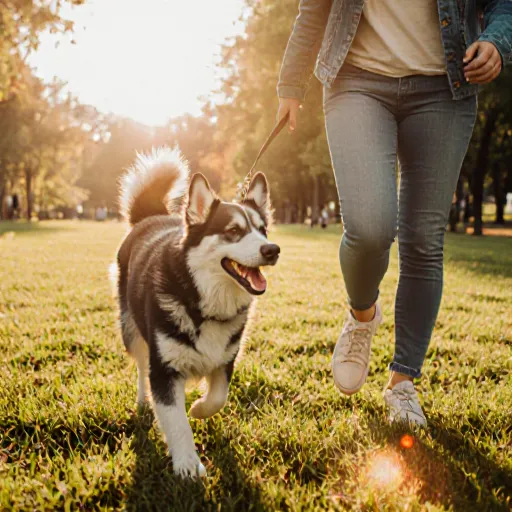
Simplify adventures with your beloved pet!
Adventure Made Simple with Your Furry Friend
Table of Contents
- Understanding the Importance of Training for Adventure Trips
- Identifying Your Dog's Personality and Needs
- Establishing a Routine for Daily Activities
- Basic Commands Every Dog Should Know
- Leash Training: Walking Without Pulling
- Off-Leash Training in a Safe Environment
- Teaching Your Dog to Navigate Various Terrain
- Introducing Water and Swimming Safety
- Camping Basics: Setting Up Camp with Your Dog
- Handling Unexpected Situations on the Trail
- First Aid for Dogs in the Outdoors
- Pack Etiquette and Socializing with Other Dogs
- Preparing Your Dog for Various Weather Conditions
- Building Mental Stimulation through Games and Puzzles
- FAQs About Training Dogs for Adventure Trips
- Conclusion
Understanding the Importance of Training for Adventure Trips
Training is a crucial aspect not just for dogs but also for people embarking on adventure trips. Whether you are planning to hike, backpack, or engage in any other form of outdoor adventure, proper training can significantly enhance your safety and enjoyment during the trip.
Just like how dogs need to build up their endurance through consistent exercise and conditioning, humans must also prepare their bodies for the physical demands of an adventure trip. This includes cardio exercises that improve stamina, strength training to build muscle, and flexibility workouts that prevent injuries.
For instance, if you are planning a long-distance hike or a multi-day backpacking trip, it's essential to train your body to carry a backpack with the expected weight of gear. Start by carrying light loads at first and gradually increase the weight as your fitness improves. This will not only prepare your muscles but also help in managing the psychological aspect of carrying heavy loads.
The mental preparation for adventure trips is equally important, much like how dogs need to be mentally prepared for new commands and situations. This includes developing problem-solving skills, resilience, and adaptability.
To improve mental readiness, you can simulate challenging scenarios during your training. For example, if you are hiking in an area prone to sudden weather changes, practice emergency procedures like setting up a shelter or starting a fire under less than ideal conditions. This will help you stay calm and confident when faced with unexpected situations on the trip.
Both dogs and humans need to be proficient in using the equipment they will encounter during an adventure trip. For dogs, this might involve learning how to use a harness or leash effectively. For people, it involves knowing how to properly set up tents, use maps and compasses, and understand the basics of first aid.
For example, if you are going on a camping trip, ensure that everyone in your group knows how to properly pitch a tent. Practice setting up camp in various conditions, including windy or rainy weather. Similarly, familiarize yourself with basic first aid techniques and keep a well-equipped emergency kit ready.
Safety should be the top priority for both dogs and humans during adventure trips. By training beforehand, you can significantly reduce the risk of accidents or mishaps on the trip.
Train by learning about the specific risks associated with your chosen adventure activity, such as wildlife encounters, steep terrain, or hazardous weather conditions. Educate yourself on how to react in these situations and practice safe behavior during training sessions. For example, if you are going into an area known for wild animals, make sure everyone knows what to do if they encounter a bear.
In conclusion, just as dogs need to be trained before going on adventure trips, so too must humans. Proper training can enhance physical fitness, improve mental preparedness, ensure proficiency with equipment, and heighten safety awareness. By investing time in training beforehand, you set yourself up for a safer and more enjoyable adventure trip.
Identifying Your Dog's Personality and Needs
Establishing a Routine for Daily Activities
Establishing a routine for daily activities is crucial, not just for humans but also for dogs that are being trained for adventure trips. Just as consistency and structure play a vital role in shaping a dog's behavior during training sessions, creating a consistent schedule can help your furry companion feel secure and prepared for the challenges ahead.
Consistency in routines helps dogs understand expectations and reduces stress. For instance, if you plan to take your dog on an adventure trip involving hiking or camping, it's essential to establish a routine that mimics the environment they will experience. This includes regular walks at similar times, feeding schedules, and playtime activities.
Breakfast Time
Start your dog’s day with breakfast early in the morning. A nutritious meal provides energy for the activities ahead. For instance, if you plan to go hiking, ensure your dog has enough energy by providing a balanced breakfast rich in proteins and carbohydrates.
Short Walks
Incorporate short walks into your routine as soon as possible after breakfast. These walks are not only an opportunity for your dog to relieve itself but also to stretch its legs slightly before more rigorous activities. Short walks can be especially beneficial in acclimatizing your dog to longer hikes.
Interactive Playtime
After the short walk, engage in some interactive playtime. This could involve playing fetch or using toys that encourage physical activity and mental stimulation. Toys like Kongs filled with peanut butter or other treats can provide a fun challenge for your dog, which is especially useful when they are preparing mentally for adventure trips.
Dinner Time
Dinner should be served around the same time each day to maintain consistency. This helps regulate your dog’s digestive system and ensures they have enough energy before bedtime. A light dinner is ideal, as too much food before sleep can cause discomfort.
Evening Walk
An evening walk is another important part of the routine. This walk should be slightly longer than the morning one to allow for a more extended period of activity and to help your dog burn off excess energy. It's also a great time for socialization, which can be beneficial during adventure trips involving meeting new people or dogs.
Bedtime Routine
Establishing a calming bedtime routine is crucial for both you and your dog. This could include turning off screens an hour before bed, spending some quiet time together, and ensuring the space is comfortable but not overly stimulating. For dogs that are accustomed to outdoor adventures, this might also involve a short period of relaxation outside in a quiet area.
- Consistency: Stick to the schedule as closely as possible every day. Even small deviations can confuse your dog.
- Creative Playtime: Use toys and activities that simulate elements of adventure trips, such as carrying a backpack or using a GPS locator toy.
- Mental Stimulation: Incorporate puzzle feeders or treat-dispensing toys to keep your dog mentally engaged throughout the day.
- Variety: Mix up the types of walks and activities you do with your dog. Variety can help prevent boredom, which is crucial for a dog preparing for adventure trips.
Basic Commands Every Dog Should Know
When planning adventure trips with your dog, it's crucial to ensure that they know a few basic commands. These commands will help keep your furry companion safe and under control in various scenarios. Here are some essential commands every dog should learn:
Sit (Sit Still)
The "sit" command is one of the most fundamental and useful commands for dogs on adventure trips. It helps prevent accidents, keeps your dog calm during uncertain situations, and can be used as a starting point for other commands.
- How to Teach: Hold a treat above your dog's head and slightly back towards their tail. As they lift their head up to reach the treat, they will sit down. The moment they sit, immediately give them the treat and praise them. Repeat this process several times until they understand.
Stay
The "stay" command is particularly useful when you need your dog to wait in a specific location while you handle other tasks or distractions. This could be especially helpful during long hikes where you may want them by your side but also safe from traffic.
- How to Teach: Start with the "sit" command, and then say "stay." Take a step back while saying "good stay." If they move, go back to their starting position and repeat. Gradually increase the distance between you as they get better at staying put.
Come
The "come" command is essential for ensuring your dog returns when called, especially in a wild or unfamiliar environment where distractions are high. This can be critical if your dog runs off during an adventure trip.
- How to Teach: Use a leash initially so you have control over their movements. Call them by name and say "come." When they come, give them praise and treats as reinforcement. Gradually work towards calling from a distance without the leash.
Leave It
The "leave it" command is vital when you're on a trip where your dog might encounter new scents or objects, preventing them from eating something harmful or inappropriate.
- How to Teach: Place a treat in one hand and say the command. Then hold your other closed fist near their nose but not touching it. When they sniff your closed fist instead of trying to take the treat, praise them and give the reward from the other hand.
Heel
The "heel" command helps maintain control over where your dog goes during hikes or walks in unfamiliar places. It's useful for managing dogs who might be tempted to chase after wildlife or stray into dangerous areas.
- How to Teach: Start by walking together, and when they try to veer off course, gently pull them back towards you while saying "heel." Reward them when they stay close. Gradually increase your pace and length of walks as their understanding improves.
By ensuring that your dog knows these basic commands, you can make adventure trips more enjoyable for both you and your pet. Remember to be patient during training sessions, use positive reinforcement, and practice consistently in various settings to build confidence in your dog's skills.
Leash Training: Walking Without Pulling
When training dogs for adventure trips, leash walking without pulling is a critical skill that your dog must master. This not only ensures a safer and more enjoyable walk but also prevents strain on the leash, which can lead to premature wear or breakage. Here are some effective strategies to help you achieve this:
Consistent Commands
Teaching your dog clear and consistent commands is foundational. Use phrases like "forward" or "let's go" when it’s time to walk forward, and "wait" or "stay" for stops or changes in direction. Consistency helps reinforce the behavior you want.
Positive Reinforcement
Reward your dog generously for walking calmly beside you. This could be treats, praise, or playtime. For instance, every time your dog takes a step forward without pulling, reward them immediately with a treat and verbal encouragement.
Leash Techniques
The way you hold the leash can significantly impact how your dog walks. Use a short, firm grip but not too tight to avoid causing discomfort or stress. When your dog starts pulling, stop walking and wait until they are walking calmly beside you before moving forward again.
Short Walks
Short, frequent walks can help your dog build stamina without getting overly tired or stressed. This makes training more manageable and less likely to lead to pulling due to fatigue.
Desensitization to Distractions
Dogs often pull because they are distracted by interesting sights, sounds, or smells. Practice walking past these distractions while maintaining a steady pace. Gradually increase the duration of your walks as your dog becomes more accustomed to handling them calmly.
Use of Harnesses
If you find that your dog still pulls even after practicing and using positive reinforcement, consider switching to a harness for walking. Many dogs respond better to harnesses when it comes to reducing pulling because they distribute the pressure more evenly.
Training Sessions
Dedicate specific times each week to training sessions focused solely on leash walking without pulling. These should be positive experiences, ensuring your dog looks forward to them as part of their routine.
Patience and Persistence
Remember that training a dog is a process and requires patience. Every day brings new challenges and opportunities for improvement. Stay consistent with your commands, rewards, and techniques, and over time, you will see significant progress.
Conclusion
By following these strategies, you can train your dog to walk on a leash without pulling, making adventure trips not only safer but also more enjoyable for both you and your furry friend. Consistency, positive reinforcement, and plenty of practice are key.
Off-Leash Training in a Safe Environment
When planning an adventure trip with your dog, ensuring they are well-prepared for off-leash environments is crucial. Off-leash training provides dogs with the freedom and confidence needed to navigate challenging terrains safely. Here’s how you can prepare your pet for such experiences:
Selecting a secure location where your dog can practice off-leash behavior is essential. Look for areas with controlled access, such as dog parks or designated off-leash zones, to minimize the risk of encountering dangerous situations or other aggressive animals.
Teach your dog basic commands in a clear and consistent manner. Ensure they understand "come," "sit," "stay," and "leave it." These commands will help you manage their behavior during the adventure, especially when distractions are high.
- Come: Use a positive reinforcement approach by rewarding your dog immediately after they return to you. This strengthens their association with the command and increases compliance.
- Sit & Stay: Practice these commands in various settings, gradually increasing the duration until your dog can maintain them for longer periods without distractions.
- Leave It: Teach this command to prevent your dog from chasing after unfamiliar objects or animals. Reward compliance generously with treats and praise.
Introduce your dog to different environments gradually. Start in a controlled setting, such as your backyard, before moving on to more complex terrains like hiking trails or beaches. This approach helps build their confidence and reduces stress.
Allow your dog to explore new areas but maintain control over their actions. Use positive reinforcement techniques, such as treats or praise, when they exhibit good behavior like staying close to you or returning on cue.
Simulate the conditions of your upcoming adventure trip as closely as possible during training sessions. This includes practicing off-leash walks along paths with similar terrains and slopes, exposing them to sounds like birds or traffic, and even introducing them to new people if relevant.
Ensure your dog is physically fit for the adventure trip by scheduling regular veterinary check-ups. Discuss any health concerns with your vet and consider including dietary changes that support energy levels during outdoor activities.
By following these steps, you can prepare your dog to enjoy off-leash environments safely and confidently during adventure trips. Remember, consistent practice and positive reinforcement are key to a successful training program tailored for your furry friend's unique needs.
Teaching Your Dog to Navigate Various Terrain
Training your dog to navigate various terrains is a critical skill, especially if you're planning adventure trips. This skill not only enhances their safety but also boosts confidence and ensures they are prepared for different outdoor challenges.
To effectively train your dog, it's important to understand the types of terrains you'll be navigating. Different terrains require specific skills such as climbing over obstacles, walking on uneven ground, and crossing water. Familiarize yourself with these terrains by researching local hiking trails or parks that offer a variety of terrain.
Before introducing your dog to more challenging terrains, ensure they have mastered basic commands such as "sit," "stay," and "come." These foundational skills will help you manage their behavior in new environments. Additionally, practice leash walking on different surfaces like gravel, grass, and concrete.
Start by introducing your dog to simple terrains that they are already familiar with, then gradually move to more challenging ones. Begin with short walks in hilly areas or through forests before progressing to steeper hills or rocky paths. This approach helps build their endurance and confidence.
Dogs are naturally curious and will often explore new terrains on their own. Encourage this natural behavior by providing opportunities for them to sniff, dig (if appropriate), and climb small obstacles. However, always ensure that these activities are safe and do not risk injury.
Use positive reinforcement techniques such as treats, praise, and playtime to encourage good behavior during training sessions. Reward your dog for following commands and demonstrating confidence in challenging terrains. This will make the learning process enjoyable and motivate them to continue improving.
Ensure that you have suitable equipment for different terrains, such as a durable leash, reflective vest, and possibly waterproof boots or booties if they need protection from sharp rocks or hot surfaces. Equip your dog with the right gear to ensure their comfort and safety during adventure trips.
Consistency is key when training dogs for different terrains. Regular practice sessions will help reinforce what your dog has learned and keep them prepared for any new challenges. Incorporate these practice sessions into your daily routine, especially as you move to more difficult terrains.
Always ensure that both you and your dog are prepared for the conditions of the terrain. Check the weather forecast, bring necessary supplies like water and snacks, and have a first-aid kit handy in case of emergencies. Safety should always be your top priority during adventure trips.
If you encounter difficulties or need specialized training for your dog's specific needs, consider seeking advice from a professional trainer. They can provide personalized guidance and help address any issues that may arise during the training process.
Introducing Water and Swimming Safety
Introducing water and swimming safety is crucial, especially when planning adventure trips that include activities such as kayaking or snorkeling. Just like training dogs for adventure trips requires careful preparation and gradual exposure to ensure the dog's comfort and safety, introducing children or inexperienced swimmers to water should be approached thoughtfully. Here are some essential tips and practical advice:
Start with shallow water and calm environments such as a swimming pool or a designated beach area. This allows the individual to become comfortable in the water without feeling overwhelmed. It's similar to how you would introduce your dog to new experiences by starting small and gradually building up their confidence.
Always have someone supervising when children or inexperienced swimmers are in the water. This is akin to ensuring that your dog never goes off-leash in a new environment until they've been properly trained and conditioned. Supervision can prevent accidents and ensure immediate help if needed.
Having proper safety equipment, such as life jackets or floaties for children, is vital. Just as you would equip your dog with a harness or leash for outdoor activities, these items provide an extra layer of security in the water. Ensure that all equipment fits well and follows manufacturer guidelines.
Enroll in swimming lessons at an early age. These lessons teach fundamental skills like floating and breathing techniques, which are essential for water safety. It's similar to training dogs to understand basic commands before taking them on more challenging adventures. Regular practice reinforces these skills over time.
Know basic CPR (Cardiopulmonary Resuscitation) and first aid techniques. This knowledge is crucial in emergency situations, just as knowing how to handle unexpected scenarios can be vital during an adventure trip with your dog. Consider taking a course specifically tailored to water safety.
If you're planning trips that involve swimming in different countries or regions, familiarize yourself with local customs and regulations regarding swimming areas. This is similar to understanding the specific rules and behaviors expected of your dog when traveling internationally. Knowledge helps ensure a more enjoyable experience for everyone involved.
Drinking plenty of water before, during, and after swimming keeps the body hydrated, which is important for both physical performance and overall health. Just as ensuring your dog stays hydrated supports their energy levels and prevents heatstroke, proper hydration helps maintain optimal swimming capabilities.
In conclusion, introducing water and swimming safety should be approached with the same level of care and preparation you would use when training dogs for adventure trips. By following these guidelines, individuals can enjoy safe and rewarding experiences in and around the water.
Camping Basics: Setting Up Camp with Your Dog
Setting up camp while camping with your dog can be both an exciting and challenging task. Proper preparation and training are key to ensuring a safe and enjoyable experience for everyone involved, especially if you're looking to train your dog for adventure trips in the future.
To set up camp effectively with your dog, it is crucial to understand what your pet needs during a trip. Dogs require adequate space, privacy, and comfort just like humans do. Ensure that their area at the campsite is well-sheltered from wind and rain. Provide them with a cozy bed or blanket that they can call their own.
Training your dog to understand boundaries before you set up camp will greatly enhance your experience. Use commands like "stay," "come," and "sit" to help them learn where they are allowed and not allowed to go within the campsite. This is especially important if there are specific areas designated for humans or other animals.
Just like you, your dog will need certain gear when camping. Always include items such as a leash, collar with ID tags, waste bags, and any medications they might require. It's also beneficial to pack toys for mental stimulation and entertainment during downtime.
Your dog’s behavior while camping reflects on you and your group. Teach them about proper etiquette such as picking up after themselves, not digging in the campsite, and staying close to you at all times. This will help maintain a clean environment for everyone.
The skills your dog learns while camping can directly contribute to their readiness for more advanced adventures. For instance:
- Confidence Building: Encourage your dog to explore new environments by gradually introducing them to different types of terrains and situations.
- Learning Commands: Reinforce basic commands in various settings, including noisy or busy environments like camping grounds.
- Problem Solving: Offer puzzle toys that challenge their minds, promoting critical thinking skills necessary for more complex outdoor activities.
Safety should always be a priority when camping with your dog. Ensure they wear reflective gear if walking at night and keep them on a leash in areas where wildlife is present. Familiarize yourself with any local regulations regarding pets, especially concerning areas that are off-limits.
Camping provides an excellent opportunity to bond with your dog. Spend quality time together during breaks or after setting up camp. This not only strengthens the relationship but also helps in reinforcing positive behaviors learned through training sessions.
Incorporating these tips into your camping routine will make it easier for you to set up a comfortable and enjoyable environment for both you and your furry companion. Remember, consistent training and preparation are essential for creating memorable experiences in the great outdoors.
Handling Unexpected Situations on the Trail
Dealing with unexpected situations while hiking can be a daunting experience, but it is essential to prepare your dog just as you would for any adventure trip. Dogs, like their human counterparts, need training and preparation to handle the unforeseen challenges that come with outdoor activities. Here are some strategies inspired by how to train dogs for adventure trips that can help manage unexpected scenarios on the trail:
1. Simulate Real Scenarios
To prepare your dog for potential emergencies, it's crucial to simulate real situations during training sessions. For example, you might practice walking over uneven terrain or crossing streams if you know the area has such features. This helps build confidence and reduces anxiety when encountering these elements on a hike.
2. Teach Basic Commands
Ensure your dog knows basic commands such as "sit," "stay," "come," and "leave it." These commands are vital in managing your pet during unexpected events like being near water or facing wildlife. For instance, if a bear is spotted on the trail, you can command your dog to stay put while you assess the situation.
3. Establish a Backup Plan
Just as you would have a map and compass for navigation, having a backup plan for your dog's safety is crucial. This includes knowing emergency contact numbers, local rescue services, and nearby veterinary clinics. Additionally, consider investing in a GPS tracker or having reflective gear that can be easily spotted from afar.
4. Teach Injury First Aid
While you should never assume your dog will get hurt on the trail, being prepared for minor injuries is wise. Train your dog to respond calmly and stay still if they are injured. You can also teach them to lie down and stay in place until help arrives. Remember, keeping a first aid kit for both you and your pet is essential.
5. Handle Diverse Weather Conditions
Prepare your dog for various weather conditions by acclimatizing them gradually. For instance, if you’re hiking in an area known for sudden rainstorms, start with short walks during light showers and increase the duration as they get more comfortable. This will ensure both you and your pet are ready for any weather changes.
6. Practice Socialization
Socializing your dog to meet different people can be beneficial if you encounter strangers on the trail. Teach them to greet politely without overreacting, which not only keeps the experience enjoyable but also safe from any potential conflicts or misunderstandings.
7. Stay Calm and Lead by Example
Your dog's behavior is largely influenced by you. If you remain calm during unexpected situations, your dog will follow suit. Leading by example sets a positive tone and helps manage stress levels for both of you. Encourage relaxation through deep breathing exercises or short breaks to reset your mindset when facing unforeseen challenges.
First Aid for Dogs in the Outdoors
Dog first aid in outdoor adventures is essential for ensuring your pet's well-being during hikes, camping trips, or any other outdoor activities. Just as it's important to train dogs for adventure trips, knowing how to handle emergencies can make all the difference if something goes wrong. Here are some key points and practical advice to keep you prepared.
Understanding Common Injuries
Before setting off on your outdoor adventure, familiarize yourself with common injuries that dogs might sustain in such environments:
- Cuts and Scrapes: These can occur when your dog accidentally steps on a sharp object or encounters thorny plants. Clean the wound gently under running water and apply antiseptic ointment.
- Bites and Stings: Insect bites are common, but sometimes they can be dangerous if left untreated. If you notice swelling or signs of an allergic reaction, seek veterinary care immediately.
- Poisoning: Be mindful of potential toxins like plants, medications, or chemicals in your surroundings. Supervise your dog closely to prevent ingestion of harmful substances.
Basic First Aid Kit for Dogs
Create a simple first aid kit that you can carry with you during outdoor activities. Here’s what it should include:
- Clean bandages and gauze pads.
- Pet-safe antiseptic wipes or spray.
- Thermometer (for monitoring your dog's temperature).
- Breathing barrier mask.
- Syringe for administering medication if needed.
Training Your Dog for Outdoor Emergencies
Just like preparing a dog for adventure trips, training them to handle emergencies can be incredibly beneficial:
- First Aid Training: Teach your dog basic first aid skills such as how to remain calm in stressful situations and not panic. Encourage them to sit or lie down when you need to check their injuries.
- Signal Recognition: Train your dog to recognize specific commands that could be used during an emergency, like "stay," "lie down," or "wait here."
Stay Calm and Follow Through
In case of an emergency, staying calm is crucial. Remember these steps:
- Calmly assess the situation.
- Keep your dog close to you for comfort but avoid overstimulation.
- Seek help from a professional if the injury is severe or beyond your capability to handle.
Conclusion
By understanding common injuries, preparing a first aid kit, training your dog for outdoor emergencies, and staying calm in difficult situations, you can greatly enhance the safety of both you and your canine companion during outdoor adventures. Always prioritize safety to ensure that every trip is enjoyable and stress-free.
Pack Etiquette and Socializing with Other Dogs
In the world of adventure trips, where dogs are often brought along to explore new environments, pack etiquette and socializing with other dogs play a crucial role. Just like humans, dogs thrive in groups but need guidance on how to behave appropriately within this context. This section will delve deeper into the importance of pack etiquette and how it can be developed during training for adventure trips.
The Importance of Pack Etiquette
Understanding and respecting basic pack etiquette is fundamental for ensuring a harmonious and safe trip with your dog. This includes knowing who leads, following commands, and maintaining boundaries within the group. Teaching these principles early on can greatly enhance your dog's behavior during adventure trips.
Demonstrating Leadership
As the owner, you are responsible for demonstrating leadership to your dog. This involves consistent training and clear communication. During an adventure trip, this leadership is crucial as it helps in managing situations where distractions or unfamiliar environments might otherwise cause stress or misbehavior.
Establishing a Hierarchy
A well-defined hierarchy within the pack ensures that all members know their place and responsibilities. This can be particularly beneficial during camping trips where multiple dogs are present, as it minimizes conflicts over resources such as food and water.
Socializing with Other Dogs
Exposing your dog to various other dogs early in life is essential for promoting positive social interactions. This not only prepares them for adventure trips but also fosters a healthy relationship within the pack. Here are some tips on how to encourage and manage these interactions:
- Structured Playdates: Arrange playdates with other dogs in controlled environments. This allows your dog to practice essential social skills like sharing, taking turns, and resolving minor conflicts.
- Group Training Classes: Participate in group training sessions where multiple dogs are present. These settings provide opportunities for your dog to learn from observing others while under supervision.
- Gradual Introductions: When introducing a new dog into the pack, do so gradually and monitor their interactions closely. This helps prevent any aggressive behavior or stress responses.
Handling Aggressive Behavior
If your dog displays signs of aggression towards other dogs during socialization exercises, it’s important to address this promptly. Consistent training and positive reinforcement techniques can help modify such behaviors over time.
Pack Etiquette in Action During Adventure Trips
During adventure trips, pack etiquette becomes even more critical as the environment is less predictable compared to a home setting. Here’s how you can apply what you’ve taught:
- Leash Management: Keep your dog on a leash when in public areas or unfamiliar environments. This prevents them from chasing after other animals or getting into potentially dangerous situations.
- Pottery Rules: Teach your dog not to dig holes or destroy the environment, especially if you’re camping. This respect for nature is part of pack etiquette that every member should adhere to.
By focusing on these aspects—leadership, hierarchy, and socialization—you can ensure a more enjoyable and safer adventure trip with your dog. Remember, the key is consistency in training and constant reinforcement of good behaviors.
Preparing Your Dog for Various Weather Conditions
Just like preparing your dog for adventure trips, ensuring they are ready for various weather conditions is crucial. Every trip or outing can be more enjoyable and safer when you have a well-prepared pet. Here’s how to train and prepare your dog for different climates and environments.
Understanding Your Dog's Limits
Before you expose your dog to extreme weather, it is important to understand their limits. Just like humans, dogs can get overheated or chilled easily. Observe how they behave in different temperatures and adjust accordingly. For instance, if your dog starts panting heavily or shows signs of discomfort, it might be time to head indoors.
Accustoming Your Dog Gradually
Gradual exposure is key when it comes to preparing dogs for various weather conditions. Start with short walks in mild temperatures and gradually increase the duration and intensity as your dog becomes more comfortable. For example, if you are preparing your dog for a hike in mountainous areas during winter, start with shorter, less intense hikes and then progress over time.
Choosing the Right Gear
Just like how you prepare for adventure trips by packing the right gear, it's essential to provide your dog with suitable attire for different weather conditions. For cold weather, consider a warm coat or sweater that fits well and is not too heavy as overcoating can make your dog too hot. In summer, lightweight jackets or reflective vests can help keep your dog cool.
- Cold Weather: Look for waterproof jackets or coats with insulation.
- Hot Weather: Opt for light-colored shirts and breathable fabrics like cotton to keep your dog cool.
- Rainy Conditions: Invest in a waterproof coat and booties if necessary, especially during long walks.
Hydration and Nutrition
Proper hydration is vital for your dog's health and performance. Ensure that they have access to clean water at all times, especially when outside in warm conditions. In cold weather, you may need to adjust their diet to provide more calories if your dog will be spending a lot of time outdoors.
Consider consulting with a veterinarian regarding the best nutritional plan for your dog based on the weather and activities they are participating in.
Training Your Dog
The process is similar to how you would train dogs for adventure trips. Teach your dog basic commands like "stay," "come," and "heel" so that they can follow instructions even if they get scared or uncomfortable during a trip due to the weather.
Practice obedience in different settings, including areas where there might be wind, rain, or snow. This helps build their confidence and makes them more adaptable in various environments.
Signs of Discomfort
It's crucial to recognize signs that your dog is uncomfortable with the weather conditions. These may include heavy panting, lethargy, shivering, or reluctance to continue an activity. If you notice these signs, it’s best to end the outing and provide your dog with a comfortable resting place indoors.
Building Mental Stimulation through Games and Puzzles
Building mental stimulation through games and puzzles is a powerful strategy not just for humans but also for animals, such as dogs. Just as How to Train Dogs for Adventure Trips emphasizes the importance of mental challenges to keep pets engaged and happy, we can apply similar principles in our daily lives to enhance cognitive function and overall well-being.
Games and Puzzles for Cognitive Health
Engaging in games and puzzles provides a stimulating environment that enhances brain functionality. For dogs like those undergoing adventure training, mental exercises are essential for keeping them sharp and adaptable to new environments and challenges. Similarly, incorporating games into your daily routine can improve concentration, memory, and problem-solving skills.
Some examples of puzzles include crosswords, Sudoku, and word searches. For a fun twist on this concept, you could try creating your own "dog-friendly" puzzle by scattering treats throughout the house for your pet to find. This activity mirrors how adventure-trained dogs are encouraged to explore and solve problems in new terrains.
Interactive Toys
Interactive toys that require your dog to use their mind, such as puzzle feeders or treat-dispensing balls, provide excellent mental stimulation. These types of activities are akin to brain games for humans and can significantly enhance a pet's cognitive abilities.
When selecting interactive toys, look for those with varying levels of difficulty so that your dog remains challenged as they progress. This gradual increase in complexity is similar to how adventure training progresses, offering new challenges at each stage.
Structured Learning Activities
Structured learning activities like learning new tricks or commands can also be highly effective for mental stimulation. Just as dogs are trained to perform specific tasks during adventure trips, humans benefit from structured learning that requires focus and repetition.
Consider setting aside time each day for training sessions where you introduce a new task or reinforce an old one. This not only keeps your mind sharp but also strengthens the bond between you and your pet through positive reinforcement techniques.
Group Activities
Participating in group activities, such as doggy daycare sessions or classes focused on advanced obedience training, can provide additional mental stimulation for both you and your pet. These environments offer opportunities to meet new people and dogs while practicing skills together.
Group settings are particularly beneficial because they simulate real-world scenarios that require quick thinking and social interaction—a key component of adventure trips. By engaging in these activities, you're effectively training both yourself and your dog to adapt to changing circumstances.
FAQs About Training Dogs for Adventure Trips
Q: Is my dog ready to go on adventure trips?
Not all dogs are created equal when it comes to adventure trips. Factors like size, breed, and energy levels play a significant role in determining your dog’s readiness for such activities. Small dogs may not be suited for long hikes or tough terrain, while larger breeds might have more endurance but could struggle with agility. It's essential to consider these factors when deciding if your dog is ready.
Q: What type of training should I start my dog on?
The foundation for any adventure trip begins at home and in the yard. Basic obedience commands such as "sit," "stay," "come," and "leave it" are crucial. These commands ensure your dog listens to you in various environments, which is vital during a trail or hike where distractions can be high.
- Teach Off-Leash Control: Start with short periods of off-leash training in a safe environment until you and your pet are comfortable. This helps build trust and improves communication between both of you.
- Example: At a local park where other dogs visit, start by letting your dog explore while maintaining a relaxed stance nearby. Gradually increase the duration as both you and your pup become more confident.
- Introduce Agility Training: Incorporating agility training can help improve your dog’s endurance and coordination, which are beneficial for hiking and navigating challenging terrain.
- Example: Purchase a simple set of agility equipment or visit an agility course. Start with basic exercises like tunnels or jumps that are manageable for both you and your pet.
Q: How should I prepare my dog’s gear?
To ensure your adventure trip is a success, proper preparation of your dog's gear is essential. This includes selecting the right collar or harness based on your dog’s breed and size, choosing an appropriate leash for different terrains, and ensuring the leash is long enough to allow your dog some freedom but still controllable by you.
- Select a Comfortable Collar: For smaller dogs, a martingale collar might be more comfortable than a traditional flat collar. Larger breeds may benefit from a harness that distributes weight evenly across the chest and shoulders to prevent strain on the neck.
- Example: For long hikes, choose lightweight materials like nylon or mesh that are easy to clean but durable enough for tough conditions.
- Choose the Right Leash: The length and material of your leash should be suited to the terrain you will be covering. For example, a shorter leash is better on rocky paths where traction is critical, whereas a longer one may be preferable for open grassy areas.
- Example: If you're going on an extended hike, opt for a 20-30 foot leash to provide your dog with freedom while still maintaining control. For shorter walks or urban trails, a 6-foot leash may suffice.
- Purchase a Quality Dog Boot: If you're planning on walking through areas with sharp objects (like cacti or glass), consider investing in dog boots to protect your pet's paws. Boots can also help prevent blisters and cuts, especially during long hikes.
Q: What are some safety precautions I should take?
Safety is paramount when training dogs for adventure trips. Always ensure you have a well-secured collar or harness to prevent your dog from running away, especially in unfamiliar areas where they might feel more adventurous.
- Keep Identification Visible: Make sure all important contact information and identification tags are visible on your dog's collar. This includes your name, phone number, address, and any relevant medical conditions or allergies.
- Carry a First Aid Kit: Even the most well-trained dogs can get injured during outdoor activities. A small first aid kit that includes bandages, tweezers, alcohol wipes, and antiseptic gel should be kept in your backpack or daypack for emergencies.
- Know Your Limits: Don't push your dog beyond their comfort zone. Always consider the duration of your trip based on your pet's age, breed, and overall health. Over-exertion can lead to exhaustion and even illness.
Conclusion
Training dogs for adventure trips involves a comprehensive approach that focuses on both physical and mental preparedness. Just as with humans, consistency is key in ensuring your dog's readiness for these exciting adventures. Here are some advanced strategies and practical tips to help you train your furry companion effectively:
Advanced Training Techniques
- Conditioning for Long Walks: If your adventure trip includes long hikes, start by gradually increasing the duration of walks. For instance, if your dog is used to a 20-minute walk, extend this time by five minutes each week until you reach your desired goal. This method helps build endurance without causing strain.
- Example: If your dog takes two hours to complete a long hike with you, ensure they are also carrying their own gear (like a small backpack) during shorter training walks to simulate the weight of equipment they will carry on the trip.
- Mental Stimulation: Adventure trips require mental agility. Engage your dog in activities that challenge their problem-solving skills, such as puzzle toys or obedience drills with varying commands and scenarios.
- Example: Use a scent trail exercise where you hide treats around the area you plan to hike. This not only provides mental stimulation but also helps your dog develop tracking skills.
- Socialization with Other Dogs: Ensure your dog is comfortable and confident in group settings, which can be crucial during outdoor activities involving multiple dogs or people.
- Example: Arrange playdates at the park where your dog can interact with other well-behaved dogs. Encourage positive interactions by rewarding calm and friendly behavior.
Practical Advice for Adventure Trips
- Prepare for Various Weather Conditions: Depending on the adventure trip, weather can vary significantly. Equip your dog with appropriate gear such as raincoats or jackets and ensure they are used to wearing it during training sessions.
- Example: During a rainy hike, use a waterproof jacket for your dog while you train them to walk in the rain. This helps them get accustomed to the discomfort of wet weather without feeling overwhelmed.
- Hydration and Nutrition: Just like humans, dogs need proper hydration and nutrition before and during the trip. Make sure they are well-fed and hydrated. Consider carrying a portable water bottle or hydration system for your dog on longer trips.
- Example: For shorter hikes, ensure your dog has access to water every hour. For longer hikes, carry a hydration pack that can be filled with clean water at each rest stop.
- Pack Essential Items: Always prepare a backpack for your dog containing essentials like treats, a first-aid kit, and any medications they might need during the trip.
- Example: Include a small towel or blanket in your dog's gear to provide comfort and warmth when resting. Also, include a leash and harness for easy management during breaks and while exploring new areas.
In conclusion, by following these advanced training techniques and practical advice, you can ensure that your dog is not only physically fit but also mentally prepared for adventure trips. Remember, the goal is to make both your journey and their experience as enjoyable as possible. With consistent effort and care, your furry companion will be ready to explore new trails and enjoy the great outdoors with confidence.
For more detailed information on how to train dogs specifically for adventure trips, refer to the guide How to Train Dogs for Adventure Trips.
Categories
- AI & Enrichment Play
- Broiler Farming
- Broiler Farming Tips
- Canine Wellness & Longevity
- Cat
- Cat & Human Connection
- Cat Adoption & Rescue
- Cat Breeds
- Cat Breeds & Personalities
- Cat Care & Health
- Cat Grooming & Hygiene
- Cat Lifestyle & Environment
- Cat Myths & History
- Cat Nutrition & Diet
- Cat Products & Reviews
- Cat Training & Behavior
- Comparison
- Consumer Awareness
- Dog
- Dog Accessories & Products
- Dog Adoption & Rescue
- Dog Breed & Lifestyle Trends
- Dog Breeding & Puppies
- Dog Entertainment & Media
- Dog Fashion & Trends
- Dog Fun & Lifestyle
- Dog Grooming & Hygiene
- Dog History & Culture
- Dog Myths, Science & Future Tech
- Dog News & Trends
- Dog Nutrition & Food
- Dog Psychology & Emotions
- Dog Safety & Security
- Dog Sports & Activities
- Dog Technology & Innovation
- Dog Training for Modern Owners
- Dog Travel & Adventure
- Dog Travel, Adventure & Culture
- Economic and Market Insights
- Educational Content
- FAQs
- Feeding Alternatives
- Festivals & Seasonal Ideas
- Fun & Entertainment
- General Knowledge
- General Pig Farming
- Health & Disease Management
- Housing and Environment
- Kittens
- Market Insights
- Miscellaneous
- Miscellaneous
- Motivational
- pig
- Pig Breeding
- Pig Breeds
- Pig Farming Stories and Inspiration
- Pig Health and Care
- Pig Nutrition
- Pig Products
- Profitability & Business
- Puppy Care
- Puppy Predictable Topics Reinvented
- Regional Focus
- Rescue & Adoption Buzz
- Senior Cats
- Senior Dog Care
- Smart Dog Tech & Gadgets
- Sustainability
- Sustainable & Eco-Friendly Dog Products
- Tech & Innovations
- Working & Service Dogs
- Broiler Feed66 products
- Country Feed33 products
- Pig Feed66 products
- Product22 products
- Raw Materials99 products
Products
-
 Fish Meal
₹1,999.00 – ₹2,999.00Price range: ₹1,999.00 through ₹2,999.00Rated 0 out of 5
Fish Meal
₹1,999.00 – ₹2,999.00Price range: ₹1,999.00 through ₹2,999.00Rated 0 out of 5 -
 FATTENING BROILER FEED
₹2,299.00 – ₹2,349.00Price range: ₹2,299.00 through ₹2,349.00Rated 0 out of 5
FATTENING BROILER FEED
₹2,299.00 – ₹2,349.00Price range: ₹2,299.00 through ₹2,349.00Rated 0 out of 5 -
 LAYER COUNTRY FEED
₹1,549.00 – ₹1,649.00Price range: ₹1,549.00 through ₹1,649.00Rated 0 out of 5
LAYER COUNTRY FEED
₹1,549.00 – ₹1,649.00Price range: ₹1,549.00 through ₹1,649.00Rated 0 out of 5 -
 COUNTER BROILER FEED
₹1,199.00 – ₹1,299.00Price range: ₹1,199.00 through ₹1,299.00Rated 0 out of 5
COUNTER BROILER FEED
₹1,199.00 – ₹1,299.00Price range: ₹1,199.00 through ₹1,299.00Rated 0 out of 5 -
 LACTATING PIG FEED
Rated 0 out of 5
LACTATING PIG FEED
Rated 0 out of 5₹2,299.00Original price was: ₹2,299.00.₹1,740.00Current price is: ₹1,740.00. -
 Maize
Rated 0 out of 5
Maize
Rated 0 out of 5₹1,650.00Original price was: ₹1,650.00.₹1,300.00Current price is: ₹1,300.00. -
 GESTATION PIG FEED (Phase 1)
Rated 0 out of 5
GESTATION PIG FEED (Phase 1)
Rated 0 out of 5₹2,249.00Original price was: ₹2,249.00.₹1,699.00Current price is: ₹1,699.00. -
 Pre Starter Broiler Feed
₹2,399.00 – ₹2,499.00Price range: ₹2,399.00 through ₹2,499.00Rated 0 out of 5
Pre Starter Broiler Feed
₹2,399.00 – ₹2,499.00Price range: ₹2,399.00 through ₹2,499.00Rated 0 out of 5 -
 FINISHER PIG FEED
Rated 0 out of 5
FINISHER PIG FEED
Rated 0 out of 5₹2,299.00Original price was: ₹2,299.00.₹1,749.00Current price is: ₹1,749.00. -
 Broiler Premix
Rated 0 out of 5
Broiler Premix
Rated 0 out of 5₹820.00Original price was: ₹820.00.₹699.00Current price is: ₹699.00.