
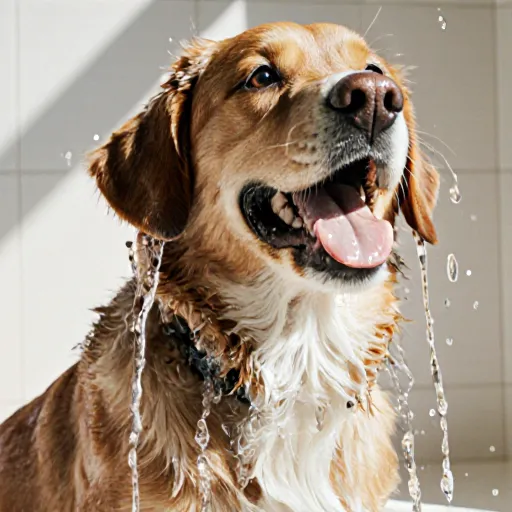
Spotlight on Common Dog Bathing Pitfalls
Avoid These Mistakes in Dog Bathing
Table of Contents
- What Is The Ideal Frequency For Bathing Your Dog?
- Factors That Influence How Often You Should Bathe Your Dog
- How To Tell If Your Dog Needs A Bath
- Common Signs Your Dog May Be Due For A Bath
- The Importance Of Proper Dog Hygiene
- Potential Risks Of Over-Bathing Your Dog
- Benefits Of Regular Bathing For Your Dog's Health
- Different Types Of Dog Grooming Needs
- How To Bathe Your Dog Properly
- Choosing The Right Shampoo For Your Dog
- Environmental Considerations When Bathing Your Dog
- Frequency Of Bathtubs Depending On Breed And Age
- Conclusion
- FAQ About How Often To Bathe Your Dog
- Additional Resources For Pet Owners
What Is The Ideal Frequency For Bathing Your Dog?
Determining the ideal frequency for bathing your dog involves understanding their individual needs, breed characteristics, and lifestyle. While it's important to keep your furry friend clean, frequent baths can strip away natural oils that are essential for maintaining skin health. Conversely, dogs who spend a lot of time outdoors or engage in high-intensity activities may need more frequent baths than those who live indoors.
Understanding the Importance of Natural Oils
Dogs have a unique coat that protects them from various environmental factors, and one of the key components of this protection is their natural oils. These oils help to:
- Repel water and dirt.
- Protect against parasites like ticks and fleas.
- Maintain a healthy skin barrier.
Frequent bathing can remove these essential oils, leading to dry, irritated skin. However, it’s crucial to find the right balance between keeping your dog clean and protecting their natural defenses.
Factors Influencing Bathing Frequency
The following factors should influence how often you bathe your dog:
- Breed Characteristics: Some breeds, like poodles or Portuguese water dogs, naturally have less odor and dander due to their unique coat structure. These breeds generally require fewer baths than others.
- Lifestyle: Dogs that live indoors with minimal outdoor exposure might not need as frequent bathing compared to those who spend significant time outside or engage in activities like hiking or swimming.
- Seasonal Changes: In warmer months, dogs may sweat more and get dirtier faster. Adjust the frequency of baths accordingly during these times. Conversely, colder seasons might allow for less frequent bathing due to lower activity levels and reduced exposure to outdoor elements.
Practical Tips for Bathing Your Dog
To ensure your dog is clean without compromising their skin health, consider the following tips:
- Use Dog-Specific Shampoos: Human shampoos can be too harsh and strip away essential oils. Opt for shampoos formulated specifically for dogs.
- Mild Soap: Avoid using strong soaps or detergents that could irritate your dog's skin. Instead, use a mild soap designed for pets.
- Adequate Rinse: Make sure to thoroughly rinse all shampoo from your dog’s coat and skin to prevent irritation.
- Dry Properly: After bathing, towel-dry your dog as much as possible before letting them air dry or using a hairdryer on low heat. This helps maintain their natural oils.
Conclusion
The ideal frequency for bathing your dog depends on multiple factors including breed, lifestyle, and environmental conditions. Regular but not excessive baths are key to keeping your pet clean and healthy without stripping away necessary oils. Always tailor the bathing schedule according to your dog’s specific needs.
Factors That Influence How Often You Should Bathe Your Dog
When it comes to determining how often you should bathe your dog, it's not a one-size-fits-all approach. Several factors can influence this decision, impacting both the health of your pet and their overall comfort. Understanding these variables will help you make informed choices about bathing frequency.
Diet
Some dogs that consume more protein-rich diets may have stronger odors due to the increased breakdown of proteins during digestion. This can lead to a faster accumulation of odor, requiring more frequent baths. For example, dogs fed on a raw food diet often need bathing less frequently because their skin and coat are healthier and less prone to excess oil buildup.
Environmental Factors
Dogs living in environments with higher levels of outdoor pollution or those that spend significant time outdoors may require more frequent baths. For instance, dogs that play in mud, grassy fields, or areas where they encounter a lot of dust and pollen will need to be bathed more often to keep their coats clean and healthy.
Type of Coat
Dogs with thick, double coats tend to shed more, which can contribute to an increase in the amount of dirt and debris caught in their fur. For dogs like German Shepherds or Siberian Huskies, you might need to bathe them more frequently than dogs with shorter hair. Similarly, flat-coated retrievers that spend a lot of time swimming may require daily baths if they’re not dried off thoroughly after each swim.
Health Conditions
Dogs suffering from skin conditions such as allergies, eczema, or seborrheic dermatitis might need more frequent bathing with specially formulated shampoos to manage the condition. However, over-bathing can strip away essential oils and exacerbate these issues. Consulting a veterinarian for appropriate care is crucial in such cases.
Activity Level
Dogs that are very active may accumulate more dirt on their skin and coat due to frequent contact with the environment. High-energy dogs, like Border Collies or Jack Russell Terriers, might need more frequent baths than sedentary pets. Regular exercise can also lead to a build-up of sweat, which can contribute to body odor.
Shampoo Type
The type of shampoo used for bathing your dog is another factor that influences how often they should be bathed. Some shampoos are designed to cleanse less frequently, while others require more frequent use due to their specific cleaning properties or scent retention abilities. For instance, medicated shampoos might need to be used every few days if the skin condition requires continuous treatment.
Weather Conditions
The weather can significantly affect how often your dog needs a bath. Dogs living in hotter climates may sweat more, leading to increased odor and the accumulation of dirt from their surroundings. Additionally, cold weather might increase shedding and the need for regular grooming.
Pet's Preference
Not all dogs enjoy baths, and some pets might show signs of stress or discomfort when bathed too frequently. It's important to observe your dog’s behavior and preferences. If they seem uncomfortable with frequent baths, you may want to adjust the frequency based on their comfort level.
Conclusion
In summary, while the general guideline for bathing dogs is every few months, it's essential to consider these various factors when determining how often your dog should be bathed. Regular check-ups with a veterinarian and observation of your pet’s behavior will help you establish an optimal bathing schedule that keeps your furry friend healthy and happy.
How To Tell If Your Dog Needs A Bath
Determining when your dog needs a bath can be challenging, as every pet has different grooming requirements. While "How Often Should You Bathe Your Dog?" provides guidelines on the frequency of baths needed for various breeds and conditions, there are also practical signs to look out for that indicate it's time for a bath.
Signs That Your Dog Needs A Bath
- Foul Odor: If your dog begins to smell significantly different from its usual scent, it might be due to an accumulation of dirt or sweat. Regular grooming and exercise can help reduce odors, but if the smell persists, a bath is necessary.
- Mud, Dirt, or Debris: Dogs love to explore their surroundings, which means they are prone to getting dirty quickly. If your dog has rolled in something smelly or is covered in dirt, it’s time for a bath.
- Skin Irritation: If your dog's skin appears red or inflamed and shows signs of irritation, this could be due to an accumulation of dirt that has caused the skin to become clogged. A thorough bath can help soothe and heal the skin.
- Fur Matting: When fur becomes matted, it's not only unsightly but also uncomfortable for your dog. Regular brushing helps prevent matting, but when mats have formed, a bath will make them easier to manage without causing discomfort to your pet.
Practical Steps For Giving Your Dog A Bath
- Choose the Right Shampoo: Select a dog-specific shampoo that is gentle and suitable for your dog's skin type. Human shampoos can be too harsh and may cause irritation.
- Gather Supplies: Before starting, gather all necessary supplies: shampoo, a large tub or bathtub (if needed), towels, a rubber mat to prevent slipping, and treats as a reward for good behavior.
- Bathe Your Dog Outside: If possible, bathe your dog outside where there is enough space. This can make the process easier on both you and your pet.
- Start at the Top: Begin by washing your dog's head to avoid getting water in its eyes or ears. Use a soft brush to gently clean around the face and ears before moving down the body.
- Massage In Shampoo Gently: Apply the shampoo to your dog’s coat, making sure to cover all areas thoroughly. Massage gently to ensure it works into the fur and skin effectively.
- Rinse Thoroughly: Make sure to rinse all shampoo out completely, as any remaining product can irritate the skin or lead to dryness when it dries on your dog’s coat.
- Dry Your Dog Properly: After bathing, use a soft towel to gently pat your dog dry. For complete drying, you may need to use a hairdryer set on low heat. Always ensure your dog is completely dry before bringing it back inside to avoid colds or other health issues.
Conclusion
Incorporating regular grooming into your pet’s routine can help keep your dog clean and healthy without the need for frequent baths. However, knowing when your dog needs a bath is crucial to maintaining its overall well-being. By paying attention to these signs and following these practical steps, you can ensure that your furry friend remains comfortable and clean.
Common Signs Your Dog May Be Due For A Bath
Knowing when your dog needs a bath can be tricky, especially given conflicting advice on how often dogs should be bathed. While some sources recommend bathing every few weeks or months to avoid stripping your dog's natural oils, others suggest more frequent baths if necessary. Here are some common signs that indicate it might be time for your furry friend to get a shower:
1. Dirty Fur
If you can visibly see dirt, mud, or other debris on your dog's fur, it’s clear that they need a bath. Dogs with long hair or those who spend a lot of time outdoors are more prone to accumulating external dirt.
2. Odor
A strong, unpleasant odor coming from your dog can be an obvious sign that their coat needs cleaning. However, it's important not to mistake this for just any smell, as dogs naturally have a unique scent. If the smell is overpowering or unusual, it might be time for a bath.
3. Dandruff
If you notice visible dandruff on your dog's coat, it could indicate that their skin is dry and in need of moisture from water and shampoo. A regular bath can help to soothe the skin and reduce flaking.
4. Oily Coat
While a little oiliness is normal, excessive grease on your dog's fur could signal an underlying issue like poor diet or possibly a health condition that requires medical attention. Regular bathing can help control this by removing excess oils and dirt.
5. Matted Fur
Matted hair not only looks untidy but also traps dirt and debris, which can be uncomfortable for your dog. If you notice knots forming in the fur that cannot be easily brushed out, it might be time to give your dog a bath.
6. Uncomfortable Behavior
If your dog seems restless or irritable due to a dirty coat, they may be trying to tell you that they need a bath. Sometimes dogs will scratch more frequently when their coats are not clean, which can lead to discomfort and irritation.
Practical Tips
- Use the Right Shampoo: Ensure you use dog-specific shampoo as human shampoos can be too harsh for your pet's skin. There are also shampoos formulated for specific coat types, such as hypoallergenic or medicated.
- Frequent Baths Can Be Harmful: While it’s important to clean your dog when necessary, over-bathing can strip their skin of essential oils and lead to dryness. Stick to the recommended frequency based on your vet's advice.
- Consider Professional Cleanings: For dogs with particularly dirty or difficult coats, professional grooming services may be a better option as they have specialized tools and techniques for deep cleaning.
In summary, while there is no one-size-fits-all answer to how often you should bathe your dog, paying attention to these signs can help you determine when it’s time. Always consult with a veterinarian if you are unsure or suspect an underlying health issue.
The Importance Of Proper Dog Hygiene
Proper dog hygiene is a cornerstone of responsible pet ownership, offering numerous benefits for both your furry companion and your household. Ensuring that your dog maintains good hygiene helps prevent a variety of health issues, from skin infections to respiratory problems, while also enhancing the overall well-being of your pet.
How Often Should You Bathe Your Dog?
The frequency at which you should bathe your dog depends on several factors including breed, activity level, and environment. Breeds with dense or long fur, such as Siberian Huskies or Golden Retrievers, tend to retain more dirt and require more frequent baths compared to breeds like Bichon Frises that have hypoallergenic hair.
For most dogs, bathing every few months is sufficient. Excessive bathing can strip the natural oils from your dog's skin, leading to dryness and irritation. However, if your dog spends a lot of time outdoors or in environments with high levels of allergens, you may need to bathe them more frequently.
Signs Your Dog Needs a Bath
- Odor: A noticeable and persistent smell is one of the clearest indicators that your dog needs a bath. Dogs with longer fur are especially prone to odor due to trapped sweat and dirt.
- Dirt and Grime: If you can visibly see dirt, mud, or grass stains on your dog's coat, it’s time for a bath. This is particularly common after outdoor activities like hiking or playing in the park.
- Flakes or Dandruff: A flaky skin condition could indicate that your dog needs a thorough cleaning to remove excess oils and dead skin cells.
Proper Bathing Techniques
- Choose the Right Shampoo: It’s important to use a pet shampoo designed for dogs, as human shampoos can be too harsh on their sensitive skin. Look for shampoos that are hypoallergenic and free from harsh chemicals.
- Start at the Head: Begin by cleaning your dog's face with a damp cloth to avoid getting water in its eyes or ears, which could lead to irritation.
- Clean the Body Gently: Apply shampoo starting from the head and work downwards, massaging it into their skin. Be careful not to apply too much pressure on sensitive areas like the belly.
- Rinse Thoroughly: Make sure all the shampoo is rinsed off your dog thoroughly to avoid residue that could irritate its skin.
Promoting Healthy Skin and Coat
In addition to regular baths, there are other steps you can take to ensure your dog has a healthy coat and skin. Regular brushing helps remove dead hair and prevent matting, while also stimulating the production of natural oils that keep the skin moisturized.
Feeding your dog a balanced diet rich in essential fatty acids like omega-3s can also contribute significantly to maintaining its skin and coat health. Supplements such as fish oil or flaxseed can be beneficial if your vet recommends them.
The Impact of Poor Hygiene
Ignoring proper hygiene can lead to serious health issues for your dog, including dermatitis, infections, and even more severe conditions like mange. Regular grooming and bathing reduce the risk of these problems, ensuring that your pet remains healthy and happy.
In conclusion, maintaining proper dog hygiene is not only essential for aesthetic reasons but also crucial for overall health and well-being. By understanding when your dog needs a bath and employing the right techniques, you can keep your pet looking and feeling their best.
Potential Risks Of Over-Bathing Your Dog
While it is essential to keep your dog clean and hygienic, over-bathing can lead to several potential risks. The frequency of bathing should be balanced with the health and well-being of your pet.
Dogs have a protective layer of oils on their skin that helps in maintaining hydration, regulating temperature, and repelling external elements like dirt and water. Over-bathing strips these natural oils, leading to dry and irritated skin. This can cause discomfort for your dog and may even lead to more frequent bathing as the skin tries to produce more oil.
The chemicals present in most commercial shampoos are harsh on a dog's sensitive skin. Over-exposure to these chemicals can result in allergic reactions, redness, itching, and even dermatitis. It is important to choose hypoallergenic or specially formulated pet shampoos if you need to bathe your dog.
A frequent bath can weaken a dog's immune system as it removes the protective layer, leaving the skin more vulnerable to infections and diseases. Regular baths should be supplemented with appropriate skincare products if you are concerned about cleanliness.
Excessive bathing can lead to dry, brittle hair that is prone to breakage and shedding. This not only affects your dog's appearance but also their comfort and overall health. Regular grooming sessions without baths can help keep the fur healthy.
If the skin becomes irritated due to over-bathing, it is more susceptible to infections. Always ensure that your dog's skin is thoroughly rinsed and dried after bathing. It might be wise to consult a veterinarian if you notice any signs of infection or irritation.
- Check with Your Vet: Always seek advice from your veterinarian regarding the frequency and type of baths for your specific dog breed. Some breeds have different needs due to their coat types.
- Use the Right Products: Invest in hypoallergenic shampoos and conditioners suitable for dogs. Avoid human products as they are not designed for a dog's skin and can cause irritation.
- Grooming: Regular grooming without baths can help maintain your dog's hygiene and overall health. Brush their fur at least once a week to remove dirt, loose hair, and stimulate blood circulation.
In conclusion, while it is important to keep your dog clean, over-bathing can have several negative effects on their health. By understanding the risks involved and taking preventive measures, you can ensure that your furry friend remains healthy and happy.
Benefits Of Regular Bathing For Your Dog's Health
Regular bathing is crucial for maintaining your dog’s overall health and hygiene. While determining how often to bathe your dog depends on various factors, regular baths offer numerous benefits that contribute to a healthier pet.
One of the most significant advantages of regular bathing is improved skin health. Dogs can develop dry, itchy, or inflamed skin due to environmental factors like pollen, dirt, and grass stains. Regular baths with a pH-balanced shampoo help keep their coat clean and prevent these issues. For instance, if your dog spends time in an environment rich with allergens, regular bathing ensures that their skin remains healthy and free from irritations.
Bathing regularly can also help prevent skin infections by removing potential pathogens such as bacteria, fungi, and viruses. If your dog spends time in communal areas or around other dogs, regular baths are essential to keep them healthy. For example, if your dog has a deep coat that retains moisture, it’s important to bathe them more frequently to avoid the buildup of bacteria that can lead to infections.
A well-groomed and clean coat is not only visually appealing but also indicates good health. Regular bathing helps maintain a lustrous, healthy coat by removing dirt, debris, and excess oils. This prevents matting and tangles that can lead to discomfort for your dog. For instance, if you have a long-haired breed like a German Shepherd or a Labrador Retriever, regular baths are essential to keep their coats in top condition.
Regular bathing also contributes to better oral health by reducing the buildup of plaque and tartar. While brushing your dog’s teeth is important, bathing helps break down the bacteria that can lead to bad breath and other dental issues. For example, if your dog tends to eat foods that can cause plaque accumulation, regular baths can help mitigate these effects.
A clean dog is a more comfortable dog. Regular bathing helps eliminate odors, which can be uncomfortable for both you and your pet. Additionally, it reduces itching caused by dirt or allergens, leading to a happier and more contented pet. For instance, if your dog spends time outdoors, regular baths can prevent the accumulation of mud, grass stains, and other outdoor contaminants that may cause discomfort.
Clean dogs are often better candidates for social activities or trips to the park. If your dog is regularly bathed, they will be more comfortable around other people and animals, reducing any anxiety or stress during outings. For example, if you plan a trip to the beach or a dog park, ensuring that your dog is clean beforehand can enhance their experience and ensure they enjoy themselves without any discomfort.
To determine how often to bathe your dog, consider the breed, lifestyle, and environment. Some dogs may require more frequent baths than others. In general, most dogs benefit from bathing every 4-6 weeks. However, if your dog has a lot of outdoor activities or spends time in water, you may need to bath them more frequently.
- Breed: Dogs with longer, denser coats (like German Shepherds) may require more frequent baths than dogs with shorter hair.
- Lifestyle: Dogs that spend a lot of time outdoors or in water should be bathed more frequently to avoid the accumulation of dirt and debris.
- Environment: If your dog lives in an environment where they are exposed to allergens, regular bathing is essential for their health.
Different Types Of Dog Grooming Needs
Giving your dog proper grooming is essential for their overall health and well-being. The frequency and type of grooming can vary greatly depending on the breed, coat type, and lifestyle of your pet. Understanding these differences will help you provide the best care for your furry friend.
Breed-Specific Grooming Needs
Some breeds have unique grooming needs that set them apart from others. For example, hypoallergenic breeds like Poodles and Bichons Frises require regular professional grooming due to their dense coats which can easily mat or tangle.
- Poodles: Regular clipping by a professional groomer is necessary to maintain the proper shape of their coat. This breed also needs frequent nail trimming and ear cleaning.
- Bichons Frises: Their double coats require more than just brushing at home; they often need monthly professional grooming sessions to keep the fur in good condition.
Coat Type and Its Impact on Grooming
Dogs come in a variety of coat types, each requiring specific attention. Here’s how different coats affect grooming needs:
- Hair Coated Dogs (e.g., Terriers): These dogs have long, thick fur that can easily become matted and knotted, especially if they are not brushed daily. Regular brushing is crucial to prevent matting.
- Semi-Hairy Coats (e.g., Border Collies): While shorter than hair coated breeds, their coats still need regular grooming to keep them healthy and prevent tangling.
- Breeds with Smooth Coats: Dogs like Beagles have smooth, short fur that requires less frequent brushing. However, they still need occasional grooming to maintain a healthy coat.
Lifestyle and Its Influence on Grooming
Your dog's lifestyle can also influence how often you need to groom them:
- Active Dogs: If your dog enjoys outdoor activities, their coat may accumulate dirt more quickly. These dogs might benefit from weekly baths and extra brushing.
- Dogs with Less Outdoor Activity: Dogs that spend most of their time indoors tend to need less frequent bathing. However, they still require regular grooming to keep their coats healthy.
How Often Should You Bathe Your Dog?
The frequency at which you should bathe your dog depends on various factors including breed, coat type, and lifestyle. In general:
- Hypoallergenic Breeds: These breeds often have less odour and dander and may only need a bath every few months.
- Hair Coated Dogs: Depending on the breed, these dogs might require baths monthly or even bi-monthly to keep their coats clean and free of dirt.
- Semi-Hairy and Smooth Coated Dogs: Dogs with these coat types may only need a bath once every few months. However, if they are active or have been exposed to mud or grime, more frequent bathing might be necessary.
Remember that excessive bathing can strip your dog’s skin and fur of natural oils, leading to dryness and irritation. Always use a pH-balanced shampoo designed for dogs when bathing them.
How To Bathe Your Dog Properly
Proper bathing is essential for maintaining your dog's health, hygiene, and overall well-being. However, over-bathing can strip away the natural oils that protect their skin from infections and irritations. Therefore, it is crucial to understand how often you should bathe your dog before diving into the details of how to bathe them properly.
The frequency at which you bathe your dog depends on several factors including their breed, lifestyle, and environment. Dogs with dense coats or those that are very active may need more frequent baths than others. Generally, dogs should be bathed once every 4-6 weeks unless they get dirty or have an odor.
- Gather Supplies: Before you begin bathing your dog, ensure that you have all the necessary supplies. These include a dog-safe shampoo (avoid human shampoos), a wide-toothed comb or brush, towels, and a muzzle if needed.
- Select a Proper Location: It is advisable to bathe your dog in an area where it's easy to clean up water. A bathtub or sink works well. Make sure the location is warm enough and has good lighting for visibility.
- Dry Them Thoroughly: After bathing, make sure to dry your dog thoroughly, especially in areas prone to moisture like the groin and between the legs. Use a dog hair dryer on low heat if needed, ensuring you do not burn or overheat them.
Handling your dog gently during bath time is crucial to minimize stress and discomfort. Speak soothingly and offer reassurance. If your dog is particularly nervous, consider using treats or toys as positive reinforcement.
- Skin Check: After bathing, check for any signs of irritation or discomfort on the skin and coat. Address these issues promptly with a vet if they persist.
- Conditioners: If your dog's coat is dry after bathing, consider using a conditioner to keep their fur soft and healthy.
In conclusion, while the frequency of baths depends on individual circumstances, proper care during bath time is equally important. By following these steps and tips, you can ensure your dog remains clean, comfortable, and happy.
Choosing The Right Shampoo For Your Dog
Choosing the right shampoo for your dog is as important as deciding how often you should bathe them. Just like humans, dogs can have different skin types that require specific care to maintain their health and well-being.
Understanding your dog’s skin type will help you choose the right shampoo. Here are a few examples:
- Sensitive Skinned Dogs: These dogs may have red, itchy, or flaky skin. They need shampoos that are gentle and free from harsh chemicals.
- Oily Skinned Dogs: Oily skin can lead to greasy fur if not cleaned properly. Look for shampoos formulated specifically for oily dogs.
- Dry Skinned Dogs: Dry skin requires moisturizing products that will help soothe and hydrate the coat and skin.
When selecting a shampoo, always check for key ingredients that are beneficial to your dog's skin type. Here are some examples:
- Aloe Vera: Known for its soothing and moisturizing properties.
- Gentle Cleansers: Such as oatmeal or chamomile extracts, which can be beneficial for sensitive skin.
- Zinc Oxide: Helps in treating skin irritations and infections.
The frequency with which you bathe your dog can influence the choice of shampoo. A general rule is to bathe your dog only when necessary, as frequent bathing can strip their skin and coat of natural oils.
- Every 3-4 weeks: Ideal for dogs with oily or short-haired coats who tend to get dirtier faster.
- Every 6-8 weeks: Suitable for most medium to long-haired breeds that shed less and stay cleaner for longer periods.
- Rarely: If your dog is primarily indoor and has a short, smooth coat, you may only need to bathe them once every few months.
To ensure the best results from shampooing your dog, follow these practical tips:
- Use the Right Amount of Shampoo: A small amount is usually sufficient. Too much can be wasteful and may leave residues in your dog’s coat.
- Massage Gently: Apply shampoo to wet fur, then massage gently into their skin, avoiding the eyes and ears.
- Rinse Thoroughly: Make sure all shampoo is rinsed off to prevent dryness or irritation.
By carefully considering your dog's skin type and bathing frequency, you can choose a shampoo that will help maintain their overall health. Remember, the right choice of shampoo can make a significant difference in keeping your pet comfortable and happy!
Environmental Considerations When Bathing Your Dog
Environmental considerations when bathing your dog are crucial for maintaining both the health of your pet and the sustainability of our planet. The frequency with which you bathe your dog can significantly impact these factors, so it's important to strike a balance between cleanliness and environmental responsibility.
Understanding Your Dog’s Skin Type
The first step in making environmentally friendly decisions is understanding your dog’s skin type. Just like people, dogs vary in their need for bathing based on breed, activity level, and environment. Some dogs with thick coats or those who spend a lot of time outdoors may require more frequent baths to remove dirt and debris. However, over-bathing can strip the natural oils from your dog's skin, leading to dryness and irritation.
Frequency Recommendations
Experts generally recommend bathing your dog every 6-8 weeks unless they are particularly dirty or smelly. This frequency helps keep your dog clean while minimizing environmental impact. However, if your dog has a high activity level or lives in an environment that exposes them to dirt and grime regularly, you may need to bathe more frequently.
Choosing the Right Products
To minimize environmental harm when bathing your dog, choose eco-friendly products. Look for shampoos that are biodegradable and made from natural ingredients. Avoid products with harsh chemicals like triclosan or artificial fragrances, which can be harmful to both your pet and the environment.
Water Usage
Bathing your dog requires water, and conserving this resource is important for reducing environmental impact. One way to minimize water usage is by using a water-saving shower head or bucket bathing method. Additionally, reusing bathwater (as long as it's not too soapy) can help conserve resources.
Disposable Supplies
The use of disposable supplies like plastic gloves and paper towels can be minimized by opting for reusable alternatives. Cloth doggy sweaters or old clothes can serve as effective, washable alternatives to single-use products.
Pollution Control
When you do bathe your dog, make sure not to pour the soapy water directly into storm drains or bodies of water. Instead, dispose it properly in a toilet or sink to prevent harmful chemicals from entering natural ecosystems. This simple action can have a significant positive impact on local wildlife and water quality.
Post-Bathing Care
Avoid using dryer sheets when your dog is wet as the chemicals used can be harmful to pets. Instead, consider air-drying your dog or using a hairdryer set on low heat. This not only saves energy but also reduces environmental impact compared to high-heat drying.
In conclusion, being mindful of how often you bathe your dog and making eco-friendly choices can greatly reduce the environmental footprint associated with pet care. By following these tips and recommendations, you can ensure that your dog remains clean and healthy while contributing positively to the environment.
Frequency Of Bathtubs Depending On Breed And Age
The frequency of bathing your dog can vary significantly depending on their breed and age, much like how the frequency of using bathtubs for humans might differ based on personal preference or lifestyle. While it's important to keep your dog clean and healthy, over-bathing can strip away natural oils necessary for their skin health, just as frequently using bathtubs without proper care can lead to dry, irritated skin.
Breed-Specific Bathing Needs
Dogs with shorter coats, such as Beagles or Whippets, generally require less frequent bathing compared to dogs with long, dense fur like Great Danes or St. Bernards. Dogs with heavy shedding may need baths more often than those who have minimal shedding, similar to how one might use a bathtub more frequently if they live in an area prone to dirt and dust.
Age-Specific Bathing Needs
Puppies generally need bathed less frequently due to their developing skin and immune systems. They are also smaller, making them quicker to dry off after a bath. Senior dogs, on the other hand, might benefit from more frequent baths if they have conditions that lead to increased skin irritation or smell.
Environmental Considerations
Dogs living in environments with high humidity or frequent contact with mud and dirt may require more frequent bathing. For example, dogs that spend a lot of time outside or are engaged in outdoor activities like hiking might need to use the bathtub more often than those who live primarily indoors.
Health Conditions
Dogs with certain health conditions such as allergies, skin infections, or joint issues may require special bathing schedules. In these cases, it's essential to follow your veterinarian’s advice on how frequently to bathe your dog. Just as people need different bathroom routines based on their personal hygiene needs and medical conditions.
Practical Advice
- Use the Right Products: Always use pet-safe shampoos and conditioners, just like choosing the right soap for a bathtub. Harsh chemicals can irritate your dog’s skin or coat.
- Dry Thoroughly: Make sure to dry your dog completely after bathing, especially around the ears and in between their legs. This is similar to ensuring that no water remains in the tub after use to prevent mold and mildew growth.
- Frequent Check-Ups: Regularly check for any signs of skin irritation or odor changes which could indicate an underlying issue. This is akin to checking the condition of your bathtub regularly to catch any issues early on.
In summary, just as different people have varying preferences and needs when it comes to using bathtubs, each dog has unique bathing requirements based on their breed, age, environment, health conditions, and lifestyle. It's crucial to strike a balance that keeps your dog healthy without overburdening them with frequent baths.
Conclusion
Deciding how often to bathe your dog can be a bit of a challenge. While it might seem like more frequent bathing would keep your furry friend cleaner and fresher-smelling, too much of a good thing can actually have negative consequences for your pet's skin and coat.
In general, the frequency of baths depends on several factors including your dog’s breed, lifestyle, and environment. Dogs with shorter coats, like poodles or terriers, may not need as frequent bathing compared to dogs with longer hair that can easily accumulate dirt and grime. Similarly, dogs that spend a lot of time outdoors in dusty or muddy environments might require more regular baths.
For most dogs, a bath every few months is sufficient. This allows their natural oils to remain intact, which are crucial for maintaining the health of your dog’s skin and coat. Over-bathing can strip away these essential oils leading to dry and irritated skin, which might necessitate more frequent visits to the vet.
Practical advice: Before you decide on a bathing schedule, consider talking to your veterinarian who can provide guidance based on your specific dog's needs. They may recommend certain shampoos that are gentle yet effective for your pet’s unique skin type. Additionally, using lukewarm water and avoiding overly hot water can help prevent drying out your dog’s skin.
Remember, the goal is to maintain cleanliness while preserving the natural balance of your dog's skin and coat. By finding the right balance, you not only keep your pet clean but also promote overall health and well-being.
As a final note, always check How Often Should You Bathe Your Dog? for specific recommendations based on breed or lifestyle as this can vary significantly between different types of dogs.
FAQ About How Often To Bathe Your Dog
When it comes to bathing your dog, finding the right frequency can be a bit tricky. Over-bathing can strip away essential oils that keep your pet's skin and coat healthy, while under-bathing might lead to skin issues and odors. Here’s a detailed look at how often you should bathe your dog based on their breed, lifestyle, and health.
Breed Considerations
- Hairless Breeds: Dogs like the Chinese Crested or Mexican Hairless do not have undercoats to shed. Therefore, they may only need a bath once every few months unless they get dirty.
- Dense-Coated Breeds: Dogs such as German Shepherds and Rottweilers produce more oils that can cause odors faster than other breeds. These dogs might need to be bathed monthly or even bi-monthly depending on their activities.
- Sporting Dogs: Breeds like Golden Retrievers and Labrador Retrievers are naturally inclined to get dirty due to their love of water and mud. They often benefit from bathing every 6-8 weeks.
Lifestyle Factors
A dog’s lifestyle plays a significant role in determining the frequency of baths:
- Outdoor Activities: Dogs that spend lots of time outdoors, especially if they run through fields or forests, are more likely to track dirt and mud into your home. These dogs may need more frequent baths.
- Dog Walking: If you walk your dog in areas where there is a lot of traffic (like busy streets), your pet will be exposed to pollutants that can settle on their coat, requiring more bathing.
- Pets with Allergies or Skin Conditions: Dogs with sensitive skin or allergies may benefit from baths more frequently to help manage irritation and keep them comfortable. However, always consult a vet before changing the frequency of baths for these pets.
Health Concerns
Your dog’s health should also influence how often you bathe them:
- Skin Irritation or Infections: Dogs with skin problems, such as eczema or hotspots, may require more frequent baths to keep their skin clean and healthy. Always use a gentle shampoo recommended by your vet.
- Older Dogs: Older dogs may experience less mobility and have slower recovery times from bathing. They might not need as many baths but should be checked regularly for signs of odor or skin issues.
In summary, the general rule of thumb is to bathe your dog every 6-8 weeks unless their lifestyle or health conditions demand more frequent bathing. Always use a gentle shampoo and follow up with a good conditioner if needed. Regular grooming between baths can also help keep your pet clean and reduce odors.
Additional Resources For Pet Owners
Deciding how often you should bathe your dog is a question many pet owners face. While it may seem like frequent baths are necessary to keep your furry friend clean and fresh-smelling, too much bathing can actually do more harm than good. Here's a deeper dive into the topic:
Understanding Your Dog's Natural Oil Production
Dogs have natural oils in their skin that help to protect them from infections and parasites. Bathing your dog too frequently can strip away these essential oils, leaving their skin vulnerable to irritation and dryness. In general, dogs do not need to be bathed as often as humans. Most dogs only require a bath every few months, unless they are very dirty or have been exposed to something that needs removal.
Signs Your Dog Needs a Bath
- Your dog has rolled in something smelly (like manure)
- Their coat is matted and tangled due to dirt or debris buildup
- Dandruff or dry, flaky skin appears
- They have excessive shedding that cannot be attributed to their breed’s normal shedding pattern
Practical Advice for Bathtime
To make bath time a positive experience for both you and your dog, follow these tips:
- Choose the Right Shampoo: Use a shampoo specifically designed for dogs. Human shampoos can be too harsh on their delicate skin.
- Water Temperature: The water should be warm but not hot, as this could irritate your dog's skin.
- Bathe Less Frequently: Only bathe your dog when necessary. Excessive bathing can dry out the skin and lead to irritation.
- Dry Thoroughly: After bathing, make sure to thoroughly dry your dog, especially in areas that are prone to moisture retention like their paws or between toes.
Examples of Dogs Who Need Less Frequent Baths
Certain breeds and types of dogs naturally produce less oil, making them less susceptible to odor. For instance:
- Hairless Breeds: Dogs like the Chinese Crested or Xoloitzcuintli have very little hair and do not need frequent baths.
- Sporting Dogs: Dogs bred for hunting, such as Golden Retrievers and Labrador Retrievers, often require less frequent bathing due to their outdoor activities. However, they should still be bathed when necessary.
Conclusion
In conclusion, understanding the frequency of baths your dog needs is crucial for their overall health and wellbeing. By following the advice above, you can ensure that your pet stays clean without risking skin issues from over-bathing.
Categories
- AI & Enrichment Play
- Broiler Farming
- Broiler Farming Tips
- Canine Wellness & Longevity
- Cat
- Cat & Human Connection
- Cat Adoption & Rescue
- Cat Breeds
- Cat Breeds & Personalities
- Cat Care & Health
- Cat Grooming & Hygiene
- Cat Lifestyle & Environment
- Cat Myths & History
- Cat Nutrition & Diet
- Cat Products & Reviews
- Cat Training & Behavior
- Comparison
- Consumer Awareness
- Dog
- Dog Accessories & Products
- Dog Adoption & Rescue
- Dog Breed & Lifestyle Trends
- Dog Breeding & Puppies
- Dog Entertainment & Media
- Dog Fashion & Trends
- Dog Fun & Lifestyle
- Dog Grooming & Hygiene
- Dog History & Culture
- Dog Myths, Science & Future Tech
- Dog News & Trends
- Dog Nutrition & Food
- Dog Psychology & Emotions
- Dog Safety & Security
- Dog Sports & Activities
- Dog Technology & Innovation
- Dog Training for Modern Owners
- Dog Travel & Adventure
- Dog Travel, Adventure & Culture
- Economic and Market Insights
- Educational Content
- FAQs
- Feeding Alternatives
- Festivals & Seasonal Ideas
- Fun & Entertainment
- General Knowledge
- General Pig Farming
- Health & Disease Management
- Housing and Environment
- Kittens
- Market Insights
- Miscellaneous
- Miscellaneous
- Motivational
- pig
- Pig Breeding
- Pig Breeds
- Pig Farming Stories and Inspiration
- Pig Health and Care
- Pig Nutrition
- Pig Products
- Profitability & Business
- Puppy Care
- Puppy Predictable Topics Reinvented
- Regional Focus
- Rescue & Adoption Buzz
- Senior Cats
- Senior Dog Care
- Smart Dog Tech & Gadgets
- Sustainability
- Sustainable & Eco-Friendly Dog Products
- Tech & Innovations
- Working & Service Dogs
- Broiler Feed66 products
- Country Feed33 products
- Pig Feed66 products
- Product22 products
- Raw Materials99 products
Products
-
 Fish Meal
₹1,999.00 – ₹2,999.00Price range: ₹1,999.00 through ₹2,999.00Rated 0 out of 5
Fish Meal
₹1,999.00 – ₹2,999.00Price range: ₹1,999.00 through ₹2,999.00Rated 0 out of 5 -
 FATTENING BROILER FEED
₹2,299.00 – ₹2,349.00Price range: ₹2,299.00 through ₹2,349.00Rated 0 out of 5
FATTENING BROILER FEED
₹2,299.00 – ₹2,349.00Price range: ₹2,299.00 through ₹2,349.00Rated 0 out of 5 -
 LAYER COUNTRY FEED
₹1,549.00 – ₹1,649.00Price range: ₹1,549.00 through ₹1,649.00Rated 0 out of 5
LAYER COUNTRY FEED
₹1,549.00 – ₹1,649.00Price range: ₹1,549.00 through ₹1,649.00Rated 0 out of 5 -
 COUNTER BROILER FEED
₹1,199.00 – ₹1,299.00Price range: ₹1,199.00 through ₹1,299.00Rated 0 out of 5
COUNTER BROILER FEED
₹1,199.00 – ₹1,299.00Price range: ₹1,199.00 through ₹1,299.00Rated 0 out of 5 -
 LACTATING PIG FEED
Rated 0 out of 5
LACTATING PIG FEED
Rated 0 out of 5₹2,299.00Original price was: ₹2,299.00.₹1,740.00Current price is: ₹1,740.00. -
 Maize
Rated 0 out of 5
Maize
Rated 0 out of 5₹1,650.00Original price was: ₹1,650.00.₹1,300.00Current price is: ₹1,300.00. -
 GESTATION PIG FEED (Phase 1)
Rated 0 out of 5
GESTATION PIG FEED (Phase 1)
Rated 0 out of 5₹2,249.00Original price was: ₹2,249.00.₹1,699.00Current price is: ₹1,699.00. -
 Pre Starter Broiler Feed
₹2,399.00 – ₹2,499.00Price range: ₹2,399.00 through ₹2,499.00Rated 0 out of 5
Pre Starter Broiler Feed
₹2,399.00 – ₹2,499.00Price range: ₹2,399.00 through ₹2,499.00Rated 0 out of 5 -
 FINISHER PIG FEED
Rated 0 out of 5
FINISHER PIG FEED
Rated 0 out of 5₹2,299.00Original price was: ₹2,299.00.₹1,749.00Current price is: ₹1,749.00. -
 Broiler Premix
Rated 0 out of 5
Broiler Premix
Rated 0 out of 5₹820.00Original price was: ₹820.00.₹699.00Current price is: ₹699.00.