
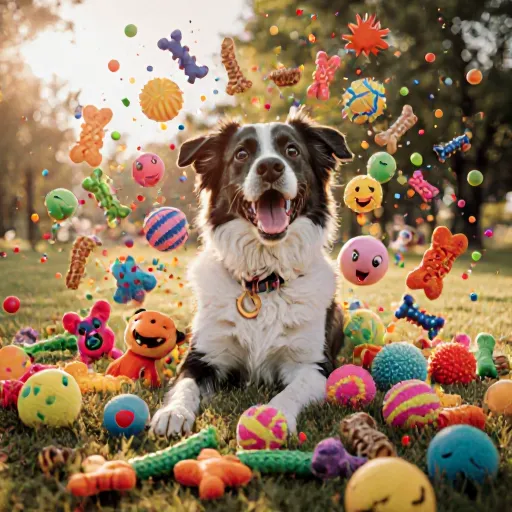
Unleash Endless Fun for Your Furry Friend!
Bark‑Burst Bonanza: Vibrant Toys That Keep Paws Busy All Day
Table of Contents
- Introduction
- Why Dog Toys Are Important
- Brain Stimulation for Dogs
- Physical Exercise Benefits
- Chew‑Safe Materials Explained
- Interactive Toy Overview
- Smart Toy Technology
- DIY Innovative Toys
- Water‑Resistant Options
- Puzzle Toys for Intellect
- Treat‑Dispensing Solutions
- Safety Standards & Testing
- How to Select the Right Toy
- Maintenance Tips for Longevity
- Conclusion
- FAQ
Introduction
Innovative Dog Toys to Keep Your Furry Friend Busy
Dogs are natural explorers and problem solvers. If they’re left without engaging activities, boredom can lead to destructive behavior, anxiety, or even health issues. The good news is that the pet‑industry has responded with a wave of creative, interactive toys designed to keep dogs mentally stimulated and physically active.
- Mental Stimulation: Puzzle feeders and treat-dispensing balls force dogs to think, experiment with different strategies, and reward themselves with a tasty payoff.
- Physical Exercise: Many interactive toys double as fetch or tug‑and‑play devices, encouraging movement and strengthening muscles.
- Behavioral Health: Regular engagement reduces anxiety, compulsive chewing, and destructive tendencies.
Puzzle Feeders & Treat Dispensers
These toys are designed to hide treats or kibble inside compartments that must be opened by rolling, sliding, or flipping. Popular models include:
- Outward Hound Hide-A-Squirrel: A plush tree trunk with hidden squeaky squirrels.
- KONG Classic Interactive Toy: Fillable with peanut butter or kibble; the dog must gnaw, roll, and chew to retrieve the food.
Smart Tech Toys
Incorporating sensors and apps, these toys can track playtime, reward patterns, and even respond to voice commands. Examples:
- iFetch Smart Ball: A programmable ball that can be set to bounce or roll on cue.
- PetSafe Busy Buddy Interactive Toys: Built-in sensors detect when a dog pulls, allowing the toy to release treats automatically.
Tug‑and‑Fetch Hybrid Games
Combining tugging with fetch mechanics keeps dogs engaged for longer periods. Look for:
- Chuckit! Ultra Ball: Durable, high-visibility ball that can be launched and retrieved.
- Bully Buster Rope Tug: A sturdy rope toy with a weighted end to simulate tugging and fetching.
Training & Agility Tools
For dogs that love challenge, agility kits or interactive training devices help sharpen obedience while providing fun. Consider:
- Agility Course Kits: Portable poles and tunnels for backyard training.
- Dog Trainer’s Interactive Clicker System: Uses a click sound to reinforce desired behaviors.
- Assess Your Dog’s Size & Strength: Choose toys that can withstand chewing and tugging without breaking into small pieces.
- Consider Your Dog’s Personality: Some dogs prefer fetch, while others love puzzles. Observe play patterns to decide.
- Safety First: Avoid toys with loose parts that could be swallowed. Look for BPA‑free materials and non-toxic dyes.
- Rotate Toys Regularly: Freshness keeps interest high; keep a rotation schedule to prevent overstimulation or boredom.
Consistency is key. Allocate at least 10–15 minutes of focused playtime each day. Use a timer or set a reminder on your phone. Pair the session with a brief training cue—like “sit” before releasing a treat-dispensing toy—to reinforce obedience while having fun.
Innovative dog toys are more than just entertainment; they’re tools that promote mental agility, physical health, and emotional well‑being. By selecting the right mix of puzzle, tech, tug, or training toys—and integrating them into a regular routine—you’ll keep your companion happy, engaged, and less prone to unwanted behaviors.
Why Dog Toys Are Important
Just as humans need mental stimulation and physical activity, dogs thrive when they have the right mix of exercise, enrichment, and playtime. A well‑designed toy can serve multiple purposes: it keeps your dog physically active, stimulates their mind, strengthens the bond between you and your pet, and helps mitigate behavioral problems.
1. Physical Health & Exercise
- Weight Management: Chew toys, fetch balls, and tug ropes encourage regular movement, helping to maintain a healthy weight.
- Joint Support: Soft plush toys or low‑impact chew items reduce stress on joints during play, which is especially beneficial for older dogs.
2. Mental Stimulation
Dogs that are mentally stimulated are less likely to develop anxiety or destructive behaviors. Puzzle feeders and treat‑dispensing toys force them to think critically about how to access the reward.
3. Behavioral Management
- Boredom Reduction: An engaging toy can keep a dog occupied for hours, preventing chewing on furniture or excessive barking.
- Training Reinforcement: Using toys as rewards during training sessions helps reinforce positive behaviors and builds trust.
4. Strengthening the Human‑Dog Bond
Playing together with a favorite toy creates shared experiences that deepen your relationship. Tug‑of‑war, fetch, or interactive puzzle games are great ways to bond while keeping both parties entertained.
Modern dog toys incorporate technology and design ingenuity to cater to a wide range of breeds and personalities. Below are some standout examples that combine fun with functional benefits:
1. Smart Interactive Feeders
- Example: The “Treat‑Bot”: This robot moves around the room, dropping treats in a random pattern. It requires the dog to follow and anticipate each drop, engaging both body and mind.
- Practical Tip: Start with a simple treat dispenser if your dog is new to puzzle toys; gradually increase difficulty by adding obstacles or multiple compartments.
2. Motion‑Activated Fetch Toys
- Example: “Auto-Thrower”: A device that automatically throws a ball at varying distances and speeds, ideal for high‑energy breeds like Border Collies.
- Practical Tip: Use this toy in a spacious backyard or park. Make sure the throw zone is free of hazards so your dog can run safely.
3. Durable Chew & Tug Compounds
- Example: “Kong Ultra‑Durable”: Made from a rubber blend that resists tearing, this toy can be stuffed with peanut butter or kibble for extra motivation.
- Practical Tip: Rotate between chew toys to keep your dog interested. Store them in a cool, dry place to prolong life.
4. Scent‑Based Puzzle Games
- Example: “Sniff & Find”: A maze-like toy where scents are hidden inside compartments; dogs must sniff out the path to reach a treat.
- Practical Tip: Pair this with short training sessions. Praise your dog for each successful retrieval to reinforce scent‑tracking skills.
5. Multi‑Functional Play Sets
- Example: “Play & Learn” Kit: Combines a fetch ball, tug rope, and puzzle feeder in one set. Great for owners who want to switch activities without buying separate toys.
- Practical Tip: Keep the kit visible on a shelf or in a basket so your dog can self‑select what they want to play with at any time.
6. Water‑Play Toys for Summer
- Example: “Floating Puzzle Ball”: A buoyant ball that releases treats when rolled or nudged in water.
- Practical Tip: Introduce this toy during short swim sessions. Always supervise your dog to ensure they don’t swallow small parts.
7. Training‑Assisted Toys
- Example: “Command Buddy”: A plush toy that emits a gentle vibration when the dog performs a specific command, reinforcing obedience.
- Practical Tip: Use this tool during early training to create positive associations between commands and physical cues.
- Assess Size & Strength: A toy that’s too small can be swallowed; one that’s too large may not hold interest.
- Consider Play Style: Some dogs prefer chewing, others fetch. Match the toy to their natural instincts.
- Check Material Safety: Look for non‑toxic, BPA‑free materials and avoid toys with small detachable parts.
- Plan Rotation: Rotate toys every few weeks to maintain novelty and reduce boredom.
By selecting innovative dog toys that cater to both physical and mental needs, you ensure your canine companion stays healthy, happy, and well‑behaved. Remember, the best toy is one that keeps your dog engaged, safe, and looking forward to playtime every day.
Brain Stimulation for Dogs
Keeping your canine’s mind active is just as important as keeping their body fit. A mentally stimulated dog is calmer, less anxious, and less likely to develop destructive behaviors. Below are practical ways to engage your dog’s brain using innovative toys that make learning fun.
1. Puzzle Feeders: Turn Mealtime into a Challenge
- KONG Classic with Inserts: Fill the KONG with peanut butter, kibble, or freeze-dried treats and then add an insert to increase difficulty.
- Nina Ottosson Dog Tornado: This rotating puzzle forces your dog to manipulate layers to uncover hidden food. It’s great for medium to large breeds.
- Tug-A-Toy with Treat Dispenser: Combines the excitement of tugging with a treat-reward system that encourages problem solving.
2. Interactive Smart Toys: Let Technology Keep Them Engaged
- Furbo Dog Camera & Treat Toss: A remote-controlled camera that lets you play and dispense treats from anywhere in the house.
- iFetch Smart Ball Launcher: Automatically adjusts launch distance based on your dog’s height, keeping fetch sessions safe yet challenging.
- Petcube Bites 2: A treat-dispensing camera that you can control via smartphone, ideal for training and playtime.
3. Scent Games: Harness Their Natural Instincts
Dogs have an incredible sense of smell; use it to your advantage by creating scent trails or hiding treats in different rooms.
- Scent Trail Kit: Use a small, scented object and let your dog follow the trail. Reward with a favorite toy at the end.
- “Find It” Card Game: Place a treat under one of several cups or cards; shuffle them and watch your pup sniff out the right spot.
4. Training Apps & Video Games for Dogs
Modern apps can guide you through teaching new tricks while keeping sessions short and engaging.
- Pupford App: Offers step-by-step video tutorials for advanced commands like “spin” or “roll over.”
- BarkBuddy: Tracks training progress and suggests customized exercises based on your dog’s age, breed, and skill level.
5. Rotating Toy Schedule: Preventing Boredom Overload
Don’t give all toys at once—rotate them weekly to maintain novelty.
- Week 1: Puzzle feeder + scent game.
- Week 2: Smart interactive toy + tug toy.
- Week 3: Training app session + new chew toy.
Practical Tips for Success
- Start Simple: Introduce one toy at a time and monitor how your dog reacts.
- Positive Reinforcement: Reward with praise or treats whenever the dog solves a puzzle.
- Safety First: Ensure toys are appropriately sized to avoid choking hazards.
- Observe and Adapt: If your dog loses interest quickly, try increasing difficulty or switching to a different type of stimulation.
By integrating these innovative toys into your daily routine, you’ll help your dog stay mentally sharp, physically active, and emotionally balanced—all while strengthening the bond between you two.
Physical Exercise Benefits
Regular physical activity is essential for a dog's overall health and well-being. It helps maintain healthy weight, improves cardiovascular fitness, strengthens muscles and joints, and promotes mental stimulation. Dogs that get enough exercise are typically calmer, less anxious, and have fewer behavior problems.
Key Benefits
- Weight Management: Exercise burns calories and helps prevent obesity, which can lead to diabetes, joint disease, and heart problems.
- Muscle & Joint Health: Movement keeps muscles toned and joints lubricated, reducing stiffness and the risk of arthritis.
- Cognitive Stimulation: Physical play often involves problem‑solving (e.g., retrieving a toy), which keeps the brain active.
- Behavioral Balance: Energy that is channeled into positive exercise reduces destructive chewing, excessive barking, and hyperactivity.
- Social Interaction: Group walks or play sessions with other dogs help improve social skills and reduce fearfulness.
Practical Exercise Ideas for Every Dog
- Daily Walks: Aim for at least 30 minutes of brisk walking, two to three times a day. Adjust pace based on breed and age.
- Fetch Sessions: Use interactive toys like the SmartBall or BarkBox Fetch Machine that launch balls automatically, keeping your dog engaged without constant human involvement.
- Tug‑of‑War with Durable Toys: The Giant KONG Tug Toy offers a sturdy grip and can be filled with treats for added motivation.
- Agility Training: Set up a small obstacle course in the backyard using the Doggy Dash Agility Kit. This not only provides exercise but also sharpens coordination.
- Interactive Puzzle Toys: The Snuffle Mat Deluxe encourages your dog to forage for hidden treats, combining physical movement with mental challenge.
Integrating Innovative Dog Toys into Exercise Routines
Modern dog toys can make exercise more enjoyable and efficient. Here’s how to pair them with routine activities:
- SmartBalls & Self‑Launching Balls: Great for short bursts of play during walks or in the yard.
- Automatic Fetch Machines: Ideal for off‑hour training when you’re not home. They keep your dog moving and prevent boredom.
- Puzzle Feeders: Use them at meal times to slow down eating while keeping your dog physically active as they search for food.
Safety Tips
- Always supervise play with new toys until you’re sure they’re safe and the dog isn’t ingesting parts.
- Check toy durability regularly; replace any that show signs of wear or damage.
- Tailor exercise intensity to your dog's age, breed, and health status. Puppies need less intense sessions than adult dogs.
By combining daily walks, interactive play with innovative toys, and mental stimulation, you’ll help your dog stay fit, happy, and healthy for years to come.
Chew‑Safe Materials Explained
If you’re looking for innovative dog toys that keep your pup entertained while protecting their teeth and gums, understanding the materials behind each toy is essential. Below we break down the most common chew‑safe options, how they behave in a dog's mouth, real‑world examples, and practical tips to help you choose the right one.
1. Natural Rubber (Latex‑Free)
- Why it’s good: Durable yet flexible, natural rubber resists cracking under repeated chewing. It has a slightly spongy texture that helps reduce the impact on teeth.
- Examples: KONG Classic, Nylabone Dura Chew, Chuckit! Ultra Ball (rubber version).
- Practical tip: Look for “latex‑free” labels if your dog has latex allergies. Wash the toy after each use to keep it fresh.
2. Thermoplastic Elastomer (TPE)
- Why it’s good: TPE combines rubber softness with plastic durability, making it resistant to both chewing and accidental swallowing of small parts.
- Examples: Hyper Pet Dog Chew Toys, Outward Hound Fun Feeder Toy.
- Practical tip: Check for a non‑toxic, BPA‑free certification. TPE toys often come in multi‑color designs that keep dogs visually stimulated.
3. Natural Fibers (Cotton, Hemp, Sisal)
- Why it’s good: These fibers provide a rough surface for teeth cleaning while being gentle on gums. They’re also biodegradable.
- Examples: ZippyPaws Skinny Peltz, KONG Classic (in the “soft” version), or DIY rope toys made from hemp.
- Practical tip: Monitor for fraying; replace any toy that starts to unravel to avoid ingestion of fibers.
4. High‑Density Polyethylene (HDPE)
- Why it’s good: HDPE is extremely tough and resistant to chewing, but still safe because it doesn’t break into sharp pieces.
- Examples: Chuckit! Ultra Ball, West Paw Design Zogoflex Tux.
- Practical tip: Use the heavier HDPE toys for dogs that like to throw or play fetch; lighter versions are better for indoor chewing sessions.
5. Silicone
- Why it’s good: Flexible, non‑toxic, and often dishwasher safe. It won’t snap into small pieces like some rubber toys can.
- Examples: Gummy Dog Toys by KONG (the “gummy” line), Lickimat silicone mats.
- Practical tip: Great for dogs that love licking. Keep an eye on the toy’s integrity after repeated licking; replace if it starts to thin out.
6. Plant‑Based Bioplastics
- Why it’s good: Made from corn starch or other renewable resources, these toys are biodegradable and often come with a “no additives” guarantee.
- Examples: The “Eco‑Chew” line by PetSmart, Earth Rated Biodegradable Dog Treats (used as chew toys).
- Practical tip: Ideal for eco‑conscious pet owners. Test the toy in a short play session first to ensure it holds up under your dog’s chewing style.
How to Choose the Right Material
- Assess Your Dog’s Chewing Strength: Small, gentle chewers benefit from softer rubber or silicone. Aggressive chewers need HDPE or natural rubber that can withstand heavy gnawing.
- Consider the Dog’s Age and Health: Puppies have softer jaws; choose softer materials like TPE or natural fibers to avoid enamel damage. Senior dogs may prefer softer, easier‑to‑grip toys.
- Look for Non‑Toxic Certifications: Verify that the toy is labeled “BPA‑free,” “phthalate‑free,” and meets ASTM standards for pet safety.
- Plan for Maintenance: Some materials (e.g., silicone, natural fibers) can be washed or sterilized; others (e.g., rubber) may only need rinsing. Choose a toy that fits your cleaning routine.
By matching the right material to your dog’s chewing habits and lifestyle, you’ll keep them engaged with innovative toys while safeguarding their dental health.
Interactive Toy Overview
If you’re looking for ways to entertain your canine companion, it’s time to move beyond the classic ball or chew stick. Modern interactive toys are designed with clever mechanics, durable materials, and engaging sensory features that stimulate both mind and body.
Puzzle Feeders
- Treat-Dispensing Balls: These balls roll around the floor while dropping small treats from hidden chambers. Great for dogs who love to chase and sniff.
- Interactive Food Puzzles: Boxes or bowls with sliding panels require your dog to figure out how to access the kibble inside, encouraging problem‑solving skills.
- Snuffle Mats: Soft mats woven with fabric strips hide treats. Dogs must sniff and paw through the fibers, mimicking natural foraging behavior.
Sensory Stimulators
These toys engage multiple senses—sight, sound, smell, and touch—to keep dogs mentally stimulated.
- Sound‑Activated Toys: Toys that squeak or chirp when nudged. The unpredictable noise keeps dogs curious and engaged.
- Scented Balls: Balls infused with safe, dog‑friendly scents (like peanut butter or pumpkin) provide an extra layer of interest.
- Textured Chews: Toys with varied textures (smooth, ridged, or bumpy) help clean teeth and satisfy chewing urges without damaging furniture.
Tech‑Enabled Gadgets
For tech‑savvy owners, these toys combine app control with interactive play.
- Remote‑Controlled Frisbees: Launch and retrieve the frisbee via a smartphone app, allowing you to play even when you’re not in the same room.
- Laser Pointer Toys: Automated laser devices that move the dot unpredictably across surfaces—great for high‑energy dogs who love chase games.
- Smart Treat Dispensers: These connect to Wi‑Fi and can be programmed to release treats at scheduled times or in response to your dog’s actions.
Safety & Maintenance Tips
While interactive toys are fantastic for enrichment, keep these guidelines in mind:
- Size Matters: Ensure the toy is appropriate for your dog’s size to prevent choking hazards.
- Durability Check: Inspect regularly for wear and tear; replace any part that has become soft or split.
- Material Safety: Choose toys made from non‑toxic, BPA‑free materials. Avoid toys with small detachable parts for dogs prone to chewing off bits.
- Cleaning Routine: Wash puzzle feeders and chew toys weekly with warm soapy water or a pet safe sanitizer.
Ready to transform playtime? Browse our curated selection of interactive dog toys and find the perfect match for your pup’s personality. Happy playing!
Smart Toy Technology
Modern dogs demand more than a simple ball or chew bone. Smart toys combine technology, durability, and entertainment so your pup can stay mentally stimulated and physically active even when you’re away.
1. Interactive Puzzle Feeders
- How they work: These feeders have hidden compartments that release kibble only when the dog solves a puzzle (e.g., sliding panels, rotating wheels). This slows down eating and boosts problem‑solving skills.
- Examples:
- “PetSafe Smart Feed” – adjustable difficulty levels for all breeds.
- “KONG Wobbler” – a wobbling toy that dispenses treats as the dog shakes it.
- Practical tip: Start with low‑difficulty settings and gradually increase complexity to keep your dog engaged without frustration.
2. Motion-Activated Laser Toys
- How they work: These devices emit a laser dot that moves unpredictably, encouraging dogs to chase. Some models can be programmed with different patterns or speeds.
- Examples:
- “Frolic Laser” – programmable for up to 30 minutes of playtime.
- “Blink Bot” – features voice commands and motion sensors.
- Practical tip: Never let your dog stare directly at the laser. End sessions with a physical toy or treat to avoid frustration.
3. Smart Chew Toys with Sensors
- How they work: These chew toys are embedded with sensors that detect chewing intensity and duration, sending data to an app for you to monitor your dog’s oral health.
- Examples:
- “BarkBox Smart Chew” – reports on chewing frequency and suggests rest periods.
- “ChewyBuddy Pro” – offers interchangeable heads for varied textures.
- Practical tip: Rotate these toys weekly to maintain novelty and prevent overuse of one material.
4. Voice-Activated Fetch Machines
- How they work: These machines launch balls or sticks on command, using voice recognition to start the play session.
- Examples:
- “FetchMaster 3000” – can shoot up to 25 yards and return automatically.
- “PawPlay Launcher” – adjustable distance settings for small or large dogs.
- Practical tip: Place the machine in a safe, open area. Keep it charged and test the launch mechanism before each use to ensure safety.
5. AI-Driven Companion Robots
- How they work: These robots mimic human interaction by following your dog’s movements, responding to commands, and even offering gentle pats.
- Examples:
- “RoboDog Buddy” – follows scent trails and offers interactive games.
- “Canine Companion” – equipped with a camera for real-time monitoring via an app.
- Practical tip: Use the companion robot during short intervals (10–15 minutes) to avoid overstimulation. Pair it with a scheduled playtime for best results.
6. Augmented Reality (AR) Play Apps
- How they work: By pairing a tablet or smartphone app with physical toys, dogs can chase virtual objects that appear on the screen, blending digital and real-world play.
- Examples:
- “AR Fetch” – uses AR to project moving balls onto the floor.
- “Doggy Quest” – offers treasure hunts where treats are hidden in virtual locations.
- Practical tip: Ensure the device is protected from drool and paw marks. Keep sessions short to prevent eye strain for both you and your dog.
Choosing the Right Smart Toy for Your Dog
- Assess your dog's energy level: High-energy breeds benefit more from active toys like fetch machines or laser games, while calmer dogs may prefer puzzle feeders.
- Consider safety: Check for small parts that could be chewed off. Look for BPA‑free and non-toxic materials.
- Budget wisely: Smart toys range from $20 to over $200. Start with a mid‑range option, then upgrade as your dog’s preferences become clearer.
Integrating these innovative dog toys into your pet’s routine not only combats boredom but also promotes healthy habits, reduces destructive behavior, and strengthens the bond between you and your canine companion.
DIY Innovative Toys
Creating your own toys not only saves money but also lets you tailor the play experience to your dog’s specific needs and preferences. Below are step‑by‑step projects that combine creativity, safety, and durability.
1. Scented Treat-Dispensing Ball
- Materials: Reusable plastic ball (e.g., Nerf ball), small dog treats, a drill with a tiny bit, waterproof sealant.
- Instructions:
- Drill two or three evenly spaced holes just large enough for the treats to pass through.
- Fill the ball with small kibble or freeze-dried treats.
- Seal any gaps with a light coat of waterproof sealant to prevent moisture buildup.
- Why it works: The scent and texture keep dogs engaged, while the challenge of retrieving treats promotes mental stimulation—exactly what “Innovative Dog Toys to Keep Dogs Busy” recommends.
2. Interactive Tug Rope with Hidden Treats
- Materials: Natural jute rope (1/4” diameter), a small pouch, soft dog treats, hot glue or a sturdy knotting technique.
- Instructions:
- Create a loop at one end of the rope for hanging or holding.
- Attach the pouch to the middle section using hot glue (ensure it dries completely).
- Fill the pouch with treats, seal tightly, and weave the rope back over itself several times to hide the pouch.
- Why it works: Tugging encourages physical activity while the hidden treats provide a reward that keeps the dog motivated—mirroring the principles of high‑quality innovative toys.
3. DIY Puzzle Feeder (Foam Board Edition)
- Materials: Foam board, plastic cups or small containers, adhesive spray, shredded newspaper, dog treats.
- Instructions:
- Cut foam board into a rectangle (about 12”x8”).
- Use adhesive spray to attach cups onto the board at varying heights.
- Fill each cup with shredded newspaper and hide small treats among the fibers.
- Secure any loose edges with additional glue or tape.
- Why it works: This puzzle challenges problem‑solving skills, satisfying the “innovative” aspect by turning a simple board into an interactive station that keeps dogs mentally active and physically busy.
4. Scented Water Bottle Game
- Materials: Empty plastic water bottle (1‑liter), dried lavender or other dog-safe scent, a small hole puncher, a rubber band.
- Instructions:
- Punch a small hole near the bottom of the bottle.
- Insert a few drops of dried lavender into the bottle.
- Seal the opening with a rubber band to prevent spills.
- Place the bottle on the floor and let your dog sniff and paw at it.
- Why it works: The scent stimulates olfactory senses, while the act of nudging or chewing the bottle provides a low‑impact physical activity—ideal for dogs that prefer calmer play.
5. Rotating Treat Spinner (PVC Pipe Version)
- Materials: PVC pipe (2” diameter), wooden dowel, drill with a hole saw, small dog treats, tape or Velcro straps.
- Instructions:
- Create two holes on opposite sides of the PVC pipe for the dowel to spin.
- Insert the dowel and secure it with Velcro so it can rotate freely.
- Place treats at intervals along the pipe’s surface.
- Secure the spinner onto a stable base or wall mount.
- Why it works: The spinning motion keeps dogs intrigued, and the treats reward their curiosity—an excellent blend of physical movement and mental engagement.
When building any DIY toy, always consider your dog’s size, chewing habits, and any potential choking hazards. Use non-toxic materials and supervise play until you’re confident in the toy’s durability. By crafting these innovative toys yourself, you provide a personalized, stimulating experience that aligns perfectly with the best practices for keeping dogs busy.
Water‑Resistant Options
When you’re planning a beach day or a backyard splash session with your dog, the right toys can make all the difference. A water‑resistant toy not only keeps your pup entertained but also protects your furniture and keeps the environment clean. Below are some practical tips, product recommendations, and DIY ideas to keep your canine companion busy in wet conditions.
1. Look for Durable Materials
- Rubber & Silicone: These materials resist mold, mildew, and UV degradation. A rubber frisbee or silicone chew stick can withstand repeated submersion without losing shape.
- Nylon Mesh: Lightweight yet sturdy, nylon mesh toys are ideal for fetch games in water. They’re easy to clean and dry quickly.
- PVC & Vinyl: Waterproof PVC balls or floating rings stay buoyant and resist chipping when exposed to saltwater or chlorine.
2. Top Picks from Innovative Dog Toys
- Floating Frisbee “Sea‑Breeze”: Made of high‑density foam with a waterproof coating, this frisbee stays afloat and can be used on lake or pond surfaces.
- Waterproof Chew Stick “Hydro‑Mastiff”: Silicone infused with natural flavors, this stick resists water absorption and maintains its texture after repeated rinses.
- Interactive Water Puzzle “Splash Quest”: A floating puzzle that releases treats when the dog nudges or pushes it. Its waterproof seal ensures no leakage during play.
3. DIY Water‑Proof Toy Ideas
If you’re handy, creating a simple water‑proof toy can be fun and cost-effective:
- PVC Pipe Ball Hunt: Cut a PVC pipe into equal segments, seal the ends with waterproof adhesive, and attach a ball to each segment. The segments float, allowing your dog to chase them around.
- Bottle Treat Dispenser: Fill an empty plastic bottle with kibble or treats, secure the cap tightly, and tie it in a rope. Drop it into the water; as your dog nudges it, treats spill out.
- Floaty Rope Tug: Wrap a sturdy nylon rope around a rubber ducky or buoyant toy. The combination provides a tug‑game that remains afloat.
4. Safety Tips for Water Play
- Always supervise your dog during water activities, even if the toy is durable.
- Inspect toys regularly for cracks or frayed edges that could splinter or break off in the water.
- Use non-toxic, pet‑safe materials. Avoid plastic with BPA or phthalates.
- Keep a rescue rope nearby if you’re playing near deep or fast‑moving water.
5. Cleaning & Maintenance
After each play session:
- Rinse the toy with fresh water to remove salt, sand, or chlorine residue.
- Dry it in a shaded area; avoid direct sunlight for extended periods to prevent UV damage.
- Apply a pet‑safe silicone spray to prolong waterproofing and keep surfaces smooth.
By choosing the right water‑resistant toys and following these guidelines, you’ll give your dog endless fun while protecting both the environment and your belongings. Happy splash time!
Puzzle Toys for Intellect
Puzzle toys are more than just a fun distraction – they’re a vital part of a dog’s mental health. By challenging your pet to solve problems, these toys help reduce boredom, curb destructive behavior, and keep their brains sharp. Below we break down the most effective puzzle toy categories, give practical examples, and share tips on how to introduce them safely.
1. Treat-Dispensing Toys
- KONG Classic: Fill with peanut butter or kibble; the dog must roll it around to get the treat.
- Nina Ottosson by Outward Hound – Dog Tornado: A rotating board with multiple layers of hidden treats.
- Pro tip: Start with larger openings and gradually switch to tighter slots as your dog gets better at retrieving treats.
2. Interactive Feeders
These combine the fun of a puzzle with daily feeding time.
- SmartFeeder: A programmable feeder that releases portions at set intervals.
- Buster’s Board: A flat board with removable trays where treats are hidden; the dog must lift or slide trays to access food.
- Tip: Use this during meal times to stretch out a quick, mentally stimulating routine.
3. Snuffle Mats
Mimicking foraging behavior, snuffle mats let dogs sniff out hidden treats.
- Snuffle Mat Classic (BarkBox): Made of fleece strips where you can hide kibble or small toys.
- DIY Option: Sew a fleece blanket with pockets; sprinkle dried herbs for extra scent stimulation.
4. Puzzle Games that Require Physical Interaction
These are great for active breeds who love to dig and pull.
- Tug-a-Puzzle (KONG Tug): Combines a tug rope with treat pockets.
- Buster’s Interactive Ball: A ball that rolls unpredictably, hiding treats inside.
5. DIY Brain-Boosting Projects
When you’re on a budget or want to customize the challenge, homemade puzzles can be just as effective.
- Cardboard Box Maze: Cut holes of varying sizes; place treats inside and let your dog navigate.
- Plastic Bottle Treat Dispenser: Remove the cap, fill with kibble, roll it to release food gradually.
How to Introduce Puzzle Toys Safely
- Start Small: Begin with simple puzzles; once your dog masters them, increase difficulty.
- Supervise Initial Sessions: Prevent choking or ingestion of toy parts.
- Rotate Toys: Keep novelty high by swapping out puzzle toys every 1–2 weeks.
- Reward Effort, Not Just Success: Praise and give treats for attempts to keep motivation up.
Benefits Beyond Fun
Regular mental stimulation reduces anxiety, improves focus, and can even extend lifespan by keeping the brain active. Puzzle toys are especially beneficial for senior dogs or those with high energy levels who need a constructive outlet.
Incorporate puzzle play into your daily routine—whether during morning walks, after dinner, or before bedtime—and watch your dog’s confidence and curiosity grow.
Treat‑Dispensing Solutions
When it comes to keeping your canine companion mentally and physically stimulated, treat‑dispensing toys are a game‑changer. They combine the natural instinct of hunting for food with the fun of play, helping to reduce boredom, anxiety, and destructive behaviors.
Why Treat-Dispensing Toys Work
- Cognitive Engagement: Dogs must solve puzzles or manipulate toys to access treats, boosting problem‑solving skills.
- Physical Exercise: Many designs encourage running, tugging, and chewing, providing a full‑body workout.
- Behavioral Management: By occupying your dog’s attention for extended periods, these toys can reduce excessive barking, digging, or chewing on furniture.
Top Categories of Treat-Dispensing Toys
- Puzzle Balls & Dispensers
Examples: KONG Classic with Treats, Outward Hound Fun Feeder. These toys roll around and release kibble as the dog pushes or nudges them.
- Interactive Feeders
Examples: Snuffle Mats, Dogmatic Food Dispenser. They hide treats in fabric or compartments, encouraging sniffing and rooting behavior.
- Durable Chews with Hidden Treats
Examples: West Paw Zogoflex Buster, Goughnuts Max Tuff Dog Toy. These are built for aggressive chewers and have internal pockets that can be filled.
Choosing the Right Toy for Your Dog’s Size & Temperament
| Dog Size | Recommended Toy Type | Difficulty Level | Safety Tips |
|---|---|---|---|
| Puppies & Small Breeds | Soft puzzle balls, chew‑friendly feeders | Easy to manipulate | Supervise to prevent swallowing small pieces |
| Medium Breeds | Standard KONGs, snuffle mats | Moderate difficulty | Check for wear and replace if cracked |
| Large & Powerful Chewers | Heavy‑duty chew toys with internal pockets | Difficult – requires persistence | Inspect daily; discard after signs of damage |
Practical Tips for Maximizing Engagement
- Start Small: Begin with a few treats inside to encourage initial curiosity.
- Rotate Toys: Keep the selection fresh by swapping toys every week.
- Use Variety of Treats: Mix kibble, soft chews, and flavored pellets for sensory diversity.
- Supervise Initial Use: Observe how your dog interacts to spot potential choking hazards.
- Incorporate Training Sessions: Pair toy play with short obedience commands to reinforce learning.
Common Mistakes to Avoid
- Overfilling a toy can lead to frustration or unsafe ingestion of large chunks.
- Using low‑quality materials may result in splintering, which can damage gums.
- Neglecting regular cleaning can promote bacterial growth; rinse toys after each use.
Conclusion
By selecting the right treat‑dispensing toy and following these practical guidelines, you’ll give your dog a stimulating outlet that promotes healthy habits, strengthens your bond, and keeps both mind and body active. Whether your pup loves to sniff, chew, or solve puzzles, there’s an innovative solution tailored just for them.
Safety Standards & Testing
When choosing or designing a new dog toy, safety should be the top priority. Even the most playful and creative toys can pose risks if they contain hazardous materials, sharp edges, or small parts that could become choking hazards. Below is an in‑depth guide on the key safety standards, testing procedures, and practical tips for ensuring your dog toys are both fun and safe.
1. Key Safety Standards to Know
- ASTM F963 (Toy Safety Standard): Covers mechanical hazards, flammability, and chemical safety for children's toys in the U.S. While it targets children, many manufacturers use it as a benchmark for pet toys because it addresses similar concerns.
- ISO 8124-1 (Safety of Toys – Part 1: Mechanical Hazards): International standard that tests choking and crushing hazards, useful for small or chew‑able parts.
- EN 71 (European Toy Safety Standard): Includes mechanical, physical, chemical, and fire safety requirements. The “EN 71-3” sub‑standard specifically addresses toxicological aspects of toy materials.
- FDA Food Contact Regulations: If a toy contains food‑grade components or is meant to hold treats, it must comply with FDA guidelines for safe contact with animal food.
- RoHS (Restriction of Hazardous Substances): Ensures that toys do not contain more than the allowed amounts of lead, mercury, cadmium, and other hazardous substances.
2. Core Testing Procedures
- Mechanical Strength & Durability Tests
- Pull‑test: Measures how much force is needed to break or pull a toy apart.
- Shatter test: Simulates chewing forces to see if the toy cracks or splinters.
- Choking & Swallowing Hazard Tests
- Small part size measurement: Anything under 2.5 cm in any dimension can be a choking risk for dogs < 20 kg.
- Fragmentation test: Checks if parts separate into small pieces during use.
- Chemical Safety Analysis
- Toxicology screening of dyes, plastics, and adhesives to ensure no leaching of harmful substances.
- Residue testing for pesticides or heavy metals if natural materials are used.
- Flammability & Fire Safety Tests
- Standard flame spread tests (e.g., ASTM E84) to confirm that the toy does not ignite easily.
3. Practical Advice for Owners and Manufacturers
For Dog Owners:
- Check for certification labels such as “ASTM F963 compliant” or “EN 71 certified.” These indicate that the toy has passed a recognized safety test.
- Inspect toys before giving them to your dog: look for loose seams, exposed wires, or any small detachable parts.
- Choose toys made from non‑toxic materials—look for “food grade” or “pet safe” labels if the toy holds treats.
- Replace worn or cracked toys immediately. Even a seemingly harmless dent can become a choking hazard.
For Toy Designers & Manufacturers:
- Material Selection: Use BPA‑free, phthalate‑free plastics and natural rubber that meet RoHS standards. For plush toys, use non‑synthetic dyes.
- Design for Durability: Reinforce seams with double stitching or heat sealing to prevent unraveling during vigorous play.
- Labeling & Documentation: Provide a safety data sheet (SDS) and include the test reports in your product documentation. This transparency builds trust with consumers.
- Continuous Testing: Even after launch, conduct random batch testing to ensure consistency across production runs.
4. Real‑World Example: “Chew‑Proof Interactive Puzzle”
A popular dog toy that demonstrates excellent safety practices is the “Canine Quest Interactive Puzzle”. Its design includes:
- Large, non‑split compartments to hold treats.
- High‑density polypropylene material that withstands heavy chewing (tested up to 200 N).
- No small parts; all moving pieces are larger than the choking threshold for dogs under 20 kg.
- Certified by ASTM F963 and RoHS, with a full SDS available on request.
This toy showcases how thoughtful design, rigorous testing, and clear labeling can create an engaging yet safe play experience for dogs of all sizes.
5. Bottom Line
Safety standards and testing are not just regulatory hoops; they protect our pets from injury and give owners peace of mind. Whether you’re a seasoned manufacturer or simply picking the next toy for your pup, always look for certifications, understand what each test covers, and never compromise on material quality.
How to Select the Right Toy
Choosing the perfect toy isn’t just about picking something colorful; it’s about matching the toy’s design, durability, and safety features to your dog’s personality, size, and chewing habits. Below is a step‑by‑step guide that blends expert advice with real‑world examples so you can confidently buy toys that keep your canine companion entertained for hours.
1. Understand Your Dog’s Play Style
- Chewers: If your pup loves to gnaw, look for durable rubber or nylon toys that can withstand heavy bites (e.g., KONG Classic). Avoid plush toys that could be shredded into choking hazards.
- Retrievers: Dogs that love fetch should get a sturdy ball or frisbee with a high rebound factor, such as the Chuckit Ultra Ball.
- Puzzle Lovers: For dogs who like mental challenges, choose interactive feeders (e.g., Outward Hound’s Puzzle Cube) that dispense treats while they solve them.
2. Match Size and Strength to Your Dog
Oversized toys can be a choking hazard for small breeds, while undersized ones may be too easy to break apart for larger dogs. Always check the manufacturer’s size recommendations:
| Dog Size | Recommended Toy Type | Example Product |
|---|---|---|
| Small (up to 20 lbs) | Soft, medium‑sized plush or small rubber toys | Nylabone Puppy Chew Toy |
| Medium (21–50 lbs) | Standard-sized rubber or nylon fetch toys | KONG XL Dog Toy |
| Large (51+ lbs) | Heavy‑weight, reinforced rubber or metal chew toys | West Paw Zogoflex Tuff Chew Ball |
3. Consider the Material and Safety
The best toys are made from non‑toxic, food‑grade materials. Look for certifications like ASTM F963 or OEKO-TEX Standard 100. When in doubt, avoid products with loose parts that could be swallowed.
4. Think About Durability and Longevity
Investing in a higher‑quality toy can save money in the long run by reducing replacement frequency. Read reviews that mention how long similar dogs have kept them intact. For example, the West Paw Zogoflex line is often praised for lasting up to a year with even the most aggressive chewers.
5. Add Variety to Prevent Boredom
- Rotational Play: Keep a rotation of toys—one chew, one fetch, one puzzle—to maintain novelty.
- Interactive Sessions: Use scent‑based toys like the BarkBox Treat Ball to engage multiple senses.
6. Test and Observe
After you purchase a toy, monitor how your dog interacts with it for the first few days. Look for signs of excessive wear or accidental ingestion. If your dog seems uninterested or quickly destroys the toy, consider switching to a different type or brand.
Practical Checklist Before You Buy
- Identify your dog’s breed, age, and typical play behavior.
- Choose a toy that matches size, strength, and safety standards.
- Read at least three customer reviews for durability insights.
- Check the return policy in case the toy doesn’t meet expectations.
By following these steps, you’ll select innovative dog toys that keep your furry friend engaged, healthy, and happy—while also protecting you from costly replacements or safety incidents.
Maintenance Tips for Longevity
Keeping your dog’s environment safe and stimulating is essential for a long, healthy life. One of the easiest ways to achieve this is by investing in innovative dog toys. These toys not only entertain but also support physical fitness, mental sharpness, and emotional well‑being.
1. Choose Durable Materials That Stand the Test of Time
- Natural Rubber & Silicone: Ideal for chewing dogs—resistant to wear yet gentle on teeth.
- High‑density Nylon or Polypropylene: Perfect for tug toys that can withstand vigorous play without splintering.
- Stainless Steel Accessories: For interactive puzzle toys, steel pieces are unbreakable and hygienic.
2. Opt for Multi‑Functional Toys
A single toy that can be used in several ways reduces clutter and keeps your dog curious.
- Puzzle Feeders: Combine food dispensing with problem solving.
- Retractable Tug‑and‑Fetch Toys: A retractable design adds a new challenge each time you pull it out.
- Smart Interactive Devices: Apps that control lights, sounds, or dispense treats on command.
3. Keep Toys Clean to Prevent Health Issues
A clean toy means a healthier dog. Follow these steps:
- Daily Rinse: After each play session, rinse with warm soapy water.
- Weekly Deep Clean: Use a pet‑safe sanitizer or a mixture of vinegar and baking soda for rubber toys.
- Dry Thoroughly: Place in a well‑ventilated area to avoid mold growth.
4. Rotate Toys Regularly
Rotation prevents boredom and keeps your dog’s senses sharp.
- Weekly Rotation: Store toys in a labeled bag and swap them out every week.
- Seasonal Switch: Replace heavy, indoor toys with lighter, outdoor options during summer.
5. Monitor Wear & Tear
Even the toughest toys will degrade over time.
- Inspect for Splinters: Check rubber and nylon parts for cracks.
- Replace Broken Pieces Promptly: Prevent accidental ingestion of small fragments.
6. Customize Toys to Your Dog’s Size & Breed
Size matters—too big or too small can be hazardous.
- Large Breeds: Opt for heavier, reinforced toys that won't be swallowed.
- Small Breeds: Choose lightweight, soft toys to avoid choking hazards.
7. Incorporate Interactive Technology Wisely
Smart toys can enhance training and engagement but require supervision.
- Remote‑Controlled Treat Dispensers: Use for positive reinforcement during walks.
- App‑Enabled Puzzle Games: Allow you to set difficulty levels based on your dog’s progress.
8. Pair Toys with Regular Exercise & Mental Stimulation
Toys are only one part of a holistic approach.
- Daily Walks: Complement toy play with fresh air and social interaction.
- Cognitive Games: Teach new commands or tricks to keep the brain active.
- Social Playdates: Encourage healthy competition and bonding with other dogs.
9. Store Toys Properly
Proper storage prolongs life and keeps your space organized.
- Mesh Baskets: Allow airflow to prevent mildew.
- Labeling System: Quick identification for rotation.
- Avoid Direct Sunlight: UV rays can degrade rubber and plastic.
10. Educate Your Family About Toy Safety
Everyone should know how to handle, clean, and replace toys safely.
- Children: Teach them not to swallow toy parts.
- New Household Members: Provide a quick guide on cleaning routines.
By following these maintenance tips, you’ll ensure that your dog’s innovative toys remain safe, engaging, and long‑lasting—contributing significantly to their overall health and happiness.
Conclusion
A well‑stimulated dog is a happy, healthy dog. Whether you live in an apartment or have a sprawling backyard, the key to preventing boredom and destructive behavior lies in providing a mix of physical activity, mental challenges, and sensory enrichment. Below are practical steps you can take right now to keep your pup’s tail wagging.
1. Rotate Toys Regularly
Dogs often lose interest in the same toy after a few weeks. Instead of buying new toys constantly, create a rotation schedule:
- Week 1: Soft plush puzzle (e.g., BarkBox Plush Puzzle)
- Week 2: Durable rubber chew (e.g., Nylabone Dura Chew)
- Week 3: Interactive treat dispenser (e.g., KONG Classic)
- Week 4: Fetch ball with scent (e.g., Doggie Dazzle Scented Ball)
2. Combine Physical and Mental Challenges
Pair a game of fetch or tug‑of‑war with an enrichment activity. For example, after a run on the leash, let your dog solve a puzzle toy to earn a treat. This not only burns energy but also trains problem‑solving skills.
3. Use Sensory Toys for Calm Times
Scented or textured toys help soothe anxious dogs. A simple DIY example: fill a Kong with peanut butter, freeze it, and let your dog lick the ice out slowly. The slow release of flavor keeps them occupied while providing a calming sensory experience.
4. Involve Your Dog in Everyday Tasks
Turn routine chores into playtime. For instance, hide treats around the house and let your dog “hunt” for them before meal time. This reinforces scent tracking while keeping their mind sharp.
5. Schedule Playdates and Social Interaction
Dogs thrive on social contact. Arrange playdates with other dogs that have similar energy levels or enroll in a local agility class. The combination of new smells, voices, and body language provides rich stimulation.
6. Monitor and Adjust Based on Your Dog’s Response
Every dog is unique. Pay attention to signs of overstimulation (e.g., pacing, whining) or boredom (e.g., chewing furniture). Adjust toy types, play duration, and intensity accordingly.
- Puzzle Feeders: These require the dog to work for food, mimicking natural foraging behavior.
- Smart Interactive Cameras: Allow owners to dispense treats and talk to their pets remotely.
- Self‑Refilling Treat Dispensers: Keep the dog engaged with a steady stream of rewards.
- Noise‑Responsive Toys: Respond to barks or whines, encouraging calm behavior.
By integrating these strategies into your daily routine, you’ll create an environment that satisfies both the physical and mental needs of your dog. The result? A calmer, more content companion who’s less likely to turn to destructive habits out of boredom.
FAQ
What makes a dog toy “innovative”?
An innovative dog toy goes beyond the basic chew or fetch. It incorporates:
- Multi-sensory stimulation: scents, textures, sounds.
- Interactive elements: puzzles, hidden treats, motion sensors.
- Durability and safety: high‑grade materials that resist chewing while being non-toxic.
- Smart technology: Bluetooth connectivity for tracking playtime or feeding reminders.
How do I choose the right toy for my dog's size and chewing style?
Match the toy’s weight, hardness, and shape to your dog’s breed characteristics:
| Bite Strength | Toy Type | Recommended Size |
|---|---|---|
| Light (e.g., small terriers) | Soft plush, squeaky toys | Small |
| Medium (e.g., beagles, golden retrievers) | Durable rubber, interactive puzzle toys | Medium |
| Heavy (e.g., mastiffs, Rottweilers) | Steel‑reinforced chew mats, heavy-duty tug ropes | Large |
Can I use a single toy to keep my dog entertained for hours?
While some toys are designed for extended play, variety is key. Rotate toys weekly and mix:
- Interactive puzzle (e.g., treat‑dispenser).
- Fetch ball with built‑in scent.
- Tug rope with a hidden squeak.
- Durable chew mat for stress relief.
What safety precautions should I take when introducing new toys?
- Inspect before use: check for cracks, loose parts.
- Supervise playtime, especially with interactive puzzles.
- Remove small detachable pieces that could be swallowed.
- Consult your vet if your dog has a history of ingesting foreign objects.
How do I clean and maintain my dog's toys?
Follow these steps to keep toys fresh and hygienic:
- Wash regularly: Use mild soap or a pet‑safe detergent.
- Disinfect periodically: A diluted bleach solution (1 tsp per gallon of water) works for many rubber toys.
- Dry thoroughly before storage to prevent mold.
- Store in a cool, dry place away from direct sunlight.
Can innovative toys help with behavioral issues?
Absolutely. Toys that engage the mind can reduce anxiety and destructive behaviors:
- Puzzle feeders slow down eating, mimicking natural foraging.
- Interactive balls that dispense treats keep dogs occupied during separation.
- Tug toys provide a controlled outlet for high energy bursts.
Where can I find the best innovative dog toys?
Look for reputable brands that emphasize:
- Certifications (e.g., ASTM, Oeko‑Tex).
- Positive reviews from veterinarians and pet behaviorists.
- Clear return policies in case the toy doesn’t suit your dog.
If you’re still unsure about which toys will best keep your furry friend busy, consult with a vet or certified canine behaviorist. The right mix of innovative play can boost mental stimulation, physical health, and overall happiness for your dog.
Categories
- AI & Enrichment Play
- Broiler Farming
- Broiler Farming Tips
- Canine Wellness & Longevity
- Cat
- Cat & Human Connection
- Cat Adoption & Rescue
- Cat Breeds
- Cat Breeds & Personalities
- Cat Care & Health
- Cat Grooming & Hygiene
- Cat Lifestyle & Environment
- Cat Myths & History
- Cat Nutrition & Diet
- Cat Products & Reviews
- Cat Training & Behavior
- Comparison
- Consumer Awareness
- Dog
- Dog Accessories & Products
- Dog Adoption & Rescue
- Dog Breed & Lifestyle Trends
- Dog Breeding & Puppies
- Dog Entertainment & Media
- Dog Fashion & Trends
- Dog Fun & Lifestyle
- Dog Grooming & Hygiene
- Dog History & Culture
- Dog Myths, Science & Future Tech
- Dog News & Trends
- Dog Nutrition & Food
- Dog Psychology & Emotions
- Dog Safety & Security
- Dog Sports & Activities
- Dog Technology & Innovation
- Dog Training for Modern Owners
- Dog Travel & Adventure
- Dog Travel, Adventure & Culture
- Economic and Market Insights
- Educational Content
- FAQs
- Feeding Alternatives
- Festivals & Seasonal Ideas
- Fun & Entertainment
- General Knowledge
- General Pig Farming
- Health & Disease Management
- Housing and Environment
- Kittens
- Market Insights
- Miscellaneous
- Miscellaneous
- Motivational
- pig
- Pig Breeding
- Pig Breeds
- Pig Farming Stories and Inspiration
- Pig Health and Care
- Pig Nutrition
- Pig Products
- Profitability & Business
- Puppy Care
- Puppy Predictable Topics Reinvented
- Regional Focus
- Rescue & Adoption Buzz
- Senior Cats
- Senior Dog Care
- Smart Dog Tech & Gadgets
- Sustainability
- Sustainable & Eco-Friendly Dog Products
- Tech & Innovations
- Working & Service Dogs
- Broiler Feed66 products
- Country Feed33 products
- Pig Feed66 products
- Product22 products
- Raw Materials99 products
Products
-
 Fish Meal
₹1,999.00 – ₹2,999.00Price range: ₹1,999.00 through ₹2,999.00Rated 0 out of 5
Fish Meal
₹1,999.00 – ₹2,999.00Price range: ₹1,999.00 through ₹2,999.00Rated 0 out of 5 -
 FATTENING BROILER FEED
₹2,299.00 – ₹2,349.00Price range: ₹2,299.00 through ₹2,349.00Rated 0 out of 5
FATTENING BROILER FEED
₹2,299.00 – ₹2,349.00Price range: ₹2,299.00 through ₹2,349.00Rated 0 out of 5 -
 LAYER COUNTRY FEED
₹1,549.00 – ₹1,649.00Price range: ₹1,549.00 through ₹1,649.00Rated 0 out of 5
LAYER COUNTRY FEED
₹1,549.00 – ₹1,649.00Price range: ₹1,549.00 through ₹1,649.00Rated 0 out of 5 -
 COUNTER BROILER FEED
₹1,199.00 – ₹1,299.00Price range: ₹1,199.00 through ₹1,299.00Rated 0 out of 5
COUNTER BROILER FEED
₹1,199.00 – ₹1,299.00Price range: ₹1,199.00 through ₹1,299.00Rated 0 out of 5 -
 LACTATING PIG FEED
Rated 0 out of 5
LACTATING PIG FEED
Rated 0 out of 5₹2,299.00Original price was: ₹2,299.00.₹1,740.00Current price is: ₹1,740.00. -
 Maize
Rated 0 out of 5
Maize
Rated 0 out of 5₹1,650.00Original price was: ₹1,650.00.₹1,300.00Current price is: ₹1,300.00. -
 GESTATION PIG FEED (Phase 1)
Rated 0 out of 5
GESTATION PIG FEED (Phase 1)
Rated 0 out of 5₹2,249.00Original price was: ₹2,249.00.₹1,699.00Current price is: ₹1,699.00. -
 Pre Starter Broiler Feed
₹2,399.00 – ₹2,499.00Price range: ₹2,399.00 through ₹2,499.00Rated 0 out of 5
Pre Starter Broiler Feed
₹2,399.00 – ₹2,499.00Price range: ₹2,399.00 through ₹2,499.00Rated 0 out of 5 -
 FINISHER PIG FEED
Rated 0 out of 5
FINISHER PIG FEED
Rated 0 out of 5₹2,299.00Original price was: ₹2,299.00.₹1,749.00Current price is: ₹1,749.00. -
 Broiler Premix
Rated 0 out of 5
Broiler Premix
Rated 0 out of 5₹820.00Original price was: ₹820.00.₹699.00Current price is: ₹699.00.