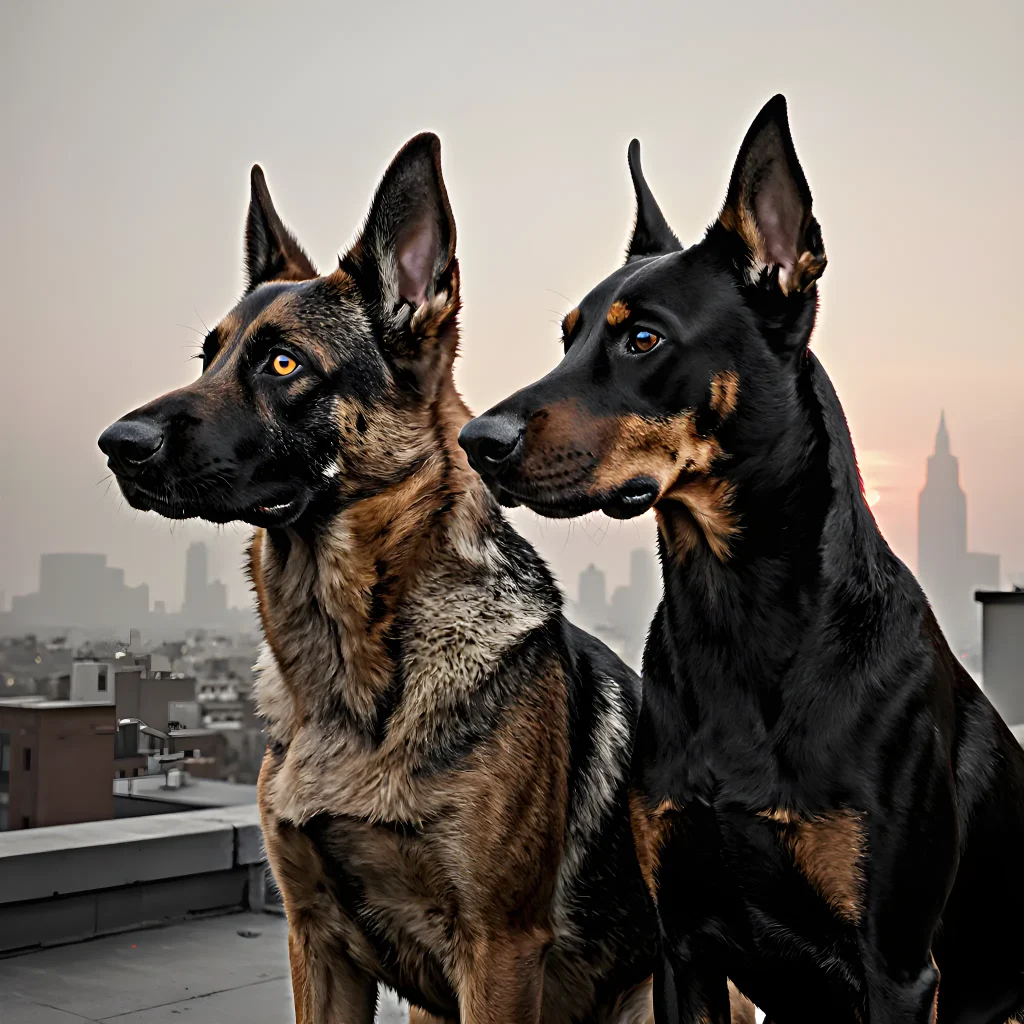
The modern concept of police dogs (K9 units) has evolved over centuries, drawing on a rich tapestry of military, hunting, and domestic animal history. Understanding this evolution not only provides context for current practices but also highlights the unique skill set that makes K9s indispensable in law‑enforcement work.
Early Beginnings: From Hunting Companions to Military Allies
- Ancient Times: Dogs were first domesticated for hunting and herding. In Roman legions, “canis legionis” units served as sentries and messengers.
- Middle Ages: The use of dogs in sieges and raids grew, with breeds like the Bloodhound prized for scent tracking.
- 18th–19th Century: Military forces began formal training programs. British regiments developed “hounds of war” that were taught to guard camps and escort troops.
The Birth of Modern Police K9 Units (Early 20th Century)
The concept of a dedicated police dog unit was pioneered in the United States by the New York City Police Department’s “Dog Squad” in 1905, led by Inspector William H. "Bill" S. Kessler. These dogs were trained to patrol streets, search for contraband, and assist in crowd control.
“A police dog is not a pet; it’s an instrument of justice.” – Inspector Kessler (1905)
Post‑World War II Expansion
- Training Standardization: The American Kennel Club and the United States Army established standardized training protocols.
- Specialized Roles: Detecting explosives, narcotics, and locating missing persons became primary tasks.
- Breed Diversification: Breeds such as German Shepherds, Belgian Malinois, and Labrador Retrievers were adopted for their intelligence, trainability, and physical endurance.
Contemporary K9 Units: Integration of Technology and Science
Modern K9 units employ advanced scent‑analysis kits, GPS collars, and data‑logging software. Training now incorporates behavioral science principles such as operant conditioning, positive reinforcement, and stress inoculation.
Recruitment & Selection
- Initial Screening: Age (typically 6–12 months), health checks, temperament assessment.
- Behavioral Tests: Response to stimuli, obedience level, socialization with humans and other dogs.
- Physical Fitness: Endurance runs, agility courses, water tolerance.
Basic Training Phases (0–12 Months)
| Phase |
Key Focus |
Duration |
| House Training & Socialization |
Basic obedience, leash manners, interaction with diverse environments. |
First 4 weeks |
| Canine Basic Training (CBT) |
Commands: sit, stay, come, heel, recall; introduction to scent work. |
Weeks 5–12 |
Advanced Specialization (12–24 Months)
Depending on the intended role—Narcotics, Explosive Detection, Search & Rescue, or Crowd Control—the dog undergoes specialized modules:
- Narcotics: Identification of drug scents in varied environments.
- Explosives: Detecting explosive compounds and responding to alarms.
- Search & Rescue: Tracking injured or missing individuals over terrain, often using a “trail” technique.
Certification & Deployment
Upon successful completion of training modules, the dog and handler receive certification from the local police department’s K9 unit board. The pair then undergoes a deployment readiness assessment, which includes live scenario exercises.
Career Longevity & Transition
- Active Duty (4–7 years): Full operational service, participating in daily patrols or specialized missions.
- Reserve/Support (7–10 years): Reduced field hours, focusing on training new recruits and community outreach.
- Retirement & Transition: Dogs are retired from active duty at 10–12 years. Many transition to roles such as therapy dogs, search-and-rescue volunteers, or simply become cherished family pets.
Practical Advice for Handler Candidates
- Commitment: A K9 career demands long-term dedication—often 15+ years from puppy to retirement.
- Physical Fitness: Handlers must maintain high stamina levels; training includes regular cardio, strength, and agility drills.
- Lifelong Learning: Stay updated on new scent‑analysis technologies, canine nutrition, and behavioral therapies.
Case Study: The “Sierra” Unit (2020–Present)
In 2020, the Los Angeles Police Department’s K9 unit introduced a dual‑breed squad comprising a German Shepherd named Sierra and a Belgian Malinois named Echo. Their combined skills—Sierra’s scent detection prowess and Echo’s agility—led to the successful apprehension of an armed suspect during a high‑profile protest. This case underscores how varied training paths can be synergized for maximum operational effectiveness.