
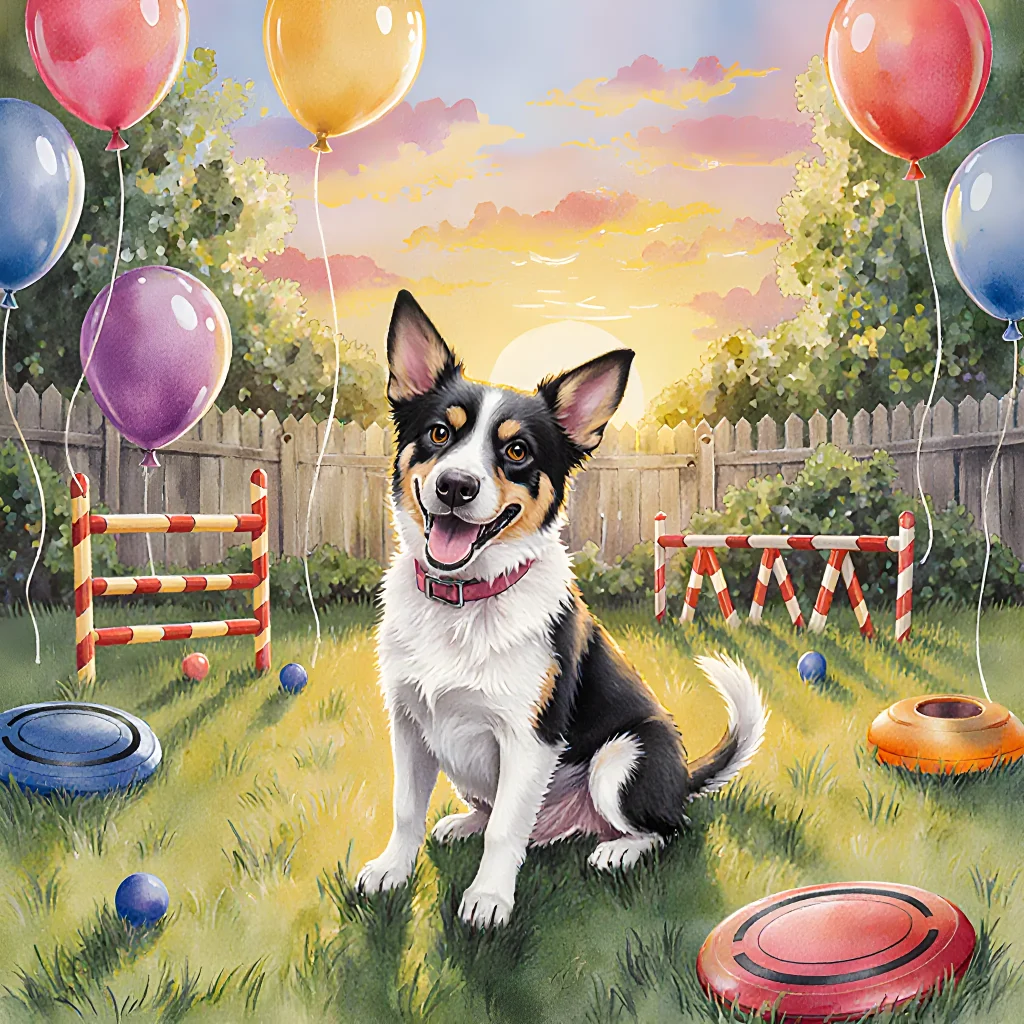
Unleash Tail‑Tastic Fun Inside & Out!
Barkbound Bliss: Surprising Play Ideas Inside & Out
Table of Contents
- 1. Introduction
- 2. Why Socialization is Important for Puppies
- 3. Indoor Setup Basics
- 4. Indoor Play Sessions
- 5. Household Familiarization
- 6. Positive Reinforcement Training
- 7. Socializing with People
- 8. Indoor Novel Sensory Exposure
- 9. Outdoor Park Visits
- 10. Structured Walks
- 11. Introducing New Animals
- 12. Community Events and Trust Building
- 13. Handling Nervousness and Fear
- 14. Conclusion
- 15. FAQ
1. Introduction
From the moment a puppy arrives home, the world is an exciting maze of sights, sounds, smells and people. Proper socialization during this critical window (the first three months) lays the foundation for a confident, well‑adjusted dog that will thrive into adulthood. Whether you’re a new owner or a seasoned breeder, understanding how to expose your pup to a balanced mix of indoor and outdoor stimuli is key.
Why Socialization Matters
- Behavioral Confidence: Puppies who experience varied environments learn to interpret unfamiliar cues as non‑threatening, reducing fear‑based aggression.
- Cognitive Development: Exposure to new textures, sounds and people sharpens problem‑solving skills.
- Health Benefits: Regular interaction with other dogs can boost immune function and reduce stress hormones.
Timing & Frequency
Aim for short, positive sessions (5–10 minutes) twice a day. Consistency is more important than length; the goal is to create routine exposure without overwhelming the puppy.
Indoor Socialization Ideas
- Household “Guests”: Invite friends or family members with calm pets to visit. Let your pup observe and sniff, but keep interactions brief at first.
- Interactive Play: Use puzzle toys, treat‑dispensing balls, or gentle tug‑games. These activities teach impulse control while providing mental stimulation.
- Texture Exploration: Lay out different fabrics (rug, carpet, hardwood) and let your puppy walk across them. Pair this with a light brushing session to desensitize fur contact.
- Audio Exposure: Play recorded sounds—car horns, construction noises, or even music at a low volume—to acclimate the pup to everyday household noise.
Outdoor Socialization Ideas
- Neighborhood Walks: Start in a quiet area and gradually introduce busier streets. Keep your leash short but flexible, allowing the puppy to explore safely.
- Dog Parks (when age‑appropriate): Once vaccinated, a controlled park visit offers exposure to other dogs’ body language. Observe closely—if the pup shows signs of stress, retreat to a calmer area.
- Nature Trails: Gentle hikes on uneven terrain expose pups to varied ground textures and environmental sounds (birds, insects). Bring water and treat breaks to keep energy levels stable.
- Public Spaces: Visit cafés or pet‑friendly stores with a leash. Let the puppy sniff objects like coffee cups or shop windows—always maintain control and respect store policies.
Practical Tips for Success
- Use Positive Reinforcement: Reward calm behavior with treats, praise, or a favorite toy. This reinforces the idea that new experiences are safe.
- Monitor Body Language: Signs of fear (cowering, tail tucked) or excitement (over‑tail wagging, jumping) guide you on when to pause or advance exposure.
- Keep Sessions Short & Sweet: Puppies have limited attention spans. Ending on a positive note prevents frustration.
- Stay Consistent: Even if weather forces indoor days, keep routine play and training sessions. Consistency builds trust.
Remember: every puppy is unique. Tailor the pace to your pup’s temperament, and always consult with a veterinarian or professional trainer if you encounter persistent anxiety or aggression.
2. Why Socialization is Important for Puppies
Socialization is the process of exposing a puppy to a variety of people, animals, environments, and experiences in a positive way so that it learns to handle them calmly and confidently. Without proper socialization, puppies can develop fear, aggression, or anxiety that may persist into adulthood.
Key Benefits
- Reduced Fear & Anxiety: Early exposure helps puppies recognize new situations as safe rather than threatening.
- Improved Behavior: Socialized dogs are less likely to display unwanted behaviors such as excessive barking or chewing on inappropriate items.
- Better Adaptability: Puppies that experience a range of stimuli can adapt more easily to changes in routine, travel, or new family members.
- Stronger Human–Dog Bond: Positive interactions build trust and confidence between the puppy and its owner.
Puppy Socialization: Indoor Ideas
Indoor socialization focuses on creating a safe, controlled environment where puppies can learn to interact with family members, household items, and everyday sounds.
- Introduce Household Sounds:
- Play recordings of vacuum cleaners, washing machines, or doorbells at low volume.
- Gradually increase the volume over several days while rewarding calm behavior with treats.
- Familiarize with Household Items:
- Place toys, blankets, and furniture in different rooms.
- Encourage sniffing and gentle touching; reward with praise.
- Positive Human Interaction:
- Let family members sit on the floor and interact slowly.
- Use a soft voice, avoid sudden movements, and let the puppy approach at its own pace.
- Introduce New Family Members:
- Invite friends or relatives to visit; ask them to sit quietly while you observe.
- Reward the puppy for calm behavior, and gradually increase interaction time.
Puppy Socialization: Outdoor Ideas
Outdoor socialization exposes puppies to real-world stimuli—traffic, other animals, and varied surfaces—that are essential for building confidence in the outside world.
- Neighborhood Walks:
- Take short, frequent walks on quiet streets.
- Let the puppy observe cars and pedestrians from a safe distance.
- Reward calm exploration with treats.
- Visit Parks or Dog-Friendly Areas:
- Choose low-traffic parks during off‑peak hours.
- Encourage sniffing around trees, bushes, and playground equipment.
- Keep the leash loose but controlled to allow natural exploration.
- Interaction with Other Dogs:
- Arrange playdates with vaccinated, well‑behaved dogs of similar size.
- Supervise closely and intervene if the puppy becomes overly excited or anxious.
- Use a calm tone and reward polite behavior.
- Exposure to Different Surfaces:
- Walk on grass, gravel, tile, and carpeted areas to acclimate the puppy’s paws.
- Observe for signs of discomfort; provide reassurance if needed.
Practical Tips & Safety Checklist
- Vaccination Status: Ensure the puppy is up to date before any outdoor exposure.
- Gradual Increase: Start with short sessions and slowly extend duration as confidence grows.
- Positive Reinforcement: Use high‑value treats, praise, or a favorite toy whenever the puppy shows calm curiosity.
- Observe Body Language: Tail between legs, flattened ears, or avoidance signals may indicate fear—pause and give space.
- Consistency is Key: Repeat exposure sessions daily to reinforce learning.
By integrating these indoor and outdoor socialization strategies into your routine, you’ll lay a strong foundation for a well‑adjusted, confident adult dog. Remember: early, positive experiences shape lifelong behavior—so start today!
3. Indoor Setup Basics
The first few weeks of a puppy’s life are critical for establishing habits that will last a lifetime. A well‑planned indoor environment not only keeps your new friend safe but also promotes healthy socialization and learning.
1. Create a Safe “Den” Area
- Choose a quiet corner or small room: Avoid high traffic zones like the kitchen or living room where distractions abound.
- Use a crate or playpen: A properly sized crate (the puppy should be able to stand, turn around and lie down comfortably) gives your pup a sense of security. Line it with soft bedding and place a few chew toys inside.
- Limit access to hazardous items: Keep cords, small objects, and cleaning chemicals out of reach.
2. Establish a Routine
Puppies thrive on predictability. Create a schedule for feeding, walks, playtime, training sessions, and bedtime. Consistency helps reduce anxiety and speeds up learning.
Sample Daily Schedule (First Month)
| Time | Activity |
|---|---|
| 6:30 AM | Wake‑up & potty break outside |
| 7:00 AM | Breakfast + short training (basic commands) |
| 8:00 AM | Quiet play or chew time in den |
| 10:30 AM | Potty break & walk outside (weather permitting) |
| 12:00 PM | Lunch + 5‑minute training session |
| 2:00 PM | Nap time in den |
| 4:30 PM | Playtime (interactive toys, gentle fetch) |
| 6:00 PM | Dinner + walk outside |
| 7:30 PM | Final potty break & bedtime routine |
3. Socialization Through Controlled Exposure
Indoor socialization is just as important as outdoor exposure, especially for shy or nervous breeds.
- Introduce new people gradually: Invite a friend over to greet the puppy while you supervise. Offer treats and praise for calm behavior.
- Play with other pets safely: If you have another dog, let them meet in a neutral area. Keep interactions short at first and end on a positive note.
- Use “puppy play dates”: Arrange a brief session with a puppy from a local shelter or friend’s house. Rotate partners every week to broaden experiences.
4. Enrich the Environment
Puppies learn through exploration and stimulation. Provide age‑appropriate toys that encourage problem solving, chewing, and gentle play.
| Toy Category | Recommended Examples |
|---|---|
| Squeaky Toys | KONG Squeak, Nylabone Soft Chews |
| Puzzle Feeders | Outward Hound Dog Tornado, Nina Ottosson Treat Ball |
| Interactive Balls | Chuckit! Ultra Ball, Hyper Pet Smart Ball |
5. Safety First: Puppy‑Proofing Tips
- Secure loose wires with cord covers.
- Place non‑slip mats in high‑traffic areas to prevent accidents.
- Check for small objects that could be swallowed—keep them out of reach or use a baby gate.
6. Monitor Health and Comfort
Keep an eye on the puppy’s weight, coat condition, and energy level. A healthy pup will show interest in play and new experiences.
“A calm, well‑socialized puppy is a confident adult dog.” – Dr. Jane Smith, Veterinary Behaviorist
Bottom Line
By setting up a safe den, maintaining a predictable routine, and introducing new people and environments in controlled ways, you’ll lay the groundwork for a happy, well‑adjusted dog that loves both indoor coziness and outdoor adventures.
4. Indoor Play Sessions
Puppies have boundless energy, but that doesn’t mean you can only let them run around outside. Indoor play sessions are essential for socialization, especially during bad weather or when your home is not puppy‑proofed yet. Below are practical ideas and tips to keep your pup mentally stimulated and physically active inside.
1. Structured Fetch in the Hallway
- How it helps: Teaches impulse control, encourages safe movement, and gives a predictable routine.
- Setup: Use a lightweight ball or stuffed toy that won’t damage walls. Keep throws short to avoid collisions with furniture.
- Training tip: Pair the fetch command (“fetch”) with a release cue (“drop it”). Reward with praise and treats.
2. Interactive Puzzle Toys
- How it helps: Stimulates problem‑solving, reduces boredom, and promotes calm behavior during isolation.
- Examples:
- Food‑dispensing Kongs or treat balls.
- Snuffle mats that hide kibble in fabric folds.
- DIY “shell game” using plastic cups and a small reward.
- Training tip: Start with easy puzzles, gradually increasing difficulty as the puppy masters each level.
3. Tug‑of‑War with Boundaries
- How it helps: Builds confidence, teaches bite inhibition, and is a great physical outlet.
- Setup: Use a sturdy rope toy. Designate a “safe zone” in the room free of breakables.
- Training tip: Teach the “drop it” command before starting play to ensure quick release and safety.
4. Obstacle Course (DIY Edition)
- How it helps: Enhances agility, obedience, and coordination while being a fun challenge.
- Setup:
- Create tunnels with open cardboard boxes or child play tents.
- Use broomsticks balanced on books for jumps.
- Lay down towels as “weave poles.”
- Training tip: Guide the puppy through each obstacle with a treat, gradually reducing hand‑guidance to encourage independence.
5. Scent‑Based Games
- How it helps: Develops natural hunting instincts and sharpens the puppy’s sense of smell.
- Examples:
- “Find It” – hide treats under plastic cups or in a small box.
- Use essential oil‑dampened paper towels (only safe, non-toxic scents) to create scent trails.
- Training tip: Start with obvious hiding spots and gradually increase difficulty once the puppy shows confidence.
6. Socialization Sessions with Other Dogs (Indoor)
- How it helps: Exposes your pup to different temperaments, body language, and reduces fear of unfamiliar dogs.
- Setup:
- Invite a well‑behaved friend’s dog for short playdates.
- Use a neutral area (like a hallway) with minimal distractions.
- Training tip: Monitor body language closely; if the puppy shows signs of stress, separate them calmly and try again later.
Practical Tips for Safe Indoor Play
- Puppy‑Proof Your Space: Remove breakables, secure cords, and keep hazardous items out of reach.
- Use Soft Surfaces: Carpet or rubber mats reduce injury risk during jumps or falls.
- Keep Sessions Short: Puppies have short attention spans—15–20 minute play sessions work best.
- Hydration Matters: Offer water after every session to prevent dehydration.
- Observe Posture: Avoid overstimulation; signs of fatigue (tail tucked, yawning) mean it’s time to wind down.
By incorporating these indoor play ideas into your routine, you’ll help your puppy develop confidence, learn essential social cues, and stay physically fit—all while keeping the living room safe and stress‑free.
5. Household Familiarization
Familiarizing your puppy with the home environment is a foundational step in successful socialization. A well‑oriented pup feels secure, confident, and less likely to develop behavioral issues later on. Below are practical indoor and outdoor strategies that blend routine, positive reinforcement, and exposure to new stimuli.
Indoor Familiarization
- Create a “Safe Space”
- Set up a cozy crate or a puppy‑size bed in a low‑traffic area.
- Place familiar items: a blanket with your scent, a toy you use often, and a piece of clothing that smells like you.
- Use a soft nightlight to keep the space inviting during dark hours.
- Rotate Toys & Scented Items
- Introduce new toys every few days to spark curiosity and prevent boredom.
- Swap out scented items (e.g., a towel, a piece of your shirt) so the puppy learns to associate diverse scents with safety.
- Positive Association with Household Sounds
- Play recordings of everyday sounds—vacuum cleaner, dishwasher, or a fan—at low volume while offering treats.
- Gradually increase volume over several sessions; reward calm behavior each time.
- Introduce Furniture & Fixtures
- Walk your puppy around the house, letting them sniff furniture legs, door frames, and window sills.
- Use a high‑value treat to reward calm exploration. If they seem anxious near a particular spot (e.g., a staircase), give a gentle cue and redirect with a toy or treat.
- Encourage Bathroom Independence
- Place a puppy pad in the kitchen or living room to help them learn where to relieve themselves during indoor stays.
- Use verbal cues (“Go potty”) and praise immediately after they finish, reinforcing the behavior.
- Social Interaction with Family Members
- Assign each family member a short “playtime” session to build trust.
- Teach gentle handling: let them hold your puppy’s ears, paws, and tail for brief periods while offering treats.
Outdoor Familiarization
- Neighborhood Walks
- Start with short, predictable routes—perhaps a block to the park and back.
- Use a loose leash (no “tug‑free” harness) to allow your puppy some freedom while maintaining control.
- Reward them for calm behavior near cars, cyclists, or other dogs.
- Introduce New Scents & Textures
- Walk on varied surfaces: grass, gravel, pavement, and dirt paths. Let your puppy sniff each surface slowly.
- Use a “new scent” like a scented handkerchief or a small bag of herbs (e.g., lavender) to create a positive association with new smells.
- Controlled Dog‑Friendly Settings
- Visit a quiet dog park during off‑peak hours. Keep the puppy on a short leash and allow brief, supervised interactions.
- If they seem shy, stay back and give them space; use treats to reward approaching other dogs or people from a distance.
- Exposure to Household Noise Outdoors
- Play recordings of lawn mowers, garbage trucks, or children playing in the yard while walking your puppy. Offer treats for calmness.
- Nighttime Outdoor Routine
- Take a short walk before bedtime so the puppy has an opportunity to relieve themselves and expend energy.
- Use a bright LED collar or harness for visibility if you walk in low‑light conditions.
- Gradual Exposure to Traffic & Crowds
- Start with a quiet street, then progressively move to busier roads. Keep the leash short and reward calm behavior.
- Use a “stay” cue before crossing streets to reinforce safety and obedience.
Practical Tips & Common Pitfalls
- Keep Sessions Short: Puppies have limited attention spans—10–15 minute sessions work best, multiple times a day.
- Use Positive Reinforcement Only: Avoid punishment; it can create fear and hinder learning.
- Consistency is Key: Use the same verbal cues (“Sit,” “Stay,” “Come”) across all environments.
- Monitor Stress Signals: Lip licking, yawning, or a tucked tail may indicate anxiety. Pause and give your puppy a break before resuming exposure.
- Gradual Progression: Never rush to the next level of exposure. Let your puppy master each stage comfortably before moving on.
By systematically introducing your puppy to both indoor and outdoor stimuli, you lay a strong foundation for confident behavior, smoother training sessions, and a happier companionship for years ahead.
6. Positive Reinforcement Training
Positive reinforcement is the cornerstone of modern, humane dog training. By rewarding desired behaviors—whether a sit, stay, or calm greeting—you strengthen the bond between you and your pup while encouraging repeat performance. Below are practical tips, real‑world examples, and indoor/outdoor activities that dovetail with puppy socialization.
1. The Basics of Positive Reinforcement
- Choose the right reward: Treats, praise, or a favorite toy can work; pick something your pup values highly and use it sparingly to avoid over‑feeding.
- Timing is everything: Deliver the reward immediately after the correct behavior so the puppy associates the action with the payoff.
- Use clear, consistent commands: Keep your verbal cues short (“sit,” “stay”) and use the same word every time.
- Keep sessions brief: Puppies have short attention spans—aim for 5–10 minute training blocks, multiple times a day.
2. Indoor Socialization Activities
- “Name That Toy” Game
Place two identical toys on the floor and call your puppy’s name while gently nudging one toy toward them. When they approach, reward with a treat. This teaches focus amid distractions.
- Obstacle Course in the Living Room
Create a mini agility set using cushions, a tunnel made from a blanket draped over chairs, and a low “jump” (a broom laid on two books). Guide your pup through with treats, rewarding each successful pass.
- Social Cue Training
Invite a trusted family member to sit across the room. Use the command “meet” and reward when your puppy approaches calmly. This introduces polite greetings in a controlled setting.
3. Outdoor Socialization Activities
- Neighborhood Walks with Variable Scenery
Start on a quiet street, then gradually introduce busier roads or parks. Reward for staying by your side and not pulling. This acclimates the pup to diverse sounds and sights.
- “Find It” Treasure Hunt
Tuck treats in various spots around a backyard or park. Encourage sniffing with “search.” When found, reward enthusiastically. This boosts scent work skills and confidence.
- Controlled Group Interaction
Arrange a playdate with one other vaccinated puppy. Use the command “stay” to maintain distance while you observe. Reward calm behavior and gradually allow closer interaction as trust builds.
4. Integrating Socialization With Training
- Use a Leash for Safe Exploration: Keep the leash short during new environment exposure, but give room to investigate. Praise and reward when the pup remains calm.
- Teach “Leave It” Early: While exploring, drop a treat on the floor. Say “leave it.” If your puppy ignores the treat and looks at you instead, reward with a different treat or verbal praise.
- Practice “Come” in Distractions: Call your pup from a distance while there are other dogs or moving objects nearby. Reward for returning promptly—this builds recall reliability.
5. Common Pitfalls to Avoid
- Over‑Rewarding: Too many treats can lead to over‑eagerness and loss of motivation for the actual command.
- Inconsistent Commands: Switching words or gestures confuses the pup. Stick with one cue per behavior.
- Neglecting Socialization in Training Sessions: If training always occurs in a quiet room, the puppy may not transfer skills to noisy outdoor settings.
6. Sample Daily Routine (Indoor + Outdoor)
| Time | Activity | Reward |
|---|---|---|
| 8:00 AM | Morning walk – “sit” at stoplights | Treat + praise |
| 9:30 AM | Obstacle course in living room | Toy & verbal praise |
| 12:00 PM | “Leave It” practice while exploring backyard | New treat |
| 3:00 PM | Playdate – “stay” and “come” drills | Treat + playtime |
| 6:00 PM | Evening walk – “heel” practice on sidewalk | Favorite treat |
By consistently pairing clear commands with immediate, meaningful rewards, you’ll not only train your puppy effectively but also lay the groundwork for a socially confident, well‑behaved companion.
7. Socializing with People
When it comes to puppy socialization, one of the most important aspects is teaching your little friend how to interact safely and confidently with humans. Whether they’re meeting family members, friends, or strangers, a well-socialized puppy will feel comfortable in a variety of situations.
Indoor Socialization Ideas
- Home “Meet & Greet” Sessions: Invite close friends and family over for short visits. Encourage them to sit calmly while the puppy explores at their own pace. Use treats to reward gentle, calm behavior.
- Positive Touch Training: Have a person gently pet the puppy’s head, chest, and belly while saying soothing words. This teaches the dog that human touch is safe and enjoyable.
- “Name Recognition” Games: Call the puppy’s name from different rooms or when people enter. Reward with treats to reinforce that hearing their name leads to positive outcomes.
- Handling Practice: Let various family members gently handle paws, ears, and mouth (with a treat reward). This reduces fear of grooming tools later on.
Outdoor Socialization Ideas
- Neighborhood Walks: Take short walks around your block while keeping the leash short. Let the puppy observe cars, bicycles, and other people from a safe distance.
- Play Dates with Other Dogs: Arrange controlled play sessions in a fenced yard or dog park. Pair your pup with a calm, well-socialized dog of similar size to model friendly behavior.
- “Stop & Sit” Training in Public Spaces: Practice commands like “sit,” “stay,” and “come” while people pass by. Reward the puppy for remaining calm during traffic or crowds.
- Visit Busy Places Gradually: Start with quiet cafés or small pet-friendly stores, then progress to busier locations such as malls or parks. Keep sessions short (5–10 minutes) and reward the puppy for staying relaxed.
Practical Tips for Human Interaction
- Use a Consistent Voice: A calm, firm tone helps puppies differentiate between normal conversation and commands.
- Introduce People One at a Time: Avoid overwhelming the puppy. Let them observe from a distance before allowing closer contact.
- Avoid Sudden Movements: Quick gestures can startle a puppy. Move slowly when approaching or petting.
- Reward Calm Behavior: Treats, praise, and gentle pats reinforce that calmness is desirable.
- Teach “Leave It” Early: This command helps prevent the puppy from grabbing items from strangers’ hands.
By consistently exposing your puppy to a variety of people in controlled, positive settings—both indoors and outdoors—you’ll lay a strong foundation for a confident, well-mannered adult dog. Remember: patience, consistency, and plenty of praise are key ingredients to successful socialization.
8. Indoor Novel Sensory Exposure
When you’re preparing a puppy for the world, sensory exposure is just as vital as social interaction. Puppies learn to interpret the environment through sight, sound, smell, and touch. The goal of indoor sensory exposure is to introduce them to a wide range of stimuli in a controlled, positive way so that they grow into confident, well‑adjusted dogs.
1. Visual Stimulation
- Mirror Play: Place a mirror on the floor or a low wall and let your puppy investigate their reflection. This helps them understand that the “other dog” is actually themselves, reducing future fear of new dogs.
- Bright & Dim Light Switching: Use a dim lamp one room and a bright LED in another. Walk your puppy through both rooms so they get used to changes in lighting intensity.
- Moving Objects: Hang a small, soft toy on a string or use a rotating fan (with the blade out of reach) to create gentle motion that catches the pup’s eye without overwhelming them.
2. Auditory Exposure
- Volume Gradation: Play recordings of everyday sounds—doorbells, vacuum cleaners, traffic—at low volume and gradually increase as your puppy becomes comfortable.
- Positive Audio Association: Pair a pleasant tone or music with treats. When the sound plays, give a treat; over time the pup will associate the noise with something good.
- Household Appliance Testing: Let your puppy sniff and observe appliances (e.g., washing machine, blender) while they’re running on low power. Keep the distance safe but close enough for curiosity.
3. Olfactory Exploration
- Smell Stations: Create a “scent trail” by placing scented items (e.g., a small piece of fabric with your scent, a citrus peel) in a line from the door to a treat basket.
- Canned Food Aroma Swap: Offer a few different canned foods or treats with distinct smells. Let the puppy sniff each before tasting.
- Safe Household Odors: Introduce them to neutral household scents (laundry detergent, vanilla air freshener) by placing a small, unused bottle near their bedding while you’re away.
4. Tactile Variety
- Texture Mats: Lay down different mats—smooth rubber, rough carpet, plush fleece—and walk your puppy over them during training sessions.
- Door Handles & Knobs: Allow the pup to touch various door handles and cabinet knobs. Use a gentle “shake” motion to mimic real-life handling while rewarding calmness.
- Water Play: A shallow kiddie pool or a sprayer can introduce the sensation of water. Start with very light mist, then gradually increase volume as they get comfortable.
5. Structured Routine for Exposure Sessions
- Duration: Keep each session short (5–10 minutes) to avoid overstimulation.
- Positive Reinforcement: Use treats, praise, and gentle petting after every new stimulus exposure.
- Consistent Timing: Schedule sessions at the same times daily so the puppy associates the routine with safety.
Practical Tips for Success
- Always watch body language: a tucked tail, ears back, or lip licking may signal stress. Pause exposure if you see these signs.
- Never force interaction; let the puppy approach at their own pace.
- Keep a “calm zone”—a quiet corner with a favorite blanket—where they can retreat when overwhelmed.
- Document progress: note which stimuli trigger anxiety and which are well‑tolerated. Adjust exposure accordingly.
Once indoor exposure feels manageable, gradually introduce outdoor elements:
- Neighborhood Walks: Short strolls in a quiet park with minimal traffic.
- Use a leash training mat to simulate the feel of being on a leash before stepping outside.
- Introduce different surfaces (grass, gravel, pavement) by walking over them slowly and rewarding calmness.
- Practice public scent exposure by stopping at a bakery or pet store to sniff the air without letting the puppy roam freely.
Remember: the goal is gradual desensitization, not rapid immersion. Consistency, patience, and positive reinforcement are your best tools for creating a well‑adjusted, confident pup ready for both indoor comfort and outdoor adventures.
9. Outdoor Park Visits
Puppies are naturally curious and eager to explore the world around them. Outdoor park visits offer a controlled yet stimulating environment where they can meet new sights, sounds, smells, and—most importantly—other dogs and people. Below you’ll find practical tips, real‑world examples, and both indoor and outdoor ideas that keep your pup safe while maximizing social learning.
Why Parks Are Ideal for Socialization
- Controlled Exposure: You can decide who or what your puppy encounters, gradually increasing complexity.
- Natural Stimuli: Trees, benches, traffic noises, and other dogs provide a wide array of sensory inputs that help develop confidence.
- **Social Norms:** Dogs learn how to greet others politely, read body language, and respond appropriately—skills that translate to home life.
Preparation Checklist Before the Trip
- Vaccinations & Vet Clearance: Confirm all required shots are up‑to‑date. A quick note from your vet can give peace of mind.
- Leash and Harness: Use a lightweight, snug harness for better control; avoid retractable leashes until the puppy is fully socialized.
- Pack Essentials: Water bowl, collapsible water bottle, waste bags, a favorite toy or treat pouch, and a first‑aid kit.
- Identify Safe Zones: Locate quiet corners, shaded areas, and places where other dogs are less likely to appear for initial introductions.
Step‑by‑Step Guide: First Park Visit
- Arrival & Warm‑Up: Let your puppy sniff around while you keep them on a short leash. This gentle introduction reduces anxiety.
- Controlled Dog Interaction: Approach another calm dog that is well‑behaved and let the puppies sniff each other briefly—ideally no more than 30 seconds at first.
- Positive Reinforcement: Offer treats or praise when your puppy remains relaxed. Use a short, upbeat command like “sit” or “stay” to create structure.
- Observation & Boundaries: Watch body language: flattened ears, growling, or excessive barking indicate discomfort—pull back and give space.
- Gradual Exposure: After a successful short interaction, increase duration by a few seconds each visit. Aim for a total of 5–10 minutes of dog-to-dog contact in the first week.
Indoor Socialization Ideas Complementing Park Visits
- Playdates at Home: Invite one or two well‑behaved dogs over for short sessions. Rotate the order to expose your puppy to different temperaments.
- Interactive Toys & Puzzles: Use treat‑dispensing toys that encourage sharing and turn-taking—skills useful when meeting new dogs.
- Structured Training Sessions: Practice commands like “leave it” or “come” in a quiet space before bringing the puppy to a park. Consistency builds confidence.
Outdoor Activities Beyond Simple Walking
- Obstacle Course: Set up a mini agility course with cones, tunnels, and low jumps to build coordination and trust in your guidance.
- Water Play: If the park has a safe pond or shallow stream, allow controlled water exposure. This helps with future swimming or boat rides.
- Scavenger Hunt: Hide small treats around the perimeter; let your puppy use their nose to find them—stimulating mental engagement.
Practical Tips for Different Seasons
| Season | Considerations |
|---|---|
| Spring | Watch for allergies—pollen can trigger itching. Bring a light jacket if it gets chilly at dawn. |
| Summer | Choose early morning or late afternoon to avoid heat exhaustion. Use a cooling vest and plenty of water. |
| Fall | Leaves can be slippery—choose firm ground. Keep an eye out for rustles that might scare a nervous pup. |
| Winter | Use paw protection spray to prevent ice or salt damage. Warm, dry socks help keep paws comfortable. |
Common Pitfalls & How to Avoid Them
- Overexposure: Too many strangers at once can overwhelm a puppy—limit to one or two new people/dogs per visit.
- Ignoring Signals: Treat growling or stiff posture as red flags; step back immediately.
- Uneven Training: Consistency is key. If you skip training days, the puppy may regress in social skills.
Final Takeaway
Outdoor park visits are a cornerstone of effective puppy socialization. When combined with structured indoor activities and mindful preparation, they create a holistic learning experience that sets your pup up for confidence, obedience, and lifelong companionship.
10. Structured Walks
Structured walks are a cornerstone of effective puppy socialization. By combining deliberate, goal‑oriented strolls with controlled exposure to new stimuli, you help your pup develop confidence, good manners, and a healthy relationship with the world around them.
Indoor Structured Walks
- Use a Leash or Tether: Even inside, keep your puppy on a short leash (1–2 ft) or a low‑resistance tether. This gives you immediate control while still allowing movement.
- Create a “Tunnel” Path: Use cardboard boxes or a play tunnel to guide the puppy through a narrow passage. As they navigate, reinforce calm behavior with treats and praise.
- Obstacle Course: Set up cushions, hula hoops, and low tables for your pup to step over or around. This teaches balance, coordination, and listening to commands like “step” or “jump.”
- Target Training: Place a target stick on the floor and have the puppy touch it with their nose. Gradually add turns and changes of pace to simulate real walking patterns.
- Household Noise Exposure: Turn on background music, a vacuum cleaner, or open a window slightly to introduce normal indoor sounds at low volume. Reward calmness to build tolerance.
Outdoor Structured Walks
- Start with a Short Route: Choose a quiet, familiar path (e.g., a backyard or a quiet park trail). Keep the distance under 500 m for first sessions.
- Use “Stop & Sit” Pairs: Every time you change direction, ask your puppy to stop and sit. This reinforces impulse control before they resume moving.
- Introduce New Scents Gradually: Walk near bushes or flowerbeds but maintain a safe distance. Once the pup is comfortable, slowly move closer over several walks.
- Practice “Leave It” with Objects: Place a toy or treat on the ground and ask your puppy to leave it. Reward them for compliance before moving on.
- Vary Speeds: Alternate between walking, trotting, and short sprints (only if age‑appropriate). This trains pacing and responsiveness to your cues.
- Use Positive Reinforcement at Intersections: When you reach a crossroads or new area, pause, give a treat, and then proceed. This helps the pup associate change of environment with safety.
Practical Tips for Success
- Consistency is Key: Walk at similar times each day to establish routine.
- Keep Sessions Short but Frequent: 5–10 minute walks every 2–3 hours work better than a single long walk for young puppies.
- Watch Body Language: Signs of stress (panting, tail tucked, ear back) mean it’s time to pause or shorten the walk.
- Use a High‑Value Treats Bag: Keep treats ready; reward on every successful cue to reinforce learning.
- End with a Positive Note: Finish each walk with a favorite game (fetch, tug) or a cuddle session to create positive associations.
Structured walks—both indoors and outdoors—are more than just exercise; they’re deliberate teaching moments. By carefully controlling the environment, pace, and stimuli, you give your puppy a safe framework in which to learn confidence, obedience, and curiosity about the world.
11. Introducing New Animals
Bringing a new puppy into your home is an exciting moment, but it also comes with the responsibility of ensuring that your little friend learns how to interact safely and confidently with other pets, people, and environments. A well‑planned socialization program starts early, right from the first week after you bring the puppy home.
Why Socialization Matters
- Behavioral Confidence: Puppies that meet a variety of stimuli are less likely to develop fear or aggression later in life.
- Health Benefits: Regular interaction with other animals can boost the immune system and reduce stress hormones.
- Long‑Term Happiness: Socially well‑adjusted dogs make better companions, both for you and any future pets.
Indoor Socialization Ideas
-
Controlled Playdates
Invite a calm, vaccinated dog that’s already house‑trained to visit. Keep the first session short (5–10 minutes) and supervise closely. Reward both dogs with treats and praise for gentle behavior.
-
Family Member Interaction
Teach each family member a consistent greeting routine: sit, extend a hand, offer a treat, then let the puppy sniff. This consistency helps the puppy learn what is expected during introductions.
-
Positive Reinforcement Games
Use puzzle toys or “find the treat” games that encourage the puppy to explore new textures and sounds in a safe environment. The variety of stimuli helps build curiosity without overwhelm.
-
New Object Exposure
Place items like a squeaky toy, a small plastic car, or a rubber ball on the floor and allow the puppy to investigate at its own pace. Pair each new object with a treat to create positive associations.
-
Training Sessions
Short (5‑minute) sessions focusing on basic commands (“sit,” “stay,” “come”) reinforce obedience while also exposing the puppy to the sounds of verbal cues and a calm voice.
Outdoor Socialization Ideas
-
Leash Walks in Quiet Areas
Start with short walks on a quiet sidewalk or park path. Let the puppy observe other people and pets from a distance, gradually decreasing that distance as confidence grows.
-
Dog Parks (Gradual Entry)
Once your puppy is comfortable with controlled playdates, consider a short visit to a dog park. Keep the first outing brief and only let the puppy mingle if it appears relaxed. If any tension arises, calmly separate them.
-
Neighborhood Exploration
Take your puppy on a walk around different streets—breezy cul‑de-sacs, busier intersections, and quiet alleys—to expose it to varied sights, sounds, and smells. Use a calm voice and a gentle leash to keep control.
-
New People Interaction
Invite neighbors or friends with dogs to join your walk. Let the puppy approach at its own pace; always ask for permission before letting it sniff another dog.
-
Public Transport (Optional)
-
If you live in an area with public transport, a short ride on a bus or train can be a valuable social stimulus. Keep the puppy leashed and observe its reactions to crowds and motion.
Practical Tips for Success
- Vaccination Check: Wait until your vet confirms all vaccinations before any outdoor or multi‑dog interactions.
- Consistency is Key: Use the same verbal cues, hand signals, and treats across all socialization sessions to avoid confusion.
- Watch Body Language: Signs of stress (whining, yawning, flattened ears) indicate you should pause or retreat to a calmer environment.
- Keep Sessions Short & Sweet: Overloading a puppy can lead to overstimulation. Aim for 5–10 minute sessions several times a day.
- End on a Positive Note: Always finish each session with a successful training exercise or a gentle petting session so the puppy associates socialization with positive outcomes.
By blending indoor and outdoor experiences, you’ll give your new puppy a balanced introduction to the world. Remember: patience, consistency, and positive reinforcement are your best tools for cultivating a confident, well‑socialized companion.
12. Community Events and Trust Building
While the one‑on‑one bond you forge with your puppy is paramount, introducing them to a broader community of dogs and people can accelerate social learning and reinforce trust in new environments. Below are practical ways to host or join community events that blend indoor and outdoor activities while keeping safety at the forefront.
1. Neighborhood “Puppy Playdates” (Indoor & Outdoor)
- Setup: Invite two to three neighbors with similar‑sized puppies for a controlled play session in a quiet park or your backyard. Use a fenced area or a leash to maintain boundaries.
- Indoor Twist: After the outdoor play, move inside for a “treat treasure hunt.” Hide small treats under cups and let pups sniff out the reward—this builds confidence in new scents while keeping excitement high.
- Tip: Keep sessions short (10–15 min) to avoid overstimulation. Gradually increase duration as puppies acclimate to social cues.
2. Local Dog‑Friendly Farmers’ Market Visits
- Why it works: Markets are bustling, noisy, and full of interesting smells—ideal for controlled exposure.
- Preparation: Bring a lightweight harness, plenty of water, and a calm “stay” command. Practice short leash walks in quiet areas before the market day.
- Trust Building Activity: At a stall, ask the vendor to let your puppy sniff a bag of fresh produce. Praise and reward when they show curiosity rather than fear.
3. Community Dog‑Friendly Yoga (Paw‑Yoga) Sessions
- Concept: Combine gentle stretching for humans with playful interactions for pups—great for bonding in a relaxed setting.
- Indoor Venue: A community center or church hall. Use mats and keep the room clutter‑free.
- Trust Exercise: While you perform a pose, gently tap your puppy’s back to signal “calm.” Reward them for staying still—this teaches them to trust human touch in new surroundings.
4. Dog‑Friendly Library Story Hours
- Why it’s effective: Libraries are quiet, predictable spaces with soft lighting—ideal for puppies learning to navigate calm environments.
- Activity: Join a scheduled “puppy story hour.” The librarian reads aloud while pups sit on a designated rug. Offer treats when they remain seated and avoid sudden movements.
- Outcome: Your puppy learns that new voices and quiet noises can be safe, reinforcing trust in unfamiliar indoor settings.
5. Community “Puppy Potluck” (Indoor & Outdoor)
- Structure: Host a potluck with other dog owners. Each owner brings a small snack for their pup and one for the group.
- Outdoor Component: Set up a picnic area in a shaded park, using mats to keep pups comfortable on grass.
- Trust Building: Encourage owners to exchange “good boy/girl” hand signals. This creates a shared language of encouragement that puppies can pick up from peers.
Practical Tips for All Community Events
- Use Positive Reinforcement: Treats, praise, and gentle petting are the best tools to show pups what calm behavior looks like.
- Keep Sessions Short & Sweet: Puppies have limited attention spans; aim for 10–15 min sessions, gradually extending as they grow more comfortable.
- Maintain Consistency: Use the same commands and signals across all events so puppies can reliably interpret cues.
- Observe Body Language: Watch for signs of stress (tail tucked, ears pinned back). If detected, give a brief retreat to a quiet corner before re‑engaging.
- Stay Hydrated & Safe: Provide water stations and ensure the area is free from hazards—especially in outdoor settings where toys or loose objects can pose risks.
By integrating these community events into your puppy’s routine, you’ll create a rich tapestry of social experiences that reinforce trust, confidence, and positive associations across both indoor and outdoor settings. Remember: consistency, patience, and plenty of rewards are the keys to turning every gathering into a stepping stone toward a well‑socialized, secure companion.
13. Handling Nervousness and Fear
Puppies, like humans, can experience anxiety when faced with new environments, sounds, or people. The key to a confident pup is early, positive exposure coupled with gentle reassurance. Below are practical indoor and outdoor strategies that work for most puppies.
Indoor Socialization Ideas
- Controlled Playdates: Invite one or two well‑behaved dogs to your home. Keep sessions short (5–10 minutes) and gradually increase as the puppy shows comfort. Use a leash if necessary, but allow brief off‑leash moments in a safe area.
- “Bubbles & Treats” Sessions: Blow bubbles or use a wand to create moving objects that capture the pup’s attention. Pair each bubble burst with a tasty treat. This turns a potentially stressful moment into a fun, reward‑based activity.
- Sound Exposure: Record everyday household noises (vacuum cleaner, blender, doorbell) at low volume and play them while offering treats. Slowly increase the volume over days to desensitize the puppy.
- Positive Interaction with People: Have family members sit quietly in a corner while you gently pet or talk to the pup. Use a soft voice and let the dog approach on its own terms, rewarding calm behavior.
Outdoor Socialization Ideas
- Neighborhood Walks: Start with short strolls (5–10 minutes) in quiet areas. Keep the leash loose and allow the puppy to sniff at a safe distance from traffic or loud noises. Reward curiosity rather than excitement.
- Dog Park “First‑Visit” Strategy: Visit an empty dog park early in the morning when it’s less crowded. Let the pup explore while you stay nearby with treats and a calm voice. If the puppy shows fear, return home and try again later.
- Vehicle Exposure: Place the puppy on a small crate or carrier inside your car. Drive at low speeds around a familiar route while playing soft music. After a short ride, reward the pup for staying calm.
- Natural Soundfield Walks: Take the puppy to parks or wooded areas where you can control exposure to rustling leaves, birds, and wind. Pause when loud noises occur, give a treat, then resume once the noise subsides.
Practical Tips for Reducing Fear
- Use a Calm Tone: Dogs are highly attuned to vocal inflection. Speak softly and consistently to signal safety.
- Offer Physical Comfort: A gentle pat on the back or a soft touch can reassure a nervous puppy, but avoid forcing contact if the dog resists.
- Keep Sessions Consistent: Repetition builds familiarity. Aim for 3–5 short sessions per week rather than one long session.
- Reward Calmness, Not Excitement: Praise and treats should be given when the puppy remains relaxed, not when it becomes overly excited or fearful.
- Use a “Safe Spot”: Designate a small area with a blanket or crate where the puppy can retreat if feeling overwhelmed. This helps them learn that it’s okay to seek refuge and then return.
Signs Your Puppy Is Progressing
- Increased sniffing and exploration during walks.
- Reduced tail tucking or body stiffening in new situations.
- Ability to sit or lie calmly when approached by strangers.
- Enjoyment of treats during exposure sessions without signs of distress.
Remember, every puppy is unique. If you notice persistent fear or anxiety (e.g., shaking, drooling, avoidance behaviors), consult a veterinarian or certified dog behaviorist for personalized guidance.
14. Conclusion
Once your puppy has settled into its new home, it’s essential to provide a balanced mix of indoor and outdoor activities. This not only keeps them physically fit but also stimulates their mind and accelerates socialization.
Indoor Play Ideas
- Toy Rotation: Keep a rotating selection of squeaky toys, plush balls, and chew sticks. Changing the available toys each week prevents boredom and encourages exploration.
- Interactive Puzzle Games: Use treat-dispensing puzzles or DIY hide‑and‑seek boxes to challenge your puppy’s problem‑solving skills.
- Basic Obedience Training Sessions: Short, 5–10 minute sessions reinforce commands like “sit,” “stay,” and “come.” Pair training with treats for positive reinforcement.
- Indoor Fetch & Tug of War: Use a hallway or open room to play gentle fetch. For tug, ensure the puppy learns the “drop it” command before each session.
Outdoor Play Ideas
- Leash Walks & Explorations: Start with short walks around the block, allowing your puppy to sniff new scents. Gradually extend distance as confidence grows.
- Agility Basics: Set up a simple obstacle course using cones, tunnels, and low jumps. This promotes coordination and builds trust between you and your pup.
- Socialization with Other Dogs: Arrange playdates at dog parks or friends’ yards. Observe body language to ensure interactions remain positive.
- Water Play (if suitable): A shallow kiddie pool or a sprinkler can provide cooling relief and stimulate natural curiosity, especially during hot months.
Practical Advice
- Schedule Consistency: Aim for 2–3 short play sessions daily. Puppies have limited attention spans, so keep each session engaging but brief.
- Safety First: Always supervise indoor games to prevent choking on small parts. Outdoors, check for hazards like sharp objects or toxic plants.
- Hydration & Rest: Provide fresh water before and after playtime. Puppies need rest periods; avoid overexertion especially during hot weather.
- Use Positive Reinforcement: Praise, treats, and gentle petting reinforce desired behaviors and strengthen the human‑dog bond.
15. FAQ
1. Why is early socialization important for my puppy?
Early socialization helps puppies learn to interpret and respond appropriately to new people, animals, sounds, textures, and environments. During the critical window between 3–12 weeks of age, puppies are most receptive to learning positive associations. Socialized dogs grow up with fewer behavioral problems such as fearfulness, aggression, or excessive barking.
2. What indoor activities can I do to socialize my puppy safely?
- Structured Playdates: Invite one or two well‑behaved dogs over for short, supervised sessions. Keep the duration 10–15 minutes initially, then gradually extend as your pup becomes comfortable.
- Interactive Toys & Puzzle Feeders: These stimulate mental agility and teach sharing and patience when used in a group setting.
- Basic Training Sessions: Teach simple commands (“sit,” “stay,” “come”) using positive reinforcement. Combine training with exposure to household noises (vacuum, dishwasher) to desensitize them.
- Family Interaction: Encourage family members—including children—to gently pet the puppy, using calm voices and slow movements. This teaches respect for touch.
3. How can I safely expose my puppy to new sounds indoors?
Use a “sound book” approach:
- Record or play short clips of everyday noises (doorbell, phone ringing, traffic).
- Play the clip at a low volume while offering treats.
- Gradually increase the volume over several sessions.
This method ensures your puppy associates sounds with positive experiences rather than fear.
4. What outdoor settings are ideal for early socialization?
- Parks with Low Dog Traffic: Choose times when fewer dogs are present (early morning or weekday afternoons) to avoid overwhelming your pup.
- Dog-Friendly Trails: Short, flat paths allow controlled exposure to natural scents and varied ground textures.
- Neighborhood Walks: Keep the route predictable at first; gradually introduce new streets, sidewalks, or bike lanes.
5. How do I introduce my puppy to other dogs outdoors?
- Leash & Controlled Distance: Keep your pup on a short leash and maintain a safe distance (at least 10–15 feet) from other dogs.
- Observe Body Language: Look for relaxed postures in both dogs. If either shows signs of stress (tail tucked, ears flattened), increase the distance.
- Positive Reinforcement: Offer treats when your puppy remains calm near another dog.
- Gradual Build‑Up: Slowly reduce the distance over multiple sessions as confidence grows.
6. What should I avoid during outdoor socialization?
- Avoid crowded areas or dog parks with aggressive dogs.
- Never force your puppy to interact; this can create negative associations.
- Do not let the puppy chase strangers, cars, or loud noises without first building trust.
7. How often should I practice socialization sessions?
Aim for short, frequent interactions—ideally 5–10 minutes each day. Consistency helps reinforce positive experiences and keeps your puppy’s curiosity high without causing overstimulation.
8. Can I use a crate as part of socialization?
Yes, if introduced correctly:
- Make the crate a safe, comfortable space with toys and treats.
- Associate it with positive outdoor adventures by placing a favorite toy inside after a walk.
- Avoid using the crate as punishment; this undermines trust.
9. What signs indicate my puppy is comfortable and relaxed?
- Loose, wagging tail (not stiff or tucked).
- Soft eyes with a gentle gaze.
- Open mouth or soft panting during activity.
- Interest in exploring rather than retreating.
10. Where can I find additional resources on puppy socialization?
Check reputable sites such as the American Kennel Club, The Humane Society, or your local veterinary clinic’s website. Many offer printable guides and video tutorials tailored to different breeds and ages.
Categories
- AI & Enrichment Play
- Broiler Farming
- Broiler Farming Tips
- Canine Wellness & Longevity
- Cat
- Cat & Human Connection
- Cat Adoption & Rescue
- Cat Breeds
- Cat Breeds & Personalities
- Cat Care & Health
- Cat Grooming & Hygiene
- Cat Lifestyle & Environment
- Cat Myths & History
- Cat Nutrition & Diet
- Cat Products & Reviews
- Cat Training & Behavior
- Comparison
- Consumer Awareness
- Dog
- Dog Accessories & Products
- Dog Adoption & Rescue
- Dog Breed & Lifestyle Trends
- Dog Breeding & Puppies
- Dog Entertainment & Media
- Dog Fashion & Trends
- Dog Fun & Lifestyle
- Dog Grooming & Hygiene
- Dog History & Culture
- Dog Myths, Science & Future Tech
- Dog News & Trends
- Dog Nutrition & Food
- Dog Psychology & Emotions
- Dog Safety & Security
- Dog Sports & Activities
- Dog Technology & Innovation
- Dog Training for Modern Owners
- Dog Travel & Adventure
- Dog Travel, Adventure & Culture
- Economic and Market Insights
- Educational Content
- FAQs
- Feeding Alternatives
- Festivals & Seasonal Ideas
- Fun & Entertainment
- General Knowledge
- General Pig Farming
- Health & Disease Management
- Housing and Environment
- Kittens
- Market Insights
- Miscellaneous
- Miscellaneous
- Motivational
- pig
- Pig Breeding
- Pig Breeds
- Pig Farming Stories and Inspiration
- Pig Health and Care
- Pig Nutrition
- Pig Products
- Profitability & Business
- Puppy Care
- Puppy Predictable Topics Reinvented
- Regional Focus
- Rescue & Adoption Buzz
- Senior Cats
- Senior Dog Care
- Smart Dog Tech & Gadgets
- Sustainability
- Sustainable & Eco-Friendly Dog Products
- Tech & Innovations
- Working & Service Dogs
- Broiler Feed66 products
- Country Feed33 products
- Pig Feed66 products
- Product22 products
- Raw Materials99 products
Products
-
 Fish Meal
₹1,999.00 – ₹2,999.00Price range: ₹1,999.00 through ₹2,999.00Rated 0 out of 5
Fish Meal
₹1,999.00 – ₹2,999.00Price range: ₹1,999.00 through ₹2,999.00Rated 0 out of 5 -
 FATTENING BROILER FEED
₹2,299.00 – ₹2,349.00Price range: ₹2,299.00 through ₹2,349.00Rated 0 out of 5
FATTENING BROILER FEED
₹2,299.00 – ₹2,349.00Price range: ₹2,299.00 through ₹2,349.00Rated 0 out of 5 -
 LAYER COUNTRY FEED
₹1,549.00 – ₹1,649.00Price range: ₹1,549.00 through ₹1,649.00Rated 0 out of 5
LAYER COUNTRY FEED
₹1,549.00 – ₹1,649.00Price range: ₹1,549.00 through ₹1,649.00Rated 0 out of 5 -
 COUNTER BROILER FEED
₹1,199.00 – ₹1,299.00Price range: ₹1,199.00 through ₹1,299.00Rated 0 out of 5
COUNTER BROILER FEED
₹1,199.00 – ₹1,299.00Price range: ₹1,199.00 through ₹1,299.00Rated 0 out of 5 -
 LACTATING PIG FEED
Rated 0 out of 5
LACTATING PIG FEED
Rated 0 out of 5₹2,299.00Original price was: ₹2,299.00.₹1,740.00Current price is: ₹1,740.00. -
 Maize
Rated 0 out of 5
Maize
Rated 0 out of 5₹1,650.00Original price was: ₹1,650.00.₹1,300.00Current price is: ₹1,300.00. -
 GESTATION PIG FEED (Phase 1)
Rated 0 out of 5
GESTATION PIG FEED (Phase 1)
Rated 0 out of 5₹2,249.00Original price was: ₹2,249.00.₹1,699.00Current price is: ₹1,699.00. -
 Pre Starter Broiler Feed
₹2,399.00 – ₹2,499.00Price range: ₹2,399.00 through ₹2,499.00Rated 0 out of 5
Pre Starter Broiler Feed
₹2,399.00 – ₹2,499.00Price range: ₹2,399.00 through ₹2,499.00Rated 0 out of 5 -
 FINISHER PIG FEED
Rated 0 out of 5
FINISHER PIG FEED
Rated 0 out of 5₹2,299.00Original price was: ₹2,299.00.₹1,749.00Current price is: ₹1,749.00. -
 Broiler Premix
Rated 0 out of 5
Broiler Premix
Rated 0 out of 5₹820.00Original price was: ₹820.00.₹699.00Current price is: ₹699.00.