
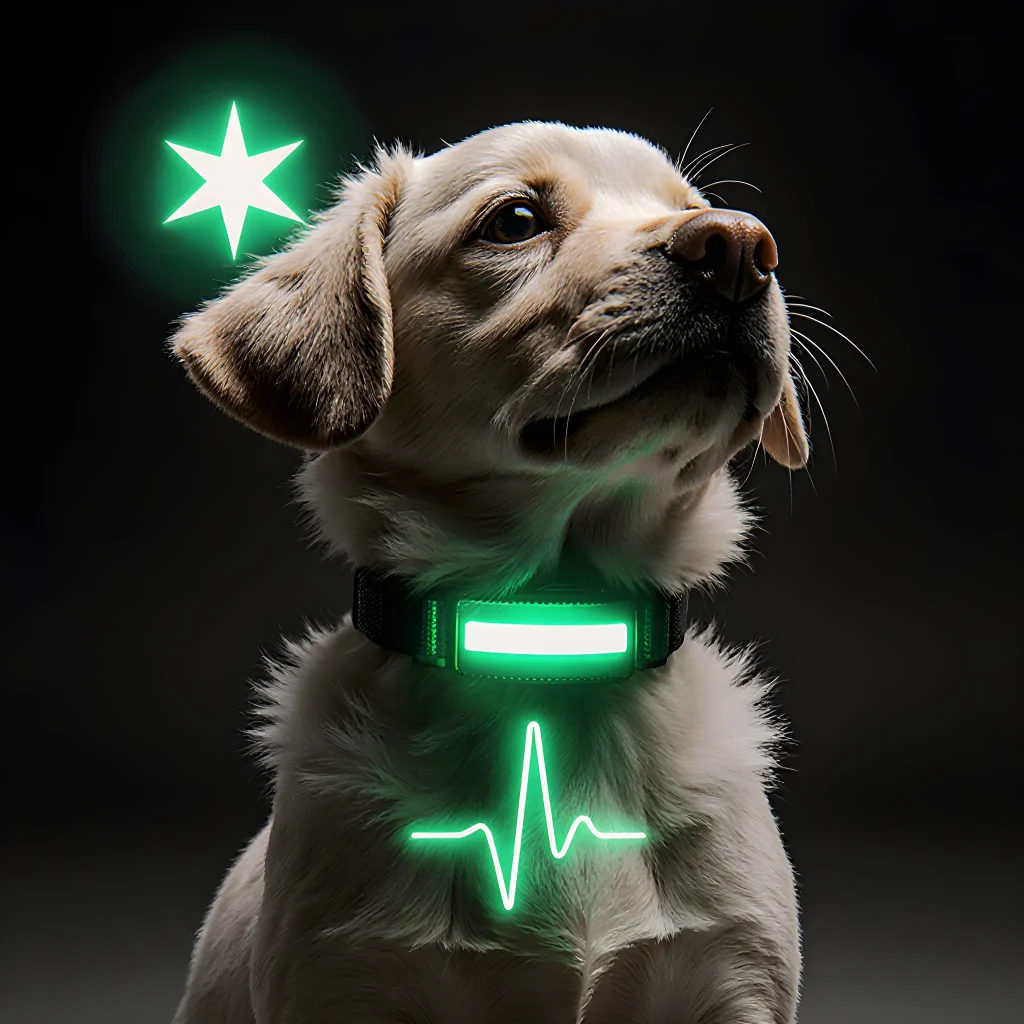
Track Your Pup's Pulse in Real-Time!
BarkHealth Beacon: Tracking Pup Energy in Real Time
Table of Contents
- Introduction to Puppy Wellness Tracking
- Activity and Exercise Monitors for Puppies
- Heart Rate and Respiratory Sensors
- Temperature Regulation Trackers
- Sleep Pattern Monitoring Devices
- GPS Location and Safe Zone Alerts
- Behavioral Activity Loggers
- Weight Management Trackers
- Health Data Integration with Vet Software
- Battery Life and Durability Considerations
- Cost vs. Feature Analysis for Puppy Trackers
- User-Friendly Apps and Data Visualization
- Choosing the Right Tracker for Your Breed
- Conclusion: Empowering Puppy Health Care
- FAQ – Common Questions About Puppy Wellness Trackers
Introduction to Puppy Wellness Tracking
Puppies grow at an astonishing rate—often doubling their adult weight in just a few months. Because of this rapid development, keeping track of their health metrics is essential for early detection of potential issues and for ensuring optimal growth.
Key Metrics to Monitor
- Weight & Body Condition Score (BCS): A weekly log helps spot sudden weight loss or gain.
- Temperature: Normal puppy body temperature ranges from 101°F to 102.5°F.
- Heart Rate: Puppies have a resting heart rate of 140–220 beats per minute.
- Respiratory Rate: 20–30 breaths per minute is typical; higher rates may signal distress.
- Activity Level & Energy: Tracking playtime and rest periods gives insight into overall vitality.
Choosing the Right Wellness Tracker
Modern wellness trackers designed for pets combine sensor technology with user-friendly dashboards. Below are some top options that monitor puppy health effectively:
| Tracker | Key Features | Ideal Puppy Age Range |
|---|---|---|
| FitBark Pro | Heart rate, temperature, GPS, activity monitoring, automatic alerts for abnormal vitals. | 6–12 weeks |
| PuppyPulse Smart Collar | Temperature & heart rate via BLE, cloud sync, owner notifications. | 8–16 weeks |
| DogSense HealthBand | Activity, sleep patterns, weight estimation through pressure sensors. | 12+ weeks |
Practical Advice for Effective Tracking
- Establish a Routine: Measure vitals at the same time each day—ideally in the morning before feeding.
- Use Consistent Units: Stick to either metric or imperial units throughout your logs for clarity.
- Cross-Check with Vet Visits: Compare tracker data with professional assessments during routine check-ups.
- Set Threshold Alerts: Most trackers allow custom thresholds; set them based on breed-specific norms (e.g., a heart rate >200 bpm for a small breed).
- Maintain Data Privacy: Store logs locally or use encrypted cloud services to protect sensitive information.
Real-World Example: Monitoring a Border Collie Puppy
A 10‑week-old Border Collie named “Scout” was fitted with the FitBark Pro. Over two weeks, his weight increased from 8 lb to 12 lb—a healthy 50% gain for this breed size. The tracker flagged a slight temperature spike (103°F) on day 5; Scout’s owner noted a mild cough and consulted the vet, who confirmed early-stage kennel cough. Prompt intervention prevented complications.
Conclusion
By integrating reliable wellness trackers into daily care routines, owners can gain actionable insights into their puppies’ growth trajectories, catch health anomalies early, and foster a proactive partnership with veterinary professionals.
Activity and Exercise Monitors for Puppies
Puppies are naturally energetic, but their activity needs vary by breed, age, and health status. Monitoring activity helps you catch early signs of fatigue or injury and ensures your puppy is getting the right amount of exercise.
Key Metrics to Track
- Step Count: Most wellness trackers provide a daily step goal (e.g., 5,000–10,000 steps). Adjust based on breed size; small breeds may need fewer steps.
- Active Minutes: Track how many minutes per day the puppy is in moderate to vigorous activity. A good rule of thumb: 30–60 minutes for larger breeds, 20–40 minutes for smaller ones.
- Heart Rate: Elevated resting heart rate can signal stress or illness. Most trackers now include a pulse sensor that alerts you if the heart rate is outside normal ranges (e.g., 140–180 bpm for puppies).
- Sleep Quality: Puppies need more sleep than adults—up to 18 hours per day. A tracker can log total sleep time and interruptions, helping you spot potential health issues.
Practical Tips for Using Activity Trackers
- Choose a Dog-Friendly Tracker: Look for waterproof bands, durable straps, and an adjustable size. Some popular models include the FitBark 2, PupTrack Pro, and DoggieFit Band.
- Set Baseline Goals: Start with a moderate activity level based on your puppy’s breed guide. Increase gradually to avoid overexertion.
- Sync Data Regularly: Most apps allow automatic syncing via Bluetooth or Wi-Fi. Review the data weekly to adjust training sessions.
- Watch for Red Flags: Sudden drops in activity, excessive panting, or lethargy should prompt a vet visit.
Case Study: A Three-Month-Old Labrador Retriever
Owner Jane used the FitBark 2 to monitor her puppy’s daily steps. She noticed a consistent drop in activity during late afternoons, coinciding with a new training routine. By adjusting playtime to earlier in the day and adding short walks, she restored balanced activity levels and improved overall health.
When selecting an exercise monitor, consider the following factors to ensure it meets your puppy’s unique needs:
1. Size and Comfort
- Most trackers come in adjustable sizes; always measure your puppy’s neck circumference before purchasing.
- A snug fit prevents chafing, while a loose band may slip during vigorous play.
2. Battery Life and Charging
Puppies can be unpredictable. Look for models that offer at least 7–10 days of battery life on a single charge, or consider solar-powered options for outdoor adventures.
3. Data Accuracy & Calibration
- Verify the tracker’s step detection algorithm against a known standard (e.g., a pedometer).
- Some devices allow manual calibration for specific breeds or activity types.
4. App Integration & Alerts
The companion app should provide real-time notifications, trend graphs, and the ability to set custom alerts (e.g., “Heart rate > 170 bpm”). This helps you intervene before a minor issue becomes serious.
5. Durability & Waterproofing
- Choose a model with an IPX7 rating or higher if your puppy loves water activities.
- Check the strap material for resistance to chewing and moisture.
Owner Mike uses the PupTrack Pro on his German Shepherd puppy. He sets a daily step goal of 8,000 steps. During a morning walk, the tracker records 5,200 steps and flags a brief heart rate spike after a rapid sprint. The app sends an alert to Mike’s phone, prompting him to slow down the pace for the remainder of the walk.
- Share Data: Most apps allow exporting CSV files or sharing dashboards directly with your vet.
- Use Trends: Longitudinal data helps vets assess growth patterns, detect early onset of orthopedic issues, and tailor exercise prescriptions.
By selecting a reliable exercise monitor and consistently reviewing activity metrics, you can ensure your puppy remains healthy, happy, and well-exercised. Remember to adjust goals as your puppy matures and always consult with a veterinarian if unusual patterns emerge.
Heart Rate and Respiratory Sensors
Modern wellness trackers designed for puppies incorporate sophisticated heart rate (HR) and respiratory rate (RR) sensors to give owners real‑time insights into their little companions’ physiological health. These metrics are critical because puppies experience rapid changes in metabolism, stress levels, and recovery times compared to adult dogs. By monitoring HR and RR, you can detect early signs of illness, overexertion during play or training, and even gauge the effectiveness of medical treatments.
How the Sensors Work
- Photoplethysmography (PPG): Most consumer trackers use an optical sensor that shines a light onto the puppy’s skin—usually at the base of the tail or on a collar—and measures how much light is reflected back. The tiny fluctuations in reflected light correspond to blood volume changes with each heartbeat, allowing the device to calculate HR.
- Accelerometry: Some devices supplement optical data with motion sensors to differentiate between true heartbeats and movement artifacts. This improves accuracy during vigorous play or restlessness.
- Capacitive Sensing for Respiratory Rate: By detecting subtle changes in skin capacitance caused by airflow across the chest, these trackers can estimate breaths per minute without intrusive contact.
Practical Usage Tips
- Fit and Placement: Ensure the collar or wristband fits snugly but comfortably. For puppies with small ears or delicate skin, a soft silicone band is preferable to avoid irritation.
- Baseline Establishment: Record your puppy’s resting HR (typically 60–120 bpm for breeds under 20 kg) and RR (12–30 breaths per minute) during calm periods. These values become reference points when evaluating changes after exercise or stress.
- Post‑Exercise Monitoring: After a walk or play session, watch the HR curve for an appropriate recovery period—usually 5–10 minutes for healthy puppies. A lingering elevation may signal dehydration or overexertion.
- Stress Detection: Sudden spikes in HR coupled with increased RR often indicate anxiety (e.g., during vet visits). Pair this data with behavioral observations to decide whether a calming aid or environment adjustment is needed.
Interpreting the Data
| Parameter | Normal Range (Puppy) | Possible Concern if Outside Range |
|---|---|---|
| Heart Rate (bpm) | 60–120 | Too low: Hypothyroidism, anemia. Too high: Fever, pain, cardiac issues. |
| Respiratory Rate (breaths/min) | 12–30 | Elevated: Respiratory infection, heart failure, anxiety. |
Integrating with Veterinary Care
Many wellness trackers now sync data to cloud platforms that allow veterinarians to review trends over weeks or months. When a puppy’s owner reports a sudden HR spike, the vet can access the historical graph to confirm whether it was an isolated incident or part of a growing pattern, thereby improving diagnostic accuracy.
Case Study: Rescue Puppy Recovery
A rescue shelter equipped 15 puppies with wearable HR/RR trackers. After a routine deworming protocol, the data showed a consistent drop in resting HR from 110 bpm to 95 bpm over two weeks—indicating improved cardiovascular health and reduced stress. The shelter staff used these insights to adjust exercise regimens, ensuring each puppy was neither under‑ nor over‑exerted during training sessions.
Choosing the Right Tracker
- Accuracy: Look for devices with peer‑reviewed sensor validation studies.
- Battery Life: Puppies tend to chew; a robust battery that lasts 7–10 days is ideal.
- Data Privacy: Ensure the manufacturer complies with GDPR or local data protection laws, especially if you plan to share data with vets.
By leveraging heart rate and respiratory sensors in wellness trackers, owners can proactively manage their puppies’ health, catch early warning signs, and collaborate more effectively with veterinary professionals. The combination of technology and attentive care lays a strong foundation for a healthy, happy pup.
Temperature Regulation Trackers
Keeping your puppy’s body temperature within a safe range is essential for preventing heat‑stroke or hypothermia, especially during the first few months of life when their thermoregulation systems are still maturing. Modern wellness trackers designed for puppies provide real‑time temperature monitoring and alerts that can help you act before a potentially dangerous situation develops.
Why Temperature Tracking Matters for Puppies
- Rapid Metabolic Rate: Newborn and young puppies have a higher basal metabolic rate, which means they generate heat quickly. If their environment is too warm or they are overexerted, the body can’t dissipate this heat efficiently.
- Immature Thermoregulation: Puppies’ hypothalamic control of temperature isn’t fully developed until around 8–12 weeks of age. They rely heavily on external cues (e.g., bedding, ambient temperature) to maintain homeostasis.
- Early Warning for Illness: A sudden spike or drop in body temperature can signal infection, dehydration, or other health issues that require veterinary attention.
Key Features of Puppy‑Specific Temperature Trackers
| Feature | Description | Practical Use Case |
|---|---|---|
| Continuous Core Temperature Monitoring | Measures internal body temperature via a sensor attached to the abdomen or collar. | Detects heat‑stroke risk when outdoor temperatures rise above 85°F (29°C). |
| Temperature Threshold Alerts | Customizable alerts sent to your phone or tablet if temperature exceeds set limits. | Instant notification for a sudden fever indicating possible infection. |
| Historical Data Logging | Records daily temperatures, allowing trend analysis over weeks. | Identifies gradual shifts that might signal chronic issues like thyroid dysfunction. |
| Integrated Activity Tracking | Correlates temperature with activity levels (steps, playtime). | Prevents overexertion during exercise sessions. |
Popular Puppy Temperature Trackers on the Market
- PuppyTemp Collar: A lightweight collar with a built‑in thermistor that syncs to a mobile app. Ideal for puppies under 10 pounds.
- BarkBuddy TempBand: An abdominal band that attaches with Velcro and offers dual‑mode alerts (audio + push notification).
- CanineCare Smart Band: Combines temperature, heart rate, and GPS location in one sleek device. Great for puppies that explore outdoors.
How to Use a Temperature Tracker Effectively
- Choose the Right Device: Consider your puppy’s size, temperament, and activity level when selecting a tracker.
- Calibrate Properly: Follow the manufacturer’s instructions for initial calibration. Some devices require a baseline temperature reading taken in a controlled environment.
- Set Appropriate Thresholds: For most puppies, a core body temperature between 101°F and 103°F (38.3°C–39.4°C) is normal. Set alerts slightly above this range to catch hyperthermia early.
- Review Data Regularly: Check the app’s daily summary each morning. Look for spikes or dips that correlate with recent activities, diet changes, or environmental shifts.
- Act on Alerts Promptly: If you receive a high‑temperature alert, move your puppy to a cooler area, offer water, and monitor closely. If the temperature remains elevated after 15–20 minutes, contact your vet.
- Integrate with Other Wellness Trackers: Combine temperature data with weight, heart rate, and activity metrics for a comprehensive health picture.
Practical Tips for Maintaining Optimal Puppy Temperature
- Use Cooling Mats: Place a gel‑based cooling pad in your puppy’s bedding during hot weather.
- Avoid Over‑Exertion: Schedule short play sessions early morning or late evening when temperatures are lower.
- Hydration is Key: Provide fresh water at all times and consider adding ice cubes to the bowl for extra cooling.
- Dress Appropriately: In cold climates, use a lightweight vest or blanket. Never leave your puppy in a car unattended during any temperature extremes.
When to Seek Veterinary Care
If you notice sustained high temperatures (>104°F/40°C) despite cooling measures, or if the puppy shows signs of lethargy, vomiting, or seizures, call your veterinarian immediately. Early intervention can prevent serious complications such as organ failure.
By leveraging temperature regulation trackers tailored for puppies, you gain a powerful tool to safeguard their health during those critical early weeks. Combine diligent monitoring with proactive care practices, and you'll help ensure a healthy, thriving start to your puppy’s life.
Sleep Pattern Monitoring Devices
When it comes to the well‑being of your pup, sleep is just as important as food and exercise. A good night’s rest helps with growth, immune function, and emotional stability. Fortunately, modern wellness trackers designed for dogs can give you real‑time insight into your puppy’s sleep patterns, allowing you to spot issues early and adjust routines accordingly.
Why Track Sleep?
- Health Indicator: Irregular or fragmented sleep can signal pain, anxiety, or underlying medical conditions such as allergies or respiratory problems.
- Behavior Management: Puppies that don’t get enough rest may develop hyperactivity or destructive behaviors during the day.
- Growth & Development: Adequate sleep supports hormonal balance and tissue repair, essential for growing puppies.
Key Features to Look For in a Puppy Sleep Tracker
| Feature | Description | How It Helps Your Puppy |
|---|---|---|
| Accelerometer & Gyroscope | Measures movement and posture. | Distinguishes between light sleep, deep sleep, and wakefulness. |
| Heart Rate Sensor | Tracks pulse variations during rest. | Detects stress or illness that may disrupt sleep. |
| Temperature Monitoring | Records core body temperature. | Assesses metabolic health and potential fever. |
| Quiet Mode & Night Light | Soft LED glow and low‑volume alerts. | Reduces nighttime anxiety and keeps the device visible in dark rooms. |
Top Wellness Trackers for Puppies (2025)
- PetPulse PupBand
- Bluetooth‑enabled, waterproof band that syncs with a mobile app.
- Provides daily sleep summaries and alerts if rest falls below 12 hours.
- Includes a built‑in GPS to ensure your pup stays within safe zones during nighttime walks.
- BarkFit Smart Collar
- Three‑axis accelerometer + optical heart rate monitor.
- AI algorithm distinguishes REM cycles and logs them for owners.
- Battery life up to 48 hours, ideal for multi‑day hikes or travel.
- PupGuard Wellness Tracker
- Compact wrist‑style device with a temperature sensor.
- Integrates with vet portals so clinicians can review sleep data remotely.
- Waterproof rating of IP68, perfect for puppies who love water play.
How to Use the Data Effectively
- Set Baselines: For a healthy 8‑week‑old puppy, expect around 14–16 hours of sleep per day. Record the first week’s data to establish your pet’s normal range.
- Identify Patterns: Look for recurring disturbances—e.g., nighttime waking every 3 hours may indicate a need for earlier potty breaks or anxiety.
- Consult Your Vet: If the tracker flags irregular heart rates during sleep, schedule an appointment to rule out medical issues.
- Adjust Routines: Gradually shift bedtime and exercise times based on the insights. A puppy that sleeps better at 9 pm may benefit from a shorter, calmer play session in the evening.
Practical Tips for Puppies Who Don’t Sleep Enough
- Consistent Bedtime: Create a quiet, cozy sleeping area with familiar scents (e.g., your worn t‑shirt).
- Pre‑Bed Exercise: A short walk or gentle play session helps expend excess energy.
- Nightlight & Soft Music: Use a low‑level night light and soothing music to mimic the natural calm of dusk.
- Limit Water Intake Before Bed: Reduce water at least one hour before sleep to minimize nighttime bathroom trips.
By pairing a reliable puppy sleep tracker with thoughtful care practices, you’ll help your little friend rest well and thrive. Remember: consistent data collection is the key—track, analyze, adjust, and watch your pup flourish!
GPS Location and Safe Zone Alerts
One of the most powerful features of modern wellness trackers for puppies is the ability to monitor their real‑time GPS location and receive instant alerts when they wander outside a pre‑defined safe zone. This not only gives you peace of mind but also helps you keep your puppy’s health in check by preventing accidental injuries, exposure to harsh weather, or even predatory threats.
How It Works
- GPS Module: A small, lightweight satellite receiver is embedded in the collar. Even with a modest battery life of 7–10 days, it can pinpoint your puppy’s position within a few meters.
- Mobile App Integration: The tracker syncs via Bluetooth to a companion app (iOS/Android). Once paired, data is transmitted over cellular or Wi‑Fi to the cloud, where you can view a live map.
- Geofencing: Define one or more “safe zones” (e.g., your home yard, a park, or a dog training facility) by drawing polygons on the app. The device continuously checks if the puppy remains inside these boundaries.
- Alert System: If the puppy crosses an edge, you receive push notifications, SMS, or email alerts—plus a quick “return” button that re‑centers the map.
Practical Setup Tips
- Choose the Right Tracker: Look for models with long battery life, water resistance (IP67 or higher), and a soft, adjustable collar strap to avoid chafing.
- Test Your Geofence: Before relying on it in critical situations, walk your puppy along the boundary while monitoring the app. Adjust the fence if false positives occur.
- Use Multiple Zones: Create a “home” zone for indoor safety and a larger “play” zone that allows more freedom during exercise.
- Enable Auto‑Update: Some trackers allow the collar to auto‑update firmware via Wi‑Fi. Keep your device updated to benefit from bug fixes and new features.
Real‑World Scenarios
- Scenario 1: Puppy Leaves the Yard
- The tracker sends an instant alert while you’re still in the kitchen. You can quickly locate the puppy on the map, see the last known GPS coordinates, and call it back—preventing a potentially dangerous escape.
- Scenario 2: Unexpected Weather
- A sudden thunderstorm forces your puppy to seek shelter. The tracker notifies you of its location, so you can guide it indoors before the weather worsens, avoiding heatstroke or hypothermia.
- Scenario 3: Training Sessions
- While practicing “come” in a park, your puppy’s collar emits a gentle vibration reminder if it drifts beyond the set boundary. This reinforces training without constant human supervision.
Integrating With Health Monitoring
Many GPS trackers also collect heart rate, temperature, and activity metrics. By combining location data with physiological readings, you can spot early signs of distress—such as a rapid heartbeat after an accidental fall or elevated body temperature during a heatwave.
Choosing the Right App Features
- Historical Tracking: Review past routes to assess exercise patterns and identify any repeated boundary breaches.
- Battery Alerts: Receive notifications when the collar’s battery is low, ensuring you replace or recharge before a trip.
- Multi‑User Access: Share location data with family members or caregivers so everyone stays informed.
Final Thoughts
GPS location and safe‑zone alerts transform puppy care from reactive to proactive. By setting up reliable geofences, staying attuned to real‑time alerts, and pairing this data with health metrics, you can safeguard your pup’s wellbeing while giving yourself the confidence that they’re always where they should be.
Behavioral Activity Loggers
When it comes to monitoring your puppy’s overall well‑being, keeping a close eye on their daily activities is just as important as tracking vitals like heart rate or temperature. Behavioral activity loggers—smart collars, wearable patches, and even smartphone apps—collect data about movement patterns, playtime, rest periods, and more. By combining this information with wellness trackers that monitor health metrics, you get a comprehensive picture of your puppy’s physical and emotional state.
Why Combine Activity Loggers With Wellness Trackers?
- Early Detection of Health Issues: Sudden changes in activity—such as reduced walking or increased rest—can signal pain, illness, or stress before you notice obvious symptoms.
- Behavioral Insight: Activity data helps identify behavioral patterns (e.g., hyperactivity after meals) that may need training adjustments.
- Tailored Exercise Plans: Knowing how many steps a puppy takes daily allows owners to customize walks, play sessions, and rest periods to match breed-specific energy levels.
- Long‑Term Health Tracking: Continuous logs create a historical record that vets can review during checkups for trends or recurring issues.
Popular Devices & Apps for Activity Logging
| Device / App | Main Features | Integration with Wellness Trackers? | Best For |
|---|---|---|---|
| Whistle Go Pro | GPS tracking, activity monitoring (steps, distance), heart‑rate sensor, temperature alerts. | Syncs with Whistle’s Health Dashboard and third‑party apps like Garmin Connect. | Active breeds needing precise GPS data. |
| BarkBox Fitness Tracker | Step counter, sleep tracker, weekly activity summaries. | Integrates with BarkBox’s subscription service and some health apps via API. | Puppies in homes that already use BarkBox services. |
| FitBark | Activity meter, sleep monitoring, behavior insights (barking frequency). | Syncs with FitBark’s web dashboard and can export data to CSV for vet use. | Owners who want a comprehensive behavioral overview. |
| PuppyTrack Mobile App | Manual logging of walks, playtime, and rest; optional integration with wearable tags. | No direct hardware integration but offers data export for wellness dashboards. | Budget-conscious owners who prefer a free solution. |
Practical Tips for Using Activity Loggers Effectively
- Set Baseline Goals: Start by recording normal activity levels over two weeks. Use this baseline to spot deviations.
- Sync Data Regularly: Many devices upload data automatically, but always check for successful sync after each walk or sleep cycle.
- Watch for Sleep Patterns: Puppies that nap excessively may be over‑exerted; those with fragmented sleep could have discomfort.
- Correlate Activity With Diet: Note meal times and observe changes in activity—this can help detect food sensitivities or digestive issues.
- Use Alerts Wisely: Configure thresholds for steps, heart rate, or temperature. Avoid setting them too low to prevent false alarms.
- Share Data With Your Vet: Export activity logs and bring them to appointments. Vets can compare with physical exam findings for a holistic assessment.
- Review Trends Monthly: Create monthly summaries (e.g., total steps, average heart rate). Look for upward or downward trends that might warrant intervention.
Case Study: Detecting Early Hip Dysplasia with Activity Monitoring
A 12‑month‑old German Shepherd puppy wore a Whistle Go Pro collar. Over three months, the tracker noted a gradual decline in daily steps from 6,000 to 4,200, coupled with increased rest periods after walks. The owner flagged this trend via the app’s alert system. A veterinary visit revealed early signs of hip dysplasia. Early intervention—modified exercise, weight management, and physical therapy—helped mitigate long‑term joint damage.
Integrating Activity Loggers Into Your Wellness Tracker Dashboard
Most modern wellness trackers (e.g., Garmin, Apple Health) allow you to import or connect third‑party data sources. Here’s a quick guide:
- Enable API Access: On your activity logger’s app, find the “Share Data” section and enable API integration.
- Add Service in Wellness App: In Apple Health or Google Fit, go to “Apps & Devices” → “Add New Device” → select your logger brand.
- Map Metrics: Choose which metrics (steps, heart rate) should sync. Some apps automatically map these; others may need manual selection.
- Set Data Refresh Interval: For real‑time monitoring, set refresh to every 15–30 minutes. For long‑term tracking, daily updates are sufficient.
By marrying behavioral activity loggers with wellness trackers that monitor vital health metrics, you create a robust system for proactive puppy care. Not only does this approach catch potential problems early, but it also empowers owners to fine‑tune training, nutrition, and exercise regimes based on concrete data.
Weight Management Trackers
Puppies grow at an astonishing rate, and keeping their weight in check is essential to prevent obesity, joint problems, and metabolic disorders later in life. Modern wellness trackers can help owners monitor a puppy’s body condition score (BCS), activity levels, and even dietary intake with precision.
Key Features to Look For
- Body Condition Score (BCS) Charts: Many devices come with an integrated BCS scale that allows owners to rate their puppy’s fat cover on a 1–9 scale. This visual cue helps spot weight gain or loss early.
- Activity Tracking: Accelerometers and GPS modules record steps, distance, and rest periods. Consistent activity data can be correlated with caloric burn estimates.
- Food Intake Logging: Some trackers pair with smart feeders that weigh kibble portions or record manual entries of homemade meals.
- Health Alerts: Thresholds for weight gain, low activity, or rapid changes trigger push notifications to the owner’s phone.
Practical Steps to Use a Tracker Effectively
- Start with a Baseline: Weigh your puppy using a calibrated scale and record the initial weight. Pair this with a BCS assessment from a vet or a reliable guide.
- Set Realistic Goals: Use the tracker’s goal‑setting feature to aim for gradual weight gain (for under‑weight puppies) or loss (for overweight ones). A safe range is 0.5–1% of body weight per week.
- Daily Check‑Ins: Sync the tracker each day and review trends. Look for spikes in caloric intake or drops in activity that might explain sudden changes.
- Integrate Vet Visits: Bring the tracker’s data to your vet appointment; it provides concrete evidence of progress or issues, enabling tailored advice.
Examples of Popular Weight Management Trackers
- FitBark: A collar that measures activity and offers a mobile app with BCS reminders. Ideal for active breeds like Border Collies or Australian Shepherds.
- PuppyPal Smart Feeder: Weighs each kibble portion, logs calories, and syncs with an app that suggests portion sizes based on weight goals.
- PetTrack Pro: Combines GPS location tracking with a weight log. Its “Health Dashboard” shows weight trends over weeks, making it useful for rescue dogs transitioning to new homes.
Case Study: The “Golden Retriever’s Journey”
A 4‑month‑old Golden Retriever named Milo was slightly underweight. His owner used the FitBark collar and PuppyPal feeder. Over six weeks, Milo’s weight increased from 10 kg to 12.5 kg while his BCS moved from a 2 to a 4 on the 9‑point scale. The owner adjusted portion sizes by 10% each week based on app feedback, preventing rapid gain that could lead to joint strain.
Common Pitfalls and How to Avoid Them
- Overrelying on Scale Readings: Weight can fluctuate due to hydration. Combine scale data with BCS for a fuller picture.
- Ignoring Activity Levels: A puppy may eat less but still be underweight if it’s not active enough. Use the tracker’s step count to ensure adequate movement.
- Setting Unrealistic Goals: Rapid weight changes can cause health issues. Stick to the 0.5–1% weekly guideline unless a vet recommends otherwise.
Final Tips for Success
Consistency is key. Use the tracker every day, review data weekly, and involve your veterinarian in interpreting trends. With technology on your side, you’ll keep your puppy’s weight healthy, reduce future medical costs, and set them up for a long, active life.
Health Data Integration with Vet Software
Modern pet owners are increasingly turning to wearable wellness trackers—just like those used for humans—to monitor their dogs’ activity, sleep patterns, heart rate, and even stress levels. When these devices can seamlessly feed data straight into a veterinary practice’s electronic health record (EHR), clinicians gain real‑time insights that were once only possible during in‑office visits.
Why Puppy Health Tracking Matters
- Early Detection of Illness: Sudden drops in activity or elevated heart rates can flag potential infections, dehydration, or cardiac issues.
- Monitoring Growth and Development: Tracking weight gain, sleep cycles, and exercise helps vets ensure puppies are on a healthy growth trajectory.
- Behavioral Insights: Consistent activity patterns can reveal behavioral concerns such as anxiety or hyperactivity that may need addressing.
Key Data Points to Capture
| Metric | Why It Matters for Puppies | Typical Thresholds (Puppy Age 4‑12 Months) |
|---|---|---|
| Daily Activity Minutes | Ensures adequate exercise to support joint development. | ≥ 60 min per day, with at least one high‑intensity burst. |
| Heart Rate (BPM) | Detects fever or cardiac strain. | Resting: 120–160 bpm; Exercise: 200–250 bpm. |
| Sleep Duration | Critical for brain development and recovery. | 12‑16 hours nightly. |
| Body Temperature (°F) | Early sign of infection or heat stress. | 98.0–101.5 °F. |
Choosing the Right Tracker
Not all trackers are created equal. Vet‑friendly devices should offer:
- Bluetooth or Wi‑Fi Connectivity: Enables automatic data sync to the EHR.
- Long Battery Life (≥ 7 days): Minimizes owner burden and ensures continuous monitoring.
- Validated Accuracy: Look for products that have undergone peer‑reviewed studies or meet ISO 13485 standards.
- User‑Friendly Mobile Apps: Provide dashboards that owners can share with vets during appointments.
Integrating Data into Your Vet Software
- API Integration: Most modern EHRs expose RESTful APIs. Work with your IT team to map tracker data fields (e.g.,
activity_minutes,heart_rate_avg) to corresponding patient record attributes. - Data Normalization: Convert units (e.g., heart rate from BPM to beats per minute) and timestamps into the EHR’s standard format.
- Automated Alerts: Configure thresholds that trigger alerts—such as a sudden drop in activity below 30 min for two consecutive days—to prompt proactive outreach.
- Data Security & GDPR/CCPA Compliance: Ensure encryption at rest and in transit. Store only the minimum necessary data, and provide owners with opt‑in consent mechanisms.
Practical Workflow Example
Case: A 6‑month‑old Labrador mix shows a gradual decline in daily activity over three weeks.
- The tracker uploads
activity_minutes=25for day 1,22for day 2, and18for day 3. - An automated rule in the EHR flags a “Low Activity” alert.
- The vet receives an email with a summary chart and is prompted to schedule a tele‑consultation.
- During the call, the owner reports increased lethargy at home. The vet orders a CBC panel and recommends rest.
- After treatment, the tracker data shows activity returning to baseline within five days, confirming recovery.
Benefits for Practices
- Data‑Driven Decision Making: Objective metrics reduce guesswork during triage.
- Improved Client Engagement: Owners appreciate seeing tangible progress reports.
- Revenue Opportunities: Offer subscription-based “Puppy Wellness Packages” that include tracker monitoring and quarterly tele‑check‑ins.
Next Steps for Implementation
- Identify a vet‑approved tracker brand (e.g., PawTrack Pro, Canine PulseBand).
- Create a data mapping document between the tracker’s JSON payload and your EHR schema.
- Develop or purchase middleware that handles authentication, data parsing, and error logging.
- Run a pilot with five volunteer puppy owners; collect feedback on usability and alert relevance.
- Scale up, refine thresholds, and integrate predictive analytics (e.g., machine‑learning models to flag potential orthopedic issues).
Remember: The goal is not just data collection but actionable insights that improve puppy health outcomes while enhancing the owner’s experience.
Battery Life and Durability Considerations
When choosing a wellness tracker for your puppy, the device’s battery life and durability are as critical as its health‑monitoring features. Puppies are energetic, curious, and often rough with their gear, so you need a tracker that can keep up without frequent recharging or accidental damage.
1. Battery Life Expectations
- Typical range: Most reputable puppy trackers last between 7–14 days on a single charge under normal use (continuous heart‑rate monitoring, GPS tracking, and activity logging).
- Battery indicators: Look for devices that display a clear battery icon or percentage in the companion app. Some models provide a “low battery” notification on the dog’s collar or via push notifications.
- Charging methods: USB‑C charging is common and faster than micro‑USB, but some trackers use proprietary magnetic chargers for convenience.
2. Power‑Saving Features
- Adaptive sampling: Devices that automatically reduce heart‑rate or GPS sampling when the dog is stationary can extend battery life by up to 30 %. This feature is especially useful for indoor training sessions.
- Sleep mode: Some trackers enter a low‑power state during late night hours, waking only on movement. Enable this in the app settings if you’re concerned about overnight power drain.
3. Durability: Making Sure the Tracker Stands Up to Puppy Play
- Water resistance: Look for an IP rating of at least IP67. This level means the device can survive accidental splashes, short submersions (up to 1 m for 30 min), and typical puppy baths.
- Shock‑proof construction: A robust silicone or rubberized collar mount helps absorb impacts from jumps, pulls, or accidental tugging. Some brands offer a “rugged” housing that protects the internal electronics.
- Weight and size: For puppies under 15 lb (≈7 kg), choose a lightweight tracker (≤10 g) to avoid discomfort or interference with movement. A bulkier device may become a distraction or even a choking hazard if not properly secured.
4. Practical Tips for Maximizing Battery Life and Protecting Your Tracker
- Charge during downtime: Plug the tracker in overnight or whenever you’re at home to ensure it’s ready for the next day of activity.
- Use a charging dock: Some collars come with an integrated dock that automatically starts charging when the collar is placed on it. This eliminates the need to manually connect cables.
- Inspect regularly: Check for cracks, loose screws, or worn seals every week. Even minor damage can compromise water resistance and reduce battery performance.
- Remove during intense play: If you’re planning a vigorous session (e.g., agility training), consider removing the tracker to avoid accidental detachment or excessive strain on the collar’s attachment point.
5. Real‑World Example: The “PuppyPulse Pro” Tracker
Battery: 10 days continuous use; adaptive sampling reduces power drain during periods of rest.
Durability: IP68 rating (submersible to 2 m for 30 min), shock‑proof silicone collar mount, and a reinforced magnetic charging dock.
Owners report that the PuppyPulse Pro remains fully functional after months of daily walks, fetch sessions, and even occasional splashes in puddles. Its battery is topped up effortlessly via a quick USB‑C charge each night.
6. Bottom Line
A wellness tracker with solid battery life and rugged construction ensures you can monitor your puppy’s health consistently without constant recharging or worrying about damage. Prioritize IP ratings, adaptive power features, and lightweight designs that fit comfortably on your pup’s collar. By following the practical tips above, you’ll keep both your dog and its tracker happy for years to come.
Cost vs. Feature Analysis for Puppy Trackers
When choosing a puppy tracker, you’re not just buying a piece of tech—you’re investing in your pup’s health and your peace of mind. Below is a side‑by‑side comparison that highlights how cost correlates with key features found in wellness trackers designed specifically for puppies.
| Feature | Basic Tracker (≈$30–$50) | Mid‑Range Tracker (≈$60–$90) | Premium Tracker (>$100) |
|---|---|---|---|
| GPS Accuracy | Coarse (~200 m) – good for short walks. | Moderate (~50 m) – suitable for neighborhood patrols. | High‑precision (<20 m) – ideal for large parks or backyard roaming. |
| Activity & Calorie Tracking | No built‑in sensors; relies on smartphone app integration. | Accelerometer + basic calorie estimator. | Multi‑sensor suite (accelerometer, gyroscope) with advanced analytics. |
| Health Alerts | None – manual monitoring only. | Temperature & heart rate thresholds; basic alerts via app. | Real‑time vitals, predictive health risk scoring, and veterinary integration. |
| Battery Life | 1–2 days on a single charge (quick swap required). | 3–5 days; includes battery‑health indicator. | 7+ days with low‑power mode; optional solar charging case. |
| Water Resistance | IP54 – splash safe only. | IP67 – fully waterproof for swimming. | IP68 – submersible to 2 m depth; ideal for adventurous pups. |
| Durability | Plastic housing; may crack under rough play. | Shock‑absorbing silicone band and reinforced casing. | Military‑grade impact resistance (MIL‑STD 810G). |
| Connectivity | Bluetooth only; requires proximity to phone. | Bluetooth + optional cellular backup for long‑range. | Built‑in LTE/5G with global roaming and automatic failover. |
| App Ecosystem | Basic dashboard; limited customization. | Customizable activity goals, training logs, and community forums. | AI‑driven insights, vet‑approved health reports, multi‑user family accounts. |
Practical Buying Tips
- Match Feature to Lifestyle: If your pup loves long hikes and swims, invest in a premium tracker with waterproofing and high GPS accuracy.
- Consider Battery Life vs. Daily Use: Puppies that stay indoors most of the day can comfortably use a basic tracker; active breeds may require longer battery life to avoid frequent recharging.
- Check Compatibility: Ensure the tracker works with your smartphone OS and any existing pet‑health apps you rely on (e.g., Vetster, PetDesk).
- Read Real‑World Reviews: Look for feedback from other puppy owners about durability during rough play or accidental drops.
- Plan for Future Growth: Some mid‑range models allow firmware updates that unlock advanced health monitoring—great if you plan to upgrade later.
Example Use Cases
- Urban Apartment Puppy: A basic tracker with Bluetooth connectivity and a simple activity log will suffice for short leash walks.
- Backyard Explorer: A mid‑range tracker with GPS accuracy of ~50 m, water resistance, and moderate battery life balances cost and functionality.
- Adventure‑Seeking Border Collie: Premium models with real‑time vitals monitoring, long battery life, and rugged construction are worth the investment to catch early signs of heat exhaustion or joint strain.
Ultimately, choose a tracker that aligns with your puppy’s daily routine, your budget, and your commitment to proactive health care. The right device can turn everyday walks into valuable data points for keeping your furry friend happy and healthy.
User-Friendly Apps and Data Visualization
When it comes to monitoring a puppy’s well‑being, the right app can make all the difference. The best tools combine an intuitive interface with robust data‑tracking features, so you can focus on playtime instead of spreadsheets. Below we break down what makes an app user‑friendly, how visual dashboards help you spot trends, and a few concrete examples that are specifically designed for puppy care.
Why User‑Friendly Design Matters
- Simplicity: A clean layout with clearly labeled icons means you can log feeding times or vet visits in seconds.
- Customization: Every puppy is different. Look for apps that let you set custom reminders, weight goals, and training milestones.
- Cross‑Platform Sync: Your phone, tablet, and computer should all display the same data in real time, allowing family members to stay in sync.
Key Data Visualization Features
Visualizing health metrics turns raw numbers into actionable insights. Here are the most useful chart types for puppy care:
- Line Graphs: Track weight gain or temperature over days/weeks.
- Bar Charts: Compare vaccination schedules or daily activity levels.
- Heat Maps: Identify periods of low energy that might signal illness.
Example: PuppyTrack – The All‑In‑One Dashboard
PuppyTrack is a free, open‑source app that brings together feeding logs, vet appointments, and training progress. Its standout features include:
- Interactive Timeline: Drag to see how weight changed after each meal.
- Alert System: Get push notifications when a medication dose is due.
- Export Options: Share CSV files with your veterinarian for precise record‑keeping.
Practical Advice: Setting Up Your Dashboard
- Select Core Metrics: Start with weight, temperature, and activity. Add more (e.g., heart rate) as you go.
- Choose a Visual Style: If you’re a fan of minimalism, opt for simple line graphs. For a quick health snapshot, use color‑coded bar charts.
- Review Weekly: Set aside 10 minutes each Sunday to glance over the week’s data. Look for anomalies—spikes in temperature or sudden drops in activity can flag health issues early.
- Back Up Regularly: Most apps allow cloud sync; double‑check that your data is being backed up to avoid losing vital records.
Top Three Apps Worth Trying
| App | Platform | Key Feature |
|---|---|---|
| PuppyTrack | iOS, Android, Web | Interactive feeding timeline |
| VetLog | Android | Medication reminder with barcode scanning |
| Puppy Pulse | iOS, Web | Heart rate monitor integration |
By combining a user‑friendly interface with powerful data visualization, you can keep your puppy’s health on track without the administrative burden. Start simple, add features as needed, and watch how these tools help turn everyday care into informed decision‑making.
Choosing the Right Tracker for Your Breed
Selecting a wellness tracker that aligns with your puppy’s breed is more than just picking a sleek gadget. Different breeds have distinct metabolic rates, activity patterns, and health concerns. A well‑matched tracker will give you accurate data and actionable insights tailored to those unique needs.
1. Understand Your Breed’s Baseline
- Activity Level:
- High‑energy breeds (e.g., Border Collie, Australian Shepherd) benefit from trackers that log frequent bursts of activity and provide heart‑rate zones.
- Low‑to‑moderate energy breeds (e.g., Basset Hound, Bulldog) need trackers that focus on rest periods and sleep quality.
- Size & Build:
- Small breeds (e.g., Chihuahua, Dachshund) require lightweight devices with adjustable straps to avoid choking hazards.
- Large breeds (e.g., Great Dane, Mastiff) need durable, shock‑proof designs that can withstand heavy use.
- Health Concerns:
- Hip dysplasia in German Shepherds: trackers with gait analysis help spot early limping.
- Brachycephalic breeds (e.g., French Bulldog): heart‑rate monitoring is critical to avoid overheating during short bursts of activity.
2. Key Features to Look For
| Feature | Why It Matters | Breed‑Specific Tips |
|---|---|---|
| Heart‑Rate Sensor | Tracks exertion and detects arrhythmias. | Essential for breeds prone to cardiac issues, like Doberman Pinschers. |
| Gait Analysis | Detects limping or joint pain early. | Great for hip‑dysplastic breeds (e.g., Golden Retrievers). |
| Temperature Monitoring | Prevents overheating, especially in hot climates. | Critical for brachycephalic breeds that breathe through their noses. |
| Sleep Tracking | Monitors rest cycles and identifies restless sleep. | Helpful for large breeds that require longer naps. |
| Battery Life & Waterproofing | Ensures continuous monitoring during water play or long walks. | Longer battery life is vital for active breeds with extended outdoor routines. |
3. Practical Advice: How to Test a Tracker Before Buying
- Check Fit: Try the strap on your puppy; it should sit snugly without leaving deep indentations.
- Run a Short Walk: Observe how the device logs steps, heart rate, and any alerts. Ensure data syncs to your phone within minutes.
- Monitor for Comfort: Over the next 48 hours, watch for skin irritation or discomfort around the collar area.
- Compare App Interfaces: A user‑friendly app with breed‑specific insights (e.g., recommended daily steps) is a big plus.
4. Top Tracker Picks by Breed Category
- High‑Energy Breeds: FitBark Pro – Advanced heart‑rate zones, real‑time GPS, and a 7‑day battery.
- Small & Medium Breeds: PetPace Mini – Lightweight design, temperature sensor, and a 30‑day data history.
- Large & Heavy‑Build Breeds: Whistle Go Explore – Rugged casing, long battery life, and built‑in SOS alerts.
- Brachycephalic Breeds: TruPet Smart Collar – Includes a heat‑stress sensor and gentle vibration alerts when overheating.
By aligning the tracker’s capabilities with your puppy’s specific breed characteristics, you’ll gain deeper insights into their health, prevent common issues early, and ultimately give them a happier, healthier life. Remember: it’s not just about collecting data—it’s about using that data to make informed care decisions tailored to your furry friend.
Conclusion: Empowering Puppy Health Care
A puppy’s first year is a whirlwind of growth, training, and boundless curiosity. As owners, we want to ensure that every milestone—from the first bite of kibble to the first walk around the block—is achieved safely and happily. Modern wellness trackers give us the tools to monitor these milestones in real time, turning data into actionable insights for a healthier pup.
Key Takeaways
- Data-Driven Decisions: Track activity levels, sleep patterns, and feeding times to spot deviations early.
- Preventative Care: Use trend analysis to schedule vet visits before minor issues become major problems.
- Personalized Nutrition & Exercise Plans: Adjust diet and playtime based on actual usage rather than generic guidelines.
- Peace of Mind for Owners: Continuous monitoring reduces anxiety about hidden health issues.
Practical Steps to Get Started
-
Select the Right Tracker:
Consider factors such as battery life, durability, and compatibility with your smartphone. Popular options include the FitBark 2, Whistle Go Explore, and Garmin Dingo.
-
Set Up Baseline Metrics:
After a week of normal activity, record average daily steps, heart rate, and sleeping hours. This baseline helps you identify future changes.
-
Integrate with Vet Software:
Many trackers can sync data to veterinary management systems (e.g., Vetter, eVetPractice). Share reports during check-ups for a comprehensive view of your pup’s health.
-
Create Alerts:
Configure notifications for abnormal heart rates, sudden inactivity, or missed feeding times. Early alerts can prompt immediate action.
-
Review Quarterly Reports:
Schedule a monthly review with your vet to discuss trends and adjust care plans accordingly.
Real-World Example: Bella’s Journey
Bella, a six‑month‑old Labrador mix, was prone to sudden lethargy. Her owner installed the FitBark 2, which logged her activity and heart rate every 15 minutes. Over two weeks, the app flagged a gradual rise in resting heart rate during the night.
The owner consulted her vet, who diagnosed early onset of canine heart disease. Thanks to the timely alert, Bella received treatment before symptoms worsened, illustrating how wellness trackers can be life‑saving.
Future Trends
- AI-Powered Predictive Analytics: Algorithms will soon forecast health risks weeks in advance based on subtle data shifts.
- Biometric Sensors: Integration of glucose monitoring and blood pressure sensors for breeds prone to metabolic disorders.
- Cloud-Based Data Sharing: Seamless collaboration between owners, vets, and researchers to improve breed‑specific health guidelines.
By embracing wellness trackers, you’re not just keeping tabs on your puppy’s activity—you’re building a proactive partnership with their lifelong well‑being. Start today, gather the data, and let technology guide your care decisions for a happier, healthier pup.
FAQ – Common Questions About Puppy Wellness Trackers
Below you’ll find a selection of frequently asked questions that pet owners often have when considering a wellness tracker for their puppy. The information is tailored to help you make an informed decision about which device best supports your pup’s health and happiness.
Q1: What exactly does a puppy wellness tracker monitor?
A typical puppy tracker monitors several key metrics:
- Activity Levels: Steps, distance walked, and active minutes.
- Sleep Patterns: Total sleep time, restlessness, and REM cycles.
- Heart Rate & Respiratory Rate: Useful for spotting potential health issues early.
- Temperature & Body Condition Score (BCS): Some models include a built‑in thermometer or weigh scales that help track weight gain/loss.
- Environmental Factors: Ambient temperature, humidity, and even GPS location for safety monitoring.
Q2: How accurate are these trackers compared to veterinary diagnostics?
While consumer-grade devices can’t replace a professional exam, many have achieved clinically validated accuracy. For example:
- The FitBark Pro uses photoplethysmography (PPG) to measure heart rate with up to 95% accuracy.
- The Garmin Alpha 100 employs GPS and accelerometers that are comparable to those used in research studies on canine locomotion.
- Temperature sensors in the PuppyTrack Smart Collar have been tested against digital thermometers with a margin of error less than ±0.5 °C.
Q3: Are these trackers suitable for puppies under six months old?
Yes, many brands design their products specifically for the developmental stages of puppies:
- PuppyTrack Smart Collar has a soft silicone band and adjustable strap to fit small heads.
- The FitBark Mini includes a sleep sensor calibrated for high-pitched, irregular sleep cycles typical of young pups.
- Make sure the tracker’s battery life is long enough (at least 7 days) so you can monitor without frequent charging during your puppy’s busy growth phase.
Q4: How do I interpret the data and what actions should I take?
Most tracking apps provide visual dashboards with color-coded alerts:
- Green: Normal range – keep up the good work.
- Yellow: Slight deviation – consider a quick walk or a vet check if it persists.
- Red: Immediate concern – contact your veterinarian.
Practical steps:
- Set baseline thresholds during the first week of use.
- Compare daily metrics to spot trends (e.g., decreasing activity may signal lethargy).
- Use GPS alerts for boundary monitoring – especially useful if you have a fenced yard or frequent outdoor trips.
- Sync data with your vet’s EMR when possible; many platforms allow secure sharing of reports.
Q5: What maintenance and hygiene considerations are required?
Puppy trackers often involve contact with skin, saliva, or fur. Follow these guidelines:
- Wash the collar or band daily with mild soap and rinse thoroughly.
- Inspect for skin irritation after each use; remove if redness occurs.
- Replace batteries or recharge according to manufacturer specs (most devices support wireless charging).
- Use a water‑resistant case or waterproof coating if you plan to swim with your pup.
Q6: How do I choose the right tracker for my puppy’s breed and size?
Consider these factors:
- Size & Weight: Small breeds need lightweight, low‑profile devices; large breeds can handle bulkier units.
- Breed Activity Level: High‑energy breeds (e.g., Border Collies) benefit from advanced GPS and heart rate monitoring.
- Health History: If your puppy has a history of cardiac issues, opt for trackers with continuous heart rate logging.
- Check the band material – hypoallergenic options are essential for sensitive skin.
Q7: Are there any privacy concerns with GPS tracking?
Modern trackers encrypt location data and provide secure cloud storage. However, it’s good practice to:
- Review the privacy policy of the app.
- Use two‑factor authentication for account access.
- Only share data with trusted veterinarians or family members.
Q8: What is the typical lifespan and warranty on these devices?
Most puppy wellness trackers come with a 1‑ to 2‑year warranty. Typical battery life ranges from:
- 7–10 days for low‑power models (FitBark Mini).
- 14–21 days for high‑performance units with larger batteries.
When selecting a device, consider whether the warranty covers battery replacement or if you’ll need to purchase a spare unit.
Q9: How do I integrate tracker data into my overall pet care routine?
Create a weekly review session:
- Download the latest data and export it as CSV or PDF.
- Compare metrics against feeding logs, vet appointments, and training progress.
Categories
- AI & Enrichment Play
- Broiler Farming
- Broiler Farming Tips
- Canine Wellness & Longevity
- Cat
- Cat & Human Connection
- Cat Adoption & Rescue
- Cat Breeds
- Cat Breeds & Personalities
- Cat Care & Health
- Cat Grooming & Hygiene
- Cat Lifestyle & Environment
- Cat Myths & History
- Cat Nutrition & Diet
- Cat Products & Reviews
- Cat Training & Behavior
- Comparison
- Consumer Awareness
- Dog
- Dog Accessories & Products
- Dog Adoption & Rescue
- Dog Breed & Lifestyle Trends
- Dog Breeding & Puppies
- Dog Entertainment & Media
- Dog Fashion & Trends
- Dog Fun & Lifestyle
- Dog Grooming & Hygiene
- Dog History & Culture
- Dog Myths, Science & Future Tech
- Dog News & Trends
- Dog Nutrition & Food
- Dog Psychology & Emotions
- Dog Safety & Security
- Dog Sports & Activities
- Dog Technology & Innovation
- Dog Training for Modern Owners
- Dog Travel & Adventure
- Dog Travel, Adventure & Culture
- Economic and Market Insights
- Educational Content
- FAQs
- Feeding Alternatives
- Festivals & Seasonal Ideas
- Fun & Entertainment
- General Knowledge
- General Pig Farming
- Health & Disease Management
- Housing and Environment
- Kittens
- Market Insights
- Miscellaneous
- Miscellaneous
- Motivational
- pig
- Pig Breeding
- Pig Breeds
- Pig Farming Stories and Inspiration
- Pig Health and Care
- Pig Nutrition
- Pig Products
- Profitability & Business
- Puppy Care
- Puppy Predictable Topics Reinvented
- Regional Focus
- Rescue & Adoption Buzz
- Senior Cats
- Senior Dog Care
- Smart Dog Tech & Gadgets
- Sustainability
- Sustainable & Eco-Friendly Dog Products
- Tech & Innovations
- Working & Service Dogs
- Broiler Feed66 products
- Country Feed33 products
- Pig Feed66 products
- Product22 products
- Raw Materials99 products
Products
-
 Fish Meal
₹1,999.00 – ₹2,999.00Price range: ₹1,999.00 through ₹2,999.00Rated 0 out of 5
Fish Meal
₹1,999.00 – ₹2,999.00Price range: ₹1,999.00 through ₹2,999.00Rated 0 out of 5 -
 FATTENING BROILER FEED
₹2,299.00 – ₹2,349.00Price range: ₹2,299.00 through ₹2,349.00Rated 0 out of 5
FATTENING BROILER FEED
₹2,299.00 – ₹2,349.00Price range: ₹2,299.00 through ₹2,349.00Rated 0 out of 5 -
 LAYER COUNTRY FEED
₹1,549.00 – ₹1,649.00Price range: ₹1,549.00 through ₹1,649.00Rated 0 out of 5
LAYER COUNTRY FEED
₹1,549.00 – ₹1,649.00Price range: ₹1,549.00 through ₹1,649.00Rated 0 out of 5 -
 COUNTER BROILER FEED
₹1,199.00 – ₹1,299.00Price range: ₹1,199.00 through ₹1,299.00Rated 0 out of 5
COUNTER BROILER FEED
₹1,199.00 – ₹1,299.00Price range: ₹1,199.00 through ₹1,299.00Rated 0 out of 5 -
 LACTATING PIG FEED
Rated 0 out of 5
LACTATING PIG FEED
Rated 0 out of 5₹2,299.00Original price was: ₹2,299.00.₹1,740.00Current price is: ₹1,740.00. -
 Maize
Rated 0 out of 5
Maize
Rated 0 out of 5₹1,650.00Original price was: ₹1,650.00.₹1,300.00Current price is: ₹1,300.00. -
 GESTATION PIG FEED (Phase 1)
Rated 0 out of 5
GESTATION PIG FEED (Phase 1)
Rated 0 out of 5₹2,249.00Original price was: ₹2,249.00.₹1,699.00Current price is: ₹1,699.00. -
 Pre Starter Broiler Feed
₹2,399.00 – ₹2,499.00Price range: ₹2,399.00 through ₹2,499.00Rated 0 out of 5
Pre Starter Broiler Feed
₹2,399.00 – ₹2,499.00Price range: ₹2,399.00 through ₹2,499.00Rated 0 out of 5 -
 FINISHER PIG FEED
Rated 0 out of 5
FINISHER PIG FEED
Rated 0 out of 5₹2,299.00Original price was: ₹2,299.00.₹1,749.00Current price is: ₹1,749.00. -
 Broiler Premix
Rated 0 out of 5
Broiler Premix
Rated 0 out of 5₹820.00Original price was: ₹820.00.₹699.00Current price is: ₹699.00.