Since the early 2000s, Korean pop music—commonly known as K‑Pop—has evolved from a regional phenomenon into a worldwide cultural juggernaut. Its ascent can be traced to several interlocking factors: meticulous production values, strategic use of digital platforms, and an emphasis on visual storytelling that resonates across borders.
1. Production Quality & Cross‑Genre Fusion
- High‑End Studio Work: K‑Pop tracks often involve international producers (e.g., Timbaland, Max Martin) who bring polished, radio‑ready sounds.
- Genre Blending: Artists mix EDM, hip‑hop, R&B, and traditional Korean instruments, creating fresh hybrids that appeal to diverse audiences.
2. Social Media & Algorithmic Amplification
The genre thrives on platforms like YouTube, TikTok, and Instagram. A single viral dance challenge can catapult a song to the top of global charts. For instance, BTS’s “Dynamite” gained over 100 million views in its first week, largely due to user‑generated content.
3. Fan Engagement & Community Building
- Fan Clubs (Fandoms): Organized groups such as “ARMY” (BTS) or “EXO-L” coordinate streaming parties, charity drives, and social media campaigns.
- Real‑Time Interaction: Live streams on VLive or YouTube allow idols to communicate directly with fans worldwide, fostering loyalty.
4. Visual Storytelling & Aesthetic Innovation
K‑Pop music videos are cinematic spectacles featuring elaborate sets, choreography, and fashion-forward outfits. These visuals often set trends in streetwear, makeup, and even interior design.
5. Global Collaborations & Cross‑Industry Partnerships
- Music Collaborations: BTS’s “Fake Love” remix with American pop star Sia introduced K‑Pop to new demographics.
- Fashion & Lifestyle Brands: K‑Pop idols endorse major labels (e.g., SHINee’s partnership with Nike) and launch their own lines, creating a symbiotic relationship between music and commerce.
6. Cultural Export Strategy
The South Korean government actively promotes cultural exports through initiatives like the “K‑Culture” policy, providing subsidies for production companies to distribute content abroad.
Practical Advice for Emerging Artists and Brands
- Create a Strong Visual Identity: Invest in high‑quality music videos and consistent branding across all platforms.
- Leverage Digital Platforms Strategically: Use TikTok challenges, Instagram Reels, and YouTube Shorts to generate organic reach.
- Engage with Fans Proactively: Host live Q&A sessions, respond to comments, and create exclusive content for fan clubs.
- Collaborate Internationally: Partner with artists from other genres or regions to tap into new audiences.
- Integrate Fashion & Lifestyle Elements: Curate merchandise that aligns with the artist’s aesthetic, and explore collaborations with apparel brands.
Case Study: K‑Pop Meets Dog Fashion
A recent trend illustrates how K‑Pop's influence extends beyond music into niche markets like pet fashion. A Korean pop group collaborated with a local dog clothing brand to release an exclusive line of “K‑Pup” accessories—designer collars, bandanas, and even limited‑edition pet jackets that feature the group's logo and signature colors. The campaign leveraged the group’s fanbase by releasing behind‑the‑scenes footage on VLive, while the product gained traction through Instagram influencers who posted photos of their dogs wearing the gear.
“When a global pop culture icon endorses a product, it instantly elevates its status among consumers,” says marketing analyst Kim Jae‑hee. “The K‑Pup line is proof that fans will purchase any item that feels authentically connected to their favorite artists.”
By blending music, fashion, and pet culture, this partnership demonstrates the versatility of K‑Pop’s brand power and offers a blueprint for businesses looking to tap into the genre’s expansive reach.

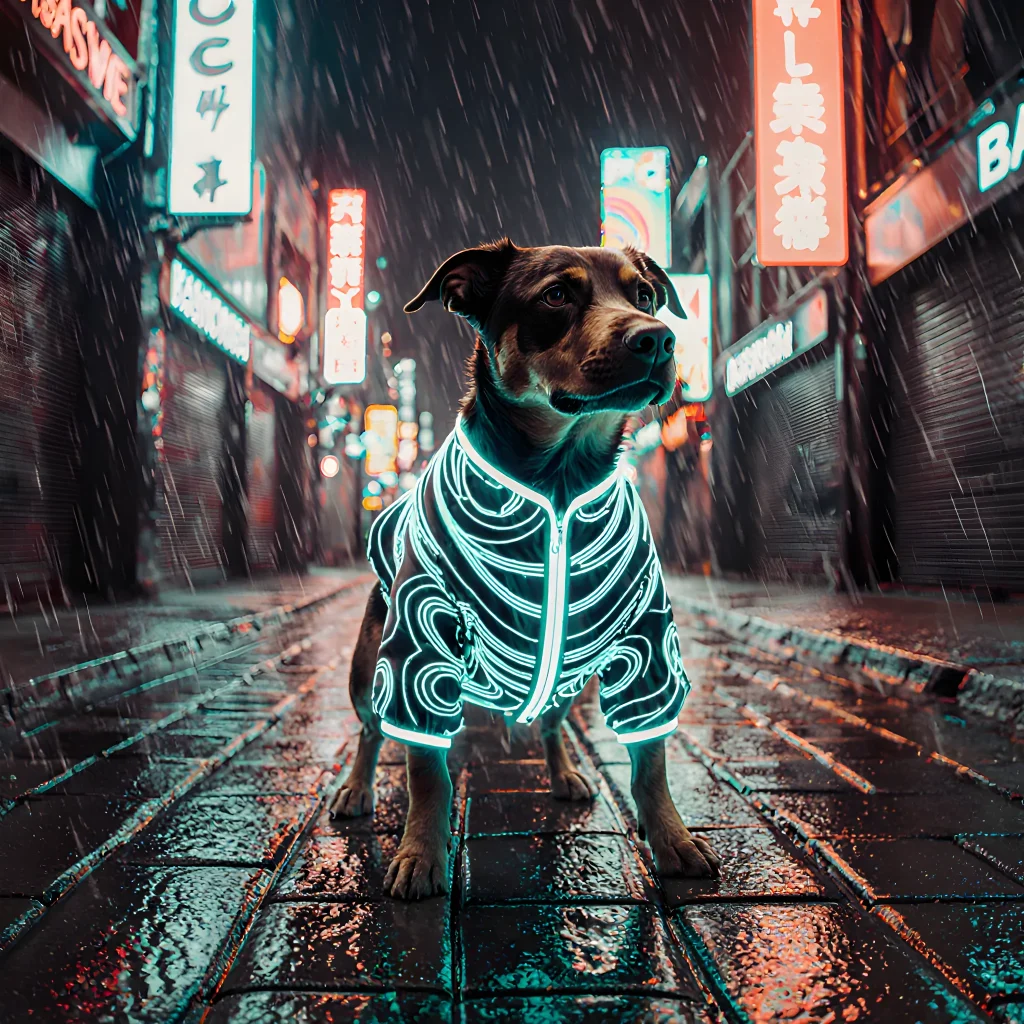










Social Media Buzz: #DogKPopFusion
K‑pop culture isn’t just about music and dance—its influence has seeped into the world of pet fashion. From runway shows featuring dogs in neon jackets to viral TikTok videos of canines wearing “fandom” gear, the fusion is creating a new niche that’s both adorable and trendsetting.
1. K‑Pop-Inspired Dog Accessories
2. Viral Social Media Campaigns
Instagram has been buzzing with accounts that post “doggie fandom” content:
3. Pet-Friendly Concerts and Events
Some Korean pop concerts now allow “pet passes,” letting fans bring their dogs onto a special VIP area. These events often include:
4. Practical Tips for Owners
5. Future Trends
As virtual concerts and augmented reality (AR) experiences grow, we anticipate:
Whether you’re a die‑hard K‑pop fan or simply love stylish pups, this intersection offers endless opportunities to showcase personality—both yours and your furry friend’s. Start by exploring local pet boutiques that carry K‑pop lines, join online communities like #DogKPopFusion, and share your moments on Instagram or TikTok for a chance to go viral.