
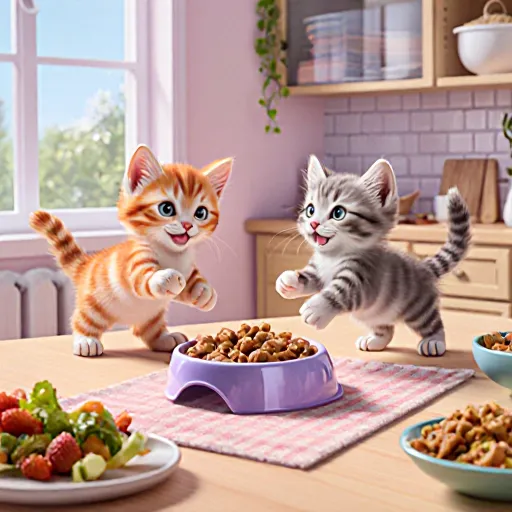
Unlock Your Kitten’s Full Potential with Top Foods!
Best Kitten Food for Growth
Table of Contents
- Choosing the Right Kitten Food
- Protein Content in Kitten Food
- Essential Fatty Acids for Growth
- Calcium and Phosphorus Balance
- Vitamins and Minerals for Kitten Health
- Probiotics and Prebiotics in Cat Diets
- Water Content and Hydration
- Feeding Schedule for Growing Kittens
- Signs of Healthy Growth in Kittens
- Avoiding Overfeeding and Obesity
- Transition to Solid Food for Kittens
- Monitoring Your Kitten's Eating Habits
- Conclusion
- FAQ
Choosing the Right Kitten Food
Selecting the right kitten food is a critical decision that can significantly impact your pet's growth and development. Kittens have specific nutritional needs that differ from those of adult cats, making it essential to choose a high-quality food designed specifically for them.
Key Nutritional Needs
- Protein: Protein is crucial for muscle development and overall growth. Look for kitten foods that contain high levels of animal-based proteins, as they are more easily digestible than plant-based proteins.
- Fat: Fat provides energy and helps in the absorption of essential vitamins. Omega-3 and omega-6 fatty acids are particularly important for a healthy coat and skin.
- Vitamins and Minerals: Vitamins like A, E, and D, along with minerals such as calcium and phosphorus, are necessary for bone development and immune function.
Understanding Labels
When reading labels on kitten food products, look for a few key phrases:
- Premium or High-End: These foods are generally formulated to meet the needs of growing kittens and may contain more vitamins, minerals, and proteins.
- Grain-Free: Some kittens have sensitivities to grain, so a grain-free option might be suitable. However, ensure that it still contains sufficient carbohydrates from other sources for energy.
- Complete and Balanced: This designation indicates that the food meets all of the kitten’s nutritional requirements as established by organizations like AAFCO (Association of American Feed Control Officials).
Popular Brands and Examples
Here are some popular brands known for their high-quality kitten foods:
- Natural Balance: Offers a range of grain-free options that cater to different dietary preferences.
- Pedigree: Known for its premium formulas designed specifically for growing kittens.
- Hill's Science Diet: Provides comprehensive nutritional support with advanced formulations catering to various life stages, including growth and development.
Practical Advice
To ensure your kitten receives the best nutrition possible, follow these tips:
- Consult a Veterinarian: Always consult with your vet to determine the right type and amount of food for your kitten. They can provide personalized advice based on your pet's health and specific needs.
- Transition Gradually: If switching from one brand or type of food, do so gradually over a week to prevent digestive upset.
- Supplement with Fresh Water: Ensure fresh water is always available. Some kittens may not drink enough water, especially if they are eating dry food primarily.
Conclusion
Selecting the right kitten food is a vital step in ensuring your pet grows up healthy and strong. By understanding nutritional needs, reading labels carefully, and consulting with professionals, you can make an informed decision that will benefit your kitten's growth and development.
Protein Content in Kitten Food
Protein is an essential component of kitten food, playing a crucial role in their overall growth and development. Kittens are in a critical phase of life where they need high-quality protein to support muscle growth, healthy organ function, and the formation of strong bones.
Importance of Protein
Protein is vital for kittens because it helps them develop their muscles and organs. During kittenhood, a diet rich in high-quality protein can ensure that they grow at an optimal rate without becoming overweight. This balance is crucial as overfeeding on low-quality proteins or carbohydrates can lead to health issues such as diabetes and obesity.
Amount of Protein Needed
The amount of protein a kitten requires varies based on their age, size, and activity level. Generally speaking, kittens need more protein than adult cats. According to the Association of American Feed Control Officials (AAFCO), growth diets should contain at least 25% crude protein for optimal development.
Examples of High-Protein Ingredients
- Chicken: A common and affordable option, chicken is rich in essential amino acids that support muscle growth and immune function.
- Turkey: Another good protein source that is easily digestible for kittens. It’s also a great alternative to those with mild allergies to dairy or eggs.
- Pork: Contains high levels of essential fatty acids which are beneficial for a kitten's skin and coat health.
- Fish (like salmon): Rich in omega-3 fatty acids that support brain development and a healthy nervous system. It’s important to note that fish should be cooked properly as raw or undercooked fish can contain parasites harmful to kittens.
Practical Advice for Selecting Kitten Food with High Protein Content
When choosing the best kitten food, look out for brands that specifically mention high protein levels. Labels indicating "growing kitten" or "growth formula" are good indicators of a diet rich in proteins.
- Read the Label: Always check the ingredient list and nutritional information on the packaging to ensure it aligns with your kitten's dietary needs. Ingredients should be whole food sources like chicken, turkey, or fish rather than fillers.
- Consult Your Veterinarian: If you have any doubts about what type of protein is best for your kitten’s diet, consult a veterinarian who can offer personalized advice based on your kitten's specific health needs.
- Consider Variety: Offering different high-protein foods in rotation can prevent boredom and ensure your kitten gets a variety of essential nutrients. However, always introduce new foods gradually to avoid upsetting their stomach.
Best Kitten Food for Growth
Some brands that are particularly noted for providing high-quality protein suitable for growing kittens include:
- Hill's Science Diet: Known for its science-backed formulas, Hill's offers a range of kitten foods tailored to support growth and development.
- Purina One Kitten: This brand provides nutritionally complete meals designed specifically for kittens during their critical growth phase.
- Felidae Core Gourmet Kitten: Another great option that focuses on providing essential nutrients including proteins, vitamins, and minerals to support healthy kitten development.
In conclusion, ensuring your kitten receives adequate protein is vital for their growth and overall health. By paying attention to the quality of ingredients in the food you choose, consulting with a veterinarian when needed, and offering a varied diet, you can help ensure your kitten reaches its full potential.
Essential Fatty Acids for Growth
Essential fatty acids (EFAs) play a crucial role in the growth and development of kittens. EFAs are vital because they cannot be synthesized by the body, making them essential nutrients that must be obtained through diet.
EFAs support various bodily functions necessary for growth, including brain development and immune function. They also help maintain healthy skin and coat, which is especially important for kittens as they are still developing these critical systems. By ensuring that your kitten receives adequate EFAs through a quality diet like Best Kitten Food for Growth, you can contribute to their overall health and well-being.
- Omega-3 Fatty Acids: Found in fish oil, flaxseed, and chia seeds. Omega-3s are known for their anti-inflammatory properties and support brain function.
- Omega-6 Fatty Acids: Commonly found in grains like corn and soybeans. Omega-6s help regulate inflammation throughout the body and contribute to healthy skin and coat.
When choosing the best kitten food, look for brands that incorporate essential fatty acids into their formula. Best Kitten Food for Growth often includes a balance of both omega-3 and omega-6 fatty acids to ensure your kitten receives all the nutrients needed for optimal growth.
- Mix in Supplements: If you're feeding dry food, mix a small amount of fish oil or flaxseed into the kibble to increase omega-3 intake.
- Choose Wet Food: Many wet kitten foods are formulated with added EFAs for better absorption. Ensure that the wet food you choose has high-quality animal protein and balanced essential fatty acids.
- Vary the Diet: Rotate different types of foods to ensure your kitten gets a variety of nutrients, including EFAs from various sources.
In conclusion, incorporating essential fatty acids into your kitten’s diet is vital for their healthy growth and development. By choosing the Best Kitten Food for Growth that includes these important nutrients, you can help ensure that your kitten reaches its full potential as it grows.
Calcium and Phosphorus Balance
Ensuring proper calcium and phosphorus balance is crucial for kittens’ growth, as these minerals play a vital role in bone development, muscle function, and overall health. A kitten’s nutritional needs are different from an adult cat's due to their rapid growth rate, which makes it essential to focus on the right proportions of these nutrients.
Understanding Calcium and Phosphorus
Caution: Excessive intake or imbalance between calcium and phosphorus can have detrimental effects. An excess of one mineral relative to another may lead to health issues like bone deformities, poor dental development, or even renal problems. Therefore, it is important to feed a high-quality kitten food that provides the correct balance of these nutrients.
Calcium
Caution: Calcium is essential for building strong bones and teeth. It helps in muscle function, blood clotting, and nerve impulse transmission. Kittens need more calcium than adult cats because they are growing rapidly. However, an excess can lead to kidney stones or other health issues.
Phosphorus
Phosphorus works alongside calcium to maintain strong bones and teeth. It also plays a role in energy production by breaking down fats and carbohydrates. Similar to calcium, the ratio of phosphorus to calcium is critical for optimal bone development.
The Importance of Balance
Caution: The ideal ratio of calcium to phosphorus for kittens is approximately 1.2:1. Feeding a kitten food that provides more phosphorus than calcium can lead to the formation of calcium phosphate crystals in the blood, which can damage kidney function over time. Conversely, an excess of calcium without enough phosphorus may cause weak bones and teeth.
Selecting the Best Kitten Food
When choosing a kitten food, look for brands that provide balanced nutrition according to the recommendations set by organizations such as the Association of American Feed Control Officials (AAFCO). Foods labeled as “complete and balanced” should meet these standards. Brands like Royal Canin, Hills Science Diet, and Purina One are known for their high-quality kitten formulas.
Examples of High-Quality Kitten Food
- Royal Canin Kitten Dry Food: This food is formulated to meet the nutritional needs of growing kittens. It contains a precise balance of calcium and phosphorus, as well as other essential nutrients like vitamins and minerals.
- Hills Science Diet Kitten Formula: This cat food line offers various formulas designed for different life stages, including growth. It is enriched with taurine, which is crucial for heart health in kittens.
- Purina One Kitten Food: Known for its high-quality ingredients and consistent formula, Purina One provides a balanced mix of calcium and phosphorus to support healthy bone development in growing kittens.
Monitoring Your Kitten's Growth
Caution: Regular veterinary check-ups are necessary to monitor your kitten’s growth and ensure they are reaching their full potential. If you notice any signs of imbalance, such as poor appetite or difficulty walking, consult with a veterinarian promptly.
Practical Advice
- Follow Feeding Guidelines: Always follow the feeding guidelines provided by your chosen brand to ensure your kitten receives the right amount of nutrients.
- Supplement Wisely: Avoid adding additional supplements without consulting a veterinarian, as this can disrupt the delicate balance of minerals in your kitten's diet.
- Vary Your Kitten’s Diet: While it is important to provide balanced nutrition, varying the type of food or treats you give your kitten can prevent boredom and ensure they are getting all necessary nutrients.
Caution: Always prioritize a high-quality kitten-specific formula that meets nutritional standards set by reputable organizations. By paying attention to calcium and phosphorus balance, you can help your kitten grow into a strong, healthy adult cat.
Vitamins and Minerals for Kitten Health
Ensuring your kitten receives all necessary vitamins and minerals is crucial for their overall growth and development. These essential nutrients play a vital role in supporting their immune system, promoting healthy bone structure, aiding in muscle function, and enhancing their vision and cognitive abilities.
Vitamins
- Vitamin A: Supports eye health and immune function. It is found in foods like carrots, sweet potatoes, and spinach.
- Vitamin D: Helps in calcium absorption for strong bones and teeth. Sources include fish liver oil and fatty fish like salmon.
- Vitamin E: An antioxidant that protects cells from damage. It can be found in nuts, seeds, and leafy greens.
- Vitamin K: Essential for blood clotting and bone health. It is available in green vegetables like kale and spinach.
Minerals
- Calcium: Critical for building strong bones and teeth. Found in dairy products, cheese, and leafy greens.
- Phosphorus: Works with calcium to form bones and teeth. Present in meat, fish, eggs, and legumes.
- Zinc: Important for immune function, wound healing, and cell growth. Found in beef, oysters, and nuts.
- Iodine: Vital for thyroid function and brain development. Present in iodized salt, seafood, and dairy products.
Best Kitten Food for Growth
Selecting the best kitten food is key to providing all these essential nutrients. Look for formulas that are specifically designed for kittens as they contain higher levels of protein, fat, and other crucial nutrients compared to adult cat foods.
Top Picks:
- Purina One Kitten Formula
- Crowley Kitten Food
- Hill's Science Diet Kitten
- Wellness Core Grain Free Kitten粮
<|im_start|><|im_start|><|im_start|><|im_start|><|im_start|><|im_start|><|im_start|><|im_start|><|im_start|>
Probiotics and Prebiotics in Cat Diets
Ensuring that your kitten receives a balanced and nutritious diet is one of the most important steps you can take to help them grow into a healthy adult cat. Probiotics and prebiotics play crucial roles in supporting digestive health, which ultimately contributes to overall growth and development.
Probiotics are beneficial microorganisms that support the balance of gut flora. In kittens, maintaining a healthy gut is especially important as they undergo rapid growth and have sensitive digestive systems. A probiotic-rich diet can help:
- Support proper digestion: Probiotics break down nutrients in food more efficiently, ensuring your kitten absorbs all essential vitamins and minerals.
- Boost immune function: A balanced gut flora is linked to a stronger immune system, which helps protect against common illnesses during the growth phase.
- Promote healthy weight gain: Proper digestion leads to better nutrient absorption, contributing to healthy weight development in kittens.
Prebiotics are non-digestible fibers that act as food for probiotics. They play a vital role by promoting the growth and activity of beneficial bacteria within your kitten’s digestive tract. Some key benefits include:
- Enhance nutrient absorption: By feeding probiotics, prebiotics help ensure that nutrients from the diet are effectively absorbed.
- Support overall gut health: A healthy digestive system is essential for a growing kitten, as it impacts their ability to absorb vital nutrients.
- Promote a robust immune system: A strong digestive health leads to better absorption of vitamins and minerals, which in turn supports immune function.
Selecting the best kitten food that includes both probiotics and prebiotics is crucial. Here are some examples:
- Purina One Kitten Formula: This food contains both prebiotic fiber and a blend of live active cultures to support digestive health.
- Blue Buffalo Puppy Food: A well-known brand for pet nutrition, this formula offers probiotics that aid in digestion and absorption of nutrients.
- Hill's Science Diet Kitten: This product features a combination of prebiotics that nourish beneficial bacteria in the gut, promoting overall digestive health.
To ensure your kitten receives the best nutritional support from probiotics and prebiotics, consider these practical tips:
- Choose High-Quality Cat Food: Select food that specifically lists probiotics and prebiotics on its ingredient label. Brands like those mentioned above are excellent choices.
- Clean Water: Adequate water intake is essential for overall health, especially to support digestive processes. Ensure your kitten has access to clean, fresh water at all times.
- Consult a Veterinarian: If you have any concerns about your kitten’s diet or growth, consult with your veterinarian. They can provide personalized advice and recommend specific foods that meet the nutritional needs of your growing kitten.
In conclusion, incorporating probiotics and prebiotics into your kitten's diet is a smart move for supporting their digestive health and overall growth. By choosing quality food brands known for their inclusion of these beneficial elements and following practical tips, you can help ensure that your kitten reaches its full potential as it grows.
Water Content and Hydration
Ensuring that your kitten receives an adequate amount of water is critical, especially when choosing a high-quality food designed specifically for growth. Water and hydration play pivotal roles in the overall health and development of kittens. Hydration supports various bodily functions such as digestion, waste removal, temperature regulation, and nutrient transport.
Water is not just a necessity; it's essential for optimal growth. Kittens have higher metabolic rates compared to adult cats, which means they require more water per pound of body weight than adults do. Proper hydration supports healthy urinary function and helps prevent urinary tract issues that can be common in young kittens.
When selecting the best kitten food for growth, it's important to consider the water content of the food itself. High-quality kitten foods formulated specifically for growth contain a significant amount of moisture. For instance, wet kitten food typically has around 75% water content, while dry kitten food usually contains only about 10%. Ensuring that your kitten gets sufficient hydration from their diet is crucial.
To encourage your kitten to drink more water, consider the following tips:
- Mix Wet Food with Dry Food: Start by mixing a small amount of wet food into dry food. This can make it easier for kittens to consume the recommended amount of moisture.
- Offer Fresh Water Regularly: Always ensure your kitten has access to fresh, clean water at all times. Change the water frequently to maintain its freshness and appeal.
- Use a Water Fountain: Many kittens enjoy running water more than standing water. Consider getting an automatic water fountain for your kitten, which can increase their interest in drinking.
Hydration is vital during the growth phase as it supports bone and muscle development, aids in brain function, and helps with overall physical performance. A well-hydrated kitten will have more energy and a better immune system, which are crucial for their rapid development.
Selecting the best kitten food for growth that includes adequate water content is just one aspect of ensuring your kitten's health. However, it’s equally important to monitor their overall hydration through regular access to fresh water and a balanced diet. By paying attention to both aspects, you can help ensure that your kitten reaches its full potential during this critical stage of development.
Feeding Schedule for Growing Kittens
When it comes to ensuring that your growing kitten receives all the necessary nutrients for optimal growth, a well-structured feeding schedule is crucial. The feeding frequency and amount of food vary significantly depending on the age of the kitten. Proper nutrition during this critical period can have long-term effects on their health and development. Here's a guide tailored specifically for best kitten food for growth in WordPress-compatible blogs:
Kittens typically need to be fed four to six times per day until they are about three months old, as frequent feedings help stimulate their digestive systems and ensure they receive all the essential nutrients. After that, you can gradually reduce the frequency to three or four meals a day by weaning them onto adult kitten food around 4-6 months of age.
Amounts and Frequency
- Newborn Kittens (0-2 weeks): Feeding every 2-4 hours, which typically requires expressing milk from the mother or using kitten formula. If you're bottle feeding, be sure to warm the formula to body temperature.
- 2 Weeks - 8 Weeks: Continue with frequent feedings until they are old enough to start eating solid food. As a general guideline, kittens at this age should consume around 3-5 ounces of kitten formula per day divided into smaller portions.
- 9 Weeks - 12 Weeks: Gradually reduce the number of feedings while increasing portion sizes. By now, your kitten might start eating small amounts of dry food or wet cat food mixed with water to encourage them to eat on their own.
Transitioning to Solid Food
The transition from milk-based formula to solid kitten food should be done gradually over a period of 7-10 days. Start by mixing kitten formula and dry or wet cat food in equal parts, then slowly increase the ratio of kitten food as your kitten learns to eat it on its own.
Monitoring Growth
Regularly check your kitten's weight and overall health. Healthy kittens should gain approximately 10 grams per day until they are about three months old. If your kitten is not growing at this rate or seems to be losing weight, consult a veterinarian immediately.
For best results, choose high-quality kitten food that meets the nutritional needs of young cats as defined by organizations like the Association of American Feed Control Officials (AAFCO) or the European Pet Food Industry Federation (FEDIAF).
- Breast Milk: The gold standard for feeding newborn kittens. Ensure it is properly warmed before each feeding.
- Kitten Formula: An excellent substitute for breast milk when a kitten cannot nurse from its mother. Look for formulas that have been specifically formulated for kittens, ensuring they get the right balance of protein, fat, and other essential nutrients.
- High-Quality Dry or Wet Kitten Food: As your kitten approaches weaning age, switch to a high-quality kitten food designed to promote growth. Foods rich in animal-based proteins like chicken, fish, or beef are preferable over plant-based formulas as they provide better amino acid profiles.
Potential Pitfalls
Be cautious of feeding too much or too little. Overfeeding can lead to obesity and related health issues, while underfeeding may stunt growth. Always follow the feeding guidelines provided by your veterinarian or on the packaging of the kitten food you choose.
To make feeding time less stressful, here are some practical tips:
- Create a Routine: Establish regular feeding times to help regulate your kitten's digestive system and ensure they are getting the nutrition they need consistently.
- Maintain Hygiene: Clean all feeding equipment thoroughly between uses to prevent bacterial growth that could harm your kitten's health.
- Vary Texture: Mix different types of food, such as dry kibble and wet food, to keep your kitten interested in eating. This also helps meet their dietary needs more comprehensively.
A well-thought-out feeding schedule is key to a growing kitten's healthy development. By following this guide and selecting the best kitten food for growth, you can ensure that your little one reaches its full potential in terms of physical and mental health. Remember, consistency and attention are crucial during this stage of your kitten’s life.
Signs of Healthy Growth in Kittens
Ensuring that your kitten is growing and developing properly is crucial for their overall health. The right diet plays a significant role, especially during the early stages of life when they are rapidly growing. Here are some signs to look out for to determine if your kitten is receiving the best kitten food for growth.
- Appetite: A healthy kitten should have a strong appetite. If you notice that your kitten is not eating as much as usual, it could be an indication of an underlying health issue or dietary imbalance. Ensure they are getting high-quality food rich in essential nutrients.
- Weight Gain: Regular weight checks can help monitor growth. Kittens should gain a reasonable amount of weight each week until they reach their full adult size. A balanced diet ensures that your kitten is receiving the right caloric intake for optimal growth.
- Energetic Playfulness: Healthy kittens are often very active and playful. If you notice lethargy or lack of interest in play, it could be a sign that their nutrition isn't meeting their energy needs. Opt for kitten food formulated to support high-energy levels.
- Healthy Coat: A shiny, soft coat is indicative of a healthy kitten. Poor quality hair can suggest deficiencies in the diet. Look for kitten food that contains omega-3 and omega-6 fatty acids as they are essential for maintaining a healthy coat.
- Good Digestion: Kittens should have regular bowel movements, which are soft but formed. Diarrhea or constipation can indicate digestive issues, possibly due to an inappropriate diet. A good quality kitten food that is easy to digest will help maintain proper gastrointestinal health.
Selecting the best kitten food involves choosing one that provides all the necessary nutrients during this critical period of growth and development. Here are some key factors to consider:
- Balanced Nutrition: Look for a diet that includes high-quality proteins, fats, vitamins, and minerals. Essential amino acids like taurine are crucial for heart health and vision in kittens.
- Fatty Acids: Omega-3 and omega-6 fatty acids support brain development, skin, and coat health. Ensure the kitten food contains these essential nutrients.
- Vitamins & Minerals: Vitamins A, C, D, E, and B-complex are vital for immune function, bone growth, and overall vitality. Check that your chosen diet provides a balanced intake of these nutrients.
- Ease of Digestion: Kittens have small stomachs and can struggle with complex ingredients. Opt for kitten food formulated to be easily digestible and designed specifically for young cats’ needs.
By paying attention to these signs of healthy growth and selecting a high-quality diet, you can ensure that your kitten is thriving during their early stages of life. Consulting with your veterinarian will also provide personalized advice on the best food choices for your specific kitten.
Avoiding Overfeeding and Obesity
Ensuring that your kitten receives an appropriate amount of nourishment is crucial to its growth and development. Overfeeding or choosing the wrong type of food can lead to obesity, which may have long-term health implications for your pet. Here are some strategies to avoid overfeeding and obesity in kittens while using high-quality food suitable for their growth stage.
High-quality kitten food tailored to their nutritional needs is essential. Look for foods that contain a balanced mix of protein, fat, vitamins, and minerals necessary for your kitten's development. Always opt for brands recommended by veterinarians or nutritionists. Examples include:
- Blue Buffalo LifeStage Kitten: This food is formulated to meet the specific nutritional needs of growing kittens.
- Nula Organic Kitten Formula: Another excellent option that focuses on organic ingredients and high-quality proteins.
- Hill's Science Diet Kitten Food: Known for its consistent quality and tailored nutrition to support growth and development.
It is important to measure the food accurately rather than providing an unlimited supply. Overfeeding can quickly lead to weight gain, which increases the risk of obesity. Use a measuring cup or scale to determine appropriate portions based on your kitten’s age and activity level.
Regularly check your kitten's weight by gently lifting its rib cage. If you can feel individual ribs easily, it is an indication that they are underweight. Conversely, if the ribs are covered with a thick layer of fat, your kitten might be overweight or obese. Consult your veterinarian to establish a healthy target weight for your kitten.
Besides managing food intake, encouraging physical activity is vital in preventing obesity. Engage your kitten in playtime activities that can burn calories and promote muscle development. Toys like feather wands or laser pointers are excellent tools to keep kittens active.
If you switch from one brand of food to another, do so gradually over a week or two. This helps in reducing the risk of digestive upset and ensures that your kitten can adapt smoothly to new dietary changes without experiencing discomfort.
Regular check-ups with your veterinarian are crucial. They can provide personalized advice based on your kitten’s specific health needs, including diet recommendations. Regular visits also help monitor any signs of overfeeding or obesity early on, allowing for timely interventions.
In conclusion, by selecting the right food, measuring portions accurately, monitoring weight regularly, encouraging physical activity, transitioning gradually, and consulting with a veterinarian, you can effectively avoid overfeeding and obesity in your growing kitten. These practices not only promote healthy weight but also support overall well-being and longevity for your pet.
Transition to Solid Food for Kittens
Transitioning kittens from liquid milk formulas or kitten milk replacers to solid food is a critical phase that requires careful attention. This transition ensures that your kitten receives all the necessary nutrients for optimal growth and development, which is why choosing the right kitten formula during this period is essential.
Kittens have different nutritional needs compared to adult cats due to their rapid growth rates. During the transition to solid food, it's important to provide them with a diet that meets these specific requirements:
- Protein: Essential for muscle development and repair.
- Fats: Support brain and nerve function, along with energy production.
- Vitamins and Minerals: Crucial for bone growth and immune system health.
The transition to solid food should be gradual to help the kitten's digestive system adjust. Start by mixing small amounts of kitten food with water or warm formula until your kitten is ready for pure solid food. This process typically takes around 7-10 days.
Selecting a high-quality kitten food that supports growth can make this transition easier and healthier for your pet. Look for formulas that contain:
- High-Protein Content: Ensure the formula has a protein content of at least 30%. This is crucial as kittens need more protein than adult cats.
- Fatty Acids: Omega-6 and omega-3 fatty acids support brain development and coat health.
- Vitamins & Minerals: The formula should have a balanced mix of vitamins A, D, E, C, B complex, and minerals like calcium, phosphorus, iron, copper, zinc, and iodine.
Avoid these common pitfalls during the transition:
- Introducing Adult Cat Food Too Soon: Kittens have different nutritional needs, so adult cat food might not be appropriate.
- Rapid Transition: Sudden changes can upset your kitten's stomach and lead to digestive issues. Take it slowly.
- Omission of Vitamins & Minerals: A diet lacking essential nutrients could hinder growth and development.
Look out for these signs that your kitten is ready to transition to solid food:
- Your kitten has doubled its birth weight (around 5-6 weeks old).
- The kitten shows interest in the food and licks at bowls.
- They have a stable digestive system with no signs of diarrhea or vomiting.
A proper transition to solid food is vital for your kitten's health and growth. By following the steps outlined above, you can help ensure that your kitten receives all the necessary nutrients during this crucial developmental period. Remember, choosing a high-quality kitten formula like the ones recommended in "Best Kitten Food for Growth" will play a significant role in their overall well-being.
Monitoring Your Kitten's Eating Habits
Monitoring your kitten's eating habits is crucial, especially when it comes to ensuring they receive the best nutrition for growth. Proper monitoring helps you understand their dietary needs and adjust as necessary to support healthy development. Here are some practical tips and examples to help you track and ensure your kitten gets the right amount of food:
Kittens have unique nutritional requirements that differ from adult cats. They require a diet rich in protein, fat, vitamins, and minerals to support rapid growth. Monitoring their eating habits ensures they receive an appropriate amount of these essential nutrients.
Signs Your Kitten May Need More Food
- Decreased appetite: If your kitten appears less interested in food than usual, it might indicate a need for more calories or that they are not getting the right type of food.
- Poor growth: Monitoring weight gain can help you identify if your kitten is growing as expected. Consult with a vet if you notice any delays in their development.
- Brittle nails and dull coat: These signs could indicate that the kitten’s diet lacks essential nutrients, prompting a review of the food's nutritional content.
Signs Your Kitten May Be Overeating
- Gentle body fat distribution: A healthy kitten should have a lean yet well-proportioned body. Excess weight can lead to health issues.
- Inactivity and lethargy: Increased sleeping or reluctance to play could indicate overeating, leading to poor energy levels.
To monitor your kitten’s eating habits effectively, consider the following methods:
Weighing Your Kitten Regularly
Use a digital scale to weigh your kitten weekly. A consistent increase in weight indicates they are getting enough food. Conversely, a lack of growth or a decrease could suggest dietary issues.
Observe Eating Behavior
Note how much your kitten eats at each sitting and over the course of a day. Consistent portions help prevent overeating or underfeeding.
Consult Your Vet
Regular check-ups with your veterinarian can provide valuable insights into your kitten's nutritional requirements. They may recommend specific brands or types of food that best meet their growth needs.
When selecting the best kitten food, look for products that specifically label themselves as suitable for growth and development. These foods typically contain higher levels of protein, fat, vitamins, and minerals to support rapid growth.
- Pedigree Kitten Growth: Known for its balanced nutrition, this brand caters well to the growing kitten's needs.
- Hill’s Science Diet Kitten Formula: This food is tailored specifically for growth and includes essential nutrients like taurine to support heart health.
- Blue Buffalo Puppy & Kitten: Offers a variety of flavors with high protein content, making it an appealing choice for growing kittens.
Improper monitoring can lead to several health issues in your kitten. Overfeeding may result in obesity, which increases the risk of diabetes and joint problems. Conversely, underfeeding could lead to stunted growth or weakened immune function.
By closely monitoring your kitten's eating habits and choosing high-quality food for their specific needs, you can help ensure they grow into healthy, strong adult cats. Regular checks with a veterinarian and consistent feeding practices are key to success.
Conclusion
When it comes to choosing the best kitten food for growth, selecting the right nutrients and ingredients is crucial. Kittens have unique nutritional needs during their early stages of development, and providing them with a balanced diet can significantly impact their overall health and well-being.
Nutritional Requirements
Kittens require higher levels of protein, fat, calories, and certain vitamins and minerals compared to adult cats. This is because they are growing rapidly and need energy for bone development, muscle growth, and organ function. High-quality kitten food should contain a balanced mix of these nutrients.
Key Ingredients
- Protein: Essential for muscle development and overall growth. Look for foods containing high-quality animal proteins such as chicken, turkey, or fish.
- Fat: A source of energy and helps in the absorption of fat-soluble vitamins. Ensure that the food contains healthy fats like omega-3 fatty acids and linoleic acid.
- Vitamins: Vitamins such as A, D, E, and K are crucial for various body functions including vision, bone health, and immune system support.
- Minerals: Minerals like calcium, phosphorus, and iron are important for healthy bones and overall development. Ensure the food provides these in a balanced ratio.
Brand Recommendations
Some of the top brands that specialize in kitten nutrition include:
- NuVet Labs Kitten Growth Formula: Known for its high-quality ingredients and balanced nutrition, this food is designed to meet the specific needs of growing kittens.
- Purina One Kitten: This brand offers a variety of formulas that cater to different life stages, including growth. It provides essential nutrients in an easily digestible form.
- Hill's Science Diet Kitten: Hill’s is renowned for its science-backed nutrition. Their kitten food is formulated with premium ingredients and meets the AAFCO standards for complete and balanced nutrition.
Tips for Feeding
To ensure your kitten receives all the necessary nutrients, follow these tips:
- Consult a Veterinarian: Regular check-ups with your vet can help you determine the appropriate amount of food needed based on your kitten's weight and activity level.
- Transition Gradually: If switching to a new brand, do so gradually over several days to avoid digestive upset.
- Monitor Eating Habits: Observe your kitten’s eating behavior. If you notice any changes in appetite or digestion, consult your vet immediately.
In conclusion, providing the best kitten food for growth is a critical aspect of ensuring your kitten reaches its full potential. By understanding their nutritional needs and choosing high-quality foods like those mentioned above, you can help support their healthy development. Remember to always consult with a veterinarian to tailor the feeding plan to your specific kitten's requirements.
FAQ
Choosing the best kitten food for growth can be overwhelming, given the numerous options available. Here are some frequently asked questions and detailed answers to help you make an informed decision.
Q: What are the key nutrients kittens need for optimal growth?
Kittens have unique nutritional needs that differ from adult cats. They require a higher caloric intake, along with essential amino acids, vitamins, and minerals to support rapid bone and muscle development. Here’s what to look for:
- Protein: High-quality proteins like chicken, turkey, or fish are crucial.
- Fat: Essential fatty acids (EFA) contribute to coat health and energy levels.
- Vitamins & Minerals: Vitamins A, D, E, and C, along with calcium, phosphorus, iron, and zinc support growth and immune function.
Q: How do I choose the right food for my kitten's size?
The nutritional requirements of kittens can vary based on their age and size. Smaller kittens may need more frequent feedings but less per meal, while larger ones might benefit from fewer but bigger portions. Always consult with a veterinarian to ensure your kitten is getting the right amount of food.
Q: Can I feed my kitten human food?
While kittens can eat some human food in small quantities, it's not recommended as their primary diet. Human foods like milk (which can cause digestive issues), onions, chocolate, and garlic are toxic to cats. Stick to a well-balanced kitten-specific formula.
Q: What should I look for in a high-quality kitten food?
A reputable brand will list whole ingredients on the label, avoid artificial preservatives, and have no by-products or fillers. Look out for:
- Natural Ingredients: Whole meats listed as primary ingredients.
- No Fillers: Avoid foods containing corn, wheat, or soy.
- Complete Nutrition: Ensure the food meets AAFCO (Association of American Feed Control Officials) growth requirements.
Q: How do I introduce a new kitten food?
To prevent digestive upset, it's important to transition your kitten gradually. Here’s how:
- Mix the old and new food in equal parts for the first few days.
- Gradually increase the proportion of new food over a week or so until you’re feeding only the new diet.
- Observe your kitten’s behavior and stool quality during this transition period. If any issues arise, mix back to 50/50 for another day before trying again.
Q: How can I tell if my kitten is getting enough nutrients?
Signs of good growth include:
- A healthy, shiny coat.
- Healthy weight gain and muscle development.
- Good energy levels with no signs of lethargy.
- No digestive issues or frequent visits to the vet for health concerns.
If you notice any concerning changes, consult your veterinarian. Regular check-ups can also ensure your kitten is on track for optimal growth and development.
Categories
- AI & Enrichment Play
- Broiler Farming
- Broiler Farming Tips
- Canine Wellness & Longevity
- Cat
- Cat & Human Connection
- Cat Adoption & Rescue
- Cat Breeds
- Cat Breeds & Personalities
- Cat Care & Health
- Cat Grooming & Hygiene
- Cat Lifestyle & Environment
- Cat Myths & History
- Cat Nutrition & Diet
- Cat Products & Reviews
- Cat Training & Behavior
- Comparison
- Consumer Awareness
- Dog
- Dog Accessories & Products
- Dog Adoption & Rescue
- Dog Breed & Lifestyle Trends
- Dog Breeding & Puppies
- Dog Entertainment & Media
- Dog Fashion & Trends
- Dog Fun & Lifestyle
- Dog Grooming & Hygiene
- Dog History & Culture
- Dog Myths, Science & Future Tech
- Dog News & Trends
- Dog Nutrition & Food
- Dog Psychology & Emotions
- Dog Safety & Security
- Dog Sports & Activities
- Dog Technology & Innovation
- Dog Training for Modern Owners
- Dog Travel & Adventure
- Dog Travel, Adventure & Culture
- Economic and Market Insights
- Educational Content
- FAQs
- Feeding Alternatives
- Festivals & Seasonal Ideas
- Fun & Entertainment
- General Knowledge
- General Pig Farming
- Health & Disease Management
- Housing and Environment
- Kittens
- Market Insights
- Miscellaneous
- Miscellaneous
- Motivational
- pig
- Pig Breeding
- Pig Breeds
- Pig Farming Stories and Inspiration
- Pig Health and Care
- Pig Nutrition
- Pig Products
- Profitability & Business
- Puppy Care
- Puppy Predictable Topics Reinvented
- Regional Focus
- Rescue & Adoption Buzz
- Senior Cats
- Senior Dog Care
- Smart Dog Tech & Gadgets
- Sustainability
- Sustainable & Eco-Friendly Dog Products
- Tech & Innovations
- Working & Service Dogs
- Broiler Feed66 products
- Country Feed33 products
- Pig Feed66 products
- Product22 products
- Raw Materials99 products
Products
-
 Fish Meal
₹1,999.00 – ₹2,999.00Price range: ₹1,999.00 through ₹2,999.00Rated 0 out of 5
Fish Meal
₹1,999.00 – ₹2,999.00Price range: ₹1,999.00 through ₹2,999.00Rated 0 out of 5 -
 FATTENING BROILER FEED
₹2,299.00 – ₹2,349.00Price range: ₹2,299.00 through ₹2,349.00Rated 0 out of 5
FATTENING BROILER FEED
₹2,299.00 – ₹2,349.00Price range: ₹2,299.00 through ₹2,349.00Rated 0 out of 5 -
 LAYER COUNTRY FEED
₹1,549.00 – ₹1,649.00Price range: ₹1,549.00 through ₹1,649.00Rated 0 out of 5
LAYER COUNTRY FEED
₹1,549.00 – ₹1,649.00Price range: ₹1,549.00 through ₹1,649.00Rated 0 out of 5 -
 COUNTER BROILER FEED
₹1,199.00 – ₹1,299.00Price range: ₹1,199.00 through ₹1,299.00Rated 0 out of 5
COUNTER BROILER FEED
₹1,199.00 – ₹1,299.00Price range: ₹1,199.00 through ₹1,299.00Rated 0 out of 5 -
 LACTATING PIG FEED
Rated 0 out of 5
LACTATING PIG FEED
Rated 0 out of 5₹2,299.00Original price was: ₹2,299.00.₹1,740.00Current price is: ₹1,740.00. -
 Maize
Rated 0 out of 5
Maize
Rated 0 out of 5₹1,650.00Original price was: ₹1,650.00.₹1,300.00Current price is: ₹1,300.00. -
 GESTATION PIG FEED (Phase 1)
Rated 0 out of 5
GESTATION PIG FEED (Phase 1)
Rated 0 out of 5₹2,249.00Original price was: ₹2,249.00.₹1,699.00Current price is: ₹1,699.00. -
 Pre Starter Broiler Feed
₹2,399.00 – ₹2,499.00Price range: ₹2,399.00 through ₹2,499.00Rated 0 out of 5
Pre Starter Broiler Feed
₹2,399.00 – ₹2,499.00Price range: ₹2,399.00 through ₹2,499.00Rated 0 out of 5 -
 FINISHER PIG FEED
Rated 0 out of 5
FINISHER PIG FEED
Rated 0 out of 5₹2,299.00Original price was: ₹2,299.00.₹1,749.00Current price is: ₹1,749.00. -
 Broiler Premix
Rated 0 out of 5
Broiler Premix
Rated 0 out of 5₹820.00Original price was: ₹820.00.₹699.00Current price is: ₹699.00.