
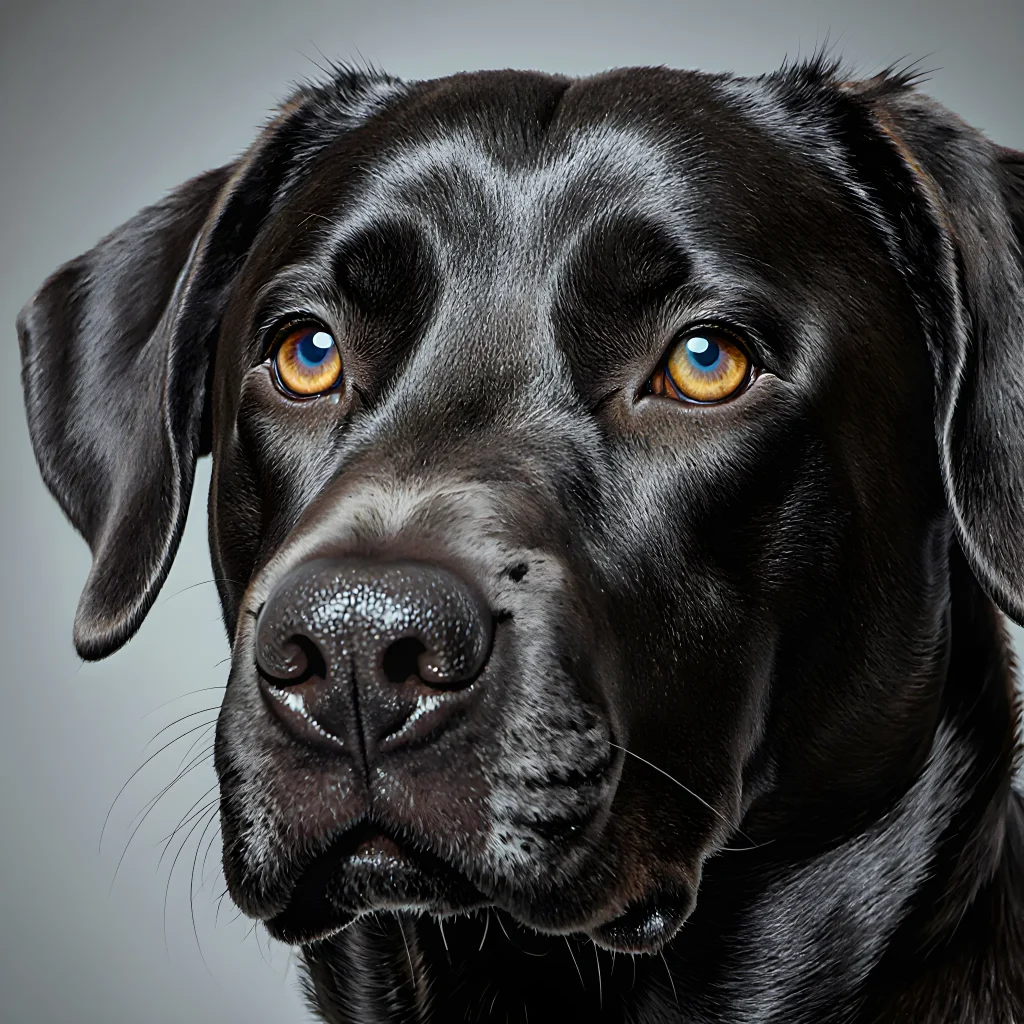
Unveil the secret world of canine personalities
Beyond Barks: Discover the Hidden Depths of Dog Temperaments
Table of Contents
- Introduction to Dog Personalities
- Breed Influences on Personality
- Genetic Factors and Temperament
- Early Socialization Effects
- Environmental Impact on Behavior
- Training Methods and Personality Development
- Age-Related Personality Changes
- Health and Its Role in Personality
- Individual Variations Within Breeds
- Personality Assessment Tools for Dogs
- Owner’s Influence on Dog Personality
- Common Misconceptions About Dog Personalities
- Future Research Directions
- Conclusion
- FAQ
Introduction to Dog Personalities
When we ask, “Do dogs have different personalities?”, the answer is a resounding yes. Just like humans, each dog brings its own unique mix of temperament, energy level, and preferences to the table. Recognizing these differences isn’t just an academic exercise—it’s essential for choosing the right breed, training approach, and even for building a stronger bond with your furry companion.
Key Personality Traits in Dogs
- Extroversion vs. Introversion: Some dogs love to be the center of attention—think energetic Border Collies or outgoing Golden Retrievers—while others prefer quiet time, like many Basset Hounds or Cocker Spaniels.
- Aggressiveness and Fearfulness: Certain breeds have a natural tendency toward protective aggression (e.g., German Shepherds), whereas others may exhibit more fear-based behaviors that require gentle handling (e.g., Chihuahuas).
- Trainability: Dogs such as Poodles, Border Collies, and Australian Shepherds are known for their quick learning curves. In contrast, breeds like Bulldogs or Afghan Hounds often demand patience and consistency.
- Social Needs: Some dogs thrive in multi-dog households (e.g., Boxers), while others do better alone or with just one companion.
Practical Tips for Matching Personality to Lifestyle
- Assess Your Routine: If you’re a weekend warrior who enjoys hiking, look into high-energy breeds such as Siberian Huskies or Jack Russell Terriers. For a more relaxed household, consider a calm breed like the Basset Hound.
- Observe in Person: Whenever possible, spend time with a dog before adoption. Notice how it reacts to strangers, loud noises, and new environments.
- Use Personality Quizzes: Many shelters provide quick questionnaires that highlight a dog's temperament—use these as a starting point but remember they’re not definitive.
- Consider Training Resources: Some dogs benefit from specialized training programs (e.g., clicker training for highly trainable breeds). Others may need more gradual socialization.
Real‑World Example: The Case of the “Mysterious Terrier”
A recent adoption story illustrates how personality matters. A rescue shelter had a terrier mix named “Shadow.” Initially, Shadow seemed shy and withdrawn—typical for many terriers when first introduced to new people. However, after a few weeks of gentle interaction, he revealed a playful side that matched the typical terrier love for games and active play. The family realized they needed more outdoor time than they had planned. By adjusting their routine (adding daily walks and interactive toys), Shadow thrived, showing how understanding personality can lead to happier outcomes.
Conclusion
Dogs do indeed have distinct personalities shaped by genetics, upbringing, and environment. Paying close attention to these traits helps you choose a companion that fits your lifestyle—and ensures both you and your dog enjoy a harmonious life together.
Breed Influences on Personality
While every dog is an individual, breed characteristics can shape a pet’s overall temperament and behavior patterns. Understanding these traits helps owners choose a companion that matches their lifestyle and offers insight into potential training needs.
Key Factors That Link Breed to Personality
- Genetic predisposition: Certain breeds have been selected over generations for specific roles—herding, guarding, hunting—which carry behavioral tendencies such as high energy, protective instincts, or strong prey drives.
- Socialization history: Breeds that historically lived closely with humans (e.g., companion dogs) often display greater sociability and tolerance toward strangers compared to working breeds that may have been raised in more isolated environments.
- Physical traits: Size, coat type, and mobility influence activity levels. For example, large breeds like Saint Bernards tend to be calm but require substantial exercise, while small terriers often exhibit higher alertness and a propensity for playfulness.
Practical Examples of Breed‑Specific Temperaments
| Breed Group | Typical Personality Traits | Ideal Living Situation |
|---|---|---|
| Herding (e.g., Border Collie) | Intelligent, highly energetic, loves mental stimulation. | Active households with ample space and time for training sessions. |
| Working (e.g., German Shepherd) | Protective, loyal, requires clear leadership. | Families that can provide consistent structure and physical activity. |
| Toy (e.g., Chihuahua) | Alert, affectionate, may exhibit boldness toward strangers. | Smaller homes; owners comfortable with close companionship. |
| Sporting (e.g., Labrador Retriever) | Friendly, eager to please, loves water and games. | Active families or individuals who enjoy outdoor activities. |
How Breed Knowledge Helps with Training
Training methods should align with a dog’s natural inclinations. For example:
- Border Collies: Benefit from puzzle toys and agility courses that tap into their problem‑solving skills.
- Labrador Retrievers: Respond well to reward‑based training, especially when combined with fetch or swimming sessions.
- Terriers: Often possess a strong prey drive; interactive play and chew toys help redirect that energy constructively.
Beyond Breed: The Role of Environment
While breed gives a baseline, factors such as early socialization, owner consistency, and daily routine can significantly modify a dog’s personality. A well‑socialized German Shepherd raised in a calm environment may exhibit less aggression than an untrained terrier that has never met many people.
Key Takeaway
Understanding breed influences on personality is essential for selecting the right companion and tailoring training approaches, but always remember that individual variation—shaped by upbringing, health, and daily interactions—plays a crucial role in shaping any dog’s unique character.
Genetic Factors and Temperament
The phrase “do dogs have different personalities?” is often answered with a resounding yes. While environment, training, and socialization play critical roles, the foundation of a dog’s temperament lies in its genetics. Breeds that share similar genetic lineages tend to exhibit comparable behavioral traits—loyal guardianship in shepherds, high energy and curiosity in terriers, or calm companionship in many toy breeds.
Breed‑Specific Temperament Traits
- Labrador Retriever: Friendly, eager to please, excellent with children. Their genetic predisposition for retrieving and swimming makes them natural companions in outdoor activities.
- Bullmastiff: Protective yet docile, often preferring a calm household. Their muscular build is matched by a gentle disposition toward family members.
- German Shepherd: Highly intelligent and trainable, with an instinct for guarding. They thrive on structured tasks and leadership.
Genetic Research Highlights
Recent genome‑wide association studies (GWAS) have identified several loci linked to specific behaviors. For example, variations in the MAOA gene are associated with increased aggression or impulsivity across multiple breeds. Similarly, polymorphisms in the Dopamine Receptor D4 (DRD4) gene correlate with novelty seeking and exploration.
Practical Implications for Prospective Owners
- Match Lifestyle to Genetic Profile: If you lead an active life, consider breeds genetically predisposed to high energy (e.g., Border Collie, Australian Shepherd). For a quieter household, look toward breeds with lower activity levels (e.g., Basset Hound, Cavalier King Charles Spaniel).
- Early Socialization: Even dogs with a “friendly” genetic makeup can develop fear or aggression if not exposed to diverse stimuli early on.
- Consider Mixed‑Breed Advantages: Dogs with blended genetics often exhibit a balance of desirable traits from each parent, potentially reducing extreme behavioral tendencies.
Case Study: The Shiba Inu
A classic example of genetic temperament is the Shiba Inu. Known for its “shiba‑shiba” personality, this breed displays a confident, independent streak that stems from its hunting ancestry. Owners who respect this trait by providing consistent boundaries and positive reinforcement typically see a harmonious relationship. Ignoring these innate cues can lead to stubbornness or resistance during training sessions.
Final Thought
Understanding the genetic backdrop of a dog’s temperament equips owners, trainers, and breeders with the foresight needed to nurture a well‑adjusted companion. While genetics set the stage, it is the interplay between nature and nurture that truly shapes each dog’s unique personality.
Early Socialization Effects
The first few weeks of a puppy’s life are critical for shaping its future behavior and temperament. A well‑socialized pup is more likely to grow into an adaptable, confident dog that can handle new people, places, sounds, and situations without undue fear or aggression.
What Happens During the Socialization Window?
- Neuroplasticity peak: Between 2–12 weeks, puppies’ brains are highly receptive to learning. Positive experiences during this period create lasting neural pathways.
- Learned associations: A puppy that meets a variety of people, animals, and environments learns to associate these stimuli with safety rather than threat.
- Foundation for adult personality: Early exposure can mitigate tendencies toward anxiety or dominance that might otherwise manifest in adulthood.
Practical Steps for Effective Socialization
- Controlled introductions:
Invite friends, family members, and even strangers to visit. Keep interactions brief (5–10 minutes) at first, gradually increasing as the puppy shows comfort.
- Diverse environments:
- Home: different rooms, furniture, household noises.
- Neighborhood: sidewalks, traffic sounds, parked cars.
- Public spaces: parks, pet stores (with supervision).
- Positive reinforcement:
Use treats, praise, and gentle play to reward calm behavior. Avoid punishment; it can reinforce fear.
- Gradual exposure to animals:
Introduce the puppy to other dogs (preferably vaccinated and well‑behaved) in a controlled setting. Use short, supervised play sessions before allowing free interaction.
- Sound acclimatization:
Play recordings of everyday noises—vacuum cleaner, siren, doorbell—at low volume and gradually increase as the puppy tolerates them.
Common Pitfalls to Avoid
- Over‑exposure: Too many stimuli at once can overwhelm a puppy. Pace introductions based on the pup’s reaction.
- Ignoring signs of stress: Tail tucked, ears back, or frantic behavior indicate fear; pause and give space.
- Inconsistent handling: Switching between positive and negative responses confuses puppies. Keep your approach consistent.
Linking Socialization to Personality Differences
Research, including studies on the topic “Do Dogs Have Different Personalities?”, shows that early socialization can influence whether a dog leans toward a dominant or submissive temperament, how it reacts to novelty, and its overall confidence level. Puppies that miss out on this critical window often display higher anxiety scores, are more prone to aggression when feeling threatened, or may develop separation anxiety later in life.
Quick Checklist for New Owners
| Task | Frequency | Notes |
|---|---|---|
| Meet new people | 2–3 times/week | Keep sessions short, use treats. |
| Walk in varied settings | Daily | Include quiet streets and busy sidewalks. |
| Introduce other dogs | Weekly (if possible) | Use a leash and supervise closely. |
| Play with toys in different rooms | Daily | Encourage exploration. |
By investing time and consistency during the early socialization period, you set your dog on a path toward becoming a well‑adjusted companion whose personality is balanced, resilient, and joyful.
Environmental Impact on Behavior
The environment in which a dog lives can profoundly shape its personality and daily habits. Even if two dogs share the same breed, age, or training background, differences in lighting, noise levels, space, and social interactions can lead to divergent behavioral outcomes.
1. Indoor vs. Outdoor Living
- Indoor Dogs: Often develop more anxious or shy traits if deprived of outdoor exploration. They may rely heavily on owners for stimulation, leading to increased attachment behaviors such as following the owner from room to room.
- Outdoor Dogs: Typically exhibit higher confidence and independence due to regular exposure to varied sights, sounds, and scents. However, they can also become more reactive if not properly socialized in diverse outdoor settings.
2. Household Noise and Activity Levels
A quiet household with minimal television or loud music tends to produce calmer dogs who are less likely to bark excessively. Conversely, a bustling home—especially one with frequent visitors, children, or pets—can encourage playfulness but may also increase stress if the dog is not given consistent routines.
3. Space and Physical Environment
- Large Yards: Allow for vigorous exercise, which can reduce hyperactivity in high-energy breeds like Border Collies or Australian Shepherds.
- Small Apartments: May foster clinginess or destructive chewing if the dog’s need for mental stimulation isn’t met with interactive toys and regular walks.
4. Social Interactions
Dogs that regularly interact with other dogs, humans of various ages, and different species tend to develop balanced social skills. Isolation can lead to dominance issues or fear-based aggression, while overexposure without proper boundaries may cause disinhibited behavior.
5. Climate and Weather
Temperature extremes influence activity patterns. Dogs in hot climates often become lethargic during peak heat, which can be mistaken for depression. Providing shaded areas and adequate hydration is essential to maintain a healthy temperament.
Practical Tips for Owners
- Create a Routine: Consistent feeding times, walks, and play sessions help dogs feel secure regardless of external noise or household changes.
- Use Environmental Enrichment: Rotate toys, introduce puzzle feeders, and schedule short training sessions to keep mental stimulation high.
- Gradual Exposure: If a dog shows fear toward new sounds (e.g., fireworks), gradually desensitize them by playing recordings at low volume while offering treats.
- Provide Safe Spaces: Designate quiet corners or crates where the dog can retreat when overwhelmed, fostering independence and reducing anxiety.
By understanding how environmental factors influence behavior, owners can tailor their care strategies to nurture well-balanced dogs—regardless of whether they possess a naturally calm disposition or an energetic one. Remember, even subtle adjustments in lighting, noise control, or space allocation can make a significant difference in your dog’s overall personality and happiness.
Training Methods and Personality Development
Understanding that every dog has a unique personality is the first step toward effective training. A one‑size‑fits‑all approach rarely works; instead, tailor your methods to match each dog's temperament, energy level, and learning style.
1. Positive Reinforcement – The Universal Starter
- What it is: Rewarding desired behavior with treats, praise, or play.
- Why it works: Dogs are natural learners who thrive on clear, immediate feedback. Positive reinforcement builds trust and encourages repetition.
- Practical tip: Use high‑value treats (e.g., small pieces of chicken) for first‑time behaviors, then gradually transition to lower‑value rewards as the behavior becomes reliable.
2. Clicker Training – Precision Timing
The clicker is a small device that makes a distinct sound when pressed, marking the exact moment of correct action. This clarity helps dogs associate the click with the reward.
- Step 1: “Charge” the clicker by clicking and immediately giving a treat.
- Step 2: When your dog performs the target behavior, click and treat. Repeat until the click is synonymous with success.
- Tip: Use clicker training for complex commands (e.g., “heel” or “stay”) where timing is critical.
3. Shaping – Building Complex Behaviors
Shape a behavior by rewarding successive approximations toward the final goal. This method is ideal for dogs with slower learning curves or those that get overwhelmed by big steps.
- Example: Teaching “roll over.” First reward when the dog lies down, then when it starts to roll, and finally when it completes the full roll.
- Practical advice: Keep training sessions short (5–10 minutes) to maintain focus and prevent frustration.
4. Operant Conditioning – Use of Commands & Signals
Combine verbal cues with hand signals or body language. Dogs often read your posture before your voice, so consistency across modalities reinforces learning.
- Command “sit”: Say the word while simultaneously raising your palm.
- Follow-up: Praise and treat only when both cues are recognized.
5. Socialization – Expanding Personality Horizons
A well‑socialized dog is more adaptable, less fearful, and easier to train. Expose your dog to diverse people, animals, environments, and sounds early on.
- Practical example: Arrange a “doggy playdate” every two weeks with a new companion of similar size and energy.
- Tip for shy dogs: Use low‑stress introductions—start with a calm walk through a quiet park before moving to busier areas.
6. Personality‑Based Adjustments
Dogs exhibit traits such as boldness, caution, playfulness, or dominance. Recognizing these helps you choose the right training intensity and reward type.
| Personality Trait | Training Approach | Reward Type |
|---|---|---|
| Highly Energetic | Short, high‑intensity sessions with frequent breaks. | Treats + fast-paced play. |
| Shy/Anxious | Slow progression, use of a calm voice and gentle handling. | Low‑value treats, soft petting. |
| Dominant/Assertive | Clear hierarchy signals—consistent commands, firm but respectful tone. | High‑value treats and verbal praise. |
7. Consistency Across Household Members
All family members should use the same cues and reward structure to avoid confusing your dog.
- Example: If one person says “sit” while another says “down,” the dog will struggle to understand what is expected.
- Tip: Hold a quick “training sync” meeting at the start of each week.
8. Monitoring Progress & Adjusting Methods
Keep a training log: record date, behavior taught, success rate, and any setbacks. Review weekly to spot patterns.
- Step 1: Note the number of trials before the dog performs correctly.
- Step 2: If progress stalls, consider changing the reward type or breaking the task into smaller steps.
By aligning your training strategy with your dog's individual personality, you create a learning environment that feels natural and engaging. This personalized approach not only speeds up skill acquisition but also deepens the bond between you and your canine companion.
Age-Related Personality Changes
Just as humans evolve through life stages, dogs also experience shifts in temperament and behavior as they age. Understanding these changes helps owners provide appropriate care, training adjustments, and enrichment tailored to each stage of a dog’s life.
1. Puppies (0–6 months)
- High energy & curiosity: Puppies explore the world through scent, taste, and touch, often leading to impulsive play or mouthing behaviors.
- Rapid learning phase: Their neural plasticity allows quick acquisition of basic commands; consistency and positive reinforcement are key.
- Socialization window: Exposure to diverse people, animals, and environments between 3–12 weeks reduces fearfulness later in life.
2. Adolescence (6 months–1 year)
- Rebellious streaks: Hormonal changes can cause defiance; owners should maintain firm boundaries while continuing reward‑based training.
- Increased independence: Dogs may test limits, so consistent routines help mitigate anxiety.
- Play style shifts: They move from rough play to more structured games like fetch or agility; this can reduce aggression if properly channeled.
3. Adult (1–7 years)
- Stable temperament: Most dogs reach a settled personality, though some may still exhibit bursts of high energy depending on breed and exercise level.
- Peak learning ability: Training remains effective; owners can introduce advanced skills such as scent work or complex tricks.
- Health vigilance: Regular vet check‑ups catch early signs of conditions (e.g., hip dysplasia) that might influence behavior.
4. Senior (7+ years)
- Reduced activity & slower reflexes: Exercise should shift to low‑impact activities like short walks or swimming, if tolerated.
- Cognitive changes: Some seniors develop “canine dementia,” leading to confusion, disorientation, and altered sleep patterns. Structured routines and mental stimulation (puzzle toys) can mitigate symptoms.
- Comfort needs: Provide soft bedding, joint‑support supplements, and a quiet environment to reduce discomfort that may manifest as irritability or withdrawn behavior.
Practical Tips for Managing Age‑Related Shifts
- Adjust training methods: Puppies benefit from short, frequent sessions; seniors thrive on longer, more predictable routines.
- Monitor health signals: Pain can masquerade as aggression. Watch for limping, changes in appetite, or reluctance to jump.
- Enrich mentally and physically: Use puzzle feeders, scent games, and gentle agility for all ages; tailor intensity to the dog’s physical capacity.
- Keep vet visits regular: Early detection of arthritis, thyroid issues, or cognitive decline allows timely intervention.
- Re‑evaluate social needs: A senior may prefer fewer interactions. Provide gentle companionship without forcing play that could stress them.
By recognizing these age‑related personality changes, owners can anticipate behavioral shifts and adjust care strategies accordingly—ensuring a happier, healthier life for their canine companions throughout all stages.
Health and Its Role in Personality
When we talk about canine personality, it’s easy to focus on genetics, upbringing, and socialization. Yet the physical health of a dog profoundly shapes how they behave, react to stimuli, and interact with people and other animals. A healthy body supports a calm mind; conversely, chronic pain or illness can trigger anxiety, aggression, or withdrawal.
How Physical Well‑Being Influences Behavior
- Chronic Pain: Dogs with arthritis or dental issues may become irritable or refuse to engage in play. Their discomfort can mask a friendly disposition behind a defensive stance.
- Weight Management: Overweight dogs often exhibit reduced energy and increased lethargy, which can be mistaken for low-spiritedness rather than a health issue.
- Nutritional Deficiencies: Lack of essential fatty acids or vitamins can lead to poor coat quality, skin irritation, and mood swings.
- Endocrine Disorders: Conditions such as hypothyroidism or Cushing’s disease alter hormone levels, affecting a dog’s temperament—often making them more anxious or lethargic.
Practical Steps to Promote Positive Personality Through Health
- Regular Veterinary Check‑Ups: Annual exams catch early signs of disease. Discuss behavioral changes with your vet; they may recommend bloodwork or imaging.
- Balanced Diet: Choose a high‑quality food tailored to life stage, weight, and activity level. Consider supplements like omega‑3 fatty acids for skin health and joint support.
- Exercise Routine: Tailor activity to your dog’s breed and age. Consistent exercise improves circulation, reduces stress hormones, and strengthens muscle tone.
- Pain Management: Use prescribed analgesics or natural therapies (e.g., acupuncture) when needed. A pain‑free dog is more likely to exhibit a relaxed, playful personality.
- Dental Care: Brush teeth daily and schedule professional cleanings every six months. Dental disease can cause chronic discomfort that impacts mood.
Case Study: The “Healthy‑Happy” Dog vs. the “Sick‑Anxious” Dog
Scenario A: A Labrador Retriever, 4 years old, on a balanced diet and daily walks, shows high energy, curiosity, and an eager-to-please attitude.
Scenario B: The same breed, same age, but suffering from untreated hip dysplasia. This dog displays reluctance to jump onto furniture, increased vocalization when approached, and a tendency to snap when startled—behaviors that may be misinterpreted as a “bad” personality rather than pain‑driven frustration.
Key Takeaway
Your dog’s physical health is the foundation upon which their personality is built. By proactively managing diet, exercise, and medical conditions, you create an environment where your canine’s true temperament—whether playful, affectionate, or protective—can flourish.
Individual Variations Within Breeds
While a breed’s standard gives us a general idea of what to expect, no two dogs are identical. Even within the same litter, puppies can display vastly different temperaments, energy levels, and learning styles.
Genetic Diversity Inside a Breed
- Polygenic Traits: Many personality traits—such as boldness or shyness—are influenced by multiple genes. A single mutation can tip the balance in one direction, creating noticeable differences among siblings.
- Epigenetic Factors: Environmental influences during gestation (e.g., maternal stress) can alter gene expression, affecting how a puppy reacts to new stimuli later on.
The environment in which a dog grows up plays a crucial role:
- Early Socialization: Puppies exposed to diverse people, animals, and settings tend to be more adaptable.
- Owner Interaction: A calm owner who rewards patience can foster a gentle temperament; a hurried or impatient owner may unintentionally reinforce nervousness.
- Training Consistency: Dogs that receive consistent cues develop clearer communication and often exhibit less anxiety.
Practical Tips for Managing Individual Differences
- Observe Before You Commit: Spend a few weeks with a puppy or dog to gauge its baseline behavior. Look for patterns in reaction to new people, vehicles, and sounds.
- Tailor Training Methods: A high‑energy dog may benefit from interactive games (e.g., fetch, tug) as part of training, while a calmer dog might respond better to quiet commands.
- Use Positive Reinforcement Consistently: Rewards—treats, praise, or play—should be given immediately after the desired behavior to strengthen learning.
- Provide Mental Stimulation: Puzzle toys, scent work, and training sessions keep a dog mentally engaged and reduce boredom‑related misbehavior.
Case Study: Two Labrador Retrievers
Meet Max (born in 2021) and Luna (born in 2022), two siblings from the same litter. Max is highly energetic, loves running, and thrives on interactive training sessions with a clicker. Luna, however, prefers calmer activities, such as short walks and gentle obedience drills. Both are Labradors—known for their friendly nature—but their individual personalities shape how they respond to training, exercise needs, and social interactions.
Conclusion
Understanding that each dog is a unique blend of genetics and environment helps owners set realistic expectations and create the best possible life for their companion. By observing, adapting training techniques, and providing consistent care, you can nurture your dog's natural strengths while gently guiding areas that need development.
Personality Assessment Tools for Dogs
Understanding a dog’s personality is the first step toward building a strong, respectful relationship. While every dog is unique, several standardized tools and observational techniques can help you identify key traits such as sociability, boldness, anxiety levels, and trainability.
1. The Canine Personality Assessment Scale (CPAS)
- Description: A questionnaire for owners that rates behaviors on a Likert scale (1–5). Questions cover playfulness, fearfulness, aggression, and responsiveness to training.
- Practical Use: Fill it out once per year or after significant life changes (new home, new family member).
- Example Question: “How often does your dog bark when someone enters the house?”
2. The Dog Personality Profile (DPP)
This tool combines owner input with veterinary observations, focusing on four core dimensions: boldness, sociability, anxiety, and dominance. It’s useful for vets to tailor behavioral interventions.
3. Observational Checklists
Keep a daily log of your dog’s reactions in various contexts—meeting strangers, new toys, changes in routine. Use the following categories:
- Approach/Avoidance: Does the dog come to you or hide?
- Vocalization: Barking, whining, growling.
- Body Language: Tail position, ear orientation, eye contact.
4. Behavioral Testing Kits
Commercial kits (e.g., “Dog Personality Test Kit”) provide a series of stimuli—treats, toys, unfamiliar sounds—to elicit measurable responses. Record latency and intensity to gauge traits such as fearfulness or curiosity.
5. Digital Apps & Wearables
- DogTracker: Tracks heart rate variability during walks; higher HRV often correlates with lower anxiety.
- PupPals App: Uses AI to analyze video clips of play sessions and assigns a personality score.
Integrating Assessment Results into Training
- Identify Strengths: A high sociability score means your dog may benefit from group classes, while a low boldness score suggests gentle handling.
- Address Weaknesses: If the assessment shows high anxiety, start with desensitization exercises and reward calm behavior.
- Set Realistic Goals: Use percentile rankings to compare your dog’s traits with breed averages—this helps you set achievable training milestones.
Case Study: Bella the Border Collie
Bella scored high in boldness and low in anxiety. Her owner used this information to enroll her in agility courses, which amplified her natural confidence. After two months, Bella’s CPAS score for “trainability” increased by 30%.
Final Tips
- Reassess every six months or after major life events.
- Combine tools: use both owner questionnaires and observational logs for a holistic view.
- Consult a professional if scores indicate potential behavioral issues that may require specialized intervention.
Remember, personality assessment is not a diagnosis but a guide—every dog’s journey is unique.
Owner’s Influence on Dog Personality
While genetics lay the foundation for a dog’s temperament, an owner’s actions, environment, and training style play a pivotal role in shaping how that personality expresses itself. Below are key ways owners can influence their canine companion’s behavior, along with practical tips and real‑world examples.
1. Consistent Training Builds Confidence
- Positive reinforcement (treats, praise, play) rewards desired behaviors, encouraging repetition.
- Inconsistent cues or mixed signals can create confusion and anxiety.
Example: A Labrador retriever who consistently receives a treat for sitting on command becomes more confident in public settings than one whose training is sporadic.
2. Socialization Expands Behavioral Flexibility
- Early exposure to diverse people, animals, and environments reduces fearfulness.
- Owners who arrange controlled social experiences help dogs adapt to new situations.
Example: A German Shepherd that attends weekly group walks shows fewer reactive behaviors toward unfamiliar dogs compared to a counterpart left in isolation.
3. Exercise Regimens Shape Energy Levels
- High‑energy breeds benefit from structured, long workouts; low‑energy breeds thrive on moderate activity.
- Owners who tailor exercise to a dog’s breed and age prevent behavioral issues stemming from pent‑up energy.
Example: A Border Collie that receives daily agility training exhibits less destructive chewing than one confined indoors with minimal stimulation.
4. Nutrition Influences Mood
- A balanced diet supports neurological health, impacting temperament.
- Owners who monitor portion sizes and avoid excessive treats help maintain steady energy.
Example: A mixed‑breed dog on a high‑protein diet demonstrates steadier focus during obedience sessions than one fed primarily kibble with added sugary treats.
5. Routine Provides Security
- Predictable feeding, walking, and bedtime schedules reduce anxiety.
- Owners who adapt routines gradually when necessary prevent stress spikes.
Example: A Golden Retriever that follows a consistent daily schedule is less likely to develop separation anxiety than one whose routine varies widely.
6. Emotional Climate Shapes Personality
- A calm, patient owner models relaxed behavior; an anxious or hostile owner may inadvertently reinforce fear or aggression.
- Mindful interactions—gentle touch, soft voice—foster trust.
Example: A Boxer raised by a serene household tends to be sociable and less reactive than one raised in a high‑stress environment with frequent shouting.
Practical Advice for Owners
- Start training early: Begin basic commands before the dog is 8 weeks old.
- Schedule regular social outings: Aim for at least one new environment per week during puppyhood.
- Match exercise to breed needs: Consult a veterinarian or trainer for breed‑specific recommendations.
- Maintain a balanced diet: Use high‑quality commercial food or homemade meals vetted by a vet.
- Create a predictable routine: Feed, walk, and play at set times each day.
- Practice calm ownership: Use positive body language and avoid abrupt tone changes.
In summary, while dogs do possess inherent personality traits—an aspect highlighted in the discussion on “Do Dogs Have Different Personalities?”—the owner’s role is a powerful modifier. By applying consistent training, ample socialization, appropriate exercise, balanced nutrition, structured routines, and emotional stability, owners can nurture their dogs into well‑adjusted, confident companions.
Common Misconceptions About Dog Personalities
Many pet owners and even seasoned trainers hold certain beliefs about what makes a dog’s personality tick. While Do Dogs Have Different Personalities? is a well‑researched question, the everyday myths that circulate can lead to misunderstandings and misbehavior management. Below we break down five of the most pervasive misconceptions, provide evidence‑based explanations, and give practical tips for owners who want to cultivate a harmonious relationship with their canine companions.
1. “All Dogs Are Either Friendly or Aggressive.”
Reality: Personality is multi‑dimensional. A dog may be friendly toward humans but shy around other dogs, or vice versa. Factors such as breed predisposition, early socialization, and individual life experiences shape these traits.
- Example: A Labrador Retriever can be an affectionate family pet yet show strong guarding instincts when a stranger approaches the house.
- Practical Advice: Observe your dog’s body language in varied contexts. Use controlled introductions with other dogs and record reactions to identify specific triggers or comfort zones.
2. “Breed Determines Personality.”
Reality: While genetics play a role, environmental factors—training style, social exposure, and owner behavior—can significantly modify a dog’s temperament.
- Example: A typically energetic Jack Russell Terrier can develop a calm demeanor if raised in a low‑stimulus home with consistent routines.
- Practical Advice: Treat your dog as an individual. Don’t assume a particular breed will automatically exhibit the same personality traits you’ve heard from others. Tailor training and enrichment to their unique responses.
3. “A Dog’s Personality Is Fixed Once It Reaches Adulthood.”
Reality: Dogs can adapt throughout life, especially when exposed to new experiences or consistent positive reinforcement.
- Example: A shy puppy that was gradually socialized and rewarded for calm interactions with strangers can become an outgoing companion by adulthood.
- Practical Advice: Continue enrichment activities—puppy classes, agility courses, or scent work—throughout your dog’s life to encourage growth and maintain mental stimulation.
4. “If a Dog Is “Lazy,” It Must Be Unhealthy.”
Reality: Energy levels vary widely by breed, age, and individual metabolism. Some dogs naturally have lower activity thresholds and may appear lethargic when they’re simply resting.
- Example: An older Cocker Spaniel might be content with short walks and gentle play rather than intense runs.
- Practical Advice: Match exercise to your dog’s capacity. Gradually increase activity, monitor for signs of overexertion, and consult a veterinarian if you notice sudden changes in energy or appetite.
5. “A Dog’s Personality Is the Same Inside and Outside the Home.”
Reality: Context matters. A dog that is playful at home may become nervous outdoors due to unfamiliar stimuli (traffic, other animals). Conversely, some dogs are more relaxed in public settings than at home.
- Example: A Border Collie may be a gentle lapdog indoors but highly reactive to passing cyclists on the street.
- Practical Advice: Conduct “outside personality checks” by taking your dog on short walks and noting behavioral changes. Use desensitization techniques if needed, such as gradual exposure to traffic or other dogs while rewarding calm behavior.
Understanding these misconceptions helps you make informed decisions about training methods, enrichment activities, and overall care strategies. By treating each dog as a unique individual—and by staying attuned to how their personality unfolds across different situations—you’ll foster a healthier, happier relationship that benefits both you and your furry friend.
Future Research Directions
While the current literature provides a solid foundation for understanding canine personality, several gaps remain that warrant further investigation:
1. Longitudinal Studies on Personality Development
- Gap: Most studies are cross‑sectional, capturing a snapshot of personality at one point in time.
- Future Work: Track individual dogs from puppyhood through adulthood to observe how early life experiences (e.g., socialization events, training methods) influence the trajectory of traits such as boldness or sociability.
- Practical Advice for Researchers: Use a standardized assessment battery at regular intervals and pair behavioral data with physiological measures (cortisol levels, heart rate variability) to capture both observable and internal changes.
2. Cross‑Breed Comparative Analyses
- Gap: Many studies focus on a handful of popular breeds or mixed‑breed populations, limiting generalizability.
- Future Work: Design large‑scale, multi‑center projects that include rare and working breeds (e.g., Alaskan Malamutes, Belgian Tervuren) to map trait distributions across the canine phylogeny.
- Practical Advice for Practitioners: When selecting a breed for specific roles (service dogs, therapy work), consult comparative data that highlights temperament clusters rather than relying solely on anecdotal reports.
3. Gene‑Behavior Correlation Studies
- Gap: The genetic underpinnings of personality traits are still largely unexplored outside a few loci (e.g., the serotonin transporter gene).
- Future Work: Employ genome‑wide association studies (GWAS) combined with detailed phenotyping to identify novel genes linked to traits such as fearfulness or playfulness.
- Practical Advice for Breeders: Integrate genetic testing into breeding programs only after robust associations have been validated; avoid premature use of “temperament chips” that may mislead owners.
4. Environmental Moderators and Contextual Flexibility
- Gap: Current models often treat personality as static, overlooking how context (e.g., noisy environments, presence of unfamiliar people) can modulate trait expression.
- Future Work: Design controlled experiments that systematically vary environmental variables while monitoring behavioral outputs and physiological stress markers.
- Practical Advice for Owners: Create enrichment routines that expose dogs to diverse but manageable stimuli, thereby promoting adaptability without triggering chronic anxiety.
5. Human–Dog Interaction Dynamics
- Gap: The bidirectional influence between owner behavior and dog personality is under‑studied.
- Future Work: Longitudinal dyadic studies that record both human and canine behaviors in naturalistic settings (e.g., during training, play sessions) can reveal how owner traits shape or are shaped by the dog's temperament.
- Practical Advice for Training Professionals: Tailor communication styles to match a dog’s dominant personality cluster—e.g., use more positive reinforcement with highly sociable dogs and structured cues with reserved breeds.
6. Technology‑Enabled Monitoring
- Gap: Traditional observational methods can miss subtle behavioral nuances.
- Future Work: Deploy wearable sensors (accelerometers, GPS trackers) and machine learning algorithms to continuously capture activity patterns, vocalizations, and facial expressions across varied contexts.
- Practical Advice for Pet Owners: Leverage commercially available devices that provide real‑time feedback on stress indicators; however, always corroborate sensor data with direct observation before making management decisions.
By addressing these research directions, the field can move toward a more nuanced, evidence‑based understanding of canine personalities. This knowledge will not only enhance animal welfare and training efficacy but also deepen the human–dog bond that has evolved over millennia.
Conclusion
The short answer is a resounding yes – dogs do have distinct personalities. While all canines share common biological traits such as the need for social interaction, exercise, and mental stimulation, individual differences emerge from a complex interplay of genetics, early life experiences, training, and ongoing environmental factors.
Key Takeaways
- Genetics sets the baseline: Breeds are often associated with certain behavioral tendencies (e.g., Border Collies for high intelligence and energy, Bulldogs for a calm disposition), but within any breed there is considerable variation.
- Early socialization shapes temperament: Puppies that encounter diverse people, animals, and environments during the critical 3‑12 week window tend to develop more balanced personalities.
- Training influences expression: Positive reinforcement methods encourage confidence and reduce fear-based behaviors, while punitive approaches can exacerbate aggression or anxiety.
- Environment matters: A stimulating home with routine, enrichment toys, and consistent routines promotes well‑adjusted dogs; neglect or chaotic settings may foster behavioral issues.
Practical Advice for Dog Owners
- Observe early cues: Pay attention to how your dog reacts to new stimuli—does he freeze, bark, or approach? These signals help you tailor training and enrichment.
- Create a balanced routine: Combine structured exercise (walks, fetch) with mental challenges (puzzle feeders, scent games). Tailor intensity to your dog’s age, breed, and energy level.
- Use positive reinforcement consistently: Reward desirable behaviors with treats, praise, or play. This builds trust and encourages repeat actions.
- Seek professional guidance when needed: If you notice persistent fear, aggression, or anxiety, consult a certified dog behaviorist or trainer for individualized strategies.
Future Reading
For those interested in diving deeper into canine psychology and the science behind personality traits, check out these resources:
- American Professional Dog Trainer Association (APDT)
- AKC: Behavior Issues & Training Tips
- “The Other End of the Leash” by Patricia B. McConnell – a comprehensive look at dog communication.
Remember, every dog is an individual. By acknowledging and respecting their unique personalities, you can build a stronger bond, foster better behavior, and ensure a happier life for your furry companion.
FAQ
Do Dogs Have Different Personalities?
Absolutely—just like humans, dogs exhibit a wide range of temperaments and behavioral traits. While genetics play a significant role, environment, training, and socialization also shape each dog's unique personality.
1. Genetics & Breed Tendencies
- High‑energy breeds: Australian Shepherds, Border Collies, and Jack Russell Terriers tend to be playful, intelligent, and highly active.
- Sensitive/affectionate breeds: Golden Retrievers, Cavalier King Charles Spaniels, and Bichon Frises often display gentle, friendly traits.
- Independent breeds: Siberian Huskies, Shiba Inus, and Afghan Hounds may show a strong-willed or aloof personality.
2. Early Socialization
The first 3–12 weeks of life are critical. Exposure to various sights, sounds, people, and other animals helps prevent fearfulness or aggression later on.
- Positive exposure: Arrange puppy playdates, gentle handling sessions, and short walks in safe environments.
- Controlled challenges: Introduce mild stimuli (e.g., a new toy, different textures) gradually so the pup learns to stay calm.
3. Consistent Training & Routine
Dogs thrive on structure. Clear rules and consistent cues help them feel secure and reduce anxiety-driven behaviors.
- Use positive reinforcement: Clicker training, treats, or praise for desired actions.
- Keep schedules predictable: Feeding, walks, playtime, and bedtime should occur at similar times each day.
4. Environmental Influences
The living space, family dynamics, and daily activities also shape personality.
| Environment | Potential Personality Impact |
|---|---|
| Busy apartment with many visitors | More sociable or anxious depending on exposure. |
| Large, quiet ranch | Can lead to a calm, independent temperament. |
5. Health & Nutrition
Chronic pain, hormonal imbalances, or nutritional deficiencies can alter behavior—making a normally friendly dog irritable or lethargic.
- Regular vet check‑ups are essential.
- Provide balanced diets and monitor weight to prevent obesity-related mood changes.
Practical Tips for Assessing & Nurturing Your Dog’s Personality
- Observe daily habits: Does your dog prefer solo play or group activities? How does it react to strangers?
- Use behavior questionnaires: Tools like the Canine Behavioral Assessment and Research Questionnaire (C-BARQ) can help identify subtle traits.
- Tailor training methods: A highly intelligent dog may benefit from puzzle toys, while a timid pup might need gentle reward-based sessions.
- Encourage socialization gradually: For shy dogs, short walks with calm strangers can build confidence.
Common Misconceptions
- "All breeds are the same." Even within a breed, individual variation is significant.
- "A dog's personality never changes." With appropriate training and life experiences, dogs can adapt and grow.
- "Aggression equals bad temperament." Aggressive behaviors often stem from fear or lack of socialization, not inherent nastiness.
In summary, yes—dogs have distinct personalities shaped by genetics, upbringing, environment, and health. Understanding these factors empowers owners to create a harmonious living situation that nurtures each dog's strengths while addressing any challenges.
Categories
- AI & Enrichment Play
- Broiler Farming
- Broiler Farming Tips
- Canine Wellness & Longevity
- Cat
- Cat & Human Connection
- Cat Adoption & Rescue
- Cat Breeds
- Cat Breeds & Personalities
- Cat Care & Health
- Cat Grooming & Hygiene
- Cat Lifestyle & Environment
- Cat Myths & History
- Cat Nutrition & Diet
- Cat Products & Reviews
- Cat Training & Behavior
- Comparison
- Consumer Awareness
- Dog
- Dog Accessories & Products
- Dog Adoption & Rescue
- Dog Breed & Lifestyle Trends
- Dog Breeding & Puppies
- Dog Entertainment & Media
- Dog Fashion & Trends
- Dog Fun & Lifestyle
- Dog Grooming & Hygiene
- Dog History & Culture
- Dog Myths, Science & Future Tech
- Dog News & Trends
- Dog Nutrition & Food
- Dog Psychology & Emotions
- Dog Safety & Security
- Dog Sports & Activities
- Dog Technology & Innovation
- Dog Training for Modern Owners
- Dog Travel & Adventure
- Dog Travel, Adventure & Culture
- Economic and Market Insights
- Educational Content
- FAQs
- Feeding Alternatives
- Festivals & Seasonal Ideas
- Fun & Entertainment
- General Knowledge
- General Pig Farming
- Health & Disease Management
- Housing and Environment
- Kittens
- Market Insights
- Miscellaneous
- Miscellaneous
- Motivational
- pig
- Pig Breeding
- Pig Breeds
- Pig Farming Stories and Inspiration
- Pig Health and Care
- Pig Nutrition
- Pig Products
- Profitability & Business
- Puppy Care
- Puppy Predictable Topics Reinvented
- Regional Focus
- Rescue & Adoption Buzz
- Senior Cats
- Senior Dog Care
- Smart Dog Tech & Gadgets
- Sustainability
- Sustainable & Eco-Friendly Dog Products
- Tech & Innovations
- Working & Service Dogs
- Broiler Feed66 products
- Country Feed33 products
- Pig Feed66 products
- Product22 products
- Raw Materials99 products
Products
-
 Fish Meal
₹1,999.00 – ₹2,999.00Price range: ₹1,999.00 through ₹2,999.00Rated 0 out of 5
Fish Meal
₹1,999.00 – ₹2,999.00Price range: ₹1,999.00 through ₹2,999.00Rated 0 out of 5 -
 FATTENING BROILER FEED
₹2,299.00 – ₹2,349.00Price range: ₹2,299.00 through ₹2,349.00Rated 0 out of 5
FATTENING BROILER FEED
₹2,299.00 – ₹2,349.00Price range: ₹2,299.00 through ₹2,349.00Rated 0 out of 5 -
 LAYER COUNTRY FEED
₹1,549.00 – ₹1,649.00Price range: ₹1,549.00 through ₹1,649.00Rated 0 out of 5
LAYER COUNTRY FEED
₹1,549.00 – ₹1,649.00Price range: ₹1,549.00 through ₹1,649.00Rated 0 out of 5 -
 COUNTER BROILER FEED
₹1,199.00 – ₹1,299.00Price range: ₹1,199.00 through ₹1,299.00Rated 0 out of 5
COUNTER BROILER FEED
₹1,199.00 – ₹1,299.00Price range: ₹1,199.00 through ₹1,299.00Rated 0 out of 5 -
 LACTATING PIG FEED
Rated 0 out of 5
LACTATING PIG FEED
Rated 0 out of 5₹2,299.00Original price was: ₹2,299.00.₹1,740.00Current price is: ₹1,740.00. -
 Maize
Rated 0 out of 5
Maize
Rated 0 out of 5₹1,650.00Original price was: ₹1,650.00.₹1,300.00Current price is: ₹1,300.00. -
 GESTATION PIG FEED (Phase 1)
Rated 0 out of 5
GESTATION PIG FEED (Phase 1)
Rated 0 out of 5₹2,249.00Original price was: ₹2,249.00.₹1,699.00Current price is: ₹1,699.00. -
 Pre Starter Broiler Feed
₹2,399.00 – ₹2,499.00Price range: ₹2,399.00 through ₹2,499.00Rated 0 out of 5
Pre Starter Broiler Feed
₹2,399.00 – ₹2,499.00Price range: ₹2,399.00 through ₹2,499.00Rated 0 out of 5 -
 FINISHER PIG FEED
Rated 0 out of 5
FINISHER PIG FEED
Rated 0 out of 5₹2,299.00Original price was: ₹2,299.00.₹1,749.00Current price is: ₹1,749.00. -
 Broiler Premix
Rated 0 out of 5
Broiler Premix
Rated 0 out of 5₹820.00Original price was: ₹820.00.₹699.00Current price is: ₹699.00.