
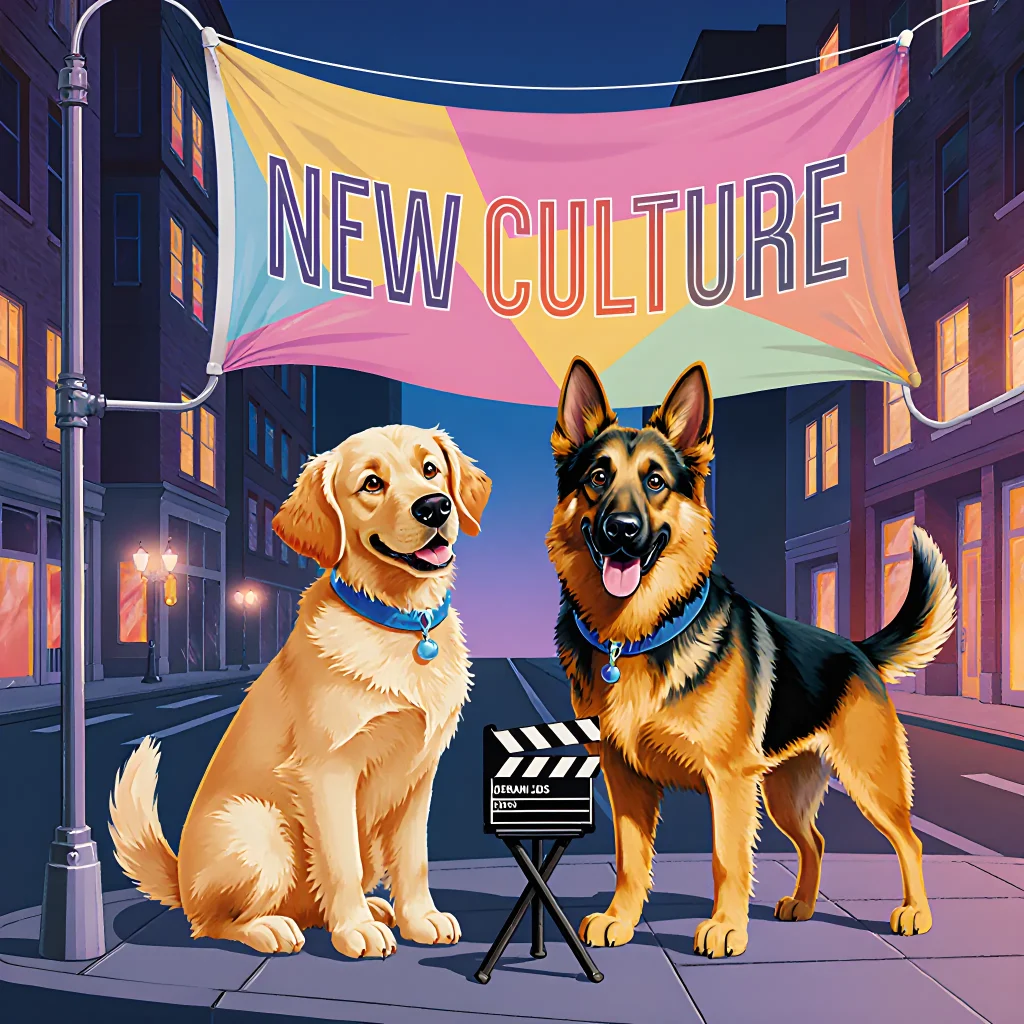
Paws & Stories: The Future of Canine Culture
Beyond Best Friends: Dogs Crafting New Cultural Narratives
Table of Contents
- The Historical Bond Between Humans and Dogs
- Dogs in Contemporary Media and Entertainment
- Canine Influence on Fashion and Design
- Pets as Social Media Influencers
- Therapeutic Roles of Dogs in Healthcare Settings
- Dogs in the Workplace: From Therapy to Security
- The Rise of Dog-Friendly Urban Spaces
- Legal and Ethical Considerations for Modern Dog Ownership
- Technology’s Impact on Training and Care (Apps, Wearables)
- The Role of Dogs in Environmental Conservation Efforts
- Cultural Differences: How Dogs Are Perceived Around the World
- Future Trends: Genetic Editing and Artificial Intelligence in Canine Care
- Community Building Through Dog Clubs and Events
- Conclusion
- FAQ
The Historical Bond Between Humans and Dogs
The bond between humans and dogs stretches back over 15,000 years, predating written history. Genetic studies show that modern domestic dogs (Canis lupus familiaris) were first tamed from gray wolves when hunter‑gatherer societies began to rely on canines for protection, hunting assistance, and companionship. Over millennia this relationship evolved into a mutualistic partnership that shaped human societies—shaping settlement patterns, influencing the rise of agriculture, and even affecting language development.
Early Evidence: From Wolves to Household Pets
- Archaeological sites: The Bonn-Oberkassel site in Germany (≈14,000 BCE) contains bone fragments that appear to be deliberately buried with humans—an early indicator of a special bond.
- Genetic markers: DNA sequencing shows a distinct divergence between wolves and dogs around the same time, supporting the idea of independent domestication events across multiple regions.
- Cultural artifacts: Stone carvings from Mesolithic Europe depict dogs in hunting scenes, suggesting they were integral to survival strategies.
The Evolutionary Feedback Loop
Domestication altered both species: dogs evolved a reduced sense of smell for better social bonding with humans, while humans learned to interpret canine body language. This reciprocal adaptation created a communication system that is still evident today—think of the way dogs pick up on human facial expressions or vocal tones.
Dogs in Mythology and Religion
Across cultures, dogs have been revered as guides for the dead (e.g., Hecate’s hounds in Greek mythology), guardians of sacred spaces (e.g., the guardian dog statues at Buddhist temples), and symbols of loyalty (e.g., the Roman canis fides). These mythic roles cemented dogs’ status beyond mere utility, embedding them into societal rituals.
The Role Shift in Modern Culture
Today’s perception of dogs has shifted dramatically from “working animals” to “family members.” This transition is evident in several domains:
- Healthcare: Therapy dogs reduce patient anxiety and improve recovery times in hospitals.
- Technology: Smart collars track health metrics, while AI-powered apps help owners train or identify behavioral issues.
- Legal status: Many jurisdictions now recognize pets as property with rights, leading to debates over animal welfare legislation.
Practical Advice for Modern Dog Owners
- Early socialization: Introduce puppies to a variety of environments and people by age 8 weeks to foster confidence.
- Routine health checks: Annual vet visits, dental care, and vaccinations protect both dog and human health.
- Balanced diet: Choose breed‑appropriate foods; avoid table scraps that can cause obesity or digestive issues.
- Exercise plans: Tailor activity levels to age, breed, and health—daily walks, play sessions, or agility training keep dogs mentally stimulated.
Looking Ahead: The Future of Human‑Dog Interaction
As urban living becomes more prevalent, the dog’s role as a companion will continue to grow. Innovations in wearable tech, telehealth for pets, and community-driven adoption platforms are reshaping how we care for our canine friends.
In sum, the historical bond between humans and dogs is not merely sentimental—it’s rooted in evolutionary biology, cultural symbolism, and shared survival. Understanding this deep connection helps us appreciate why dogs remain one of humanity’s most enduring partners, even as their roles evolve in contemporary society.
Dogs in Contemporary Media and Entertainment
Over the past few decades, dogs have moved far beyond the simple image of a loyal companion. They now occupy a variety of roles that reflect broader social trends: from therapeutic partners in hospitals to star performers on streaming platforms, from social media influencers with millions of followers to symbols of environmental activism. This section explores how these new functions shape our perceptions and interactions with dogs, and offers practical guidance for pet owners who wish to navigate this evolving landscape.
1. Therapeutic Companions in Healthcare Settings
- Hospital Therapy Dogs: Many hospitals now employ certified therapy dogs to reduce patient anxiety, lower blood pressure, and improve overall well-being. For instance, the Boston Children’s Hospital runs a “Paws for Peace” program where trained dogs visit pediatric wards.
- Support in Mental Health Facilities: Research published in *Psychology Today* (2023) indicates that therapy dog visits can cut depressive symptoms by up to 35% when combined with traditional counseling.
- Practical Tips for Owners:
- Enroll your dog in a reputable therapy dog certification program such as the American Kennel Club’s Therapy Dog Program.
- Maintain rigorous health checks: up-to-date vaccinations, parasite prevention, and regular vet visits.
- Train for calmness in noisy environments; use positive reinforcement to reward quiet behavior.
2. Digital Stardom: From TikTok to YouTube
- The Rise of Dog Influencers: Accounts like Bark To Bright boast over 5 million followers, monetizing through brand deals and merch lines.
- Content Creation Best Practices:
- Always prioritize your dog’s safety—never force them into uncomfortable situations for a viral clip.
- Use high-quality audio-visual gear; natural lighting often beats expensive equipment for pet videos.
- Keep sessions short (5–10 minutes) to respect canine attention spans and avoid overexertion.
- Legal Considerations: Understand copyright laws when using music or branded items; many platforms provide royalty-free options for pet creators.
3. Advocacy & Environmental Roles
- Canine Conservation Ambassadors: Dogs have been employed by wildlife organizations to monitor endangered species, such as the Amazon Rainforest Dog Patrol, which uses scent detection dogs to track illegal logging.
- Public Awareness Campaigns: Pet brands often partner with animal shelters to promote adoption; campaigns like “Adopt, Don’t Shop” feature real dog stories that resonate emotionally.
- Practical Steps for Engagement:
- Volunteer at local shelters or rescue groups—many organizations welcome canine companions for group therapy sessions.
- Participate in “dog-friendly” environmental clean-ups; many cities now allow dogs on volunteer drives with proper leashes and waste bags.
- Support legislation that protects both pets and wildlife, such as the Conservation Law Center’s Pet Protection Act.
4. The Ethical Dimension: Responsible Ownership in a Digital Age
With increased visibility comes responsibility. Owners must consider the ethical implications of using dogs for entertainment, therapy, or advocacy:
- Consent and Welfare: Dogs cannot consent; owners should never compromise their dog’s health for content or work.
- Balanced Lifestyle: Ensure adequate exercise, mental stimulation, and rest—especially when dogs are in the public eye.
- Transparency: When partnering with brands, disclose sponsorships to maintain trust among followers and clients.
5. Future Trends: AI, Robotics, and the “Smart Dog” Era
Emerging technologies are reshaping how we interact with dogs. Smart collars that monitor vitals, AI-powered training apps, and even robotic dog companions for elderly individuals are gaining traction.
- Health Monitoring: Devices like the DogSense Pro track heart rate, activity levels, and sleep patterns—valuable data for preventive care.
- Virtual Training Assistants: Apps that use machine learning to adapt training routines based on a dog’s progress are becoming mainstream.
- Practical Advice:
- Vet your chosen tech product for safety and data privacy—look for certifications from recognized bodies like the IETF.
- Integrate new tools gradually to avoid overwhelming your dog.
- Stay informed about updates; firmware patches often improve functionality and security.
In conclusion, dogs are no longer just pets—they are active participants in healthcare, entertainment, advocacy, and technological innovation. By staying informed, practicing responsible ownership, and embracing ethical considerations, owners can help ensure that these beloved companions continue to thrive in our modern culture.
Canine Influence on Fashion and Design
Dogs have long been companions, but their role has evolved from mere pets to cultural icons that inspire designers, artists, and brands across the globe. In today’s digital age, the Changing Role of Dogs in Modern Culture manifests itself through runway trends, product lines, and even architectural motifs.
1. Runway Inspiration: From Paws to Patterns
- Animal Prints Reimagined: Designers like Ralph Lauren and Prada have taken traditional leopard and zebra prints and infused them with subtle canine elements—think paw‑print accents on handbags or dog‑inspired silhouettes in dresses.
- Pet-Friendly Fashion Lines: Brands such as Fido Couture launch seasonal collections featuring “matching” outfits for owners and their dogs, blending comfort fabrics with playful collars that echo the wearer’s style.
- Collaborations with Dog Celebrities: High‑profile dogs (e.g., Puppy of Instagram) serve as brand ambassadors, appearing in ad campaigns that showcase pet accessories and lifestyle products.
2. Textile Design: From Comfort to Functionality
Modern consumers demand fabrics that are both stylish and practical for pet owners. Innovations include:
- Odor‑Neutral, Pet‑Friendly Materials: Wool blends infused with charcoal fibers that absorb smells, perfect for dog‑friendly apparel.
- Stretchable Fabrics for Leash Holders: Stretch cotton blends used in tote bags and backpacks allow owners to carry treats, water, and their pet’s essentials without compromising on design.
3. Architectural & Interior Design: Spaces That Welcome Canines
Modern homes incorporate dog-friendly features that double as aesthetic statements:
- Pet-Centric Flooring: Slip‑resistant bamboo or stone tiles with subtle paw‑print patterns create a safe yet stylish environment.
- Integrated Pet Shelves and Beds: Built‑in dog beds that blend into the wall or floorboards, using reclaimed wood for an eco‑friendly look.
- Outdoor Living Zones: Covered patios with retractable awnings designed to shield both humans and dogs from sun while maintaining a chic aesthetic.
4. Practical Advice for Designers & Brands
- Conduct Market Research: Survey pet owners about their fashion preferences—what materials they trust, which colors resonate, and how much they’re willing to invest in dog accessories.
- Prioritize Functionality: Ensure that any product designed for dogs (collars, leashes, apparel) meets safety standards while still being visually appealing.
- Create Cross-Platform Campaigns: Use social media influencers who are pet lovers to showcase how your products integrate seamlessly into everyday life.
- Partner with Veterinary Professionals: Incorporate health‑friendly designs, such as hypoallergenic fabrics or ergonomic collars that reduce strain on a dog’s neck.
By embracing the evolving role of dogs in modern culture, designers and brands can tap into an expanding market that values both style and functionality. The canine influence is no longer a niche trend—it’s reshaping how we think about fashion, textiles, and living spaces.
Pets as Social Media Influencers
The rise of platforms like Instagram, TikTok, and YouTube has turned many beloved pets into digital celebrities. While humans have long been the face of marketing, today a well‑cared-for dog can command a following that rivals or even surpasses some human influencers.
Why Dogs Are Perfect for Social Media
- Visual Appeal: Their expressive faces and adorable antics translate beautifully into short video clips and high‑resolution photos.
- Emotional Connection: Audiences often feel a strong bond with animals, making them more likely to engage, share, and support the content creator.
- Versatility of Content: From “dog‑centric” lifestyle vlogs to product reviews (toys, food, grooming), there’s a niche for every brand partnership.
Case Studies: Successful Dog Influencers
- Labrador “DogeMooch”: With over 1.2 million followers on Instagram, this dog showcases daily training tips and promotes eco‑friendly pet products.
- Pomeranian “Paws & Co.”: A TikTok star known for comedic skits that often feature branded accessories; the account has partnered with several fashion lines for pets.
- Cocker Spaniel “BarkBox”: Runs a YouTube channel reviewing pet toys and treats, earning sponsorships from both small startups and large corporations.
Practical Advice for Turning Your Dog into an Influencer
- Build Authenticity: Showcase genuine moments rather than staged perfection. Followers value relatability over flawless aesthetics.
- Create a Content Calendar: Consistency is key—plan posts around your dog’s routine (walks, meals, training sessions) to maintain engagement.
- Engage with the Community: Respond to comments, collaborate with other pet accounts, and participate in trending challenges.
- Use Hashtags Strategically: Mix popular tags (#dogsofinstagram, #puppylove) with niche ones (#organicpetfood, #sustainablegrooming).
- Leverage Analytics: Track which posts get the most likes, shares, and comments to refine your strategy.
The Changing Role of Dogs in Modern Culture
Historically, dogs served primarily functional roles—guardians, hunters, or herders. Today, they occupy a new cultural space as companions, therapy animals, and even brand ambassadors. Their elevated status is reflected in increased spending on premium food, luxury accessories, and pet healthcare services. The presence of “dog influencers” amplifies this trend by showcasing lifestyle choices that owners aspire to emulate.
Monetization Opportunities
- Sponsored Posts: Brands pay for product placements or dedicated reviews.
- Affiliate Marketing: Earn commissions on sales generated through affiliate links in captions or bio.
- Merchandise Lines: Launch branded pet apparel, toys, or even digital products like training guides.
- Paid Partnerships & Events: Appearances at pet expos, brand launches, or social media takeovers.
Ethical Considerations
While monetizing a pet’s online presence can be lucrative, it is essential to prioritize the animal’s well‑being. Avoid over‑exposure, ensure all content is safe for the dog, and never force participation in activities that could cause stress or injury.
Getting Started: A Step‑by‑Step Guide
- Create a Dedicated Account: Separate from personal pet photos to maintain professional branding.
- Develop a Brand Identity: Choose a memorable name, consistent color palette, and tone of voice.
- Produce High‑Quality Content: Invest in good lighting, a tripod, and editing tools.
- Network with Brands: Reach out to pet product companies or join influencer marketplaces.
- Track Growth & Adjust: Use platform insights to tweak posting times, content formats, and engagement tactics.
In the evolving landscape of digital marketing, dogs are no longer just household pets—they’re powerful cultural icons capable of influencing consumer behavior. By understanding the dynamics of social media, leveraging authentic storytelling, and maintaining ethical standards, pet owners can transform their furry companions into successful influencers who resonate with audiences worldwide.
Therapeutic Roles of Dogs in Healthcare Settings
The relationship between humans and dogs has evolved dramatically over centuries, shifting from purely utilitarian roles—herding, guarding, hunting—to a more nuanced partnership that includes emotional support, physical assistance, and even cognitive stimulation. In contemporary healthcare environments, this evolution is reflected in the growing recognition of canine-assisted interventions as evidence‑based therapeutic modalities.
1. Emotional Support Dogs (ESDs)
- Definition: Dogs trained to provide comfort and companionship to individuals experiencing anxiety, depression, or post‑traumatic stress disorder (PTSD).
- Clinical Settings: Psychiatric wards, outpatient counseling centers, and rehabilitation units.
- Practical Advice:
• Ensure the dog is certified by a reputable organization such as Pet Partners or Therapy Dogs International.
• Conduct regular health check‑ups (vaccinations, parasite control) to maintain hygiene standards.
• Train staff on basic handling protocols—knowing when a dog needs rest, how to respond to signs of stress in the animal.
2. Therapy Dogs for Physical Rehabilitation
- Role: Assisting patients with mobility training by providing balance support and encouraging active movement.
- Examples:
• A patient recovering from hip replacement uses a therapy dog to practice walking on uneven surfaces, improving proprioception.
• Stroke survivors engage in guided pulling exercises where the dog’s gentle tug encourages correct posture. - Practical Advice:
• Use a harness that distributes weight evenly and allows for controlled movement.
• Start with short sessions (5–10 minutes) and gradually increase as tolerance builds.
• Monitor the dog’s behavior—avoid overexertion; provide breaks and hydration.
3. Cognitive Stimulation Dogs
- Application: In geriatric care, dogs can reduce cognitive decline by encouraging memory recall through routine interactions.
- Example:
• A resident with early‑stage dementia participates in “name and fetch” games, reinforcing word recognition and motor skills. - Practical Advice:
• Use simple, consistent commands to reduce confusion.
• Incorporate scent cues (e.g., a specific toy or blanket) to stimulate olfactory memory pathways.
• Pair dog interactions with other cognitive therapies for synergistic effects.
4. Veterinary Companion Dogs in Animal Hospitals
- Role: Reducing stress in animals undergoing procedures through presence and soothing vocalizations.
- Practical Advice:
• Select dogs with calm temperaments and low prey drive.
• Train the dog to sit quietly near patients during injections or imaging.
• Ensure all staff are aware of the dog’s role to avoid unnecessary handling that could cause stress.
5. Training & Certification Considerations
While many dogs possess innate empathy, formal training enhances safety and therapeutic effectiveness:
- Basic Obedience: Sit, stay, down, heel, recall—essential for predictable behavior.
- Socialization: Exposure to diverse environments (noise, crowds, medical equipment).
- Health Screening: Annual veterinary exams, parasite control, and dental care.
- Certification Bodies: Pet Partners, Therapy Dogs International, American Kennel Club’s Companion Animal Service Dog program.
6. Integration into Healthcare Protocols
To seamlessly incorporate dogs into therapeutic settings, institutions should consider the following framework:
- Policy Development: Draft clear guidelines on dog access, cleaning protocols, and patient eligibility.
- Staff Training: Educate clinicians, nurses, and support staff on handling techniques and recognizing animal distress signals.
- Patient Assessment: Screen for allergies, phobias, or previous negative experiences with dogs.
- Outcome Tracking: Use validated scales (e.g., Hospital Anxiety and Depression Scale) to measure efficacy pre‑ and post‑intervention.
7. Ethical & Cultural Considerations
The changing role of dogs in modern culture brings ethical responsibilities:
- Animal Welfare: Dogs should never be overworked; mandatory rest periods are essential.
- Cultural Sensitivity: Some cultures may have reservations about animal contact—offer alternative support mechanisms when necessary.
- Consent & Transparency: Patients must provide informed consent, understanding the dog’s role and any potential risks.
By embracing these practices, healthcare providers can harness the therapeutic power of dogs to improve patient outcomes, enhance staff morale, and foster a more humane approach to care that reflects the evolving bond between humans and our canine companions.
Dogs in the Workplace: From Therapy to Security
Dogs have moved far beyond the traditional image of a loyal companion and are now integral to many modern workplaces. From therapy dogs that ease stress on office floors to security canines that safeguard corporate premises, their presence reflects evolving attitudes toward animal welfare, employee well-being, and organizational safety.
1. Therapy Dogs: Enhancing Workplace Wellness
- Stress Reduction: Studies show a single minute of petting a dog can lower cortisol levels and boost oxytocin, leading to reduced anxiety among employees.
- Team Building: Scheduled “dog hours” encourage informal interactions that strengthen team cohesion. For instance, Google’s “Dog Days” program invites staff to bring their pets, fostering spontaneous collaboration.
- Implementation Tips:
- Create a clear policy outlining pet behavior expectations and allergy accommodations.
- Use designated areas (e.g., break rooms) to minimize disruptions.
- Partner with local shelters for volunteer therapy dogs during company events.
2. Security Dogs: Protecting Corporate Assets
- Detection Capabilities: Trained canines excel at scent detection, identifying contraband or hazardous materials faster than electronic scanners.
- Deterrence: A visible security dog deters potential intruders and provides a rapid response in emergencies.
- Case Study – TechCorp: After installing a trained guard dog unit, TechCorp reported a 30% reduction in unauthorized access incidents over two years.
- Implementation Tips:
- Hire certified handlers with experience in corporate security environments.
- Integrate canine patrols into existing security protocols and emergency drills.
- Ensure compliance with local animal welfare regulations and workplace safety standards.
3. Hybrid Roles: Therapy Dogs in Security Settings
Some organizations deploy “friendly guard” dogs that combine protective instincts with a calm demeanor, making them suitable for customer-facing areas such as reception desks or waiting rooms. These canines maintain vigilance while promoting a welcoming atmosphere.
4. Legal and Ethical Considerations
- ADA Compliance: Employers must accommodate employees with disabilities but cannot mandate the presence of dogs if it creates undue hardship.
- Allergy Management: Provide allergen-free zones or alternative workspaces for sensitive staff.
- Animal Welfare: Ensure dogs receive adequate rest, hydration, and veterinary care. Implement “dog-friendly” policies that respect both human and canine well-being.
5. Future Trends
The integration of technology—such as wearable health trackers for dogs and AI-powered scent detection—promises to enhance the effectiveness of canine roles in workplaces. As corporate cultures continue to prioritize mental health and security, dogs are poised to become even more versatile assets.
Practical Takeaway
To successfully incorporate dogs into your workplace:
- Assess employee needs and company culture before choosing a role (therapy vs. security).
- Develop comprehensive policies that address health, safety, and legal obligations.
- Partner with reputable training organizations and animal welfare groups.
- Measure outcomes—such as reduced stress scores or incident rates—to refine the program over time.
By thoughtfully balancing benefits and responsibilities, businesses can harness the unique strengths of dogs to create safer, more supportive work environments.
The Rise of Dog-Friendly Urban Spaces
In recent years, cities around the world have begun to reimagine public spaces with dogs in mind. This shift reflects a broader cultural transformation where pets are no longer just companions but integral members of urban communities. Below we explore how this trend is reshaping city life, showcase real-world examples, and offer practical advice for planners, businesses, and dog owners alike.
1. Urban Planning Meets Canine Culture
- Dedicated Dog Parks: Many municipalities now allocate land specifically for off-leash play areas. For instance, New York’s Central Park Dog Run and London’s Euston Square Dog Park provide safe, fenced zones where dogs can socialize without compromising pedestrian traffic.
- Dog-Friendly Transit: Bus and train systems in cities like Toronto and Singapore allow small dogs on a leash during off-peak hours. These policies not only cater to pet owners but also promote inclusivity for individuals who rely on their dogs for emotional support or mobility assistance.
- Green Corridors: Urban greenways such as the Mackenzie Greenway in Melbourne are designed with dog-friendly paths, rest areas, and waste stations, encouraging active lifestyles for both humans and pets.
2. Commercial Spaces Adapting to Pet Owners
Retailers and restaurants recognize that pet owners represent a lucrative demographic. Many establishments now adopt “dog-friendly” policies:
- Café Culture: Coffee shops like The Dog Café in Seattle provide dog menus, water bowls, and designated seating for pets.
- Retail Partnerships: Stores such as PetSmart partner with local pet stores to offer “dog days” where customers can bring their dogs while shopping.
- Event Sponsorships: Dog festivals, like the annual London Dog Show, attract thousands of visitors and boost local tourism.
3. Practical Advice for Urban Dog Owners
As cities evolve to accommodate dogs, owners can maximize their experience with a few key strategies:
- Know the Rules: Always check local leash laws and dog park regulations before heading out.
- Pack Essentials: Bring waste bags, water, a collapsible bowl, and a small first-aid kit. Some parks require owners to bring their own shade structures during hot months.
- Respect Other Users: Keep dogs well-behaved, monitor interactions with other pets, and clean up after your dog promptly.
- Use Technology: Apps like DogParkFinder or city-specific portals can help locate nearby dog-friendly venues and read user reviews.
4. Future Outlook: Smart Cities & Canine Integration
Emerging technologies promise to deepen the integration of dogs into urban life:
- Smart Waste Stations: Sensors detect when a dog’s waste is deposited, automatically dispensing cleaning supplies and tracking usage patterns.
- Pet Health Monitoring: Wearable devices can sync with city health dashboards to alert owners about local environmental hazards such as high pollen counts or heat advisories.
- Augmented Reality (AR) Trail Guides: AR apps overlay dog-friendly routes onto city maps, highlighting safe pathways, rest stops, and nearby veterinary clinics.
In sum, the rise of dog-friendly urban spaces reflects a societal shift that values pets as active participants in community life. By embracing thoughtful design, inclusive policies, and responsible ownership, cities can create vibrant environments where humans and dogs thrive together.
Legal and Ethical Considerations for Modern Dog Ownership
Owning a dog today is not just a personal or familial decision—it’s also a legal responsibility that varies by country, state, city, and even neighborhood. The evolving role of dogs in modern culture—serving as therapy animals, service dogs, companions to people with disabilities, and social media influencers—has amplified the need for clear legal frameworks and ethical guidelines.
1. Licensing, Registration, and Microchipping
- Licensing: Most municipalities require a valid dog license, which usually costs between $10–$30 annually. Failure to license can result in fines or impoundment.
- Microchipping: Many jurisdictions mandate microchips for all dogs over a certain age (often 6 months). A microchip is not a substitute for a license but helps reunite lost pets with owners and proves ownership during legal disputes.
- Breed-Specific Legislation (BSL): Some regions impose restrictions on breeds deemed “dangerous.” Owners of these breeds may need additional permits or must meet specific housing or training requirements.
2. Liability and Insurance
If your dog bites or causes property damage, you can be held liable under tort law. Many states require proof that the owner exercised reasonable care in preventing harm.
- Homeowner’s or renter’s insurance: Check if it covers dog-related incidents; many policies exclude liability for attacks.
- Pet liability insurance: A separate policy that can cover legal fees and damages up to a specified limit.
3. Zoning, Housing Restrictions, and Renters’ Rights
Landlords may impose breed or size restrictions on lease agreements, but such clauses must be consistent with the Fair Housing Act (U.S.) if a dog is a service animal.
- Service animals: Protected under the Americans with Disabilities Act (ADA); landlords cannot refuse them without providing reasonable accommodations.
- Pets in rental properties: Some states allow landlords to charge pet deposits or monthly pet rent; others prohibit such fees. Always review state statutes before signing a lease.
4. Animal Welfare Laws and Cruelty Prevention
These laws set minimum standards for feeding, housing, veterinary care, and training. Violations can lead to criminal charges, civil penalties, or loss of custody.
- Proper nutrition: Dogs must receive a balanced diet appropriate for their age, size, and health conditions.
- Housing: Owners should provide adequate shelter—indoors in cold climates, outdoors in hot regions, with protection from predators.
- Training and behavior: Aggressive or neglectful training methods (e.g., shock collars) may be illegal in certain jurisdictions.
5. Ethical Considerations: Beyond the Law
Modern dog ownership is increasingly guided by ethical principles that reflect societal values and the changing role of dogs as family members.
- Respect for the Dog’s Autonomy: Avoid over‑training or forcing a dog into roles it cannot comfortably perform. For example, a therapy dog should be voluntarily interested in interacting with patients.
- Responsible Breeding and Adoption: Prefer reputable breeders who screen for genetic diseases or adopt from shelters to reduce puppy mills’ demand.
- Community Engagement: Participate in local dog‑friendly events, volunteer at rescue organizations, or advocate for better leash laws and park facilities.
- Digital Ethics: When featuring dogs on social media, avoid misleading content (e.g., staging dangerous tricks) that could encourage unsafe behavior among followers.
6. Practical Advice for New Owners
- Check local regulations: Before adopting, research your city’s licensing, BSL, and housing policies.
- Prepare a legal pet file: Keep copies of licenses, microchip registrations, vaccination records, and insurance documents in a safe place.
- Educate yourself on first aid: Basic canine CPR and wound care can be lifesaving during emergencies.
- Plan for emergencies: Have a vet contact list, pet emergency kit, and a plan to transport your dog in case of natural disasters.
7. Resources
For more detailed guidance, consult the following reputable sources:
- American Veterinary Medical Association (AVMA)
- Americans with Disabilities Act (ADA) guidelines
- Wolfson Institute for Animal Welfare
- Local animal control or humane society websites for municipal regulations.
By staying informed and proactive, dog owners can navigate the legal landscape while honoring the ethical partnership that modern dogs bring into our lives.
Technology’s Impact on Training and Care (Apps, Wearables)
The digital age has brought a suite of tools that are reshaping how we train, monitor, and bond with our canine companions. From mobile apps that guide you through obedience drills to wearable devices that track heart rate and activity levels, technology is becoming an indispensable partner in dog care.
1. Training Apps: Structured Learning at Your Fingertips
- Dog Trainer Pro: Offers step‑by‑step video tutorials for basic commands, clicker training, and advanced tricks. It includes a progress tracker so you can see how many sessions you’ve completed.
- BarkBuddy: Uses gamification to keep dogs engaged—dogs earn “barks” that unlock new levels of difficulty in tasks like scent detection or agility courses.
- Integrated Voice Recognition: Some apps now listen for your dog’s bark patterns and provide real‑time feedback on whether the command was understood correctly.
2. Wearables: Real‑Time Health Insights
- FitPaw Smart Collar: Monitors heart rate, temperature, and activity levels. Alerts you if your dog’s vitals deviate from their baseline during a walk or play session.
- CalmCanine Earbuds: Emit soothing frequencies that help reduce anxiety in stressful situations like fireworks or thunderstorms.
- GPS Tracking with Geofencing: Apps paired with collars can send push notifications if your dog steps outside a pre‑defined safe zone.
3. Practical Tips for Integrating Tech into Daily Life
- Start Small: Begin with one app or wearable to avoid overwhelm. Once you’re comfortable, layer in additional tools.
- Check Battery Life: Many wearables require daily charging; set a reminder so your dog never goes unmonitored.
- Data Privacy: Read the terms of service—some apps store location data that may be shared with third parties.
- Use Data Wisely: Review trends over weeks to identify patterns (e.g., increased heart rate during certain times) and adjust training or exercise routines accordingly.
4. The Changing Role of Dogs in Modern Culture
As technology blurs the lines between pet and companion, dogs are increasingly seen as partners in everyday life—helpers in mental health therapy, assistive animals for disabilities, and even co‑workers on social media platforms. These roles demand higher levels of training and health monitoring, which is where apps and wearables truly shine.
By embracing these tools responsibly, owners can foster stronger bonds, ensure better health outcomes, and support the evolving expectations placed upon dogs in contemporary society.
The Role of Dogs in Environmental Conservation Efforts
Dogs have long been celebrated as loyal companions, but their contribution to environmental stewardship is often overlooked. Modern conservation initiatives increasingly recognize the unique abilities of dogs—scent detection, endurance, and social bonding—to support wildlife protection, habitat restoration, and ecological research.
1. Wildlife Monitoring & Anti-Poaching
- Scent Tracking: Trained canines can detect the odor of endangered species (e.g., pangolins, tigers) in dense forests, providing real‑time data for wildlife biologists.
- Pursuit & Deterrence: In anti‑poaching patrols across African savannas, dogs help track illegal hunters and deter poachers by their presence alone.
2. Habitat Restoration
Dogs can aid in reforestation projects by transporting lightweight seed packs along trails, reducing human labor in remote areas. Their endurance allows them to cover more ground during planting seasons.
3. Environmental Education & Public Engagement
- School Programs: Dog‑guided nature walks in urban parks teach children about biodiversity while fostering empathy for animals.
- Citizen Science: Apps like Canine Conservation Tracker let volunteers record sightings of canids assisting in environmental surveys, turning everyday pet owners into data collectors.
4. Research & Data Collection
In ecological studies, dogs equipped with GPS collars and bio‑loggers provide continuous movement data that reveal patterns of animal migration, feeding habits, and habitat use—critical insights for conservation planning.
Practical Tips for Integrating Dogs into Conservation Projects
- Training: Partner with certified canine behaviorists to develop programs focused on scent work, obedience, and stress resilience.
- Health & Welfare: Ensure regular veterinary check‑ups, vaccinations, and adequate rest periods during fieldwork.
- Ethics & Permissions: Obtain necessary permits for working in protected areas and adhere to local wildlife protection laws.
- Community Outreach: Involve local communities by offering dog‑based conservation workshops, building trust and shared stewardship.
Case Study: The “Dog Guardians of the Amazon” Initiative
In 2021, a coalition of NGOs deployed over 50 trained dogs across the Brazilian Amazon to track illegal logging. Within six months, patrols reported a 30% reduction in unauthorized tree felling incidents—an outcome attributed largely to the dogs’ rapid detection and deterrent presence.
Future Directions
- Technology Integration: Combining canine scent detection with drone surveillance could create hybrid monitoring systems for hard‑to‑reach habitats.
- Cross‑species Collaboration: Joint training programs for dogs and other trained animals (e.g., dolphins, birds) might enhance multi‑sensory conservation approaches.
As we reimagine the role of dogs in modern culture—shifting from purely domestic companions to active participants in ecological preservation—their potential as allies in safeguarding our planet becomes increasingly evident. By investing in proper training, welfare, and community engagement, we can harness their innate abilities for a healthier, more sustainable world.
Cultural Differences: How Dogs Are Perceived Around the World
The relationship between humans and canines has evolved dramatically over centuries, reflecting shifts in economics, religion, technology, and social values. While many cultures share a fondness for dogs, the specific roles they play—companions, workers, symbols, or even taboos—vary widely across regions.
1. Traditional Roles: Guardians, Herding, and Hunting
- East Asia (Japan & China): Dogs were historically prized as guard animals for temples and samurai households. The Shiba Inu, for example, was bred in the 16th century for hunting small game, illustrating how functional needs shaped breed development.
- South America (Andean cultures): In pre-Columbian times, dogs served as herders of llamas and alpacas. Their presence on the high plateau demonstrates adaptation to harsh climates—dogs were both laborers and protectors against predators.
2. Religious and Mythological Significance
Dogs occupy a dual place in many mythologies, revered as guardians of the afterlife or feared as omen bearers.
- Egypt: The goddess Anubis was depicted with a jackal head; dogs were associated with funerary rites and protection of graves.
- Hinduism: The dog is considered the vehicle of Bhairava, symbolizing loyalty. However, stray dogs are often tolerated in urban temples, reflecting cultural ambivalence.
3. Modern Urban Shifts: From Work to Companion
Industrialization and suburbanization have redefined canine roles worldwide:
- Western Countries (USA & Europe): The rise of pet ownership has turned dogs into primary companions, leading to the "pet economy"—veterinary care, grooming, dog-sitting services, and designer breeds.
- Asia (South Korea & Singapore): Rapid urbanization has created a demand for smaller, low-maintenance breeds. Simultaneously, governments are instituting pet licensing laws to manage stray populations and promote responsible ownership.
4. Dogs in Media and Pop Culture
The portrayal of dogs on television, film, and social media has amplified their status as cultural icons.
“The Golden Retriever is not just a dog; it’s an emblem of trust, kindness, and the ideal family pet.” – Time Magazine, 2018.
Dog-centric shows such as "My Dog Skip" (US) or “K-9” (UK) reinforce the emotional bond between humans and dogs while highlighting their roles in law enforcement, therapy, and entertainment.
5. Contemporary Challenges: Stray Populations & Animal Welfare
In many developing nations, stray dog populations pose public health concerns—rabies transmission, traffic accidents—and ethical dilemmas regarding culling versus spaying programs.
- India: NGOs like "Paws India" run sterilization camps and vaccination drives to curb the stray population while promoting humane treatment.
- Mexico: The government has introduced a national registry for dogs, requiring microchipping and proof of vaccination—an initiative that balances cultural attitudes toward ownership with animal welfare.
6. Practical Advice for Global Dog Owners
- Research Local Laws: Some countries prohibit certain breeds (e.g., pit bulls in the UK) or require specific vaccinations.
- Cultural Sensitivity: When traveling, be aware of local attitudes toward dogs—some places consider them impure or disallow them in public spaces.
- Adopt Responsibly: Adopt from shelters whenever possible; this reduces stray numbers and promotes animal welfare worldwide.
Understanding how dogs are perceived across cultures not only enriches our appreciation of these animals but also informs responsible ownership, policy-making, and global initiatives to improve canine well-being.
Future Trends: Genetic Editing and Artificial Intelligence in Canine Care
The convergence of genetic editing technologies—such as CRISPR/Cas9—and artificial intelligence (AI) is reshaping the landscape of canine health, behavior, and welfare. As dogs become increasingly integrated into modern culture—as companions, therapy animals, working partners, and even cultural icons—the tools we use to understand and support them are evolving at a rapid pace.
1. Precision Breeding for Health and Functionality
- Targeted Gene Correction: CRISPR allows breeders and researchers to correct single‑gene defects (e.g., the *COL2A1* mutation causing hip dysplasia in German Shepherds) before puppies are born. This reduces disease prevalence without compromising genetic diversity.
- Functional Trait Enhancement: AI-driven genomic analysis can predict which alleles contribute to desirable traits—such as heightened olfactory acuity for search‑and‑rescue dogs or reduced stress reactivity in therapy breeds—enabling more ethical and efficient breeding programs.
2. Early Disease Detection Through Genomic Screening
AI algorithms can sift through whole-genome sequencing data to flag risk alleles for conditions like dilated cardiomyopathy or von Willebrand disease. By integrating these insights with electronic health records, veterinarians can design personalized monitoring schedules.
3. AI‑Powered Behavior Analytics
- Wearable Sensors: Devices that track heart rate variability, movement patterns, and vocalization frequencies feed data into machine‑learning models, which then predict anxiety spikes or early signs of cognitive decline.
- Video‑Based Monitoring: Computer vision can analyze a dog’s posture and facial expressions to detect pain or discomfort in real time—critical for senior dogs where clinical signs may be subtle.
4. Personalized Nutrition and Supplementation
By combining genetic predisposition data with AI‑generated metabolic profiles, nutritionists can craft diets that mitigate disease risk (e.g., low‑phosphorus diets for dogs with a predisposition to kidney failure) and enhance performance for working breeds.
5. Ethical Considerations and Public Perception
- Transparency: Pet owners increasingly demand clear information about genetic modifications. Providing accessible reports—translated from complex genomic data into plain language—builds trust.
- Regulatory Landscape: As the FDA and other bodies develop guidelines for gene‑edited animals, breeders must stay informed to avoid legal pitfalls.
Practical Advice for Owners and Professionals
- Stay Informed: Attend webinars or local workshops on CRISPR and AI in veterinary medicine. Resources like the American Veterinary Medical Association (AVMA) offer up‑to‑date guidelines.
- Choose Reputable Labs: When selecting a genetic testing service, verify accreditation (e.g., ISO 15189) and review their data security protocols.
- Integrate Data: Use cloud‑based platforms that allow veterinarians, trainers, and owners to share genomic, behavioral, and health data securely.
- Monitor Ethical Boundaries: Avoid over‑engineering traits for aesthetics; prioritize functional health benefits aligned with the dog’s role in society.
As we look forward, the synergy between genetic editing and AI promises not only to prolong canine lifespans but also to deepen the bond between dogs and humans. By embracing these technologies responsibly, we honor the evolving role of dogs—from loyal companions to integral members of modern culture.
Community Building Through Dog Clubs and Events
In recent years, dog clubs and community events have become pivotal in shaping the social landscape for pet owners. They offer a platform where people can share experiences, learn new skills, and strengthen bonds—both with their dogs and within the wider community.
Why Dog Clubs Matter Today
- Social Connection: Joining a local club connects you with fellow dog lovers who often become lifelong friends.
- Skill Development: Many clubs run training workshops—obedience, agility, scent work—that benefit both owner and pet.
- Health & Wellness Advocacy: Clubs frequently partner with veterinarians to host free check‑up days or vaccination drives.
- Community Outreach: Events such as “Paws for a Cause” fundraisers raise money for shelters, animal rescue groups, and local charities.
Practical Steps to Get Involved
- Research Local Clubs: Use online directories, social media groups, or municipal pet registries to find clubs near you.
- Attend an Introductory Meeting: Most clubs welcome new members with open house events—bring your dog’s photo and a brief bio.
- Volunteer: Offer to help organize meet‑ups, clean event spaces, or assist in training sessions. Volunteering often leads to deeper engagement.
- Participate in Events: Sign up for dog shows, agility competitions, or community walks. These events foster camaraderie and provide learning opportunities.
- Share Your Story: Contribute blog posts or social media updates about your club experiences to inspire others.
Examples of Successful Community Events
| Event | Location | Purpose | Impact |
|---|---|---|---|
| Paws & Paint Night | Brooklyn, NY | Art workshop for owners and dogs; donations to animal shelters. | Raised $3,200 for local rescue; built a creative community hub. |
| Agility Expo 2024 | San Diego, CA | Competitive agility course with beginner clinics. | Engaged 150+ participants; increased club membership by 25%. |
| Doggie Day of Service | London, UK | Community clean‑up with dog-friendly activities. | Improved neighborhood parks; fostered intergenerational friendships. |
Aligning With The Changing Role of Dogs in Modern Culture
The modern era sees dogs as more than companions—they are partners in health, therapy providers, and even ambassadors for environmental stewardship. Dog clubs embody this shift by:
- Promoting Mental Health: Group walks and social play reduce owner anxiety.
- Encouraging Physical Activity: Agility courses and outdoor events keep both dogs and owners fit.
- Advocating Ethical Practices: Clubs often champion responsible breeding, spay/neuter programs, and humane treatment.
By actively participating in dog clubs and events, you not only enrich your own life but also contribute to a broader cultural narrative that places dogs at the heart of community well‑being.
Conclusion
Over the past few decades, our relationship with dogs has evolved far beyond that of a simple pet or companion. In contemporary society, dogs are now celebrated as integral members of families, active participants in human health and wellness programs, and even as cultural icons that shape fashion, media, and social activism. This shift reflects broader societal changes—urbanization, the rise of mental‑health awareness, and a growing emphasis on ethical consumerism—and highlights how deeply intertwined our lives are with these four‑legged friends.
1. Dogs as Health Partners
- Physical Wellness: Studies show that dog owners tend to walk more, leading to lower BMI and reduced cardiovascular risk. Many gyms now offer “dog‑friendly” classes or allow dogs on the treadmills—encouraging a shared exercise routine.
- Mental Health: Animal therapy sessions in hospitals, schools, and senior homes use dogs to reduce anxiety, depression, and PTSD symptoms. Apps like Pawsitive guide owners through mindfulness exercises that involve their pets.
2. Dogs as Social Catalysts
Dog‑centric events—such as “Doggy Day Out” festivals, pet‑friendly coworking spaces, and online communities—have created new networking opportunities. These gatherings not only foster friendships among owners but also provide platforms for pet‑industry brands to showcase innovations in food, grooming, and technology.
3. Dogs Influencing Consumer Trends
- Fashion & Lifestyle: From designer dog coats to “human‑grade” treats, the market now offers products that mirror human luxury trends. Influencers on Instagram and TikTok showcase these items, driving demand among a younger demographic.
- Sustainability: Eco‑friendly bedding, biodegradable waste bags, and ethically sourced kibble have become mainstream as owners prioritize planetary health.
4. Dogs in Media & Storytelling
Films, books, and podcasts increasingly feature dogs as protagonists or symbolic figures—think of “The Secret Life of Pets” or the viral podcast “Dogs With Stories.” These narratives humanize animals, encouraging empathy and responsible ownership.
5. Ethical Considerations & Future Directions
As dogs take on more public roles, ethical questions arise: Should we breed for aesthetics over health? How do we ensure safe participation in events or therapy programs? Advocacy groups are pushing for stricter regulations and better education for owners.
Practical Takeaways for Readers
- Integrate Your Dog into Daily Workouts: Schedule a 30‑minute walk during lunch breaks or use dog‑friendly office spaces.
- Participate in Community Events: Join local pet meetups to network and learn about new products that benefit both you and your dog.
- Support Ethical Brands: Research ingredient sourcing, animal welfare policies, and sustainability certifications before purchasing.
- Educate Yourself on Dog‑Friendly Travel: Check airline policies, pet-friendly hotels, and local regulations if you plan to travel with your canine companion.
In essence, dogs are no longer mere background characters in our lives; they actively shape our health choices, social interactions, and cultural expressions. By embracing this evolving role responsibly, we can ensure a harmonious future where both humans and dogs thrive together.
FAQ
- What does “the changing role of dogs in modern culture” mean?
Historically, dogs were primarily valued for work—herding livestock, guarding property, or hunting. Today, the majority of dogs live as companions, and their roles have broadened to include therapy, service work, entertainment, and even influence on social media trends.
- How has technology influenced dog ownership?
Smart collars track activity and health metrics; mobile apps help owners schedule vet appointments or find pet-friendly venues. Virtual “dog cafes” in AR/VR allow users to interact with simulated canine companions, offering mental stimulation for lonely seniors.
- What are the benefits of service dogs compared to traditional pets?
Service dogs receive specialized training to assist individuals with disabilities—opening doors, locating medication, or providing emotional stability. Unlike typical pets, they can work in public spaces without restriction, often improving their handler’s independence and confidence.
- Can a dog truly act as therapy?
Yes. Certified therapy dogs visit hospitals, nursing homes, and schools to reduce stress, lower blood pressure, and boost mood. Studies show patients who interact with therapy dogs report higher levels of relaxation and faster recovery times.
- How can owners support the mental health benefits of dog ownership?
- Establish a routine: Consistent feeding, walking, and playtime help regulate both owner and dog’s circadian rhythms.
- Use enrichment activities: Puzzle toys, scent trails, or agility courses keep dogs mentally engaged and reduce destructive behaviors.
- Engage in “dog therapy” sessions: If you work with a therapist who incorporates pets, schedule regular visits to leverage the calming effect of canine interaction.
- What legal changes have occurred regarding dog ownership?
Many cities now mandate microchipping and vaccination records, while some enforce breed-specific legislation. Additionally, laws around pet insurance are evolving to cover behavioral training, reflecting the growing recognition of dogs as integral family members.
- How can businesses capitalize on the dog’s cultural shift?
Retailers offer “dog-friendly” product lines—organic treats, ergonomic collars, and interactive tech gadgets. Restaurants open pet menus or host “Paws & Dine” nights, while co-working spaces allow dogs to reduce employee stress and boost creativity.
- What future trends might shape the dog’s role?
Potential developments include AI-driven behavior analysis apps that predict mood swings, wearable health monitors for early disease detection, and increased legal recognition of pets as “family members” with rights to certain benefits.
Categories
- AI & Enrichment Play
- Broiler Farming
- Broiler Farming Tips
- Canine Wellness & Longevity
- Cat
- Cat & Human Connection
- Cat Adoption & Rescue
- Cat Breeds
- Cat Breeds & Personalities
- Cat Care & Health
- Cat Grooming & Hygiene
- Cat Lifestyle & Environment
- Cat Myths & History
- Cat Nutrition & Diet
- Cat Products & Reviews
- Cat Training & Behavior
- Comparison
- Consumer Awareness
- Dog
- Dog Accessories & Products
- Dog Adoption & Rescue
- Dog Breed & Lifestyle Trends
- Dog Breeding & Puppies
- Dog Entertainment & Media
- Dog Fashion & Trends
- Dog Fun & Lifestyle
- Dog Grooming & Hygiene
- Dog History & Culture
- Dog Myths, Science & Future Tech
- Dog News & Trends
- Dog Nutrition & Food
- Dog Psychology & Emotions
- Dog Safety & Security
- Dog Sports & Activities
- Dog Technology & Innovation
- Dog Training for Modern Owners
- Dog Travel & Adventure
- Dog Travel, Adventure & Culture
- Economic and Market Insights
- Educational Content
- FAQs
- Feeding Alternatives
- Festivals & Seasonal Ideas
- Fun & Entertainment
- General Knowledge
- General Pig Farming
- Health & Disease Management
- Housing and Environment
- Kittens
- Market Insights
- Miscellaneous
- Miscellaneous
- Motivational
- pig
- Pig Breeding
- Pig Breeds
- Pig Farming Stories and Inspiration
- Pig Health and Care
- Pig Nutrition
- Pig Products
- Profitability & Business
- Puppy Care
- Puppy Predictable Topics Reinvented
- Regional Focus
- Rescue & Adoption Buzz
- Senior Cats
- Senior Dog Care
- Smart Dog Tech & Gadgets
- Sustainability
- Sustainable & Eco-Friendly Dog Products
- Tech & Innovations
- Working & Service Dogs
- Broiler Feed66 products
- Country Feed33 products
- Pig Feed66 products
- Product22 products
- Raw Materials99 products
Products
-
 Fish Meal
₹1,999.00 – ₹2,999.00Price range: ₹1,999.00 through ₹2,999.00Rated 0 out of 5
Fish Meal
₹1,999.00 – ₹2,999.00Price range: ₹1,999.00 through ₹2,999.00Rated 0 out of 5 -
 FATTENING BROILER FEED
₹2,299.00 – ₹2,349.00Price range: ₹2,299.00 through ₹2,349.00Rated 0 out of 5
FATTENING BROILER FEED
₹2,299.00 – ₹2,349.00Price range: ₹2,299.00 through ₹2,349.00Rated 0 out of 5 -
 LAYER COUNTRY FEED
₹1,549.00 – ₹1,649.00Price range: ₹1,549.00 through ₹1,649.00Rated 0 out of 5
LAYER COUNTRY FEED
₹1,549.00 – ₹1,649.00Price range: ₹1,549.00 through ₹1,649.00Rated 0 out of 5 -
 COUNTER BROILER FEED
₹1,199.00 – ₹1,299.00Price range: ₹1,199.00 through ₹1,299.00Rated 0 out of 5
COUNTER BROILER FEED
₹1,199.00 – ₹1,299.00Price range: ₹1,199.00 through ₹1,299.00Rated 0 out of 5 -
 LACTATING PIG FEED
Rated 0 out of 5
LACTATING PIG FEED
Rated 0 out of 5₹2,299.00Original price was: ₹2,299.00.₹1,740.00Current price is: ₹1,740.00. -
 Maize
Rated 0 out of 5
Maize
Rated 0 out of 5₹1,650.00Original price was: ₹1,650.00.₹1,300.00Current price is: ₹1,300.00. -
 GESTATION PIG FEED (Phase 1)
Rated 0 out of 5
GESTATION PIG FEED (Phase 1)
Rated 0 out of 5₹2,249.00Original price was: ₹2,249.00.₹1,699.00Current price is: ₹1,699.00. -
 Pre Starter Broiler Feed
₹2,399.00 – ₹2,499.00Price range: ₹2,399.00 through ₹2,499.00Rated 0 out of 5
Pre Starter Broiler Feed
₹2,399.00 – ₹2,499.00Price range: ₹2,399.00 through ₹2,499.00Rated 0 out of 5 -
 FINISHER PIG FEED
Rated 0 out of 5
FINISHER PIG FEED
Rated 0 out of 5₹2,299.00Original price was: ₹2,299.00.₹1,749.00Current price is: ₹1,749.00. -
 Broiler Premix
Rated 0 out of 5
Broiler Premix
Rated 0 out of 5₹820.00Original price was: ₹820.00.₹699.00Current price is: ₹699.00.