
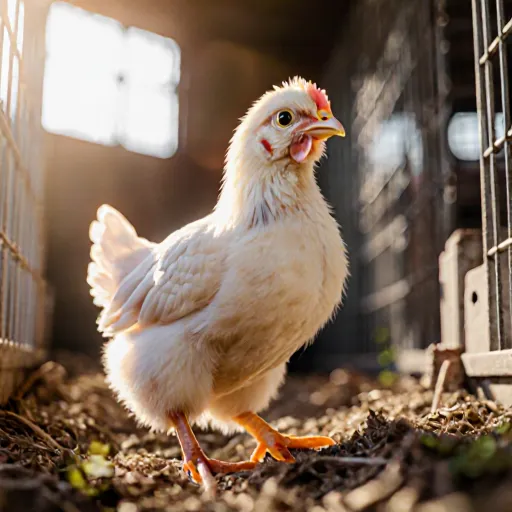
Unlock the story behind your favorite chicken dish.
In the bustling world of agriculture and food production, where efficiency and innovation reign supreme, there lies a fascinating story that often goes unnoticed—the evolution of broiler chicken breeding. At first glance, broiler chickens may seem like the ordinary, clucking members of the poultry family, but their journey from wild fowl to the plump, fast-growing birds we know today is steeped in complexity and ingenuity. This transformation, driven by human intervention, offers intriguing insights into how our dietary demands have sculpted the very nature of these creatures. As we delve into the history of broiler chicken breeding, we’ll uncover the pivotal moments and key figures that ushered in an era of unprecedented growth and change within the poultry industry.
Embarking on this historical exploration, one might imagine a time when chickens roamed freely, untouched by selective breeding practices. It is here, in the nascent stages of agricultural development, that our story begins. From the crossbreeding experiments of the early 20th century to the technological advancements of today, each chapter in this saga illustrates the relentless pursuit of a bird that satisfies both culinary appetites and commercial aspirations. This narrative not only reveals the timeline of events that shaped the breed but also highlights the cultural and economic forces that guided these changes. Prepare to be captivated by the intricate dance of science and necessity that brought forth the broiler chicken, an unsung hero of modern agriculture.
The Wild Ancestry of Broiler Chickens
In exploring the wild ancestry of broiler chickens, we unravel a fascinating journey that has shaped the history of broiler chicken breeding. The domesticated broiler chicken we know today has roots deeply intertwined with its wild ancestors, showcasing centuries of selective breeding and genetic manipulation.
Broiler chickens, specifically bred for meat production, have come a long way from their original counterparts. The selective breeding process has been instrumental in enhancing traits such as rapid growth, efficient feed conversion, and increased muscle mass. This deliberate breeding has led to the development of the modern broiler chicken, optimized for its role in meat production.
The history of broiler chicken breeding dates back to the early 20th century when breeders began focusing on developing chickens specifically for meat production. Through careful selection of breeding stock and genetic manipulation, breeders were able to accelerate the growth rate of broiler chickens significantly. This marked the beginning of a new era in poultry farming, revolutionizing the meat industry.
As we delve deeper into the origins of broiler chicken breeding, we uncover the intricate genetic pathways that have been manipulated to enhance desirable traits in these birds. The history of broiler chicken breeding is a testament to human ingenuity and the power of selective breeding in shaping the characteristics of domesticated animals.
In conclusion, the wild ancestry of broiler chickens serves as a reminder of the complex evolution of these birds from their natural origins to the highly specialized meat-producing animals we see today. Understanding the history of broiler chicken breeding sheds light on the significant advancements made in the poultry industry and highlights the continuous efforts to improve efficiency and sustainability in meat production.
Early Domestication and Selective Breeding Practices
Early Domestication and Selective Breeding Practices have played a pivotal role in shaping the history of broiler chicken breeding. The origins of broiler chicken breeding can be traced back to ancient times when humans first began domesticating wild birds for various purposes.
Domestication of chickens started thousands of years ago when humans realized the benefits of raising these birds for meat, eggs, and feathers. Selective breeding became a common practice as people sought to improve certain desirable traits in chickens, such as faster growth, larger size, and better meat quality.
Through careful selection and breeding techniques, early farmers were able to create specific chicken breeds tailored to meet their needs. Over time, these breeding practices evolved, leading to the development of specialized broiler chicken breeds that we recognize today.
The history of broiler chicken breeding is a fascinating journey marked by innovation and ingenuity. From the humble beginnings of domestication to the sophisticated breeding programs of modern times, the evolution of broiler chickens showcases the remarkable impact of human intervention on animal genetics.
Today, broiler chickens are among the most widely bred livestock animals globally, thanks to centuries of selective breeding practices aimed at maximizing meat production efficiency. The success of broiler chicken breeding is a testament to the enduring legacy of early domestication and selective breeding practices in agriculture.
As we delve deeper into the history of broiler chicken breeding, we gain a deeper appreciation for the intricate relationship between humans and animals, and the transformative power of selective breeding in shaping agricultural practices.
Pioneers in Broiler Chicken Breeding
Pioneers in Broiler Chicken Breeding
Broiler chicken breeding has a rich history that dates back to the early 20th century. The pioneers in this field laid the foundation for the development of the modern broiler chicken industry.
In the early days of broiler chicken breeding, farmers focused on improving the breed for faster growth and better meat quality. One of the key pioneers in this field was Jesse Donaldson, who introduced selective breeding techniques to enhance the growth rate of broiler chickens.
As the demand for broiler chicken meat grew, more pioneers emerged, each contributing their expertise to the breeding process. John Krannich Jr. revolutionized the industry by introducing new feeding techniques that further accelerated the growth of broiler chickens.
Over time, advancements in genetics and technology have allowed breeders to fine-tune the characteristics of broiler chickens. Today, breeders use sophisticated breeding programs to select for traits such as growth rate, feed efficiency, and meat quality.
The history of broiler chicken breeding is a testament to human innovation and perseverance. By building upon the work of pioneers in the field, breeders continue to push the boundaries of what is possible in broiler chicken production.
Unveiling Origins: The History of Broiler Chicken Breeding Explained.
The Genetic Revolution: Breeding for Efficiency
Breeding for efficiency has been a cornerstone of the genetic revolution in the agricultural industry. When delving into the history of broiler chicken breeding, it is fascinating to uncover the origins of this drive for efficiency.
In the quest for enhancing production and meeting the ever-growing demand for poultry products, the history of broiler chicken breeding stands out as a testament to human ingenuity and innovation. From traditional breeding methods to the cutting-edge genetic technologies of today, the evolution of broiler chicken breeding is a compelling narrative.
The history of broiler chicken breeding can be traced back to the early days of domestication, where humans first began to selectively breed chickens for specific traits. Over time, breeders honed their skills and knowledge, gradually improving the efficiency of chicken production.
With advancements in technology and scientific understanding, broiler chicken breeding underwent a revolution. The focus shifted towards maximizing growth rates, feed conversion efficiency, and overall productivity. Genetic selection became a key tool in achieving these goals, as breeders identified and propagated genes associated with desirable traits.
The genetic revolution in broiler chicken breeding has led to the development of specialized breeds that excel in specific traits. Through meticulous breeding programs and advanced genetic techniques, breeders have been able to fine-tune the genetic makeup of broiler chickens to enhance efficiency and productivity.
Today, the history of broiler chicken breeding serves as a testament to the power of genetic innovation in agriculture. By unraveling the origins of this evolutionary journey, we gain a deeper appreciation for the complexities and achievements of modern poultry production.
In conclusion, the history of broiler chicken breeding is a compelling tale of human endeavor and scientific progress. As we continue to unlock the genetic potential of broiler chickens, the future of poultry production holds even greater promise for efficiency and sustainability.
Industrialization of Broiler Chicken Production
The industrialization of broiler chicken production has revolutionized the way we raise poultry for food consumption. The history of broiler chicken breeding is a fascinating journey that has shaped the modern agricultural landscape.
In the early 20th century, broiler chicken production was a small-scale endeavor, with farmers raising chickens primarily for eggs and meat. However, with advancements in breeding techniques and the demand for affordable protein sources, the focus shifted towards developing broiler chickens that could reach market weight quickly.
The history of broiler chicken breeding can be traced back to the 1920s when pioneering scientists began selectively breeding chickens for their meat-producing abilities. This marked the beginning of a new era in agricultural practices, where efficiency and productivity were paramount.
As the decades passed, breeding programs became more sophisticated, utilizing genetic selection to enhance traits such as growth rate, feed efficiency, and disease resistance. This led to the development of specialized broiler chicken breeds that could reach market weight in a fraction of the time compared to traditional breeds.
The industrialization of broiler chicken production further accelerated this process, with large-scale farms implementing intensive farming practices to meet the growing demand for poultry meat. Today, broiler chickens are bred and raised in controlled environments, with optimized diets and living conditions to maximize growth and minimize production costs.
In conclusion, the history of broiler chicken breeding is a testament to human ingenuity and the relentless pursuit of efficiency in food production. The industrialization of broiler chicken production has transformed the way we raise chickens for meat, ensuring a steady supply of affordable and high-quality protein for consumers worldwide.
Challenges and Controversies in Broiler Chicken Breeding
Broiler chicken breeding has always been a subject of challenges and controversies. The history of broiler chicken breeding is a complex tapestry of innovations, ethical dilemmas, and economic considerations.
One of the primary challenges in broiler chicken breeding is ensuring genetic diversity while also meeting the demands for fast growth and high meat yield. Breeders walk a fine line between producing birds that grow quickly and efficiently and maintaining a healthy gene pool to prevent genetic weaknesses.
Controversies in broiler chicken breeding often revolve around issues of animal welfare and sustainability. Critics argue that selective breeding for rapid growth has led to welfare problems in broiler chickens, including skeletal issues and heart problems. The debate continues on finding the balance between maximizing production efficiency and ensuring the well-being of the birds.
Another significant controversy in broiler chicken breeding is the use of antibiotics. Antibiotics are commonly used in intensive broiler farming to prevent diseases and promote growth. However, concerns about antibiotic resistance and the impact on human health have sparked heated debates within the industry and among consumers.
As we delve into the history of broiler chicken breeding, we uncover the roots of these challenges and controversies. The journey from traditional farming practices to modern industrialized breeding methods is filled with milestones and turning points that have shaped the industry.
Understanding the challenges and controversies in broiler chicken breeding can help us navigate the complex landscape of poultry production. By exploring the history of this industry, we gain insights into the origins of current practices and open up discussions on how to address the issues at hand.
Technological Innovations in the Poultry Industry
Technological Innovations in the Poultry Industry have significantly transformed the way broiler chicken breeding is conducted. The History of Broiler Chicken Breeding traces back to the early 20th century when farmers began selectively breeding chickens for faster growth and higher meat yields.
In recent years, advancements in technology have revolutionized this process. One key innovation is the use of genetic engineering to develop breeds with enhanced attributes such as rapid growth, disease resistance, and improved feed conversion rates. These genetically modified chickens have helped meet the growing demand for poultry products worldwide.
Furthermore, automation plays a crucial role in modern broiler chicken breeding facilities. Automated feeding systems, temperature control mechanisms, and monitoring devices ensure optimal conditions for the chickens’ growth and well-being. This integration of technology not only enhances efficiency but also minimizes human error in the breeding process.
Another notable technological innovation is the use of data analytics in broiler chicken breeding. Farmers now rely on sophisticated software to analyze large volumes of data related to breeding performance, health metrics, and environmental factors. This data-driven approach enables farmers to make informed decisions to improve breeding outcomes and overall productivity.
Moreover, advancements in biotechnology have led to the development of vaccines and medications tailored to combat specific poultry diseases. This proactive approach helps prevent disease outbreaks, ensuring the health and welfare of the broiler chickens.
In conclusion, the History of Broiler Chicken Breeding has evolved significantly due to technological innovations in the poultry industry. From genetic engineering to automation and data analytics, these advancements continue to drive progress and efficiency in modern broiler chicken breeding practices.
Global Impact of Broiler Chicken Breeding
Broiler chicken breeding has a significant global impact on food production and consumption. Understanding the history of broiler chicken breeding is essential to grasp its evolution and far-reaching effects on the industry.
In the early 20th century, broiler chicken breeding began as a response to the increasing demand for poultry meat. Farmers selectively bred chickens for faster growth, higher meat yield, and adaptability to various climates. This marked the beginning of a transformative journey in poultry farming.
As broiler chicken breeding techniques advanced, the industry witnessed exponential growth in production. Genetic selection played a crucial role in developing strains that outperformed traditional breeds in terms of meat quality and quantity. The emergence of specialized breeding programs revolutionized the poultry sector.
The history of broiler chicken breeding is a testament to human ingenuity and innovation in agriculture. It paved the way for modern poultry practices, contributing to the availability of affordable protein sources worldwide. Broiler chicken breeding has not only met the demands of a growing population but also improved food security in many regions.
Today, the global impact of broiler chicken breeding is evident in the abundance of poultry products in markets worldwide. The industry continues to evolve, incorporating technology and research to enhance productivity and sustainability. Broiler chicken breeding remains a critical component of the agricultural supply chain, supporting economies and nourishing communities across the globe.
Understanding the origins and evolution of broiler chicken breeding is key to appreciating its profound impact on food systems and agricultural practices. By delving into its history, we gain insights into the intricate processes that have shaped the poultry industry and continue to drive innovation in food production.