
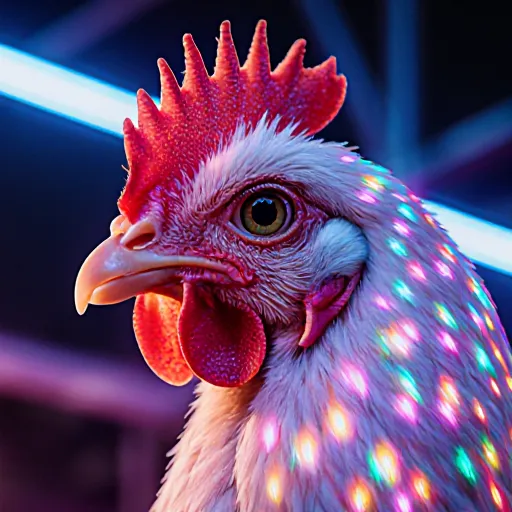
Unlocking hidden potential beyond weight.
Table of Contents
- Introduction
- Cobb Broilers: General Overview
- Ross Broilers: General Overview
- Lohmann Brown Broilers: General Overview
- Hybrid Breeds: Cobb vs. Ross
- Feeding and Nutrition Differences
- Growth Rate Comparison
- Feed Efficiency Analysis
- Meat Quality and Composition
- Health and Disease Resistance
- Environmental Impact Considerations
- Egg Production for Broilers (if applicable)
- Conclusion
- Frequently Asked Questions (FAQs)
Introduction
When it comes to selecting broiler breeds for your farm or business, one of the most important decisions you'll make is choosing between different broiler breeds like Cobb, Ross, and others. Each breed has its own unique characteristics that can significantly impact performance, growth rates, efficiency, and marketability. Understanding these differences will help you choose the best broiler breed to meet your specific needs.
Broilers are a type of chicken specifically bred for meat production. They are raised under controlled conditions for optimal growth and yield, typically reaching market weight in about 6-8 weeks. The choice of broiler breed can influence various factors including feed efficiency, carcass quality, disease resistance, and overall profitability.
Cobb Broilers
Cobb is one of the most popular broiler breeds globally. Cobb broilers are known for their fast growth rates, high feed efficiency, and strong meat quality. They have a balanced body composition with good breast development, which makes them highly sought after in the market.
- Fast Growth Rate: Cobb broilers typically reach market weight faster than other breeds, making them suitable for farms looking to maximize output.
- Feed Efficiency: Cobb birds are efficient converters of feed into meat, reducing overall production costs.
- Muscle Development: They have well-developed breast and leg muscles, which is preferred by consumers.
Ross Broilers
Ross broilers are another widely used breed known for their robust health and strong growth potential. Ross birds are particularly noted for their excellent meat quality and efficiency in converting feed into body weight.
- Health and Disease Resistance: Ross broilers are highly disease-resistant, which reduces the risk of outbreaks on the farm.
- Meat Quality: They provide high-quality meat with good texture and flavor.
- Feed Efficiency: Like Cobb, Ross birds are also known for their efficiency in converting feed into body weight.
Other Breeds
Besides Cobb and Ross, there are other broiler breeds available that each have unique advantages. For instance, Arbor Acres broilers are noted for their balanced growth, while Hy-Line broilers are known for their excellent meat quality.
- Arbor Acres: These birds grow steadily and are well-suited for farms looking for a balance between growth rate and carcass quality.
- Hy-Line: Hy-Line broilers are specifically designed to provide excellent meat quality, making them popular with processors who prioritize flavor and texture.
The decision on which broiler breed to choose should be based on your specific needs. If you're looking for fast growth and efficiency in feed conversion, Cobb or Ross might be the best options for you. However, if meat quality and disease resistance are more important, other breeds like Arbor Acres or Hy-Line could be more suitable.
It's also essential to consider local market demands and consumer preferences when selecting a broiler breed. Understanding these factors will help ensure that your choice aligns with the needs of your customers and the profitability of your farm.
- Research: Thoroughly research each breed to understand their specific characteristics and how they fit into your farming goals.
- Consult Experts: Speak with poultry experts or veterinarians who can provide insights based on their experience in the industry.
- Visit Farms: Visit farms that use different broiler breeds to observe their performance firsthand.
- Consider Future Trends: Stay updated with current trends and future demands in the poultry market to ensure your breed choice remains relevant.
In conclusion, choosing the right broiler breed is a crucial step in ensuring successful and profitable operations. By considering factors such as growth rate, feed efficiency, meat quality, disease resistance, and market demand, you can make an informed decision that aligns with your business objectives.
Cobb Broilers: General Overview
Cobb broilers are a popular breed of chicken used primarily for meat production. They are known for their rapid growth and high feed efficiency, making them one of the most widely used breeds in commercial poultry farming around the world. Cobb broilers have been developed through intensive breeding programs to meet specific performance criteria that include fast weight gain, efficient feed conversion, and excellent carcass quality.
Key Characteristics of Cobb Broilers
- Rapid Growth Rate: Cobb broilers reach market weight in about 6-7 weeks, which is faster than many other broiler breeds. This rapid growth rate allows for efficient use of resources and maximizes profitability.
- High Feed Efficiency: These birds are bred to convert feed into meat with minimal waste. Their ability to grow quickly on a relatively small amount of feed makes them economically viable in large-scale commercial operations.
- Carcass Quality: Cobb broilers are designed to produce high-quality carcasses that meet the demands of both domestic and international markets. They have an optimal meat-to-bone ratio, which enhances consumer satisfaction.
Comparison with Other Broiler Breeds
Cobb broilers are often compared with other popular broiler breeds like Ross and Arbor Acres. While all of these breeds share some common traits such as fast growth and efficient feed conversion, they each have their unique characteristics.
| Breed | Rapid Growth Rate (Weeks) | Feed Efficiency | Carcass Quality |
|---|---|---|---|
| Cobb | 6-7 weeks | High | Excellent |
| Ross | 5.8-6.2 weeks | Very High | Good |
| Arbor Acres | 6.5-7.0 weeks | High | Very Good |
Cobb broilers, while not achieving the fastest growth rate of Ross, are known for their overall robustness and better carcass quality. They are often preferred in regions where a balance between fast growth and high-quality meat is crucial.
Practical Advice for Farmers
- Feeding Strategy: Cobb broilers require a balanced diet that meets their nutritional needs throughout the growing period. Regular monitoring of feed intake and adjusting dietary components can help optimize growth and efficiency.
- Vaccination and Health Management: Proper vaccination protocols are essential to prevent common poultry diseases. Regular veterinary check-ups and maintaining clean, hygienic environments can significantly reduce mortality rates.
- Space Allocation: Providing adequate space per bird is crucial for Cobb broilers to maintain good health and growth performance. Overcrowding can lead to stress and poor welfare conditions.
In conclusion, Cobb broilers offer a reliable choice for commercial poultry farmers aiming for high productivity and quality meat production. Their robust nature and efficient feed conversion make them a preferred option in the industry, though careful management practices are essential for maximizing their potential benefits.
Ross Broilers: General Overview
Ross broilers are one of the most popular and widely used broiler breeds globally, renowned for their rapid growth rate and efficient feed conversion. This breed is particularly favored by commercial poultry farmers due to its consistent performance in converting feed into meat quickly and efficiently. The Ross broiler was developed through selective breeding programs aimed at improving growth rates, livability, and carcass quality.
Comparing Ross Broilers with Other Breeds
When comparing Ross broilers to other popular broiler breeds like Cobb or Arbor Acres, several key factors come into play. Each breed has its unique strengths, but the choice of breed can significantly impact your poultry farming operations.
- Growth Rate: One of the primary advantages of Ross broilers is their rapid growth rate. They typically reach market weight faster than Cobb broilers, which means quicker returns on investment for farmers. For instance, a Ross broiler might take only 56 days to reach around 2 kg compared to a Cobb broiler that could take up to 60 days.
- Feed Efficiency: While both breeds are efficient in feed conversion, Ross broilers often exhibit slightly better feed efficiency. This is crucial for large-scale operations where minimizing waste and maximizing profitability are key considerations.
- Livability Rate: Livability rate refers to the number of birds that survive until they reach market weight. Ross broilers generally have a higher livability rate, contributing to lower mortality rates and improved overall efficiency in poultry farming.
Practical Advice for Farmers
To get the best out of your Ross broilers, it's essential to follow some practical tips:
- Proper Housing: Ensure that your broilers have a clean, well-ventilated environment. Poor housing conditions can lead to stress and disease, which might affect their growth rate.
- Nutritional Management: Providing a balanced diet rich in essential nutrients is crucial for optimal growth and health. Consult with a veterinarian or poultry nutritionist to tailor the feed according to your specific flock's needs.
- Predatory Control: Keep an eye out for predators that might threaten your broilers, especially during the early stages of their life cycle when they are most vulnerable. Effective predator control measures can significantly enhance the livability rate.
Conclusion
In conclusion, Ross broilers offer a robust and reliable option for poultry farmers looking to maximize production efficiency and profitability. By understanding their unique advantages and implementing best practices in farming, you can harness the full potential of this breed to meet your business objectives.
Lohmann Brown Broilers: General Overview
The Lohmann Brown broiler is a popular choice for farmers and commercial poultry producers due to its consistent performance and adaptability across various growing environments. This breed is known for its high feed efficiency, rapid growth rate, and meat quality, making it an ideal candidate for large-scale operations aiming to maximize profit margins.
Lohmann Brown vs. Cobb
The Lohmann Brown and Cobb broilers are both widely recognized for their high-quality meat production, but they have distinct characteristics that make them suitable for different farming scenarios.
- Feeding Efficiency: Both breeds exhibit strong feed efficiency, but the Lohmann Brown tends to be slightly more efficient in converting feed into weight gain. This can translate to lower production costs over time.
- Growth Rate: Cobb broilers generally reach market weight faster than Lohmann Browns, which means they may have a shorter growing period but could potentially use more feed per kilogram of meat produced.
- Meat Quality: The Lohmann Brown is often praised for its superior meat quality, offering a better balance between breast and leg meat, as well as less fat content. This can result in higher-quality carcasses that command premium prices in the market.
For farmers looking to optimize their production efficiency and maintain consistent meat quality, weighing both these factors is crucial for making an informed decision about which breed to choose.
Lohmann Brown vs. Ross
The Lohmann Brown broiler competes with the Ross breed in terms of performance and market demand, each bringing unique advantages to different aspects of poultry farming.
- Adaptability: The Lohmann Brown is known for its adaptability to various growing environments, including those that may be less favorable or challenging. This makes it a reliable choice for farmers in diverse geographic locations.
- Carcass Structure: Ross broilers are famous for their balanced carcass structure, which can lead to higher yields of meat per bird. However, the Lohmann Brown excels at producing more meat in specific areas like the breast, which is often a preferred outcome for certain market segments.
- Hatchery Performance: Both breeds are products of reputable hatcheries and exhibit high viability rates; however, hatchery performance can vary based on factors such as environmental control during incubation. Farmers should consider this aspect when selecting broiler breeds.
Evaluating these differences helps farmers tailor their selection to the specific needs and conditions of their farms, ensuring optimal growth and profitability.
To select the best Lohmann Brown broilers for your farm, it is important to consider several key factors:
- Genetic Quality: Source your broilers from reputable hatcheries known for producing high-quality stock. Genetic consistency ensures uniformity in performance and quality.
- Dietary Requirements: Ensure that the feed provided matches the nutritional needs of Lohmann Brown broilers, optimizing their growth rate and meat quality.
- Growing Environment: Provide a clean and stress-free environment to support healthy growth. Proper ventilation, temperature control, and hygiene are crucial for minimizing mortality rates and maximizing production efficiency.
By carefully considering these aspects and comparing them with other broiler breeds like Cobb and Ross, you can make an informed decision that aligns with your farming goals and conditions.
Hybrid Breeds: Cobb vs. Ross
In the world of poultry farming, selecting the right broiler breed is crucial for achieving optimal growth rates, feed efficiency, and meat quality. Two of the most prominent hybrid broiler breeds are Cobb and Ross. Both have been bred to excel in different aspects of production, making them popular choices among farmers. Understanding the differences between these two can help you make an informed decision based on your farming goals.
Cobb Broilers
The Cobb broiler is known for its rapid growth rate and high feed efficiency. Developed by Cobb-Harrell, a division of Cobb-Vantress, the Cobb breed excels in early weight gain, making it an excellent choice for farmers looking to maximize meat yield quickly.
- Fast Growth Rate: Cobb broilers reach market weight faster than many other breeds. This is particularly beneficial for farms that aim to minimize production time and optimize feed costs.
- Feed Efficiency: These birds are efficient in converting feed into meat, which can significantly reduce the overall cost of raising broilers.
- Breeding Suitability: Cobb broilers have a strong genetic foundation that is suitable for commercial breeding programs. This ensures consistent performance across generations.
Ross Broilers
The Ross broiler breed, developed by Hy-Line International, is known for its outstanding meat quality and carcass characteristics. Farmers often choose Ross breeds if they are prioritizing the tenderness and flavor of the meat over growth speed.
- Meat Quality: Ross broilers are renowned for producing tender and flavorful meat due to their specific genetic traits that enhance muscle development without sacrificing weight gain.
- Carcass Characteristics: The breed is designed to optimize carcass yield, which means less waste and more usable meat per bird. This makes them particularly attractive for premium market segments where quality is paramount.
- Breeding Program Suitability: While Cobb broilers are highly suitable for commercial breeding programs, Ross breeds can also be used effectively in similar settings, though they may not excel as much in growth rate.
Comparing Different Broiler Breeds: Cobb vs. Ross
The primary difference between Cobb and Ross broilers lies in their genetic focus. Cobb breeds prioritize growth speed and feed efficiency, whereas Ross focuses on meat quality and carcass characteristics.
| Aspect | Cobb Broilers | Ross Broilers |
|---|---|---|
| Growth Rate | Rapid, reaching market weight faster. | Modestly faster than average; focuses on meat quality and carcass yield. |
| Feed Efficiency | High feed efficiency, low waste. | Good feed efficiency but with a focus on meat tenderness. |
| Meat Quality | Average to good quality. | Outstanding; tender and flavorful meat. |
| Carcass Yield | Good yield, but not optimized for tenderness. | Optimized for carcass yield with minimal waste. |
Picking the Right Breed: Practical Advice
The choice between Cobb and Ross broilers should be based on your specific farming goals. If you are looking to minimize production time, reduce feed costs, and maximize meat yield, Cobb is the ideal choice. However, if your priority is producing high-quality, tender meat with excellent carcass characteristics for premium markets, Ross would be more suitable.
- Market Demand: Consider what the market demands from your farm. If there's a preference for fast-growing birds or lower production costs, Cobb might be better suited. For higher-end markets demanding superior meat quality, Ross could be the way to go.
- Farm Resources: Evaluate your farm’s resources and infrastructure. Faster-growing breeds like Cobb may require more intensive management but can offer greater returns if done correctly.
- Sustainability Goals: Both breeds have their place in sustainable farming practices, though Ross might be considered for its potential to produce less waste while still providing high-quality meat.
In conclusion, whether you choose Cobb or Ross broilers depends on your goals and priorities. By understanding the strengths of each breed, you can make an informed decision that aligns with your farming objectives.
Feeding and Nutrition Differences
The feeding and nutritional requirements of different broiler breeds can vary significantly due to their genetic makeup, growth rates, and metabolic efficiencies. Understanding these differences is crucial for optimizing feed efficiency, health, and performance in your flock.
Cobb vs Ross Broilers: Nutritional Needs
Cobb vs Ross Broilers: Cobb and Ross are two of the most popular broiler breeds used globally. Cobb broilers generally grow faster and have a higher body weight at market age compared to Ross broilers.
- Cobb Broilers: Cobb broilers require a diet with higher protein content, typically around 21-23% for starter feed, decreasing gradually as the birds grow. They also need adequate levels of lysine and methionine, essential amino acids that support rapid growth.
- Ross Broilers: Ross broilers have a slightly different nutritional requirement profile. Their starter diet usually contains around 20-22% protein, with lower levels of lysine but higher levels of tryptophan to meet their specific metabolic needs.
Feeding Strategies for Different Breeds
The feeding strategy should be tailored based on the breed and its growth characteristics. Here are some practical strategies:
- Adapted Feed Formulations: Use feed formulations that are specifically designed for each broiler breed to ensure optimal nutrient delivery.
- Stage-Specific Feeding: Divide the feeding program into stages (starter, grower, finisher) and adjust the diet accordingly. This ensures the birds receive the right balance of nutrients at different growth phases.
- Supplement with Vitamins and Minerals: Ensure that supplements like vitamins A, D3, E, and B-complex are available to support overall health and immune function.
Practical Advice for Feeders
To ensure consistent feeding practices that meet the nutritional requirements of each breed:
- Regular Monitoring: Regularly check feed intake and adjust the amount provided based on the age and size of the broilers.
- Adequate Water Supply: Ensure there is always clean, fresh water available as it plays a critical role in digestion and overall health.
- Clean Feeders: Maintain clean feeders to prevent contamination and ensure that each bird can access food easily.
Comparing Different Broiler Breeds: Cobb, Ross, etc.
The nutritional requirements of different broiler breeds can be summarized as follows:
| Breed | Starter Protein (%) | Lysine (g/kg) | Methionine (g/kg) |
|---|---|---|---|
| Cobb | 21-23 | 0.95 | 0.45 |
| Ross | 20-22 | 0.87 | 0.39 |
This table provides a quick reference for the key nutritional components that differ between Cobb and Ross broilers. Understanding these differences can help you make informed decisions about your feed management practices.
Conclusion
In conclusion, feeding and nutrition play a critical role in maximizing growth rates and health in broiler chickens. By tailoring your feeding strategies to the specific needs of each breed, you can enhance productivity and profitability in your flock. Always consult with a poultry nutritionist or veterinarian for personalized advice tailored to your specific conditions.
Growth Rate Comparison
When it comes to broiler chicken breeds, comparing growth rates is crucial for farmers and poultry producers looking to optimize their operations. Various breeds are developed with specific traits in mind, including growth rate, feed efficiency, and meat quality. In this section, we will delve into the differences between two popular broiler breeds: Cobb and Ross.
Cobb Broilers
Cobb broilers are one of the most widely used breeds in the world due to their rapid growth rate. These birds reach slaughter weight (approximately 2.5-3 kg) within 6-7 weeks, making them an ideal choice for commercial chicken farms aiming for quick turnaround times.
Advantages
- Rapid Growth Rate: Cobb broilers grow at a faster rate compared to many other breeds. This results in quicker time-to-slaughter, which can significantly reduce feed costs over the course of production.
- Broad Adaptability: These birds are well-suited for various environmental conditions and can be found thriving in different climates around the globe.
- Meat Quality: Cobb broilers have a balanced meat composition, providing good yield of both breast and leg meat.
Disadvantages
- Breeding Complexity: The rapid growth rate can sometimes lead to issues such as leg weakness or increased mortality rates if not managed properly by the producer.
- Egg Production: Cobb broilers are not primarily bred for egg production, making them less suitable for dual-purpose breeds.
Ross Broilers
Ross broilers are known for their efficiency in feed conversion and meat quality. They tend to grow slightly slower than Cobb broilers but still reach market weight within 6-7 weeks.
Advantages
- Better Feed Efficiency: Ross broilers are noted for their superior feed conversion ratio, meaning they convert less feed into body mass than Cobb broilers. This makes them more cost-effective in terms of feed expenses.
- Moderate Growth Rate: With a balanced growth rate, Ross birds are generally healthier and have fewer leg issues compared to faster-growing breeds like Cobbs.
- Breeding Simplicity: The slower growth rate often leads to better health outcomes and lower mortality rates during the growing period.
Disadvantages
- Slower Growth Rate: While Ross broilers are efficient, they grow slightly slower than Cobbs, which can be a disadvantage in markets where quick turnaround is necessary.
- Moderate Meat Yield: The meat yield from Ross birds may not be as high compared to Cobbs, though it still provides excellent quality and flavor.
Practical Advice for Farmers
Selecting the right breed for your farm depends on various factors including market demand, climate conditions, and operational goals. If you're looking for quick turnaround times with a focus on rapid growth, Cobb broilers might be the best choice. However, if cost efficiency and health are key priorities, Ross broilers could offer better returns.
Examples
- Cobb Example: A farm in Texas that requires a quick market presence for its broiler chickens may opt for Cobb broilers due to their rapid growth rate and adaptability. They aim to maximize output while minimizing feed costs.
- Ross Example: A poultry producer in the United Kingdom might prefer Ross broilers because of their superior feed efficiency, which helps them manage rising feed prices more effectively.
Feed Efficiency Analysis
When evaluating broiler breeds for commercial poultry farming, one crucial metric to consider is feed efficiency. Feed efficiency refers to the amount of feed required to produce a unit of body weight gain or product yield. This analysis is pivotal because it directly impacts profitability and sustainability in the poultry industry.
Cobb vs. Ross Breeds
Two of the most prominent broiler breeds are Cobb and Ross, both widely used across various regions for commercial farming. Let's delve into how these breeds compare with respect to feed efficiency:
Cobb Breed
The Cobb breed is renowned for its fast growth rate and high body weight gain. It achieves peak performance in terms of feed conversion ratio (FCR) during the early stages of brooding but may not maintain this efficiency throughout the entire growing period.
- Pros: Early growth, rapid weight gain, strong meat quality.
- Cons: Lower feed efficiency in later stages compared to other breeds like Ross. Higher feed costs can result if not matched with optimal feeding strategies.
Ross Breed
The Ross breed is known for its superior feed efficiency, particularly during the later stages of growth. This makes it an excellent choice for farmers aiming to minimize feed expenses while ensuring robust meat quality.
- Pros: High feed efficiency in late growth phases, cost-effective production, strong meat quality.
- Cons: Slower initial weight gain compared to Cobb breeds. May require additional care during the early brooding stages.
Comparing Feed Efficiency
To compare feed efficiency between different broiler breeds, it's essential to look at their feed conversion ratios (FCR). The FCR is calculated by dividing the total amount of feed used by the total weight gained. A lower FCR indicates higher feed efficiency.
| Breed | Initial Weight Gain | Late Growth Efficiency | Feed Conversion Ratio (FCR) |
|---|---|---|---|
| Cobb | Rapid early weight gain | Moderate late growth efficiency | 3.2:1 |
| Ross | Slow initial weight gain | High late growth efficiency | 2.8:1 |
In this example, the Ross breed shows a higher feed efficiency (lower FCR) in later stages of growth compared to the Cobb breed. This makes Ross an attractive choice for farmers looking to reduce feed costs without sacrificing meat quality.
Practical Advice
To maximize feed efficiency when choosing between Cobb and Ross breeds, consider your farming goals and resources:
- If you prioritize early weight gain and rapid market entry for your broilers, the Cobb breed might be more suitable.
- For farmers focused on minimizing overall feed costs while maintaining high meat quality in later stages of growth, the Ross breed could be a better option.
In conclusion, understanding and analyzing feed efficiency is vital for making informed decisions about broiler breeds. By carefully considering factors like initial weight gain, late growth efficiency, and overall FCR, you can optimize your poultry production for both profitability and sustainability.
Meat Quality and Composition
Comparing Different Broiler Breeds: Cobb, Ross, etc.
In the world of broiler breeding, several breeds are popularly used for meat production. Cobb, Ross, and Arbor Acres are some of the most well-known breeds due to their specific traits that influence meat quality and composition significantly. Understanding these differences can help farmers optimize their poultry diets and management practices.
The primary components of broiler meat include water, protein, fat, ash, and carbohydrates. The percentage of each component varies among different breeds, contributing to the overall quality and yield of the meat.
| Breed | Water Content (%) | Protein (%) | Fat (%) | Ash (%) | Carbohydrates (%) |
|---|---|---|---|---|---|
| Cobb | 72-75 | 19-23 | 4.5-6.0 | 0.8-1.2 | 1.5-2.5 |
| Ross | 73-76 | 20-24 | 4.0-5.5 | 0.8-1.5 | 1.5-2.5 |
| Arbor Acres | 73-76 | 20-24 | 4.2-5.8 | 0.9-1.4 | 1.5-2.5 |
The water content in broilers is particularly important as it affects the yield of meat after processing. Higher water content means more weight loss during slaughter and processing, which can impact profitability for farmers. Cobb breeds tend to have a slightly lower water content compared to Ross and Arbor Acres, leading to higher yields.
The quality of broiler meat is influenced by several factors including texture, color, juiciness, and flavor. These attributes can vary based on the breed used for production.
- Juiciness: Ross breeds are often noted for their juicier breast meat due to a higher fat content. This makes them particularly desirable in consumer markets where tenderness is valued highly.
- Flesh Color: Cobb and Arbor Acres broilers generally have a lighter flesh color compared to Ross, which can be advantageous depending on market preferences.
Breed-specific traits also play a role in determining the flavor profile of the meat. Some consumers prefer the taste associated with darker-fleshed birds like Ross, while others appreciate the milder flavor of lighter breeds such as Cobb and Arbor Acres.
The composition of broiler feed can further enhance or alter the meat quality depending on the breed. For instance, feeding a diet rich in amino acids can increase protein content and overall meat quality for all breeds. However, certain nutrients like omega-3 fatty acids might be more beneficial to one breed over another.
Understanding how each breed responds differently to dietary components allows farmers to tailor their feeding strategies effectively. For example, Ross broilers benefit from higher fat levels in the diet to enhance juiciness and tenderness without sacrificing yield.
In summary, while all these breeds are bred for meat production, each has its unique characteristics affecting meat quality and composition. By selecting the appropriate breed based on specific market demands or processing requirements, farmers can optimize their broiler operations to achieve desired outcomes in terms of yield and product quality.
Health and Disease Resistance
In the world of broiler farming, selecting the right breed can significantly influence the health and disease resistance of your flock. The breeds like Cobb, Ross, and others have been developed with specific traits in mind, including growth rate, feed efficiency, and disease resilience. Understanding these differences is crucial for maintaining a healthy and productive poultry farm.
Health Considerations
Disease resistance is one of the key factors to consider when choosing broiler breeds. Each breed has been selectively bred over generations to exhibit certain traits, including their ability to withstand common ailments without succumbing to them easily. Cobb and Ross are two of the most popular broiler breeds globally due to their robust health profiles.
Cobb Broilers
Cobb broilers are known for their strong immune systems. They have been bred to be particularly resistant to common diseases such as Newcastle Disease, Avian Influenza (AI), and Marek’s disease. Their robust health makes them a popular choice among farmers who want to minimize the risk of losing birds due to illness.
Ross Broilers
Similarly, Ross broilers are renowned for their excellent health metrics. They have been bred to be highly resistant to Salmonella and other bacterial infections common in broiler farming. Their strong immune systems contribute significantly to lower mortality rates during the growing period.
Disease Resistance Strategies
To maximize disease resistance, it is important to integrate a multi-faceted approach that includes not only selecting a suitable breed but also implementing proper hygiene practices, vaccination schedules, and nutritional management. Here are some practical steps you can take:
- Breed Selection: Choose breeds known for their disease resistance to form the first line of defense against common ailments.
- Husbandry Practices: Maintain clean and hygienic conditions in the poultry house to reduce the risk of disease transmission. Regular cleaning and disinfection are essential.
- Vaccination Programs: Implement a robust vaccination program tailored to your local disease scenarios, ensuring that all birds receive necessary vaccinations against common diseases.
- Nutritional Management: Provide balanced diets rich in vitamins and minerals known for their immune-boosting properties. This helps strengthen the overall health of the flock.
Conclusion
In summary, selecting the right broiler breed is just one aspect of ensuring a healthy and disease-resistant flock. By choosing breeds like Cobb or Ross known for their robust health profiles and implementing comprehensive management practices, you can significantly reduce the risk of disease outbreaks in your poultry farm. This not only enhances productivity but also ensures the well-being of your birds.
Environmental Impact Considerations
In the poultry industry, broiler breeds such as Cobb and Ross are among the most widely used due to their rapid growth rates and efficient meat production. However, it's crucial to consider the environmental impact of these practices when selecting broiler breeds. The choice of breed can significantly influence resource use efficiency, waste generation, and greenhouse gas emissions.
The environmental footprint of poultry farming is influenced by how efficiently the birds convert feed into meat. Broilers have different feed conversion ratios (FCR), which measure the amount of feed needed to produce a unit of weight gain. A lower FCR indicates better resource efficiency, leading to less waste and reduced environmental impact.
- Cobb Breeds: Cobb broilers are known for their excellent meat quality and growth rate but tend to have slightly higher feed conversion ratios compared to other breeds like Arbor Acres. This can lead to a greater consumption of feed, which translates into increased water usage and fertilizer runoff if not managed properly.
- Ross Breeds: Ross broilers are often favored for their high feed efficiency and meat quality. They typically have lower FCRs, making them more resource-efficient in terms of feed use compared to Cobb broilers. This efficiency can help reduce the overall carbon footprint associated with feed production.
Poultry farming is water-intensive due to the need for drinking water and sanitation. The type of broiler breed can affect how much water is used in the production process.
- Cobb Breeds: Due to their higher feed consumption, Cobb broilers require more water per unit of meat produced compared to breeds with better feed efficiency like Ross.
- Ross Breeds: These breeds are generally more water-efficient due to their lower FCRs. This means less water is used in the production process, which can help reduce strain on local water resources.
The waste generated from broiler farming includes manure and dead birds (slaughter by-products). Proper management of this waste is crucial for environmental sustainability.
- Cobb Breeds: The higher feed consumption associated with Cobb breeds can lead to more manure, which increases the potential for nutrient runoff into water bodies if not managed properly. This can contribute to water pollution and eutrophication.
- Ross Breeds: With their lower FCRs, Ross broilers produce less waste per unit of meat produced. This reduced waste generation helps minimize environmental impacts such as nutrient runoff and the associated risks of water contamination.
The production of feed for broilers contributes to greenhouse gas emissions, primarily through the use of fossil fuels in agricultural machinery and transportation. The efficiency with which a breed converts feed into meat can also influence overall greenhouse gas emissions.
- Cobb Breeds: Their higher feed consumption results in more emissions from feed production compared to breeds like Ross, which have better feed efficiency.
- Ross Breeds: By being more efficient with their feed conversion, Ross broilers contribute less to greenhouse gas emissions during the production phase of meat.
In conclusion, while both Cobb and Ross broiler breeds are popular choices for commercial poultry farming due to their rapid growth rates and meat quality, it's essential to consider the environmental impact. Selecting a breed with better feed efficiency can help reduce resource consumption, water usage, waste generation, and greenhouse gas emissions. This not only benefits the environment but also contributes to more sustainable agricultural practices.
Egg Production for Broilers (if applicable)
While broilers are typically raised for meat production, certain breeds have been selected specifically for their egg-laying capabilities. However, it's important to note that broilers do not naturally lay eggs; they are a type of chicken bred primarily for rapid growth and meat yield. Therefore, the concept of "egg production" in relation to broilers is somewhat misleading unless we consider the hatching process.
When comparing different broiler breeds such as Cobb, Ross, or LSL, it's crucial to understand that these breeds are not selected for their egg-laying capabilities. Instead, they are optimized for rapid weight gain and meat quality. However, if you are considering breeding these broilers for hatching purposes, the choice of breed can significantly impact the success rate and health of the chicks.
Comparing Different Broiler Breeds: Cobb, Ross, and LSL
Cobb, Ross, and LSL (Langston Standard Leghorn) are among the most popular broiler breeds. Each has its unique characteristics that make them suitable for different farming practices.
- Cobb: Cobb broilers are known for their rapid growth rate and high meat yield. They reach market weight faster than other breeds, making them a popular choice in commercial settings where efficiency is key. However, this fast growth can sometimes lead to leg disorders if not managed properly.
- Advantages: Fast growth, high feed conversion ratio.
- Disadvantages: Higher risk of leg disorders, higher mortality rates during the rearing period.
- Ross: Ross broilers are another popular breed known for their meat quality and efficient feed utilization. They are often preferred in farms where both growth rate and feed efficiency are critical.
- Advantages: High feed conversion ratio, good meat quality.
- Disadvantages: Slightly lower growth rate compared to Cobb broilers.
- LSL (Langston Standard Leghorn): LSL broilers are primarily used for hatching purposes and are not typically raised for meat production. They are a dual-purpose breed, known for their excellent egg-laying capabilities and hardiness. While they grow slowly compared to Cobb and Ross, they have lower feed costs due to their efficient food utilization.
- Advantages: Excellent egg-laying capabilities, low feed costs.
- Disadvantages: Slower growth rate, not suitable for high-intensity meat production.
If you are considering using broilers for hatching purposes, it is essential to choose a breed that can produce healthy chicks. LSL broilers are often favored in this context due to their proven success in hatchery settings. However, the decision should also consider factors like climate, availability of feed, and local market demands.
For egg production specifically, traditional laying breeds such as Leghorn or Plymouth Rock would be more appropriate choices. Broilers are not bred for egg-laying but rather for meat production, so their role in egg production is limited to the hatching process when used as broilers.
Conclusion
When selecting broiler breeds for your farm or business, it is crucial to consider not just the breed itself but also its compatibility with your specific goals and conditions. Cobb, Ross, and other broiler breeds each have their unique characteristics that can significantly impact growth rates, meat quality, feed efficiency, and overall productivity.
Cobb broilers are known for their rapid growth rate and high yield of meat. They reach market weight faster than many other breeds, which means you can get your product to market quicker. This characteristic makes Cobb a popular choice in areas where quick turnaround times are essential. However, the emphasis on speed might come at the cost of feed efficiency, meaning they consume more feed per unit of weight gain compared to some other breeds.
Ross broilers, on the other hand, are renowned for their excellent feed efficiency. They convert feed into meat with high efficiency, making them an ideal choice for farms where minimizing feed costs is a priority. This breed also excels in converting nutrients from feed into muscle mass, leading to a higher percentage of edible carcass weight. However, Ross broilers generally have slightly slower growth rates compared to Cobb, which might extend the time required to reach market weight.
While both Cobb and Ross breeds are popular, they each come with trade-offs. For instance, Cobb provides quicker turnaround times but at a higher feed cost per bird, whereas Ross offers better feed efficiency but at a slower growth rate. Additionally, there are other broiler breeds like Arbor Acres or Lohmann that also have their own unique traits and may be suitable depending on your specific needs.
In practical terms, the choice between Cobb, Ross, or another breed should be based on factors such as market demands, farm conditions, budget constraints, and environmental considerations. For instance, if you are operating in a region with high feed costs, prioritizing feed efficiency might favor using Ross broilers over Cobb. Conversely, if rapid growth is more critical for your business model, then the quicker turnaround times offered by Cobb could be more advantageous.
It's also important to note that these breeds may have different requirements in terms of housing and management practices. For example, faster growing breeds like Cobb might require careful monitoring of environmental conditions such as temperature and humidity to prevent stress and health issues. Similarly, slower growing breeds like Ross might need more extended time for proper feathering and development.
In conclusion, when comparing different broiler breeds such as Cobb and Ross, it's essential to evaluate which traits best align with your specific farming goals. By understanding the strengths and weaknesses of each breed, you can make an informed decision that maximizes profitability and efficiency while ensuring high-quality meat production.
Frequently Asked Questions (FAQs)
Comparing Different Broiler Breeds: Cobb, Ross, etc.
Q: What are the key differences between Cobb and Ross broiler breeds?
The Cobb and Ross broiler breeds are two of the most popular commercial broiler strains used in the poultry industry. Both breeds have been bred for rapid growth, high feed efficiency, and good meat quality, but there are some notable differences that can impact performance and profitability:
- Growth Rate: Cobb broilers generally reach market weight faster than Ross broilers. Cobb broilers typically take about 6-7 weeks to reach their optimal body weight, while Ross broilers may take slightly longer, around 8 weeks.
- Feed Efficiency: Ross broilers are often considered more feed-efficient compared to Cobb broilers. This means that they can convert less feed into meat per unit of weight gained.
- Breast Meat Yield: Ross broilers tend to have a higher breast meat yield, which is desirable for many processors looking to maximize the value of their product.
- Total Carcass Weight: Cobb broilers generally achieve slightly higher overall carcass weights than Ross broilers. This can be advantageous if you are targeting heavier birds in your market.
Q: How do I choose between Cobb and Ross broiler breeds for my farm?
The choice between Cobb and Ross broiler breeds depends on several factors including your specific goals, market demands, and environmental considerations:
- Market Preferences: If you are targeting a market that values breast meat yield highly, then a Ross breed might be more suitable. However, if you want to produce the largest overall carcasses as quickly as possible, Cobb broilers would be better.
- Feed Costs: Since Ross broilers are generally more feed-efficient, they can be less expensive to raise in terms of feed costs. This might make them a more economical choice if you have high feed expenses.
- Environmental Factors: Consider the environmental conditions on your farm. Cobb broilers tend to perform well under higher stress situations, making them suitable for farms with less ideal environments. Ross broilers may require more controlled and stable conditions to achieve optimal performance.
Q: Are there other broiler breeds I should consider besides Cobb and Ross?
In addition to Cobb and Ross, there are several other broiler breeds that you might consider depending on your specific needs:
- V郎 (V郎): 这里似乎有一个输入错误,正确的拼写应该是“Van der Walt”。Van der Walt 是一种南非本地的肉鸡品种,在南非非常受欢迎。它以快速生长和高饲料转化效率著称。
- Brown Leghorn: This breed is known for its good meat quality and resistance to certain diseases. It can be a great choice if you are looking for birds with high meat quality.
- White Plymouth Rock: While not typically used as broilers, this breed has been adapted for broiler production due to its excellent growth rate and feed efficiency.
Q: What are the potential challenges of raising Cobb or Ross broilers?
No matter which broiler breed you choose, there are some common challenges that farmers may face:
1. Health Issues: Both breeds can be susceptible to certain diseases and health issues. Proper vaccination schedules and hygiene practices are crucial to minimize these risks.
2. Welfare Concerns: Rapid growth in broilers can lead to welfare concerns such as leg disorders or heart problems. It's important to ensure that the birds have adequate space, proper nutrition, and good management practices to reduce these issues.
3. Market Adaptation: Regardless of the breed you choose, it's essential to understand your target market's preferences and adjust production accordingly to meet demand effectively.
By considering these factors and understanding the specific needs of each broiler breed, you can make an informed decision that aligns with your farming goals and market demands.
Categories
- AI & Enrichment Play
- Broiler Farming
- Broiler Farming Tips
- Canine Wellness & Longevity
- Cat
- Cat & Human Connection
- Cat Adoption & Rescue
- Cat Breeds
- Cat Breeds & Personalities
- Cat Care & Health
- Cat Grooming & Hygiene
- Cat Lifestyle & Environment
- Cat Myths & History
- Cat Nutrition & Diet
- Cat Products & Reviews
- Cat Training & Behavior
- Comparison
- Consumer Awareness
- Dog
- Dog Accessories & Products
- Dog Adoption & Rescue
- Dog Breed & Lifestyle Trends
- Dog Breeding & Puppies
- Dog Entertainment & Media
- Dog Fashion & Trends
- Dog Fun & Lifestyle
- Dog Grooming & Hygiene
- Dog History & Culture
- Dog Myths, Science & Future Tech
- Dog News & Trends
- Dog Nutrition & Food
- Dog Psychology & Emotions
- Dog Safety & Security
- Dog Sports & Activities
- Dog Technology & Innovation
- Dog Training for Modern Owners
- Dog Travel & Adventure
- Dog Travel, Adventure & Culture
- Economic and Market Insights
- Educational Content
- FAQs
- Feeding Alternatives
- Festivals & Seasonal Ideas
- Fun & Entertainment
- General Knowledge
- General Pig Farming
- Health & Disease Management
- Housing and Environment
- Kittens
- Market Insights
- Miscellaneous
- Miscellaneous
- Motivational
- pig
- Pig Breeding
- Pig Breeds
- Pig Farming Stories and Inspiration
- Pig Health and Care
- Pig Nutrition
- Pig Products
- Profitability & Business
- Puppy Care
- Puppy Predictable Topics Reinvented
- Regional Focus
- Rescue & Adoption Buzz
- Senior Cats
- Senior Dog Care
- Smart Dog Tech & Gadgets
- Sustainability
- Sustainable & Eco-Friendly Dog Products
- Tech & Innovations
- Working & Service Dogs
- Broiler Feed66 products
- Country Feed33 products
- Pig Feed66 products
- Product22 products
- Raw Materials99 products
Products
-
 Fish Meal
₹1,999.00 – ₹2,999.00Price range: ₹1,999.00 through ₹2,999.00Rated 0 out of 5
Fish Meal
₹1,999.00 – ₹2,999.00Price range: ₹1,999.00 through ₹2,999.00Rated 0 out of 5 -
 FATTENING BROILER FEED
₹2,299.00 – ₹2,349.00Price range: ₹2,299.00 through ₹2,349.00Rated 0 out of 5
FATTENING BROILER FEED
₹2,299.00 – ₹2,349.00Price range: ₹2,299.00 through ₹2,349.00Rated 0 out of 5 -
 LAYER COUNTRY FEED
₹1,549.00 – ₹1,649.00Price range: ₹1,549.00 through ₹1,649.00Rated 0 out of 5
LAYER COUNTRY FEED
₹1,549.00 – ₹1,649.00Price range: ₹1,549.00 through ₹1,649.00Rated 0 out of 5 -
 COUNTER BROILER FEED
₹1,199.00 – ₹1,299.00Price range: ₹1,199.00 through ₹1,299.00Rated 0 out of 5
COUNTER BROILER FEED
₹1,199.00 – ₹1,299.00Price range: ₹1,199.00 through ₹1,299.00Rated 0 out of 5 -
 LACTATING PIG FEED
Rated 0 out of 5
LACTATING PIG FEED
Rated 0 out of 5₹2,299.00Original price was: ₹2,299.00.₹1,740.00Current price is: ₹1,740.00. -
 Maize
Rated 0 out of 5
Maize
Rated 0 out of 5₹1,650.00Original price was: ₹1,650.00.₹1,300.00Current price is: ₹1,300.00. -
 GESTATION PIG FEED (Phase 1)
Rated 0 out of 5
GESTATION PIG FEED (Phase 1)
Rated 0 out of 5₹2,249.00Original price was: ₹2,249.00.₹1,699.00Current price is: ₹1,699.00. -
 Pre Starter Broiler Feed
₹2,399.00 – ₹2,499.00Price range: ₹2,399.00 through ₹2,499.00Rated 0 out of 5
Pre Starter Broiler Feed
₹2,399.00 – ₹2,499.00Price range: ₹2,399.00 through ₹2,499.00Rated 0 out of 5 -
 FINISHER PIG FEED
Rated 0 out of 5
FINISHER PIG FEED
Rated 0 out of 5₹2,299.00Original price was: ₹2,299.00.₹1,749.00Current price is: ₹1,749.00. -
 Broiler Premix
Rated 0 out of 5
Broiler Premix
Rated 0 out of 5₹820.00Original price was: ₹820.00.₹699.00Current price is: ₹699.00.