
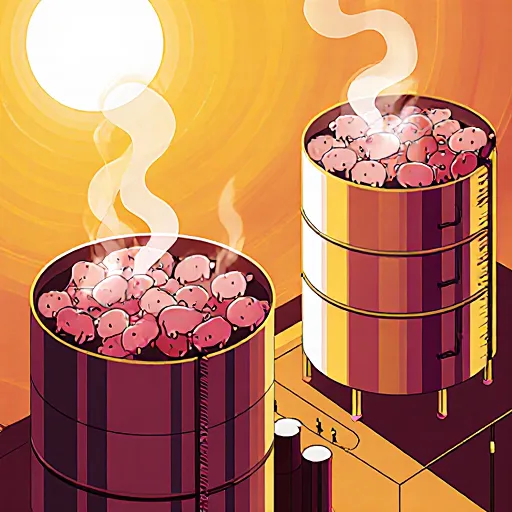
Turn Hog Farm Scrap into Gold!
Table of Contents
- Introduction to Pig Waste as Bioenergy
- Collection and Handling of Pig Waste
- Types of Pig Waste Utilized for Bioenergy
- Conversion Technologies for Pig Waste into Bioenergy
- Advantages of Using Pig Waste as Bioenergy
- Disadvantages and Challenges in Utilizing Pig Waste
- Environmental Impact of Pig Waste Utilization for Bioenergy
- Economic Aspects of Using Pig Waste as Bioenergy
- Case Studies on Successful Implementation of Pig Waste in Bioenergy
- Government Policies and Initiatives Encouraging the Use of Pig Waste
- Comparative Analysis with Other Bioenergy Sources
- Future Prospects for Pig Waste as a Sustainable Bioenergy Source
- Challenges in Scaling Up the Use of Pig Waste
- Conclusion
- FAQ: Frequently Asked Questions about Using Pig Waste as Bioenergy
Introduction to Pig Waste as Bioenergy
Introducing pig waste as a viable bioenergy source, this section delves into how this resource can be effectively utilized to generate sustainable energy. Pig waste, also known as manure, is rich in organic matter that can be converted into bioenergy through various processes such as anaerobic digestion, composting, and pyrolysis.
The most common method for converting pig waste into biogas is anaerobic digestion. In this process, microorganisms break down the organic matter in the absence of oxygen to produce biogas, primarily composed of methane and carbon dioxide. This gas can then be used as a renewable energy source.
For example, farms that implement an anaerobic digester can significantly reduce their environmental impact by capturing greenhouse gases from waste, thereby turning it into a valuable resource. Not only does this help in reducing the volume of waste, but it also provides a sustainable solution for energy production. The biogas produced can be used to generate electricity or heat.
Another method to utilize pig waste is through composting. Composting turns organic materials into a nutrient-rich soil amendment that benefits agricultural practices. While composting does not directly produce energy, it reduces the amount of waste sent to landfills and enhances soil health.
Practical advice for farmers who choose this approach includes ensuring proper mixing and monitoring temperature during the process to achieve optimal decomposition rates. For instance, a well-managed compost pile can take about 60 days from start to finish, resulting in a valuable product that improves crop yields without chemical fertilizers.
Pyrolysis is another method of transforming pig waste into bioenergy. This process involves the thermal decomposition of organic matter at high temperatures in an oxygen-limited environment to produce syngas, biochar, and liquid fuels like biodiesel.
Using pyrolysis technology can offer multiple benefits, including generating energy-efficient products that are easy to store and transport. However, this method requires specialized equipment and expertise to implement successfully. Farmers should consider the initial investment cost and maintenance requirements when evaluating whether pyrolysis is a feasible option for their operations.
Using pig waste as bioenergy has significant environmental advantages. By reducing greenhouse gas emissions, improving soil quality through composting, and generating renewable energy sources like biogas, this practice supports sustainable agricultural practices.
For instance, farms that adopt these methods can contribute to local sustainability initiatives by demonstrating a commitment to responsible waste management. This not only enhances their reputation but also aligns with global efforts towards reducing carbon footprints.
In conclusion, pig waste offers substantial potential as a bioenergy resource when managed effectively through methods like anaerobic digestion, composting, and pyrolysis. By embracing these practices, farmers can turn what was once considered an environmental burden into a sustainable and valuable asset.
Collection and Handling of Pig Waste
The collection and handling of pig waste are critical steps in the process of converting this resource into bioenergy. Proper management ensures that the waste is not only effectively utilized but also minimizes environmental impact and enhances overall efficiency.
1. Collection Methods
Effective collection methods ensure that pig waste reaches the processing facility without causing contamination or odor issues. Common methods include:
- Pipe Systems: These systems are installed under pig pens to collect waste directly into a holding tank. This method is efficient and reduces labor costs.
- Bucket Trucks: Used for larger farms, these vehicles suction the waste from the floor of the pen into a large holding tank or directly into the processing facility.
- Tractors with Attachments: Tractors equipped with vacuum systems can be used to collect waste in areas where pipe systems are not feasible.
2. Storage and Transportation
The storage of pig waste before processing is crucial for maintaining its quality and ensuring efficient transportation. Key considerations include:
- Tank Systems: Large, sealed tanks are used to store the collected waste in a controlled environment. This helps in minimizing odors and preventing contamination.
- Holding Tanks: These are temporary storage solutions that allow for the collection of waste before it is transported to the processing facility.
3. Handling Procedures
Handling pig waste requires careful procedures to ensure safety and efficiency. Proper handling includes:
- Biosecurity Measures: Implement strict biosecurity protocols to prevent the spread of diseases from the farm to the processing facility.
- Safety Gear: Workers should use appropriate personal protective equipment (PPE) such as gloves, masks, and coveralls to avoid exposure to pathogens.
- Frequent Monitoring: Regular monitoring of temperature and pH levels helps in maintaining the waste quality during storage and transportation.
4. Practical Advice for Maximizing Bioenergy Production
To maximize bioenergy production from pig waste, follow these practical tips:
- Optimize Nutrient Content: Ensuring the waste has a balanced nutrient content can enhance its biological value and improve energy conversion efficiency.
- Composting: Pre-composting pig waste before it reaches the processing facility can increase its calorific value, making it more suitable for bioenergy production.
- Regular Upkeep: Regular maintenance of collection systems and facilities ensures they operate efficiently, reducing downtime and improving overall performance.
5. Case Study: Successful Pig Waste Bioenergy Project
Agricultural farm XYZ in the Midwest successfully converted pig waste into bioenergy by:
- Implementing advanced collection systems: They installed state-of-the-art pipe systems under their pig pens, ensuring efficient and odor-free waste collection.
- Utilizing composting: They pre-composted the collected waste to increase its calorific value, resulting in higher energy output from their bioenergy plant.
- Integrating biosecurity protocols: By maintaining strict biosecurity measures, they ensured that their operations were not only efficient but also environmentally responsible.
This approach has significantly reduced operational costs and increased the sustainability of their farm operations. Other farms looking to follow suit can learn from XYZ's success and implement similar strategies for pig waste management and bioenergy production.
Types of Pig Waste Utilized for Bioenergy
To effectively utilize pig waste as bioenergy, it is crucial to understand the different types of waste that can be converted into renewable energy. This section provides an in-depth look at various forms of pig waste and how they contribute to bioenergy production.
1. Manure
Pig manure is one of the most common types of waste used for generating bioenergy. It consists of solid excretory materials and bedding, which can be processed into biogas or compost. Manure contains high levels of organic matter, making it an excellent candidate for anaerobic digestion (AD). In AD systems, microorganisms break down the organic material in the absence of oxygen, producing biogas primarily composed of methane and carbon dioxide.
Example: A farm with 100 pigs could produce approximately 75 tons of manure per year. This waste can be collected and directed into a digester where it undergoes AD, generating about 32,400 cubic meters of biogas annually.
Practical Advice: Ensure proper handling and storage of pig manure to prevent environmental contamination and odors. Regular monitoring of the anaerobic digestion process is essential to optimize gas production.
2. Urine
Pig urine, though less common in direct bioenergy conversion, can be used as a feedstock for biofuel production through processes like ammonia-based fuel synthesis or urine-to-energy plants. This method involves using enzymes to break down the nitrogen compounds in urine into hydrogen and carbon monoxide, which can then be converted into synthetic fuels.
Example: A large-scale pig farm with 10,000 pigs could generate over 3 million liters of urine annually. By treating this waste through an appropriate process, the farm could theoretically produce enough hydrogen to power a small fleet of vehicles or supply electricity for nearby homes.
Practical Advice: Collecting and treating pig urine requires specific equipment and expertise. Farms should consult with specialists in waste-to-energy conversion technologies to implement this effectively.
3. Bedding Material
The bedding material used for pigs can vary widely depending on the farm's practices, but it often includes straw, wood shavings, or paper. While not as rich in organic matter compared to manure and urine, bedding materials can still contribute significantly to bioenergy production when combined with other waste streams.
Example: A pig farm using 10 tons of straw per day for bedding would produce approximately 3,650 tons annually. This material can be used in composting operations or as a fuel source in biomass boilers.
Practical Advice: Choose biodegradable bedding materials to enhance their value in bioenergy production. Properly manage and collect bedding material to ensure consistency in quality for energy conversion processes.
4. Blood Meal and Off-Parts
Blood meal and off-parts from pig processing can also be valuable sources of bioenergy. These materials are rich in proteins and fats, which make them suitable candidates for biodiesel production or as a nitrogen source in anaerobic digestion processes.
Example: A slaughterhouse associated with the pig farm could generate around 50 tons of blood meal annually. This can be processed into biodiesel, providing an additional revenue stream and reducing environmental impact.
Practical Advice: Properly dispose of or process these materials to prevent contamination and attract pests. Collaboration between farms and processing plants is essential for efficient waste management and bioenergy production.
Conclusion
The types of pig waste utilized for bioenergy are diverse and each offers unique opportunities for sustainable energy generation. By understanding the composition and properties of these wastes, farmers and processors can implement effective strategies to convert them into valuable resources, reducing environmental impact while generating income.
Conversion Technologies for Pig Waste into Bioenergy
The conversion of pig waste into bioenergy offers a sustainable solution to managing agricultural waste while generating renewable energy. This process not only reduces the environmental impact but also provides economic benefits by turning waste into resources. Here are some key technologies and methods used in converting pig waste into bioenergy:
1. Anaerobic Digestion
Anaerobic digestion (AD) is one of the most common methods for converting pig waste into biogas, which can then be used to generate electricity or heat. In this process, microorganisms break down organic matter in the absence of oxygen, producing biogas primarily composed of methane and carbon dioxide. Pig manure and wastewater are ideal substrates for AD due to their high nutrient content.
- Benefits: Efficient conversion of waste into energy; produces digestate that can be used as fertilizer.
- Practical Advice: Ensure proper temperature and pH levels during the digestion process to maximize biogas production. Regular monitoring is crucial for optimizing performance.
2. Biohydrogen Production
Biohydrogen can be produced from pig waste through fermentation processes, which involve microorganisms converting organic matter into hydrogen gas. This technology requires specific conditions and enzymes to facilitate the reaction efficiently.
- Benefits: Hydrogen is a clean fuel that can power various applications such as fuel cells or internal combustion engines without producing harmful emissions.
- Practical Advice: Use enzyme additives and optimize fermentation conditions to enhance hydrogen production rates. Proper separation of biohydrogen from other gases ensures efficient extraction.
3. Pyrolysis
Pyrolysis is a thermal process where pig waste is heated in the absence of oxygen, resulting in the formation of bio-oil, syngas, and char. This method can also be adapted to produce electricity through combined heat and power (CHP) systems.
- Benefits: Versatile product range including oil, gas, and solid fuel; suitable for various end-use applications.
- Practical Advice: Optimize heating rates and reactor design to achieve the desired yield of bio-oil. Proper post-treatment is essential to refine raw products into usable forms.
4. Gasification
Gasification involves converting pig waste into a gaseous fuel through high-temperature reactions in an oxygen-limited environment. The resulting syngas can be further processed to produce synthetic natural gas or used directly for power generation.
- Benefits: Produces valuable syngas that can be upgraded into higher-value fuels; efficient energy recovery.
- Practical Advice: Implement advanced purification systems to remove impurities from the syngas before utilization. Regular maintenance ensures optimal operational efficiency.
By leveraging these conversion technologies, pig waste can be transformed into valuable bioenergy resources, supporting sustainable agriculture and energy production practices.
Advantages of Using Pig Waste as Bioenergy
Using pig waste as bioenergy offers a multitude of advantages that are not only beneficial to the environment but also economically viable for farms and communities. By converting pig waste into bioenergy, farmers can significantly reduce their environmental footprint while generating additional revenue streams. This section delves deeper into how pig waste can be utilized effectively in various bioenergy applications.
The primary advantage of using pig waste as bioenergy lies in its ability to produce multiple forms of renewable energy. Pig manure and urine, when processed correctly, can serve as a rich source for biogas production. Biogas is a mixture of methane (CH4) and carbon dioxide (CO2), which can be used directly or upgraded into biomethane, a high-quality fuel that meets natural gas standards.
Additionally, pig waste can be used to create biofuel through anaerobic digestion processes. This process involves breaking down organic matter in the absence of oxygen, leading to the production of biogas and digestate. The digestate can then be further processed into biofuels such as biodiesel or ethanol.
The economic advantages of utilizing pig waste as bioenergy are significant. Farms that invest in bioenergy systems not only save on costly external energy purchases but also create new income streams through the sale of excess bioenergy. This reduces dependency on fossil fuels, thereby lowering operational costs and increasing profitability.
Moreover, by converting pig waste into bioenergy, farmers can comply with environmental regulations, thus avoiding potential fines or penalties associated with improper disposal of animal waste. For instance, in many regions, there are strict guidelines for managing agricultural runoff to prevent water pollution. Utilizing pig waste as bioenergy helps meet these standards while also benefiting the environment.
The environmental benefits of using pig waste as bioenergy cannot be overstated. One of the most significant advantages is the reduction in greenhouse gas emissions. When left untreated, pig manure decomposes anaerobically, releasing methane—a potent greenhouse gas—into the atmosphere. By converting this waste into biogas through controlled anaerobic digestion processes, farmers can capture and utilize the methane for energy, significantly reducing its release into the environment.
Moreover, using pig waste as bioenergy helps in nutrient management by producing digestate that can be used as a rich organic fertilizer. This reduces the need for synthetic fertilizers, which are not only expensive but also contribute to soil degradation and water pollution when improperly applied. The digestate, being more concentrated with nutrients, can be applied in smaller quantities, ensuring better soil health and reduced environmental impact.
To effectively use pig waste as bioenergy, it is crucial to follow best practices for waste management and energy production. Farmers should ensure that the anaerobic digestion system is properly designed and maintained to maximize efficiency and minimize maintenance costs. Regular monitoring of biogas quality and quantity is essential to optimize energy generation.
Additionally, farmers can consider selling excess bioenergy or digestate to local communities or industries. This not only enhances profitability but also fosters community engagement and support for sustainable farming practices. Collaboration with agricultural extension services or renewable energy experts can provide valuable guidance on setting up and managing a bioenergy system.
Disadvantages and Challenges in Utilizing Pig Waste
While pig waste has significant potential as a source of bioenergy, there are several disadvantages and challenges that must be addressed for its effective utilization. These challenges include issues related to storage, transportation, and conversion technologies.
Storage Challenges
Proper storage is crucial for maintaining the quality and quantity of pig waste available for bioenergy production. However, traditional methods of storing manure, such as open-air pits or unlined tanks, are not ideal because they can lead to environmental pollution through runoff and leachate. Additionally, improper storage can result in the loss of valuable nutrients that could otherwise be recovered.
To mitigate these issues, advanced storage solutions like anaerobic digesters have been proposed. Anaerobic digestion not only helps in managing waste but also produces biogas which is a form of renewable energy. However, setting up and maintaining such systems can be expensive and requires technical expertise.
Transportation Challenges
Moving pig waste from farms to processing plants or other facilities where it will be converted into bioenergy poses its own set of challenges. The volume and weight of the waste make it difficult and costly to transport over long distances.
To overcome these transportation hurdles, local processing units can be established near pig farms. This approach reduces logistical costs and ensures that waste is processed promptly before it decomposes or loses its calorific value. The use of efficient vehicles designed for heavy loads might also help in reducing transport-related challenges.
Conversion Technology Challenges
Converting pig waste into bioenergy involves several complex technological processes that need to be optimized for efficiency and effectiveness. One common method is anaerobic digestion, which requires precise control over temperature, pH levels, and other factors to maximize methane production.
Another challenge lies in the variability of waste composition depending on diet and management practices at different farms. This variability can affect the performance and efficiency of conversion processes. To address this issue, advanced analytics and monitoring systems are necessary to tailor each process according to specific waste characteristics.
Regulatory and Public Perception Issues
Implementing pig waste-to-bioenergy projects also faces regulatory barriers due to existing environmental laws that may not fully accommodate new practices. Additionally, public perception can be a barrier; some stakeholders might have concerns about the safety and sustainability of using pig waste as biofuel.
Engaging with communities early in the project planning stages could help alleviate these concerns by providing transparency regarding the benefits and safeguards in place. Collaboration between government bodies, researchers, farmers, and industry partners is essential to navigate regulatory landscapes effectively.
Conclusion
Despite its potential, utilizing pig waste for bioenergy involves overcoming multiple disadvantages and challenges such as proper storage, efficient transportation, advanced conversion technologies, and addressing regulatory and public perception issues. By adopting innovative solutions and fostering collaboration among various stakeholders, these obstacles can be effectively managed, paving the way for sustainable use of pig waste in bioenergy production.
Environmental Impact of Pig Waste Utilization for Bioenergy
The utilization of pig waste for bioenergy is a promising solution that addresses both environmental and economic challenges. This practice not only reduces the environmental impact but also provides sustainable energy solutions, making it an increasingly popular approach in modern agriculture and renewable energy sectors.
Pig waste, primarily composed of manure and urine, can have significant environmental impacts if not managed properly. High concentrations of ammonia, phosphorus, nitrogen, and pathogens can leach into water bodies, leading to eutrophication and harmful algal blooms that disrupt aquatic ecosystems. The decomposition process releases methane and other greenhouse gases, contributing to global warming.
The conversion of pig waste into bioenergy offers several environmental benefits:
- Reduction in Methane Emissions: Anaerobic digestion processes can capture methane produced during the decomposition, thereby reducing greenhouse gas emissions.
- Avoidance of Water Pollution: By converting pig waste to energy, the risk of nutrient runoff and subsequent water pollution is minimized.
- Soil Health Improvement: The resulting digestate from anaerobic digestion can be used as a high-quality fertilizer, enhancing soil health without synthetic chemicals.
To effectively utilize pig waste for bioenergy, several practical steps must be taken:
- Collection and Segregation: Efficient collection of pig waste is crucial. Proper segregation can help in creating a more effective feedstock for anaerobic digestion.
- Transportation and Storage: The chosen method of transportation should minimize contamination and odors. Adequate storage facilities are essential to prevent environmental hazards during transit.
- Anaerobic Digestion: Anaerobic digesters break down organic waste in the absence of oxygen, producing biogas (methane and carbon dioxide). This process can be optimized through advanced technologies like temperature control and pH adjustment.
Several case studies demonstrate successful implementation:
- Farms in the Netherlands: Many farms have integrated anaerobic digestion systems to harness pig waste for energy. These systems not only reduce operational costs but also contribute positively to regional renewable energy targets.
- Australian Dairy Farms: Pig waste is often combined with other organic materials like crop residues and manure to create a robust feedstock for biogas production. This integration enhances the overall efficiency of bioenergy utilization.
The environmental impact of pig waste utilization for bioenergy is significant, offering a sustainable path forward in reducing agricultural waste impacts. By adopting these practices and technologies, farmers and agricultural businesses can contribute to a greener future while enhancing their operational efficiency.
Economic Aspects of Using Pig Waste as Bioenergy
The economic aspects of using pig waste as bioenergy are multifaceted, encompassing financial benefits, cost savings, and the broader implications for sustainability. Transitioning from conventional waste management to bioenergy generation not only reduces environmental impact but also offers significant financial advantages.
The use of pig waste as a source of bioenergy can lead to substantial financial savings for agricultural operations. By converting this waste into usable energy, farms can reduce or eliminate the costs associated with off-site disposal. Additionally, selling excess biogas generated from pig manure can generate additional revenue streams.
Case Study: Biogas Production
A case study conducted in a mid-sized farming operation demonstrated that by installing a small-scale anaerobic digester, the farm could produce enough biogas to cover 20% of its annual energy consumption. This reduction in energy costs was estimated at approximately $15,000 annually.
Revenue Generation
Besides cost savings, selling biogas can provide an additional revenue source. In some regions, biogas is purchased by local utilities or used for co-generation purposes (producing both electricity and heat). For instance, a farm in the Midwest sold its excess biogas to a nearby power plant, generating an extra $5,000 per year.
The economic advantages of using pig waste as bioenergy extend beyond revenue generation. By diverting waste from landfills or incineration facilities, farms can avoid the costs associated with these methods. For example, transporting pig waste to a landfill typically involves significant fuel and labor expenses.
Environmental Compliance
Adopting bioenergy solutions can also help farms comply with increasingly stringent environmental regulations regarding waste management. This compliance can lead to potential tax incentives or grants from government programs focused on sustainable practices.
The use of pig waste for bioenergy is not just an economic decision but also a strategic move towards long-term sustainability. By reducing greenhouse gas emissions, farms can contribute to mitigating climate change while enhancing their reputation as environmentally conscious operations.
Example: Carbon Credits
Pig waste biogas projects can qualify for carbon credits if they meet specific criteria set by organizations like the Verified Carbon Standard (VCS). Selling these credits can provide additional financial support, further enhancing the economic viability of bioenergy initiatives.
To effectively implement pig waste as a source of bioenergy, farms should conduct thorough feasibility studies to assess potential costs and benefits. Partnering with local biogas experts or organizations can provide valuable insights and support throughout the project lifecycle.
Farmers are encouraged to explore various options for utilizing their waste, such as producing electricity, heat, or even biofuels like methane-rich landfill gas. By carefully planning and executing these projects, farms can achieve significant economic and environmental benefits.
Case Studies on Successful Implementation of Pig Waste in Bioenergy
The use of pig waste for bioenergy is a promising approach to sustainable agriculture and renewable energy production. By converting pig manure into biogas, electricity, or compost, farms can significantly reduce their environmental impact while generating additional income streams. Below are several case studies that highlight successful implementations of pig waste in bioenergy.
Case Study 1: Greenfield Farm
Greenfield Farm, located in the Midwest, has implemented a biogas system to harness energy from pig manure. The farm's anaerobic digestion plant processes approximately 200 tons of manure per day, converting it into biogas that powers a generator producing enough electricity to meet the farm’s needs and sell excess power back to the grid.
Key Components: Anaerobic digester, gasifier, generator, storage tanks.
Case Study 2: Blackacre Organic Farm
Blackacre Organic Farm focused on creating a sustainable waste management system by integrating pig manure into their bioenergy project. They built an on-site biogas plant that not only reduces greenhouse gas emissions but also provides heat for the farm’s greenhouses.
Key Components: Biogas plant, greenhouses, irrigation systems.
Case Study 3: Happy Pigs Bioenergy Cooperative
The Happy Pigs Bioenergy Cooperative brings together several small-scale pig farms to pool their resources and create a larger, more efficient bioenergy project. By combining manure from multiple farms into a single anaerobic digestion system, the cooperative is able to produce enough biogas to power local businesses.
Key Components: Anaerobic digesters, transport network for manure, distribution of energy and compost.
Case Study 4: EcoFarm Solutions
EcoFarm Solutions implemented a comprehensive bioenergy system that includes not only the conversion of pig waste to biogas but also the production of compost from solid waste. The biogas is used for heating and electricity, while the compost is sold commercially.
Key Components: Anaerobic digester, composting facility, sales network for compost.
Practical Advice
To successfully implement pig waste in bioenergy projects, careful planning and investment are essential. Farmers should consider the following steps:
- Evaluation of Resources: Assess available manure quantities to determine potential energy production.
- Selecting Technology: Choose appropriate technology based on local conditions and needs (e.g., anaerobic digestion, gasification).
- Regulatory Compliance: Ensure compliance with environmental regulations regarding waste management and energy production.
- Partnerships: Form partnerships with universities or other organizations for technical support and funding opportunities.
By following these steps, farmers can transform pig waste into valuable bioenergy resources, promoting sustainability and profitability in the agricultural sector.
Government Policies and Initiatives Encouraging the Use of Pig Waste
The utilization of pig waste for bioenergy production is gaining significant traction globally due to its potential to reduce environmental impact, increase energy efficiency, and offer economic benefits. Governments worldwide are implementing various policies and initiatives to encourage this sustainable practice. Below are some notable examples and practical advice on how these policies can be leveraged.
Examples of Government Policies
Many governments have introduced subsidies, tax incentives, and regulatory frameworks to promote the conversion of pig waste into bioenergy. For instance:
- Subsidies for Bioenergy Production Facilities: Countries like Germany provide financial assistance to farmers who invest in anaerobic digesters that convert pig waste into biogas.
- Tax Incentives: The United States offers tax credits to companies and individuals who generate renewable energy, including those producing bioenergy from pig manure.
- Regulatory Frameworks for Waste Management: Denmark has implemented strict regulations that require farmers to manage their waste responsibly, often leading them to invest in biodigesters.
Practical Advice on Leveraging Government Policies
To maximize the benefits of government policies and initiatives related to pig waste as bioenergy, consider the following practical advice:
- Stay Informed: Keep abreast of local and national regulations, subsidies, and incentives. Organizations like the European Commission or your country's agricultural department can provide updates.
- Form Partnerships: Collaborate with local governments, agricultural cooperatives, and bioenergy producers to pool resources and knowledge for more efficient waste management practices.
- Invest in Technology: Consider investing in state-of-the-art biodigesters or anaerobic digestion systems that not only comply with regulations but also maximize energy production. For example, the use of advanced technology can help increase biogas yield and reduce operational costs.
- Educate Stakeholders: Train farmers and local communities on best practices for waste collection, storage, and treatment to ensure optimal performance of bioenergy systems.
Conclusion
Government policies and initiatives play a crucial role in the successful transition from pig waste as a nuisance to a valuable resource. By understanding and leveraging these policies, farmers and industry stakeholders can contribute significantly to sustainability efforts while also reaping economic benefits.
Comparative Analysis with Other Bioenergy Sources
In the quest for sustainable and renewable energy sources, pig waste has emerged as a viable option within the bioenergy sector. However, it is crucial to understand how pig waste compares to other bioenergy sources such as corn stover, switchgrass, wood chips, and cow manure. Each of these materials brings unique advantages and challenges in terms of energy production, environmental impact, and economic feasibility.
Corn Stover
Pig waste is often compared to corn stover as a feedstock for bioenergy production. Corn stover is the leftover parts of the corn plant after harvesting, and it has been widely explored in the bioenergy sector due to its abundant availability.
- Pros: Abundant and easily accessible; high cellulose content which can be converted into ethanol or used for biogas production.
- Cons: Nutrient-rich, leading to potential soil depletion if not managed properly; requires significant agricultural land use.
Switchgrass
Switchgrass is another prominent bioenergy feedstock that has been gaining attention for its high biomass yield and sustainability. Pig waste can be compared with switchgrass in terms of energy density and environmental benefits.
- Pros: Low input requirements; carbon-neutral if managed sustainably; high biomass productivity per acre.
- Cons: Requires large land areas; can compete with food crops for arable land.
Wood Chips
The comparison between pig waste and wood chips is particularly interesting, as both are sources of lignocellulosic biomass. Wood chips have been widely used in bioenergy production due to their consistent quality and energy density.
- Pros: High energy content; well-established supply chains; less variable in nutrient content compared to pig waste.
- Cons: Requires significant forest management; can lead to deforestation if not sourced sustainably.
Cow Manure
Pig waste is sometimes compared to cow manure in terms of biogas production, which is a common application for both. Cow manure has been extensively used due to its high nitrogen content and ease of collection.
- Pros: Rich in nitrogen; easy to collect from livestock operations; produces significant amounts of biogas.
- Cons: Lower energy density compared to pig waste; requires additional processing for efficient use.
To effectively utilize pig waste as bioenergy, it is essential to address its unique characteristics and challenges. Pig waste contains high levels of organic matter and nutrients, making it an attractive feedstock for anaerobic digestion (AD) processes.
- Pros: High potential for biogas production; rich in nitrogen and other valuable nutrients.
- Cons: Can be challenging to manage due to its high moisture content and ammonia levels; requires proper pretreatment methods before use in AD systems.
In conclusion, while pig waste shows great promise as a bioenergy source, it is important to recognize its place within the broader context of sustainable energy production. By understanding how it compares to other bioenergy sources like corn stover, switchgrass, wood chips, and cow manure, we can optimize its use and maximize its potential benefits for both energy generation and environmental sustainability.
Future Prospects for Pig Waste as a Sustainable Bioenergy Source
The future prospects for pig waste as a sustainable bioenergy source are increasingly promising, driven by growing environmental concerns and the need to reduce agricultural waste. Pig manure, rich in organic materials like nitrogen, phosphorus, and potassium, can be converted into various forms of renewable energy such as biogas, electricity, and even biofuels. This conversion not only addresses the issue of waste management but also contributes positively to sustainable development goals.
The technological advancements in converting pig waste into bioenergy have seen significant strides. Anaerobic digestion (AD) is one of the most popular methods used for this purpose. In an AD plant, pig manure and other organic materials are broken down by microorganisms in the absence of oxygen, producing biogas primarily composed of methane and carbon dioxide. This biogas can be further processed to generate heat, electricity, or even upgraded into biomethane.
Another innovative approach is the use of pyrolysis, which involves heating pig waste in the absence of air to produce biochar, syngas, and bio-oil. Biochar can be used as a soil amendment, while bio-oil and syngas can be converted into electricity or heat.
The environmental benefits of using pig waste for bioenergy are substantial. By converting waste into energy, we reduce the volume of organic material sent to landfills, which in turn decreases methane emissions, a potent greenhouse gas. Additionally, the nutrient-rich by-products from AD and pyrolysis can be used to enhance soil health, promoting sustainable agricultural practices.
Moreover, pig waste bioenergy projects contribute to carbon neutrality by offsetting fossil fuel consumption. This shift towards renewable energy sources aligns with global efforts to combat climate change and meet sustainability targets set by international agreements like the Paris Accord.
The economic potential of pig waste as a bioenergy source is considerable. Farmers, pig producers, and bioenergy companies can collaborate to create value-added products from what was once considered waste. For instance, some farms are already selling biogas produced from pig manure directly to local power grids, generating additional income streams.
Furthermore, investments in infrastructure for processing pig waste into bioenergy can stimulate job creation and economic growth in rural areas. These projects often require specialized equipment and skilled labor, providing opportunities for local communities to participate in the green economy.
To facilitate the widespread adoption of pig waste as a bioenergy source, supportive policies and incentives are crucial. Governments around the world are beginning to recognize the potential of this resource by offering subsidies, tax breaks, and grants for bioenergy projects.
For example, in some countries, farmers receive financial support for installing anaerobic digestion systems on their farms. These systems not only help manage waste but also provide a sustainable energy source that can contribute to the national renewable energy targets.
Despite its benefits, there are challenges associated with scaling up pig waste bioenergy projects. One significant challenge is ensuring consistent and reliable feedstock supply, as pig farms have fluctuating production levels. Another issue is the high capital cost required for setting up and maintaining bioenergy facilities.
To overcome these challenges, collaboration between industry stakeholders, governments, and research institutions is essential. By investing in pilot projects and sharing best practices, we can pave the way for larger-scale, economically viable pig waste-to-energy initiatives.
In conclusion, pig waste offers a sustainable bioenergy source that holds immense potential for both environmental and economic benefits. As technology continues to evolve and supportive policies are implemented, the future looks bright for converting this agricultural by-product into valuable energy resources. By harnessing the power of innovation and collaboration, we can make significant strides towards a more sustainable and resilient food system.
Challenges in Scaling Up the Use of Pig Waste
The transition from traditional energy sources to renewable bioenergy, particularly with the use of pig waste, presents a promising opportunity for sustainable agriculture and environmental conservation. However, scaling up the utilization of pig waste as bioenergy faces several significant challenges that need careful consideration and strategic planning. These challenges include issues related to infrastructure, logistics, policy support, and public perception.
The successful conversion of pig waste into bioenergy requires a robust infrastructure network capable of handling the collection, transportation, and processing of large quantities of organic waste. Currently, many regions lack the necessary facilities to efficiently manage these processes, which can lead to inefficiencies and increased costs.
- Collection: Efficient waste collection systems are essential for gathering pig manure from various sources such as farms, feedlots, and processing plants. This process must be scalable to accommodate increasing amounts of waste.
- Treatment: Proper treatment methods like anaerobic digestion or composting need to be implemented to ensure that the bioenergy produced is of high quality and meets environmental standards.
- Distribution: Infrastructure for distributing the generated bioenergy products, such as biogas or fertilizer, must also be in place. This includes pipelines for gas distribution and storage facilities for solid waste products.
The logistics involved in moving pig waste from its point of origin to processing plants pose another set of challenges. Efficient transportation is crucial for minimizing losses during transit and ensuring timely delivery of raw materials. Factors such as distance, road conditions, and vehicle capacity can significantly impact the overall efficiency of the supply chain.
- Route Optimization: Implementing route optimization software to determine the most efficient routes for waste transport vehicles can help reduce fuel consumption and operational costs.
- Fleet Management: Utilizing modern fleet management systems allows for better tracking of vehicles, monitoring of schedules, and maintenance reminders, ensuring smooth operations.
To successfully scale up the use of pig waste as bioenergy, supportive policies and regulations are vital in creating a favorable environment for investment and innovation. However, inconsistent or lack of policy frameworks can hinder progress by discouraging private sector involvement.
- Incentives: Governments should provide tax incentives, grants, and subsidies to encourage farmers and processors to adopt waste-to-energy technologies.
- Licensing: Clear guidelines on licensing requirements for bioenergy projects will foster transparency and accountability within the industry.
The successful implementation of pig waste as bioenergy also depends heavily on public acceptance and understanding. Negative perceptions about the environmental impact or safety concerns could lead to resistance against these initiatives.
- Education: Conducting educational campaigns aimed at informing stakeholders about the benefits of using pig waste for energy production can help change attitudes positively.
- Engagement: Regularly engaging with communities affected by bioenergy projects ensures their voices are heard and addressed, fostering trust and cooperation.
In conclusion, while there is great potential in utilizing pig waste as a source of bioenergy, overcoming the challenges associated with infrastructure development, logistics, policy support, and public perception requires collaborative efforts from all stakeholders involved. By addressing these issues proactively, it becomes possible to harness this renewable resource effectively and sustainably.
Conclusion
To effectively utilize pig waste as bioenergy, it is crucial to understand the various methods and processes involved. Pig waste contains significant amounts of organic material that can be converted into renewable energy sources, such as biogas or electricity. The process typically involves several steps: collection, preparation, anaerobic digestion, and utilization.
Collection: Proper collection is the first step in using pig waste for bioenergy. Farmers must ensure regular and efficient removal of manure to prevent odors and potential environmental contamination. This can be achieved through a combination of mechanical systems like vacuum trucks or manual labor. Proper containment, such as sealed tanks or pits, also helps in maintaining hygiene and preventing leaks.
Preparation: Before the waste can be processed further, it needs to be prepared. This involves shredding, mixing with water, and sometimes adding other substrates like crop residues to improve the quality of feedstock for anaerobic digestion. Proper preparation ensures that the waste is in a suitable form for effective processing.
Anaerobic Digestion: The core process of converting pig waste into bioenergy involves anaerobic digestion. In this process, microorganisms break down organic matter in the absence of oxygen, producing biogas mainly composed of methane and carbon dioxide. This gas can be used directly for heating or further processed to produce electricity through a combined heat and power (CHP) system.
Utilization: The biogas produced from anaerobic digestion can be used in various ways, including cooking, space heating, water heating, and even powering vehicles. For larger operations, the generated electricity can be fed back into the grid, contributing to sustainable energy production. Additionally, the digestate left after anaerobic digestion can serve as a nutrient-rich fertilizer for agricultural purposes.
For practical advice, consider consulting with local experts or companies specializing in bioenergy conversion. They can provide tailored solutions and help overcome any challenges specific to your operation. It is also beneficial to stay updated on the latest technologies and policies that support sustainable energy practices.
In conclusion, pig waste has significant potential as a source of bioenergy when managed properly through collection, preparation, anaerobic digestion, and utilization. By adopting these methods, not only can farmers reduce their environmental footprint but also generate valuable resources for agricultural and energy needs.
Refer to the article How to Use Pig Waste as Bioenergy for more detailed insights and case studies on successful implementations of bioenergy from pig waste.
FAQ: Frequently Asked Questions about Using Pig Waste as Bioenergy
1. What is Pig Waste?
Pig waste, also known as manure or slurry, refers to the excrement and bedding material produced by pigs in pig farms. It consists primarily of ammonia, carbon dioxide, methane, and water. Proper management of this waste is crucial for environmental sustainability.
2. How Can Pig Waste Be Converted into Bioenergy?
Pig waste can be converted into bioenergy through various methods such as anaerobic digestion (AD), composting, and gasification.
- Anaerobic Digestion: In this process, pig waste is broken down by microorganisms in an oxygen-free environment. The resulting biogas can be used for heating or electricity generation.
- Composting: This method involves the natural decomposition of pig waste into compost, which can then be used as a fertilizer.
- Gasification: Here, pig waste is converted into syngas (synthetic gas) through high temperatures without combustion. Syngas can be used to generate electricity or heat.
3. What Are the Benefits of Using Pig Waste as Bioenergy?
The benefits are numerous:
- Reduction in Greenhouse Gas Emissions: Anaerobic digestion significantly reduces methane emissions, which is a potent greenhouse gas.
- Waste Reduction: Utilizing pig waste for bioenergy helps reduce the volume of waste that needs to be disposed of or treated.
- Economic Savings: The process can generate income through the sale of electricity, heat, and compost.
4. What Challenges Are Associated with Using Pig Waste as Bioenergy?
Despite its benefits, there are some challenges:
- Odor Management: Proper containment and treatment of pig waste can prevent odors from affecting the surrounding community.
- Nutrient Management: Ensuring that nutrients in the compost produced are not harmful to the environment is crucial. Over-fertilization can lead to water pollution.
- Energy Recovery Costs: Initial setup costs for anaerobic digestion plants or gasification facilities can be high.
5. Practical Advice for Farmers Considering Pig Waste Utilization
To effectively utilize pig waste as bioenergy, consider the following practical advice:
- Evaluate Your Needs: Determine whether your farm can benefit from electricity or heat generation using the biogas produced.
- Invest in Proper Equipment: Choose a reliable anaerobic digestion plant, gasification unit, or composting system that suits your needs and budget.
- Seek Expert Advice: Consult with agricultural experts to ensure best practices are followed for efficient waste management.
6. Examples of Successful Pig Waste Utilization
Many farms have successfully implemented pig waste utilization projects:
- Farm X: This farm uses anaerobic digestion to produce biogas, which is then used to generate electricity for the entire operation.
- Farm Y: They have a composting facility that produces high-quality compost used not only on their own fields but also sold to neighboring farms.
By following these guidelines and learning from successful examples, farmers can effectively harness the potential of pig waste as bioenergy.
Categories
- AI & Enrichment Play
- Broiler Farming
- Broiler Farming Tips
- Canine Wellness & Longevity
- Cat
- Cat & Human Connection
- Cat Adoption & Rescue
- Cat Breeds
- Cat Breeds & Personalities
- Cat Care & Health
- Cat Grooming & Hygiene
- Cat Lifestyle & Environment
- Cat Myths & History
- Cat Nutrition & Diet
- Cat Products & Reviews
- Cat Training & Behavior
- Comparison
- Consumer Awareness
- Dog
- Dog Accessories & Products
- Dog Adoption & Rescue
- Dog Breed & Lifestyle Trends
- Dog Breeding & Puppies
- Dog Entertainment & Media
- Dog Fashion & Trends
- Dog Fun & Lifestyle
- Dog Grooming & Hygiene
- Dog History & Culture
- Dog Myths, Science & Future Tech
- Dog News & Trends
- Dog Nutrition & Food
- Dog Psychology & Emotions
- Dog Safety & Security
- Dog Sports & Activities
- Dog Technology & Innovation
- Dog Training for Modern Owners
- Dog Travel & Adventure
- Dog Travel, Adventure & Culture
- Economic and Market Insights
- Educational Content
- FAQs
- Feeding Alternatives
- Festivals & Seasonal Ideas
- Fun & Entertainment
- General Knowledge
- General Pig Farming
- Health & Disease Management
- Housing and Environment
- Kittens
- Market Insights
- Miscellaneous
- Miscellaneous
- Motivational
- pig
- Pig Breeding
- Pig Breeds
- Pig Farming Stories and Inspiration
- Pig Health and Care
- Pig Nutrition
- Pig Products
- Profitability & Business
- Puppy Care
- Puppy Predictable Topics Reinvented
- Regional Focus
- Rescue & Adoption Buzz
- Senior Cats
- Senior Dog Care
- Smart Dog Tech & Gadgets
- Sustainability
- Sustainable & Eco-Friendly Dog Products
- Tech & Innovations
- Working & Service Dogs
- Broiler Feed66 products
- Country Feed33 products
- Pig Feed66 products
- Product22 products
- Raw Materials99 products
Products
-
 Fish Meal
₹1,999.00 – ₹2,999.00Price range: ₹1,999.00 through ₹2,999.00Rated 0 out of 5
Fish Meal
₹1,999.00 – ₹2,999.00Price range: ₹1,999.00 through ₹2,999.00Rated 0 out of 5 -
 FATTENING BROILER FEED
₹2,299.00 – ₹2,349.00Price range: ₹2,299.00 through ₹2,349.00Rated 0 out of 5
FATTENING BROILER FEED
₹2,299.00 – ₹2,349.00Price range: ₹2,299.00 through ₹2,349.00Rated 0 out of 5 -
 LAYER COUNTRY FEED
₹1,549.00 – ₹1,649.00Price range: ₹1,549.00 through ₹1,649.00Rated 0 out of 5
LAYER COUNTRY FEED
₹1,549.00 – ₹1,649.00Price range: ₹1,549.00 through ₹1,649.00Rated 0 out of 5 -
 COUNTER BROILER FEED
₹1,199.00 – ₹1,299.00Price range: ₹1,199.00 through ₹1,299.00Rated 0 out of 5
COUNTER BROILER FEED
₹1,199.00 – ₹1,299.00Price range: ₹1,199.00 through ₹1,299.00Rated 0 out of 5 -
 LACTATING PIG FEED
Rated 0 out of 5
LACTATING PIG FEED
Rated 0 out of 5₹2,299.00Original price was: ₹2,299.00.₹1,740.00Current price is: ₹1,740.00. -
 Maize
Rated 0 out of 5
Maize
Rated 0 out of 5₹1,650.00Original price was: ₹1,650.00.₹1,300.00Current price is: ₹1,300.00. -
 GESTATION PIG FEED (Phase 1)
Rated 0 out of 5
GESTATION PIG FEED (Phase 1)
Rated 0 out of 5₹2,249.00Original price was: ₹2,249.00.₹1,699.00Current price is: ₹1,699.00. -
 Pre Starter Broiler Feed
₹2,399.00 – ₹2,499.00Price range: ₹2,399.00 through ₹2,499.00Rated 0 out of 5
Pre Starter Broiler Feed
₹2,399.00 – ₹2,499.00Price range: ₹2,399.00 through ₹2,499.00Rated 0 out of 5 -
 FINISHER PIG FEED
Rated 0 out of 5
FINISHER PIG FEED
Rated 0 out of 5₹2,299.00Original price was: ₹2,299.00.₹1,749.00Current price is: ₹1,749.00. -
 Broiler Premix
Rated 0 out of 5
Broiler Premix
Rated 0 out of 5₹820.00Original price was: ₹820.00.₹699.00Current price is: ₹699.00.