
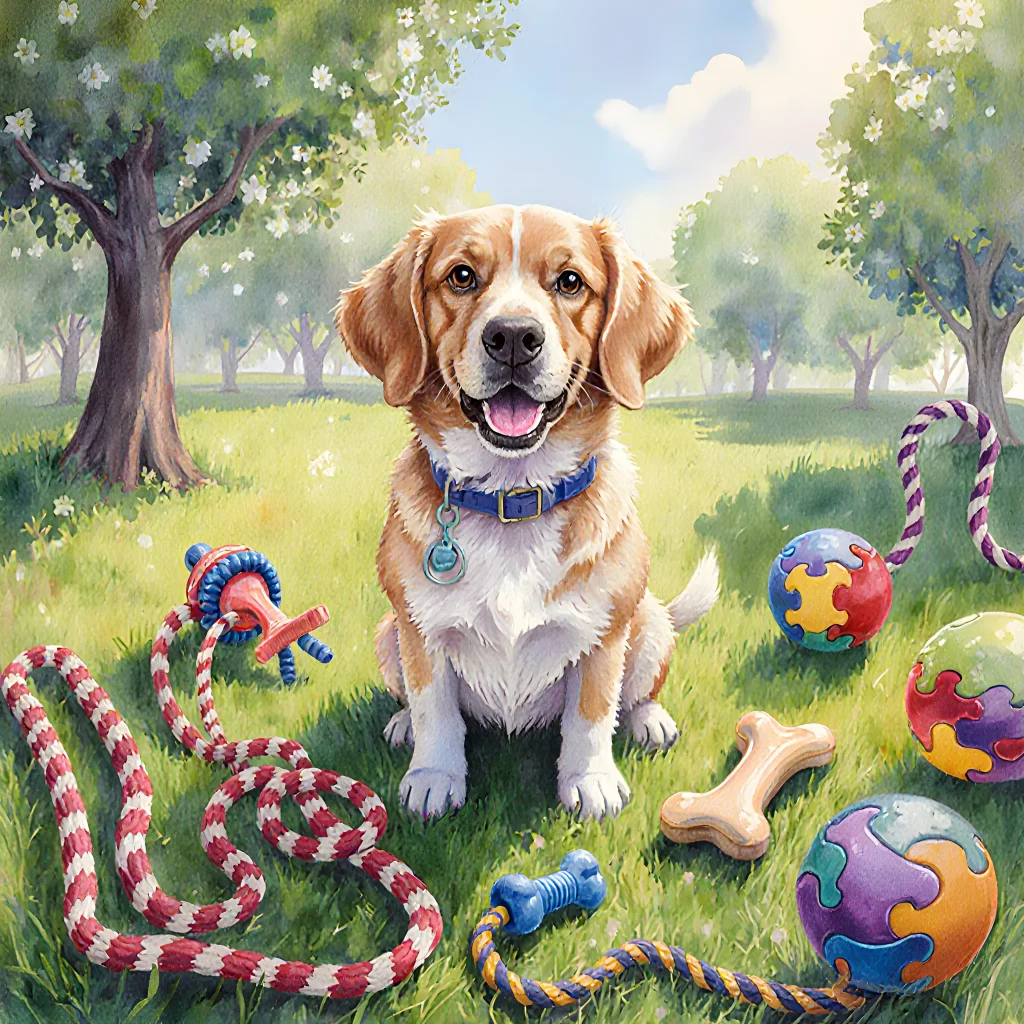
Unleash the Fun—Top Toys That Spark Canine Curiosity
Brain‑Bark Bonanza: Top Toys that Tug at Doggie Curiosity
Table of Contents
- Introduction: Why Mental Stimulation Matters for Dogs
- Puzzle Toys: Classic Brain‑Boosters
- Interactive Treat Dispensers
- Scent Games and Tracking Challenges
- Smart Tech Toys: Apps & Sensors for Dogs
- DIY Brain Teasers You Can Make at Home
- Agility Equipment as Mental Exercise
- Water‑Based Stimulating Toys for Active Breeds
- Squeaky and Clickable Toys That Keep Them Engaged
- Rotating Toy Schedules: Keeping Novelty High
- Safety Tips When Choosing Mental Stimulation Toys
- Age‑Appropriate Choices for Puppies and Senior Dogs
- Integrating Training with Toy Play
- Conclusion: Building a Smarter, Happier Dog
- FAQ: Common Questions About Mental Stimulation Toys
Introduction: Why Mental Stimulation Matters for Dogs
While physical exercise is essential for a dog’s health, it’s just one side of the coin. A well‑stimulated mind keeps your pup happy, reduces destructive behaviors, and can even extend their lifespan. Think of mental stimulation as the “workout” your dog needs to keep their brain sharp—just like muscles need resistance training.
Key Benefits
- Reduces Anxiety & Boredom: A tired brain is a calm brain. When dogs have puzzles and interactive toys, they’re less likely to chew furniture or bark excessively.
- Prevents Obesity: Mental tasks burn calories just as walking does—especially in high‑energy breeds that can’t get enough outdoor time.
- Strengthens the Human‑Dog Bond: Working together on a puzzle or treat dispenser deepens trust and communication.
- Encourages Problem‑Solving Skills: Regular challenges keep dogs sharp, helping them adapt better to new situations.
How to Incorporate Mental Stimulation into Daily Life
- Start Small: Introduce a single puzzle toy or treat dispenser for a few minutes each day. Gradually increase duration as your dog gets comfortable.
- Mix It Up: Rotate toys every week to keep novelty high. A bored mind is a restless one.
- Use Food Rewards: Pair mental tasks with high‑value treats or kibble for maximum motivation.
- Involve the Whole Family: Let children or partners participate in “training sessions” to keep engagement levels up and teach everyone how to use the toys properly.
Top Mental Stimulation Toys for Bored Dogs
Below are some of the best interactive toys that combine fun with brain‑boosting challenges:
- KONG Classic Interactive Toy: Fill it with peanut butter or wet food; as your dog works to lick out the goodies, they’re engaged for minutes.
- Trixie Activity Center: Features multiple chambers and sliding doors that require sniffing, paw‑pushing, and problem solving.
- Nina Ottosson Puzzle Toys (e.g., Dog Brick or Puzzler): These come in varying difficulty levels—great for gradually training your pup’s cognitive skills.
- Outward Hound Hide-A-Squirrel: A plush puzzle that encourages retrieval and mental focus while providing a cozy hide‑and‑seek game.
By integrating these toys into your dog’s routine, you’ll help them stay mentally fit, emotionally balanced, and ready to tackle whatever life throws their way.
Puzzle Toys: Classic Brain‑Boosters
Classic puzzle toys have been a staple of mental enrichment for decades, and they’re not just fun—they’re scientifically proven to improve problem‑solving skills, reduce anxiety, and boost overall cognitive health. Whether you’re looking to challenge your own brain or give your furry friend something engaging, these timeless designs offer reliable stimulation.
Why Classic Puzzle Toys Work
- Incremental Difficulty: Most classic puzzles come with adjustable settings—easy, medium, and hard—so you can gradually increase the challenge.
- Sensory Engagement: They often combine visual cues, tactile textures, and sometimes even olfactory triggers to keep users engaged on multiple levels.
- Immediate Feedback: Solving a puzzle gives instant reward (a toy piece, a treat, or a sense of accomplishment), reinforcing learning loops.
Top Classic Puzzle Toys for Dogs
Below are three highly-rated options that have stood the test of time. They’re featured in many “Top Mental Stimulation Toys for Bored Dogs” lists and praised by veterinarians for their durability and enrichment value.
- Pawz Puzzle Bowl
- Design: A multi‑layered bowl that requires the dog to roll, tilt, and push segments to release kibble.
- Benefits: Encourages chewing, improves coordination, and slows down eating for better digestion.
- Practical tip: Start with a small portion of wet food inside to make it easier for beginners.
- Bark & Brain Treat Dispenser
- Design: A rotating cylinder that releases treats when the dog nudges or spins it.
- Benefits: Great for dogs who love to manipulate objects; enhances fine motor skills.
- Practical tip: Use high‑value treats (e.g., chicken chunks) to maintain motivation during longer play sessions.
- Canine Conundrum Interactive Maze
- Design: A wooden maze with hidden compartments; dogs must navigate the path to find treats.
- Benefits: Improves spatial awareness and problem‑solving under time pressure.
- Practical tip: Clean the maze after each use to prevent odor buildup that might deter sniffing.
How to Introduce Puzzle Toys Safely
- Start Simple: Begin with an easy setting or a puzzle that requires minimal manipulation. Let the dog see you solve it first.
- Supervise Play: Especially with younger dogs, watch for frustration or chewing of non‑food parts.
- Rotate Regularly: Keep novelty high by rotating between different puzzle types every few days.
- Track Progress: Note how long it takes the dog to solve each puzzle; use this data to adjust difficulty.
Integrating Puzzle Toys into Daily Routine
Here’s a quick schedule that blends mental stimulation with physical activity:
- Morning: 10‑minute puzzle session right after breakfast.
- Midday: Walk or play outside, then a short “think” break with a treat dispenser.
- Evening: Longer maze challenge before bedtime—helps calm the dog and improves sleep quality.
By incorporating these classic brain‑boosters into your routine, you’ll not only keep boredom at bay but also support long‑term cognitive health for both humans and dogs alike. Happy puzzling!
Interactive Treat Dispensers
Interactive Treat Dispensers: The Ultimate Brain‑Boosting Toys for Your Dog
When a dog is left to wander around a house or apartment with nothing to do, boredom can quickly turn into destructive behavior, anxiety, or even health issues like obesity. Interactive treat dispensers are designed to keep your pup mentally engaged while rewarding them with tasty snacks. Below we break down the top options on the market, how they work, and practical tips for getting the most out of each toy.
1. The Classic Puzzle Ball – “KONG Classic”
- How it works: A durable rubber ball that you can stuff with kibble, peanut butter, or freeze-dried treats. As your dog rolls and nudges the ball, food slowly drips out.
- Why it’s great: Encourages problem‑solving and physical activity; the texture keeps their jaws healthy.
- Practical tip: Start with a soft filling for new owners to prevent frustration. Gradually increase difficulty by adding harder-to-reach treats or using a “freeze” trick (put the ball in the fridge for an extra challenge).
2. The “Snuffle Mat” – “Pupford Snuffle Mat”
- How it works: A woven mat with pockets where you hide small treats or kibble. Dogs use their nose to sniff out the hidden goodies.
- Why it’s great: Stimulates natural foraging instincts; can be used indoors on any surface.
- Practical tip: Rotate the mat’s layout weekly to keep novelty high. Clean with mild detergent after every use to prevent odor buildup.
3. The “Treat‑Dispensing Puzzle” – “Outward Hound Hide N Seek”
- How it works: A plastic puzzle board with removable cups and compartments that release treats when the dog pushes or flips them.
- Why it’s great: Offers multiple levels of difficulty; can be customized by adding different types of treats.
- Practical tip: For puppies, use larger openings. Once they master the puzzle, add a timed element (e.g., hide a treat and let them find it within a set number of seconds).
4. The “Rotating Food Dispenser” – “Smart Dog Toy: Treat Wheel”
- How it works: A spinning wheel that releases treats as the dog pushes or nudges it with their nose or paw.
- Why it’s great: Provides continuous engagement; can be set to release treats at intervals, encouraging pacing and exercise.
- Practical tip: Keep a small bowl of water nearby to prevent the wheel from getting sticky. Use this toy during short walks or in a designated play area.
5. The “Smart Treat Dispenser” – “iFetch Smart Dog Toy”
- How it works: Controlled via an app; you can set when and how many treats are released, track usage, and even program random intervals.
- Why it’s great: Ideal for tech-savvy owners who want data-driven training. It also allows remote engagement (e.g., rewarding a dog while you’re at work).
- Practical tip: Pair with a voice command to reinforce the “treat time” cue. Use this device during short training sessions to keep the dog focused.
6. The “Food‑Puzzle Box” – “Trixie Dog Activity Game: Classic Puzzle”
- How it works: A wooden box with sliding panels that reveal hidden compartments for treats.
- Why it’s great: Combines tactile exploration with visual cues; good for dogs that like to dig and paw.
- Practical tip: Rotate the puzzle daily by placing treats in different slots. Clean with a damp cloth after each use to maintain hygiene.
7. The “Treat‑Dispensing Ball” – “PetSafe Busy Buddy Twist 'n Treat”
- How it works: A ball that you twist or roll, releasing treats from internal pockets.
- Why it’s great: Combines the fun of a ball with a treat reward; encourages both mental and physical activity.
- Practical tip: Use different textures (smooth vs. ridged) to keep sensory stimulation varied.
How to Choose the Right Interactive Treat Dispenser for Your Dog
- Assess your dog’s size and chewing strength. A large, aggressive chewer may need a tougher material like rubber or durable plastic.
- Consider skill level. Start with an easy puzzle if you’re new to enrichment. Gradually increase complexity as they master each step.
- Watch for allergies. Some dogs have sensitivities to certain materials (e.g., latex, certain plastics). Opt for hypoallergenic options when needed.
- Set a routine. Use the toy daily for short periods (5–10 minutes) and vary the treat types to keep novelty high.
Practical Tips for Maximizing Mental Stimulation
- Rotate toys regularly. Change up which dispenser is available each day so your dog never gets bored with a single item.
- Pair enrichment with training. Use the toy as a reward during obedience drills to reinforce positive behavior.
- Supervise initially. Watch how your dog interacts; some may chew through or ingest parts if not monitored.</
Scent Games and Tracking Challenges
Dogs have an extraordinary sense of smell—up to 100,000 times more acute than humans. Harnessing this natural ability not only keeps them mentally sharp but also provides a healthy outlet for their energy. Below are detailed strategies, examples, and practical tips on turning scent work into an engaging daily routine.
1. The Classic “Find It” Game
- How to play: Hide a treat or favorite toy in a low‑to‑ground spot while the dog watches. Encourage them with a command like “search!” and let their nose do the work.
- Progression tips: Increase difficulty by hiding items behind furniture, inside boxes, or under blankets. Once your pup masters simple spots, introduce scent trails that lead to a hidden stash.
- Top toy recommendation: Outward Hound Hide & Seek Dog Toy – this plush hide‑and‑seek design encourages dogs to sniff out the treats inside and keeps them engaged for longer periods.
2. Scent Trails (Scent Path)
Create a linear trail of scent by dragging a scented treat or a strip of fabric along a floor or hallway. End the trail with a larger reward.
- Step‑by‑step:
- Choose a scent that’s strong yet safe (e.g., peanut butter, vanilla extract).
- Lay a straight path and drag your chosen scent along it.
- Place the final reward at the end of the trail.
- Variations: Mix up the trail by weaving through obstacles, adding turns, or even using multiple scents to create a “choose‑your‑own‑path” adventure.
- Practical advice: Keep the scent consistent; avoid mixing strong odors that could confuse your dog. For larger dogs, use a longer trail; for smaller breeds, shorten it to maintain interest.
3. Food Puzzle Dispenser (Scented Treat Balls)
These toys release treats slowly as the dog rolls or nudges them. They combine scent with problem‑solving.
- Example toy: Nina Ottosson by Outward Hound Interactive Dog Puzzle – fill it with kibble or small treats, and let your dog sniff out the best path to access food.
- Benefits: Encourages patience, improves concentration, and offers a slow‑release snack that keeps dogs occupied for extended periods.
- Maintenance tip: Clean the puzzle after each use to prevent bacterial buildup and maintain scent integrity.
4. Tracking Challenges (Real‑World Scent Work)
Take your dog outdoors and let them follow a natural scent trail—like a human’s scent on a jacket or a trail of food scraps left in the yard.
- Setup: Walk a short distance, leaving a scented item at intervals. Encourage your dog to “follow” the scent back to you.
- Skill building: Gradually increase distance and add distractions (other animals, noises) to simulate real tracking scenarios.
- Practical safety note: Always use a leash or a controlled environment when training with outdoor scents. Never expose your dog to potentially harmful chemicals or unknown substances.
5. DIY Scent Boxes (Hide‑and‑Seek Box)
Create a simple box filled with scented items and hidden treats.
- Materials: A shallow cardboard box, cotton balls soaked in a mild scent (e.g., lavender or vanilla), and a few small treats.
- How to play: Place the treated cotton ball inside the box. Let your dog sniff around until they locate the treat beneath the fabric.
- Variation: Add multiple scented spots, each with different rewards, and rotate them weekly for variety.
Practical Tips for Success
- Start small: If your dog is new to scent games, begin with short trails or simple hide‑and‑seek sessions. Gradually increase complexity as they get comfortable.
- Use positive reinforcement: Praise loudly and reward immediately when the dog finds the target. This reinforces the behavior and builds excitement.
- Keep it fresh: Rotate toys and scents to prevent boredom. A new scent or toy can reignite a dog's interest in an otherwise routine game.
- Monitor engagement: If your dog shows signs of frustration (e.g., whining, pacing), shorten the trail or choose an easier scent spot to keep the experience enjoyable.
By integrating these scent games and tracking challenges into daily playtime, you provide a natural outlet for your dog's olfactory instincts while simultaneously sharpening their mental acuity. These activities not only reduce boredom but also strengthen the bond between pet and owner through shared problem‑solving adventures.
Smart Tech Toys: Apps & Sensors for Dogs
When it comes to keeping your canine companion mentally sharp and entertained, technology offers a surprisingly wide array of options. From interactive mobile apps that trigger puzzle challenges to smart sensors that monitor activity levels, these tools can be integrated with some of the best mental stimulation toys on the market.
1. Smart Treat Dispensers & Puzzle Feeders
- Furbo Dog Camera: Besides being a webcam, it can dispense treats on command. Pair it with a puzzle feeder like the Outward Hound Hide-A-Squirrel to create a multi‑layered challenge.
- KONG Smart Interactive Toy: This KONG variant has a sensor that detects when your dog is chewing and can trigger a small motor that releases a treat. Combine it with the Nina Ottosson by Outward Hound series for complex problem‑solving.
2. Mobile Apps That Turn Your Phone into a Puzzle Hub
Several apps let you control treat dispensers or set up scent trails that your dog must follow:
- Dog Treat App (Android/iOS): Connects to Bluetooth‑enabled treat machines. Set timers, customize reward patterns, and log success rates.
- Paw Puzzles (iOS): A game that sends audio cues or visual puzzles to your dog’s collar sensor. When the dog solves a puzzle, the app records the time taken, helping you track cognitive progress.
3. Smart Collars & Activity Sensors
Smart collars can monitor heart rate, movement patterns, and even detect when your dog is engaged in play:
- Whistle GO Explore: Provides GPS tracking and activity logging. Pair it with a Mighty Paw Power Bites puzzle to see how often your dog attempts the challenge.
- FitBark Tracker: Offers detailed sleep and activity reports. Use these insights to schedule puzzle play sessions when your dog is most alert.
4. Combining Tech with Top Mental Stimulation Toys
Here’s how you can merge tech tools with the best mental stimulation toys:
| Toy | Tech Integration | Benefits |
|---|---|---|
| Nina Ottosson – “Escape” Series | Use a smart treat dispenser to reward correct moves. | Encourages problem‑solving and memory retention. |
| KONG Classic Interactive Toy | Attach a motion sensor that logs chewing duration. | Tracks engagement and helps adjust difficulty. |
| Outward Hound – “Dog Tornado” Puzzle | Pair with an app that releases treats at random intervals. | Adds unpredictability, boosting mental agility. |
5. Practical Tips for Using Tech Toys Safely
- Start Slow: Introduce one new tech element at a time to avoid overwhelming your dog.
- Monitor Battery Life: Keep an eye on device power; low batteries can interrupt play sessions.
- Regular Cleaning: Wash puzzle toys and wipe down sensor surfaces to prevent bacteria buildup.
- Data Privacy: Review app permissions—some require access to location or health data. Ensure you’re comfortable with the privacy policy.
By blending these smart devices with proven mental stimulation toys, you create a dynamic learning environment that keeps your dog mentally fit and physically active—all while giving you valuable insights into their behavior and progress.
Agility Equipment as Mental Exercise
While agility courses are renowned for their physical benefits, they can also be powerful tools for stimulating your dog’s mind. By integrating puzzle elements and encouraging problem‑solving within the framework of an agility setup, you give your pup a dual workout that keeps both body and brain engaged.
1. The Thinker Tunnel
- Setup: Line up a series of short tunnels (or create one using a lightweight arch) with a treat or toy placed at the far end.
- Mental Challenge: Hide a second treat inside the tunnel, forcing your dog to sniff out the hidden reward before reaching the visible one.
- Progression: Increase the length of the tunnel or add a slight incline as your dog becomes comfortable.
2. Jump‑and‑Choose Course
- Setup: Place two identical jumps side by side, each followed by a different puzzle toy (e.g., a KONG with treats or a snuffle mat).
- Mental Challenge: After the jump, your dog must decide which path leads to the more enticing reward.
- Tip: Use scent cues—sprinkle a drop of vanilla extract on one toy—to help your dog differentiate by smell.
3. Weave‑and‑Solve Wall
- Setup: Arrange weave poles in a straight line, with a small puzzle box (e.g., a treat-dispensing cube) placed at the end.
- Mental Challenge: Your dog must navigate the weaves and then figure out how to open the puzzle box to access the treats inside.
- Variation: Replace the puzzle box with a simple “hide‑and‑seek” game where you hide a toy behind one of several poles.
4. Elevated Puzzle Platform
- Setup: Build or buy a small elevated platform (e.g., a sturdy crate) and cover it with a blanket that has pockets containing treats.
- Mental Challenge: Your dog must climb onto the platform, then use its paws to pull open the blanket pockets.
- Safety Note: Ensure the platform is stable and that your dog can easily climb down after completing the task.
5. Treat‑Dispensing Hurdles
- Setup: Attach a treat dispenser (like a Trixie puzzle) to the top of a low hurdle.
- Mental Challenge: Your dog must jump over the hurdle and then manipulate the dispenser to release treats.
- Training Tip: Start with a lower hurdle height so your dog can focus on the puzzle before adding more physical demand.
Integrating Top Mental Stimulation Toys
When designing these courses, choose from the best mental stimulation toys to maximize engagement:
- KONG Classic Extra Large: Fill with peanut butter or wet dog food; its shape keeps treats moving, encouraging persistence.
- Trixie Dog Activity Center: A multi‑level puzzle that requires pulling tabs and rotating wheels to access rewards.
- Snuffle Mat: Mimics foraging by hiding kibble in fabric folds; great for scent work.
- Mighty Paw Brain Games (e.g., “Doggie Tumbler”): Offers a rotating mechanism that challenges coordination and problem solving.
- Paw-Puzzles™ Treat Dispenser: Simple yet effective, it can be integrated into agility obstacles for quick reward loops.
Practical Tips for Success
- Start Small: Introduce one mental element at a time; avoid overwhelming your dog with too many tasks in a single run.
- Use Positive Reinforcement: Reward every correct decision or attempt, even if the outcome isn’t perfect. This builds confidence and encourages experimentation.
- Keep Sessions Short: Mental fatigue can be as draining as physical exhaustion—limit each training block to 10–15 minutes.
- Observe Body Language: Signs of frustration (whining, pacing) indicate that the challenge may be too difficult; adjust accordingly.
- Rotate Toys and Obstacles: Changing the layout or swapping out toys keeps novelty high and prevents boredom.
By blending agility with puzzle play, you create a comprehensive training routine that sharpens your dog’s problem‑solving skills while keeping them physically active. Whether you’re preparing for a competition or simply looking to enrich daily walks, these mental exercises will keep your canine companion mentally stimulated and joyfully engaged.
Water‑Based Stimulating Toys for Active Breeds
When it comes to high‑energy dogs, especially breeds that love a splash—think retrievers, spaniels, or any dog with a natural water instinct—water‑based toys can be a game changer. They combine the physical challenge of fetching and swimming with mental engagement, keeping your pup both exhausted and mentally sharp.
Why Water Toys Are Ideal for Active Dogs
- Natural Instincts: Many breeds have a built‑in “retrieval” drive. A floating toy taps into that instinct while adding the element of buoyancy.
- Low Impact Exercise: Swimming is an excellent cardio workout that’s gentle on joints, making it suitable for large or aging dogs too.
- Multi‑Sensory Stimulation: The splash, resistance, and sound of a toy bobbing in water engage multiple senses at once.
Top Water Toys That Stimulate Mind and Body
-
Float & Fetch Frisbee (KONG)
Description: A durable, lightweight frisbee that floats. It’s perfect for playing fetch in the pool or lake. Mental Benefit: Requires your dog to track its trajectory and anticipate where it will land—great for improving focus. Practical Tip: Use a long leash if you’re near shore; let your dog run freely once they’ve retrieved it. -
Water‑Proof Puzzle Ball (BARKBOX)
Description: A rubber ball that floats and contains hidden compartments for treats. Mental Benefit: Your dog must roll or bump the ball to release a treat, encouraging problem‑solving. Practical Tip: Fill with kibble for added scent; rinse after each use to keep it fresh. -
Floating Tug Rope (ZippyPaws)
Description: A sturdy rope toy that floats, ideal for tug‑of‑war sessions in water. Mental Benefit: Combines physical exertion with strategy—dogs must decide when to hold and when to let go. Practical Tip: Attach a weighted end to prevent the toy from drifting away. -
Water‑Resistant Scented Fetch Stick (Outward Hound)
Description: A stick‑shaped, floating toy infused with dog-safe scents. Mental Benefit: The scent trail encourages tracking and nose work while the float provides a retrieval challenge. Practical Tip: Toss it into shallow water first to let your pup get used to the weight before deeper dives.
Safety & Maintenance Guidelines
- Inspect Regularly: Check for cracks or wear, especially after repeated submersion.
- Clean Thoroughly: Rinse with fresh water and mild soap; let dry completely to avoid mold.
- Supervise Play: Even sturdy toys can become hazards if swallowed. Keep an eye on your dog during water sessions.
Integrating Water Toys Into Daily Routine
Start with short, supervised sessions—10 to 15 minutes—to gauge how your dog reacts. Gradually increase duration as they build stamina and confidence. Pair the water play with a brief mental exercise (e.g., “find the treat” game) before or after to maximize cognitive benefits.
Conclusion
Water‑based stimulating toys are more than just fun; they’re a holistic approach to keeping active breeds mentally sharp and physically fit. By choosing the right toy, maintaining safety standards, and incorporating them into a balanced routine, you’ll help your dog thrive both in body and mind.
Squeaky and Clickable Toys That Keep Them Engaged
When your pup’s energy is spent and their mind still craves stimulation, the best solution is a toy that encourages problem‑solving, keeps them physically active, and rewards their curiosity. Below are some of the most popular and effective squeaky and clickable toys that combine fun with mental engagement.
1. KONG Classic Interactive Toy
- Why It Works: The classic rubber shape is durable, and its hollow interior allows you to stuff treats or peanut butter, turning the toy into a puzzle that requires persistence.
- Practical Tips:
- Start with low‑calorie treats for training sessions.
- Use “KONG Ice” version in summer to keep your dog cool while they play.
- Rotate between the standard KONG and a squeaky variation to maintain novelty.
2. Outward Hound Hide-A-Squirrel Puzzle Toy
- Why It Works: The plush tree trunk with removable squirrels encourages retrieval and hiding skills, while the squeaker in each squirrel adds a fun auditory cue.
- Practical Tips:
- Show your dog how to pull out one squirrel first; then let them try on their own.
- Use this toy as a “cool‑down” activity after outdoor walks.
- Replace the squeaky squirrels periodically if they lose their sound.
3. Nylabone Dura Chew Textured Dog Chew
- Why It Works: The textured shape stimulates chewing while the embedded squeaker keeps your dog engaged for longer periods.
- Practical Tips:
- Choose a size appropriate to your dog's mouth; smaller dogs need smaller Nylabones.
- Rotate between different flavors (e.g., bacon, chicken) to keep taste interest high.
- Inspect regularly for wear and replace if the squeaker is lost or the chew becomes too soft.
4. PetSafe Busy Buddy Twist 'n Treat
- Why It Works: This toy has a rotating chamber that releases treats as your dog twists and rolls it, encouraging active manipulation.
- Practical Tips:
- Fill with small kibble or dental chews for a healthy reward.
- Use the squeaky version to add an extra layer of sensory stimulation.
- After heavy use, clean with mild soap and warm water to maintain hygiene.
5. Chuckit! Ultra Squeak Ball
- Why It Works: This high‑impact rubber ball has a built‑in squeaker that responds to impact, making fetch sessions both mentally and physically demanding.
- Practical Tips:
- Use in open spaces like parks for extended play.
- Pair with a long leash or retrieving game for added challenge.
- Check the ball’s integrity after each throw; replace if it cracks to avoid choking hazards.
6. ZippyPaws Squeaky Plush Toy Set
- Why It Works: These plush toys come with hidden squeakers and a variety of textures, encouraging sniffing, chewing, and interactive play.
- Practical Tips:
- Use as a “quiet” toy for short bursts during training.
- Rotate the set to prevent your dog from becoming bored with one particular plush.
- Inspect for loose seams; sew them up promptly if any part starts to unravel.
7. Trixie Dog Activity Center – Interactive Puzzle
- Why It Works: This multi‑level puzzle includes sliding panels, hidden compartments, and a squeaky component, providing a comprehensive mental workout.
- Practical Tips:
- Start with the easiest level; gradually increase difficulty as your dog masters each section.
- Use it during rainy days when outdoor activity is limited.
- Wash the outer fabric after heavy use to keep it fresh and odor‑free.
Choosing the Right Toy
Select toys based on your dog’s size, chewing style, and energy level. Mix and match squeaky with clickable options to keep their senses engaged. Always supervise new toys for safety and replace them when they show signs of wear.
With these top mental stimulation toys, you’ll see less destructive behavior, improved focus during training, and a happier, healthier dog who’s always ready for the next challenge!
Rotating Toy Schedules: Keeping Novelty High
Dogs are naturally curious creatures that thrive on variety. Even the most engaging toys can lose their charm after a few days of play. A rotating toy schedule keeps your pup’s mind sharp, reduces destructive behavior, and extends the life of each toy.
Sample Rotating Schedule (7‑Day Cycle)
| Day | Toy #1 | Toy #2 | Toy #3 |
|---|---|---|---|
| Monday | Rubber Chew Ball | Squeaky Plush | Interactive Puzzle |
| Tuesday | Treat‑Dispensing Kong | Fetch Rope | Snuffle Mat |
| Wednesday | Puzzle Ball | Scented Squeaker | Soft Tug Toy |
| Thursday | Sturdy Rope | Interactive Treat Puzzle | Chew Stick |
| Friday | Squeaky Plush | Fetch Ball | Brain‑Teaser Toy |
| Saturday | Interactive Puzzle | Rubber Chew Ball | Scented Treat Dispenser |
| Sunday | Snuffle Mat | Tug Rope | Chew Stick |
How to Implement a Rotating System
- Choose a Rotation Frequency: For most dogs, a 3‑day rotation works well. If your dog is highly inquisitive, consider daily changes.
- Create a Toy Bank: Store all toys in a designated area (e.g., a plastic bin with labeled compartments) so you can easily swap them out.
- Mark the Calendar: Use a wall calendar or digital reminder to track which toys are “in play” each day.
- Introduce New Toys Gradually: When adding a new toy, replace one that has been used for at least 3 days to maintain novelty.
- Observe Behavior: If your dog shows renewed interest in an older toy, re‑introduce it earlier than scheduled.
Integrating Rotating Schedules with Top Mental Stimulation Toys
Here’s how you can pair top-rated mental toys in a rotation:
- Interactive Puzzle (e.g., Outward Hound Hide N Seek): Great for problem‑solving. Rotate every 4 days.
- Treat‑Dispensing Kong: Keeps your dog busy while you’re away. Use on alternate days.
- Snuffle Mat: Excellent scent‑based enrichment. Include once a week.
- Chew Stick (e.g., Nylabone): Provides oral health benefits. Rotate with other chew toys twice a month.
By systematically rotating your dog’s toys, you not only preserve the excitement each toy offers but also provide consistent mental stimulation that can reduce anxiety and destructive habits. Remember to always supervise new or unfamiliar toys for safety and adjust the schedule based on your dog’s individual preferences.
Safety Tips When Choosing Mental Stimulation Toys
While mental stimulation toys are a fantastic way to keep your dog engaged, it’s crucial to select products that prioritize safety. A well‑chosen toy can prevent accidents and reinforce positive behavior, whereas an unsafe choice may lead to injury or ingestion of harmful parts.
1. Check for Durable Construction
- Material Quality: Look for toys made from high‑grade rubber, nylon, or heavy‑weight plastic that can withstand chewing and tugging. Avoid flimsy fabrics or lightweight plastics that could break easily.
- Reinforced Joints: Toys with welded or glued seams are less likely to split apart during play. Inspect the seams for any signs of stress before purchase.
2. Size Appropriateness
A toy that is too small poses a choking hazard, while one that’s too large may be difficult for your dog to manipulate and could lead to frustration or destructive behavior.
- General Rule: Choose a toy no smaller than the width of your dog’s muzzle. For example, a medium‑sized Labrador should receive a toy that is at least 8–10 cm across.
- Check Manufacturer Guidelines: Most reputable brands provide size charts based on weight or breed group.
3. Avoid Loose Parts and Small Inserts
Some puzzle toys contain small beads, coins, or loose filling that can detach during play.
- Inspect the Packaging: Look for a “no detachable parts” label or read product reviews that mention durability.
- Test Before Use: Shake or tug on the toy to ensure no loose components come out. If any part feels insecure, discard it immediately.
4. Choose Non‑Toxic Materials
Dogs may chew through toys, exposing them to chemicals that could be harmful if ingested.
- Certifications: Look for toys labeled “food‑grade” or “pet‑safe.” Brands like Nylabone and KONG typically meet these standards.
- Avoid Painted Toys: Some cheap toys use paints that contain lead or phthalates. Stick to unpainted rubber or natural materials.
5. Match the Toy’s Complexity with Your Dog’s Cognitive Level
Overly complex puzzles can frustrate your dog, while overly simple toys may not provide enough stimulation.
- Start Simple: For a first‑time puzzle user, choose a basic treat‑dispensing ball. Gradually progress to multi‑layered feeders as confidence builds.
- Observe Play Behavior: If your dog quickly loses interest or becomes agitated, consider simplifying the challenge.
6. Regular Inspection and Maintenance
Even high‑quality toys can degrade over time. Inspect them regularly for cracks, worn seams, or loose components.
- Cleaning: Follow the manufacturer’s cleaning instructions—many puzzle toys can be washed in a dishwasher or with mild soap and warm water.
- Replacement Threshold: Replace any toy that shows signs of significant wear, especially if it contains small parts or has a soft interior that could disintegrate.
7. Supervise Initial Use
Let your dog try the new toy under supervision to catch any potential hazards before they become serious.
- Observe: Watch for signs of chewing that might lead to breakage or ingestion.
- Adjust Accordingly: If your dog is excessively destructive, switch to a sturdier option like the KONG Classic or an Outward Hound Hide‑N‑Seek.
8. Consider Your Dog’s Health Conditions
If your dog has dental issues, digestive sensitivities, or is prone to swallowing objects, choose toys specifically designed for these conditions.
- Dental Toys: Look for soft‑rubber chew toys with ridges that help clean teeth without causing damage.
- Low‑Risk Treat Dispensers: Opt for larger compartments or fewer small treats to reduce the risk of choking.
By following these safety guidelines, you can confidently select mental stimulation toys that are both engaging and secure for your canine companion. Remember: a safe toy not only entertains but also contributes to a healthier, happier dog.
Age‑Appropriate Choices for Puppies and Senior Dogs
While the Top Mental Stimulation Toys for Bored Dogs list is full of great options, not every toy suits every life stage. Puppies are still learning about the world, while senior dogs often face reduced mobility and sharper memories. Below we break down which toys work best for each group, explain why they’re effective, and give you practical tips on how to integrate them into daily routines.
Puppies (0‑12 months)
- Soft interactive puzzle feeders: These toys let puppies chew while solving a simple “find the treat” game. They reinforce chewing safety and help with impulse control. Example: Mighty Chew Puzzle Treat Dispenser.
- Lightweight, textured chew balls: Puppies have tiny jaws that can’t handle heavy toys. Look for small rubber or nylon balls with ridges to stimulate gums without causing damage. Example: KONG Classic Small Dog Ball.
- Gentle plush toys with hidden squeakers: These provide a safe way to practice bite inhibition. When the puppy bites, the squeak encourages gentle play rather than hard nipping. Example: PuppySoft Squeaky Plush Toy.
Practical tip: Rotate toys weekly so the novelty stays high. Pair a puzzle toy with a short training session; this reinforces learning while keeping energy levels in check.
Senior Dogs (12 months+)
- Low‑impact treat puzzles: Senior dogs may have arthritis, so avoid heavy, bouncing toys. Opt for flat puzzle mats where treats can be slid out with minimal effort. Example: Sophisticated Senior Treat Puzzle Mat.
- Soft, scent‑infused chew sticks: These engage the nose and mouth without stressing joints. The calming scent (lavender or chamomile) also helps reduce anxiety. Example: CalmPaws Scented Chew Sticks.
- Interactive voice‑activated toys: Devices that respond to a dog’s bark or whine can provide mental stimulation without requiring physical exertion. Example: EchoPet Voice Interactive Toy.
Practical tip: Keep the environment calm and clutter‑free when using toys with senior dogs. Soft lighting and a comfortable resting spot nearby help them transition from play to relaxation smoothly.
Common Mistakes to Avoid
- Using too hard or heavy toys for puppies: This can damage developing teeth and joints.
- Forcing senior dogs into high‑energy games: Overexertion may worsen joint pain or lead to fatigue.
- Ignoring the dog’s reaction: If a toy causes fear, frustration, or aggression, discontinue use immediately.
By matching the right mental stimulation toy to your dog’s age and physical condition, you’ll keep their mind sharp, reduce destructive behavior, and strengthen the bond between you both. Remember: consistency is key—incorporate short, engaging play sessions into each day, and watch your companion thrive.
Integrating Training with Toy Play
One of the most effective ways to keep a bored dog mentally stimulated is to combine obedience training with interactive play. By turning toy time into a learning opportunity, you reinforce good behavior while giving your pup the mental challenge they need.
Why Combine Training and Toys?
- Positive Reinforcement: When a dog performs a command correctly during play, reward them with a favorite toy. This strengthens the association between the behavior and a positive outcome.
- Cognitive Load: Simultaneous focus on a toy and a task increases mental engagement, preventing boredom.
- Bond Building: Shared play sessions create trust and deepen your relationship.
Step‑by‑Step Guide
- Choose the Right Toy: Pick a top mental stimulation toy—such as a puzzle feeder, KONG treat-dispensing toy, or a snuffle mat. Ensure it’s appropriate for your dog’s size and chewing strength.
- Introduce Basic Commands: Start with simple commands like “sit,” “stay,” or “leave it.” Use the toy as a reward after each successful execution.
- Use Interactive Games: Play “fetch” while teaching a new cue. For example, ask your dog to “watch me” before throwing the ball; once they focus on you, throw and let them retrieve.
- Gradually Increase Difficulty: As your dog masters one command, add another (e.g., “sit,” then “stay,” then “come”). Keep the toy as a consistent incentive.
- Short, Frequent Sessions: Aim for 5–10 minute bursts throughout the day. Dogs have short attention spans; frequent practice keeps them engaged without frustration.
Practical Tips & Common Pitfalls
- Keep it Fun: If your dog seems disinterested, switch to a different toy or lower the difficulty level. A bored pup will become less responsive.
- Avoid Over‑Rewarding: Too many treats can reduce motivation. Use the toy as the primary reward and supplement with praise.
- Watch for Chewing Damage: If a toy is too soft, it may be chewed away quickly. Choose durable options like rubber or nylon for heavy chewers.
- Stay Consistent: Use the same commands and cues each time to avoid confusion.
Example Play‑Training Routine
For a medium‑sized dog who loves KONGs:
- Warm‑up: “Sit” while holding the KONG. Reward with a small treat.
- Skill Build: “Leave it.” Place the KONG on the floor, say “leave it,” and wait for them to look away before giving a second cue (“sit”). Reward again.
- Fetch Integration: Toss the KONG across the room. When they retrieve, ask “stay” while you walk back. If they hold it, reward with praise and the toy.
Top Mental Stimulation Toys to Pair With Training
- Puzzle Feeders: Slow‑feed bowls that require problem solving.
- KONG Classic: Fillable with peanut butter or treats; encourages chewing and problem solving.
- Snuffle Mats: Hide kibble in fabric folds for scent tracking.
- Interactive Treat Dispensers: Toys that release treats as the dog manipulates them.
By weaving training into play, you not only keep your dog mentally sharp but also reinforce obedience in a natural, enjoyable setting. Start today and watch your pup thrive!
Conclusion: Building a Smarter, Happier Dog
When you combine consistent training with high‑quality mental stimulation toys, you’re creating an environment that nurtures both the mind and the heart of your canine companion. Below are practical steps to integrate these tools into your daily routine, ensuring lasting benefits for your dog’s wellbeing.
1. Start Small – Choose the Right Toy
- Puzzle Feeders: Begin with a simple “food‑dispensing ball” that requires the dog to roll or knock it around to release kibble. Gradually increase difficulty by using two balls or adding compartments.
- Scent Games: Use a treat‑filled muffin tin and cover each slot with tennis balls. Let your dog sniff out which one hides the reward, then remove a ball after each successful find.
2. Schedule “Brain Time” Sessions
Dedicate 10–15 minutes twice daily for mental play. This could be a quick puzzle session in the morning and a scent game before dinner. Consistency reinforces learning and gives your dog a predictable outlet for energy.
3. Rotate Toys to Keep Interest High
Just as you rotate treats, switch toys weekly. A fresh puzzle or new scent trail can reignite curiosity and prevent boredom from settling in. Mark a calendar or set phone reminders to keep the rotation on track.
4. Pair Toys with Training Commands
Use mental toys as rewards for executing commands like “sit,” “stay,” or “leave it.” This not only reinforces obedience but also ties positive learning experiences directly to playtime.
5. Monitor Your Dog’s Engagement Level
- If your dog becomes frantic or stops interacting, the toy may be too challenging; simplify or choose a different type.
- Conversely, if they finish quickly and seem uninterested afterward, it’s time to upgrade to a more complex puzzle or scent challenge.
6. Incorporate Variety: Physical + Mental
Balance mental stimulation with physical exercise. A dog that has expended both body and brain energy is less likely to develop destructive behaviors. Pair a long walk with a puzzle session for optimal results.
7. Use Positive Reinforcement Throughout
Celebrate every success with praise, gentle petting, or a small treat. This encourages your dog to approach the toy with enthusiasm rather than frustration.
8. Leverage Technology When Appropriate
- App‑Controlled Toys: Some interactive toys can be programmed via smartphone to dispense treats at timed intervals, adding an element of surprise.
- Camera Monitoring: A pet camera with a treat dispenser allows you to reward your dog remotely, reinforcing good behavior even when you’re not physically present.
9. Keep Safety in Mind
Select toys that are durable and free from small parts that could be swallowed. Inspect regularly for wear or cracks and replace any damaged items immediately.
10. Celebrate the Journey
The ultimate goal isn’t just a smarter dog, but a happier one who feels fulfilled, confident, and loved. By weaving mental stimulation into everyday life, you’re laying the groundwork for a stronger bond and a more balanced temperament.
Ready to start? Pick your first puzzle toy from our top list and watch your dog's confidence soar!
FAQ: Common Questions About Mental Stimulation Toys
1. What are the main benefits of mental stimulation toys for dogs?
These toys keep your dog’s brain active, reduce boredom‑related behaviors (chewing, digging, barking), and improve overall well‑being. They also help with training by encouraging problem‑solving skills and patience.
2. How do I choose the right toy for my dog’s size and temperament?
- Size: Use a puzzle that matches your dog’s mouth width. Small dogs need smaller compartments; large dogs benefit from more robust, larger puzzles.
- Temperament: A highly energetic or “food‑driven” dog may prefer treat‑dispensing puzzles, while an anxious dog might do better with a quieter scent‑based toy that encourages focus.
3. Can mental stimulation toys help with separation anxiety?
Yes—when left inside the puzzle, treats or kibble can occupy a dog’s mind while you’re away. This creates a positive association and reduces stress.
4. How often should I rotate my dog’s toys?
Every two to four weeks keeps novelty high. Rotate between puzzle feeders, treat‑dispensing balls, and interactive plush toys so your pup never gets bored.
5. Are there safety concerns I should be aware of?
- Inspect for small parts that could break off.
- Avoid toys with loose stitching or weak seams, especially for strong chewers.
- Choose non‑toxic materials and ensure the toy is washable if it gets dirty.
6. How do I introduce a new mental stimulation toy?
- Show: Let your dog sniff and explore the toy while you’re present.
- Encourage: Use treats or their favorite game to demonstrate how to use it.
- Supervise: Watch for signs of frustration; if they give up, try a simpler version first.
7. Can I use these toys as part of training?
Absolutely! Use them to reinforce commands like “stay” or “wait.” For example, place a treat puzzle on the floor and ask your dog to sit/ stay until you release them.
8. What’s the best way to clean mental stimulation toys?
- Most puzzle feeders are dishwasher safe; check manufacturer instructions.
- For non‑dishwasher items, wash with warm soapy water and rinse thoroughly.
- Allow them to air dry completely before the next use to prevent mold.
9. Do these toys help during long car rides?
Yes, a treat‑dispensing puzzle can keep a dog occupied and less likely to become anxious or destructive while traveling.
10. How do I know if my dog is enjoying the toy?
- They’ll actively engage, showing focused attention.
- Look for relaxed body language and a wagging tail.
- If they lose interest quickly or seem frustrated, try a different type of puzzle or adjust difficulty.
Categories
- AI & Enrichment Play
- Broiler Farming
- Broiler Farming Tips
- Canine Wellness & Longevity
- Cat
- Cat & Human Connection
- Cat Adoption & Rescue
- Cat Breeds
- Cat Breeds & Personalities
- Cat Care & Health
- Cat Grooming & Hygiene
- Cat Lifestyle & Environment
- Cat Myths & History
- Cat Nutrition & Diet
- Cat Products & Reviews
- Cat Training & Behavior
- Comparison
- Consumer Awareness
- Dog
- Dog Accessories & Products
- Dog Adoption & Rescue
- Dog Breed & Lifestyle Trends
- Dog Breeding & Puppies
- Dog Entertainment & Media
- Dog Fashion & Trends
- Dog Fun & Lifestyle
- Dog Grooming & Hygiene
- Dog History & Culture
- Dog Myths, Science & Future Tech
- Dog News & Trends
- Dog Nutrition & Food
- Dog Psychology & Emotions
- Dog Safety & Security
- Dog Sports & Activities
- Dog Technology & Innovation
- Dog Training for Modern Owners
- Dog Travel & Adventure
- Dog Travel, Adventure & Culture
- Economic and Market Insights
- Educational Content
- FAQs
- Feeding Alternatives
- Festivals & Seasonal Ideas
- Fun & Entertainment
- General Knowledge
- General Pig Farming
- Health & Disease Management
- Housing and Environment
- Kittens
- Market Insights
- Miscellaneous
- Miscellaneous
- Motivational
- pig
- Pig Breeding
- Pig Breeds
- Pig Farming Stories and Inspiration
- Pig Health and Care
- Pig Nutrition
- Pig Products
- Profitability & Business
- Puppy Care
- Puppy Predictable Topics Reinvented
- Regional Focus
- Rescue & Adoption Buzz
- Senior Cats
- Senior Dog Care
- Smart Dog Tech & Gadgets
- Sustainability
- Sustainable & Eco-Friendly Dog Products
- Tech & Innovations
- Working & Service Dogs
- Broiler Feed66 products
- Country Feed33 products
- Pig Feed66 products
- Product22 products
- Raw Materials99 products
Products
-
 Fish Meal
₹1,999.00 – ₹2,999.00Price range: ₹1,999.00 through ₹2,999.00Rated 0 out of 5
Fish Meal
₹1,999.00 – ₹2,999.00Price range: ₹1,999.00 through ₹2,999.00Rated 0 out of 5 -
 FATTENING BROILER FEED
₹2,299.00 – ₹2,349.00Price range: ₹2,299.00 through ₹2,349.00Rated 0 out of 5
FATTENING BROILER FEED
₹2,299.00 – ₹2,349.00Price range: ₹2,299.00 through ₹2,349.00Rated 0 out of 5 -
 LAYER COUNTRY FEED
₹1,549.00 – ₹1,649.00Price range: ₹1,549.00 through ₹1,649.00Rated 0 out of 5
LAYER COUNTRY FEED
₹1,549.00 – ₹1,649.00Price range: ₹1,549.00 through ₹1,649.00Rated 0 out of 5 -
 COUNTER BROILER FEED
₹1,199.00 – ₹1,299.00Price range: ₹1,199.00 through ₹1,299.00Rated 0 out of 5
COUNTER BROILER FEED
₹1,199.00 – ₹1,299.00Price range: ₹1,199.00 through ₹1,299.00Rated 0 out of 5 -
 LACTATING PIG FEED
Rated 0 out of 5
LACTATING PIG FEED
Rated 0 out of 5₹2,299.00Original price was: ₹2,299.00.₹1,740.00Current price is: ₹1,740.00. -
 Maize
Rated 0 out of 5
Maize
Rated 0 out of 5₹1,650.00Original price was: ₹1,650.00.₹1,300.00Current price is: ₹1,300.00. -
 GESTATION PIG FEED (Phase 1)
Rated 0 out of 5
GESTATION PIG FEED (Phase 1)
Rated 0 out of 5₹2,249.00Original price was: ₹2,249.00.₹1,699.00Current price is: ₹1,699.00. -
 Pre Starter Broiler Feed
₹2,399.00 – ₹2,499.00Price range: ₹2,399.00 through ₹2,499.00Rated 0 out of 5
Pre Starter Broiler Feed
₹2,399.00 – ₹2,499.00Price range: ₹2,399.00 through ₹2,499.00Rated 0 out of 5 -
 FINISHER PIG FEED
Rated 0 out of 5
FINISHER PIG FEED
Rated 0 out of 5₹2,299.00Original price was: ₹2,299.00.₹1,749.00Current price is: ₹1,749.00. -
 Broiler Premix
Rated 0 out of 5
Broiler Premix
Rated 0 out of 5₹820.00Original price was: ₹820.00.₹699.00Current price is: ₹699.00.