
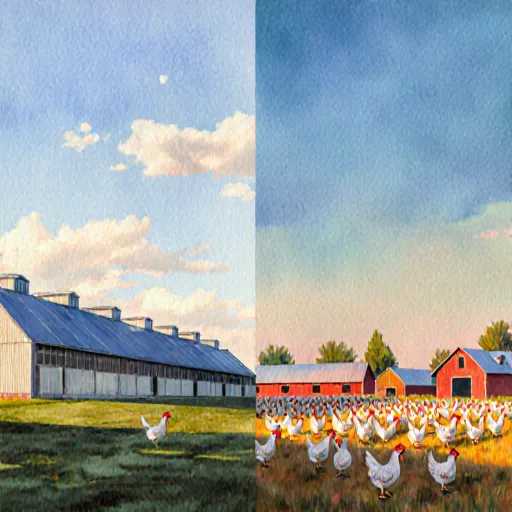
Is Broiler Farming Truly Profitable? Uncover the Facts!
Table of Contents
- Pros and Cons of Broiler Farming Overview
- Advantages: Faster Growth Rate
- Advantages: Higher Efficiency in Meat Production
- Advantages: Controlled Environment for Health
- Advantages: Economies of Scale
- Disadvantages: Ethical Concerns
- Disadvantages: Higher Initial Investment
- Disadvantages: Health Risks to Workers
- Disadvantages: Environmental Impact
- Disadvantages: Animal Welfare Issues
- Conclusion
- FAQs About Broiler Farming
- Pros: Cost-Effective for Farmers
- Cons: Market Volatility and Price Fluctuations
- Final Thoughts on Broiler Farming Practices
Pros and Cons of Broiler Farming Overview
Pros of Broiler Farming
Broiler farming has significantly contributed to the global poultry industry, offering several advantages. One major advantage is the efficient meat production, which allows farmers to meet high demand while maintaining profitability. The broilers are bred specifically for rapid growth, achieving market weight in a short period of time compared to other breeds.
Another significant benefit is the economic viability. Broiler farming requires less initial investment than other livestock farming options such as cattle or pigs due to smaller feed requirements and shorter production cycles. This makes it an attractive choice for small-scale farmers looking to enter the poultry market.
Broilers also provide a consistent product quality, which is important for consumer satisfaction and brand reputation. The controlled environment in broiler farms ensures uniformity in weight, size, and appearance of the birds, leading to better marketing opportunities.
Cons of Broiler Farming
Despite its advantages, broiler farming also comes with a set of challenges. One major concern is the high feed costs associated with intensive poultry farming. While broilers grow quickly, they require significant amounts of feed to reach market weight, which can be a substantial expense.
The environmental impact is another critical issue. Broiler farms produce large quantities of waste, including manure and spent litter, which if not managed properly, can lead to pollution of water sources and soil degradation. Additionally, the high density of broilers in confined spaces increases the risk of disease outbreaks, which can result in significant economic losses.
Broiler farming also faces ethical concerns regarding animal welfare. The confined space and rapid growth rate can cause stress and discomfort for the birds. This has led to debates about the humane treatment of animals during their lifetime on the farm.
Practical Advice
To mitigate some of these challenges, farmers can implement sustainable practices such as using organic feed, rotating crops, and applying proper waste management techniques. Investing in biosecurity measures is crucial to prevent disease outbreaks and minimize financial risks.
Additionally, adopting modern farming technologies like automated feeding systems and environmental controls can help improve efficiency and reduce costs. Proper training of staff on animal welfare practices and sustainable farming methods is also essential for long-term success in broiler farming.
Conclusion
In conclusion, while broiler farming offers numerous benefits such as efficient meat production and economic viability, it also presents significant challenges related to feed costs, environmental impact, and animal welfare. By addressing these issues through sustainable practices, biosecurity measures, and modern technology, farmers can ensure a balanced approach that is both profitable and responsible.
Advantages: Faster Growth Rate
The faster growth rate of broilers is one of the most significant advantages of broiler farming, offering several benefits that can lead to increased profitability and efficiency. This rapid growth allows farmers to reach market weight in a relatively short period, typically around 6-8 weeks depending on the breed and environmental conditions.
Increased Productivity
The faster growth rate directly translates into higher productivity per bird, which is crucial for commercial broiler farming. This means that farmers can produce more meat in a shorter time frame, thereby maximizing output within the same space and resource constraints. For instance, if a farmer has 10,000 broilers, they can potentially harvest more than one batch of birds in a year, leading to higher overall yields.
Cost Efficiency
A faster growth rate also contributes to cost efficiency by reducing feed conversion ratio (FCR). Broilers that grow quickly tend to be more efficient at converting feed into meat. This means less waste and lower feed costs, which are substantial components of the overall production expenses. For example, a broiler that grows in 6 weeks instead of 8 weeks would require less feed to reach market weight.
Market Adaptation
The rapid growth rate allows farmers to meet market demands more effectively. Consumers often have specific preferences regarding the size and quality of the meat they purchase, and a faster-growing broiler can be tailored to match these preferences. This adaptability ensures that the products are in line with consumer expectations, increasing demand and sales.
Example: Broiler Breeds
Different broiler breeds have been developed specifically for their fast growth rates. For example, the Ross 308 and Cobb 500 are two of the most popular commercial broiler strains due to their exceptional growth rate. These breeds can grow at an impressive rate under optimal conditions, contributing significantly to farm productivity.
Practical Advice
- Optimize Environmental Conditions: Proper temperature control, ventilation, and hygiene are crucial for maintaining fast growth rates. Ensuring these factors are optimized can help minimize stress on the birds, leading to faster and healthier growth.
- Quality Feed: Providing a balanced diet that meets all nutritional requirements is vital. Poor-quality feed can lead to suboptimal growth rates despite favorable environmental conditions.
- Hygiene Practices: Maintaining strict hygiene practices helps prevent diseases, which can slow down the growth rate and increase mortality rates.
In conclusion, the faster growth rate of broilers is a key advantage that contributes significantly to the success of broiler farming. By understanding and leveraging this advantage through proper management practices, farmers can enhance their profitability and efficiency.
Advantages: Higher Efficiency in Meat Production
In broiler farming, higher efficiency in meat production is a key advantage that contributes to both economic sustainability and food security. This is primarily due to the rapid growth rate of broilers, which allows for quicker time-to-market. Here are some specific advantages:
1. Rapid Growth Rate
Broilers have been genetically selected over generations to grow rapidly. Typically, a broiler reaches market weight in about 6-8 weeks compared to traditional chickens that take longer. This efficiency translates into higher productivity per square foot of farm space and faster turnover rates.
2. Enhanced Feed Conversion Ratio (FCR)
Broilers are designed with a high feed conversion ratio, meaning they convert the food they eat into meat more efficiently than other poultry. This is partly due to their fast metabolism but also because of optimized nutrition and care practices in broiler farms.
3. Consistent Quality
Broilers are bred for uniformity, ensuring that all birds grow at a similar rate and meet the same quality standards. This consistency is crucial for meat processors who require standardized products to ensure product quality and customer satisfaction.
While higher efficiency in meat production is advantageous, it also comes with some challenges:
1. Stress on Animal Welfare
The rapid growth rate and intensive farming practices can lead to stress for the birds. This includes physical stress due to their fast-growing bodies and mental stress from confined spaces.
2. Environmental Impact
Higher efficiency often means more intensive farming, which can increase environmental impacts such as higher water usage and increased waste production. Proper management practices are crucial to mitigate these issues.
3. Sustainability Concerns
The focus on high-efficiency broiler farming can sometimes overlook sustainability concerns like the use of antibiotics and other feed additives, which can have long-term effects on both animal health and environmental impact.
- Optimize Nutrition: Proper nutrition is key to maximizing efficiency without compromising bird welfare. Focus on balanced diets that support healthy growth and development.
- Environment Management: Ensure the broilers have a clean, stress-free environment with adequate space and ventilation to promote both health and growth.
- Sustainable Practices: Adopt sustainable farming practices such as using organic feed, practicing rotational grazing if possible, and recycling waste products where appropriate.
Advantages: Controlled Environment for Health
Broiler farming under controlled environments offers significant advantages, particularly in terms of health and hygiene. This controlled setting minimizes the exposure to environmental pathogens and other stress factors that can lead to poor health conditions in broilers. Here are some detailed pros and cons associated with this approach:
Pros
- Predetermined Environment Conditions: The temperature, humidity, air quality, and lighting can be precisely controlled to optimize growth and health.
- Reduced Disease Spread: By keeping broilers in a closed environment, the spread of diseases is significantly reduced. This leads to lower incidences of common poultry diseases such as Newcastle disease or respiratory infections.
- Consistent Feed Intake and Quality: Controlled environments ensure that feed intake remains consistent, which is crucial for maintaining uniform growth rates among broilers. This consistency also helps in better feed efficiency and cost management.
- Improved Welfare: Broilers raised in controlled conditions experience less stress, leading to improved welfare standards.
Cons
- HIGH Initial Cost: Setting up a controlled environment broiler farm can be expensive. The cost of installing and maintaining climate control systems, ventilation units, and other necessary equipment is significant.
- Risk of Over-Dependence on Environment Controls: If the environmental controls fail or are not properly maintained, it could lead to adverse effects on broiler health and welfare. This dependency can be a risk if there’s any malfunction in these systems.
- Limited Natural Exposure: Broilers raised in controlled environments have limited natural exposure to sunlight, which could affect their vitamin D levels and overall immune system development. However, this concern is mitigated by providing adequate supplementation of vitamins in the feed.
In conclusion, while broiler farming under a controlled environment offers numerous health benefits and improved hygiene standards, it also comes with certain challenges that need to be addressed properly. Farmers should weigh these pros and cons carefully before deciding on the type of farming setup they wish to adopt.
Advantages: Economies of Scale
The concept of economies of scale is crucial in broiler farming as it directly impacts the efficiency, profitability, and sustainability of operations. As the scale of production increases, the average cost per bird produced tends to decrease due to various factors such as specialization of labor, bulk purchasing power, and improved technology utilization.
Pros
- Cost Efficiency: Larger farms can buy supplies in bulk at a lower price. For example, large broiler farming operations often negotiate better terms with suppliers of feed, medications, and other essential materials.
- Labor Specialization: Larger farms can afford to hire specialized labor for different tasks such as feeding, monitoring health, and harvesting. This leads to higher productivity and quality control.
- Advanced Technology: Big operations can invest in advanced technologies that improve efficiency and reduce costs. For instance, automated feeding systems can significantly cut down on manual labor while ensuring precise feed delivery.
Cons
- Environmental Impact: Larger broiler farms often face greater challenges in managing waste and reducing pollution. The sheer volume of manure, water usage, and greenhouse gas emissions can strain local ecosystems.
- Dependency on Suppliers: Large-scale operations are highly reliant on a few key suppliers for essential inputs like feed, chicks, and medications. Any disruptions in the supply chain can lead to significant financial losses.
- Heterogeneity Issues: The larger the farm, the more diverse the conditions under which broilers grow. This can pose challenges in maintaining consistent quality across all birds, requiring sophisticated management practices.
In conclusion, while economies of scale offer numerous advantages such as cost reduction and improved efficiency, they also come with significant challenges that must be addressed to ensure sustainable and profitable broiler farming operations.
Disadvantages: Ethical Concerns
Broiler farming, while providing a significant source of protein for many populations around the world, is not without its ethical concerns. These concerns primarily revolve around animal welfare and the environmental impact of large-scale poultry production. It's crucial to understand these issues when weighing the pros and cons of broiler farming.
Animal Welfare
The confined living conditions in broiler farms can lead to significant ethical dilemmas regarding animal welfare. Broilers are kept in tight, overcrowded spaces that severely limit their natural behaviors. This confinement often leads to stress and health issues such as leg deformities and respiratory problems.
For example, the typical indoor broiler farm provides about 0.4 square feet of space per bird, which is less than the size of a standard sheet of paper. Such cramped conditions can result in pecking disorders where birds may attack each other out of frustration and stress.
To mitigate these issues, some farmers are adopting more humane practices such as providing enrichment items like toys or scratch pads to help alleviate boredom, but these solutions are not universally adopted yet.
Environmental Impact
Broiler farming also has significant environmental concerns. The high feed requirements for broilers contribute to deforestation and soil degradation due to the need for growing large quantities of corn and soybeans used in poultry feed. Additionally, manure from broiler farms can be a major source of pollution if not managed properly.
For instance, runoff from broiler operations can contaminate nearby water sources with high levels of nitrogen and phosphorus, leading to eutrophication and harmful algae blooms. This impacts aquatic ecosystems and the communities that rely on these resources for drinking water or recreation.
Practical Advice
To address some of these ethical concerns, consumers can support brands that prioritize humane practices in broiler farming. Labels like Certified Humane or Animal Welfare Approved indicate that birds are raised under more humane conditions with better access to space and natural behaviors.
Additionally, supporting local farmers who practice sustainable agriculture can help reduce the environmental impact of large-scale poultry production by promoting smaller scale, more efficient operations.
Disadvantages: Higher Initial Investment
Higher Initial Investment
The initial investment for broiler farming can be quite substantial, making it a significant disadvantage compared to other types of livestock farming. Setting up a broiler farm requires a considerable amount of capital, which includes the cost of purchasing land, constructing sheds, acquiring equipment such as feeders and drinkers, and setting up ventilation systems.
Broilers are typically raised in controlled environments that ensure optimal conditions for rapid growth. This necessitates the installation of modern facilities like automated feeding systems, environmental control units, and waste management systems. Additionally, the purchase of high-quality broiler chicks from reputable hatcheries is another significant expense.
Pros: Despite the initial higher investment costs, broiler farming offers quick returns on investment due to the short breeding cycle (about 6-8 weeks) and high meat yield per bird. The demand for chicken products is consistently strong, making it easier to sell the birds once they reach market weight.
Cons: The high initial costs can be a deterrent for small-scale farmers or those with limited capital. Additionally, there is a risk of losses if there are health issues like diseases that affect broilers, leading to reduced yields and profitability. Poor management practices or improper environmental controls can also lead to higher operational costs.
To mitigate these disadvantages, potential investors should thoroughly research the market demand, ensure proper planning, and possibly seek financial assistance or partnerships. Regular maintenance of equipment and timely vaccination programs are crucial for maintaining health and reducing risks associated with disease outbreaks.
Disadvantages: Health Risks to Workers
Broiler farming, while economically beneficial for many farmers, comes with significant health risks for the workers involved. These risks are particularly pronounced due to the intensive nature of broiler production and the close proximity to large numbers of birds.
Potential Health Hazards
The primary concerns for worker health in broiler farming include respiratory issues, skin infections, and zoonotic diseases. The confined environments where broilers are raised can lead to poor air quality, high humidity, and exposure to ammonia, which can irritate the respiratory system.
- Respiratory Issues: Prolonged exposure to low concentrations of dust, ammonia, and other airborne contaminants in confined spaces can exacerbate or cause respiratory problems. Workers may experience symptoms such as coughing, shortness of breath, and increased susceptibility to infections.
- Skin Infections: The humid conditions and overcrowded living spaces for the broilers provide an ideal environment for bacteria and fungi to thrive, which can lead to skin irritations and infections among workers. Regular cleaning and disinfection are essential but challenging in such environments.
- Zoonotic Diseases: Broilers can carry various pathogens that can be transmitted to humans. Workers may contract diseases like Salmonella or Campylobacter, which can lead to foodborne illnesses if proper hygiene practices are not followed. Vaccination and immunization programs for workers can help mitigate these risks.
Practical Advice for Worker Safety
To minimize the health risks associated with broiler farming, several practical measures should be implemented:
- Ventilation and Air Quality Monitoring: Ensure that broiler houses are well-ventilated to reduce the concentration of harmful gases and dust. Regular monitoring of air quality can help identify and address any potential issues early.
- Hygiene Practices: Encourage workers to maintain high standards of hygiene, including frequent handwashing and wearing protective clothing. Providing access to clean water and soap is crucial for maintaining good hygiene practices.
- Vaccination Programs: Implementing vaccination programs for both the broilers and the workers can help prevent outbreaks of diseases like avian influenza.
- Pest Control: Effective pest control measures are necessary to reduce the risk of disease transmission from pests like rodents and insects. This includes regular inspections and eradication efforts.
Economic Implications
The health risks faced by workers in broiler farming can have significant economic implications for both individual farmers and the broader agricultural sector. Prolonged illness or the need for medical treatment due to work-related health issues can lead to increased labor costs and reduced productivity. Additionally, outbreaks of zoonotic diseases can result in the culling of entire flocks, leading to substantial financial losses.
Conclusion
In conclusion, while broiler farming offers numerous economic benefits, it is essential for farmers and policymakers to address the health risks faced by workers. By implementing effective safety measures and hygiene practices, these risks can be significantly mitigated, ensuring a safer working environment for all involved in broiler production.
Disadvantages: Environmental Impact
Broiler farming, while providing a significant source of protein for human consumption, comes with notable environmental challenges. These impacts are crucial to consider when evaluating the overall sustainability and ecological footprint of broiler farming practices.
Water Usage
The high water demands in broiler farming can strain local water resources. It takes approximately 1,790 gallons of water to produce just one pound of chicken meat—a stark contrast to other livestock like cattle or pigs which have higher water requirements per unit of protein produced.
Land Use and Soil Erosion
Broiler farming often requires large tracts of land for feed production, particularly corn and soybeans. This extensive land use can lead to soil degradation and erosion, especially when intensive monoculture practices are employed without proper crop rotation or sustainable management techniques.
Greenhouse Gas Emissions
The broiler industry contributes significantly to greenhouse gas emissions through various processes including feed production, transportation, processing, and waste disposal. Methane from manure storage and nitrous oxide from fertilizers used in feed crops are major contributors.
Water Pollution
Routine runoff from broiler farms can introduce pollutants into nearby water bodies. These include antibiotics that were administered to the birds, nitrates from fertilizers used for feed production, and pathogens from manure.
Animal Welfare Concerns
The intensive confinement of broilers in small spaces can lead to health issues such as overcrowding stress, respiratory infections, and leg disorders. Additionally, the fast growth rate of these birds can cause joint deformities and early death.
Alternatives and Mitigation Strategies
To mitigate some of these environmental impacts, alternative practices are being explored. These include integrating broiler farming with other agricultural activities to reduce land use pressure, improving feed efficiency through genetic selection or better feeding practices, and enhancing waste management systems like composting or anaerobic digestion.
Conclusion
In summary, while broiler farming offers important benefits in terms of food security and economic stability, it is essential to address its environmental impacts. By adopting more sustainable practices, the industry can minimize negative effects on the environment and support long-term ecological health.
Disadvantages: Animal Welfare Issues
Broiler farming, while highly efficient for producing meat quickly, comes with significant animal welfare concerns that are often overlooked or minimized in discussions about the pros and cons of broiler farming. These issues primarily revolve around the living conditions, stress, and health of the chickens throughout their short lifespan.
Short Lifespan
The average broiler chicken is slaughtered after only 6-8 weeks of life. This rapid maturation process can lead to several welfare issues. The chickens are often kept in crowded conditions, with limited space per bird, which can cause stress and aggression among them. The confined spaces make it difficult for the birds to engage in natural behaviors such as walking, stretching their wings, or roosting, which can lead to health problems like leg deformities and breast blisters.
Stress and Aggression
The high-density environments used in broiler farming can be highly stressful for the birds. Stress can lead to increased aggression among the chickens, resulting in pecking at each other as a form of self-defense or competition for resources. This behavior not only leads to injuries but also increases the need for debeaking, which is often performed without anesthesia.
Health Issues
Broilers are bred to grow quickly and reach slaughter weight in a short period. However, this rapid growth can lead to health problems such as heart failure, leg disorders, and joint issues. The birds' bones may not develop sufficiently to support their rapidly growing bodies, leading to fractures or other skeletal deformities.
Environmental Impact
The intensive farming practices associated with broiler chickens also have significant environmental impacts that can indirectly affect animal welfare. Poor waste management in large-scale operations leads to pollution of water sources and soil degradation. This can result in the spread of diseases, which may further compromise the health and well-being of the animals.
Consumer Awareness
While consumer demand for meat is high, there is often a lack of awareness about how these products are produced. Educating consumers about the conditions under which broilers live can help drive demand for more humane farming practices and alternative protein sources. By choosing ethically sourced and free-range alternatives, consumers play a crucial role in promoting better animal welfare.
Practical Advice
- Support Humane Farming Practices: Opt for certified organic or humane-certified products that adhere to higher standards of animal welfare. Look for labels from organizations like the American Humane Association or the Global Animal Partnership.
- Reduce Meat Consumption: Consider reducing your meat consumption overall, which can decrease demand for broiler farming and promote more sustainable practices.
- Vote with Your Wallet: Support companies that prioritize animal welfare in their supply chains. Your purchasing choices can influence the market towards more humane practices.
Conclusion
The pros and cons of broiler farming are crucial considerations for those involved in livestock production. Broilers, or meat-type chickens, are specifically bred for rapid growth to maximize yield per bird. This makes them an efficient option for commercial meat production, but it also comes with its own set of challenges.
Pros of Broiler Farming
- High Efficiency in Meat Production: Broilers grow quickly and achieve a large weight gain over a short period. This efficiency is particularly beneficial for farmers looking to maximize output with minimal space requirements.
- Economic Viability: The high growth rate of broilers means that they can be sold at marketable weights in as little as six weeks, providing a quick return on investment. This makes broiler farming an attractive option for small and medium-scale farmers seeking to enter the commercial poultry industry.
- Rapid Reproduction: Broilers have a short generation interval, allowing for frequent breeding cycles. This rapid reproduction supports continuous supply chains for meat products.
Cons of Broiler Farming
- Crowded Conditions: To achieve high growth rates within a short period, broilers are typically kept in densely packed environments. This can lead to stress and increased susceptibility to diseases.
- Ethical Concerns: The fast-growing nature of broilers often results in health issues such as leg disorders and heart problems due to the strain on their bodies. These ethical considerations have been a subject of debate in the animal welfare community.
- Environmental Impact: Broiler farming can contribute significantly to environmental pollution, particularly through high levels of ammonia emissions from manure, which can be detrimental to air and water quality.
In summary, while broiler farming offers several advantages in terms of efficiency and economic benefits, it also presents challenges that must be carefully managed. Farmers need to balance these factors to ensure sustainable and ethical practices. By addressing the cons through improved housing conditions, health management, and environmental safeguards, broiler farming can contribute positively to both commercial operations and the broader agricultural community.
FAQs About Broiler Farming
Question: What are the main advantages of broiler farming?
- High Growth Rate: Broilers reach market weight in a relatively short period, typically 6-8 weeks. This quick growth cycle makes broiler farming highly efficient and cost-effective.
- Predictable Production: The genetic makeup of broilers ensures that they follow a predictable growth pattern, making it easier for farmers to plan production schedules and meet market demand.
- High Feed Conversion Efficiency: Broilers convert feed into meat with high efficiency, which is crucial for profitability in farming operations.
- Demand for Poultry Products: There is a continuous global demand for poultry products due to their health benefits and lower cost compared to red meat. This steady market ensures reliable sales.
Question: What are the disadvantages of broiler farming?
- Health Risks: Broilers are highly susceptible to various diseases due to their rapid growth and close living conditions. This can lead to frequent outbreaks, requiring significant veterinary care.
- Crowding Issues: The high density of broilers in confined spaces can cause stress and behavioral issues, leading to higher mortality rates.
- Ethical Concerns: Broiler farming has faced criticism for the poor living conditions and treatment of animals. Ethical considerations are increasingly important for consumers and stakeholders.
- Pollution Issues: Wastewater from broiler farms can contain high levels of nitrogen, phosphorus, and antibiotics, posing a risk to water bodies if not properly managed.
Question: How does broiler farming impact the environment?
Broiler farming, like any intensive animal agriculture system, can have significant environmental impacts:
- Water Pollution: Excessive use of antibiotics and poor waste management practices contribute to water pollution. Proper containment measures are essential for minimizing this risk.
- Air Quality: High ammonia levels from manure can affect air quality, leading to respiratory issues in both humans and animals nearby the farms.
- Land Use: The large-scale nature of broiler farming requires significant land use, which can lead to habitat destruction and loss of biodiversity.
Question: What are some best practices for sustainable broiler farming?
- Hygiene Practices: Maintaining strict hygiene protocols is crucial to prevent disease outbreaks. Regular cleaning, disinfection, and proper waste disposal are essential.
- Sustainable Feeding: Using high-quality feed with balanced nutrition can enhance growth while reducing the environmental impact of feed production.
- Recycling Efforts: Implementing recycling programs for water and nutrients from manure can reduce pollution and make farming more sustainable.
- Animal Welfare: Providing ample space, proper ventilation, and enriching the environment to minimize stress are key aspects of ethical broiler farming practices.
Question: How has technology impacted broiler farming?
- Automated Feeders: Automated feeders help in precise feeding, reducing waste and ensuring optimal growth rates.
- Veterinary Innovations: Advances in veterinary science have led to better treatment of diseases, improving survival rates and overall health.
- Data Analytics: Farmers can use data analytics tools to monitor various aspects of broiler farming, from feed efficiency to environmental factors, leading to more informed decision-making processes.
Pros: Cost-Effective for Farmers
Broiler farming can be a highly profitable venture, especially for small-scale farmers who are looking to enter into poultry farming. One of the key advantages of broiler farming is its relative cost-effectiveness when compared to other types of livestock or poultry farming.
Lower Initial Investment
Broilers have a lower initial investment requirement compared to other forms of livestock such as pigs, cows, or large-scale chicken breeds. This makes broiler farming accessible for farmers with limited resources. Broiler farms typically require fewer facilities and infrastructure, which reduces the overall setup costs.
Shorter Feeding Period
Broilers have a much shorter feeding period compared to other types of poultry or livestock. This means that from hatching to the time when they are ready for slaughter, broilers require significantly less feed and resources. For instance, it typically takes broilers around 6-8 weeks to reach their optimal weight for slaughter, whereas chickens raised for eggs can take up to a year.
High Feed Efficiency
Broilers are known for their high feed efficiency. They convert the food they eat into meat very efficiently, which directly translates to higher returns on investment. This is due to their rapid growth rate and optimal feed conversion ratio (FCR). Farmers who can provide a balanced diet rich in protein and other essential nutrients see this benefit more clearly.
High Market Demand
The demand for broilers is high, especially in urban areas where the consumption of white meat is increasing. This steady market demand ensures that farmers can sell their broilers at a reasonable price point, even during economic downturns or when prices are volatile.
Scalability
Broiler farming is highly scalable. It starts small but can be expanded as the farmer's resources and market demand allow. Farmers can begin with just a few broilers and gradually increase their flock size, which makes it an attractive option for both beginners and experienced farmers.
Less Labor Intensive
Broiler farming is generally less labor-intensive compared to other types of livestock or poultry farming. Once the broilers are in the growing phase, they require minimal attention, which allows the farmer to focus on other tasks or even manage multiple farms.
While broiler farming has many advantages, it's important for farmers to also consider the cons such as disease management and market fluctuations. Despite these challenges, for those who can manage them effectively, broiler farming offers a cost-effective path to profitability in poultry farming.
Cons: Market Volatility and Price Fluctuations
In broiler farming, as with many agricultural businesses, market volatility and price fluctuations are significant cons that can impact profitability. These factors introduce a layer of unpredictability into the business model, affecting not only short-term gains but also long-term financial stability.
Understanding Market Volatility
Market volatility refers to the unpredictable nature of supply and demand in the agricultural market. In broiler farming, this can be influenced by various factors such as weather conditions, disease outbreaks, global economic trends, and international trade policies. These external factors often lead to sudden changes in the availability of products or shifts in consumer preferences.
Price Fluctuations
The price at which broilers can be sold is subject to significant fluctuations. Factors like competition from other protein sources, shifts in consumer health consciousness (such as the preference for plant-based proteins), and international trade agreements can all contribute to these price changes. Farmers who rely heavily on a single market or supplier may find themselves exposed to substantial financial risks.
Comparison with Pros
- Predictability: One of the main pros of broiler farming is its relative predictability compared to other agricultural ventures. Broilers have a short growth cycle, typically around 6-8 weeks for commercial broilers, which allows farmers to plan production and sales more effectively.
- Cash Flow:** Broiler farming can provide steady cash flow as the birds reach marketable size relatively quickly. This is in contrast to longer-term investments like dairy farming or cattle rearing.
- Scalability:** Broilers are a scalable business, meaning that the size of the operation can be adjusted based on market demand and available resources. However, this scalability also means that farmers must be prepared for fluctuations in demand and price.
Potential Mitigation Strategies
To mitigate the impact of market volatility and price fluctuations, broiler farmers can employ several strategies:
- Diversification: Diversifying both product lines (e.g., including different breeds or sizes of birds) and markets can help reduce risk. By spreading operations across various regions or channels, farmers can minimize the impact of localized market changes.
- Contract Farming: Participating in contract farming arrangements with processors or retailers can provide some level of price stability by locking in purchase agreements.
- Economic Diversification: Combining broiler farming with other agricultural activities, such as growing feed crops or raising another type of livestock, can create a more stable income stream.
Conclusion
In summary, while the short growth cycle and scalability of broiler farming are significant pros that contribute to its appeal for many farmers, market volatility and price fluctuations present notable challenges. By understanding these risks and implementing strategic mitigation measures, farmers can better manage the associated financial uncertainties and maintain profitability.
Final Thoughts on Broiler Farming Practices
Broiler farming practices have significantly contributed to the poultry industry, providing a reliable source of meat for global consumption. However, like any other agricultural practice, broiler farming has its set of pros and cons that need careful consideration.
Pros of Broiler Farming Practices
- Efficient Meat Production: Broilers are specifically bred for rapid growth to produce meat in a short period. This makes broiler farming highly efficient, allowing farmers to meet the increasing demand for poultry products.
- Economic Benefits: Broiler farming can be economically viable if managed properly. It offers opportunities for income generation and job creation in rural areas where other economic activities might be scarce.
- Consistent Quality: Modern broilers are raised under controlled conditions, ensuring consistent quality in terms of meat yield and taste.
Cons of Broiler Farming Practices
- Environmental Impact: Large-scale broiler farming can lead to significant environmental issues. High stocking density leads to higher greenhouse gas emissions, while waste management remains a challenge due to the large volume of manure produced.
- Potential Health Concerns: The confined environment increases the risk of disease transmission among birds, which can potentially affect humans if not properly controlled. Antibiotic use in broiler farming is another concern as it might lead to antibiotic resistance.
- Sustainability Issues: Broiler farming requires large amounts of feed and water, contributing to resource depletion. The rapid growth rate of broilers also puts a strain on the natural environment due to their high metabolic rates.
In conclusion, while broiler farming practices have brought economic benefits and efficient meat production, it is crucial for farmers and policymakers to address the associated environmental and health concerns. Sustainable broiler farming practices that focus on reducing carbon footprints, improving waste management, and minimizing antibiotic usage are essential steps towards a more responsible poultry industry.
Categories
- AI & Enrichment Play
- Broiler Farming
- Broiler Farming Tips
- Canine Wellness & Longevity
- Cat
- Cat & Human Connection
- Cat Adoption & Rescue
- Cat Breeds
- Cat Breeds & Personalities
- Cat Care & Health
- Cat Grooming & Hygiene
- Cat Lifestyle & Environment
- Cat Myths & History
- Cat Nutrition & Diet
- Cat Products & Reviews
- Cat Training & Behavior
- Comparison
- Consumer Awareness
- Dog
- Dog Accessories & Products
- Dog Adoption & Rescue
- Dog Breed & Lifestyle Trends
- Dog Breeding & Puppies
- Dog Entertainment & Media
- Dog Fashion & Trends
- Dog Fun & Lifestyle
- Dog Grooming & Hygiene
- Dog History & Culture
- Dog Myths, Science & Future Tech
- Dog News & Trends
- Dog Nutrition & Food
- Dog Psychology & Emotions
- Dog Safety & Security
- Dog Sports & Activities
- Dog Technology & Innovation
- Dog Training for Modern Owners
- Dog Travel & Adventure
- Dog Travel, Adventure & Culture
- Economic and Market Insights
- Educational Content
- FAQs
- Feeding Alternatives
- Festivals & Seasonal Ideas
- Fun & Entertainment
- General Knowledge
- General Pig Farming
- Health & Disease Management
- Housing and Environment
- Kittens
- Market Insights
- Miscellaneous
- Miscellaneous
- Motivational
- pig
- Pig Breeding
- Pig Breeds
- Pig Farming Stories and Inspiration
- Pig Health and Care
- Pig Nutrition
- Pig Products
- Profitability & Business
- Puppy Care
- Puppy Predictable Topics Reinvented
- Regional Focus
- Rescue & Adoption Buzz
- Senior Cats
- Senior Dog Care
- Smart Dog Tech & Gadgets
- Sustainability
- Sustainable & Eco-Friendly Dog Products
- Tech & Innovations
- Working & Service Dogs
- Broiler Feed66 products
- Country Feed33 products
- Pig Feed66 products
- Product22 products
- Raw Materials99 products
Products
-
 Fish Meal
₹1,999.00 – ₹2,999.00Price range: ₹1,999.00 through ₹2,999.00Rated 0 out of 5
Fish Meal
₹1,999.00 – ₹2,999.00Price range: ₹1,999.00 through ₹2,999.00Rated 0 out of 5 -
 FATTENING BROILER FEED
₹2,299.00 – ₹2,349.00Price range: ₹2,299.00 through ₹2,349.00Rated 0 out of 5
FATTENING BROILER FEED
₹2,299.00 – ₹2,349.00Price range: ₹2,299.00 through ₹2,349.00Rated 0 out of 5 -
 LAYER COUNTRY FEED
₹1,549.00 – ₹1,649.00Price range: ₹1,549.00 through ₹1,649.00Rated 0 out of 5
LAYER COUNTRY FEED
₹1,549.00 – ₹1,649.00Price range: ₹1,549.00 through ₹1,649.00Rated 0 out of 5 -
 COUNTER BROILER FEED
₹1,199.00 – ₹1,299.00Price range: ₹1,199.00 through ₹1,299.00Rated 0 out of 5
COUNTER BROILER FEED
₹1,199.00 – ₹1,299.00Price range: ₹1,199.00 through ₹1,299.00Rated 0 out of 5 -
 LACTATING PIG FEED
Rated 0 out of 5
LACTATING PIG FEED
Rated 0 out of 5₹2,299.00Original price was: ₹2,299.00.₹1,740.00Current price is: ₹1,740.00. -
 Maize
Rated 0 out of 5
Maize
Rated 0 out of 5₹1,650.00Original price was: ₹1,650.00.₹1,300.00Current price is: ₹1,300.00. -
 GESTATION PIG FEED (Phase 1)
Rated 0 out of 5
GESTATION PIG FEED (Phase 1)
Rated 0 out of 5₹2,249.00Original price was: ₹2,249.00.₹1,699.00Current price is: ₹1,699.00. -
 Pre Starter Broiler Feed
₹2,399.00 – ₹2,499.00Price range: ₹2,399.00 through ₹2,499.00Rated 0 out of 5
Pre Starter Broiler Feed
₹2,399.00 – ₹2,499.00Price range: ₹2,399.00 through ₹2,499.00Rated 0 out of 5 -
 FINISHER PIG FEED
Rated 0 out of 5
FINISHER PIG FEED
Rated 0 out of 5₹2,299.00Original price was: ₹2,299.00.₹1,749.00Current price is: ₹1,749.00. -
 Broiler Premix
Rated 0 out of 5
Broiler Premix
Rated 0 out of 5₹820.00Original price was: ₹820.00.₹699.00Current price is: ₹699.00.