
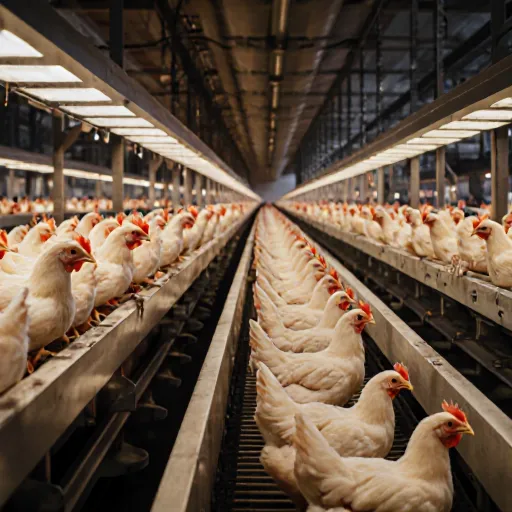
Unlock Broiler Efficiency with Cutting-Edge Innovations
Table of Contents
- Exploring the Broiler Industry Landscape
- Understanding Consumer Trends and Preferences
- The Role of Quality Assurance in Broiler Business
- Diversifying Egg Production: Opportunities and Challenges
- Innovative Meat Products for Diverse Markets
- Exploring Alternative Protein Sources
- Sustainable Practices in Broiler Farming
- Technological Advancements in Broiler Production
- Global Market Insights and Strategies
- Health and Nutrition Trends: Leveraging Broilers for Better Health
- Expanding into Value-Added Products
- Developing Strategic Partnerships and Alliances
- Financial Planning for Diversification
- Conclusion
- FAQs
Exploring the Broiler Industry Landscape
The broiler industry is a dynamic sector within the broader poultry farming domain. It encompasses the production of meat-type chickens specifically bred for rapid growth in order to meet global demands for chicken meat. However, diversification strategies can significantly enhance profitability by exploring other aspects beyond just the traditional meat production.
Diversifying Broiler Business Through Egg Production
Egg production offers a complementary business model that not only supplements income but also helps manage risks associated with fluctuations in chicken meat prices. The broilers used for egg-laying can be different breeds, often called laying hens, which are specifically bred for their high egg-laying capacity. This diversification strategy allows farmers to tap into the steady demand for eggs from various sectors such as household consumption and commercial markets.
For instance, some broiler farmers in regions with a high demand for local eggs have successfully transitioned part of their business towards laying hens. They provide fresh eggs directly to consumers or sell them wholesale to food processors and retailers. This diversification not only spreads risk but also opens up new revenue streams.
Expanding into Organic Broiler Meat
The trend towards healthier eating habits is driving demand for organic products, including organic broiler meat. By adopting organic farming practices, broiler farmers can cater to this niche market that values sustainability and health-conscious food choices.
Organic broilers require a strict feeding regime with no antibiotics or pesticides, ensuring the birds grow organically. Farmers need to adhere to specific guidelines regarding feed composition and husbandry practices. This approach not only attracts health-conscious consumers but also commands higher prices in premium markets.
Incorporating Value-Added Products
Creating value-added products from broiler meat can significantly enhance the profitability of your business. Beyond just selling raw chicken, value-added products include processed meats like sausages, deli slices, and poultry-based snacks.
To implement this strategy, farmers need to invest in processing facilities or collaborate with local processors. These products offer a higher profit margin compared to selling whole carcasses. Additionally, they provide year-round demand since the production process can be controlled independently of seasonality factors affecting fresh meat sales.
Exploring Broiler by-Products
Beyond just meat and eggs, broilers produce a variety of by-products that are valuable in their own right. Feather processing for feather pillows or down is one example where the waste product from broilers can be repurposed.
Another significant by-product is chicken feet which have been used traditionally in soups and broths across many cultures. Utilizing these parts not only adds another revenue stream but also contributes positively to sustainable farming practices by minimizing waste.
Conclusion
Diversification offers a path for broiler farmers looking to stabilize their income streams, adapt to market changes, and explore new opportunities. By integrating egg production, organic meat sales, value-added products, and by-product utilization into your business model, you can navigate the evolving broiler industry landscape effectively.
Understanding Consumer Trends and Preferences
To successfully diversify your broiler business beyond just eggs and meat, it is crucial to have a deep understanding of consumer trends and preferences. Consumer behavior in the poultry industry can be influenced by various factors including health consciousness, sustainability concerns, dietary restrictions, and changing lifestyle needs.
One key trend is the increasing focus on health and wellness. Consumers are looking for products that contribute positively to their overall health. This has led to a rise in demand for broiler products that are lower in fat or higher in protein, as well as those rich in essential nutrients like omega-3 fatty acids.
For example, organic broilers and free-range chickens have become popular due to perceived health benefits associated with these production methods. By understanding this trend, you can tailor your product offerings to meet these needs, such as offering more lean cuts of meat or higher-quality eggs.
Another major trend is the growing concern for sustainability. Consumers are increasingly aware of environmental impacts and are seeking products from suppliers who share their values regarding sustainable practices. This includes reducing carbon footprints, minimizing water usage, and using renewable energy sources.
Incorporating sustainable practices into your business can significantly enhance its reputation and appeal to eco-conscious consumers. You might consider sourcing feed locally to reduce transportation emissions or investing in solar panels for your operations. Highlighting these efforts in your marketing can attract a broader customer base that values sustainability.
With the increasing diversity of diets, there is also an expanding range of dietary restrictions and preferences among consumers. For instance, the rise in veganism and vegetarianism has led to greater interest in plant-based alternatives to traditional broiler products.
To cater to these changing trends, you can explore opportunities within the niche market for plant-based products or develop innovative ways to incorporate your broiler by-products into new food products. For example, using leftover broiler parts to create pet food or composting waste materials that are not suitable for human consumption.
The modern lifestyle often means convenience is key for consumers. Busy individuals may prefer ready-to-eat meals or single-serve packaging options, which can include broiler products like pre-cooked chicken portions or hard-boiled eggs.
In response to this trend, consider expanding your product line to include value-added items such as marinated or seasoned broiler parts, or convenience meal kits that combine different broiler components with other ingredients. This not only meets the demand for convenience but also adds value and potentially higher profit margins to your business.
In summary, by understanding these consumer trends and preferences, you can diversify your broiler business effectively while staying relevant in a rapidly changing market. Emphasizing health, sustainability, adaptability to dietary needs, and convenience will position your products favorably with today’s discerning consumers.
The Role of Quality Assurance in Broiler Business
The role of quality assurance (QA) in broiler business is paramount, especially when considering diversification into various products like eggs and meat. QA ensures that every product meets the highest standards of safety, nutritional value, and customer satisfaction.
The first and most critical role of QA in broiler business is to ensure product safety. This involves stringent hygiene practices, proper handling, and storage conditions throughout the entire supply chain. By adhering to these protocols, you can prevent contamination, reduce foodborne illnesses, and maintain consumer trust.
To diversify your broiler business into eggs, meat, and beyond, it's essential to optimize the nutritional value of each product. QA plays a crucial role in this aspect by ensuring that feed formulations are optimized for nutrient content tailored to different products. For instance, laying hens need different nutrients compared to broilers raised for meat production. By closely monitoring diet and feed quality, you can enhance the nutritional profile of your eggs and meat.
Diversification into new products like eggs requires maintaining a consistent level of quality across all your offerings. QA helps achieve this by implementing standardized processes for production, processing, and packaging. For example, using the same high-quality feed, water supply, and vaccination protocols ensures that the meat from broilers is consistently tender and flavorful while the eggs are uniformly sized and free from defects.
A satisfied customer is the cornerstone of any successful business. QA not only ensures safety and consistency but also enhances overall satisfaction by meeting or exceeding customer expectations. For diversification into new products, understanding what your customers want—whether it's organic eggs or pasture-raised meat—and delivering on those expectations is crucial.
In a rapidly evolving market, regulatory compliance is non-negotiable. QA helps broiler businesses stay abreast of changing regulations and standards for egg and meat products. This includes labeling requirements, environmental impact considerations, and animal welfare practices. By maintaining strict adherence to these regulations, you can ensure smooth operations and avoid legal issues.
A strong brand reputation is built on consistent quality and reliability. QA contributes significantly to this by setting the foundation for a reputation as a trusted supplier of high-quality broiler products. When customers know they can depend on you, they are more likely to choose your diversified product offerings again and recommend them to others.
- Invest in Training: Ensure that all staff involved in broiler production receive regular training on QA protocols. This includes proper handling, sanitation practices, and food safety measures.
- Certifications: Consider obtaining certifications such as Organic, USDA Certified, or HACCP compliant to demonstrate your commitment to quality assurance.
- Continuous Improvement: Regularly review and update QA processes based on feedback from customers and industry trends. This helps in maintaining a competitive edge and meeting evolving market demands.
In conclusion, the role of quality assurance in broiler business cannot be overstated, especially when diversifying into eggs, meat, and beyond. By prioritizing safety, optimizing nutritional value, ensuring consistency, promoting customer satisfaction, adhering to regulations, and enhancing brand reputation, you can build a robust foundation for success.
Diversifying Egg Production: Opportunities and Challenges
Expanding your broiler business beyond just meat production into egg production can be a strategic move for diversification. Diversifying Egg Production: Opportunities and Challenges presents unique opportunities but also comes with its set of challenges that need to be addressed carefully.
Egg production offers several distinct advantages over broiler meat production, making it a compelling option for diversification. One significant advantage is the relatively lower startup costs compared to broilers. Chickens require less expensive feed and have shorter growth cycles, which can significantly reduce initial investment.
Market Demand
The global market for eggs continues to grow, driven by health-conscious consumers who favor egg products as part of a balanced diet. The demand for organic, cage-free, and free-range eggs also presents niche market opportunities that cater to environmentally conscious buyers.
Economic Benefits
While the profit margins in egg production are generally lower than those in broiler meat production, they can be more stable due to a steady demand. This stability helps farmers manage risks better and plan their business operations with greater certainty.
Despite the benefits, diversifying into egg production comes with its own set of challenges that must be addressed:
Space and Infrastructure Requirements
Egg production necessitates more space for housing chickens compared to broilers. Additionally, specialized equipment like incubators, hatcheries, feeders, and waterers are required, which can add significantly to the investment cost.
Labor Intensive
Managing egg-producing operations is labor-intensive, particularly during harvesting, cleaning, packing, and storage phases. Skilled labor for such tasks is not always readily available, making it crucial to have a well-trained workforce or consider automation options where feasible.
Risk Management
The health of the flock and the quality of eggs are critical in egg production. Diseases can spread quickly among chickens, leading to significant financial losses if not managed properly. Regular veterinary checks and strict hygiene practices are essential for maintaining a healthy operation.
To successfully diversify into egg production while overcoming the challenges, consider the following advice:
Prioritize Quality
Invest in high-quality breeds that produce eggs with optimal taste and texture. This can help you attract more customers and build a loyal customer base.
Adopt Sustainable Practices
Implement sustainable practices such as organic farming methods, use of renewable energy sources, and minimizing waste to appeal to eco-conscious consumers.
Promote Your Product
Utilize social media platforms, local farmers' markets, and direct-to-consumer sales to promote your eggs. Highlighting the unique qualities of your product can make it more appealing to potential buyers.
Diversifying egg production offers a promising path for broiler farmers looking to expand their operations. While there are challenges, strategic planning and careful execution can turn these into successful ventures. By understanding both the opportunities and challenges, you can navigate this diversification journey with confidence.
Innovative Meat Products for Diverse Markets
Diversifying your broiler business can open new markets and opportunities for growth. One innovative approach is to explore and develop a variety of meat products that cater to diverse consumer preferences. By offering a range of products, you not only appeal to different tastes but also ensure year-round demand.
The poultry industry has seen significant growth in niche markets for various types of meat products. Innovations in meat processing and preservation techniques allow producers to introduce new cuts, flavors, and textures that can attract a broader customer base. Here are some examples:
- Processed Meats: Consider expanding into processed meats like sausages, salamis, and terrines. These products not only offer additional value but also cater to consumers looking for convenience.
- Cured Meats: Curing meat is an ancient technique that continues to gain popularity. Products like prosciutto, pancetta, and pepperoni can be excellent additions to your portfolio.
- Fillet Cuts: Focus on high-value cuts such as tenderloin or fillets. These can be marketed for special occasions or gourmet dining experiences.
- Bone-in Meats: Bone-in cuts can be both cost-effective and flavorful. They offer an authentic taste experience and can be used in various culinary preparations such as stews, roasts, or grilled dishes.
- Dried Meats: Drying meat is another ancient technique that has seen a resurgence in recent years, particularly for health-conscious consumers.
For instance, a popular sausage product could be a fusion of traditional flavors with unique spices or herbs. This can appeal to adventurous eaters who are willing to try something new.
Implementing a high-quality curing process ensures the safety and taste of these products, which are often associated with premium quality in the market.
For example, offering a premium fillet cut that is slightly larger than standard sizes could appeal to discerning consumers who are willing to pay more for quality and uniqueness.
Marketing these cuts to home chefs who enjoy cooking can increase their appeal. Highlighting the unique flavors brought out by slow-cooking techniques could further enhance consumer interest.
Products like beef jerky or dried chicken can be excellent options. They offer convenience and portability, making them ideal for on-the-go snacking or hiking trips.
To successfully introduce new meat products, it's crucial to understand the preferences of different markets. Here are some practical tips:
- Market Research: Conduct thorough research to identify trends and consumer preferences in your target markets.
- Packaging: The packaging of your meat products can significantly impact their appeal. Ensure that the packaging reflects the quality and value of the product while meeting safety standards.
- Sustainability: Emphasizing sustainability in your production processes can attract environmentally conscious consumers.
- Distribution Channels: Determine the most effective distribution channels for your new products.
For example, if you're targeting health-conscious consumers, focusing on low-sodium or organic products could be beneficial. Understanding local dietary restrictions is also essential for reaching specific communities.
Clear labeling with information about ingredients, nutritional values, and cooking instructions can help build consumer trust. For export markets, consider the local regulations regarding packaging.
For instance, highlighting the use of cage-free chickens or organic feed can appeal to eco-conscious buyers. Certifications from recognized bodies can further enhance your credibility.
If you're entering a high-end market, focusing on gourmet shops and specialty stores might be more suitable than supermarkets. On the other hand, if you aim at a broader audience, supermarkets could provide better reach.
Diversifying your broiler business by introducing innovative meat products is a strategic move that can significantly enhance your market presence and profitability. By exploring new cuts, flavors, and types of processed meats, you can cater to diverse consumer preferences and create additional value for your customers.
Exploring Alternative Protein Sources
As consumers become more health-conscious and environmentally aware, there is a growing trend towards alternative protein sources. This shift presents both challenges and opportunities for broiler businesses looking to diversify their offerings and cater to the evolving preferences of their customers. Eggs and meat continue to be staples in the diet, but exploring alternative protein sources can open up new markets and create unique value propositions.
The traditional broiler business focuses heavily on providing high-quality chicken meat. However, by expanding your menu to include alternative proteins, you can attract a broader customer base. Some promising alternatives include:
- Legumes (e.g., Lentils and Beans): These are rich in protein and fiber, making them excellent plant-based options for diversifying your offerings. Lentils, for instance, have around 9 grams of protein per half-cup serving. Incorporating legumes into your menu can appeal to a growing number of vegetarians and vegans.
- Fermented Foods (e.g., Tempeh and Miso): Fermented foods are gaining popularity due to their unique flavors and health benefits. Tempeh, a soy product made from fermented beans, has about 15 grams of protein per serving. It can be used in various dishes such as wraps or salads.
- Fungi (e.g., Mushrooms): Mushrooms are not only delicious but also rich in various nutrients, including protein. Shiitake mushrooms, for example, contain about 3 grams of protein per ounce. Incorporating mushrooms into your menu can add depth and variety to your offerings.
- Seeds (e.g., Chia Seeds and Flaxseeds): Although seeds are not typically considered protein-rich, they do contain significant amounts of essential amino acids. Chia seeds, for instance, provide about 4 grams of protein per tablespoon. Including seeds in your menu can add nutritional value to both plant-based and non-plant-based dishes.
- Insects (e.g., Crickets): While this may seem unconventional, insect-based proteins are increasingly being recognized for their environmental friendliness and high protein content. Cricket flour, for example, contains around 60 grams of protein per cup. Incorporating insects into your menu can cater to adventurous eaters and those seeking sustainable food options.
Example: You could introduce lentil burgers or bean chili as part of your meal offerings. This not only appeals to plant-based consumers but also aligns with the increasing demand for sustainable food options.
Example: Create a special menu featuring tempeh-based dishes that showcase its versatility and appeal to health-conscious customers who prefer plant-based options.
Example: Offer mushroom risotto or a stuffed mushroom appetizer that highlights the unique flavors and textures of this versatile ingredient.
Example: Use chia seeds in breakfast bowls or as a crunchy topping on salads to enhance the overall nutritional profile of your offerings.
Example: Offer cricket-based snacks or insect-based burgers that appeal to the growing trend towards alternative protein sources.
Incorporating these diverse protein sources not only broadens your menu but also enhances the sustainability and health aspects of your business. By exploring eggs, meat, and beyond, you can meet the changing demands of a more health-conscious and environmentally aware consumer base. This diversification strategy can help you stay competitive in the ever-evolving food industry.
Sustainable Practices in Broiler Farming
Diversifying your broiler business by focusing on sustainable practices is not only beneficial for the environment but also enhances your business's reputation and longevity. Sustainable practices in broiler farming involve a variety of strategies that promote environmental stewardship, ethical treatment of animals, and efficient resource use. Here are some key areas to consider:
One of the most critical aspects of sustainable broiler farming is feed efficiency. Ensuring your broilers have access to a balanced diet not only promotes their health but also reduces waste and resource consumption. Feeding a high-quality, nutritionally-balanced diet can significantly improve weight gain and reduce feed conversion ratios (FCR). This means that fewer resources are needed to produce the same amount of meat.
Example: Incorporate supplementary feeds such as fish meal or vegetable proteins to enhance dietary protein content. Additionally, consider using probiotics and enzymes in the feed to promote gut health and improve nutrient absorption.
2. Water Management
Technological Advancements in Broiler Production
The advancements in broiler production technology have significantly diversified the poultry industry, offering new opportunities for businesses to expand beyond traditional meat production. This evolution has been driven by a combination of improved genetics, enhanced feeding strategies, and sophisticated management systems. By embracing these technological advancements, poultry farmers can increase efficiency, optimize resource use, and cater to a wider range of consumer demands.
Genetic Improvements
One of the most notable technological advancements in broiler production is the development of high-quality genetic lines. Companies like Cobb-Vantress, Hy-Line International, and Aviagen have invested heavily in breeding programs that focus on selecting for birds with improved growth rates, meat quality, disease resistance, and feed efficiency. For instance, these companies provide farmers with broiler breeds that can reach market weight faster while consuming less feed.
For diversification, these genetic improvements allow businesses to explore new markets such as organic or specialty chicken products. By offering broilers raised under more humane conditions or with specific dietary preferences (e.g., grass-fed chickens), farmers can tap into niche markets willing to pay premium prices for these unique offerings.
Feeding and Nutrition
The nutritional content of a broiler's diet plays a crucial role in its growth rate, meat quality, and overall health. Modern poultry production systems incorporate advanced feeding strategies that focus on balanced nutrition tailored to the specific needs of broilers at different stages of their lives. This includes the use of precision feeders that monitor feed intake and adjust rations accordingly.
For diversification purposes, understanding and optimizing these nutritional aspects can help in developing specialty products like low-cholesterol meat or chicken raised with plant-based feeds. By experimenting with different feed ingredients, farmers can introduce new product lines such as vegan-friendly broilers, which appeal to consumers who prefer eco-friendly or health-conscious options.
Automation and Management Systems
The integration of automation into broiler production has revolutionized the industry by improving efficiency and consistency. Automated feeding systems, climate control units, and automated monitoring devices ensure that broilers are provided with optimal conditions throughout their life cycle. These technologies can also provide real-time data on feed consumption, water usage, and environmental factors, allowing farmers to make informed decisions promptly.
For diversification strategies, this level of automation enables businesses to explore vertical farming or integrated farming systems where broilers are part of a larger ecosystem that includes other livestock or agricultural activities. For example, integrating broilers into an aquaponic system allows for the simultaneous production of fish and vegetables while minimizing resource waste.
Consumer Demand and Market Trends
The global trend towards healthier lifestyles and sustainable practices is influencing consumer preferences in poultry products. As a result, businesses that can offer diverse broiler products aligned with these trends stand to benefit significantly. For instance, the growing interest in plant-based alternatives has sparked innovation in broiler production, leading to the development of hybrid products like chicken-tasting plant-based meat.
To capitalize on this trend, poultry farmers and processors must stay updated on market dynamics and consumer preferences. By diversifying their product offerings to include not only traditional meat but also eggs, specialty cuts, and even value-added products such as processed foods or ready-to-eat meals, businesses can cater to a broader customer base.
Global Market Insights and Strategies
Successfully running a broiler business involves more than just selling meat. The global market for poultry is vast and diverse, offering numerous opportunities to diversify your product offerings. By expanding beyond the traditional broiler meat, you can tap into new markets and increase profitability.
1. Eggs: A Steady Revenue Stream
Eggs are a critical component of any poultry business, not just for broilers but also for breeding purposes. By incorporating egg production into your business model, you can generate a more stable revenue stream independent of market fluctuations in meat prices.
- Organic Eggs: With growing consumer demand for organic and free-range products, offering certified organic eggs can be highly profitable.
- Egg Products: Expanding your egg line to include specialty egg products like liquid eggs or egg whites can cater to food manufacturing companies looking for quality ingredients.
2. Feather Products: Maximizing Value
The feathers from broilers are often overlooked, but they have significant value in the global market. By processing and selling these feathers into various products such as feather pillows or insulation materials, you can add substantial revenue to your business.
- Feather Down: High-quality down extracted from feathers can be used for premium bedding products like comforters and pillows.
- Insulation Materials: Feather-based insulation materials are becoming popular due to their eco-friendly properties, offering a sustainable solution in the building industry.
3. Compost and Organic Fertilizers
Poultry manure is rich in nutrients and can be converted into high-quality compost or organic fertilizers, which are in great demand from agricultural producers. This not only reduces your operational costs but also opens up a new revenue stream.
- Compost Production: Investing in state-of-the-art composting facilities can allow you to produce high-quality compost for sale or use within your operations, reducing waste and environmental impact.
- Sustainable Practices: Promoting your compost and organic fertilizers as sustainable products can attract eco-conscious buyers, thus gaining a competitive edge in the market.
4. Biosecurity Measures: Ensuring Long-Term Success
In order to diversify successfully, it is crucial to have robust biosecurity measures in place. Ensuring your broiler business can operate without disruptions due to diseases or infections will allow you to continue supplying quality products and expanding into new areas.
- Regular Health Checks: Conducting routine health checks for both birds and employees involved in the production process can help prevent outbreaks of diseases.
- Sanitation Protocols: Implement strict sanitation protocols to minimize the risk of contamination, ensuring that all areas are clean and free from pathogens.
5. Market Research: Staying Ahead
To effectively diversify your broiler business, staying informed about market trends is essential. Conduct regular research on consumer preferences, regulatory changes, and new technologies that can impact your industry. This knowledge will help you make informed decisions regarding product offerings and operational strategies.
- Consumer Preferences: Understanding what consumers want in terms of quality, variety, and sustainability is key to adapting your products accordingly.
- Regulatory Environment: Keeping up with changes in regulations can help you comply with legal requirements and avoid potential penalties or restrictions on product sales.
Diversification within the broiler business offers numerous opportunities for growth and profitability. By exploring products such as eggs, feather products, compost, and organic fertilizers, you can strengthen your business model and cater to a broader range of customer needs. With proper biosecurity measures in place and staying abreast of market trends, you are well on your way to achieving long-term success.
Health and Nutrition Trends: Leveraging Broilers for Better Health
The poultry industry has seen a shift towards healthier eating options, driven by increasing consumer awareness of nutrition and health. This trend presents an exciting opportunity for broiler businesses to diversify their offerings beyond just meat, into eggs and other value-added products. By focusing on health and nutrition trends, broiler farms can cater to the growing demand for more nutritious food choices.
Diversifying Your Broiler Business: Eggs, Meat, and Beyond
Broilers are not just about meat anymore; they have evolved into a key player in the diversification of farm products. By incorporating broiler eggs into your business model, you can tap into a market that seeks healthier dietary options.
Health Benefits of Broiler Eggs
Broiler eggs are not only rich in proteins and vitamins but also offer unique health benefits. They contain higher levels of Omega-3 fatty acids compared to traditional chicken eggs, which can help reduce the risk of heart diseases. Additionally, they have a lower cholesterol content, making them an ideal choice for those watching their heart health.
- Increased Omega-3 Fatty Acids: Broiler eggs provide more Omega-3 fatty acids than regular eggs, which are essential for brain and eye health.
- Lower Cholesterol Content: With a lower cholesterol content, broiler eggs can be consumed in higher quantities without the risk associated with high cholesterol levels.
Promoting Broiler Eggs: Marketing Strategies
To successfully market your broiler eggs, it's crucial to understand the target audience and their dietary preferences. Here are some effective strategies:
- Highlight Health Benefits: Emphasize the health benefits of broiler eggs in your marketing materials. Use case studies or testimonials from satisfied customers who have benefited from incorporating broiler eggs into their diet.
- Educate Consumers: Provide nutritional information and educational content about the advantages of eating broiler eggs, such as their role in maintaining a balanced diet.
- Social Media Engagement: Leverage social media platforms to engage with your audience. Share recipes, health tips, and success stories that feature broiler eggs.
Promoting Broiler Meat: Beyond Traditional Offerings
Beyond eggs, broilers can also provide a variety of meat cuts suitable for different dietary preferences. Here are some ways to leverage this aspect:
- Variety in Cuts: Offer a wide range of cuts such as breast fillets, thighs, drumsticks, and ground meat, which cater to various cooking methods and preferences.
- Different Cooking Methods: Promote broiler meat through different cooking techniques like grilling, baking, stir-frying, or slow-cooking. Each method highlights a unique aspect of the meat's texture and flavor.
- Promotional Packages: Create special promotional packages that combine different cuts of broiler meat with other value-added products such as eggs and sauces to enhance customer satisfaction and loyalty.
Conclusion
Leveraging broilers for better health involves more than just selling meat. By embracing the diversification into eggs and exploring various cooking techniques, you can cater to a broader audience with healthier eating options. This approach not only enhances your business but also contributes positively to public health.
Expanding into Value-Added Products
Expanding your broiler business into value-added products is a strategic move that can significantly enhance profitability while reducing dependency on market fluctuations. By diversifying your offerings beyond just eggs and meat, you open up new revenue streams and appeal to different customer segments. Here's how you can explore this avenue:
Exploring Value-Added Products
Value-added products are those that add extra value to the basic product by providing additional features or benefits. In the context of a broiler business, these could include processed meat products like sausages, chicken nuggets, and meatballs, as well as egg-based items such as mayonnaise, eggs in various forms (frozen, pasteurized), and even value-added services like custom meal kits.
Processing Meat Products
Processing meat from broilers into value-added products can be a profitable venture. For instance:
- Sausages: Sausage production is an excellent way to add variety and appeal to your product line. You could offer different types of sausages, such as chicken liver sausage or breakfast sausages.
- Nuggets: Chicken nuggets are a popular snack item that can be sold fresh or frozen. They are easy to prepare and require minimal cooking time.
- Meatballs: Meatballs, whether formed from broiler meat or other cuts of chicken, can be served as appetizers or main courses.
Incorporating Eggs into Value-Added Products
Eggs are versatile and can be used to create a range of value-added products:
- Mayonnaise: Homemade mayonnaise is a high-demand product that can fetch premium prices. It's easy to make using fresh eggs.
- Frozen Eggs: Pasteurized or flash-frozen whole eggs are in demand for commercial cooking applications where freshness and quality are paramount.
- Egg-based Sauces: You could also explore making various egg-based sauces like hollandaise, béarnaise, or even aioli. These can be sold to restaurants or as gourmet items.
Custom Meal Kits
Creating custom meal kits is another exciting way to expand your business:
- Prepared Dishes: Offer pre-prepared dishes that can be heated and served. These could include meals like chicken curry, vegetable stir-fries, or pasta dishes.
- Gourmet Kits: For a premium market, you can offer gourmet meal kits that include fresh ingredients and easy-to-follow recipes. This approach appeals to health-conscious consumers and those who enjoy cooking but want to save time.
Promoting Your Value-Added Products
To effectively promote your new line of value-added products, consider the following:
- Online Marketing: Utilize social media platforms and your website to showcase your new product lines. Highlight the unique features and benefits of each item.
- Demonstrations: Host cooking demonstrations or webinars where you show how to prepare dishes using your value-added products. This can increase customer interest and trust in your brand.
- Pricing Strategy: Ensure that the pricing of your value-added products reflects their added value. Be competitive but also consider the premium segment if you are targeting high-end customers.
Conclusion
Expanding into value-added products is a smart strategy for diversifying your broiler business. By leveraging the versatility of both eggs and meat, you can tap into new markets and increase overall profitability. With careful planning and execution, this approach can lead to significant growth in your business.
Developing Strategic Partnerships and Alliances
In the ever-evolving broiler business landscape, diversification is key to long-term success. By expanding beyond traditional offerings like eggs and meat, businesses can explore new markets and revenue streams. Developing strategic partnerships and alliances plays a crucial role in this endeavor. These collaborations not only help in bridging gaps but also provide access to resources, networks, and expertise that are often beyond the reach of individual enterprises.
The foundation of any successful partnership is a clear understanding of your market's needs and opportunities. For broiler businesses looking to diversify, this involves identifying potential areas where partnerships can add value—whether it’s through new product development, expanded distribution channels, or enhanced technological integration.
Identifying Potential Partners
- Industry Leaders: Partnering with established brands in related sectors can provide credibility and market exposure. For example, a broiler farm specializing in organic chicken could collaborate with a leader in sustainable agriculture to introduce eco-friendly packaging solutions.
- Innovation Hubs: Working with tech startups or research institutions can help your business stay at the forefront of industry trends. A broiler company might team up with a startup that specializes in blockchain technology for transparent supply chain management.
- Distribution Channels: Aligning with retail chains or food service providers can open new doors to market access and customer reach. A partnership with a major grocery store could lead to increased sales of your broiler products.
The success of any alliance depends heavily on trust and strong relationships between the partners. This involves establishing clear communication channels, setting realistic expectations, and ensuring both parties benefit from the partnership.
- Regular Meetings: Schedule regular check-ins to ensure alignment in goals and strategies. These meetings should be open forums for discussing challenges and opportunities.
- Cultural Alignment: Ensure that both organizations share similar values, mission, and vision. This ensures a harmonious partnership and mutual respect.
- Shared Success Metrics: Define what success looks like for each partner. Whether it's increased market share or improved product quality, having shared metrics helps in tracking progress and making adjustments as needed.
Incorporating technology into strategic partnerships can significantly enhance the efficiency and impact of the alliance. For broiler businesses diversifying their offerings, leveraging technology can mean exploring new products like precision farming tools or integrating advanced analytics for better decision-making.
- AI and Machine Learning: Utilize AI to predict market trends and optimize production processes. A partnership with a tech company specializing in AI could help refine breeding techniques and improve feed conversion ratios.
- <Sustainability Solutions: Partnering with firms focused on renewable energy can reduce your environmental footprint, enhancing your brand’s image in the sustainability-driven marketplace.
- Blockchain for Transparency: Blockchain technology can enhance traceability and trustworthiness of your products throughout the supply chain. This is especially valuable when expanding into niche markets like gourmet or organic broiler products.
A key benefit of strategic partnerships is the potential for cross-selling, where both parties can offer their respective services or products to each other’s customer base. For instance, a broiler farm could offer its customers not only meat but also value-added products like organic fertilizers derived from waste materials.
- Product Bundling: Combine offerings in ways that create added value for the end consumer. Offering a package deal of chicken and eggs with related health supplements can attract more buyers.
- Loyalty Programs: Partnering loyalty programs can help retain existing customers while attracting new ones through co-branded initiatives.
Sustaining long-term success in partnerships requires constant evaluation and adjustment. Regular reviews of the partnership should include assessing performance, identifying areas for improvement, and discussing future growth opportunities.
- Performance Reviews: Conduct periodic evaluations to measure how well the partnership aligns with your strategic goals. This could involve analyzing financial data or customer feedback.
- Flexibility: Be open to changing strategies based on market conditions and evolving business needs. Flexibility allows you to pivot when necessary, ensuring continued relevance in a dynamic industry.
- Growth Opportunities: Continuously look for new ways to grow the partnership through additional projects or ventures. This could include exploring international markets or entering new sectors like pet food production.
By developing strategic partnerships and alliances, broiler businesses can effectively diversify their offerings while gaining valuable resources and insights. Emphasizing trust, leveraging technology, and capitalizing on cross-selling opportunities are essential steps in achieving sustainable growth and market leadership.
Financial Planning for Diversification
In the ever-evolving landscape of broiler business management, financial planning plays a crucial role in ensuring sustainable growth and long-term success. Diversifying your broiler business beyond eggs and meat opens up new avenues for revenue streams and reduces market risks. Here’s how you can plan financially to diversify effectively:
Before venturing into new areas, it is essential to have a clear understanding of your current financial health. Conduct a thorough analysis of your business finances, including cash flow statements, profit and loss reports, and balance sheets. This will provide you with a solid base from which to make informed decisions about diversification.
The broiler business can be diversified in various ways, such as exploring new products or services, entering new markets, or forming strategic partnerships. For instance, you could explore value-added products like broiler by-products (feathers, bones), organic fertilizers, or even venture into related industries such as poultry feed production.
Once potential diversification opportunities are identified, set clear and measurable financial goals. These could include increased revenue targets, profit margins, or market share objectives. For example, if you decide to start a broiler by-product business, your goal might be to generate an additional $50,000 in annual revenue from this new venture.
A well-crafted business plan is crucial for guiding your diversification efforts. It should outline the specific steps you will take to launch and manage the new venture, including market research, production plans, marketing strategies, and financial projections.
Diversifying requires capital investment, whether it’s for purchasing equipment, hiring staff, or setting up a new facility. Secure the necessary resources by exploring different funding options such as loans, grants, or equity investments. For instance, if you are planning to diversify into organic fertilizers, you may need to invest in composting facilities and machinery.
Financial planning for diversification is an ongoing process. Regularly monitor the performance of your diversified ventures against set financial goals. Be prepared to adjust strategies as needed based on market feedback, operational challenges, or changes in business conditions.
An example of successful diversification can be seen in a broiler farm that not only produces eggs and meat but also processes by-products into organic fertilizers. By turning what was previously considered waste into valuable products, this business has expanded its revenue streams while reducing environmental impact.
Diversifying your broiler business is a strategic move that requires careful financial planning. By assessing your current situation, identifying opportunities, setting goals, and securing resources, you can successfully diversify and enhance the profitability of your broiler farm.
Conclusion
Diversifying your broiler business beyond just eggs and meat can significantly enhance profitability and sustainability. By exploring additional products and services, you can tap into new markets and reduce risk associated with relying solely on one product line. Here are some strategies and practical advice to help you diversify:
Exploring Additional Products
Broilers provide a rich source of raw materials that can be used for various products beyond meat and eggs. For instance, feathers can be processed into high-quality insulating materials or even cosmetics. Blood from slaughtered broilers can be converted into gelatin, which finds applications in pharmaceuticals and food industries. Further downstream, you could explore the production of organic fertilizers using poultry waste, thus creating a circular economy within your farm.
Expanding Services
Offering additional services such as feed formulation consulting or veterinary support can also diversify income streams. Many farms already have expertise in nutrition and health management that they can leverage to offer these services to other farmers. This not only increases revenue but also strengthens relationships within the agricultural community.
Incorporating Value-Added Products
Creating value-added products from your broilers can add significant value to your offerings. For example, you could produce smoked or cured meat products which have a higher perceived quality and price point than raw or processed meats. Similarly, processed poultry by-products like nuggets or sausages can cater to different consumer preferences and dietary needs.
Exploring New Markets
As global demand for protein continues to rise, there are opportunities to export surplus broiler products to international markets where local production may not meet the growing demands. Establishing partnerships with importers or participating in agricultural trade shows can open doors to these new avenues.
Environmental Considerations
Diversification also involves considering environmental impacts. By integrating more sustainable practices, such as using renewable energy sources and implementing water-saving technologies, you contribute positively to the environment while possibly qualifying for government incentives or subsidies.
In summary, diversifying your broiler business beyond eggs and meat opens up numerous opportunities for growth and sustainability. By exploring additional products, expanding services, creating value-added items, tapping into new markets, and focusing on environmental stewardship, you can build a resilient and profitable enterprise.
FAQs
What does diversifying your broiler business entail?
Diversifying your broiler business involves expanding beyond the traditional focus on meat production to include other products and services. This can encompass a variety of egg-based products, value-added items derived from broilers, and even exploring new markets or customer segments.
Can you provide examples of diversification strategies?
Certainly! Some examples include:
- Egg Products: Expanding into egg production can be a profitable diversification strategy. High-quality fertilized eggs, organic eggs, and specialty eggs (like brown eggs) are in increasing demand.
- Bio-waste Utilization: Turning bio-waste from broilers into biogas or compost is an environmentally friendly move that can also generate additional revenue.
- Value-Added Products: Producing value-added products such as broiler meat cuts, sausages, and chicken nuggets can help command higher prices in specialty markets.
How does diversification affect market reach?
Diversification can significantly expand your market reach by appealing to different customer segments. For instance, if you start producing eggs or specialty meat cuts, you could attract customers who are health-conscious or have specific dietary needs. This not only broadens your existing market but also opens doors for new partnerships and collaborations.
What practical advice can you offer for successful diversification?
- Market Research: Conduct thorough research to understand the demand, competition, and potential profitability of each new product or service.
- Pilot Projects: Start small with pilot projects before fully committing resources. This allows you to test the waters and make necessary adjustments without significant risk.
- Quality Control: Ensure that all products meet stringent quality standards to maintain your brand reputation.
- Innovative Marketing: Develop targeted marketing strategies for each new product or service. Utilize social media, partnerships with health and wellness influencers, and participation in trade shows.
Aren't there risks involved in diversifying?
Yes, there are risks. Diversification can be challenging if not managed properly. It requires additional investment in equipment, training for staff, and possibly new certifications or licenses.
To mitigate these risks:
- Diversify Gradually: Introduce one product at a time to minimize the impact of potential failure.
- Build a Strong Team: Ensure you have skilled personnel who can handle the new products or services effectively.
- Stay Informed: Keep up-to-date with industry trends and consumer preferences to stay competitive.
Technological Advancements in Broiler Production
The advancements in broiler production technology have significantly diversified the poultry industry, offering new opportunities for businesses to expand beyond traditional meat production. This evolution has been driven by a combination of improved genetics, enhanced feeding strategies, and sophisticated management systems. By embracing these technological advancements, poultry farmers can increase efficiency, optimize resource use, and cater to a wider range of consumer demands.
Genetic Improvements
One of the most notable technological advancements in broiler production is the development of high-quality genetic lines. Companies like Cobb-Vantress, Hy-Line International, and Aviagen have invested heavily in breeding programs that focus on selecting for birds with improved growth rates, meat quality, disease resistance, and feed efficiency. For instance, these companies provide farmers with broiler breeds that can reach market weight faster while consuming less feed.
For diversification, these genetic improvements allow businesses to explore new markets such as organic or specialty chicken products. By offering broilers raised under more humane conditions or with specific dietary preferences (e.g., grass-fed chickens), farmers can tap into niche markets willing to pay premium prices for these unique offerings.
Feeding and Nutrition
The nutritional content of a broiler's diet plays a crucial role in its growth rate, meat quality, and overall health. Modern poultry production systems incorporate advanced feeding strategies that focus on balanced nutrition tailored to the specific needs of broilers at different stages of their lives. This includes the use of precision feeders that monitor feed intake and adjust rations accordingly.
For diversification purposes, understanding and optimizing these nutritional aspects can help in developing specialty products like low-cholesterol meat or chicken raised with plant-based feeds. By experimenting with different feed ingredients, farmers can introduce new product lines such as vegan-friendly broilers, which appeal to consumers who prefer eco-friendly or health-conscious options.
Automation and Management Systems
The integration of automation into broiler production has revolutionized the industry by improving efficiency and consistency. Automated feeding systems, climate control units, and automated monitoring devices ensure that broilers are provided with optimal conditions throughout their life cycle. These technologies can also provide real-time data on feed consumption, water usage, and environmental factors, allowing farmers to make informed decisions promptly.
For diversification strategies, this level of automation enables businesses to explore vertical farming or integrated farming systems where broilers are part of a larger ecosystem that includes other livestock or agricultural activities. For example, integrating broilers into an aquaponic system allows for the simultaneous production of fish and vegetables while minimizing resource waste.
Consumer Demand and Market Trends
The global trend towards healthier lifestyles and sustainable practices is influencing consumer preferences in poultry products. As a result, businesses that can offer diverse broiler products aligned with these trends stand to benefit significantly. For instance, the growing interest in plant-based alternatives has sparked innovation in broiler production, leading to the development of hybrid products like chicken-tasting plant-based meat.
To capitalize on this trend, poultry farmers and processors must stay updated on market dynamics and consumer preferences. By diversifying their product offerings to include not only traditional meat but also eggs, specialty cuts, and even value-added products such as processed foods or ready-to-eat meals, businesses can cater to a broader customer base.
Global Market Insights and Strategies
Successfully running a broiler business involves more than just selling meat. The global market for poultry is vast and diverse, offering numerous opportunities to diversify your product offerings. By expanding beyond the traditional broiler meat, you can tap into new markets and increase profitability.
1. Eggs: A Steady Revenue Stream
Eggs are a critical component of any poultry business, not just for broilers but also for breeding purposes. By incorporating egg production into your business model, you can generate a more stable revenue stream independent of market fluctuations in meat prices.
- Organic Eggs: With growing consumer demand for organic and free-range products, offering certified organic eggs can be highly profitable.
- Egg Products: Expanding your egg line to include specialty egg products like liquid eggs or egg whites can cater to food manufacturing companies looking for quality ingredients.
2. Feather Products: Maximizing Value
The feathers from broilers are often overlooked, but they have significant value in the global market. By processing and selling these feathers into various products such as feather pillows or insulation materials, you can add substantial revenue to your business.
- Feather Down: High-quality down extracted from feathers can be used for premium bedding products like comforters and pillows.
- Insulation Materials: Feather-based insulation materials are becoming popular due to their eco-friendly properties, offering a sustainable solution in the building industry.
3. Compost and Organic Fertilizers
Poultry manure is rich in nutrients and can be converted into high-quality compost or organic fertilizers, which are in great demand from agricultural producers. This not only reduces your operational costs but also opens up a new revenue stream.
- Compost Production: Investing in state-of-the-art composting facilities can allow you to produce high-quality compost for sale or use within your operations, reducing waste and environmental impact.
- Sustainable Practices: Promoting your compost and organic fertilizers as sustainable products can attract eco-conscious buyers, thus gaining a competitive edge in the market.
4. Biosecurity Measures: Ensuring Long-Term Success
In order to diversify successfully, it is crucial to have robust biosecurity measures in place. Ensuring your broiler business can operate without disruptions due to diseases or infections will allow you to continue supplying quality products and expanding into new areas.
- Regular Health Checks: Conducting routine health checks for both birds and employees involved in the production process can help prevent outbreaks of diseases.
- Sanitation Protocols: Implement strict sanitation protocols to minimize the risk of contamination, ensuring that all areas are clean and free from pathogens.
5. Market Research: Staying Ahead
To effectively diversify your broiler business, staying informed about market trends is essential. Conduct regular research on consumer preferences, regulatory changes, and new technologies that can impact your industry. This knowledge will help you make informed decisions regarding product offerings and operational strategies.
- Consumer Preferences: Understanding what consumers want in terms of quality, variety, and sustainability is key to adapting your products accordingly.
- Regulatory Environment: Keeping up with changes in regulations can help you comply with legal requirements and avoid potential penalties or restrictions on product sales.
Diversification within the broiler business offers numerous opportunities for growth and profitability. By exploring products such as eggs, feather products, compost, and organic fertilizers, you can strengthen your business model and cater to a broader range of customer needs. With proper biosecurity measures in place and staying abreast of market trends, you are well on your way to achieving long-term success.
Health and Nutrition Trends: Leveraging Broilers for Better Health
The poultry industry has seen a shift towards healthier eating options, driven by increasing consumer awareness of nutrition and health. This trend presents an exciting opportunity for broiler businesses to diversify their offerings beyond just meat, into eggs and other value-added products. By focusing on health and nutrition trends, broiler farms can cater to the growing demand for more nutritious food choices.
Diversifying Your Broiler Business: Eggs, Meat, and Beyond
Broilers are not just about meat anymore; they have evolved into a key player in the diversification of farm products. By incorporating broiler eggs into your business model, you can tap into a market that seeks healthier dietary options.
Health Benefits of Broiler Eggs
Broiler eggs are not only rich in proteins and vitamins but also offer unique health benefits. They contain higher levels of Omega-3 fatty acids compared to traditional chicken eggs, which can help reduce the risk of heart diseases. Additionally, they have a lower cholesterol content, making them an ideal choice for those watching their heart health.
- Increased Omega-3 Fatty Acids: Broiler eggs provide more Omega-3 fatty acids than regular eggs, which are essential for brain and eye health.
- Lower Cholesterol Content: With a lower cholesterol content, broiler eggs can be consumed in higher quantities without the risk associated with high cholesterol levels.
Promoting Broiler Eggs: Marketing Strategies
To successfully market your broiler eggs, it's crucial to understand the target audience and their dietary preferences. Here are some effective strategies:
- Highlight Health Benefits: Emphasize the health benefits of broiler eggs in your marketing materials. Use case studies or testimonials from satisfied customers who have benefited from incorporating broiler eggs into their diet.
- Educate Consumers: Provide nutritional information and educational content about the advantages of eating broiler eggs, such as their role in maintaining a balanced diet.
- Social Media Engagement: Leverage social media platforms to engage with your audience. Share recipes, health tips, and success stories that feature broiler eggs.
Promoting Broiler Meat: Beyond Traditional Offerings
Beyond eggs, broilers can also provide a variety of meat cuts suitable for different dietary preferences. Here are some ways to leverage this aspect:
- Variety in Cuts: Offer a wide range of cuts such as breast fillets, thighs, drumsticks, and ground meat, which cater to various cooking methods and preferences.
- Different Cooking Methods: Promote broiler meat through different cooking techniques like grilling, baking, stir-frying, or slow-cooking. Each method highlights a unique aspect of the meat's texture and flavor.
- Promotional Packages: Create special promotional packages that combine different cuts of broiler meat with other value-added products such as eggs and sauces to enhance customer satisfaction and loyalty.
Conclusion
Leveraging broilers for better health involves more than just selling meat. By embracing the diversification into eggs and exploring various cooking techniques, you can cater to a broader audience with healthier eating options. This approach not only enhances your business but also contributes positively to public health.
Expanding into Value-Added Products
Expanding your broiler business into value-added products is a strategic move that can significantly enhance profitability while reducing dependency on market fluctuations. By diversifying your offerings beyond just eggs and meat, you open up new revenue streams and appeal to different customer segments. Here's how you can explore this avenue:
Exploring Value-Added Products
Value-added products are those that add extra value to the basic product by providing additional features or benefits. In the context of a broiler business, these could include processed meat products like sausages, chicken nuggets, and meatballs, as well as egg-based items such as mayonnaise, eggs in various forms (frozen, pasteurized), and even value-added services like custom meal kits.
Processing Meat Products
Processing meat from broilers into value-added products can be a profitable venture. For instance:
- Sausages: Sausage production is an excellent way to add variety and appeal to your product line. You could offer different types of sausages, such as chicken liver sausage or breakfast sausages.
- Nuggets: Chicken nuggets are a popular snack item that can be sold fresh or frozen. They are easy to prepare and require minimal cooking time.
- Meatballs: Meatballs, whether formed from broiler meat or other cuts of chicken, can be served as appetizers or main courses.
Incorporating Eggs into Value-Added Products
Eggs are versatile and can be used to create a range of value-added products:
- Mayonnaise: Homemade mayonnaise is a high-demand product that can fetch premium prices. It's easy to make using fresh eggs.
- Frozen Eggs: Pasteurized or flash-frozen whole eggs are in demand for commercial cooking applications where freshness and quality are paramount.
- Egg-based Sauces: You could also explore making various egg-based sauces like hollandaise, béarnaise, or even aioli. These can be sold to restaurants or as gourmet items.
Custom Meal Kits
Creating custom meal kits is another exciting way to expand your business:
- Prepared Dishes: Offer pre-prepared dishes that can be heated and served. These could include meals like chicken curry, vegetable stir-fries, or pasta dishes.
- Gourmet Kits: For a premium market, you can offer gourmet meal kits that include fresh ingredients and easy-to-follow recipes. This approach appeals to health-conscious consumers and those who enjoy cooking but want to save time.
Promoting Your Value-Added Products
To effectively promote your new line of value-added products, consider the following:
- Online Marketing: Utilize social media platforms and your website to showcase your new product lines. Highlight the unique features and benefits of each item.
- Demonstrations: Host cooking demonstrations or webinars where you show how to prepare dishes using your value-added products. This can increase customer interest and trust in your brand.
- Pricing Strategy: Ensure that the pricing of your value-added products reflects their added value. Be competitive but also consider the premium segment if you are targeting high-end customers.
Conclusion
Expanding into value-added products is a smart strategy for diversifying your broiler business. By leveraging the versatility of both eggs and meat, you can tap into new markets and increase overall profitability. With careful planning and execution, this approach can lead to significant growth in your business.
Developing Strategic Partnerships and Alliances
In the ever-evolving broiler business landscape, diversification is key to long-term success. By expanding beyond traditional offerings like eggs and meat, businesses can explore new markets and revenue streams. Developing strategic partnerships and alliances plays a crucial role in this endeavor. These collaborations not only help in bridging gaps but also provide access to resources, networks, and expertise that are often beyond the reach of individual enterprises.
The foundation of any successful partnership is a clear understanding of your market's needs and opportunities. For broiler businesses looking to diversify, this involves identifying potential areas where partnerships can add value—whether it’s through new product development, expanded distribution channels, or enhanced technological integration.
Identifying Potential Partners
- Industry Leaders: Partnering with established brands in related sectors can provide credibility and market exposure. For example, a broiler farm specializing in organic chicken could collaborate with a leader in sustainable agriculture to introduce eco-friendly packaging solutions.
- Innovation Hubs: Working with tech startups or research institutions can help your business stay at the forefront of industry trends. A broiler company might team up with a startup that specializes in blockchain technology for transparent supply chain management.
- Distribution Channels: Aligning with retail chains or food service providers can open new doors to market access and customer reach. A partnership with a major grocery store could lead to increased sales of your broiler products.
The success of any alliance depends heavily on trust and strong relationships between the partners. This involves establishing clear communication channels, setting realistic expectations, and ensuring both parties benefit from the partnership.
- Regular Meetings: Schedule regular check-ins to ensure alignment in goals and strategies. These meetings should be open forums for discussing challenges and opportunities.
- Cultural Alignment: Ensure that both organizations share similar values, mission, and vision. This ensures a harmonious partnership and mutual respect.
- Shared Success Metrics: Define what success looks like for each partner. Whether it's increased market share or improved product quality, having shared metrics helps in tracking progress and making adjustments as needed.
Incorporating technology into strategic partnerships can significantly enhance the efficiency and impact of the alliance. For broiler businesses diversifying their offerings, leveraging technology can mean exploring new products like precision farming tools or integrating advanced analytics for better decision-making.
- AI and Machine Learning: Utilize AI to predict market trends and optimize production processes. A partnership with a tech company specializing in AI could help refine breeding techniques and improve feed conversion ratios.
- <Sustainability Solutions: Partnering with firms focused on renewable energy can reduce your environmental footprint, enhancing your brand’s image in the sustainability-driven marketplace.
- Blockchain for Transparency: Blockchain technology can enhance traceability and trustworthiness of your products throughout the supply chain. This is especially valuable when expanding into niche markets like gourmet or organic broiler products.
A key benefit of strategic partnerships is the potential for cross-selling, where both parties can offer their respective services or products to each other’s customer base. For instance, a broiler farm could offer its customers not only meat but also value-added products like organic fertilizers derived from waste materials.
- Product Bundling: Combine offerings in ways that create added value for the end consumer. Offering a package deal of chicken and eggs with related health supplements can attract more buyers.
- Loyalty Programs: Partnering loyalty programs can help retain existing customers while attracting new ones through co-branded initiatives.
Sustaining long-term success in partnerships requires constant evaluation and adjustment. Regular reviews of the partnership should include assessing performance, identifying areas for improvement, and discussing future growth opportunities.
- Performance Reviews: Conduct periodic evaluations to measure how well the partnership aligns with your strategic goals. This could involve analyzing financial data or customer feedback.
- Flexibility: Be open to changing strategies based on market conditions and evolving business needs. Flexibility allows you to pivot when necessary, ensuring continued relevance in a dynamic industry.
- Growth Opportunities: Continuously look for new ways to grow the partnership through additional projects or ventures. This could include exploring international markets or entering new sectors like pet food production.
By developing strategic partnerships and alliances, broiler businesses can effectively diversify their offerings while gaining valuable resources and insights. Emphasizing trust, leveraging technology, and capitalizing on cross-selling opportunities are essential steps in achieving sustainable growth and market leadership.
Financial Planning for Diversification
In the ever-evolving landscape of broiler business management, financial planning plays a crucial role in ensuring sustainable growth and long-term success. Diversifying your broiler business beyond eggs and meat opens up new avenues for revenue streams and reduces market risks. Here’s how you can plan financially to diversify effectively:
Before venturing into new areas, it is essential to have a clear understanding of your current financial health. Conduct a thorough analysis of your business finances, including cash flow statements, profit and loss reports, and balance sheets. This will provide you with a solid base from which to make informed decisions about diversification.
The broiler business can be diversified in various ways, such as exploring new products or services, entering new markets, or forming strategic partnerships. For instance, you could explore value-added products like broiler by-products (feathers, bones), organic fertilizers, or even venture into related industries such as poultry feed production.
Once potential diversification opportunities are identified, set clear and measurable financial goals. These could include increased revenue targets, profit margins, or market share objectives. For example, if you decide to start a broiler by-product business, your goal might be to generate an additional $50,000 in annual revenue from this new venture.
A well-crafted business plan is crucial for guiding your diversification efforts. It should outline the specific steps you will take to launch and manage the new venture, including market research, production plans, marketing strategies, and financial projections.
Diversifying requires capital investment, whether it’s for purchasing equipment, hiring staff, or setting up a new facility. Secure the necessary resources by exploring different funding options such as loans, grants, or equity investments. For instance, if you are planning to diversify into organic fertilizers, you may need to invest in composting facilities and machinery.
Financial planning for diversification is an ongoing process. Regularly monitor the performance of your diversified ventures against set financial goals. Be prepared to adjust strategies as needed based on market feedback, operational challenges, or changes in business conditions.
An example of successful diversification can be seen in a broiler farm that not only produces eggs and meat but also processes by-products into organic fertilizers. By turning what was previously considered waste into valuable products, this business has expanded its revenue streams while reducing environmental impact.
Diversifying your broiler business is a strategic move that requires careful financial planning. By assessing your current situation, identifying opportunities, setting goals, and securing resources, you can successfully diversify and enhance the profitability of your broiler farm.
Conclusion
Exploring Additional Products
Broilers provide a rich source of raw materials that can be used for various products beyond meat and eggs. For instance, feathers can be processed into high-quality insulating materials or even cosmetics. Blood from slaughtered broilers can be converted into gelatin, which finds applications in pharmaceuticals and food industries. Further downstream, you could explore the production of organic fertilizers using poultry waste, thus creating a circular economy within your farm.Expanding Services
Offering additional services such as feed formulation consulting or veterinary support can also diversify income streams. Many farms already have expertise in nutrition and health management that they can leverage to offer these services to other farmers. This not only increases revenue but also strengthens relationships within the agricultural community.Incorporating Value-Added Products
Creating value-added products from your broilers can add significant value to your offerings. For example, you could produce smoked or cured meat products which have a higher perceived quality and price point than raw or processed meats. Similarly, processed poultry by-products like nuggets or sausages can cater to different consumer preferences and dietary needs.Exploring New Markets
As global demand for protein continues to rise, there are opportunities to export surplus broiler products to international markets where local production may not meet the growing demands. Establishing partnerships with importers or participating in agricultural trade shows can open doors to these new avenues.Environmental Considerations
Diversification also involves considering environmental impacts. By integrating more sustainable practices, such as using renewable energy sources and implementing water-saving technologies, you contribute positively to the environment while possibly qualifying for government incentives or subsidies. In summary, diversifying your broiler business beyond eggs and meat opens up numerous opportunities for growth and sustainability. By exploring additional products, expanding services, creating value-added items, tapping into new markets, and focusing on environmental stewardship, you can build a resilient and profitable enterprise.FAQs
What does diversifying your broiler business entail?
Diversifying your broiler business involves expanding beyond the traditional focus on meat production to include other products and services. This can encompass a variety of egg-based products, value-added items derived from broilers, and even exploring new markets or customer segments.
Can you provide examples of diversification strategies?
Certainly! Some examples include:
- Egg Products: Expanding into egg production can be a profitable diversification strategy. High-quality fertilized eggs, organic eggs, and specialty eggs (like brown eggs) are in increasing demand.
- Bio-waste Utilization: Turning bio-waste from broilers into biogas or compost is an environmentally friendly move that can also generate additional revenue.
- Value-Added Products: Producing value-added products such as broiler meat cuts, sausages, and chicken nuggets can help command higher prices in specialty markets.
How does diversification affect market reach?
Diversification can significantly expand your market reach by appealing to different customer segments. For instance, if you start producing eggs or specialty meat cuts, you could attract customers who are health-conscious or have specific dietary needs. This not only broadens your existing market but also opens doors for new partnerships and collaborations.
What practical advice can you offer for successful diversification?
- Market Research: Conduct thorough research to understand the demand, competition, and potential profitability of each new product or service.
- Pilot Projects: Start small with pilot projects before fully committing resources. This allows you to test the waters and make necessary adjustments without significant risk.
- Quality Control: Ensure that all products meet stringent quality standards to maintain your brand reputation.
- Innovative Marketing: Develop targeted marketing strategies for each new product or service. Utilize social media, partnerships with health and wellness influencers, and participation in trade shows.
Aren't there risks involved in diversifying?
Yes, there are risks. Diversification can be challenging if not managed properly. It requires additional investment in equipment, training for staff, and possibly new certifications or licenses.
To mitigate these risks:
- Diversify Gradually: Introduce one product at a time to minimize the impact of potential failure.
- Build a Strong Team: Ensure you have skilled personnel who can handle the new products or services effectively.
- Stay Informed: Keep up-to-date with industry trends and consumer preferences to stay competitive.
Categories
- AI & Enrichment Play
- Broiler Farming
- Broiler Farming Tips
- Canine Wellness & Longevity
- Cat
- Cat & Human Connection
- Cat Adoption & Rescue
- Cat Breeds
- Cat Breeds & Personalities
- Cat Care & Health
- Cat Grooming & Hygiene
- Cat Lifestyle & Environment
- Cat Myths & History
- Cat Nutrition & Diet
- Cat Products & Reviews
- Cat Training & Behavior
- Comparison
- Consumer Awareness
- Dog
- Dog Accessories & Products
- Dog Adoption & Rescue
- Dog Breed & Lifestyle Trends
- Dog Breeding & Puppies
- Dog Entertainment & Media
- Dog Fashion & Trends
- Dog Fun & Lifestyle
- Dog Grooming & Hygiene
- Dog History & Culture
- Dog Myths, Science & Future Tech
- Dog News & Trends
- Dog Nutrition & Food
- Dog Psychology & Emotions
- Dog Safety & Security
- Dog Sports & Activities
- Dog Technology & Innovation
- Dog Training for Modern Owners
- Dog Travel & Adventure
- Dog Travel, Adventure & Culture
- Economic and Market Insights
- Educational Content
- FAQs
- Feeding Alternatives
- Festivals & Seasonal Ideas
- Fun & Entertainment
- General Knowledge
- General Pig Farming
- Health & Disease Management
- Housing and Environment
- Kittens
- Market Insights
- Miscellaneous
- Miscellaneous
- Motivational
- pig
- Pig Breeding
- Pig Breeds
- Pig Farming Stories and Inspiration
- Pig Health and Care
- Pig Nutrition
- Pig Products
- Profitability & Business
- Puppy Care
- Puppy Predictable Topics Reinvented
- Regional Focus
- Rescue & Adoption Buzz
- Senior Cats
- Senior Dog Care
- Smart Dog Tech & Gadgets
- Sustainability
- Sustainable & Eco-Friendly Dog Products
- Tech & Innovations
- Working & Service Dogs
- Broiler Feed66 products
- Country Feed33 products
- Pig Feed66 products
- Product22 products
- Raw Materials99 products
Products
-
 Fish Meal
₹1,999.00 – ₹2,999.00Price range: ₹1,999.00 through ₹2,999.00Rated 0 out of 5
Fish Meal
₹1,999.00 – ₹2,999.00Price range: ₹1,999.00 through ₹2,999.00Rated 0 out of 5 -
 FATTENING BROILER FEED
₹2,299.00 – ₹2,349.00Price range: ₹2,299.00 through ₹2,349.00Rated 0 out of 5
FATTENING BROILER FEED
₹2,299.00 – ₹2,349.00Price range: ₹2,299.00 through ₹2,349.00Rated 0 out of 5 -
 LAYER COUNTRY FEED
₹1,549.00 – ₹1,649.00Price range: ₹1,549.00 through ₹1,649.00Rated 0 out of 5
LAYER COUNTRY FEED
₹1,549.00 – ₹1,649.00Price range: ₹1,549.00 through ₹1,649.00Rated 0 out of 5 -
 COUNTER BROILER FEED
₹1,199.00 – ₹1,299.00Price range: ₹1,199.00 through ₹1,299.00Rated 0 out of 5
COUNTER BROILER FEED
₹1,199.00 – ₹1,299.00Price range: ₹1,199.00 through ₹1,299.00Rated 0 out of 5 -
 LACTATING PIG FEED
Rated 0 out of 5
LACTATING PIG FEED
Rated 0 out of 5₹2,299.00Original price was: ₹2,299.00.₹1,740.00Current price is: ₹1,740.00. -
 Maize
Rated 0 out of 5
Maize
Rated 0 out of 5₹1,650.00Original price was: ₹1,650.00.₹1,300.00Current price is: ₹1,300.00. -
 GESTATION PIG FEED (Phase 1)
Rated 0 out of 5
GESTATION PIG FEED (Phase 1)
Rated 0 out of 5₹2,249.00Original price was: ₹2,249.00.₹1,699.00Current price is: ₹1,699.00. -
 Pre Starter Broiler Feed
₹2,399.00 – ₹2,499.00Price range: ₹2,399.00 through ₹2,499.00Rated 0 out of 5
Pre Starter Broiler Feed
₹2,399.00 – ₹2,499.00Price range: ₹2,399.00 through ₹2,499.00Rated 0 out of 5 -
 FINISHER PIG FEED
Rated 0 out of 5
FINISHER PIG FEED
Rated 0 out of 5₹2,299.00Original price was: ₹2,299.00.₹1,749.00Current price is: ₹1,749.00. -
 Broiler Premix
Rated 0 out of 5
Broiler Premix
Rated 0 out of 5₹820.00Original price was: ₹820.00.₹699.00Current price is: ₹699.00.