
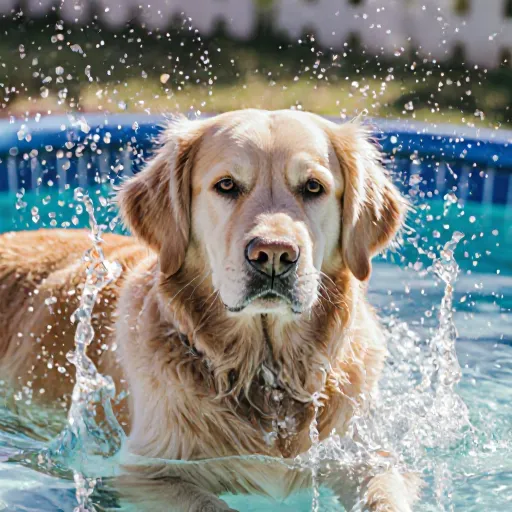
Quick Calm Tricks for Your Dog
“Canine Calm in a Splashy World: Quick Tips Inside”
Table of Contents
- Introduction
- Know Your Dog’s Temperament
- Supervise at All Times
- Use a Floatation Device
- Teach Basic Commands Near Water
- Create a Safe Entry/Exit Point
- Keep the Pool Covered When Not in Use
- Check for Chlorine or Chemical Exposure
- Provide Fresh Water Nearby
- Limit Swimming Time to Prevent Fatigue
- Avoid High Temperatures and Sunburn
- Inspect the Pool Area for Hazards
- Have an Emergency Plan in Place
- Conclusion
- FAQ
Introduction
When you have a pool in your backyard, it’s not just about the humans who enjoy swimming—your four‑legged friends can also be at risk if proper precautions aren’t taken. Below are practical steps and real‑world examples to keep your dog safe while you relax by the water.
1. Supervise Every Time
Never leave a dog unattended near a pool, even for a few minutes. Dogs can quickly become curious about moving water or a floating toy. If you’re going to step away, consider using a pet gate that blocks access to the pool area.
Example:
- Maggie the Labrador was excited by a rubber duck drifting across the surface. She tried to grab it and slipped into the shallow end, nearly drowning. A simple gate prevented this incident.
2. Teach “Leave It” & “Drop It” Commands
These basic obedience commands are lifesavers when a dog’s curiosity leads them toward water or pool accessories. Practice regularly in safe environments before applying the commands near a pool.
Practical Drill:
- Show your dog a treat and say “Leave it.” Wait until they stop approaching; then reward with a different treat.
- Repeat with a toy or pool float. If they drop it, praise and give a treat.
3. Install Physical Barriers
A sturdy fence or pool cover is the most effective way to prevent accidental entry. Choose a child‑proof fence with a gate that opens outward (away from the water) so it’s harder for a dog to force open.
Installation Tip:
- Use automatic pool covers that close when not in use; they’re less visually obtrusive and still provide safety.
4. Provide an Alternative Water Source
Dogs may be drawn to the pool because of the water itself. Offer a shallow kiddie pool or a dog‑friendly tub filled with cool water. Add a floating toy for enrichment.
Case Study:
- Baxter the Beagle was frequently seen sniffing around the main pool. By setting up a small, shallow kiddie pool in the same yard, Baxter’s interest shifted away from the deeper water, reducing risk.
5. Use Protective Gear
A dog life jacket can be invaluable for dogs that love to swim or have limited swimming ability. Choose a size and style that fits snugly without restricting movement.
Choosing the Right Jacket:
- Measure your dog’s chest circumference.
- Select a jacket with adjustable straps and a secure buckle system.
6. Keep Pool Chemicals Away
Even if a dog doesn’t swim, they might chew on pool toys or lick surfaces that have chemical residues. Store chemicals in a locked cabinet out of reach.
Practical Advice:
- Use child‑proof latches on storage cabinets.
- Apply a non‑slip mat around the chemical container to prevent accidental spills.
7. Educate Guests and Family Members
Everyone in the household should understand the pool safety rules. Display signs like “Dog Off Limits” near the fence or gate, and remind visitors of the importance of supervision.
Sign Example:
Attention: This area is designated for pool use only. Please keep pets off the fence and supervise at all times.
8. Monitor Your Dog’s Health
Some dogs have health conditions that can be exacerbated by water exposure, such as heart or lung issues. Consult your veterinarian before allowing swimming sessions.
Checklist:
- Check for ear infections—water can worsen them.
- Ensure the dog is up to date on vaccinations and parasite prevention.
9. Emergency Preparedness
Accidents happen, so be ready with a rescue plan:
- Know your dog’s weight and size for selecting the right life jacket or flotation device.
- Keep a first‑aid kit nearby—include items like waterproof towels, a suction cup for removing debris from eyes, and a list of emergency contacts.
- Practice rescue drills with a trainer or local animal rescue organization.
10. Celebrate Safe Swimming Days
Create positive associations by rewarding your dog for calm behavior around the pool. Use treats, praise, and gentle play to reinforce that the pool area is safe when you’re present.
By combining these practical measures—supervision, barriers, training, protective gear, and emergency readiness—you can enjoy a worry‑free summer while keeping your canine companion safe near the water.
Know Your Dog’s Temperament
Before you even think about letting your dog near a pool, take a moment to assess their natural disposition. A dog's temperament is shaped by genetics, early socialization, and daily experiences. Recognizing whether they are bold, cautious, curious, or anxious can help you predict how they will react in a wet environment.
Key Temperament Traits to Observe
- Curiosity vs. Caution: Dogs that love exploring may jump into the pool without hesitation, while cautious dogs might hesitate until they see you first.
- Energy Level: High‑energy breeds (e.g., Border Collies, Jack Russell Terriers) often need more supervision because they can become hyperactive in water.
- Aversive vs. Affectionate: Dogs that dislike being handled may struggle with swim gear or a leash, whereas affectionate dogs tend to cooperate easily.
- Previous Water Experience: A dog that has been introduced to shallow water early on will usually adapt faster than one who has never seen water.
Practical Ways to Gauge Temperament Around Water
- Start Small: Place a shallow kiddie pool in your yard and let the dog sniff it. Observe if they approach calmly or bark at the edges.
- Use Treats as Incentives: Offer high‑value treats while standing near the water. A dog that will walk to you for food demonstrates trust and a positive attitude toward the area.
- Monitor Body Language: Tail tucked, ears pinned back, or a stiff posture can signal discomfort. Conversely, loose tail wagging and relaxed ears indicate confidence.
Safety Tips for Dogs Around Pools
Once you know your dog's temperament, implement these safety measures to keep them protected:
- Install a Pool Fence or Gate:
- Ensure the fence is at least 5 ft tall and that the gate can be securely latched.
- Use self‑closing, self‑locking gates to prevent accidental entry.
- Provide a Dedicated Dog Pool:
- A shallow dog pool with a low rim allows safe swimming without the risk of drowning.
- Keep it separate from the main pool to avoid accidental jumps.
- Use a Dog Life Jacket:
- Choose a jacket that fits snugly but comfortably; check for proper chest and neck coverage.
- Test the jacket in a controlled environment before using it in your main pool.
- Never Leave Your Dog Unattended:
- Even calm dogs can panic or get tired and struggle. Keep a firm leash or supervise closely.
- If you have multiple pets, ensure one adult is always watching the dog near water.
- Teach “Leave It” and “Come” Commands:
- Reinforce these commands in dry areas first, then practice near shallow water.
- Use treats or a favorite toy to reward compliance.
- Check Water Quality Regularly:
- Stagnant or chemically imbalanced water can cause skin irritation or respiratory issues.
- Flush or treat the pool as recommended by your local health department.
- Keep a First‑Aid Kit Nearby:
- Include items such as antiseptic wipes, gauze, and an emergency phone number for veterinary services.
- Learn basic canine first aid to handle cuts or splashes promptly.
- Introduce Gradually:
- Let the dog explore the pool area while you are present. Do not force them into deep water.
- Use a floatation device or a towel to help them feel secure as they learn to swim.
- Plan for Extreme Weather:
- On hot days, provide shade and fresh water. Avoid letting dogs swim in the peak heat to prevent overheating.
- During rainy or windy conditions, keep your dog indoors as they may be more prone to slipping or getting chilled.
Final Thought
Your dog's temperament is a roadmap for how you’ll manage their safety around pools. By combining careful observation with solid preventive measures—fencing, life jackets, supervision, and gradual exposure—you can ensure that both your dog and your family enjoy the water responsibly.
Supervise at All Times
When it comes to keeping your canine companion safe near a swimming pool, supervision at all times is the single most effective rule you can enforce. Dogs are naturally curious and their instinctual love for water can quickly turn into an accidental plunge if left unchecked.
- Unexpected entry: Even a well-behaved dog may slip through a small opening or jump over a low fence. A moment’s lapse in attention can lead to drowning.
- Heat exhaustion: Dogs can overheat faster than humans, especially on hot days. Close monitoring helps you spot signs of distress early.
- Preventing accidents: Supervision allows you to intervene before a dog slips, loses footing, or gets tangled in pool equipment.
- Designate a “pool guard”: Assign one family member or friend the sole responsibility of watching the dog while the pool is in use. Rotate duties so no single person feels overburdened.
- Use a leash or harness: Even if your dog is trained to stay away from water, a short leash can serve as an extra safety net during playtime.
- Set clear boundaries: Mark the pool area with bright-colored tape or a low fence. Teach your dog that crossing this line triggers a gentle but firm correction.
- Schedule breaks: If you’re supervising for an extended period, take short intervals to rest and hydrate—your alertness is vital.
While supervision is critical, training can reduce the risk of incidents. Here are some drills:
- “Leave it” command: Practice with a treat near the pool edge; when you say “leave it,” reward your dog elsewhere.
- Water introduction: Start with shallow, shallow water and gradually increase depth while rewarding calm behavior.
- Recall training: Ensure your dog reliably comes back to you when called, even in a distracting environment like a poolside party.
Despite best efforts, accidents can happen. Prepare the following items within easy reach:
- First-aid kit for dogs: Include bandages, antiseptic wipes, and a small bottle of water.
- Rescue gear: A life jacket or flotation device designed for pets can give your dog extra buoyancy if they fall in.
- Emergency contacts: Keep numbers for your local veterinary clinic and an emergency pet hospital handy.
By combining unwavering supervision with thoughtful training and preparedness, you create a safe environment where both you and your dog can enjoy the pool without worry. Remember: the best safety measure is never leaving your pup unattended near water—always keep that eye on them!
Use a Floatation Device
When your dog is near or in the pool, a properly sized floatation collar or life jacket can be a lifesaver. While many dogs love to splash around, not all are strong swimmers, and even experienced swimmers can get tired or disoriented in deeper water.
Choosing the Right Device
- Fit is Key: Measure your dog’s chest circumference (the width of the rib cage just behind the front legs) and compare it to the manufacturer’s sizing chart. A collar that’s too loose can slip off, while one that’s too tight may restrict breathing.
- Material Matters: Look for durable, UV‑resistant nylon or neoprene. Neoprene offers more buoyancy but can be heavier; nylon is lighter and often comes with adjustable straps.
- Visibility: Choose bright colors (neon yellow, orange, or pink) so you can spot your dog quickly in the water.
Types of Floatation Devices
- Collars with Buoyant Inserts: Simple and lightweight. Best for short swims or when supervising closely.
- Full-Body Life Jackets: Offer the most support, especially for larger breeds or dogs that are not natural swimmers.
- Floatation Vests with Harness Features: Combine buoyancy with a harness to keep the dog’s head above water even if they’re struggling.
Practical Tips for Using Floatation Devices
- Always put on the device before letting your dog enter the pool. Don’t let them “grab” it from the side; this can cause accidents or panic.
- Check for signs of distress: labored breathing, frantic paddling, or a flailing tail. Even with a collar, a tired dog may need a break.
- Never leave your dog unattended in the pool, even if they’re wearing a flotation device. Sudden currents, splashes from other swimmers, or hidden debris can still pose risks.
- When you’re finished swimming, remove the collar immediately to prevent it from becoming tangled or getting caught on pool equipment.
Real‑World Scenario
Case Study: A medium‑sized terrier named Milo loves water but has a short stride and can’t keep up with the family’s longer dogs. The owners purchased a lightweight nylon collar with a foam insert. They put it on before each swim, adjusted the straps for a snug fit, and always supervised him closely. During one afternoon, Milo started to tire after chasing bubbles; his owner noticed his breathing slowed and pulled him out—thanks to the collar’s buoyancy, Milo didn’t panic and made it back safely.
Bottom Line
Floatation devices are an essential safety tool for any dog that spends time near or in a pool. Proper sizing, vigilant supervision, and regular checks ensure your pet can enjoy the water without risk. Treat them as part of the same safety checklist you’d use for children: never rely solely on a collar; combine it with good habits and attentive care.
Teach Basic Commands Near Water
When you introduce your dog to a pool or any body of water, the key is to combine basic obedience training with safety precautions. By reinforcing commands like “Sit,” “Stay,” “Come,” and “Leave it”, you give yourself reliable tools to keep your pup out of danger.
1. Start With a Calm Foundation
- Choose a quiet spot near the pool edge: Begin training in an area with minimal distractions so your dog can focus on you.
- Use high-value treats: Small pieces of cheese, chicken jerky, or commercial “high‑value” biscuits work well to keep attention focused.
2. Command “Sit” and “Stay” at the Pool Edge
- Sit: Hold a treat above your dog’s nose, then move it backward while saying “sit.” When he sits, reward immediately.
- Stay: Once seated, open your palm toward him and say “stay.” Take one step back. If he stays, return, praise, and give another treat. Gradually increase distance and duration.
3. Introduce the “Come” Command Near Water
Use a long leash (30–50 feet) so you can keep control while letting your dog explore safely.
- Call his name followed by “come.” When he approaches, reward with a treat and affection.
- If he hesitates or runs away, gently tug the leash back to him while maintaining a calm voice.
4. Teach “Leave It” for Water‑Related Triggers
This command is crucial if your dog sees something in the water that could be hazardous (e.g., a floating toy, a stranger, or an object).
- Show him a treat and say “leave it.” When he stops trying to take it, give a different treat from the other hand.
- Practice with a small pool float or a water‑filled bottle. If he tries to grab it, say “leave it” and redirect his attention to you.
5. Use Positive Reinforcement With Water Rewards
If your dog enjoys swimming, incorporate positive reinforcement that involves the pool:
- Water treats: Wet biscuits or small portions of tuna can be used as rewards near the water.
- When he follows a command successfully by the pool, give a splash of warm water on his muzzle to create an association between the command and a pleasant experience.
6. Gradual Exposure and Consistency
Start with short sessions (5–10 minutes) and gradually increase as your dog becomes more confident. Keep training consistent—use the same hand signals, tone of voice, and reward structure every time.
7. Safety Tips to Pair With Training
- Never leave a dog unattended near water: Even if he’s well‑trained, accidents happen.
- Install a pool fence or gate: A self‑closing gate is essential for preventing unsupervised access.
- Use a life jacket if your dog isn’t a strong swimmer: This adds an extra layer of safety, especially during initial training sessions.
- Watch body language: Signs of anxiety (panting, whimpering) may indicate the dog is overwhelmed; give him a break and retry later.
8. Practical Example: A Day at the Pool
Imagine you’re at your backyard pool on a sunny Saturday:
- Pre‑pool check: Walk around with the leash to ensure no loose objects or hazards.
- Warm‑up commands: Practice “sit” and “stay” for 2 minutes near the edge.
- Introduce “come”: Call him from a short distance, reward when he reaches you.
- Water play: Let him splash with a toy while using “leave it” if he tries to grab something dangerous.
- Cool‑down: Finish with a final “sit” and “stay” session before letting him run free in the pool.
By weaving basic obedience into water play, you create a safe environment that lets your dog enjoy the pool while keeping everyone—human and canine—protected.
Create a Safe Entry/Exit Point
When designing a dog-friendly pool area, the first step is to ensure that your dog can safely get in and out of the water. A well‑planned entry/exit point reduces the risk of slips, falls, or accidental drowning.
1. Choose the Right Spot
- Low slope or step: Install a gentle incline or a small, stable step that matches your dog’s height and stride. For larger breeds, use a wider ramp; for smaller dogs, a simple curb will do.
- Clear of obstacles: Keep the area free from loose debris, toys, or slippery surfaces such as wet grass or moss.
- Consistent lighting: Place a bright LED light near the entry point so your dog can see it even in low‑light conditions.
2. Use Non‑Slip Materials
The surface leading to and from the pool should be slip-resistant. Consider these options:
- Rubber mats or tiles: Easy to clean, durable, and provide excellent traction.
- Textured concrete or pavers: Add a rough finish or embed non‑slip strips for extra grip.
- Gravel or crushed stone: Works well in natural settings but ensure the particles are small enough not to injure paws.
3. Secure Handrails or Support Bars
For dogs that struggle with balance—especially seniors, puppies, or those recovering from injury—a sturdy handrail can be a lifesaver.
- Install at the correct height: For most dogs, a rail about 12–15 inches above the ground works well. Adjust if your dog is very tall or short.
- Use durable metal or wood: Stainless steel or treated hardwood are good choices because they resist corrosion and splintering.
- Secure firmly to the pool wall or posts: Use heavy‑duty brackets rated for outdoor use.
4. Keep the Exit Path Clear
After swimming, your dog should be able to exit quickly and safely. Make sure:
- The path is wide enough for the dog’s size.
- No sudden changes in elevation that could cause tripping.
- There are no loose stones or uneven tiles that might injure paws.
5. Test and Train
Once the entry/exit area is built, test it with your dog before allowing full access to the pool:
- Practice runs: Walk your dog up and down the ramp or step a few times while encouraging calm behavior.
- Positive reinforcement: Use treats and praise when your dog successfully navigates the entry/exit point.
- Observe body language: Look for signs of hesitation or discomfort, and adjust the design if needed.
Practical Tips & Common Mistakes
- Don’t forget drainage: Ensure water does not pool on the ramp or step; add a slight slope toward the pool’s edge.
- Avoid glass or sharp edges: These can injure paws and create hazards if broken.
- Regular maintenance: Inspect for loose tiles, worn-out mats, or rusted rails every few months.
By investing time in creating a safe entry/exit point, you give your dog confidence to enjoy the pool while minimizing injury risks. A well‑designed path not only protects your pet but also makes for a cleaner and more enjoyable backyard experience.
Keep the Pool Covered When Not in Use
One of the simplest yet most effective ways to protect your dog (and everyone else) from accidental falls into an uncovered pool is to use a high‑quality, fully sealed cover. A well‑installed cover not only keeps dogs out but also reduces maintenance costs and improves energy efficiency.
Why Covers Matter for Dog Safety
- Prevents Sudden Drowning: Dogs can slip or jump into a shallow pool in seconds. A cover eliminates that risk entirely.
- Reduces Heat Loss: An open pool loses heat rapidly, especially in cooler months. Covers help keep the water temperature stable, making it safer for pets to play nearby without overheating.
- Minimizes Chemical Exposure: Chlorine and other sanitizers can be irritating to a dog's skin and paws if they splash or ingest small amounts of water. A cover keeps chemicals contained.
Choosing the Right Cover
- Material:
- Fabric covers: lightweight, easy to lift, but require a strong anchoring system.
- Rigid plastic or aluminum panels: more durable and can be custom‑cut for your pool shape.
- Hybrid systems: combine fabric with rigid frames for added stability.
- Security Features:
- Automatic or manual locking mechanisms to keep the cover in place even on windy days.
- Integrated sensors that alert you if the cover is pulled or lifted while pets are nearby.
- Ease of Use: Look for covers with ergonomic handles, a smooth lifting mechanism, and low maintenance requirements.
Installation Tips
A cover is only as safe as its installation. Follow these steps to ensure maximum protection:
- Measure Accurately: Use a laser measuring tool or a tape measure to get precise dimensions of your pool’s perimeter.
- Use a Professional Installer: Especially for rigid panel covers, professional installation guarantees proper sealing and anchoring.
- Check Weather Conditions: Install during mild weather; wind can damage or dislodge covers if not properly secured.
Maintenance and Inspection
Regular checks keep your cover in top shape and prevent accidents:
- Monthly Inspections: Look for tears, frayed edges, or loose seams.
- Annual Replacements: Even the best covers degrade over time; replace them after 5–7 years or sooner if damage is noticed.
- Keep it Clean: Remove leaves and debris that can compromise seal integrity or cause slipping when lifting.
Practical Dog‑Friendly Practices
While a cover provides the first line of defense, combine it with these additional measures for a comprehensive safety plan:
- Dog Training: Teach your dog basic commands like “stay” and “no” near the pool area.
- Supervised Playtime: Never leave a dog unattended in the backyard during warm weather; even a brief lapse can lead to accidents.
- Use a Pool Fence: If you prefer an open cover or have multiple pools, install a child‑proof fence with a self‑locking gate for extra security.
Real‑World Example
Case Study – Bella’s Rescue: Bella, a 5‑year‑old Labrador, slipped into an uncovered pool while chasing a ball. The incident was prevented when her owners installed a custom rigid panel cover with an automatic locking system. After the upgrade, Bella never approached the water again, and the family could enjoy their backyard without constant worry.
Bottom Line
A properly fitted pool cover is your most reliable safeguard against accidental dog drownings. By selecting the right material, ensuring secure installation, maintaining it regularly, and pairing it with responsible pet ownership practices, you create a safe, enjoyable environment for both your canine companion and everyone else in the household.
Check for Chlorine or Chemical Exposure
When a dog has spent time in or around a pool, the first thing to look out for is chemical exposure. Most pools use chlorine or other sanitizers that can cause skin irritation, vomiting, and even more serious health problems if ingested.
Common Symptoms of Chemical Exposure
- Vomiting or diarrhea: The dog may try to expel the chemicals from its stomach.
- Irritated skin or eyes: Look for redness, swelling, or a watery discharge.
- Coughing or wheezing: Inhalation of chlorine fumes can irritate the respiratory tract.
- Lethargy or weakness: The dog may seem unusually tired or unresponsive.
Immediate Steps to Take
- Remove your dog from the pool area: Move them to fresh air and a safe, shaded spot.
- Rinse off gently: Use lukewarm water to wash away any residual chemicals from fur and skin. Avoid scrubbing hard; this can irritate already sensitized areas.
- Check the eyes and mouth: If you see cloudiness or irritation, rinse them with a pet-safe eye wash solution (available at most pet stores).
- Observe for symptoms: Keep an eye on breathing patterns, heart rate, and behavior. If any signs of distress appear, contact your veterinarian immediately.
When to Seek Veterinary Care
Contact a vet if you notice:
- Persistent vomiting or diarrhea lasting more than an hour.
- Severe skin burns, blistering, or open sores near the pool area.
- Coughing that worsens or turns into wheezing.
- Any sign of difficulty breathing or rapid heart rate.
Preventative Measures for Future Pool Days
- Use a pet-safe pool cover: This keeps chemicals from splashing onto your dog’s paws and fur.
- Keep your dog out of the water during chemical additions: Many pools add chlorine or other sanitizers at night. Ensure your dog is secured in a safe area during these times.
- Use non-chlorine sanitizers if possible: Some owners switch to mineral-based systems like saltwater or copper-silver ionization, which can be gentler on pets.
- Provide a shallow dog pool: A separate kiddie pool with pet-friendly water allows your dog to splash safely without exposing them to human pool chemicals.
By staying vigilant and following these steps, you can help keep your furry friend safe from chlorine or chemical exposure while enjoying the fun of a pool season together.
Provide Fresh Water Nearby
Providing fresh water near the pool area is essential, but it’s just one part of a comprehensive plan to keep your dog safe and healthy when you’re enjoying the sun. Below are detailed guidelines, real‑world examples, and practical tips that will help you create a secure environment for both pets and people.
1. Keep Water Accessible and Clean
- Use a shallow bowl: Place a lightweight, non‑spill bowl in the shade near the pool. A plastic or stainless steel dish that can be tipped over easily prevents spills.
- Check temperature: Dogs are sensitive to water temperature; offer cool water during hot days and warm water when it’s chilly.
- Clean frequently: Replace the water at least once a day or after heavy use. Stagnant water can harbor bacteria that may cause gastrointestinal upset in dogs.
2. Prevent Pool Access
Even a well‑fenced pool can be tempting for a curious pup. Use these strategies to keep your dog from slipping into the water:
- Install a non‑climbable fence: A 6–8 foot tall, solid barrier with no gaps or overhangs is ideal.
- Use a pool cover: An automatic or manual cover that stays in place when the pool isn’t in use eliminates accidental entry.
- Set up a dog gate: A child‑proof gate with a solid door can be positioned at one of the fence’s lower corners to create an extra barrier.
3. Teach Your Dog Basic Commands
Training is your first line of defense. These commands are especially useful around water:
- "Leave it": Train your dog to ignore objects or areas, such as the pool edge.
- "Stay" and "Come": Reinforce boundaries and ensure they return quickly if they wander too far.
- "Sit" and "Down": These help keep your dog calm while you supervise them near the pool.
4. Use a Life Jacket (When Necessary)
If you have an older dog, one with mobility issues, or simply want extra peace of mind, consider a canine life jacket:
- Select the right size: Measure your dog’s chest circumference and weight to ensure a snug fit.
- Choose the right style: Inflatable jackets are lightweight; hard shells offer more protection for active dogs.
- Practice in shallow water before letting them swim in deeper areas.
5. Supervise at All Times
No safety measure replaces direct supervision. Even if your dog is well‑trained, accidents can happen:
- Stay within arm’s reach of the pool area.
- Avoid distractions: Keep toys and treats away from the edge to reduce temptation.
- Be aware of signs of distress: Whining, frantic pacing, or attempts to jump over fences are red flags.
6. Know the Signs of Pool‑Related Health Issues
Prompt recognition can prevent serious complications:
- Inhalation of chlorinated water: Look for coughing, wheezing, or sudden breathing difficulty.
- Skin irritation: Redness, itching, or hair loss near the pool area may indicate chemical exposure.
- Drowning signs: Unsteady gait, confusion, or inability to stay afloat requires immediate veterinary attention.
7. Create a Dog‑Friendly Pool Zone
By designing the pool area with pets in mind, you can reduce risk and enhance enjoyment for everyone:
- Shaded rest spots: Install a pergola or canopy where dogs can cool down.
- Non‑slippery surfaces: Use rubber mats or textured tiles around the pool to prevent slips.
- Pet waste station: Keep poop bags and a small trash bin handy for quick clean‑ups.
8. Emergency Preparedness
Even with precautions, emergencies can happen. Prepare in advance by:
- Keeping your phone charged and a list of emergency contacts (vet, local animal hospital) within reach.
- Having a first aid kit specifically for dogs nearby.
- Practicing evacuation routes so you can quickly move your dog to safety if needed.
By combining these practical measures—fresh water provision, robust fencing, training, life jackets, constant supervision, health vigilance, thoughtful design, and emergency readiness—you’ll create a safe haven that lets both you and your canine companion enjoy the pool season with confidence.
Limit Swimming Time to Prevent Fatigue
Even the most energetic dog can become exhausted if left in a pool for too long. Over‑exertion not only leads to tiredness but also increases the risk of muscle cramps, dehydration, and heatstroke—especially on hot days or in warm water.
How Long Is Too Long?
- Small breeds (under 20 lb): 10–15 minutes per session.
- Medium breeds (20–50 lb): 15–25 minutes per session.
- Large breeds (over 50 lb): 20–30 minutes per session.
These ranges are guidelines; always observe your dog’s behavior. Signs of fatigue include: slowing down, panting heavily, floating on the surface, or refusing to move.
Practical Tips for Managing Swimming Time
- Use a timer: Set a kitchen timer or use your phone’s alarm to keep track of each session. Reset it after each break.
- Schedule short breaks: Every 5–10 minutes, let your dog rest on the poolside. Offer water and a cool towel.
- Keep sessions spread out: Instead of one long swim, split the total time into two or three shorter swims throughout the day.
- Use a floating toy or leash: A buoyant toy can help your dog stay in the shallow end for longer without over‑exerting. If you’re concerned about safety, attach a leash to keep them within a safe distance from deep water.
- Monitor temperature: Warm water (above 82 °F/28 °C) can accelerate fatigue. On hot days, consider using a shaded area or a pool cooler.
Signs Your Dog Needs a Break
| Behavior | What It Means |
|---|---|
| Slow pacing or floating without effort | Exhaustion; needs rest. |
| Heavy panting, drooling, or a rapid heart rate | Possible overheating or dehydration. |
| Refusal to swim or frequent attempts to leave the water | Fatigue or discomfort; give them time to rest. |
When to End a Session Early
If you notice any of these symptoms—excessive panting, shaking, or visible distress—stop the swim immediately. Even if your dog appears fine, it’s better to err on the side of caution and allow them to cool down in a shaded area with fresh water.
Aftercare: Hydration & Recovery
- Offer water: Provide clean drinking water immediately after swimming. If your dog has been active for an extended period, consider adding a pinch of salt to the water (consult your vet first).
- Towel dry: Gently pat your dog dry to reduce surface temperature and prevent chills.
- Check for injuries: Look for cuts, abrasions, or signs of swimmer’s ear. Rinse ears with a veterinarian‑recommended solution if needed.
By respecting your dog’s limits and using these practical strategies, you can keep pool time fun, safe, and healthy—while preventing fatigue and its associated risks.
Avoid High Temperatures and Sunburn
Just like humans, dogs can suffer from heat exhaustion and sunburn if they’re exposed to intense sunlight or hot surfaces for too long. When it comes to pools, the combination of direct UV rays, reflective water surfaces, and warm sand or concrete can create a perfect storm for overheating and skin damage.
Why Dogs Need Sun Protection
- Heat Stroke Risk: Small breeds, brachycephalic dogs (e.g., pugs, bulldogs), and dogs with thin coats or light-colored skin are especially vulnerable. Signs include excessive panting, drooling, weakness, and vomiting.
- Sunburn Zones: Commonly affected areas include ears, noses, lips, belly, and the underside of tails—especially in dogs with exposed skin or short fur.
- Long-Term Damage: Repeated sun exposure can lead to skin cancer, especially melanoma on the ears and lips.
Practical Safety Tips
-
Check the Time of Day:
The strongest UV rays occur between 10 AM and 4 PM. Try to schedule pool visits in the early morning or late afternoon.
-
Use Shade Structures:
- Set up a shade sail, umbrella, or pop-up canopy near the pool edge.
- Place your dog’s towel or a lightweight blanket on a shaded surface to rest.
-
Apply Dog-Safe Sunscreen:
Choose a sunscreen formulated for pets (non-toxic, no fragrance). Apply generously to ears, nose, belly, and tail underside. Reapply every 2–3 hours or after swimming.
-
Hydration Station:
- Keep a shallow dish of cool water nearby so your dog can sip whenever they feel thirsty.
- Never leave a dog unattended in hot spots; even brief exposure can cause overheating.
-
Dress for Protection:
Lightweight, breathable dog clothing or swim vests can provide an extra layer of sun protection and help keep your pet cool. Ensure the garment fits snugly but comfortably to avoid chafing.
-
Monitor the Dog’s Skin:
- After a pool outing, inspect for redness, peeling skin, or unusual bumps.
- If you notice any concerning changes, consult your veterinarian promptly.
Real-World Example
Case Study: Bella the Beagle
Bella loves splashing in the pool, but her owner noticed she was panting heavily after a short swim during peak sunlight. By shifting Bella’s playtime to early morning and applying a pet-safe sunscreen on her ears and belly, Bella enjoyed the water without overheating. The owner also installed a pop-up canopy for shade, reducing Bella’s sun exposure by 70%.
Quick Reference Checklist
- Pool visit time: before 10 AM or after 4 PM
- Shade available? Yes/No
- Sunscreen applied? Yes/No
- Hydration station set up? Yes/No
- Dog wearing protective clothing? Yes/No
Following these guidelines not only keeps your dog safe from heat and sunburn but also ensures a more enjoyable, stress-free pool experience for both of you.
Inspect the Pool Area for Hazards
Before letting your dog near the pool, perform a thorough safety check. A quick visual inspection can prevent many accidents and ensure that both you and your pup stay safe.
1. Check for Physical Barriers
- Pool Fences: Ensure fences are at least 4 ft tall, have no gaps larger than 2 inches, and are secured to the ground with lockable latches.
- Decking & Steps: Inspect for loose boards or missing handrails that could become tripping hazards. Replace any damaged steps promptly.
- Gate Locks: Verify that all gates are latched and cannot be opened by a curious pup.
2. Look for Loose Objects
Dogs love to chew, so keep the pool perimeter clear of:
- Plastic bags & trash that could be swallowed.
- Broken toys or small accessories that can choke a dog.
- Loose pool covers or mats that might slip and cause slips.
3. Assess Water Quality and Depth
A shallow, murky pool may hide hazards:
- Test the pH and chlorine levels; too high can irritate a dog's skin and eyes.
- Use a depth gauge or marked lines to confirm safe swimming depths for your dog’s size.
4. Verify Lighting Conditions
Proper lighting reduces the risk of accidental falls:
- Check that pool lights are working and illuminate both the water surface and surrounding deck.
- Add motion‑sensor LED strips around the edge for nighttime visibility.
5. Inspect Pool Equipment
Secure any equipment that could be hazardous:
- Cover pool pumps and filters when not in use.
- Keep cords out of reach or wrapped in protective sleeves.
- Check that the floatation devices are intact, with no torn seams.
6. Keep an Eye on Pet-Friendly Features
If you have a dog‑friendly pool area:
- Ensure non-slip surfaces around the pool to prevent slips.
- Install a shallow “dog pool” with adjustable depth if your pup is small or inexperienced.
- Use pet-safe, low‑chlorine water and add a dog‑friendly sanitizer if needed.
Practical Tips for Routine Inspections
- Schedule Regular Checks: Do a quick visual inspection every morning before you or your dog enters the pool area.
- Create a Checklist: Print and keep a laminated list of hazards to check; mark each item off during inspections.
- Use Technology: Install a motion‑activated camera or smart home sensor that alerts you if your dog approaches the pool unsupervised.
By staying vigilant and proactively addressing potential hazards, you give yourself peace of mind while providing a fun, safe environment for your canine companion to enjoy the water.
Have an Emergency Plan in Place
Even with the best precautions, accidents can happen. Having a clear emergency plan will help you react quickly and keep your dog safe if they do slip into or near a pool.
1. Know Your Dog’s Swimming Ability
- Test in shallow water: Before letting your dog play near deeper sections, observe how they handle moving water and waves. If they hesitate or seem anxious, consider keeping them on the shore.
- Use a flotation device: For dogs that are not confident swimmers, attach a life vest designed for pets. This can provide buoyancy and give you peace of mind while still allowing your dog to enjoy the water safely.
2. Create a “Safe Zone” Map
Draw a simple diagram on a piece of paper or use an app that marks:
- The pool’s edge and depth changes.
- Shallow areas suitable for dogs.
- A designated “no-go” line beyond which you will not allow your dog to wander.
3. Keep Rescue Gear Within Reach
- Throw rope or tether: Attach a light, non‑restrictive rope to the pool fence so you can quickly pull your dog out if they drift too far.
- Life jacket kit: Store a spare life vest and a small rescue board near the pool area. Make sure all family members know where it is located.
4. Establish “Check‑In” Times
Set specific intervals (e.g., every 10 minutes) to pause, look over your dog’s body language, and ensure they’re still comfortable in the water or on the shore. If you notice signs of distress—panting hard, shaking, or struggling—remove them immediately.
5. Practice “Rescue Drill” with Your Dog
- Simulate a fall: Gently place your dog in the water and practice pulling them out quickly using the rope or your hands.
- Reinforce calm behavior: Use treats and praise to reward calmness during the drill, so your dog associates rescue actions with positive outcomes.
6. Know First Aid for Dogs
- Carry a pet first aid kit that includes gauze, antiseptic wipes, and a list of emergency contacts (veterinarian, local 911). If your dog becomes disoriented or shows signs of hypothermia, use the kit to keep them warm and clean.
- Learn how to perform CPR on dogs—many veterinary offices offer short courses, and online tutorials can guide you through the steps.
7. Post‑Incident Review
After any near‑miss or emergency situation:
- Document what happened, how you responded, and what worked well.
- Adjust your plan accordingly—perhaps adding more supervision or redefining safe zones.
- Share lessons with family members so everyone knows their role in future incidents.
Practical Tips Recap
- Always supervise dogs near pools, even if they’re good swimmers.
- Use a life vest or tether for added safety.
- Keep rescue gear and first aid supplies close at hand.
- Regularly practice emergency drills to build confidence.
- Review and update your plan after each incident.
By preparing ahead of time and maintaining a calm, organized approach, you’ll give your dog the best chance for a safe and enjoyable experience around pools.
Conclusion
Keeping your canine companion safe near a pool is as important as securing the water itself. While many dogs love to splash and play, they can also become accidental swimmers or fall into dangerous situations if proper precautions aren’t taken.
1. Install a Reliable Pool Fence
- Height & Design: Choose a fence that is at least 4 ft tall with a self‑locking gate to prevent easy escape.
- Gate Security: Opt for a gate that closes automatically or requires an adult to open it. Avoid simple latch mechanisms that a curious pup can push open.
- Material Matters: PVC or aluminum fences offer durability and are less likely to be tipped over by a determined dog.
2. Use Pool Covers When Unattended
- Weighted Covers: Ensure the cover is heavy enough that your dog cannot lift it with one paw.
- Quick‑Release Systems: Choose a system that allows you to open and close the cover quickly in case of emergency.
- Non‑Toxic Materials: Verify that the fabric or mesh is free from harmful dyes or chemicals.
3. Teach Basic Pool Boundaries
- Training Commands: Use commands like “stay,” “no,” and “off” consistently near the pool area.
- Positive Reinforcement: Reward your dog with treats or praise when it respects the boundaries.
- Consistent Supervision: Even trained dogs can become curious; never leave a dog unattended around an open pool.
4. Provide Safe Alternatives for Water Play
- Create a shallow kiddie pool or splash area away from the main pool where your dog can safely play.
- Fill a small basin with water and add floating toys to keep your pup entertained without risk.
- Offer chilled treats or frozen peanut‑butter ice cubes for a cool treat that keeps them engaged.
5. Keep the Pool Area Clean and Dry
- Regularly sweep the pool deck to remove debris that could slip under gates or fences.
- Use non‑slip mats around the pool perimeter to prevent your dog from slipping when running or jumping.
- Inspect for cracks or gaps in fencing where a small dog might squeeze through.
6. Know Your Dog’s Swimming Ability
- If your dog is an experienced swimmer, still supervise closely; even strong swimmers can get exhausted and need rescue assistance.
- For dogs that dislike water or are prone to panic, consider installing a pool gate that prevents access entirely.
- Keep a life vest for dogs with medical conditions that could affect buoyancy or balance.
7. Emergency Preparedness
- Maintain a first‑aid kit specifically for pets near the pool, including items like a CPR guide and a small leash.
- Learn basic pet rescue techniques: how to safely lift a dog out of water without causing injury.
- Keep emergency phone numbers—local animal control, veterinary clinic, and a trusted neighbor—in an easily accessible place.
By combining solid physical barriers with training, supervision, and preparedness, you can create a fun yet safe environment where both your dog and the rest of the family enjoy the pool season without worry.
FAQ
Swimming can be a fantastic source of exercise and entertainment for dogs, but it also presents several risks if proper precautions aren’t taken. Below are practical safety measures you should implement to keep your canine companion safe while enjoying the water.
- Always supervise: Never leave your dog unattended near a pool, even if they’re experienced swimmers. Dogs can become exhausted or disoriented quickly.
- Use a life vest: Especially for small breeds, older dogs, or those that are not strong swimmers, a properly fitted dog life jacket can be lifesaving. Test the vest in shallow water before the first swim to ensure it doesn’t restrict movement.
- Teach basic commands: Commands such as “stay,” “come,” and “leave it” should be reinforced around water so you can control your dog’s actions quickly if they get into trouble.
- Create a safe entry/exit point: Install a sturdy, non-slip ladder or step with handrails. This helps prevent slips and allows the dog to climb out easily when tired.
- Check water temperature: Cold water can cause hypothermia in dogs, especially those with short coats. Keep the pool at least 20°F warmer than your dog's normal body temperature for safe swimming.
- Provide fresh water and shade: Dogs can overheat quickly in warm weather. Offer a shallow bowl of cool water and ensure shaded areas where they can rest between swims.
- Use non-toxic pool chemicals: Ensure the pool’s chemical balance is safe for pets. Chlorine levels should stay within the recommended range (1–3 ppm). Consider using pet-safe alternatives if you have a dog that frequently enters the water.
- Install fencing or barriers: A fence around the pool perimeter prevents accidental falls. If your fence is lower than 4 feet, add a self-closing gate to keep dogs from slipping over.
- Keep an eye on health conditions: Dogs with heart disease, lung problems, or joint issues may not handle swimming well. Consult your vet before introducing pool play.
- Plan for emergencies: Keep a first-aid kit that includes items for dogs (e.g., gauze, antiseptic wipes). Know the nearest veterinary clinic and have their phone number handy.
Real-World Example
Amy’s golden retriever, Max, loves swimming but got tangled in a rope while running into the pool. After installing a life jacket for Max and adding a reinforced ladder with non-slip steps, Amy noticed that Max was calmer, more confident, and never struggled to get out of the water again.
Practical Checklist
- Check pool chemistry before each use.
- Place a life jacket on your dog for every swim.
- Set up a non-slip ladder with handrails.
- Supervise continuously; never leave unattended.
- Keep fresh water and shade nearby.
- Carry a pet first-aid kit.
By integrating these safety steps into your routine, you’ll create a fun, secure environment where both you and your dog can enjoy the pool without worry.
Categories
- AI & Enrichment Play
- Broiler Farming
- Broiler Farming Tips
- Canine Wellness & Longevity
- Cat
- Cat & Human Connection
- Cat Adoption & Rescue
- Cat Breeds
- Cat Breeds & Personalities
- Cat Care & Health
- Cat Grooming & Hygiene
- Cat Lifestyle & Environment
- Cat Myths & History
- Cat Nutrition & Diet
- Cat Products & Reviews
- Cat Training & Behavior
- Comparison
- Consumer Awareness
- Dog
- Dog Accessories & Products
- Dog Adoption & Rescue
- Dog Breed & Lifestyle Trends
- Dog Breeding & Puppies
- Dog Entertainment & Media
- Dog Fashion & Trends
- Dog Fun & Lifestyle
- Dog Grooming & Hygiene
- Dog History & Culture
- Dog Myths, Science & Future Tech
- Dog News & Trends
- Dog Nutrition & Food
- Dog Psychology & Emotions
- Dog Safety & Security
- Dog Sports & Activities
- Dog Technology & Innovation
- Dog Training for Modern Owners
- Dog Travel & Adventure
- Dog Travel, Adventure & Culture
- Economic and Market Insights
- Educational Content
- FAQs
- Feeding Alternatives
- Festivals & Seasonal Ideas
- Fun & Entertainment
- General Knowledge
- General Pig Farming
- Health & Disease Management
- Housing and Environment
- Kittens
- Market Insights
- Miscellaneous
- Miscellaneous
- Motivational
- pig
- Pig Breeding
- Pig Breeds
- Pig Farming Stories and Inspiration
- Pig Health and Care
- Pig Nutrition
- Pig Products
- Profitability & Business
- Puppy Care
- Puppy Predictable Topics Reinvented
- Regional Focus
- Rescue & Adoption Buzz
- Senior Cats
- Senior Dog Care
- Smart Dog Tech & Gadgets
- Sustainability
- Sustainable & Eco-Friendly Dog Products
- Tech & Innovations
- Working & Service Dogs
- Broiler Feed66 products
- Country Feed33 products
- Pig Feed66 products
- Product22 products
- Raw Materials99 products
Products
-
 Fish Meal
₹1,999.00 – ₹2,999.00Price range: ₹1,999.00 through ₹2,999.00Rated 0 out of 5
Fish Meal
₹1,999.00 – ₹2,999.00Price range: ₹1,999.00 through ₹2,999.00Rated 0 out of 5 -
 FATTENING BROILER FEED
₹2,299.00 – ₹2,349.00Price range: ₹2,299.00 through ₹2,349.00Rated 0 out of 5
FATTENING BROILER FEED
₹2,299.00 – ₹2,349.00Price range: ₹2,299.00 through ₹2,349.00Rated 0 out of 5 -
 LAYER COUNTRY FEED
₹1,549.00 – ₹1,649.00Price range: ₹1,549.00 through ₹1,649.00Rated 0 out of 5
LAYER COUNTRY FEED
₹1,549.00 – ₹1,649.00Price range: ₹1,549.00 through ₹1,649.00Rated 0 out of 5 -
 COUNTER BROILER FEED
₹1,199.00 – ₹1,299.00Price range: ₹1,199.00 through ₹1,299.00Rated 0 out of 5
COUNTER BROILER FEED
₹1,199.00 – ₹1,299.00Price range: ₹1,199.00 through ₹1,299.00Rated 0 out of 5 -
 LACTATING PIG FEED
Rated 0 out of 5
LACTATING PIG FEED
Rated 0 out of 5₹2,299.00Original price was: ₹2,299.00.₹1,740.00Current price is: ₹1,740.00. -
 Maize
Rated 0 out of 5
Maize
Rated 0 out of 5₹1,650.00Original price was: ₹1,650.00.₹1,300.00Current price is: ₹1,300.00. -
 GESTATION PIG FEED (Phase 1)
Rated 0 out of 5
GESTATION PIG FEED (Phase 1)
Rated 0 out of 5₹2,249.00Original price was: ₹2,249.00.₹1,699.00Current price is: ₹1,699.00. -
 Pre Starter Broiler Feed
₹2,399.00 – ₹2,499.00Price range: ₹2,399.00 through ₹2,499.00Rated 0 out of 5
Pre Starter Broiler Feed
₹2,399.00 – ₹2,499.00Price range: ₹2,399.00 through ₹2,499.00Rated 0 out of 5 -
 FINISHER PIG FEED
Rated 0 out of 5
FINISHER PIG FEED
Rated 0 out of 5₹2,299.00Original price was: ₹2,299.00.₹1,749.00Current price is: ₹1,749.00. -
 Broiler Premix
Rated 0 out of 5
Broiler Premix
Rated 0 out of 5₹820.00Original price was: ₹820.00.₹699.00Current price is: ₹699.00.