
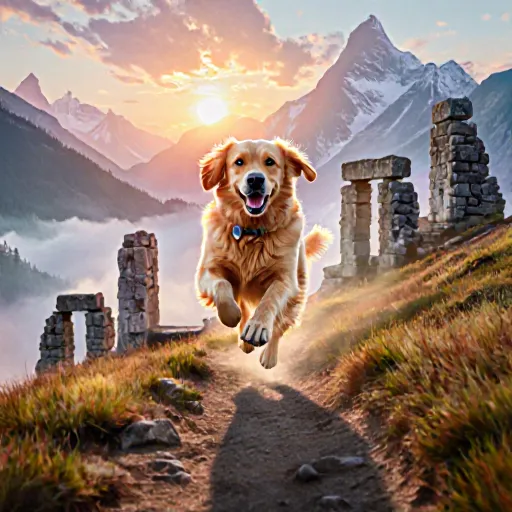
Unleash Adventure on the Trail
“Canine Chronicles: Epic Trails & Secrets for Four‑Legged Explorers”
Table of Contents
- Choosing a Dog-Friendly Campground
- Packing Essentials for Your Canine Companion
- Health and Safety Checks Before You Go
- Training Tips for Camping Etiquette
- Setting Up a Comfortable Dog Tent or Shelter
- Feeding and Hydration Guidelines
- Keeping Your Dog Cool in Hot Weather
- Managing Waste Responsibly
- Dealing with Wildlife Encounters
- Nighttime Safety and Sleeping Arrangements
- Activities: Hiking, Swimming, and More
- First Aid Basics for Dogs
- Traveling with Your Dog in Different Seasons
- Conclusion
- FAQ
Choosing a Dog-Friendly Campground
Finding the right campground is the first step to ensuring both you and your four‑legged companion have an enjoyable trip. Below are key considerations, real‑world examples, and actionable tips that will help you select a place that meets your needs.
1. Check the Campground’s Pet Policy
- Allowed Dogs: Some sites allow only one dog per site, while others permit multiple pets. Make sure to confirm the maximum number of dogs allowed.
- Size Restrictions: Certain campgrounds restrict large breeds (over 50 lb) or require dogs to be leashed at all times.
- Fees: Many sites charge a pet fee—often $10–$20 per dog per night. Look for camps that offer free pet access if you’re on a budget.
- Pet‑Friendly Facilities: Check whether there are designated dog runs, potable water spigots, or waste disposal stations.
2. Location & Accessibility
Consider the distance from your car to the campsite and the terrain your dog can handle.
- Trail Difficulty: If you plan on hiking with your pup, choose a campground near easy or moderate trails that accommodate dogs.
- Road Access: Some remote campgrounds require four‑wheel drive. Verify that the road is dog‑friendly (no steep drop-offs where a leash could slip).
- Proximity to Water Sources: Campgrounds near lakes or rivers are great for dogs that love swimming, but ensure the water is safe and free of strong currents.
3. Safety & Health Considerations
Your dog’s well‑being should be a top priority.
- Insect Protection: Choose camps near natural insect control or bring your own repellant for mosquitoes and ticks.
- Wildlife Awareness: In areas with bears, coyotes, or snakes, verify that the campground has proper wildlife safety measures (e.g., bear‑proof trash cans).
- Medical Facilities: If you’re traveling far from a vet clinic, select a site near a town with emergency animal care.
4. Amenities & Comfort for Your Dog
- Dog Runs or Open Fields: Campgrounds that provide fenced dog runs let your pup play safely while you relax.
- Shade & Cooling Options: Look for camps with trees, shade structures, or nearby streams to keep dogs cool during hot weather.
- Water Supply: A dedicated dog water station or access to potable water is essential; bring extra bottled water if needed.
5. Examples of Highly Rated Dog‑Friendly Campgrounds
| Name | Location | Key Features | Pet Fee |
|---|---|---|---|
| Lake Tahoe State Campground – North Shore | California/Nevada border | Dog runs, hiking trails, lake access, potable water spigots | $10 per dog/night |
| Pine Ridge Campground | Maine’s Acadia National Park | No pet fee, leash‑only policy, scenic trails, shade trees | Free |
| Bluewater RV Resort | Colorado Springs | Large dog runs, water park, pet grooming station, easy road access | $15 per dog/night |
6. Practical Booking Tips
- Reserve Early: Dog‑friendly sites fill up quickly—especially in peak season.
- Use the Right Keywords: Search “dog friendly” or “pet allowed” on campground booking platforms.
- Read Recent Reviews: Look for comments about dog facilities, leash policies, and overall pet friendliness.
- Contact Management Directly: If you have specific questions (e.g., about a dog’s medical needs), call the campground office before booking.
7. Final Checklist Before You Go
- Confirm pet policy and any associated fees.
- Verify leash requirements and available running space.
- Pack dog‑specific gear: extra water, food, bowls, leash, waste bags, first aid kit.
- Check the weather forecast to plan for heat or cold.
- Leave a copy of your pet’s vaccination records with the campground staff (in case of emergencies).
By carefully evaluating these factors and selecting a campground that aligns with both your travel plans and your dog’s needs, you’ll set the stage for a memorable, stress‑free adventure in nature.
Packing Essentials for Your Canine Companion
When you’re planning a weekend getaway into the great outdoors, your canine friend should be treated with the same level of care and preparation as you are. Below is a comprehensive checklist that covers everything from basic supplies to specialized gear that will keep your dog safe, comfortable, and happy while exploring nature.
1. Food & Water
- High-Quality Dog Food: Pack at least one day’s worth of the same brand and flavor your dog normally eats to avoid digestive upset. If you’re staying overnight, consider a dehydrated or freeze-dried option that just needs water added.
- Portable Water Bowl & Hydration System: A collapsible silicone bowl is lightweight and easy to clean. For longer hikes, bring a 2–3 L hydration bladder (e.g., CamelBak H2O) with a dog-friendly drinking tube or attach a pet water filter for streams.
- Water Purification Tablets: If you plan to source water from natural bodies, carry purification tablets or a small UV purifier. This protects against parasites and bacteria that can cause gastrointestinal upset.
2. Shelter & Comfort
- Dog-Friendly Sleeping Pad: A lightweight foam pad or inflatable dog bed provides insulation from cold ground and a comfortable surface for your pup to rest on.
- Canine Tent (Optional): For larger breeds or in regions with extreme weather, consider a small dog tent that offers protection against wind, rain, and insects. Many models are designed to fit under standard tents.
- Blanket or Fleece Layer: A soft blanket can be used as an extra cushion or for warmth during cooler evenings.
3. Health & Safety
- First Aid Kit (Dog Edition): Include items such as gauze, antiseptic wipes, tweezers, a styptic pencil for nosebleeds, and any prescription medications your dog requires.
- Microchip & ID Tags: Ensure the microchip is registered with current contact information. Carry a spare ID tag with your phone number engraved on it.
- Vaccination Records: Keep a digital copy of recent shots and any health certificates if you plan to visit dog-friendly campsites that require proof.
- Insect Repellent (Dog Safe): Use products with citronella or DEET-free formulas. Avoid applying directly on the nose, ears, or paws.
4. Hygiene & Comfort Items
- Litter Box & Waste Bags: Many campsites allow waste disposal in designated bins. Pack a collapsible litter box if your dog is used to indoor elimination.
- Dog Shampoo & Brush: A quick wash after muddy hikes keeps skin healthy and reduces odor.
- Towel or Drying Cloth: Essential for drying off after water activities or rain.
5. Training & Behavior Tools
- Leash & Harness (or Collar): A sturdy, short leash (4–6 ft) gives you control while still allowing your dog to explore safely.
- Positive Reinforcement Treats: Bring small, high-value treats for training sessions and rewarding good behavior in unfamiliar environments.
- Portable Play Area or Puzzle Toys: Keeps your dog mentally stimulated during downtime and reduces destructive behaviors.
6. Miscellaneous Essentials
- Backpack (Dog Pack): For active dogs, a lightweight pack can carry water, treats, and a small first aid kit while keeping your hands free.
- Camera or Phone: Capture memorable moments—just remember to keep the battery charged!
- Map & Compass (or GPS App): In remote areas, navigation tools are crucial for both you and your dog’s safety.
Practical Tips for a Smooth Trip
- Acclimate Your Dog: Before the trip, take short walks in similar terrain to get your pup used to hiking with you.
- Check Weather & Trail Conditions: Avoid extreme heat or cold. Bring extra layers for both you and your dog if temperatures fluctuate.
- Leave No Trace: Pack out all waste, leftover food, and litter. Respect wildlife by keeping a safe distance and feeding only what’s approved.
- Plan Breaks: Stop frequently for water and bathroom breaks—this prevents overexertion and keeps your dog comfortable.
- Know the Rules: Some campsites have specific regulations regarding dogs (e.g., leash length, banned areas). Verify ahead of time to avoid fines or forced removal.
By thoughtfully preparing each category above, you’ll ensure that both you and your canine companion can enjoy a safe, enjoyable, and unforgettable camping adventure. Happy trails!
Health and Safety Checks Before You Go
Before you set off on a dog‑friendly camping adventure, taking the time to prepare can make all the difference. A well‑planned trip protects your pet from common hazards and ensures that both of you enjoy a safe, stress‑free stay.
1. Vet Check‑Up & Documentation
- Annual Physical Exam: Confirm vaccinations are up to date (rabies, distemper, parvovirus). For off‑trail camping in remote areas, a booster may be required.
- Microchip & ID Tags: Ensure the chip is registered with your current address and that tags on collar/vest contain accurate contact info.
- Health Certificate: Some campgrounds or national parks require proof of vaccination for entry. Print a copy to carry in your backpack.
2. Pack Essential Health Gear
| Item | Why It Matters |
|---|---|
| First‑Aid Kit (dog specific) | Includes gauze, antiseptic wipes, tweezers, and a small bottle of oral rehydration solution. |
| Water & Water Bowl | A 1–2 L water bottle or collapsible bowl keeps your dog hydrated during hikes. |
| Portable Waste Bags | Always clean up; many parks enforce “pack‑in, pack‑out” policies. |
| Heat/Cold Packs | Useful for treating minor sprains or sudden temperature changes in high altitudes. |
3. Check the Environment & Weather
- Wildlife Awareness: Research local predators (bears, mountain lions) and implement recommended deterrents (bear‑proof food containers, noise makers).
- Temperature Extremes: In hot climates, avoid midday hikes; in cold regions, layer clothing for your dog and bring a wind‑proof jacket.
- Water Sources: Test streams or lakes for parasites (e.g., tapeworm eggs) before letting your dog drink. Use a water filter or bottled water if uncertain.
4. Safety Gear for Your Dog
Equip your pet with gear that enhances safety during the trip:
- Collar + Leash (or Harness): A sturdy harness works better on uneven terrain and reduces strain on the neck.
- Reflective Gear: LED collars or vests keep your dog visible in low light, especially during early morning or late evening walks.
- Dog Boots: Protect paws from hot rocks, ice, or sharp debris. Choose a pair that fits snugly and has good traction.
5. Emergency Contact Plan
- Write down the nearest veterinary clinic’s address and phone number (include hours of operation).
- Carry a list of emergency contacts: your vet, local animal control, and a trusted friend who can help in case you get separated.
- If possible, use a GPS tracker on your dog’s collar; many apps now offer real‑time location sharing with an emergency contact.
6. Training & Behavior Checks
Confirm that your dog can reliably respond to basic commands (sit, stay, come). In the wilderness, a quick recall can prevent dangerous situations such as running into oncoming vehicles or getting lost in dense brush.
7. Food & Nutrition Planning
- Pack enough high‑energy dog food to last the entire trip plus an extra day’s supply for emergencies.
- Avoid giving your dog table scraps, especially chocolate or onions, which are toxic.
- If you’re staying overnight, bring a small cooler with fresh water and a few treats for training sessions.
8. Leave No Trace Principle
Always pack out all waste, food scraps, and any other litter. This protects wildlife from contamination and preserves the natural beauty of your campsite.
By checking these items off before you leave, you reduce risk, keep your dog healthy, and create a memorable adventure for both of you.
Training Tips for Camping Etiquette
When you bring your dog along on a camping adventure, it’s not just about making sure they’re comfortable—it's also about respecting the environment and other campers. Below are practical tips that blend training advice with campsite etiquette so everyone can enjoy the great outdoors.
1. Pre‑Camp Training Refreshers
- Recall on a Leash: Practice “come” commands in a quiet area before you hit the trail. A reliable recall is essential if your dog slips off the leash.
- Leave It & Drop It: Teach these commands to keep your pup from picking up potentially hazardous items (e.g., sharp rocks, poisonous plants).
- Desensitize to Camp Sounds: Introduce your dog to typical camp noises—fire crackle, distant canoe paddling, and other campers’ voices—to reduce startle reactions.
2. Pack a “Dog‑Camp Kit” (Essential Items)
- Portable Water Bowl & Hydration System: Keep fresh water available; dehydration can happen faster in high temperatures.
- Dog Food & Treats: Bring enough for the entire trip plus a few extra treats for training moments.
- Poop Bag Dispenser & Waste Station: Always dispose of waste promptly—use biodegradable bags and follow “Leave No Trace” principles.
- First‑Aid Supplies: Include items such as tweezers, antiseptic wipes, and a small bandage kit.
3. Respect the Campsite Environment
- Designated Dog Areas: Check if your campsite allows dogs in certain zones; many parks have dog‑off or dog‑on days.
- No‑Pet Zones Near Water Sources: Prevent contamination of streams and lakes—keep dogs off the shorelines during fish spawning seasons.
- Leave No Trace on Trails: Pick up after your dog and keep them leashed in areas where wildlife is sensitive or where other hikers may encounter them.
4. Be Considerate of Other Campers
- Keep Noise Down: Dogs can bark at strangers, especially in the evening—train them to be quiet when guests are nearby.
- Shared Fire Pit Etiquette: Never let your dog approach a fire pit unattended; even trained dogs may become curious and risk injury.
- Respect Personal Space: Some campers might have allergies or fears—maintain a respectful distance if they request it.
5. Manage Your Dog’s Impact on Wildlife
- No Hunting Calls: Dogs can inadvertently scare wildlife; keep them away from hunting zones and avoid letting them chase birds or small mammals.
- Scent Control: Use dog-odor neutralizers if you’re in a heavily trafficked area—this reduces the chance of your pup attracting unwanted attention to sensitive species.
6. Post‑Trip Clean Up & Reflection
After each camping session, review how your dog behaved and what could improve next time. Adjust training exercises or campsite selection based on observations. This continual learning loop ensures that both you and your pet become better campers.
By combining solid training fundamentals with mindful etiquette, you’ll create a safe, enjoyable environment for everyone—your dog included!
Setting Up a Comfortable Dog Tent or Shelter
When you’re planning a dog‑friendly camping trip, the first step is selecting a shelter that balances comfort, durability, and portability. A good dog tent or shelter should:
- Be weather‑proof. Look for double‑layer fabrics (e.g., nylon with a polyester lining) and waterproof zippers.
- Provide adequate ventilation. Mesh panels on all sides keep the interior cool while preventing drafts.
- Fit your dog’s size. Measure your dog’s height at the shoulder and length from nose to tail. Add a few inches for growth or extra bedding.
- Be lightweight and compact. A tent that packs into a 12‑inch bag is ideal for backpacking.
- Choose a level spot. Even if you’re in a hilly area, find a flat patch of ground to minimize wind exposure and prevent moisture buildup.
- Clear debris. Remove rocks, sticks, or any sharp objects that could damage the tent fabric.
- Use a tarp or groundsheet. Lay a waterproof sheet beneath the shelter to block dampness from the earth. If you’re in wet conditions, consider a rain fly as an extra layer.
- Assemble quickly. Familiarize yourself with the tent’s assembly before the trip so you can set it up in under five minutes.
- Bedding. Bring a soft, moisture‑wicking blanket or dog bed. A raised platform (e.g., a small pallet or foam board) keeps your pup off the damp ground.
- Temperature control. In hot climates, add reflective sunshades on the side panels. For cold nights, bring a lightweight sleeping pad and consider insulating blankets.
- Water management. Place an insulated water bowl in a shaded corner of the tent to prevent freezing or overheating.
- Secure the shelter. Use stakes or weighted blankets if wind is strong. Double‑check that all zippers are closed before nightfall.
- Avoid sharp objects. Keep knives, tools, and other hazards out of reach to prevent accidental cuts.
- Check for allergens. If you’re camping in a forested area, ensure the shelter is placed away from potential mold or poisonous plant spores.
| Item | Description |
|---|---|
| Dog Tent/Shelter | Choose size and material based on climate |
| Bedding & Blankets | Moisture‑wicking, insulated options |
| Groundsheet/Tarp | Waterproof base layer |
| Water Bowl & Hydration System | Insulated bowl or collapsible water bottle |
| Stakes/Weights | For wind stabilization |
| First‑Aid Kit (Dog‑Specific) | Treats for bites, ticks, and minor injuries |
Imagine you’re hiking in Colorado’s Rocky Mountains with a 35‑lb Labrador. You’d bring a 4‑by‑6 ft dog tent with a mesh top, a raised foam pad for insulation, and a lightweight insulated water bowl. During the day, you set up on a flat meadow near a pine tree to shade the shelter. At night, you stake out the tent’s corners and add a weighted blanket to counter the high winds. The next morning, your dog wakes up dry and warm, ready for another trail.
Setting up a comfortable dog tent or shelter isn’t just about keeping your pet safe—it enhances the whole camping experience. By choosing the right gear, preparing thoroughly, and following these practical steps, you’ll ensure both you and your four‑legged friend enjoy the great outdoors in comfort and style.
Feeding and Hydration Guidelines
Keeping your dog well‑fed and hydrated is as essential on the trail as it is at home. Below are practical tips, sample meal plans, and hydration hacks that will help you maintain your pup’s energy levels and prevent dehydration during a camping adventure.
1. Feed in Portions, Not Time Slots
- Pre‑trip meal: Give a normal-sized dinner about 4–6 hours before departure to avoid “road‑kill” nausea.
- On the trail: Pack a small snack (e.g., freeze‑dried jerky, commercial kibble) for every 2–3 hours of hiking. This keeps their blood sugar stable without overloading their stomach.
- Evening meal: A balanced dinner after the day's walk helps muscle recovery and reduces nighttime restlessness.
2. Sample Meal Plan (Approximate Calorie Count)
| Meal | Food Type | Portion Size (for a 50‑lb dog) | Calories |
|---|---|---|---|
| Pre‑Trip Dinner | High‑protein kibble + cooked sweet potato | 1 cup kibble + ½ cup mashed sweet potato | ≈400 kcal |
| Trail Snack (×3) | Freeze‑dried jerky or commercial dog treats | ¼ cup each time | ≈75 kcal each |
| Evening Dinner | Ground turkey + brown rice + mixed veggies | ½ cup cooked turkey, ¼ cup rice, ¼ cup veggies | ≈350 kcal |
Tip: Adjust portions based on your dog’s activity level and weight. If they’re a high‑energy breed (e.g., Border Collie, Australian Shepherd), increase protein slightly.
3. Watering Strategies
- Pre‑hydrate: Offer a full bowl of water the night before and again in the morning.
- Carry enough: Plan for at least 1 gallon per dog per day (≈4 L). Use collapsible, BPA‑free containers or a hydration pack.
- Use a water filter: Portable filters (e.g., LifeStraw) allow you to refill from streams safely.
- Check for signs of dehydration: Dry nose, sunken eyes, lethargy. If any appear, increase water intake immediately.
4. Practical Tips & What to Avoid
- Don’t overfeed at the start: A heavy stomach can cause “road‑kill” and slow you down.
- Avoid table scraps: Bones, onions, chocolate, grapes are toxic. Stick to dog‑safe foods.
- Keep treats dry: Wet treats can spoil quickly in warm climates; use freeze‑dried options instead.
- Use a water bowl with a lip or a built‑in cup: Prevent spills on uneven terrain.
- Plan for the weather: In hot conditions, increase water by 25% and add electrolytes (dog‑safe electrolyte powders).
5. Build an Emergency Hydration Kit
- 1‑L collapsible water bottle per dog.
- Portable water filter or purification tablets.
- Dog‑safe electrolyte powder (check dosage on label).
- Small bag of freeze‑dried jerky or high‑protein treats.
- First aid wipes and a small bandage kit for minor bites.
6. Quick Pre‑Trip Checklist
- [ ] Dog’s food, treats, and water containers checked.
- [ ] Hydration pack filled and tested for leaks.
- [ ] Vet clearance letter or recent health record (optional but recommended).
- [ ] Emergency contact numbers in a waterproof pouch.
By planning ahead, monitoring your dog’s intake, and using the right gear, you’ll keep your canine companion healthy, happy, and ready to explore the great outdoors with you.
Keeping Your Dog Cool in Hot Weather
When temperatures rise, your canine companion’s comfort and safety become paramount. Dogs regulate body temperature mainly through panting and, to a lesser extent, by cooling their ears. In extreme heat, they can quickly overheat, leading to heatstroke—a medical emergency that can be fatal if not treated promptly. Below are practical strategies, real‑world examples, and campsite‑specific tips to keep your dog cool while you enjoy the great outdoors.
1. Hydration Is Key
- Carry ample water: Pack at least one liter of water per day for each dog. A good rule is 0.5–1 L per pound (0.45 kg) of body weight per hour in hot conditions.
- Use collapsible bowls: Lightweight, portable bowls or a built‑in hydration pack (like the Hydro-Pet) make it easy to refill on the trail.
- Ice cubes: Drop a few ice cubes into their bowl for extra cooling and a tasty treat.
2. Shade & Shelter
- Choose shaded campsites: Look for spots under trees, near rock formations, or beside a water source where shade naturally exists.
- Portable shade structures: A lightweight pop‑up canopy or tarp can provide instant shade during rest breaks.
- Cooling mats: Gel or foam cooling mats placed on the ground help reduce heat transfer from hot surfaces.
3. Timing Your Activities
- Plan hikes and playtime for early morning or late afternoon when temperatures are lower.
- During midday, keep your dog in a shaded area, give frequent water breaks, and avoid strenuous exercise.
- Use the “30‑15 Rule”: In hot weather, limit vigorous activity to 30 minutes followed by a 15‑minute cool down period.
4. Grooming & Gear
- Short‑haired breeds: They naturally handle heat better, but still need shade and water.
- Long‑haired breeds: Trim excess fur around the neck and belly to aid airflow. Avoid shaving entirely as hair provides natural insulation against sunburn.
- Cooling vests or bandanas: Products like the Cool Pup vest use evaporative cooling technology to lower body temperature.
5. Watch for Heatstroke Symptoms
If your dog shows any of the following, seek immediate shade and water, then contact a veterinarian:
- Excessive panting or rapid breathing
- Weakness, staggering, or collapse
- Vomiting, diarrhea, or drooling with a frothy mouth
- Red or pink tongue and gums that feel hot to the touch
6. Practical Camping Checklist
- Water & Food: 2 L of water per dog per day + dog food with a high moisture content.
- Camping Gear: Shade tarp, cooling mat, collapsible bowl, hydration pack.
- Health Supplies: First‑aid kit, cooling towels, emergency contact info.
- Leash & Harness: Short leash for control in hot areas; reflective harness for night visibility.
7. Example Scenario: Hiking the Grand Canyon (June)
A family with a 10‑lb terrier, a 30‑lb golden retriever, and a 45‑lb husky plans a day trip to the South Rim on a hot June afternoon.
- They start at sunrise, drinking water from a hydration pack while hiking the Bright Angel Trail.
- At noon, they pause under a rock overhang, place cooling mats for the terrier and husky, and give each dog an ice‑cube treat.
- The golden retriever stays in shade with its cooling vest on, while the family feeds it water from the collapsible bowl.
- They resume hiking at 3 pm when temperatures drop slightly, ensuring no dog shows signs of overheating.
By following these guidelines and being vigilant about your dog’s needs, you can enjoy a safe, fun, and memorable camping adventure—even in the hottest conditions.
Managing Waste Responsibly
One of the most important aspects of dog‑friendly camping is taking care of the waste your pup generates. Properly disposing of dog poop not only keeps trails clean and safe for wildlife, but also protects water sources from contamination.
1. Pack a Waste Bag System
- Biodegradable bags: Use compostable or biodegradable bags that break down quickly in the environment. Brands like Earthwise, Eco‑Pet, and Green Paws offer a range of sizes.
- Double‑bagging for safety: Some parks require double bagging to prevent leaks. Fold the first bag in half, place it inside a second bag, tie securely, and add an extra layer if you’re hiking through wet terrain.
2. Follow the “Pack It In, Pack It Out” Principle
Unlike human waste, dog poop cannot be left behind in most national forests or state parks. Carry a small trash bag or a dedicated waste container and seal it when you’re finished.
Practical Tips:
- Use a designated poop station: Many campgrounds provide dog‑waste stations with bags and a scoop. If none are available, create your own by placing a plastic bag in the ground, digging a small hole, and covering it after you’ve used it.
- Don’t flush down toilets or septic systems: Dog waste can clog plumbing and introduce pathogens into human wastewater treatment.
3. Keep Your Dog’s Health in Mind
Regularly collecting your dog’s waste helps prevent the spread of parasites like hookworms, roundworms, and tapeworms that can affect both dogs and humans.
- Use a poop scoop: A simple plastic scoop is lightweight, reusable, and easy to clean. Store it in your backpack’s front pocket for quick access.
- Practice “hand‑free” disposal: Some camps provide a small hand‑washing station with soap and water; if not, bring a bottle of sanitizer.
4. Respect Local Regulations
Each park or trail may have its own rules about pet waste management. Always check the official website before you go:
- National Parks: Most require dogs to be on a leash and for owners to clean up after them.
- State Parks: Some allow “dog‑only” trails where waste stations are scarce. In these areas, it’s especially crucial to pack out everything you bring in.
5. Quick Disposal Hacks for Long Hikes
If you’re on a multi‑day backpacking trip with your dog, consider these tools:
- Toy bag system: A small, airtight bag that can double as a snack pouch.
- Pouch‑scoops combo: A scoop that attaches to a lightweight pouch; once the bag is full, you can seal it and carry it until you reach a dump station.
6. Leave No Trace: Educate Your Dog’s Pack
In addition to physical waste, remind your dog not to dig in natural features such as stream banks or old log piles where they might bury their own waste. Training them to use a designated spot keeps the environment pristine.
By incorporating these practices into your camping routine, you’ll ensure that trails remain safe, clean, and enjoyable for everyone—including our four‑legged friends.
Dealing with Wildlife Encounters
When you’re out in the great outdoors, your four‑legged companion is a loyal sidekick—but it also means you’re both exposed to wildlife. The key is preparation and respect for nature so that encounters stay safe for everyone involved.
1. Know Your Local Wildlife
- Research species: Before heading out, find out which animals are common in the area—deer, bears, coyotes, raccoons, snakes, etc.
- Understand behavior: Some animals are shy and will flee; others may approach if they think food is nearby. Knowing this helps you react appropriately.
2. Pack a “Wildlife Safety Kit”
- Canned pepper spray (for bears): If you’re in bear country, carry a bear‑rated pepper spray and know how to deploy it.
- Whistle or dog whistle: A loud noise can deter curious animals and help your dog stay calm.
- First‑aid supplies for pets: Include gauze, tweezers (for tick removal), and a small emergency kit.
3. Keep Your Dog on a Leash
A leash keeps your dog from darting into a potential danger zone and also reduces the chance of attracting predators. In many parks, leashes are required for safety.
4. Store Food Properly
- Bear‑proof containers: If available, use them to keep food sealed.
- Campground rules: Follow all guidelines for food storage—most campsites have designated bear‑safe lockers.
- No food in bedding or tents: Even a small smell can lure animals inside your sleeping area.
5. Maintain Cleanliness
Leave no trace by cleaning up after yourself and your dog. Pet waste attracts wildlife, so use biodegradable bags and dispose of them in the proper bins or pack them out.
6. Observe from a Distance
- Use binoculars: Spot animals early to avoid surprise encounters.
- Keep calm: Sudden movements can startle wildlife and provoke an aggressive response.
7. Know How to Respond if You Encounter Wildlife
- Stay still or back away slowly: Do not run; animals may chase.
- Speak calmly: Voice reassurance can reduce stress for both you and the animal.
- Use your whistle if necessary: A steady, loud call can deter many species.
- Do not feed animals: Feeding encourages habituation to humans and increases danger.
8. Specific Tips for Common Encounters
| Animal | What to Do |
|---|---|
| Bears | Keep a safe distance (at least 100 m). If they approach, stand tall, make yourself look larger, and slowly back away. Use pepper spray only if the bear is aggressive. |
| Coyotes | Do not let your dog chase them. Keep leash tight and keep a firm voice. If a coyote shows aggression, make noise, throw small objects (not food) to deter it. |
| Raccoons | They are curious but generally non‑aggressive. Avoid leaving food out and keep your dog on a leash. If they approach you, stay still and let them go. |
| Snakes | Avoid tall grass and piles of rocks where snakes hide. Keep your dog leashed and watch the ground when walking. |
9. Post‑Encounter Checklist
- Inspect your dog: Look for bites, scratches, or signs of tick infestation.
- Check the area: Ensure no food scraps are left that could attract more wildlife.
- Report if needed: If an animal shows signs of illness (e.g., sneezing, coughing), report to local wildlife authorities.
By planning ahead, staying aware, and respecting wildlife, you can enjoy a safe and memorable camping adventure with your dog. Remember: the goal is coexistence—protect yourself, protect your pet, and preserve nature for future travelers.
Nighttime Safety and Sleeping Arrangements
When you’re on a multi‑day hike, the night is as important as the day. Your dog’s comfort and safety can make or break the trip. Below are practical tips that will keep both of you safe, healthy, and happy under the stars.
1. Choose a Dog‑Friendly Campsite Wisely
- Check regulations: Some parks prohibit pets in certain areas or require them to stay on leashes at all times.
- Look for designated pet campsites: These often have better access to water, shade, and waste‑collection facilities.
- Inspect the terrain: Avoid sites with steep drop‑offs or unstable ground that could pose a risk if your dog slips.
2. Set Up a Safe Sleeping Zone
- Use a raised platform: A simple pallet or a small tent can keep the ground level away from dampness and insects.
- Keep bedding clean: Wash your dog’s blanket or mat before camp. Use a waterproof liner if you expect rain.
- Position it strategically: Place the sleeping area where wind is sheltered, but still within easy reach of you for nighttime checks.
3. Protect Against Insects & Wildlife
- Dip your dog in insect repellent: Use pet‑safe products (e.g., citronella or DEET‑free options) before dusk.
- Store food properly: Keep all edible items sealed and out of reach. A dedicated “dog food” bag should be separate from human provisions.
- Secure the campsite: Light a small, controlled campfire or use a lantern to deter nocturnal animals.
4. Temperature & Comfort
Dogs are more sensitive to temperature extremes than humans. For colder nights:
- Use a double‑layered blanket: A fleece top and a waterproof base.
- Add insulation: Place a foam pad or extra towel under the blanket.
- Keep the dog off the ground: Even if you’re sleeping on a mat, elevate your pup to avoid cold drafts.
For hot nights:
- Choose a shaded spot: Look for trees or a rock overhang.
- Use a reflective sleeping bag liner: It helps reflect heat away from your dog’s body.
- Provide fresh water: A collapsible bowl and a small cooler can keep water at the right temperature.
5. Nighttime Routine & Monitoring
- Establish a bedtime routine: Feed your dog, give them a short walk, then settle into their sleeping area.
- Check in every hour: Even if you’re comfortable, a quick check ensures no one is wandering too close to the campsite.
- Use a GPS tracker or collar tag: In case of an emergency, you’ll know exactly where your dog is.
6. First Aid & Emergency Preparedness
- Carry a small pet first aid kit: Include items like bandages, tweezers, and an emergency medication list.
- Know the nearest vet or animal rescue center: Keep their contact info handy.
- Learn basic dog CPR: A quick refresher can save a life in a crisis.
By paying attention to these nighttime safety and sleeping arrangement details, you’ll create a secure, comfortable environment that lets both you and your canine companion enjoy the great outdoors without worry.
Activities: Hiking, Swimming, and More
1. Hiking with Your Pup
Hiking is one of the most rewarding activities for both you and your dog. To keep the trail safe and enjoyable, follow these practical tips:
- Choose Dog-Friendly Trails. Look for parks or national forest trails that allow dogs. Use resources like AllTrails to filter for “dogs allowed.”
- Check Trail Difficulty. Even if a trail is marked as easy, steep sections or rocky terrain can be hazardous. For beginners, stay on well-maintained paths and avoid cliffs.
- Pack Essentials.
- Water & collapsible bowl
- Dog first-aid kit (including tick remover)
- Leash (at least 6‑ft for control) and a harness for better weight distribution
- Portable waste bags and a poop scoop
- Mind the Weather. Dogs can overheat quickly. On hot days, hike early in the morning or later in the evening. Bring shade (a small tent or tarp) if you’ll be resting for long periods.
- Respect Wildlife and Other Hikers. Keep your dog leashed near wildlife to avoid disturbing them. Also, make sure your dog is trained to stay quiet on the trail.
Sample Itinerary: 5‑Mile Loop in the Blue Ridge Mountains
- Start at Trailhead. Feed your dog a light snack and give them a quick walk to expend energy.
- First Half (2 miles). Use a 6‑ft leash, keep the pace steady, and let your dog sniff along the path. Stop every 30 minutes for water breaks.
- Midpoint (2.5 miles). Set up a shaded area under a large oak tree; fill bowls with cool water and give your dog some fresh fruit slices (e.g., blueberries). Use this time to check for ticks or injuries.
- Final Stretch (2.5 miles). Keep the leash short if you’re near a steep section, but allow a longer range on flatter terrain.
Remember: always be prepared for sudden changes in weather or trail conditions. A well‑planned hike keeps both of you safe and happy.
2. Dog-Friendly Swimming Spots
Many dogs love water, but not all bodies of water are safe or allowed for pets. Here’s how to find the best spots and keep your dog protected:
- Look for Designated Dog Beaches. Many state parks have dedicated dog swimming areas with signage such as “Dogs Allowed.” Examples: Lake Tahoe Dog Beach, State Park Lakefronts.
- Check Water Quality. Use local environmental agency websites for water testing reports. Avoid stagnant pools or areas with high algae blooms.
- Keep Your Dog on a Leash Near Shoreline. Even if the area is dog‑friendly, strong currents or sudden waves can be dangerous. A short leash ensures you maintain control.
- Use a Life Jacket for Small or Untrained Dogs. Many parks sell or rent dog life jackets; these are especially useful in rivers or tidal areas.
- Rinse After Swimming. Chlorine, saltwater, and sand can irritate skin. Use fresh water to rinse your dog’s coat and avoid eye irritation.
Practical Example: Camping by Lake Oconee (Georgia)
The lake has a designated dog beach. Bring a lightweight inflatable paddleboard or a small boat if you prefer deeper water. Keep the following checklist on hand:
- Dog life jacket
- Water bowl & collapsible cup
- Towel for drying off
- First-aid kit with eye wash solution
Tip: If your dog is nervous around water, start by letting them wade in shallow spots and reward calm behavior with treats.
3. Additional Dog-Friendly Camping Activities
- Nighttime Stargazing. Bring a blanket, set up a low‑profile tarp to keep the wind down, and let your dog rest nearby. Dogs are sensitive to noise; choose a quiet spot away from campsite chatter.
- Campfire Cooking.
- Use a dog‑safe grill or a dedicated pet cooking area (e.g., a small pot over a camp stove). Avoid giving your dog any raw meat scraps or seasonings that could be toxic (garlic, onions).
- Keep the fire well contained and always have a bucket of water or sand to extinguish it quickly.
- Trail Running. If you’re an avid runner, incorporate short dog‑friendly runs. Start with 1‑mile loops, gradually increasing distance while monitoring your dog's breathing and fatigue level.
- Photography Sessions. Use a camera or smartphone to capture candid shots of your dog enjoying the outdoors—always ensure the animal is safe and comfortable in front of any equipment.
Safety Checklist for All Activities
| Item | Purpose |
|---|---|
| First-Aid Kit (including tick remover) | Treat |
First Aid Basics for Dogs
When you hit the trail with your canine companion, accidents can happen at any time—whether it’s a minor cut or a more serious injury. Knowing how to handle basic first‑aid situations not only protects your dog’s health but also gives you peace of mind while enjoying the great outdoors.
1. Prepare a Portable First Aid Kit
- Bandages & gauze: Small sterile pads, adhesive strips, and elastic wrap for sprains or cuts.
- Tweezers & scissors: For removing debris or trimming torn skin.
- Antiseptic wipes: To clean wounds before dressing them.
- Hydrogen peroxide (3%): Use sparingly to rinse wounds; avoid over‑use as it can delay healing.
- Non‑prescription pain reliever: Only use products specifically labeled for dogs, such as Advil for Dogs, and keep them out of reach of children.
- Thermal blanket: To keep your dog warm if they’re injured or in shock.
- Emergency contact list: Local vets, animal poison control, and a trusted friend’s phone number.
2. Recognize Common Camping Injuries
- Cut or puncture wounds: Often from splinters or broken branches.
- Sprains and strains: From uneven terrain or sudden slips.
- Heatstroke: Dogs can overheat quickly in hot, humid campsites.
- Dehydration: Lack of fresh water or excessive panting.
- Insect bites and stings: Mosquitoes, ticks, and spiders.
3. Step‑by‑Step First Aid for a Minor Cut
1. Stay calm & keep your dog still.
2. Rinse the wound with clean water or saline solution.
3. Apply an antiseptic wipe and gently pat dry.
4. Place a sterile gauze pad over the cut.
5. Secure with an elastic bandage or self‑adhesive strip—do not wrap too tightly to avoid cutting off circulation.
6. Monitor for signs of infection (redness, swelling, discharge) over the next few days.
4. Dealing with Heatstroke
- Move your dog to a shaded area immediately.
- Offer cool water in small sips—do not force large amounts.
- Apply cool (not cold) compresses to the neck, paws, and belly.
- If you suspect severe heatstroke, contact emergency veterinary services right away.
5. Practical Dog‑Friendly Camping Tips
Beyond first aid, these habits keep your dog safe and comfortable throughout the trip:
- Carry plenty of water: Use a collapsible bowl or a dog‑specific hydration pack.
- Use a leash on trails: Even if you trust your dog, loose leashes can lead to injuries or getting lost.
- Check for ticks and parasites before and after each hike.
- Keep the campsite clean: Dispose of pet waste properly to avoid attracting wildlife.
- Plan a rest schedule: Allow your dog to rest in shaded areas every 30–45 minutes during hot days.
6. When to Seek Professional Help
If you encounter:
- A deep laceration that won’t stop bleeding.
- Any signs of severe shock (rapid breathing, pale gums).
- Suspected broken bones or joint dislocations.
- Ingestion of toxic plants or chemicals.
Don’t hesitate—call your local emergency vet or the nearest animal hospital. The sooner you get professional care, the better the outcome for your furry friend.
7. Quick Reference Cheat Sheet
| Issue | Immediate Action |
|---|---|
| Cut/Puncture | Clean, bandage, monitor for infection. |
| Sprain/Strain | Rest, apply cold pack, gentle compression. |
| Heatstroke | Move to shade, cool compresses, water. |
| Ticks | Remove with tweezers, inspect for signs of Lyme disease. |
| Ingestion (unknown) | Do not induce vomiting; seek veterinary advice immediately. |
By arming yourself with basic first‑aid knowledge and following these dog‑friendly camping practices, you’ll ensure a safe, enjoyable adventure for both you and your four‑legged friend.
Traveling with Your Dog in Different Seasons
Whether you’re planning a summer beach getaway or a winter cabin retreat, the seasons bring unique challenges for dogs. Below are practical tips and real‑world examples to help keep your furry companion safe, healthy, and happy all year round.
Summer: Beat the Heat
- Hydration first: Carry at least one gallon of water per dog. Use collapsible bowls that can be clipped to your backpack or attached to a car seat.
- Shade is essential: When camping, set up a tarp or canopy over the tent’s sleeping area. A shaded hammock or portable shade structure works great for dogs who prefer staying cool.
- Watch the sunburn risk: Dogs with thin coats or light-colored noses (e.g., Greyhounds, Bulldogs) can get sunburned quickly. Apply a pet-safe sunscreen on exposed areas before long hikes.
- Plan early hikes: Start walking in the early morning or late afternoon to avoid peak heat. Bring a “cooling vest” or wet towel that you can wrap around your dog’s neck for extra relief.
Example: The 5‑Day Lake Camp Trip
A Labrador Retriever named Max spent a week at a lakeside campground. His owners followed the “Hydration First” rule, bringing a large water jug and a collapsible bowl that Max could drink from while lounging on the dock. They also set up a shade tent over the sleeping area, which helped keep Max’s bedding cool during hot evenings.
Autumn: Prepare for Cooler Nights
- Layering: A light fleece or dog jacket can keep your pet warm during early evenings, especially on windy trails.
- Check for tick activity: Fall is peak time for ticks. Use a tick repellent collar and perform daily checks after hikes.
- Food changes: Some dogs may need slightly more calories as temperatures drop. Consider adding a small portion of high‑protein kibble or canned dog food to their regular diet.
Example: The Mountain Trail Hike
A Golden Retriever named Daisy went on a 3‑day mountain trek. Her owner packed a lightweight dog jacket for the cool nights and checked her paws for ticks after each hike. By adding a small bowl of wet food in the evenings, Daisy stayed energetic and warm throughout the trip.
Winter: Keep Your Dog Safe from Cold
- Insulated bedding: Use a raised dog bed with insulation or a thick blanket. Avoid letting your dog sleep directly on the ground where ice can form.
- Protect paws: Apply paw wax or a pet‑safe balm before long walks to guard against salt, ice melt, and cold surfaces.
- Limit exposure time: Dogs can feel the cold more quickly than humans. Keep outdoor sessions short and monitor for signs of shivering or lethargy.
- Check for frostbite: Inspect ears, paws, tail, and nose regularly for redness or swelling.
Example: The Snowy Cabin Retreat
A Siberian Husky named Kira spent a week in a snow‑covered cabin. Her owners used a heated dog pad under her bed to keep the floor warm and applied paw wax before each walk on the snowy trail. They also kept walks brief, ensuring Kira never stayed outside for more than 20 minutes.
Spring: Avoid Allergies & Re‑introduce Outdoor Fun
- Allergy prevention: Use a hypoallergenic dog shampoo and keep your dog’s face dry to reduce pollen contact.
- Re‑test for ticks: Spring is the peak season for tick activity. Carry a small bag of tweezers or a tick removal tool on hikes.
- Gradual exposure: After winter, slowly reintroduce your dog to longer walks and more varied terrain to avoid joint stiffness.
Example: The Riverside Picnic
A Beagle named Milo went on a spring picnic at a local river. His owner washed his ears after each walk with a mild, hypoallergenic shampoo, and used a tick repellent collar. They also took short walks first to let Milo’s joints warm up before enjoying longer hikes.
General Dog‑Friendly Camping Tips (All Seasons)
- Pack a First Aid Kit: Include items like gauze, antiseptic wipes, and a digital thermometer.
- Know the Rules: Many campsites have leash policies or require dogs to stay on a designated trail. Check in advance.
- Bring a Portable Waste Bag: Always clean up after your dog; use biodegradable bags for waste.
- Set Up a Dedicated Dog Area: A separate, fenced space lets your dog rest without disturbing other campers.
- Keep Identification Updated: Microchip and collar tags should have current contact information.
By tailoring these strategies to each season’s demands, you’ll ensure that both you and your canine companion enjoy a safe, comfortable, and memorable outdoor adventure.
Conclusion
When you plan a getaway that includes your four‑legged companion, a thoughtful approach ensures everyone enjoys the adventure safely and responsibly. Below are key takeaways and actionable steps to keep your dog healthy, happy, and well-behaved while camping.
- Plan Ahead: Scout the campground for pet‑friendly trails, water sources, and shade. Check if pets need special permits or must be leashed in certain areas.
- Pack Essentials:
- Portable food & water bowls
- High‑quality dog food (enough for the trip + a little extra)
- Leash, harness, and ID tags
- First‑aid kit tailored to pets (bandages, tweezers, tick remover)
- Dog‑safe sunscreen or protective clothing if your dog has thin coat or light skin
- Health & Safety:
- Keep vaccinations up to date and carry proof of rabies.
- Bring a recent health record in case of emergencies.
- Check the temperature; dogs can overheat quickly. Use shade, water, or cooling mats.
- Avoid feeding raw or unfamiliar foods that could cause digestive upset.
- Respect Wildlife & Environment:
- Keep your dog on a leash in areas with wildlife to prevent accidental encounters.
- Never leave pet food or trash out; it attracts predators and can harm local ecosystems.
- Clean up after your dog—carry waste bags and dispose of them properly.
- Training & Behavior:
Reinforce basic commands before the trip: sit, stay, come, and heel. A well‑trained dog is less likely to run off or get into trouble. If your dog isn’t used to camp noise (fires, insects), introduce them gradually.
- Emergency Preparedness:
- Know the nearest veterinary clinic or emergency shelter.
- Carry a pet‑specific emergency contact sheet with your owner’s info and any medical conditions.
- Consider a GPS tracker for pets that might wander off.
By integrating these practices into your camping routine, you’ll create a memorable experience where both you and your dog can explore, relax, and thrive in nature. Remember: the goal is to enjoy the great outdoors responsibly—leave no trace, respect wildlife, and keep your companion safe.
FAQ
1. What should I bring for my dog on a camping trip?
- Food & Water: Pack enough high‑calorie food and fresh water for the entire stay plus an extra day's supply in case of emergencies.
- Portable Bowl: Collapsible or inflatable bowls keep weight down while providing a convenient drinking spot.
- Leash & Harness: A sturdy, short‑length leash (4–6 ft) is ideal for trails; consider a harness for better control.
- First Aid Kit: Include items such as tweezers, antiseptic wipes, and a small sample of your dog’s medication.
- Toys & Chews: Bring familiar toys to reduce anxiety and keep them occupied during downtime.
- Comfort Items: A blanket or crate liner that smells like home helps dogs feel secure in unfamiliar surroundings.
2. How do I keep my dog safe from wildlife?
Wildlife encounters can be dangerous for both pets and humans. Follow these steps:
- Maintain a Clean Camp: Store all food, garbage, and scented items in sealed containers or bear‑proof bags.
- Keep Dogs on Leash Near Campsites: While trails may allow off‑leash dogs, staying leashed near your tent reduces the risk of attracting predators.
- Use a Dog Shield: A lightweight shield or reflective vest can make your dog more visible to wildlife at night.
- Avoid Peak Wildlife Hours: Many animals are most active during dawn and dusk; keep dogs indoors or leashed during these times.
3. What should I do if my dog gets sick while camping?
Immediate action can prevent complications:
- Observe Symptoms: Vomiting, diarrhea, lethargy, or difficulty breathing are red flags.
- Contact a Remote Veterinarian: Use your phone to reach out for advice; many vets offer tele‑consultations.
- Administer Basic Care: Offer small amounts of water and bland food (boiled chicken & rice) if the dog is eating.
- Seek Emergency Services: If symptoms worsen, locate the nearest animal hospital or emergency clinic; many parks provide a list of nearby services in their visitor centers.
4. How can I keep my dog’s paws safe on hot trails?
Hot rocks and sand can burn delicate paw pads:
- Use Paw Wax or Petroleum Jelly: Apply a thin layer to the underside of each foot before hiking.
- Choose Cooler Paths: Look for shaded trails, forested routes, or those with gravel rather than exposed rock.
- Check Temperature: Test a patch of ground by touching it with your hand; if it’s too hot for you, it’s too hot for your dog.
- Limit Time on Hot Surfaces: Shorten hikes during the hottest part of the day (10 am–3 pm).
5. What are the best practices for camping with a puppy?
Puppies require extra care to ensure a safe, enjoyable trip:
- Vaccinations & Parasite Prevention: Confirm all shots and deworming treatments are up to date before leaving.
- Shorter Hikes: Keep trails under 2 hrs to avoid overexertion.
- Frequent Breaks: Provide water, shade, and rest stops every 30–45 min.
- Introduce the Camp Early: Let the puppy explore the tent area while you’re still awake to prevent nighttime anxieties.
- Use a Crate or Dog Bed: A familiar sleeping spot reduces stress and keeps them safe from insects.
6. How can I handle dog waste responsibly?
Leave no trace by following these steps:
- Carry a Waste Bag: Most parks require you to pack out all waste; use sturdy, resealable bags.
- Dispose Properly: Tie the bag securely and place it in a designated trash bin or carry it back to your vehicle for later disposal.
- Clean Up After Yourself: If you’re using a public restroom, flush the waste down the toilet; otherwise, use a biodegradable bag.
7. Can I camp in national parks with my dog?
Most U.S. National Parks allow dogs on trails and at campgrounds, but rules vary:
- Leash Requirements: Typically 6‑ft leashes are required within 200 ft of facilities.
- No Dogs in Certain Areas: Some backcountry sites or historic structures prohibit pets.
- Permit & Reservation: Check the park’s website for specific pet policies and any additional fees.
For a comprehensive list of dog‑friendly campsites, consult resources like Recreation.gov or the National Park Service pet policies. Always plan ahead to ensure a safe, enjoyable adventure for both you and your canine companion.
Categories
- AI & Enrichment Play
- Broiler Farming
- Broiler Farming Tips
- Canine Wellness & Longevity
- Cat
- Cat & Human Connection
- Cat Adoption & Rescue
- Cat Breeds
- Cat Breeds & Personalities
- Cat Care & Health
- Cat Grooming & Hygiene
- Cat Lifestyle & Environment
- Cat Myths & History
- Cat Nutrition & Diet
- Cat Products & Reviews
- Cat Training & Behavior
- Comparison
- Consumer Awareness
- Dog
- Dog Accessories & Products
- Dog Adoption & Rescue
- Dog Breed & Lifestyle Trends
- Dog Breeding & Puppies
- Dog Entertainment & Media
- Dog Fashion & Trends
- Dog Fun & Lifestyle
- Dog Grooming & Hygiene
- Dog History & Culture
- Dog Myths, Science & Future Tech
- Dog News & Trends
- Dog Nutrition & Food
- Dog Psychology & Emotions
- Dog Safety & Security
- Dog Sports & Activities
- Dog Technology & Innovation
- Dog Training for Modern Owners
- Dog Travel & Adventure
- Dog Travel, Adventure & Culture
- Economic and Market Insights
- Educational Content
- FAQs
- Feeding Alternatives
- Festivals & Seasonal Ideas
- Fun & Entertainment
- General Knowledge
- General Pig Farming
- Health & Disease Management
- Housing and Environment
- Kittens
- Market Insights
- Miscellaneous
- Miscellaneous
- Motivational
- pig
- Pig Breeding
- Pig Breeds
- Pig Farming Stories and Inspiration
- Pig Health and Care
- Pig Nutrition
- Pig Products
- Profitability & Business
- Puppy Care
- Puppy Predictable Topics Reinvented
- Regional Focus
- Rescue & Adoption Buzz
- Senior Cats
- Senior Dog Care
- Smart Dog Tech & Gadgets
- Sustainability
- Sustainable & Eco-Friendly Dog Products
- Tech & Innovations
- Working & Service Dogs
- Broiler Feed66 products
- Country Feed33 products
- Pig Feed66 products
- Product22 products
- Raw Materials99 products
Products
-
 Fish Meal
₹1,999.00 – ₹2,999.00Price range: ₹1,999.00 through ₹2,999.00Rated 0 out of 5
Fish Meal
₹1,999.00 – ₹2,999.00Price range: ₹1,999.00 through ₹2,999.00Rated 0 out of 5 -
 FATTENING BROILER FEED
₹2,299.00 – ₹2,349.00Price range: ₹2,299.00 through ₹2,349.00Rated 0 out of 5
FATTENING BROILER FEED
₹2,299.00 – ₹2,349.00Price range: ₹2,299.00 through ₹2,349.00Rated 0 out of 5 -
 LAYER COUNTRY FEED
₹1,549.00 – ₹1,649.00Price range: ₹1,549.00 through ₹1,649.00Rated 0 out of 5
LAYER COUNTRY FEED
₹1,549.00 – ₹1,649.00Price range: ₹1,549.00 through ₹1,649.00Rated 0 out of 5 -
 COUNTER BROILER FEED
₹1,199.00 – ₹1,299.00Price range: ₹1,199.00 through ₹1,299.00Rated 0 out of 5
COUNTER BROILER FEED
₹1,199.00 – ₹1,299.00Price range: ₹1,199.00 through ₹1,299.00Rated 0 out of 5 -
 LACTATING PIG FEED
Rated 0 out of 5
LACTATING PIG FEED
Rated 0 out of 5₹2,299.00Original price was: ₹2,299.00.₹1,740.00Current price is: ₹1,740.00. -
 Maize
Rated 0 out of 5
Maize
Rated 0 out of 5₹1,650.00Original price was: ₹1,650.00.₹1,300.00Current price is: ₹1,300.00. -
 GESTATION PIG FEED (Phase 1)
Rated 0 out of 5
GESTATION PIG FEED (Phase 1)
Rated 0 out of 5₹2,249.00Original price was: ₹2,249.00.₹1,699.00Current price is: ₹1,699.00. -
 Pre Starter Broiler Feed
₹2,399.00 – ₹2,499.00Price range: ₹2,399.00 through ₹2,499.00Rated 0 out of 5
Pre Starter Broiler Feed
₹2,399.00 – ₹2,499.00Price range: ₹2,399.00 through ₹2,499.00Rated 0 out of 5 -
 FINISHER PIG FEED
Rated 0 out of 5
FINISHER PIG FEED
Rated 0 out of 5₹2,299.00Original price was: ₹2,299.00.₹1,749.00Current price is: ₹1,749.00. -
 Broiler Premix
Rated 0 out of 5
Broiler Premix
Rated 0 out of 5₹820.00Original price was: ₹820.00.₹699.00Current price is: ₹699.00.