
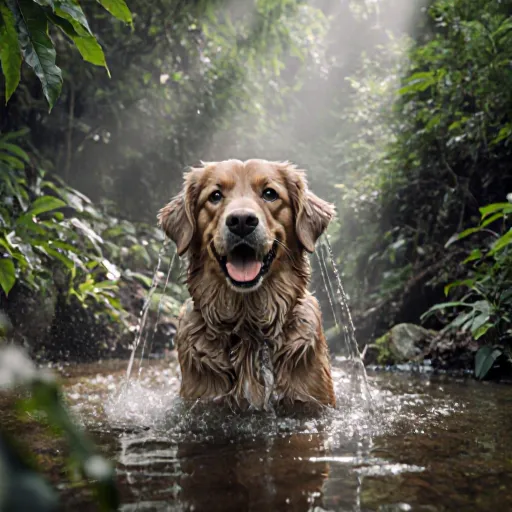
Unleash a Fresh Coat—Eco‑Friendly Dog Shampoo Hacks
“Canine Cleanse Craft: Earthy Shampoo Secrets”
Table of Contents
- Section 1: Introduction to DIY Dog Shampoos
- Section 2: Benefits of Natural Ingredients
- Section 3: Safety Considerations for Dogs
- Section 4: Choosing the Right Base Oil
- Section 5: Essential Oils for Dog Care
- Section 6: Herbal Additives and Their Uses
- Section 7: How to Make a Simple Shampoo Mix
- Section 8: Adjusting pH for Dog Skin
- Section 9: Storage and Shelf Life Tips
- Section 10: Testing the Shampoo on Your Dog
- Section 11: Common Mistakes to Avoid
- Section 12: Customizing Recipes for Different Breeds
- Section 13: Environmental Impact of DIY Shampoos
- Conclusion
- FAQ
Section 1: Introduction to DIY Dog Shampoos
If you’re looking for a gentle, cost‑effective way to keep your canine’s coat shiny and healthy, homemade dog shampoos are a fantastic option. By mixing natural ingredients that are safe for dogs’ sensitive skin, you can avoid the harsh chemicals found in many commercial products.
Why DIY Natural Dog Shampoos?
- No synthetic fragrances or dyes: Many pet shampoos contain artificial scents that can irritate a dog’s nose and skin. A natural recipe uses essential oils sparingly, ensuring your pup stays comfortable.
- Customizable pH balance: Dogs have a slightly more acidic skin pH (around 5.5). DIY formulas allow you to adjust the acidity with mild bases or acids so the shampoo is gentle on their coat.
- Allergy‑friendly options: If your dog has a known sensitivity to certain ingredients, you can omit them entirely and substitute with hypoallergenic alternatives.
Key Ingredients for a Basic DIY Dog Shampoo
- Castile Soap (unscented): A plant‑based soap that cleanses without stripping natural oils. Use 1 cup per gallon of water.
- Aloe Vera Gel: Soothes irritated skin and moisturizes the coat. Add ½ cup for every 4 cups of liquid.
- Oatmeal (finely ground): Relieves itching and reduces inflammation. Mix in 1 tablespoon per gallon.
- Essential Oils: Lavender or chamomile can be added at a rate of 5–10 drops per batch for scent and calming properties. Always dilute properly.
- Optional Add‑Ons:
- Apple cider vinegar (1 tablespoon per gallon) to restore pH balance.
- Honey or glycerin (1 teaspoon) for extra shine and moisture.
Step‑by‑Step Mixing Instructions
Follow these simple steps to create a batch that’s safe for most dogs:
- Measure Water: Start with 4 cups of warm (not hot) water.
- Add Castile Soap: Stir in the unscented Castile soap until fully dissolved.
- Blend Dry Ingredients: In a separate bowl, mix ground oatmeal and aloe gel. Pour this mixture into the liquid base while stirring continuously to avoid clumps.
- Introduce Essential Oils: Add your chosen essential oil(s) drop by drop, ensuring even distribution.
- Optional Final Touches: If using vinegar or honey, add them now and mix well.
- Store Properly: Transfer the finished shampoo to a clean spray bottle or jar. Keep it in a cool, dry place and label with the date.
Practical Tips for Use
- Always perform a skin patch test before using the shampoo on your dog’s entire body. Apply a small amount to the inner thigh and wait 24 hours.
- Use lukewarm water when washing; avoid hot or cold extremes that can shock the animal.
- Rinse thoroughly to remove all soap residue, as leftover suds can cause itching.
- After drying, brush your dog’s coat to detangle and distribute natural oils evenly.
With these guidelines, you’ll be able to craft a safe, effective, and budget‑friendly shampoo that keeps your four‑legged friend looking their best. In the next section we’ll dive into troubleshooting common skin issues and tailoring recipes for specific coat types.
Section 2: Benefits of Natural Ingredients
When you choose a DIY natural dog shampoo, the ingredients are typically sourced from plants, oils, and other organic materials that have been used for centuries in pet care. These components offer several advantages over commercial synthetic shampoos:
- Gentle on Sensitive Skin: Natural botanicals like aloe vera, oat extract, and chamomile soothe inflammation and reduce itching.
- No Harsh Chemicals: Free from sulfates, parabens, phthalates, and artificial fragrances that can cause allergies or chemical burns.
- Eco‑Friendly Packaging: Many DIY recipes use reusable bottles or biodegradable containers, cutting down on plastic waste.
- Customizable Fragrances: You can blend essential oils—lavender for calmness, peppermint for a refreshing scent—or skip fragrance entirely to suit your dog’s sensitivity.
- Cost‑Effective: Homemade formulas often cost less than premium commercial shampoos and can be made in bulk.
Key Natural Ingredients and Their Benefits
| Ingredient | Primary Benefit | Typical Usage (per batch) |
|---|---|---|
| Aloe Vera Gel | Moisturizes, heals minor cuts, reduces redness. | 1/4 cup in a 2‑liter shampoo base. |
| Oatmeal (ground) | Soothes itchy skin and removes dandruff. | 1 tablespoon dissolved in warm water before adding to the mix. |
| Chamomile Essential Oil | Anti‑inflammatory, calming scent. | 5–10 drops per batch (avoid if your dog has a known allergy). |
| Coconut Milk or Coconut Oil | Rich in fatty acids that condition coat and add shine. | 1/2 cup coconut milk or 2 tablespoons oil per batch. |
| Baking Soda (optional) | Neutralizes odors, gentle exfoliation. | 1 teaspoon in a 2‑liter bottle. |
Practical Tips for Mixing Your Own Shampoo
- Start with a Clean Base: Use distilled or filtered water to avoid chlorine or mineral buildup.
- Measure Precisely: Small variations can change pH and scent. A kitchen scale helps maintain consistency.
- Test pH: Dog skin is slightly acidic (pH 6–7). Use a pH strip to ensure your mix stays within this range; add a few drops of lemon juice if too alkaline.
- Use Food‑Grade Essential Oils Only: Some oils are toxic to pets. Stick with proven safe options like lavender, chamomile, or tea tree (in very low concentrations).
- Store Properly: Keep the shampoo in a cool, dark place. Add a natural preservative such as grapefruit seed extract if you plan to store it for more than two weeks.
Case Study: A Simple DIY Shampoo Recipe
Below is a proven recipe that balances moisturizing and cleaning properties while being safe for dogs with sensitive skin:
Ingredients (for 2 liters):
- 1.5 liters distilled water
- 200 ml coconut milk
- 30 g castile soap (unscented)
- 15 g ground oatmeal
- 10 drops lavender essential oil
- 5 drops chamomile essential oil
- 1 tsp baking soda

Directions:
1. Warm the coconut milk slightly to help dissolve it.
2. In a large pot, combine water, coconut milk, and castile soap; stir until fully blended.
3. Add ground oatmeal and mix well; let sit for 5 minutes to allow the oats to release their soothing compounds.
4. Stir in baking soda, lavender, and chamomile oils.
5. Pour into a sterilized bottle, seal, and shake before each use.

Use: Apply a small amount to wet fur, lather gently, rinse thoroughly, and towel dry. Repeat every 2–3 weeks or as needed.
Final Thoughts
By opting for natural ingredients in your dog’s shampoo, you’re not only caring for their coat but also protecting the planet and your wallet. Experiment with different botanicals, keep a log of results, and always monitor your pet for any adverse reactions—especially when introducing new essential oils or additives.
Section 3: Safety Considerations for Dogs
While homemade dog shampoos can be a cost‑effective and eco‑friendly option, safety should always come first. Below are key points to keep in mind when preparing and using your own natural shampoo.
1. Test for Allergic Reactions
- Patch test: Apply a small amount of the shampoo on a discreet area of your dog’s skin (e.g., inner forearm or behind the ear) and wait 24–48 hours.
- Watch for signs: Redness, itching, swelling, or hives indicate an allergic reaction. If any symptoms appear, discontinue use immediately.
2. Choose Dog‑Safe Ingredients
Not all human cosmetics are safe for dogs. Avoid ingredients that can cause irritation or toxicity:
| Ingredient | Potential Issue |
|---|---|
| Essential oils (e.g., tea tree, eucalyptus) | Can be toxic if ingested or absorbed through the skin. |
| Sodium Lauryl Sulfate (SLS) or Sodium Laureth Sulfate | Strong detergents that can strip natural oils. |
| Fragrance additives (synthetic) | May cause allergic dermatitis. |
3. Maintain Proper pH Balance
Dogs have a slightly acidic skin pH of around 5.6–6.4, whereas many human shampoos are alkaline. Use mild surfactants such as sodium coco sulfate or sodium cocoyl isethionate, and consider adding a small amount of apple cider vinegar (1 tsp per quart) to help neutralize pH.
4. Avoid Ingestible Components
- No citrus or essential oils: Dogs often lick their paws after bathing, and ingestion can lead to gastrointestinal upset.
- Keep the bottle sealed: Label clearly with “Dog Shampoo – DO NOT CONSUME” to prevent accidental human use.
5. Store Properly
Store your homemade shampoo in a cool, dry place away from direct sunlight. Use an opaque container if possible, as UV light can degrade sensitive ingredients like herbs or essential oils.
6. Know When to Seek Veterinary Advice
- If your dog has pre‑existing skin conditions (eczema, dermatitis, fungal infections), consult a vet before using any new shampoo.
- Persistent itching or redness after bathing warrants professional evaluation.
7. Practical Tips for Mixing Your Shampoo
- Measure accurately: Use a digital scale for solids (e.g., oat flour, baking soda) to ensure consistency.
- Use a double boiler or microwave: Melt coconut oil gently to avoid overheating, which can degrade its beneficial properties.
- Blend thoroughly: Stir until the mixture is uniform; a small hand blender works well for larger batches.
- Add preservatives sparingly: If you want longer shelf life, consider adding 0.5–1% of a natural preservative like rosemary extract (antioxidant) or lavender oil (antimicrobial).
8. Example Recipe with Safety Enhancements
All‑Natural Dog Shampoo (4 oz batch)
- 1 oz coconut oil (melted)
- ½ oz liquid castile soap (unscented)
- ¼ oz oat flour (ground into a fine powder)
- 1 tsp apple cider vinegar
- 5 drops lavender essential oil (optional, for scent and mild antimicrobial effect; keep below 10 ppm per ml of shampoo)
Mix all ingredients until smooth. Store in a sealed bottle. Test on a small patch before first use.
9. Quick Checklist Before Bathing
| # | Check |
|---|---|
| 1 | Patch test result: Clear. |
| 2 | pH within 5.6–6.4? |
| 3 | No toxic ingredients present. |
| 4 | Dog not currently licking or ingesting shampoo. |
By following these safety guidelines, you can confidently create and use a gentle, effective natural shampoo that keeps your dog’s coat healthy without compromising their well‑being.
Section 4: Choosing the Right Base Oil
When crafting a DIY natural dog shampoo, the base oil you select determines not only the scent and texture but also the moisturizing properties, pH balance, and overall safety for your pup’s skin. Below is an in‑depth look at the most common oils used in pet grooming, with practical examples and tips to help you pick the perfect one for your recipe.
1. Coconut Oil (Cocos nucifera)
- Benefits: Rich in lauric acid, coconut oil offers excellent antimicrobial properties and deep conditioning. It also has a pleasant natural aroma that most dogs tolerate well.
- Texture: Solid at room temperature; melts into a silky liquid when warmed. Ideal for thick, luxurious shampoos that leave coats shiny.
- Practical Tip: Melt 2–3 Tbsp of coconut oil in a double boiler and blend with an equal amount of distilled water. Add 1 tsp of mild surfactant (e.g., Sodium Cocoyl Isethionate) to create a stable lather.
- Safety Note: Avoid using unrefined coconut oil on dogs with very sensitive skin; start with small amounts and monitor for irritation.
2. Olive Oil (Olea europaea)
- Benefits: High in oleic acid, olive oil soothes inflammation and provides a natural barrier against moisture loss.
- Texture: Light to medium viscosity; doesn’t leave a greasy residue when diluted properly.
- Practical Tip: Use 1 Tbsp of extra‑virgin olive oil per cup of water. Combine with 2 Tbsp of Sodium Lauroyl Methyl Isethionate for a gentle, protein‑friendly lather suitable for dogs with dry skin.
- Safety Note: Olive oil can cause mild foaming issues if not blended correctly; stir slowly to avoid air incorporation.
3. Sweet Almond Oil (Prunus amygdalus)
- Benefits: Rich in vitamin E, this oil nourishes the coat and reduces itching. It’s also hypoallergenic, making it suitable for dogs prone to allergies.
- Texture: Very light; blends seamlessly into a fine mist or spray shampoo.
- Practical Tip: For a spray formula, mix 1 Tbsp of sweet almond oil with ½ cup distilled water and add a few drops of Sodium Cocoyl Isethionate. Shake well before each use.
- Safety Note: Always perform a patch test on a small area (e.g., behind the ear) to rule out sensitivity.
4. Jojoba Oil (Simmondsia chinensis)
- Benefits: Chemically similar to canine sebum, jojoba oil balances natural oils without clogging pores.
- Texture: Slightly thicker than almond but still fluid; ideal for a richer lather.
- Practical Tip: Combine 1 Tbsp of jojoba with ¼ cup water and 2 Tbsp of Sodium Lauroyl Sarcosinate. This mix is great for dogs with seborrheic dermatitis.
- Safety Note: Jojoba oil can stain light‑colored coats; test on a hidden area first.
5. Grape Seed Oil (Vitis vinifera)
- Benefits: Light and non‑greasy, grape seed oil is high in linoleic acid, which helps strengthen the coat’s natural barrier.
- Texture: Very fluid; excellent for a lightweight “no‑rinse” conditioner.
- Practical Tip: Mix 1 Tbsp grape seed oil with ½ cup distilled water and add 2–3 drops of Sodium Cocoyl Isethionate. This creates a fine mousse that’s easy to rinse off.
- Safety Note: Because it is thin, use less than you might for thicker oils to avoid a slippery feel during massage.
Choosing the Right Oil: A Quick Decision Guide
| Dog Skin Type | Best Oil Choice | Why It Works |
|---|---|---|
| Dry & Sensitive | Coconut or Olive | High moisturizing content; antimicrobial properties reduce flare‑ups. |
| Oily & Prone to Acne | Jojoba | Balances natural sebum without adding excess oil. |
| Allergic or Reactive | Sweet Almond or Grape Seed |
Practical Mixing Tips
- Measure Accurately: Use a digital scale for oils to ensure consistency across batches.
- Temperature Matters: Warm oils slightly (no more than 120 °F) before mixing with water; this improves emulsification.
- Stabilize the Emulsion: Add a small amount of natural emulsifier like Sodium Stearoyl Lactylate or Polysorbate 20 if you notice phase separation.
- Test pH: Aim for a pH of 6.0–7.5, which is safe for
Section 5: Essential Oils for Dog Care
When it comes to grooming your canine companion, many owners are turning to natural solutions that avoid harsh chemicals. Essential oils can be a powerful addition to homemade dog shampoos, but they must be used responsibly. Below is an in‑depth guide on how to safely incorporate essential oils into DIY natural dog shampoos, along with practical tips and real‑world examples.
Why Use Essential Oils?
- Antimicrobial properties: Tea tree oil, lavender, and eucalyptus can help reduce bacterial and fungal growth on the skin.
- Aromatherapy benefits: Certain scents calm anxious dogs (lavender) or energize restless pups (peppermint).
- Natural fragrance: Avoids synthetic perfumes that may irritate sensitive noses.
Safety First: Dilution & Sensitivity Testing
- Always dilute. Use a 0.5%–1% concentration for most dogs (e.g., 1 drop per 2 tablespoons of carrier oil or shampoo).
- Perform a patch test. Apply a small amount to the inner thigh; wait 24 hours for any reaction.
- Keep child‑proof containers and never leave essential oils within reach of pets.
Commonly Used Essential Oils & Their Dog‑Friendly Uses
| Oil | Primary Benefit | Recommended Concentration |
|---|---|---|
| Lavender (Lavandula angustifolia) | Calming, mild antiseptic | 0.5–1 drop per 2 tbsp of base shampoo |
| Tea Tree (Melaleuca alternifolia) | Antifungal, antibacterial; treats skin irritations | 0.25–0.5 drop per 2 tbsp (avoid >1% concentration) |
| Eucalyptus (Eucalyptus globulus) | Decongestant, mild antiseptic; helps with hot spots | 0.25–0.5 drop per 2 tbsp |
| Chamomile (Matricaria chamomilla) | Soothing for irritated skin | 1 drop per 2 tbsp |
| Peppermint (Mentha piperita) | Energizing, insect repellent | 0.25–0.5 drop per 2 tbsp (use sparingly for small dogs) |
DIY Natural Dog Shampoo Recipes
1. Lavender & Oatmeal Shampoo
Ingredients:
- ½ cup Castile soap (unscented)
- ¼ cup colloidal oatmeal (ground oats)
- 2 tbsp coconut oil (carrier oil)
- 5 drops lavender essential oil
- Optional: 1 tsp honey for extra moisturization
Method: Mix all ingredients in a clean bottle. Shake well before each use. Apply to damp coat, lather gently, rinse thoroughly.
2. Tea Tree & Apple Cider Vinegar Shampoo
Ingredients:
- ½ cup Castile soap
- 1 tbsp apple cider vinegar (diluted 50/50 with water)
- 2 tbsp olive oil
- 3 drops tea tree essential oil
Method: Combine in a bottle. Shake before use. Works well for dogs prone to skin infections.
3. Eucalyptus & Chamomile Shampoo (For Sensitive Skin)
Ingredients:
- ½ cup unscented Castile soap
- 2 tbsp shea butter (melted and cooled slightly)
- 3 drops eucalyptus essential oil
- 5 drops chamomile essential oil
Method: Whisk until smooth, pour into a spray bottle. Use lightly to avoid over‑drying.
Practical Grooming Tips
- Always test the shampoo on a small area first to confirm no allergic reaction.
- Use room temperature water; hot water can dry out the coat.
- After rinsing, pat the dog dry with a towel; avoid vigorous rubbing which can damage hair follicles.
- If your pup has open wounds or severe dermatitis, consult a veterinarian before using essential oils.
Common Mistakes to Avoid
- Using >1% concentration of tea tree oil—can cause skin irritation.
- Applying essential oils directly from the bottle; always dilute first.
- Leaving shampoo residue on the coat; rinse thoroughly to prevent itching.
- Using citrus‑based oils (e.g., lemon) which can be phototoxic for dogs.
Final Thoughts
When used correctly, essential oils can transform your dog’s grooming routine into a soothing, natural experience. By blending the right oils with gentle base ingredients, you’ll provide your furry friend with clean, healthy skin while avoiding harsh
Section 6: Herbal Additives and Their Uses
If you’re crafting your own natural dog shampoo, choosing the right herbs can dramatically influence how gentle and effective the product is for your pup’s coat and skin. Below we break down some of the most popular herbal additives—what they do, how to use them, and a few recipe ideas that combine their benefits.
1. Chamomile (Matricaria chamomilla)
- Primary Benefits: Calms irritated skin, reduces itching, and has mild anti‑inflammatory properties.
- How to Use: Steep 2–3 teaspoons of dried chamomile in a cup of hot water for 10 minutes. Strain and let cool. Add 1–2 tablespoons of the infusion to your shampoo base (usually about 1 L of liquid). If you prefer a stronger dose, use a 30‑minute steep.
- Recipe Idea: Chamomile + Aloe Vera: Combine chamomile infusion with ¼ cup aloe vera gel for a soothing wash that also moisturizes the coat.
2. Calendula (Calendula officinalis)
- Primary Benefits: Promotes healing of minor wounds, reduces redness, and supports skin barrier integrity.
- How to Use: Create a tincture by filling a jar with dried calendula petals, covering them with high‑proof alcohol (e.g., vodka) for 4–6 weeks. Strain the liquid and dilute 1:10 in water before adding to shampoo.
- Recipe Idea: Calendula + Lavender: Add 2 ml of calendula tincture and a few drops of lavender essential oil (see safety section below) for an anti‑bacterial, calming formula.
3. Tea Tree (Melaleuca alternifolia)
- Primary Benefits: Antiseptic, antifungal, and antibacterial; great for oily skin or dandruff issues.
- How to Use: Essential oil must be diluted. Add 5–10 drops per liter of shampoo (≈0.5–1 % concentration). Always perform a patch test first.
- Recipe Idea: Tea Tree + Coconut Oil: Mix 5 drops tea tree essential oil with 2 tablespoons melted coconut oil for a deep‑cleaning, moisturizing wash.
4. Lavender (Lavandula angustifolia)
- Primary Benefits: Calms anxiety, reduces inflammation, and has mild antiseptic properties.
- How to Use: Add 5–10 drops of lavender essential oil per liter of shampoo. If you’re using it for puppies or sensitive dogs, limit to 3 drops to avoid irritation.
- Recipe Idea: Lavender + Oatmeal: Combine a small amount of ground oatmeal (for soothing) with lavender essential oil in your shampoo base for an extra calming effect.
5. Eucalyptus (Eucalyptus globulus)
- Primary Benefits: Decongests, stimulates circulation, and has mild antiseptic properties.
- How to Use: Add 5–8 drops of eucalyptus essential oil per liter. Because it’s potent, always dilute properly and keep out of reach of small children.
- Recipe Idea: Eucalyptus + Peppermint: Pair with a few drops of peppermint for an invigorating wash that helps clear blocked pores.
6. Dandelion (Taraxacum officinale)
- Primary Benefits: Rich in antioxidants, supports liver detoxification, and can help with shedding control.
- How to Use: Make a tea by steeping fresh dandelion leaves in hot water for 15 minutes. Strain and use the liquid as part of your shampoo base (replace up to 20 % of the water).
- Recipe Idea: Dandelion + Chamomile: Combine both teas for a gentle, antioxidant‑rich wash that promotes healthy shedding.
Practical Tips for Using Herbs in Dog Shampoo
- Patch Test First: Always test a small amount on your dog’s skin (e.g., inside the ear or behind the knee) to ensure no allergic reaction.
- Use Food‑Grade Essential Oils: Only use oils labeled “food grade” or “pet safe.” Even then, keep concentrations low (≤1 % of total volume).
- Avoid Toxic Herbs: Garlic, onions, and certain herbs like sage can be harmful to dogs. Stick to proven, non‑toxic botanicals.
- Preserve Freshness: Store homemade shampoos in a cool, dark place or refrigerate if you add natural preservatives (e.g., grapefruit seed extract).
- Label Clearly: Keep track of what herbs and concentrations you used. This helps troubleshoot any skin issues that may arise.
Sample DIY Herbal Dog Shampoo Recipe
Base Ingredients (for a 1‑L batch)
- 1 L distilled water or herbal tea infusion (e.g., chamomile + dandelion)
- 30 ml mild liquid castile soap (unscented)
- 2 tbsp aloe vera gel
- 5 drops lavender essential oil (optional)
- 1 tsp vitamin E oil (natural preservative)
Directions:
- Heat the water or tea to about 40–45 °C.
- Add castile soap and stir until fully dissolved.
- Incorporate aloe vera gel, essential oil(s), and vitamin E. Mix gently.
- Cool completely, then transfer to a spray bottle or pump container.
This simple formula can be customized with any of the herbs above to suit your dog’s specific needs—whether you’re targeting dry skin, dandruff, or simply
Section 7: How to Make a Simple Shampoo Mix
If you’re looking for an easy way to keep your pup clean without the chemicals found in many commercial pet shampoos, try this homemade shampoo recipe. It’s gentle on sensitive skin, uses only natural ingredients, and can be customized with essential oils or herbal extracts.
Why DIY Natural Dog Shampoos Work
- Gentle cleansing: Most pet shampoos contain sulfates that strip natural oils. Our recipe uses mild surfactants like castile soap, which cleans without over-drying.
- Allergy-friendly: Without artificial fragrances or dyes, the risk of skin irritation drops significantly.
- Eco‑friendly: Ingredients are biodegradable and often locally sourced, reducing your carbon footprint.
Basic Recipe (Batch Size: 1 L)
| Ingredient | Amount | Purpose |
|---|---|---|
| Distilled water | 750 ml | Solvent – keeps the mixture from being too thick. |
| Liquid castile soap (unscented) | 200 ml | Primary cleanser – mild surfactant that lifts dirt and oils. |
| Vegetable glycerin | 50 ml | Moisturizer – helps keep skin supple. |
| Apple cider vinegar (1 : 5 dilution) | 50 ml diluted in 250 ml water | pH balancer – restores natural acidity and detangles fur. |
| Essential oil (optional) | 10–15 drops | Fragrance & therapeutic benefits (e.g., lavender for calming). |
Step‑by‑Step Instructions
- Prepare the base: In a heat‑proof bowl, combine distilled water and liquid castile soap. Stir gently to avoid foam.
- Add glycerin: Mix in vegetable glycerin until evenly distributed.
- Acidify: Add the diluted apple cider vinegar slowly while stirring. The mixture should feel slightly tacky but not overly so.
- Essential oil infusion: Drop your chosen essential oil(s) into the blend and whisk thoroughly.
- Transfer to bottle: Pour the solution into a clean, empty shampoo bottle or a spray container. Seal tightly.
Troubleshooting & Tips
- Too thick? Add more distilled water (1–2 tbsp at a time) until the desired consistency is reached.
- No lather? A small amount of coconut oil (1 tsp) can help create a richer foam without compromising gentleness.
- Allergic reaction? If your dog shows signs of irritation, rinse thoroughly with plain water and discontinue use immediately. Re‑evaluate essential oils or try a hypoallergenic base like oat milk soap.
Safety Precautions
Even natural ingredients can cause reactions in sensitive dogs. Always perform a patch test on a small area of skin (e.g., inside the ear) before full application. Keep essential oils out of reach from children and pets, as some oils are toxic if ingested.
Storage & Shelf Life
Store the shampoo in a cool, dark place. It typically lasts 4–6 weeks when kept sealed. If you notice any cloudiness or separation, shake well before each use.
Final Thought
This simple shampoo mix offers a customizable, chemical‑free option for keeping your dog’s coat clean and healthy. By adjusting the base ingredients and adding therapeutic essential oils, you can tailor the formula to meet your pet’s specific needs—whether that’s soothing itchy skin, calming anxiety, or simply providing a gentle cleanse after a muddy adventure.
Section 8: Adjusting pH for Dog Skin
One of the most critical aspects of a safe and effective DIY natural dog shampoo is getting the pH balance right. Unlike human skin, which thrives at a slightly alkaline pH (around 5.5), dogs have an acidic to neutral skin environment that ranges from 6.0 to 7.0 depending on breed and location on the body. An improperly balanced shampoo can strip natural oils, cause dryness or irritation, and even lead to fungal overgrowth.
Why pH Matters for Your Dog’s Coat
- Barrier Function: The skin’s acid mantle protects against bacteria and allergens. A higher pH weakens this barrier.
- Coat Condition: Acidic shampoos help keep the coat shiny and reduce static.
- Mildness: Dogs with sensitive skin or conditions like atopic dermatitis benefit from low‑pH formulations that minimize irritation.
How to Measure pH in Your DIY Shampoo
Use a reliable pH meter (digital or paper strips) designed for cosmetic use. For most natural shampoos, aim for:
- Dogs with normal skin: 6.5 – 7.0
- Sensitive or dry skin: 6.0 – 6.5
Common Ingredients That Influence pH
| Ingredient | Typical pH Effect | Adjustment Tips |
|---|---|---|
| Baking Soda (Sodium Bicarbonate) | Raises pH (alkaline) | Use sparingly; pair with an acid like apple cider vinegar. |
| Lemon Juice or Citric Acid | Lowers pH (acidic) | Add 1–2 teaspoons per gallon of water to bring the mix down. |
| Castile Soap (vegetable soap base) | Neutral to slightly alkaline (pH ~7.5–8.0) | Balance with a mild acid; avoid overuse in dogs prone to dryness. |
| Apple Cider Vinegar | Lowers pH (acidic) | 1 tablespoon per cup of shampoo; helps soothe itching and restores barrier function. |
| Hydrogen Peroxide (3%) | Neutral to slightly alkaline | Use only in small amounts (≤ 2% total) for mild antiseptic effect. |
Step‑by‑Step: Creating a pH‑Balanced Shampoo
- Base Mixture: Combine 1 cup of liquid Castile soap with 2 cups of distilled water. Mix gently.
- Add Botanical Oils: Add 10–15 drops of lavender essential oil (anti‑inflammatory) and 5 drops of chamomile (soothing).
- Acid Adjustment: Measure the pH; if it’s above 7.0, add 1 teaspoon of apple cider vinegar. Stir well.
- Final Check: Re‑measure. The target range should now be between 6.5 and 7.0.
- Bottling & Labeling: Store in a dark glass bottle with a tight seal. Include batch date and pH on the label.
Practical Tips for Owners
- Test First: If you’re unsure about your dog’s skin sensitivity, start with a patch test—apply a small amount to a hidden area and wait 24 hours.
- Use Warm Water: Helps open pores and allows the shampoo to spread evenly without diluting pH too quickly.
- Rinse Thoroughly: Residual soap can alter skin pH; make sure no suds remain.
- Frequency Matters: Over‑shampooing (more than once a week) can disrupt the acid mantle. Adjust frequency based on your dog’s coat type and activity level.
Common Mistakes to Avoid
- Using too much baking soda or other alkaline bases—this can leave the skin dry and irritated.
- Ignoring pH changes after adding essential oils—some oils (e.g., citrus) can lower pH further, requiring a slight increase with a mild acid.
- Assuming all “natural” ingredients are safe—certain herbs like chamomile may cause allergic reactions in some dogs; always perform a patch test first.
Conclusion
By carefully monitoring and adjusting the pH of your DIY natural dog shampoo, you can protect your pet’s skin barrier, reduce irritation, and keep their coat healthy and glossy. Remember: a balanced pH is the foundation for any effective, gentle grooming routine.
Section 9: Storage and Shelf Life Tips
When you make your own natural dog shampoo, the ingredients are often unfiltered, unsanitized, and free from preservatives. This means they can spoil faster than commercial products. Proper storage is key to maintaining safety, effectiveness, and fragrance.
1. Choose the Right Container
- Airtight glass or BPA‑free plastic bottles: Keep air out to slow oxidation of essential oils and botanical extracts.
- Dark‑colored containers: UV light can degrade sensitive ingredients such as vitamin E, rosemary extract, and citrus oils. Dark amber or cobalt blue bottles are ideal.
- Labeling: Write the batch date and a “first use by” date (usually 3–6 months) on the container for easy reference.
2. Keep It Cool and Dry
Heat accelerates chemical breakdown, especially of oils and herbs. Store your shampoo in a cool pantry or cupboard away from direct sunlight, stoves, or ovens. If you live in a hot climate, consider a refrigerator (though avoid condensation).
3. Avoid Contamination
- Use clean tools: Every time you scoop out shampoo for use, dip your spoon or measuring cup into the bottle first to ensure no residue is left behind.
- Sanitize sponges and brushes: Wash them in hot water with mild dish soap after each wash session. Some owners like to add a teaspoon of baking soda to the rinse cycle for extra cleanliness.
- No shared containers: If you have multiple pets, give each dog its own bottle or use separate measuring cups to avoid cross‑contamination between dogs with different skin sensitivities.
4. Add Natural Preservatives (Optional)
If you’re concerned about shelf life but still want a truly natural product, consider adding one of the following:
- Benzoin resin tincture: A mild preservative that also adds a sweet fragrance.
- Vitamin E (tocopherol) oil: Antioxidant properties help prevent rancidity of oils.
- Grapefruit seed extract: Known for its antimicrobial activity, though use sparingly as it can be irritating to some dogs.
5. Monitor and Dispose Properly
Even with the best storage practices, natural shampoos will eventually degrade. Look for signs such as:
- Change in color or texture (e.g., separation of oil from liquid)
- Off or sour smell
- Visible mold or mildew growth
If any of these occur, discard the batch immediately. Do not use it on your dog.
6. Re‑make When Needed
DIY shampoos are typically best used within 3–4 months for optimal potency and safety. Keep a small stockpile of fresh batches so you can always have a safe, effective product on hand.
7. Quick Reference Table
| Ingredient Type | Typical Shelf Life (without preservative) | Storage Tips |
|---|---|---|
| Essential oils (e.g., lavender, chamomile) | 6–12 months | Airtight, dark bottle; cool place. |
| Herbal extracts (rosemary, calendula) | 3–4 months | Refrigerate if possible; avoid heat. |
| Oils (coconut, olive, jojoba) | 6–9 months | Airtight container; keep away from sunlight. |
| Water‑based bases (distilled water + glycerin) | 2–3 months | Refrigerate; add preservative if desired. |
By following these storage guidelines, you can ensure that your homemade dog shampoo remains safe, effective, and pleasant to use for as long as possible.
Section 10: Testing the Shampoo on Your Dog
Before you give your entire pup a full bath, it’s essential to do a patch test. Even natural ingredients can cause irritation or an allergic reaction in some dogs. A careful test will save you from unexpected discomfort and help you tweak the formula if needed.
Step‑by‑Step Patch Test
- Select a small area: Choose a patch on your dog’s belly or inner thigh where the skin is thin but not exposed to direct sunlight. This spot is easy to monitor for redness, itching, or swelling.
- Apply a thin layer of shampoo: Using a clean cotton swab or a small amount of the mixture in your palm, gently rub the test area with light pressure. Avoid getting the formula into the eyes or ears.
- Wait and observe: Leave the shampoo on for 5–10 minutes, then rinse it off with lukewarm water. Watch the skin closely over the next 24 hours for any signs of irritation such as redness, itching, or a rash.
Interpreting Results
- No reaction: If there’s no redness or itchiness after 24 hours, you can proceed with confidence to bath the entire body.
- Mild irritation: A slight pinkness that fades within a few hours is usually harmless. Consider diluting the shampoo further or removing one of the ingredients (e.g., oatmeal or apple cider vinegar) for future batches.
- Severe reaction: If you notice swelling, hives, or intense itching, discontinue use immediately. Rinse your dog thoroughly with water and consult a veterinarian.
Full‑Body Bath Procedure
- Pre‑bath preparation: Brush your dog’s coat to remove loose hair and mats. This makes the shampoo more effective and reduces tangles during washing.
- Wet the coat thoroughly: Use a handheld shower head or a cup to pour warm water over your dog, ensuring every part of the body is damp.
- Apply the shampoo: Pour a small amount into your palm and lather it onto the coat, starting from the neck and working downwards. Pay extra attention to areas that tend to get dirty, such as paws, ears, and belly.
- Massage gently: Use slow circular motions to help distribute the shampoo and lift dirt. Avoid harsh scrubbing which can irritate sensitive skin.
- Rinse thoroughly: Rinse all suds away with warm water. Residue left on the coat can cause itching or dryness.
- Dry and reward: Pat your dog dry with a towel, then let them air‑dry if possible. Offer a treat to reinforce positive bath experiences.
Practical Tips for DIY Natural Shampoos
- Consistency matters: Aim for a slightly thicker paste rather than a runny liquid; it’s easier to apply and lathers well.
- Temperature check: Water that is too hot can burn your dog’s skin. Keep it between 90°F–100°F (32°C–38°C).
- Allergy awareness: If your dog has a known allergy to certain plants or foods, avoid ingredients like honey, soy, or citrus in the formula.
- Storage and shelf life: Store the shampoo in an airtight container at room temperature. Add fresh batches every two weeks for optimal potency.
Real‑World Example: “Cocoa & Coconut” Shampoo
Ingredients: 1/4 cup coconut oil, 2 tbsp cocoa powder (unsweetened), 1 tbsp oat flour, 1 tsp apple cider vinegar, 1 cup warm water.
- Patch test: No reaction after 24 hours. Good to go!
- Full bath results: The dog’s coat became silky and had a mild chocolate scent that lasted a day.
Remember, the goal of a DIY natural shampoo is not just cleanliness but also skin health and comfort for your pet. By following these testing steps and practical guidelines, you’ll ensure every bath is safe, effective, and enjoyable for both you and your dog.
Section 11: Common Mistakes to Avoid
While crafting your own natural dog shampoo can be rewarding, it’s easy to slip into pitfalls that compromise the safety and effectiveness of the final product. Below are the most frequent errors, why they happen, and how you can steer clear of them.
1. Skipping a pH Test
- What happens? Many natural ingredients (e.g., citrus oils, baking soda) can shift the shampoo’s pH outside the optimal range for dogs (typically 5.5–6.5). An overly alkaline or acidic solution can irritate skin and damage coat health.
- How to avoid it: Use a pet-safe pH strip kit after blending your formula. If the reading falls outside the target range, adjust by adding a small amount of mild acid (e.g., apple cider vinegar) or base (e.g., baking soda), testing again until you hit 5.5–6.5.
2. Using Human-Grade Oils Unfiltered
- What happens? Essential oils and carrier oils can contain impurities or be too concentrated for canine skin, leading to allergic reactions or dermatitis.
- How to avoid it: Always use pet-safe essential oil blends or dilute pure oils in a neutral carrier (like almond or coconut). Filter the mixture through cheesecloth or a fine mesh to remove particulate matter before adding to your shampoo base.
3. Overlooking Shelf Life
- What happens? Natural ingredients, especially oils and plant extracts, can oxidize quickly, turning rancid and producing unpleasant odors or skin irritants.
- How to avoid it: Add a natural preservative such as Rosemary Extract (0.5–1% of total volume) or use a commercially available pet-friendly preservative. Store the finished shampoo in a cool, dark place and label with a “Use By” date.
4. Neglecting to Test on a Small Patch
- What happens? Even well-balanced formulas can trigger localized reactions due to individual sensitivities.
- How to avoid it: Before full application, apply a small amount to a discreet area of the dog’s flank. Wait 24 hours for any signs of redness or itching before using the shampoo on the entire body.
5. Using Too Much Water
- What happens? Excessive dilution can lower surfactant concentration, making it difficult to lather and leaving residue that may cause matting or skin buildup.
- How to avoid it: Follow a proven recipe ratio (e.g., 1 cup of base shampoo, ½ cup of water). If you need a more liquid consistency, add distilled water gradually until the desired texture is achieved.
6. Forgetting About the Dog’s Coat Type
- What happens? Different coat types (short vs. long, curly vs. straight) require varying levels of moisture and conditioning.
- How to avoid it: Customize your shampoo by adding a conditioning agent such as Glycerin (1–2%) for dry coats or a gentle surfactant blend for oily skin. Test on a small batch first.
7. Using Unfiltered Distilled Water
- What happens? Tap water may contain chlorine, fluoride, or minerals that can irritate the dog’s skin and compromise the shampoo’s stability.
- How to avoid it: Always use filtered or distilled water. If using tap water, let it sit for 24 hours or run it through a reverse osmosis filter before mixing.
8. Mixing Ingredients at Incorrect Temperatures
- What happens? Heating can degrade sensitive botanicals; cold mixtures may not emulsify properly, leading to separation.
- How to avoid it: Warm the base shampoo gently (50–60 °C) and let it cool before adding essential oils or heat‑sensitive extracts. Use a thermometer for precision.
9. Skipping Proper Sanitization
- What happens? Bacteria can grow in the final product, especially if preservatives are inadequate, risking infections during bathing.
- How to avoid it: Clean all mixing equipment thoroughly with soap and hot water. Consider a brief steam sterilization step for reusable containers.
10. Not Documenting the Recipe
- What happens? Future batches may vary, leading to inconsistent results or accidental misuse of ingredients.
- How to avoid it: Keep a detailed log: ingredient names, quantities (in grams and ounces), batch number, pH reading, preservative amount, and any notes on the dog’s reaction. This documentation helps refine your formula over time.
By paying close attention to these common pitfalls, you’ll create a safer, more effective natural shampoo that keeps your canine companion looking healthy and feeling great.
Section 12: Customizing Recipes for Different Breeds
When creating a DIY natural dog shampoo, it’s essential to consider the specific needs of each breed. Size, coat type, skin sensitivity, and common health concerns all influence which ingredients work best. Below is a practical guide that breaks down how to tweak your recipes based on these factors.
1. Coat Type & Length
- Short‑haired breeds (e.g., Boxers, Bulldogs):
- Use lighter oils like olive oil or jojoba oil for a quick rinse and minimal residue.
- Add apple cider vinegar (1–2 tbsp per gallon) to help keep the coat shiny without weighing it down.
- Medium‑haired breeds (e.g., Beagles, Golden Retrievers):
- Incorporate a small amount of coconut oil (1–2 tbsp per gallon) for moisture and natural deodorizing properties.
- Add lavender essential oil (5–7 drops) to soothe skin and encourage a pleasant scent.
- Long‑haired or double‑coated breeds (e.g., Siberian Huskies, Afghan Hounds):
- Use richer oils like shea butter or almond oil to prevent tangles and maintain coat softness.
- Add tea tree essential oil (3–5 drops) for its antifungal benefits, especially in breeds prone to skin infections.
2. Skin Sensitivity & Common Conditions
Some breeds have predispositions to allergies, dermatitis, or ear infections. Adjusting the shampoo can help mitigate these issues:
| Breed / Condition | Key Ingredient(s) | Why It Helps |
|---|---|---|
| West Highland White Terrier (dry, itchy skin) | Aloe vera gel, coconut oil | Moisturizes and calms irritation. |
| German Shepherd (prone to ear infections) | Tea tree oil, apple cider vinegar | Antiseptic properties reduce bacterial growth. |
| Labrador Retriever (common skin allergies) | Calendula extract, lavender oil | Anti‑inflammatory and soothing. |
3. Size & Frequency of Baths
Smaller dogs often need more frequent, lighter cleansings, while larger breeds can tolerate deeper cleans with richer formulas:
- Small breeds (under 20 lbs): Use a 1:4 dilution of shampoo to water and rinse thoroughly. Add green tea extract for its antioxidant benefits.
- Medium breeds (20–50 lbs): A standard 1:3 ratio works well; include lavender oil for a calming effect during bath time.
- Large breeds (over 50 lbs): Opt for a thicker formula with shea butter and coconut oil. Add peppermint essential oil (2–3 drops) to help keep the dog cool during long baths.
4. Seasonal Adjustments
Baths can be tailored to seasons to support coat health:
- Spring & Summer: Lighten your formula with extra apple cider vinegar and add chamomile extract for a refreshing scent.
- Fall & Winter: Enrich the shampoo with olive oil, shea butter, and a touch of cinnamon essential oil (1–2 drops) to help prevent dryness and support circulation.
5. Sample Recipe Swaps
Below are two sample recipes that you can swap ingredients in based on the breed’s needs:
Lightweight Short‑Haired Shampoo (e.g., Boxer)
- 1 cup Castile soap
- ½ cup Distilled water
- 2 tbsp Olive oil
- 1 tbsp Apple cider vinegar
- 5 drops Lavender essential oil
Deep‑Conditioning Long‑Haired Shampoo (e.g., Siberian Husky)
- 1 cup Castile soap
- ½ cup Coconut oil
- ¼ cup Shea butter
- 1 tbsp Apple cider vinegar
- 3 drops Tea tree essential oil
6. Practical Tips for Customization
- Start Small: When introducing a new ingredient, add it in small increments (e.g., 1–2 drops of essential oil) to monitor any adverse reactions.
- <strong
Section 13: Environmental Impact of DIY Shampoos
When you make your own natural dog shampoo, you’re not just saving money or avoiding harsh chemicals—you’re also reducing the ecological footprint of pet care. Below are key ways in which DIY shampoos help protect the environment, real-world examples, and practical tips to maximize those benefits.
1. Fewer Synthetic Chemicals Entering Waterways
Commercial pet shampoos often contain phosphates, sulfates, parabens, and synthetic fragrances. These compounds can persist in the environment, harming aquatic life and disrupting ecosystems.
- Phosphate runoff: Increases algae blooms in lakes and streams.
- Sulfate surfactants: Break down slowly, affecting fish gill function.
- Parabens: Act as endocrine disruptors for wildlife.
DIY formulas use plant-based surfactants (e.g., sodium coco sulfate from coconut oil) or gentle cleansing agents like castile soap, which are biodegradable and have a lower impact on aquatic ecosystems.
2. Reduced Plastic Waste
Typical pet shampoo bottles are single-use plastic, often not recyclable in many local facilities. By creating your own shampoo, you can:
- Reuse glass or stainless-steel containers from other household products.
- Buy refillable dispensers or repurpose old soap dishes.
- Use biodegradable packaging for any small quantities you need to buy (e.g., essential oils).
3. Energy Savings and Carbon Footprint Reduction
Manufacturing, transporting, and storing commercial shampoos consumes significant energy. Homemade batches eliminate these steps:
- Local sourcing: Buy organic herbs or essential oils from nearby co‑ops.
- Batch size control: Make only what you need to avoid waste.
4. Ethical and Sustainable Sourcing of Ingredients
When you choose your own ingredients, you can prioritize:
- Certified organic or fair‑trade herbs (e.g., calendula, chamomile).
- Essential oils produced with low-impact distillation methods.
- Plant-based surfactants derived from sustainably harvested crops.
Practical Advice for an Eco‑Friendly DIY Dog Shampoo
- Select the Right Base: A mild liquid castile soap (30% or 100% pure) is a great starting point. It’s biodegradable and gentle on dogs’ skin.
- Add Plant‑Based Surfactants Sparingly: If you need extra lather, use sodium coco sulfate at no more than 5–10 % of the total volume.
- Include Natural Soothing Additives:
- 1 Tbsp dried chamomile or calendula flowers per quart (infuse in hot water, strain).
- ½ tsp colloidal oatmeal for itchy skin.
- 2–3 drops of a dog‑safe essential oil (lavender, tea tree—only 0.5 % total volume).
- Use Refillable Containers: Transfer the mixture into a glass jar or a silicone pump bottle you’ve repurposed.
- Label and Date: Homemade shampoos can last up to 6 months if stored in a cool, dark place. Labeling helps track freshness.
Case Study: The “EcoPaws” Dog Shampoo
A small community group in Portland created an eco‑friendly dog shampoo using:
- Liquid Castile Soap (30 %): 1 cup
- Dried Calendula Infusion: ¼ cup of dried flowers steeped for 24 h, strained.
- Colloidal Oatmeal: 2 Tbsp
- Lavender Essential Oil: 5 drops (0.25 %)
- Distilled Water: 1 cup to dilute and adjust viscosity.
The result was a gentle, fragrant shampoo that required no preservatives and had a shelf life of 4–5 months. After six months, they reported a noticeable decrease in their local dog park’s runoff compared to the previous year when commercial shampoos were used.
Measuring Your Impact
Track your environmental savings by:
- Counting how many plastic bottles you’ve avoided (e.g., 10 bottles per month).
- Estimating the carbon footprint reduction using online calculators that factor in production and transport emissions.
- Monitoring skin health improvements—healthier dogs mean fewer vet visits, which further reduces your ecological impact.
Bottom line: DIY natural dog shampoos are a simple, effective way to cut chemical pollution, reduce plastic waste, and support sustainable ingredient sourcing—all while keeping your furry friend clean and healthy.
Conclusion
Now that you’ve explored the science behind skin health, the benefits of natural ingredients, and how to formulate your own dog shampoo, it’s time to bring everything together. Below are key take‑aways and actionable steps so you can confidently create a spa experience for your furry friend.
1. Start Small – Test Before You Roll Out
- Patch test: Apply a small amount of the finished shampoo on a hidden spot (e.g., inside the ear or on the hind leg). Wait 24–48 hours for any redness, itching, or swelling.
- Record results: Keep a simple log: date, dog’s reaction, and any changes in coat condition. This helps refine future batches.
2. Batch Size Matters
For most households, a 1‑quart batch (about 950 ml) is ample for several washes over the year. If you have multiple dogs or want to preserve time, double the recipe but keep the same ratios.
3. Storage Tips
- Store in a cool, dark place—ideally a cupboard or pantry—to prevent oxidation of essential oils.
- Use airtight containers (glass jars with screw caps or BPA‑free plastic bottles). Label them with the date and key ingredients.
- If you notice cloudiness or separation, shake well before each use; it’s normal for natural formulations.
4. When to Switch Back to Commercial
Natural shampoos are great, but certain conditions require veterinary‑prescribed solutions:
- Severe dermatitis or allergies—consult a vet first.
- Infections that need antibacterial or antifungal agents not present in homemade formulas.
- Very oily or greasy coats—sometimes commercial shampoos are more effective at removing heavy oils.
5. DIY Variations to Try
Once you’re comfortable with the base recipe, experiment with these variations:
- Soothing Lavender Bath: Replace 10 ml tea tree oil with 20 ml lavender essential oil for a calming scent.
- Exfoliating Oatmeal Wash: Add 2 tablespoons of finely ground oat flour to the base; great for itchy skin.
- Brightening Citrus Splash: Mix in 5 ml orange essential oil and a splash of distilled water to boost shine.
6. Safety First – Know Your Dog’s Sensitivities
Always keep an eye on your dog’s reaction during and after the bath:
- Watch for signs of irritation: redness, itching, or a sudden change in behavior.
- If you suspect an allergic reaction (e.g., hives, swelling), rinse thoroughly with plain water and contact your vet immediately.
7. Celebrate the Journey
Creating your own dog shampoo is not only a cost‑saving hack—it’s also a bonding experience. Share the fresh scent of homemade soap with your pet, and enjoy the confidence that comes from knowing exactly what goes into their bath.
Remember: The goal is healthy skin and coat, stress‑free grooming, and a greener household. With these practical steps, you’re ready to turn every wash into a spa day for your beloved companion.
FAQ
- What are the main benefits of using a homemade natural shampoo for my dog?
-
- Gentle on Sensitive Skin: Commercial shampoos often contain sulfates, parabens, and artificial fragrances that can irritate a dog's skin. Natural ingredients like oat flour, apple cider vinegar, and chamomile soothe irritation.
- No Harmful Chemicals: You control every ingredient, ensuring there are no dyes, synthetic preservatives, or harsh detergents that could affect your pet’s health.
- Eco‑Friendly: Many natural components are biodegradable and come from renewable resources, reducing environmental impact.
- Which ingredients should I avoid in a DIY dog shampoo?
-
While the recipe is customizable, it’s best to steer clear of:
- Sulfates (e.g., sodium lauryl sulfate): They can strip natural oils.
- Fragrance oils and synthetic dyes: May trigger allergies or skin irritation.
- Alcohols (short‑chain) and highly concentrated acids: These can be drying.
- How do I know if my dog needs a natural shampoo?
-
If your dog exhibits signs such as:
- Itchy, flaky skin
- Frequent ear infections or redness around the face and ears
- Allergic reactions to commercial products (e.g., rash, vomiting after a bath)
A natural formula with calming ingredients can help alleviate these symptoms.
- Can I add essential oils to my dog’s shampoo?
-
Yes—but use them sparingly and only those proven safe for dogs:
- Chamomile (Matricaria chamomilla): Anti‑inflammatory, soothing.
- Lavender (Lavandula angustifolia): Calming; use no more than 2–3 drops per batch.
- Tea tree (Melaleuca alternifolia): Antiseptic, but must be diluted to <1% of the final mixture and used only on dogs that are not sensitive.
Never use eucalyptus, peppermint, or citrus oils as they can cause toxicity.
- What is a basic DIY natural dog shampoo recipe?
-
Simple Oatmeal & Apple Cider Vinegar Shampoo
- 1 cup plain oat flour (ground into fine powder)
- 1/2 cup castile soap (unscented)
- 1 cup distilled water
- 10–15 drops chamomile essential oil
- 1 tablespoon apple cider vinegar (optional, for shine and odor control)
Mix the oat flour with the water to create a slurry. Add castile soap and stir gently until fully incorporated. Blend in chamomile oil and apple cider vinegar. Pour into a clean bottle or container. Shake before each use.
- How long should I leave the shampoo on my dog?
-
Generally, apply for 2–3 minutes, then rinse thoroughly with lukewarm water. Leaving it too long can dry out the coat; rinsing well removes all residue.
- Can I store homemade shampoo long‑term?
-
Store in a cool, dark place (e.g., pantry or cabinet) for up to one month. If you add essential oils, keep the bottle tightly sealed and check for any changes in scent or texture before use.
- What if my dog has a skin condition like dermatitis?
-
Consult your veterinarian first. Once cleared, a gentle shampoo with oatmeal, aloe vera gel, or calendula can help soothe the irritation. Avoid any ingredients that were part of the original trigger.
- How often should I bathe my dog with natural shampoo?
-
Frequency depends on breed and activity level:
- High‑shedding breeds (e.g., Labrador, Golden Retriever): Every 3–4 weeks.
- Low‑shedding or sensitive‑skin breeds (e.g., Poodle, Bichon Frise): Every 6–8 weeks.
Too frequent washing can strip natural oils; too infrequent may lead to odor and skin issues.
- Is it safe to use the same shampoo for puppies?
-
Puppies have thinner skin, so opt for a milder formula—reduce essential oil concentration to 1–2 drops per batch and avoid castile soap if your vet recommends.
- How can I test the shampoo before applying it widely?
-
Perform a small patch test: apply a thin layer on a shaved area (e.g., inside the ear or belly) and wait 24 hours for any reaction. If no irritation occurs, proceed with full bath.
Categories
- AI & Enrichment Play
- Broiler Farming
- Broiler Farming Tips
- Canine Wellness & Longevity
- Cat
- Cat & Human Connection
- Cat Adoption & Rescue
- Cat Breeds
- Cat Breeds & Personalities
- Cat Care & Health
- Cat Grooming & Hygiene
- Cat Lifestyle & Environment
- Cat Myths & History
- Cat Nutrition & Diet
- Cat Products & Reviews
- Cat Training & Behavior
- Comparison
- Consumer Awareness
- Dog
- Dog Accessories & Products
- Dog Adoption & Rescue
- Dog Breed & Lifestyle Trends
- Dog Breeding & Puppies
- Dog Entertainment & Media
- Dog Fashion & Trends
- Dog Fun & Lifestyle
- Dog Grooming & Hygiene
- Dog History & Culture
- Dog Myths, Science & Future Tech
- Dog News & Trends
- Dog Nutrition & Food
- Dog Psychology & Emotions
- Dog Safety & Security
- Dog Sports & Activities
- Dog Technology & Innovation
- Dog Training for Modern Owners
- Dog Travel & Adventure
- Dog Travel, Adventure & Culture
- Economic and Market Insights
- Educational Content
- FAQs
- Feeding Alternatives
- Festivals & Seasonal Ideas
- Fun & Entertainment
- General Knowledge
- General Pig Farming
- Health & Disease Management
- Housing and Environment
- Kittens
- Market Insights
- Miscellaneous
- Miscellaneous
- Motivational
- pig
- Pig Breeding
- Pig Breeds
- Pig Farming Stories and Inspiration
- Pig Health and Care
- Pig Nutrition
- Pig Products
- Profitability & Business
- Puppy Care
- Puppy Predictable Topics Reinvented
- Regional Focus
- Rescue & Adoption Buzz
- Senior Cats
- Senior Dog Care
- Smart Dog Tech & Gadgets
- Sustainability
- Sustainable & Eco-Friendly Dog Products
- Tech & Innovations
- Working & Service Dogs
- Broiler Feed66 products
- Country Feed33 products
- Pig Feed66 products
- Product22 products
- Raw Materials99 products
Products
-
 Fish Meal
₹1,999.00 – ₹2,999.00Price range: ₹1,999.00 through ₹2,999.00Rated 0 out of 5
Fish Meal
₹1,999.00 – ₹2,999.00Price range: ₹1,999.00 through ₹2,999.00Rated 0 out of 5 -
 FATTENING BROILER FEED
₹2,299.00 – ₹2,349.00Price range: ₹2,299.00 through ₹2,349.00Rated 0 out of 5
FATTENING BROILER FEED
₹2,299.00 – ₹2,349.00Price range: ₹2,299.00 through ₹2,349.00Rated 0 out of 5 -
 LAYER COUNTRY FEED
₹1,549.00 – ₹1,649.00Price range: ₹1,549.00 through ₹1,649.00Rated 0 out of 5
LAYER COUNTRY FEED
₹1,549.00 – ₹1,649.00Price range: ₹1,549.00 through ₹1,649.00Rated 0 out of 5 -
 COUNTER BROILER FEED
₹1,199.00 – ₹1,299.00Price range: ₹1,199.00 through ₹1,299.00Rated 0 out of 5
COUNTER BROILER FEED
₹1,199.00 – ₹1,299.00Price range: ₹1,199.00 through ₹1,299.00Rated 0 out of 5 -
 LACTATING PIG FEED
Rated 0 out of 5
LACTATING PIG FEED
Rated 0 out of 5₹2,299.00Original price was: ₹2,299.00.₹1,740.00Current price is: ₹1,740.00. -
 Maize
Rated 0 out of 5
Maize
Rated 0 out of 5₹1,650.00Original price was: ₹1,650.00.₹1,300.00Current price is: ₹1,300.00. -
 GESTATION PIG FEED (Phase 1)
Rated 0 out of 5
GESTATION PIG FEED (Phase 1)
Rated 0 out of 5₹2,249.00Original price was: ₹2,249.00.₹1,699.00Current price is: ₹1,699.00. -
 Pre Starter Broiler Feed
₹2,399.00 – ₹2,499.00Price range: ₹2,399.00 through ₹2,499.00Rated 0 out of 5
Pre Starter Broiler Feed
₹2,399.00 – ₹2,499.00Price range: ₹2,399.00 through ₹2,499.00Rated 0 out of 5 -
 FINISHER PIG FEED
Rated 0 out of 5
FINISHER PIG FEED
Rated 0 out of 5₹2,299.00Original price was: ₹2,299.00.₹1,749.00Current price is: ₹1,749.00. -
 Broiler Premix
Rated 0 out of 5
Broiler Premix
Rated 0 out of 5₹820.00Original price was: ₹820.00.₹699.00Current price is: ₹699.00.