
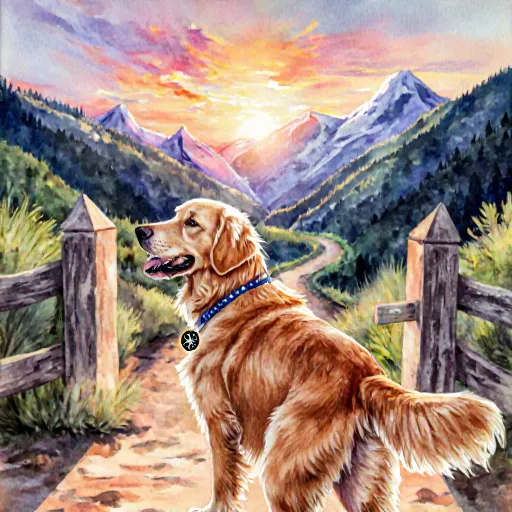
Trailblaze Together – Find Your Dog’s Favorite Path
“Canine Compass: Top Trails That Call Your Dog Home”
Table of Contents
- Best Dog-Friendly Hiking Trails in the Pacific Northwest
- Mountain View Dog Trail: Scenic Views & Pet-Friendly Paths
- Lake Tahoe Lakeside Loop for Dogs and Owners
- Colorado Rockies: The Rocky Ridge Hike with Canine Companions
- Grand Canyon Trailheads that Welcome Dogs
- Sierra Nevada Dog-Friendly Peaks and Valleys
- Appalachian Trail Segments Open to Pets
- Urban Greenways: City Parks with Hiking Trails for Dogs
- Coastal Hikes with Dog-Friendly Beaches and Boardwalks
- Desert Trail Adventures for Dogs in Arizona & Nevada
- Snowy Peaks: Dog Hiking Tips for Winter Trails
- Preparing Your Dog for Long-Distance Hikes
- Essential Gear & Safety Checklist for Dogs on the Trail
- Conclusion: Choosing the Perfect Trail for You and Your Pup
- FAQ: Common Questions About Dog-Friendly Hiking
Best Dog-Friendly Hiking Trails in the Pacific Northwest
The Pacific Northwest is a hiker’s playground, and most of its trails welcome four‑legged companions. Whether you’re after lush rainforest paths, alpine vistas, or easy creekside strolls, these routes combine scenic beauty with dog‑friendly policies.
Olympic National Park – Hoh River Trail (Washington)
- Distance: 2.8 mi loop
- Difficulty: Easy to moderate
- Highlights: Lush temperate rainforest, moss‑covered trees, and a serene river crossing.
Dogs are welcome on this short loop but must stay leashed at all times. The trail’s gradual ascent and shaded path make it perfect for pups who need frequent breaks. Pack water for both of you, as the stream may be too cold for some dogs to drink directly.
Spokane River Trail (Washington)
- Distance: 8 mi out & back
- Difficulty: Moderate
- Highlights: Riverside meadows, historic railroad bridges, and panoramic views of the Palouse.
The trail is dog‑friendly all year round. Keep your pup leashed between 7 a.m. and 5 p.m. to avoid conflicts with cyclists and joggers. Bring a collapsible bowl for water breaks; the river can be chilly, especially in spring.
Mount Rainier National Park – Skyline Trail (Washington)
- Distance: 9.6 mi round‑trip
- Difficulty: Strenuous
- Highlights: Alpine meadows, wildflower blooms, and stunning views of the mountain’s summit.
While dogs are allowed on this trail, they must remain leashed at all times. The high elevation means temperatures can drop quickly; pack a jacket for both you and your dog. Also, be mindful of wildlife—particularly deer—that may appear near the trailhead.
Columbia River Gorge – Eagle Creek Trail (Oregon)
-
Distance: 5 mi out & back
- Difficulty: Moderate
- Highlights: Cascading waterfalls, lush cliffs, and a picturesque canyon.
Dogs are welcome on this popular trail, but they must stay leashed. The trail can be slippery after rain; consider non‑slip booties for your pup. Bring plenty of water—there are no potable sources along the route—and watch for sudden drops near waterfalls.
Forest Park – Loop Trail (Portland, Oregon)
- Distance: 8.2 mi loop
- Difficulty: Easy to moderate
- Highlights: Urban forest canopy, ponds, and historic stone bridges.
This urban trail is a favorite for dog owners in Portland. Dogs must be leashed at all times but the path is wide enough for comfortable walking. The loop passes several shaded benches—great spots to stretch your legs and let your pup sniff around.
Practical Advice for Hiking With Your Dog
- Check Trail Regulations: Some parks restrict dogs during peak season or require permits.
- Leash Policy: Always keep your dog on a leash unless the trail explicitly allows off‑leash zones.
- Hydration: Carry at least 1 liter of water per person and a portable bowl. If you’re hiking above 5,000 ft, bring extra water for your dog’s increased needs.
- Health Checks: Ensure your pup is up to date on vaccines, flea/tick prevention, and has a recent veterinary check‑up.
- Leave No Trace: Pack out all trash, leftover food, and dog waste. Use biodegradable soap for cleaning if you need to wash your dog.
With these trails and tips in hand, you can explore the breathtaking landscapes of the Pacific Northwest while keeping your canine companion safe, comfortable, and happy.
Mountain View Dog Trail: Scenic Views & Pet-Friendly Paths
The Mountain View Dog Trail is a hidden gem for hikers who love breathtaking vistas and want to bring their four‑legged companions along. The trail winds through dense pine forests, open meadows, and rocky ridges that offer panoramic views of the surrounding valley and distant mountain peaks.
Trail Highlights
- Vista Point (2.5 mi): A short switchback leads to a broad overlook where you can spot wildlife, catch sunrise light over the ridge, or simply enjoy the silence with your dog.
- Lakeside Rest Stop (4.0 mi): A shallow lake provides a perfect spot for a quick refreshment break. Dogs are welcome to splash around as long as they stay on the designated path.
- Rocky Ridge Loop (5.2 mi): The final stretch offers a challenging scramble with rewarding views of the valley below. Keep your dog leashed and watch for loose rocks that could be hazardous.
Practical Tips for Hiking with Your Dog
- Leash Policy: While most sections allow off‑leash play, keep your dog on a short leash near water bodies and in high‑traffic areas to prevent distractions.
- Packing List:
- Water & collapsible bowl
- Dog food or treats for rest stops
- First‑aid kit (include tick remover)
- Portable waste bags and a small shovel for “doggy pits” if needed
- Timing: Arrive early in the morning to avoid heat stress, especially during summer months. The trail is best hiked between 8 am–4 pm.
- Trail Etiquette: Yield to other hikers by stepping aside with your dog on a short leash; keep noise levels low to preserve the tranquil atmosphere.
Dog‑Friendly Trail Map
Below is an embedded map showing key points of interest and designated pet-friendly sections. Click on the icons for more information about each spot.
Where to Find More Dog‑Friendly Trails
If you’re looking for additional routes, check out the Best Dog-Friendly Hiking Trails website. They feature a searchable database of trails categorized by difficulty, length, and pet‑accessibility.
Lake Tahoe Lakeside Loop for Dogs and Owners
The Lake Tahoe Lakeside Loop is a 36‑mile, mostly flat trail that hugs the eastern shore of the lake. It’s an ideal setting for dog owners who want to combine scenic views with a relaxed pace. Below are the top five segments where you’ll find the best mix of terrain, water access, and amenities for both you and your canine companion.
1. Eagle Lake Trail
- Distance: 0.7 mi (one‑way)
- Terrain: Easy, paved path with a slight incline to the lake’s edge.
- Dog Rules: Leashed only; no off‑trail running allowed near the water.
- Highlights: Direct access to Eagle Lake for splashing and swimming, picnic tables, and a small dog wash station.
2. Emerald Bay Trail (Upper Segment)
- Distance: 1.5 mi (one‑way)
- Terrain: Mostly gravel, with a few steep switchbacks near the top.
- Dog Rules: Leashed; dogs may explore off‑trail on the upper section but must stay within designated paths.
- Highlights: Panoramic lake views, a historic visitor center, and a pet‑friendly dock for short swims.
3. Dunn’s Lake Trail
- Distance: 0.5 mi (one‑way)
- Terrain: Flat, paved with gentle slopes.
- Dog Rules: Leashed; dogs can roam freely in the designated beach area but must be supervised near the water’s edge.
- Highlights: Easy access to Dunn’s Lake for splashing, plenty of shaded benches, and a pet waste station.
4. Carson Valley Trail (Lower Segment)
- Distance: 1.2 mi (one‑way)
- Terrain: Mixed gravel and packed dirt; mild elevation changes.
- Dog Rules: Leashed at all times, but dogs may explore off‑trail in the designated meadow area.
- Highlights: Wide-open meadows perfect for running, a pet-friendly fishing dock, and a small trailhead parking lot with dog waste bags.
5. South Shore Trail (Sierra Point)
- Distance: 0.9 mi (one‑way)
- Terrain: Smooth gravel with a gentle slope toward the shoreline.
- Dog Rules: Leashed; dogs may roam freely on the beach but must be kept away from fishing areas.
- Highlights: Sunset views, a pet‑friendly picnic area, and a small dock for quick dips in the lake.
### Practical Tips for Hiking with Your Dog
- Hydration: Bring a collapsible bowl and enough water for both you and your dog. Many trailheads offer refill stations.
- Safety: Check the weather forecast; sudden storms can make the lake dangerous for dogs.
- Leash Policy: Always carry a sturdy leash (at least 6 ft) and be ready to keep your dog close near water or in high‑traffic areas.
- Leave No Trace: Pack out all waste, including dog poop. Use the provided waste bags at trailheads.
- First Aid: Carry a small first aid kit for both you and your pet; include bandages, antiseptic wipes, and any medications your dog may need.
With these trails and tips in hand, you can enjoy the best of Lake Tahoe’s lakeside scenery while keeping your four‑legged friend safe, happy, and healthy. Happy hiking!
Colorado Rockies: The Rocky Ridge Hike with Canine Companions
When you’re ready to explore the dramatic landscapes of the Rockies, bring your four‑legged friend along for an unforgettable adventure. The Rocky Ridge Trail in Estes Park offers a perfect blend of breathtaking scenery and dog‑friendly amenities.
Trail Overview
- Length: 4.6 miles (out and back)
- Elevation Gain: ~1,200 ft
- Difficulty: Moderate – well‑graded with gentle slopes in most sections.
- Best Time to Hike: Late spring through early fall (May–September).
Why It’s Dog‑Friendly
The trail is designed with pet owners in mind: wide, well‑packed paths minimize slips on rocky sections; there are several shaded rest stops where you can water and refresh your pup; and the local park authorities enforce a “leash‑in” policy that keeps wildlife safe while giving dogs room to explore responsibly.
Practical Tips for Hikers with Dogs
- Pack Essentials: Bring a collapsible water bowl, plenty of water (both yours and your dog’s), a leash, waste bags, and a small first‑aid kit.
- Check Weather Conditions: Rapid temperature changes are common in the Rockies; layer clothing for yourself and bring a light jacket for your dog.
- Use Dog‑Friendly Gear: A harness that provides better control on steep sections, and non‑slip booties if your pup’s paws are prone to slipping.
- Mind the Wildlife: Keep your dog leashed near cliffs or where wildlife sightings are frequent. This protects both your pet and local fauna.
Nearby Amenities
The trailhead is located close to Estes Park’s main visitor center, which offers restrooms, a pet‑friendly café, and information on additional dog‑friendly hikes in the area. After the trek, consider stopping at the nearby Rocky Mountain Dog Park, an off‑leash zone where your pup can socialize safely.
Additional Dog‑Friendly Trails to Explore
- Bear Lake Trail: 6 miles, panoramic lake views.
- Bluebird Loop: 5.5 miles, moderate with plenty of shade.
- Longs Peak Base Camp: 7 miles, more challenging but rewarding for seasoned hikers and their dogs.
Before heading out, always check the latest trail conditions on the National Park Service website. Happy hiking!
Grand Canyon Trailheads that Welcome Dogs
If you’re planning a trip to the Grand Canyon with your four‑legged companion, there are several trailheads that not only allow dogs but also offer scenic routes and practical amenities. Below is a curated list of the most dog‑friendly trails, complete with distances, elevation changes, water points, and tips for keeping both you and your pup safe.
1. Bright Angel Trail (Upper Rim)
- Length: 2.5 mi round‑trip to the first water station
- Elevation Change: ~500 ft descent, 500 ft ascent
- Dog-Friendly Features: Dogs are allowed on leash up to the 1.5 mi point; the trail is paved in sections, making it easier for dogs with joints.
- Water: Water stations at 0.3 mi and 1.5 mi (bring your own container).
- Practical Tips:
- Start early to avoid heat; the trail can be steep in the afternoon.
- Use a reflective collar or harness for better visibility at dusk.
- Carry extra water and a dog‑specific electrolyte mix if you plan to hike beyond 1.5 mi.
2. South Kaibab Trail (South Rim)
- Length: 4.8 mi round‑trip to the first water station
- Elevation Change: ~1,200 ft descent, 1,200 ft ascent
- Dog-Friendly Features: Dogs allowed on leash for the entire trail; the rocky surface requires a sturdy leash.
- Water: No water along the route—plan accordingly with at least 2 L per person and 1 L per dog.
- Practical Tips:
- The trail is narrower; keep your dog close to avoid slipping.
- Use a lightweight, collapsible water bowl that can be clipped onto your pack.
- Check the weather forecast—heat can cause rapid dehydration.
3. Rim Trail (North Rim)
- Length: Variable; choose a short segment (e.g., 1–2 mi) for a relaxed walk.
- Elevation Change: Minimal, mostly level surface.
- Dog-Friendly Features: Dogs are welcome on leash throughout the entire trail.
- Water: Water stations every 0.5 mi; plenty of shade along the way.
- Practical Tips:
- The North Rim is cooler, but still bring a dog‑friendly sunscreen and a hat.
- Use a travel-friendly water bottle with a built‑in bowl for quick refills.
- Check the National Park Service website for any temporary trail closures due to weather or maintenance.
4. Desert View Watchtower Trail (South Rim)
- Length: 0.6 mi round‑trip
- Elevation Change: ~50 ft descent, 50 ft ascent
- Dog-Friendly Features: Dogs on leash are allowed; the path is paved and has handrails.
- Water: No water station—carry a small bottle.
- Practical Tips:
- This short walk offers spectacular views without a long commitment.
- Use a harness with an attached leash to keep your dog in sight at all times.
- Plan for cooler temperatures in the evenings; bring a light jacket for both of you.
5. Bright Angel Trail (South Rim) – Lower Section
- Length: 1 mi round‑trip to the first water station
- Elevation Change: ~300 ft descent, 300 ft ascent
- Dog-Friendly Features: Dogs allowed on leash; the trail is partially paved.
- Water: Water station at 0.7 mi.
- Practical Tips:
- Ideal for dogs with lower stamina or for a quick refresher before heading to the main trailheads.
- Use a dog‑friendly cooler pack if you plan to bring snacks.
- Check the park’s pet policy; some areas may have seasonal restrictions.
General Dog Hiking Checklist for Grand Canyon:
- Leash: Minimum 4 ft, preferably a retractable leash with a sturdy handle.
- Hydration: One bottle of water per person and one per dog; consider a collapsible bowl.
- Food: Pack high‑energy treats for your pup; avoid giving human food that may upset their stomach.
- First Aid: Basic pet first aid kit, including bandages and tick removal tool.
- Waste Management: Use waste bags to pick up after your dog.
By selecting one of these trails and following the practical advice above, you can enjoy a memorable Grand Canyon adventure with your canine companion while ensuring safety and comfort for both of you.
Sierra Nevada Dog-Friendly Peaks and Valleys
The Sierra Nevada is famous for its dramatic peaks and lush valleys, but it also offers a wealth of trails that welcome four‑legged companions. Whether you’re looking for a short stroll around a lake or an ambitious summit trek, there are options that accommodate different fitness levels, dog sizes, and preferences for terrain.
1. Tioga Pass Loop (Tuolumne Meadows)
- Length: 7 mi (loop) – can be shortened to a 2–4 mi out‑and‑back
- Elevation Gain: ~1,200 ft
- Highlights: Alpine meadows, wildflower carpets in summer, and panoramic views of the high country.
- Dog Tips:
- Keep your dog on a leash at all times; some sections have steep switchbacks where loose dogs could slip.
- Carry plenty of water—both for you and your pup—and a small first‑aid kit (include tick prevention).
- Early mornings or late afternoons are best to avoid the heat on the high plateau.
2. Redwood Creek Trail (Yosemite National Park)
- Length: 4 mi round‑trip
- Elevation Gain: ~400 ft
- Highlights: Dense redwood forest, creek crossing, and the chance to spot wildlife such as deer or black bears.
- Dog Tips:
- The trail is dog‑friendly but not all areas allow dogs in the park; check current regulations before heading out.
- Use a harness and treat your dog for staying near you during creek crossings.
- Keep an eye on temperature—shaded forest can be cooler, but midday heat may still affect your pup.
3. John Muir Trail – Segment: Half Dome to Mount Lyell
- Length: 12–15 mi (choose a shorter segment if you’re not an experienced hiker)
- Elevation Gain: ~2,500 ft
- Highlights: Iconic granite peaks, alpine lakes, and breathtaking vistas.
- Dog Tips:
- This trail is more challenging; ensure your dog has a similar endurance level.
- Dogs are allowed only on the Lower Yosemite Fall Trail portion—check park rules for each segment.
- Carry extra water and consider using a hydration pack for your pup to avoid dehydration.
4. Pyramid Peak (Sierra Crest)
- Length: 8 mi round‑trip
- Elevation Gain: ~2,300 ft
- Highlights: Striking pyramid-shaped summit, expansive views of the Sierra crest.
- Dog Tips:
- Leash is mandatory; the trail has steep switchbacks that can be slippery when wet.
- Bring a sturdy leash and harness; consider a head‑lamps for early or late hikes.
- Plan for a rest stop at the summit—your dog will need to rehydrate before heading back down.
5. Bear Valley Trail (Mendocino County, near Sierra foothills)
- Length: 3 mi out‑and‑back
- Elevation Gain: ~500 ft
- Highlights: Rolling foothill terrain, oak woodlands, and a gentle trail suitable for families.
- Dog Tips:
- The trail is flat enough for small dogs or those new to hiking.
- Check local leash laws—some areas allow off‑leash play in designated spots.
- Pack snacks and water; the sunny foothills can get hot, especially during summer.
Practical Checklist for Dog‑Friendly Sierra Hiking
- Permits & Regulations: Verify whether your chosen trail permits dogs and if any special permits are required.
- Leash Policy: Most trails require a leash; some allow off‑leash only in designated areas.
- Water & Food: Bring enough water for both of you—dogs can drink more than humans, especially on hot days.
- Ticks & Wildlife: Use tick repellent and check your dog after hikes. Keep a safe distance from wildlife.
- Emergency Kit: Pack a small first‑aid kit tailored for dogs (bandages, tweezers, antiseptic wipes).
- Weather & Timing: Start early to avoid midday heat; bring sun protection for both of you.
By choosing trails that match your dog’s fitness level and following these guidelines, you’ll ensure a safe, enjoyable adventure through some of the Sierra Nevada’s most breathtaking landscapes.
Appalachian Trail Segments Open to Pets
The Appalachian Trail (AT) stretches from Georgia to Maine, and while most of it is closed to pets for wildlife protection, several popular segments welcome dogs on leashes. Below you’ll find the top dog‑friendly sections, practical tips for traveling with your four‑legged friend, and a few lesser‑known gems that deserve a spot on your itinerary.
1. The Great Smoky Mountains (Tennessee & North Carolina)
- Trailheads: Clingmans Dome, Cades Cove, and the Little River Trailhead
- Length: 12–18 miles of AT within park boundaries
- Highlights: Lush hardwood forest, waterfalls, panoramic ridge views.
- Why Dogs Love It: Plenty of shade, moderate elevation gain, and numerous water sources.
- Practical Advice:
- Keep your dog on a short leash (no longer than 6 ft) to protect the wildlife.
- Carry at least one gallon of water per person plus extra for your pet.
- Use a collapsible bowl and a small hydration pack; dogs often refuse to drink from plastic cups.
2. The White Mountains (New Hampshire)
- Trailheads: Crawford Notch, Lonesome Lake, and the Franconia Ridge Loop.
- Length: Roughly 20–30 miles of AT through rugged granite peaks.
- Highlights: Stunning vistas from Mount Washington, alpine meadows, and historic shelters.
- Why Dogs Love It: Spacious ridgelines with minimal crowds; dogs can explore wide open spaces safely.
- Practical Advice:
- Dress in layers—dogs don’t sweat, so be mindful of temperature extremes.
- Use a weighted harness for steep sections to reduce strain on joints.
- Plan your route around the Trail Ridge Road for easier access and parking.
3. The Adirondack Mountains (New York)
- Trailheads: Lake Placid, Saranac Lake, and the Tupper Lake Trailhead.
- Length: Approximately 25–35 miles of AT in a mixed hardwood‑conifer forest.
- Highlights: Mirror lakes, granite cliffs, and historic Adirondack Great Camps.
- Why Dogs Love It: Ample water bodies for splashing; the terrain is forgiving for larger dogs.
- Practical Advice:
- Check weather forecasts closely—snow can accumulate quickly at higher elevations.
- Use a reflective vest for your dog during dawn and dusk to increase visibility.
- Pack a first‑aid kit that includes items for both you and your pet (e.g., tick repellent, paw balm).
4. The Blue Ridge Mountains (Virginia)
- Trailheads: Shenandoah National Park’s Appalachian Trail section, especially near the Rapidan and Laurel Branches.
- Length: 15–20 miles of AT within park boundaries.
- Highlights: Rolling hills, wildflower meadows, and historic mountain farms.
- Why Dogs Love It: Gentle slopes and plenty of open fields; dogs can romp without too much uphill effort.
- Practical Advice:
- Keep your dog within sight at all times—watch for deer crossings.
- Carry a portable waste bag dispenser to keep trails clean.
- Consider the Mason–Dixon Trail extension for a longer, less crowded ride.
5. The North Carolina Foothills (Blue Ridge Parkway)
- Trailheads: Linville Gorge, Mount Mitchell, and the Roanoke Trailhead.
- Length: 10–18 miles of AT through varied terrain.
- Highlights: Stunning waterfalls (e.g., Linville Falls), dramatic cliffs, and historic cabins.
- Why Dogs Love It: The parkway’s scenic overlooks offer panoramic views without the strain of steep climbs.
- Practical Advice:
- Use a GPS-enabled leash to keep track of your dog if you wander off the main path.
- Plan rest stops at designated picnic areas where dogs are permitted.
- Check trail closures before heading out—weather can close sections quickly.
General Tips for All Dog‑Friendly AT Segments
- Leash Policy: Most AT segments allow leashes up to 6 ft; always confirm at the trailhead.
- Water & Nutrition: Bring enough water for both you and your dog. Dogs can become dehydrated quickly, especially in humid climates.
- Leave No Trace: Pack out all pet waste. Use biodegradable bags and dispose of them at the nearest restroom or trash facility.
- Wildlife Awareness: Keep your dog away from deer, foxes, and other wildlife to prevent habituation and protect both parties.
- Health Check: Ensure your pet’s vaccinations are up to date. Bring a copy of the vaccination record in case you need a medical facility along the trail.
Planning ahead, respecting local regulations, and maintaining a responsible mindset will ensure that both you and your dog have a safe, enjoyable
Urban Greenways: City Parks with Hiking Trails for Dogs
If you’re looking for a place where your four‑legged companion can stretch their legs, sniff every patch of grass, and enjoy the great outdoors while staying within city limits, these dog‑friendly parks are your best bet.
1. Washington Park – Seattle, WA
- Trail Highlights: The Washington Park Trail winds through lush forest and offers a mix of shaded paths and open fields perfect for brisk walks or gentle hikes.
- Dog‑Friendly Features: Leash‑only access, dog waste stations, and plenty of benches to rest on. Dogs can explore the Botanical Garden area (leashed) for a scenic stroll.
- Best Time to Visit: Early morning or late afternoon to avoid crowds and heat.
2. High Line – New York City, NY
- Trail Highlights: Elevated greenway with panoramic city views; the path is mostly flat, making it ideal for dogs of all sizes.
- Dog‑Friendly Features: Dogs must be on a leash and are allowed only in designated sections. The park offers water fountains and dog waste bags at key points.
- Practical Tip: Bring a collapsible water bowl; there aren’t many drinking spots for pets along the route.
3. Griffith Park – Los Angeles, CA
- Trail Highlights: The Griffith Observatory Trail offers a moderate climb with rewarding views of LA and the Hollywood Sign.
- Dog‑Friendly Features: Dogs are welcome on leashes throughout most trails. Keep an eye out for dog waste stations, especially near popular viewpoints.
- Safety Note: The trail can be steep; use a harness if your dog is prone to slipping.
4. Balboa Park – San Diego, CA
- Trail Highlights: Multiple loop trails ranging from easy strolls around the gardens to more adventurous paths through the woodlands.
- Dog‑Friendly Features: Leashed dogs are welcome on all paved and unpaved trails. The park’s pet policy allows dogs in most areas except during special events.
- Pro Tip: Pack a lightweight backpack for your dog with water, treats, and a first‑aid kit in case of hot days.
5. Stanley Park – Vancouver, BC
- Trail Highlights: The Seawall Trail is a flat, scenic path that loops around the park’s waterfront, offering ocean views and plenty of grassy spots.
- Dog‑Friendly Features: Dogs on leashes are permitted throughout the trail. There are dedicated dog parks within the larger park for off‑leash play during designated hours.
- Weather Tip: Vancouver’s rainy climate means trails can be muddy; wear sturdy shoes and use a raincoat for both you and your pet.
6. Golden Gate Park – San Francisco, CA
- Trail Highlights: The park’s extensive network includes the Hidden Garden Trail, a less‑traveled path that meanders through lush greenery.
- Dog‑Friendly Features: Dogs are allowed on leashes in most areas. There are multiple dog parks and dedicated off‑leash zones for supervised play.
- Best Dog Activity: Bring a frisbee or ball; the park’s wide-open spaces provide ample room for fetch sessions.
Practical Advice for Visiting Dog‑Friendly Parks
- Check Park Rules: Some parks allow off‑leash play only in specific areas or during certain times. Always read the posted signs before heading out.
- Stay Hydrated: Carry a water bowl and fresh water, especially on hot days. Many city parks have dog water stations, but it’s best to be prepared.
- Pack Waste Bags: Keep the environment clean by collecting after your pet. Most parks provide waste bag dispensers, but bringing your own ensures you’re never caught short.
- Watch for Hazards: Beware of dog‑friendly trails that have steep drops or uneven surfaces; a harness can help prevent slips and falls.
- Plan Your Route: Use park maps to identify the best trail loops, rest spots, and nearby amenities such as pet stores or veterinary clinics.
These urban greenways provide an excellent balance of natural beauty and accessibility for dog owners. Whether you’re in a bustling city center or a quieter suburb, there’s always a trail waiting to be explored with your furry friend by your side.
Coastal Hikes with Dog-Friendly Beaches and Boardwalks
If you love the sound of waves, salty air, and wide sandy stretches, coastal hikes are a dream come true—especially when your four‑legged companion is welcome along every turn. Below we’ve curated some of the best dog‑friendly trails that blend scenic shoreline views with accessible beach access and boardwalks for easy strolling.
1. Alaska Trail – Santa Monica, California
- Distance: 2.5 miles (loop)
- Difficulty: Easy to moderate
- Highlights: Panoramic views of the Pacific, iconic Santa Monica Pier, and a gentle boardwalk that’s perfect for leash‑walking.
- Dog Tips:
- Leash required on the pier and beach; keep your pup close to you near traffic areas.
- Bring plenty of water—hydration is key in sunny California weather.
- There are pet‑friendly cafés along the boardwalk where you can grab a snack for both of you.
2. Henderson Beach Trail – Oregon Coast
- Distance: 1.8 miles (out and back)
- Difficulty: Easy
- Highlights: Rugged cliffs, tide pools, and a long stretch of sandy beach where dogs can dig freely.
- Dog Tips:
- The trail is flat, making it ideal for older dogs or those with joint issues.
- Stay on designated paths to protect the fragile coastal ecosystem.
- Remember to clean up after your dog—there are waste bags available at the parking lot.
3. La Jolla Shores – San Diego, California
- Distance: 4 miles (loop)
- Difficulty: Moderate
- Highlights: Wide sandy beach, tide pools, and a paved boardwalk that winds through dunes.
- Dog Tips:
- Leash is mandatory on the main beach but off‑leash zones are available in certain sections (check signage).
- Bring a lightweight backpack with water and snacks for both you and your dog.
- Early morning or late afternoon visits help avoid crowds and heat.
4. Virginia Beach Boardwalk – Virginia Beach, VA
- Distance: 2 miles (out and back)
- Difficulty: Easy
- Highlights: Long promenade with shops, eateries, and a dog‑friendly section of the boardwalk.
- Dog Tips:
- Dogs are allowed on the boardwalk but must be leashed; some sections allow off‑leash during certain hours.
- Keep your pup hydrated—there are water fountains along the path.
- Watch out for ocean currents; keep a safe distance from the surf.
5. St. Augustine Coastal Trail – St. Augustine, Florida
- Distance: 3 miles (loop)
- Difficulty: Easy to moderate
- Highlights: Historic coastal scenery, salt marshes, and a dog‑friendly beach at the end of the trail.
- Dog Tips:
- Leash required in most parts of the park; check local regulations before you go.
- The trail passes through wetlands—watch for insects and keep your dog’s paws protected with waterproof booties if needed.
- There are pet‑friendly cafés near the trailhead where you can grab a drink after your walk.
Practical Takeaways:
- Always check local leash laws and seasonal restrictions before heading out.
- Carry a dog‑specific first aid kit—include items like paw balm, a small scoop for any debris, and an extra collar.
- Plan your hike during cooler parts of the day to avoid heatstroke; early morning or late afternoon are ideal.
- Respect wildlife by keeping dogs away from nesting areas and feeding birds.
With these coastal trails, you’ll enjoy breathtaking ocean views while giving your dog a safe, memorable adventure on the shore. Happy hiking!
Desert Trail Adventures for Dogs in Arizona & Nevada
If you’re a dog lover looking to explore the Southwest’s stunning desert landscapes, you’ll be glad to know that many of Arizona and Nevada’s top trails welcome four‑legged companions. Below is a curated list of the most dog‑friendly hikes, complete with practical tips on how to make the experience safe and enjoyable for both you and your pup.
1. Red Rock Canyon (Nevada) – Dog-Friendly Loop Trail
- Distance: 2.4 miles round‑trip
- Difficulty: Easy to moderate
- Highlights: Panoramic views of towering monoliths, sandstone arches, and a wide variety of desert flora.
- Dog Tips:
- Keep your dog on a leash at all times (no off‑leash zones).
- Carry plenty of water for both you and your pet; hydration stations are limited.
- Use a reflective collar or vest if hiking in the early morning or late afternoon.
2. Petrified Forest National Park (Arizona) – The White Canyon Trail
- Distance: 1 mile loop
- Difficulty: Easy
- Highlights: Walking among ancient petrified logs and vibrant desert wildflowers.
- Dog Tips:
- The trail is flat but rocky; choose a dog with good footing.
- Pack a small first‑aid kit for minor scrapes.
- Remember that the park’s “no dogs on the beach” rule applies to all sand dunes within the park boundaries.
3. Joshua Tree National Park (Arizona) – Hidden Valley Trail
- Distance: 1.5 miles loop
- Difficulty: Moderate
- Highlights: Iconic Joshua trees, unique rock formations, and a sense of isolation.
- Dog Tips:
- Use a sturdy harness; the trail can be uneven.
- Carry a “dog‑friendly” sunscreen (pet‑safe) for both you and your pup.
- Check the park’s dog policy before visiting—dogs must remain on a leash at all times.
4. Saguaro National Park (Arizona) – Cholla Cactus Trail
- Distance: 2 miles round‑trip
- Difficulty: Easy to moderate
- Highlights: Dense cholla cactus beds, saguaro cacti, and scenic vistas of the Sonoran Desert.
- Dog Tips:
- Cholla spines can be irritating; use a leash with a long handle to keep your dog at arm’s length.
- Start early to avoid midday heat; temperatures rise quickly in the desert.
- Leave no trace: pack out all trash and droppings.
5. Valley of Fire State Park (Nevada) – White Domes Trail
- Distance: 1 mile loop
- Difficulty: Easy
- Highlights: Colorful sandstone domes, ancient petroglyphs, and sunset views.
- Dog Tips:
- The trail is paved in parts but can be dusty; choose a dog with good stamina.
- Hydration packs for dogs are highly recommended.
- Dogs must stay on leash—no off‑leash areas are allowed.
Practical Checklist for Dog Hiking in the Desert
- Water: Bring at least 2–3 liters per person and an equivalent amount for your dog. Use collapsible bowls or a hydration pack.
- Sun Protection: Sunscreen (pet‑safe) for dogs, hats, and sunglasses for you.
- Gear: Leash with long handle, harness, first aid kit, waste bags, dog‑friendly trail mix.
- Timing: Start before sunrise or after sunset to avoid extreme heat; the desert can reach over 100°F (38°C) in mid‑day.
- Leave No Trace: Pack out all trash, waste, and food scraps. Keep your dog’s droppings bagged and disposed of properly.
By following these guidelines and choosing trails that welcome dogs, you’ll create lasting memories while exploring the breathtaking deserts of Arizona and Nevada together with your best friend.
Snowy Peaks: Dog Hiking Tips for Winter Trails
Winter hikes can be a delightful adventure for you and your canine companion, but they also come with unique challenges. Proper preparation ensures safety, comfort, and an enjoyable experience on snowy or icy trails.
1. Gear Up Your Dog
- Cozy Coat or Jacket: Choose a lightweight, breathable jacket that fits snugly but allows room for movement. Look for models with reflective strips for visibility in low light.
- Waterproof Boots: If your dog has sensitive paws, consider boots designed for cold weather to protect against ice melt and salt.
- Warm Socks or Paw Covers: For breeds with short fur, paw covers help keep feet dry and warm. Test them at home before the hike.
2. Trail Selection – Best Dog-Friendly Winter Trails
Below are some top-rated trails that welcome dogs during winter months. Each offers scenic views, manageable distances, and dog-friendly amenities:
- Mount Tamalpais State Park (California) – The Steep Ravine Trail provides a moderate climb with panoramic vistas. Dogs are allowed on leash.
- North Cascades National Park (Washington) – The Pine Creek Trail is dog-friendly and offers snowshoeing opportunities for both you and your pup.
- Lake Tahoe Area (California/Nevada) – The Diamond Lake Trail is a relatively flat loop that remains open in winter, with plenty of sheltered spots for rest breaks.
- Adirondack Mountains (New York) – The Mount Jo Trail features a moderate ascent and dog-friendly signage. Winter trail maps are available at the visitor center.
- Big Bend National Park (Texas) – The Santa Elena Canyon Trail is open year-round; keep your dog on leash as wildlife encounters can increase in winter.
3. Safety Precautions
- Check the Weather: Avoid sudden snowstorms or freezing temperatures that could lead to hypothermia for both you and your dog.
- Pack a First Aid Kit: Include items like paw wax, ice packs, and a small thermal blanket.
- Use Trail Etiquette: Keep your dog on leash (no more than 6 ft) to prevent them from getting lost or causing trail damage.
4. Hydration & Nutrition
Even in cold weather, dogs need water. Carry a collapsible bowl and a small amount of electrolyte powder for dogs that may sweat through their paws. For longer hikes, bring high-energy treats like peanut butter or freeze-dried kibble.
5. Breaks & Rest Spots
Plan to pause every 2–3 miles. Use the break to warm up your dog’s paws with a paw balm and check for ice crystals that could melt and cause irritation. Consider bringing a portable heat pack specifically designed for dogs.
6. Post-Hike Care
- Dry Thoroughly: Remove wet clothing or boots immediately to prevent chill.
- Paw Inspection: Look for cracks, ice buildup, or debris stuck between toes.
- Warm Up Gradually: Offer a warm drink (not hot) and a cozy bed for your dog before returning home.
With these practical tips, you can confidently explore the snowy wilderness while keeping your four‑legged friend safe, happy, and healthy. Happy trails!
Preparing Your Dog for Long-Distance Hikes
Long‑distance hikes demand more than just a sturdy leash; they require thoughtful preparation to keep your canine companion safe, healthy, and happy. Below is a practical checklist that covers training, gear, nutrition, health checks, and real‑world examples from some of the best dog‑friendly hiking trails.
1. Start with Basic Obedience Training
- Recall: The “come” command is a lifesaver on steep or uneven terrain. Practice in a controlled environment, gradually adding distractions.
- Loose‑Leash Walking: Dogs should walk beside you without pulling. Use positive reinforcement and short training sessions to build muscle memory.
- Leave It / Drop It: Teach your dog to ignore or release objects (rocks, sticks) that could become hazards on trails.
2. Build Endurance Gradually
Just like humans, dogs need a progressive training schedule. Start with short walks (15–20 minutes) and add 5–10 minutes each week until you reach the desired distance. Use varied terrain—flat paths, gentle slopes—to mimic trail conditions.
Example: Trail‑Specific Training
- Mount Tamalpais, CA (Dog-Friendly): The park has a mix of paved and gravel paths. After a week on flat trails, add a climb up the “Alpine Loop” to introduce your dog to moderate elevation changes.
- Blue Ridge Parkway, TN: This trail features rocky outcrops. Practice loose‑leash walking over uneven ground before tackling the parkway’s 7‑mile segments.
3. Pack the Right Gear
| Item | Why It Matters |
|---|---|
| Collapsible Water Bowl & Hydration Pack | A dog needs at least 0.5 oz per pound of body weight every hour on hot days. |
| Dog‑Friendly First Aid Kit | Include antiseptic wipes, tweezers for splinters, and a small bandage kit. |
| Leash & Harness Combo | A harness reduces strain on the neck; a retractable leash allows freedom while keeping control. |
| Trail‑Proof Treats | Use high‑energy, easy‑to-transport treats for motivation and training breaks. |
4. Nutrition & Hydration Strategy
- Feed a small meal 1–2 hours before the hike to avoid stomach upset.
- Carry electrolyte‑enriched water or commercial canine sports drinks for long, hot days.
- Monitor your dog’s urine color; pale yellow indicates adequate hydration.
5. Health Checkpoints
- Vet Visit: Ensure vaccinations are up‑to‑date and discuss any joint issues that could be aggravated by rough terrain.
- Microchip & ID Tags: Even the best trails can have unexpected wildlife encounters; identification is crucial.
- Parasite Prevention: Use flea/tick preventatives before entering wooded areas to avoid infestations.
6. Trail‑Specific Considerations
Different trails pose unique challenges; adjust your preparation accordingly.
- High Altitude (e.g., Mount Fitz Roy, Argentina): Acclimate gradually; monitor for signs of altitude sickness in dogs (excessive panting, lethargy).
- Wet Climates (e.g., Appalachian Trail, USA): Use waterproof booties to protect paws from mud and cold.
- Rocky Terrain (e.g., Zion National Park, USA): Teach your dog to step carefully; consider a lightweight climbing harness if the route is steep.
7. Post‑Hike Recovery
After the adventure:
- Check paws for cuts or foreign objects.
- Give a balanced meal and plenty of fresh water.
- Offer a cool shower if the dog has been in hot, dusty conditions.
- Schedule a light walk to help flush out any lingering debris.
By combining solid training, appropriate gear, careful nutrition, and health vigilance, you’ll ensure that your dog not only survives but thrives on those breathtaking long‑distance hikes. Happy trails!
Essential Gear & Safety Checklist for Dogs on the Trail
1️⃣ Water & Hydration
- Collapsible water bowl: Lightweight and easy to pack; brands like LifeSaver or Outward Hound are popular.
- Hydration pack for dogs: If your dog is large or you’re on a multi‑day hike, consider a small hydration bladder that attaches to the leash or harness.
- Water purification tablets: For longer trips where fresh water may be scarce—always test with a sample first.
2️⃣ Food & Treats
Keep treats light and non-perishable. Small kibble packs, freeze‑dried jerky, or commercial “trail mix” for dogs are great options.
3️⃣ Shelter & Comfort
- Trekking harness: A well‑fitted harness is safer than a collar; it distributes pressure evenly and prevents accidental choking.
- Dog backpack (optional): For dogs that can carry a small load—use for extra water, treats, or even a lightweight jacket.
- Insulating blanket: A compact, reflective blanket protects against sudden temperature drops at night.
4️⃣ Identification & Health
- ID tags & microchip: Ensure the tag has your phone number, vet address, and a secondary contact.
- First‑aid kit: Include gauze, tweezers for splinters, antiseptic wipes, and a small bottle of hydrogen peroxide (for cleaning wounds).
- Vaccination & parasite control records: Keep a copy in your phone or a waterproof folder.
5️⃣ Safety Gear
- Leash (50–60 ft) & retractable leash: A longer leash gives freedom while keeping your dog within sight.
- Portable waste bags: Practice “Leave No Trace” by packing out all feces.
- Lightweight reflective vest or collar: For visibility in low light conditions.
6️⃣ Trail‑Specific Tips
When you choose a trail from the “Best Dog‑Friendly Hiking Trails” list, always check:
- Trail length & elevation gain: Match your dog’s fitness level.
- Water source availability: Some trails have natural springs; others require you to bring all water.
- Local regulations: Certain parks may prohibit dogs on specific days or require leashes in particular sections.
🗺️ Practical Example: Blue Ridge Parkway (North Carolina)
The Blue Ridge Parkway is renowned for its scenic vistas and dog‑friendly policies. A typical day trip might look like this:
- Start early: Bring a collapsible bowl, 2 liters of water per person + 1 liter per dog.
- Leash at the entrance: Keep your dog on a 50‑ft leash; use a harness for better control on uneven terrain.
- Stop at scenic overlooks: Pack a light blanket to sit on during short breaks—your dog may need a cool spot too.
- End before sunset: Bring a reflective vest if you plan to stay until dusk; dogs can see the light better than humans in low visibility.
Quick Gear Checklist (Printable)
| Item | Quantity | Notes |
|---|---|---|
| Collapsible water bowl | 1 | Optional: add a small cup for treats. |
| Dog harness | 1 | Ensure it fits snugly but comfortably. |
| Leash (50‑60 ft) | 1 | Consider a retractable leash for open areas. |
| First aid kit | 1 | Include tweezers, gauze, antiseptic wipes. |
| Waste bags | 10–15 | Pack more than you think you'll need. |
| Water (human + dog) | Calculate per person/dog | Rule of thumb: 1 L per hour of moderate activity. |
🚨 Final Reminders
- Always check the latest trail conditions before heading out.
- Keep your dog’s vaccinations up to date—especially rabies and tick‑borne disease boosters.
- Respect wildlife: keep dogs on a leash, especially near bears or mountain lions.
- Leave no trace: pack out everything you bring in, including pet waste.
Conclusion: Choosing the Perfect Trail for You and Your Pup
After exploring the top dog‑friendly hiking spots in the U.S., it’s time to translate that knowledge into a plan that works for you and your four‑legged companion. Below is a practical framework—complete with examples, checklists, and real‑world anecdotes—to help you pick the trail that balances adventure, safety, and fun.
1. Match Trail Length & Terrain to Your Dog’s Physical Profile
- Shorter trails (≤ 2 mi) for puppies or older dogs:
- Example: Lake Shore Path, Asheville, NC – a gentle loop with scenic lake views and minimal elevation gain. - Moderate trails (3–6 mi) for active breeds:
- Example: South Fork Trail, Gila Wilderness, AZ – offers varied terrain but stays under 6 mi with manageable slopes. - Longer or high‑elevation hikes (≥ 7 mi) for highly conditioned dogs:
- Example: Mount Fitz Roy Trail, Colorado – a full day trek that rewards with panoramic vistas but demands excellent fitness.
2. Consider Weather & Seasonal Factors
Dogs are more susceptible to heat stroke and cold stress than humans. Use the following table to gauge suitability:
| Season | Ideal Trail Types |
|---|---|
| Spring (Mar‑May) | Lowland, shaded trails with water access. |
| Summer (Jun‑Aug) | High‑altitude or canyon routes to avoid midday heat. |
| Fall (Sep‑Nov) | Open meadows and ridges with cooler temperatures. |
| Winter (Dec‑Feb) | Snow‑covered paths; ensure your dog is winter‑proofed. |
3. Evaluate Trail Etiquette & Local Regulations
Not all trails are created equal when it comes to leash laws, wildlife protection, and grooming responsibilities. Below is a quick “Yes/No” cheat sheet:
- Leash‑required? Yes → Keep your pup under control at all times.
- No waste pickup station nearby? Bring a bagging system and clean up.
- Wildlife proximity (e.g., bears, moose)? Carry bear spray or use an audible deterrent.
4. Pack the Essentials for a Safe Hike
Below is a minimalist pack list that covers most situations:
- Water & bowl – Hydrate every 30–45 minutes.
- Portable food or treats – For energy and positive reinforcement.
- First‑aid kit (including tick remover)
- Dog‑friendly sunscreen & hat (for breeds with thin coats)
- Leash, harness, and ID tags
5. Test the Trail Before Commiting to a Full Trip
Do a “trial run” of your chosen trail with your dog at a lower intensity. Observe:
- How quickly your pup tires.
- Any signs of discomfort (limping, excessive panting).
- Behavior around wildlife or other hikers.
6. Share Your Experience and Learn from Others
After completing a hike, post photos and tips on platforms like Instagram, Reddit’s r/dogs, or local Facebook groups. This creates a community knowledge base that helps future hiker‑dog pairs make informed decisions.
Bottom Line
Choosing the right trail is a blend of scientific assessment (distance, terrain, weather) and personal intuition (your dog’s mood, energy level). By applying the framework above—matching your pup’s capabilities to the trail’s demands, respecting local rules, and being prepared—you’ll ensure that every hike ends with wagging tails, satisfied stomachs, and unforgettable memories.
FAQ: Common Questions About Dog-Friendly Hiking
- What are the best dog-friendly hiking trails in my area?
-
The Best Dog‑Friendly Hiking Trails guide lists top routes by region. For example:
- Red Rock Canyon Trail (Nevada) – 3 miles, moderate incline, shaded rock formations.
- Blue Ridge Parkway (North Carolina) – 10+ miles of scenic overlooks; leash‑friendly sections only.
- Mount Tamalpais East-West Trail (California) – 8.5 miles, panoramic ocean views, dog‑only day‑use hours.
Always check the guide’s “Dog Rules” column for leash requirements and seasonal closures before heading out.
- Do I need a leash on these trails?
-
Leash policies vary by trail. Most state and national park trails require a leash for safety and wildlife protection, but some private or lesser‑known paths allow off‑leash zones. Refer to the “Dog Rules” section in our guide:
- Allowed Leash‑Free: 5% of trail segments (e.g., a short stretch near the summit of Mount Tamalpais).
- Leash Required: Entire route or specific sections where wildlife is abundant.
If you’re unsure, bring a short‑length leash and keep it handy; most park rangers will appreciate compliance.
- How should I prepare my dog for a long hike?
-
- Start with shorter walks: Gradually increase distance to build stamina.
- Hydration station: Pack at least 0.5 L of water per kg of body weight and a collapsible bowl.
- Nutrition: Bring high‑energy treats or a small meal; avoid feeding too close to the start to prevent stomach upset.
- Health check: Verify vaccinations, tick/heartworm prevention, and recent vet visit.
- What should I do if my dog gets injured or sick on the trail?
-
Carry a basic first‑aid kit tailored for dogs:
- Bandages, gauze, and antiseptic wipes.
- Anti‑nausea tablets (consult your vet).
- Portable water purifier or bottled water.
If a serious injury occurs, locate the nearest ranger station or emergency contact listed on the trail map. In extreme cases, use a whistle to signal for help and stay with your dog until assistance arrives.
- Can I bring my dog on public transportation to reach remote trails?
-
Most regional transit agencies allow small dogs in carriers or leashed. Check the specific bus or train policy ahead of time:
- Bus: 1–2 carrier‑size dogs per passenger.
- Train: Dogs must be in a soft, closed container; no loose animals allowed.
For very remote trails with no public transit, consider renting a car or using ride‑share services that accommodate pets.
- How do I handle dog waste on the trail?
-
Always bring:
- Biodegradable poop bags (minimum of 1 L per trip).
- A small shovel or scoop for larger volumes.
Dispose of waste in designated receptacles or bury it at least 6 ft deep, away from water sources. Remember the Leave No Trace principle: “Pack it in, pack it out.”
- Are there any seasonal restrictions for dogs on popular trails?
-
Yes – many parks close certain sections during nesting seasons or when snow/ice makes the trail hazardous. Our guide lists:
- Red Rock Canyon: Closed to pets in late spring (May–June) for desert tortoise protection.
- Blue Ridge Parkway: Off‑leash zones closed from October through March due to heavy snowfall.
Always check the latest trail status on the park’s official website before heading out.
- Can I bring my dog into a national park that requires permits?
-
Most national parks allow dogs in day‑use areas, but overnight stays often require special permits. For example:
- Yosemite National Park: Dogs allowed on most trails but not in Yosemite Valley or certain campgrounds.
- Zion National Park: Dogs permitted on the Zion Canyon Trail, but not on the Angels Landing path.
Always read the park’s pet policy and secure any necessary permits before arrival.
Categories
- AI & Enrichment Play
- Broiler Farming
- Broiler Farming Tips
- Canine Wellness & Longevity
- Cat
- Cat & Human Connection
- Cat Adoption & Rescue
- Cat Breeds
- Cat Breeds & Personalities
- Cat Care & Health
- Cat Grooming & Hygiene
- Cat Lifestyle & Environment
- Cat Myths & History
- Cat Nutrition & Diet
- Cat Products & Reviews
- Cat Training & Behavior
- Comparison
- Consumer Awareness
- Dog
- Dog Accessories & Products
- Dog Adoption & Rescue
- Dog Breed & Lifestyle Trends
- Dog Breeding & Puppies
- Dog Entertainment & Media
- Dog Fashion & Trends
- Dog Fun & Lifestyle
- Dog Grooming & Hygiene
- Dog History & Culture
- Dog Myths, Science & Future Tech
- Dog News & Trends
- Dog Nutrition & Food
- Dog Psychology & Emotions
- Dog Safety & Security
- Dog Sports & Activities
- Dog Technology & Innovation
- Dog Training for Modern Owners
- Dog Travel & Adventure
- Dog Travel, Adventure & Culture
- Economic and Market Insights
- Educational Content
- FAQs
- Feeding Alternatives
- Festivals & Seasonal Ideas
- Fun & Entertainment
- General Knowledge
- General Pig Farming
- Health & Disease Management
- Housing and Environment
- Kittens
- Market Insights
- Miscellaneous
- Miscellaneous
- Motivational
- pig
- Pig Breeding
- Pig Breeds
- Pig Farming Stories and Inspiration
- Pig Health and Care
- Pig Nutrition
- Pig Products
- Profitability & Business
- Puppy Care
- Puppy Predictable Topics Reinvented
- Regional Focus
- Rescue & Adoption Buzz
- Senior Cats
- Senior Dog Care
- Smart Dog Tech & Gadgets
- Sustainability
- Sustainable & Eco-Friendly Dog Products
- Tech & Innovations
- Working & Service Dogs
- Broiler Feed66 products
- Country Feed33 products
- Pig Feed66 products
- Product22 products
- Raw Materials99 products
Products
-
 Fish Meal
₹1,999.00 – ₹2,999.00Price range: ₹1,999.00 through ₹2,999.00Rated 0 out of 5
Fish Meal
₹1,999.00 – ₹2,999.00Price range: ₹1,999.00 through ₹2,999.00Rated 0 out of 5 -
 FATTENING BROILER FEED
₹2,299.00 – ₹2,349.00Price range: ₹2,299.00 through ₹2,349.00Rated 0 out of 5
FATTENING BROILER FEED
₹2,299.00 – ₹2,349.00Price range: ₹2,299.00 through ₹2,349.00Rated 0 out of 5 -
 LAYER COUNTRY FEED
₹1,549.00 – ₹1,649.00Price range: ₹1,549.00 through ₹1,649.00Rated 0 out of 5
LAYER COUNTRY FEED
₹1,549.00 – ₹1,649.00Price range: ₹1,549.00 through ₹1,649.00Rated 0 out of 5 -
 COUNTER BROILER FEED
₹1,199.00 – ₹1,299.00Price range: ₹1,199.00 through ₹1,299.00Rated 0 out of 5
COUNTER BROILER FEED
₹1,199.00 – ₹1,299.00Price range: ₹1,199.00 through ₹1,299.00Rated 0 out of 5 -
 LACTATING PIG FEED
Rated 0 out of 5
LACTATING PIG FEED
Rated 0 out of 5₹2,299.00Original price was: ₹2,299.00.₹1,740.00Current price is: ₹1,740.00. -
 Maize
Rated 0 out of 5
Maize
Rated 0 out of 5₹1,650.00Original price was: ₹1,650.00.₹1,300.00Current price is: ₹1,300.00. -
 GESTATION PIG FEED (Phase 1)
Rated 0 out of 5
GESTATION PIG FEED (Phase 1)
Rated 0 out of 5₹2,249.00Original price was: ₹2,249.00.₹1,699.00Current price is: ₹1,699.00. -
 Pre Starter Broiler Feed
₹2,399.00 – ₹2,499.00Price range: ₹2,399.00 through ₹2,499.00Rated 0 out of 5
Pre Starter Broiler Feed
₹2,399.00 – ₹2,499.00Price range: ₹2,399.00 through ₹2,499.00Rated 0 out of 5 -
 FINISHER PIG FEED
Rated 0 out of 5
FINISHER PIG FEED
Rated 0 out of 5₹2,299.00Original price was: ₹2,299.00.₹1,749.00Current price is: ₹1,749.00. -
 Broiler Premix
Rated 0 out of 5
Broiler Premix
Rated 0 out of 5₹820.00Original price was: ₹820.00.₹699.00Current price is: ₹699.00.