
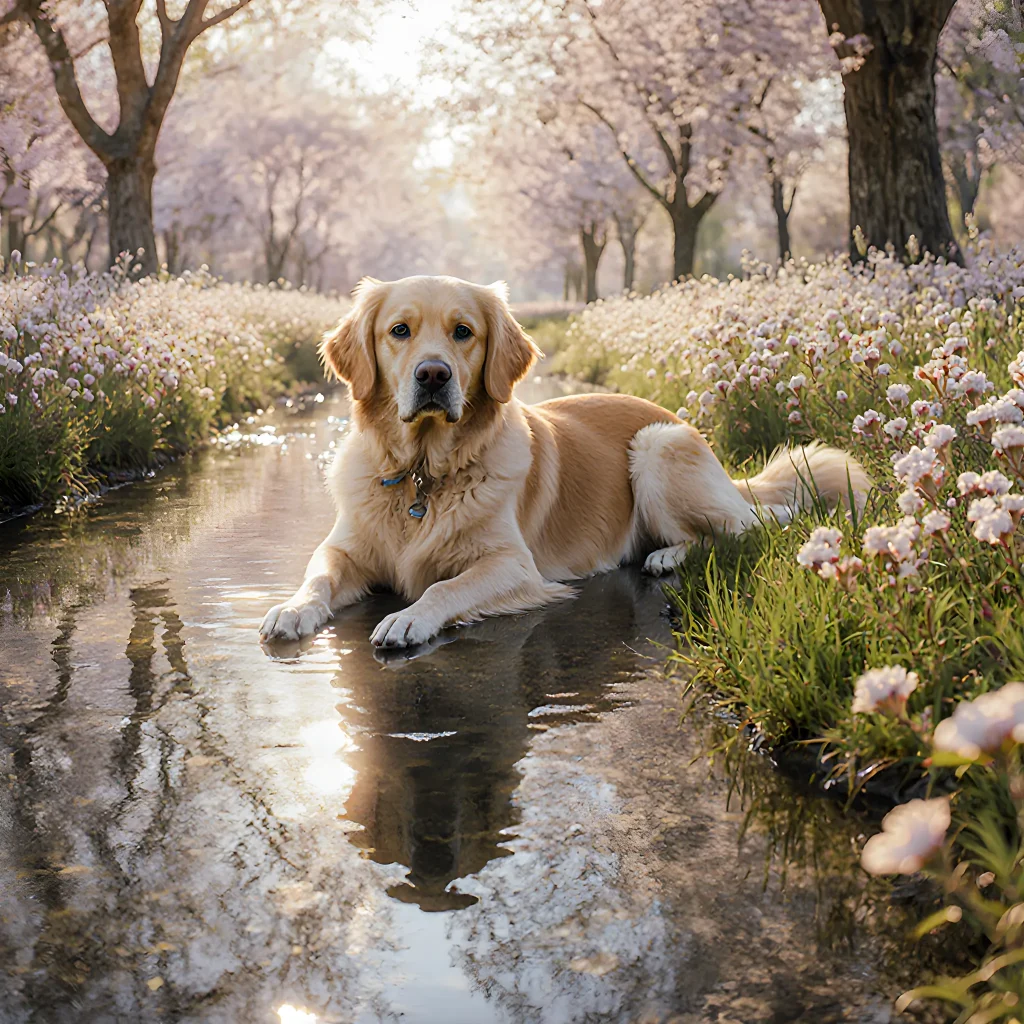
Unleash Harmony: Transform Dog Drama into Calm
Canine Conflict Cure: Secrets to Serenity
Table of Contents
- Introduction
- Understanding Dog Behavior
- Early Socialization
- Identifying Triggers
- Positive Reinforcement Training
- Essential Command Commands
- Body Language Awareness
- Structured Playtime and Exercise
- Management Strategies at Home
- Preventing Encounters Outside
- Handling Multi‑Dog Households
- When to Seek Professional Help
- Maintaining Long‑Term Consistency
- Conclusion
- FAQ
Introduction
Dog fights can be devastating for both pets and owners, causing injuries, emotional distress, and costly veterinary bills. The good news is that most conflicts are preventable with proper training, socialization, and proactive management. Below we break down the key steps to keep your dog safe and calm around other dogs.
1. Early Socialization
- Start young: Puppies between 8–16 weeks are most receptive to new experiences. Introduce them gradually to a variety of people, environments, and other dogs in controlled settings.
- Positive reinforcement: Reward calm behavior with treats or praise. Avoid scolding for nervousness; instead, encourage confidence.
- Controlled exposure: Use leashes, muzzles if necessary, and keep initial interactions brief (2–3 minutes). Increase duration as the dog remains relaxed.
2. Teach Basic Obedience Commands
- “Sit” & “Stay”:** These commands create a pause between your dog’s impulse to react and an opportunity for you to intervene.
- “Come” & “Leave it”:** Useful when approaching a potential trigger or when you need to redirect attention.
- Consistent cues: Use the same verbal cue and hand signal each time. Consistency helps your dog quickly recognize what is expected.
3. Manage the Environment
- Keep distance: Maintain at least a 10–15 foot buffer from unfamiliar dogs during walks or in parks. Use visual cues like “watch” to keep your dog focused on you.
- Choose low-traffic times: Early mornings or late evenings often have fewer dogs and people, reducing the chance of spontaneous encounters.
- Use barriers: In crowded areas, let your dog stay on a short leash and keep him/her in the “behind” side of the group to reduce direct contact with strangers’ pets.
4. Read Body Language
Learn to spot signs of agitation: stiff tail, raised hackles, flattened ears, intense staring, or a tense body. If you notice these cues in either dog, calmly disengage and move away. A quick “back up” command can help your dog retreat without escalating.
5. Use Preventive Tools
- Muzzle training: For dogs with a history of aggression or fear-based biting, a properly fitted muzzle can provide safety while you work on behavior.
- High-visibility gear: Reflective vests and collars help other dog owners spot your pet quickly, reducing surprise encounters.
6. Consistent Routine & Exercise
A tired dog is less likely to exhibit hyperactive or reactive behavior. Ensure regular walks, play sessions, and mental stimulation (puzzle toys, obedience training) to expend excess energy safely.
7. Seek Professional Help Early
- If your dog shows persistent aggression or fear toward other dogs despite basic training, consult a certified dog behaviorist or trainer.
- Behavior modification plans often include desensitization, counter-conditioning, and gradual exposure under professional supervision.
Practical Scenario: A Park Encounter
- Situation: You’re walking your 12‑month‑old Labrador in a busy park when another dog approaches aggressively.
- Step 1 – Stay Calm: Keep your voice low, avoid eye contact with the other dog, and maintain a steady pace.
- Step 2 – Use “Sit” & “Stay”:** Command your Labrador to sit. Hold the leash tight but not too tight.
- Step 3 – Redirect: Offer a treat or toy, then give the “Come” command to bring your dog back toward you.
- Step 4 – Distance: Move away from the area slowly until you’re at least 15 feet from the other dog. Continue walking calmly.
By integrating these steps into your daily routine, you’ll build confidence in your dog and reduce the likelihood of confrontations. Remember: consistency, patience, and early intervention are the cornerstones of preventing dog fights.
Understanding Dog Behavior
When it comes to preventing dog fights, the first step is understanding why dogs behave the way they do. Dogs are social animals with a complex hierarchy of signals that can be misinterpreted if owners aren’t aware of them. By learning to read body language, vocal cues, and environmental triggers, you’ll be better equipped to intervene before aggression escalates.
Key Behavioral Cues to Watch For
- Body posture: A stiff back, raised hackles, or a rigid tail often signals tension. A relaxed dog will have loose limbs and a wagging tail that swings naturally.
- Facial expressions: Growling is a clear warning sign, but even subtle “bites” of the lip can indicate discomfort. Avoiding eye contact can be a submissive signal; direct staring may be perceived as threat.
- Vocalizations: Whining or whimpering usually indicates anxiety, while low growls or snarls are aggression warnings. A sudden bark in an unfamiliar setting can trigger fear or territorial defense.
Common Triggers for Dog Aggression
- Resource guarding: Food, toys, or even a favorite human can become prized items that dogs will fiercely protect.
- Fear and anxiety: New environments, loud noises (fireworks, thunderstorms), or unfamiliar people often provoke defensive reactions.
- Pain or illness: Dogs may react aggressively if they feel threatened while in pain; this is sometimes mistaken for personality issues.
- Inadequate socialization: Puppies that haven’t met a variety of dogs, people, and situations can develop misdirected fear responses.
Training & Prevention Strategies
Below are practical steps you can take to reduce the likelihood of dog fights. These methods combine obedience training, socialization, environmental management, and positive reinforcement techniques.
- Basic Obedience Training:
- Commands: “Sit,” “Stay,” “Come,” and “Leave it” are essential tools for controlling a dog in potentially volatile situations. Practice these commands daily until your dog can perform them reliably even with distractions.
- Leash control: A well‑trained leash prevents runaway behavior during walks or park visits. Use a short, sturdy leash and keep the dog at your side to maintain focus.
- Socialization Programs:
- Expose puppies to other dogs (both vaccinated and healthy) in controlled settings such as puppy classes or supervised playdates. Gradually increase the number of dogs and environments.
- For adult dogs, arrange “controlled introductions” using a neutral space, a leash, and a calm environment. Reward calm behavior with treats and praise.
- Positive Reinforcement:
- Reward desirable behaviors—such as calm greetings or following commands—with high‑value treats, toys, or affection. Avoid punishing; this can increase fear and aggression.
- Use a clicker or verbal marker to precisely time rewards, helping the dog associate the cue with the positive outcome.
- Resource Management:
- Feed dogs at regular times and in a quiet area to reduce competition. Consider using food puzzles that require effort to obtain treats, discouraging “grab‑and‑run” behavior.
- Store toys and accessories in designated spots; avoid leaving valuable items unattended where other dogs might access them.
- Environmental Control:
- Avoid crowded parks or events if your dog has a history of aggression. Opt for early morning walks or less busy times.
- If you anticipate high‑stimulus situations (e.g., fireworks), use calming aids such as anxiety vests, pheromone diffusers, or low‑frequency music to reduce stress levels.
- Behavior Modification Techniques:
- Use “counter‑conditioning” to transform negative associations. For example, if a dog reacts to other dogs by growling, pair the presence of another dog with treats so that the dog starts to associate them positively.
- Apply “desensitization” gradually: expose your dog to the trigger at a low intensity and reward calmness; slowly increase exposure while maintaining control.
- Professional Guidance:
- If aggression persists, consult a certified veterinary behaviorist or an experienced dog trainer. They can develop a tailored intervention plan that may include medication or specialized training modules.
Real‑World Example: A Two‑Dog Household
Consider the case of Max, a 4‑year‑old Labrador, and Luna, an energetic 1‑year‑old Jack Russell. Max was previously protective over his food bowl, growling at Luna when she approached. After implementing a “leave it” command paired with treats, Max’s growls decreased by 80%. Additionally, the owners introduced Luna to other dogs through a puppy class and used positive reinforcement during playdates. Within six months, both dogs were able to share a living space without conflict.
Practical Takeaway Checklist
- Teach basic obedience commands before socializing with strangers.
- Use controlled introductions for new dogs and people.
- Reward calm, non‑aggressive behavior consistently.
- Manage resources: feed at set times, store toys securely.
- Avoid high‑stress environments or use calming aids if necessary.
- Seek professional help if aggression is severe or persistent.
By integrating these training and prevention strategies into your routine, you’ll create a safer environment for both your dog and others—effectively reducing the chances of dog fights while fostering a calm, well‑behaved companion.
Early Socialization
Socializing your puppy from a very young age is one of the most effective ways to reduce aggressive tendencies and prevent dog fights later in life. The goal is to expose the pup to a variety of people, environments, sounds, textures, and other animals so they learn that these stimuli are safe rather than threatening.
When to Start
- Birth to 2 weeks: Focus on gentle handling—touching paws, ears, and mouth. This helps your puppy get used to human contact without feeling threatened.
- 2–4 weeks: Introduce soft, quiet noises (like a vacuum or distant traffic) while keeping the environment calm. Continue positive touch training.
- 4–6 weeks: Start mild exposure to other dogs that are well-behaved and healthy. Use short, controlled sessions with a leash and a calm handler.
- 6–8 weeks: Increase variety: different surfaces (grass, tile, carpet), new people of various ages and sizes, and small outdoor settings like parks or quiet streets.
Practical Socialization Techniques
- Leash Walks in Diverse Settings: Take your pup on walks that include busy sidewalks, quiet backyards, and nature trails. Let them sniff freely but keep the leash short enough to maintain control.
- Controlled Dog-to-Dog Interactions: Use a neutral location like an empty park or a friend’s yard. Keep both dogs leashed initially, then gradually allow them to approach each other while monitoring body language (tail wagging, relaxed ears).
- Use positive reinforcement: Reward calm behavior with treats, praise, or a favorite toy. This creates an association between new experiences and positive outcomes.
- Introduce Novel Sounds: Play recordings of everyday noises (car horns, sirens, lawnmowers) at low volume while offering treats. Gradually increase the volume as your pup remains calm.
- Practice desensitization: If your puppy shows fear toward a specific stimulus (e.g., umbrellas), expose them to it repeatedly in a controlled way until they no longer react strongly.
Key Signs of Stress or Aggression
| Body Language | Interpretation |
|---|---|
| Stiff posture, ears back, tail tucked | Fear or discomfort—need to slow down exposure. |
| Barking, growling, snapping | Possible aggression trigger—pause interaction and reassess. |
| Relaxed posture, loose ears, tail wagging (slowly) | Comfortable—continue but keep a safe distance. |
Common Mistakes to Avoid
- Forcing interactions: If your puppy pulls back or shows signs of distress, stop and give them space. Forced contact can lead to fear-based aggression.
- Overexposure: Too many stimuli at once can overwhelm a pup. Keep sessions short (5–10 minutes) and gradually increase complexity.
- Lack of consistency: Every owner should follow the same training routine. Mixed messages confuse puppies and undermine socialization efforts.
Long-Term Benefits
Early, consistent socialization reduces the likelihood that a dog will react aggressively to new or ambiguous situations. A well-socialized dog is more likely to:
- Coexist peacefully with other dogs and animals.
- Respond positively to commands in distracting environments.
- Enjoy outings without constant fear or anxiety, making training sessions more productive.
Next Steps
After establishing a solid socialization foundation, move on to targeted training like “Avoiding Dog Fights: Training and Prevention.” Use the confidence built during early socialization to teach advanced commands (e.g., “leave it,” “watch me”) that can defuse potentially volatile encounters.
Identifying Triggers
Understanding the specific stimuli that prompt aggressive or defensive behavior in your dog is the first step toward preventing fights. Below are common triggers, how to spot them, and practical strategies for managing each situation.
Common Triggers That Spark Dog Aggression
- Resource Guarding: Food, toys, bedding, or even a favorite human can become valuable assets. Look for signs such as growling, stiff posture, or sudden lunges when another dog approaches.
- Fear or Anxiety: A sudden noise, unfamiliar object, or new person can trigger a defensive response. Watch for cowering, tail tucked between legs, or a rapid heart rate (often accompanied by panting).
- Protective Instincts: Dogs that have been raised around other animals or who see themselves as the "pack leader" may react to perceived threats in their territory.
- Territorial Aggression: Certain breeds (e.g., German Shepherds, Rottweilers) are more prone to defend their home environment. Look for barking, lunging at passing dogs, or snapping when a stranger enters the yard.
- Social Stressors: Unfamiliar social settings—like dog parks, groomers, or vet offices—can cause stress that leads to aggression. Notice heightened agitation or attempts to flee.
How to Observe and Record Triggers
- Keep a Behavior Journal: Note the date, time, location, what happened before the incident, the dog's reaction, and any other animals or people involved.
- Use Video Recording: A short clip can capture subtle cues (e.g., ear position, tail movement) that are hard to remember in real-time.
- Ask for a “Trigger List” from Your Vet or Trainer: Professionals often have standardized checklists tailored to specific breeds and temperaments.
- Notice Patterns Over Time: Does aggression spike during certain seasons, after feeding, or when strangers approach? Consistent patterns point to reliable triggers.
Practical Advice for Managing Triggers
- Desensitization & Counter-Conditioning: Gradually expose your dog to the trigger at a distance that does not provoke aggression, rewarding calm behavior with treats or praise.
- Create Safe Spaces: Provide a crate or a quiet corner where your dog can retreat during stressful events. This reduces defensive responses.
- Use “Leave It” and “Watch Me” Commands: Train these cues early to redirect attention away from the trigger. For example, when another dog approaches, say “watch me” and reward eye contact.
- Manage Resource Access: Keep valuable items out of reach or store them in a closed container. Offer alternative rewards (e.g., high-value treats) to divert focus during meals or playtime.
- Control the Environment: When attending dog parks, bring a leash that allows you to maintain distance from other dogs. Avoid crowded areas during peak times if your dog is highly reactive.
Case Study: A Resource Guarding Dog
Background: Max, a 4‑year‑old Labrador, would growl and snap at any dog that came near his food bowl.
Trigger Identified: Food as a resource.
Training Plan:
- Feed Max in a separate room, then have the trainer bring another dog into that same space while you are present.
- If Max remains calm, reward him with treats and praise.
- Gradually move the other dog closer until Max shows signs of discomfort; at this point step back and repeat from a safer distance.
- Use “Leave it” when the other dog approaches the bowl. Once he obeys, reward heavily.
Result: After 6 weeks, Max tolerated another dog standing within arm’s reach of his food without any signs of aggression.
Positive Reinforcement Training
When it comes to preventing dog aggression and potential fights, the most effective approach is a proactive training program that uses positive reinforcement. This means rewarding desired behaviors instead of punishing unwanted ones, creating a learning environment where your dog feels safe, confident, and eager to cooperate.
Why Positive Reinforcement Works
- Builds Trust: Dogs respond best when they know what’s expected of them. Rewards create clear communication.
- Reduces Fear: Punishment can trigger fear or defensive aggression, while rewards encourage calmness and confidence.
- Increases Compliance: Dogs are more likely to repeat a behavior that earns treats, praise, or playtime.
Key Concepts & Terminology
- Clicker Training
- A method where a click sound marks the exact moment of correct behavior, followed by a reward.
- Targeting
- Teaching your dog to touch an object (e.g., a target stick) with their nose or paw, useful for redirecting attention.
- Lure & Release
- A technique where you lure the dog toward a desired position and then release them with a cue and reward.
Step‑by‑Step Training Plan
- Establish a Calm Environment
Begin training in a quiet, familiar space. Use soft background music or a calming scent if your dog is prone to anxiety.
- Teach Basic Obedience Commands
- “Sit” – use a treat as a lure and reward when the dog's hindquarters touch the ground.
- “Stay” – start with short intervals, gradually increasing time while rewarding compliance.
- “Come” – practice recall in low‑distraction settings, rewarding immediately upon arrival.
- Use the “Leave It” Command
This command is essential for preventing your dog from approaching potentially aggressive animals or objects.
- Hold a treat in your closed fist and say, “Leave it.” When the dog stops trying to get it, reward with another treat from your other hand.
- Repeat until the dog consistently ignores the fist and accepts the reward.
- Redirect Attention During Socialization
If you encounter a new dog or person that might trigger aggression, use a high‑value treat or favorite toy to shift focus. For example:
- When the other dog approaches, say “Sit” and reward for compliance.
- Use a target stick to guide your dog away from the source of stress.
- Practice Controlled Exposure
Gradually introduce your dog to various stimuli (other dogs, crowds, loud noises) at a pace that keeps them below their aggression threshold. Use positive reinforcement for calm behavior.
- Teach the “Drop It” Command
Essential for preventing fights over objects or prey. Hold a treat in your hand and say, “Drop it.” Reward when the dog releases the item.
- Use Desensitization Techniques
If your dog shows signs of fear around certain triggers (e.g., vacuum cleaner), gradually expose them to the trigger at a distance while rewarding calmness. Slowly reduce the distance over multiple sessions.
Practical Tips for Everyday Situations
- Leash Management: Keep your dog on a short leash in crowded areas to maintain control and prevent accidental chases.
- Use a “Quiet” Cue: Train your dog to respond to a quiet cue when they start barking. Reward silence with treats or praise.
- Keep Treats Handy: Carry high‑value treats during walks; you can quickly redirect attention if an unwanted stimulus appears.
- Body Language Awareness: Learn to read your dog's body language (e.g., tail position, ear posture). Stop training if signs of stress appear.
Common Pitfalls and How to Avoid Them
- Using Punishment: Avoid shouts, leash jerks, or physical corrections. They can heighten fear and lead to defensive aggression.
- Over‑Rewarding: Give rewards only for the correct behavior; otherwise, your dog may not learn what you truly want.
- Inconsistent Commands: Use the same word or cue each time (e.g., always “Sit” and never “Sitting”). Consistency speeds learning.
Success Stories
Here are a few real‑world examples where positive reinforcement training prevented fights:
- Max (Golden Retriever): After being taught “Leave it” and “Sit,” Max never chased other dogs in the park. The owner reports calmer walks and fewer conflicts.
- Luna (German Shepherd): Luna was initially reactive to street vendors. By practicing controlled exposure with treats, she now stays calm even when crowds bustle nearby.
Resources for Further Learning
Essential Command Commands
When it comes to preventing dog confrontations, the foundation lies in reliable obedience commands that can be executed under any circumstances. Below are the core commands every owner should master, along with practical examples and tips on how to reinforce them effectively.
1. “Sit” – Establishing Control
- Why it matters: A sit keeps your dog’s body weight off their front legs, reducing the chance of a sudden lunge when encountering another dog.
- Training tip: Use a high‑value treat (e.g., small pieces of chicken) and place it just above the dog's nose. As they follow the scent upward, they'll naturally sit. Praise immediately: “Good sit!”
- Practice scenario: While walking, stop at every traffic light or corner. Ask your dog to sit before you cross or turn. Consistency turns this into a reflex.
2. “Stay” – Maintaining Distance
- Why it matters: A stay keeps your dog from moving toward potential threats, giving you time to assess the situation.
- Training tip: Begin with a short distance (e.g., one step). Use an open palm gesture and say “Stay.” If the dog remains, reward. Gradually increase distance and duration while keeping eye contact.
- Practice scenario: In a park, ask your dog to stay while you approach a group of other dogs. Once they’re safely positioned, give them a release command (“Free” or “Okay”).
3. “Leave It” – Redirecting Attention
- Why it matters: If your dog spots an enticing scent (food, another dog’s collar), “Leave it” can prevent curiosity‑driven aggression.
- Training tip: Hold a treat in both hands. Say “Leave it.” When the dog stops sniffing and looks at you, reward with a different treat from the other hand. Repeat until they reliably ignore the first treat.
- Practice scenario: While on a leash, if another dog approaches, calmly say “Leave it” to focus your dog's attention back to you instead of the approaching canine.
4. “Come” – Reliable Recall
- Why it matters: A strong recall can pull a dog away from escalating situations, especially in crowded areas or during play.
- Training tip: Use enthusiastic vocal tone and body language. Start in a low‑distraction environment, then gradually introduce mild distractions while rewarding quick returns.
- Practice scenario: If you’re walking near a busy dog park, use “Come” to bring your dog back when they start chasing another dog’s tail or get distracted by other dogs’ play.
5. “Heel” – Controlled Walking
- Why it matters: Heel keeps your dog at your side, reducing the chance of them darting toward another dog or reacting impulsively.
- Training tip: Walk in a straight line with the leash slack. When the dog stays beside you, reward. Use a cue word (“Heel”) and hand signal (thumb pointing forward).
- Practice scenario: On busy streets, maintaining heel helps your dog focus on walking rather than reacting to passing dogs or cars.
6. “Drop It” – Releasing Possessions Safely
- Why it matters: Dogs often grab items (treats, toys) during interactions. “Drop it” ensures they release without a struggle that could trigger aggression.
- Training tip: Offer a high‑value treat in exchange for the item. Say “Drop it.” When the dog releases, reward immediately. Repeat until they drop on cue.
- Practice scenario: If your dog picks up another dog's leash during a walk, calmly command “Drop it” to safely disengage without confrontation.
7. “Leave It” (Advanced) – Preventing Resource Guarding
- Why it matters: Some dogs guard food or toys; this advanced version focuses on preventing escalation around resources.
- Training tip: Pair the command with a “trade” system: offer a treat in exchange for the guarded item. Use consistent phrasing and reward promptly.
- Practice scenario: During training sessions, if your dog becomes possessive over a chew toy, use “Leave it” to redirect their attention to you before they can become defensive.
Practical Integration Tips
- Consistency is key: Use the same verbal cue and hand signal for each command across all settings.
- Positive reinforcement: Pair commands with treats, praise, or play. Avoid punishment as it can increase anxiety and aggression.
- Gradual exposure: Introduce potential triggers slowly—first in a quiet area, then gradually to busier environments.
- Leash management: Keep the leash short enough for control but long enough to allow natural movement; this reduces tension that could lead to fights.
- Monitor body language: Watch for signs of frustration (growling, stiffening). If detected, use “Leave it” or “Sit” to deescalate before the situation escalates.
By mastering these essential commands and integrating them into daily routines, you’ll create a safer environment for your dog and reduce the likelihood of unwanted confrontations. Consistent practice not only improves obedience but also strengthens the bond between you and your pet, fostering confidence and calmness in social situations.
Body Language Awareness
Understanding a dog’s body language is the first step in preventing conflicts. A calm, relaxed dog will display:
- Soft eyes – pupils are not dilated and the gaze is gentle.
- Loose tail – wagging at a low to moderate speed, centered on the body.
- Relaxed ears – either in their natural position or slightly forward but not pinned back.
- Open mouth – lips relaxed, no snarling or teeth showing.
Signs of Tension or Aggression
When a dog feels threatened or excited, look for:
- Stiff posture – body rigid, shoulders raised.
- Ears pinned back – indicating irritation.
- Raised tail or tail held high – a warning signal.
- Bared teeth or growl – clear indicators of potential aggression.
Practical Tips for Training and Prevention
- Early Socialization: Introduce puppies to a variety of people, environments, and other dogs under controlled conditions. Use positive reinforcement (treats, praise) when the puppy remains calm.
- Teach “Leave It” and “Drop It”: These commands give you control in potentially dangerous situations. Practice with low-value items first, gradually increasing difficulty.
- Use a Leash During First Interactions: Keep the dog on a short leash when meeting unfamiliar dogs or people. This allows you to step in quickly if body language shifts toward tension.
- Observe from a Distance: If two dogs are approaching each other, maintain a safe distance (at least one full length of the larger dog). Watch for warning signs before they get too close.
- Redirect Attention: If you notice a dog’s ears pinning back or tail raised, give them an alternative focus—such as a chew toy, a treat, or a gentle tug on their leash—to divert energy away from potential conflict.
- Consistent Routine: Dogs feel secure when they know what to expect. Keep feeding times, walks, and play sessions regular so that anxiety-driven aggression is less likely.
- Avoid “Squeaky Toys” or Loud Noises: These can startle a dog and trigger an aggressive response. Use calm, quiet environments during training.
- Monitor Post-Interaction Recovery: After any close encounter, give dogs time to cool down in separate areas before allowing them back together. Look for signs of lingering agitation such as yawning or sniffing at the ground.
Case Study: Preventing a Bump‑and‑Bite Scenario
Scenario: Two dogs, Max (a 4‑year‑old Labrador) and Bella (a 2‑year‑old Jack Russell), were introduced at the park. The owner of Max noticed Bella’s tail was high and ears flattened.
- The owner calmly approached from behind, using a firm voice to say “Sit.”
- Max sat down, his body relaxed, and he began to walk away with the leash in his mouth.
- The owner then called Bella’s name softly and offered her a treat, diverting her attention.
- After both dogs were calm, they were allowed to sniff each other at a safe distance. The owners kept them on leashes until the interaction was completely peaceful.
This example illustrates how recognizing body language early and using gentle redirection can prevent escalation into a fight.
Key Takeaway
By constantly observing your dog’s body language, practicing calm commands, and creating predictable environments, you reduce the likelihood of aggressive encounters. Consistency, patience, and positive reinforcement are the pillars of effective prevention.
Structured Playtime and Exercise
Regular, well‑planned exercise is the cornerstone of a calm, confident dog that’s less likely to engage in fights. Structured playtime helps burn excess energy, reinforces training cues, and gives you an opportunity to observe your dog’s body language for early signs of agitation.
1. Create a Routine
- Morning walk: Start the day with a brisk 30‑minute stroll or jog. This sets a positive tone and gives your dog a chance to relieve themselves before indoor activities begin.
- Midday play session: If you have a backyard or access to a park, schedule a 15–20 minute fetch or tug game. Use high‑value treats as rewards for calm behavior during the game.
- Evening wind‑down: Finish with a gentle walk or a calm “treat‑and‑talk” session where you practice obedience commands while your dog relaxes on a leash.
2. Use Structured Games
Games that require focus and clear instructions are especially effective for preventing fight triggers:
- Fetch with a twist: Throw a ball, then give the “drop it” command before retrieving again. This reinforces impulse control.
- Tug‑of‑War with a release cue: Teach your dog to pull on a rope only when you say “tug.” After each tug, use a release word (“free”) and reward compliance.
- Agility circuits: Set up simple obstacles (cones, tunnels) in your yard. This provides physical exercise while sharpening focus and obedience.
3. Monitor Body Language
During playtime, keep an eye out for:
- Stiff posture or rigid tail position: May indicate a growing threat response.
- Barking or growling when the game starts: A sign that the dog is feeling overstimulated.
- Quick darting or sudden stops: Could be an early warning of aggression build‑up.
If you notice any of these signs, calmly disengage and redirect your dog’s attention to a calm command like “sit” or “stay.”
4. Use Positive Reinforcement Consistently
Reward good behavior with treats, praise, or an extra toy. This helps the dog associate calm play with positive outcomes, reducing the likelihood of escalating into a fight.
5. Integrate Training Into Exercise
- Short training bursts: Between fetch throws, practice “leave it,” “watch me,” or “heel.”
- Recall drills: After a short walk, call your dog back to you. Reward for returning promptly.
6. Tailor Exercise to Your Dog’s Breed and Age
High‑energy breeds like Border Collies or Jack Russell Terriers need longer runs or puzzle toys. Older dogs benefit from low‑impact activities such as swimming, short walks, or gentle tug sessions.
7. Avoid “Fight‑Trigger” Activities
- Unstructured rough play: Allowing a dog to chase another freely can ignite aggression.
- Excessive competition for toys: If two dogs fight over a ball, it’s a sign of resource guarding.
By embedding these structured routines into your daily life, you’ll reduce the chances of dog fights while promoting a healthy, balanced lifestyle for your pet.
Management Strategies at Home
Preventing canine altercations starts long before any potential conflict arises. The key is to build a solid foundation of obedience, socialization, and clear communication between you and your dog. Below are detailed strategies that combine proven training techniques with practical home management practices.
1. Establish Clear Leadership
- Consistent Commands: Use the same verbal cues (e.g., “sit,” “stay,” “come”) and hand signals every time to avoid confusion.
- Positive Reinforcement: Reward desired behavior with treats, praise, or play. This encourages your dog to repeat those actions instead of resorting to aggression.
- Controlled Environment: Practice commands in a distraction-free setting before introducing new stimuli (e.g., other dogs, loud noises).
2. Socialization: The Cornerstone of Calm Behavior
Proper social exposure helps your dog recognize that other animals are not threats.
- Early Introduction: Puppies should meet a variety of dogs, people, and environments before they reach adulthood.
- Controlled Dog Walks: Keep a safe distance during walks. If your dog shows signs of excitement or aggression (growling, stiff posture), calmly redirect with a command or move away.
- Use a leash and harness as a safety tool in public places until you’re confident your dog remains calm.
3. Teach the “Leave It” and “Drop It” Commands
These commands are essential for preventing fights over resources or perceived threats.
- Leave It: Hold a treat in both hands; let your dog sniff the closed fist. When it stops sniffing, say “leave it” and give the other hand’s treat.
- Drop It: Offer a high-value item (e.g., a favorite toy) and say “drop it.” When they release, reward immediately with praise or a new treat.
4. Manage Home Spaces to Reduce Tension
- Separate Feeding Areas: Feed dogs in different rooms or use barriers to prevent food guarding.
- Safe Retreat Zones: Provide each dog with a quiet space where they can retreat without feeling cornered.
- Controlled Introductions: When bringing a new dog into the household, keep them on a leash at first and allow gradual interaction under supervision.
5. Use Environmental Enrichment to Reduce Boredom-Triggered Aggression
Dogs that are mentally stimulated are less likely to become frustrated or territorial.
- Puzzle Toys: Rotate toys to maintain novelty and keep your dog engaged.
- Training Sessions: Short, daily sessions of new tricks or obedience drills burn excess energy constructively.
- Exercise Routine: A well-structured walk or playtime helps expend pent-up energy that might otherwise manifest as aggression.
6. Monitor Body Language for Early Warning Signs
Recognizing subtle cues can prevent escalation before it happens.
- Stiff Tail and Posture: A rigid tail or back indicates agitation.
- Ears Back, Mouth Open: These are signs of potential discomfort or warning.
- Quick Eye Contact: Sustained staring can be perceived as a threat; calmly redirect the gaze with a command.
7. When Conflict Occurs: Immediate Steps to Take
- Do not intervene physically—this could worsen the situation or injure you.
- Use a loud, firm voice to say “No” or “Leave it.”
- If the dogs are separated by a barrier, calmly remove them from each other’s line of sight.
- After the incident, give both dogs time to calm before reintroducing.
8. Seek Professional Guidance When Needed
Persistent aggression or fear-based behavior may require help from a certified dog trainer or veterinary behaviorist. Early intervention often prevents more serious issues later on.
By integrating these training techniques and management practices into your daily routine, you create an environment where dogs feel safe, understood, and less inclined to resort to fighting. Consistency, patience, and positive reinforcement are the keys to a harmonious home for all four-legged family members.
Preventing Encounters Outside
Dog fights are not only painful for the animals involved but can also lead to serious legal and financial consequences for owners. The best way to keep your dog safe is through proactive training, socialization, and environmental management.
1. Early Socialization
- Expose your puppy early: Introduce a variety of people, animals, sounds, and environments between the ages of 8–16 weeks. The goal is to create positive associations rather than fear.
- Controlled playdates: Invite one or two calm dogs at a time to a neutral area. Monitor body language; look for relaxed posture, wagging tail, and soft eye contact.
- Use “positive” experiences: Give treats, praise, or a favorite toy when your dog interacts calmly with other dogs.
2. Obedience Training Basics
- “Sit” and “Stay” commands: These provide a clear cue for your dog to pause, reducing the chance of impulsive reactions.
- Recall (“Come”) training: A reliable recall can prevent a confrontation from escalating. Practice in low‑distraction areas before moving to busy parks or streets.
- Leash control: Keep your dog on a short leash (4–6 feet) when walking near other dogs, giving you enough time to intervene if needed.
3. Managing the Environment
- Choose safe routes: Avoid busy dog parks or crowded streets during peak times. Opt for quieter paths or early‑morning walks.
- Use a harness instead of a collar: Harnesses give you more control and reduce strain on the neck, which can be critical in a sudden tug‑of‑war situation.
- Keep distractions minimal: Remove or cover any food, toys, or other items that might provoke territorial behavior.
4. Reading Dog Body Language
Recognizing the early signs of tension can help you intervene before a fight starts.
| Body Sign | Possible Meaning |
|---|---|
| Ears pinned back or flattened | Fear, irritation, or aggression |
| Stiff tail, not wagging lightly | Alertness, possible threat response |
| Growling or snorting | Warning signal – step back |
| Open mouth with teeth visible | Intense agitation – potential bite risk |
5. Practical Scenarios and What to Do
- Scenario A: Your dog is on a leash and another dog approaches.
- Stop walking and keep your dog in the “Sit” position.
- Use a firm voice to say “Leave it.”
- If the other dog advances, back away slowly while keeping eye contact.
- Scenario B: Your dog pulls and yanks toward another dog in a park.
- Immediately release the leash to prevent a tug‑of‑war.
- Call your dog’s name loudly; if they don't respond, use a whistle or a sharp command like “No.”
- Move away from the confrontation and give them space.
6. When to Seek Professional Help
If your dog displays persistent aggression, consider enrolling in a professional training program or consulting a veterinary behaviorist. Signs that warrant immediate attention include:
- Repeated biting or snapping at other dogs.
- A sudden change in temperament after a previous calm period.
- Physical injuries from a prior altercation.
7. Resources for Continued Learning
- Dog Training Academy
- American Veterinary Society of Animal Behavior
- AKC – Resources for Responsible Dog Ownership
By combining early socialization, consistent obedience training, environmental control, and vigilant observation, you can dramatically reduce the likelihood of dog fights and keep your pet—and everyone around—safe.
Handling Multi‑Dog Households
When you have more than one dog, the risk of conflict increases. The key to a harmonious household is proactive training and consistent preventive measures. Below are practical steps you can take to reduce aggression and create a safe environment for all your pets.
1. Read Body Language
- Relaxed ears & tail: Friendly or neutral state.
- Ears back, tail tucked: Fear or submission.
- Bared teeth, stiff posture: Warning sign; stop interaction immediately.
Practice “dog language” drills with a single dog first, then introduce the second dog gradually while observing reactions. Use a calm voice and slow movements to keep tension low.
2. Controlled Introductions
- Neutral territory: Start in an unfamiliar space so neither dog feels territorial.
- Leash and short sessions: Keep each session to 5–10 minutes; gradually increase as they show comfort.
- Positive reinforcement: Reward calm behavior with treats, praise, or a favorite toy.
3. Consistent Obedience Commands
Teach both dogs basic commands—sit, stay, come, leave it. A well‑trained dog can be redirected away from a potential conflict.
- “Leave It”: Use when one dog is fixated on another’s food or toy.
- “Come”: Call both dogs back to you if agitation rises.
4. Resource Guarding Prevention
Resource guarding can spark fights over food, toys, or beds. Mitigate it by:
- Separate feeding times: Feed each dog in a different room.
- Rotating toys: Give each dog exclusive access to a particular toy for short periods.
- “Drop It” training: Reward dogs that willingly release a coveted item.
5. Create Safe Spaces
Each dog should have its own den-like area where it can retreat without being disturbed. Use crates, playpens, or separate rooms to provide this privacy.
6. Early Detection of Aggression
- Watch for pacing, growling, or sudden lunges: These are red flags that a fight could start.
- Interrupt calmly: Use a firm “no” or a gentle clap to break the tension.
- Separate if necessary: When verbal cues fail, move dogs apart using barriers (e.g., baby gates).
7. Seek Expert Guidance
If fights occur frequently or aggression escalates, consult a certified dog trainer or behaviorist. They can conduct a tailored assessment and recommend specific interventions.
Quick Reference Checklist
| Action | When to Apply |
|---|---|
| Leash during introductions | First meeting or unfamiliar setting |
| Separate food bowls | Every meal |
| Use “Leave It” command | During play or feeding disputes |
| Provide individual resting areas | Any time dogs need privacy |
| Consult a trainer | After two or more fights in 24 hours |
By combining attentive observation, consistent training, and thoughtful environmental design, you can greatly reduce the likelihood of dog fights and foster a peaceful multi‑dog household.
When to Seek Professional Help
Even the most dedicated home‑trainer can hit a wall when dealing with aggressive or fearful dogs. Knowing when to bring in a professional is crucial for preventing fights and ensuring the safety of everyone involved.
Signs Your Training Isn’t Sufficient
- Escalating Aggression: If your dog’s growls, snarls, or lunges intensify despite consistent training, it’s time to consult an expert.
- Persistent Fear or Anxiety: A dog that remains overly fearful around other dogs even after exposure sessions may need a deeper behavior modification plan.
- Uncontrolled Biting: Any instance of biting—whether in play or during stressful moments—requires professional intervention to prevent serious injury.
- Failure to Respond to Commands: If basic obedience cues (sit, stay, come) are ignored around other dogs, a trainer can help reinforce these commands in high‑stimulus environments.
Choosing the Right Professional
Not all dog trainers or behaviorists are created equal. Here’s what to look for:
- Certification & Credentials: Look for certifications from reputable bodies such as the Association of Professional Dog Trainers (APDT) or International Association of Canine Professionals (IACP).
- Specialization in Aggression/Anxiety: Seek trainers who specialize in fear‑based aggression or have a track record with similar cases.
- Positive Reinforcement Focus: A trainer that uses reward‑based methods is generally safer and more effective for long‑term behavior change.
- Hands‑On Experience: Verify that they’ve worked in real‑world settings—e.g., dog parks, shelters, or multi‑dog households—to handle unpredictable scenarios.
What to Expect During a Professional Session
A typical session will involve:
- Behavior Assessment: The trainer observes your dog in various contexts, noting triggers and responses.
- Customized Training Plan: A step‑by‑step program tailored to your dog’s specific issues (e.g., desensitization, counter‑conditioning).
- Owner Education: You’ll learn the techniques so you can continue training at home.
- Follow‑Up Sessions:
Practical Tips to Maximize Success
- Keep a Training Log: Record every session, noting what worked and what didn’t. Share this with your trainer.
- Maintain Consistency: Use the same commands, cues, and rewards during home practice to reinforce learning.
- Practice in Controlled Settings First: Start training in a quiet room or fenced yard before moving to busier dog parks.
- Use High‑Value Treats: For dogs that are easily distracted, use treats they find irresistible (e.g., hot chicken, cheese).
When Professional Help Is Absolutely Necessary
If your dog has previously caused injury to another animal or person, or if you’re uncertain about how to safely handle a situation that could quickly turn violent, seek professional help immediately. The safety of everyone—human and canine alike—depends on getting the right support at the right time.
Remember: early intervention often prevents costly and emotionally draining long‑term treatment. Don’t hesitate to reach out for expert guidance when your dog’s behavior is beyond what you can manage safely at home.
Maintaining Long‑Term Consistency
Maintaining Long‑Term Consistency
- Establish a Routine: Dogs thrive on predictability. Feed, walk, and play at the same times each day to reinforce calm behavior and reduce anxiety that can lead to aggression.
- Use Positive Reinforcement: Reward desired interactions with treats, praise, or play. Consistently rewarding good behavior strengthens the association between calm, cooperative actions and positive outcomes.
- Keep Training Sessions Short & Frequent: Aim for 5–10 minute sessions multiple times a day. This prevents fatigue and keeps your dog engaged, reducing the chance of frustration‑driven aggression.
- Gradual Exposure to Potential Triggers: Introduce other dogs, people, or stimuli slowly. Start at a distance where your dog remains calm, then progressively decrease the distance while rewarding composure.
- Monitor Body Language: Learn to read signs of stress (whining, lip licking, stiff posture). Intervene before tension escalates into a fight.
- Maintain Consistent Commands: Use the same verbal cues and hand signals across all family members. Mixed messages can confuse your dog and undermine training efforts.
Practical Training Exercises
- The “Leave It” Command: Place a treat in a closed fist, say “leave it,” and wait until the dog stops trying to get it. Reward with a different treat. Repeat until the dog reliably releases even when you open your hand.
- “Sit–Stay” in Busy Environments: Start in a quiet room, then move to a backyard with other dogs nearby. Reinforce the sit‑stay command as distractions increase.
- Controlled Play Dates: Invite one well-behaved dog at a time for supervised play. Use a leash or short rope if necessary, and intervene calmly if tension rises.
Preventive Measures for Dog Owners
- Socialize Early: Expose puppies to various dogs, people, and environments before they reach adolescence. Proper socialization reduces fear‑based aggression later on.
- Avoid Over‑Exercising: While exercise is essential, excessive running or rough play can increase adrenaline levels, making a dog more prone to snap.
- Provide Mental Stimulation: Puzzle toys, scent games, and training sessions keep your dog mentally engaged and less likely to seek attention through aggressive acts.
- Keep the Home Environment Calm: Loud noises or chaotic schedules can stress dogs. Use calming aids (e.g., pheromone diffusers) during high‑stress periods.
Remember: Consistency is key. By integrating these practices into daily life, you create a stable environment that discourages aggression and promotes harmonious interactions between your dog and others.
Conclusion
When it comes to keeping your canine companion safe—and the neighborhood at peace—prevention is always better than cure. The best way to avoid dog fights is to invest in consistent training, socialization, and responsible ownership practices. Below are actionable steps you can take right now.
1. Start Early with Basic Obedience
- Teach “Sit,” “Stay,” and “Come.” These commands give you immediate control in stressful situations.
- Use Positive Reinforcement. Reward treats, praise, or a quick play session to reinforce desired behavior.
- Keep Sessions Short & Frequent. Dogs have limited attention spans—5–10 minute sessions work best.
2. Socialize Your Dog Gradually
- Controlled Exposure. Introduce your dog to other animals and people in a calm, controlled setting.
- Observe Body Language. Signs of stress (e.g., stiff tail, raised hackles) indicate you should step back.
- Positive Interactions Only. Reward calm behavior around new stimuli; avoid forcing contact.
3. Use Proper Equipment
A well-fitted harness or collar and a sturdy leash are essential tools for safe walks and preventing accidental pulls.
- Leash Length. Keep the leash short (2–4 feet) in high-traffic areas to maintain control.
- Head Halters. These give you better command over a dog that tends to pull or lunges.
4. Manage Your Environment
Prevent potential triggers by controlling the surroundings:
- Keep Food Out of Reach. Dogs may fight over food; store pet and human food securely.
- Secure Play Areas. Use gates or fences to separate dogs that don’t get along.
- Avoid Overcrowded Spaces. Choose quieter parks during peak times if your dog is nervous around crowds.
5. Monitor and Adjust Behavior
Regularly assess how your dog behaves in different settings:
- Record Incidents. Note what triggered a reaction—was it a sudden noise, another dog’s approach, or a specific scent?
- Adjust Training Focus. If you notice a pattern, reinforce the opposite behavior in training sessions.
6. Seek Professional Help When Needed
If your dog shows persistent aggression or fear-based responses:
- Consult a Certified Trainer. Look for trainers with experience in behavior modification.
- Consider Veterinary Evaluation. Pain or medical conditions can exacerbate aggressive tendencies.
7. Be a Responsible Owner
Your actions set the tone for your dog's safety:
- Leash Your Dog in Public. This prevents unexpected encounters that could lead to fights.
- Report Aggressive Dogs. If you spot a potentially dangerous dog, alert local authorities or animal control.
- Educate Family Members. Make sure everyone knows how to interact safely with your pet.
By combining consistent training, careful socialization, proper equipment use, and responsible ownership, you can dramatically reduce the risk of dog fights. Remember: prevention is not just about keeping your dog safe—it’s also about protecting other animals and people in your community.
FAQ
Preventing canine altercations starts long before the first bite. By combining consistent training, environmental management, and proactive socialization, you can reduce the risk of your dog getting into a fight—whether at home, on walks, or in a park.
1. Basic Obedience Training
- “Sit” & “Stay”: Teach your dog to remain calm and focused when you give commands. This establishes you as the leader and gives you control in potentially stressful situations.
- “Leave It” & “Drop It”: These commands are lifesavers if a dog starts chasing another animal or a child. Practice with treats, then progress to objects like toys or food.
- Recall (“Come”): A reliable recall can pull your dog away from a threatening encounter before it escalates.
2. Socialization Strategies
- Gradual Exposure: Introduce your dog to other dogs and people in controlled settings—playdates, puppy classes, or quiet park visits—to build confidence rather than fear.
- Controlled Play: Use a leash or a playpen initially. Observe body language (e.g., tail wagging vs. stiff posture) to gauge comfort levels.
- Positive Reinforcement: Reward calm behavior around other dogs with treats, praise, or a favorite toy. This reinforces that being near others is safe and rewarding.
3. Managing Leash & Outdoor Situations
- Short Leash in Crowded Areas: Keep your dog close (4–6 feet) to reduce the chance of sudden lunges or chasing.
- Use a Front‑Clip Harness: This gives you better control and discourages pulling toward other dogs.
- Watch for “Pre‑Fight” Signals: Raised hackles, stiff tail, intense stare—if you see these, calmly remove your dog from the situation.
4. Environmental Modifications at Home
- Secure Perimeter: Check fences and gates for gaps that could let a neighbor’s dog sneak in.
- Safe Spaces: Provide a quiet, separate area where your dog can retreat if feeling threatened.
- Control Food & Toys: Keep valuable items out of reach to avoid resource guarding—a common trigger for fights.
5. Handling Aggressive Encounters
If your dog shows aggression or is approached by an aggressive dog, use the following steps:
- Stay Calm: Dogs sense fear—remain composed to avoid escalating tension.
- Command & Redirect: Use “Leave It” or “Sit.” If your dog complies, reward immediately.
- Distance: Slowly move away while keeping the leash taut. Do not run, as this may trigger a chase response.
6. Consistency & Patience
Training is an ongoing process. Regular short sessions (5–10 minutes) reinforce lessons and keep your dog engaged. Celebrate small victories—each successful command builds confidence and reduces fight risk.
7. When to Seek Professional Help
- Persistent Aggression: If your dog shows repeated aggression despite training, consult a certified canine behaviorist or trainer.
- Medical Issues: Pain or neurological problems can manifest as aggression—rule out health causes first.
By integrating these strategies into daily life, you’ll create a safer environment for your dog and everyone around them. Prevention is always cheaper—and more humane—than dealing with the aftermath of a fight.
Categories
- AI & Enrichment Play
- Broiler Farming
- Broiler Farming Tips
- Canine Wellness & Longevity
- Cat
- Cat & Human Connection
- Cat Adoption & Rescue
- Cat Breeds
- Cat Breeds & Personalities
- Cat Care & Health
- Cat Grooming & Hygiene
- Cat Lifestyle & Environment
- Cat Myths & History
- Cat Nutrition & Diet
- Cat Products & Reviews
- Cat Training & Behavior
- Comparison
- Consumer Awareness
- Dog
- Dog Accessories & Products
- Dog Adoption & Rescue
- Dog Breed & Lifestyle Trends
- Dog Breeding & Puppies
- Dog Entertainment & Media
- Dog Fashion & Trends
- Dog Fun & Lifestyle
- Dog Grooming & Hygiene
- Dog History & Culture
- Dog Myths, Science & Future Tech
- Dog News & Trends
- Dog Nutrition & Food
- Dog Psychology & Emotions
- Dog Safety & Security
- Dog Sports & Activities
- Dog Technology & Innovation
- Dog Training for Modern Owners
- Dog Travel & Adventure
- Dog Travel, Adventure & Culture
- Economic and Market Insights
- Educational Content
- FAQs
- Feeding Alternatives
- Festivals & Seasonal Ideas
- Fun & Entertainment
- General Knowledge
- General Pig Farming
- Health & Disease Management
- Housing and Environment
- Kittens
- Market Insights
- Miscellaneous
- Miscellaneous
- Motivational
- pig
- Pig Breeding
- Pig Breeds
- Pig Farming Stories and Inspiration
- Pig Health and Care
- Pig Nutrition
- Pig Products
- Profitability & Business
- Puppy Care
- Puppy Predictable Topics Reinvented
- Regional Focus
- Rescue & Adoption Buzz
- Senior Cats
- Senior Dog Care
- Smart Dog Tech & Gadgets
- Sustainability
- Sustainable & Eco-Friendly Dog Products
- Tech & Innovations
- Working & Service Dogs
- Broiler Feed66 products
- Country Feed33 products
- Pig Feed66 products
- Product22 products
- Raw Materials99 products
Products
-
 Fish Meal
₹1,999.00 – ₹2,999.00Price range: ₹1,999.00 through ₹2,999.00Rated 0 out of 5
Fish Meal
₹1,999.00 – ₹2,999.00Price range: ₹1,999.00 through ₹2,999.00Rated 0 out of 5 -
 FATTENING BROILER FEED
₹2,299.00 – ₹2,349.00Price range: ₹2,299.00 through ₹2,349.00Rated 0 out of 5
FATTENING BROILER FEED
₹2,299.00 – ₹2,349.00Price range: ₹2,299.00 through ₹2,349.00Rated 0 out of 5 -
 LAYER COUNTRY FEED
₹1,549.00 – ₹1,649.00Price range: ₹1,549.00 through ₹1,649.00Rated 0 out of 5
LAYER COUNTRY FEED
₹1,549.00 – ₹1,649.00Price range: ₹1,549.00 through ₹1,649.00Rated 0 out of 5 -
 COUNTER BROILER FEED
₹1,199.00 – ₹1,299.00Price range: ₹1,199.00 through ₹1,299.00Rated 0 out of 5
COUNTER BROILER FEED
₹1,199.00 – ₹1,299.00Price range: ₹1,199.00 through ₹1,299.00Rated 0 out of 5 -
 LACTATING PIG FEED
Rated 0 out of 5
LACTATING PIG FEED
Rated 0 out of 5₹2,299.00Original price was: ₹2,299.00.₹1,740.00Current price is: ₹1,740.00. -
 Maize
Rated 0 out of 5
Maize
Rated 0 out of 5₹1,650.00Original price was: ₹1,650.00.₹1,300.00Current price is: ₹1,300.00. -
 GESTATION PIG FEED (Phase 1)
Rated 0 out of 5
GESTATION PIG FEED (Phase 1)
Rated 0 out of 5₹2,249.00Original price was: ₹2,249.00.₹1,699.00Current price is: ₹1,699.00. -
 Pre Starter Broiler Feed
₹2,399.00 – ₹2,499.00Price range: ₹2,399.00 through ₹2,499.00Rated 0 out of 5
Pre Starter Broiler Feed
₹2,399.00 – ₹2,499.00Price range: ₹2,399.00 through ₹2,499.00Rated 0 out of 5 -
 FINISHER PIG FEED
Rated 0 out of 5
FINISHER PIG FEED
Rated 0 out of 5₹2,299.00Original price was: ₹2,299.00.₹1,749.00Current price is: ₹1,749.00. -
 Broiler Premix
Rated 0 out of 5
Broiler Premix
Rated 0 out of 5₹820.00Original price was: ₹820.00.₹699.00Current price is: ₹699.00.