
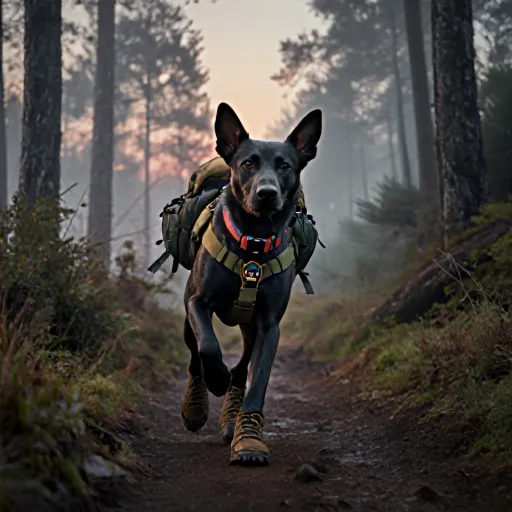
Gear Up Your Pup for the Wild!
Canine Trailblazers: Adventure‑Ready Survival Arsenal
Table of Contents
- Introduction
- Choosing a Dog‑Friendly Campsite
- Essential Camping Gear for Dogs
- Travel Safety Tips for You and Your Pup
- Health & Hygiene Essentials
- Food, Water, and Feeding Guidelines
- Emergency Kit: What to Pack
- Navigation & Trail Etiquette
- Weather Preparedness for Dogs
- Understanding Dog Behavior in the Wild
- Training Tips Before the Trip
- First Aid Basics for Canine Injuries
- Communication & Signaling with Your Dog
- Conclusion
- FAQ
Introduction
When you plan a camping adventure that includes your canine companion, the right gear can make the difference between an unforgettable experience and a stressful one. Below is a practical checklist of must‑have items, followed by safety tips tailored to dogs in the great outdoors.
1. Shelter & Bedding
- Dog‑Sized Tent or Canopy: A small, lightweight dog tent that fits inside your main shelter keeps your pup dry and protected from insects.
- Insulated Mat or Pad: Ground moisture can chill even the warmest fur. An insulated sleeping pad or a thick blanket provides a barrier against cold soil.
- Weather‑Appropriate Bedding: For hot climates, use a breathable mesh bed; for colder nights, opt for a fleece or quilted dog cot.
2. Food & Water
- Portable Food Container: A collapsible bowl or a waterproof pouch ensures fresh meals without spillage.
- Water Filtration System: Carry a lightweight filter (e.g., LifeStraw) or iodine tablets to purify natural water sources.
- Hydration Pack: A small hydration bladder with an attached dog‑friendly drinking tube can be handy for hikes.
3. Health & First Aid
- Pet‑Safe First Aid Kit: Include gauze, antiseptic wipes, and a digital thermometer.
- Emergency Contact Sheet: Keep your vet’s number, local emergency services, and a copy of your dog’s medical record on hand.
- Tick & Flea Prevention: Carry a small bag of preventative spray or wipes for quick application after hikes.
4. Comfort & Convenience
- Collapsible Food & Water Bowls: Lightweight and easy to pack, these can be unfolded at the campsite.
- Portable Dog Seatbelt or Harness: For vehicle travel, a secure harness prevents distractions and keeps your dog safe.
- Cooling Vest or Bandana: In hot weather, a cooling vest helps regulate body temperature during long walks.
5. Safety & Navigation
- Reflective Collars or LED Tags: Enhance visibility in low light conditions and during nighttime hikes.
- Dog‑Friendly Map & Compass: Ensure you know the trail’s difficulty and have a backup navigation tool.
- Emergency Whistle (dog‑friendly): Attach a small whistle to your dog’s collar for quick alerts in case of separation.
Practical Tips for Camp Safety with Dogs
- Check the Weather Forecast: Severe conditions can pose risks. Plan routes and campsites that accommodate both you and your pet.
- Keep Your Dog Leashed Near Campsite: Even if the area is dog‑friendly, a leash keeps them from wandering into hazardous terrain or encountering wildlife.
- Use a Buddy System for Hikes: If you’re going on a long trail, let someone know your itinerary and expected return time.
- Stay Hydrated & Monitor Temperature: Dogs can overheat quickly. Offer water frequently and seek shade during peak heat.
- Respect Local Wildlife Regulations: Some areas prohibit dogs or require them to be on a leash at all times. Follow posted signs to avoid fines and protect local ecosystems.
By thoughtfully selecting gear and following these safety guidelines, you’ll create a comfortable, secure environment for your dog—allowing both of you to enjoy the wilderness safely and responsibly.
Choosing a Dog‑Friendly Campsite
When you’re planning a trip that includes your canine companion, selecting the right campsite is as important as picking the gear. A dog‑friendly site will not only make your stay more enjoyable but also reduce the risk of health and safety issues for both you and your pet.
1. Verify Official Dog Policies
- Check the park’s website or call ahead. Some state parks allow dogs on all trails but require them to be leashed at campgrounds, while others have dedicated dog zones.
- Look for “Dog Friendly” signage. Many national forests and state parks display a small paw icon indicating that pets are permitted.
2. Consider the Size of Your Dog
Large breeds may need more space to stretch, while smaller dogs might be comfortable in tighter campsites. If you’re unsure, opt for a site with ample parking and wide driveways so your dog can move around freely.
3. Evaluate the Surrounding Terrain
- Flat vs. hilly ground: Dogs that enjoy hiking will appreciate a campsite near trails, but steep slopes can be risky for older dogs or those with joint issues.
- Water sources: If you plan to keep your dog near a lake or stream, confirm whether pets are allowed and if there’s a safe, fenced area to prevent accidental falls.
4. Look for Dog‑Specific Amenities
Some campgrounds offer:
- Pet waste disposal stations with bags and trash receptacles.
- Dog showers or rinsing stations to keep the campsite clean.
- Designated dog play areas or “dog parks” within the campground.
5. Check for Potential Hazards
Before booking, research:
- Toxic plants: E.g., poison ivy, sumac, or certain succulents that can irritate a dog’s skin.
- Insects and ticks prevalent in the area – bring appropriate repellent and check your dog for ticks after each outing.
- Wildlife such as raccoons or coyotes; ensure the site has adequate fencing if you’ll be leaving your dog unattended.
6. Evaluate Accessibility
Consider how easy it is to bring your dog into the campsite:
- Are there ramps or low-clearance paths for strollers or harness‑mounted dogs?
- Is the parking area large enough for a vehicle and a dog crate if you plan to transport them in the car?
7. Read Recent Reviews
Check platforms like TripAdvisor, Google Maps, or dedicated pet‑travel forums. Look for comments about:
- Cleanliness of the dog waste stations.
- Any recent changes to pet policies.
- Feedback from other dogs’ owners regarding safety and amenities.
8. Plan for Dog‑Friendly Activities
Once you’ve chosen a site, map out nearby trails that are safe for pets. Use resources such as the Recreation.gov listings or local hiking guidebooks to find dog‑friendly paths.
9. Prepare Your Dog’s Gear (Referencing “Camping with Dogs: Gear and Safety Tips”)
- Food & Water: Bring a collapsible bowl, extra water, and a pet-specific cooler if you’re traveling in hot weather.
- Comfort: A lightweight dog bed or blanket that fits your crate or the campsite’s designated sleeping area.
- Health & Safety: Microchip ID tags, up‑to‑date vaccination records, and a first‑aid kit for pets (including tick remover).
10. Leave No Trace – Dog Edition
Always clean up after your dog to preserve the natural environment:
- Carry waste bags and dispose of them in designated bins.
- Use biodegradable products for cleaning up any accidental messes.
- Keep your dog on a leash in areas where it’s required to protect wildlife.
By carefully selecting a campsite that accommodates dogs and preparing the necessary gear, you’ll ensure a safe, enjoyable experience for both you and your furry friend. Happy camping!
Essential Camping Gear for Dogs
When you’re planning a camping trip with your canine companion, the right gear can make all the difference between a fun adventure and an uncomfortable ordeal. Below is a comprehensive list of must‑have items, along with practical tips on how to use them safely.
1. Comfortable Dog Bed or Blanket
- Why it matters: Dogs need a stable, insulated surface to sleep on, especially in uneven terrain.
- Examples:
- Inflatable dog mats (e.g., Dog Bed Air Mattress)
- Fleece blankets with a waterproof backing
- Practical tip: Pack a lightweight, packable version that folds into a small pouch. Place it under your tent’s footprint or beside the fire pit for easy access.
2. Portable Water Bowl and Hydration System
- Why it matters: Dogs can dehydrate quickly, especially in hot weather.
- Examples:
- Collapsible silicone bowls (e.g., GoPuff)
- Dog‑specific hydration packs with a built‑in water reservoir and a bite valve
- Practical tip: Keep a spare bottle of water in the car or backpack. Use a rain barrel if you’re near a natural water source, but always filter or boil it first.
3. Food and Treat Containers
- Why it matters: Consistent feeding keeps your dog’s energy levels stable.
- Examples:
- Leak‑proof plastic containers with airtight seals (e.g., Outback 16 oz)
- Collapsible silicone food pouches that shrink to a fraction of their size when empty
- Practical tip: Label each container with the dog’s name and dietary restrictions. Portion out meals in advance to avoid over‑feeding on the trail.
4. First Aid Kit (Dog‑Specific)
- Why it matters: Even a minor injury can become serious if untreated.
- Examples:
- Bandages and gauze sized for dogs
- Antiseptic wipes, hydrogen peroxide, and a small bottle of veterinary eye wash
- A digital thermometer (for fever checks)
- Practical tip: Include items like a splint kit for broken limbs and a dog‑safe pain reliever (only under vet guidance).
5. Leash, Harness, and Collar Set
- Why it matters: Control is essential to keep your dog safe from wildlife and hazards.
- Examples:
- Retractable leashes with a quick‑release button (e.g., VETZ)
- Two‑way harnesses that allow for easy hand‑free walking
- Practical tip: Pack an extra collar with ID tags and a microchip card. Always double‑check the leash’s length—too long can lead to wandering, too short can restrict natural movement.
6. Waste Bag System
- Why it matters: Maintaining cleanliness preserves wildlife habitats and keeps trails tidy.
- Examples:
- Biodegradable poop bags (e.g., Earthwise)
- A small, lightweight bag dispenser that attaches to your pack
- Practical tip: Keep a spare bag in the car for emergency clean‑ups. Always dispose of waste at designated points or bring it back home.
7. Sunscreen and Bug Repellent (Dog‑Safe)
- Why it matters: Dogs are prone to sunburn on ears, nose, and paws; insects can transmit diseases.
- Examples:
- Dog‑specific sunscreen (SPF 15+)
- Pet‑friendly insect repellent sprays or collars
- Practical tip: Apply sunscreen to exposed areas before heading out. Reapply every 4–6 hours, especially after swimming.
8. Identification Tags and Microchip Documentation
- Why it matters: In case of loss or injury, quick identification saves time.
- Examples:
- Reflective tags with your contact info and vet address
- A digital copy of microchip registration stored in a cloud folder
- Practical tip: Double‑check the information on the tag before departure. Keep a printed version in your first aid kit.
9. Light Source (Headlamp or Flashlight)
- Why it matters: Nighttime navigation and emergency visibility.
- Examples:
- Battery‑powered headlamps with adjustable brightness
- LED flashlights that attach to your belt or pack
- Practical tip: Pack extra batteries.
Travel Safety Tips for You and Your Pup
When you’re heading out on a road trip or planning a weekend camping adventure, your dog’s safety should be as top priority as yours. Below are practical, step‑by‑step guidelines that cover everything from vehicle preparation to campsite etiquette.
1. Secure Your Pup in the Car
- Use a harness or crate: A seat‑belt harness attaches to your dog’s collar and the vehicle’s seat belt system, preventing sudden movement during braking or an accident.
- Choose a sturdy crate: If you opt for a crate, make sure it’s large enough that your dog can stand, turn around, and lie down comfortably. Crates should be secured to prevent sliding.
- Never let dogs drive or sit in the front seat: The airbag is a serious hazard.
Practical Example
For a 3‑year‑old Labrador, a medium‑sized crate (around 75 L) with an adjustable harness works best. Attach the harness to the seat belt latch on the back of the passenger seat and fasten it securely.
Pro Tip
Keep a small bag of your dog’s favorite chew or toy in the trunk for calm moments, especially during long drives.
2. Keep Your Pup Hydrated and Fed
- Water: Bring at least one gallon of water per dog for a day’s trip. Use collapsible bowls or a travel water bottle with an attached bowl.
- Food: Pack dry kibble and a small amount of wet food if your dog prefers it. Avoid feeding large meals right before departure to prevent nausea.
Practical Example
A 20‑lb terrier will need about 1 cup of dry food per day. Pack an extra half cup for snacks during stops.
Pro Tip
Use a “hydration pack”—a lightweight backpack with a built‑in water reservoir—to keep water handy on hikes.
3. Verify Health and ID Before You Go
- Microchip: Ensure your dog’s microchip is registered with an up‑to‑date phone number.
- Vaccinations: Bring a copy of the vaccination record. Many parks require proof of rabies and distemper shots.
- Medications: Pack any prescription meds in their original containers, along with a note from your vet on dosage instructions.
Pro Tip
Create an emergency kit that includes bandages, tweezers (for ticks), and a basic first‑aid guide tailored for dogs.
4. Pack Essential Camping Gear for Your Dog
- Dog tent or shelter: A small, weather‑proof doghouse or a collapsible dog tent keeps your pup safe from wind and rain.
- Sleeping pad or blanket: For comfort and insulation from the ground.
- Tethering rope: A 6–10 ft leash or tether with a sturdy clip to keep your dog within sight if you’re exploring the woods.
Practical Example
A 12‑inch thick fleece blanket and a 2 ft sleeping pad work well for most breeds. A 10 ft nylon tether with a quick‑release clip is ideal for hiking trails.
5. Follow Trail Etiquette and Local Regulations
- Keep your dog on a leash: Most parks require leashes for safety and wildlife protection.
- Clean up after your dog: Carry waste bags and dispose of droppings in designated bins.
- Avoid peak hours: If the trail is popular, try to go early or late to reduce encounters with other hikers.
Pro Tip
Use a “dog‑friendly” app that shows trails with no leash restrictions if you want more freedom in certain areas. Always double‑check the park’s official rules before heading out.
6. Quick Safety Checklist Before You Leave
- Vehicle safety (crate/harness secured)
- Hydration & food supplies
- Mikrochip, vaccination records, meds
- Camping gear: shelter, bedding, tether
- Trail permissions and leash policy
Print this list or save it on your phone to double‑check before you hit the road.
Health & Hygiene Essentials
When you’re out on the trail, your dog’s health and comfort should be a top priority. A well‑planned hygiene routine not only keeps your pup healthy but also helps avoid unpleasant smells that can ruin the camping experience. Below are practical tips, gear recommendations, and step‑by‑step guidance to keep your canine companion clean and safe while you enjoy the great outdoors.
1. Pre‑Trip Vet Check
- Vaccinations: Make sure core shots (distemper, parvovirus, rabies) are up to date. For longer trips, consider non‑core vaccines like Lyme disease or leptospirosis if you’re heading into endemic areas.
- Parasite Prevention: Use a daily flea/tick collar or spot‑on medication. If you’ll be in an area with high tick density, bring a tick‑removal tool and a small container to keep caught ticks for later testing.
- Microchip & ID tags: Double‑check that your dog’s microchip number is current on all registration documents. Attach a durable ID tag with your contact info.
2. Essential Hygiene Gear
| Item | Why It Matters |
|---|---|
| Dog‑safe shampoo & conditioner (no sulfates) | Gentle on skin and fur; prevents irritation during quick washes. |
| Microfiber towels or microfiber washcloths | Absorb water quickly, reducing drying time in the wild. |
| Portable dog brush (short‑tooth for short fur, long‑tooth for longer coats) | Removes loose hair and debris that can cause matting or skin issues. |
| Dog‑friendly ear cleaner | Avoids infections caused by moisture buildup in the ears. |
| Disposable gloves & waste bags | Hygiene while cleaning up after your dog and for handling dirty water. |
3. Quick Clean‑Up Routine (5 Minutes or Less)
- Dry Off: Use a microfibre towel to blot excess water from the coat. If your dog is in a wet area, use a hair dryer on low heat, keeping it at least a foot away.
- Brush: Run the brush through each section of fur to remove mats and loose hair. This also helps you spot any skin lesions or ticks.
- Wash: Mix a small amount of dog shampoo with water in a collapsible bowl. Lather gently, avoiding eyes and ears.
4. Ear & Eye Care
Dogs can develop ear infections or eye irritation if they’re exposed to dirt, water, or insects. Use a small bottle of dog‑specific ear cleaner, applying it with a cotton ball (never insert anything deep into the canal). For eyes, wipe away debris with a damp gauze pad. If you notice redness, discharge, or discomfort, consult your vet before continuing the trip.
5. Managing Waste Responsibly
- Pack out: Carry enough waste bags to pick up all of your dog’s droppings. Use a small backpack or waist pack for easy access.
- Leave No Trace: Bury waste at least 6–8 inches deep and 200 feet away from water sources, trails, and campsites. If the area is very wet, use a portable waste station or a dog‑friendly restroom if available.
6. Dealing with Parasites on the Trail
Ticks are common in many camping areas, and some carry serious diseases. Inspect your dog after each hike—check behind ears, under the collar, around the belly, and between toes. Use a tick removal tool to grasp the tick close to the skin and pull straight out with steady pressure.
7. Hydration & Nutrition for Your Dog
- Water: Bring at least 1–2 liters of water per day, depending on your dog’s size and the heat.
- Food: Pack high‑energy, non-perishable treats. Consider a small bag of dry kibble or freeze‑dry meals if you’ll be away for several days.
8. Emergency First Aid Kit
Include the following items tailored to canine needs:
- Bandages (elastic and non‑elastic) for wounds or sprains
- Antiseptic wipes or solution (bacterial & fungal)
- Hydrogen peroxide (for cleaning mild burns or vomit)
- A small pair of tweezers (for splinters or ticks)
- Dog‑specific pain relief (only if prescribed by a vet)
9. Practical Tips for Specific Conditions
| Condition | What to Do |
|---|---|
| Heat Exhaustion | Provide shade, offer water frequently, and watch for panting or drooling. |
| Cold Weather | Use a dog jacket or sweater; keep the tail area dry to avoid frostbite.</ |
Food, Water, and Feeding Guidelines
When you’re heading out on a camping adventure with your four‑legged friend, the basics of nutrition and hydration become even more critical. Dogs have different dietary needs than humans, especially in an outdoor setting where their energy expenditure can spike dramatically. Below is a comprehensive guide that covers everything from selecting the right food to ensuring safe water sources.
1. Choosing the Right Food
- Pre‑packaged Commercial Meals: Look for products labeled “All Life Stages” or “Active” if your dog is highly energetic. These are balanced for protein, fat, and essential vitamins.
- High‑Protein Dry Kibble: Ideal for long trips because it’s lightweight and has a good shelf life. Choose a brand with real meat as the first ingredient.
- Wet Food or Canned Meals: Great for dogs that need extra moisture, especially in hot climates. Store them in a cooler to keep them fresh.
- Homemade Options: If you’re comfortable cooking, a simple mix of boiled chicken, rice, and steamed veggies works well. Avoid onions, garlic, or excessive salt.
2. Portion Sizes & Feeding Schedule
Dogs typically consume about 2–3% of their body weight in food each day. Adjust this based on activity level:
| Activity Level | Daily Food Intake (kg) | Suggested Feeding Times |
|---|---|---|
| Low (short walks, relaxed camp) | 0.02–0.03 × body weight | Morning & Evening |
| Moderate (daily hikes, playtime) | 0.04–0.05 × body weight | Three times a day (morning, noon, evening) |
| High (long treks, intense activity) | 0.06–0.08 × body weight | Four to five small meals throughout the day |
3. Water: Where, How, and When
- Carry Enough: Aim for at least 1 liter of water per kilogram of dog weight per day. A good rule of thumb is to have a separate water bottle or collapsible bowl for each animal.
- Check Water Sources: Before filling from streams or lakes, test the water for contaminants. If in doubt, boil for 5 minutes or use a portable filter rated for bacteria and protozoa (e.g., Katadyn Hiker).
- Keep It Clean: Wash bowls daily with hot soapy water to avoid bacterial growth.
- Hydration Breaks: Offer water at least every 30–45 minutes during strenuous activity, especially in heat.
4. Safety Tips for Feeding on the Trail
- Use a Food‑Proof Carrier: Prevents spillage and keeps food out of reach of wildlife.
- Feed in Shade: Avoid sunburned stomachs by feeding in shaded areas or at the start/end of hikes.
- Avoid Roadside Foods: Do not let your dog sniff or eat anything found along roadsides—this can include toxic plants, spoiled food, or even human trash.
- Mindful of Other Animals: Keep your dog on a leash during feeding times to avoid confrontations with other wildlife.
5. Practical Packing Checklist
| Item | Quantity | Notes |
|---|---|---|
| Dry kibble (pre‑measured portions) | Enough for the trip + 1 extra day | Pack in airtight bags |
| Wet food or canned meals | Optional, 1–2 per day | Keep in a cooler |
| Collapsible water bowl | 1 | Folds to a small size |
| Portable water filter or purification tablets | Enough for the trip | Check expiration dates |
| Food‑proof bag or container | 1 | For storing treats and leftovers |
By planning ahead, selecting appropriate foods, and ensuring clean water is always available, you can keep your canine companion healthy, happy, and ready for adventure. Remember: a well‑fed dog is a calm dog, which makes for safer and more enjoyable camping experiences.
Emergency Kit: What to Pack
A well‑prepared emergency kit can make the difference between a minor mishap and a serious situation when you’re out camping with your dog. Below is a checklist that covers both human and canine needs, along with practical tips on how to organize and use each item.
1. First Aid Essentials
- Multi‑use bandages: Include small gauze pads (for cuts), adhesive strips (for dog paws), and elastic bandage wraps (for sprains).
- Antiseptic wipes & ointment: Keep a separate bottle of pet‑safe antiseptic for cleaning wounds on your dog.
- Thermal blanket: Compact, reflective blankets help keep both you and your dog warm in case of sudden weather changes.
- Instant cold packs: Useful for reducing swelling from insect bites or minor injuries.
- Pet‑specific medication: Bring any prescription meds your dog needs (e.g., heartworm prevention, anti‑itch ointments).
2. Hydration & Nutrition
- Water bottles & collapsible bowls: A reusable water bottle for you and a lightweight, foldable bowl for your dog.
- Extra dog food: Pack at least one extra day's supply in a sealed bag to avoid running out during unexpected delays.
- High‑energy snacks: Granola bars or jerky for you; dog treats (preferably low‑fat) for your pup.
3. Shelter & Comfort
- Tarp or rain fly: A quick‑setup shelter that can be used as a shade or emergency cover if your tent fails.
- Portable sleeping pad for dog: Keeps your pet off damp ground and provides extra insulation.
- Dog harness & collar with ID tags: Ensure the tags are current; bring a spare set in case of loss or damage.
4. Navigation & Communication
- Map and compass: Even if you’re using GPS, having paper backups is essential.
- Portable power bank: Keep your phone charged for emergency calls or navigation apps.
- Whistle (for dog and yourself): A whistle can help locate both parties in dense terrain.
5. Tools & Miscellaneous Items
- Multi‑tool knife: Useful for cutting leash, opening packages, or repairing gear.
- Firestarter kit: Waterproof matches and a small tinderbox to start a campfire if needed.
- Trash bags: Keep the area clean and store wet or dirty items separately.
- Sunscreen & bug repellent (pet‑safe): Protect both you and your dog from sunburn and insect bites.
Practical Tips for Packing
- Layer by priority: Place the most critical items—first aid, water, and shelter—in an easily accessible pocket or bag that can be grabbed quickly.
- Weight distribution: Pack heavier items near the center of your backpack to keep balance when walking with a dog.
- Check expiration dates: Medicine, food, and fire‑starter materials can expire; replace them annually.
- Regular drills: Practice using each emergency item before you head out—know how to apply a bandage or set up the tarp in under five minutes.
By thoughtfully assembling an emergency kit tailored for both you and your canine companion, you’ll be better equipped to handle unexpected events and enjoy peace of mind while exploring the great outdoors together.
Navigation & Trail Etiquette
When you’re out on the trail with your canine companion, good navigation skills and respectful trail behavior are essential for safety, enjoyment, and preserving the experience for everyone.
1. Pre‑Trip Planning
- Study the Trail Map: Download a recent topographic map or use an offline GPS app that supports OpenStreetMap data. Mark key waypoints, water sources, and potential hazards.
- Check Weather & Conditions: Look up the forecast for temperature, precipitation, and wind. If rain is expected, bring waterproof gear for both you and your dog.
- Inform Someone: Let a friend or family member know your route, estimated return time, and emergency contact information.
2. On the Trail: Navigational Tools & Techniques
- GPS Device / Smartphone: Use a device with a “Track My Location” feature. Some trail apps (e.g., AllTrails, Gaia GPS) allow you to share your live route with trusted contacts.
- Compass & Map: Never rely solely on digital tools. Keep a physical compass and paper map as backup; learn how to use them together.
- Trail Markers: Follow cairns, blazes, or color-coded signs. If markers are missing, rely on natural features (river bends, distinctive rock formations) to confirm your path.
- Dog‑Friendly Navigation: Train your dog to stay within a designated “dog zone” so you can keep track of both yourself and the animal. Use a leash if necessary but consider a short “loose‑leash” approach on wide trails to reduce tugging.
3. Trail Etiquette: Respecting Others & Nature
- Yielding: On narrow paths, give way to hikers and cyclists by moving to the right side of the trail. If your dog is ahead, let them pass before you join.
- Noise Control: Keep your voice low and avoid loud music or shouting. A quiet environment benefits wildlife and other visitors.
- Leave No Trace: Pack out all trash, food scraps, and pet waste. Use a biodegradable bag for dog droppings and dispose of it in a marked bin or carry it home.
- Dog Behavior: Keep your dog under control at all times. If they become aggressive or overly excited, use a calm voice to redirect them. Avoid chasing wildlife.
4. Safety Checkpoints & Emergency Preparedness
- Regular Checks: Every hour, pause to verify your location against the map and GPS. Confirm that your dog is still on track.
- Emergency Contacts: Keep a list of local ranger stations, hospitals, and emergency services in your phone or a small notebook.
- First Aid Kit: Include items for both you and your dog: bandages, antiseptic wipes, tweezers, a small supply of antihistamine (for allergic reactions), and any prescription meds.
5. Post‑Trip Reflection
After the hike, review how navigation went. Note any confusing sections or moments where you had to rely on backups. Adjust your gear list or map study habits accordingly for next time.
Weather Preparedness for Dogs
When you’re heading out on a camping adventure with your canine companion, the weather can be as unpredictable as it is beautiful. Proper preparation not only keeps you comfortable but also protects your dog from heatstroke, hypothermia, and other weather‑related risks.
1. Check the Forecast Early
- Use reliable sources: NOAA, Weather.com, or local meteorological sites give accurate short‑term forecasts for remote areas.
- Plan for extremes: If a heat wave is predicted, schedule hikes during the coolest part of the day; if rain or snow is expected, consider shorter routes or bring extra gear.
2. Gear Up for Temperature Extremes
| Weather Condition | Recommended Dog Gear |
|---|---|
| Hot & Humid |
|
| Cold & Windy |
|
| Rainy & Wet |
|
3. Hydration Strategy
Dogs lose water at a faster rate than humans, especially in hot climates.
- Carry ample water: Use a collapsible bowl and a hydration pack with a built‑in reservoir (e.g., Kurgo Go-Pod). Aim for at least one liter per hour of activity.
- Add electrolytes: A pinch of salt or commercial dog electrolyte tablets can help prevent cramps during strenuous hikes.
- Test the water source: If you’re using lake or stream water, boil it first or use a portable purifier to avoid parasites and bacteria.
4. Temperature‑Sensitive Breeds & Health Checks
Some breeds are more susceptible to heat or cold due to coat type, size, or medical conditions.
- Short‑haired or brachycephalic dogs (e.g., Bulldogs, Boxers): Avoid midday hikes; use shaded routes and frequent breaks.
- Large breeds: They can overheat quickly. Keep them on a leash so you can control pace.
- Pre‑trip vet check: Ensure vaccinations are current and discuss any chronic conditions that may affect outdoor performance.
5. Emergency Kit Essentials
Prepare a compact emergency kit tailored for both you and your dog:
- First Aid: Bandages, antiseptic wipes, tweezers (for ticks), and a copy of your dog's medical history.
- Heat‑stroke relief: Cool compresses or a small fan to provide airflow during rest periods.
- Cold‑weather tools: Extra blankets, a portable heater rated for outdoor use (e.g., Blue Rhino Portable Heater), and a windproof tarp.
- Navigation & communication: GPS device, map of the trail, and a whistle or two to signal if you get separated.
6. Practical Tips for Day‑to‑Day Camping
- Set up a shaded sleeping area: Use a tent with a mesh roof or create shade with a tarp and poles.
- Ventilation is key: Even in cooler weather, dogs can overheat if the shelter is poorly ventilated. Keep a small opening for airflow.
- Avoid reflective surfaces: In hot climates, metal or glass surfaces can create dangerous heat spots; choose natural shade when possible.
- Regular breaks: Stop every 30–45 minutes to allow your dog to rest, hydrate, and relieve themselves.
By anticipating the weather’s impact on both you and your four‑legged friend, you’ll enjoy a safer, more comfortable camping experience. Always adapt your gear and routine to the specific conditions of each trip, and never underestimate the power of preparation.
Understanding Dog Behavior in the Wild
When you head into wilderness or backcountry areas with your canine companion, it’s essential to recognize how dogs react to new stimuli and what that means for both safety and enjoyment. Dogs are highly social animals, but their instincts can be triggered by unfamiliar sights, sounds, smells, and even other animals.
Key Behavioral Triggers
- Territorial scent marks: Other dogs’ urine or feces can provoke a strong territorial response. Dogs may sniff aggressively, bark, or attempt to chase the source.
- Predatory sights: Small mammals, birds, and even insects can set off a predatory chase instinct, leading to sudden bursts of speed and potential loss of control.
- Noisy environments: Fireworks, distant vehicle engines, or loud human activity can startle dogs, causing them to bolt or freeze.
- Unexpected smells: Smoke from campfires, strong spices in food, or even the scent of other animals’ food can trigger curiosity or aggression.
Common Reactions and How to Respond
| Reaction | Possible Cause | Immediate Action |
|---|---|---|
| Barking & lunging | Territorial scent or perceived threat | Use a calm, firm voice to command “Sit” or “Stay”. Avoid direct eye contact. |
| Sudden sprinting | Predatory chase instinct | Call the dog’s name loudly and use a high-value treat as an incentive to return. |
| Freezing or trembling | Aversive stimulus (noise, unfamiliar scent) | Offer a familiar scent item (e.g., a piece of your jacket) and wait for the dog to regain composure. |
Gear Recommendations for Behavioral Management
- Leash & Harness: A short, sturdy leash (2–4 ft) combined with a front‑clip harness reduces pulling and gives you more control during sudden movements.
- Training Collar (optional): For dogs that have difficulty responding to voice commands alone, a humane training collar can reinforce cues without causing discomfort.
- Carry Treats: Use high‑value treats (e.g., freeze‑dried liver or cheese) to redirect attention when the dog becomes distracted.
- First Aid Kit for Dogs: Include items such as gauze, antiseptic wipes, and a small bandage kit in case of bites or scratches.
Practical Safety Tips While Camping
- Pre‑Camp Training: Practice “Leave it” and “Come” commands in an open area before heading into the wild.
- Keep a Visual Cue: Use a whistle or hand signal that your dog associates with stopping or returning.
- Secure Food: Store all food in airtight containers and keep them out of reach to avoid attracting wildlife and preventing your dog from chasing after it.
- Observe Wildlife Distances: Maintain a safe distance (at least 100 ft) from any animals, giving your dog plenty of space to observe without feeling threatened.
- Plan for Emergencies: Know the nearest ranger station or medical facility and carry a GPS locator or satellite phone in case you get lost.
Real‑World Example
A family camping near a river had their dog sniff at a fox’s scent trail. The dog began to bark and run after the fox. By immediately calling “Stop” and offering a treat, they managed to bring the dog back to them without incident. This scenario highlights the importance of quick recognition and calm command execution.
Conclusion
Understanding your dog’s behavior in natural settings equips you with the tools to prevent dangerous situations and ensures that both you and your pet have a safe, enjoyable camping experience. Combine proper gear, training cues, and proactive safety measures for the best outcomes.
Training Tips Before the Trip
Preparing your dog for a camping adventure is just as important as packing the right gear. A well-trained dog will enjoy the outdoors, stay safe, and help you avoid common pitfalls. Below are practical steps to get your pup ready for the great outdoors.
1. Reinforce Basic Commands
- Stay / Sit / Down: These commands help you control your dog in unfamiliar environments where distractions are abundant.
- Come (Recall): A reliable recall is essential if your dog wanders off or encounters wildlife. Practice with a long leash first, then gradually increase distance.
- Leave It / Drop It: Teach your dog to ignore tempting scents and objects on the trail.
2. Master Loose-Leash Walking
Dogs accustomed to walking on a loose leash are less likely to pull you off the path or chase squirrels. Use short, positive reinforcement sessions in a quiet area before heading out.
3. Socialize with Other Campers and Dogs
Introduce your dog to other dogs and people while on the trail. This reduces anxiety and helps them remain calm when encountering new scents or sounds.
3.1. Wildlife Awareness
- Teach your dog to stay alert but not overly excited around wildlife. Use a high-value treat to redirect attention if necessary.
- Keep your dog on a short leash near water bodies or in dense brush where predators might be hiding.
4. Check Your Dog’s Health
Before you leave, make sure your dog is up to date on vaccinations and has a recent health check. Bring a copy of their medical records in case of emergencies.
5. Use the Right Training Equipment
- Collar or Harness: A well-fitted harness reduces strain on your dog’s neck during long hikes.
- Training Treats: Pack small, high-value treats (e.g., freeze-dried liver) for quick rewards.
- Leash & Handle: Use a sturdy 4–6 ft leash with a comfortable handle; consider a retractable leash only if you’ll be in open areas and can maintain control.
6. Take Mini “Test Trips”
Before the big trip, take your dog on short hikes or walks that mimic conditions at the campsite—uneven terrain, wind, and crowds. Observe how they react and adjust training accordingly.
7. Review & Reward
After each outing, praise your dog for good behavior and review any moments that need improvement. Consistent reinforcement turns temporary habits into lasting ones.
By investing time in these training steps, you’ll create a safer, more enjoyable camping experience for both you and your canine companion.
First Aid Basics for Canine Injuries
While a well‑planned camping trip reduces the likelihood of serious injuries, accidents can still happen—especially when exploring uneven terrain or encountering wildlife. Having a simple, portable first aid kit and knowing how to use it can turn a potentially dangerous situation into one that is manageable until professional help arrives.
1. Build a Basic Canine First Aid Kit
- Bandages & Gauze: Sterile gauze pads, elastic wrap bandage (like Vet Wrap), and disposable tape.
- Wound Care: Antiseptic wipes or solution, antibiotic ointment, sterile saline for irrigation.
- Thermal Protection: A small blanket or reflective emergency cover to keep your dog warm if you’re in a cold environment.
- Splinting Materials: Lightweight splints (wooden sticks, foam board) and elastic straps for immobilizing fractures.
- Tools: Scissors, tweezers, a pair of safety scissors, and a small flashlight or headlamp.
- Emergency Medications: Antihistamine (e.g., Benadryl) for allergic reactions, and any prescribed medication your dog may need.
- Identification & Documentation: A collar with up‑to‑date ID tags, a small notebook or digital copy of medical history, and the contact details for the nearest veterinary clinic.
2. Common Injury Scenarios & How to Respond
A. Cuts, Scrapes, and Lacerations
- Clean: Rinse the wound with cool water or sterile saline.
- Stop Bleeding: Apply gentle pressure with gauze; if bleeding persists, use a clean cloth or an elastic bandage to create a tourniquet (only for severe cases).
- Dress: Place antibiotic ointment and cover with sterile gauze.
B. Sprains, Strains, & Fractures
- Immobilize: Use a splint or improvised board to keep the limb still.
- Reduce Pain: Apply an ice pack wrapped in cloth for up to 15 minutes every hour if possible.
- Seek Vet Care: Even minor fractures need professional evaluation.
C. Burns (Sunburn or Charred from Fire)
- Cool: Hold the affected area under cool running water for at least 10 minutes.
- Avoid: Do not apply ice directly to burns; it can damage tissue.
- Treat: Apply a thin layer of antibiotic ointment and cover with non‑stick gauze.
D. Poisoning (e.g., ingestion of plants or chemicals)
- If you suspect poisoning, contact your vet immediately—do not induce vomiting unless instructed.
- Bring a sample of the ingested material if possible.
- Keep the dog hydrated; offer water but monitor for signs of distress.
3. Practical Tips for Staying Prepared
- Carry a Portable Water Source: Hydration is crucial after injury; use a collapsible bowl and clean water.
- Know Your Vet’s Location: Before heading out, research the nearest veterinary clinic or emergency animal hospital.
- Keep the Kit Accessible: Store it in a waterproof pouch attached to your dog’s harness or in your backpack’s front pocket.
- Practice Basic Skills: Train yourself on how to apply a bandage and splint—practice with a stuffed animal or during a short walk.
4. When to Seek Professional Help
Even minor injuries can worsen if not treated properly. Here are red flags that warrant immediate veterinary attention:
- Bleeding that won’t stop after 10–15 minutes of pressure.
- Severe swelling or deformity in a limb.
- Signs of pain that persist despite home care (whining, limping).
- Loss of consciousness or severe vomiting after potential poisoning.
- Any visible foreign object embedded deep in the skin.
5. Sample First Aid Scenario
Scenario: While hiking, your dog steps on a broken branch and tears its paw.
- Stop the bleeding by applying gentle pressure with gauze for 10 minutes.
- If the bleeding is controlled, clean the wound with saline.
- Apply antibiotic ointment and cover with a sterile dressing.
- Wrap the paw loosely with elastic bandage to keep the dressing in place.
- Keep your dog calm, offer water, and head toward the nearest vet clinic if swelling or pain persists.
By packing a well‑equipped first aid kit and familiarizing yourself with these basic procedures, you’ll be ready to handle most common injuries that can occur during a camping adventure with your canine companion.
Communication & Signaling with Your Dog
When you’re out in the wilderness, your dog’s safety and your ability to stay connected depend on clear, reliable communication methods. This section covers the most effective ways to signal to your dog (and vice versa) while keeping both of you safe during a camping adventure.
1. Visual Signals – The “Look‑Here” Method
- Use a high‑contrast flag or bandana: Attach a bright, reflective strip to your dog’s collar and keep a matching flag in your pack. When you need your dog to focus on something (e.g., a trail marker), simply wave the flag; the dog will instinctively look toward it.
- Hand gestures: Teach a simple “stay” or “come” hand signal using a palm up for “stay” and a pointing gesture for “come.” Dogs respond quickly to consistent visual cues, especially in low‑visibility conditions like fog or heavy rain.
2. Auditory Signals – The Sound of Safety
- Whistle or bell: A single whistle blast can signal “go,” while a double blast means “stop.” Bells on the collar emit a natural, non‑intrusive sound that is often easier for dogs to locate in dense brush.
- Voice commands with rhythm: Use a steady, calm tone and keep command words short (e.g., “sit,” “heel”). Repetition builds reliability; if your dog hears the same cadence daily, it becomes a trusted cue even when you’re out of sight.
3. Tactile Signals – Feeling the Path
- Leash pressure: A gentle tug on the leash can signal “move forward.” For off‑trail runs, a light tap on the collar with your hand can serve as a subtle cue.
- Vibration collars: Some modern gear includes vibration modules that provide discreet, non‑audible signals for dogs who get distracted by wind or wildlife noises.
4. Training Tips for Consistency
- Start in a controlled environment: Practice each signal in your backyard before heading out. Use treats to reinforce the desired behavior after each cue.
- Progressive difficulty: Gradually introduce distractions (e.g., other animals, hikers) while maintaining the same signals. This builds confidence and ensures your dog responds regardless of environment.
- Keep it short and sweet: Dogs have limited attention spans. Keep training sessions under 10 minutes and end on a positive note.
5. Gear Integration for Seamless Communication
- Collar with built‑in signaling devices: Many modern dog collars now feature integrated LED lights, whistles, or even GPS trackers that can send alerts to your phone if the dog strays too far.
- Portable signal mirrors: A small mirror on your pack strap allows you to flash a signal in the sun—an effective visual cue for both human and canine eyes.
6. Real‑World Example: The “Trail Marker” Routine
A common scenario is when you need to get your dog’s attention at a trail fork. Here’s how to do it:
- Set the flag on your pack.
- Hold the flag up and wave it in sync with a “look” command.
- Give the “stay” hand signal while you turn toward the fork.
- If your dog follows, reward immediately. If not, repeat the visual cue until compliance.
7. Safety Checklist for Communication Gear
- Durability: Ensure all devices (flags, whistles) are weather‑proof and can withstand rough handling.
- Visibility: Choose colors that contrast sharply with natural surroundings—neon orange or bright yellow work best.
- Redundancy: Carry at least two different signaling methods (e.g., a whistle + flag) in case one fails.
By integrating these communication techniques into your camping routine, you’ll maintain a strong bond with your dog while enhancing safety on every trail and campsite. Consistent training combined with reliable gear makes sure both of you stay connected—even when the wind howls or the stars light up the night sky.
Conclusion
When you plan a trip that includes your canine companion, the right equipment and a clear safety plan can make the difference between a fun adventure and an avoidable mishap. Below is a concise yet comprehensive checklist of gear you should bring, plus practical safety guidelines to keep both you and your dog healthy, happy, and well‑protected.
Essential Gear Checklist
- Proper Shelter: A sturdy tent or hammock with a breathable floor is vital. Consider a dog‑friendly tent sleeve or a separate dog house that can be set up near the main camp but still provides shade and protection from wind.
- Food & Water: Bring high‑energy dog food, treats, and a collapsible bowl. A portable water filter (like a KAPUA) or purification tablets will keep your pup hydrated in remote areas.
- First Aid Kit: Include items such as gauze, antiseptic wipes, tweezers for tick removal, and a small copy of the Veterinary First Aid Guide.
- Leash & Harness: A sturdy retractable leash (30–50 ft) plus a well‑fitted harness ensures control in uneven terrain.
- Identification & Microchip: Keep ID tags on your dog and ensure the microchip information is up to date. Carry a spare tag with your contact details.
- Comfort Items: A familiar blanket or bed, especially if you plan to camp overnight, helps reduce anxiety for dogs sensitive to new environments.
Safety Tips Before You Go
- Check the Weather and Terrain: Dogs are more susceptible to heatstroke in hot climates. Plan hikes during cooler parts of the day, and use shaded paths whenever possible.
- Vaccination & Parasite Prevention: Confirm that your dog’s rabies, distemper, and heartworm vaccines are current. Use a tick and flea preventative that is safe for the outdoors (e.g., topical spot‑on or oral tablets).
- Know Your Dog’s Limits: Some breeds struggle with long hikes; start with shorter walks to gauge stamina.
On-the-Spot Safety Practices
- Hydration Breaks: Offer water every 30–45 minutes, especially on hot days. Check for signs of dehydration—dry gums, lethargy, or a lack of recoil when you lift the tail.
- Watch for Wildlife: Keep your dog on a leash in areas with predators (e.g., coyotes). Store food in sealed containers and away from sleeping zones to avoid attracting wildlife.
- Tick & Mosquito Checks: After each hike, inspect your dog’s coat, especially under the ears, between toes, and around the tail. Use a fine‑tooth comb for ticks; remove them carefully with tweezers.
When Things Go Wrong
If you suspect heatstroke (rapid breathing, drooling, vomiting), immediately move your dog to shade, offer cool water in small sips, and contact a veterinarian or local emergency services. For insect bites that cause swelling or hives, apply a cold compress and seek professional care if symptoms worsen.
Wrap‑Up
Camping with dogs can be an unforgettable bonding experience—provided you’re prepared. Keep the gear list handy, stay vigilant about your pup’s health, and enjoy the great outdoors responsibly. Happy trails!
FAQ
- What essential gear should I bring when camping with my dog?
-
- Portable water bowl and enough water: A collapsible or rigid bowl that’s easy to clean, plus at least one gallon of water per day per dog.
- Food & treats: High‑energy dog food (or a mix of dry and canned), plus treats for training and motivation.
- Collapsible crate or carrier: For overnight stays or when you need to leave your pup unattended; choose one that’s ventilated and fits the dog’s size.
- Tethering gear: A sturdy leash, a retractable tether, and a dog‑safe rope for off‑trail exploration.
- First aid kit (dog‑specific): Bandages, tweezers, tick remover, antiseptic wipes, and any prescribed medications.
- Dog waste bags & scoop: Keep the environment clean; always pack out what you bring in.
- Comfort items: A familiar blanket or bedding to reduce anxiety, especially for older dogs.
- How can I keep my dog safe from ticks and fleas while camping?
-
- Pre‑camp treatment: Apply a vet‑approved tick and flea preventer 24–48 hours before departure.
- Inspect after hikes: Shake your dog, look under the ears, between toes, and around the tail; use tweezers to remove any ticks immediately.
- Use a tick repellent collar: Choose one with humane, natural ingredients (e.g., essential oils) if your dog is sensitive.
- Avoid tall grasses & damp brush: These are tick hotspots; keep the path clear and stay on designated trails.
- What should I do if my dog gets a bee sting or allergic reaction?
-
- Remove the stinger: Use a flat edge (e.g., credit card) to scrape it out; avoid squeezing.
- Apply cold compress: Reduces swelling and pain.
- Administer antihistamine (if prescribed): A safe dose of diphenhydramine can help with itching.
- Monitor for anaphylaxis: Symptoms include difficulty breathing, swelling of face/lips, rapid heart rate. If any appear, move to a safe area and contact emergency services immediately.
- How do I choose the right tent or shelter for my dog?
-
- Size: The dog should have enough room to stand, turn around, and lie down comfortably—at least 1.5–2 times its body length.
- Ventilation: A mesh or vented door prevents overheating while keeping insects out.
- Flooring: A waterproof tarp under the tent reduces moisture and keeps the dog dry.
- Accessibility: Choose a setup that allows quick entry/exit—important for dogs with mobility issues.
- Can I leave my dog unattended in the campsite?
-
- Never leave your dog alone inside a tent or enclosed space for extended periods; they can become disoriented or injured.
- If you must step away, keep them tethered to a secure point with a leash no longer than the distance to that point.
- Consider using a portable dog house or a dedicated area outside the tent where your dog can rest safely.
- What are the best practices for keeping my dog hydrated during hot weather?
-
- Carry enough water: Plan on at least one gallon per day per dog, more if temperatures exceed 90°F.
- Use insulated or coolers: Keep water cold for longer periods.
- Offer wet food or ice cubes: Adds moisture to their diet and keeps them cool.
- Provide shade: Set up a tent, tarp, or natural canopy to shield your dog from direct sun.
- How can I prevent my dog from getting lost while hiking?
-
- Use a GPS collar: Some collars transmit real‑time location data to your phone.
- Mark the trail clearly: Keep your route visible; bring a map or use a trail app.
- Practice recall training: Teach “come” with high‑value rewards before leaving the campsite.
- Keep the dog on leash in dense brush or unfamiliar terrain.
- What should I do if my dog gets into a fight with another animal?
-
- Stay calm and keep your voice firm but gentle.
- Use a loud noise or spray water to distract the aggressor.
- If safe, use a stick or backpack to create distance.
- Seek veterinary care immediately if injuries occur.
- Are there any special considerations for traveling with puppies?
-
- Vaccinations: Ensure all core shots are up to date before the trip.
- Shorter hikes: Puppies have limited stamina; plan frequent rest stops.
- Warm bedding: Young dogs lose heat quickly; use insulated mats or blankets.
- Monitor for signs of overheating, such as excessive panting or drooling.
- How do I dispose of dog waste responsibly at the campsite
Categories
- AI & Enrichment Play
- Broiler Farming
- Broiler Farming Tips
- Canine Wellness & Longevity
- Cat
- Cat & Human Connection
- Cat Adoption & Rescue
- Cat Breeds
- Cat Breeds & Personalities
- Cat Care & Health
- Cat Grooming & Hygiene
- Cat Lifestyle & Environment
- Cat Myths & History
- Cat Nutrition & Diet
- Cat Products & Reviews
- Cat Training & Behavior
- Comparison
- Consumer Awareness
- Dog
- Dog Accessories & Products
- Dog Adoption & Rescue
- Dog Breed & Lifestyle Trends
- Dog Breeding & Puppies
- Dog Entertainment & Media
- Dog Fashion & Trends
- Dog Fun & Lifestyle
- Dog Grooming & Hygiene
- Dog History & Culture
- Dog Myths, Science & Future Tech
- Dog News & Trends
- Dog Nutrition & Food
- Dog Psychology & Emotions
- Dog Safety & Security
- Dog Sports & Activities
- Dog Technology & Innovation
- Dog Training for Modern Owners
- Dog Travel & Adventure
- Dog Travel, Adventure & Culture
- Economic and Market Insights
- Educational Content
- FAQs
- Feeding Alternatives
- Festivals & Seasonal Ideas
- Fun & Entertainment
- General Knowledge
- General Pig Farming
- Health & Disease Management
- Housing and Environment
- Kittens
- Market Insights
- Miscellaneous
- Miscellaneous
- Motivational
- pig
- Pig Breeding
- Pig Breeds
- Pig Farming Stories and Inspiration
- Pig Health and Care
- Pig Nutrition
- Pig Products
- Profitability & Business
- Puppy Care
- Puppy Predictable Topics Reinvented
- Regional Focus
- Rescue & Adoption Buzz
- Senior Cats
- Senior Dog Care
- Smart Dog Tech & Gadgets
- Sustainability
- Sustainable & Eco-Friendly Dog Products
- Tech & Innovations
- Working & Service Dogs
- Broiler Feed66 products
- Country Feed33 products
- Pig Feed66 products
- Product22 products
- Raw Materials99 products
Products
-
 Fish Meal
₹1,999.00 – ₹2,999.00Price range: ₹1,999.00 through ₹2,999.00Rated 0 out of 5
Fish Meal
₹1,999.00 – ₹2,999.00Price range: ₹1,999.00 through ₹2,999.00Rated 0 out of 5 -
 FATTENING BROILER FEED
₹2,299.00 – ₹2,349.00Price range: ₹2,299.00 through ₹2,349.00Rated 0 out of 5
FATTENING BROILER FEED
₹2,299.00 – ₹2,349.00Price range: ₹2,299.00 through ₹2,349.00Rated 0 out of 5 -
 LAYER COUNTRY FEED
₹1,549.00 – ₹1,649.00Price range: ₹1,549.00 through ₹1,649.00Rated 0 out of 5
LAYER COUNTRY FEED
₹1,549.00 – ₹1,649.00Price range: ₹1,549.00 through ₹1,649.00Rated 0 out of 5 -
 COUNTER BROILER FEED
₹1,199.00 – ₹1,299.00Price range: ₹1,199.00 through ₹1,299.00Rated 0 out of 5
COUNTER BROILER FEED
₹1,199.00 – ₹1,299.00Price range: ₹1,199.00 through ₹1,299.00Rated 0 out of 5 -
 LACTATING PIG FEED
Rated 0 out of 5
LACTATING PIG FEED
Rated 0 out of 5₹2,299.00Original price was: ₹2,299.00.₹1,740.00Current price is: ₹1,740.00. -
 Maize
Rated 0 out of 5
Maize
Rated 0 out of 5₹1,650.00Original price was: ₹1,650.00.₹1,300.00Current price is: ₹1,300.00. -
 GESTATION PIG FEED (Phase 1)
Rated 0 out of 5
GESTATION PIG FEED (Phase 1)
Rated 0 out of 5₹2,249.00Original price was: ₹2,249.00.₹1,699.00Current price is: ₹1,699.00. -
 Pre Starter Broiler Feed
₹2,399.00 – ₹2,499.00Price range: ₹2,399.00 through ₹2,499.00Rated 0 out of 5
Pre Starter Broiler Feed
₹2,399.00 – ₹2,499.00Price range: ₹2,399.00 through ₹2,499.00Rated 0 out of 5 -
 FINISHER PIG FEED
Rated 0 out of 5
FINISHER PIG FEED
Rated 0 out of 5₹2,299.00Original price was: ₹2,299.00.₹1,749.00Current price is: ₹1,749.00. -
 Broiler Premix
Rated 0 out of 5
Broiler Premix
Rated 0 out of 5₹820.00Original price was: ₹820.00.₹699.00Current price is: ₹699.00.