
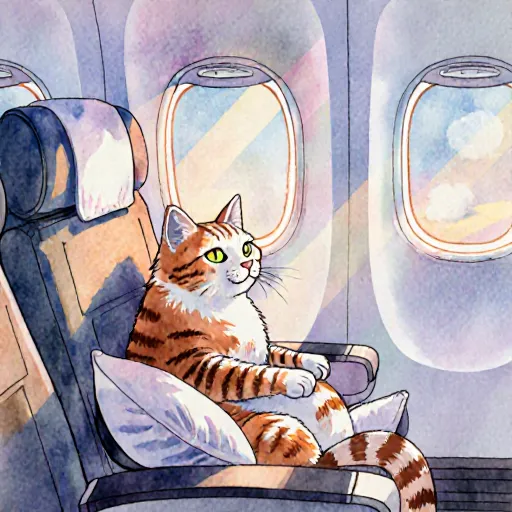
Feline Friendships on the Go!
Cat Travel Made Easy and Enjoyable
Table of Contents
- Prepare Ahead for Your Travel Plans
- Choose the Right Carrier
- Schedule a Vet Check-Up
- Establish a Routine
- Bring Familiar Items
- Acclimate Your Cat to the Carrier
- Travel during Off-Peak Hours
- Stay Calm and Positive
- Hydrate Your Cat
- Feed Your Cat Appropriately
- Plan for Rest Stops
- Prepare for Customs and Quarantine
- Have an Emergency Plan in Place
- Conclusion
- FAQ
Prepare Ahead for Your Travel Plans
Travelling with your cat can be a memorable experience, but it's important to ensure that your travel plans are stress-free for both you and your furry friend. By preparing ahead of time, you can make sure everything goes smoothly, reducing the likelihood of any mishaps or unexpected complications.
1. Consult Your Veterinarian
Before booking your trip, it's crucial to consult with your veterinarian. They can provide essential health advice and ensure that your cat is up-to-date on all necessary vaccinations. Some countries have specific quarantine requirements for cats entering their borders, and your vet will be able to guide you through these.
2. Acquire Necessary Documentation
To travel with your cat internationally or even domestically, certain documentation might be required. This can include vaccination records, a health certificate from your veterinarian, and sometimes a microchip verification. Check the specific regulations of your destination country or state.
3. Secure Suitable Accommodation
Cats are sensitive to changes in their environment, so it's vital to ensure they have a comfortable place to stay during your trip. If you're staying at hotels that allow pets, check if they offer pet-friendly amenities like bedding or separate dining areas. Alternatively, consider booking accommodations specifically designed for animals.
4. Prepare Travel-Centric Supplies
- Cat Carrier: Invest in a sturdy and comfortable carrier that your cat is used to. It should be well ventilated but secure enough to prevent escape during transit.
- Food and Water: Pack enough food for the duration of your trip plus extra, along with bottled water or a portable water dish if you'll be travelling in areas where tap water isn't safe for pets.
- Litter Box and Supplies: If you're staying longer than a day or two, bring a small litter box and enough litter. Avoid using clumping litter as it can be harmful to cats.
5. Familiarize Your Cat with the Carrier
To minimize stress during travel, familiarize your cat with its carrier well before departure. Place treats inside and let them explore the space. Gradually increase their time spent in the carrier to build comfort.
6. Pack Comfort Items
Cats thrive on routine and familiarity. Packing a blanket or favorite toy from home can provide a sense of security during travel. These items will also help your cat feel more at ease in new environments.
7. Create a Routine
Try to maintain as much of your regular routine as possible while you're away, especially around feeding and playtime schedules. Consistency can greatly reduce stress for both you and your cat.
8. Consider Pet Insurance
Pet insurance is a smart move when planning travel with your cat. It can cover unexpected medical expenses that might arise during the trip, such as injuries sustained in transit or illnesses contracted at your destination.
By following these steps and ensuring you're well-prepared, you can help ensure that your travel plans are stress-free for both you and your beloved pet. Your cat will thank you by staying calm and happy throughout your journey!
Choose the Right Carrier
The journey of traveling with your cat can be both exciting and stressful. Ensuring a comfortable and secure travel experience for your furry friend starts by choosing the right carrier. A well-chosen carrier not only ensures safety but also helps in reducing stress, making the trip more enjoyable for everyone involved.
Key Considerations When Selecting a Cat Carrier
- Size: Cats come in various sizes, so make sure the carrier is neither too big nor too small. A good fit ensures that your cat has enough space to move around and feel comfortable.
- Cats up to 5 pounds: Small carriers (10-12 inches).
- Cats between 5-9 pounds: Medium carriers (14-16 inches).
- Larger cats: Large carriers (18-24 inches).
- Comfort: Look for a carrier that is made of soft, breathable materials to keep your cat comfortable. Avoid carriers with hard surfaces or those that are too constricting.
- Ventilation: Ensure the carrier has adequate ventilation holes to allow airflow and prevent overheating during travel.
Examples of Ideal Cat Carriers
Here are some popular carriers that are known for providing a stress-free travel experience:
- PetSafe SoftSides Cat Carrier: This carrier is made from soft, breathable material and has multiple ventilation holes. It comes with an attachable litter pan, making it ideal for long trips.
- NuVet All-Purpose Travel Carrier: Known for its soft fabric and gentle padding, this carrier offers a cozy environment for your cat while traveling. It also includes a carrying handle for easy transport.
- Tekcare Soft Sides Cat Travel Carrier: This carrier provides ample space with excellent ventilation. The durable design ensures it can withstand the rigors of travel.
Practical Advice for Using Your Cat Carrier
To ensure your cat adapts to their new environment quickly, here are some tips:
- Familiarize your cat with the carrier: Place the carrier in a quiet area of your home and let your cat explore it. Leave the door open so that they can enter on their own.
- Pet your cat inside the carrier: Occasionally place treats or toys inside the carrier to make it associated with positive experiences.Use pheromone sprays: Products like Feliway emit calming pheromones that can help reduce stress during travel.
By choosing the right cat carrier and following these tips, you can ensure a stress-free travel experience for your beloved pet. Remember, a little preparation goes a long way in making your journey smoother and more enjoyable!
Schedule a Vet Check-Up
Just as you prioritize your health by scheduling regular check-ups with your healthcare provider, it's crucial to ensure your cat's well-being by arranging routine veterinary visits. These check-ups are essential for maintaining your cat’s overall health and catching any potential issues early.
Why Regular Vet Visits Are Important
- Detect Health Issues Early: Regular exams can identify problems before they become serious, potentially saving you money in the long run and improving your cat's quality of life.
- Vaccinations and Parasite Control: Your vet will ensure that your cat is up-to-date with vaccinations and treatments for internal and external parasites, protecting both your pet and your family from diseases.
- Promote Longevity: Preventive care can significantly extend the lifespan of your feline companion by addressing health concerns early on.
Scheduling Your Vet Visit
To ensure you don't miss these important appointments, it's a good idea to incorporate scheduling into your regular routine. Here are some practical tips:
- Check Calendar Regularly: Set reminders on your calendar for vet visit dates and renew them every year.
- Choose a Time That Fits Your Schedule: Some vets offer flexible hours, including evenings and weekends. Choose a time that works best for you and your cat.
- Prepare Before the Visit: Prepare a list of any concerns or questions you may have. Bring your pet's medical records to ensure continuity of care.
Tips for Stress-Free Travel with Your Cat
Traveling with your cat can be stressful, but with the right preparation, it can be a smooth experience. Here are some tips:
- Cat Carriers: Use a carrier that is large enough for your cat to move around comfortably and has good ventilation.
- Familiarize Your Cat with the Carrier: Place treats or toys inside the carrier so your cat can associate it with positive experiences. Gradually introduce longer periods of time in the carrier.
- Comfortable Ride: Ensure your cat has a comfortable spot during travel, like a seat cushion or blanket. If flying, consider pet-friendly airlines that offer space for pets to lie down and relax.
- Brief Stops During Long Journeys: Take regular breaks to let your cat stretch and eliminate stress. This is also an opportunity for you to stretch your legs too!
Scheduling a vet check-up as part of your pet care routine is vital, just as traveling with your cat stress-free is important for their comfort and safety. By following these tips, you can ensure that both aspects of your pet’s life are handled with care and consideration.
Establish a Routine
Traveling with your cat can be both exciting and stressful, especially if you're not prepared. One of the most effective ways to ensure that your travel experience is stress-free for both you and your feline companion is by establishing a routine. This involves creating a predictable schedule that mimics your home environment as closely as possible during your trip.
1. Familiarize Your Cat with Car Rides
To minimize anxiety, it's important to get your cat accustomed to car rides before the actual travel. Start by letting them explore the car in a relaxed setting without going anywhere initially. Gradually increase the duration and distance of these excursions over time. You can use treats and positive reinforcement to make the experience enjoyable for your cat.
- Begin with short trips around the block.
- Add more distance as your cat becomes comfortable.
- Praise and reward your cat after each successful ride.
2. Pack Necessary Items
A well-prepared travel kit is essential for a stress-free journey. Ensure you have all the necessary items packed before you leave:
- Cat carrier: Make sure it's secure and comfortable.
- Food and water: Pack enough for your cat's duration of stay, including treats.
- Litter box and litter: Bring a portable litter box if necessary.
- Vet information: Include contact details and any medications your cat requires.
- Toys and bedding: Familiar items can help reduce stress for your cat.
3. Create a Comfortable Environment
Upon arrival at your destination, create an environment that feels familiar to your cat:
- Set up the litter box in a quiet, private area where your cat can relax.
- Lay out toys and bedding for comfort.
- Give your cat some time to explore without rushing them. Let them acclimate at their own pace.
4. Stick to Familiar Schedules
Maintaining a routine helps your cat feel secure during the trip:
- Eat and play as you normally do at home.
- Ensure regular feeding times, even if it's different from local mealtimes.
- Provide opportunities for exercise and interaction to keep your cat mentally stimulated.
5. Monitor Your Cat’s Behavior
Keep an eye on your cat's behavior throughout the trip:
- Note any signs of stress, such as hiding or excessive grooming.
- If necessary, provide additional comfort through petting and verbal reassurance.
- In severe cases of distress, consult with a veterinarian for advice on how to proceed safely and comfortably.
By following these steps, you can help ensure that your travel experience with your cat is as stress-free as possible. Remember, the key is consistency and familiarity – both in preparation and during the trip itself. With patience and care, your cat will adapt to the journey and enjoy it just like any other exciting adventure.
Bring Familiar Items
Traveling with your cat can be stressful, not just for you but also for your furry friend. To make the journey smoother and ensure that your cat feels secure and comfortable, there are several familiar items you should consider bringing along. These items will help in creating a sense of familiarity and security, thereby reducing stress during travel.
1. Your Cat's Bed or Blanket
Your cat has its favorite spots for napping, and it’s important to recreate this at home when you are on the road. Bring along your cat's bed or blanket that they love most. This will give them a sense of security and comfort in an unfamiliar environment.
Example: If your cat loves their cozy bed with soft, plush fabric, bring it along. Alternatively, if they prefer to sleep on a particular blanket, ensure you have this handy too.
2. Toys and Puzzle Feeders
Toys are not just for fun but also serve as stress relievers during travel. Familiar toys can keep your cat engaged and entertained while in transit or at the destination. Puzzle feeders, which challenge your cat’s mind by requiring them to work for their food, are especially beneficial on long trips.
Example: Bring along interactive laser pointers or feather wands that you can use to play with your cat during breaks in transit. Puzzle feeders like the puzzle cube can keep your cat busy and happy while you're dealing with travel logistics.
3. A Familiar Scents
Cats are highly sensitive to scent, which plays a crucial role in their comfort and security. Introducing familiar scents into the new environment can significantly reduce stress levels for your cat during travel. You can use items such as a shirt or pillowcase that has been worn by you recently.
Example: If your cat is used to sleeping under your arm, bring along an old shirt of yours and place it in the carrier where they will be resting. This helps them recognize your scent and feel less anxious in a new space.
4. Medications or Calming Aids
In some cases, especially for cats that are particularly anxious during travel, medications such as feline pheromones can be used to help calm them down. These products mimic the natural pheromones produced by cats and can provide a calming effect.
Example: Products like Feliway are available in spray or diffuser form, which you can use at home before travel or place in your cat’s carrier during transit to help reduce anxiety. Always consult with your veterinarian before using any medications for your cat.
5. Familiar Routine
Scheduling and sticking to a familiar routine is crucial when traveling with your cat. Cats thrive on routines, and disruptions can lead to stress. Try to keep mealtimes, playtime, and nap times as consistent as possible during travel.
Example: If your cat usually eats at 6 PM every day, try to feed them around the same time even while traveling. This consistency in routine will help reduce anxiety and make the trip more comfortable for both you and your pet.
Conclusion
In conclusion, bringing familiar items is key when traveling with your cat to ensure a stress-free experience for both of you. By providing comfort through familiar scents, toys, bedding, and maintaining routines, you can help make the travel process less daunting for your feline companion.
Acclimate Your Cat to the Carrier
Traveling with your cat can be a stressful experience for both you and your feline companion. However, by acclimating your cat to its carrier in advance, you can significantly reduce stress during travel and ensure a safer journey. Here are some practical steps and tips to help make this process easier:
Step-by-Step Guide to Acclimatizing Your Cat to the Carrier
- Familiarize Your Cat with the Carrier: Start by placing the carrier in a quiet area of your home where your cat feels comfortable. Let your cat explore the carrier without any pressure, perhaps offering treats near it or inside. Over time, gradually increase the duration your cat spends in the carrier.
- Create a Positive Association: Place some of your cat's favorite toys and blankets inside the carrier to make it feel more like a cozy, familiar space rather than an unfamiliar container. Associating positive experiences with the carrier can help reduce anxiety during travel.
- Practice Handling and Movement: Gently pick up your cat and place it in the carrier while speaking soothingly. Over time, increase the complexity by moving around the house or taking short trips outside (like to a vet’s office). This helps your cat get used to being carried and transported.
- Use Treats as Positive Reinforcement: Reward your cat with treats when it stays in the carrier. Over time, this can make staying in the carrier feel like an enjoyable activity rather than something to dread.
- Predictable Routine: Establish a routine where you open the carrier and let your cat explore on its own terms. This helps reduce anxiety as your cat learns that being in the carrier is a normal, regular part of daily life.
Additional Tips for Stress-Free Travel
- Use a Carrier Designed for Cats: Ensure you have a carrier that fits your cat comfortably and safely. A secure, well-fitting carrier will help reduce stress by making the trip more comfortable.
- Consider Using Calming Products: There are various calming sprays or pheromone diffusers available in the market specifically designed to help pets feel less anxious during travel. These can be placed inside the carrier before your trip.
- Short Trips First: Start with short trips and gradually increase the duration as your cat gets more comfortable. This helps build confidence without overwhelming your pet.
- Stay Calm Yourself: Cats can pick up on their owner's emotions, so if you are nervous or anxious about traveling, it may make your cat feel stressed too. Stay calm and positive to help ease your cat’s anxiety.
Conclusion
In summary, acclimating your cat to its carrier is a crucial step in ensuring stress-free travel. By following these tips and creating positive associations with the carrier, you can make traveling with your cat a more pleasant experience for both of you.
Travel during Off-Peak Hours
Travelling during off-peak hours can be a game-changer when it comes to stress-free travel with your cat. By avoiding the rush of peak travel times, you can ensure that both you and your feline friend have a smoother journey. Here’s how you can make the most out of travelling during these quieter periods.
1. Predictable Schedule
One of the biggest advantages of travelling off-peak is having a more predictable schedule. Airports, train stations, and bus terminals tend to be less crowded, which means you can avoid long lines at check-in or security. This allows for a more relaxed departure process, giving both you and your cat time to settle in without any rush.
2. Calmer Environment
The quieter environment during off-peak hours is particularly beneficial for cats who can get easily stressed by loud noises and the hustle and bustle of a busy travel hub. Fewer people around means less chance of your cat feeling overwhelmed or anxious about their surroundings.
3. Flexible Travel Times
You have more flexibility when it comes to choosing your travel time. You can plan your journey for times that are most convenient for you and your pet, avoiding the stress of a rushed departure or arrival. This gives you ample time to acclimate your cat to the car, the carrier, or any other form of transportation.
4. Reduced Risk of Pet Stress
Cats are naturally more sensitive to changes in their environment and can get stressed by travel. By avoiding peak hours, you reduce the likelihood of your cat experiencing motion sickness or anxiety during the trip. This makes for a much calmer and stress-free journey.
5. Practical Tips for Off-Peak Travel
- Choose Your Days Wisely: Check schedules and plan your travel on days when fewer people are moving around the same time zones. This is usually during weekdays, late evenings, or early mornings.
- Pack Accordingly: Ensure you have all necessary documents for both you and your cat, such as vaccination records and identification tags. This will make security checkpoints faster and smoother.
- Comfortable Carrier: Make sure your cat’s carrier is comfortable and familiar to them before the trip. You can place their favorite toy or blanket inside the carrier to help them feel more at ease.
- Bring Familiar Items: Bring along some of your cat’s favorite items, like a soft bed or pillow, to make them feel more comfortable during the journey.
Conclusion
In conclusion, travelling during off-peak hours can significantly enhance the stress-free experience for both you and your cat. By choosing quieter travel times, you ensure a smoother journey filled with less stress and more comfort for all parties involved.
Stay Calm and Positive
Traveling with your cat can be an exciting adventure, but it can also be stressful for both you and your feline friend. To ensure a smooth journey, staying calm and positive is crucial. Here are some tips, practical advice, and examples to help make the trip stress-free for everyone involved.
1. Prepare Early
Start preparing well in advance of your trip. Familiarize yourself with travel regulations regarding pets and ensure you have all necessary documents and vaccinations. Pack your cat's carrier early so that they can get used to it before the big day.
Example: If traveling by plane, check airline policies on pet transport. Many airlines require a health certificate for pets flying in cargo holds, especially if the flight is long or during hot weather.
2. Get Your Cat Used to the Carrier
Cats can be wary of new environments, so getting them used to their carrier early is essential. Start by placing treats and toys inside the carrier to make it a positive experience. Gradually increase the time your cat spends in the carrier until they are comfortable enough for travel.
Example: If you have a week before your trip, start by leaving the carrier out with the door open. Place treats and toys inside daily to create a positive association. On the day of travel, make sure the carrier is well ventilated but not too cold or hot.
3. Bring Familiar Items
Your cat will feel more secure if they have some familiar items from home in their carrier. Include bedding, a favorite toy, and perhaps a small amount of your scent using an unscented spray to help them feel at ease.
Example: If you're traveling by car or train, bring a small blanket or towel that smells like home. Cats can be comforted by the familiar smell of their favorite stuffed toy as well.
4. Stay Calm and Positive
Your demeanor will greatly influence your cat's behavior during travel. Try to stay calm, speak in a soothing voice, and avoid showing any signs of stress or anxiety. If you remain relaxed, it is likely that your cat will also feel more at ease.
Example: Practice deep breathing exercises before the trip to help manage your own stress levels. This can be particularly helpful if you're traveling with a nervous cat and need to maintain a calm presence.
5. Make the Journey Comfortable
During travel, ensure that your cat's carrier is placed in a comfortable location where they are not exposed to excessive noise or movement. For longer trips, make sure they have access to water and food if allowed by transport regulations.
Example: If flying, place the carrier on the floor near you rather than above your head. This reduces the risk of your cat feeling anxious about being in the air or exposed to loud sounds from the plane's engines.
6. Reward Good Behavior
If your cat behaves well during travel, reward them with treats and praise. Positive reinforcement will help reinforce good behavior for future trips. Avoid giving treats immediately before departure as they may cause nausea or discomfort on the journey.
Example: Once you arrive at your destination, provide extra playtime to celebrate their successful journey. This positive association can further enhance their comfort during travel in the future.
Conclusion
By following these tips and staying calm and positive throughout the journey, you can help ensure a stress-free trip for both you and your cat. Remember that preparation and consistency are key to a successful pet-friendly travel experience.
Hydrate Your Cat
Hydrating your cat while traveling can be a crucial part of ensuring they have an enjoyable and stress-free journey. Just like humans, cats need to stay well-hydrated for optimal health and comfort. Here are some practical tips and examples to help you keep your furry friend hydrated during travel.
Carry Fresh Water
Always pack a clean water bottle or a portable pet water dish that can be carried in the car. Cats may not drink from the car's water bowl, so having an alternative option is essential. Ensure the water container is easily accessible and keep it cool to encourage your cat to drink.
Use Portable Water Bowls
Purchase or bring a small, portable water dish that fits comfortably in your car or travel bag. These can be made of plastic, stainless steel, or even silicone and are lightweight for easy transport. Some models come with suction cups to keep them steady on the car floor.
Encourage Drinking
To encourage your cat to drink more water while traveling: - Offer small amounts frequently. - Use clean, fresh water every day. - Try adding a few drops of chicken or tuna broth to make the water more appealing (check with your vet first). - Make sure the water dish is not too deep for them to reach easily.
Monitor Hydration
Check your cat’s hydration levels by observing their skin elasticity. Gently pinch some of their skin and release it; if it springs back immediately, they are likely well-hydrated. If the skin stays in place for too long, your cat may need more water.
Travel Tips
- Ensure your cat has access to water during all travel phases—before, during, and after trips.
- Keep the car well-ventilated so that the air quality is good for both you and your pet.
- Use a harness instead of a collar when walking your cat inside or outside; this can reduce stress and allows for easier access to water if needed.
Emergency Situations
In case your cat shows signs of dehydration during travel, such as lethargy, dry mouth, or lack of urination, seek veterinary assistance immediately. Always have the contact information for a local vet handy in case you need to stop at an emergency clinic.
By following these tips, you can help ensure your cat stays hydrated and stress-free during travel, making the journey more enjoyable for both you and your pet.
Feed Your Cat Appropriately
To ensure your cat remains healthy and happy, it's crucial to feed them appropriately. Proper nutrition is just as important for a cat’s well-being as stress-free travel. Just like traveling with your cat can be stressful if not prepared properly, feeding them the right kind of food can also pose challenges if you're not knowledgeable about their dietary needs.
Understanding Your Cat's Nutritional Needs
Before diving into the specifics of what to feed, it’s essential to understand your cat’s nutritional requirements. Cats are obligate carnivores, meaning they need a diet rich in animal protein. This is because their bodies have evolved to thrive on meat and cannot fully digest plant-based proteins as efficiently.
- Protein: A high-quality source of protein is the cornerstone of your cat’s diet. Look for foods that list meat, such as chicken or fish, as the first ingredient. Avoid foods with primarily grain-based proteins.
- Fat: Cats need healthy fats to support their coat and skin health. Omega-3 and omega-6 fatty acids are particularly beneficial.
- Vitamins & Minerals: These nutrients help maintain overall health, including bone strength, immune function, and energy levels. Ensure that your cat’s food contains all the essential vitamins and minerals they need.
Selecting the Right Type of Food
There are various types of cat foods available: dry kibble, wet (canned) food, and raw diets. Each type has its advantages, but it's important to choose one that suits your cat’s age, lifestyle, and health needs.
- Dry Kibble: Ideal for cats who tend to eat less frequently or have a higher activity level. It helps maintain dental hygiene as they chew. However, dry food alone may not provide all the moisture your cat needs.
- Wet Food: Rich in water content and can be beneficial for cats prone to urinary tract issues. Wet food also tends to be more palatable for some cats. Be cautious about feeding too much canned food as it can lead to weight gain if not balanced with other nutrients.
- Raw Diets: This option requires careful preparation and knowledge of proper nutrition. Raw diets can be highly nutritious but require regular monitoring by a veterinarian to ensure they're meeting all nutritional needs.
Portion Control and Feeding Schedule
To prevent obesity, which is one of the leading health issues in cats, it's important to monitor portion sizes. Cats generally do well with two meals a day, but some may benefit from three smaller meals if they have higher energy requirements.
- Portion Control: Weigh your cat’s food portions and ensure they are not overeating. Overfeeding can lead to obesity, which increases the risk of various health problems such as diabetes and heart disease.
- Feeding Schedule: Establish a consistent feeding schedule to help regulate your cat's digestive system and maintain their routine. Cats thrive on predictability, just like how stress-free travel depends on proper planning.
Tips for Traveling with Your Cat
When traveling with your cat, ensuring they eat well is crucial to keep them comfortable. Here are some tips:
- Carry Enough Food: Bring enough food for the duration of your trip plus a few extra days in case you get delayed.
- Monitor Eating Habits: Observe your cat’s eating habits during travel to ensure they are not stressed or too excited about new environments. If stress occurs, consider feeding smaller portions more frequently.
- Pack Treats: Bringing some treats can help distract and comfort them during the trip.
In conclusion, just as traveling with your cat requires careful planning to ensure they are not stressed, feeding them appropriately demands knowledge about their nutritional needs. By understanding what your cat requires and selecting the right type of food, you can maintain their health and happiness both at home and during travel.
Plan for Rest Stops
When traveling with your cat, planning for rest stops is crucial. These breaks not only give you time to stretch and recharge but also provide an opportunity to ensure your feline friend remains comfortable and stress-free during the journey. Proper planning can make all the difference in ensuring a smooth trip.
Understanding Your Cat's Needs
Cats, like humans, need regular breaks from travel. Cats are natural hunters who prefer to be on the move, but they also require time to rest and relax. By understanding your cat’s needs, you can plan for rest stops that cater specifically to their preferences.
Signs Your Cat Needs a Break
- Restlessness or Inactivity: If your cat is unusually restless during the trip or starts to behave abnormally, it might be time for a break.
- Crying or Meowing: Vocalizations can indicate stress or discomfort. A rest stop could help calm them down.
- Hiding or Seeking Comfort: Cats often seek comfort when they are tired or stressed. Signs of seeking shelter or hiding in a familiar spot may be a signal to pause for a break.
Choosing the Right Rest Stops
The location and timing of rest stops can significantly impact your cat’s travel experience. Look for places that are clean, safe, and pet-friendly. Here are some tips:
Pet-Friendly Areas
- Restaurants with outdoor seating: Many restaurants have areas where pets are allowed, providing a secure environment.
- Shopping centers or malls: These often have cafes and shops that welcome cats.
- Retail stores: Some retail stores allow pets to enter. Check their policies before heading in.
Time Management
Avoid planning rest stops too early in the morning or late at night, as this can disrupt your travel schedule and your cat's sleep cycle. Aim for breaks during daylight hours when you can spend time exploring the area with your cat.
Practical Tips for Rest Stops
- Create a Comfortable Environment: Bring along a blanket or mat that your cat is familiar with. This helps create a cozy and stress-free environment during rest stops.
- Maintain Routine: Try to stick to your usual feeding times at the rest stop. Familiar scents can help reduce stress for your cat.
- Exercise Your Cat: A short walk or playtime with a toy can tire your cat out and make them more relaxed during travel.
- Stay Hydrated: Offer clean water to your cat at every rest stop. Dehydration can be stressful for pets, especially in warm climates.
Conclusion
Planning for rest stops is an essential part of traveling with your cat stress-free. By understanding their needs, choosing the right locations, and creating comfortable environments, you can ensure that both you and your feline companion enjoy a smooth journey.
Prepare for Customs and Quarantine
Traveling with your cat can be an exciting adventure, but it also comes with a few hurdles, especially when crossing international borders. Ensuring that you are well-prepared for customs and quarantine regulations will make the process smoother and stress-free for both you and your feline companion.
Understand the Regulations
Familiarize yourself with the specific requirements of the country or countries you'll be traveling to. Each nation has its own set of rules regarding pets, including health certificates, vaccination records, microchipping, and quarantine periods. It's crucial to gather all necessary documentation well in advance.
Get Required Certificates
The most important document you will need is a Veterinary Health Certificate. This should be issued no more than 10 days before your departure and should include:
- A health assessment of the cat by a licensed veterinarian.
- Proof of vaccination against rabies, with at least one year between the shot and travel date.
- In some cases, a negative result from a specific blood test for feline infectious peritonitis (FIP) or other diseases may be required.
Microchipping Your Cat
Microchipping is not only crucial in case your cat gets lost but can also help speed up the customs process. Many countries require that cats entering their territory are microchipped, so make sure to have this done by a veterinarian before traveling.
Prepare Your Cat for Travel
Before embarking on your journey, it's important to acclimate your cat to the travel environment. This includes:
- Familiarize with the carrier: Spend time letting your cat explore and get comfortable in the carrier.
- Pet-friendly flights: Choose a flight that has a good reputation for pet travel, ensuring minimal stress for your kitty.
- Necessary supplies: Pack food, water, litter box, toys, and any medications your cat might need during the trip.
Stay Informed During Travel
During transit, it's vital to monitor your cat closely. Ensure they have access to food, water, and a clean environment. If you're flying, many airlines allow pets in the cabin or provide special handling for them under certain conditions.
Quarantine Upon Arrival
In some countries, cats are required to undergo quarantine upon arrival. The duration of this period varies and can be anywhere from a few days to several weeks depending on the country's regulations. During this time, ensure your cat has all their needs met and is comfortable.
Seek Professional Help if Needed
If you are unsure about any part of the process or if your cat shows signs of stress during travel, consult a veterinarian for advice. They can provide guidance on how to best prepare both you and your pet for the journey ahead.
By thoroughly preparing yourself and your cat for customs and quarantine requirements, you can ensure that traveling with your cat is as stress-free as possible. This not only makes the trip more enjoyable but also ensures that your furry friend arrives at their destination in good health and spirits.
Have an Emergency Plan in Place
Traveling with your cat can be a stressful experience for both you and your feline friend. Ensuring that you have a solid emergency plan in place can significantly reduce stress and ensure a smoother journey. Here’s how to prepare:
1. Identify Emergency Veterinary Clinics
Before traveling, research and identify at least one or two veterinary clinics along your route. Make sure these clinics are familiar with exotic pets like cats. It's crucial to have a reliable network of vets who can handle any unexpected medical issues that may arise during your trip.
2. Pack an Emergency Kit
Just like humans, cats require specific emergency supplies. Your cat’s travel kit should include:
- Penicillin and other necessary medications for your cat as prescribed by the vet.
- Cat-specific first aid items such as bandages, salves, and gauze pads.
- Prescription food if your cat has specific dietary needs.
- A muzzle (if recommended by a vet) for safety during travel or in case of emergencies.
3. Prepare Your Cat Mentally and Physically
To minimize stress, acclimate your cat to the carrier well before the trip. This can involve placing them inside the carrier with treats, toys, and blankets that they enjoy. Familiar scents like a towel or blanket from home can also help soothe your cat during travel.
4. Understand Your Cat’s Behavior
Observe your cat's behavior in different situations to recognize signs of stress or discomfort. Common signs include excessive meowing, pacing, hiding, or refusing food. If you notice these behaviors, it may be a sign that your cat needs more time to rest and relax.
5. Communicate with Your Travel Companion
If traveling with another person, ensure they are aware of the plan in case of an emergency. Discuss roles and responsibilities so everyone knows what steps to take if something unexpected happens during your trip.
6. Prepare for Various Scenarios
Consider different scenarios that could occur during travel, such as car accidents or sudden illnesses. Have a plan in place for each situation. For example, know how to contact emergency services if needed and where to find nearby shelters or hotels that can accommodate your cat.
7. Keep Calm and Stay Positive
Your calm demeanor will greatly influence your cat’s stress levels during travel. Practice deep breathing exercises before the trip to help you stay composed, and reassure yourself and your cat throughout the journey.
By having a well-thought-out emergency plan in place, you can travel with your cat knowing that you are prepared for any situation. This proactive approach will not only reduce stress but also ensure that both you and your feline companion have a more enjoyable trip.
Conclusion
The process of traveling with your cat can be both exciting and stressful for both you and your pet. To ensure a stress-free journey, it's crucial to prepare well in advance, understand your cat’s temperament, and follow a few key steps that can make the experience smoother.
To travel with your cat stress-free, the first step is understanding their personality. Some cats are more adventurous and less anxious about new environments, while others prefer to stay in familiar surroundings. If you know your cat well, you'll be better equipped to anticipate and address any potential stressors.
Pre-trip Preparation
Cat Carriers: Investing in a comfortable and secure carrier is essential for travel. Ensure the carrier allows your cat enough space to move around comfortably without feeling cramped. You can place soft bedding inside, like towels or blankets, to make it more inviting.
Travel Gear: Gather all necessary items such as food, water, litter box (if applicable), toys, and medications before the trip. Make sure these are easily accessible during your journey.
Selecting a Travel Route
The route you choose can impact your cat's stress level significantly. Avoid busy highways if possible; instead, opt for scenic routes where your cat will be less exposed to loud noises and traffic. If taking public transportation is an option, check schedules and find the most comfortable stops or stations.
Practical Tips During Travel
Comfort Breaks: Cats need regular breaks too! Plan short walks for your cat in safe areas during longer journeys to allow them to stretch their legs. This also provides a change of scenery, which can help reduce stress.
Distraction: Bring along some familiar items like toys or treats that can distract and entertain your cat during travel. Keeping your cat occupied with playtime can make the trip more enjoyable for both you and your pet.
Post-Travel
Once back home, it’s important to give your cat time to adjust to their environment again. Spend extra time interacting with them and provide a calm atmosphere free of sudden movements or loud noises that could startle them.
Traveling with your cat can be a rewarding experience if you prepare adequately. By understanding your cat's needs, following these practical tips, and ensuring they have comfortable travel arrangements, you can help make the journey stress-free for both of you. Remember, consistency in routine and gentle handling will go a long way in making this an enjoyable trip.
For more detailed advice on how to prepare for your pet’s travel needs, consider resources like How to Travel with Your Cat Stress-Free.
FAQ
Traveling with your cat can be a memorable experience, but it's essential to ensure that both you and your feline companion have a stress-free journey. Here are some tips and practical advice to help make the process smoother:
1. Prepare Your Cat in Advance
Start preparing your cat well in advance of your trip. Exposing them to new environments, carriers, and smells can greatly reduce their stress levels.
- Familiarize Them with the Carrier: Allow your cat to explore the carrier regularly without feeling confined or stressed. Place treats inside so they associate it positively.
- Desensitize Your Cat: Gradually introduce your cat to different sounds, smells, and sights that you will encounter on the trip. This can include car rides, travel noises, and the smell of different environments.
2. Choose the Right Carrier
The carrier should be large enough for your cat to move around comfortably but small enough to provide a sense of security. Ensure that it has good ventilation and is made from sturdy material.
Example: A hard plastic or fiberglass carrier can offer better support during travel, while soft carriers may be more suitable if you're frequently on the go.
3. Provide Comfortable Accessories
- Treats and Toys: Bring along your cat's favorite treats and toys to keep them occupied and happy during travel.
- Clothing or Blankets: If you're traveling by car, consider wrapping your cat in a soft blanket for additional comfort. Some cats also enjoy wearing cozy sweaters or jackets.
4. Keep Them Hydrated and Fed
Ensure that your cat stays hydrated during the trip. Bring along fresh water and avoid overfeeding them before the journey to prevent discomfort.
5. Monitor Their Health
- Vet Check-Up: Before traveling, take your cat for a health check-up to ensure they are in good health and that any necessary vaccinations or medications are up-to-date.
- Carry Medications: If your cat requires medication, make sure it is easily accessible during the trip. This could include antianxiety medication if your vet recommends it.
6. Plan Your Journey
A smooth travel plan can significantly reduce stress for both you and your cat. Consider:
- Trip Timing: Avoid traveling during the hottest or coldest parts of the day.
- Frequent Breaks: Plan regular stops to allow your cat to stretch, play, and use the litter box.
- Calm Environment: Choose routes that are less likely to cause stress, such as quieter roads or highways with fewer traffic jams.
7. Practice Calm Behavior
Your behavior during the journey can greatly affect your cat's stress levels. Stay calm and relaxed yourself; a stressed owner often leads to a stressed pet.
8. Use Positive Reinforcement
- Praise and Rewards: Praise your cat for staying calm during the journey. Reward them with treats and affection when they behave well.
By following these tips, you can help ensure that your trip with your cat is stress-free and enjoyable for everyone involved.
Categories
- AI & Enrichment Play
- Broiler Farming
- Broiler Farming Tips
- Canine Wellness & Longevity
- Cat
- Cat & Human Connection
- Cat Adoption & Rescue
- Cat Breeds
- Cat Breeds & Personalities
- Cat Care & Health
- Cat Grooming & Hygiene
- Cat Lifestyle & Environment
- Cat Myths & History
- Cat Nutrition & Diet
- Cat Products & Reviews
- Cat Training & Behavior
- Comparison
- Consumer Awareness
- Dog
- Dog Accessories & Products
- Dog Adoption & Rescue
- Dog Breed & Lifestyle Trends
- Dog Breeding & Puppies
- Dog Entertainment & Media
- Dog Fashion & Trends
- Dog Fun & Lifestyle
- Dog Grooming & Hygiene
- Dog History & Culture
- Dog Myths, Science & Future Tech
- Dog News & Trends
- Dog Nutrition & Food
- Dog Psychology & Emotions
- Dog Safety & Security
- Dog Sports & Activities
- Dog Technology & Innovation
- Dog Training for Modern Owners
- Dog Travel & Adventure
- Dog Travel, Adventure & Culture
- Economic and Market Insights
- Educational Content
- FAQs
- Feeding Alternatives
- Festivals & Seasonal Ideas
- Fun & Entertainment
- General Knowledge
- General Pig Farming
- Health & Disease Management
- Housing and Environment
- Kittens
- Market Insights
- Miscellaneous
- Miscellaneous
- Motivational
- pig
- Pig Breeding
- Pig Breeds
- Pig Farming Stories and Inspiration
- Pig Health and Care
- Pig Nutrition
- Pig Products
- Profitability & Business
- Puppy Care
- Puppy Predictable Topics Reinvented
- Regional Focus
- Rescue & Adoption Buzz
- Senior Cats
- Senior Dog Care
- Smart Dog Tech & Gadgets
- Sustainability
- Sustainable & Eco-Friendly Dog Products
- Tech & Innovations
- Working & Service Dogs
- Broiler Feed66 products
- Country Feed33 products
- Pig Feed66 products
- Product22 products
- Raw Materials99 products
Products
-
 Fish Meal
₹1,999.00 – ₹2,999.00Price range: ₹1,999.00 through ₹2,999.00Rated 0 out of 5
Fish Meal
₹1,999.00 – ₹2,999.00Price range: ₹1,999.00 through ₹2,999.00Rated 0 out of 5 -
 FATTENING BROILER FEED
₹2,299.00 – ₹2,349.00Price range: ₹2,299.00 through ₹2,349.00Rated 0 out of 5
FATTENING BROILER FEED
₹2,299.00 – ₹2,349.00Price range: ₹2,299.00 through ₹2,349.00Rated 0 out of 5 -
 LAYER COUNTRY FEED
₹1,549.00 – ₹1,649.00Price range: ₹1,549.00 through ₹1,649.00Rated 0 out of 5
LAYER COUNTRY FEED
₹1,549.00 – ₹1,649.00Price range: ₹1,549.00 through ₹1,649.00Rated 0 out of 5 -
 COUNTER BROILER FEED
₹1,199.00 – ₹1,299.00Price range: ₹1,199.00 through ₹1,299.00Rated 0 out of 5
COUNTER BROILER FEED
₹1,199.00 – ₹1,299.00Price range: ₹1,199.00 through ₹1,299.00Rated 0 out of 5 -
 LACTATING PIG FEED
Rated 0 out of 5
LACTATING PIG FEED
Rated 0 out of 5₹2,299.00Original price was: ₹2,299.00.₹1,740.00Current price is: ₹1,740.00. -
 Maize
Rated 0 out of 5
Maize
Rated 0 out of 5₹1,650.00Original price was: ₹1,650.00.₹1,300.00Current price is: ₹1,300.00. -
 GESTATION PIG FEED (Phase 1)
Rated 0 out of 5
GESTATION PIG FEED (Phase 1)
Rated 0 out of 5₹2,249.00Original price was: ₹2,249.00.₹1,699.00Current price is: ₹1,699.00. -
 Pre Starter Broiler Feed
₹2,399.00 – ₹2,499.00Price range: ₹2,399.00 through ₹2,499.00Rated 0 out of 5
Pre Starter Broiler Feed
₹2,399.00 – ₹2,499.00Price range: ₹2,399.00 through ₹2,499.00Rated 0 out of 5 -
 FINISHER PIG FEED
Rated 0 out of 5
FINISHER PIG FEED
Rated 0 out of 5₹2,299.00Original price was: ₹2,299.00.₹1,749.00Current price is: ₹1,749.00. -
 Broiler Premix
Rated 0 out of 5
Broiler Premix
Rated 0 out of 5₹820.00Original price was: ₹820.00.₹699.00Current price is: ₹699.00.