
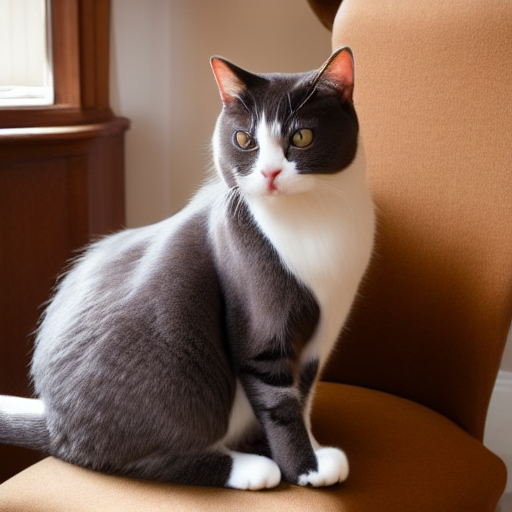
Cats held a royal place in the lives of ancient rulers.
CATs at the Heart of Ancient Rulers
Table of Contents
- The Role of Cats in Ancient Egyptian Society
- Cats as Sacred Animals
- The Cult of Bastet and Other Cat Deities
- Protection from Harmful Spirits
- Cats in the Afterlife
- The Care and Feeding of Sacred Cats
- Cats in Art and Architecture
- Common Breeds of Cats in Ancient Egypt
- The Link Between Cats and Mummification
- Cats in Literature and Poetry
- Cultural Practices Surrounding Cat Sacrifice
- The Influence of Cats on Medicine
- Changes in Cat Status Over Time
- Conclusion
- FAQ
The Role of Cats in Ancient Egyptian Society
The role of cats in ancient Egyptian society was not merely that of a household pet but encompassed significant cultural, religious, and practical dimensions. Cats were revered as sacred animals, and their importance extended beyond the individual to influence broader societal values and beliefs.
In ancient Egypt, cats were associated with several deities, most notably Bastet, who was depicted as a cat or a woman with a cat's head. The worship of cats was deeply intertwined with the religious practices and beliefs of the time. Cats were believed to possess divine qualities, and their care was seen as an act of piety.
Example: Worship and Devotion
The city of Bubastis became a major center for the worship of Bastet. Statues and temples dedicated to her were adorned with depictions of cats, and festivals celebrating her were held annually. During these festivals, thousands of cats would be fed and honored as living representations of the goddess.
Cats played a crucial role in protecting grain stores from vermin such as rats and mice. This practical benefit was highly valued by farmers and granary keepers who relied on cats to safeguard their livelihoods.
Example: Protection of Grain Stores
In the ancient Egyptian village of Kom Ombo, there are tombs that depict scenes of cats catching mice. These images serve as evidence of how cats were essential for maintaining food supplies and preventing economic losses due to rodent damage.
The high regard for cats influenced various aspects of Egyptian culture, including art, literature, and daily life. Cats appeared in numerous artworks, stories, and even hieroglyphs, symbolizing prosperity, protection, and good fortune.
Example: Artistic Depiction
The famous "Berenice's Hair" story is a well-known tale that illustrates the cultural significance of cats. In this legend, the goddess Bastet turned Queen Nitocris' hair into a star in the sky as a reward for her kindness to a stray cat.
In summary, cats held a multifaceted and profound role in ancient Egyptian society. Their presence was not only limited to religious ceremonies or practical benefits but also shaped cultural practices and values. The reverence and care for cats reflect the deep spiritual connection between humans and animals that characterized much of ancient Egypt.
Cats as Sacred Animals
Cat崇拜在古埃及是宗教信仰和文化的重要组成部分。猫被视为神圣的生物,具有保护人们免受邪恶力量侵害的能力。它们不仅受到贵族阶层的喜爱,也在普通民众中享有崇高的地位。
在古埃及,猫被认为是太阳神拉(Ra)的化身。由于太阳神能够驱散黑暗和邪恶,猫也被赋予了类似的神圣职责。猫被视为家庭守护者,保护家人免受邪灵的侵害。
猫的象征意义
- 智慧与洞察力:猫因其敏捷和敏锐而著称,这使得它们成为智慧和洞察力的象征。古埃及人认为,拥有猫作为宠物或守护者能够带来好运。
- 保护神:猫被看作是家庭的保护神。它们不仅为家人提供情感支持,还被认为能够抵御邪恶的力量。
古埃及的猫崇拜
在古埃及,对猫的崇拜达到了顶峰,尤其是在新王国时期(约公元前1550年至公元前1069年)。猫被视为神圣动物,受到法律保护。任何伤害或杀死一只猫的人都会受到严厉惩罚。
著名的例子是孟菲斯(Memphis)的一只名叫巴布拉斯(Bubastis)的母猫。它被认为是月亮女神 Bastet 的化身,并且在古埃及人的心目中占有重要地位。每年,成千上万的人会前往孟菲斯参加庆祝 Bastet 的节日。
如何为你的博客添加更多内容
- 图片和多媒体:可以插入猫的古埃及画像或雕塑图片,增强文章的表现力。也可以加入相关的视频片段,展示这些神圣动物在现代社会中的地位。
- 引用专家观点:可以通过引用考古学家、历史学家等专家的观点来增加可信度,并提供更深入的理解。
- 互动元素:设置一些问答或小测验,鼓励读者参与讨论并分享他们的看法。
The Cult of Bastet and Other Cat Deities
The ancient Egyptians held a deep reverence for cats, particularly as symbols of protection and fertility. This devotion reached its zenith during the cults of Bastet and other feline deities.
Bastet was one of the most popular goddesses in ancient Egypt. Initially depicted as a lioness, she evolved into a domestic cat, reflecting her dual nature as both fierce and nurturing. Bastet’s cult flourished during the New Kingdom period, particularly after the Amethyst Cat cult took hold.
During festivals dedicated to Bastet, cats were often offered as sacrifices, symbolizing the goddess's power and protection. The goddess was also associated with music and dance, reflecting her dual role as protector and bringer of joy.
The Amethyst Cat Cult
The Amethyst Cat cult emerged in the late New Kingdom era, emphasizing the connection between Bastet and the color amethyst. This cult saw cats adorned with amethyst jewelry, symbolizing their sacred status. It was believed that cats, especially those wearing amethyst, could ward off evil spirits.
In addition to Bastet, other feline deities played significant roles in ancient Egyptian religion:
- Hathor: While primarily a cow deity, Hathor could also assume cat form. She was associated with love and fertility.
- Imentet: This goddess of the West represented motherhood and protection in the afterlife.
- Sakhmet: Although not directly a feline deity, Sakhmet’s lioness form symbolized destruction and healing. Cats were sometimes offered to her temple as a gesture of appeasement.
Cats in Everyday Life
In addition to their divine roles, cats held significant positions in everyday life. They were kept as household pets for protection against snakes and rodents. For example, the cat named "Mau" was considered a sacred pet by the Pharaohs.
Practical Advice
To honor the ancient Egyptian tradition of respecting cats, consider adopting a rescue cat or supporting local shelters. By doing so, you not only provide companionship but also continue the legacy of care and respect for these noble creatures.
Cats continued to be revered in Egypt long after the era of pharaohs ended. Their influence can still be seen today in modern Egyptian culture, where they are often considered good luck symbols and treated with great affection.
Protection from Harmful Spirits
In ancient Egyptian beliefs, cats were not just beloved pets but also symbols of protection against harmful spirits. The Egyptians believed that cats had a special connection to the gods and could ward off malevolent forces that threatened both individuals and households.
The Role of Cats in Protecting Against Harmful Spirits
Cats were considered guardians against evil entities, much like their modern counterparts are seen as protectors today. The ancient Egyptians believed that by keeping cats within the home or wearing amulets adorned with cat images, they could safeguard themselves and their families from malevolent spirits.
Amulets and Cat Statues
Cats were often depicted in various forms of jewelry and household items as a means to protect against evil. For instance, the "cat-eye" amulet was believed to have protective powers. These amulets were made from faience or stone and could be worn around the neck or kept within the home.
Cats in Mythology
In Egyptian mythology, cats were associated with several deities, most notably Bastet, who was both a cat deity and sometimes depicted as a woman with a cat head. Bastet was revered for her protective nature and ability to fight off evil spirits. Her image on household items or amulets was believed to provide constant protection.
Practical Advice
To incorporate the protective qualities of cats into your daily life, consider placing a small cat statue or painting in areas of your home where you feel vulnerable. Alternatively, hang cat-themed prints or wear jewelry that features cat motifs as reminders of ancient Egyptian beliefs.
Conclusion
The concept of cats offering protection against harmful spirits is deeply rooted in the cultural and religious practices of ancient Egypt. By understanding and embracing these traditions, you can find a unique and meaningful way to integrate elements of ancient wisdom into your modern life.
Cats in the Afterlife
In ancient Egyptian culture, cats held a significant place not just as pets but also as sacred animals. The belief in the afterlife and the concept of reincarnation extended to these beloved felines. Cats were often mummified with great care after their deaths, and this practice reflected the deep spiritual importance attached to them.
The Egyptians believed that cats possessed a divine essence, which allowed them to guide souls into the afterlife. This belief was so integral to their society that it influenced various aspects of life, including art, architecture, and even daily rituals. Cats were seen as protectors against evil spirits, and their guardianship extended beyond the physical world into the spiritual realm.
The cat deity Bastet is perhaps one of the most famous symbols in this context. Bastet was the goddess of protection, fertility, and peace, often depicted with a lioness's head or sometimes with a cat’s body. She represented the dual nature of cats—both fierce protectors and gentle companions. The image of Bastet could be found adorning homes to ensure protection against danger.
The practice of mummifying cats was not limited to pets but also extended to those who were considered sacred. Cats that lived in temples dedicated to deities like Bastet were particularly cherished. When they died, their remains were carefully preserved and buried with offerings. This ensured that the cats could continue their duties in the afterlife as protectors.
For those wishing to honor a beloved pet cat upon its death, modern-day practices often reflect ancient traditions. Families might choose to bury their pets near the home, set up memorial stones, or even have them cremated and interred with small offerings—a way of ensuring that the spirit of the cat continues in peace.
Understanding this historical context can help pet owners appreciate the special bond they share with their cats. By respecting the cultural significance of these animals, we honor both the past and present relationships humans have had with felines. This knowledge also serves as a reminder to care for our pets with love and dedication, knowing that their spirits may find solace in the afterlife.
The Care and Feeding of Sacred Cats
In ancient Egyptian society, cats held a revered status as sacred animals. They were not only cherished pets but also symbols of divinity and protection. The care and feeding of these feline deities were integral to the culture's religious practices.
The diet of sacred cats in ancient Egypt was carefully regulated, reflecting their divine status. They were fed a premium diet that included meat from sacrificial animals such as geese and chickens. This practice ensured that the cats received the best nutrition possible, symbolizing the offerings made to the gods.
Modern Interpretation
In modern times, while we no longer have sacred cats in the same sense, adopting a similar approach can enhance the well-being of our pets. Feeding high-quality, protein-rich food that mimics their natural diet can help maintain their health and vitality.
The care for these animals was extensive, with dedicated caretakers responsible for their daily needs. These caretakers ensured the cats were clean, well-groomed, and provided with ample space to roam within secure enclosures or palaces. This practice also extended to their living conditions, which were often adorned with luxury and comfort.
Practical Advice
- Cleanliness: Regular bathing and grooming are essential for your cat's health. This is akin to the ancient practice of ensuring the cats remained clean and healthy.
- Diet: Choose a high-quality, balanced diet that includes lean meats or fish, which can help mimic their historical diet and promote optimal health.
- Living Space: Ensure your cat has enough space to move around freely within its environment. This could be a spacious apartment or a large backyard depending on the situation.
The care and feeding practices of sacred cats in ancient Egypt were not just about physical sustenance but also held deep symbolic meaning. The act of caring for these animals was seen as a way to honor the gods, ensuring that they remained content and thus continued to bless the land with protection and fertility.
Modern Reflection
While we no longer have sacred cats in the same sense, we can draw from this tradition by treating our pets with reverence and care. By doing so, we not only honor their importance but also strengthen our bond and ensure they live long, healthy lives.
In conclusion, the care and feeding of sacred cats in ancient Egypt offer valuable insights into how to treat our beloved pets today. By providing them with high-quality food, a clean living environment, and plenty of love and attention, we can ensure that our feline companions remain happy and healthy.
Cats in Art and Architecture
In ancient Egypt, cats held a significant place both in art and architecture, reflecting their cultural importance and spiritual significance. The cat, known as Bastet or Bast, was revered for its ability to protect against evil forces and bring good fortune. This reverence manifested not only in religious practices but also in the artistic and architectural representations of these felines.
The portrayal of cats in art during ancient Egypt was both realistic and symbolic, often representing themes of protection, fertility, and divine favor. One of the most iconic depictions is that of Bastet, a deity with the head of a cat or lioness. Her artistic representations varied widely: at times she was depicted as a slender, graceful cat, embodying gentleness and grace; other times, she took on a more fearsome form, symbolizing power and protection against evil spirits.
Artisans used various materials such as stone, pottery, and even mummified cats to honor Bastet. Mummified cats were sometimes buried with their owners in tombs, symbolizing the owner's protection in the afterlife. These mummies were often placed in beautifully crafted wooden or ceramic containers decorated with intricate scenes of Bastet.
Statues and paintings often depicted cats in intimate settings within the household, emphasizing their role as beloved pets and family members. Cats were not just symbols but also companions, and this is reflected in the detailed and affectionate depictions found in ancient Egyptian art.
The architecture of ancient Egypt did not directly feature cats as a structural element, but cats played an important role in the cultural life that shaped architectural design. Temples dedicated to Bastet were centers where people could seek protection and blessings from the goddess. The layout and decoration of these temples often included symbols and statues of cats, reinforcing their spiritual significance.
While there are no direct examples of cat-shaped architecture, the influence of cats can be seen in the design elements used to represent them. For instance, the Egyptians might have incorporated motifs that symbolized cat-like qualities such as swiftness, agility, and protection into architectural designs. The use of papyrus reeds, for example, which could be shaped into cat-like forms, was a common decorative element in buildings.
Additionally, the concept of cats in art often influenced the architecture surrounding temples dedicated to Bastet. Temples were designed with attention to detail that included carvings and paintings depicting cats in various poses and settings, ensuring that these symbols were integrated into every aspect of the temple’s design.
The legacy of cats in ancient Egyptian art and architecture has been preserved through numerous artifacts found during archaeological excavations. These include mummified cats, statues, paintings, and architectural elements that continue to fascinate scholars and tourists alike. The enduring influence of cats is evident in the continued interest in ancient Egyptian culture.
For modern enthusiasts and architects, understanding the role of cats in ancient Egypt can offer inspiration for new designs that incorporate themes of protection, balance, and harmony. By studying these historical elements, we gain a deeper appreciation for the rich cultural heritage of ancient Egypt.
Common Breeds of Cats in Ancient Egypt
In ancient Egypt, cats held a significant place not just as pets but also as sacred animals. The most common breeds of cats that were kept during this period played crucial roles in Egyptian society and culture. These breeds were not only valued for their companionship but also for their perceived connection to the gods, particularly Bastet (Bast), the goddess of fertility, protection, and household hearth.
The Sacred Mau
The most famous breed associated with ancient Egypt is the sacred Mau. The term "mau" in Egyptian refers to both a cat and its shadow, emphasizing the connection between cats and darkness and mystery. Mau were believed to be manifestations of Bastet, and they were often depicted in various artworks, including jewelry and pottery.
The Striped Breed
A striped breed was also popular among Egyptians. This breed is often linked with the goddess Sekhmet, who was depicted as a lioness. The stripes on these cats represented the fierce nature of this deity. These cats were not only admired for their beauty but were also seen as protectors against evil spirits.
The Domestic Shorthair
The domestic shorthair was a common breed that Egyptians kept as pets in their homes. While it did not have the same spiritual significance as the sacred Mau or the striped breed, its role in providing companionship and pest control made it an essential part of household life.
Understanding these breeds can help modern cat owners appreciate the diversity within feline species. For instance, if you're looking to adopt a cat that reflects ancient Egyptian aesthetics or symbolism, you might consider adopting a breed with distinctive markings similar to those of the sacred Mau or the striped breed.
Cat enthusiasts who wish to honor this heritage can also explore various breeds that have remained popular over centuries. For instance, the Siamese and Abyssinian are modern breeds known for their striking appearances, which echo some of the qualities admired in ancient Egyptian cats.
Examples
- The Sacred Mau: Depicted as a black or dark tabby cat with a golden or copper coat. These cats were believed to be divine and were mummified after death, often buried alongside their owners.
- The Striped Breed: Cats with distinct black stripes on a lighter background. These were associated with the goddess Sekhmet and were admired for their striking appearance.
- The Domestic Shorthair: A common household cat known for its adaptability and friendly nature, closely resembling the domestic shorthairs kept in ancient Egypt.
The Link Between Cats and Mummification
The link between cats and mummification in ancient Egyptian culture is deeply rooted in religious beliefs and practices. In Ancient Egypt, cats were not just pets but held a significant place in society due to their association with the goddess Bastet. This connection made cats sacred animals that were often mummified as a form of honoring their divine status.
The worship of Bastet, the Egyptian goddess associated with fertility and protection, played a crucial role in the cat's revered status. As a deity, Bastet was depicted in various forms, sometimes as a woman with a cat's head or entirely as a cat. Her association with cats extended beyond religion to daily life; she was believed to protect people from evil forces.
Cats were mummified using meticulous techniques similar to those used for humans. The process involved removing internal organs, washing the body with palm wine and spices, wrapping it in linen bandages, and placing it inside a stone sarcophagus or wooden coffin. This method of preservation ensured that cats could accompany their owners into the afterlife.
The British Museum houses several cat mummies from ancient Egypt. These artifacts provide valuable insights into the practices and beliefs surrounding feline mummification. For instance, a collection of cat mummies found in a single tomb suggests that cats were often buried together to symbolize family unity in the afterlife.
If you are interested in learning more about ancient Egyptian cat mummies or other aspects of their culture, consider visiting museums known for their collections from this period. The British Museum and the Metropolitan Museum of Art both have extensive displays on ancient Egypt, including artifacts related to cats.
The link between cats and mummification in Ancient Egypt is a testament to the deep reverence Egyptians held for these animals. Understanding this cultural practice provides modern readers with an appreciation for the rich history and religious beliefs of ancient civilizations.
Cats in Literature and Poetry
Cats have played a significant role in literature and poetry throughout history, often symbolizing wisdom, protection, and divine connection. In Ancient Egypt, cats were revered as sacred animals, closely associated with the goddess Bastet. This reverence extended into their portrayal in literature and poetry.
In ancient Egyptian culture, cats were not just pets but symbols of protection and good fortune. The goddess Bastet was often depicted as a cat or a woman with a cat's head, emphasizing the cultural significance of these animals.
One famous literary work that references cats in this context is "The Instructions of Ptahhotep," an ancient Egyptian text believed to have been composed around 2400 BC. In this collection of wise sayings and advice, there are mentions of animals as symbols for virtues such as kindness and protection. While not specifically about cats, the text reflects the broader cultural importance of these animals.
Examples from Ancient Egyptian Poetry
Cats were also celebrated in ancient Egyptian poetry. For instance, in the poem "To Bastet," written by a scribe named Inherkhau during the New Kingdom period (around 1500 BC), cats are praised for their protective and nurturing qualities:
"O Lady of tranquility, protector of the land, Your name is life and peace; You who dwell in the temple courts, Your eyes are as the morning sun, And your paws are swift like a breeze. Grant us your protection, Bastet."
This poem highlights how cats were seen not just as pets but also as protectors and symbols of divine favor.
Modern Interpretations
The legacy of cats in ancient Egyptian literature has influenced modern works. For example, authors like George Orwell in his novel "Animal Farm" use animals to represent human characteristics and societal issues. While not directly about cats, the allegorical approach can be seen as a continuation of using animals as symbols.
Additionally, contemporary poets who draw inspiration from ancient cultures often include references to cats. Poets like Emily Dickinson have referenced cats in their works, symbolizing solitude or introspection, which can be linked back to the spiritual significance of cats in ancient Egypt.
Cultural Practices Surrounding Cat Sacrifice
In ancient Egyptian culture, cats held a special place due to their role as companions and protectors against vermin. This significance extended into religious practices where felines were often associated with the goddess Bastet, who was depicted both as a cat and as a woman with a cat's head. The veneration of these animals led to unique cultural practices surrounding their care and eventual sacrifice.
The ancient Egyptians worshipped cats, particularly the female variety due to Bastet being considered feminine. Cats were not just pets but also sacred symbols linked with protection, fertility, and purification. This reverence was so profound that wealthy families often kept several cats as household gods.
Feeding Practices
Cats in ancient Egypt enjoyed a pampered lifestyle compared to many other animals of the time. They were fed a diet consisting mainly of grains, fish, and poultry provided by their owners. In wealthy households, these diets might include premium cuts of meat like beef or lamb. Owners would sometimes even fast along with their pets out of respect.
Funerary Practices
Cats were mummified in elaborate ceremonies similar to those for humans. When a cat died, its body was cleansed and wrapped in linen before being placed inside a beautifully decorated wooden or terracotta coffin adorned with hieroglyphs honoring Bastet. These burials often accompanied the deceased's possessions to ensure they had everything needed in the afterlife.
Although cats were generally revered and cared for, there were instances where they were sacrificed as offerings to various deities. Such sacrifices typically took place during times of significant religious festivals or when the country faced severe pest infestations believed to be caused by displeased gods.
Examples
- Festival of Bastet: During this annual event, thousands of cats were released into the streets as part of rituals aimed at appeasing the goddess. It was seen as a joyous occasion rather than one marked by sorrow.
- Pest Eradication Rituals: In times when locusts or other pests threatened agricultural crops, it was believed that sacrificing cats could drive away these creatures and restore balance to nature.
If you're interested in learning more about how to honor cat culture today while staying true to ancient traditions, consider adopting a rescue cat instead of purchasing one. This act not only supports responsible pet ownership but also carries forward the spirit of caring and compassion that was central to ancient Egyptian practices.
By understanding and respecting the cultural significance attached to cats in ancient Egypt, modern-day admirers can find meaningful ways to incorporate these values into their own lives. Whether through education or practical steps like fostering pets, there are numerous paths available for honoring this rich legacy.
The Influence of Cats on Medicine
The ancient Egyptians held cats in high regard, viewing them not just as pets but also as sacred creatures. This reverence had profound implications for medicine and healing practices of the time.
In Ancient Egypt, cats were associated with the goddess Bastet, who was believed to protect against plagues and diseases. The Egyptians saw cats as divine messengers and sought their guidance in matters of health and well-being.
Medicine and Cats: Practical Applications
The relationship between cats and medicine extended beyond mere symbolism. Ancient Egyptian healers often used cat fat as a treatment for eye infections due to its antiseptic properties. Cat bile was also believed to have medicinal qualities, particularly in treating digestive issues.
Mythological Influence
The myth of the goddess Bastet played a crucial role in influencing medical practices. According to legend, Bastet could shift between forms, from a fierce lioness to a gentle house cat. This duality was thought to reflect the changing nature of diseases and healing processes.
Modern Connections
The influence of ancient Egyptian beliefs on medicine persists today. For instance, the concept of holistic care, which emphasizes treating the whole person rather than just symptoms, can be seen as a modern interpretation of the holistic approach taken by ancient healers who considered animals integral to their practice.
Practical Advice for Modern Practitioners
Today's medical professionals might draw inspiration from these ancient practices. By incorporating elements of animal-assisted therapy, such as petting cats in a clinical setting, healthcare providers can enhance patient comfort and recovery rates. Additionally, understanding the historical significance of animals like cats can help in developing more empathetic and holistic treatment plans.
Conclusion
The ancient Egyptians' respect for cats profoundly influenced their approach to medicine. While modern practices have evolved significantly, the enduring legacy of these beliefs serves as a reminder of the interconnectedness between nature, animals, and human health.
Changes in Cat Status Over Time
The status and significance of cats have undergone significant transformations over time, especially when considering their role in Ancient Egypt. From being revered as sacred creatures to becoming domestic pets, the journey of cats reflects broader societal changes and cultural shifts.
In ancient times, particularly during the Old Kingdom era (2686–2181 BCE), cats were considered sacred animals. The goddess Bastet was often depicted with the head of a cat and held in high regard by the Egyptians. The cult of Bastet flourished, and mummifying cats became common practice to honor them after death.
For instance, the city of Bubastis (modern-day Tell Basta) was a center for worship dedicated to Bastet. Thousands of mummies have been found there, highlighting their importance in religious practices.
The domestication of cats gradually shifted from purely religious significance to practical utility as pest controllers within homes and farms. Cats were crucial for protecting grain stores from vermin such as mice and rats, which were not just a nuisance but also carriers of diseases.
An example of this transition is seen in the Ptolemaic period (323–31 BCE). During this era, cats became more integrated into daily life. They were kept for protection against pests rather than being solely venerated deities. This reflects a broader societal shift towards practicality and less emphasis on religious purity.
The legacy of cats in Ancient Egypt can be seen in modern-day attitudes toward pets. The reverence for life and the acknowledgment of the value of companion animals are evident even today, with many people adopting cats as beloved household members.
Practical advice for those interested in exploring this topic further might include visiting museums like the Egyptian Museum in Cairo where artifacts related to ancient cats can be seen. Reading historical texts and engaging with archaeologists who specialize in animal remains could also provide deeper insights into how societal attitudes have changed over time.
Conclusion
In ancient Egypt, cats held a significant place in society, and their status was not just limited to companionship but extended to religious and cultural practices. The reverence for cats can be traced back thousands of years when they were considered sacred animals associated with the goddess Bastet. The Egyptians believed that cats possessed divine qualities and had the ability to protect homes from evil forces.
Cats in ancient Egypt went beyond mere household pets; they played a crucial role in the economy as well. Their pelts were highly sought after for clothing, and their meat was sometimes used as food for people of lower economic status. The mummification process for cats reflected the high value placed on them, with elaborate burial practices often employed to honor deceased felines.
The practical advice for modern pet owners can be drawn from these ancient traditions. Just like in Egypt, where cats were seen as protectors and symbols of good fortune, today’s pets can also bring immense joy and emotional support to their owners. Ensuring that our pets are well-fed, healthy, and provided with a comfortable environment mirrors the care given to sacred animals in ancient times.
For those interested in adopting cats or other pets, understanding the historical significance of these animals can provide deeper insight into the bond we share with them. By appreciating the cultural and religious importance of cats in ancient Egypt, pet owners today can foster a greater sense of responsibility and love towards their pets.
It is important to remember that while cats were revered in ancient Egypt, they also had practical uses such as controlling pest populations. This historical context emphasizes the need for responsible pet ownership and highlights how pets have evolved from sacred symbols to beloved family members.
FAQ
- Q: What was the significance of cats in Ancient Egyptian culture?
A: In ancient Egypt, cats held a special and revered place. They were not just pets but were seen as sacred animals due to their ability to hunt rodents which threatened grain supplies. The cat was associated with the goddess Bastet, who protected the home and family. Cats were mummified after death and buried in large numbers in designated areas like Saqqara to ensure a safe journey for their owners into the afterlife. For example, the city of Bubastis became one of the largest necropolises dedicated to these sacred animals. - Q: How did cats become such an integral part of Egyptian daily life?
A: Cats were deeply integrated into daily life in ancient Egypt. They were kept by farmers and wealthy citizens alike for their practical benefits, including pest control. Evidence suggests that cat figurines and amulets were common items found in homes, indicating the cultural importance of these animals. For instance, the tomb of Petosiris (c. 240 BCE) contains numerous mummified cats, reflecting their role as companions and symbols of protection. - Q: Were there specific breeds of cats that were preferred in ancient Egypt?
A: While no distinct breed names are known from ancient Egypt, the preference for certain traits was evident. Smaller, short-haired cats with long bodies and broad heads were favored due to their agility and strength. These characteristics made them effective hunters. For example, the mummies found in the Saqqara necropolis show a variety of cat breeds, suggesting that different types were valued depending on their abilities. - Q: How did the Egyptians care for their cats?
A: Cats were well cared for by the ancient Egyptians. Wealthier households would provide them with food, water, and even toys. Evidence of cat toys made from bone or papyrus has been found in excavations. Cats were also often given special treatment when they fell ill, as seen in the care of strays that roamed freely but still received attention if injured. - Q: What was the role of cats in Egyptian mythology?
A: Cats played a significant role in Egyptian mythology. The goddess Bastet, who was originally depicted as a lioness, later took on feline form and became associated with fertility, protection, and motherhood. Temples dedicated to her were popular centers for cat worship. For instance, the Temple of Bubastis became one of the most important religious sites in Egypt, attracting pilgrims and visitors who came to honor Bastet.
Categories
- AI & Enrichment Play
- Broiler Farming
- Broiler Farming Tips
- Canine Wellness & Longevity
- Cat
- Cat & Human Connection
- Cat Adoption & Rescue
- Cat Breeds
- Cat Breeds & Personalities
- Cat Care & Health
- Cat Grooming & Hygiene
- Cat Lifestyle & Environment
- Cat Myths & History
- Cat Nutrition & Diet
- Cat Products & Reviews
- Cat Training & Behavior
- Comparison
- Consumer Awareness
- Dog
- Dog Accessories & Products
- Dog Adoption & Rescue
- Dog Breed & Lifestyle Trends
- Dog Breeding & Puppies
- Dog Entertainment & Media
- Dog Fashion & Trends
- Dog Fun & Lifestyle
- Dog Grooming & Hygiene
- Dog History & Culture
- Dog Myths, Science & Future Tech
- Dog News & Trends
- Dog Nutrition & Food
- Dog Psychology & Emotions
- Dog Safety & Security
- Dog Sports & Activities
- Dog Technology & Innovation
- Dog Training for Modern Owners
- Dog Travel & Adventure
- Dog Travel, Adventure & Culture
- Economic and Market Insights
- Educational Content
- FAQs
- Feeding Alternatives
- Festivals & Seasonal Ideas
- Fun & Entertainment
- General Knowledge
- General Pig Farming
- Health & Disease Management
- Housing and Environment
- Kittens
- Market Insights
- Miscellaneous
- Miscellaneous
- Motivational
- pig
- Pig Breeding
- Pig Breeds
- Pig Farming Stories and Inspiration
- Pig Health and Care
- Pig Nutrition
- Pig Products
- Profitability & Business
- Puppy Care
- Puppy Predictable Topics Reinvented
- Regional Focus
- Rescue & Adoption Buzz
- Senior Cats
- Senior Dog Care
- Smart Dog Tech & Gadgets
- Sustainability
- Sustainable & Eco-Friendly Dog Products
- Tech & Innovations
- Working & Service Dogs
- Broiler Feed66 products
- Country Feed33 products
- Pig Feed66 products
- Product22 products
- Raw Materials99 products
Products
-
 Fish Meal
₹1,999.00 – ₹2,999.00Price range: ₹1,999.00 through ₹2,999.00Rated 0 out of 5
Fish Meal
₹1,999.00 – ₹2,999.00Price range: ₹1,999.00 through ₹2,999.00Rated 0 out of 5 -
 FATTENING BROILER FEED
₹2,299.00 – ₹2,349.00Price range: ₹2,299.00 through ₹2,349.00Rated 0 out of 5
FATTENING BROILER FEED
₹2,299.00 – ₹2,349.00Price range: ₹2,299.00 through ₹2,349.00Rated 0 out of 5 -
 LAYER COUNTRY FEED
₹1,549.00 – ₹1,649.00Price range: ₹1,549.00 through ₹1,649.00Rated 0 out of 5
LAYER COUNTRY FEED
₹1,549.00 – ₹1,649.00Price range: ₹1,549.00 through ₹1,649.00Rated 0 out of 5 -
 COUNTER BROILER FEED
₹1,199.00 – ₹1,299.00Price range: ₹1,199.00 through ₹1,299.00Rated 0 out of 5
COUNTER BROILER FEED
₹1,199.00 – ₹1,299.00Price range: ₹1,199.00 through ₹1,299.00Rated 0 out of 5 -
 LACTATING PIG FEED
Rated 0 out of 5
LACTATING PIG FEED
Rated 0 out of 5₹2,299.00Original price was: ₹2,299.00.₹1,740.00Current price is: ₹1,740.00. -
 Maize
Rated 0 out of 5
Maize
Rated 0 out of 5₹1,650.00Original price was: ₹1,650.00.₹1,300.00Current price is: ₹1,300.00. -
 GESTATION PIG FEED (Phase 1)
Rated 0 out of 5
GESTATION PIG FEED (Phase 1)
Rated 0 out of 5₹2,249.00Original price was: ₹2,249.00.₹1,699.00Current price is: ₹1,699.00. -
 Pre Starter Broiler Feed
₹2,399.00 – ₹2,499.00Price range: ₹2,399.00 through ₹2,499.00Rated 0 out of 5
Pre Starter Broiler Feed
₹2,399.00 – ₹2,499.00Price range: ₹2,399.00 through ₹2,499.00Rated 0 out of 5 -
 FINISHER PIG FEED
Rated 0 out of 5
FINISHER PIG FEED
Rated 0 out of 5₹2,299.00Original price was: ₹2,299.00.₹1,749.00Current price is: ₹1,749.00. -
 Broiler Premix
Rated 0 out of 5
Broiler Premix
Rated 0 out of 5₹820.00Original price was: ₹820.00.₹699.00Current price is: ₹699.00.