
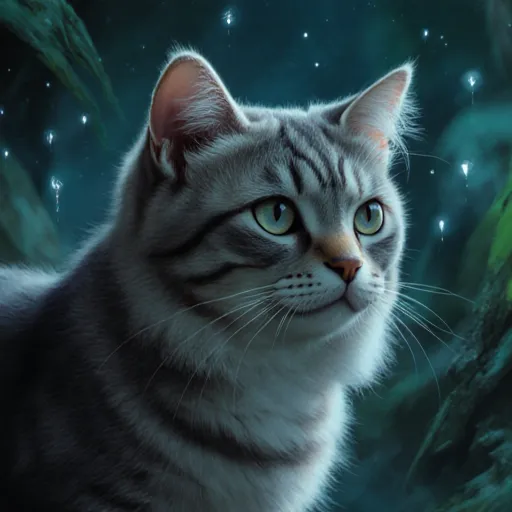
Explore mystical felines in ancient legends!
Cats Born from Myth and Magic
Table of Contents
- Section 1: Introduction to Cats in Japanese Folklore
- Section 2: The Origin of the Myth
- Section 3: The Role of Cats in Traditional Beliefs
- Section 4: Popular Cat Gods and Deities
- Section 5: Stories Involving Sacred Cats
- Section 6: How Cats Became Associated with Luck and Prosperity
- Section 7: Cultural Practices Involving Cats
- Section 8: Folkloric Roles of the Maneki-Neko Cat
- Section 9: The Influence on Popular Culture
- Section 10: Modern Interpretations and Adaptations
- Section 11: Historical Accounts of Cats in Folklore
- Section 12: Preservation of Cat Lore Through Generations
- Section 13: The Impact on Everyday Life
- Conclusion
- FAQ (Frequently Asked Questions)
Section 1: Introduction to Cats in Japanese Folklore
Cats hold a special place in Japanese folklore and culture, with their origins deeply rooted in both ancient legends and modern-day superstitions. In Japan, cats are often seen as bringers of good fortune and prosperity, particularly the Maneki-neko, or "beckoning cat," which symbolizes luck and wealth.
The association between cats and good fortune can be traced back to old myths where cats were believed to have magical powers. According to one legend, a long time ago, there was a poor but kind-hearted shopkeeper who owned a tabby cat named Maneki. One day, the cat lifted its right paw as if beckoning someone, and a wealthy man approached the shop. The man turned out to be a high-ranking official, who became so impressed by the kindness of the shopkeeper that he offered him a position in his household. From this story emerged the tradition of placing Maneki-neko statues or figurines in various places within homes and businesses as a way to attract good fortune.
In addition to being symbols of luck, cats are also significant in Japanese culture for their role in pest control. Cats were historically used by farmers and traders to protect stored grain from rats and mice. This practical use of cats has led to the belief that cats can bring prosperity by keeping pests at bay.
Modern-day superstitions about cats continue to influence daily life in Japan. For example, it is believed that if you see a black cat cross your path, you will encounter good luck. However, seeing multiple black cats or a white cat can have the opposite effect and bring bad luck. These beliefs are not just limited to cats; they extend to other animals as well.
Japanese folklore also includes stories of magical cats known as "Yama-neko," which are believed to live in mountains and forests. These mystical creatures are often depicted with magical abilities, such as the power to shape-shift or heal wounds. They are considered protectors of nature and have a deep connection to the land.
In summary, the role of cats in Japanese folklore is multifaceted, encompassing not only their practical use but also their symbolic significance. From bringing good fortune through the Maneki-neko to being revered as magical guardians of nature, cats continue to play an important part in Japanese culture and beliefs.
Section 2: The Origin of the Myth
The origin of the myth surrounding cats in Japanese folklore is deeply rooted in the cultural beliefs and practices that have shaped Japanese society for centuries. Cats, particularly the Maneki-Neko (招き猫), or "beckoning cat," hold a special place in Japanese traditions and are often seen as symbols of good fortune and prosperity.
The legend of the Maneki-Neko began during the Edo period, when Japan was isolated from the outside world. It is said that a nobleman named Ibusuki was traveling one cold winter day when he became very ill in front of a temple. A cat inside the temple observed his condition and extended its paw to beckon him inside for warmth and shelter. Moved by this act of kindness, the nobleman recovered from his illness and later built a shrine dedicated to the cat.
This tale is often told as an example of how animals can possess human-like qualities, such as compassion and intelligence. The story has been passed down through generations and is now part of Japanese folklore. The Maneki-Neko became a symbol of luck and good fortune because it was believed that the cat could bring prosperity to its owners.
In modern times, Maneki-Neko figurines are commonly seen in homes, shops, and businesses as talismans for attracting customers or warding off bad luck. These figurines come in various colors and poses, with the most common being the right-paw-raised version, which is said to bring wealth.
The cultural significance of cats extends beyond just the Maneki-Neko. Cats are often seen as mystical creatures in Japanese folklore, capable of transforming into human form or possessing supernatural abilities. In some stories, cats are even depicted as protectors against evil spirits and demons.
Understanding these myths provides insight into the deep connection between humans and animals that exists within Japanese culture. Cats have been revered for their companionship, protection, and symbolic significance throughout history, and this legacy continues to influence modern beliefs and practices in Japan.
Section 3: The Role of Cats in Traditional Beliefs
In many cultures around the world, cats have held significant roles in traditional beliefs and folklore. One such culture is Japan, where cats are deeply embedded in folklore and have various symbolic meanings.
Cats in Japanese Folklore
Japanese folklore has a rich tradition of cat-related stories that reflect the cultural significance of these animals. Cats are often seen as bringers of good luck, particularly black cats, which are believed to have protective powers.
- Nekomata: A legendary creature in Japanese folklore, the nekomata is a cat that has lived for centuries and gained supernatural abilities. It is often depicted as a guardian spirit or a symbol of good fortune.
- Bakeneko: Another mythical creature, the bakeneko is an extraordinary large and powerful cat that can transform into human form but retains its animal-like features such as a tail. This entity is feared for its malicious nature.
The concept of cats being linked to good luck has roots in Shintoism and other traditional beliefs, where they are seen as symbols of protection and harmony within the household. This belief extends to various practices, including keeping a cat at home to ward off evil spirits or ensuring peace.
Practical Advice for Incorporating Cats into Your Blog
If you are writing about cats in your WordPress-compatible blog and want to delve deeper into the cultural significance of cats, here’s how you can structure your content:
- Research Thoroughly: Gather information from reliable sources such as books on Japanese folklore, academic articles, or reputable websites. Ensure that your facts are accurate and well-researched.
- Incorporate Visuals: Use images of cats in traditional settings to enhance the visual appeal of your blog posts. For example, include photos of black cats or statues depicting nekomata and bakeneko.
- Engage with Readers: Encourage your audience by asking questions related to Japanese cat folklore. You could also invite readers to share their own stories about cats in other cultures.
In conclusion, the role of cats in traditional beliefs is a fascinating topic that can be explored through the lens of various cultural perspectives. By understanding and sharing these insights, you not only enrich your blog content but also connect with readers who share similar interests.
Section 4: Popular Cat Gods and Deities
In the rich tapestry of Japanese folklore, cats hold a special place as symbols of wisdom, protection, and prosperity. These feline deities are often revered for their magical qualities and protective abilities, making them central figures in various legends and rituals throughout Japan.
Tama-Nezumi: The Divine Rat-Catcher
In Japanese mythology, Tama-Nezumi is a deity who has the form of a cat. Known as the divine rat-catcher, this feline god is believed to have the power to catch rats and other vermin that are considered pests in human settlements. Legend has it that Tama-Nezumi was sent by the kami (gods) to protect people from these creatures.
Practical Advice: If you're facing a rodent problem, placing a statue or image of Tama-Nezumi in your home could be an effective way to ward off pests. Additionally, you can hang catnip sachets around the house as it is believed to attract these feline gods.
Bishamonten’s Cat: Guardian of Wealth and Fortune
Bishamonten, one of the Seven Lucky Gods in Japanese Shinto-Buddhist belief, often rides a cat. This cat is not just any ordinary animal; it symbolizes Bishamonten's protective powers over wealth, fortune, and material goods. The cat is believed to bring good luck and prosperity to those who honor it.
Practical Advice: To harness the protective and lucky qualities of Bishamonten’s cat, you can keep a small statue or image in your home or business. Additionally, placing a bowl of water near the statue is said to enhance its protective abilities. Regular offerings such as tea or food are also recommended.
The Cat Goddess: Maneki-Neko
Maneki-Neko, literally meaning "beckoning cat," is one of the most recognizable and popular representations of a feline deity in Japan. This lucky cat figurine is often depicted with its paw raised, symbolizing invitation or welcome. The belief surrounding this statue suggests that it brings good fortune to those who display it.
Practical Advice:
- Place Maneki-Neko in your home or office for financial and business success.
- Position the cat facing the entrance of a room or door, symbolizing welcoming guests and prosperity into your life.
- Regularly clean and maintain the statue to keep its luck active.
The Cat in Shinto Rituals
In traditional Shinto rituals, cats are considered sacred animals. They are often seen as messengers between humans and the kami, especially Tama-Nezumi and Maneki-Neko. During festivals or ceremonies, cat statues or images may be used to invoke good fortune and protection.
Practical Advice: Participating in local Shinto festivals that include offerings to cat deities can enhance your connection with these spiritual animals. Additionally, incorporating elements of feline imagery into personal rituals, such as lighting incense or offering treats to a real cat, can reinforce the protective and lucky symbolism associated with cats.
Modern Interpretations
The influence of traditional Japanese cat gods continues to be felt in modern culture. Many contemporary businesses use Maneki-Neko statues for good luck and to attract customers. Cat cafes have also become a popular trend, allowing people to enjoy the company of cats while enjoying coffee or snacks.
Practical Advice: If you're considering opening a business or cafe, think about incorporating elements of cat symbolism into your design. Hosting cat-themed events can also attract customers and create a memorable experience for visitors.
Section 5: Stories Involving Sacred Cats
In Japanese folklore, cats hold a special place and are often revered for their spiritual significance. The stories involving sacred cats are rich with symbolism and cultural heritage.
The Myth of Maneki-Neko
One of the most famous stories about a sacred cat is that of the招財猫 (Maneki-neko), or "beckoning cat." This legend tells the tale of a stray cat who saved a wealthy merchant from drowning during a storm. In gratitude, the merchant built a shrine for the cat and discovered that whenever he placed an image of the cat with its paw raised, it would attract prosperity and good fortune. Over time, this practice became popular in homes as a symbol of wealth and luck.
Maneki-neko figures are commonly seen in Japanese shops and businesses to ward off bad spirits and bring in customers. They are also believed to have healing powers for sick pets when placed in their homes.
The Story of the Calico Cat
In another story, a calico cat is said to be sacred due to its connection with the Buddhist deity Jizō Bosatsu. Legend has it that this particular type of cat was reincarnated from a child who died before reaching maturity and thus became devoted to the care of children and travelers.
The calico cat, especially those with a white chest and three colored stripes (miba-ningyō), are considered particularly sacred. They are often seen as protectors and guardians in Japanese culture. For this reason, it is common for families to keep these cats indoors and take extra care of them.
The Legend of the Cat from Calamari
A less well-known but equally enchanting story involves a magical cat that appeared in the town of Calamari. This feline was believed to have supernatural abilities and would assist villagers by revealing hidden treasures or guiding lost souls. The cat's role as a guardian spirit brought much prosperity and happiness to the community.
Local lore suggests that anyone who sees this cat will be blessed with good fortune, but it is only visible during full moons. People from neighboring villages would often travel to Calamari just to catch a glimpse of the sacred cat.
Cultural Practices Involving Sacred Cats
Japanese people have many practices and rituals related to sacred cats, which are deeply rooted in their cultural traditions. For instance:
- Offering food: Some families will leave out offerings of fish or other delicacies for their pet cats as a way of showing gratitude.
- Cat shrines: Cat shrines are often visited by people seeking protection or prosperity. These shrines can be found in various locations, including temples and private homes.
- Name-giving ceremonies: When a new kitten is born, there may be a special ceremony where the owner chooses its name with care, considering its future role as a guardian spirit.
These stories and practices surrounding sacred cats in Japanese folklore demonstrate the deep respect and reverence held for these creatures. They serve not only as charming tales but also as reminders of Japan's rich cultural heritage and spiritual beliefs.
Section 6: How Cats Became Associated with Luck and Prosperity
In many cultures around the world, cats have been associated with luck and prosperity. In Japanese folklore, this association is particularly deep and meaningful.
The Role of Cats in Japanese Folklore
Cats hold a special place in Japanese culture, often seen as symbols of good fortune and guardians against evil spirits. This tradition can be traced back to ancient Shinto beliefs where cats were believed to possess the ability to protect homes from malicious influences.
The significance of cats grew during the Edo period (1603–1868) when they became more common in urban areas as alleyway and shrine cats. These felines were cherished not only for their ability to catch vermin but also for the spiritual protection they offered homes.
Examples from Japanese Folklore
One of the most famous stories involving a cat in Japanese folklore is the legend of the "Maneki-neko," or "beckoning cat." The Maneki-neko is depicted with one paw raised and is believed to bring good luck, particularly financial success. This charm often features gold or white cats, symbolizing wealth.
Another notable example is the story of "Yama-no-Ume" (The Mountain Cherry), where a cat helps a samurai by alerting him to approaching enemies. This tale emphasizes the role of cats as protectors and guardians in times of danger.
PRACTICAL ADVICE: How to Incorporate Cats into Your Home for Good Luck
- Display a Maneki-neko Charm: Place a figurine of the beckoning cat on your desk or shelves to encourage prosperity and good fortune.
- Create a Cat-Friendly Environment: Ensure that there are no harmful substances near where your cat will spend time. Cats can bring luck, but they also need a safe space.
- Praise Your Feline Companion: Regularly acknowledging the positive influence of cats in your life can reinforce their protective and lucky role within your household.
Cultural Influence on Modern Practices
The association of cats with luck has extended into modern practices, where people often give a cat as a gift for weddings or new home purchases. This tradition continues to thrive in Japan and among Japanese communities worldwide.
Understanding the cultural significance of cats in folklore helps appreciate their deeper meaning beyond pets; they are symbols that bring peace, prosperity, and protection into homes.
Section 7: Cultural Practices Involving Cats
In Japanese folklore, cats hold a significant place and have been revered for centuries. Cats are often associated with good fortune, protection from evil spirits, and even with the goddess of the hearth, Benzaiten. The traditional view of cats in Japan is deeply intertwined with their cultural practices, superstitions, and daily life.
1. The Worship of Maneki-neko
The most well-known cat-related figure in Japanese folklore is the maneki-neko (beckoning cat). This figurine represents a white or calico cat with one paw raised as if inviting good luck and prosperity into homes. Maneki-neko are commonly placed near entrances of businesses to attract customers. It’s believed that the cat waves its paw to invite fortune, which translates to increased wealth or success.
Practical Advice: To effectively use maneki-neko for your business, place it facing the direction from which you expect good fortune to come—this could be customers entering through a door or clients walking down a street. For homes, keeping the figurine in a well-lit area can help ensure that its charm is fully effective.
2. The Legend of the Goddess Benzaiten
Cats are also associated with Benzaiten, one of the Seven Lucky Gods of Japanese folklore. According to legend, Benzaiten transformed herself into a cat to escape from a jealous demon. This story emphasizes the agility and intelligence of cats, which are seen as divine messengers. Cats were often kept in shrines dedicated to Benzaiten for protection against evil spirits.
Practical Advice:
- If you own a cat, treat it with respect and care, as it is considered sacred in this context.
- Avoid leaving food out for stray cats near Benzaiten shrines to avoid disturbing the deity's peace.
3. Superstitions Surrounding Cats
Cats have long been linked with superstition in Japan, particularly regarding their ability to bring good or bad luck. For instance, it is believed that if a black cat crosses your path, you will encounter misfortune. On the other hand, seeing a white cat crossing the street is considered lucky.
Practical Advice: If you see a black cat in your vicinity, take extra precautions and avoid making important decisions until it has passed by. Conversely, if you spot a white cat, consider it an omen of good fortune and proceed with confidence.
4. Cat-Related Festivals
In Japan, there are several festivals dedicated to cats. One such festival is the Nekomatsuri (Cat Festival) held in August each year. During this celebration, people dress up as cats and participate in parades, which serve not only as a tribute to these animals but also as a way for communities to come together and celebrate their shared cultural heritage.
Practical Advice: If you're visiting Japan during August, consider attending the Nekomatsuri. It’s a fantastic opportunity to experience firsthand the unique blend of culture and tradition that surrounds cats in Japanese folklore.
5. Cat Protection
Cats have traditionally been seen as protectors against evil spirits in many parts of Japan, particularly in rural areas where they were kept indoors at night for this very purpose. In some regions, it was believed that cats could communicate with the spirit world, helping to ward off malevolent forces.
Practical Advice: If you have a cat and live in an area where it is customary to keep them inside overnight, ensure your pet stays safe indoors. This practice not only honors cultural traditions but also protects your home from potential harm.
Section 8: Folkloric Roles of the Maneki-Neko Cat
The maneki-neko, or "beckoning cat" in English, holds a significant place in Japanese folklore and culture. This feline symbol is believed to bring good fortune and prosperity to its owner. Its origins are deeply rooted in traditional Japanese beliefs and practices.
In folklore, the maneki-neko is depicted with one paw raised, beckoning others to come near. This gesture symbolizes hospitality, friendship, and welcome. The cat's actions are said to have mystical powers that can attract good fortune into a home or business. For this reason, many Japanese businesses and homes display maneki-nekos at their entrance.
The concept of the maneki-neko as a bringer of luck dates back centuries in Japan. Legend has it that during a heavy rainstorm, a samurai named Iiyoshi was seeking shelter under an awning. A cat inside the house noticed his discomfort and beckoned him with its paw to come inside. Impressed by this act of kindness, Iiyoshi later returned to the home and married the owner’s daughter. The story evolved over time, and the cat became a symbol of good fortune.
In modern times, maneki-nekos are not only decorative but also believed to have practical benefits. Some businesses claim that displaying these cats can increase foot traffic or even improve sales. While scientific evidence for such claims is lacking, the cultural significance remains strong in many parts of Japan and among Japanese communities worldwide.
Maneki-neko come in various forms and materials. Traditional versions are made of ceramic or stone and may have gold or silver accents to enhance their appearance and perceived magical properties. Modern-day maneki-nekos can also be found in other materials like plastic, metal, or even plush toys. Each type is believed to attract different types of good fortune: for example, a white cat is said to bring wealth, while a black cat may bring health.
Practically speaking, if you're looking to incorporate maneki-nekos into your home decor or business setup, consider the following tips:
- Placement Matters: Place the maneki-neko at a strategic entrance point of your home or business. The raised paw indicates which direction good fortune is welcomed.
- Select Wisely: Choose a form that aligns with the type of fortune you wish to attract, whether it’s wealth, health, or friendship.
- Care and Maintenance: Regularly clean and dust your maneki-neko to keep its appearance pristine. This practice is believed to maintain its positive energy.
In conclusion, the maneki-neko cat in Japanese folklore represents more than just a cute symbol—it embodies a rich cultural tradition of attracting good fortune and prosperity. By understanding and incorporating these beliefs into your personal or professional space, you can honor this ancient practice and potentially enjoy its symbolic benefits.
Section 9: The Influence on Popular Culture
In Japan, cats have long held a significant place in folklore and cultural traditions. The influence of these mythical creatures extends beyond mere superstition into the realms of art, literature, and entertainment, making them a central figure in popular culture. Cats such as Maneki-Neko (the Beckoning Cat) and the fictional character NyanCat have captivated audiences worldwide.
Mythological Roots
The concept of cats in Japanese folklore is deeply intertwined with beliefs about good fortune, protection against evil spirits, and even healing. One of the most prominent figures from this tradition is Maneki-Neko, a cat that waves its paw to invite luck into one's life. Often depicted sitting upright on a ledge or shelf, it symbolizes prosperity, health, and happiness.
Cats in Popular Culture
Today, the influence of cats from Japanese folklore can be seen across various forms of media, including manga, anime, video games, and social platforms. For instance, popular characters like NyanCat from the game "Puyo Puyo Tetris" are direct descendants of these cultural icons.
Practical Applications
Cats continue to inspire art pieces, home decor items, and even merchandise ranging from plush toys to stationery. Their enduring appeal lies not only in their physical attributes but also in the stories they tell about protection, good fortune, and resilience.
Examples and Practical Advice
Example 1: Artwork Artists often incorporate elements of Maneki-Neko into their work to evoke feelings of serenity and prosperity. For instance, a modern painter might include the cat in a landscape painting to symbolize balance and harmony.
Example 2: Social Media Influencers and content creators frequently use images or videos featuring cats as part of their content strategy. This not only engages followers but also promotes products related to these beloved creatures.
Cultural Impact on a Global Scale
The international popularity of Japanese cats has led to increased cultural exchange and appreciation for traditional practices. As more people become familiar with stories like those of Maneki-Neko, the desire to integrate these elements into personal spaces grows.
For bloggers or content creators looking to incorporate this theme into their work, it's essential to understand and respect the origins of each element. By doing so, they can authentically share aspects of Japanese culture that resonate with diverse audiences around the globe.
Section 10: Modern Interpretations and Adaptations
In modern times, the cat has been a recurring symbol across various cultures, including Japanese folklore. Cats continue to evolve in contemporary pop culture, media, literature, and art.
Cats in Contemporary Media
The influence of cats from Japanese folklore can be seen in numerous modern adaptations, from animated films to video games. For example, the character Maru in "Maru TV," a YouTube channel known for its cat videos, has gained millions of followers worldwide. Maru's antics and personality have been widely interpreted as embodying the playful and curious spirit often associated with Japanese cats.
Another notable adaptation is seen in video games like "Sonic Cat Chronicles," where the character combines elements of traditional Japanese aesthetics with modern gaming techniques. The game's design reflects the elegance and grace attributed to cats in Japanese culture, while its narrative explores themes similar to those found in ancient tales about the supernatural powers of cats.
Literature and Fiction
Authors have also drawn inspiration from the rich history of cats in Japanese folklore. For instance, in "The Tale of Genji," written by Murasaki Shikibu in the 11th century, cats are often mentioned as symbols of good fortune and protection. In more recent works like "Cat's Eye" by Margaret Atwood, a novel that explores themes similar to those found in Japanese ghost stories, cats play pivotal roles that echo their significance in traditional tales.
Modern writers continue to incorporate these elements into their narratives, often blending them with contemporary settings and issues. This fusion allows readers to appreciate the timeless appeal of cats while engaging with new storylines.
Visual Art and Pop Culture
Cats have made significant impacts in visual arts as well. The work of artists like Hokusai, whose famous painting "The Great Wave off Kanagawa" features a cat-like creature, has had a profound influence on the perception of cats in art history. In modern times, street art and murals depicting cats often incorporate elements that reflect Japanese folklore, such as mystical abilities or supernatural transformations.
The popularity of manga and anime series like "Neko Maju," which translates to "Cat Goddess," further exemplifies how contemporary creators have embraced the cultural significance of cats. These stories not only entertain but also educate viewers about the deep-rooted beliefs surrounding these animals in Japanese society.
Practical Advice for Bloggers
Blogging about modern interpretations and adaptations of cats from Japanese folklore can be both engaging and educational. Here are some tips:
- Research Thoroughly: Dive deep into the history of cats in Japanese folklore to understand their significance.
- Incorporate Visuals: Use high-quality images or illustrations that represent the cultural elements you are discussing. For instance, include pictures of traditional cat motifs used in art or photographs of modern adaptations like "Sonic Cat Chronicles."
- Provide Context: Explain how these modern interpretations connect to their roots in Japanese folklore. This will help your audience understand the cultural relevance and evolution.
- Incorporate Audience Interaction: Encourage readers to share their own experiences or thoughts on the topic by including comments sections or social media discussions.
Section 11: Historical Accounts of Cats in Folklore
Cats have played significant roles in various cultures and folklore across the world, each with its unique narratives and meanings. In Japan, cats hold a special place due to their cultural significance and influence on traditional beliefs. These stories and myths contribute richly to the understanding of how these felines are perceived within Japanese society.
The Mythical Origins
One of the earliest mentions of cats in Japanese folklore dates back to ancient times when they were believed to be messengers between humans and kami (spirits or gods). In many tales, cats served as guardians, protecting both homes and people from evil spirits. This belief was rooted deeply in Shinto practices where animals are revered for their connection with the divine.
For example, in one legend, a cat named Maneki-neko came to assist an old lady by leading her to a wealthy patron. Over time, this story evolved into popular culture with the creation of maneki-neko figurines that symbolize good fortune and are often seen inside businesses as talismans.
Protection Against Evil
Cats have long been associated with warding off bad luck and protecting against malicious entities. In rural areas, it was common practice to keep cats around homes because they were thought to protect the household from malevolent spirits. A famous example is the story of "Kitsune" (fox) and how sometimes their mischief could be stopped by a cleverly placed cat.
One such instance involves an elderly woman who had been plagued with mysterious disturbances at night until she placed a cat outside her door. The next evening, instead of being attacked, the woman found herself greeted by a fox who thanked her for providing shelter to its young offspring. This tale highlights both the protective role cats play and the complex relationships between animals and spirits in Japanese folklore.
Symbolism and Cultural Significance
Cats continue to hold symbolic value in contemporary Japan too, often representing independence, intelligence, and adaptability. They are celebrated for their ability to navigate life's challenges gracefully and remain resilient despite adversity. This sentiment is reflected in various artworks and literature where cats serve as allegorical figures.
Moreover, the bond between humans and cats remains strong, fostering mutual respect and affection that transcends mere ownership into something more profound—a spiritual partnership based on trust and understanding.
Pedagogical Insights
Cats in Japanese folklore teach us valuable lessons about resilience, harmony with nature, and the importance of balance. By studying these stories, we gain deeper insights not just into the cultural values but also into our own relationship with nature and each other.
Teachers can incorporate tales involving cats to inspire creativity among students while promoting empathy towards animals. For instance, encouraging children to create their own stories about friendly neighborhood cats helps develop narrative skills and fosters a positive attitude toward all living beings.
Section 12: Preservation of Cat Lore Through Generations
The preservation of cat lore through generations is a fascinating journey that spans cultures and time. In the rich tapestry of Japanese folklore, cats hold a special place as symbols of protection, good luck, and spiritual significance. This tradition has been passed down from one generation to another, enriching the cultural fabric of Japan.
Cats in Japanese folklore are often depicted as guardians of the home and fields. For instance, the mythological creature known as the "Maneki-neko" or "beckoning cat" is a popular symbol in Japan. The Maneki-neko is believed to bring good fortune, wealth, and luck to those who keep it as a charm in their homes or businesses. This tradition has been widely followed for centuries, with families often passing down these figurines from one generation to another.
The practice of caring for cats also extends beyond the symbolic into practical care. In Japan, there are strict laws regarding animal welfare that ensure cats receive proper food and shelter. This care is not just limited to the present but also involves educating future generations about responsible pet ownership. Schools in Japan often include lessons on animal care, emphasizing the importance of nurturing animals with love and responsibility.
The influence of Japanese cat folklore extends into popular culture as well. Anime and manga series frequently feature cats as characters, further perpetuating the cultural significance of cats. For example, in the anime series "Neon Genesis Evangelion," cats play a significant role in the story, symbolizing peace and protection.
Another aspect of preserving cat lore is through literature. Books and stories about Japanese folklore often include tales of cats and their roles in protecting households or guiding people to safety. These stories are cherished by families and passed down through generations, ensuring that the traditions and beliefs surrounding cats continue to be a part of modern culture.
In conclusion, the preservation of cat lore in Japan is not just about holding onto ancient beliefs but also about fostering a deeper connection with nature and respecting all living beings. By educating future generations about the cultural significance of cats, we can ensure that this rich tradition continues to thrive for years to come.
Section 13: The Impact on Everyday Life
In Japanese folklore, cats hold a significant place, embodying both mystical and practical roles in everyday life. These feline creatures are not just pets but symbols that influence daily routines and cultural practices.
Symbolism of Cats
Cats in Japanese mythology are often associated with the moon goddess, Tsukuyomi, who is believed to have descended from a cat’s head. This connection between cats and the moon has led to the belief that cats possess a special affinity for the night and can see clearly even in darkness.
According to traditional beliefs, black cats are particularly revered as they are said to bring good luck when seen crossing your path. Conversely, white cats are sometimes associated with misfortune, though this varies by region. These superstitious beliefs influence how people interact with and perceive these animals in their daily lives.
Practical Influence
Cats play a crucial role in Japanese households beyond just companionship. In rural areas, cats are often used as natural pest controllers to protect crops from rodents like mice and voles. Farmers rely on the feline's hunting skills, which can significantly reduce agricultural losses.
Modern urban settings also benefit from this relationship; many apartment complexes have policies allowing residents to keep cats, knowing that they help control rodent populations indoors. This practical aspect of keeping cats contributes to a healthier living environment for humans and animals alike.
Cultural Practices
Japanese folk customs often incorporate rituals involving cats. For instance, it's customary for people to leave out bowls of water specifically for stray cats during the lunar month of the cat, known as "Nezame." This practice ensures that all cats, especially those in need, are cared for.
In addition to this, many families celebrate the arrival of a new baby by giving their first child an amulet featuring a cat. This tradition symbolizes protection and good fortune for the newborn. Similarly, offerings of fish and sake to cats during New Year's Eve (Oshogatsu) are meant as a form of gratitude for their role in maintaining balance within the household.
Modern Adaptations
The influence of cat folklore extends into contemporary life through media and consumer culture. Manga, anime series, and video games frequently feature anthropomorphic cats with supernatural abilities or special bonds with humans. Products like plush toys and decorative items depicting these characters are popular among both children and adults.
Furthermore, pet insurance plans cater specifically to cat owners, recognizing the high cost of veterinary care for feline health issues. This reflects a broader societal understanding of cats as integral members of family units deserving of comprehensive healthcare services.
Conclusion
In Japanese folklore, cats hold a special place, often symbolizing good fortune and protection. The Maneki-neko, or "beckoning cat," is perhaps one of the most recognizable symbols representing this belief. This figurine is depicted with its paw raised to beckon luck into the home. In reality, however, these figurines have become popular worldwide as decorative items in homes and businesses alike, believed by many to bring prosperity and good fortune.
The cultural significance of cats extends beyond just the Maneki-neko. In Japanese literature and art, cats are often portrayed not just as pets but also as mystical creatures with supernatural abilities. Legends tell of cats that can see into the future or have the power to communicate between different realms. These stories reflect a deeper connection people in Japan feel towards these animals.
Practically speaking, if you're looking to incorporate cat-related symbols like the Maneki-neko into your WordPress blog for aesthetic or cultural reasons, there are several ways to do so effectively. You could use plugins that allow you to display such figures in a sidebar widget or integrate them as part of your theme design. Ensure these elements blend well with the overall look and feel of your site while maintaining respect for their cultural significance.
When writing about cats in Japanese folklore on your blog, consider including specific examples from literature or traditional tales to engage your readers further. For instance, mentioning how certain types of cats are revered during festivals like Setsubun can help paint a richer picture of the role these animals play in daily life.
Incorporating elements related to Japanese culture into your WordPress blog provides an excellent opportunity to educate and entertain visitors interested in such topics. By doing so, you not only enhance user experience but also contribute positively to preserving and promoting cultural heritage through digital means.
FAQ (Frequently Asked Questions)
Q: What role do cats play in Japanese folklore?
Cats have a significant presence in Japanese folklore, often symbolizing good fortune and protection. In traditional beliefs, the Maneki-neko (招き猫), or "beckoning cat," is one of the most iconic symbols associated with cats in Japan. This figurine represents a white cat raising its paw to summon good luck and wealth into a household. The gesture of raising one's hand is believed to attract positive energy.
Historically, cats were considered sacred animals because they were believed to possess the ability to communicate with otherworldly spirits. This belief was rooted in the idea that cats could see and interact with the kami (神), or nature spirits, which played a crucial role in Japanese spirituality. As a result, people often kept cats indoors to protect their homes from evil forces.
Additionally, certain breeds of cats, such as the Tama-neko (たまねこ), were believed to be the reincarnations of human spirits. This belief extended to the concept that if a cat died, it would return in another form, often as another cat or even a person.
Q: Are there any specific stories about cats in Japanese folklore?
Cats are featured in several traditional Japanese tales. One notable story is the legend of "The Cat Who Sees the Future" (猫の予言, Nekonohashibe). In this tale, a cat foretells an impending storm by sitting at the entrance of a house and meowing persistently. This action saves the family from potential danger, demonstrating the feline's connection with both natural elements and human lives.
Another story involves the "Cat Who Saved the Samurai." In this narrative, a samurai is pursued by an enemy who has vowed to kill him. The samurai’s cat notices the danger and, in a fit of courage, jumps into the samurai's arms, drawing the attention of the enemy away from its master. This act not only saves the samurai but also symbolizes the protective nature of cats.
Q: How do traditional Japanese homes incorporate cats?
In many traditional Japanese homes, cats are treated with great respect and care due to their spiritual significance. Cat figurines are often placed in prominent locations within the house, such as on altars dedicated to household deities or in areas where important decisions were made. These placements symbolize inviting good fortune into the home.
Moreover, it is customary for people to feed and care for stray cats found around their homes. The practice of "mimikko" (迷子), which translates to "lost one," involves leaving out food for stray cats as a way of showing kindness and respect towards these animals.
The integration of cats into daily life also includes the tradition of naming them, often choosing names that reflect their unique personalities or physical features. This practice reinforces the bond between humans and felines, further emphasizing their importance in Japanese culture.
Categories
- AI & Enrichment Play
- Broiler Farming
- Broiler Farming Tips
- Canine Wellness & Longevity
- Cat
- Cat & Human Connection
- Cat Adoption & Rescue
- Cat Breeds
- Cat Breeds & Personalities
- Cat Care & Health
- Cat Grooming & Hygiene
- Cat Lifestyle & Environment
- Cat Myths & History
- Cat Nutrition & Diet
- Cat Products & Reviews
- Cat Training & Behavior
- Comparison
- Consumer Awareness
- Dog
- Dog Accessories & Products
- Dog Adoption & Rescue
- Dog Breed & Lifestyle Trends
- Dog Breeding & Puppies
- Dog Entertainment & Media
- Dog Fashion & Trends
- Dog Fun & Lifestyle
- Dog Grooming & Hygiene
- Dog History & Culture
- Dog Myths, Science & Future Tech
- Dog News & Trends
- Dog Nutrition & Food
- Dog Psychology & Emotions
- Dog Safety & Security
- Dog Sports & Activities
- Dog Technology & Innovation
- Dog Training for Modern Owners
- Dog Travel & Adventure
- Dog Travel, Adventure & Culture
- Economic and Market Insights
- Educational Content
- FAQs
- Feeding Alternatives
- Festivals & Seasonal Ideas
- Fun & Entertainment
- General Knowledge
- General Pig Farming
- Health & Disease Management
- Housing and Environment
- Kittens
- Market Insights
- Miscellaneous
- Miscellaneous
- Motivational
- pig
- Pig Breeding
- Pig Breeds
- Pig Farming Stories and Inspiration
- Pig Health and Care
- Pig Nutrition
- Pig Products
- Profitability & Business
- Puppy Care
- Puppy Predictable Topics Reinvented
- Regional Focus
- Rescue & Adoption Buzz
- Senior Cats
- Senior Dog Care
- Smart Dog Tech & Gadgets
- Sustainability
- Sustainable & Eco-Friendly Dog Products
- Tech & Innovations
- Working & Service Dogs
- Broiler Feed66 products
- Country Feed33 products
- Pig Feed66 products
- Product22 products
- Raw Materials99 products
Products
-
 FATTENING BROILER FEED
₹2,299.00 – ₹2,349.00Price range: ₹2,299.00 through ₹2,349.00Rated 0 out of 5
FATTENING BROILER FEED
₹2,299.00 – ₹2,349.00Price range: ₹2,299.00 through ₹2,349.00Rated 0 out of 5 -
 GESTATION PIG FEED (Phase 1)
Rated 0 out of 5
GESTATION PIG FEED (Phase 1)
Rated 0 out of 5₹2,249.00Original price was: ₹2,249.00.₹1,699.00Current price is: ₹1,699.00. -
 Pre Starter Broiler Feed
₹2,399.00 – ₹2,499.00Price range: ₹2,399.00 through ₹2,499.00Rated 0 out of 5
Pre Starter Broiler Feed
₹2,399.00 – ₹2,499.00Price range: ₹2,399.00 through ₹2,499.00Rated 0 out of 5 -
 FINISHER COUNTRY FEED
₹1,599.00 – ₹1,699.00Price range: ₹1,599.00 through ₹1,699.00Rated 0 out of 5
FINISHER COUNTRY FEED
₹1,599.00 – ₹1,699.00Price range: ₹1,599.00 through ₹1,699.00Rated 0 out of 5 -
 FINISHER BROILER FEED
₹2,199.00 – ₹2,299.00Price range: ₹2,199.00 through ₹2,299.00Rated 0 out of 5
FINISHER BROILER FEED
₹2,199.00 – ₹2,299.00Price range: ₹2,199.00 through ₹2,299.00Rated 0 out of 5 -
 COUNTER BROILER FEED
₹1,199.00 – ₹1,299.00Price range: ₹1,199.00 through ₹1,299.00Rated 0 out of 5
COUNTER BROILER FEED
₹1,199.00 – ₹1,299.00Price range: ₹1,199.00 through ₹1,299.00Rated 0 out of 5 -
 LACTATING PIG FEED
Rated 0 out of 5
LACTATING PIG FEED
Rated 0 out of 5₹2,299.00Original price was: ₹2,299.00.₹1,740.00Current price is: ₹1,740.00. -
 Fish Meal
₹1,999.00 – ₹2,999.00Price range: ₹1,999.00 through ₹2,999.00Rated 0 out of 5
Fish Meal
₹1,999.00 – ₹2,999.00Price range: ₹1,999.00 through ₹2,999.00Rated 0 out of 5 -
 Farm Fresh Eggs
₹10.00 – ₹15.00Price range: ₹10.00 through ₹15.00Rated 0 out of 5
Farm Fresh Eggs
₹10.00 – ₹15.00Price range: ₹10.00 through ₹15.00Rated 0 out of 5 -
 LAYER COUNTRY FEED
₹1,549.00 – ₹1,649.00Price range: ₹1,549.00 through ₹1,649.00Rated 0 out of 5
LAYER COUNTRY FEED
₹1,549.00 – ₹1,649.00Price range: ₹1,549.00 through ₹1,649.00Rated 0 out of 5