
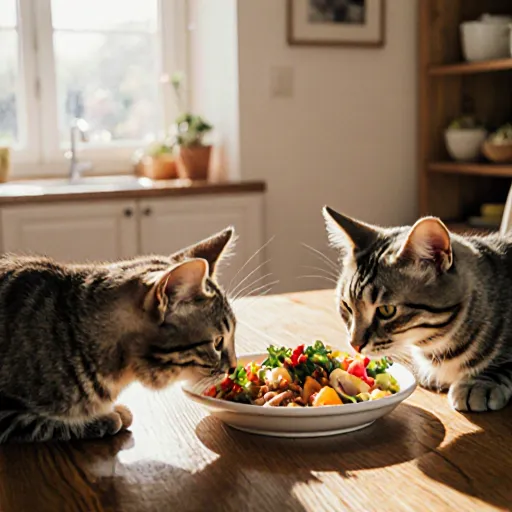
Say goodbye to chemicals, hello to natural joy for your kitty!
Cats Deserve a Life Free of Synthetic Ingredients!
Table of Contents
- Introduction to Raw Diet for Cats
- Nutritional Benefits of a Raw Diet
- Digestive Health and Raw Diets
- Immune System Strengthening with Raw Feeding
- Muscle Development and Lean Body Mass
- Joint Health and Reduced Inflammation
- Oral Hygiene and Raw Diet Feeding
- Behavioral Changes with a Raw Diet
- Potential Risks of Raw Diets
- Parasite and Bacterial Contamination Concerns
- Veterinary Oversight for Safety
- Conclusion: Balancing Benefits and Risks
- FAQ about Raw Diet for Cats
- Q&A: Addressing Common Concerns
- Final Thoughts and Recommendations
Introduction to Raw Diet for Cats
The raw diet approach, also known as a raw feeding diet or BARF (Biologically Appropriate Raw Food) diet, has gained significant popularity among cat owners looking to enhance their pets' health and well-being. This dietary method involves feeding your feline companion whole, unprocessed ingredients that mimic the natural prey-based diet of wild cats. It is important to understand that this concept is not about raw meat alone but rather a balanced mix of various animal products such as muscle meats, organs, bones, and sometimes vegetables, fruits, or supplements.
- Better Digestion: Raw diets are rich in natural enzymes and beneficial bacteria that aid digestion. They are easier to digest compared to commercial cat foods which may contain fillers like corn, wheat, or soy.
- Cats on a raw diet often experience fewer digestive issues such as constipation, diarrhea, and vomiting.
- Improved Skin and Coat: The high-quality proteins, fats, vitamins, and minerals found in raw food can lead to healthier skin and coat. Cats with shiny coats and healthy, clear skin are often seen when switching to a raw diet.
- Bacterial Contamination: Raw meat can be a source of harmful bacteria like Salmonella and E. coli if not handled or cooked properly. It is crucial to ensure that the raw ingredients are sourced from reputable suppliers and stored in a clean environment.
- The risk of bacterial contamination increases when feeding multiple cats from the same bowl, so it is important to separate serving dishes and wash hands thoroughly after handling raw food.
- Nutrient Imbalance: Without careful planning, a raw diet can lead to deficiencies in certain nutrients. It requires expertise to balance the diet properly, which some owners may not possess. For instance, a lack of vitamin D or calcium can be problematic without adequate supplementation.
- Consult a Veterinarian: Before transitioning your cat to a raw diet, it is advisable to consult with a veterinarian. They can provide guidance and ensure that the transition is safe and beneficial.
- Start Slowly: Introduce small amounts of raw food into your cat's diet gradually over several weeks or months. This allows your pet's digestive system to adjust without any adverse effects.
- Monitor Your Cat: Keep a close eye on your feline friend during the transition period. Monitor for any signs of discomfort, changes in behavior, or health issues and consult your vet if necessary.
The raw diet approach can be an effective way to improve the health of your cat by providing them with nutrients found in their natural prey. However, it is essential to weigh the benefits against potential risks and ensure a balanced and safe feeding regimen. By following these tips and maintaining regular veterinary check-ups, you can help your kitty enjoy all the benefits of a raw diet.
Nutritional Benefits of a Raw Diet
The raw diet for cats, often referred to as an "all-natural" or "species-appropriate" diet, has gained significant traction among pet owners who believe that feeding their feline companions in a way that mimics what they would eat in the wild can lead to better health and longevity. This diet typically consists of raw meat (such as chicken, beef, fish), bones, organs, and occasionally vegetables and fruits, depending on the specific formulation.
- Digestive Health: Raw diets are rich in enzymes that can aid digestion. Many raw diet proponents argue that cats do not require heat processing (cooking) to break down their food, as they evolved eating a raw meat-based diet. The lack of processed foods and additives may reduce the risk of digestive issues such as bloating and diarrhea.
- Example: A cat on a raw diet with bone meal is known for promoting strong teeth and bones due to the calcium, phosphorus, and other minerals provided by the bones.
- Vitamins & Minerals: Raw diets are often high in vitamins and minerals because they do not undergo processing that can destroy these essential nutrients. Certain raw foods like organ meats (liver, heart) provide an excellent source of B-vitamins and iron.
- Example: Incorporating raw liver into a cat’s diet can help prevent deficiencies in vitamin A and other important nutrients.
- Better Skin & Coat Quality: The high-quality proteins, fats, and essential fatty acids found in raw diets contribute to healthier skin and coat. Omega-3 fatty acids are particularly beneficial for reducing inflammation and maintaining a shiny fur coat.
- Example: Cats on raw fish-based diets often show improved skin conditions due to the presence of omega-3s like EPA and DHA.
While there are many perceived benefits, feeding a raw diet also comes with some risks that owners should be aware of:
- Bacteria & Parasites: Raw meat can contain harmful bacteria such as Salmonella and E. coli, which can pose serious health risks to both the cat and humans in contact with the pet.
- Practical Advice: Always handle raw food carefully and thoroughly clean any surfaces that come into contact with it. Consult a veterinarian about safe handling practices.
- Nutrient Imbalance: Raw diets can lead to an imbalance of nutrients if not properly formulated. Without careful consideration, some essential vitamins or minerals might be lacking in the diet.
- Practical Advice: Work with a veterinarian who specializes in raw diets to ensure your cat receives all necessary nutrients.
- Dental Issues: While bones can provide oral health benefits, feeding an exclusively bone-based diet might not be sufficient for overall dental hygiene. Regular brushing and professional cleanings are still recommended.
In conclusion, a raw diet has distinct nutritional advantages that many pet owners appreciate. However, it is crucial to weigh these benefits against the potential risks before deciding on this feeding method for your cat. Always consult with a veterinarian experienced in raw diets to ensure you're providing the best care possible.
Digestive Health and Raw Diets
Feeding your pet a raw diet can have significant impacts on their digestive health. While many owners choose to feed raw diets for dogs or cats due to the perceived benefits, it's essential to understand both the potential advantages and risks involved.
Benefits of Raw Diets for Digestive Health
- Natural Nutrition: Raw diets are closer to a pet’s natural diet, providing more complete nutrition. Ingredients like raw meat, bones, and organs offer essential vitamins, minerals, and fats that can be harder to find in commercial foods.
- Better Digestion: Raw diets are easier to digest. The natural enzymes found in raw meat can aid in efficient breakdown, leading to better nutrient absorption.
In the case of cats, feeding them a raw diet ensures they get taurine, an amino acid critical for their heart health and vision.
Risks Associated with Raw Diets
While raw diets may offer certain benefits, they also come with risks that should not be overlooked:
- Bacterial Contamination: Raw meats can contain harmful bacteria such as Salmonella or E. coli, which pose a serious risk to both pets and humans who come into contact with them.
- Potential Nutrient Imbalances: Without careful preparation and monitoring, raw diets might lead to nutrient imbalances, particularly in cats that may not consume enough calcium if bones are not provided appropriately.
Practical Advice for Implementing a Raw Diet
To ensure your pet's digestive health while feeding them a raw diet:
- Select High-Quality Ingredients: Choose fresh, high-quality meat and organs from reputable sources. Avoid meats with added sugars or preservatives.
- Purchase Freeze-Dried Diets: For cats in particular, freeze-dried raw diets are available which can help reduce the risk of bacteria contamination while still providing a natural diet.
- Mix with Commercial Food Gradually: To avoid digestive upset, mix a small amount of raw food into your pet’s current commercial food over several days before transitioning completely to the new diet.
Conclusion
In summary, while raw diets can offer numerous benefits for pets' digestive health and overall well-being, they also come with potential risks. By understanding these aspects and taking necessary precautions, pet owners can make informed decisions about the best diet choice for their furry friends.
For a more detailed look at raw diets specifically for cats, including benefits such as improved heart health and vision due to taurine intake, refer to our section on Raw Diet for Cats – Benefits and Risks.
Immune System Strengthening with Raw Feeding
When it comes to enhancing your pet's immune system, raw feeding can be a powerful tool. For cats specifically, adopting a raw diet has been associated with numerous benefits, but it is also important to understand the potential risks involved. This section will delve deeper into how raw feeding can strengthen a cat's immune system and the steps you should take to ensure your pet receives optimal nutrition.
Understanding Raw Feeding for Cats
Raw feeding involves providing your cat with uncooked, minimally processed animal products as their primary source of nutrition. This diet typically includes raw meat (such as chicken, beef, or fish), bones, and sometimes eggs and organs. The idea behind this type of diet is to mimic the nutritional profile of a cat's natural prey, which historically would have consisted primarily of small mammals like mice.
Benefits of Raw Feeding for Cats
The raw diet for cats has been shown to offer several benefits:
- Better Nutrient Absorption: Raw food is easier for a cat's digestive system to break down, leading to better nutrient absorption. This can help support overall health and the immune system.
- Enhanced Dental Health: Including bones in the raw diet can help keep your cat's teeth clean and strong by mimicking their natural behavior of gnawing on bones.
- Better Digestion: The enzymes found in raw food can promote better digestion, which is crucial for maintaining a healthy immune system.
- Supports Coat and Skin Health: A well-balanced raw diet can improve the condition of your cat's coat and skin, further supporting their overall health.
Risks Associated with Raw Feeding
While there are many benefits to feeding your cat a raw diet, it is important to be aware of some potential risks:
- Bacterial Contamination: Raw meat can contain harmful bacteria like Salmonella or E. coli. It's crucial to handle and store raw food properly to avoid contamination.
- Inadequate Nutrient Balance: If not carefully formulated, a raw diet may lack certain essential nutrients, leading to deficiencies.
- Intestinal Obstruction: Feeding bones that are too large or sharp can cause blockages in the digestive tract.
Tips for Safe Raw Feeding
To ensure your cat's health and safety when feeding a raw diet, consider these practical tips:
- Choose Quality Ingredients: Opt for human-grade meat that is free from additives and preservatives.
- Consult with a Veterinarian: Before starting a raw diet, consult your vet to ensure it aligns with your cat's specific needs and health status.
- Supplement Appropriately: Depending on the type of raw food you feed, supplements may be necessary to cover any potential nutrient gaps.
- Hydration: Ensure your cat has access to clean water at all times to support overall health.
Conclusion
Incorporating a raw diet into your cat's feeding routine can provide numerous benefits, including improved immune function. However, it is essential to approach this with knowledge and caution. By following safe practices and consulting with veterinary professionals, you can help ensure that your feline friend enjoys the healthiest possible lifestyle.
Muscle Development and Lean Body Mass
Incorporating raw diets into a cat's diet can have significant impacts on muscle development and lean body mass. While raw meat diets are gaining popularity among pet owners for their perceived nutritional benefits, it is crucial to understand both the advantages and potential risks involved.
Advantages of Raw Diets
- Nutrient Density: Raw meat contains high levels of essential amino acids and vitamins that are crucial for muscle development. For instance, cat food made from raw chicken provides a rich source of taurine, an important nutrient that supports heart health and muscle function.
- Better Digestibility: Cats have a short digestive tract that is more suited to process whole prey than processed kibble. Raw diets can mimic this natural feeding pattern, potentially leading to better digestion and absorption of nutrients.
- Promotes Lean Muscle Mass: Feeding cats raw meat, such as beef or lamb, can help in maintaining lean body mass by providing the right balance of proteins. This is especially beneficial for senior cats who need to preserve muscle strength and mobility.
Risks of Raw Diets
- Bacterial Contamination: Raw meat can harbor harmful bacteria such as Salmonella or E. coli, which are a risk not just for the cat but also for human family members handling the food. It is important to handle raw diets with care and ensure proper hygiene.
- Potential Imbalance: While raw diets provide essential nutrients, they can lack others if not carefully balanced. For example, cats require taurine, which must be supplemented in a raw diet since it cannot be provided by most meat sources alone.
- Cost and Accessibility: Raw food for cats is generally more expensive than commercial cat foods and may not always be readily available. This can pose challenges for pet owners seeking to switch their pets to this type of diet.
Practical Advice
To ensure your cat benefits from a raw diet while minimizing risks, follow these tips:
- Consult a Veterinarian: Before switching to a raw diet, consult with your veterinarian. They can provide guidance tailored to your cat's specific needs and health conditions.
- Clean Environment: Maintain a clean environment when handling and preparing raw meat to prevent contamination. Use separate tools for pet food preparation to avoid cross-contamination in the kitchen.
- Balanced Diet: Ensure that your cat's diet is balanced, incorporating all necessary nutrients including vitamins, minerals, and taurine supplements if required.
In conclusion, raw diets can contribute positively to muscle development and lean body mass in cats. However, they require careful management and should be approached with knowledge of both the benefits and potential risks involved.
Joint Health and Reduced Inflammation
Introducing raw diets into your cat's diet can have several benefits, particularly in terms of joint health and reduced inflammation. This approach to nutrition is gaining popularity among pet owners who are looking for ways to enhance their pets' overall well-being.
Benefits of a Raw Diet for Joint Health
Cats on raw diets often exhibit improved joint health due to the high levels of essential nutrients and natural anti-inflammatory properties found in unprocessed meats. Raw meat contains omega-3 fatty acids, which are known for their ability to reduce inflammation and promote joint flexibility.
For instance, salmon is rich in these beneficial fats and can contribute significantly to your cat's joint health. Similarly, chicken and turkey provide high-quality protein that supports cartilage formation and reduces the risk of arthritis. Ensuring a balanced intake of these nutrients helps maintain healthy joints as cats age.
Reduced Inflammation with Raw Diets
A raw diet can help reduce inflammation by providing your cat with optimal levels of vitamins, minerals, and antioxidants that are crucial for maintaining good health. These nutrients work together to support the immune system and combat inflammatory processes.
An example of a beneficial mineral in this context is copper, which helps in the production of connective tissues like collagen and elastin. Raw liver can be an excellent source of copper as well as vitamins A, D, E, and K, all of which play key roles in reducing inflammation.
Practical Advice for Incorporating a Raw Diet
When transitioning your cat to a raw diet, it's important to ensure that the food is properly prepared. Cats should consume only high-quality, fresh meat sources such as chicken, turkey, and fish. Always avoid feeding cooked bones or large amounts of marrow, which can pose choking hazards.
To maintain proper nutrition, consider supplementing your cat's diet with vegetables like carrots, spinach, and kale to provide additional fiber, vitamins, and minerals. However, always consult with a veterinarian before making significant changes to your pet’s diet to ensure it meets all their nutritional needs.
Considerations and Risks
While raw diets offer many benefits, there are also potential risks associated with them. Raw meat can be a source of bacteria such as Salmonella or E. coli if not handled properly. Proper hygiene practices must be strictly followed to prevent contamination in the home.
In addition, transitioning to a raw diet requires careful monitoring by your veterinarian to ensure that all nutritional requirements are met and no deficiencies arise. Some cats may also experience digestive issues initially as they adapt to this new type of diet. Gradual introduction and close supervision are recommended for a smooth transition.
Ultimately, a raw diet can be beneficial for maintaining joint health and reducing inflammation in your cat, but it's crucial to approach the change with care and knowledge. Consulting with a vet is essential to ensure you're providing the best possible nutrition for your pet.
Oral Hygiene and Raw Diet Feeding
Exploring Oral Hygiene and Raw Diet Feeding: A Comprehensive Guide
Feeding your cat a raw diet is often touted for its numerous health benefits, but one area that might not be immediately considered is oral hygiene. Ensuring good dental health while feeding a raw diet requires careful attention to both the type of food and how it's introduced into your pet's routine.
Understanding Raw Diet Benefits
The raw diet for cats, which includes raw meat, bones, and organs, is believed to mimic a cat’s natural diet more closely than commercial kibble. This can lead to several benefits:
- Nutritional Density: Raw diets are rich in essential vitamins, minerals, and antioxidants that support overall health.
- Dental Health: Chewing on bones (such as chicken or lamb) can help remove plaque and tartar buildup. This is thought to reduce the risk of periodontal disease.
- Bowel Regularity: The high fiber content in raw diets, such as tripe or organs, promotes a healthy digestive system.
Potential Risks and Precautions
While the raw diet offers many benefits, it also comes with risks that must be carefully managed:
- Bacterial Contamination: Raw meat can contain harmful bacteria like Salmonella or E. coli. Proper handling and storage are crucial to avoid contamination of both you and your pet.
- Digestive Issues: Some cats may experience digestive upset, especially if the diet is not balanced properly. It's important to consult with a veterinarian to ensure all nutritional needs are met.
Enhancing Oral Hygiene in Raw Diets
Given that raw diets can contribute positively to your cat’s dental health, it’s essential to incorporate practices that further enhance oral hygiene:
- Rotate Meat and Bone Types: Offering different types of meat (chicken, lamb) and bones (such as chicken necks or lamb ribs) can keep your cat engaged in chewing and help reduce plaque formation.
- Incorporate Supplements: Nutritional supplements that promote oral health, such as enzymes for breaking down food particles and preventing bacterial growth, can be beneficial. Always consult with a veterinarian before adding any supplement to ensure safety and efficacy.
- Maintain Clean Eating Areas: Keeping the feeding area clean is crucial in reducing the risk of bacterial contamination. Regularly disinfect bowls and countertops that come into contact with raw food.
Practical Tips for Transitioning to a Raw Diet
Introducing your cat to a raw diet should be done gradually to avoid digestive upset:
- Start Slowly: Begin by mixing small amounts of raw food with their current kibble. Gradually increase the proportion of raw food over several weeks.
- Vary the Diet: Ensure a balanced diet by varying the types of meat, organs, and bones you offer. This helps meet all nutritional requirements.
- Monitor Your Cat’s Health: Regular veterinary check-ups are essential to monitor your cat's overall health and address any issues that may arise from the dietary changes.
In conclusion, while a raw diet can greatly enhance your cat’s oral hygiene and general health, it requires careful consideration of both benefits and risks. By following proper handling practices, maintaining good dental habits, and consulting with a veterinarian, you can ensure that your cat enjoys the many perks of this natural diet without compromising their well-being.
Behavioral Changes with a Raw Diet
Switching your cat to a raw diet can lead to noticeable behavioral changes, which are often positive but can also present some challenges. These changes stem from several factors including increased energy levels, improved digestive health, and enhanced overall well-being.
Increased Energy Levels
Cats on a raw diet tend to experience higher energy levels compared to those fed commercial cat food. This is primarily because raw diets are formulated more closely to the nutritional profile of prey animals, which provide a balanced and easily digestible source of nutrients. The increased energy can lead to more active play behaviors and a greater interest in physical activity.
Improved Digestive Health
A raw diet can help improve your cat's digestive health by reducing issues such as constipation, diarrhea, and other gastrointestinal problems that are common with processed foods. This improved digestion often leads to more consistent and regular bowel movements, which in turn may contribute to a calmer demeanor and fewer instances of stress-related behaviors.
Enhanced Overall Well-Being
The overall health benefits from a raw diet can lead to behavioral changes that are directly related to your cat's comfort and happiness. Cats with better digestive health often exhibit less anxiety, more contentment, and a greater willingness to interact with their environment. This improved well-being also translates into better sleep patterns, which can further influence behavior positively.
Challenges and Considerations
While the benefits of switching your cat to a raw diet are clear, it's important to recognize that there may be some behavioral changes you need to manage. For instance, increased energy levels could mean more hyperactivity or destructive behaviors if not channeled properly. It’s crucial to provide ample mental and physical stimulation for your cat.
Practical Advice
- Mental Stimulation: Engage your cat with interactive toys, puzzle feeders, or even simple games of fetch to channel extra energy into positive activities.
- Predictable Routine: Establish a regular feeding schedule and routine to help your cat feel secure and less anxious, which can improve their overall behavior.
- Supervision: Supervise playtime to ensure that your cat doesn't engage in destructive behaviors due to excess energy.
References
Potential Risks of Raw Diets
While raw diets can offer a variety of benefits to cats, it is crucial to be aware of the potential risks involved. A raw diet for cats consists primarily of uncooked meat, bones, and organs, which many owners believe mimics a cat's natural prey-based diet. However, there are several risks that should not be overlooked.
1. Nutritional Imbalance
One significant risk is the potential for nutritional imbalances in raw diets. Cats require specific nutrients such as taurine, arachidonic acid, and certain vitamins which can be challenging to provide consistently through an unprocessed diet. Without careful supplementation or a well-formulated commercial raw food mix, your cat may not receive all necessary nutrients, leading to health issues.
2. Foodborne Illness
Raw meat and bones can harbor harmful bacteria such as Salmonella, E. coli, Campylobacter, and Listeria, which are dangerous for both cats and humans. Handling raw meat improperly or feeding it to your cat without proper hygiene measures increases the risk of cross-contamination in your household.
3. Dental Health Concerns
Eating raw bones can pose a danger to your cat's teeth and jaw, potentially leading to fractures or other dental issues. Additionally, feeding whole bones may lead to choking hazards or internal blockages if not chewed properly.
4. Digestive Issues
Cats are obligate carnivores, meaning they primarily digest meat-based proteins and fats. A raw diet that is too high in fiber or includes indigestible plant matter can cause digestive upset for your cat. Diarrhea, vomiting, and other gastrointestinal disturbances may occur.
5. Legal and Safety Concerns
In some regions, there are regulations regarding the sale of raw pet food due to concerns about pathogen contamination. Additionally, feeding raw meat can pose a risk if not done correctly. Proper storage and handling of raw meats are essential to prevent spoilage and contamination.
Practical Advice
- Nutritional Supplementation: Always ensure your cat's diet includes supplements such as taurine, vitamin E, and certain B vitamins. A well-formulated commercial raw food mix can help balance nutrients.
- Careful Hygiene: Wash your hands thoroughly after handling raw meat and use separate utensils for human and pet food preparation.
- Ongoing Monitoring: Regularly observe your cat's behavior, weight, and overall health to catch any signs of nutritional deficiencies or digestive issues early.
- Professional Guidance: Consult with a veterinarian who specializes in raw diets for cats. They can provide personalized advice on how to safely implement such a diet into your pet's routine.
In conclusion, while the benefits of raw diets can be substantial, they come with significant risks that must be carefully managed. By understanding these potential challenges and taking appropriate precautions, you can make an informed decision about whether a raw diet is suitable for your feline friend.
Parasite and Bacterial Contamination Concerns
Raw diet feeding has gained significant popularity among pet owners, especially for cats. However, with this dietary choice comes a set of concerns regarding parasite and bacterial contamination. While raw diets can offer numerous benefits, such as increased nutrient absorption and better overall health, they also present potential risks that need to be understood and managed carefully.
Raw diets for cats are derived from uncooked meat and other animal products. This form of feeding can provide a high-protein diet rich in essential amino acids and fatty acids, which may contribute to overall health improvements. However, the process of preparing raw food increases the risk of parasite and bacterial contamination.
Parasites
The most common parasites found in raw diets are roundworms (such as Toxocara canis), tapeworms (Dipylidium caninum, Taenia spp.), and hookworms. These parasitic infections can cause various health issues including diarrhea, weight loss, and anemia. Kittens are particularly vulnerable to these parasites.
- Roundworms: Often found in puppies or kittens, roundworms can be spread through contaminated soil or other environments.
- Tapeworms: Spread by fleas and can lead to malnutrition if left untreated.
Bacteria
The primary bacteria of concern in raw diets include Salmonella and E. coli. Both of these pathogens can lead to severe gastrointestinal issues such as diarrhea, vomiting, dehydration, fever, and even systemic infections. In rare cases, they may be fatal.
- Salmonella: A common cause of food poisoning in humans and pets alike, it is particularly dangerous for those with compromised immune systems.
- E. coli: While most strains are harmless, certain pathogenic strains can lead to serious health problems if ingested.
To mitigate the risks associated with parasite and bacterial contamination in raw diets for cats, several precautions should be taken:
- Cooking Raw Meat: Thoroughly cooking any meat used in the diet can significantly reduce the risk of contamination. Cooking temperatures should ideally reach at least 160°F (71°C).
- Hygiene: Ensuring that all utensils, feeding bowls, and surfaces are thoroughly cleaned after handling raw food is crucial to prevent cross-contamination.
- Pet Health Checks: Regular veterinary check-ups can help identify any signs of parasitic or bacterial infection early on. Deworming treatments should be administered as recommended by a vet.
In summary, while raw diets for cats offer potential health benefits, they also come with risks that need to be carefully managed. By taking appropriate precautions and working closely with veterinarians, pet owners can minimize these risks and provide their feline companions with a balanced diet that supports good health.
Veterinary Oversight for Safety
When considering a raw diet for your cat, it's crucial to understand both the benefits and risks involved. Proper veterinary oversight can significantly enhance the safety of this dietary choice while ensuring your pet receives all necessary nutrients.
- Nutrient Density: Raw diets are rich in essential vitamins, minerals, and antioxidants that are often lost during the cooking process. This can lead to improved overall health and vitality for your cat.
- Promotes Oral Health: Chewing raw bones can help promote dental hygiene by reducing plaque buildup and keeping teeth clean.
- Better Digestion: Raw diets are easier to digest, which can lead to a more efficient absorption of nutrients in your cat's system.
While raw diets offer several benefits, they also come with potential risks. Proper veterinary oversight is key to mitigating these hazards:
- Bacterial Contamination: Raw meat can be contaminated with harmful bacteria such as Salmonella and E. coli. Ensuring that the diet is properly sourced and handled reduces this risk.
- Nutrient Imbalance: Without proper guidance, raw diets may not provide all necessary nutrients in adequate amounts, leading to deficiencies or excesses.
- Digestive Issues: Some cats may experience digestive issues if they are not used to eating raw meat. Gradual introduction and careful monitoring by a veterinarian can help manage this risk.
A veterinarian's role in the transition to a raw diet is critical for ensuring your cat's safety and health:
- Nutritional Assessment: A vet can assess your cat’s specific nutritional needs based on age, weight, activity level, and any existing health conditions.
- Safe Handling Recommendations: Educating you on how to safely handle raw meat, store it properly, and cook (if applicable) ensures that the diet is both safe for consumption and beneficial for your cat.
- Ongoing Monitoring: Regular check-ups can help identify any potential issues early on and make adjustments as necessary to maintain your cat's optimal health.
To ensure the safety of a raw diet, follow these practical tips:
- Choose High-Quality Ingredients: Opt for reputable suppliers that provide fresh, high-quality meat and bones.
- Gradual Introduction: Introduce new foods gradually to your cat’s diet over several weeks to minimize digestive upset.
- Hydration: Ensure your cat has access to clean water at all times. Hydration is critical when feeding a raw diet.
- Vet Consultation: Regular consultations with your veterinarian can provide ongoing support and adjustments as needed.
Conclusion: Balancing Benefits and Risks
The concept of feeding raw food to cats has gained significant attention among pet owners seeking healthier dietary options. A raw diet, composed mainly of raw meats (such as chicken, beef, or fish), bones, and organs, is believed by some to mimic the natural diet of wild cats. However, this approach also comes with its own set of risks that need careful consideration.
Benefits of a Raw Diet for Cats
- Nutritional Content: Raw diets are rich in essential amino acids and vitamins that can be harder to find in commercial cat foods. The diet is designed to more closely mimic the nutritional profile of prey animals, which may lead to improved health.
- For example, raw bones provide cats with a natural source of calcium and phosphorus, which are crucial for strong teeth and healthy joints.
- Promotion of Digestive Health: The absence of processed ingredients can help reduce the risk of digestive issues common in cats fed commercial diets. A raw diet might also aid in maintaining a healthy gut flora due to its low carbohydrate content.
Risks Associated with Raw Diets
- Bacterial Contamination: One of the most significant risks associated with feeding raw meat is bacterial contamination. Pathogens such as Salmonella and E. coli can be present in raw meats, posing a serious health risk to both cats and humans.
- To mitigate this risk, it's crucial for owners to handle raw food carefully and ensure that all surfaces are thoroughly cleaned after preparing meals.
- Potential Nutritional Imbalance: While a well-formulated raw diet can be nutritionally complete, the risk remains that some cats may not receive all the necessary nutrients. Misjudgments in feeding can lead to deficiencies or imbalances in certain vitamins and minerals.
Potential Risks for Human Health
Raw diets are not just a concern for the pets themselves but also pose risks to human health, especially if the meat is improperly handled. Exposure to pathogens can cause severe illnesses in both pet owners and family members. It's important for cat owners to be educated about safe handling practices.
Pedagogical Perspective: Practical Advice
- Consult a Veterinarian: Before starting any raw diet, it is essential to consult with a veterinarian. They can provide guidance on the proper formulation of the diet and ensure that all nutritional needs are met.
- Safe Handling Practices: Owners should always wash their hands thoroughly after handling raw food, clean countertops, and avoid cross-contamination in the kitchen. Freezing meats for a few days before feeding can also reduce the risk of bacterial contamination.
- Monitor Your Cat's Health: Regular check-ups are vital to monitor the cat’s overall health and ensure that they are benefiting from the raw diet without experiencing any adverse effects.
In conclusion, while a raw diet can offer numerous benefits for your cat's health and well-being, it is crucial to weigh these against the risks involved. By taking appropriate precautions and working closely with your veterinarian, you can make an informed decision about whether this dietary approach is suitable for your pet.
FAQ about Raw Diet for Cats
Frequently Asked Questions (FAQ)
What is a raw diet for cats?
A raw diet for cats consists of feeding them whole, uncooked animal products such as meat, bones, and organs. This type of diet mimics the natural carnivorous diet that wild cats would consume in their natural habitat.
What are the benefits of a raw diet for cats?
- Better digestion: Raw diets can improve your cat's digestive health by providing easier-to-digest nutrients.
- Brighter coat: A high-quality raw diet can lead to healthier, shinier coats due to increased nutrient absorption.
- Stronger teeth and gums: Bones included in the diet help clean teeth naturally, reducing plaque buildup.
- Easier weight management: Raw diets are typically lower in calories than dry food, which can aid in maintaining a healthy body weight.
What are the risks associated with raw feeding?
The risks of feeding your cat a raw diet include the potential for bacterial contamination (e.g., salmonella, listeria), choking hazards from bones, and nutritional imbalances if not properly formulated.
How do I ensure my raw-fed cat is getting all necessary nutrients?
To minimize risks and ensure your cat receives a balanced diet, consult with a veterinarian or a certified raw feeder. They can provide guidance on the proper ratios of meat to bone and organs to ensure all essential vitamins, minerals, and amino acids are included.
Can I start my cat on a raw diet at any age?
It is generally recommended to introduce cats to a raw diet as kittens or young adults when their digestive systems are more adaptable. Older cats may have different nutritional needs, so it’s important to consult with your veterinarian before making changes.
What should I do if my cat has an adverse reaction to the raw diet?
If you notice any signs of illness or discomfort in your cat after switching to a raw diet, consult with your veterinarian immediately. It’s important to monitor your cat closely and make adjustments as necessary.
Is it safe for cats to eat the same raw diet every day?
No, it is not advisable to feed your cat the exact same raw diet every day. Variety in the diet helps ensure that your cat receives a balanced intake of nutrients over time. Rotate different types of meat and organs periodically.
How do I prepare raw food for my cat safely?
- Clean all surfaces thoroughly before handling raw food.
- Wash your hands before and after handling raw meat or bones.
- Use separate utensils for preparing raw food to avoid cross-contamination with other foods.
- Store raw food in the refrigerator to maintain freshness and prevent bacterial growth.
Q&A: Addressing Common Concerns
Question 1: Isn't feeding raw food dangerous because it can carry bacteria like Salmonella or E. coli?
While it's true that raw meat can harbor harmful bacteria, the same goes for cooked meats when not handled properly. When preparing a raw diet for your cat, following strict hygiene practices is crucial to minimize risks. This includes thorough hand washing before and after handling food, cleaning and disinfecting surfaces, and ensuring pets do not come into contact with uncooked meat scraps. It's also important to source high-quality, fresh ingredients from reputable suppliers.
Question 2: How does a raw diet contribute to dental health in cats?
Raw diets can benefit your cat’s teeth by promoting natural cleaning through the chewing process. Bones and meat scraps included in the diet help scrape away plaque, reduce tartar buildup, and even strengthen jaw muscles. However, always ensure that bones are appropriate for cats and not too hard or large to avoid choking hazards.
Question 3: Can a raw diet lead to nutritional deficiencies?
It's possible, but with careful planning, it doesn't have to be. A raw diet must include all necessary nutrients: protein, fat, vitamins, minerals, and water. If you're preparing your cat’s meals from scratch or using homemade recipes, it's advisable to consult a veterinarian or a veterinary nutritionist who can guide you in creating a balanced diet. Commercially available raw food products are designed to meet these nutritional needs.
Question 4: Won't transitioning my cat to a raw diet cause digestive issues?
Introducing any significant change to your cat’s diet can potentially lead to temporary digestive upset, including diarrhea or vomiting. To minimize this risk, it's recommended to transition gradually over several days by mixing increasing amounts of raw food with the current diet. Monitor your pet closely during this period and adjust as needed.
Question 5: Are there specific benefits for certain breeds or life stages?
Cats at different stages of their lives have varying nutritional needs, and while a raw diet can be beneficial overall, it might not suit all cats equally. For example, kittens require higher levels of certain nutrients like calcium and phosphorus compared to adult cats. Senior cats may benefit from lower protein content to aid in kidney health. Discuss with your vet about the appropriateness of a raw diet for specific breeds or life stages.
Final Thoughts and Recommendations
After delving into the world of raw diets for cats, it's clear that these feeding options can offer numerous benefits as well as pose certain risks. Understanding these aspects is crucial for any cat owner considering this approach.
Benefits of Raw Diets
- Nutrient Density: Raw diets are rich in essential nutrients, vitamins, and minerals that can be more bioavailable than commercial cat foods. This can lead to improved skin health, shiny fur, and overall vitality.
- Cats on raw diets often show healthier coat conditions, which is a direct result of the high-quality fats and proteins in these foods.
- Digestive Health: Raw diets can help support digestive health by promoting better digestion and elimination. Cats that switch to raw food diets may experience fewer gastrointestinal issues.
- The natural enzymes in raw meat aid in breaking down proteins, fats, and carbohydrates more efficiently, which can lead to improved gut function.
Risks of Raw Diets
- Bacterial Contamination: One of the main risks associated with raw diets is the potential for bacterial contamination. Cats consuming undercooked or raw meat can be at risk for diseases such as salmonellosis and toxoplasmosis.
- To mitigate this risk, it's important to ensure that all meat is properly handled and stored to prevent cross-contamination with other household foods.
- Imbalanced Nutrient Intake: While raw diets can be nutrient-dense, they may lack certain essential nutrients if not carefully balanced. Cats require specific amounts of taurine, arachidonic acid, and vitamins like B12 and D3.
- To avoid nutritional deficiencies, owners should consult with a veterinarian to ensure that the raw diet is properly supplemented or formulated to meet all nutritional needs.
Practical Advice for Owners
Selecting a raw diet for your cat requires careful consideration and planning. Here are some practical tips:
- Consult with Your Veterinarian: Before switching to a raw diet, it's essential to consult with your veterinarian. They can provide personalized advice based on your cat's specific health needs.
- Choose Quality Meat: Opt for high-quality, human-grade meat from reputable sources to minimize the risk of bacterial contamination.
- Supplement Appropriately: Ensure that the raw diet is properly supplemented with essential nutrients like taurine and vitamins. This will help prevent deficiencies and ensure your cat remains healthy.
- Monitor Your Cat's Health: Regularly monitor your cat for signs of health issues, such as diarrhea or lethargy. If you notice any concerning symptoms, consult your veterinarian immediately.
Conclusion
In conclusion, while raw diets offer many benefits in terms of nutrition and digestive health, they also come with certain risks that must be managed carefully. By understanding these aspects and taking the necessary precautions, cat owners can provide their pets with a healthy, balanced diet that supports their overall well-being.
Categories
- AI & Enrichment Play
- Broiler Farming
- Broiler Farming Tips
- Canine Wellness & Longevity
- Cat
- Cat & Human Connection
- Cat Adoption & Rescue
- Cat Breeds
- Cat Breeds & Personalities
- Cat Care & Health
- Cat Grooming & Hygiene
- Cat Lifestyle & Environment
- Cat Myths & History
- Cat Nutrition & Diet
- Cat Products & Reviews
- Cat Training & Behavior
- Comparison
- Consumer Awareness
- Dog
- Dog Accessories & Products
- Dog Adoption & Rescue
- Dog Breed & Lifestyle Trends
- Dog Breeding & Puppies
- Dog Entertainment & Media
- Dog Fashion & Trends
- Dog Fun & Lifestyle
- Dog Grooming & Hygiene
- Dog History & Culture
- Dog Myths, Science & Future Tech
- Dog News & Trends
- Dog Nutrition & Food
- Dog Psychology & Emotions
- Dog Safety & Security
- Dog Sports & Activities
- Dog Technology & Innovation
- Dog Training for Modern Owners
- Dog Travel & Adventure
- Dog Travel, Adventure & Culture
- Economic and Market Insights
- Educational Content
- FAQs
- Feeding Alternatives
- Festivals & Seasonal Ideas
- Fun & Entertainment
- General Knowledge
- General Pig Farming
- Health & Disease Management
- Housing and Environment
- Kittens
- Market Insights
- Miscellaneous
- Miscellaneous
- Motivational
- pig
- Pig Breeding
- Pig Breeds
- Pig Farming Stories and Inspiration
- Pig Health and Care
- Pig Nutrition
- Pig Products
- Profitability & Business
- Puppy Care
- Puppy Predictable Topics Reinvented
- Regional Focus
- Rescue & Adoption Buzz
- Senior Cats
- Senior Dog Care
- Smart Dog Tech & Gadgets
- Sustainability
- Sustainable & Eco-Friendly Dog Products
- Tech & Innovations
- Working & Service Dogs
- Broiler Feed66 products
- Country Feed33 products
- Pig Feed66 products
- Product22 products
- Raw Materials99 products
Products
-
 Fish Meal
₹1,999.00 – ₹2,999.00Price range: ₹1,999.00 through ₹2,999.00Rated 0 out of 5
Fish Meal
₹1,999.00 – ₹2,999.00Price range: ₹1,999.00 through ₹2,999.00Rated 0 out of 5 -
 FATTENING BROILER FEED
₹2,299.00 – ₹2,349.00Price range: ₹2,299.00 through ₹2,349.00Rated 0 out of 5
FATTENING BROILER FEED
₹2,299.00 – ₹2,349.00Price range: ₹2,299.00 through ₹2,349.00Rated 0 out of 5 -
 LAYER COUNTRY FEED
₹1,549.00 – ₹1,649.00Price range: ₹1,549.00 through ₹1,649.00Rated 0 out of 5
LAYER COUNTRY FEED
₹1,549.00 – ₹1,649.00Price range: ₹1,549.00 through ₹1,649.00Rated 0 out of 5 -
 COUNTER BROILER FEED
₹1,199.00 – ₹1,299.00Price range: ₹1,199.00 through ₹1,299.00Rated 0 out of 5
COUNTER BROILER FEED
₹1,199.00 – ₹1,299.00Price range: ₹1,199.00 through ₹1,299.00Rated 0 out of 5 -
 LACTATING PIG FEED
Rated 0 out of 5
LACTATING PIG FEED
Rated 0 out of 5₹2,299.00Original price was: ₹2,299.00.₹1,740.00Current price is: ₹1,740.00. -
 Maize
Rated 0 out of 5
Maize
Rated 0 out of 5₹1,650.00Original price was: ₹1,650.00.₹1,300.00Current price is: ₹1,300.00. -
 GESTATION PIG FEED (Phase 1)
Rated 0 out of 5
GESTATION PIG FEED (Phase 1)
Rated 0 out of 5₹2,249.00Original price was: ₹2,249.00.₹1,699.00Current price is: ₹1,699.00. -
 Pre Starter Broiler Feed
₹2,399.00 – ₹2,499.00Price range: ₹2,399.00 through ₹2,499.00Rated 0 out of 5
Pre Starter Broiler Feed
₹2,399.00 – ₹2,499.00Price range: ₹2,399.00 through ₹2,499.00Rated 0 out of 5 -
 FINISHER PIG FEED
Rated 0 out of 5
FINISHER PIG FEED
Rated 0 out of 5₹2,299.00Original price was: ₹2,299.00.₹1,749.00Current price is: ₹1,749.00. -
 Broiler Premix
Rated 0 out of 5
Broiler Premix
Rated 0 out of 5₹820.00Original price was: ₹820.00.₹699.00Current price is: ₹699.00.