
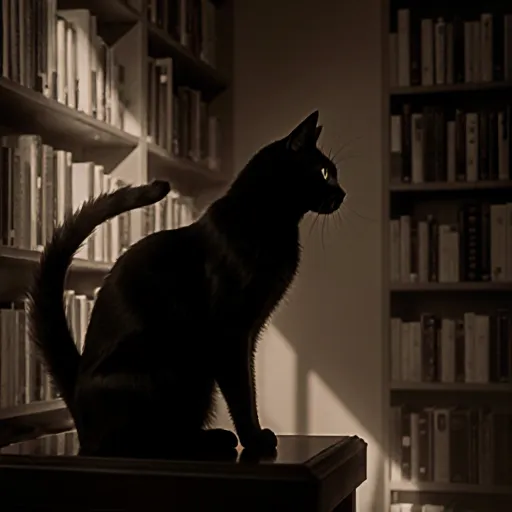
Unlock hidden cultural secrets about cats!
Cats in Culture: Secrets You Need to Know
Table of Contents
- Introduction to Cats in Different Cultures
- Cats in Ancient Egypt
- Cats in Ancient China
- Cats in Japan (Shinto and Buddhism)
- Cats in Medieval Europe
- Cats in Aztec Culture
- Cats in Native American Tribes
- Cats in Islamic Cultures
- Cats in African Traditions
- Cats in Medieval Europe (Revisited)
- Modern Perspectives on Cats Around the World
- Conclusion
- FAQ About Cats in Different Cultures
- Glossary of Terms Related to Cat Cultures
- Further Reading and Resources
Introduction to Cats in Different Cultures
Cats have been a significant part of human culture for thousands of years. Their presence spans across various continents and has influenced different societies in unique ways. The cultural significance of cats can be observed through myths, symbols, and everyday life practices that vary from one region to another.
In many ancient civilizations, cats were seen as sacred creatures with mystical powers. For instance, in Egypt, cats were associated with the goddess Bastet, who was believed to protect the pharaohs and ward off evil spirits. The Egyptians held such reverence for these animals that killing a cat was punishable by death.
In Japan, there is the legend of Maneki-Neko, or "beckoning cat," which is often depicted as a white or golden cat waving its paw. This figurine is believed to bring good fortune and fortune to businesses when placed at entrances.
Cats continue to hold symbolic meanings in various cultures today. In Western culture, black cats are often linked with Halloween and are sometimes considered unlucky, though this belief varies widely depending on the country. Conversely, in some parts of Europe and Asia, black cats are seen as bringers of good luck.
Meanwhile, in China, cats can be found in traditional art and literature as symbols of agility, grace, and independence. They play important roles in Chinese folklore and cultural practices related to medicine and protection against evil spirits.
The way people interact with and treat cats also reflects their cultural values. In some countries like Russia or parts of the Middle East, stray cats are often seen as community pets rather than just street animals. They are fed by local residents who consider it a responsibility to care for these animals.
In contrast, in many Western societies, cat ownership is more common and there’s a greater emphasis on providing individual pets with high-quality food, toys, and grooming services.
The cultural diversity surrounding cats showcases how deeply rooted these animals are within our global community. Understanding the nuances of each culture's relationship with cats can foster appreciation and respect for their significance across different societies.
Cats in Ancient Egypt
Cats held a significant place in ancient Egyptian civilization, and their role extended beyond mere companionship. In ancient Egypt, cats were revered as sacred animals, primarily associated with the goddess Bastet. The cult of Bastet was widespread during this time, and her depictions often included feline features, reflecting the deep reverence for these creatures.
Cats in Ancient Egypt were not just pets but also symbols of protection and fertility. They were believed to have the ability to ward off evil spirits and bring good fortune. As a result, mummifying cats was common practice, especially during times when there were widespread outbreaks of disease or pestilence. The cat's mummies would be interred in large catacombs specifically designated for this purpose.
The ancient Egyptians' relationship with cats is evident through their art and literature. For instance, tomb paintings often depicted cats engaged in various activities, from hunting to simply lounging in the sun. These depictions serve as a testament to the importance of cats in daily life and religious practices.
Despite the reverence for cats, they were also practical creatures with a strong hunting instinct. Cats were employed by farmers to protect their crops from rodents and other pests. This practice is not unique to ancient Egypt; similar roles are seen in other cultures around the world today.
In many cultures, cats have been associated with protection and good fortune. For example, in China, the cat is one of the twelve animals in the Chinese zodiac, symbolizing strength and courage. In Japan, the Maneki Neko (literally "beckoning cat") statue is placed near entrances to attract luck and wealth.
In Norse mythology, cats are also significant, often linked with Freya, a goddess of love and fertility. Cats were believed to possess magical powers that could bring prosperity and happiness to the household. In Finland, there's an old belief that if you see a cat walking through your door, it means good luck is coming.
The role of cats in ancient Egypt can be seen as part of a broader cultural trend where these animals have held special significance across various civilizations. Understanding this historical context provides insight into the enduring legacy of cats and their place in human culture.
Cats in Ancient China
In ancient China, cats held a significant place in society and culture. Unlike their counterparts in many other cultures where they were primarily seen as pest controllers or pets, cats in ancient China were revered for their mystical qualities and often associated with divination and spiritual practices.
One of the earliest records of cats in Chinese history can be traced back to the Han Dynasty (206 BCE – 220 CE), where they began to be domesticated. However, it was during the Tang Dynasty (618–907 CE) that cats truly became part of everyday life and were often depicted in art and literature. This era saw a flourishing appreciation for all manner of animals, including cats, which were not only kept as pets but also featured in popular culture.
Chinese mythology associated cats with the moon goddess Chang'e, who is said to have a companion cat that helps her manage the celestial pharmacy. This association with the divine and magical made cats objects of admiration and fascination among the Chinese populace. They were believed to possess special powers, capable of communicating between the earthly realm and the spiritual world.
During the Ming Dynasty (1368–1644), cats continued to be an integral part of Chinese culture. They were depicted in various forms of art, from paintings to ceramics, often symbolizing good fortune and protection against evil spirits. The Tang Yin painting "A Cat and a Canary Bird" is one such example that captures the elegance and grace of these animals.
Practical advice for those interested in incorporating cats into their blog about ancient Chinese culture: Consider highlighting how cats were integrated into daily life, their roles beyond pest control, and their spiritual significance. Include images or illustrations from historical texts to illustrate these points, such as paintings from the Ming Dynasty or descriptions found in classical literature.
For those looking to draw comparisons with other cultures, consider discussing how cats are viewed differently around the world. For instance, while Chinese culture may see cats more as spiritual beings or pets of high status, other cultures might emphasize their role as protectors against rodents, like in Egypt where the cat was sacred and associated with Bastet, a goddess of protection.
Examples from different cultures can further enrich your blog: In ancient Egypt, cats were indeed revered and protected by law. The death of a family cat could lead to severe penalties for those responsible. Similarly, in Japan during the Edo period (1603–1868), cats became popular pets among the upper class and were often kept as symbols of good luck.
By exploring these varied perspectives on cats across different cultures, you can provide a comprehensive view of how this animal has been perceived throughout history. This approach not only educates readers but also fosters an appreciation for cultural diversity and shared human experiences.
Cats in Japan (Shinto and Buddhism)
Cats hold a unique place in Japanese culture, deeply intertwined with both Shinto and Buddhist beliefs. In these belief systems, cats are not just pets but symbols of protection, good fortune, and spiritual significance.
In Shinto tradition, which is the indigenous religion of Japan, cats are seen as sacred animals. They are believed to possess a special connection to the kami (spirits or deities), particularly the cat goddess Maneki-neko. This figurine, often depicted with one paw raised, symbolizes good fortune and prosperity. Legend has it that if you stroke the raised paw of this charm, your wish for wealth or good luck will come true.
Buddhism also plays a crucial role in how cats are perceived in Japan. Buddhist teachings emphasize compassion towards all living beings, including animals. Cats are thus not seen as mere companions but rather as sentient beings with their own consciousness and spirit. This perspective fosters a deep bond between humans and felines, encouraging respect and care for these creatures.
The relationship between humans and cats in Japan has evolved over centuries, reflecting cultural values and beliefs. In modern times, cats continue to be cherished not only as pets but also as symbols of affection and good fortune. Many households still display Maneki-neko figurines, hoping that their presence will bring positive changes.
Examples from Other Cultures
- China: In Chinese culture, cats are associated with the moon goddess Chang'e. They are often seen as mystical creatures capable of influencing human affairs.
- Russia: Cats in Russian folklore are known for their wit and cleverness. They are sometimes portrayed as clever tricksters who outsmart humans.
- Cambodia: In Cambodian culture, cats are considered lucky animals. People often keep them to bring good fortune into the home.
- Scotland: Scottish folklore includes stories of black cats being associated with witchcraft and bad luck. However, this belief is largely a European superstition not widely held in Japan.
In conclusion, while attitudes towards cats can vary across different cultures, the respect and affection for these animals remain consistent in many societies. In Japan, particularly within Shinto and Buddhist frameworks, cats are celebrated for their spiritual significance and ability to bring prosperity and good fortune.
Cats in Medieval Europe
In medieval Europe, cats held a unique and multifaceted role that was deeply intertwined with various cultural, religious, and practical aspects of life. Unlike their counterparts in different cultures around the world, cats in medieval Europe were not merely pets but had significant symbolic meanings and practical purposes.
The perception of cats in medieval European culture was often influenced by the Christian Church, which viewed them with a mix of suspicion and admiration. Cats were sometimes seen as companions to Saint Francis of Assisi, who is known for his love of animals, including cats. However, they were also associated with witchcraft and sorcery due to their nocturnal nature and independence. This duality in perception led to cats being both revered and feared.
Cats served practical purposes as well. They were invaluable for controlling rodent populations, which was crucial in a time before modern pest control methods. Farmers and townsfolk kept cats around their homes and stores to protect grain stores from vermin. In cities like Paris, it is said that thousands of cats were kept by the city's inhabitants to manage rodent infestations.
In addition to their practical roles, cats played prominent parts in folklore and mythology. For instance, the legend of the "Nine Lives" is one such belief that originated from medieval Europe. It was believed that cats had an unusually high number of lives compared to other creatures, which added a mystical element to them.
When comparing cats in medieval Europe to their counterparts in different cultures around the world, notable differences emerge. For example, in ancient Egypt, cats were considered sacred and were mummified after death as offerings to the cat-headed goddess Bastet. In contrast, while medieval Europeans also revered certain aspects of cats, they did not typically mummify them.
In Japan, the Maneki-neko (beckoning cat) is a popular symbol for good luck. This tradition is more about bringing fortune and happiness rather than pest control or companionship. In contrast, during medieval times in Europe, cats were primarily valued for their utility in keeping pests away from valuable goods like grain.
The legacy of cats in medieval European culture has left a lasting impact on modern society. The cultural significance and practical roles that cats held during this period continue to influence how we view and interact with them today. Whether it's the iconic image of the cat-headed goddess or the practical role they played in pest management, these elements have shaped our understanding and appreciation of cats.
Cats in Aztec Culture
The Aztecs held a significant reverence for cats, particularly the domesticated house cat. Unlike many modern societies where cats are seen primarily as pets, the Aztecs viewed them with both practical and spiritual significance. Cats were associated with the moon and fertility due to their nocturnal habits and reproductive tendencies. This belief led to the practice of sacrificing female cats in rituals dedicated to the goddess of fertility, Coatlicue.
Cats played a dual role in Aztec culture: they were both revered as deities and feared for their association with the supernatural. The Aztecs believed that certain types of wildcats could possess magical powers. This fear extended to specific breeds, such as the "tzitzimine," which was thought to be capable of causing disease or death if not properly respected.
In contrast to the Aztec perspective, cats in other cultures around the world have been perceived differently:
- Egyptian Culture: Egyptians held cats in high regard and even worshipped them as gods. The goddess Bastet was often depicted with a cat's head. Cats were seen as protectors against evil spirits and were mummified after death to ensure they could continue their protective role in the afterlife.
- Example: The Mummy of Bastet, found in Egyptian tombs, is an example of how highly cats were valued.
- Russian Culture: Cats have often been associated with good fortune and luck. In Russian folklore, a black cat crossing one's path was considered a sign of good luck. This belief persists in modern Russia where many people keep cats as pets for protection.
- Example: The practice of keeping a black cat on the roof to ward off evil is still observed by some Russian families during certain festivals.
The Aztecs also used cats in various practical ways. They were valued for their pest control abilities, helping to keep rodent populations down. This was especially important in agricultural societies where crops could be damaged by rodents.
Understanding the cultural significance of cats in different parts of the world can help us appreciate the diverse roles that these animals have played throughout history. Whether as deities, protectors, or simply beloved pets, cats continue to be a part of our lives and culture today.
Cats in Native American Tribes
Cats hold a significant place in various cultures around the world, from Egyptian deities like Bastet to modern-day pets cherished by millions. In Native American tribes, cats have played a unique role that intertwines with spiritual beliefs and everyday life. While not as central as some other animals such as dogs or eagles, felines still hold meaning within certain cultural contexts.
The perception of cats in Native American tribes varies among different cultures. In the Navajo tribe, for instance, cats are not typically revered like other animals such as coyotes or eagles but they are often seen as symbols of independence and self-reliance. This is because of their solitary nature and ability to fend for themselves.
Examples in Literature
One notable example can be found in the Navajo creation myth where a cat appears, reflecting its role in the tribe's lore. The story illustrates how cats have been integrated into their narrative fabric, even if not as prominently as other creatures. Another instance is seen in the Lakota tribe’s stories where cats are mentioned sparingly but always with respect to their solitary nature.
If you're writing a blog or creating content around cats in Native American tribes, it's important to approach this topic with sensitivity and accuracy. Here are some practical tips:
- Research Thoroughly: Before delving into any cultural themes, ensure you have comprehensive knowledge about the specific tribe you're referencing. Different tribes may have varying views on cats.
- Consult Native Experts: Engage with Native American authors or scholars who can provide insights and accurate representations of their culture's beliefs regarding cats.
- Respectful Representation: Always strive to represent the role of cats in a respectful manner, acknowledging their place within the cultural narrative without misinterpreting their significance.
- Incorporate Stories: Use traditional stories that feature cats as a means to educate your audience about Native American views on animals. This can make your content more engaging and culturally enriching.
Conclusion
Cats in Native American tribes, while not central like some other animals, still hold a unique place within their cultural stories and beliefs. By understanding these nuances and approaching the topic with respect and accuracy, you can create content that is both informative and culturally sensitive.
Cats in Islamic Cultures
In Islam, cats hold a unique and significant place within various cultural practices and beliefs. Unlike in some other cultures where cats are revered or feared, Islamic views on cats have evolved with a focus on respect and ethical treatment of all living creatures.
The Prophet Muhammad (PBUH) had a fondness for cats, particularly a cat named Muezza. This affection is reflected in several traditions that emphasize kindness towards animals. For instance, it was reported that the Prophet once cut his own clothes to save Muezza from harm.
Respect and Ethical Treatment
Islam promotes respect for all living beings, including cats. The teachings of Islam encourage believers to treat animals with kindness and compassion, as they are seen as a gift from God. This is based on the belief that every creature has value and should be treated humanely.
Cultural Practices
In many Muslim-majority countries, there are cultural practices related to cats. For example, in some regions, people believe that keeping a cat at home brings good fortune and protection against evil spirits. Additionally, it is common for individuals to care for stray cats by providing food and shelter.
Modern Perspectives
Today, many Muslim communities continue to honor the role of cats in their lives through various practices. This includes supporting initiatives that promote the welfare of cats, such as animal shelters and adoption programs. These efforts align with Islamic values of compassion and responsibility towards all living creatures.
Examples from Different Cultures
Cats play diverse roles in different cultures around the world. For instance, in Egyptian culture, cats have been symbols of protection and good luck for centuries, reflecting a deep historical bond with these animals. In contrast, some African cultures associate cats with witchcraft or bad omens, leading to fear and superstition.
In Japan, cats are often seen as mystical creatures, particularly the Maneki-neko (the "beckoning cat") which symbolizes good fortune and wealth. This cultural significance of cats in Japan stands in contrast to Islamic views on the subject but shares a common theme of respect for these animals.
Understanding these diverse perspectives can help foster greater appreciation and care for cats across different cultures, including within Islam where they are seen as cherished companions and symbols of compassion.
Cats in African Traditions
Cats have played significant roles in various cultures around the world, and Africa is no exception. In African traditions, cats are often associated with spiritual significance, protection, and even as symbols of divinity. The cultural perception of cats in Africa varies across different regions and tribes, reflecting diverse beliefs and practices.
In many African cultures, cats are believed to have a connection with the spiritual world. They are often seen as guardians between the physical and spiritual realms. In some traditions, it is believed that cats can see spirits or demons that humans cannot. For instance, in parts of West Africa, particularly among the Yoruba people, there is a deity known as Sango, the god of thunder and lightning, who is said to have a special bond with cats.
The role of cats in African traditions also varies based on geographical location. In East Africa, particularly among the Maasai people, cats are not typically kept as pets but are seen more as wild animals. However, there is a belief that keeping a cat at home can bring good fortune and protect the household from evil spirits.
In Egypt, one of the most famous examples of cats in African traditions is the worship of Bastet, an ancient Egyptian goddess with feline characteristics. Bastet was originally depicted as a lioness but later transformed into a domestic cat, symbolizing protection and fertility. Her cult spread throughout North Africa and even into Europe.
If you are writing about cats in African traditions for your blog, it's important to do thorough research to ensure accuracy and respect for different cultural beliefs. Here are some practical tips:
- Research extensively on the specific culture or tribe you are focusing on.
- Avoid generalizations; each region may have unique stories about cats.
- Incorporate quotes or anecdotes from respected sources within that culture.
- Consider including images of traditional artifacts, like statues or paintings, to illustrate your points.
While focusing on African traditions, it's also beneficial to draw comparisons with how cats are viewed in other parts of the world. For example, in Norse mythology, Freya, the goddess of love and fertility, was often depicted accompanied by a pair of black cats pulling her chariot. Cats have similarly been revered in Japan as symbols of good luck and protection against evil spirits.
Cats in Medieval Europe (Revisited)
During the Middle Ages, cats played a significant role in the daily lives of people across Europe. Cats were not just pets but also had cultural and practical importance. In medieval times, cats were often seen as symbols of both good fortune and protection against evil spirits, particularly due to their nocturnal activities and mysterious behavior.
The belief in the mystical powers of cats was widespread during this period. Cats were thought to have the ability to see and communicate with the supernatural world. This idea is reflected in various superstitions and practices, such as leaving milk out for a cat on a full moon night or keeping a black cat indoors to prevent bad luck.
Practical Roles
Cats were crucial for pest control, especially in rural areas where they helped keep rodent populations under control. Farmers and landowners often kept large numbers of cats on their properties. Cats also played a vital role in households, protecting stored grains and other foodstuffs from vermin.
Iconography
Cats were frequently depicted in medieval art and architecture. They can be found as symbols in religious paintings and stained glass windows, often associated with saints like Saint Hieronymus, who is often shown with a cat at his feet. This association between cats and spirituality continued into the Renaissance period.
While the role of cats in medieval Europe was primarily focused on their practical utility and spiritual significance, this perspective is just one facet of how cats have been viewed throughout history. In other cultures, cats hold different meanings and roles.
Ancient Egypt
In ancient Egypt, cats were revered as sacred animals. The goddess Bastet was often depicted with the head of a cat. Cats were protected by law, and killing one could result in severe penalties. Mummified cats have been found in burial sites, reflecting their importance in both life and death.
Japan
In Japan, cats are associated with folklore and mythology. The Maneki-neko, or "beckoning cat," is a popular good-luck charm that is believed to attract customers to shops and wealth to homes.
India
In Indian culture, cats have traditionally been regarded as lucky animals. They are often found in temples and are associated with the goddess Lakshmi, who symbolizes wealth and prosperity.
Mexico
In some parts of Mexico, black cats are seen as symbols of witchcraft and bad luck, which contrasts with their positive associations in Europe. However, there are also areas where black cats are celebrated for bringing good fortune.
These examples from around the world illustrate how the perception and role of cats can vary greatly depending on cultural context. In medieval Europe, cats were essential for pest control and had a spiritual significance, but they shared these dual roles with many other cultures throughout history.
Modern Perspectives on Cats Around the World
In recent years, there has been a growing interest in understanding cats not just as pets but also as cultural symbols and significant elements of various societies around the world. This modern perspective on felines reflects an evolution beyond traditional views, emphasizing their diverse roles from companionship to spiritual entities.
Historically, cats have often been associated with power and mystery across many cultures. For instance, in ancient Egypt, cats were revered as symbols of royal authority and divinity. The goddess Bastet was a deity worshiped for her ability to protect the Pharaohs and ward off evil forces. This reverence extended to everyday life; killing a cat could result in severe punishment due to its sacred status.
Modern Interpretations
Today, while cats continue to be admired as symbols of grace and independence, their cultural significance has expanded into broader societal contexts. They are increasingly seen as ambassadors for environmental conservation efforts, particularly in regions where they play crucial roles in controlling pest populations like rodents.
The fashion industry has also embraced the cat as a powerful symbol. High-end designers frequently incorporate cat motifs into their collections, from intricate embroidery to luxurious accessories. Cat-inspired furs and prints remain popular despite ethical concerns regarding animal rights. Meanwhile, streetwear brands have started using cats in playful yet impactful ways, blending humor with cultural references.
Practical Advice
- Responsible Pet Ownership: Consider adopting a cat from a shelter rather than purchasing one; this supports animal welfare initiatives and reduces overpopulation issues.
- Cultural Sensitivity: Be mindful of how you represent cats in your work or communications, especially when engaging international audiences. Misrepresentations can lead to cultural misunderstandings.
The influence of media on perceptions of cats cannot be overstated. Television shows like "Meow Mix," web series featuring feline lifestyles, and even documentaries highlight the charm and unique traits of different breeds. These platforms also offer opportunities to educate viewers about responsible pet care practices.
Examples
- Paw Patrol: In this popular animated series, several characters are based on cats, emphasizing their bravery and intelligence in a way that resonates with young audiences.
- Vlogbrothers: Despite not being strictly about cats, the vlogs often feature discussions around animal welfare which include cats prominently.
The modern perspective on cats around the world underscores their enduring appeal and multifaceted roles. By appreciating these feline ambassadors through a lens that respects cultural diversity and promotes responsible behavior, we can better understand and celebrate their significance in our lives.
Conclusion
Cats have played significant roles in various cultures around the world, often symbolizing different meanings and beliefs. In ancient Egypt, cats were revered as sacred animals, closely associated with the goddess Bastet. The Egyptians believed that cats had divine protection and that killing a cat was punishable by death, reflecting their deep reverence for these creatures.
In Japan, on the other hand, cats have a more ambiguous role in folklore. While they are often seen as lucky animals, particularly when seen crossing paths or entering a house, they can also be associated with mischief and bad luck. This duality is evident in the Japanese legend of Maneki Neko, the "beckoning cat," which is believed to bring good fortune to those who own it.
In Norse mythology, cats were closely linked to Odin, the god of wisdom and war. Cats are said to have a special connection with knowledge and protection, which explains why they are often found in academic or scholarly settings today. In Russia, this association is further emphasized by the belief that cats can protect against evil spirits.
Across different cultures, the perception of cats has evolved over time. In medieval Europe, cats were sometimes seen as a symbol of witchcraft and were persecuted during the witch hunts. However, in many modern societies today, cats are cherished pets, often regarded as companions and valued for their affectionate nature and playful behavior.
Understanding these cultural nuances can help us appreciate the diverse roles that cats have played throughout history. Whether it is in ancient Egypt, Japan, or any other part of the world, cats continue to hold a special place in human hearts and societies. By embracing this rich cultural heritage, we not only deepen our appreciation for felines but also gain insight into the shared traditions and beliefs that bind different cultures.
FAQ About Cats in Different Cultures
Cats have been part of human culture for thousands of years, playing various roles such as pets, symbols of divinity, and even objects of superstition. Here are answers to some frequently asked questions about cats in different cultures around the world.
1. Cats in Ancient Egyptian Culture
In ancient Egypt, cats were considered sacred animals. They were associated with the goddess Bastet, who was depicted as a woman with the head of a cat or completely as a cat. The Egyptians believed that cats had the ability to control demons and protect their homes from evil spirits.
Example: The Mummy of an Egyptian Cat is found in various museums today. It serves as evidence of how highly valued these animals were.
Practical Advice: If you're visiting Egypt, consider visiting the Giza Zoo or any other local zoo to see cats that are descendants of ancient breeds and learn more about their history.
2. Cats in Japanese Culture
In Japan, cats have long been symbols of good luck and prosperity. The Maneki-neko (beckoning cat) is a popular good-luck charm found in many shops and homes. It represents a cat waving its paw to welcome visitors or bring fortune.
Example: You can find the Maneki-neko with either a left or right paw. A left paw indicates welcoming new customers, while a right paw is said to attract wealth.
Practical Advice: If you're in Japan and looking for good-luck charms, you might want to consider purchasing a Maneki-neko as it can bring positive energy into your home or workplace.
3. Cats in Norse Mythology
In Norse mythology, cats were associated with the goddess Freyja. She was often depicted riding in a carriage drawn by cats, which symbolized her power and influence over love and fertility.
Example: In Nordic art, you can find depictions of Freyja riding in her cat-drawn carriage. These artworks are found in various museums and galleries across Europe.
Practical Advice: If you're interested in Norse mythology, exploring the historical sites or museums dedicated to ancient Scandinavian culture might provide insights into how cats were perceived and honored during this period.
4. Cats in Medieval European Culture
In medieval Europe, cats often had a dual nature - they were seen as both protectors of households from vermin and objects of superstitious fear. During the witch hunts, cats were sometimes associated with witches who could control them.
Example: In many European countries during this period, it was believed that black cats brought bad luck or even marked a person as a witch if they owned one.
Practical Advice: To appreciate the history of cats in medieval Europe, you might want to visit historical sites like the Salem Witch Museum for insights into these beliefs and their impact on cat ownership at that time.
5. Cats in Modern Pop Culture
Today, cats continue to be popular in pop culture, often appearing in movies, TV shows, and video games. They are also featured in literature as beloved characters like Garfield the Cat or Tom from the Tom & Jerry cartoons.
Example: The animated series "Garfield" has been a global sensation since its debut in 1982. It showcases the humorous and lovable side of cats that many people admire.
Practical Advice: For fans of pop culture, watching or reading about modern cat characters can provide entertainment while also helping you understand how these animals are perceived today.
Glossary of Terms Related to Cat Cultures
The study and understanding of cats across various cultures worldwide is rich and diverse. This glossary aims to explore some key terms, concepts, and practices related to cat culture around the globe.
In many ancient civilizations, cats held a sacred status due to their connection with deities or spirits believed to protect humans. For instance, in Egypt, Bastet was worshipped as a goddess, often depicted with the head of a cat. This association extended beyond just one culture; for example, in Norse mythology, Freyja, the goddess of love and fertility, owned two cats that drew her chariot.
Cats have been subjects of both reverence and superstition throughout history. In some cultures, such as in Japan during certain periods, there were taboos against killing or even touching cats because they were considered sacred animals. Conversely, in other regions like medieval Europe, black cats were often associated with witchcraft.
Cats have been celebrated through various festivals and rituals across different cultures. For example, the Feast of Bastet was an annual celebration held by Egyptians to honor their cat deity. Similarly, in Thailand, cats are treated as national treasures with annual ceremonies dedicated to them.
The symbolism attached to cats varies greatly depending on cultural context:
- In Japan, the Maneki Neko (beckoning cat) is believed to bring good luck and fortune into homes when placed near entrances.
- While in some Western cultures, white kittens have been historically linked with purity and goodness.
Different societies have developed unique practices related to caring for and interacting with cats. These include:
- In India, it is common for people to feed stray street cats, seeing them as living embodiments of Lord Ganesha’s form.
- Some cultures also believe in burying cats after their deaths rather than cremating them.
Cats hold a special place not just because of cultural significance but also due to ethical considerations regarding animal welfare. In many parts of the world, there is growing awareness about responsible pet ownership and reducing overpopulation through spaying/neutering programs.
The role cats play in various cultures underscores their importance beyond just pets or livestock; they are integral to spiritual beliefs, folklore, and everyday life practices. Understanding these cultural contexts adds depth to our appreciation of feline companionship.
Further Reading and Resources
Cats have been part of human culture for thousands of years, with their influence varying greatly across different regions. Understanding how cats are perceived and treated around the world can provide a fascinating insight into diverse cultural practices and beliefs.
Japan: The Mythical Symbol of Luck
In Japanese culture, the cat is often associated with good fortune and luck, particularly the Manx cat. The Calico cat, especially those with white fur, is believed to bring prosperity and happiness. This belief extends to the Jorobado cat, which is seen as a protector against evil spirits.
Example: In Tokyo's Shibuya district, you can find statues of Manx cats at intersections where they are believed to guard pedestrians from accidents.
Egypt: The Divine Feline
The ancient Egyptians held cats in high esteem, viewing them as sacred and divine. Cats were associated with Bastet, the goddess of protection, fertility, and family. This reverence led to strict laws against harming cats, with severe penalties for anyone who did so.
Practical Advice: If you visit a museum like the Egyptian Museum in Cairo, you can see mummified cats and depictions of Bastet that reflect this cultural significance.
China: The Symbol of Longevity
In Chinese culture, cats are often linked to longevity. Owning a Siamese cat is believed to bring good fortune and extend one's life span. Additionally, the color black in cats symbolizes wisdom and strength.
Example: The ancient city of Xi'an features murals that depict cats, highlighting their importance in Chinese history and folklore.
Russia: The Protector Against Evil
In Russian culture, black cats are considered lucky and protective against evil. They are often seen as guardians within households, offering protection to family members.
Practical Advice:
- Ensure your home has a black cat if you want the added protection it is believed to provide.
- Celebrate Cat Day in Russia (April 8th) by adopting a stray or supporting local shelters.
Iceland: The Guardian of Livestock
In Iceland, cats have played a crucial role in protecting livestock from predatory birds. They are highly valued and treated with respect for this invaluable service.
Example: You can visit farms in the Reykjanes Peninsula where cats continue to play an essential role in keeping sheep safe from ravens and other birds.
Brazil: The Protector of Families
In Brazil, black cats are considered very lucky. They are often seen as protectors of families, bringing good fortune and warding off bad luck.
Practical Advice: If you're traveling to Brazil, consider adopting a black cat or supporting local animal shelters to help these beloved creatures thrive.
Further Resources
Categories
- AI & Enrichment Play
- Broiler Farming
- Broiler Farming Tips
- Canine Wellness & Longevity
- Cat
- Cat & Human Connection
- Cat Adoption & Rescue
- Cat Breeds
- Cat Breeds & Personalities
- Cat Care & Health
- Cat Grooming & Hygiene
- Cat Lifestyle & Environment
- Cat Myths & History
- Cat Nutrition & Diet
- Cat Products & Reviews
- Cat Training & Behavior
- Comparison
- Consumer Awareness
- Dog
- Dog Accessories & Products
- Dog Adoption & Rescue
- Dog Breed & Lifestyle Trends
- Dog Breeding & Puppies
- Dog Entertainment & Media
- Dog Fashion & Trends
- Dog Fun & Lifestyle
- Dog Grooming & Hygiene
- Dog History & Culture
- Dog Myths, Science & Future Tech
- Dog News & Trends
- Dog Nutrition & Food
- Dog Psychology & Emotions
- Dog Safety & Security
- Dog Sports & Activities
- Dog Technology & Innovation
- Dog Training for Modern Owners
- Dog Travel & Adventure
- Dog Travel, Adventure & Culture
- Economic and Market Insights
- Educational Content
- FAQs
- Feeding Alternatives
- Festivals & Seasonal Ideas
- Fun & Entertainment
- General Knowledge
- General Pig Farming
- Health & Disease Management
- Housing and Environment
- Kittens
- Market Insights
- Miscellaneous
- Miscellaneous
- Motivational
- pig
- Pig Breeding
- Pig Breeds
- Pig Farming Stories and Inspiration
- Pig Health and Care
- Pig Nutrition
- Pig Products
- Profitability & Business
- Puppy Care
- Puppy Predictable Topics Reinvented
- Regional Focus
- Rescue & Adoption Buzz
- Senior Cats
- Senior Dog Care
- Smart Dog Tech & Gadgets
- Sustainability
- Sustainable & Eco-Friendly Dog Products
- Tech & Innovations
- Working & Service Dogs
- Broiler Feed66 products
- Country Feed33 products
- Pig Feed66 products
- Product22 products
- Raw Materials99 products
Products
-
 FATTENING BROILER FEED
₹2,299.00 – ₹2,349.00Price range: ₹2,299.00 through ₹2,349.00Rated 0 out of 5
FATTENING BROILER FEED
₹2,299.00 – ₹2,349.00Price range: ₹2,299.00 through ₹2,349.00Rated 0 out of 5 -
 GESTATION PIG FEED (Phase 1)
Rated 0 out of 5
GESTATION PIG FEED (Phase 1)
Rated 0 out of 5₹2,249.00Original price was: ₹2,249.00.₹1,699.00Current price is: ₹1,699.00. -
 Pre Starter Broiler Feed
₹2,399.00 – ₹2,499.00Price range: ₹2,399.00 through ₹2,499.00Rated 0 out of 5
Pre Starter Broiler Feed
₹2,399.00 – ₹2,499.00Price range: ₹2,399.00 through ₹2,499.00Rated 0 out of 5 -
 FINISHER COUNTRY FEED
₹1,599.00 – ₹1,699.00Price range: ₹1,599.00 through ₹1,699.00Rated 0 out of 5
FINISHER COUNTRY FEED
₹1,599.00 – ₹1,699.00Price range: ₹1,599.00 through ₹1,699.00Rated 0 out of 5 -
 FINISHER BROILER FEED
₹2,199.00 – ₹2,299.00Price range: ₹2,199.00 through ₹2,299.00Rated 0 out of 5
FINISHER BROILER FEED
₹2,199.00 – ₹2,299.00Price range: ₹2,199.00 through ₹2,299.00Rated 0 out of 5 -
 COUNTER BROILER FEED
₹1,199.00 – ₹1,299.00Price range: ₹1,199.00 through ₹1,299.00Rated 0 out of 5
COUNTER BROILER FEED
₹1,199.00 – ₹1,299.00Price range: ₹1,199.00 through ₹1,299.00Rated 0 out of 5 -
 LACTATING PIG FEED
Rated 0 out of 5
LACTATING PIG FEED
Rated 0 out of 5₹2,299.00Original price was: ₹2,299.00.₹1,740.00Current price is: ₹1,740.00. -
 Fish Meal
₹1,999.00 – ₹2,999.00Price range: ₹1,999.00 through ₹2,999.00Rated 0 out of 5
Fish Meal
₹1,999.00 – ₹2,999.00Price range: ₹1,999.00 through ₹2,999.00Rated 0 out of 5 -
 Farm Fresh Eggs
₹10.00 – ₹15.00Price range: ₹10.00 through ₹15.00Rated 0 out of 5
Farm Fresh Eggs
₹10.00 – ₹15.00Price range: ₹10.00 through ₹15.00Rated 0 out of 5 -
 LAYER COUNTRY FEED
₹1,549.00 – ₹1,649.00Price range: ₹1,549.00 through ₹1,649.00Rated 0 out of 5
LAYER COUNTRY FEED
₹1,549.00 – ₹1,649.00Price range: ₹1,549.00 through ₹1,649.00Rated 0 out of 5