
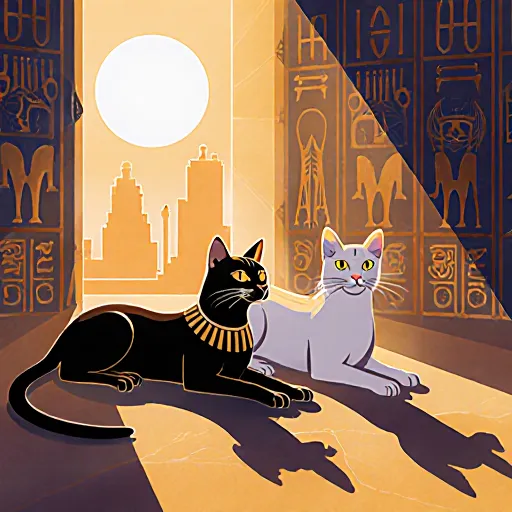
Unlocking the Mystical Role of Cats in Ancient Civilizations
Cats: More Than Just Pets in Ancient Times
Table of Contents
- The Origin of Wildcats
- First Domestication in the Near East
- Spread to Other Parts of the World
- Role of Wildcats in Early Societies
- Cultural Significance and Mythology
- Domestication Process: Behavior and Adaptation
- Nutritional Impact of Cats on Humans
- Health and Hygiene Contributions by Domestic Cats
- Impact on Rodent Populations
- Domestication and Social Structure Changes
- Modern Cat Breeds and Their Origins
- Evolutionary Adaptations in Domestic Cats
- Environmental Factors Influencing Domestication
- Challenges of Modern Cat Care
- Conclusion
- FAQ
The Origin of Wildcats
The origin of wildcats, as we understand it today, is intricately linked to the early history of cat domestication. Wildcats, which are primarily of the species Felis silvestris catus, have a long and complex relationship with humans that began thousands of years ago. The process of domestication, which transformed wildcats into the beloved house cats we see today, is a fascinating journey that has been shaped by both natural selection and human intervention.
Wildcats are believed to have originated in the Middle East, specifically around the region of modern-day Turkey. This area was a critical crossroads for early agricultural societies, which likely played a crucial role in the domestication process. Wildcats are natural predators of small rodents and other pests that were increasingly problematic as human settlements grew larger and more complex. Over time, these cats would have been drawn to villages not just for food but also due to the abundance of rodent populations.
Key Milestones in Domestication
- Circa 7500 BCE: The earliest known domesticated cats were found in ancient Egyptian sites. These early cats had already undergone significant changes from their wild ancestors, suggesting a long period of adaptation to human environments.
- Around 3100 BCE: Cats became part of the official cult of Bastet, an important goddess in ancient Egypt, symbolizing protection and good fortune. This marked a turning point as cats moved from being purely practical companions to having significant cultural importance.
- Spread Across Civilizations: From Egypt, domesticated cats spread across various civilizations, including Greece and Rome, where they were valued for pest control in agricultural settings.
Human behavior played a pivotal role in the domestication process. The domestication of wildcats was not just about transforming them into pets; it also involved shaping their interactions with humans and other animals. Early farmers, for example, would have benefited from cats helping to control rodent populations, which could devastate crops. Over time, this mutual dependence led to a gradual change in the behavior and appearance of these wildcats.
Modern-Day Practical Advice
Today, understanding the history of cat domestication can provide valuable insights for modern pet owners. Just as early humans selected cats that were more tolerant and less aggressive towards them, we can observe similar behaviors in our own pets today. Encouraging positive interactions and providing a safe environment are key to maintaining the bond between humans and their feline companions.
Examples of Modern Cats
- Maine Coon: One of the largest domesticated breeds, known for its friendly nature and suitability as a family pet. This breed's large size and gentle disposition can be traced back to their ability to coexist peacefully with humans in early human settlements.
- Sphynx Cat: A hairless breed that originated from a spontaneous mutation. Despite lacking fur, these cats still exhibit characteristics that made wildcats desirable in domestic settings—such as being calm and affectionate.
In conclusion, the origin of wildcats is deeply intertwined with human history, reflecting a shared evolution over thousands of years. By understanding this history, we can better appreciate the unique relationship between cats and humans, ensuring that our feline companions continue to thrive in modern households.
First Domestication in the Near East
The history of cat domestication is one of the most fascinating chapters in human-animal interactions. The first domestication of cats took place in the Near East, specifically around ancient Egypt and Mesopotamia, approximately 9,500 years ago. This event marked a significant milestone in the relationship between humans and animals.
The Near East provided an ideal environment for early farmers to domesticate cats. The region's climate allowed for abundant rodent populations, which were not only pests but also carriers of diseases that could affect both humans and livestock. Cats' natural behavior as skilled hunters made them invaluable in controlling these pests.
Domestication Process
The domestication process was gradual and likely involved a combination of selective breeding and adaptation by both the cats and humans. Early farmers began to notice that certain wildcats, primarily from the genus Felis silvestris lybica, were more tolerant around human settlements. Over time, these animals adapted to living closer to people, leading to increased interaction and eventual domestication.
Evolution of Relationships
The relationship between humans and cats evolved beyond mere pest control. Cats began to be valued for their companionship and protection of crops and livestock from vermin. This shift in perception is evidenced by the presence of cat burials alongside human remains, suggesting a level of affection and respect that transcends utilitarianism.
Iconic Cultural Representations
The Near East's rich cultural history has left numerous depictions of cats. In ancient Egyptian art, cats were often shown as symbols of royalty and fertility due to their grace and beauty. The goddess Bastet, a deity associated with motherhood, protectorship, and domestic felinity, became one of the most important deities in ancient Egypt.
Practical Advice for Modern Enthusiasts
If you are interested in learning more about cat domestication or simply appreciate these animals today, consider visiting museums that showcase ancient artifacts related to cats. For instance, the British Museum houses significant collections of Egyptian cat mummies and statues. Additionally, engaging with organizations dedicated to the study of animal history can provide deeper insights into this fascinating topic.
Spread to Other Parts of the World
The history of cat domestication is a fascinating journey that spans thousands of years, and it is intertwined with human civilization. Cats were first domesticated in ancient Egypt around 4000 BC, where they played significant roles in society as both pets and religious symbols. This early domestication was not just a cultural phenomenon but also an economic one, as cats helped control rodent populations that threatened grain stores.
From Egypt, the domestic cat spread to other parts of the world through trade routes and exploration. As humans ventured further into new territories, they took their beloved pets with them. For instance, during the Roman Empire's expansion, cats were introduced to Europe, where they quickly adapted to the local environment. These early introductions laid the foundation for the widespread domestication that would occur later.
The Mongol Empire's influence in the 13th century also played a crucial role in spreading domestic cats across Asia. The Mongols were known for their extensive trade networks, and through these, cats moved from one region to another. By the medieval period, cats had become established in various parts of Europe, North Africa, and even parts of Asia.
With the Age of Exploration in the 15th century, domestic cats found new homes across the globe. Explorers like Christopher Columbus brought cats aboard their ships to control rodent populations during long voyages. This practice helped spread cats throughout North America, including islands like Hispaniola where they arrived with Columbus' expedition.
The global spread of domestic cats continued into the 19th and 20th centuries as a result of colonization and increased international travel. Cats were brought to Australia during British colonization in the late 18th century, leading to some unintended consequences like the introduction of non-native species which had adverse effects on local ecosystems.
Today, domestic cats are found almost everywhere around the world, from bustling cities to remote rural areas. Their adaptability and human companionship have made them one of the most popular pet choices globally. Understanding this rich history helps us appreciate the bond between humans and cats today and the impact they continue to have on our lives.
For practical advice on how to care for a cat in different environments, consider researching local breeds that are best suited for various climates or landscapes. This can help ensure your pet thrives wherever you decide to spread your love of cats.
Role of Wildcats in Early Societies
The role of wildcats in early societies is a crucial chapter in understanding the history of cat domestication. Wildcats, primarily Felis sylvestris (the European wildcat), were not just pets or companions but played multifaceted roles that contributed significantly to human survival and cultural development during prehistoric times.
The domestication process of cats began thousands of years ago when early humans started living in settlements. Wildcats, being skilled hunters, were drawn to these areas due to the abundance of small mammals such as rodents and rabbits, which were also a source of food for human communities. The proximity of these animals attracted cats, leading to an initial form of interaction between wildcats and humans.
These early interactions laid the groundwork for a symbiotic relationship where both parties benefited. Wildcats helped control rodent populations within settlements, thus reducing pest issues that could lead to food spoilage. This mutual benefit made it easier for humans to accept cats into their environments and gradually integrate them into their daily lives.
The domestication of wildcats involved gradual changes over several centuries. Early domestication likely began with the selection of tamer individuals from wildcat populations that were more comfortable around humans. Over time, these interactions led to physical and behavioral changes in both human communities and the cats themselves.
One key example is the transformation of a wildcat's body size. Wildcats are generally larger than domesticated breeds, but early domestication processes favored smaller, more manageable cats that were better suited for close living quarters. Behavioral traits also changed; wildcats became less aggressive and more approachable towards humans.
The contributions of wildcats in early societies extended beyond pest control. Cats served as symbols of status, power, and religious significance in various cultures. In ancient Egypt, for instance, cats were revered deities and were associated with protection against evil forces. The cat deity Bastet was one such figure who held great importance.
In other regions, the value placed on cats varied based on local customs and needs. For example, in some areas, cats were used in rituals to ensure good harvests or protect homes from misfortune. Their role as companions also provided emotional support during challenging times, which was invaluable for early human societies.
If you're interested in understanding more about the history of cat domestication or simply enjoy learning more about these fascinating animals, consider visiting museums with significant archaeological collections. Museums like the British Museum and the National Geographic Society often have exhibits dedicated to ancient civilizations and their interactions with wildcats.
For those living in today’s world, observing responsible pet care practices is a way to honor the legacy of cats from early societies. Providing proper nutrition, regular health check-ups, and a loving environment for your pets not only ensures their well-being but also celebrates the bond between humans and cats that has endured for millennia.
Cultural Significance and Mythology
The history of cat domestication is a fascinating journey that intertwines human culture, mythology, and everyday life. Cats have been part of human societies for thousands of years, playing significant roles in various civilizations across the globe. Their cultural significance and mythology are deeply rooted in ancient beliefs and practices.
From ancient Egypt to modern times, cats have held a special place in many cultures around the world. In ancient Egypt, cats were considered sacred creatures, especially associated with Bastet, the goddess of fertility, protection, and domesticity. The Egyptians revered these animals so much that they were mummified after death, often buried alongside their human companions as a sign of affection and respect.
Their status was such that killing a cat could result in severe penalties, including being put to death. This reverence for cats extended beyond Egypt; in ancient Rome, the domestication of cats was primarily for pest control rather than religious reasons, but they were still treated with great care and affection.
The mythology surrounding cats is rich and varied. In addition to Bastet, Egyptian myths also include Mafdet, an ancient lioness deity who was depicted as a cat. Cats have appeared in various mythologies worldwide, often symbolizing protection, wisdom, and sometimes mischief.
In Norse mythology, for instance, cats are associated with Freyja, the goddess of love, fertility, and death. Her chariot is drawn by two cats, reflecting her dual nature as both a protector and a bringer of change. In Japanese folklore, Maneki-Neko (beckoning cat) statues are placed in homes to attract good fortune.
Understanding the cultural significance and mythology surrounding cats can help us appreciate their role in modern society. Here are a few practical tips:
- Educate yourself about your cat's heritage. Knowing where your breed originates from or what historical roles similar breeds played can provide deeper insight into your pet's behavior and needs.
- Respect local traditions. If you live in an area with specific cultural practices regarding cats, be mindful of these customs to ensure harmony between tradition and modern living.
- Incorporate symbolic elements into your home decor. Items like Maneki-Neko can not only add a touch of elegance but also serve as constant reminders of the rich history behind these beloved pets.
Cats have evolved from wild ancestors to cherished companions, and their journey is intertwined with human culture and mythology. By embracing this heritage, we honor both our feline friends and the traditions that celebrate them.
Domestication Process: Behavior and Adaptation
The domestication process of cats is a fascinating journey that began thousands of years ago, with behavior and adaptation playing crucial roles. Cats, like their wild counterparts, are primarily solitary hunters but have adapted to living in close proximity to humans through a series of behavioral changes and physiological adjustments.
The history of cat domestication dates back approximately 9,500 years ago when early farmers in the Fertile Crescent began keeping wildcats as pets. These interactions were initially driven by practical concerns; cats helped control rodent populations around stored grain and other foodstuffs.
Cats have evolved several behaviors that make them well-suited to living with humans:
- Solitary Hunters: Cats are naturally solitary hunters, but they can live in close proximity to humans without becoming overly dependent. This independence allows cats to adapt to various human environments.
- Playfulness and Curiosity: Playful behavior helps cats explore their environment and bond with humans. Cats have a natural curiosity that makes them interesting companions, but it also means they need mental stimulation in the form of toys and activities.
- Social Signals: Domesticated cats use various vocalizations (meowing) and body language to communicate with humans, which can help strengthen their bond with their human families.
Besides behavioral changes, domestication has also influenced physical adaptations in cats:
- Size and Coat Changes: Some domesticated cat breeds have smaller bodies compared to their wild counterparts due to selective breeding. Additionally, many breeds now come with various coat colors and patterns.
- Eyebrows: The presence of eyebrows in some cat breeds is a result of human selection over generations, making them visually distinct from their wild ancestors.
While domesticated cats have adapted well to living with humans, they still retain many behaviors that make them less suitable for life in the wild. For example:
- Night Vision: Domesticated cats generally do not rely heavily on their night vision as much as wildcats because artificial lighting is available indoors.
- Hunting Skills: While domesticated cats can still hunt, they are less reliant on this skill for survival in the human environment.
The development of pedigree breeds has further refined cat domestication. Breeders select for specific traits such as coat color, pattern, and temperament to create distinct types of cats. Some examples include:
- Maine Coon: Known for their large size and fluffy coats.
- Sphynx: A breed with a hairless coat.
- Persian: Recognizable by their long, luxurious coats.
Breeding these traits has not only changed the physical appearance of cats but also influenced their behavior. For instance, some breeds are more vocal or have distinct personality traits that make them more suitable for specific human households.
In conclusion, cat domestication is a complex process involving behavioral and physical adaptations that allow cats to thrive in human environments. From early interactions with farmers to the development of diverse pedigree breeds, each step has contributed to creating the companion animals we know today.
Nutritional Impact of Cats on Humans
The nutritional impact of cats on humans has been a topic of fascination for centuries, intertwined deeply with the history of cat domestication. Historically, cats have played various roles in human society, ranging from companionship to pest control, and these roles have influenced their relationship with human nutrition.
The domestication of cats began around 4000-6000 years ago in Ancient Egypt. During this period, cats were not only revered as sacred animals but also consumed by humans who believed their consumption would provide spiritual benefits or medicinal properties. The Egyptians considered the cat a symbol of protection and fertility, which extended to its supposed healing powers.
For instance, ancient texts like the Ebers Papyrus mentioned the use of feline parts in various remedies. Cats were also highly valued as food, especially during times of famine or ritual sacrifice. In these scenarios, cat meat was considered a delicacy and could be found on the tables of wealthy Egyptians.
As cats' roles expanded to include pest control in agricultural societies, their presence continued to influence human nutrition. By controlling rodent populations, cats indirectly contributed to a more stable food supply for humans, particularly in grain-rich regions.
In medieval Europe, cats were less commonly eaten but still held significant cultural importance. They were often kept as pets and were sometimes used in the kitchen as ratters, contributing to better hygiene and reducing the spread of diseases like plague. The nutritional benefit here was more about preventing pest outbreaks rather than direct consumption.
In modern times, while cats are no longer a significant part of human nutrition in most cultures, their influence remains evident in various ways. For instance, the cat food industry has grown into a substantial market that indirectly affects agricultural practices and economic activities.
Additionally, pet ownership contributes to overall well-being and mental health, which can have broader nutritional implications for humans by influencing diet choices and lifestyle habits. Research has shown that pet owners tend to adopt healthier eating patterns and engage in more physical activity, both of which contribute positively to nutrition and general health.
The historical relationship between cats and humans reflects a complex interplay of cultural, economic, and nutritional factors. While the direct consumption of cats as a primary source of nutrition is largely a thing of the past, their influence on human history and culture continues to shape modern perceptions and practices around animal-human interactions.
Health and Hygiene Contributions by Domestic Cats
The domestication of cats has a rich history that spans over 9,500 years. The earliest known evidence of cat domestication dates back to ancient Egypt around 4,000 B.C., where cats were revered as sacred animals and played crucial roles in Egyptian society (Clutton-Brock, 1987). This reverence extended into their daily lives, with cats being central figures in health and hygiene practices.
Cats have been known to contribute positively to public health for centuries. In ancient Egypt, it was believed that cats protected households from vermin such as mice and rats, which carried diseases like the plague (Hassan, 2012). The presence of cats helped reduce rodent populations, thereby decreasing the spread of disease.
Domestic cats also play a role in modern-day public health. They are natural predators that help manage pest populations within and around homes. By keeping rodent numbers down, they indirectly contribute to better indoor air quality and reduced risk of disease transmission from rodents (Mazur & Biro, 2015).
In terms of hygiene, cats have a natural cleaning mechanism through their grooming habits. Cats spend up to half of their waking hours licking themselves, which not only keeps them clean but also removes loose hair and dead skin cells (Frey et al., 2013). This behavior helps reduce allergens in the environment.
Cats are also known for keeping their living spaces free from waste. Their instinct to bury excretions ensures that unsanitary conditions are minimized, which is crucial for maintaining a clean and healthy home environment (Mazur & Biro, 2015).
- Encourage Indoor Cats: Keeping cats indoors significantly reduces their impact on public health by minimizing the spread of zoonotic diseases and keeping pest populations lower.
- Promote Grooming: Regularly brushing your cat can help reduce hair shedding in the home, contributing to better indoor air quality.
- Provide Appropriate Litter Boxes: Ensuring that cats have access to clean litter boxes helps maintain hygiene standards and reduces odors.
In conclusion, domesticated cats have made significant contributions to health and hygiene throughout history. Their roles in pest control and maintaining a clean living environment continue to be valuable even today. By understanding and appreciating these contributions, we can better appreciate the impact that our pets have on our lives and the world around us.
Impact on Rodent Populations
The domestication of cats has had a profound impact on rodent populations throughout history. Cats, which were initially tamed for their ability to control pest species such as mice and rats, have played a crucial role in shaping the ecological balance of human settlements. The relationship between humans and cats extends back thousands of years, with ancient civilizations recognizing the utility of these animals in agriculture and trade.
Domestication began when wildcats were first tamed around 9,500 years ago in the Fertile Crescent, an area that includes parts of present-day Iraq, Syria, Lebanon, Israel, Palestine, Jordan, Kuwait, and Egypt. This region is considered one of the cradles of domestication due to the presence of early farming communities who needed protection from rodent pests.
The process of cat domestication involved a gradual change in behavior over generations as wildcats became more accustomed to human presence. Cats that showed less fear or aggression towards humans were selected and allowed to breed, leading to the development of breeds we see today. This selective breeding has also resulted in cats with different temperaments and physical characteristics suited for various roles, including pest control.
As cat populations grew alongside human settlements, there was a significant impact on local rodent species. In ancient Egypt, for instance, cats were not only kept to manage pests but were also revered as sacred animals. The goddess Bastet, often depicted with the head of a cat, symbolized fertility and protection against evil spirits. This reverence extended to the treatment of dead cats, where they would be mummified and buried in large numbers.
In other parts of the world, such as medieval Europe, cats continued to serve an important function by controlling rodent populations in stores and granaries. However, it is important to note that while cats helped reduce pest populations, they also contributed to the spread of disease vectors like fleas, which can carry diseases such as plague.
Today, the impact of domesticated cats on rodent populations remains a topic of interest for ecologists and historians alike. While modern urban environments may not rely on cats in the same way as they did historically, understanding their role in pest control is crucial for managing ecosystems effectively. It also highlights the interconnectedness between human activities and wildlife, emphasizing the need for responsible pet ownership and conservation practices.
For practical advice, consider implementing integrated pest management strategies that include non-lethal methods of rodent control. Encouraging natural predators like cats can be part of a balanced approach, but it is essential to ensure humane treatment and proper care for these animals. Educating pet owners about responsible cat ownership, including keeping pets indoors when possible, can also help mitigate the negative impacts of feral or unmanaged cat populations.
Domestication and Social Structure Changes
The domestication of cats, a process that began about 9,500 years ago in the Fertile Crescent, marked a significant turning point not just for felines but also for human societies. This transformation from wild to domesticated animals involved profound changes in their social structure and interactions with humans. Understanding these changes is crucial to appreciating how cats have become integral members of many households today.
Initial Domestication
The process of cat domestication started when early farmers began cultivating grain crops around 10,000 years ago in the region that is now Syria. These early agriculturalists attracted wildcats to their settlements because the cats preyed on mice and other small pests that threatened the stored grains. Over time, this mutualistic relationship evolved into a more structured one where humans actively sought to manage cat populations within their communities.
Changes in Social Structure
As cats became more accustomed to living near human settlements, their social structures underwent several key transformations:
- Dependency on Humans: Cats gradually relied less on hunting for survival and more on humans providing food and shelter. This shift led to a stronger bond between individual cats and specific human household members.
- Group Dynamics: Initially, cat colonies were more independent but over time, they began to form looser social groups within human communities. These groups varied based on the availability of resources like food and space.
- Adaptation to Human Schedules: Cats adjusted their activity patterns to align with those of humans, particularly during times when both were likely to be active (daytime). This adaptation helped them better integrate into daily human life.
Practical Advice for Modern Households
For modern pet owners looking to recreate some of these historical relationships with their cats, here are a few tips:
- Cat-Proof Your Environment: Just as early humans kept their grain safe from pests, ensure that your home is free from areas where your cat might find harmful or inaccessible items. This includes securing small electrical appliances and ensuring they have easy access to play spaces.
- Interactive Playtime: Engage in regular play sessions with your cat using toys similar to the types of prey (e.g., birds, insects) that would naturally draw them outdoors. This not only satisfies their natural instincts but also strengthens your bond with your pet.
- Dietary Considerations: Provide balanced meals suitable for indoor cats since they rely more on human-provided food than their wild ancestors did. Consulting a veterinarian can help tailor diets to meet specific nutritional needs, such as those related to age or health conditions.
Conclusion
The domestication of cats was a gradual yet transformative process that significantly altered both the felines' behavior and their place within human society. By recognizing these changes and adapting our approaches accordingly, we can enhance the quality of life for our furry companions while fostering deeper connections with them.
Modern Cat Breeds and Their Origins
The history of cat domestication can be traced back thousands of years, but modern cat breeds have evolved significantly from their wild ancestors. The journey of these animals from the ancient days to today is a fascinating story that intertwines with human civilization and cultural evolution.
The domestication of cats began in Mesopotamia around 9,500 years ago. Cats were initially tamed for their hunting skills, particularly targeting rodents that could destroy stored grains during the early agricultural era. The ancient Egyptians later played a crucial role in shaping cat breeds, especially with the development of the Egyptian Mau and Siamese cats.
Today's modern cat breeds are the result of centuries of selective breeding for specific traits such as size, color, coat length, and personality. These breeds have been recognized by various registries like The International Cat Association (TICA) and the Cat Fanciers' Association (CFA).
Breeds with Long Histories
- Egyptian Mau: Known for their distinctive spotted coat pattern, this breed dates back to ancient Egypt and is one of the oldest recognized breeds.
- Siamese: Originating from Thailand, Siamese cats were highly valued by royal families. Their slender bodies, striking blue eyes, and vocal nature make them instantly recognizable.
Newer Breeds
Breeding has also led to the creation of newer breeds that combine desirable traits from existing ones. For example:
- Persian: Known for their long, luxurious coats and round faces.
- Maine Coon: A large breed with a thick water-resistant coat, originally developed in New England.
- Abyssinian: With its rich, golden-brown fur and an active, athletic personality, this breed is popular among cat lovers.
Selective Breeding for Specific Traits
Breeders today use selective breeding techniques to enhance specific traits. For instance:
- Tea Mice Hunting Ability: Some breeds are bred specifically to have enhanced hunting abilities, such as the Birman and Burmese.
- Elegant Appearance: Breeds like the Sphynx (hairless) or Rex (dwarf hair) are popular for their unique looks.
Practical Advice for Cat Owners
To ensure your cat remains healthy and happy, consider the following:
- Adopt a Purebred or Mixed Breed: Both have their pros and cons. Purebreds come with specific health concerns that need to be researched thoroughly before adoption.
- Care for Specific Needs: Some breeds may require more grooming (e.g., long-haired breeds) or extra exercise (active breeds like the Maine Coon).
The Future of Cat Breeds
The world of cat breeding continues to evolve. With advancements in genetic research, we can expect further specialization and innovation in cat breeds. As long as cats remain a cherished part of human life, their role will continue to grow.
Evolutionary Adaptations in Domestic Cats
The evolution of domestic cats has been a fascinating journey intertwined with human history. While wildcats have been around for millions of years, their transformation into the beloved pets we know today is a relatively recent phenomenon. The process of domestication involves a series of evolutionary adaptations that allow cats to thrive in close proximity to humans.
Changes in Behavior
One of the most significant evolutionary changes in domestic cats is their shift from solitary hunters to adaptable companions. In the wild, cats are highly independent and territorial, but domestication has led to a more social behavior, especially with human family members. This change can be attributed to selective breeding over thousands of years. Breeds like the Ragdoll or Maine Coon exemplify this sociality, showing increased tolerance for interaction with humans.
Physical Adaptations
Cats have also undergone physical changes during their domestication journey. Their bodies became more robust to handle the varied environments they encountered as pets. For instance, short-haired cats like Siamese or Abyssinians are better suited for indoor living due to lower maintenance needs, while long-haired breeds such as Persian cats require more grooming and care.
- Short-haired cats: Lower maintenance, easier to groom
- Long-haired cats: Require regular brushing and special attention
Dietary Adjustments
The shift from a carnivorous diet in the wild to one that includes more varied food sources has been another important adaptation. Domesticated cats still primarily need animal-based proteins but can be fed a broader range of foods compared to their ancestors. This dietary flexibility ensures they get essential nutrients, even if not hunting prey daily.
- Cats require high protein content in their diet
- Include variety to ensure all necessary nutrients are consumed
Selective Breeding and Modern Cat Varieties
Selective breeding has played a crucial role in shaping today’s domestic cat breeds. By choosing cats with desirable traits, humans have been able to create distinct types of cats for different purposes. Whether it's size, coat length, or personality, selective breeding has allowed us to tailor cats to our preferences.
- Siamese: Known for their intelligence and vocal nature
- Maine Coon: Large and gentle, often considered the teddy bear of cat breeds
- Persian: Short legs, flat face, long coat – a classic example of selective breeding
The Role of Human Interaction in Evolutionary Adaptations
Human interaction has been a driving force behind the evolutionary adaptations seen in domestic cats. Over time, cats that were more tolerant and friendly towards humans had better chances of survival as pets. This interdependence created an environment where both humans and cats could benefit from each other’s presence.
Conclusion
The history of cat domestication is a testament to the remarkable evolutionary adaptations that have taken place over thousands of years. From changes in behavior to physical modifications, these adaptations make domestic cats not only fascinating animals but also beloved companions for millions of people worldwide.
Environmental Factors Influencing Domestication
The domestication of cats, a process that began thousands of years ago, was significantly influenced by environmental factors. Understanding these factors provides insight into why and how cats became such integral parts of human societies. The transition from wild to domesticated animals is often linked to specific environmental conditions that shaped the relationship between humans and felines.
The availability of food played a crucial role in the process of cat domestication. Cats, being obligate carnivores, were naturally drawn to human settlements where surplus grains and other agricultural products attracted rodents. As these pests sought shelter near human habitations, they provided an abundant source of food for wild cats. This mutualistic relationship eventually led to closer interactions between humans and felines.
For example, in ancient Egypt, the presence of granaries rich with grain provided an ideal environment for rodents. The cats that lived around these areas benefited from the surplus rodent population, leading to a gradual domestication process. This example underscores how environmental factors directly influenced the early stages of cat domestication.
The climate and habitat in which humans settled also played significant roles in cat domestication. Cats are well-adapted to various climates, but certain environments provided more conducive conditions for both human and feline survival. In regions with moderate temperatures and fertile soil suitable for agriculture, the presence of wild cats was more likely to lead to domestication.
For instance, the Mediterranean region offered a favorable climate that supported agricultural activities and attracted rodents. Cats that adapted to this environment found an abundance of food in human settlements, which encouraged their transition from wild to domesticated status. This relationship was further reinforced by the cats' ability to protect grain stores from rodent damage.
The social dynamics within human communities also influenced cat domestication. As early civilizations developed more complex social structures, the role of animals in society expanded beyond mere companionship to include roles such as labor and protection. Cats were often seen as valuable assets due to their ability to control rodent populations.
In ancient Egypt, cats held a special place in society and were even mummified and buried with their owners after death, reflecting the high value placed on these animals. This reverence for cats is an example of how social factors contributed to their domestication. The Egyptians' belief that cats possessed magical or divine qualities further solidified this relationship.
For those interested in fostering a similar bond with their own cats, understanding the environmental and social influences on cat behavior can be beneficial. Providing a stable environment rich in stimuli and interaction can help strengthen the bond between humans and felines. Additionally, ensuring that your cat has access to food, water, and a safe space mimics the early conditions that favored domestication.
By respecting and accommodating your cat's natural instincts, you can create an environment that is both comfortable for them and conducive to a healthy relationship. This approach not only enhances the well-being of your pet but also deepens the bond between you and your feline companion.
Challenges of Modern Cat Care
The history of cat domestication dates back thousands of years, with evidence suggesting that cats were first tamed by ancient Egyptians around 4000 BCE. The Egyptian culture revered cats so much that they built temples dedicated to the worship of their feline gods. This early relationship between humans and cats was based on mutual benefit: cats protected grain stores from rodents, while humans provided shelter and food. However, as human societies evolved, so did our relationship with cats.
With the advent of industrialization and urbanization in the 18th and 19th centuries, cats' roles expanded beyond mere pest control to include companionship for the affluent class who could afford them as pets. This period marked a significant shift from utilitarianism to sentimentality in human-cat relationships. Despite this change, many of the challenges faced by modern cat owners are rooted in the same fundamental issues that have always been present—nutrition, health, and environmental adaptation.
The nutritional requirements for cats have evolved with their changing roles within society. Early domesticated cats primarily ate a diet rich in meat, which provided them with the necessary amino acids and proteins they needed to thrive. Today, while commercial cat food has made it easier than ever to provide balanced nutrition, many owners still face challenges ensuring their cats receive all the essential nutrients.
- Overfeeding: Just as in humans, overeating can lead to obesity in cats. This is a growing concern among pet owners who want to spoil their cats but may not realize that excessive treats and table scraps contribute significantly to this issue.
- Picky Eaters: Similar to children, some cats are very particular about what they eat. Owners need to be patient and persistent when introducing new foods or trying to switch formulas if the current diet isn't agreeing with their pet's digestion.
Advances in veterinary medicine have significantly increased the average lifespan of cats, but this longevity also brings its own set of health challenges. Regular check-ups are now more important than ever to catch potential issues early on.
- Dental Disease: Cats can develop periodontal disease if their teeth aren't properly cared for. Owners should brush their cat's teeth regularly and consider using dental treats or toys designed specifically for oral hygiene.
- Obesity: As mentioned, obesity is a common problem among cats today. Excess weight increases the risk of various health issues such as diabetes, joint pain, and respiratory problems. Regular exercise and proper nutrition are key to maintaining a healthy weight.
The modern home environment can be quite different from what cats would naturally encounter in the wild or even historically as companion animals. Ensuring that your cat remains mentally and physically stimulated is crucial for their well-being.
- Stimulation: Cats are hunters by nature, so providing them with interactive toys and opportunities to hunt (using laser pointers or feather wands) can help keep their minds sharp and bodies active. Puzzle feeders that require your cat to work for their food mimicking natural hunting behavior also serve this purpose effectively.
- Safe Space: Cats need a place where they feel secure, whether it's high up on a shelf or in an enclosed area away from loud noises or unpredictable movements. This helps reduce stress and promotes overall health and happiness.
In conclusion, while the history of cat domestication shows how adaptable these animals have been throughout human civilization, modern cat care comes with its own unique set of challenges. By understanding both the historical context and current realities, we can better meet our feline companions' needs and ensure they live long, healthy lives.
Conclusion
The history of cat domestication is a fascinating journey that spans thousands of years, reflecting how cats have evolved from wild creatures into cherished companions. Archaeological evidence suggests that the earliest known domesticated cats lived alongside humans as early as 9,500 years ago in ancient Near Eastern villages. It's believed that these early interactions occurred when grain stores attracted small rodents, and cats, with their natural hunting skills, found a new niche in human settlements.
One of the earliest documented instances of cat domestication is found in ancient Egypt, where cats were revered as sacred beings due to their ability to control rodent populations. This reverence was so profound that when cats died, they were mummified and buried with care, often alongside humans. The Egyptian deity Bastet, a feline goddess, symbolized the protective aspect of cats in human life. In this context, it's clear how deeply rooted cat domestication has been in cultural practices since ancient times.
The spread of domesticated cats across Europe and Asia was gradual but significant. As trade routes expanded during the medieval period, more people encountered these animals, leading to their wider acceptance as household pets. In England, for instance, the first known feline to be documented in literature was found in "The Canterbury Tales" by Geoffrey Chaucer, written around 1387.
Fast forward to the modern era, and cats continue to captivate human hearts worldwide. Their adaptability, cleanliness, and affectionate nature have made them indispensable pets for millions of people. In contemporary times, cat domestication has taken on new dimensions with advancements in veterinary care, breeding techniques, and specialized pet products.
From ancient civilizations to the modern day, the relationship between humans and cats remains a testament to mutual benefit and shared companionship. As we look forward, it's exciting to think about what future innovations will bring to this enduring bond.
FAQ
The domestication of cats has a fascinating history that spans thousands of years. Cats were first domesticated not for companionship as we know it today, but primarily for their ability to control rodent populations. This process began around 9,500 years ago in the Near East, where surplus grain provided an environment conducive to both humans and small mammals. Over time, cats evolved from wild ancestors like Felis silvestris lybica (the African野猫 以下是根据您的要求生成的内容,仅包含`
Categories
- AI & Enrichment Play
- Broiler Farming
- Broiler Farming Tips
- Canine Wellness & Longevity
- Cat
- Cat & Human Connection
- Cat Adoption & Rescue
- Cat Breeds
- Cat Breeds & Personalities
- Cat Care & Health
- Cat Grooming & Hygiene
- Cat Lifestyle & Environment
- Cat Myths & History
- Cat Nutrition & Diet
- Cat Products & Reviews
- Cat Training & Behavior
- Comparison
- Consumer Awareness
- Dog
- Dog Accessories & Products
- Dog Adoption & Rescue
- Dog Breed & Lifestyle Trends
- Dog Breeding & Puppies
- Dog Entertainment & Media
- Dog Fashion & Trends
- Dog Fun & Lifestyle
- Dog Grooming & Hygiene
- Dog History & Culture
- Dog Myths, Science & Future Tech
- Dog News & Trends
- Dog Nutrition & Food
- Dog Psychology & Emotions
- Dog Safety & Security
- Dog Sports & Activities
- Dog Technology & Innovation
- Dog Training for Modern Owners
- Dog Travel & Adventure
- Dog Travel, Adventure & Culture
- Economic and Market Insights
- Educational Content
- FAQs
- Feeding Alternatives
- Festivals & Seasonal Ideas
- Fun & Entertainment
- General Knowledge
- General Pig Farming
- Health & Disease Management
- Housing and Environment
- Kittens
- Market Insights
- Miscellaneous
- Miscellaneous
- Motivational
- pig
- Pig Breeding
- Pig Breeds
- Pig Farming Stories and Inspiration
- Pig Health and Care
- Pig Nutrition
- Pig Products
- Profitability & Business
- Puppy Care
- Puppy Predictable Topics Reinvented
- Regional Focus
- Rescue & Adoption Buzz
- Senior Cats
- Senior Dog Care
- Smart Dog Tech & Gadgets
- Sustainability
- Sustainable & Eco-Friendly Dog Products
- Tech & Innovations
- Working & Service Dogs
- Broiler Feed66 products
- Country Feed33 products
- Pig Feed66 products
- Product22 products
- Raw Materials99 products
Products
-
 Fish Meal
₹1,999.00 – ₹2,999.00Price range: ₹1,999.00 through ₹2,999.00Rated 0 out of 5
Fish Meal
₹1,999.00 – ₹2,999.00Price range: ₹1,999.00 through ₹2,999.00Rated 0 out of 5 -
 FATTENING BROILER FEED
₹2,299.00 – ₹2,349.00Price range: ₹2,299.00 through ₹2,349.00Rated 0 out of 5
FATTENING BROILER FEED
₹2,299.00 – ₹2,349.00Price range: ₹2,299.00 through ₹2,349.00Rated 0 out of 5 -
 LAYER COUNTRY FEED
₹1,549.00 – ₹1,649.00Price range: ₹1,549.00 through ₹1,649.00Rated 0 out of 5
LAYER COUNTRY FEED
₹1,549.00 – ₹1,649.00Price range: ₹1,549.00 through ₹1,649.00Rated 0 out of 5 -
 COUNTER BROILER FEED
₹1,199.00 – ₹1,299.00Price range: ₹1,199.00 through ₹1,299.00Rated 0 out of 5
COUNTER BROILER FEED
₹1,199.00 – ₹1,299.00Price range: ₹1,199.00 through ₹1,299.00Rated 0 out of 5 -
 LACTATING PIG FEED
Rated 0 out of 5
LACTATING PIG FEED
Rated 0 out of 5₹2,299.00Original price was: ₹2,299.00.₹1,740.00Current price is: ₹1,740.00. -
 Maize
Rated 0 out of 5
Maize
Rated 0 out of 5₹1,650.00Original price was: ₹1,650.00.₹1,300.00Current price is: ₹1,300.00. -
 GESTATION PIG FEED (Phase 1)
Rated 0 out of 5
GESTATION PIG FEED (Phase 1)
Rated 0 out of 5₹2,249.00Original price was: ₹2,249.00.₹1,699.00Current price is: ₹1,699.00. -
 Pre Starter Broiler Feed
₹2,399.00 – ₹2,499.00Price range: ₹2,399.00 through ₹2,499.00Rated 0 out of 5
Pre Starter Broiler Feed
₹2,399.00 – ₹2,499.00Price range: ₹2,399.00 through ₹2,499.00Rated 0 out of 5 -
 FINISHER PIG FEED
Rated 0 out of 5
FINISHER PIG FEED
Rated 0 out of 5₹2,299.00Original price was: ₹2,299.00.₹1,749.00Current price is: ₹1,749.00. -
 Broiler Premix
Rated 0 out of 5
Broiler Premix
Rated 0 out of 5₹820.00Original price was: ₹820.00.₹699.00Current price is: ₹699.00.
Recently Viewed Products
-
 Rice DDGS (Distillers Dried Grains with Solubles from Rice)
₹1,600.00Original price was: ₹1,600.00.₹1,449.00Current price is: ₹1,449.00.